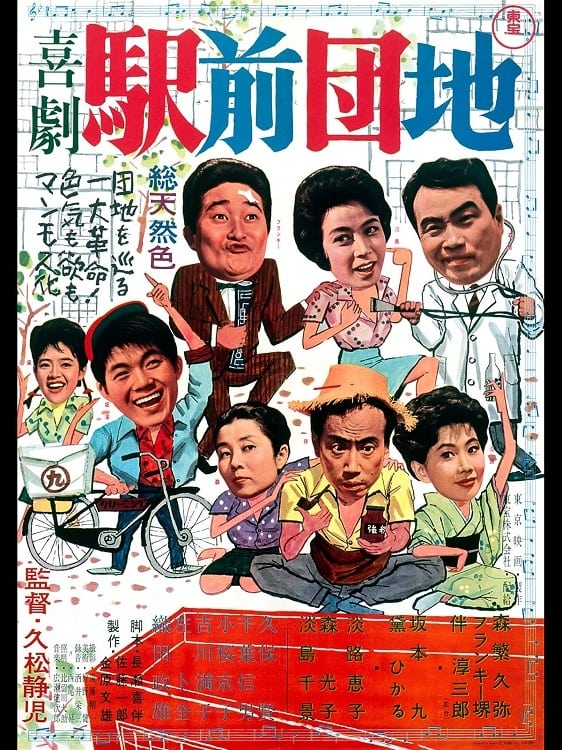
Follow-up to "Ekimae Ryokan." Set around the Yurigaoka and Nishi-Ikuta stations on the Odakyu-Odawara line, the film takes up the problem of real estate around the expanding Yurigaoka apartments.

A young Tokyo salary man and his wife struggle within the confines of their passionless relationship while he has an extramarital affair.

After handing in a report on the treatment of Chinese colonial labor, Kaji is offered the post of labor chief at a large mining operation in Manchuria, which also grants him exemption from military service. He accepts, and moves to Manchuria with his newly-wed wife Michiko, but when he tries to put his ideas of more humane treatment into practice, he finds himself at odds with scheming officials, cruel foremen, and the military police.
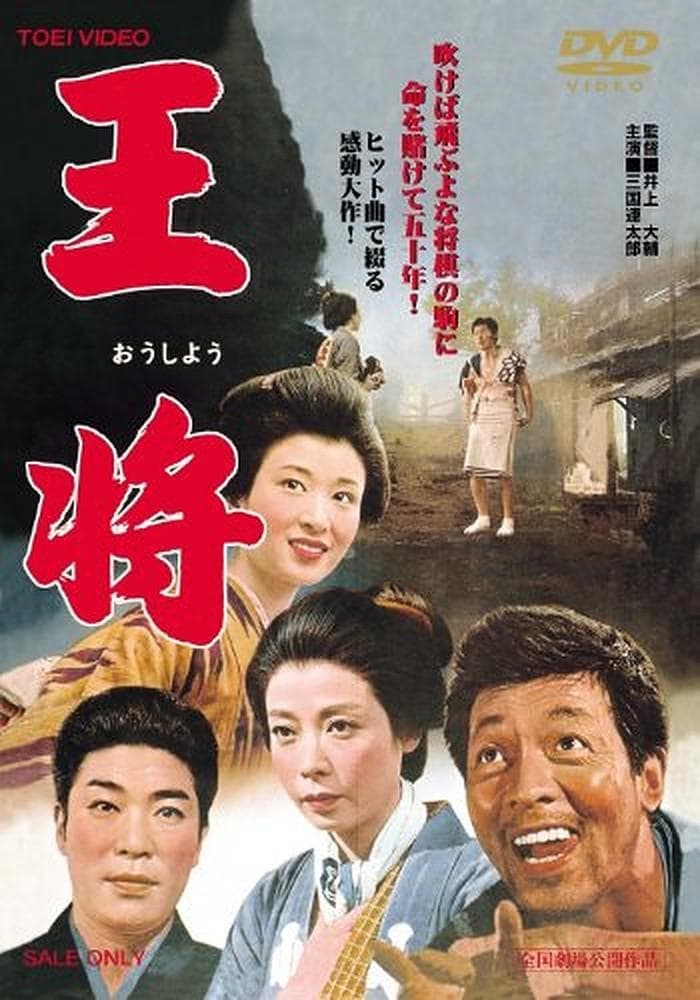
The film takes place at the junction of the two eras of Meiji and Taisho. Sakata Sankichi, an uneducated zori sandal maker, becomes a professional shogi player through his genius shogi skills and lives a fanatically devoted shogi game supported by the love of his family. This is the 3rd adaptation of Hideji Hojo's famous play.
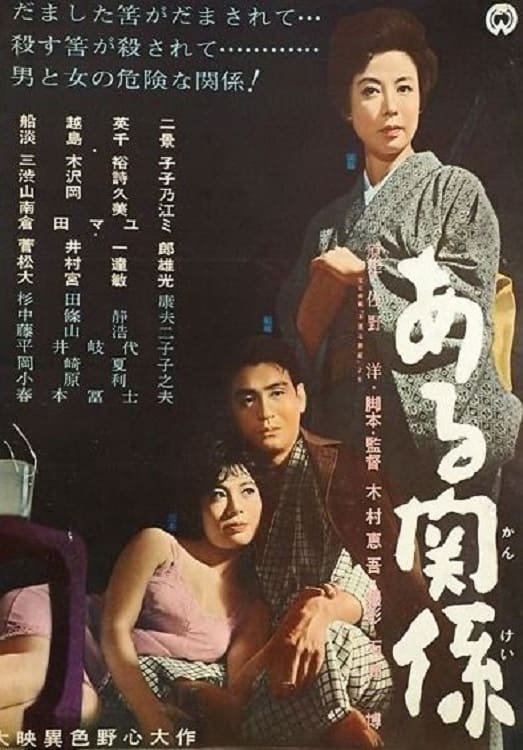
1962 Japanese movie
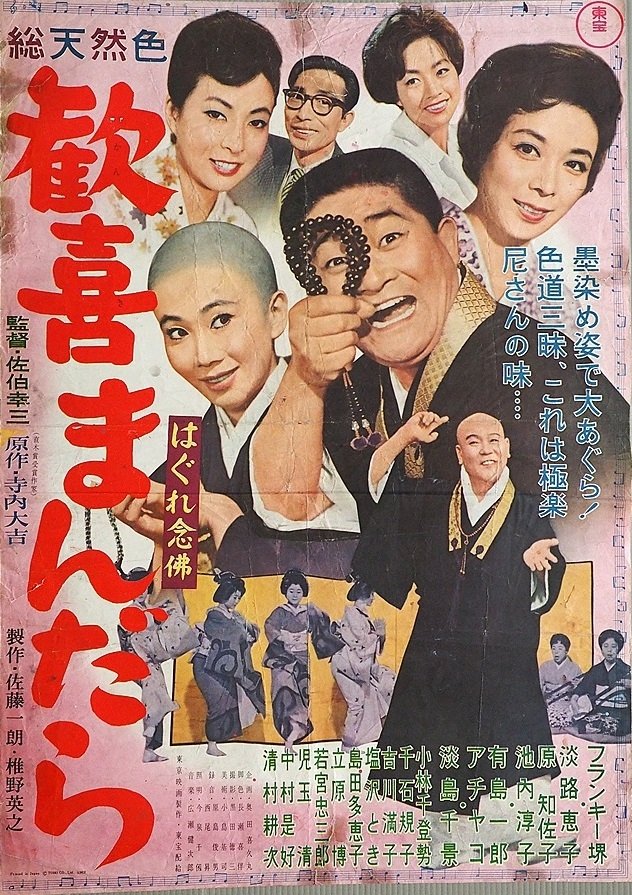
1962 Japanese movie
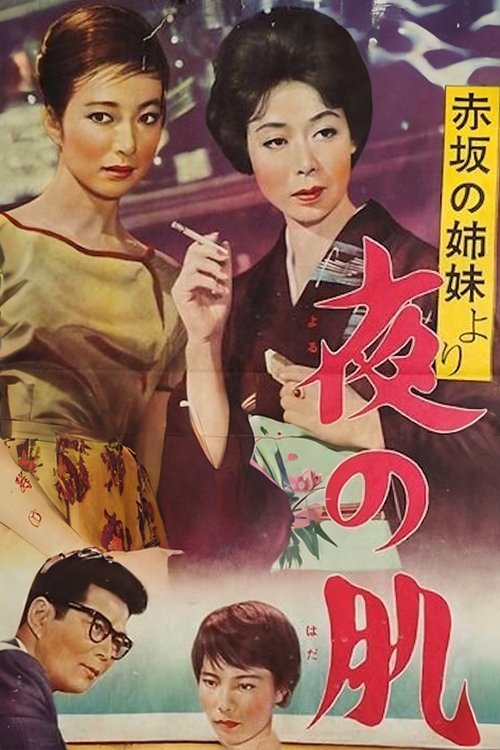
Set in the postwar turmoil, Akasaka no shimai paints a vivit portrait of the life of three sisters who struggle to live in Tokyo.
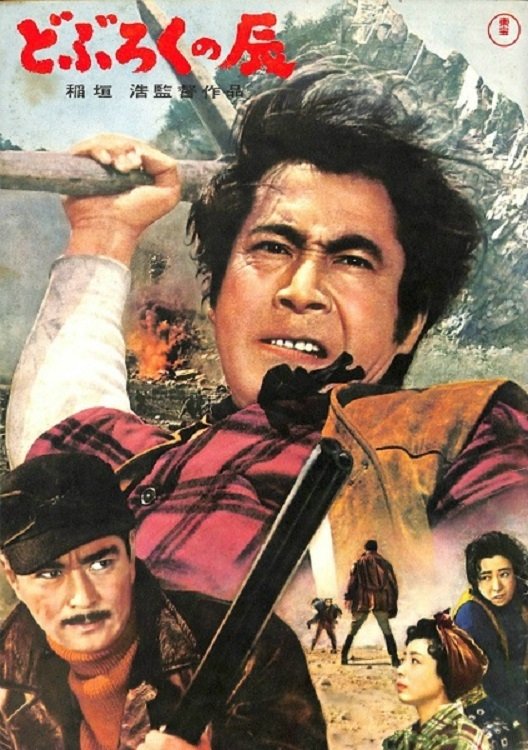
1962 Japanese movie
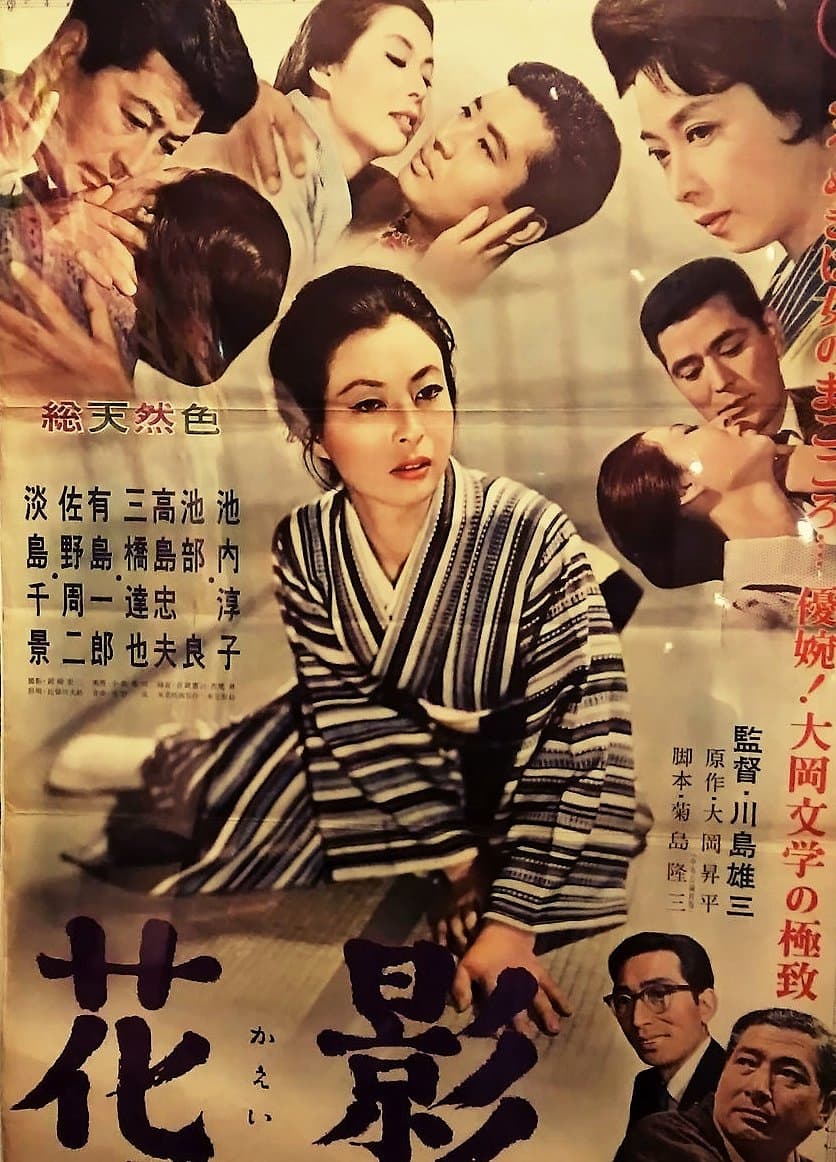
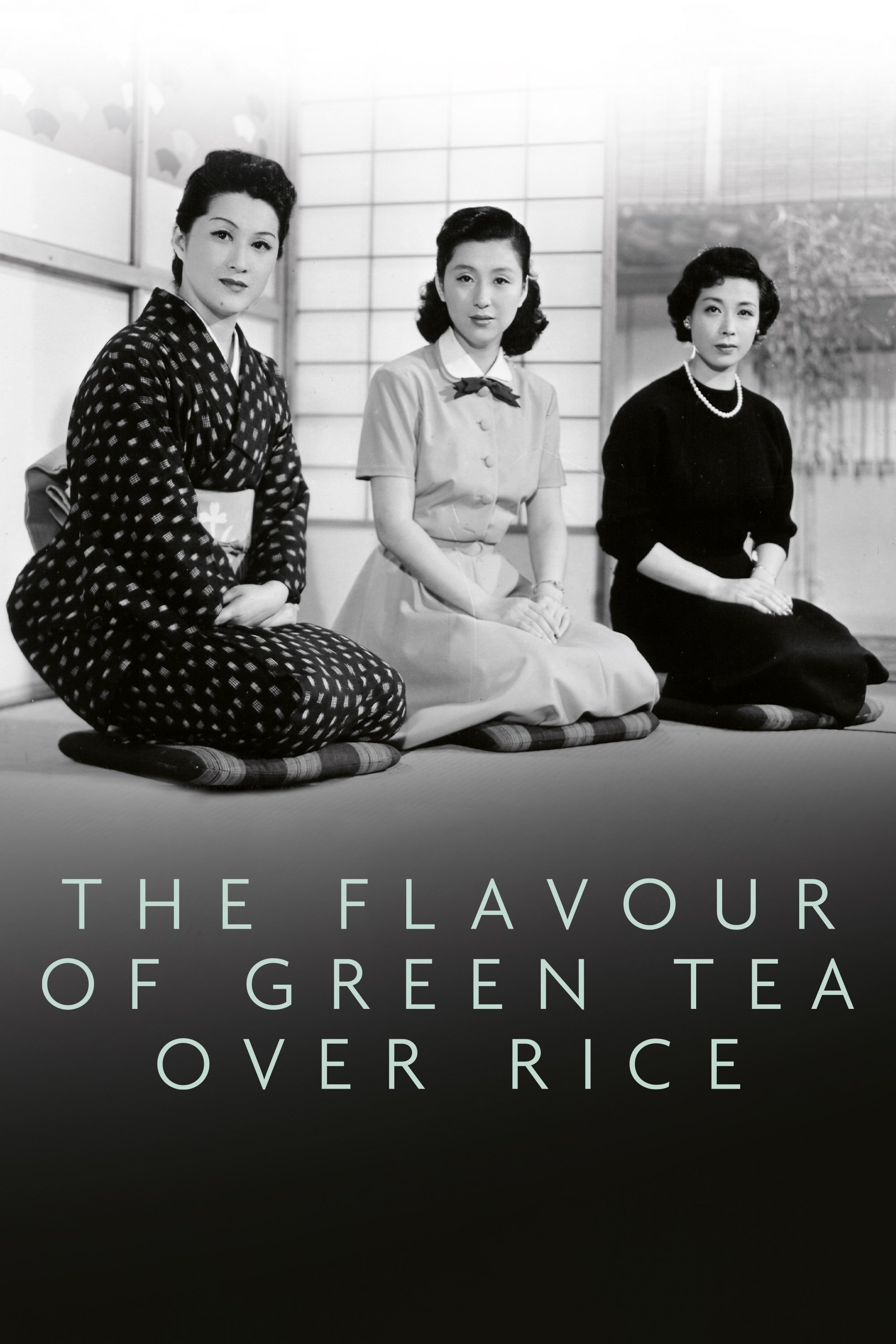
The arranged marriage between a capricious woman from Tokyo high society and a quiet and rustic man is tested by a marital crisis.
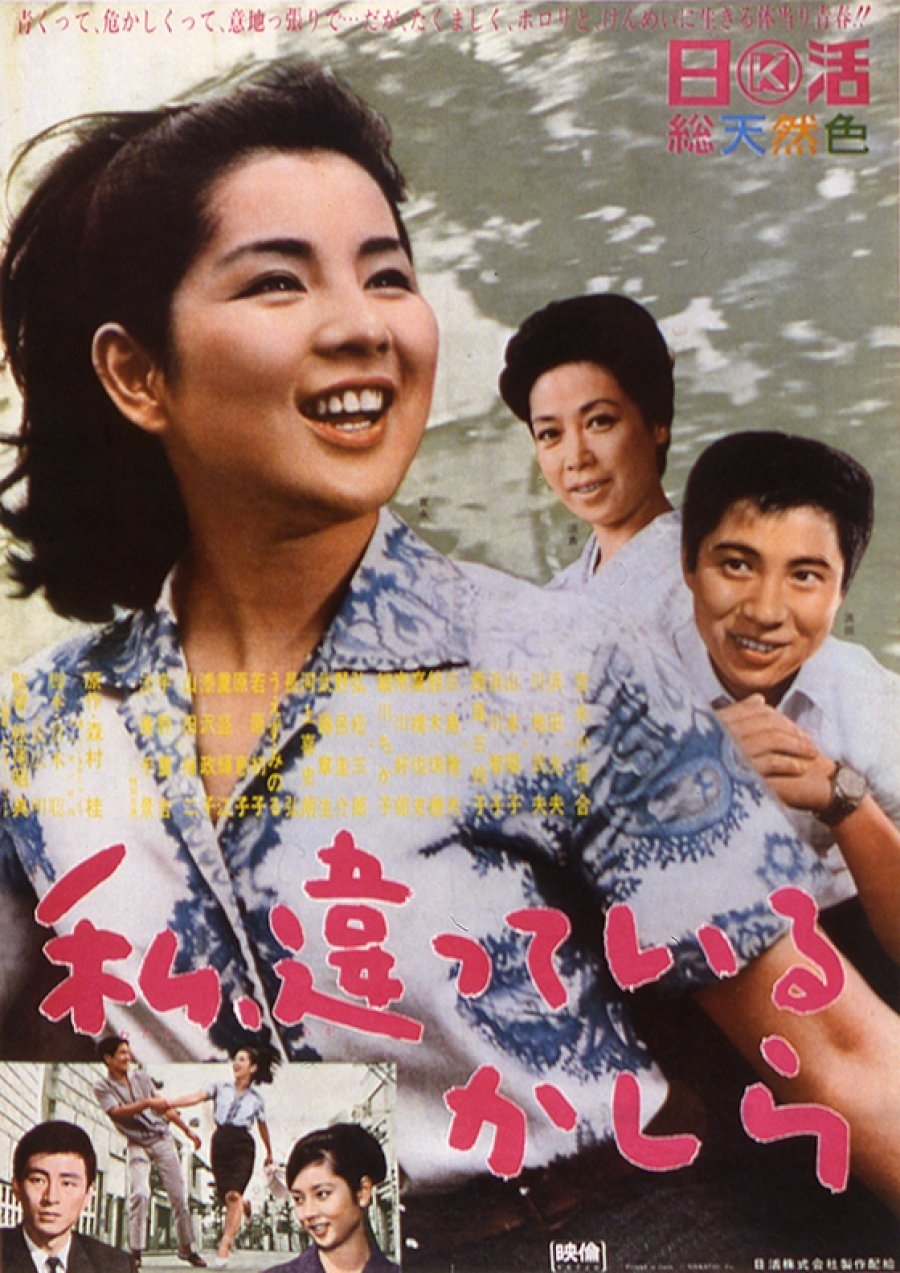
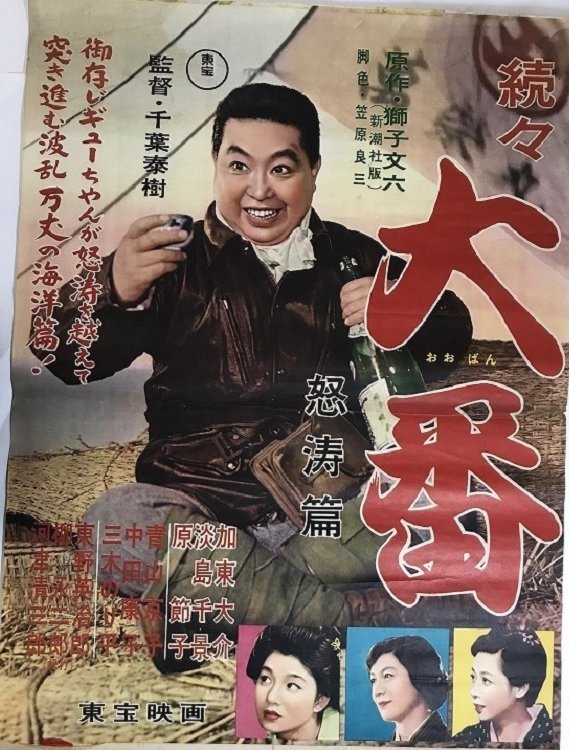
Ushinosuke returns to his hometown to become a farmer. Part three (of four) of the film adaptation of Bunroku Shishi’s novel, Oban.
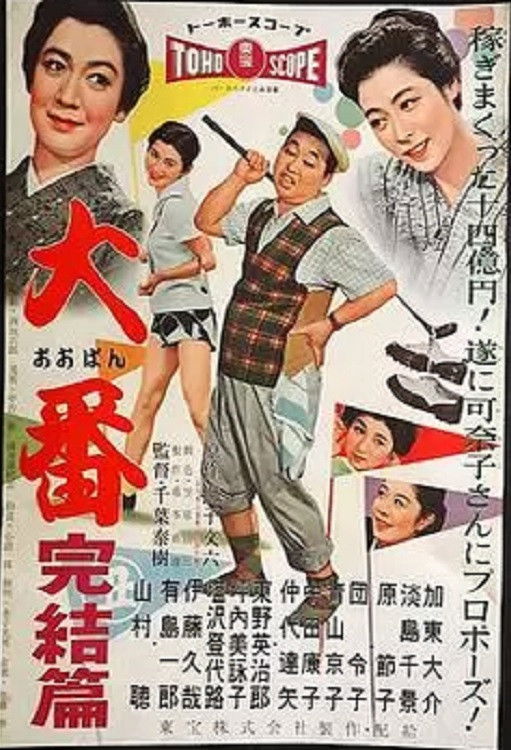
Ushinosuke returns to Tokyo with new ambitions. Fourth and final part of the film adaptation of Bunroku Shishi’s novel, Oban.
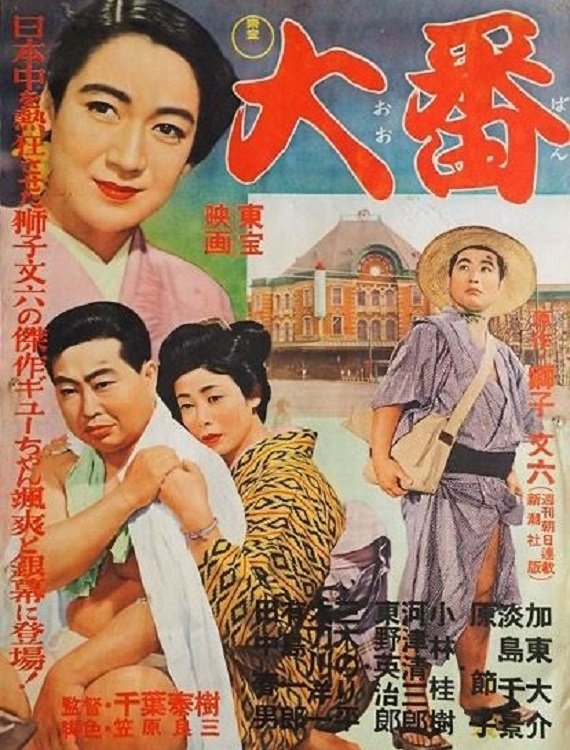
A young country boy leaves his village for Tokyo, where he begins to work as a stock trader. First part (of four) of the film adaptation of Bunroku Shishi's novel, Oban.

Shuzenji Monogatari (The Mask and Destiny) is based on a 12th-century Japanese legend. An abortive royal romance leads to an escalating series of tragedies. The central character is a Japanese monarch who would prefer to live a humble existence as a maskmaker. Unfortunately, events -- and destiny -- are against him. When first released, Shuzenji Monogatari was held in far lower esteem than such recent Japanese films as Gate of Hell and Samurai. Nevertheless, the film was selected as an entry at the Venice Film Festival, possibly on the strength of its excellent production values.
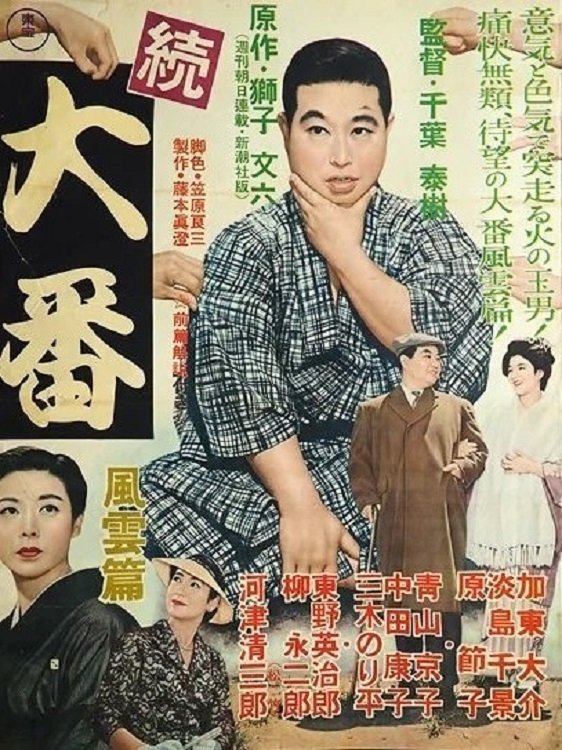
Ushinosuke returns broke to his hometown, where everyone believes he's rich and successful. Part two (of four) of the film adaptation of Bunroku Shishi's novel, Oban.
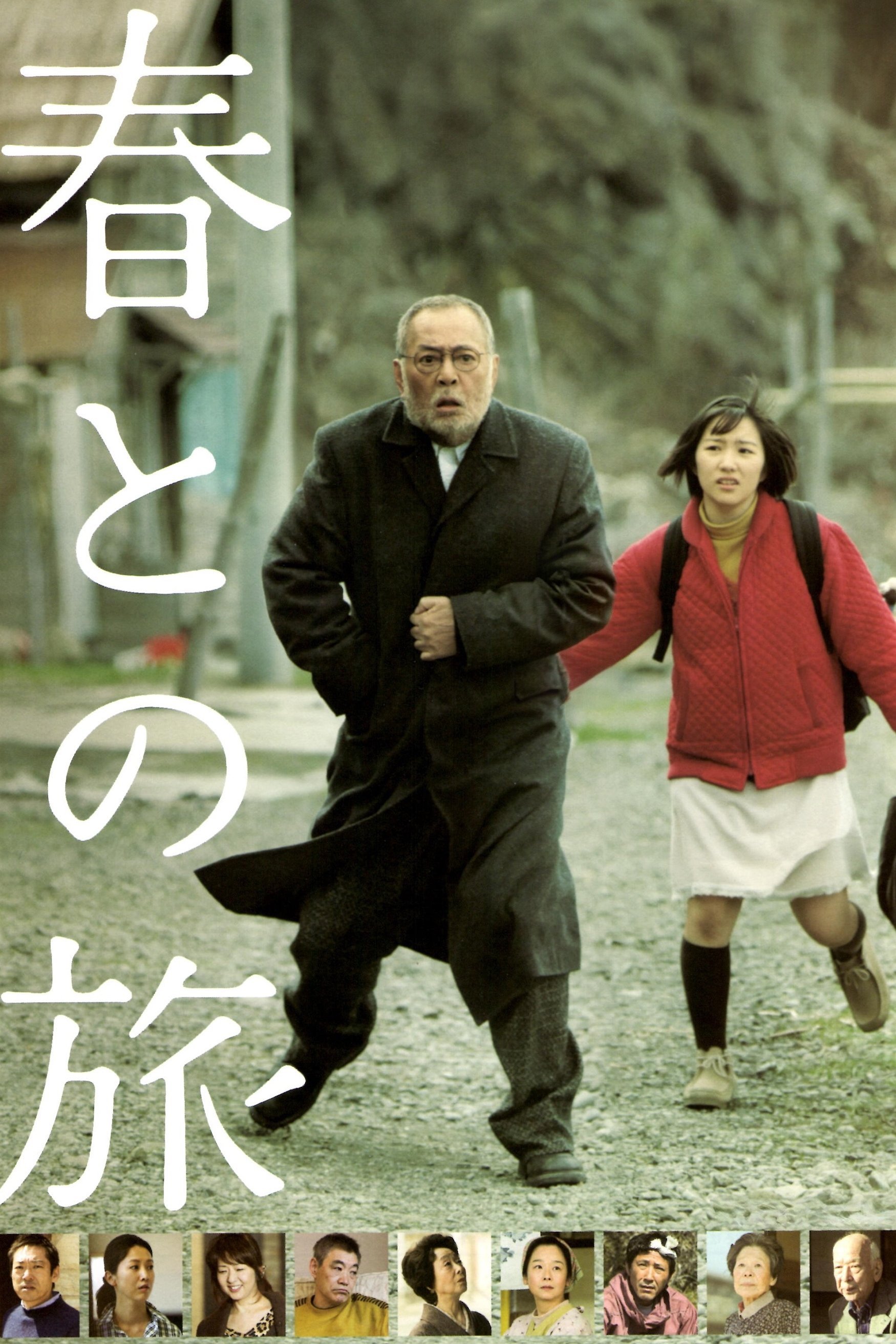
Stuck in a fishing village in Hokkaido, Tadao's grand-daughter Haru is desperate to visit Tokyo, a trip Tadao is reluctant to make.
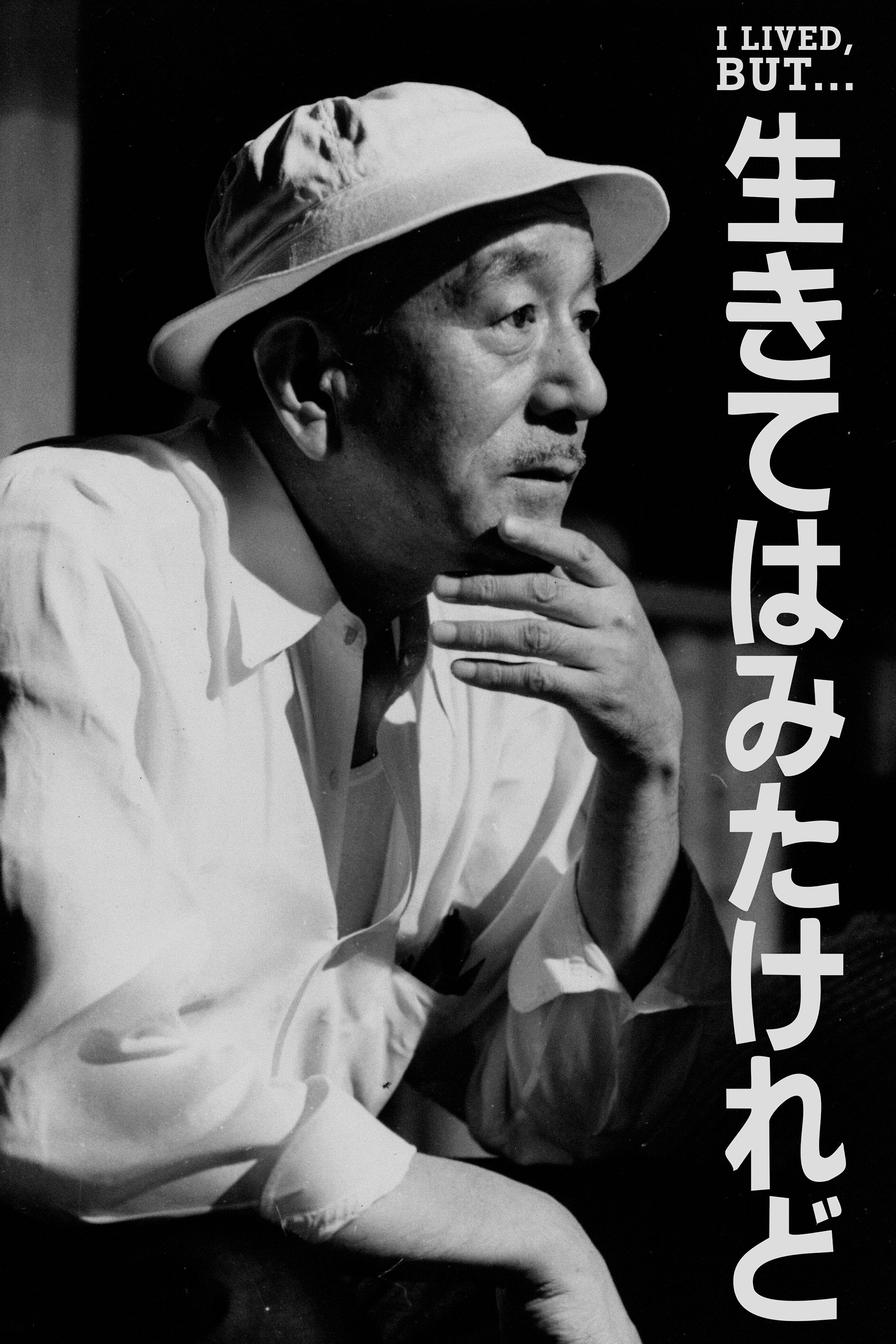
An extremely lovely tribute to Ozu, on the 20th anniversary of his death. It uses a combination of footage from vintage films and new material (both interviews and Ozu-related locations) shot by Ozu's long-time camera-man (who came out of retirement to work on this). Surprisingly (or perhaps not), it focuses less on Ozu's accomplishments as a film-maker than on his impact on the lives of the people he worked with..
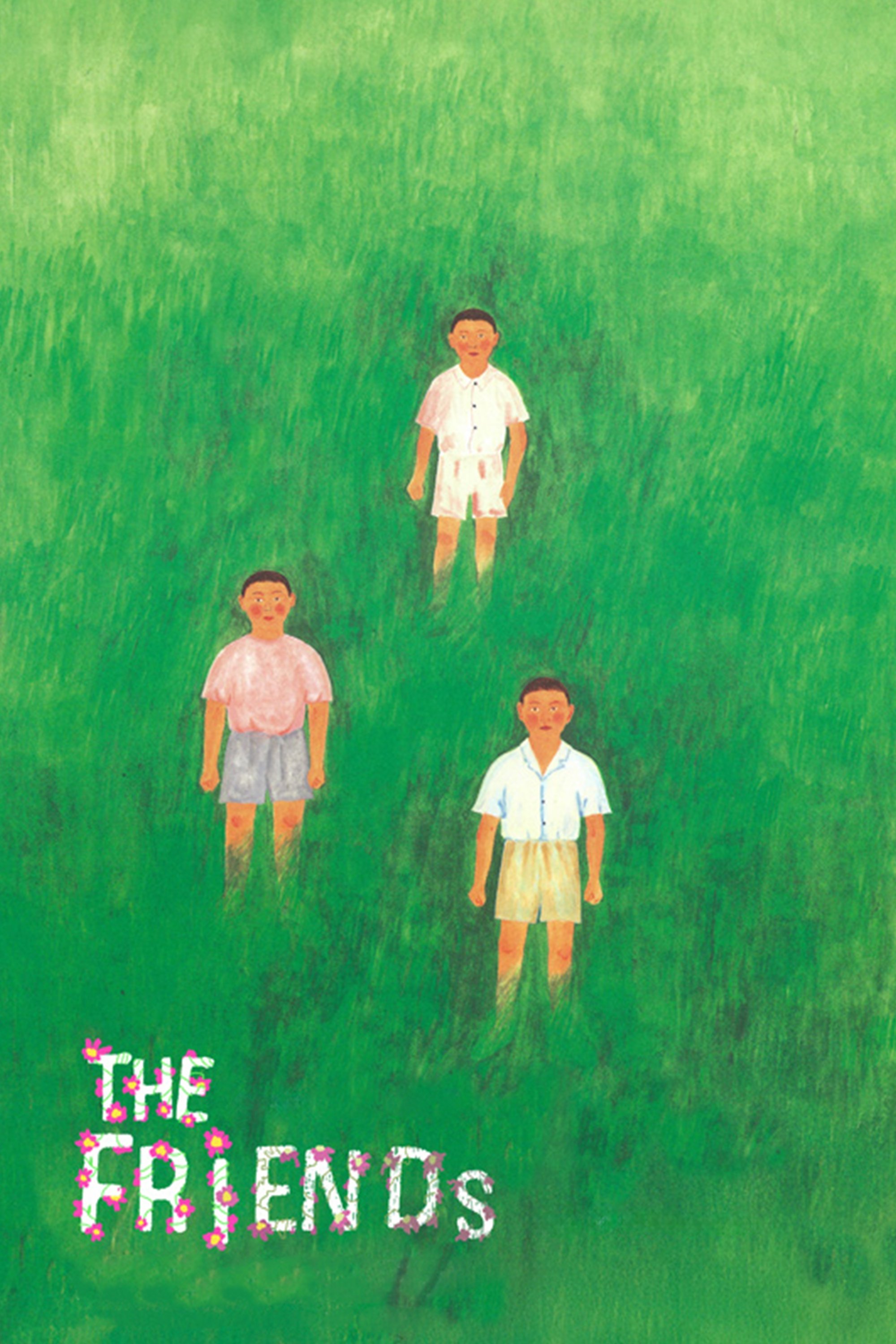
A delightful and moving coming-of-age story. One summer, three young boys take an increasing interest in an eccentric old man who lives alone in a house surrounded by an overgrown garden. The boys form a bond with the recluse and set about weeding and replanting the garden.

A war widow with a young boy manages a farm with her bossy mother-in-law. When a reporter comes to interview her, the two begin an affair. He turns out to be married and won't leave his wife. Her older brother tries to marry off his children and hang on to/ extend his farm through an advantageous marriage in the face of threatened land confiscation and the desire of his children to get comfortable urban jobs instead of the backbreaking work in the paddy fields under parental control.
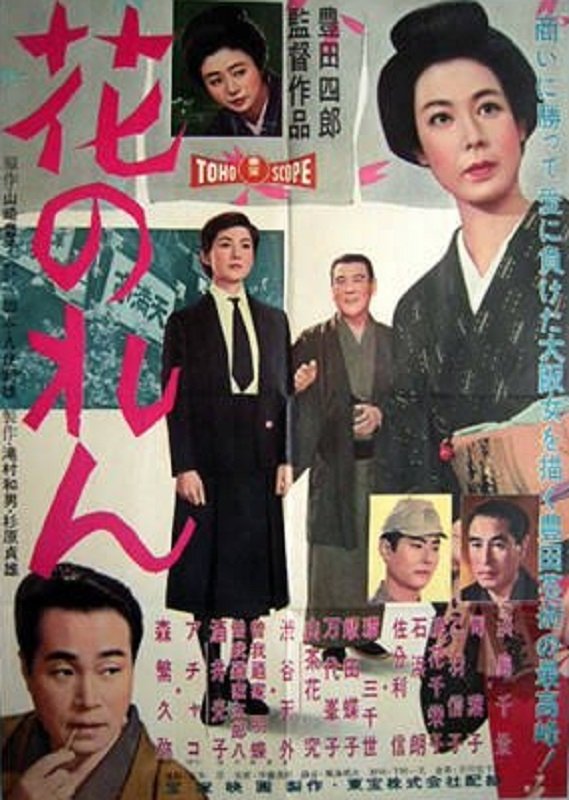
The movie depicts the strength and resilience of a woman who spent her entire life as a merchant in Semba, Osaka.
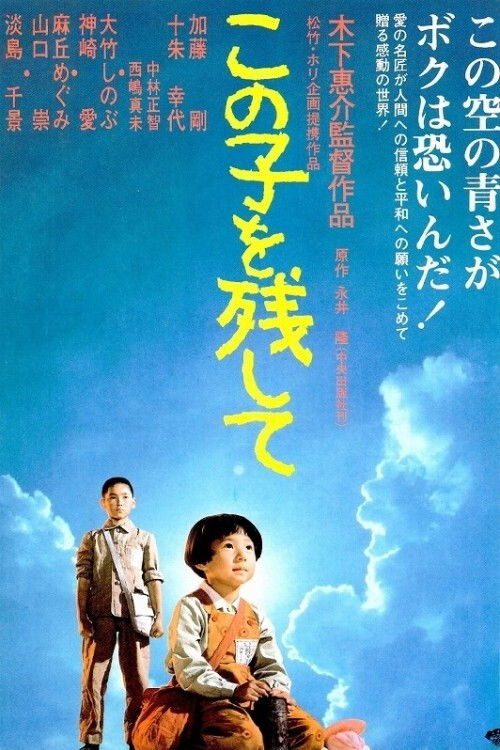
August 9, 1945. An atomic bomb drops on Urakami, Nagasaki at 11:02am. The story of Dr. Nagai and his family.
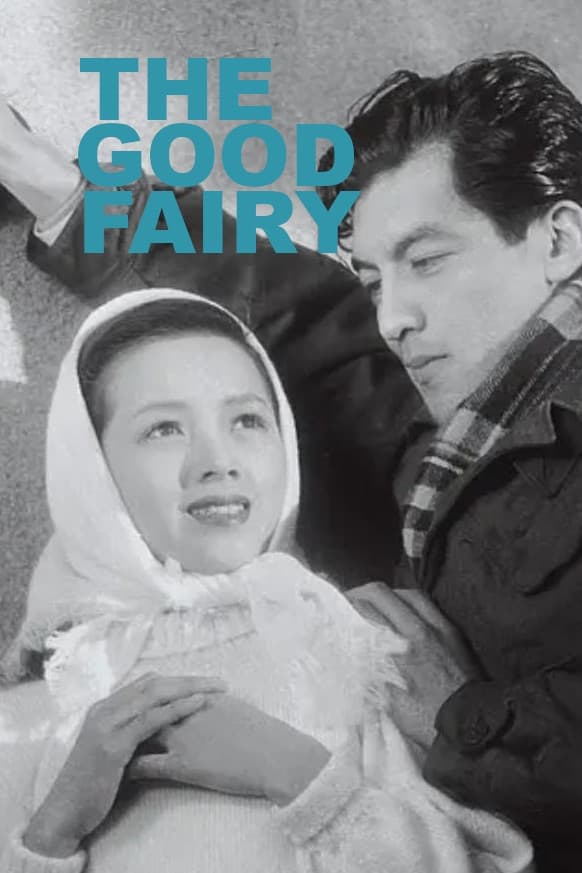
The wife of an elite government official left her husband, and a young journalist is sent to investigate the case. But his boss has a hidden agenda.
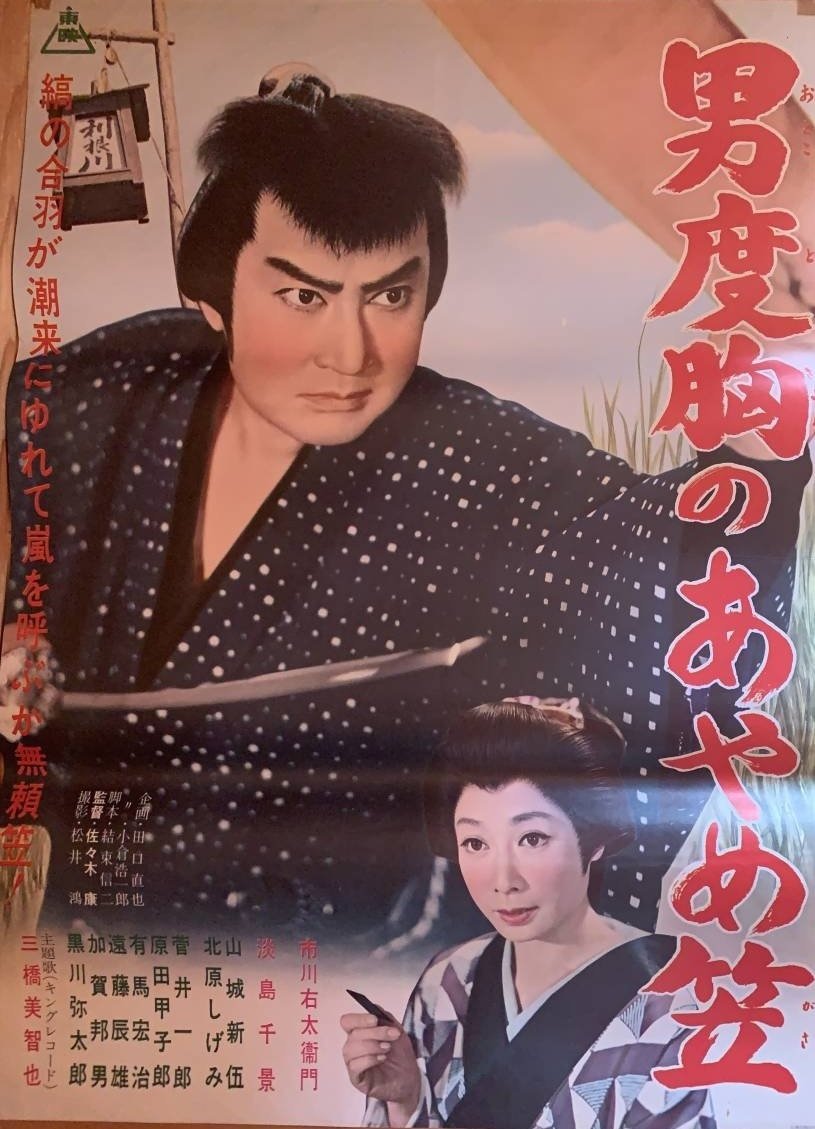
1962 Japanese movie
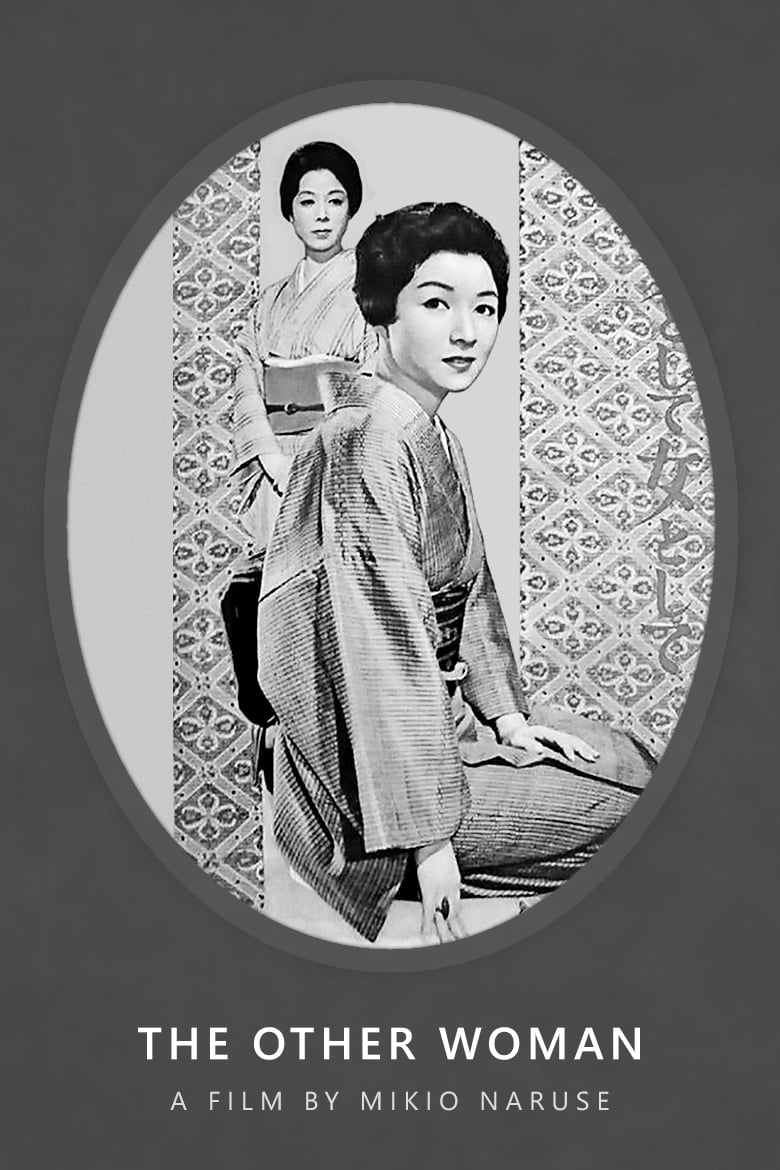
In "The Other Woman" the children of a distinguished professor find that the woman they have come to regard as their racy and slightly disreputable Ginza aunt is really their mother.
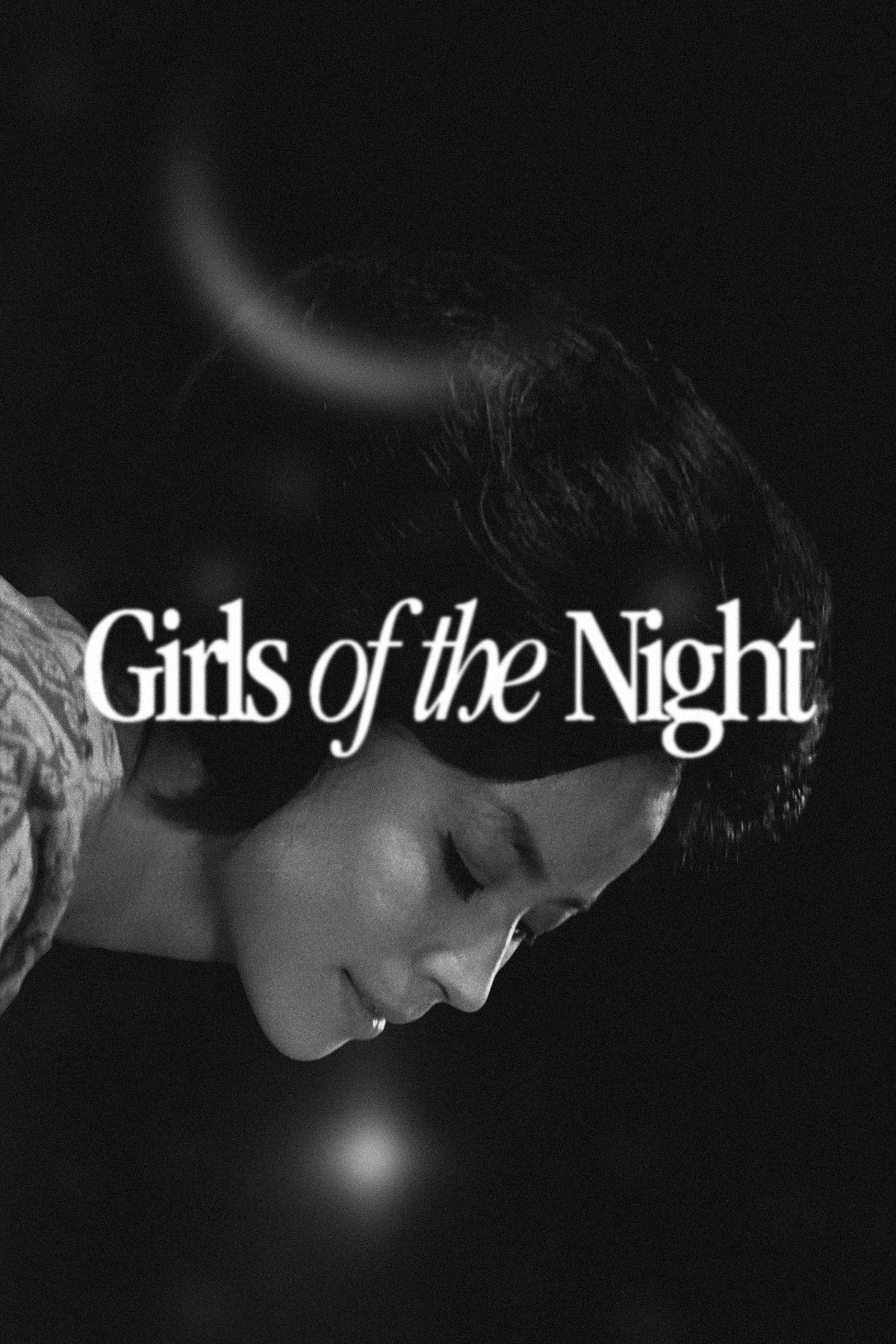
In the wake of the 1956 Prostitution Prevention Law, a young woman recently released from one of Japan's new rehabilitation centers struggles to build a new life.
A girl rebels against her mother, who runs a brothel in Yokohama, and attempts to find freedom on her own.
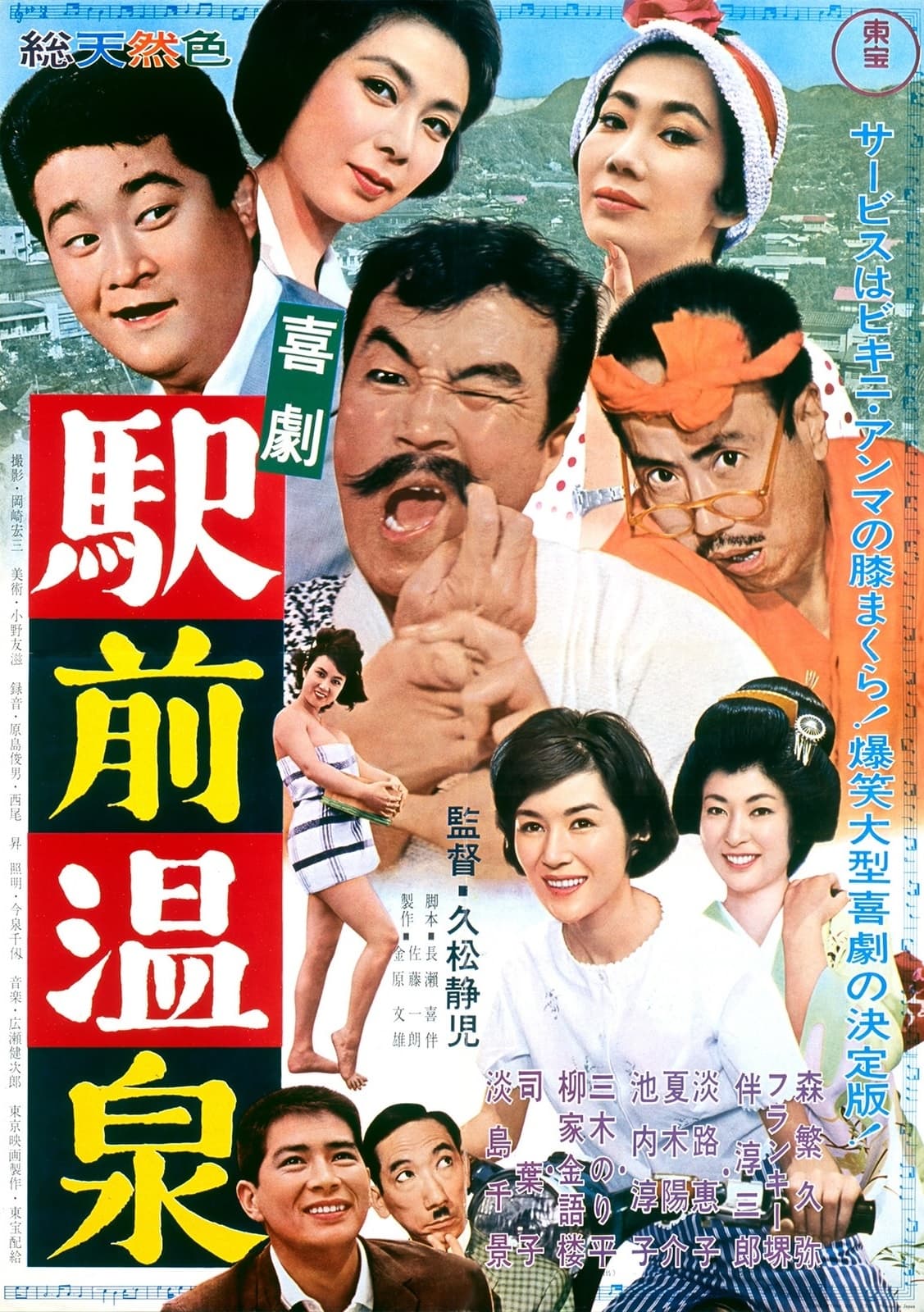
Fourth entry in the Ekimae series, focusing on the restoration of a Fukushima hot spring inn.
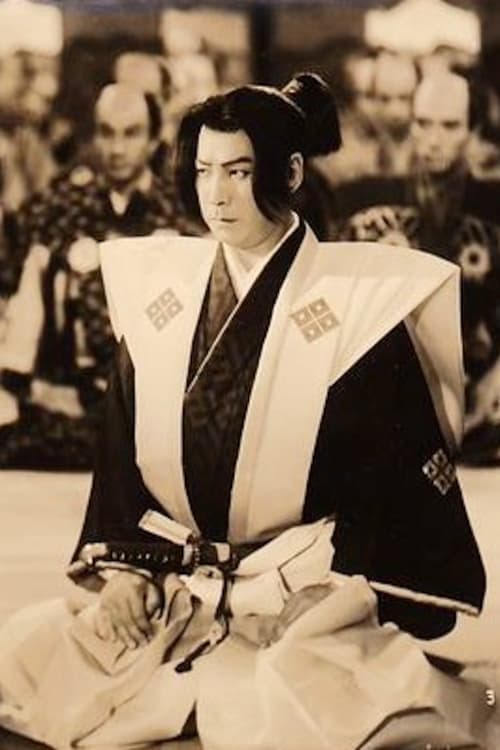
As the reputation of Sasaki Kojiro, who traveled through various provinces with his long sword seeking duels, began to spread, he was summoned by Lord Hosokawa Sansai upon the recommendation of Kokura clan warrior Iwama Kakubei. However, at this time, due to the proposal by Nagaoka Sado, it was agreed that Kojiro would face Miyamoto Musashi in a duel. If he won, Kojiro would officially become the chief instructor, as he desired. Until then, he had a provisional stipend of 500 koku. Learning that Musashi was in Kyoto, Kojiro set off for the city. En route, he was joined by a woman named Shino, who held a grudge against Musashi.
As the reputation of Sasaki Kojiro, who traveled through various provinces with his long sword seeking duels, began to spread, he was summoned by Lord Hosokawa Sansai upon the recommendation of Kokura clan warrior Iwama Kakubei. However, at this time, due to the proposal by Nagaoka Sado, it was agreed that Kojiro would face Miyamoto Musashi in a duel. If he won, Kojiro would officially become the chief instructor, as he desired. Until then, he had a provisional stipend of 500 koku. Learning that Musashi was in Kyoto, Kojiro set off for the city. En route, he was joined by a woman named Shino, who held a grudge against Musashi.
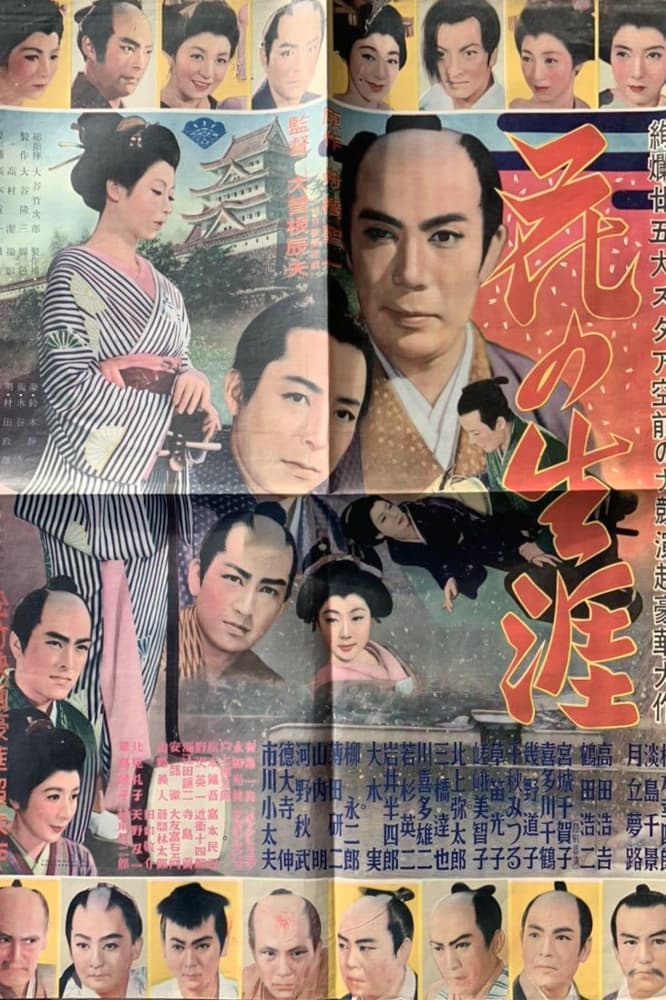
In 1842, in the Umemoku Mansion within Hikone Castle, Naosuke Ii, despite the tumultuous times, was engrossed in the world of tea ceremony. His friend, the Kokugaku scholar Nagano Shuzen, introduced him to a captivating shamisen master named Murayama Taka. Naosuke became deeply infatuated with her, disregarding the jealousy of his consort Shizu and the warnings of his senior retainer, Gaiji. However, upon discovering Taka's relationship with Shuzen, Naosuke promptly ended his ties with her.
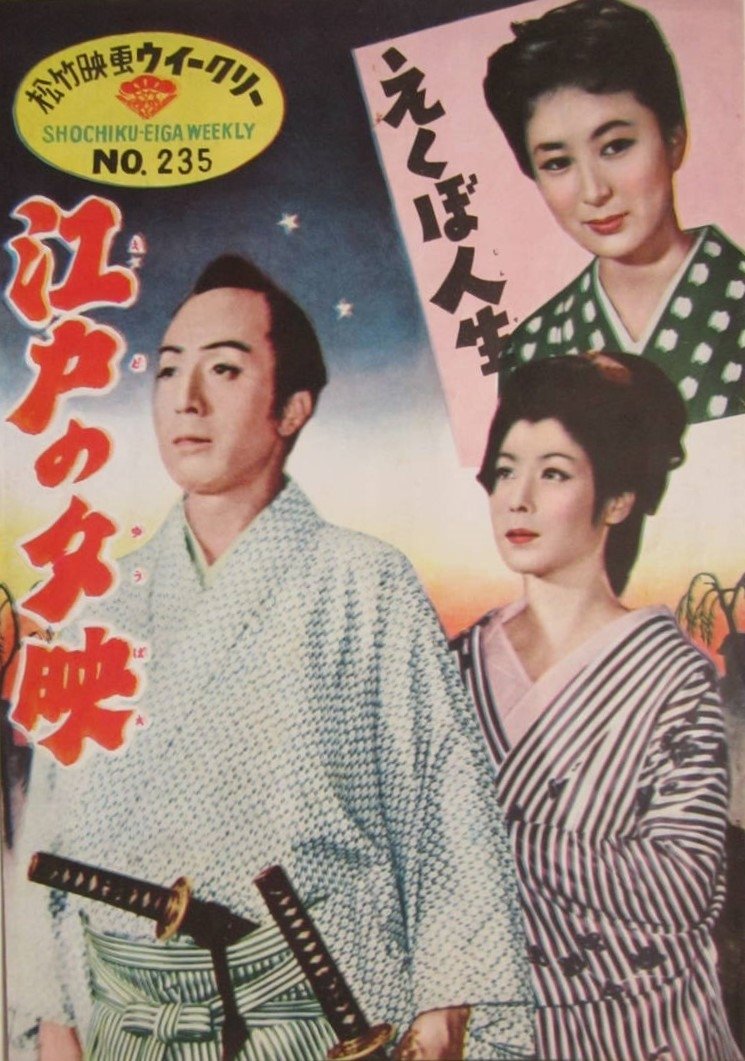
In the fourth year of Keio (1868), defeated retainers sought to restore the Tokugawa shogunate with the help of Enomoto Takeaki's navy. Honda Koroiku was one of them. He discreetly handed a departure note to his fiancée, Otosei, the daughter of Matsudaira Soebe, and left Edo. Otosei's cousin and Koroiku's friend, Domae Daikichi, was once a brave warrior of the shogunate army. However, he had since fallen into a life of debauchery in Yanagibashi and was rumored to be involved with a geisha named Orikki.
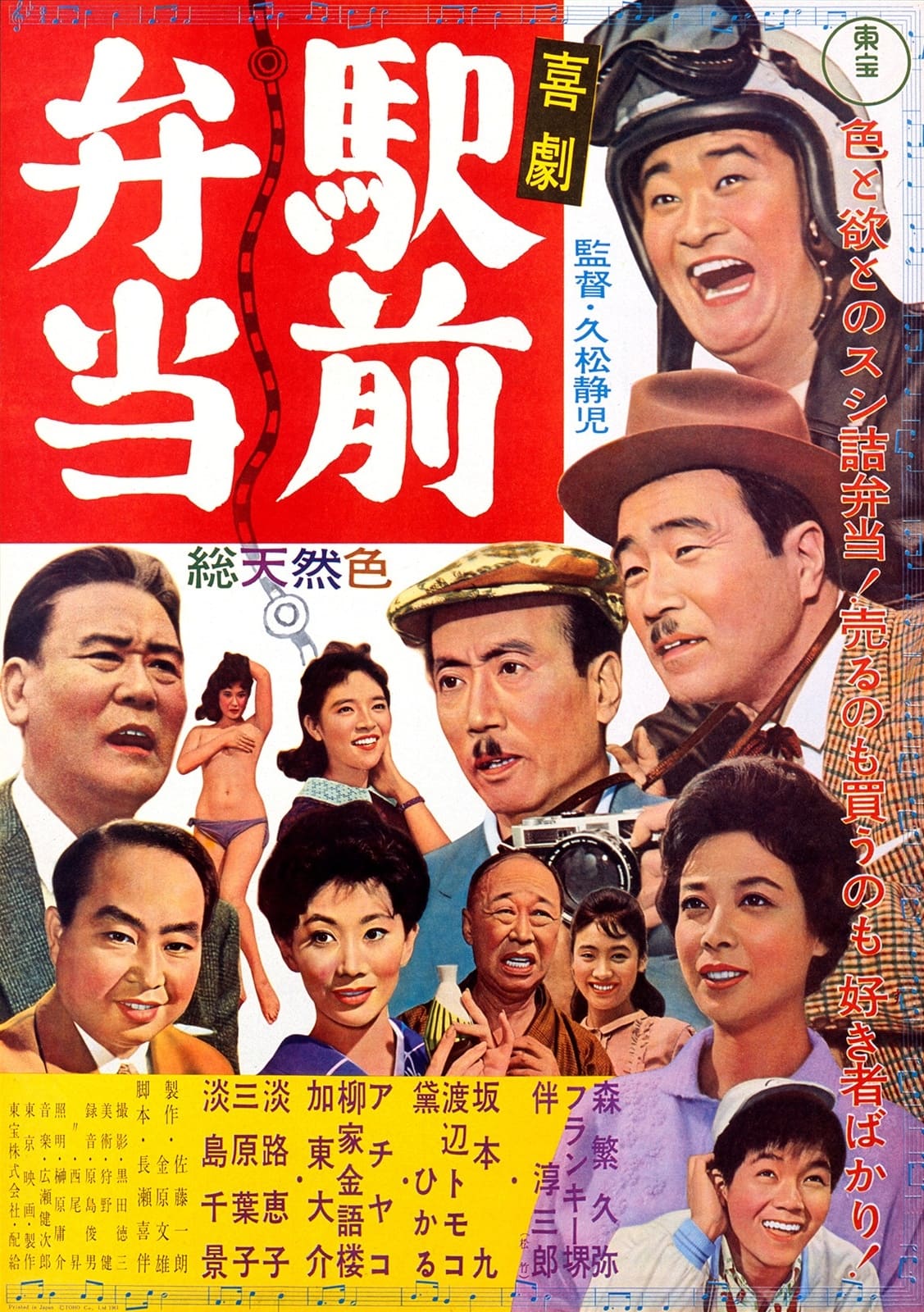
Third film in the "Ekimae" series, this time set in Hamamatsu. A widow named Keiko and her brother Jiro run the bento shop, "Goraku." One day, Keiko asks for advice from her childhood friends Kintaro, a textile manufacturer, and Magosaku, an entrepreneur, about a big-shot from Osaka who wants to invest in her shop. However, Kintaro and Magosaku suspect that things are not what they seem...
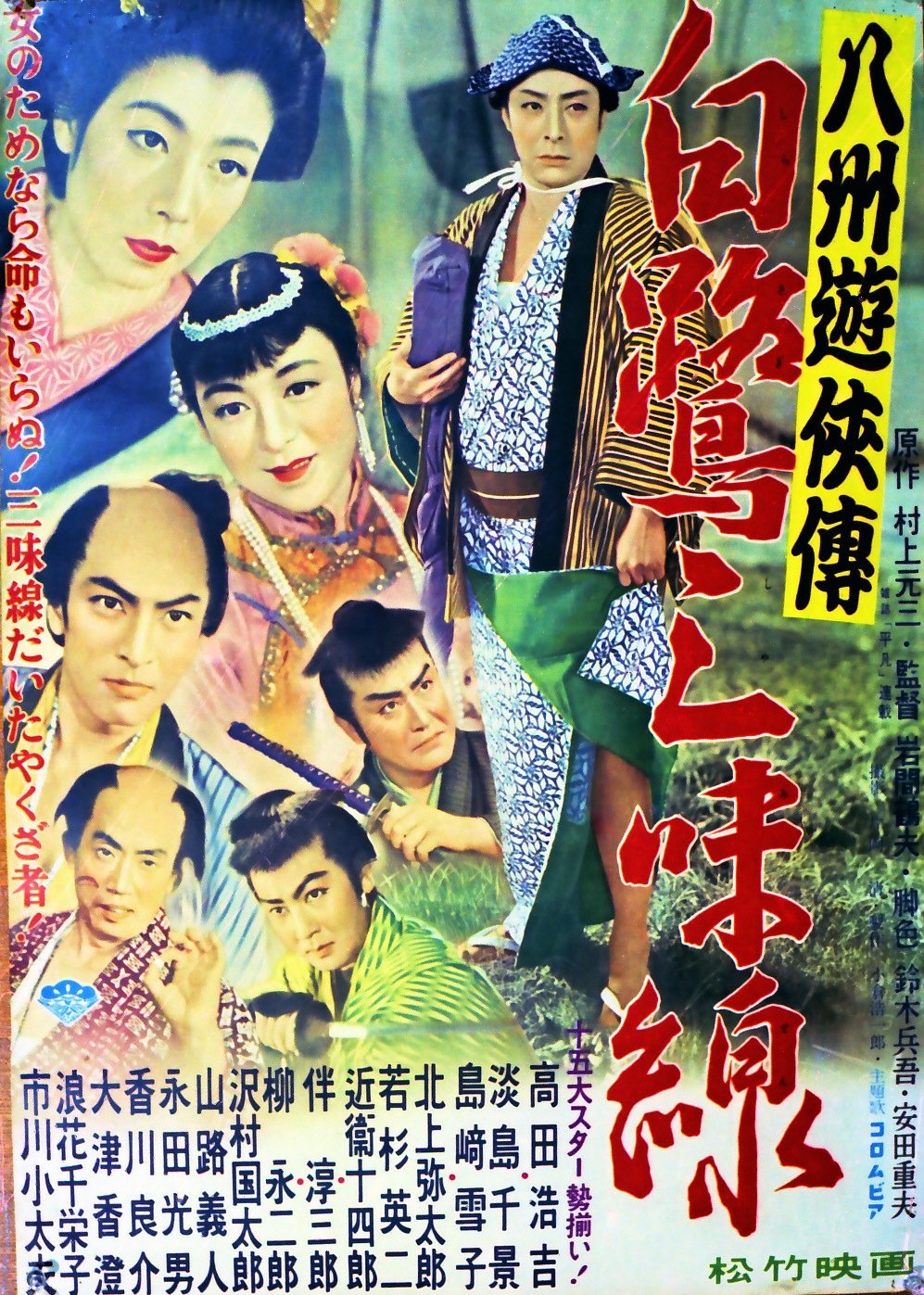
Hatamoto Ooka Gentaro was deeply committed to a future with a beautiful girl named Omachi, a relationship facilitated by his love of the shamisen. Omachi was stalked by a ronin named Akiyama Kanosuke, and at one point, Gentaro and Akiyama dueled at Matanuiyama, but the confrontation was left unresolved when Omachi, sensing urgency, called the authorities. Meanwhile, Gentaro's uncle, Kii-no-kami, concerned about Gentaro's whereabouts, ordered him to investigate a conspiracy by Tachibana Tadama, a tyrannical director of Hachijo who exercised his power oppressively in Shimousa Iioka. Gentaro attempted to leave on a journey with Omachi but was obstructed by his uncle's retainers.
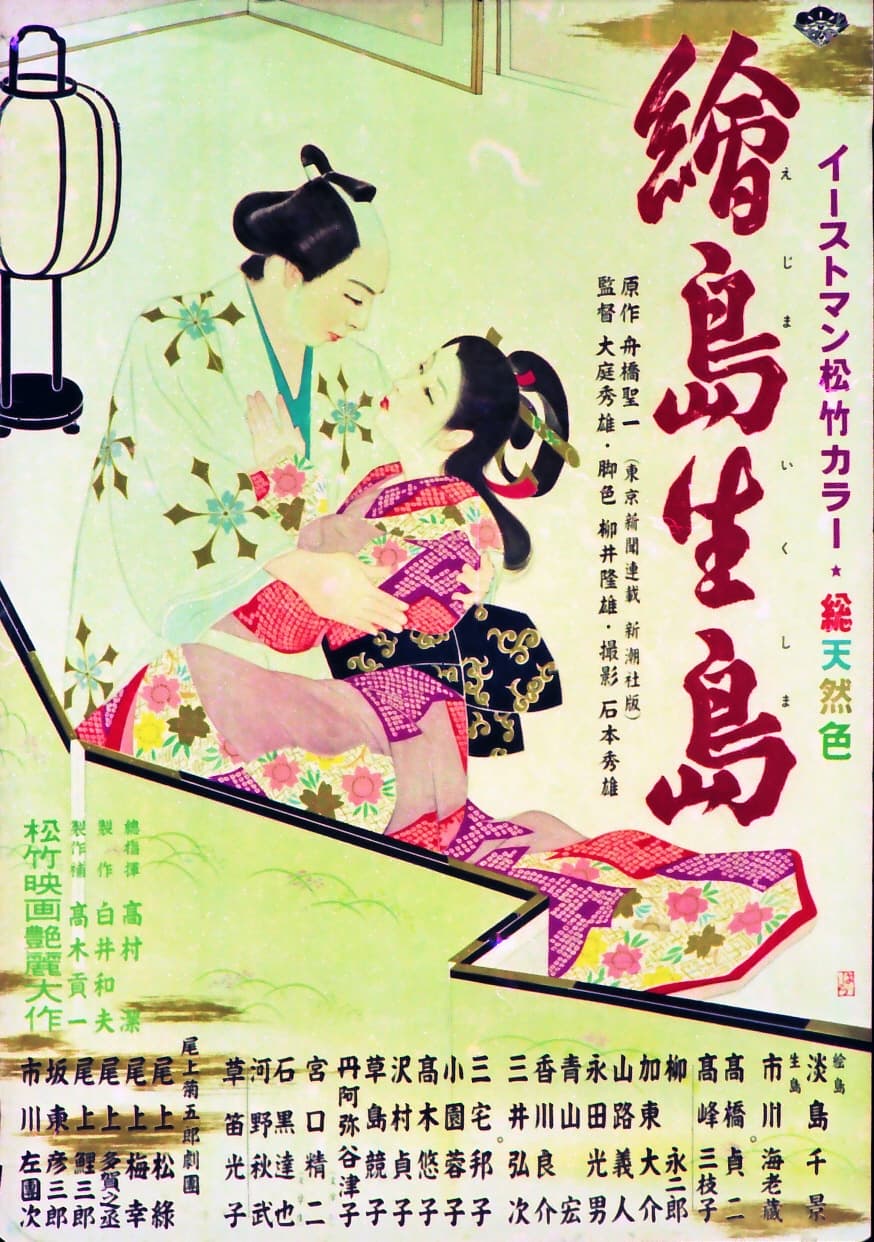
This period film is inspired by one of the most notorious scandals to have taken place in Edo-period Japan. The heroine, Ejima, was a lady of the Ooku, the harem of Edo Castle in which the Shogun’s mother, wife and concubines resided, forbidden from contact with any other man except in the presence of the Shogun. The institution played a key role in the Byzantine world of Japanese court politics during the Edo era. In 1714, Lady Ejima was sent to pay her respects at a Buddhist temple in the city, and chose to pay an unauthorised visit to the kabuki theatre – a violation of protocol that was to have tragic consequences.
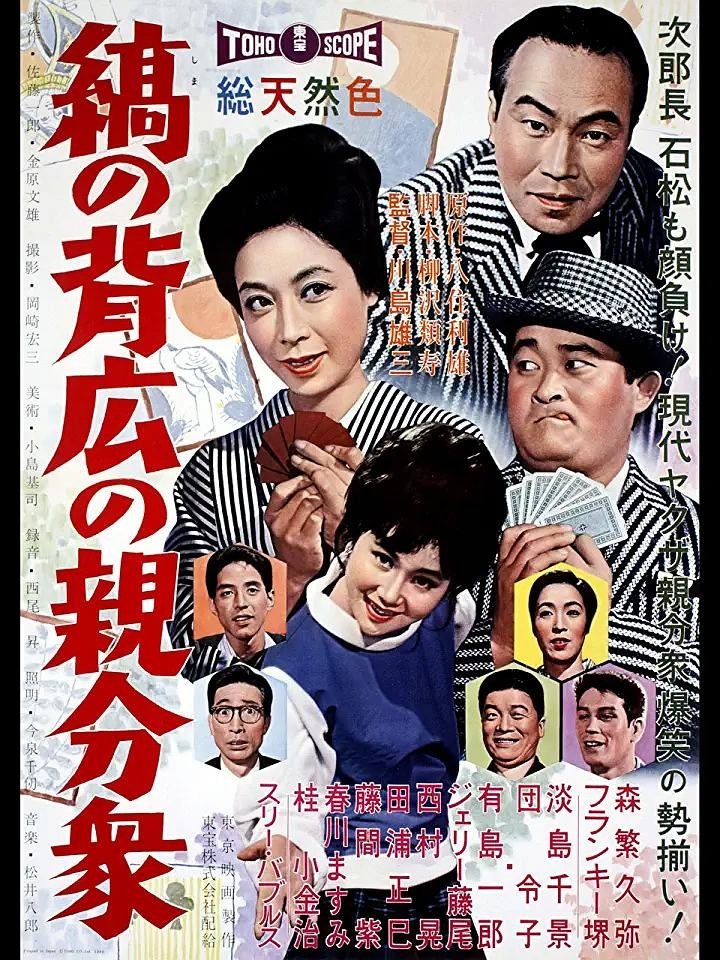
Keisuke Morita, a man with dark glasses standing on the Shibaura pier, a descendant of an illegitimate descendant left behind in Osaka and a brother of the Otorigumi, returned from South America for the first time in 15 years. When he stepped on the soil of his native land, his first thought was to visit Otanuki Fudo, the guardian deity of the Otorigumi, but the Otorigumi had fallen and Otanuki Fudo was on the verge of eviction for the construction of an expressway. Keisuke and Joji put on the striped suits left to them by their late boss, and set out to rebuild the clan...
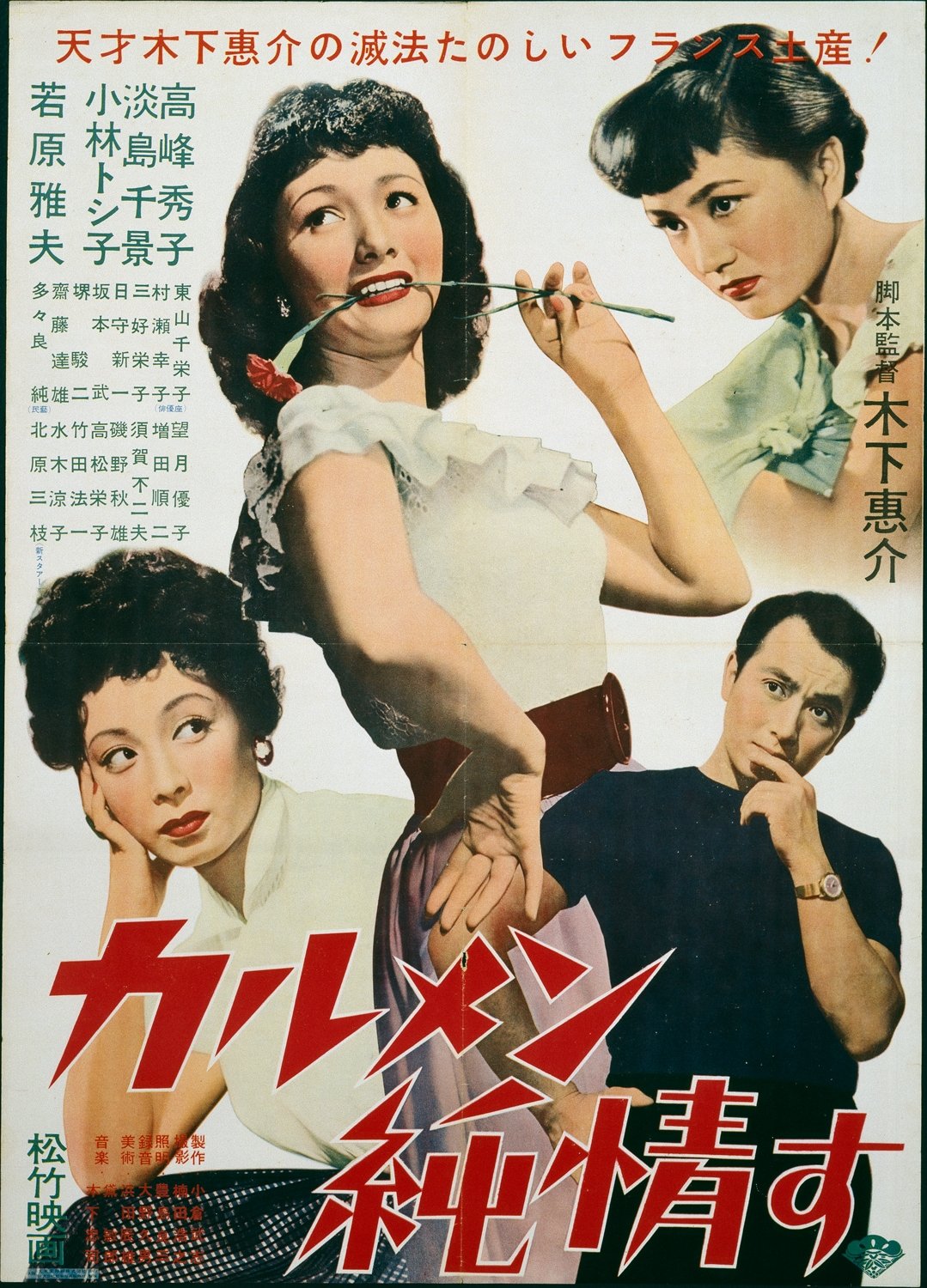
Strip dancer Carmen falls in love with Hajime, who is engaged to the daughter of a right-wing politician.
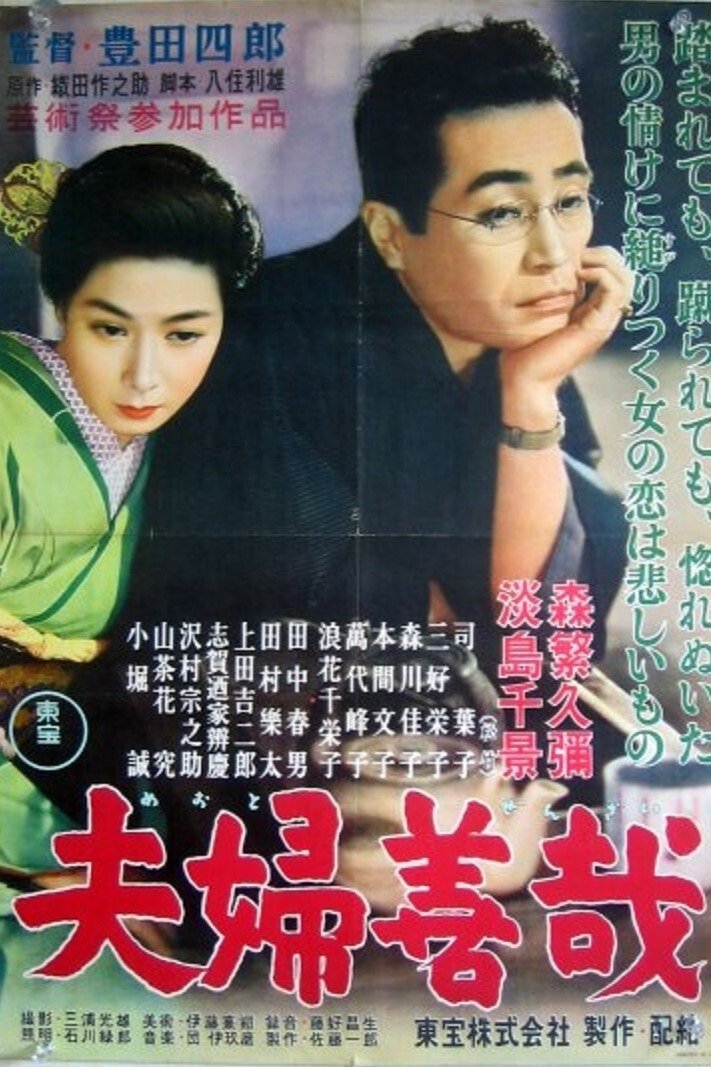
The story of a couple, a spoiled son and a down-to-earth girl, in Osaka in the early Showa era. The film won the prestigious Blue Ribbon awards for best director, best actor (Morishige) and best actress (Awashima), and the Mainichi Concours award for best actor and best screenplay (Yasumi Toshio). It ranked second (after Naruse Mikio’s Ukigumo) on the Kinema Junpō top ten films for the year.
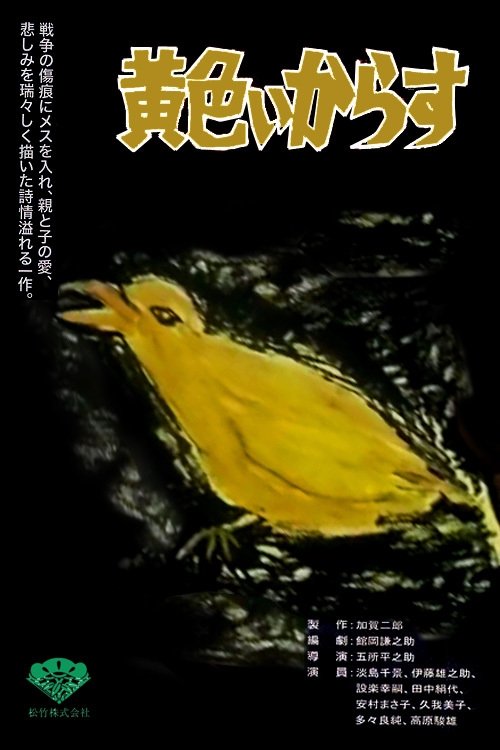
Ichiro Yoshida, the father of the boy Kiyoshi, who has been repatriated from China, returns home after a ten-year separation. The father, who has been estranged from his son for many years, pays no attention to the boy, often punishes him unfairly, and gives all his tenderness to his little daughter, who was born after his return. The boy sees all the injustice of his father and, offended, leaves home. The father realized that he was wrong, that he was guilty before his son. The mother finds the boy and brings him home. The father and the son become friends from that day on.
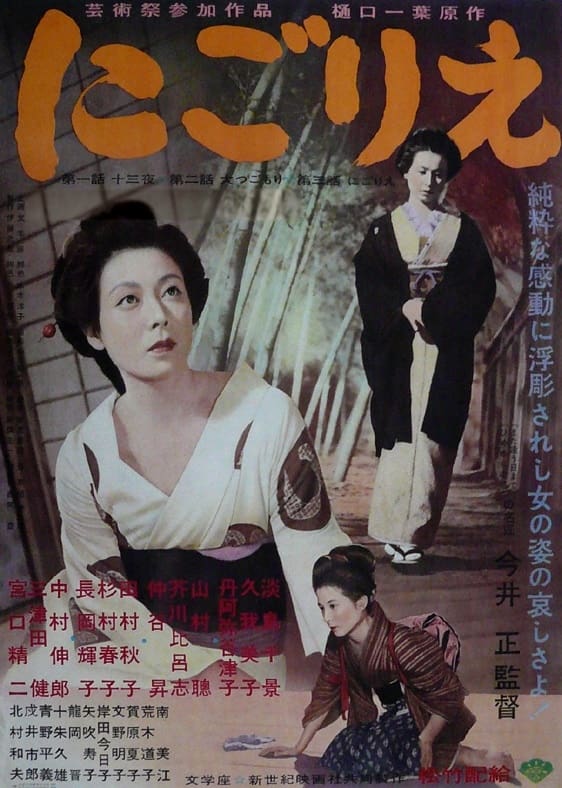
A Japanese woman writes down three stories she has witnessed or heard of in her diary, each about the difficult situation a young woman finds herself in.
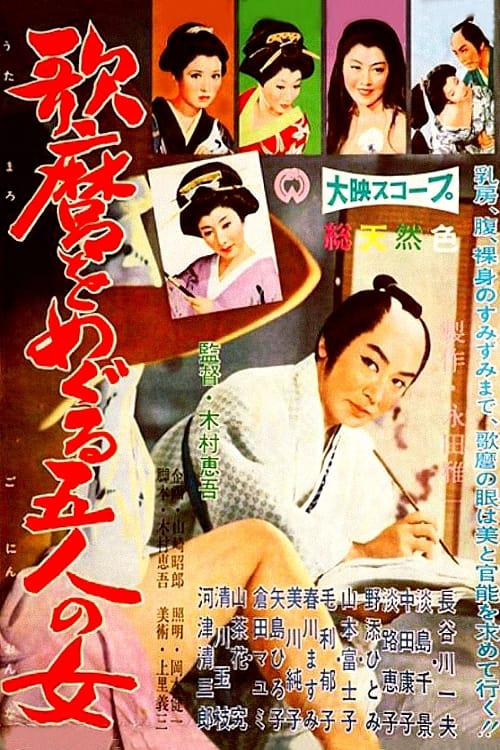
Kitagawa Utamaro is a famous ukiyo-e artist known for his paintings of beautiful women. The courtesan who became his model became even more popular. Ocho, a resident of an apartment building, hears about this and secretly plans to follow Otose, the owner of Mizuta-ya, who became famous as Utamaro's model. At this time, the Kano school, headed by Kano Eikawa, which was under the control of the shogunate, is dissatisfied with Utamaro's fame and tries to compromise him…
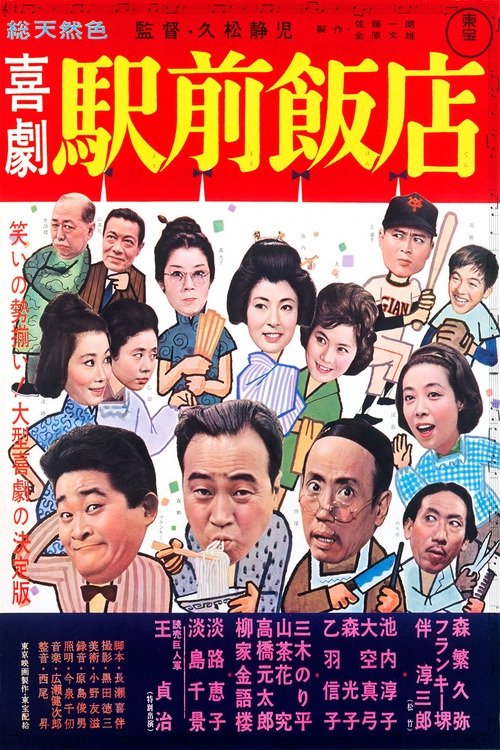
The fifth "Ekimae" film set in a Chinese restaurant in Yokohama's Chinatown.
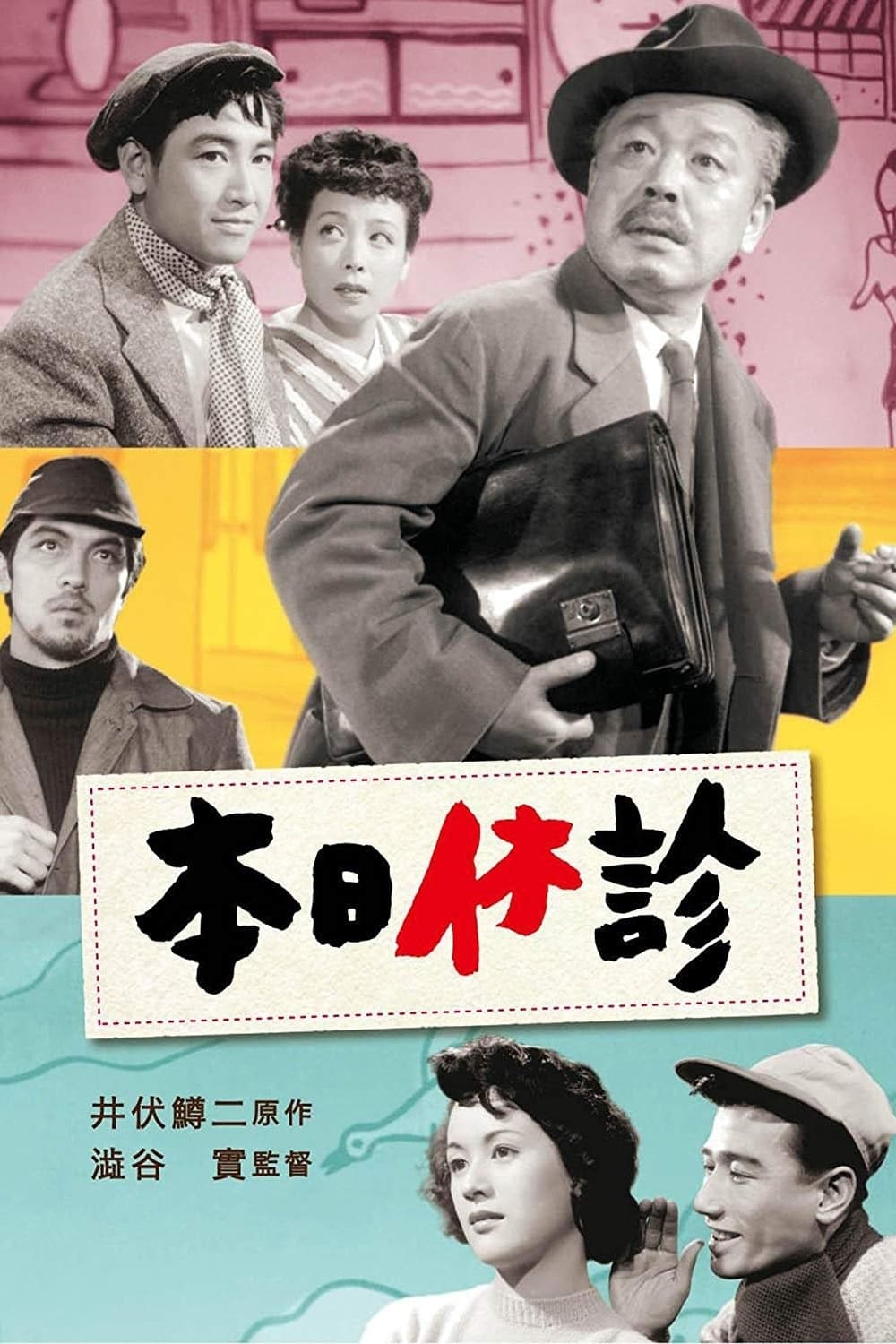
Having completed the first year at his new medical practice, a doctor plans to relax on his day off. However, it is not to be: on this hectic day a man just back from the war front visits the doctor with a medical emergency, followed by a woman who claims to have been molested. Then a yakuza arrives to ask the doctor to cut his finger off...
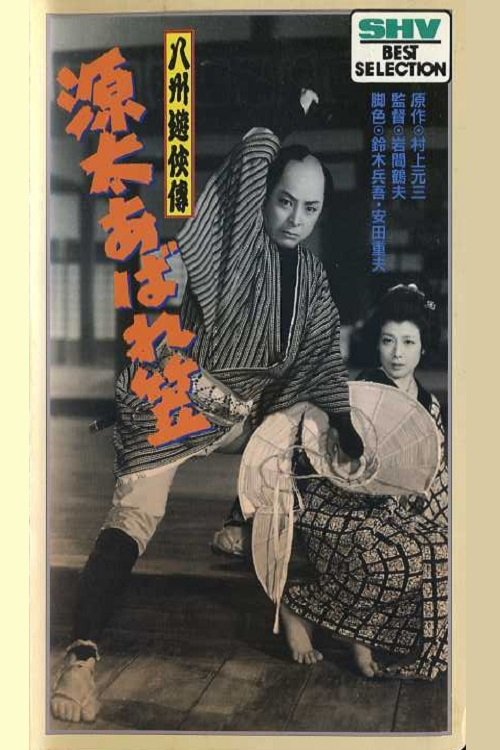
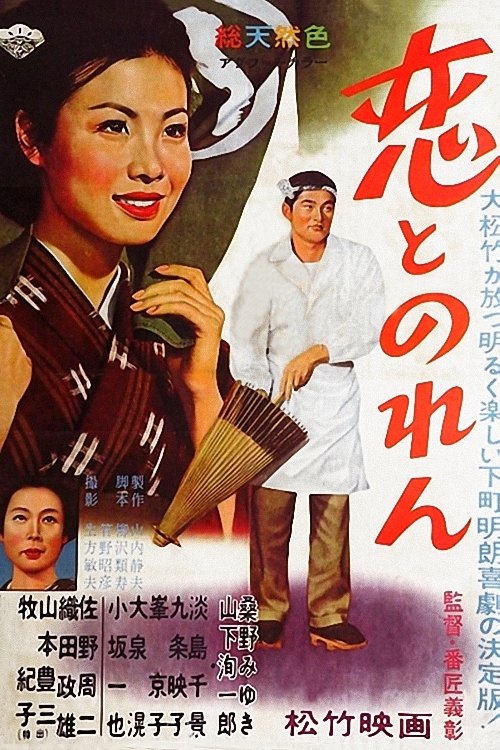
Otami and daughter Yuri run the Matsuoka, a 150-year-old Japanese-style inn in Tokyo which they plan to renovate into a modern hotel before the ‘64 Tokyo Olympics. Maki, the son of the owner of the Benten Hotel, likes Yuri and wants to get closer to her. So, he asks Milton, an American exchange student, to stay at her inn so he can get closer to her. But Yuri is in love with Shin, a cook at her inn. And although Shin likes her too, the two are constantly bickering. Complicating matters more, is that every other available girl also likes Shin including Chikako, who lives at his boarding house, and Chikoma, who is a geisha. One day when Yuri gets a phone call, she suspects that her mother might be having an affair. But it turns out that Otami reunited with her old flame Tomo, who also used to work as a chef at the inn but left because he feared that their class backgrounds were too different. When Shin learns that Yuri is going to marry...will history repeat itself?
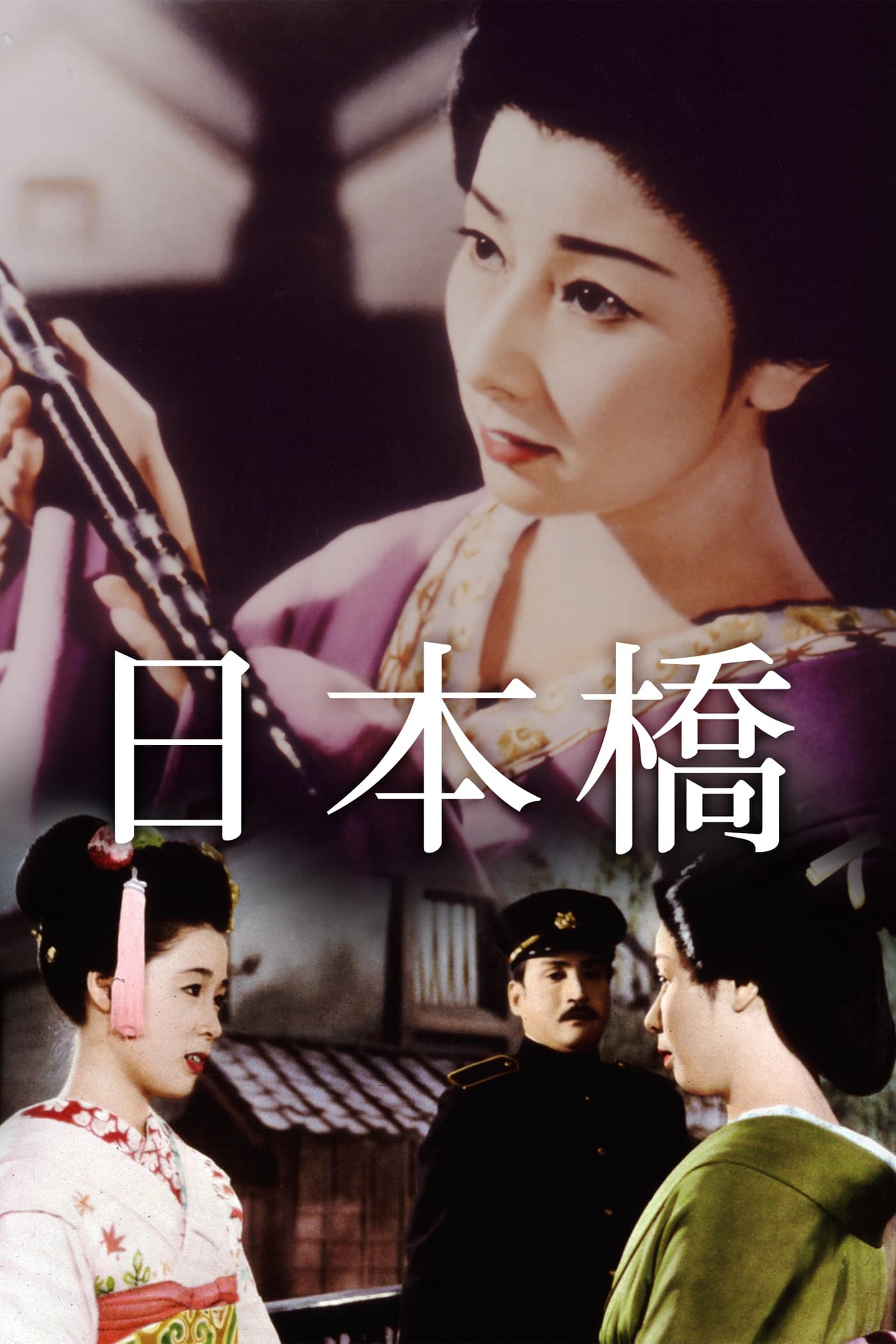
Ichikawa's 1956 adaptation of Nihonbashi was the first to take the work of Kyoka Izumi— until then regarded as a writer of common tragic melodramas—and re-evaluate it as a tanbi-ha work of decadence, aestheticism, and intrigue. Ichikawa's film presents the tragic plot of the young geisha who is unable to enact her love for a man publicly in any way other than a histrionic story of torment, a heart-rending tale of lovers being crushed by fate. Instead, Ichikawa shows the contest of wills that transpires as two geisha, Oko and Kiyoha fight for the top spot in Nihonbashi, the pinnacle of the Tokyo geisha world. Nihonbashi is an elegant, if steely, exposition of manners. The young doctor, Shinzo Katsuragi, is the object of affection for both women, but appears to be more the choice reward for the plotting and thieving of these two early modern superwomen, than a lover they swoon over.
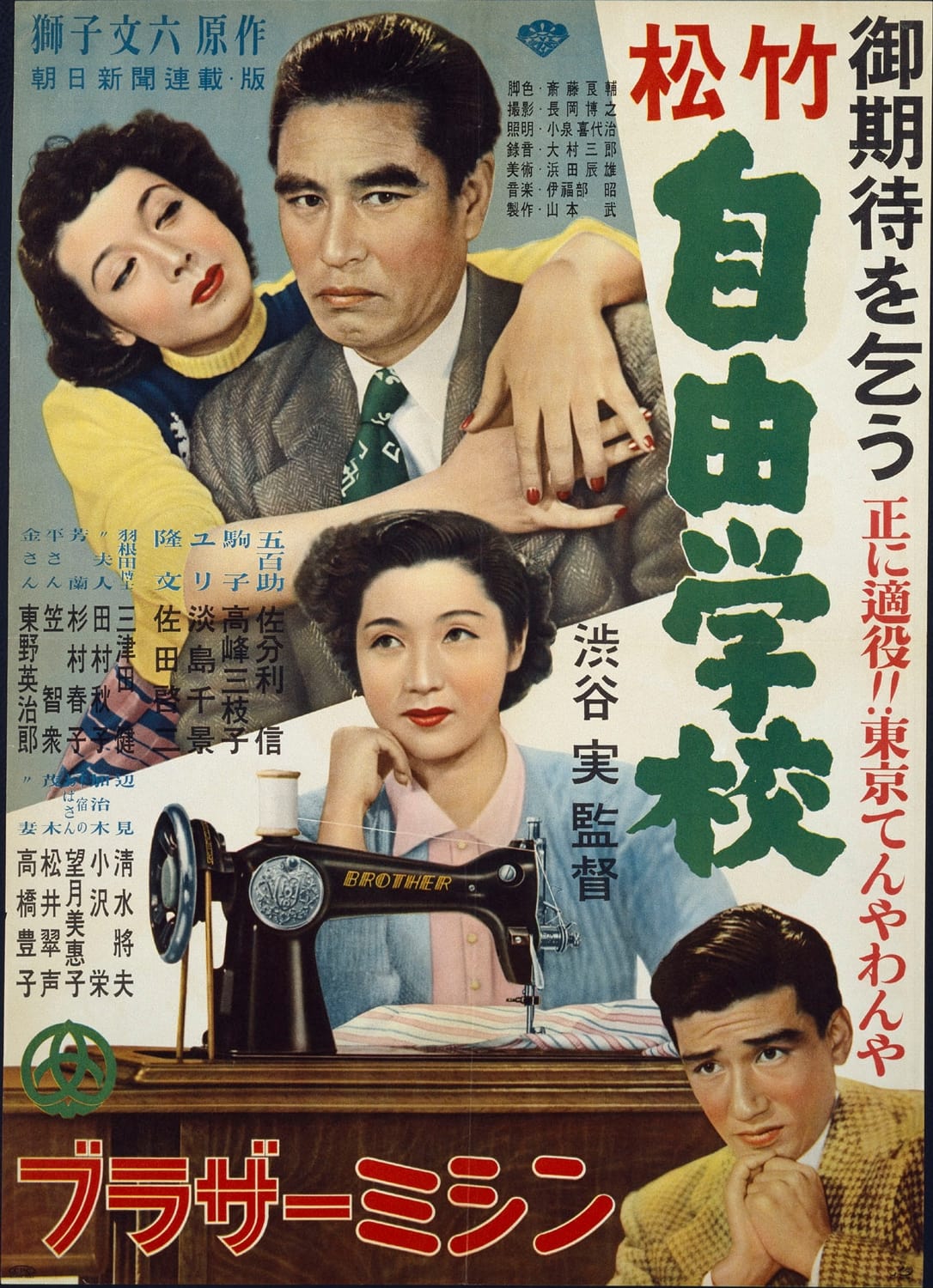
Minamimura, who had always wanted to be free, suddenly quits his job. His hardworking wife is surprised and angry, and throws him out of the house. Confused by his sudden freedom, Iosuke ends up living as a vagrant under a bridge. His wife, Komako, also finds herself freed and is unable to ignore her confusion.
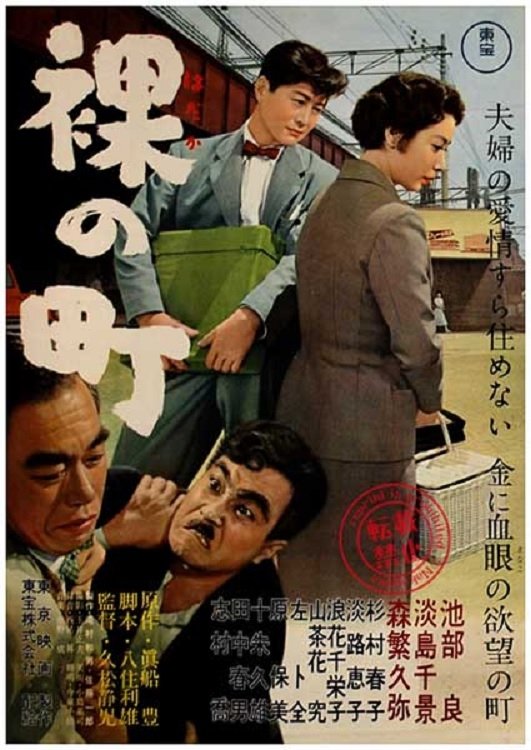
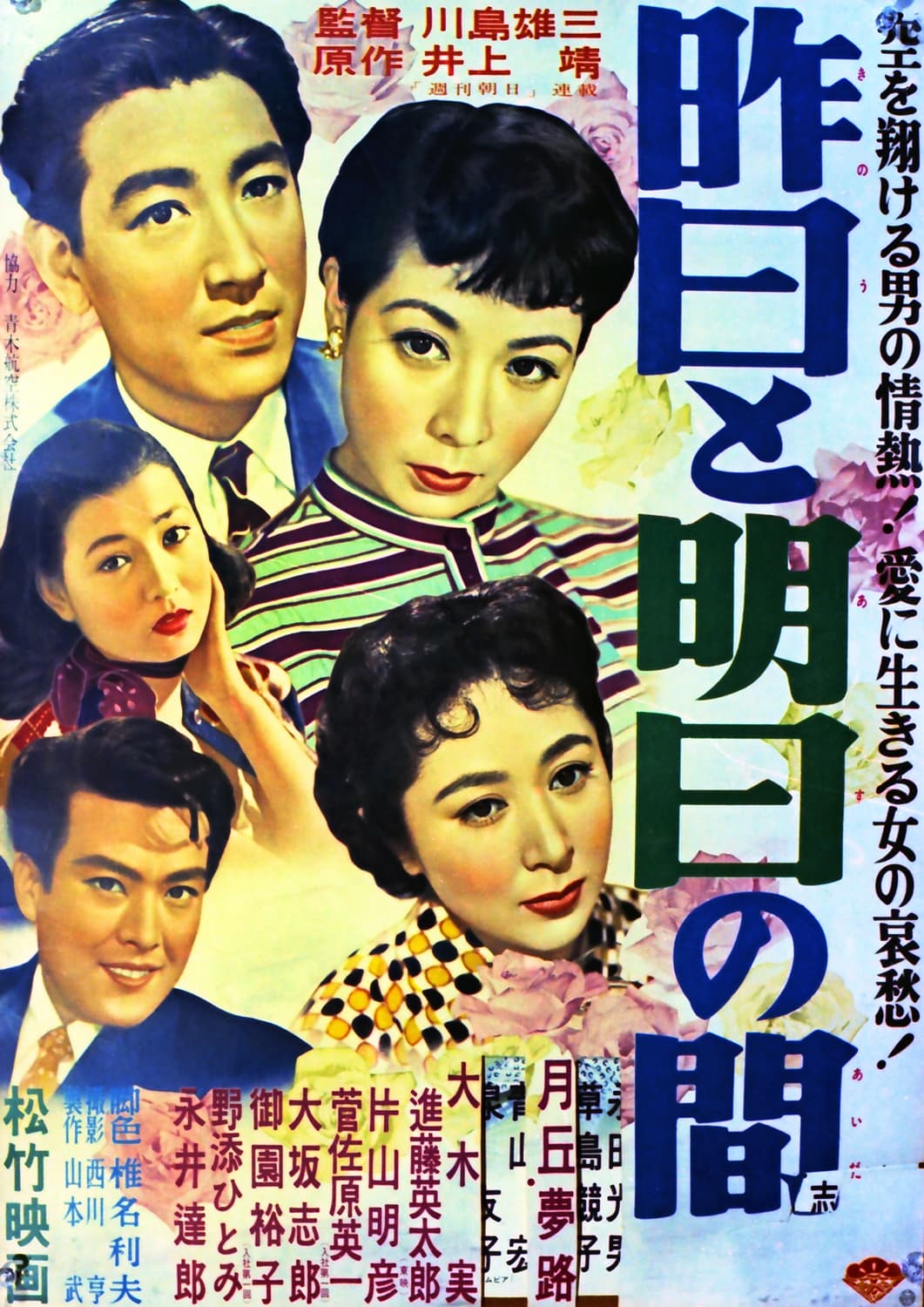
A young man hands in his notice at work and breaks up with his girlfriend in order to pursue his true nature and dream of shaping the world according to his own desires. Against all the odds, he manages to push through his business idea – the foundation of an airline. At the same time, his ex-girlfriend refuses to accept their separation and attempts to force her way back into his life by any means possible. He in turn feels attracted to a young woman, who turns out to be the wife of one of his airline investors and who has herself had a secret lover for several years.
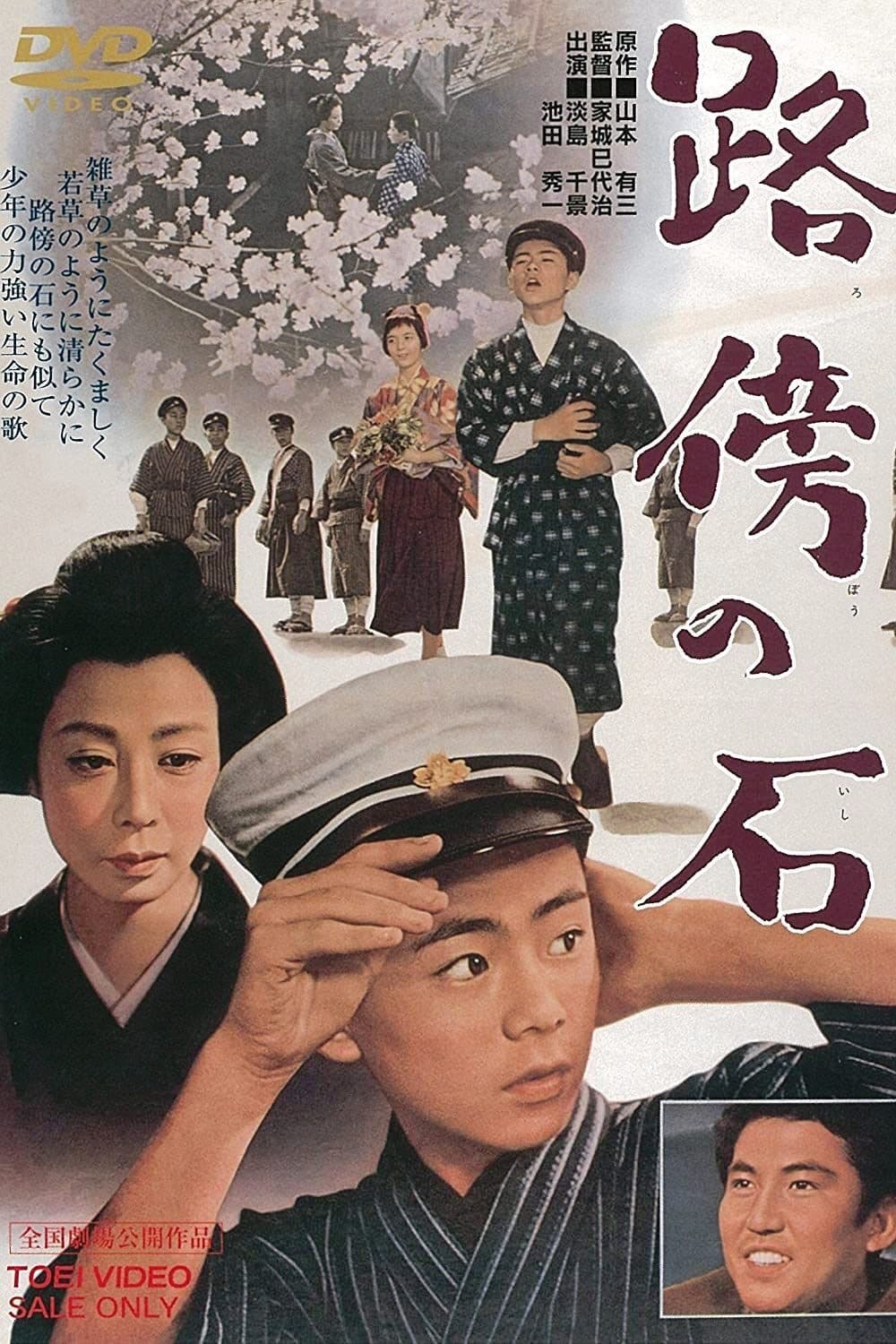
The Wayside Pebble is an effective drama about the hardships of a childhood spent with a brusque, cold-hearted father and a submissive mother. The year is 1910 and the place is a small Japanese village. Goichi is suffering because he wants to go to school, but his family is too poor to afford that luxury. Even when a kind friend agrees to help out, Goichi's father refuses to give in to his son's request for an education. Instead, he sends Goichi off to work as an indentured servant for a cold-hearted merchant and his family. As tragedy strikes and the suffering of the young boy increases, he begins to look for some way out of his bleak situation.
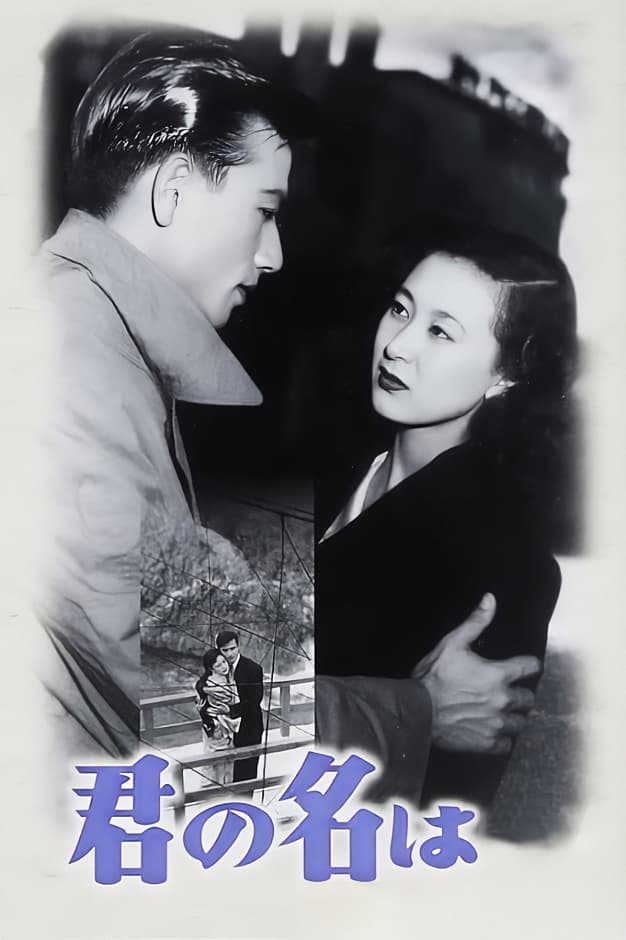
Machiko Ujiie and Haruki Atomiya first meet and fall in love on Ginza’s Sukiyabashi Bridge during the Great Tokyo Air Raid in March 1945. Machiko and Haruki pledge to meet again at the bridge in six months but part without asking each other’s names.
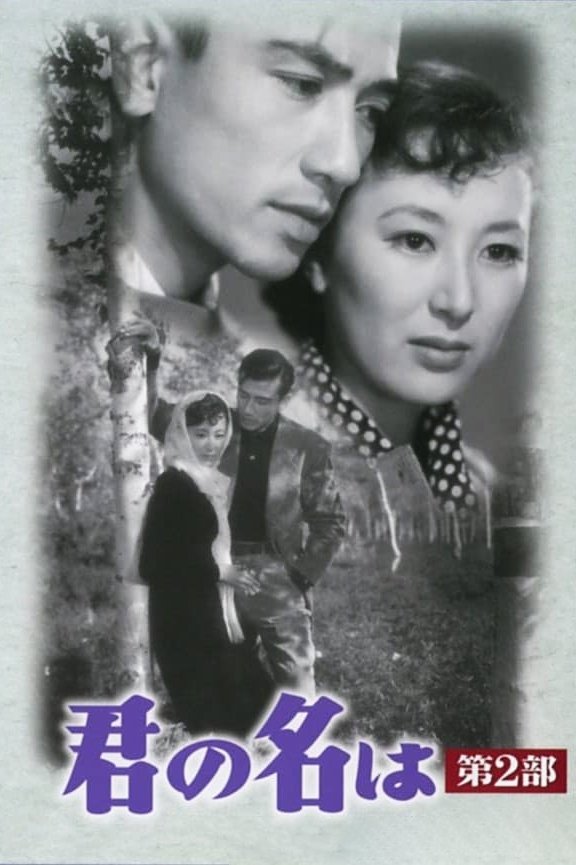
Machiko and Haruki’s drama continues. Two meet again in Hokkaido only to be separated again.
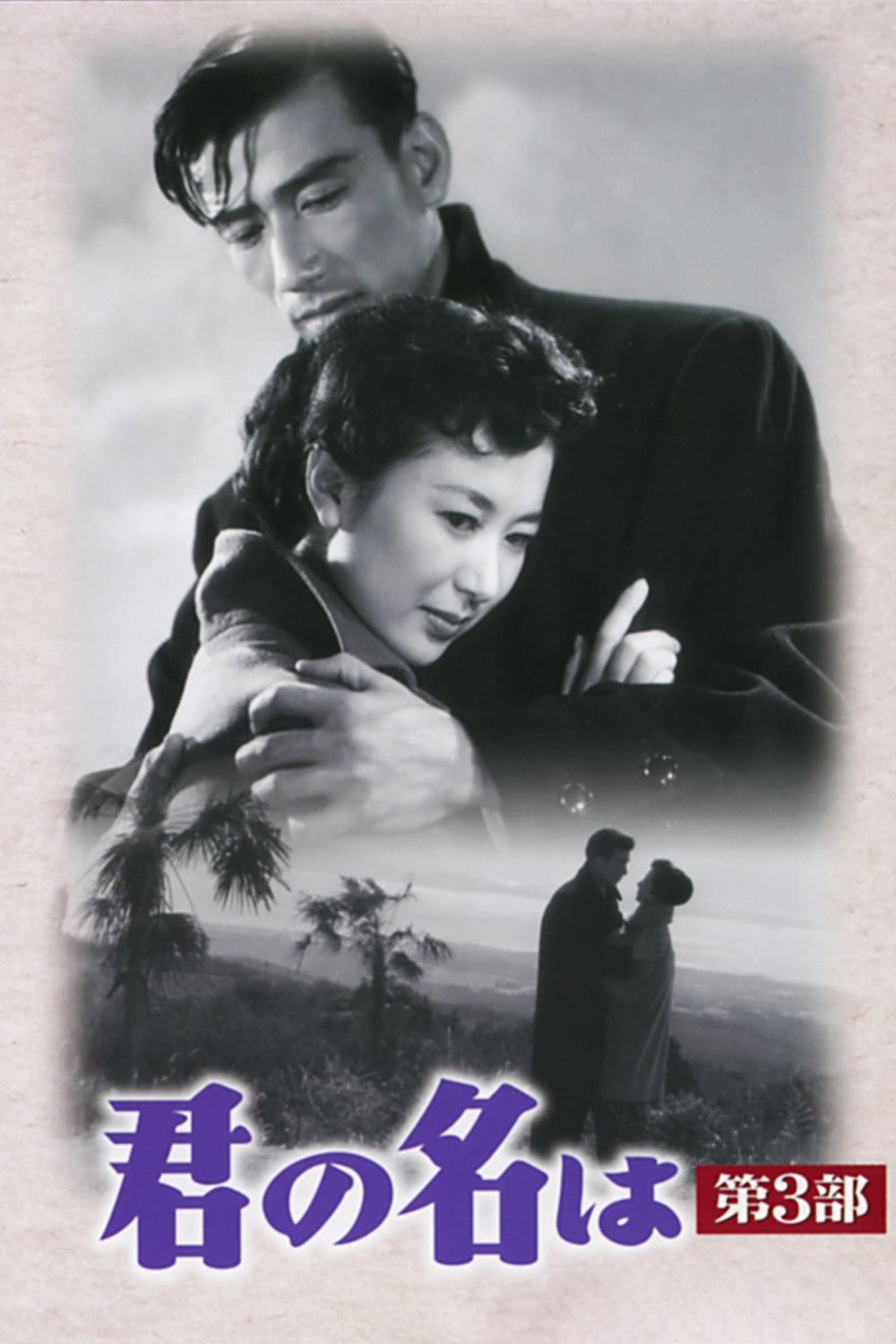
Machiko and Haruki’s drama continues. Machiko is not allowed to see Haruki. They finally meet again, but Haruki departs to Europe.
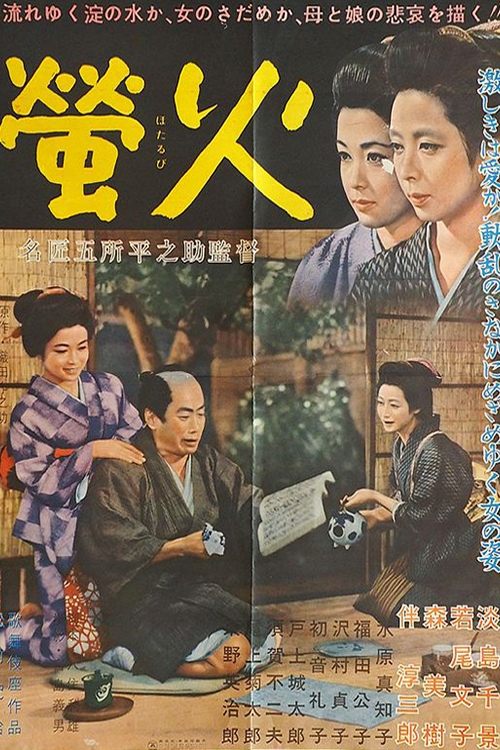
Set in the 1860s, the final years of the Tokugawa Shogunate, The Fireflies focuses on Tose (Awashima Chikage), the mistress of the Teradaya, a small inn in the Kyoto suburb of Fushimi. She does not have an easy life. Her husband, Isuke (Ban Junzaburo), is a wastrel who fancies himself a kabuki singer and who is obsessed with cleanliness. Her mother-in-law, Sada (Miyoshi Eiko) dislikes her because of her humble origins (her family are farmers) and because she fears that she will inherit the inn instead of Sugi, her daughter. Sada's hopes for Sugi, however, are dashed when she runs off with a con artist and leaves her child behind for Tose to take care of. When Sada becomes seriously ill, it is Tose who nurses her. On her deathbed, Sada asks her daughter-in-law's forgiveness. Meanwhile Isuke spends most of his time with a mistress he has taken, forcing Tose to manage the inn by herself
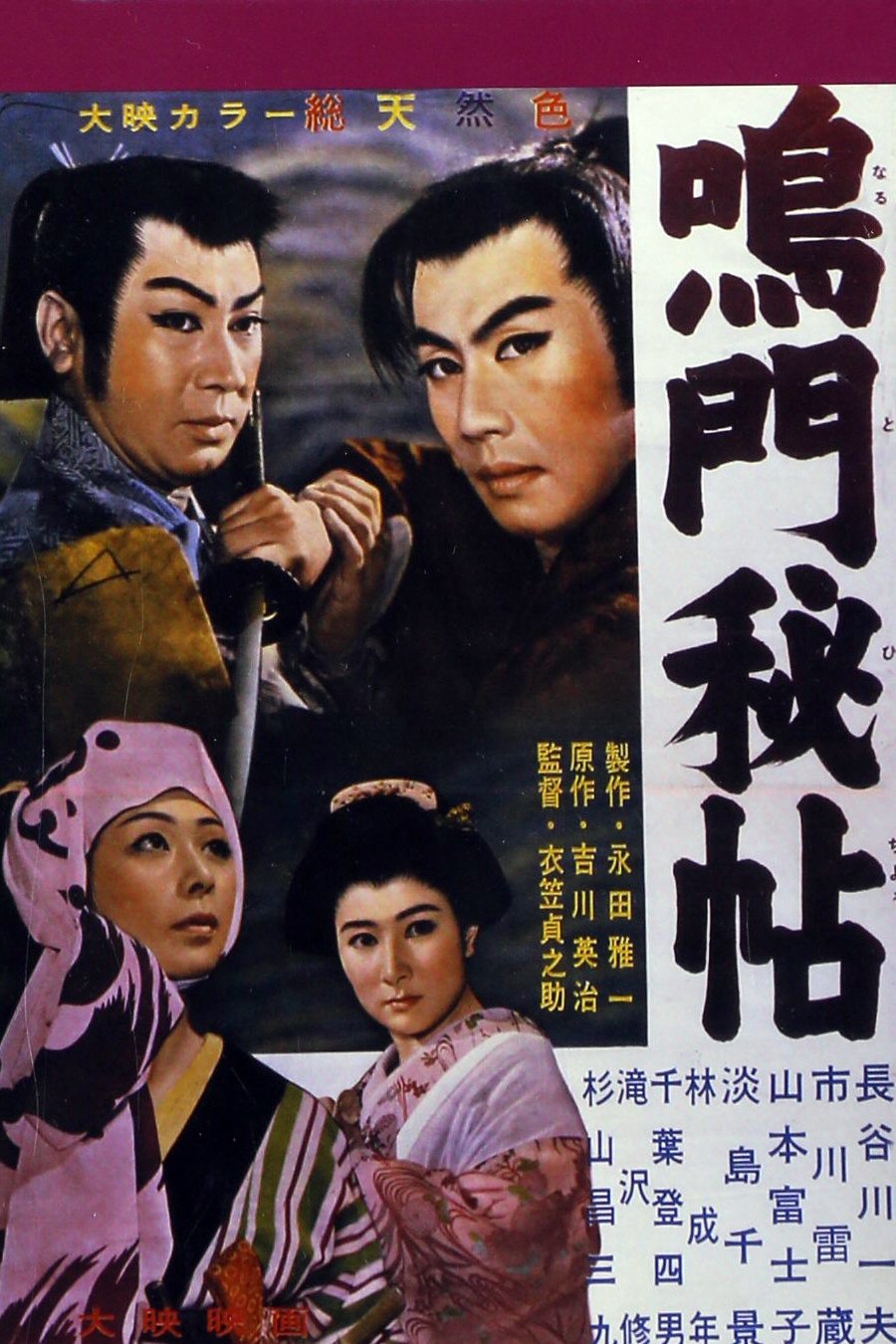
From the pen of Yoshikawa Eiji comes this exciting story. The Naruto Strait separates Tokushima from the islands of Awaji and Honshu. On Tokushima the mad lord dreams of conquest and forges a bloody revolt against the Tokugawa shogunate. A mysterious swordsman named Noriyuki Gennojo has crossed Naruto’s waters to uncover the Awa clan’s secrets. He puts his life on the line after finding a testament of Awa’s secrets, written in blood by a dying man. Joining Noriyuki are a female ninja who loves him, and the beautiful daughter of an enemy who’s sworn to kill him. Awa’s defenders willl stop at nothing to prevent the blood-soaked letter from reaching the shogun.
Japanese comedy film.
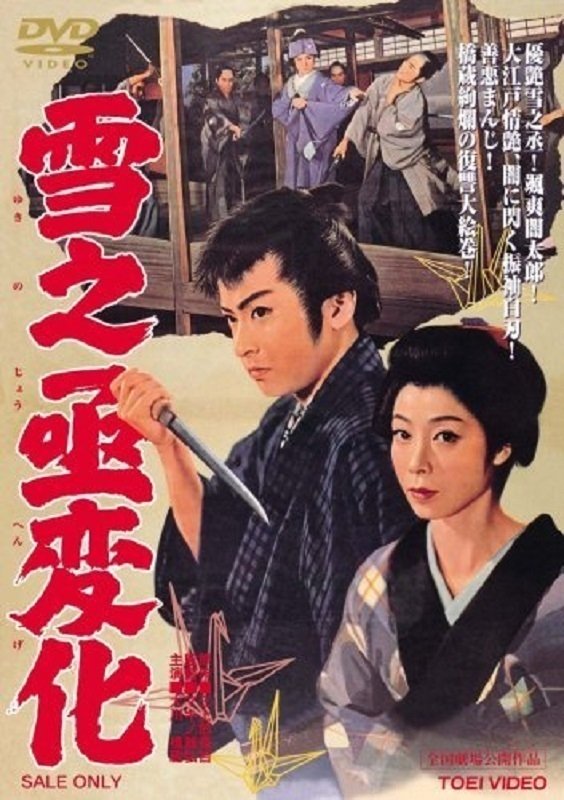
Nakamura Yukinojo gains popularity in Edo's kabuki scene as a handsome onnagata (a male actor who plays female roles). But hidden behind the placid expression of his stage face is a deep grudge for the men responsible for dishonoring his parents' names and leading them to suicide when he was still a child. When he discovers that the mastermind behind those crimes has come to see him act onstage, he begins in earnest to plot his revenge. With the help of a renowned Robin Hood-like thief named Yamitaro, he makes out his first target: the daughter of the man who orchestrated his parents' demise.
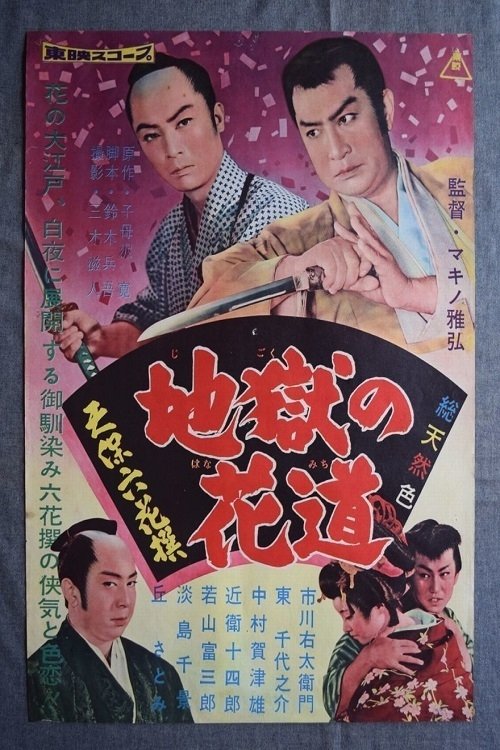
When Kaneko Ichinosuke aims to avenge his father who was wrongly accused of embezzlement, the samurai Kochiyama Soshun agrees to assist.
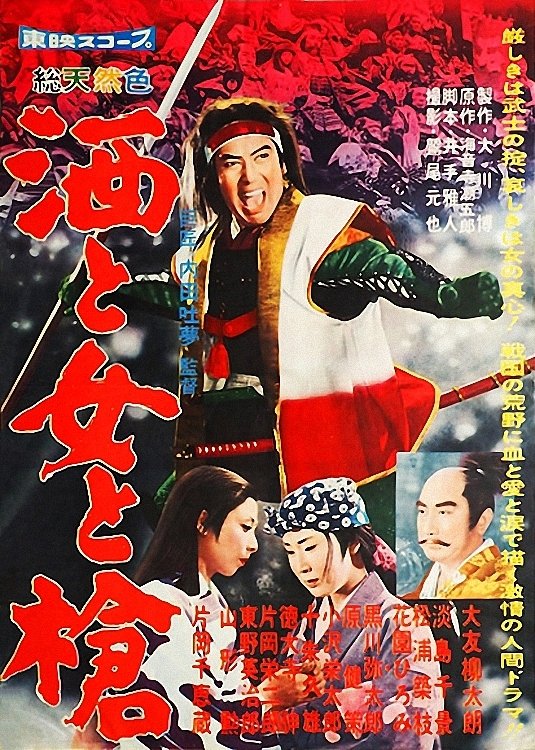
This subversive period film features a hotheaded young samurai, Kurodo, who threatens to commit harakiri in response to the humiliation meted out to his family by the Shogun. The film critiques the inhumanity of feudal obligations, and Uchida’s direction slyly satirizes the contemporary cinematic audience, whose taste for onscreen bloodshed is mirrored in a crowd gathering to watch the protagonist’s planned suicide. The Master Spearman is imbued with Uchida’s characteristic blend of dark humor and stylized action, and Ryutaro Otomo gives an admirable performance in the lead.
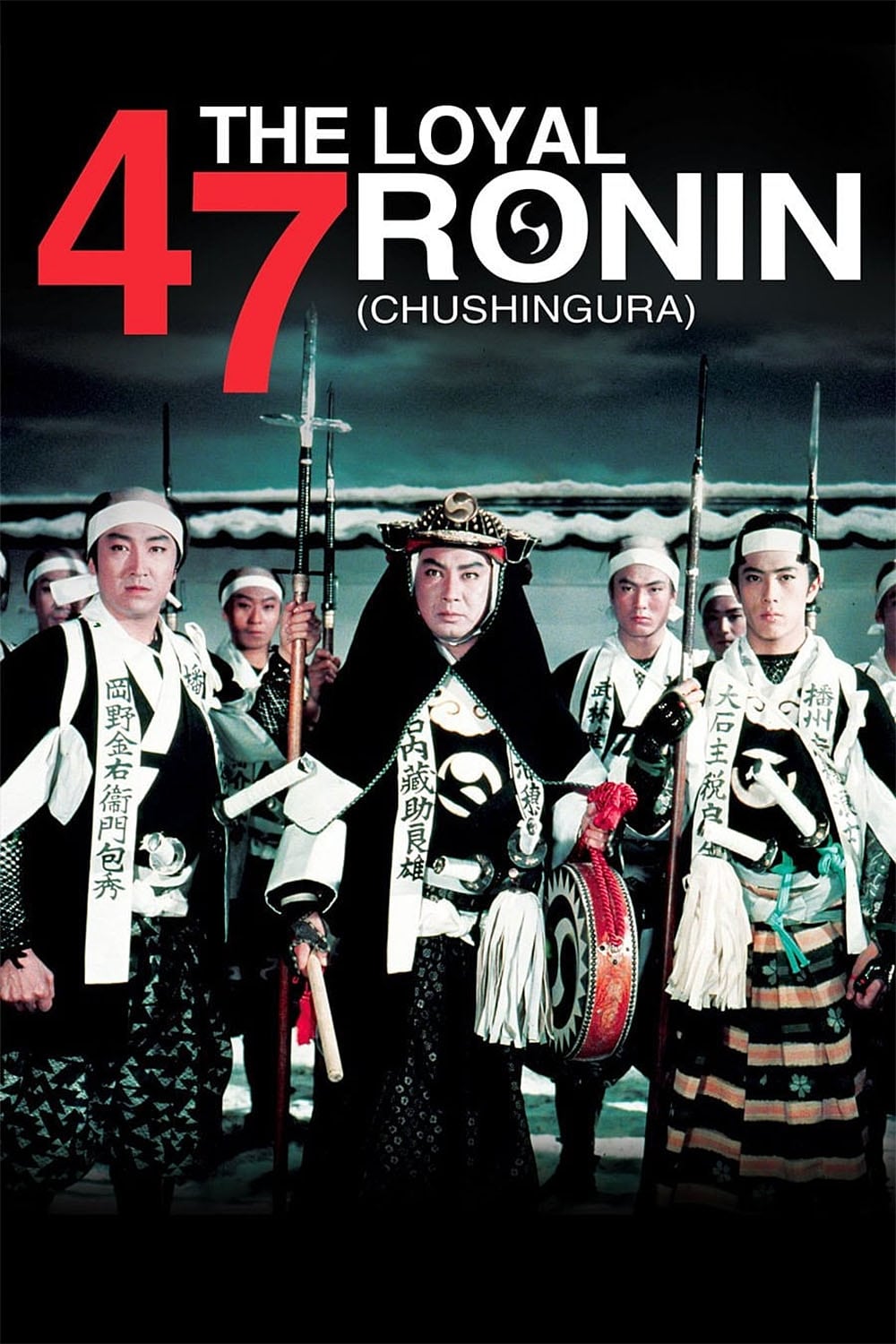
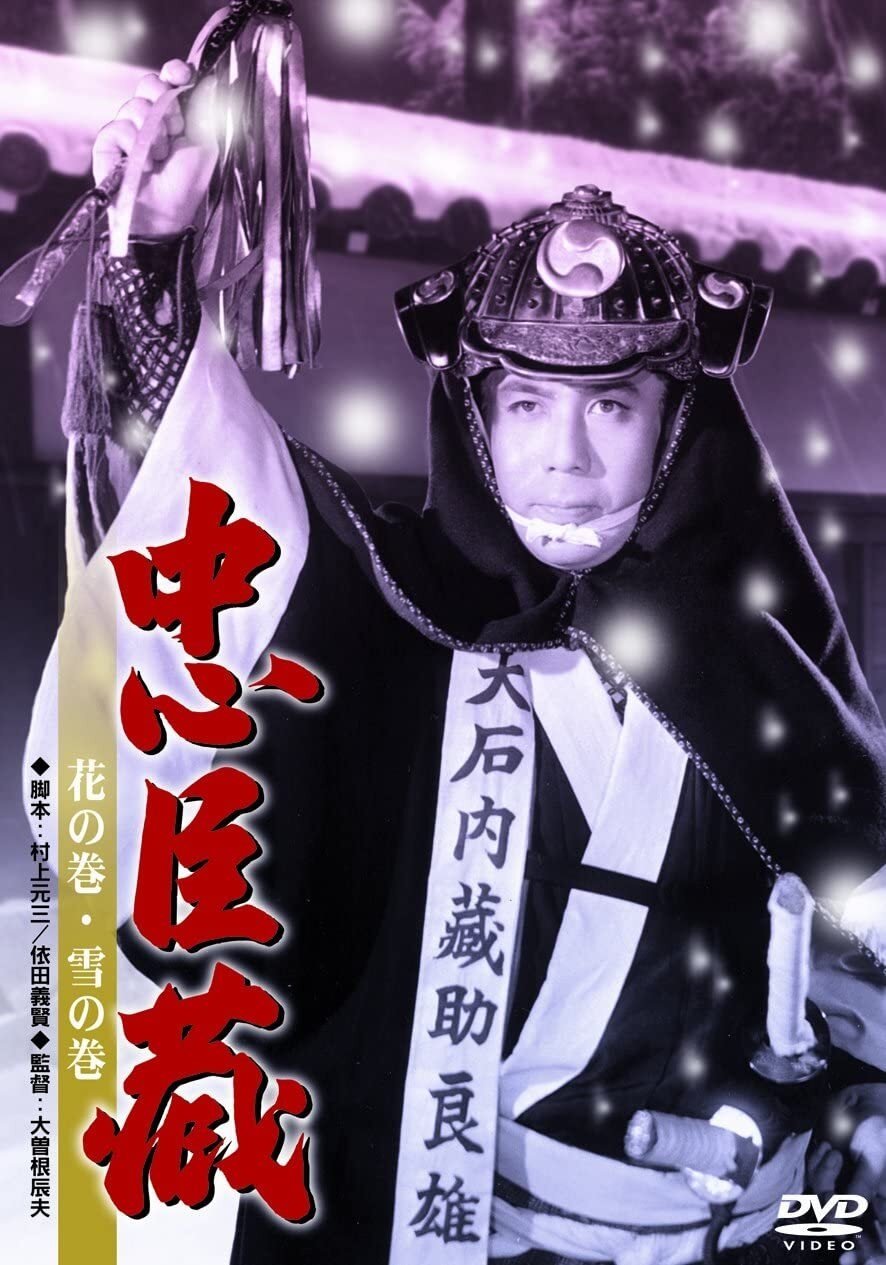
Japan, 1701. A group of samurai become rônin after their lord is forced to commit seppuku for assaulting a court official, who will become the target of a merciless revenge.
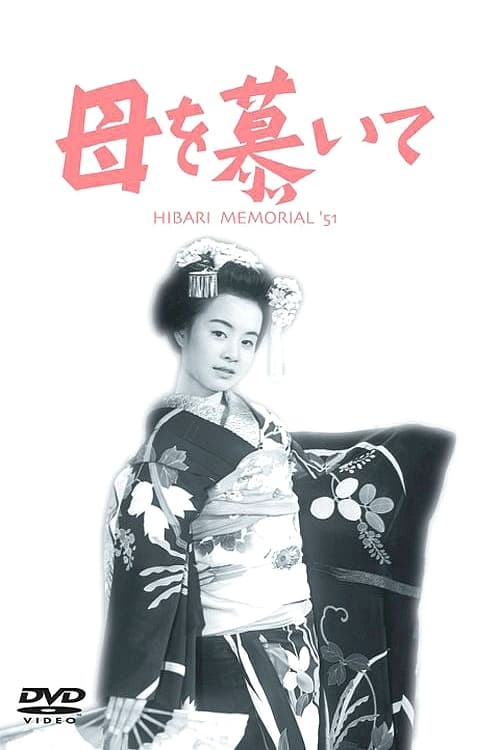
A human drama about the bond between parents and a child and family love. The daughter leaves her foster parents and ends up with her mother in Kyoto, who divorced her father, but her father in Tokyo, who has another family, takes her to himself out of guilt for breaking up with her. How does the daughter feel?
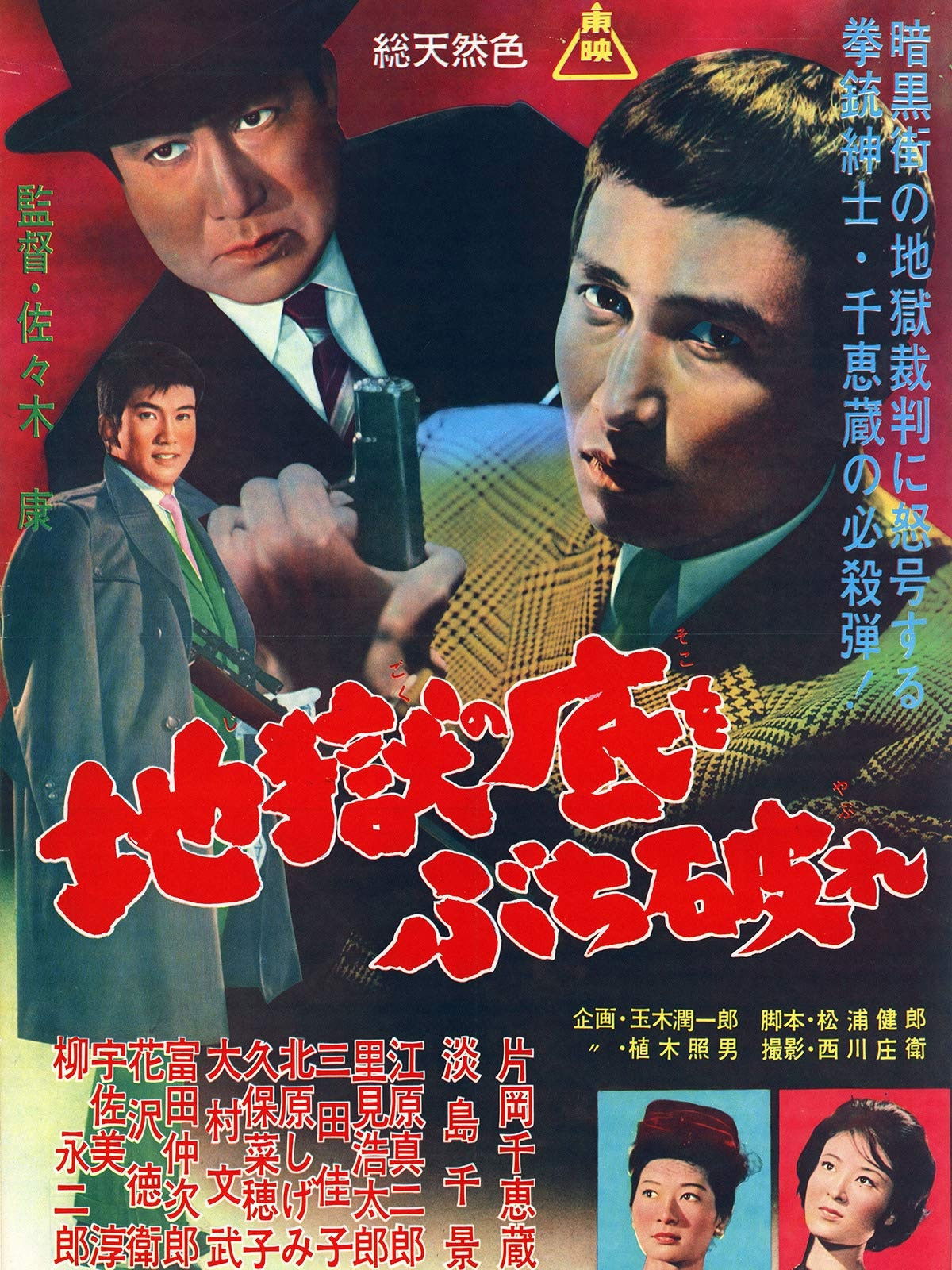
A boss of underworld helps the police crush an evil gang.
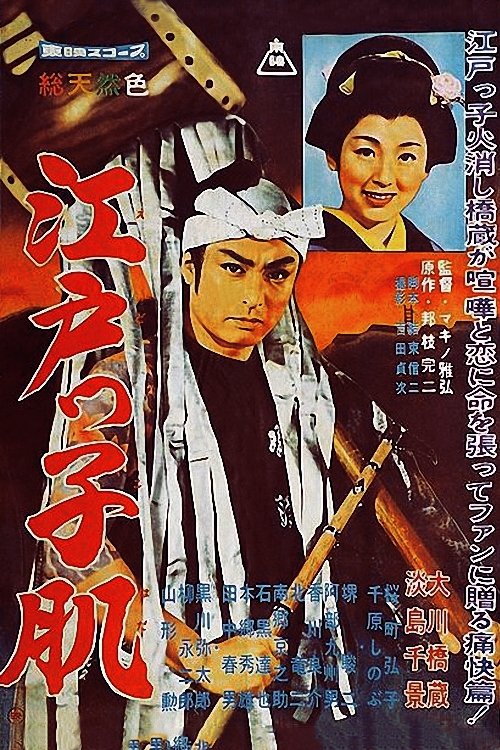
Action and adventure abound in this story of friendship between two rival firefighters, Kichigoro and Jirokichi in old Japan. When Mukai Sadayu, the vassal of Kaga Clan's accounting officer, Shinagawa Daihachi demands that Omon serve him tea in his mansion and she refuses, the clan's samurai abduct her setting in motion a series of events that will bring the two firefighters into a world of danger and excitement. Jirokichi, leader of the Edo firefighting team "Ha-gumi" must first rescue Omon from the clutches of the vile Kaga Clan's retainers.

A study of uneasy relationships among the inhabitants of a tiny rural community.

A story about the lives of four sisters and their manipulative mother who must come to terms with each of their decisions in life.
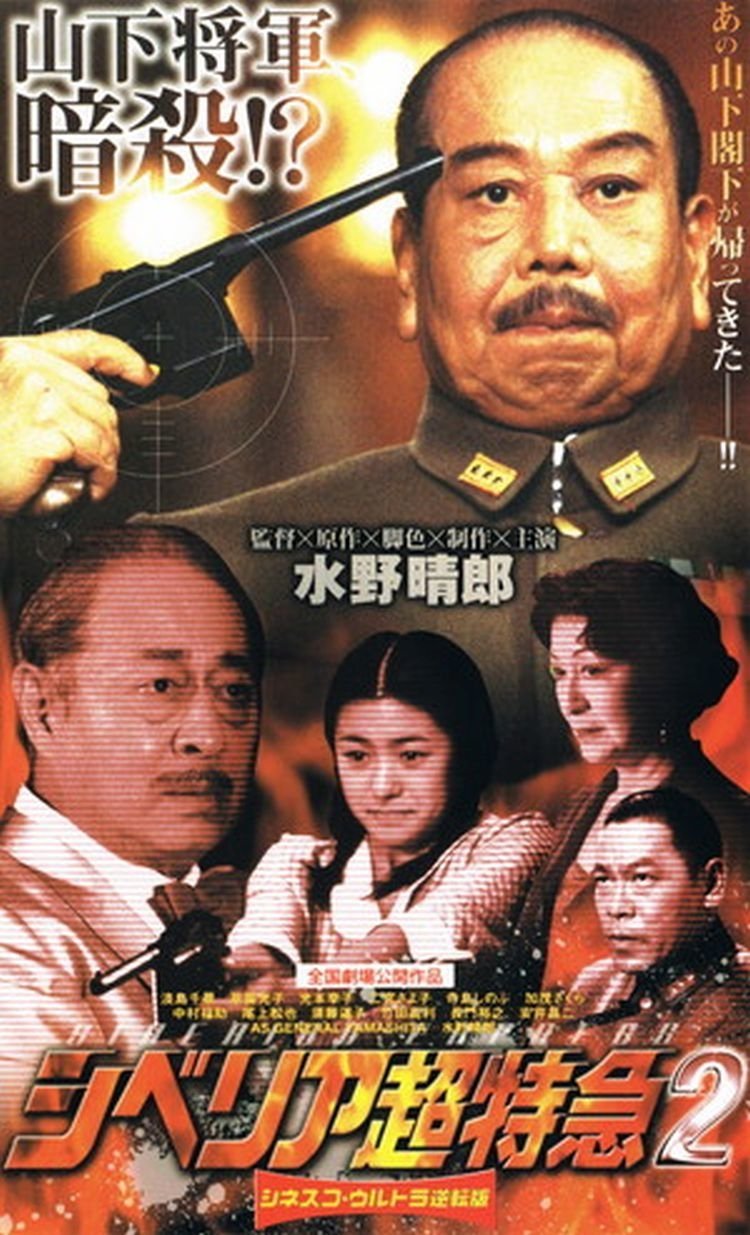
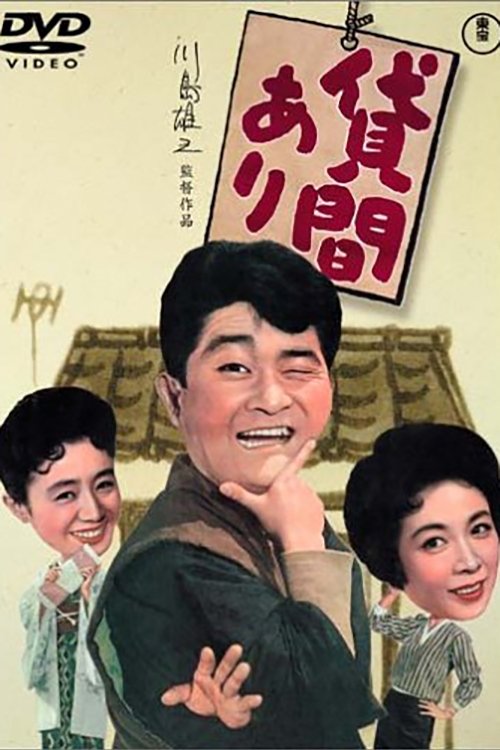
When Yumiko Tsuyama, a potter by profession, comes inquiring about a room for rent in an old mansion overlooking Osaka, she finds a bizarre collection of characters already living there. The unlikely leader of this menagerie is Yoda Goro, who speaks four languages fluently, is an expert in cabbage rolls, and has written how-to books encompassing every aspect of human existence.
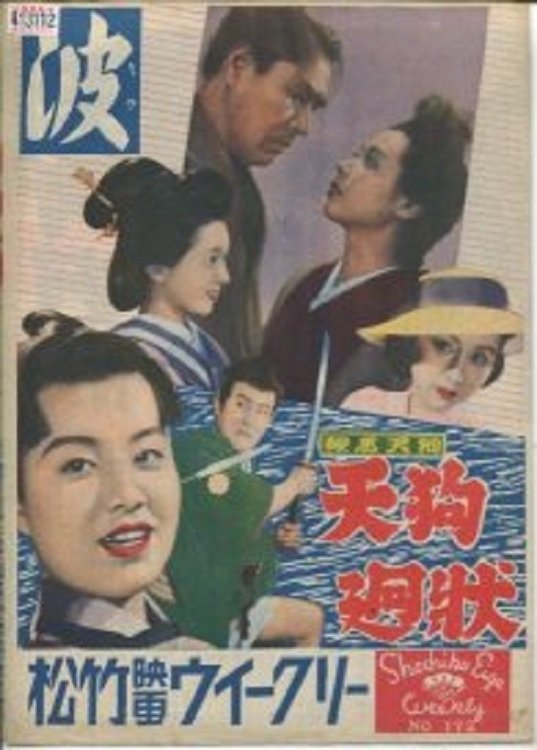
Before a young woman can be sold to a geisha, she becomes pregnant.
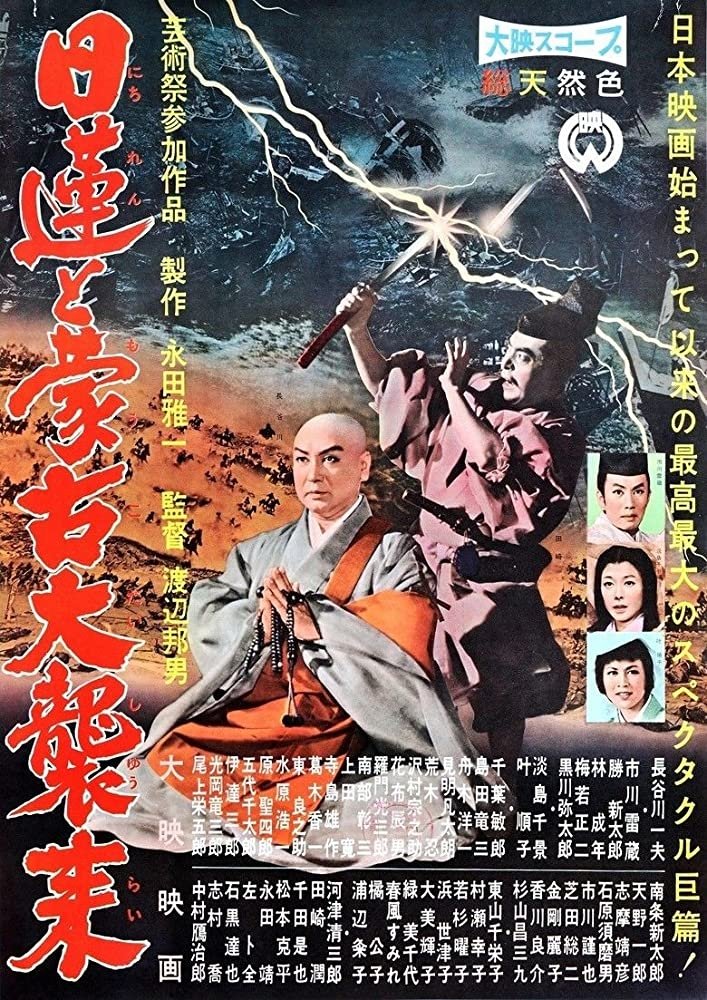
During the 1200's, legendary Buddhist monk Nichiren returns from his studies to lead Japan out of moral crisis and prepare to fight Mongol invaders by creating a new form of Buddhism. He runs afoul of the existing Buddhist sects and their government supporters and is persecuted. Can Nichiren persevere before the Mongol fleet reaches Japanese shores?
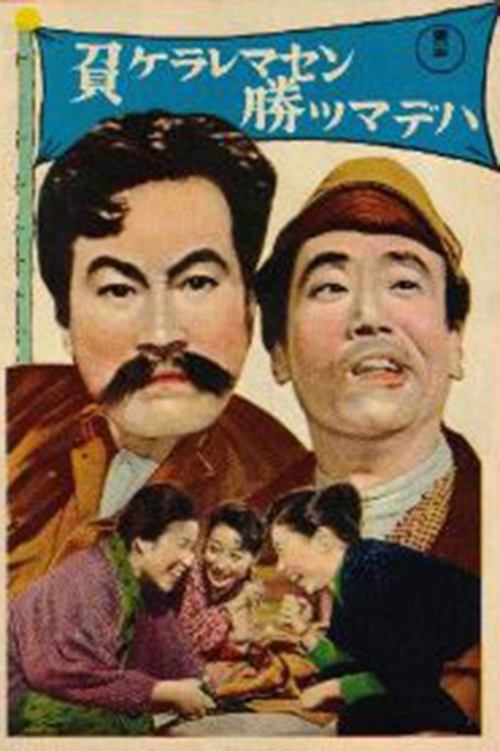
Comedy based on the writings of Ango Sakaguchi.
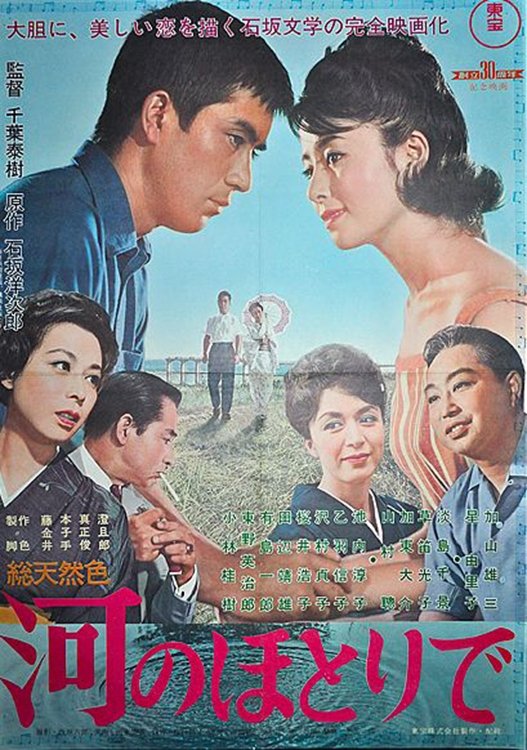
A dark family secret sends a 21-year-old French student (Hoshi) on a journey of self-discovery.
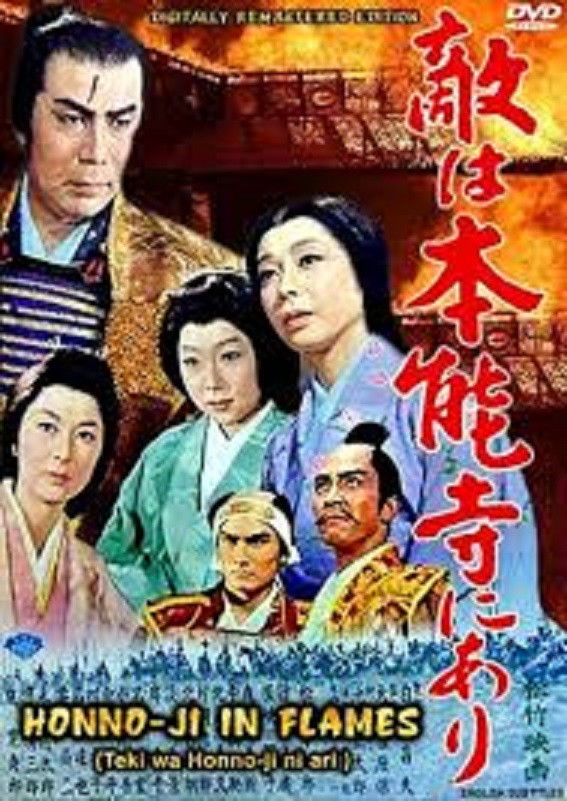
The plot is based on the novel "Akechi Samanosuke no Koi," the final work in a trilogy by Hiroshi Kato about the forced suicide of Oda Nobunaga at the temple Honnoji. Historically, the general Akechi Mitsuhide is credited with causing Nobunaga's downfall. Kato's novel focuses on Mitsuhide's nephew Samanosuke, who fought alongside his uncle during the assault on Honnoji.
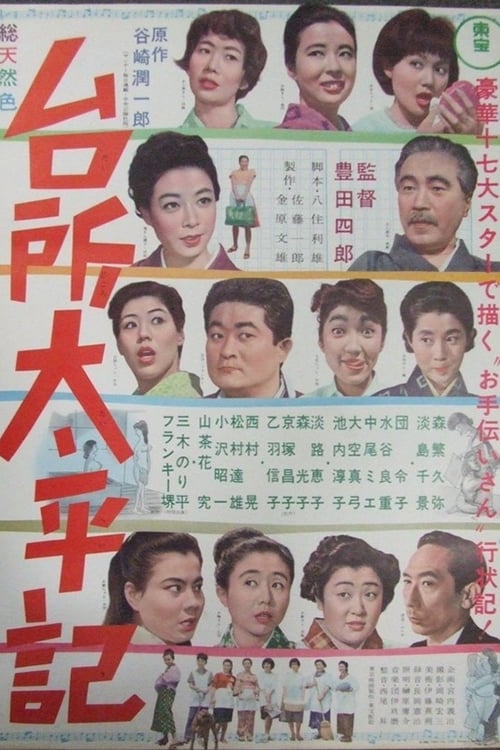
Nine maids serve the household of a writer and his wife. The couple treat their maids like daughters and marry them off to eligible men. So, they are forever looking for new maids. As the years go by maid servants become hired help and more bossy and independent, so Chikura and his wife find themselves adjusting their lives to keep up with changing times.
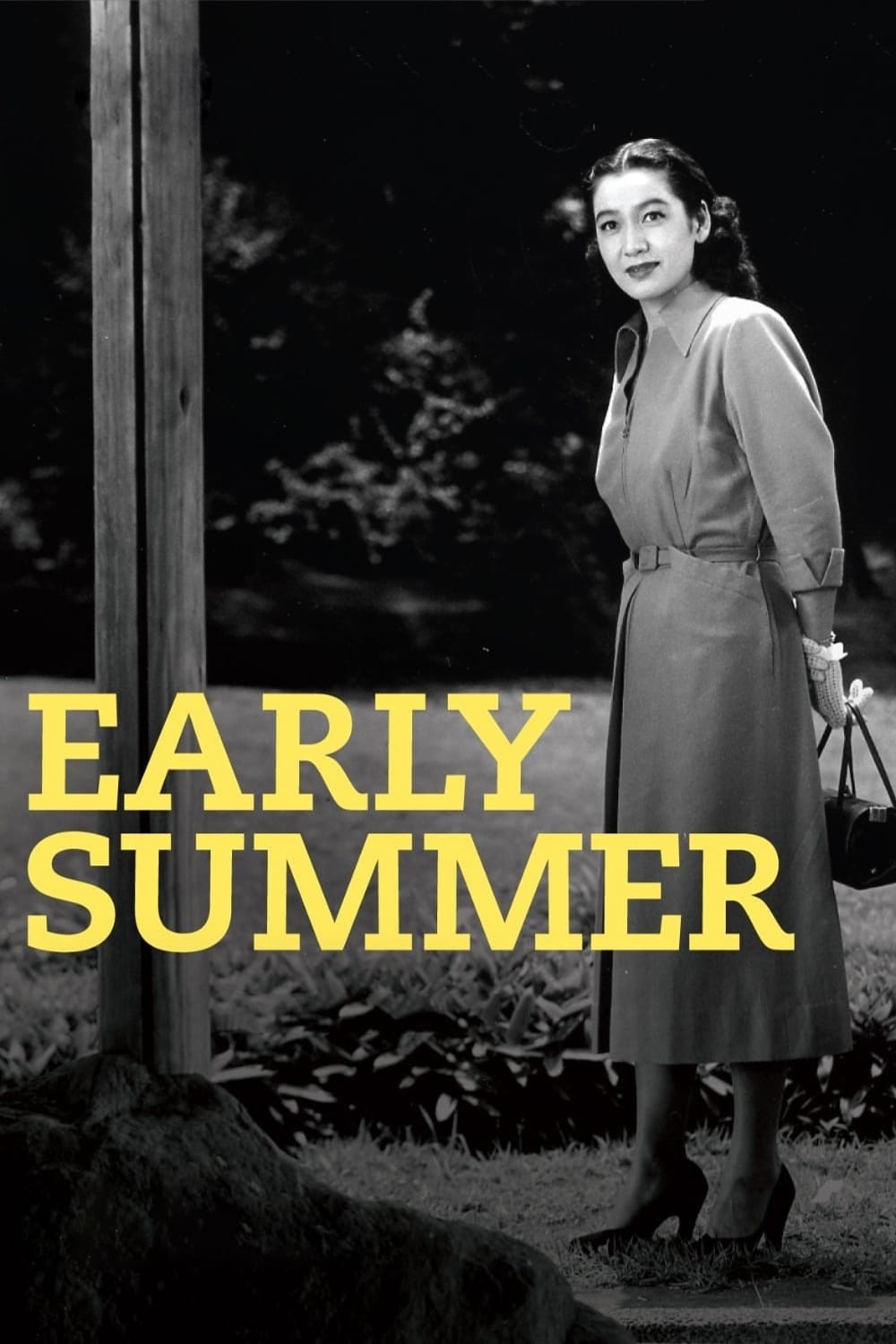
A 28-year-old single woman is pressured to marry.

In Asakusa, Tokyo, a couple of a violinist Yamano and a revue dancer Hanae lives in poverty. One day Hanae’s little sister rolls into their apartment and begins to stir things up with her riotousness.
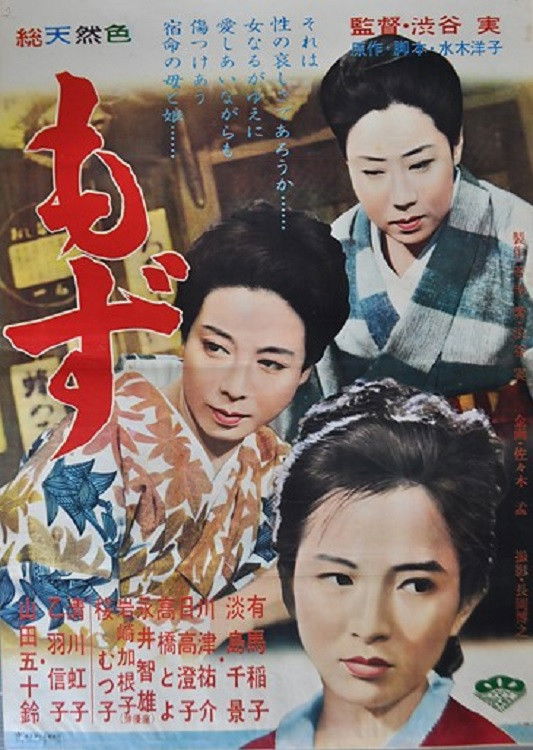
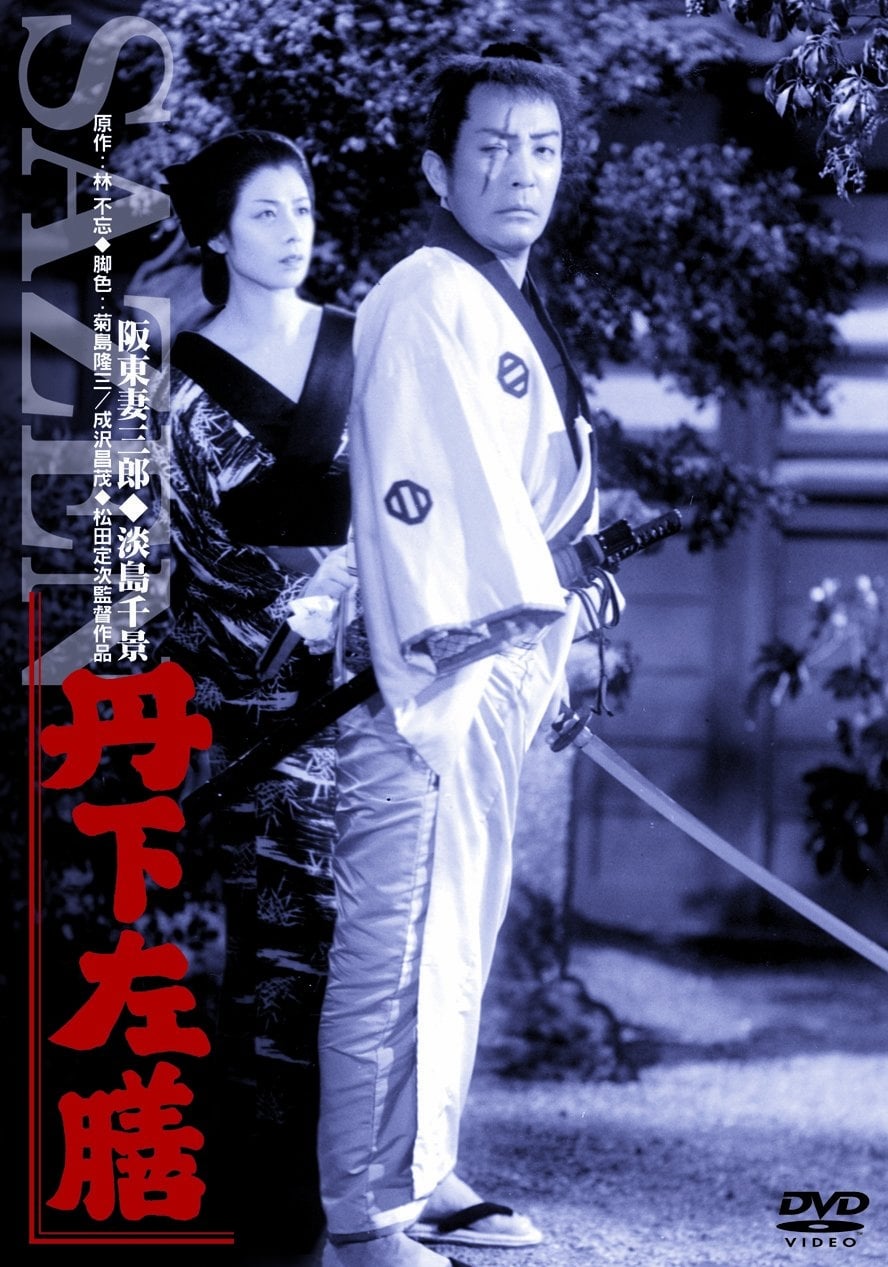
Drama about a famous one-eyed, one-armed samurai swordsman of the middle of the Tokugawa period by the name of Tange Sazen. By chance, Tange gets an old pot in which the secret of the treasure of 1000000 ryos of gold is hidden. However, a bunch of different people hunt for the pot and Tange will have to apply his phenomenal fencing skills with the sword.
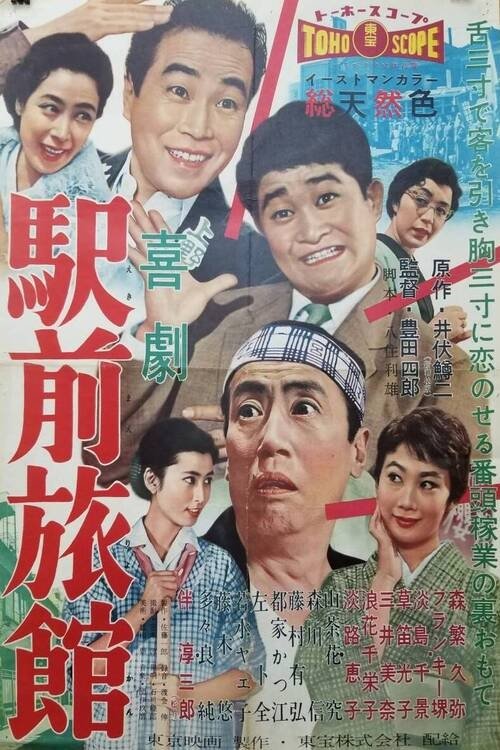
Based on the novel "Ekimae Ryokan" by Masuji Ibuse, a longtime hotel employee struggles to bring his old-fashioned ryokan in line with postwar Japanese business practices.
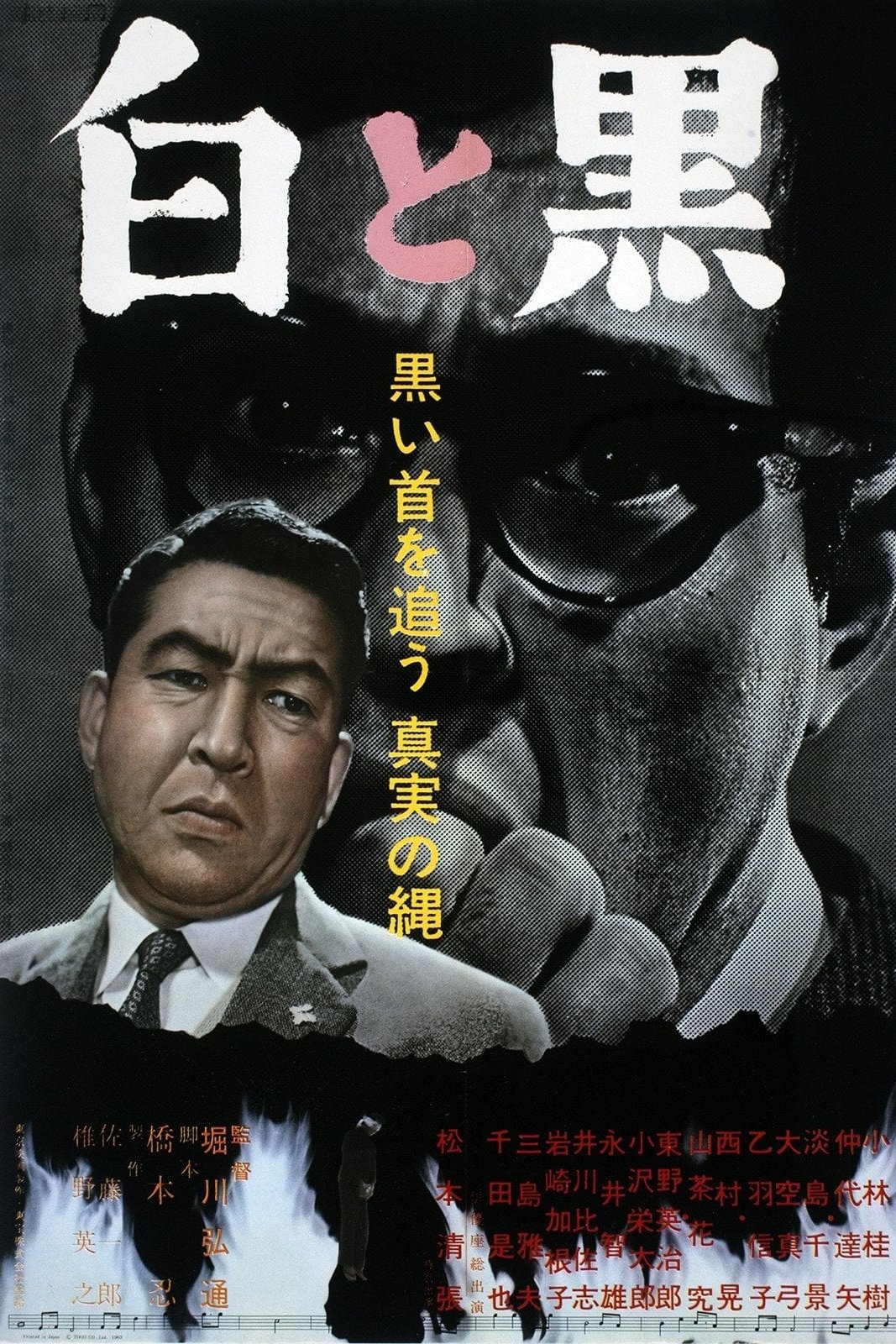
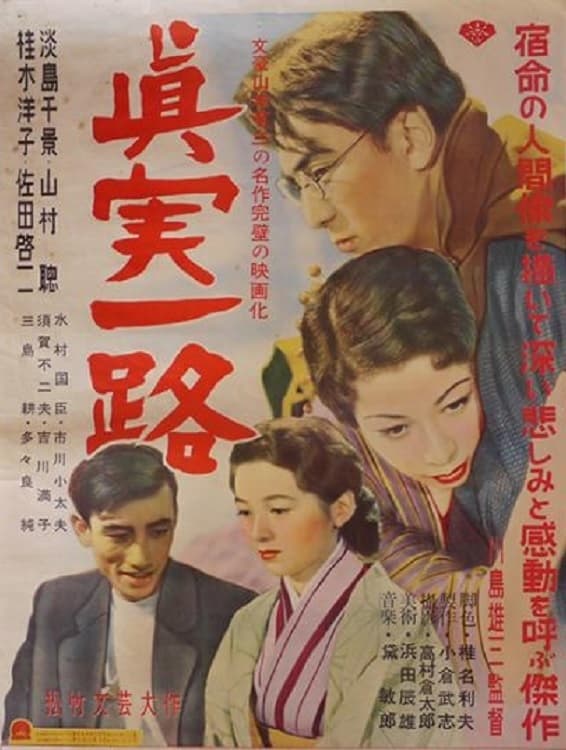
Each one of us lives differently. So, there are many tragedies and comedies in our lives. She feels many conflicts in living her life between truth and love.
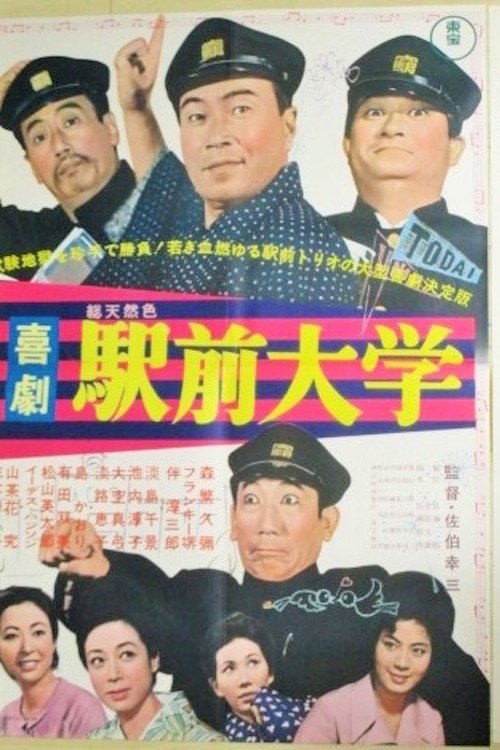
#13 in the Ekimae series of films. Set at Todai University, Professor Sakai (played by Frankie Sakai) mentors a group of university hopefuls. Cut to 25 years later, the students have each settled into their careers and cross paths with Professor Sakai's son, a P.E. teacher (also played by Sakai).
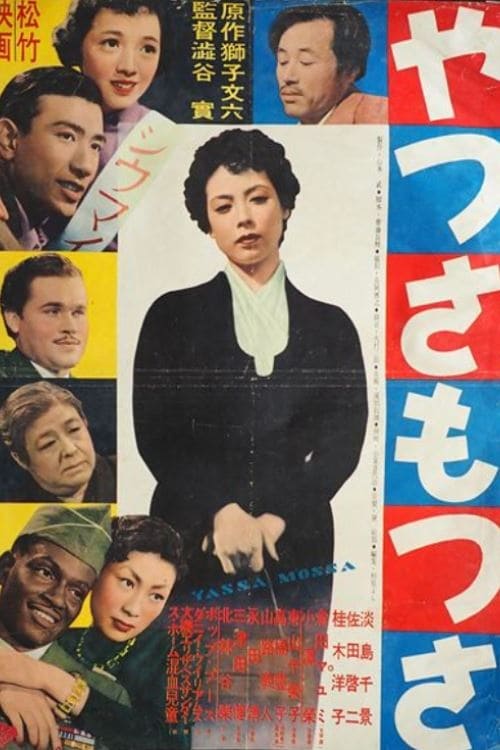
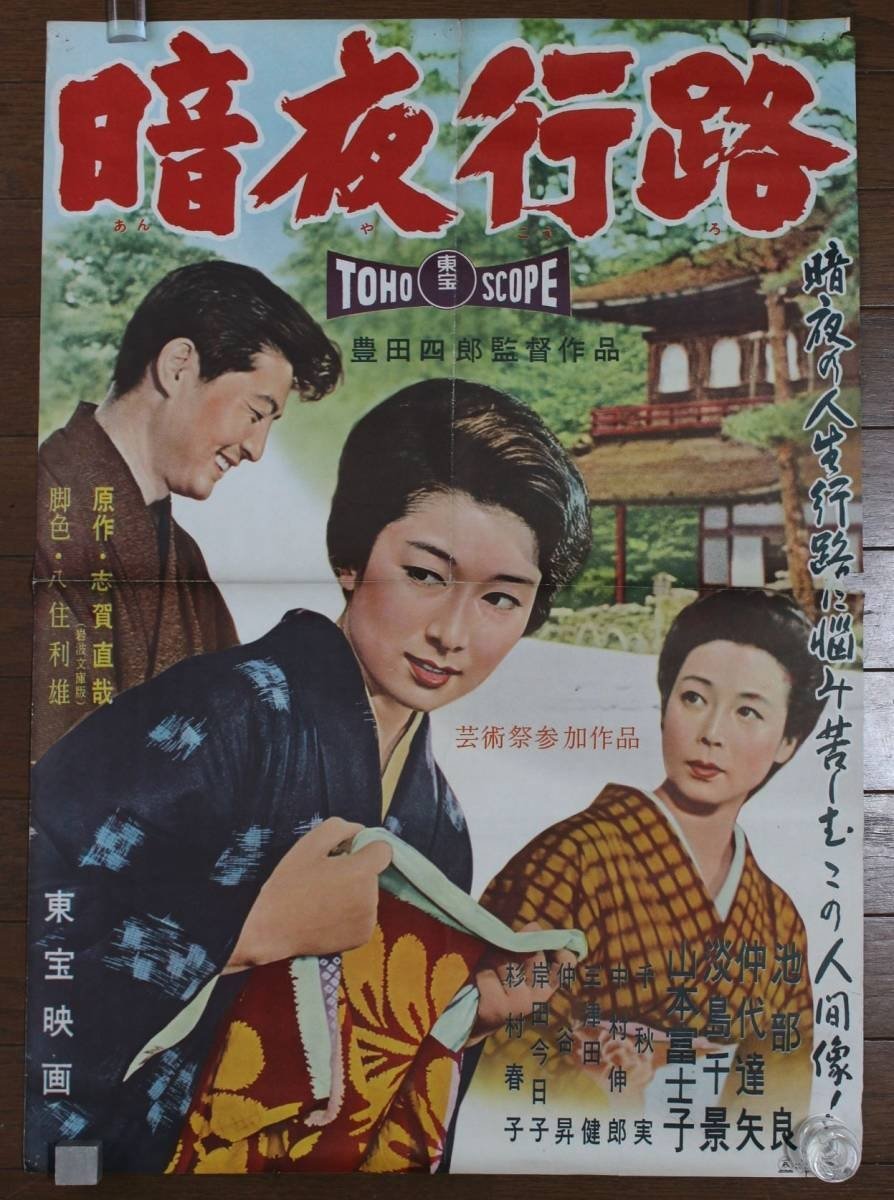
Adapted by Yasumi Toshio and directed by Toyoda Shiro, this is a literary work based on a full-length novel of the same name published by Shiga Naoya of the Shirakaba School.
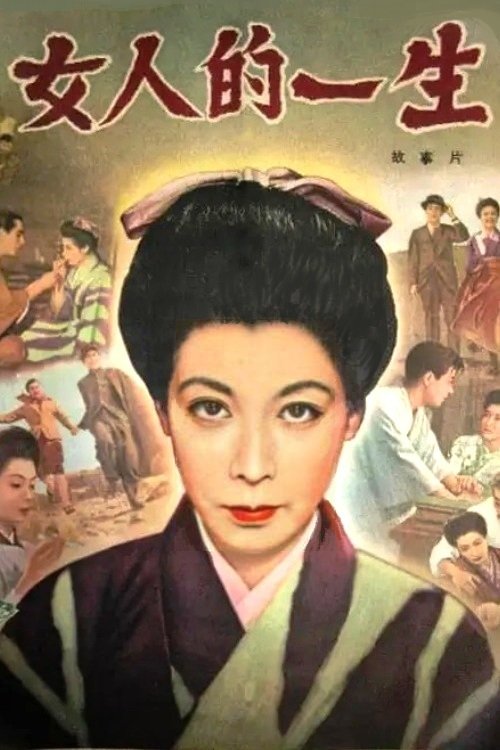
The film adaptation of Yuzo Yamamoto's novel tells the story of the difficult fate of a single mother in pre-war Japan.
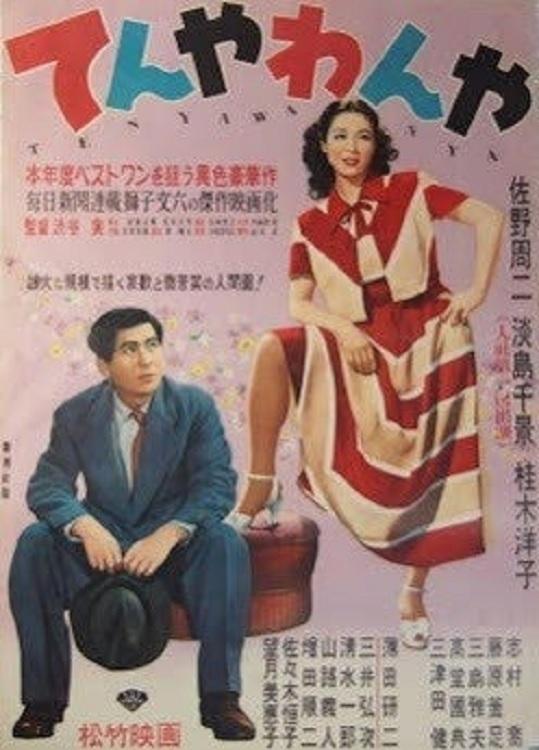
Also known as Crazy Uproar.
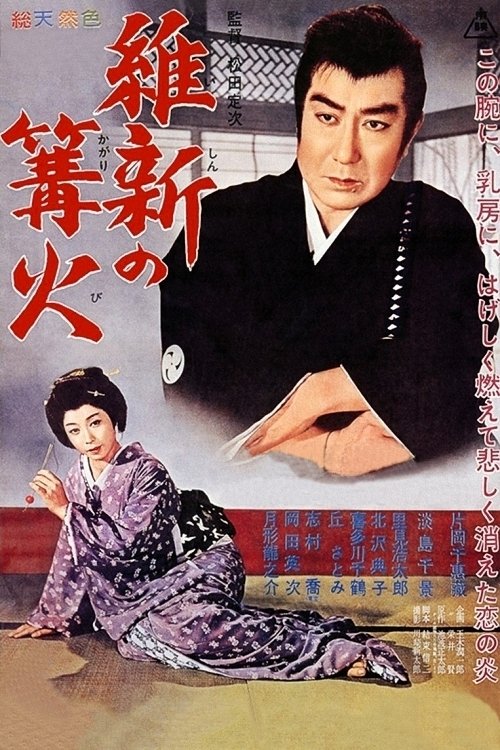
Megastar Kataoka Chiezo is Vice-commander Hijikata Toshizo of the Shinsengumi in this realistic tale of Japan’s inner battles that led to the downfall of the Tokugawa shogunate. Excellent performances and extremely good swordplay highlight this glimpse into the heart and soul of Japanese history. Although known as “Razor Blade” Hijikata, the vice-commander is a man of deep conviction with a little-known sense of humanity. Starting after the famed Ikedaya Incident, in which they saved Kyoto from Choshu’s plot to burn the city to ashes, they work hard to change the public’s view of them as merciless killers to their true mission of protecting the shogun. This is an extraordinary tale of blood and guts! From the pen of award winning author Shotaro Ikenami (Bandit Vs. Samurai, Hunter in the Dark, Misumi's The Last Samurai)
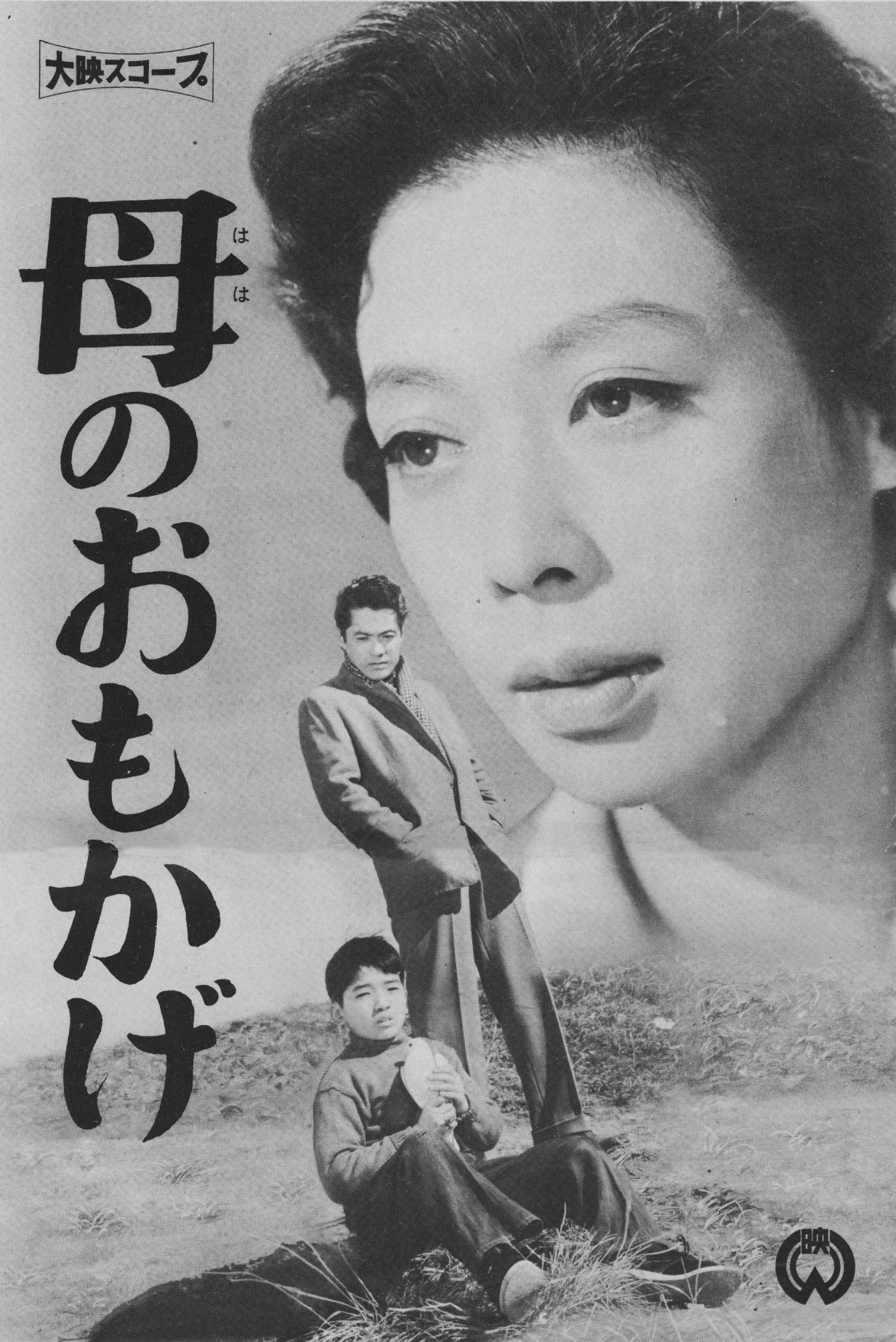
The young boy Michio struggles with the loss of his mother while his widowed father, Sadao remarries the kind-hearted Sonoko, who has a daughter of her own. As Michio clings to memories of his mother, the family navigates the challenges of grief, love, and new beginnings.
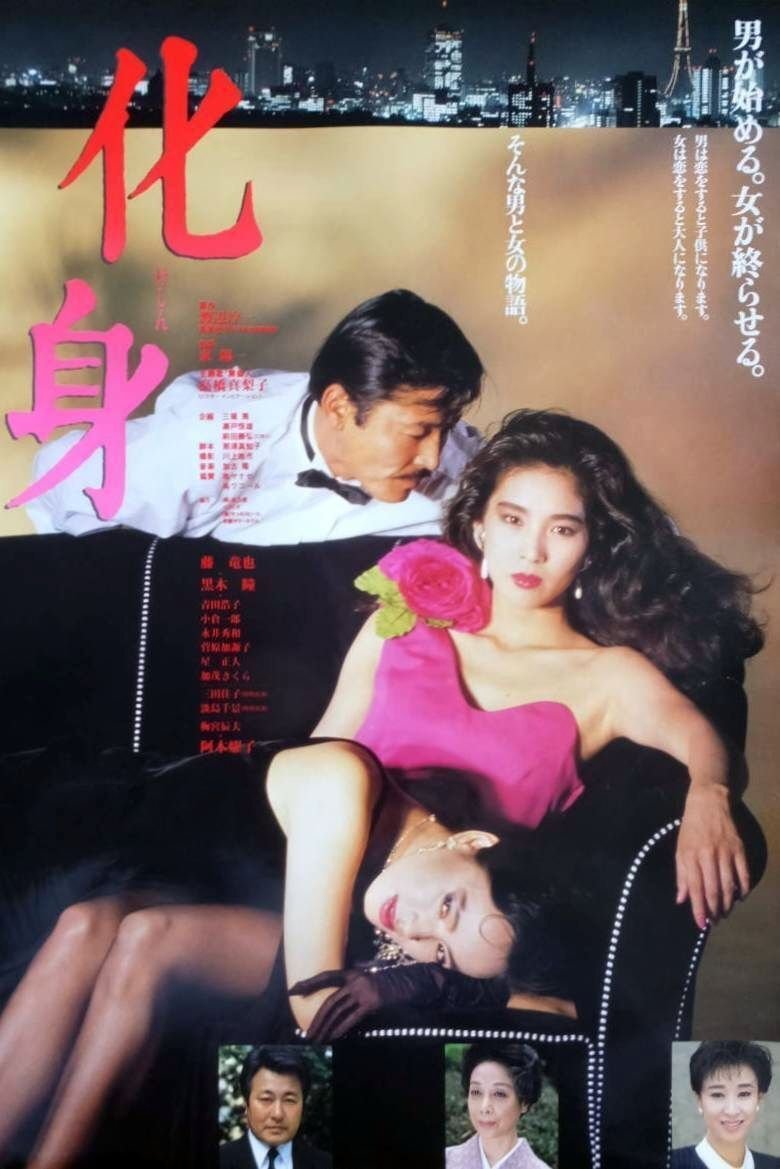
A sensuous movie based on a literary work. Hitomi Kuroki stars as the film’s heroine.
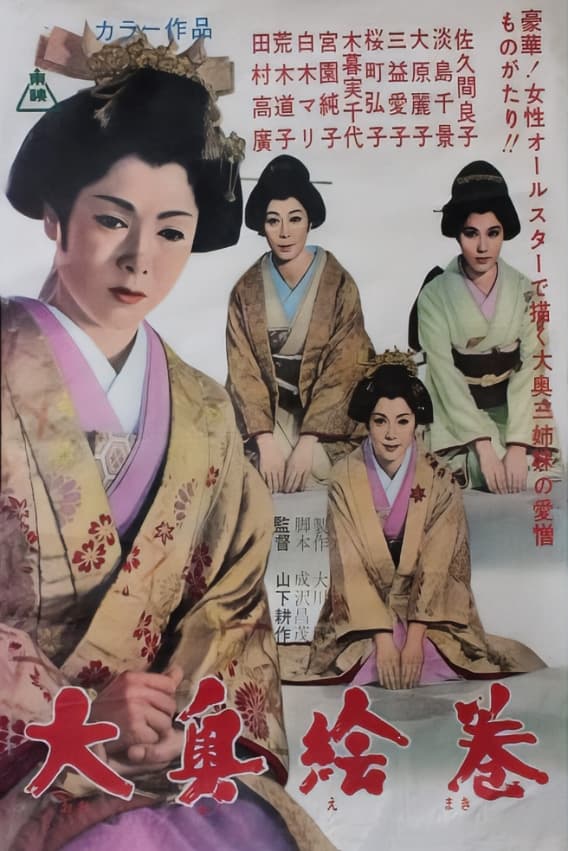
Love-hate drama of three beautiful sisters in Ooku in Edo Castle.
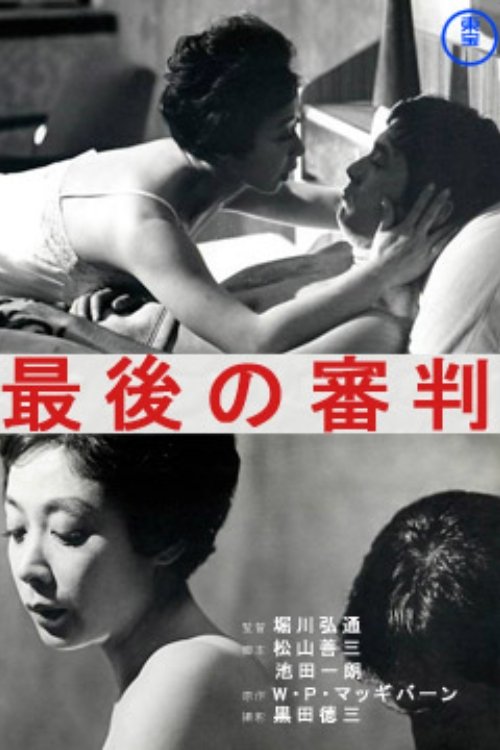
The last judgment.
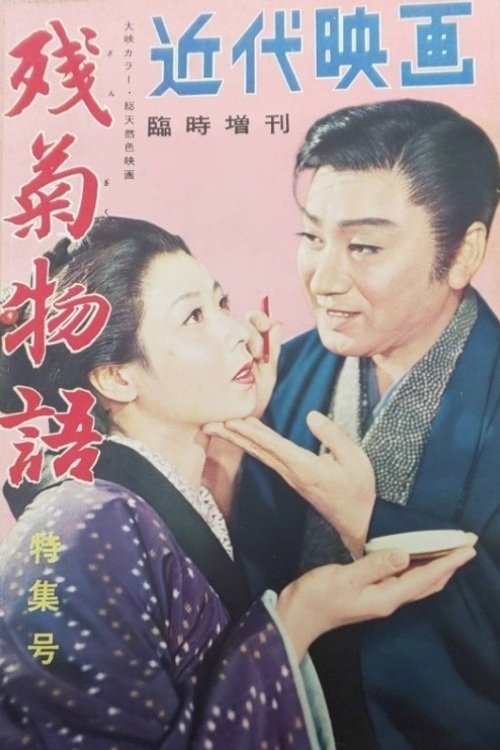
Based on the novel by Shofu Muramatsu, the film is dedicated to the actors of the renowned Japanese Kabuki theatre. Set in Japan in 1885, the story follows Kikunosuke Onoe, the adopted son of a famous Kabuki actor. Kikunosuke’s father teaches him professional acting skills, preparing him to become his successor and continue the acting dynasty. However, Kikunosuke leaves his family, much to his father’s dismay, to hone his craft outside of Tokyo and moves to Osaka.
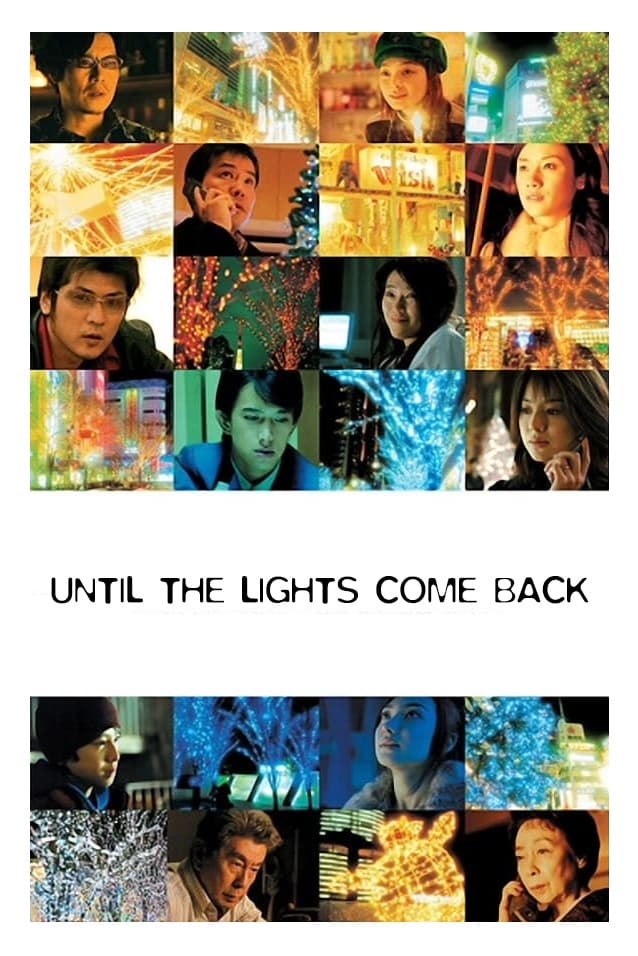
A Christmas Eve power outage provides a collection of troubled Tokyo denizens the opportunity to come clean on the misdeeds of their past.
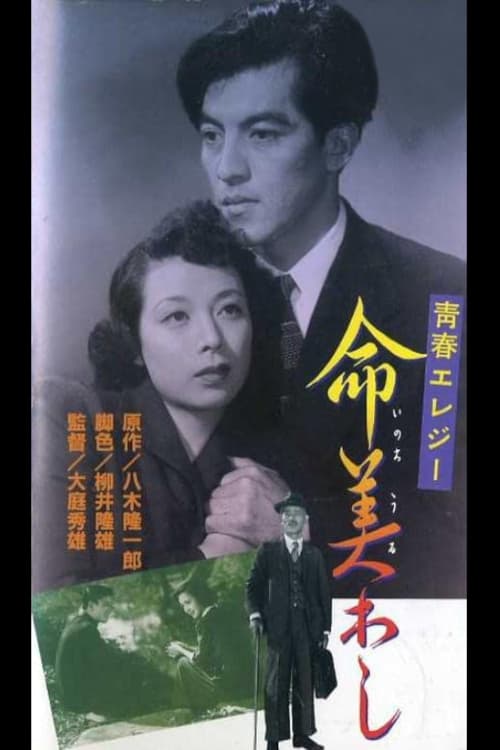
Inochi uruwashi
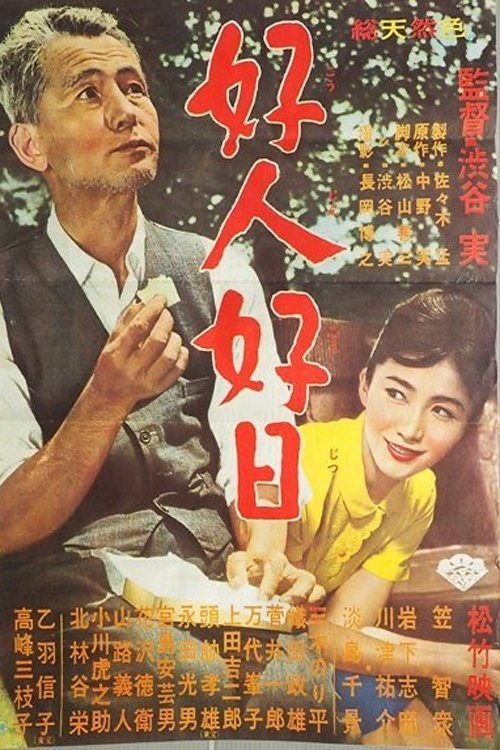
The university professor Ozeki Hitoshi (Ryu Chishu) is regarded as an eccentric by people in his surroundings. When his daughter Tokiko is asked to marry a colleague, she and her mother are overjoyed, but Hitoshi is not satisfied with the situation.

Ensemble comedy.
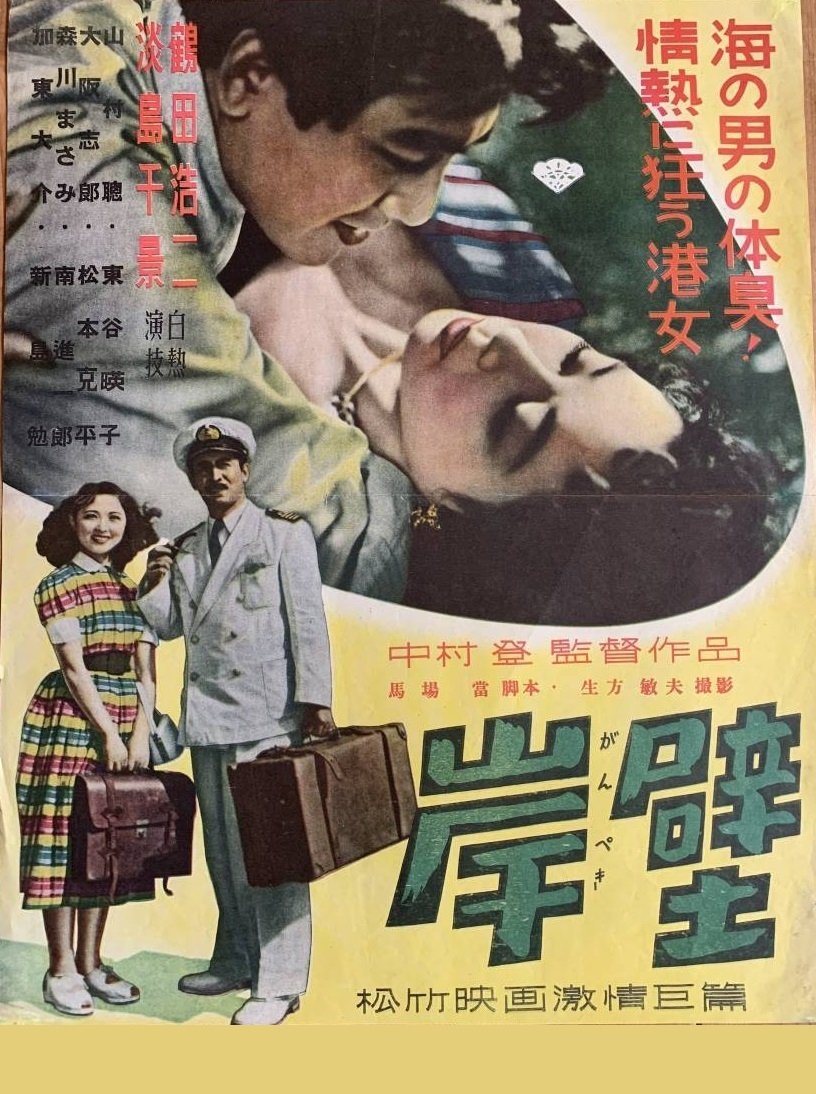
1953 Japanese movie
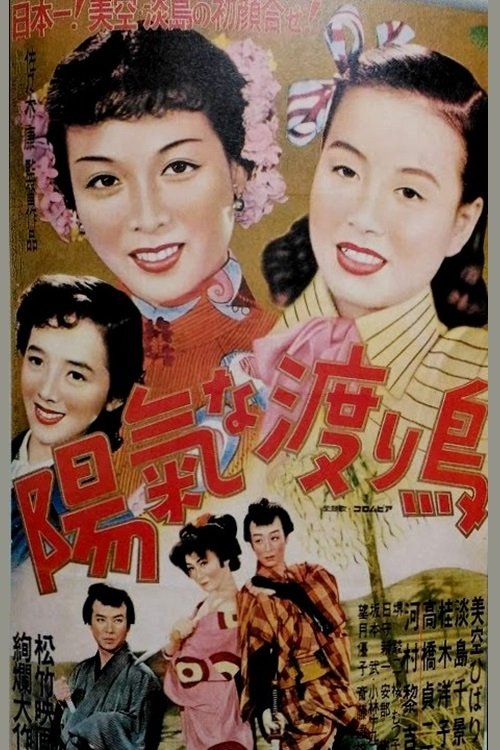
Midori (Misora), the adopted daughter of Kinnosuke (Kawamura), a ship carpenter in a port town, was born a good singer. Her mother is dead, her father has been missing since he left for war, and the orphan Midori is given to Kinnosuke and his wife, who soon have a baby together, so she is treated as an obstacle. When a female sword-play troupe comes to town, she cannot forget the kindness shown to her by female magician Katsutamusai Harue (Awashima), so she follows the troupe on their tours. Midori became a popular singer and was loved by the troupe, but only Yoshizawa (Abe), the leader of the troupe, had eyes for Midori and bullied her.
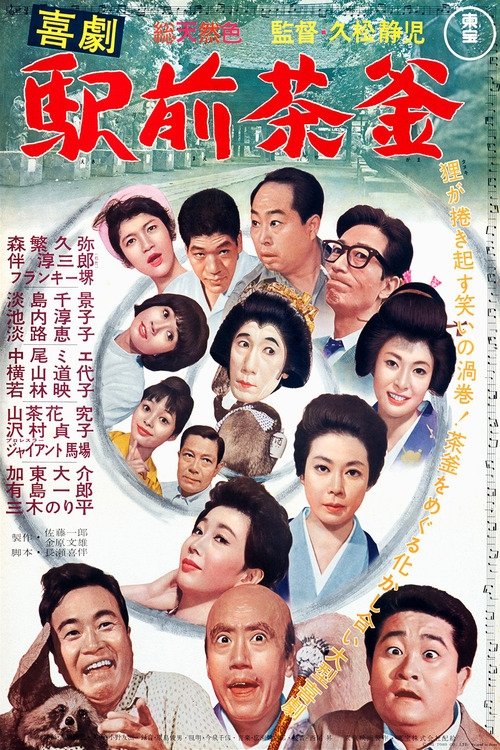
Sixth entry in the Ekimae series, loosely based on the folktale of the tanuki and the tea kettle.
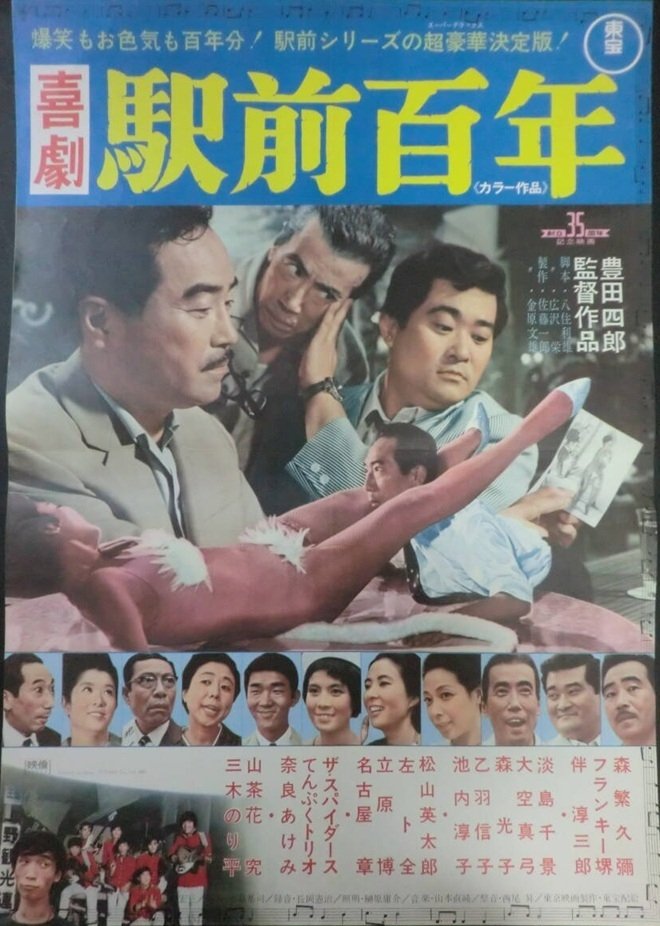
The 21st film in the Ekimae series, commemorating the 35th anniversary of Toho. The film is a loose remake of the first film in the series, Ekimae Ryoukan.
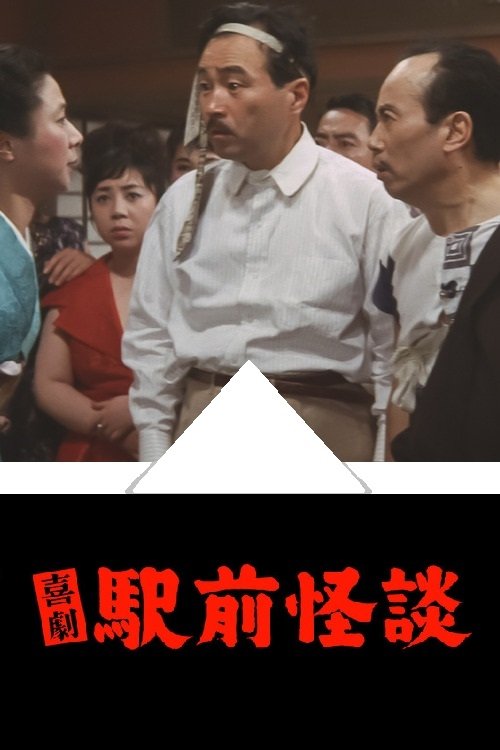
Eighth in the Ekimae series, portraying competition between two hot spring resort owners in Yamanashi.
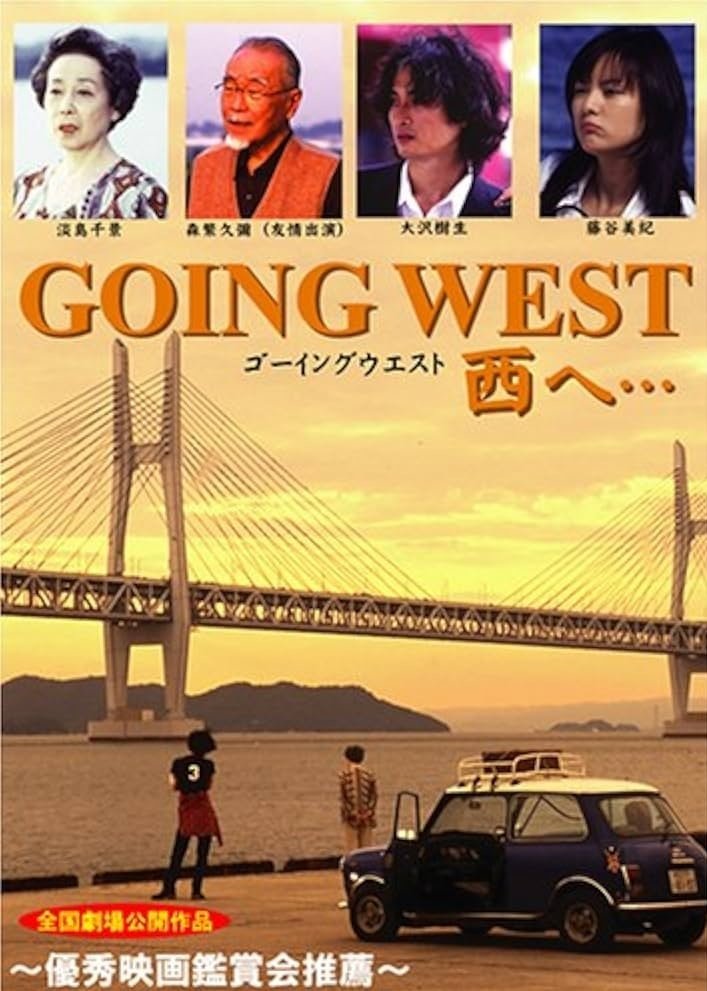
Sakuma Ryu, who runs a liquor store alone in downtown Tokyo, ends up living with his eldest son and his wife after a small fire breaks out. His sons are always there to help, but Ryu, who has stubbornly lived alone since her husband's death, feels uncomfortable there, and frequently visits his tea-drinking buddy Kinue to vent his frustrations. However, Kinue's sudden death and a postcard inspire Ryu to set off on a solo trip in her husband's beloved Mini Cooper. Her destination is Matsuyama in Shikoku, where she spent her childhood and where her first love, for whom she harbored a faint crush, still lives. The Mini Cooper speeds smoothly between Gifu and Kyoto. But when Shota and a young couple from the future join Ryu in the Mini Cooper, things start to look ominous...
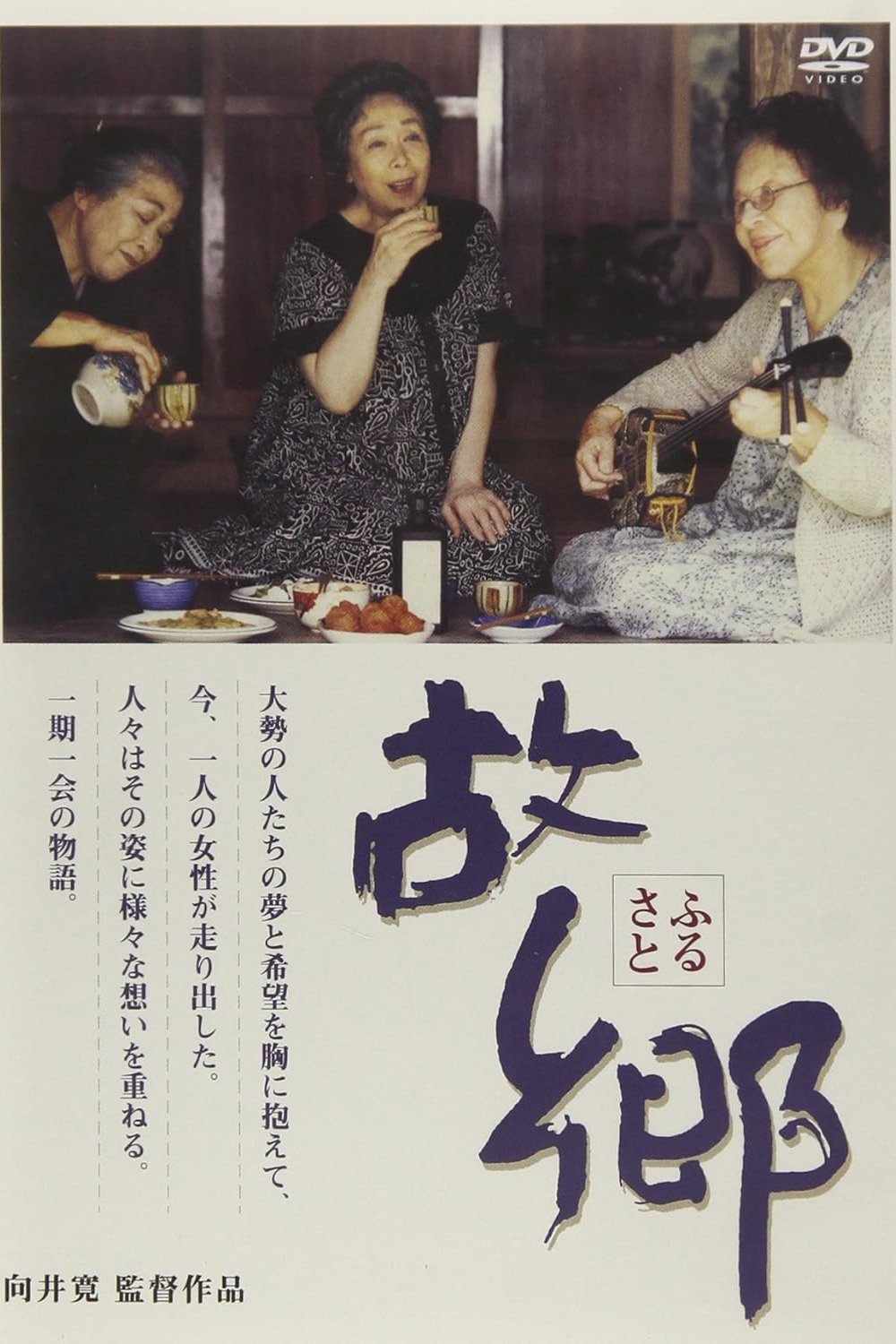
Tokiko Haebaru, a 76-year-old grandmother living in Nago, Okinawa. She soon embarks on a marathon across Japan.
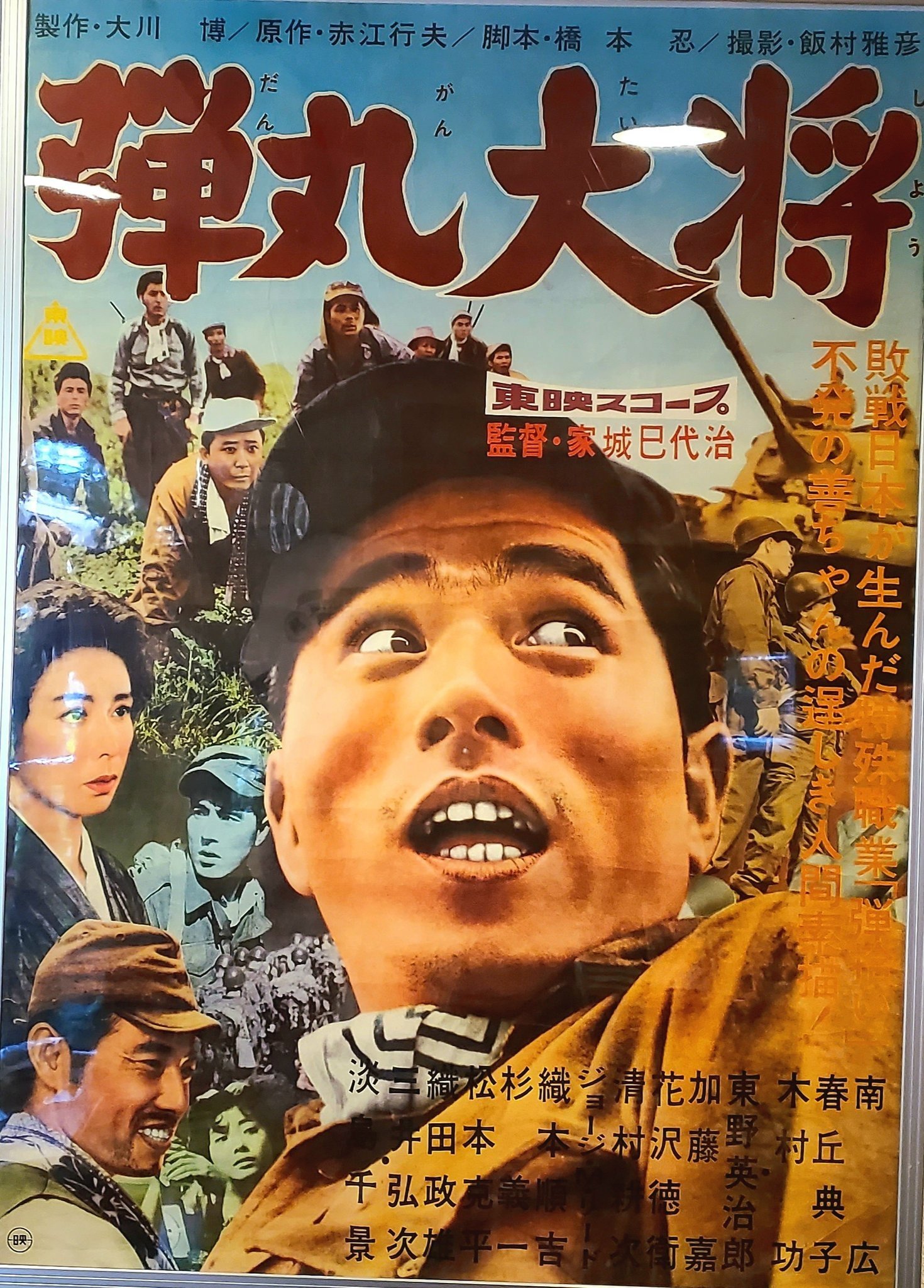
Ammo scavengers make a living gathering the unexploded bombs and shell casings from the U.S. military training grounds. One of them, Zen, is their champion, a stingy but good-natured person. Based on the novel "Fuhatsudan" by Akae Yukio.

An ad campaign for a TV show called the “Male Training Contest” stirs chaos at a major electronics company. PR staffer Takayama opposes it, but his girlfriend Eiko, the show’s host, supports the idea. On opening night, PR manager Sugishita is forced to join the contest, where husbands fail miserably at household chores. Frustrated, the men later gather to complain about their domineering wives, only to be confronted by a carefree stranger who teaches them absurd tricks to “stand up to women.”
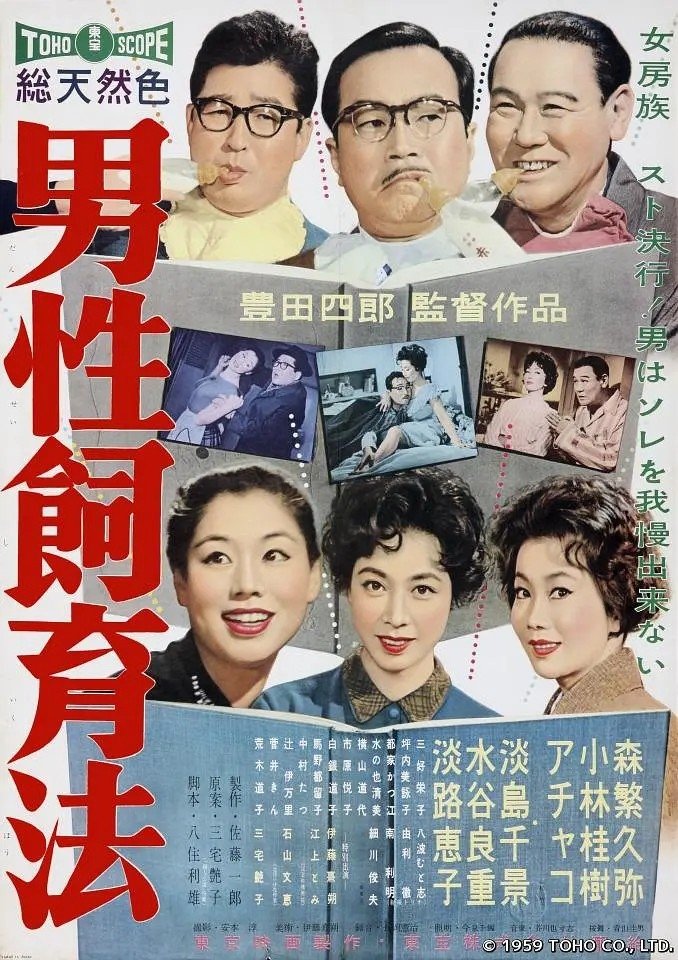
Three wives launch a sex strike to put their domineering husbands in their place!
In a corner of Tokyo, an old apartment housed the couple Sakaguchi Koyasu, a construction engineer, and Midori. According to Midori, Koyasu was a bland, insipid presence in this neurotic age, like a plain roll. Based on Nakano Minoru's original work, which humorously depicts the daily life of a low-paid salaryman.
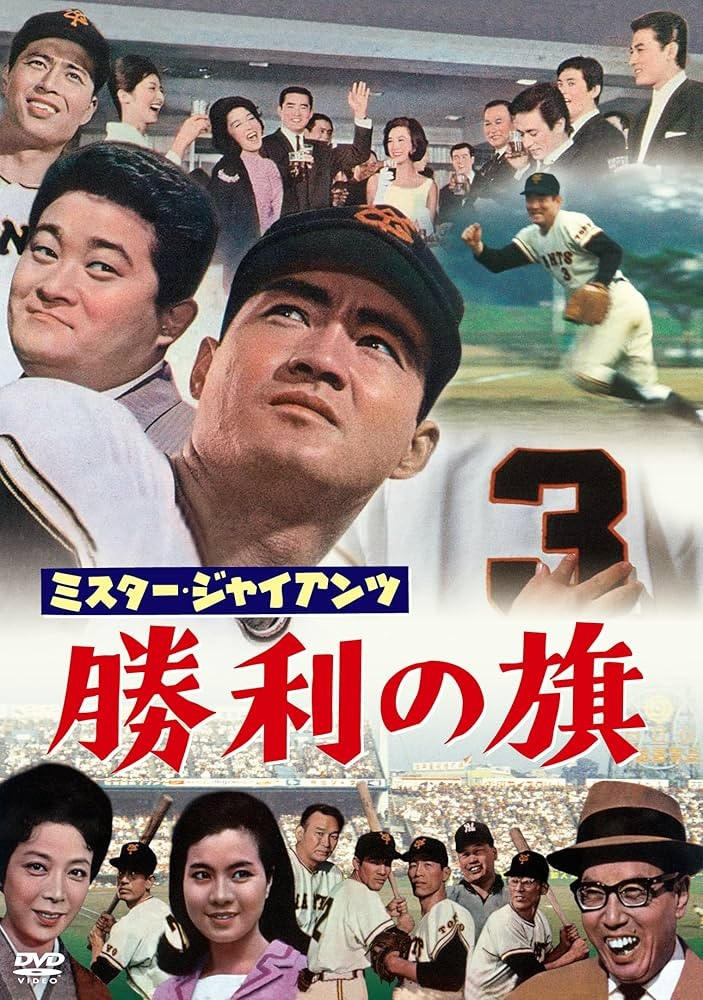
Apparently a baseball drama starring real-life stars Nagashima (The Babe Ruth of Japanese Baseball) and teammate Oh-known collectively as ON-from the Yomiuri Giants. Nagashima nickname was 'Mr. Giants.