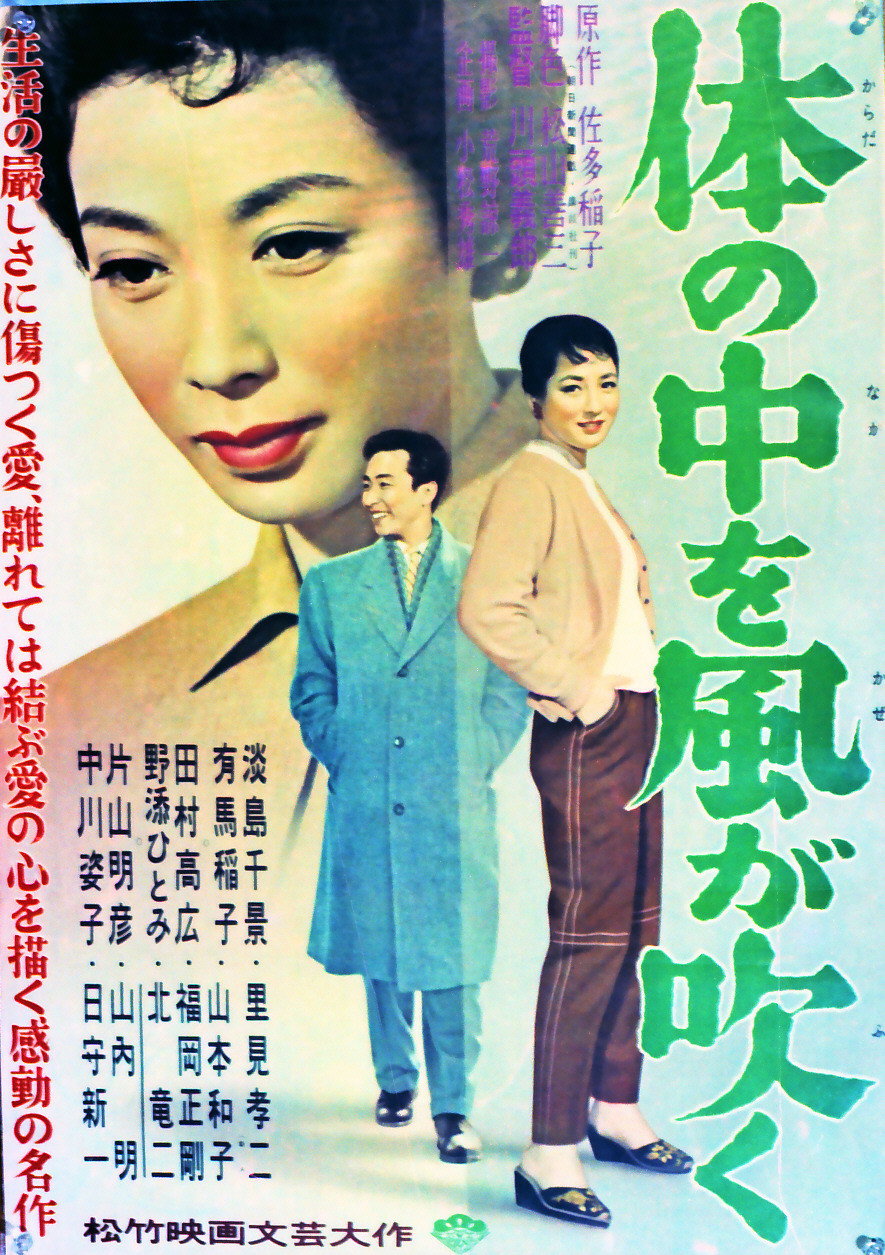
After handing in a report on the treatment of Chinese colonial labor, Kaji is offered the post of labour chief at a large mining operation in Manchuria, which also grants him exemption from military service. He accepts and moves with his newlywed wife Michiko, but when he tries to put his ideas of more humane treatment into practice, he finds himself at odds with scheming officials, cruel foremen, and the military police.
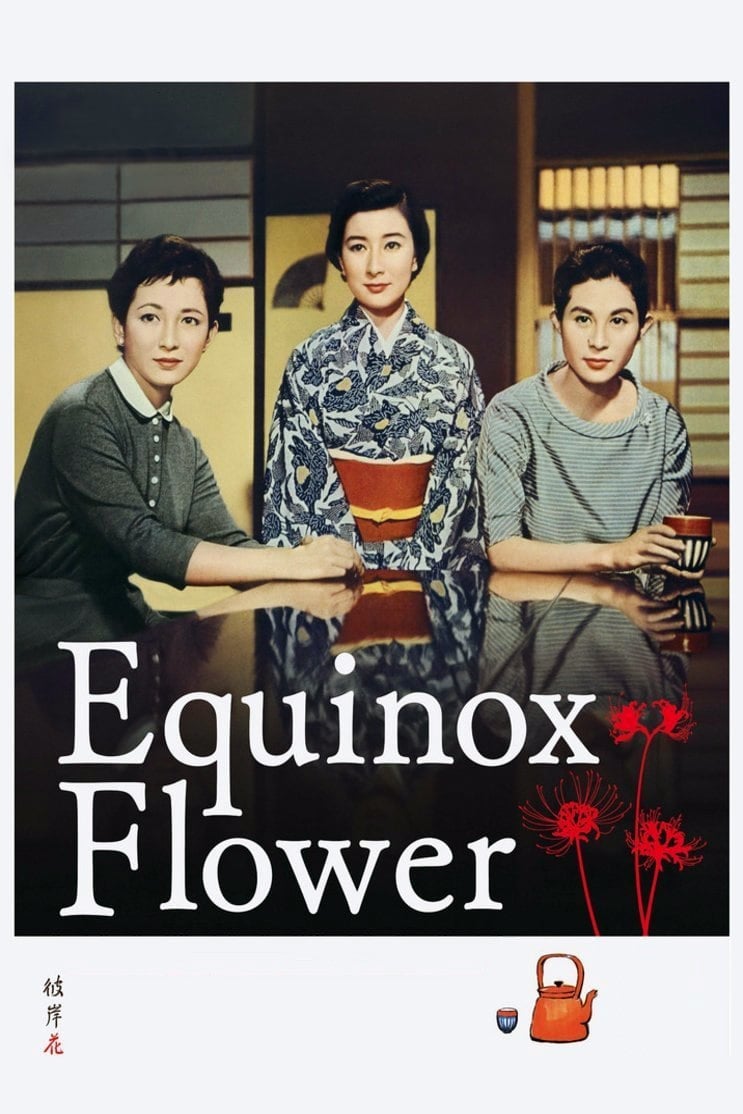
Wataru's outwardly liberal views on marriage are severely tested when his daughter declares her love for a coworker and is adamant to live her own way, instead of agreeing to an arranged marriage. Outwitted by his female relatives, Hirayama stubbornly refuses to admit defeat.
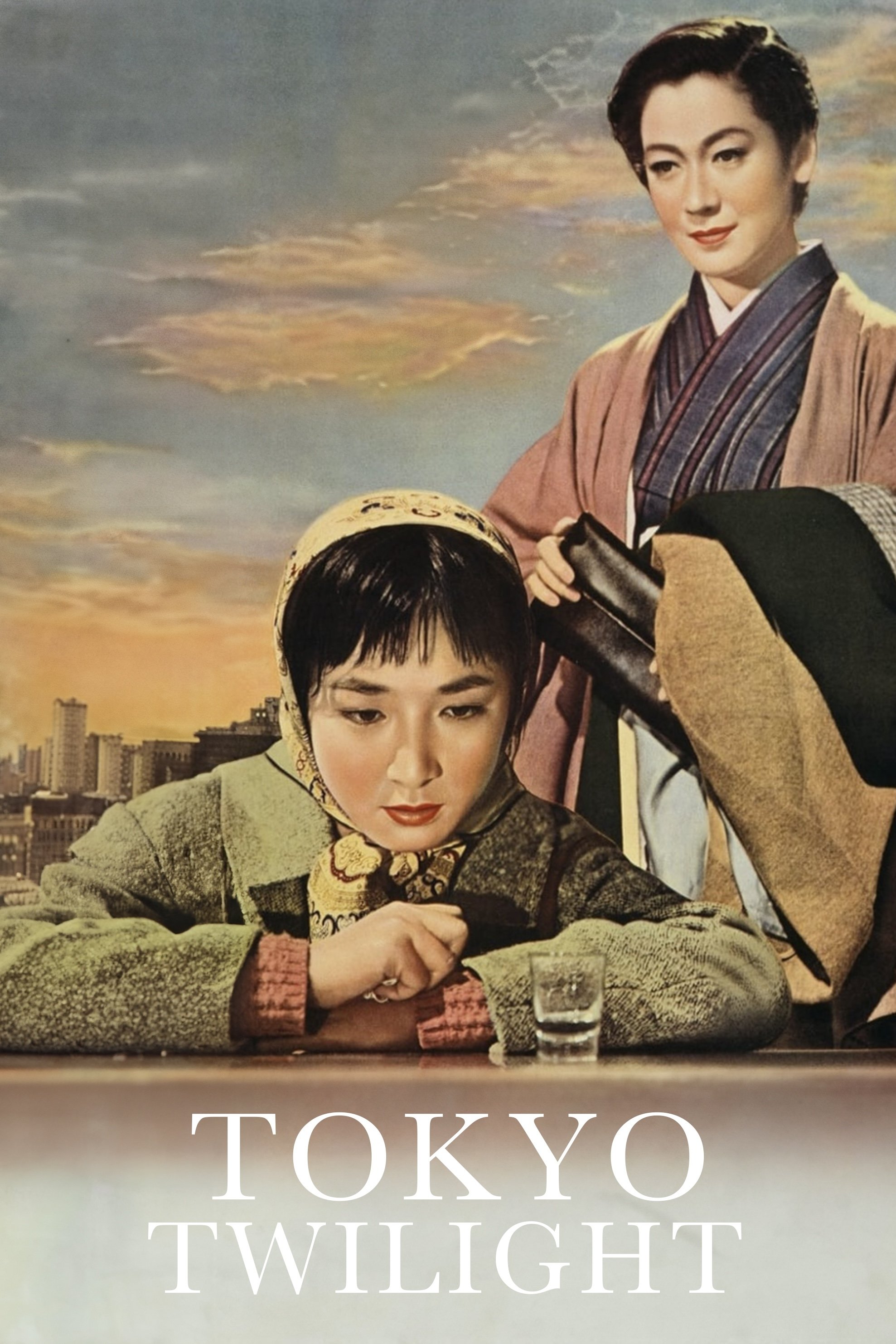
Two sisters find out the existence of their long-lost mother, but the younger cannot accept the fact that she was abandoned as a child.
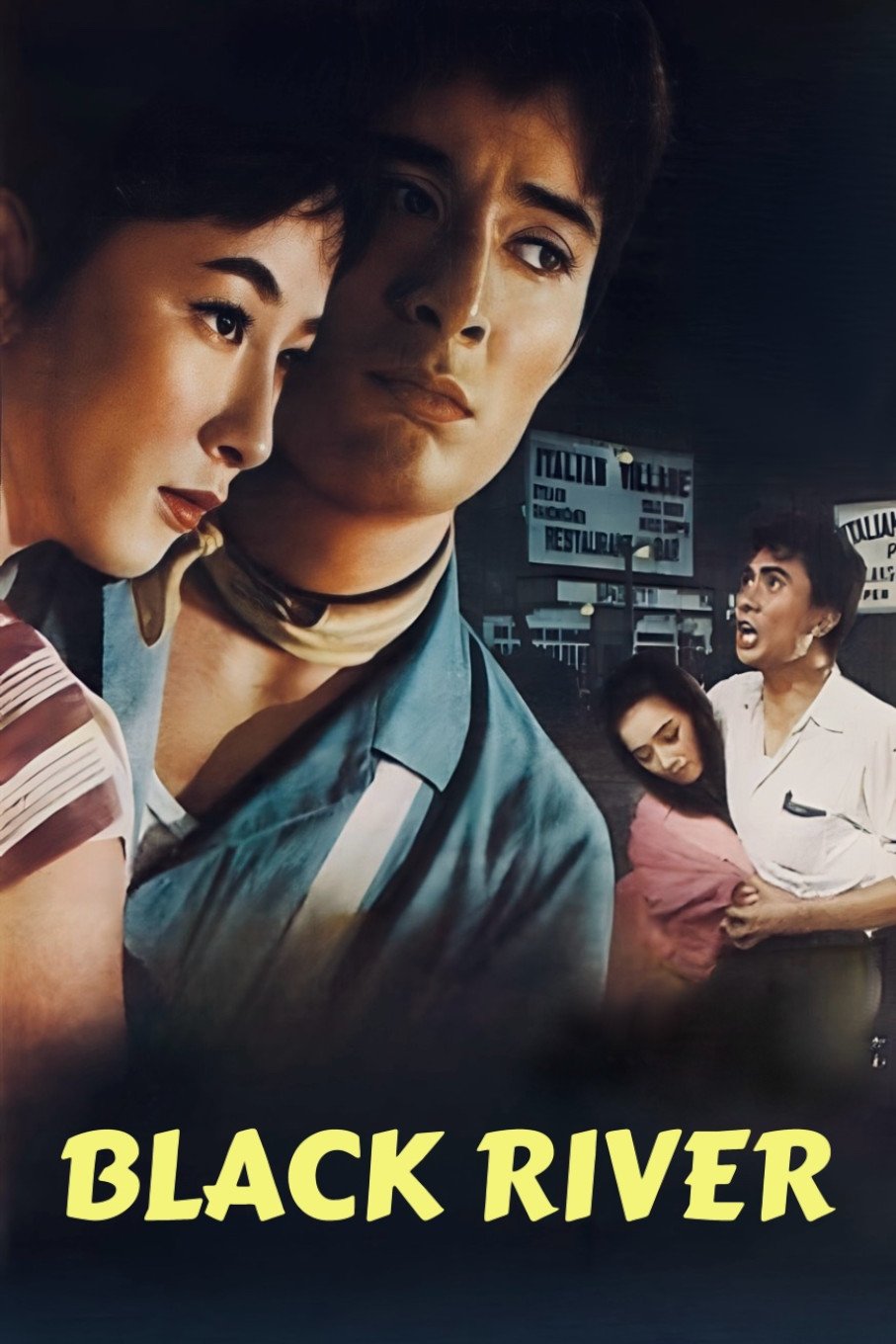
A love triangle develops between a benevolent student, his innocent girlfriend, and a cruel petty criminal, all as a point of diagnosis of a social disease that had Japan slowly succumbing to lawlessness during the post-War era.
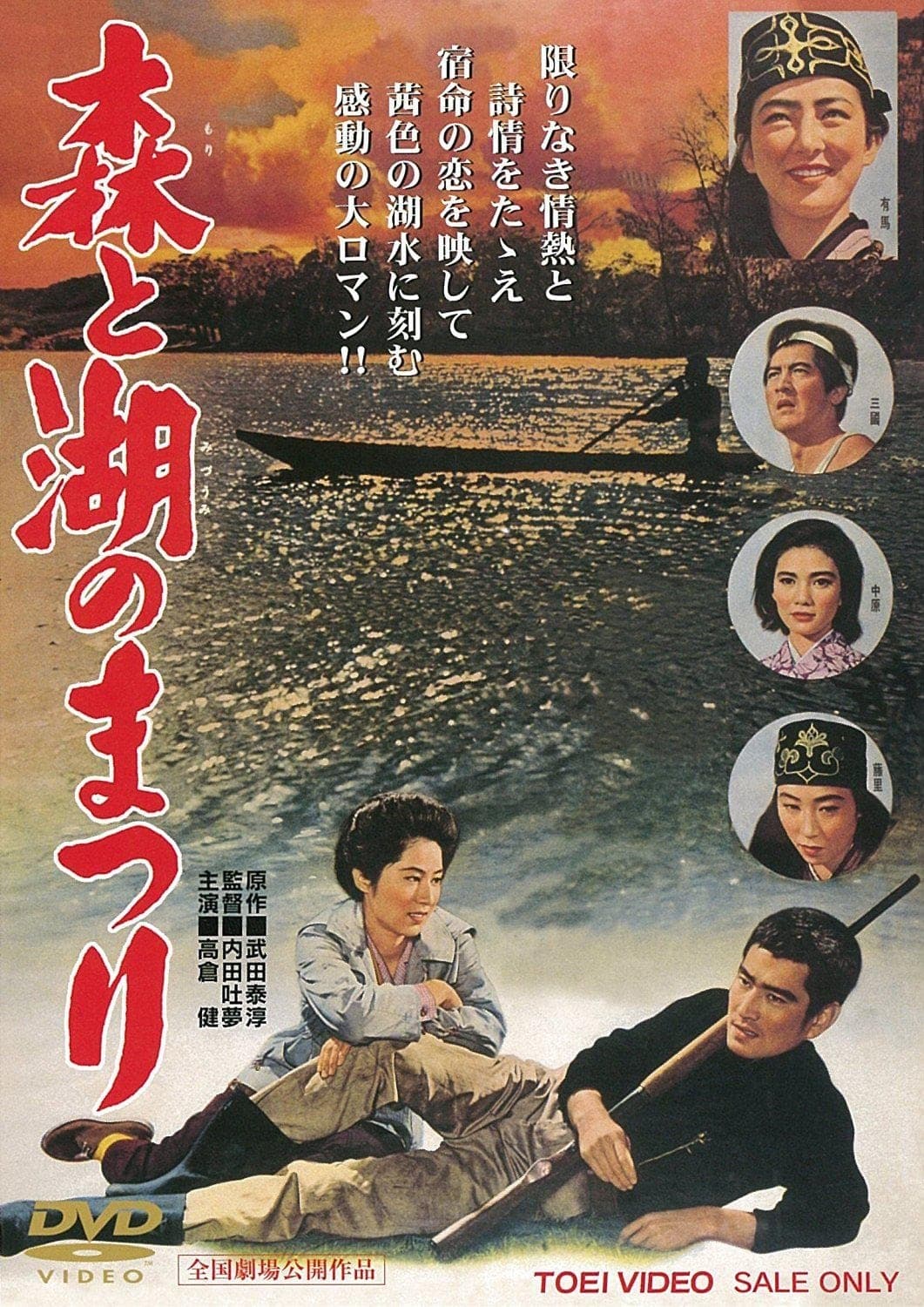
A drama about relations between Japanese immigrants and the indigenous Ainu on Hokkaido, the most northerly island of Japan. From a novel by Taijun Takeda.
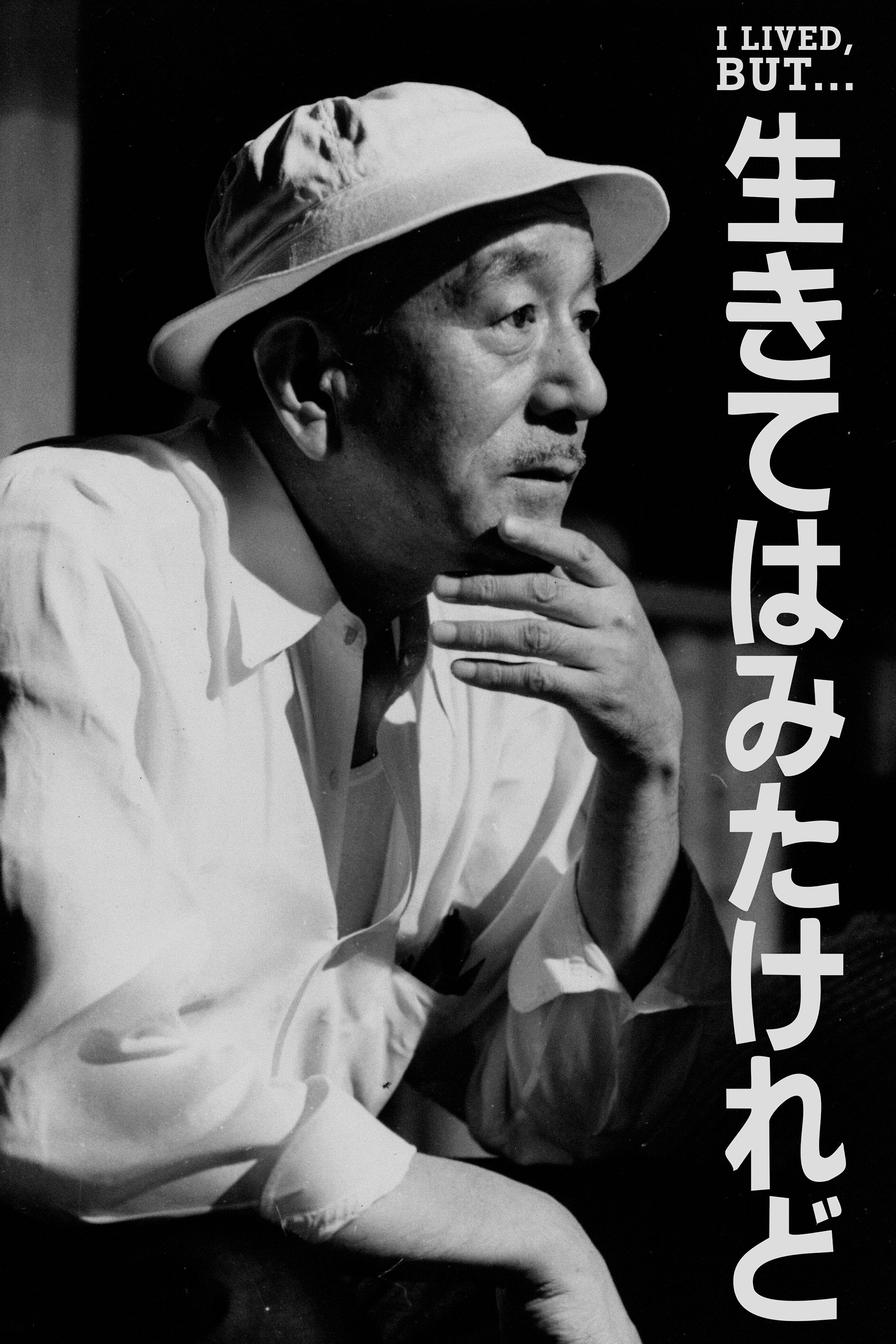
An extremely lovely tribute to Ozu, on the 20th anniversary of his death. It uses a combination of footage from vintage films and new material (both interviews and Ozu-related locations) shot by Ozu's long-time camera-man (who came out of retirement to work on this). Surprisingly (or perhaps not), it focuses less on Ozu's accomplishments as a film-maker than on his impact on the lives of the people he worked with..

One week into newlywed Teiko Uhara's marriage, her husband, Kenichi, leaves on a short business trip and never returns. Teiko travels across Japan to search for him, and along the way discovers some surprising facts about her husband's past. With only a pair of old photographs among his belongings to go off of, Teiko tries to figure out what has happened to him.
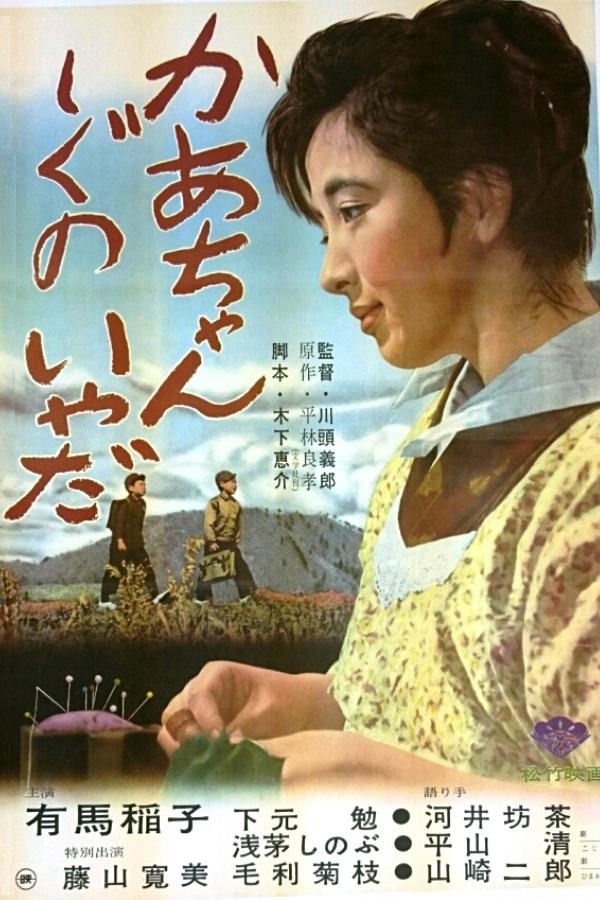
Yoshiuki and his older brother Yoshihisa are in school. They live with their mother, who struggles to make ends meet while their father is in the hospital with tuberculosis.
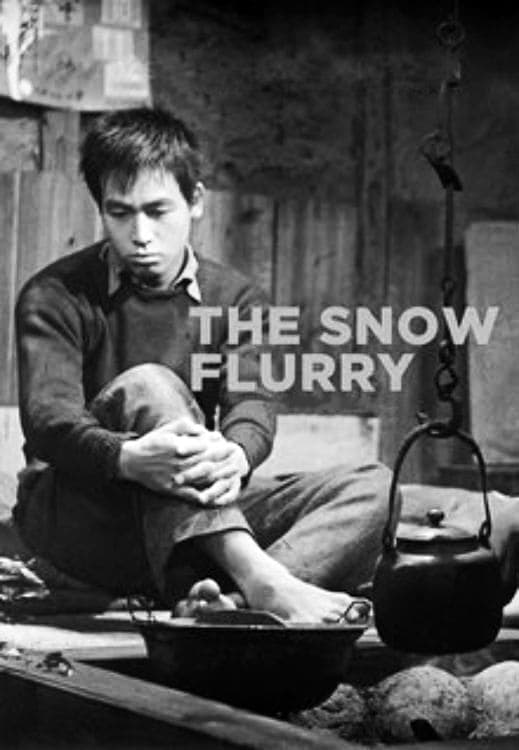
After surviving the double suicide pact she made with her lover, a woman gives birth to their child.
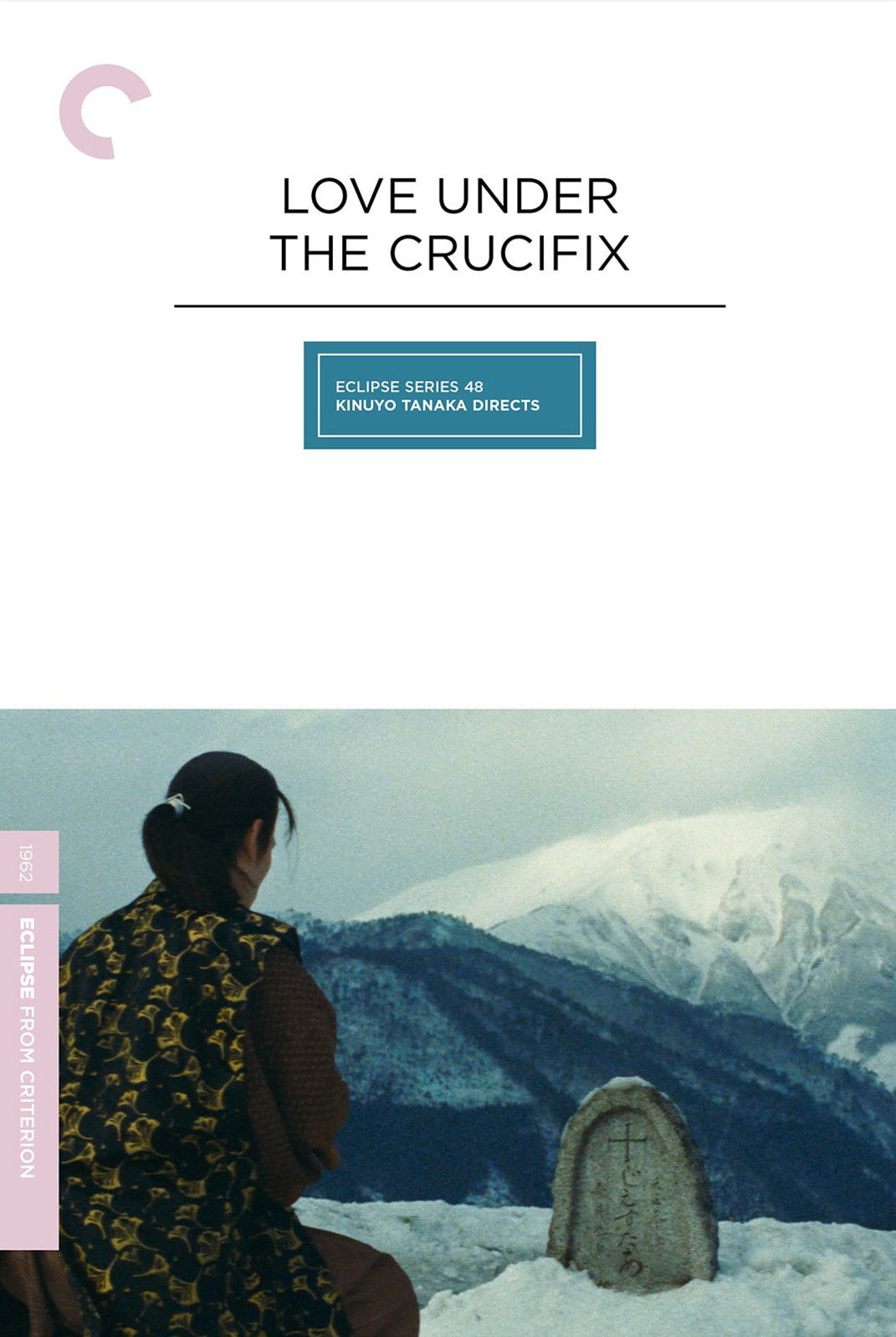
A tea master and his daughter Ogin are both Christians in feudal Japan. Ogin falls in love with a married feudal prince who shares her faith. When the Shogun bans Christianity, the situation worsens.
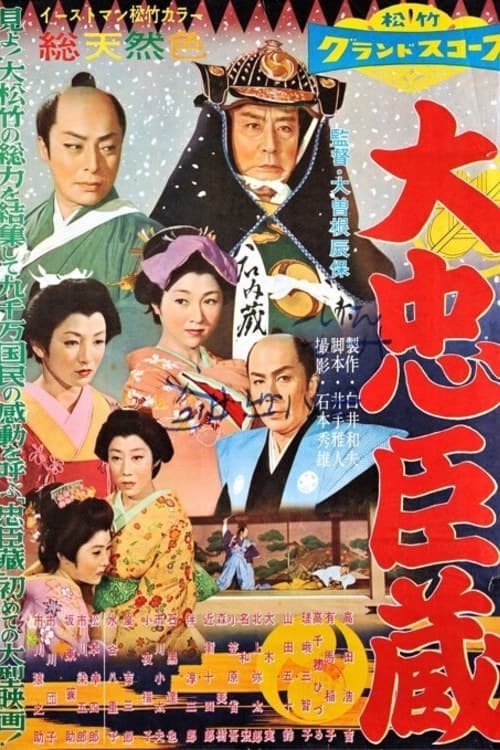
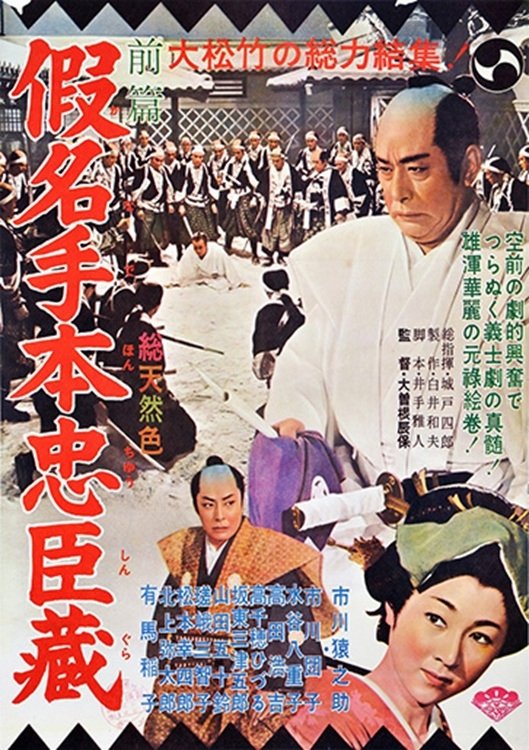
Chushingura has been made into a movie several times before, but this time it will be presented in a widescreen version with all natural colors and a new look. Written by Masato Ide and directed by Tatsuo Osone. This is a magnificent scroll of images that depicts on a grand scale the triumph of the Genroku era that shook the citizens of Edo, the peaceful capital of Japan. The top stars of the film, shinpa, shingeki, and kabuki worlds at the time of production were lavishly cast, and a huge budget was invested to create a large set for this highly acclaimed and moving epic.
Japanese drama
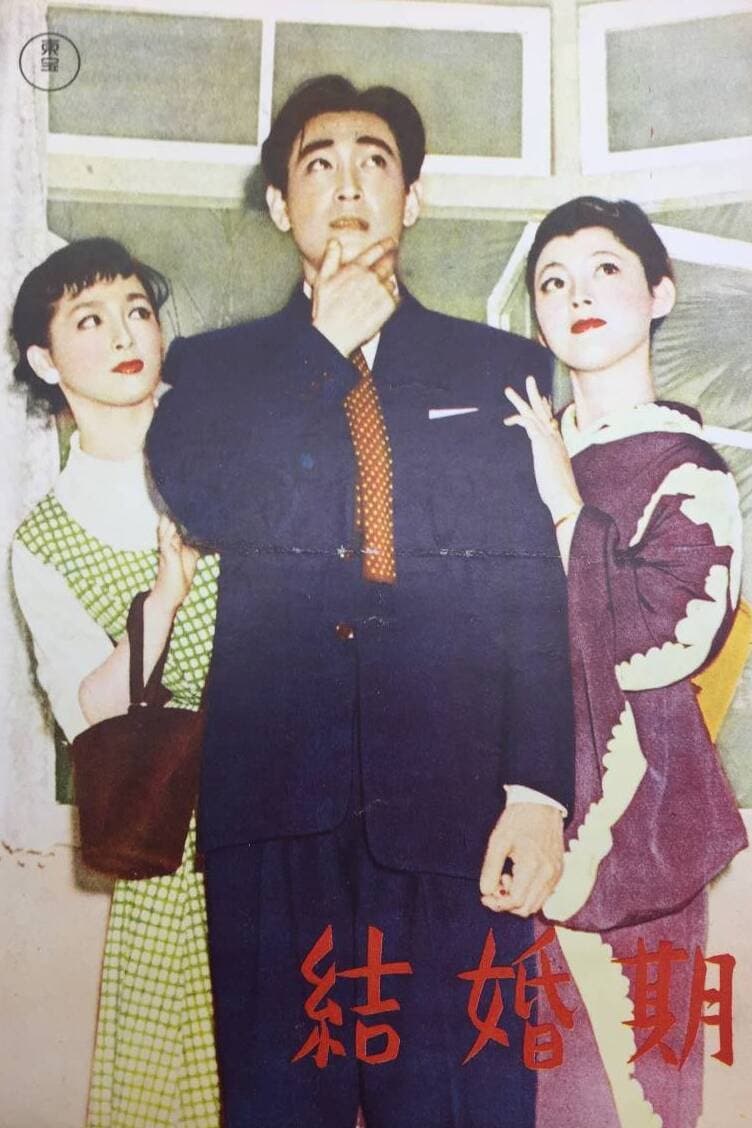
Urban love comedy in which Koji Tsuruta, who works for the Tokyo Metropolitan Government's Parks and Greenery Department, plays love shepherd to a number of women, including his true love, Inako Arima.

Recently appointed dean at a film school, Kimuro Hajime develops a special concern for one of his students, Daisuke. The brash, headstrong young man is fixated on with the Second World War. He feels a sense of frustration at the irrational sacrifice of young people's lives during the war six decades earlier. Daisuke finds that he can vent his frustrations to Kimuro, who experienced the war firsthand. Kimuro's wife, Emiko, is also troubled by memories of the war. She lost a loved one in the war and has never gotten over it. And Kimuro himself also has something from the past that he has yet to face. He believes that the burden of his unresolved past will eventually be the death of him. When Daisuke's neurosis causes him to quit school, life changes for all three of them.
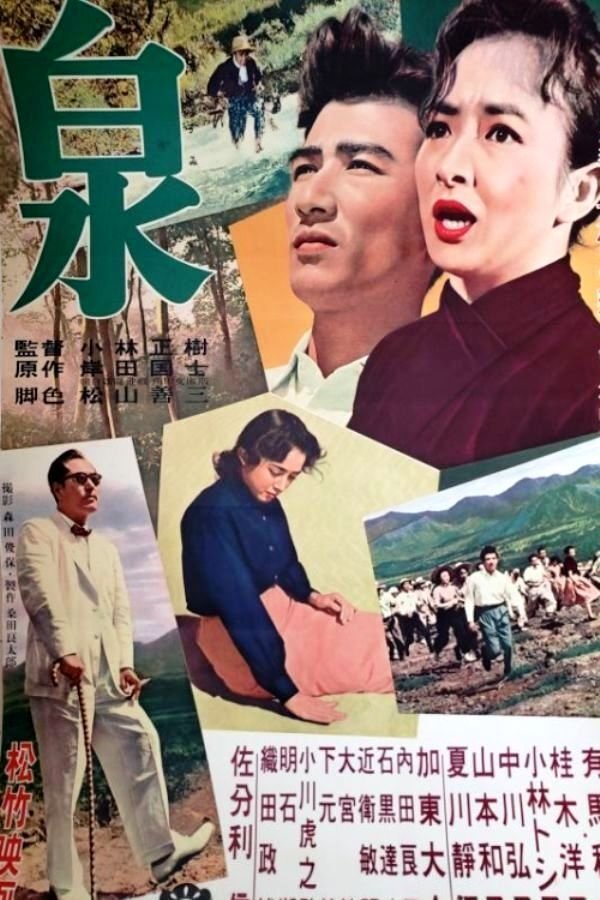
A botanist woos the secretary of an industrialist whose company threatens the local water supply.
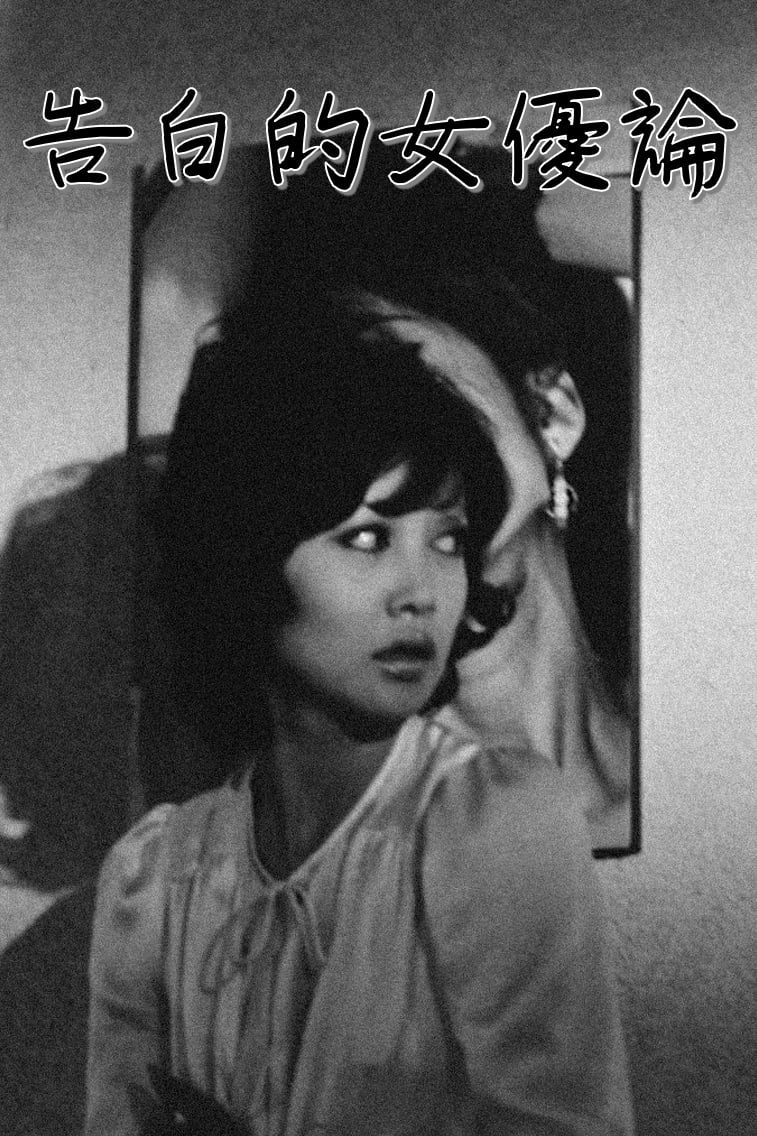
In this intricately layered Japanese film, the nature of actresses and what they gain from acting is explored. The lives of three actresses are laid bare, and scenes from their lives are woven in and out of interviews with each of them. Each of them has experienced a traumatic event which contributes to their particular enjoyment of becoming someone else in dramatic roles.
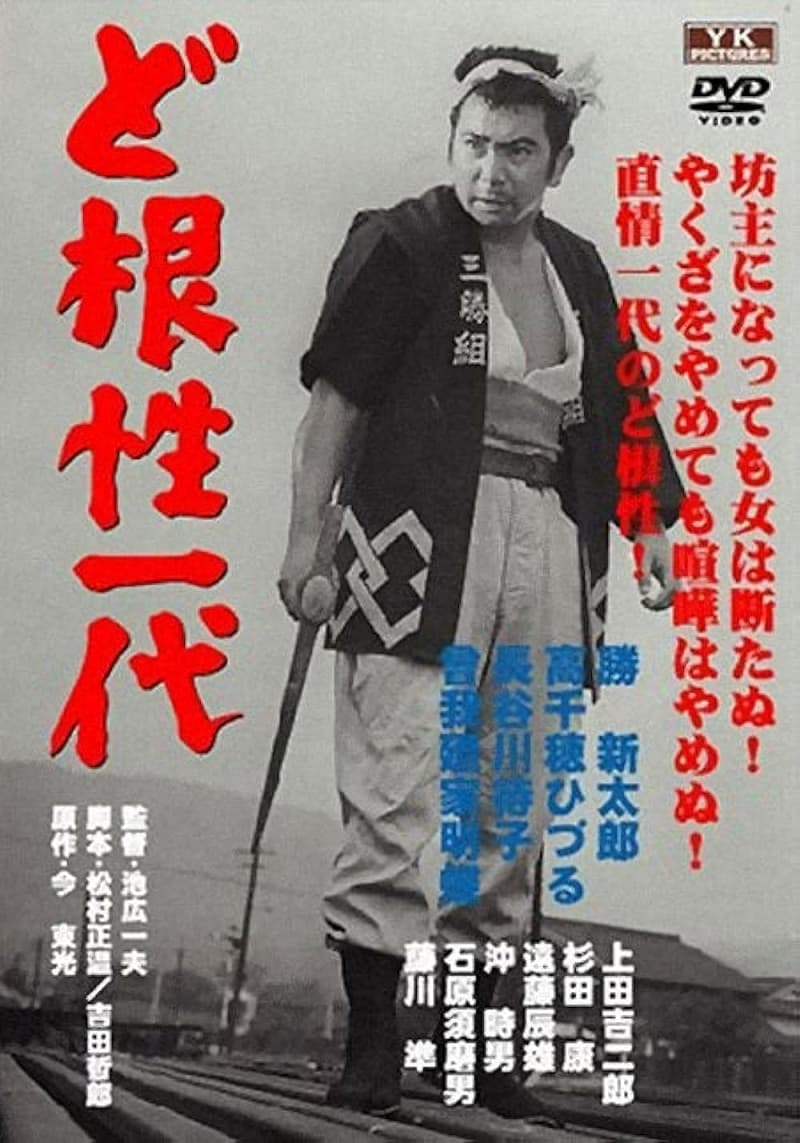
A poor rickshaw driver finds himself helping a young woman and her son after the woman's husband dies suddenly.

What is the life of a Geisha like once her beauty has faded and she has retired? Kin has saved, and become a wealthy money-lender, spending her days coldly collecting debts. Even her best friends, fellow Geisha Tomi, Nobu, and Tamae, are now indebted to her. For all of them, the glamour of their young lives has passed; Tomi and Tamae have disappointing children. Kin has two former lovers who still pursue her; one she wants to see, and the other she doesn't. But even the one she remembers fondly, when he shows up, proves less than satisfactory.
1958 Shochiku adaptation of Natsume's novel.
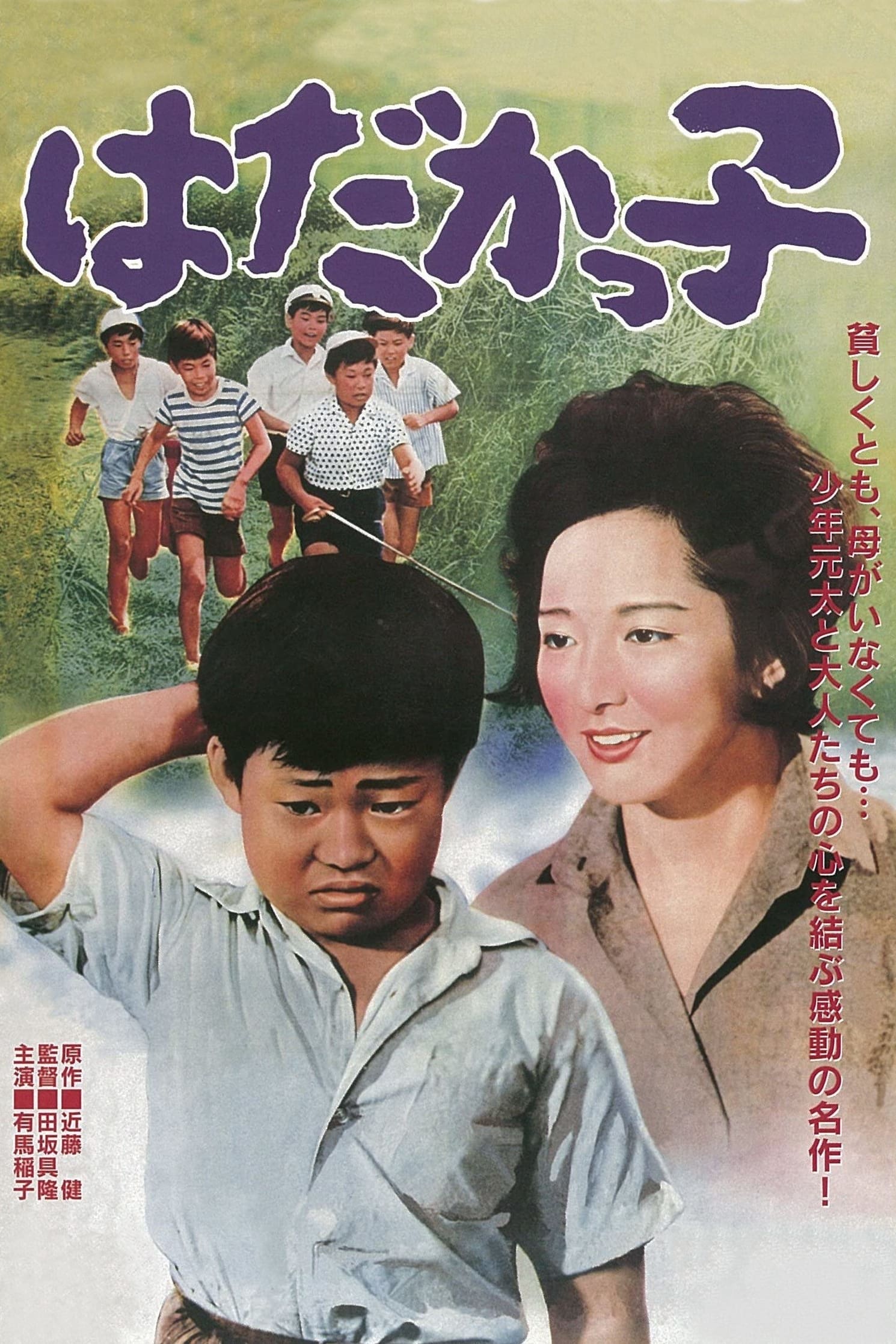
A touching story about a young boy, Genta, who bravely takes on life's challenges in hopes of finding a better life for himself and his sickly mother.
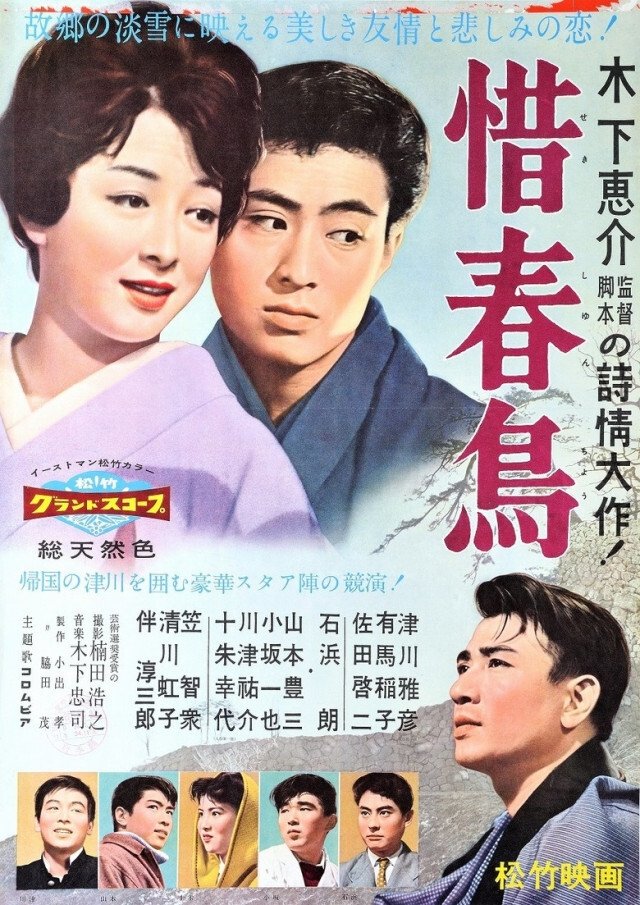
Five longtime friends get back together, but are disappointed to find that their bonds are not as strong as they once were.
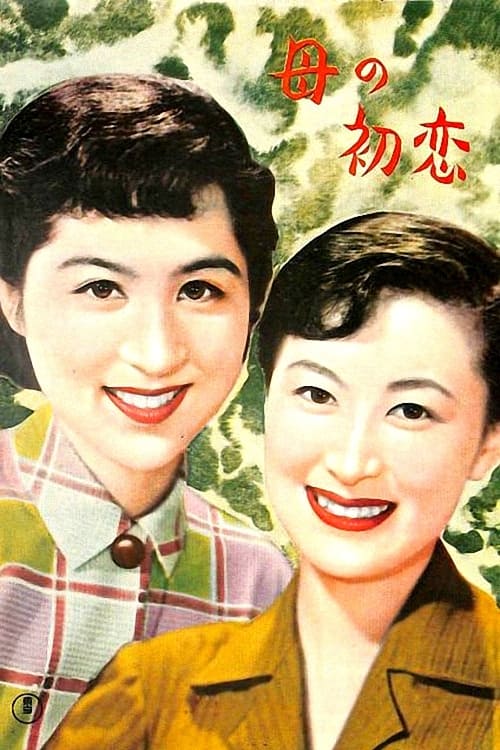
A melodrama based on the novel by Yasunari Kawabata, telling about the tragic fate of a mother and daughter who are attracted to the same man.
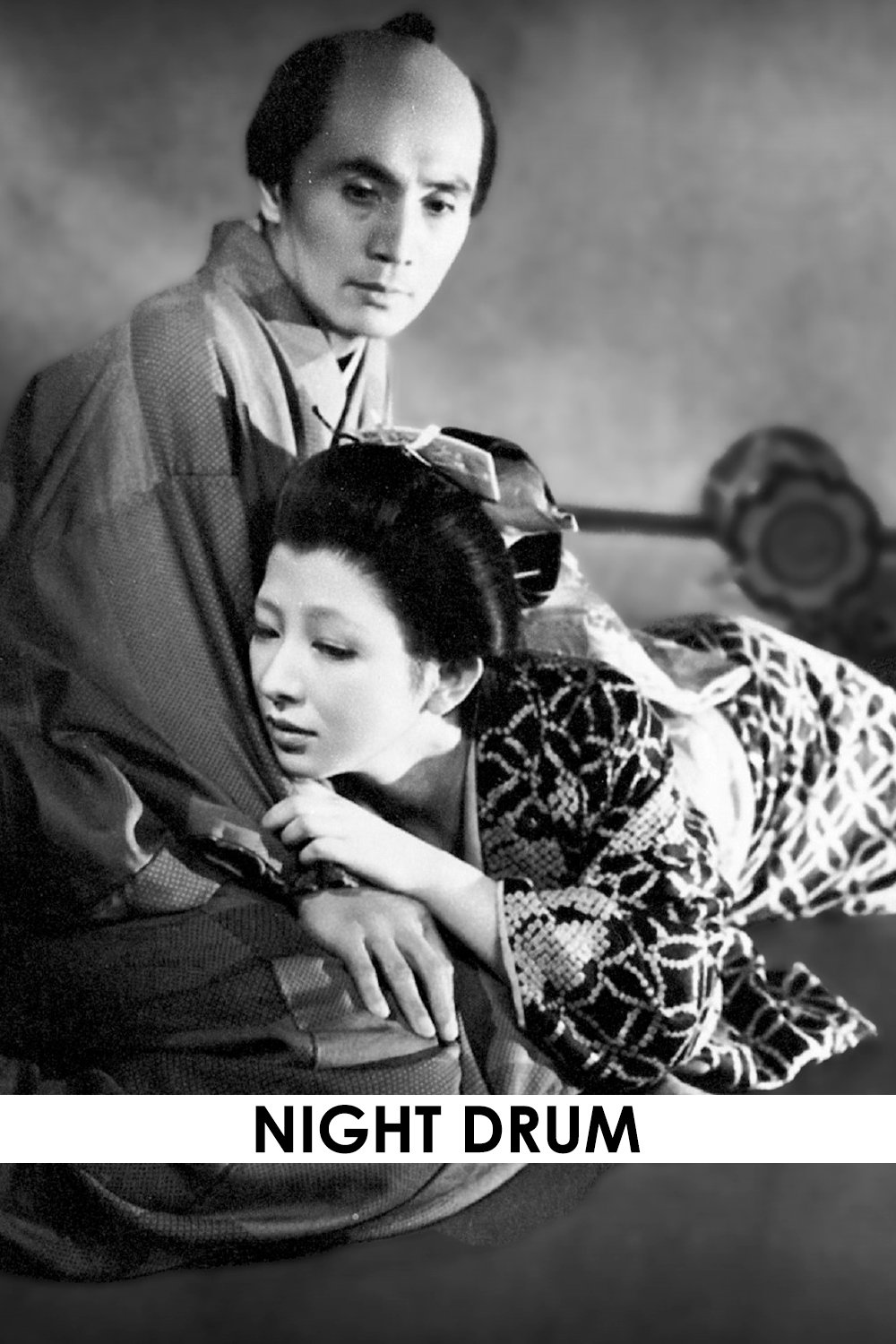
Following a yearlong attendance upon his shogun in Edo, samurai Hikokuro makes a long-awaited return to his home and doting wife, Dane. Initially greeted by the effusive welcome of his family, spiteful whispers also reach his ear about an adulterous affair carried on, in his long absence, between his wife and a famous drummer. With Hikokuro’s honor imperiled by rumor, his family insists on a formal investigation into the veracity of the gossip. Through the combined testimony of many witnesses, a tale unwinds around the visits of a traveling musician hired to tutor the family heir, the spurned attentions of the man who started the rumor, and the ultimate truth behind the accusations. The conclusion of events prove as much an indictment of bushidō as it is of the reluctant parties involved. Adapted from a 1706 play by Chikamatsu Monzaemon and based on a true case.
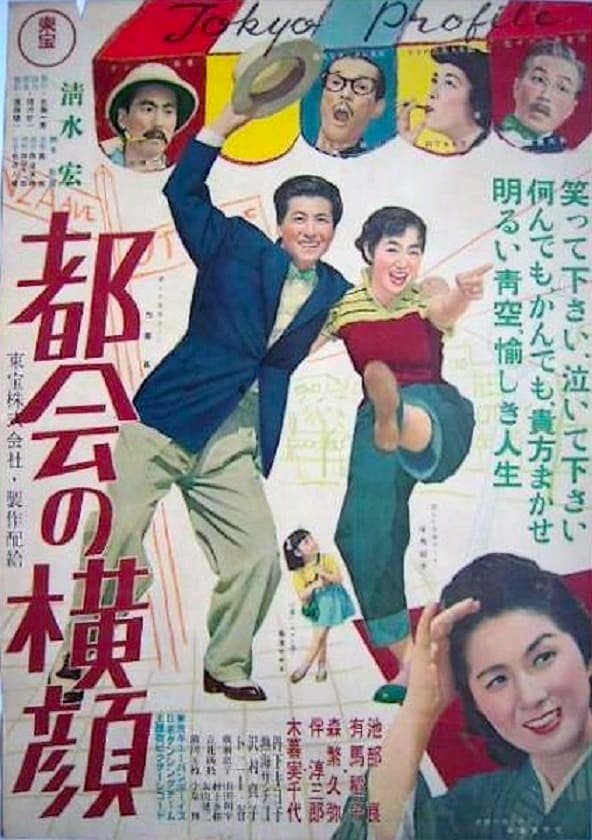
A motley cast of characters, including a human billboard and a shoeshine girl, help a 5 year old girl after she is separated from her mother on the crowded streets of Ginza.
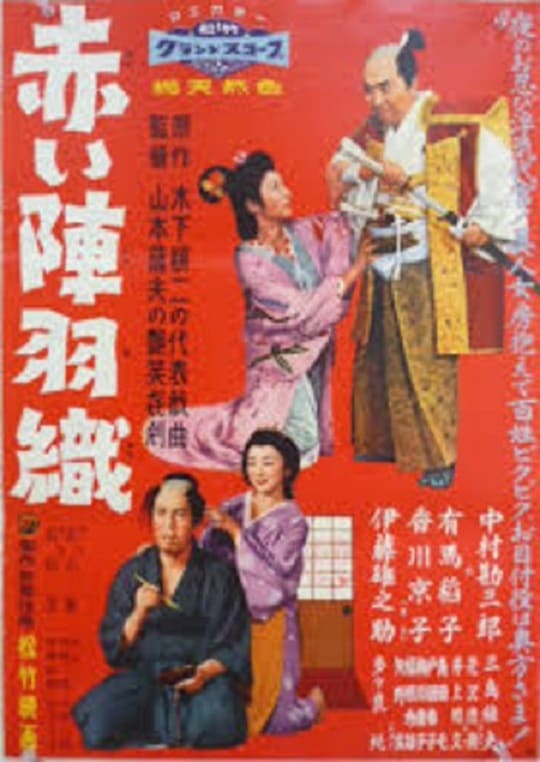
The humorous tale of Jimbei, a miller, and his wife Osen who live in complete happiness. But Osen's beauty attracts numerous would-be lovers among whom is the local governor, a timid creature, who is dominated by his high-born and beautiful wife, who dresses in a scarlet battle-tunic, a sign of his family's military merit around which he fabricates fantastic tales of his prowess in war. During the traditional festival when the villagers are released from observance of all social customs and restrictions, it is permissible for any man to attempt win the favors of the one he loves. However, the timid but romantic governor goes to the length of having the miller arrested to clear the way for his seduction of Osen. But Osen fights off his advances with an old hunting gun and dashes out of the mill. Jimbei, meanwhile, has escaped from jail and dashes home to finds the governor in his bed. Convinced that his wife has been violated, he decides to take an eye for an eye.
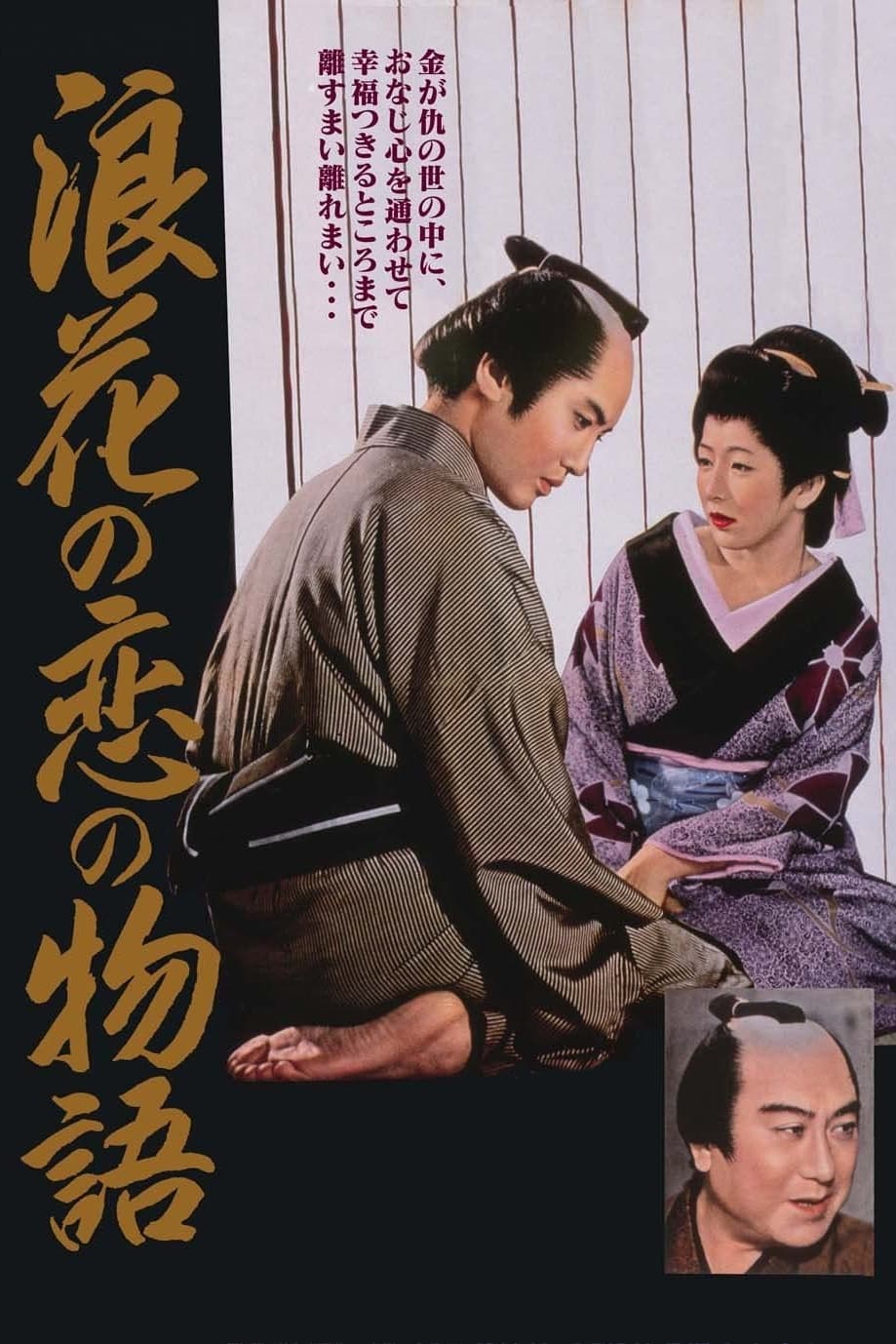
Chubei, the adopted son of an Osaka courier, falls desperately in love with the courtesan Umegawa. To prevent a wealthy client from purchasing her, he steals money from his employer to buy her freedom himself. Now hunted criminals, the lovers flee toward Yamato, pursued by the law.
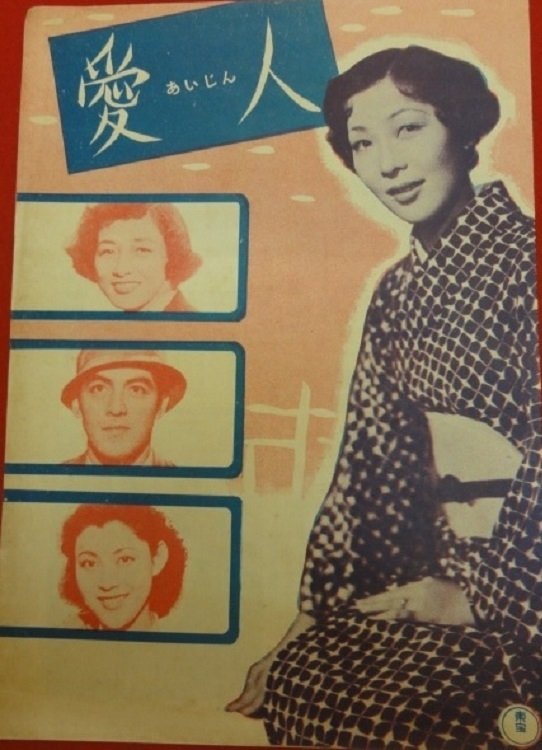
Comedy about a 50-something movie director, his new bride, a classical dancer, and his adult son and daughter and their loves.
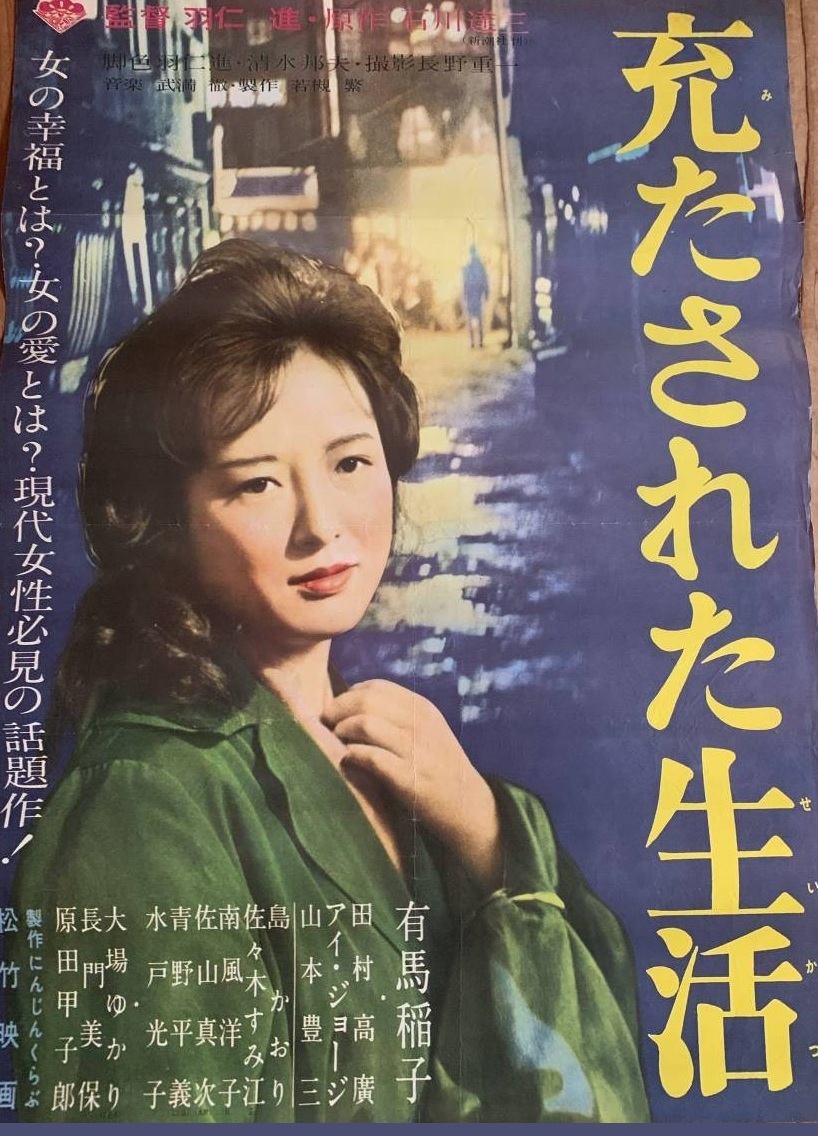
A woman becomes dissatisfied with her marriage and joins a political theater troupe to protest the U.S. Security Pact.
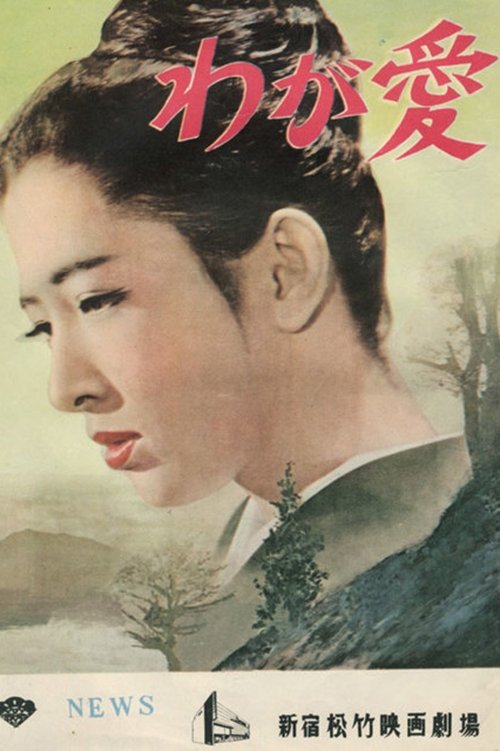
Story of a romance between a middle-aged journalist and a young woman.
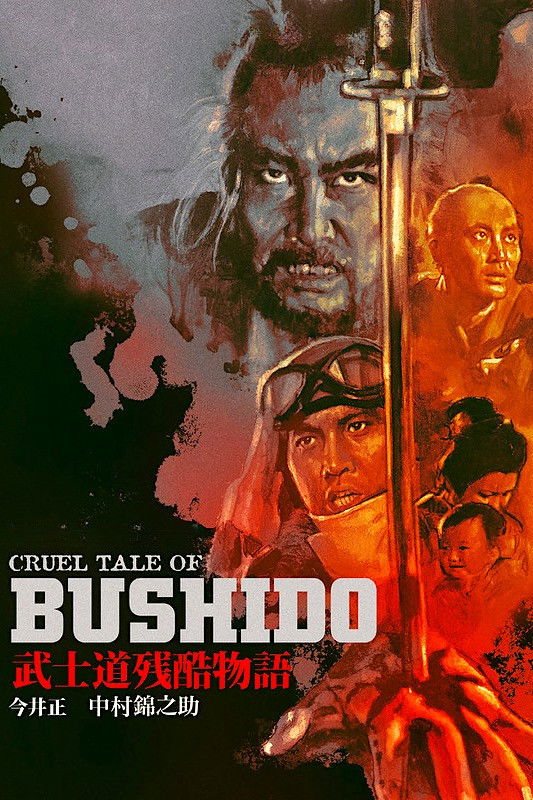
After a salary-man's fiancée attempts suicide, he recounts his gruesome family history which saw generations of his ancestors suffer and sacrifice themselves for the sake of their cruel lords.
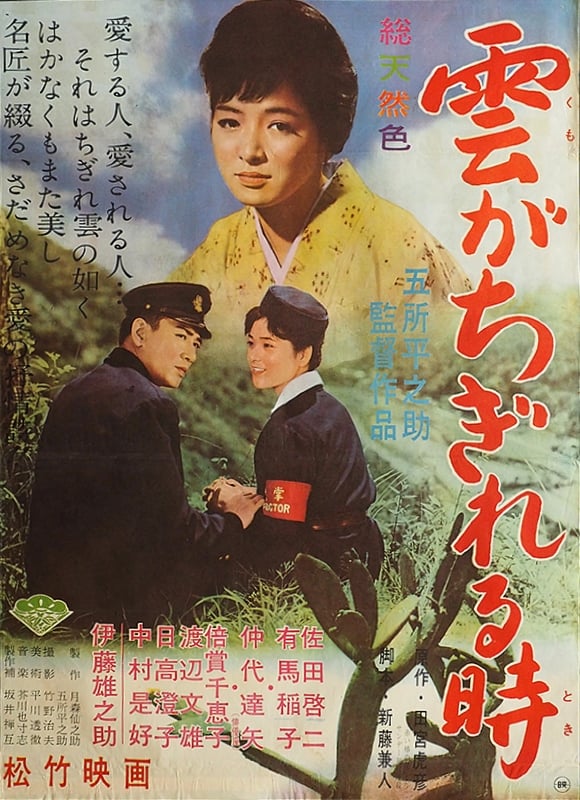
A provincial bus driver plans to marry his conductress, but one night he glimpses the woman he once loved, which throws him into turmoil.
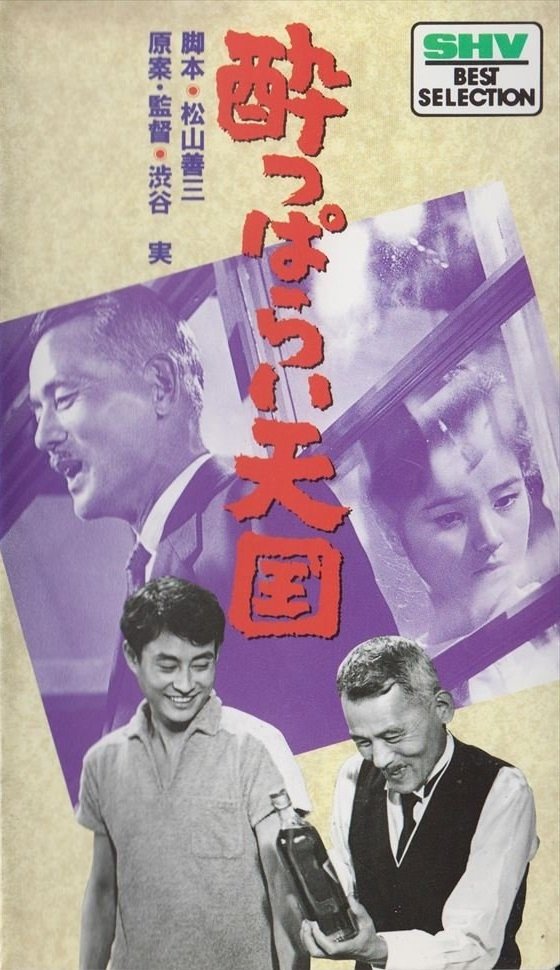
A father and son are both heavy drinkers. However, the son dies in an accident at a bar, leaving behind a fiance…. A unique social satire that focuses on why people drink alcohol.
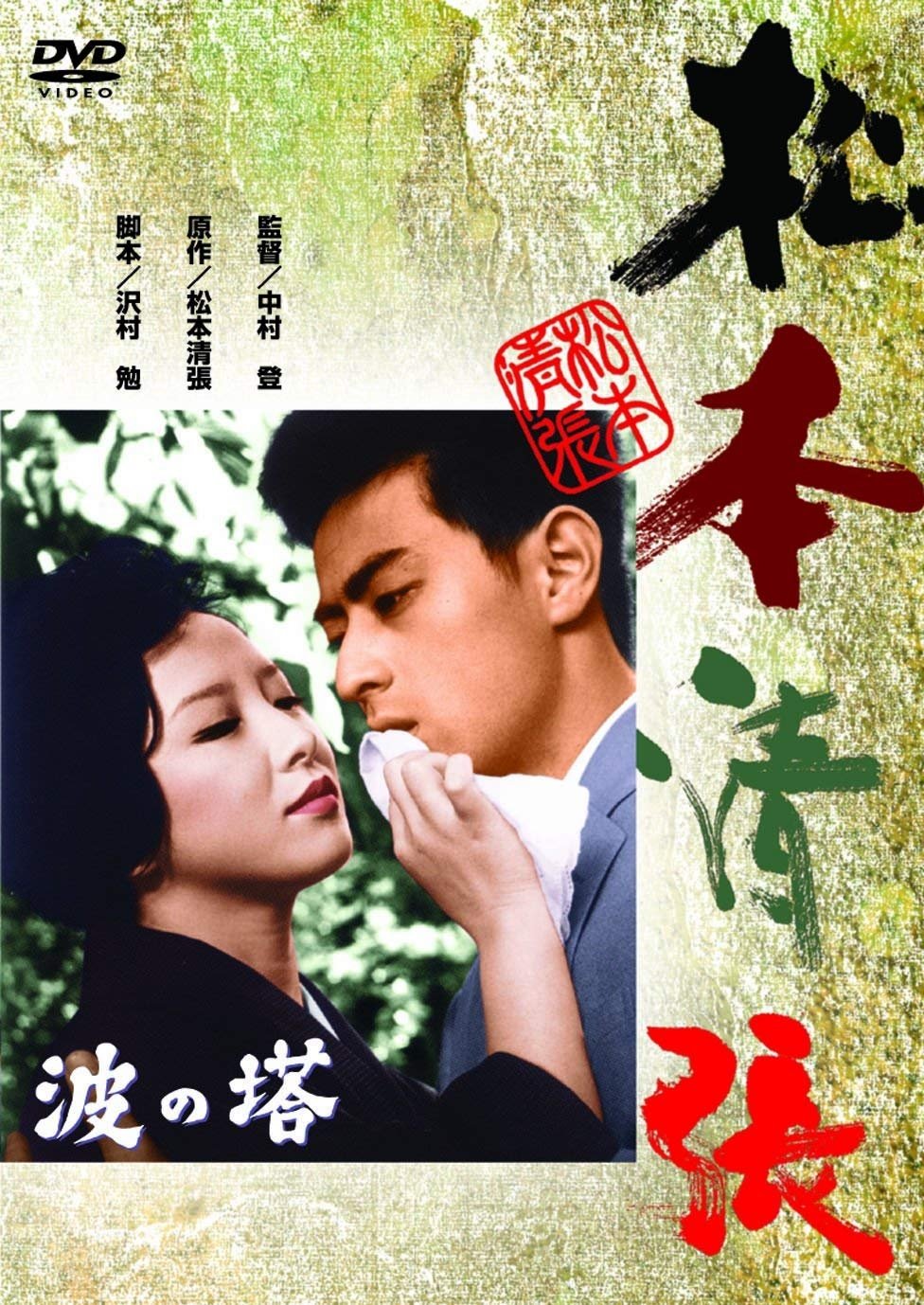
A young prosecutor named Takao falls in love with Yoriko, only to discover that her husband is the target of his investigation into a major corruption scandal. Torn between professional duty and their forbidden affair, the couple finds themselves trapped by societal expectations and legal consequences.
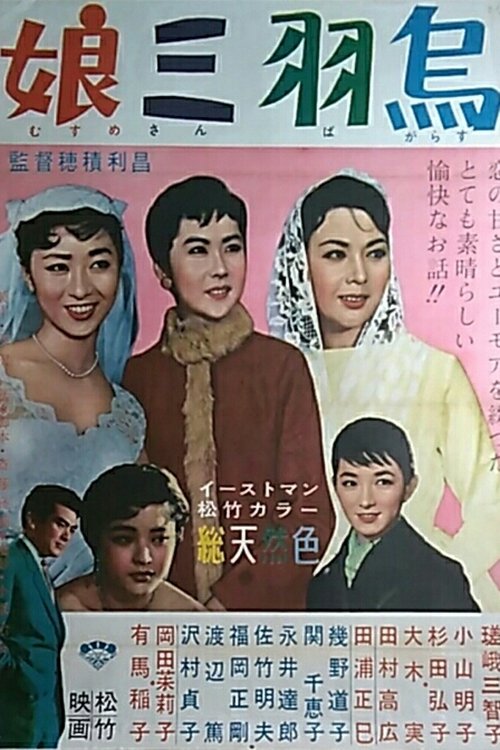
Japanese romantic comedy film.
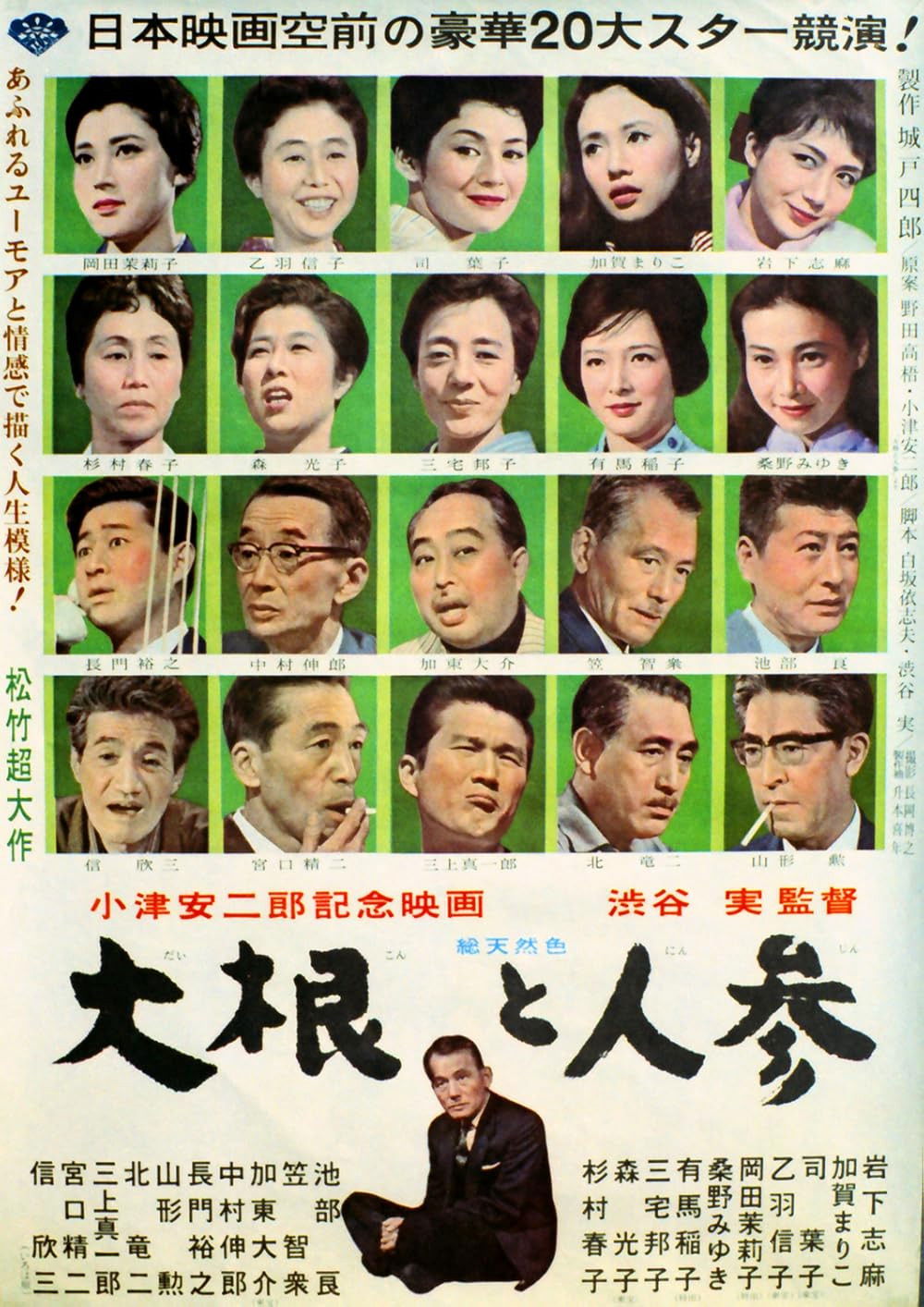
One day a company executive learns that his younger brother, whom he recommended, embezzled company funds. To save the situation he withdraws his life savings and gives money to his younger brother. He then suddenly disappears…
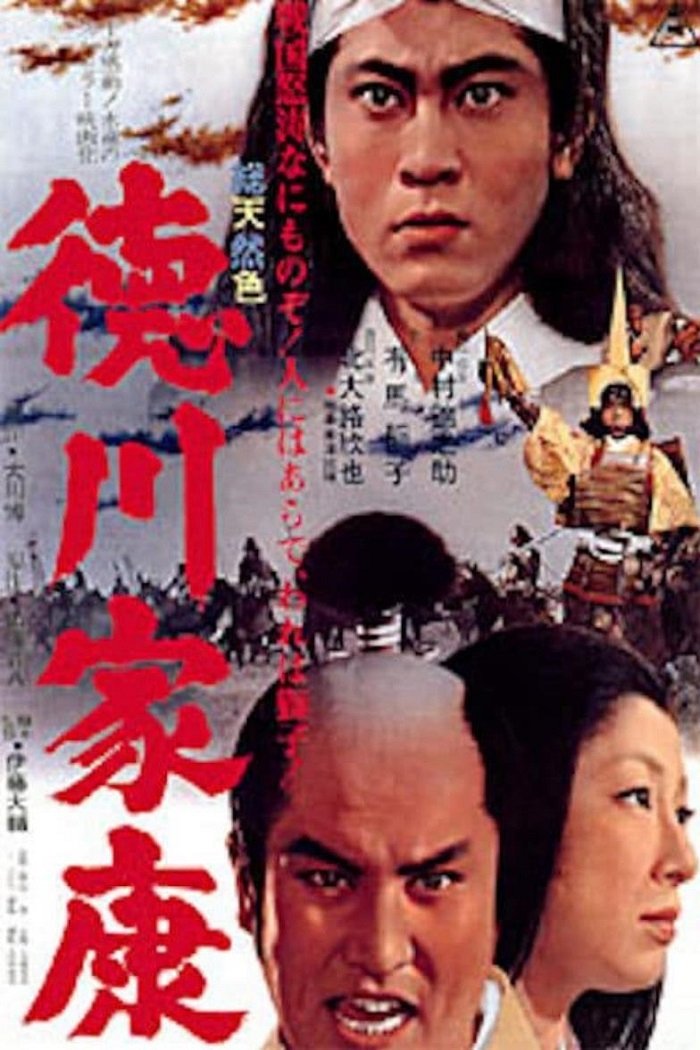
In turbulent 16th-century Japan, the leaders of a minor fief have their child taken from them as a political hostage. His mother and his clan endure years of tribulations until he can return.
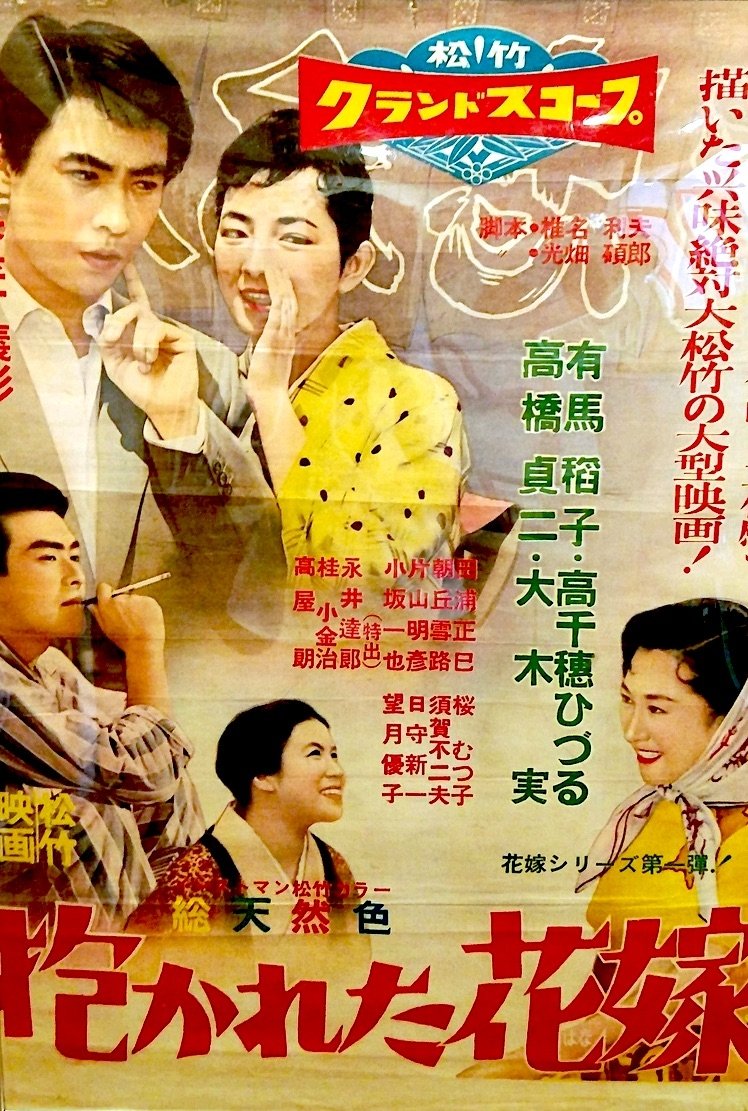
The proprietress of a long-established sushi restaurant in Asakusa is a war widow who has raised three children. A film that lightheartedly depicts a generational battle between a mother who is anxious about the issue of an heir and her modern children.
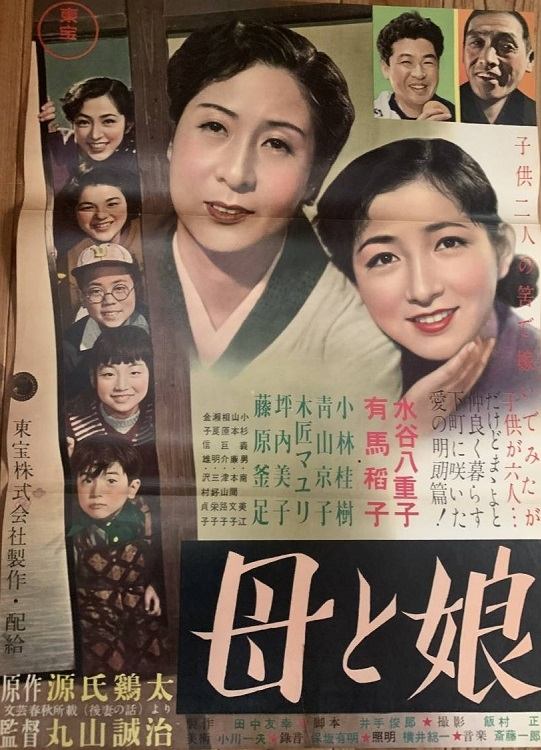
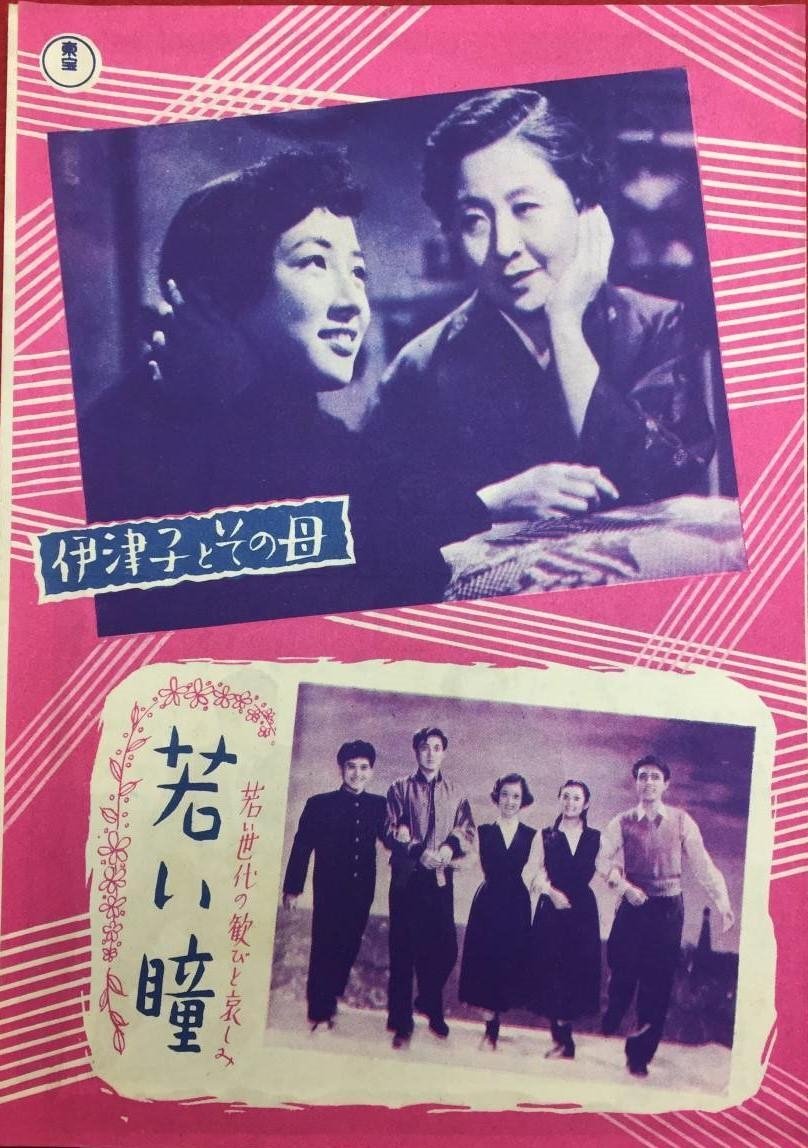
An elderly woman devoted to her foster-daughter searches for a good husband for her.
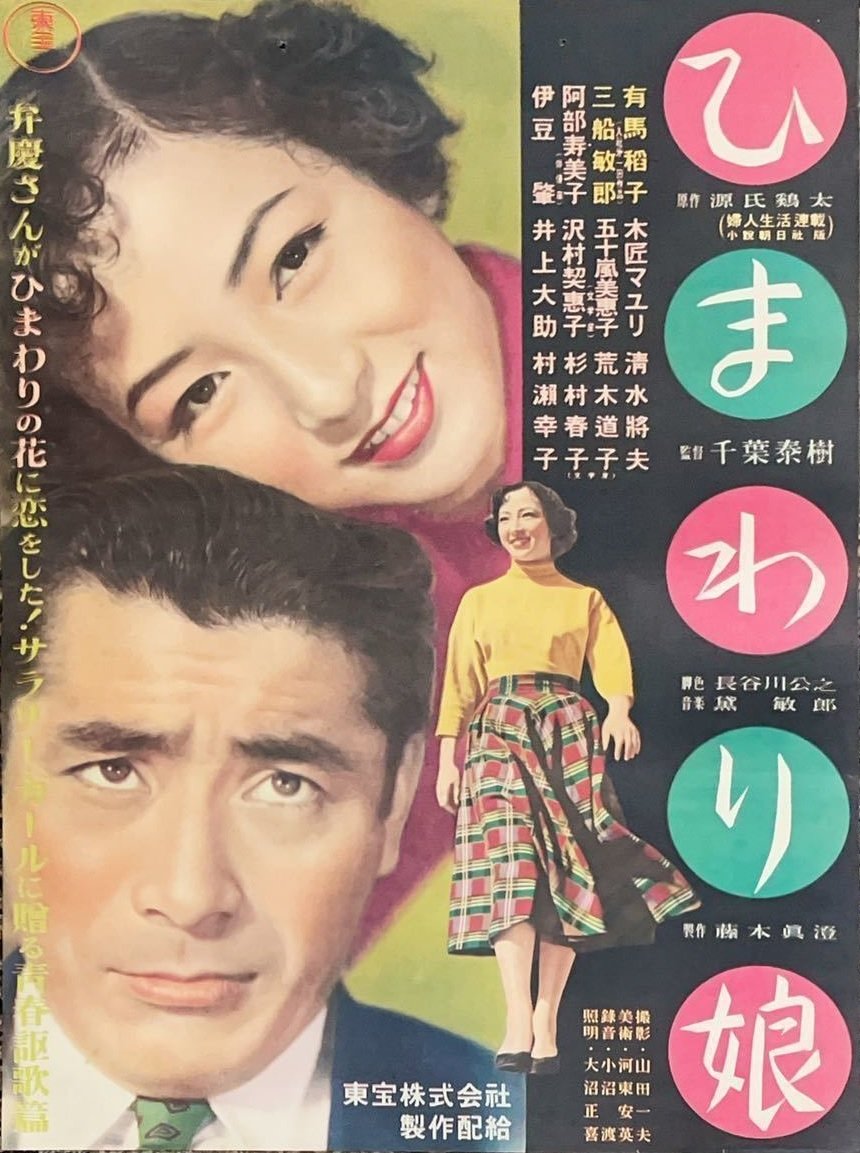
Young Setsuko Fujino begins a new job at Tokyo Chemical Company. She likes her boss, Ippei Hitachi, and enjoys serving him tea, despite the fact that her fellow workers think the women employees should not have to act in such a servile manner. When the women go on strike over the issue, Setsuko finds herself caught in the middle. When the heir to the company, Ryosuke Tanabe, proposes marriage to Setsuko, she is honored, but realizes that her real affection is for Hitachi.
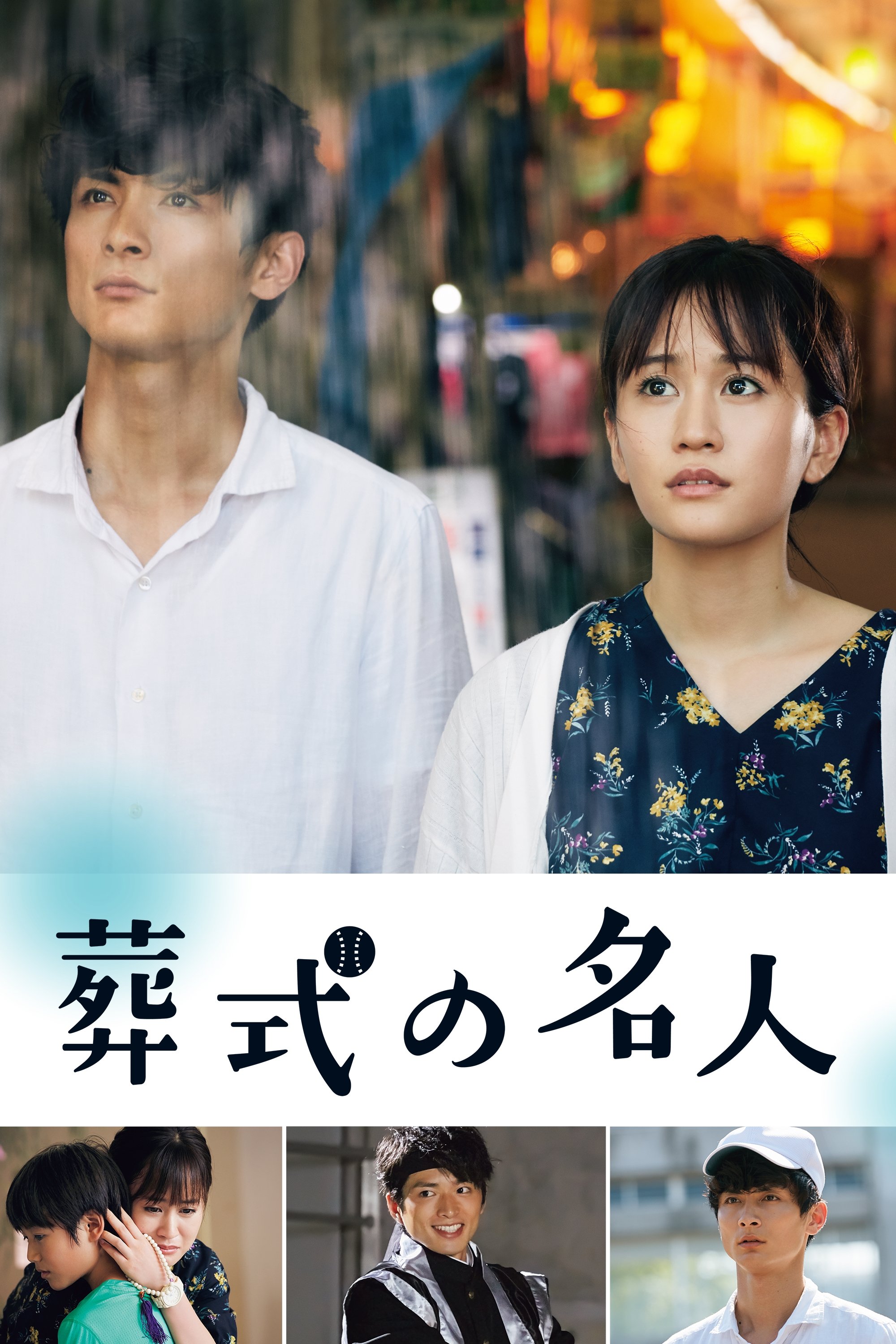
Alumni of Ibaraki High School learn that one of their classmates is killed in an accident on the tenth anniversary of their graduation, necessitating an unexpected reunion and “on-campus funeral”. They spend a strange night together, during which the secrets of his life are revealed and they rededicate themselves to his memory, with a new outlook on life.
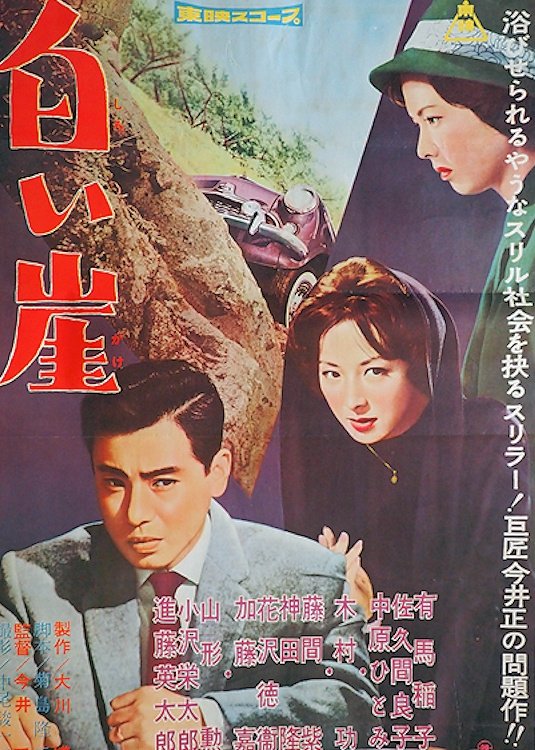
1960 Toei film.
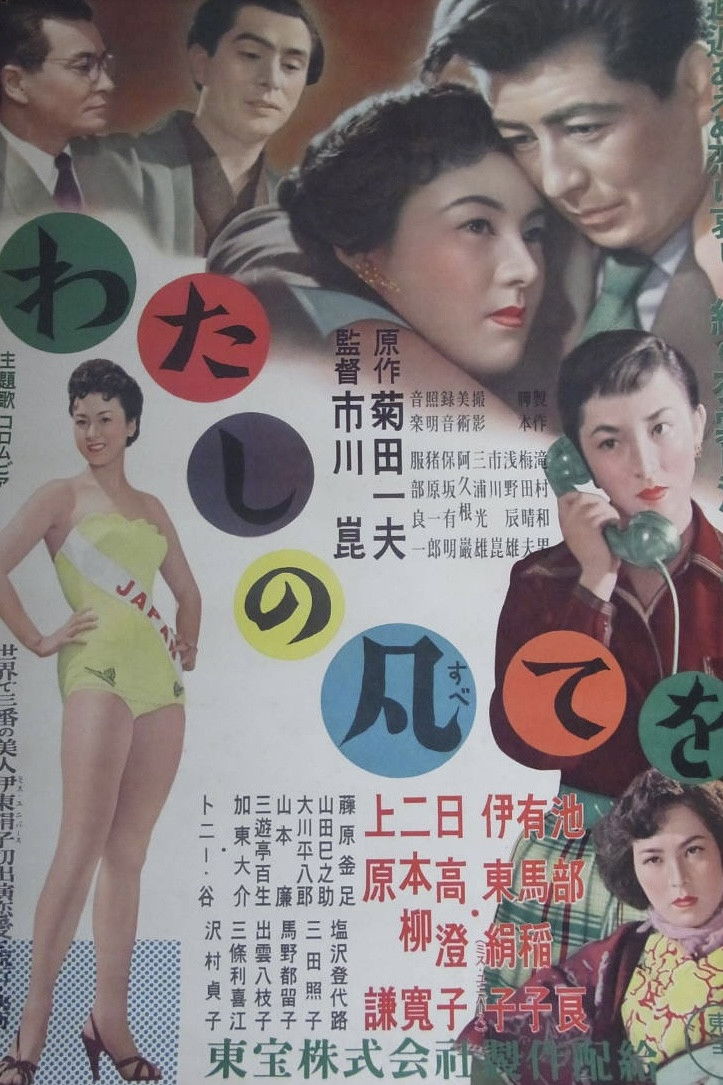
The daughter of a former Miss Universe winner finds success as a fashion model in Tokyo following the death of her fiancé.
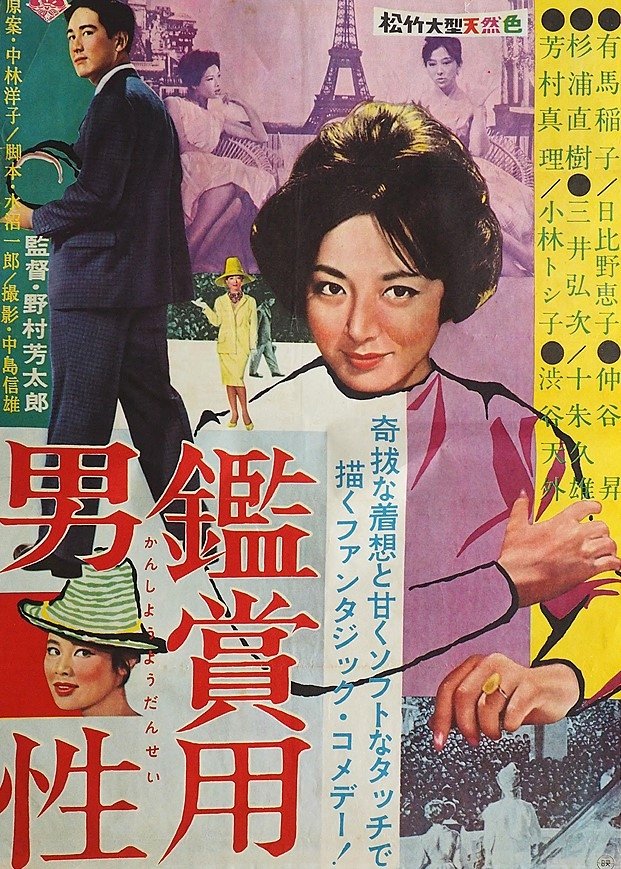
Minako, a ballerina who has been dating since her school days, and Koheta, a banker. It was Koheta who was finally about to get married as a result of his promotion, but just then, a big change occurs in Minako's body..
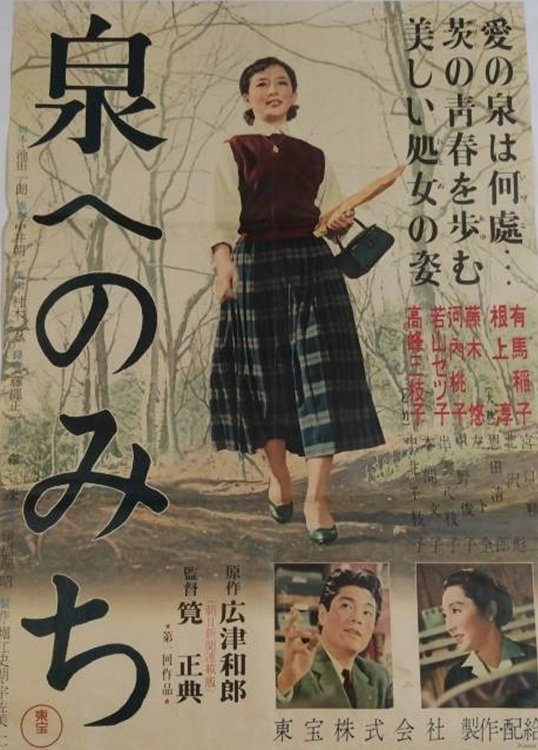
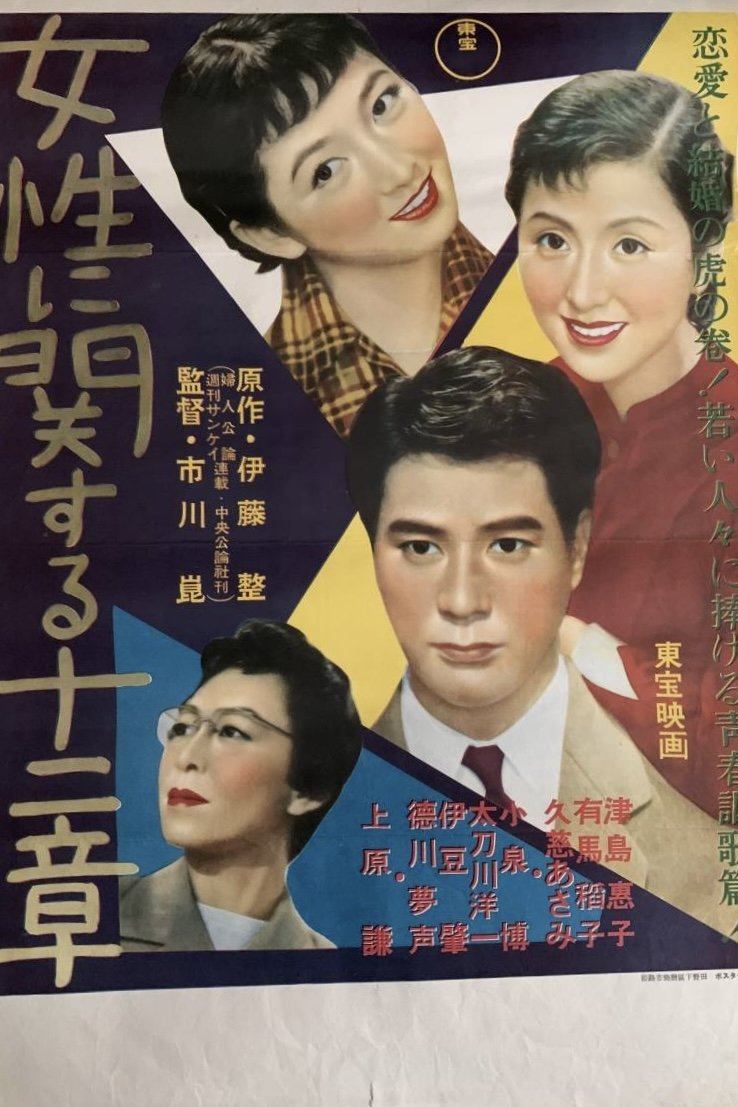
Kyoko is a new writer for the women's magazine "Josei no tomo" female reporter. One day, the magazine receives a letter from a reader, Ume, who, in order to support their ill father at home, was compelled to trade her body to her employer at a factory. Harboring her own grudge against her father for abandoning her and her mother, Kyoko determines to not only write about the factory girl for the magazine but also save Ume in the process. However, Kyoko's investigation forces her to confront a harsh reality while also grappling with the sudden news of her estranged father's own illness and desire to reunite.
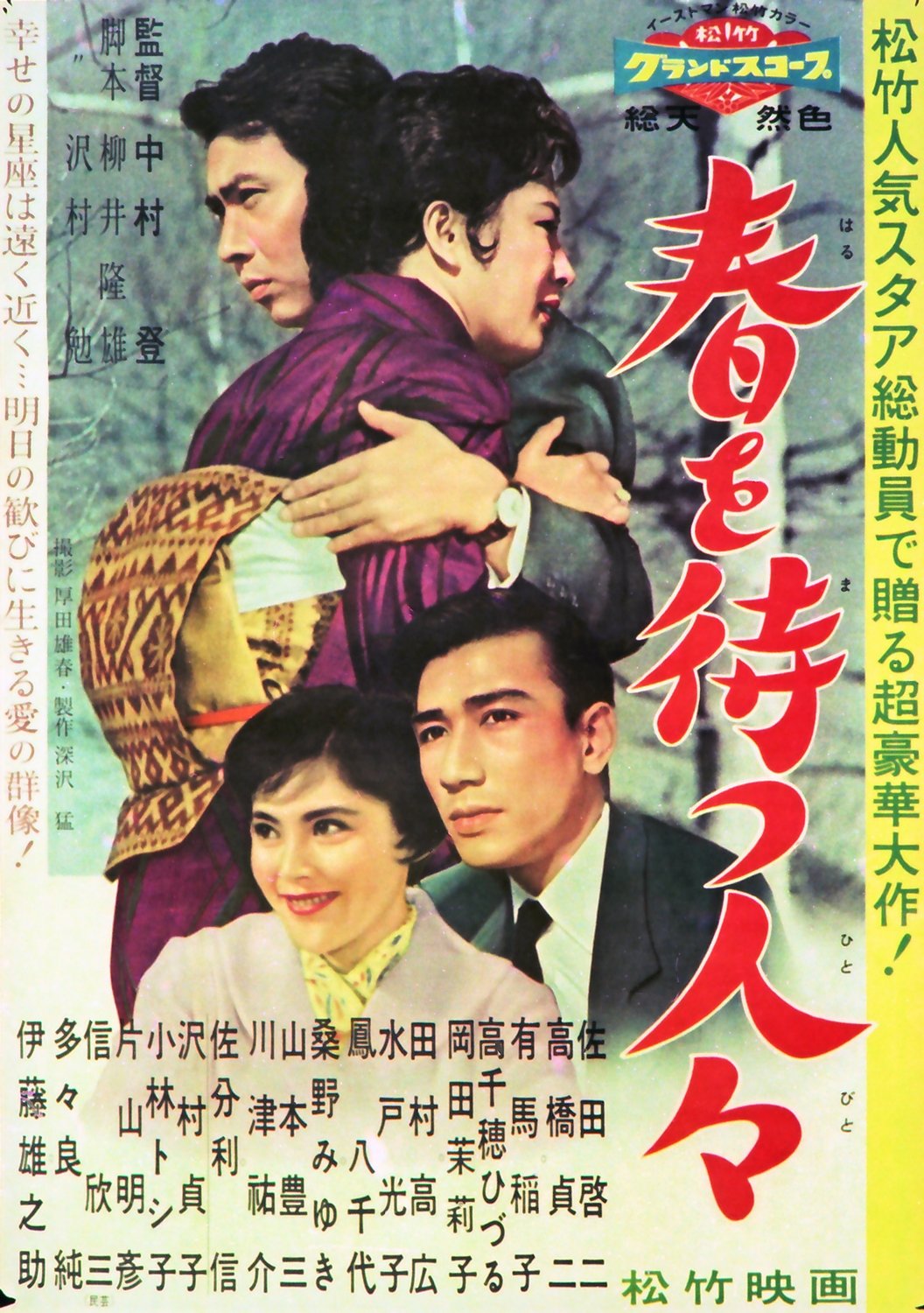
This drama centers on an elderly politician and depicts how humans can return to their true selves when they are freed from selfish desires and self-interest.

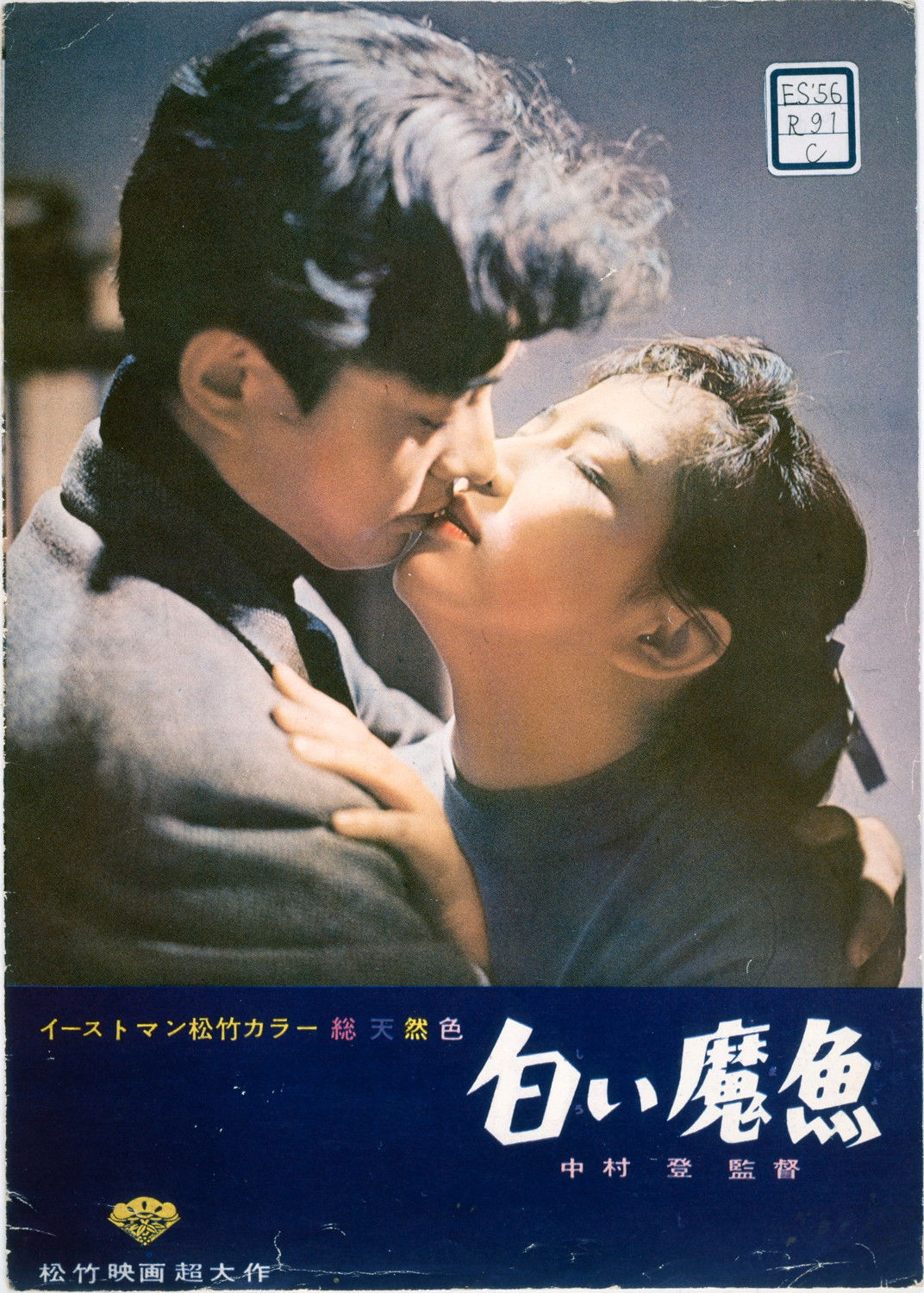
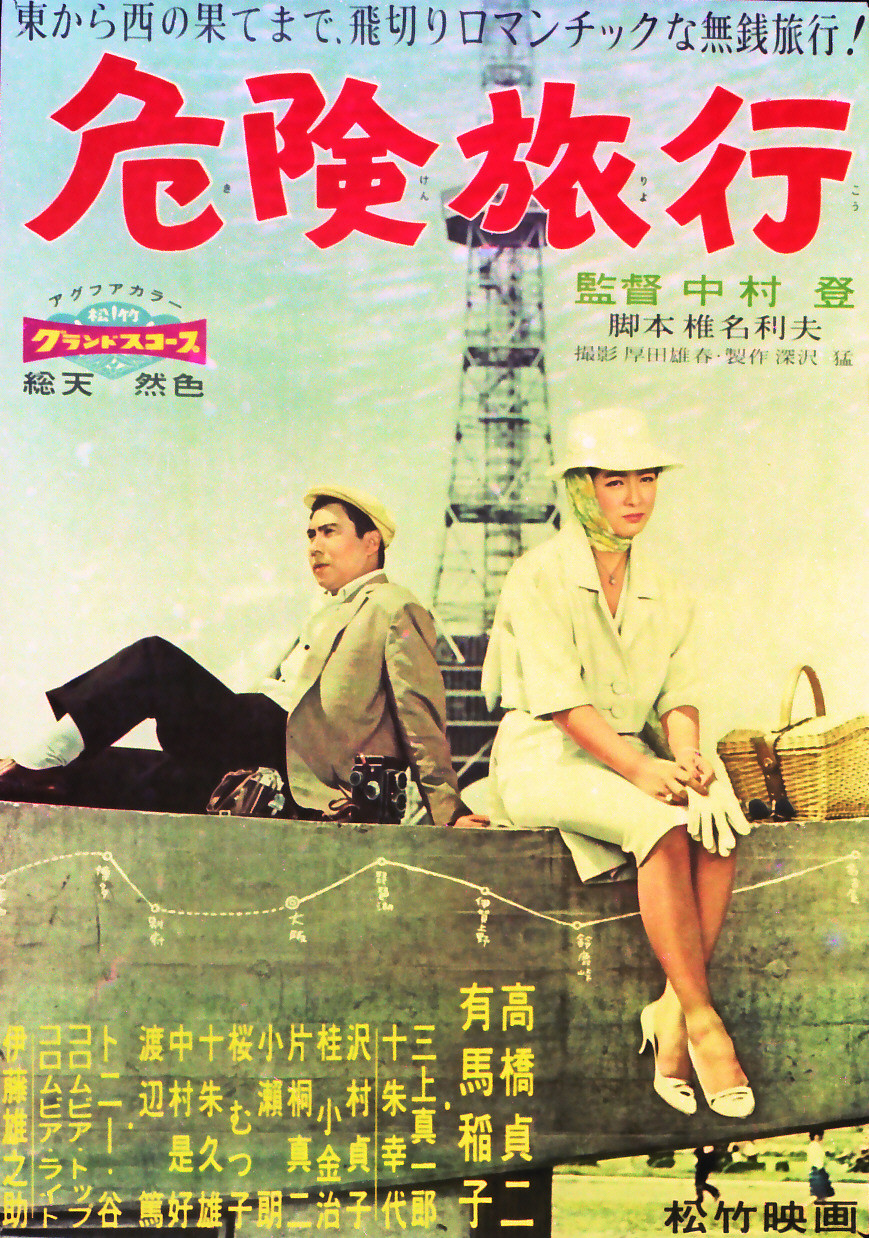
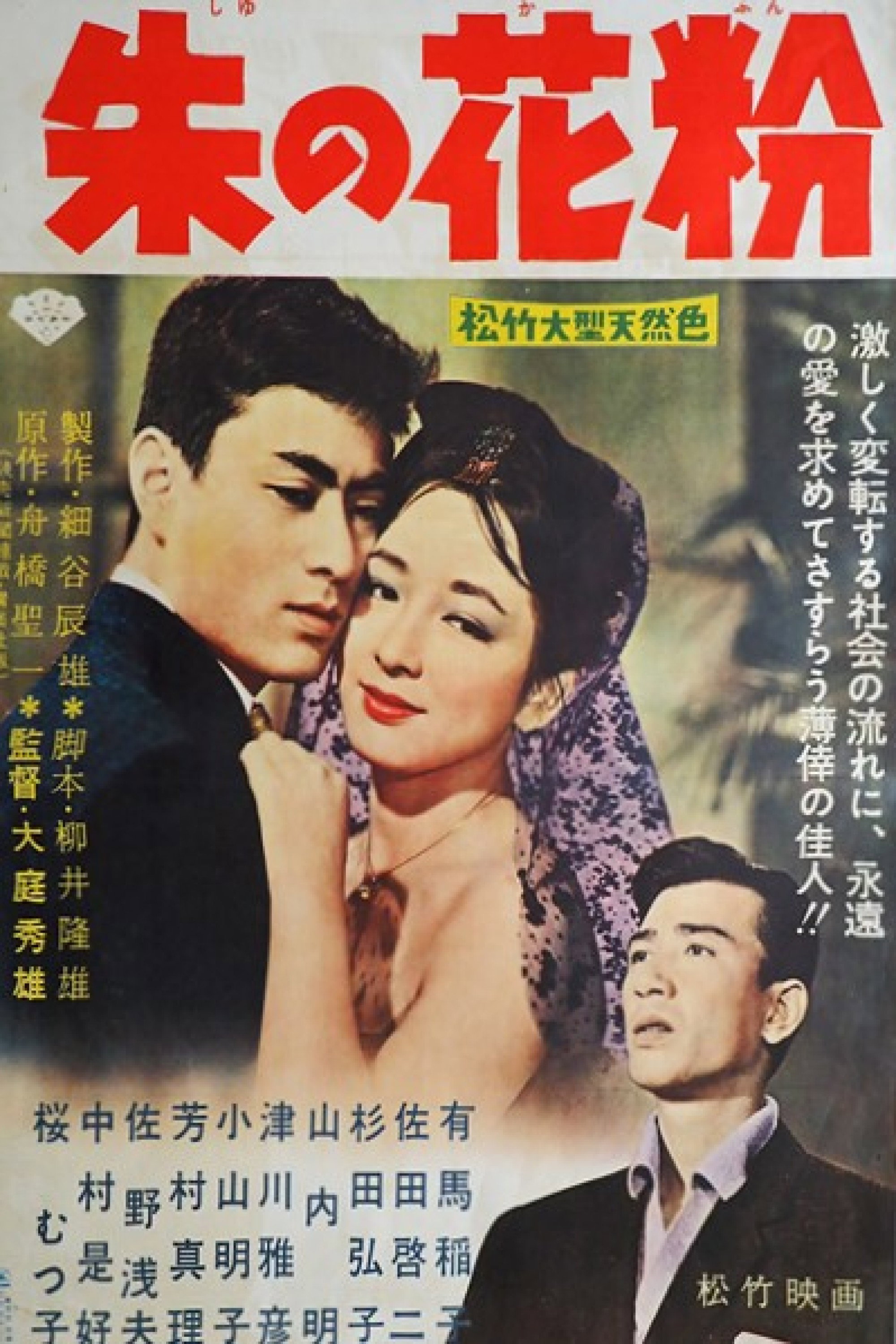
A short time after the war in Tokyo. Hamana, who was formerly a military police officer, had fallen into the role of a black market broker and had brought his former lover, Kameko, into his home, constantly clashing harshly with his wife, Kikue. Kikue could no longer endure such days and decided to run away with her young son, Kikofu. Learning of this, her brother-in-law, Itaro, tried to support Kikue. However, the pillar of Kikue's heart was the shadow of Takenaka, her former teacher from girl's school days, whom she had deeply admired.
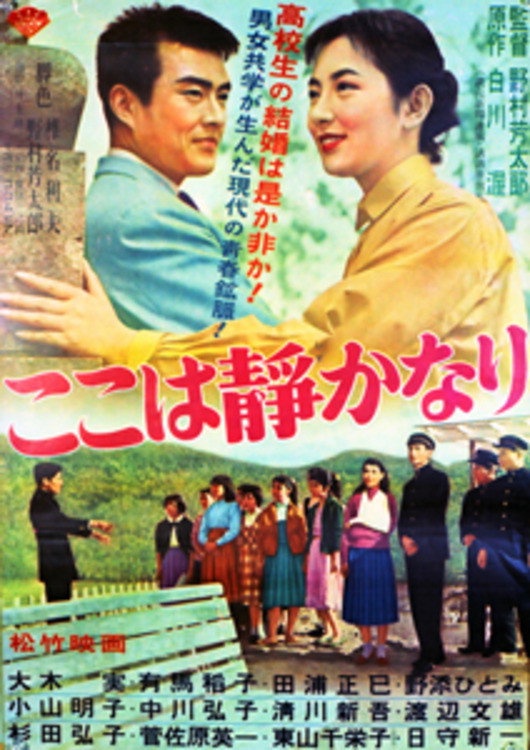
A youth film set in a high school.
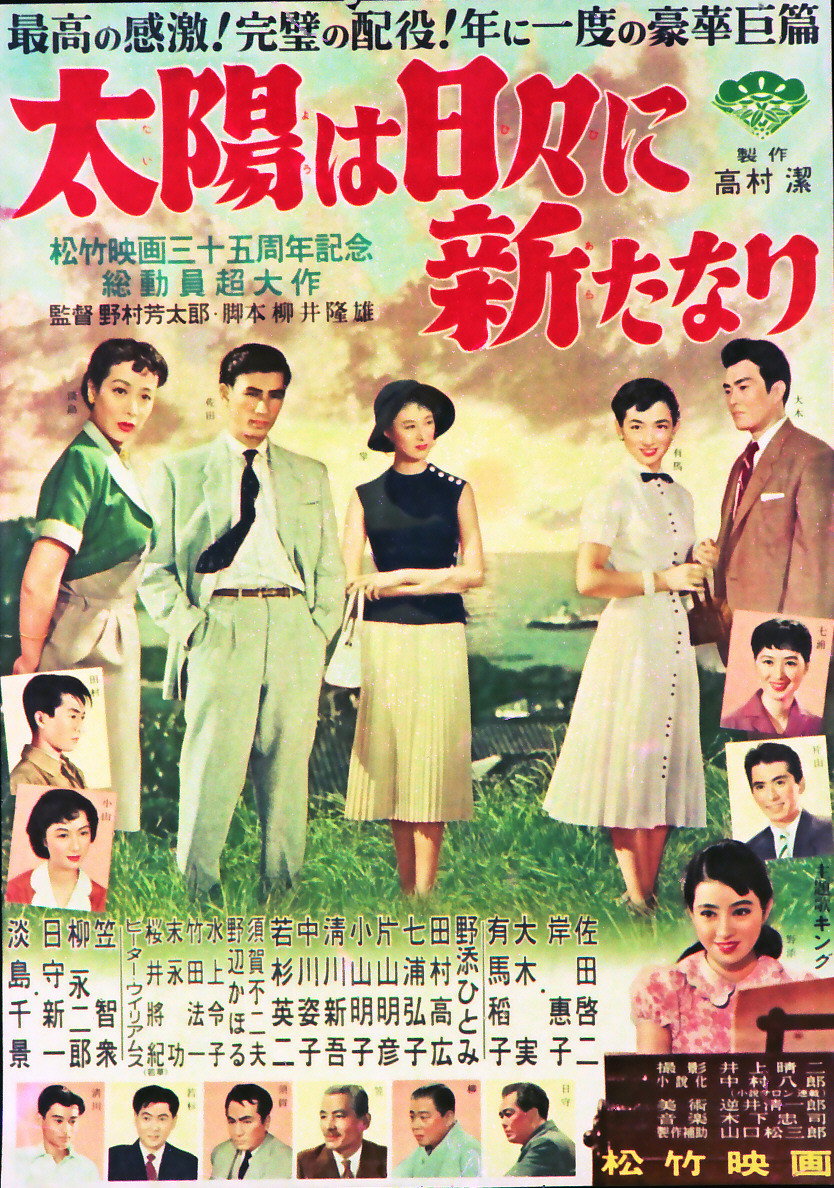
Akiko divorces her husband Fujikawa due to his infidelity, and when she returns to her parents' home, she finds that her family's toy factory is in decline, and she has to work hard to rebuild it. Thanks to the mediation of Niimura, who is a close friend of her brother Shinichi and has feelings for Akiko, they are able to secure a sales contract with a foreign trading company for the toy that Shinichi invented. However, Fujikawa, who has a grudge against Akiko, begins to interfere by making cheap imitations...
Produced by Shochiku’s all-star cast as a commemorative film to mark the completion of the “Shochiku Kaikan” in Tsukiji, Tokyo, this movie introduces both the Shochiku Ofuna and Kyoto studios. Part One focuses on the studio’s behind-the-scenes staff: set designers, prop masters, and lighting technicians. Part Two presents a digest-style overview of the process surrounding a young woman who auditions for the “New Faces” program, from the auditions to her debut as an actress.