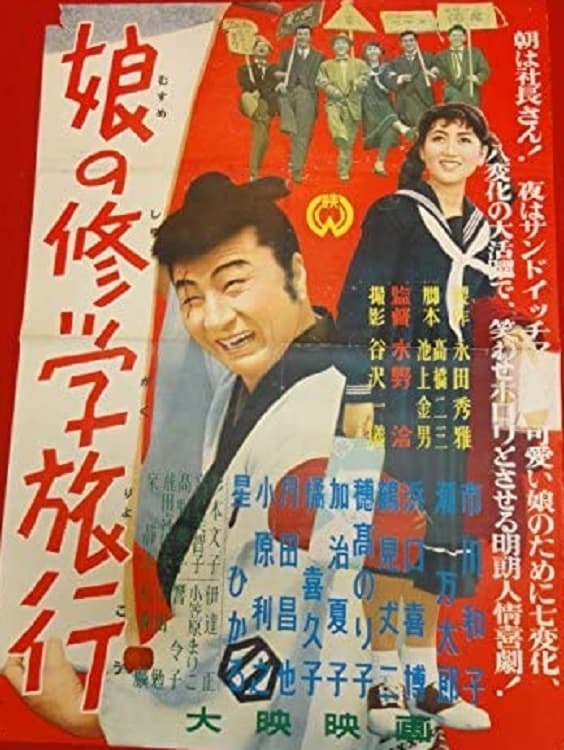
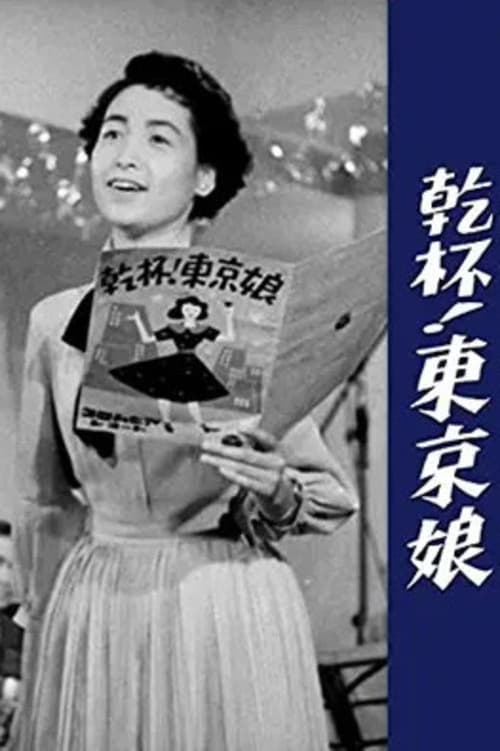
An uproarious human-interest comedy about the love between a father and daughter of a good-natured sandwich man, set against the backdrop of the glamorous Ginza district!

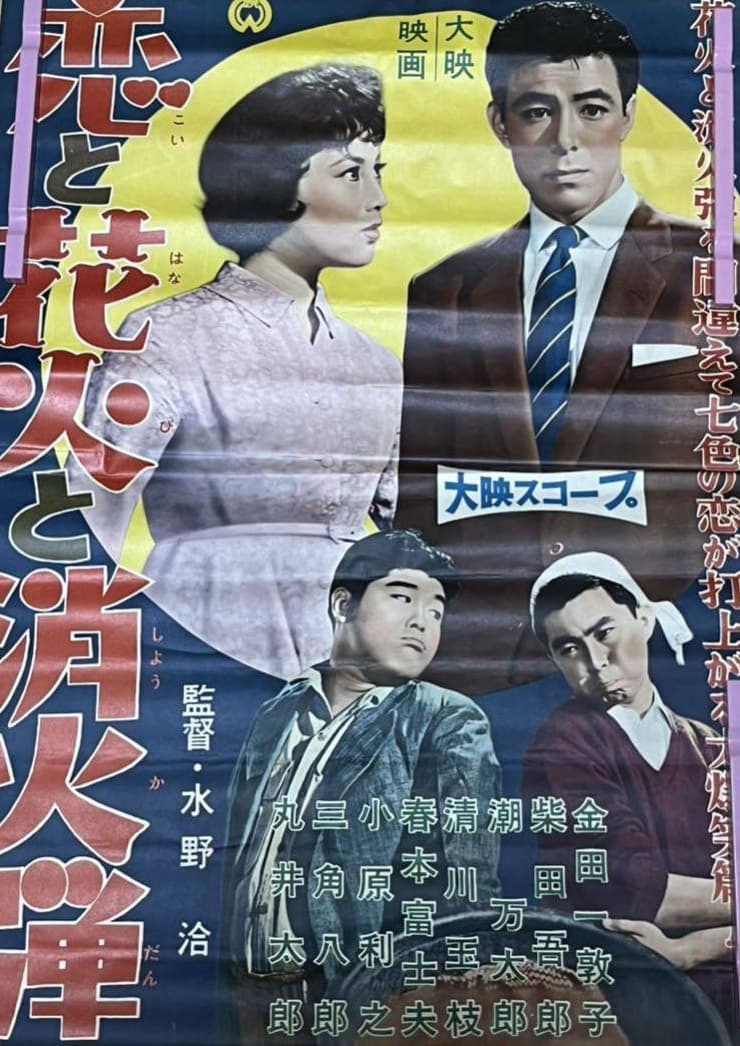
A handsome and pure-hearted employee who thought he was single actually has a secret child. His girlfriend, a beautiful secretary, and the high-maintenance female manager suddenly panic, and the whole company is in an uproar.
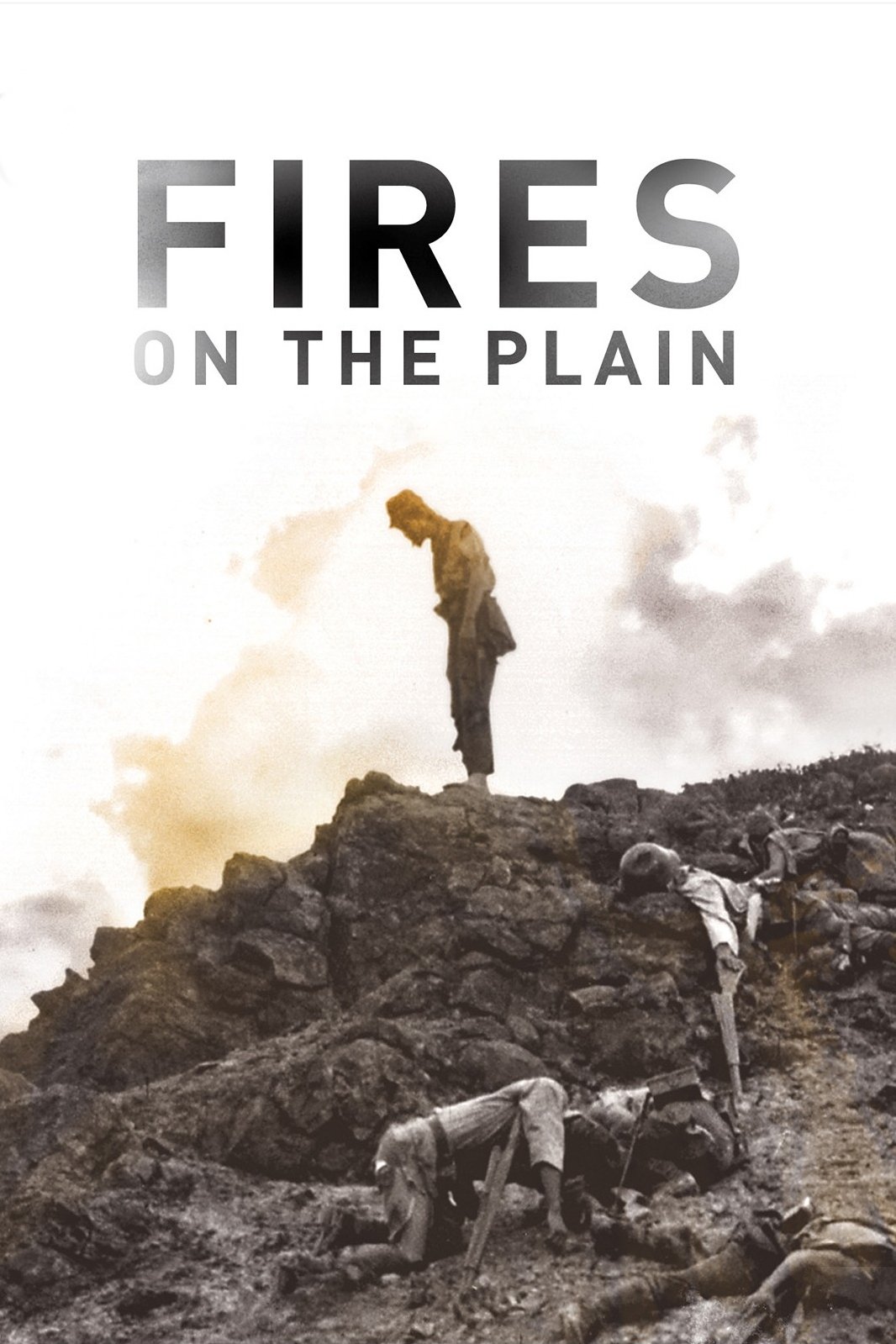
In the closing days of WWII, a Japanese soldier afflicted with tuberculosis is abandoned by his company and left to wander the Philippine island of Leyte.
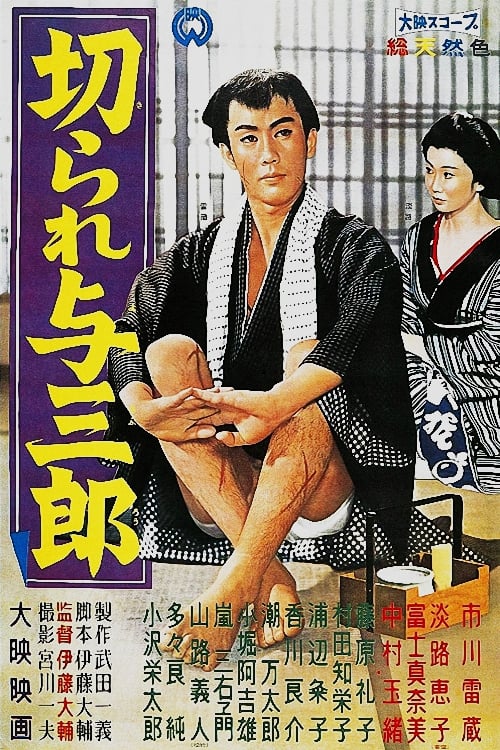
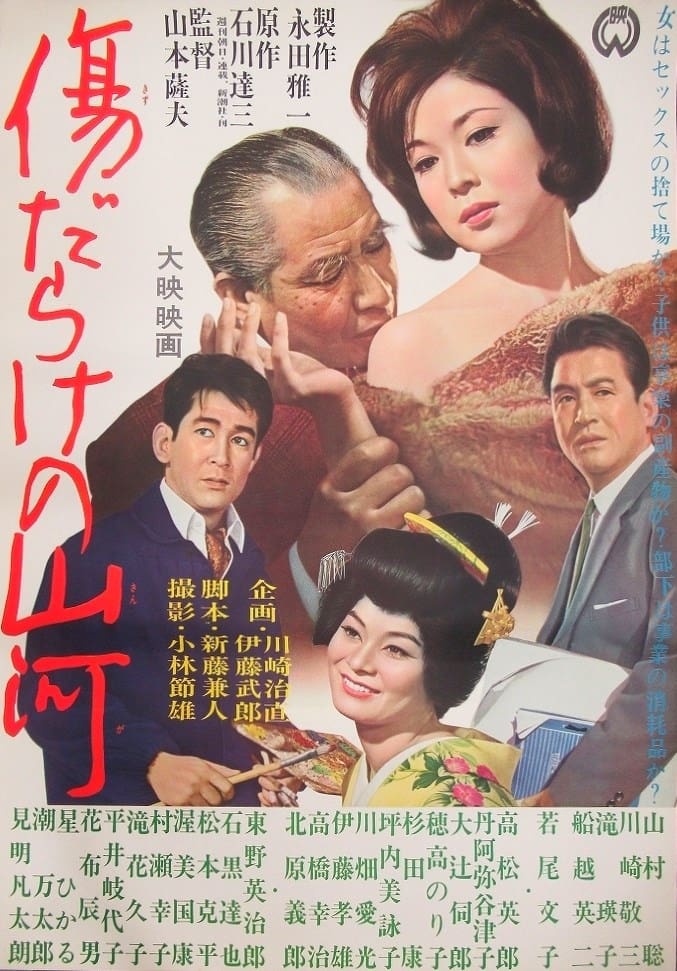
The film depicts the scarring of Yosaburo at the hands of yakuza thugs who catch him with mistress of the gang boss. Despite the physical and emotional scars he now carries with him, Yosaburo falls for a young noblewoman. The rest of the film follows the two as they fend off attacks from gangs and the police.
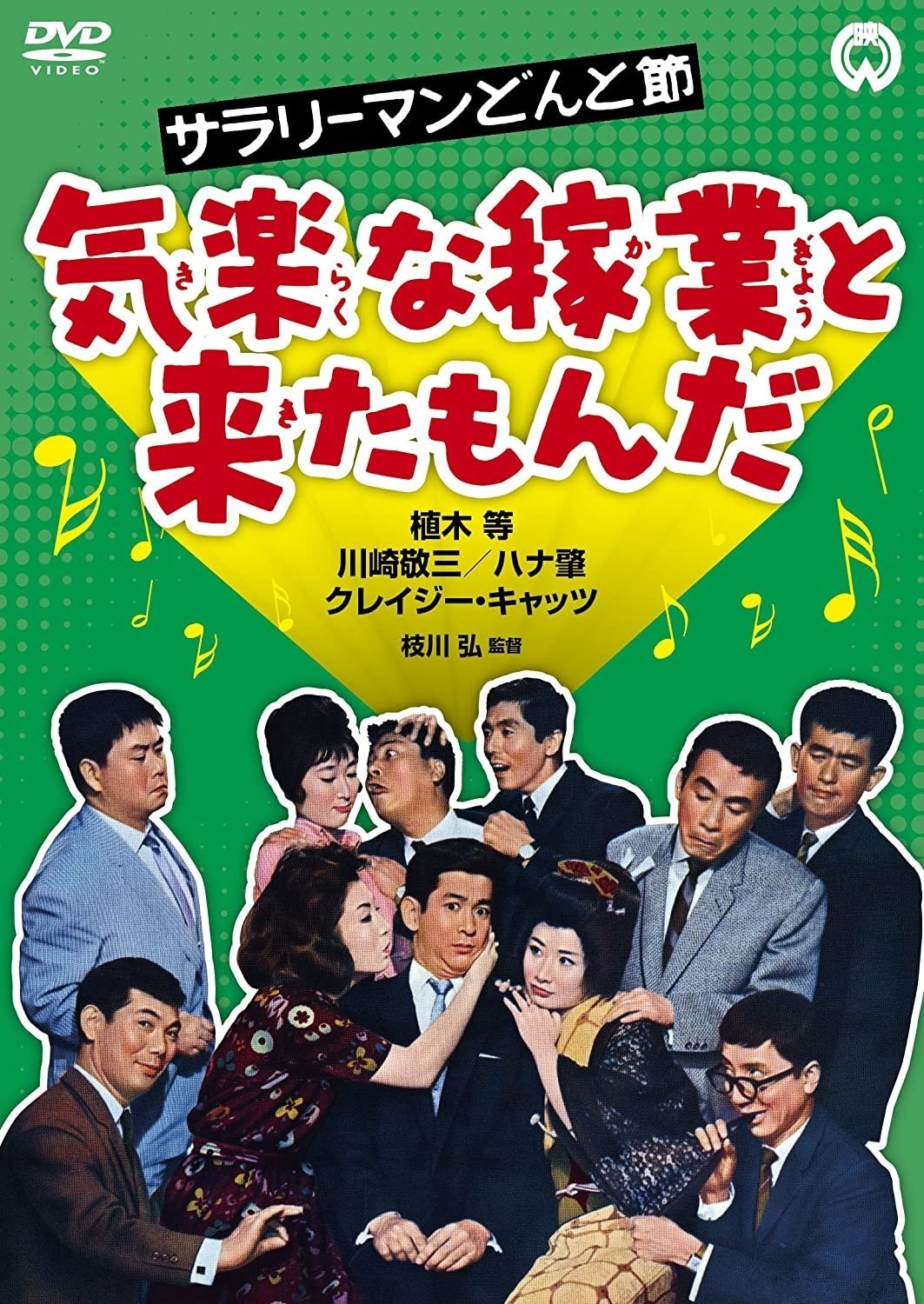
The salaryman is the object of admiration in the world. Because there is no more carefree job than this, this cheerful song comedy is set to the hit melody of the Hajime Hana and the Crazy Cats.
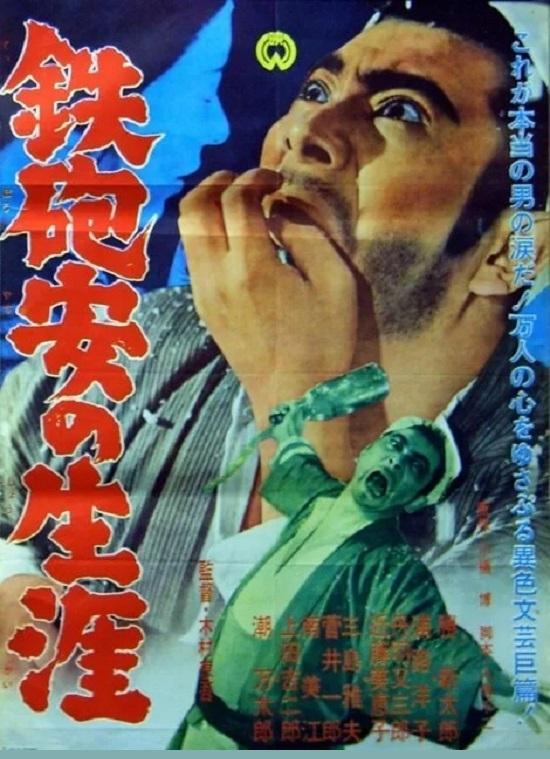
1962 Japanese movie
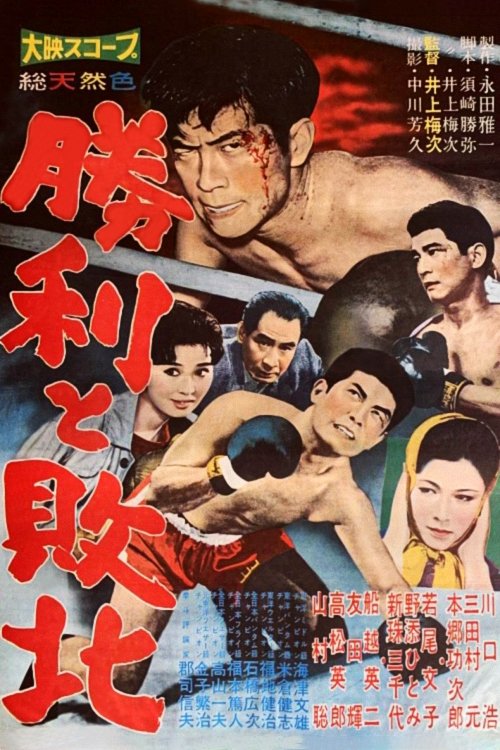
After the boxing champion retires, the head of a powerful gym, Minegishi (So Yamamura), recommends Yamanaka (Hiroshi Kawaguchi), who is no longer in top form and is ranked number one, for a title fight, but his comrade Hata (Kojiro Hongo) is not happy with this choice, and so he moves to the gym run by the criminal businessman Goda (Toru Abe) and burning desire to beat Yamanaka.
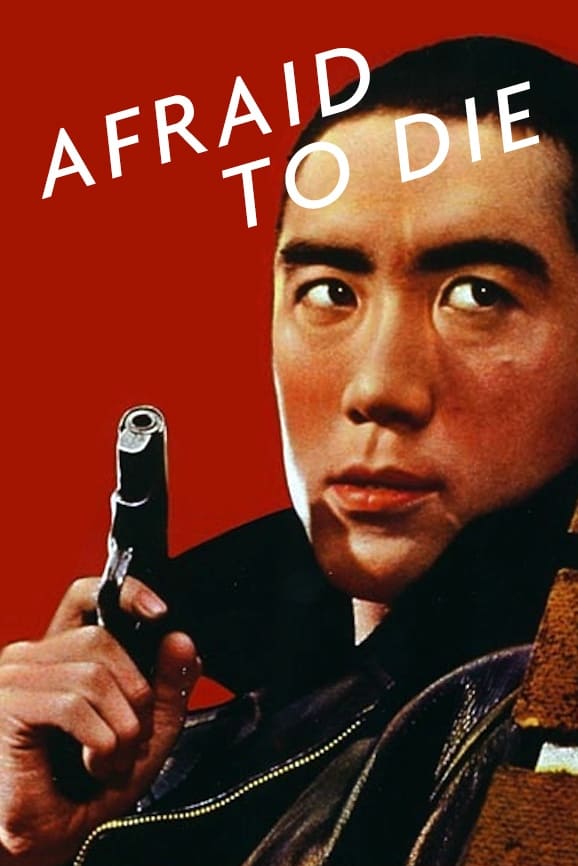
On his release from prison a young yakuza, along with his brother, decides to turn his back on criminal life instead of taking over the position of his recently deceased father, boss of the Asahina clan. But their exit proves more difficult than planned when their rival clan steps in to exact revenge.
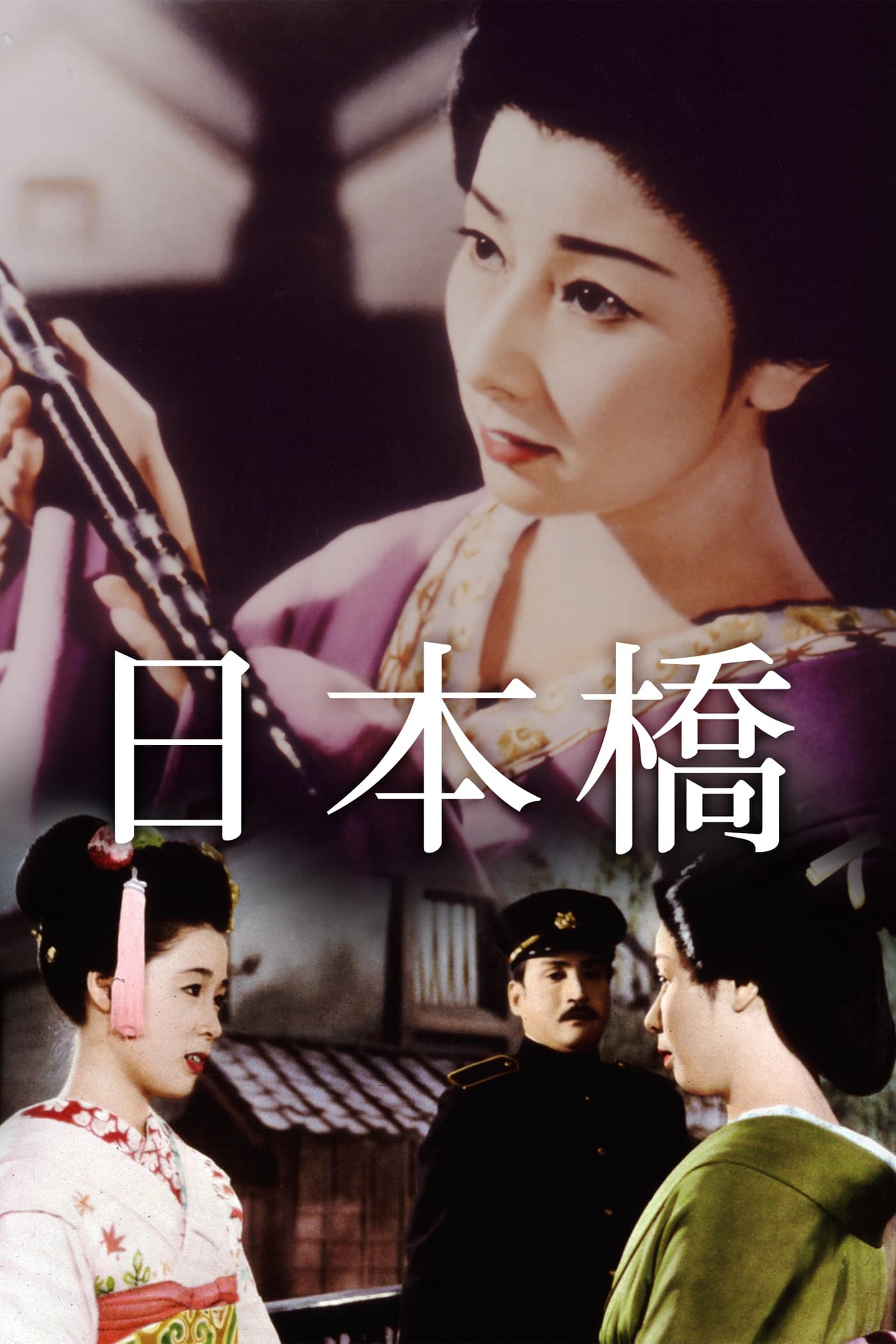
Ichikawa's 1956 adaptation of Nihonbashi was the first to take the work of Kyoka Izumi— until then regarded as a writer of common tragic melodramas—and re-evaluate it as a tanbi-ha work of decadence, aestheticism, and intrigue. Ichikawa's film presents the tragic plot of the young geisha who is unable to enact her love for a man publicly in any way other than a histrionic story of torment, a heart-rending tale of lovers being crushed by fate. Instead, Ichikawa shows the contest of wills that transpires as two geisha, Oko and Kiyoha fight for the top spot in Nihonbashi, the pinnacle of the Tokyo geisha world. Nihonbashi is an elegant, if steely, exposition of manners. The young doctor, Shinzo Katsuragi, is the object of affection for both women, but appears to be more the choice reward for the plotting and thieving of these two early modern superwomen, than a lover they swoon over.

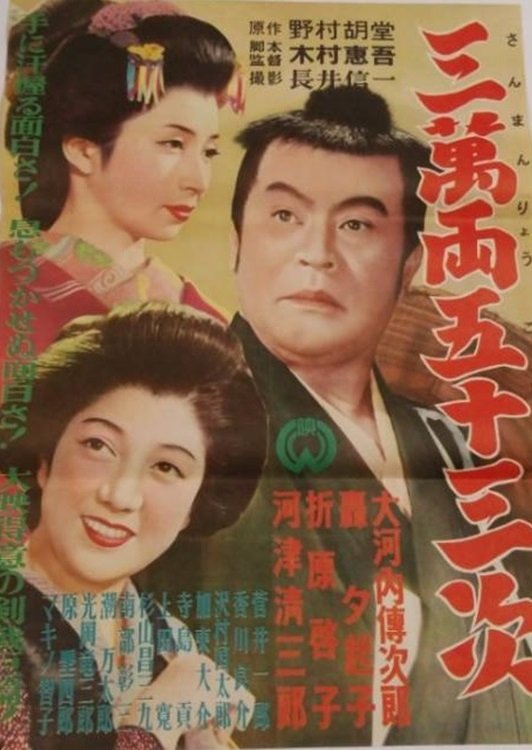
On the eve of the Russo-Japanese war at the beginning of the 20th century, small-town girl Okane has married an old wealthy man to escape a life of poverty.
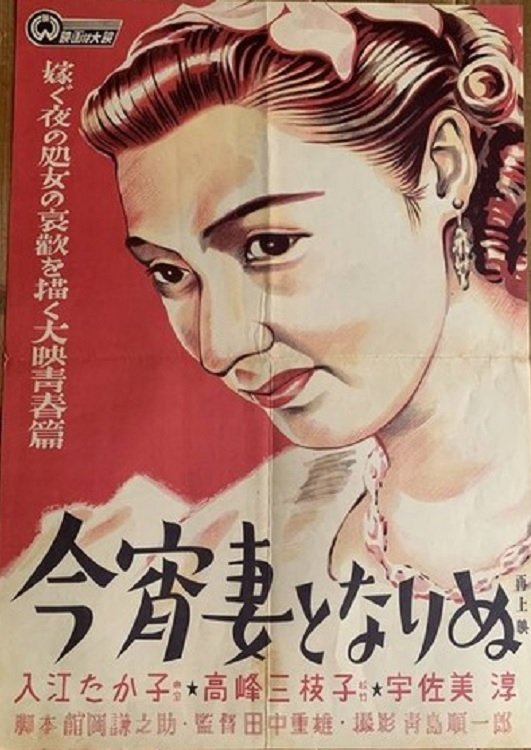
A hospital melodrama where the conflict between love and friendship rules the faith of the protagonists.
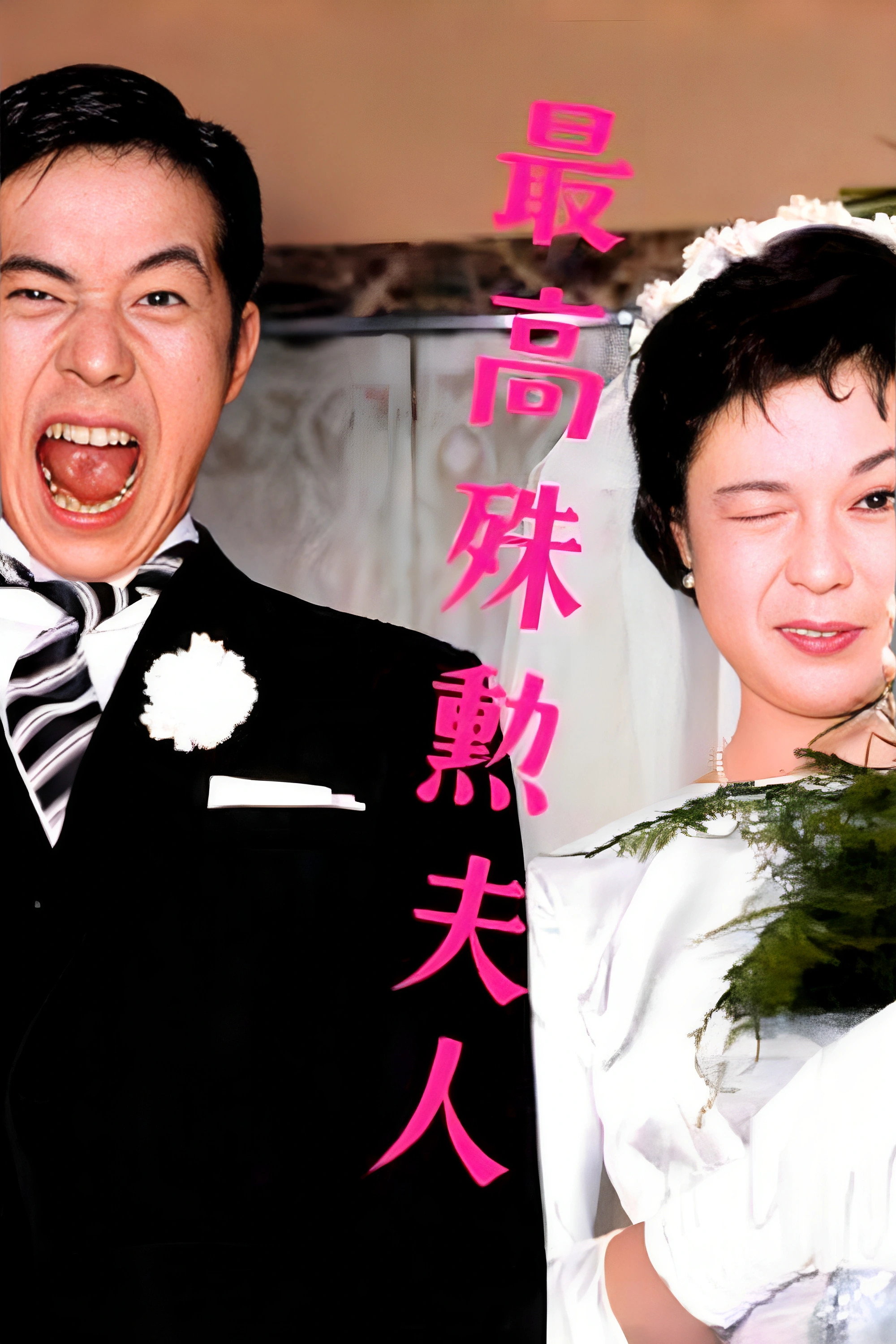
Kyoko is the third daughter of the Nonomiya family, a very ordinary family. Momoko, the eldest daughter, is married to Ichiro, the president of Mihara Shoji, and Riko, the second daughter, is married to Jiro, the managing director, and they plot to marry Kyoko to Saburo, the third son of the Mihara family. Kyoko is angry at the marriage talk that is being pushed forward without her permission, and declares that she "definitely won't get married," but before she knows it, she begins to become aware of the other person...
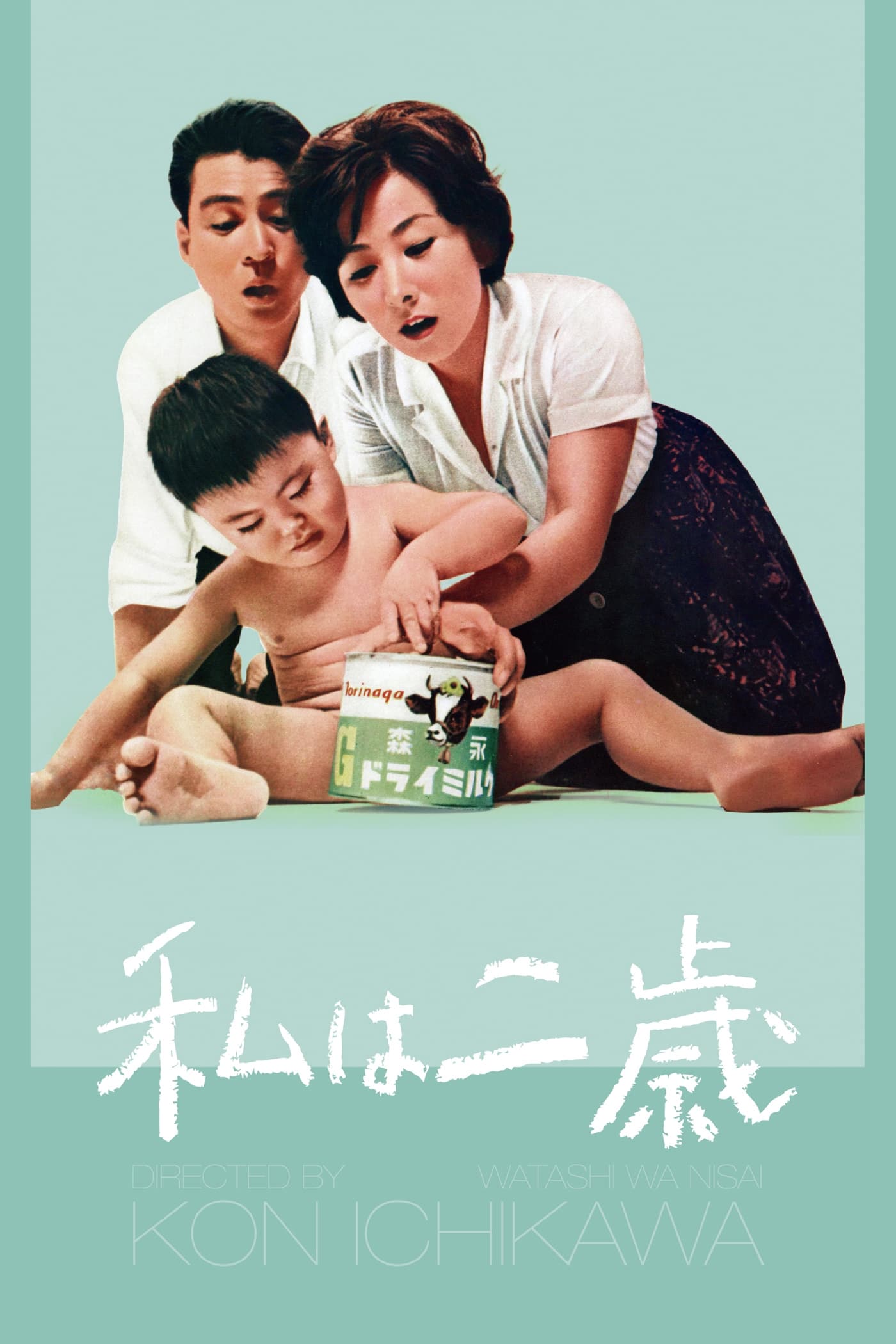
The days leading up to a toddler's second birthday are seen alternately from the child's point of view as well as that of his parents.
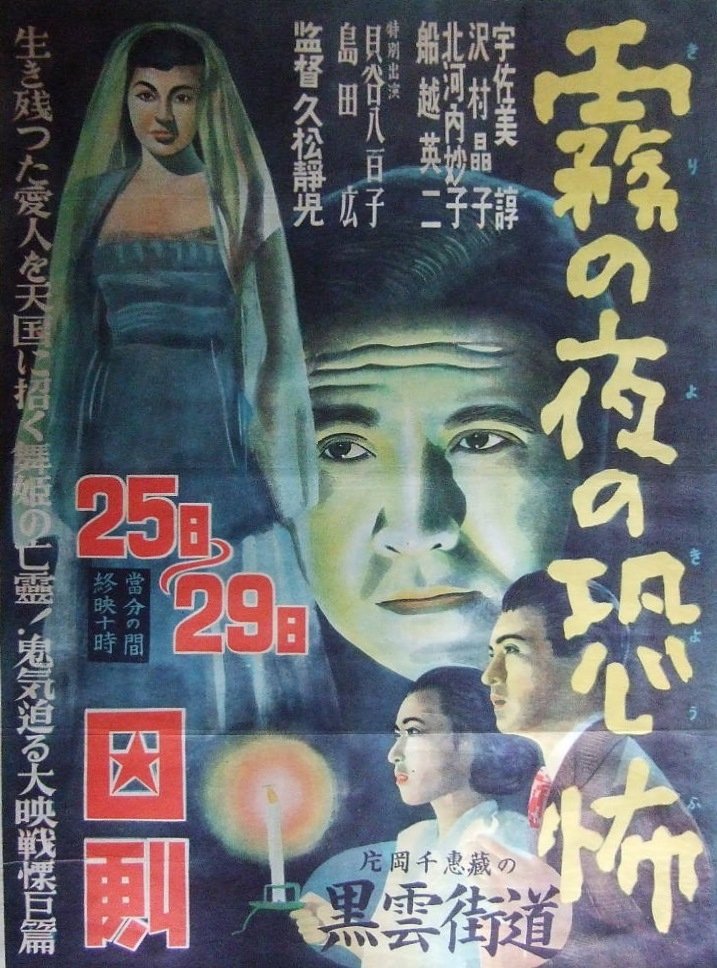
A dead lover returns as a ghost

A female reporter is fired for writing about police corruption; to make money while hiding from the press, she posts a bounty upon herself.
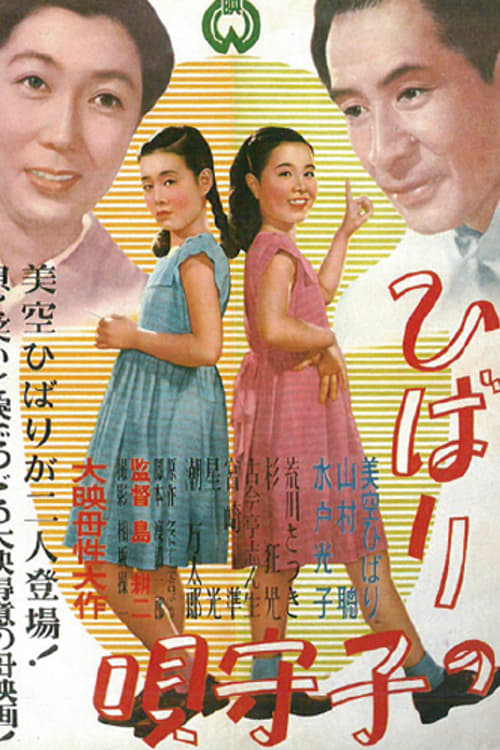
Hibari no komoriuta (ひばりの子守唄, literally "Hibari's Lullaby") is a 1951 black-and-white Japanese film directed by Koji Shima. The movie is based on Das doppelte Lottchen, a novel later adapted as The Parent Trap.
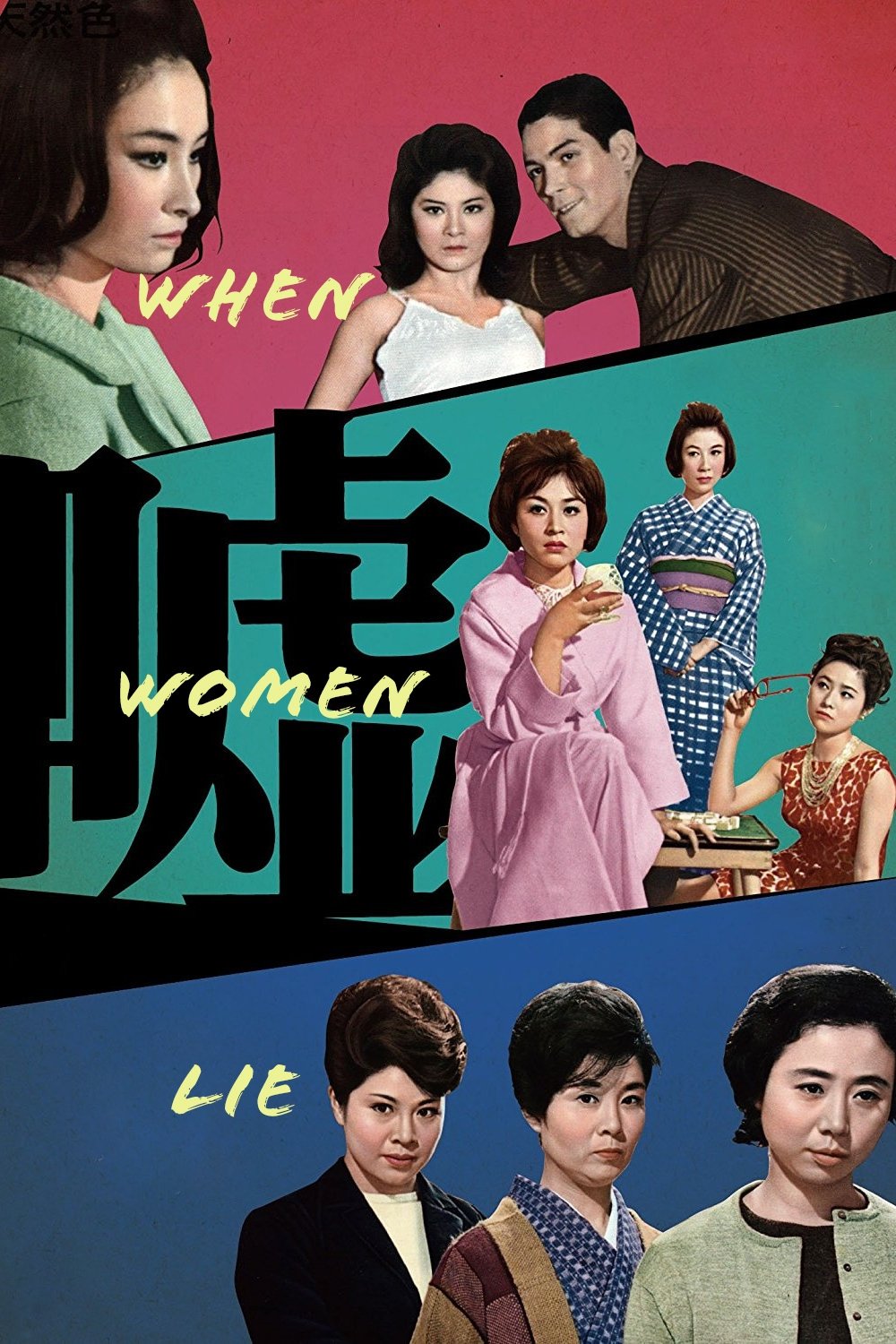
Three stories about the relationship between men and women: "Playgirl" (Masumura/Shirasaka), "Company No. 2" (Yoshimura/Kasahara), and "San Nyotai" (Kinugasa/Shindô).
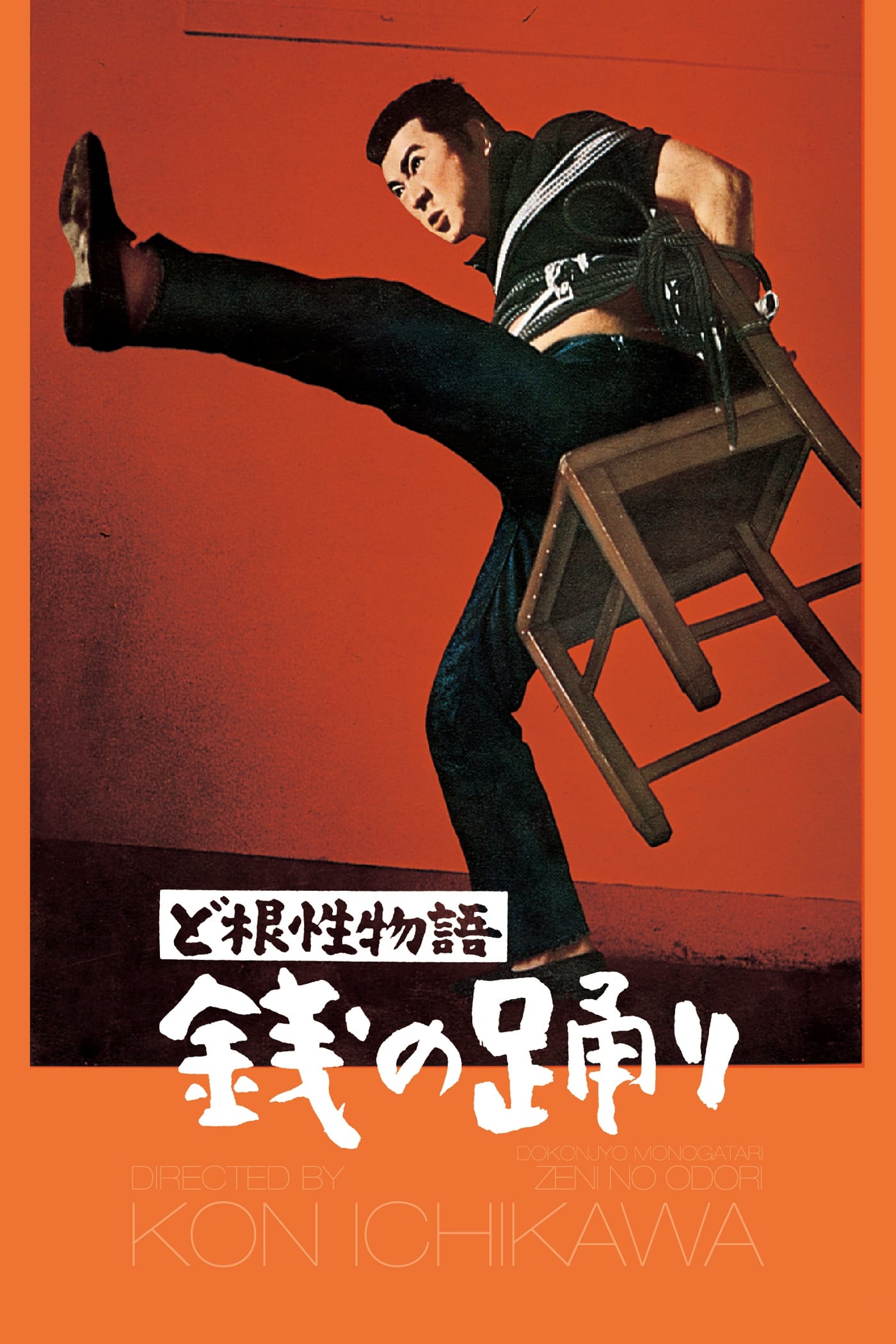
Machida (Shintaro Katsu) is in constant trouble because of his instincts to do right every time, even when it endangers his life. A gang hires him for his "forceful personality," and assigns him to kill evil people, a president of a loan company and a drug baron.
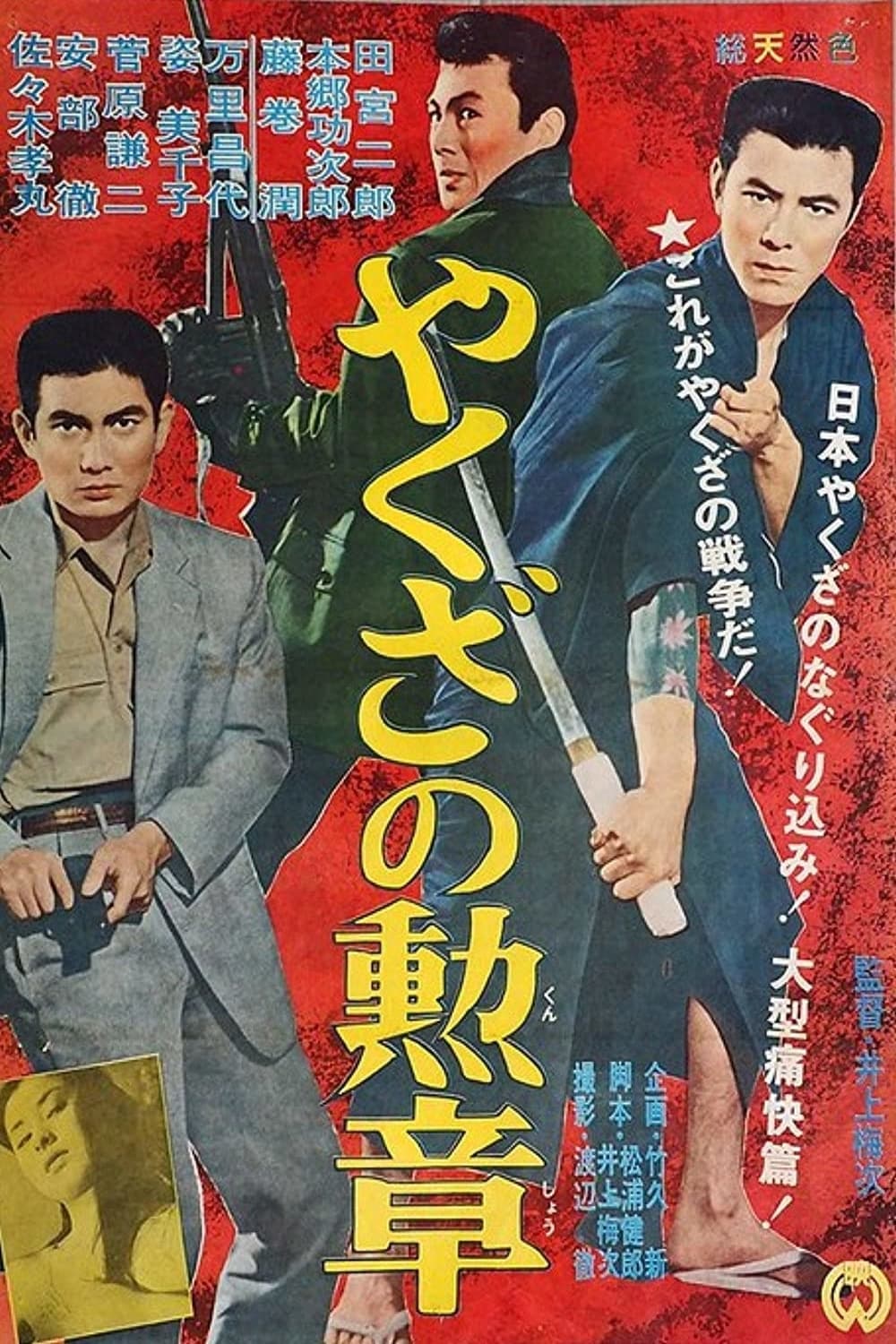
Order of Yakuza
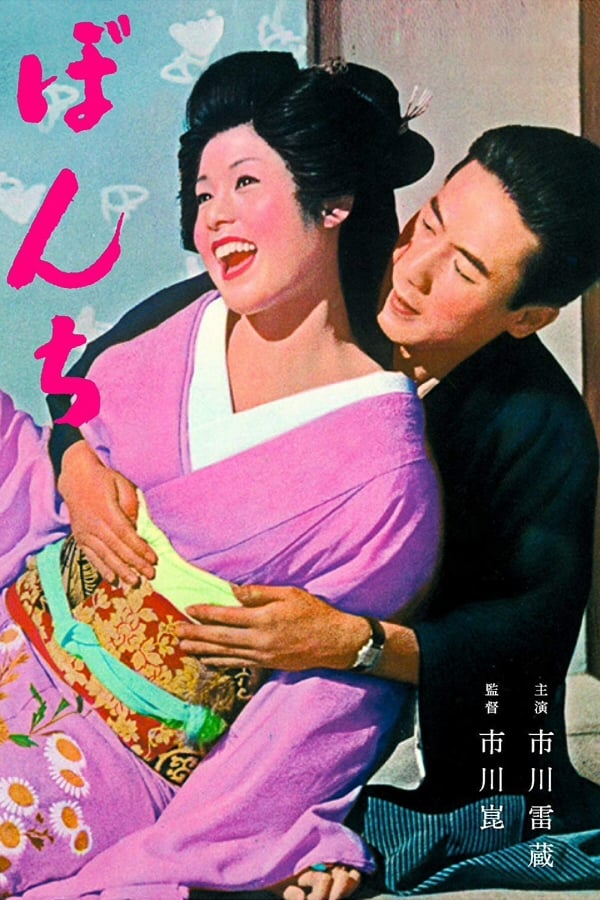
Kikuji is the scion of an Osaka merchant family whose traditional power is matrilineal. Instructed by his overbearing mother and grandmother to give them an heiress for the family business, he stands by helplessly as his wife is thrown out of the house for producing a son. Driven to a life of dissipation - his mistresses also fail to produce daughters - in the end he is just too tired to care.
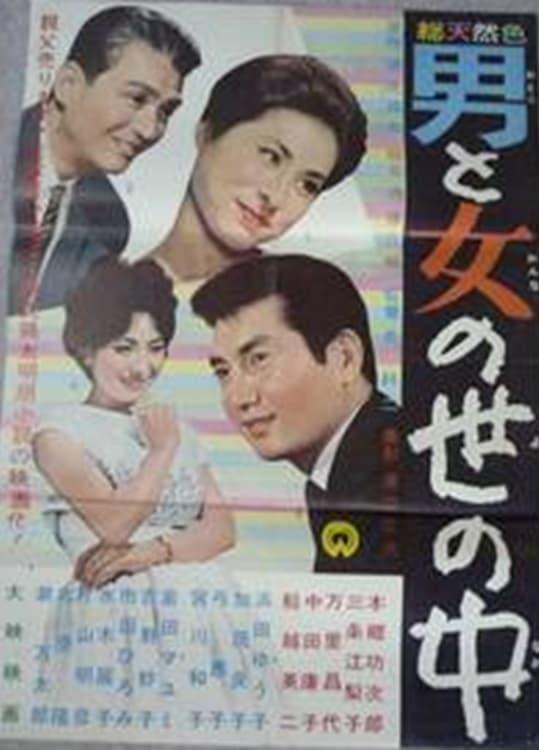
1962 Japanese movie
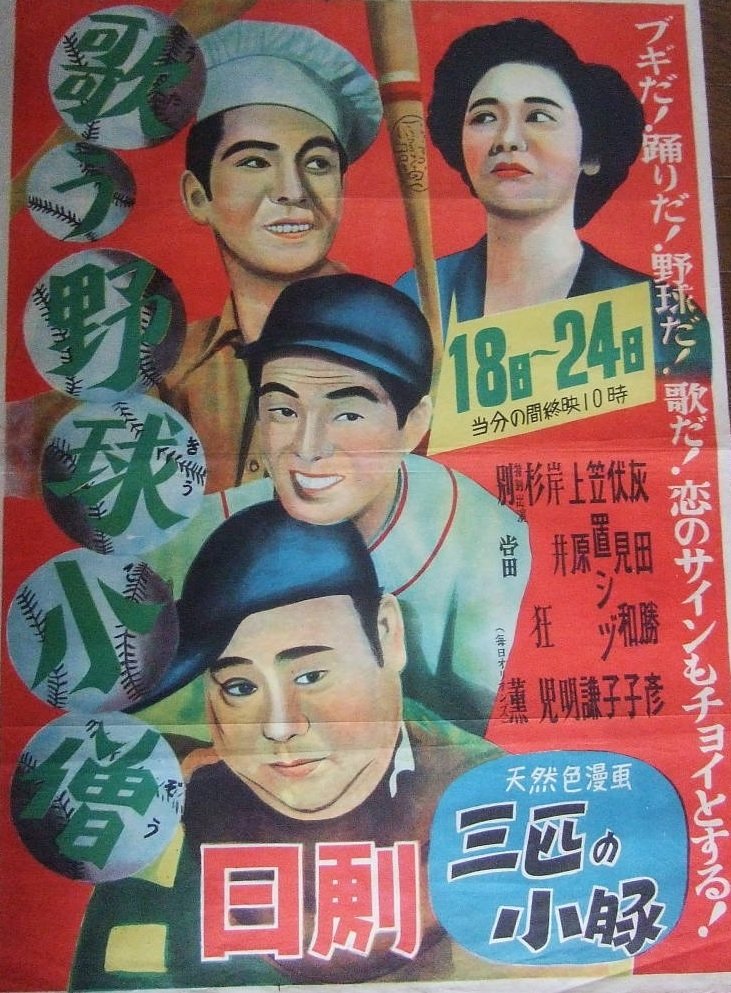
A musical comedy about a spirited orphan who forms a youth baseball team and gets caught up in a mix of sports, singing, and crime when he tries to return a star player’s lost money.
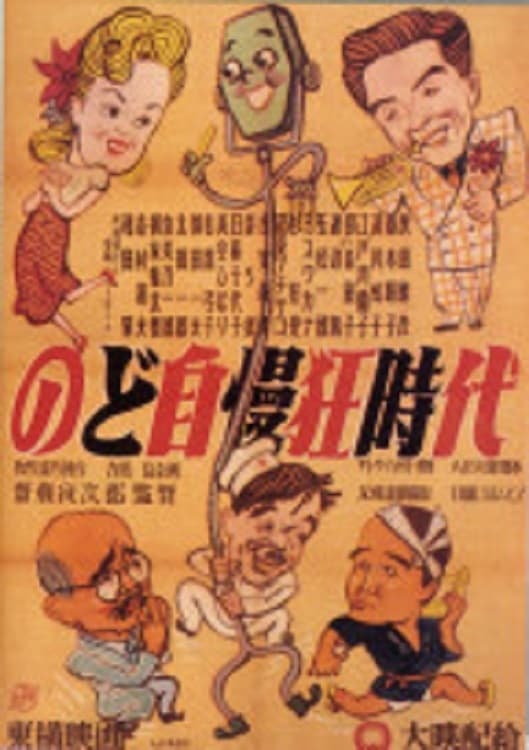
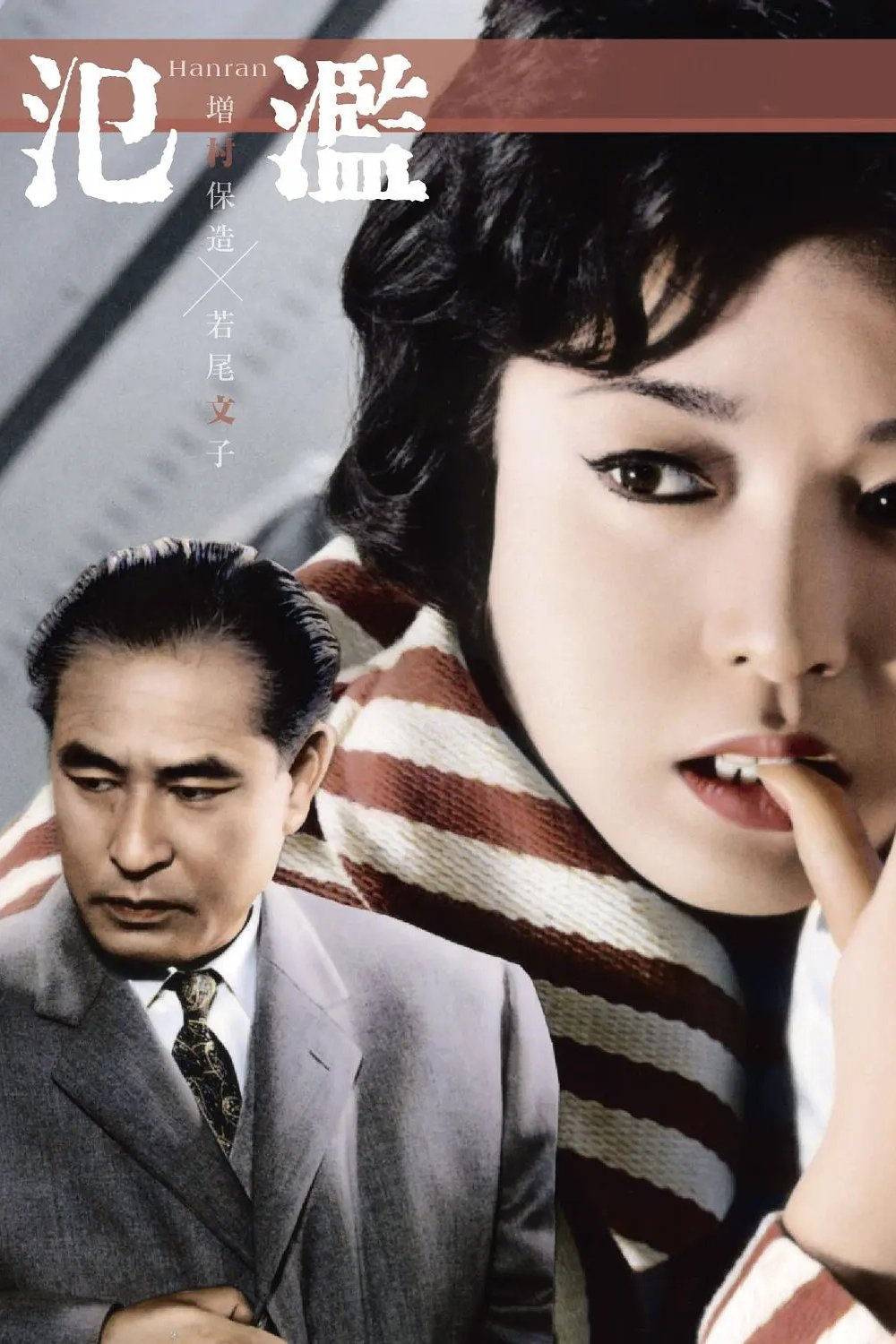
The inventor of a ground-breaking glue, Sanada, becomes rich thanks to his discovery a high executive in his company. Because of this promotion, his world is changing completely : his wife behaves like never before, considering she's now rich and has the right to do whatever she wants, even having an affair. (Also occasionally known in English as “Overflow”)
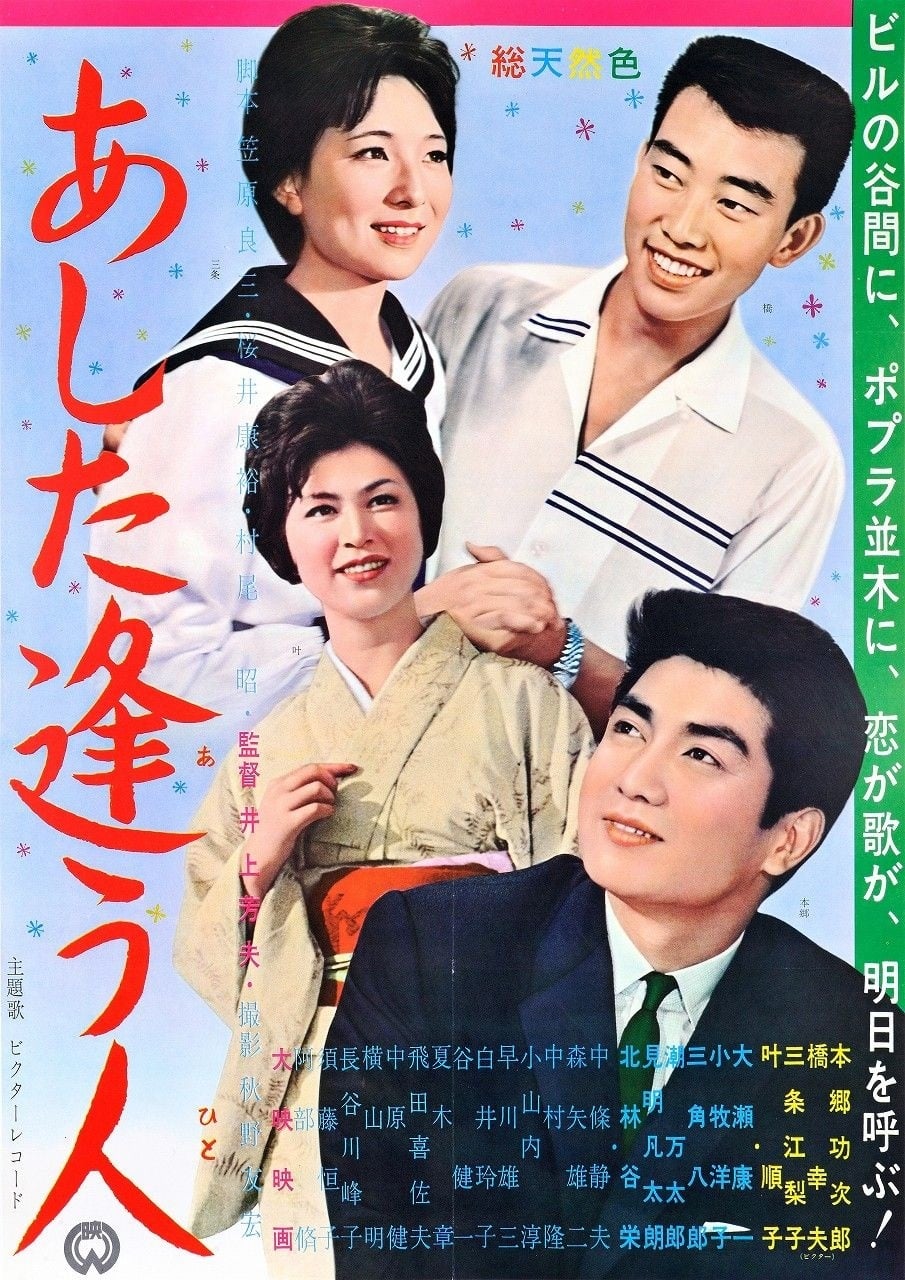
1962 Japanese movie
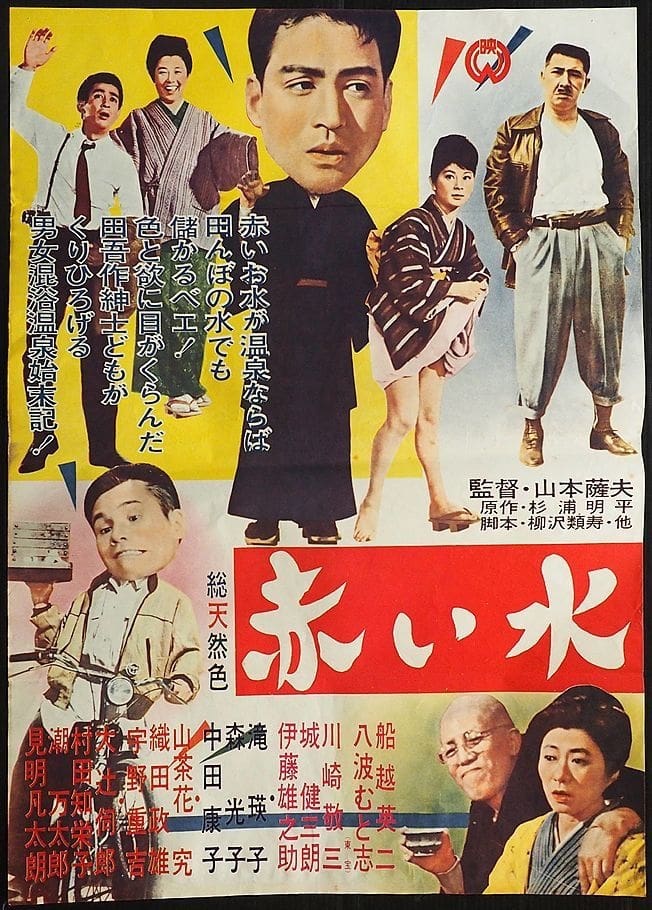
Comedy drama film
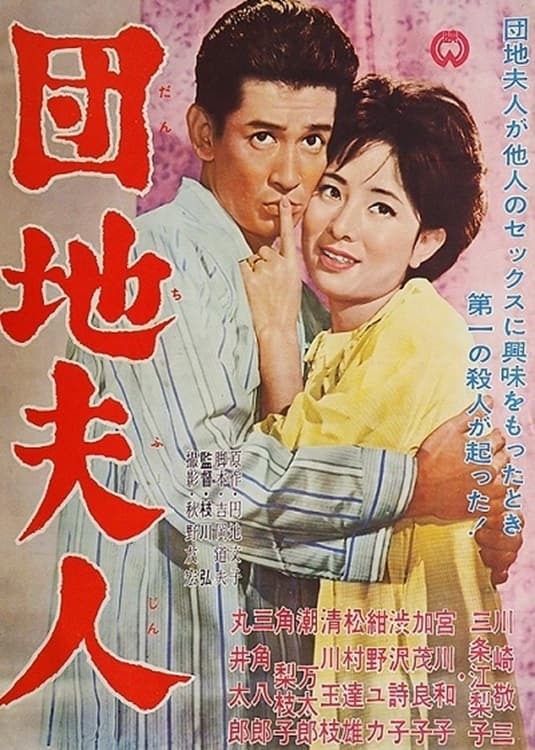
1962 Japanese movie
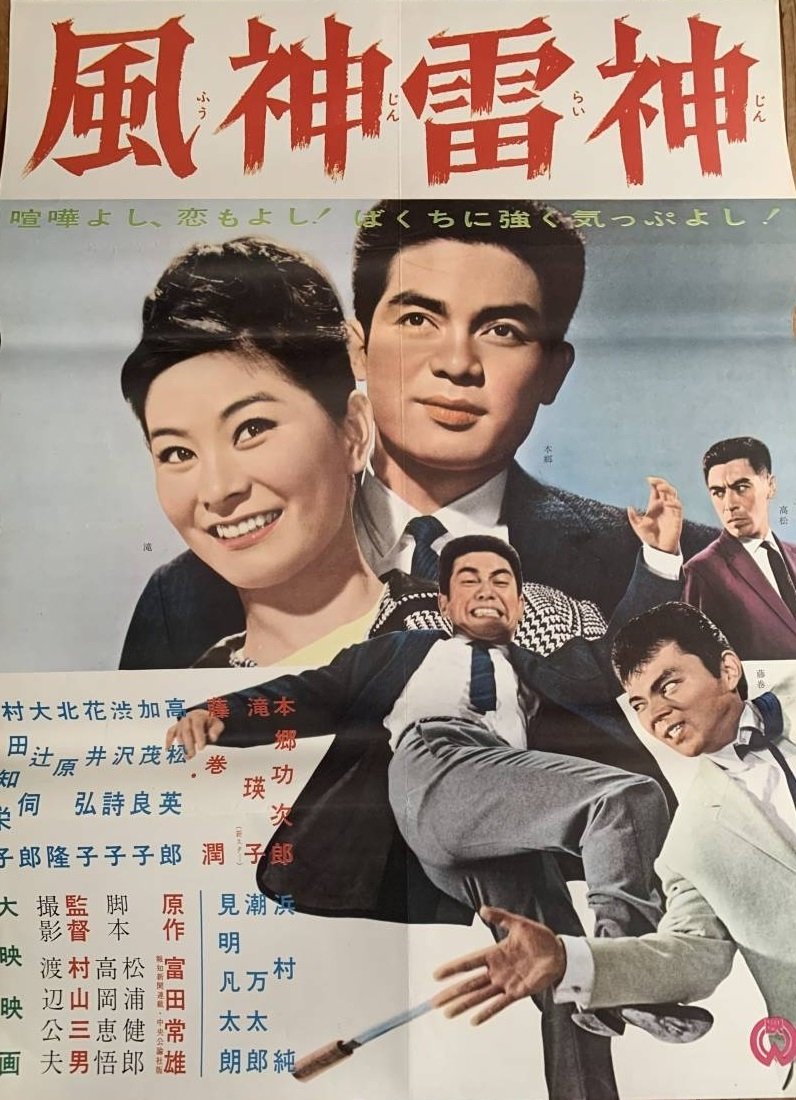
1962 Japanese movie
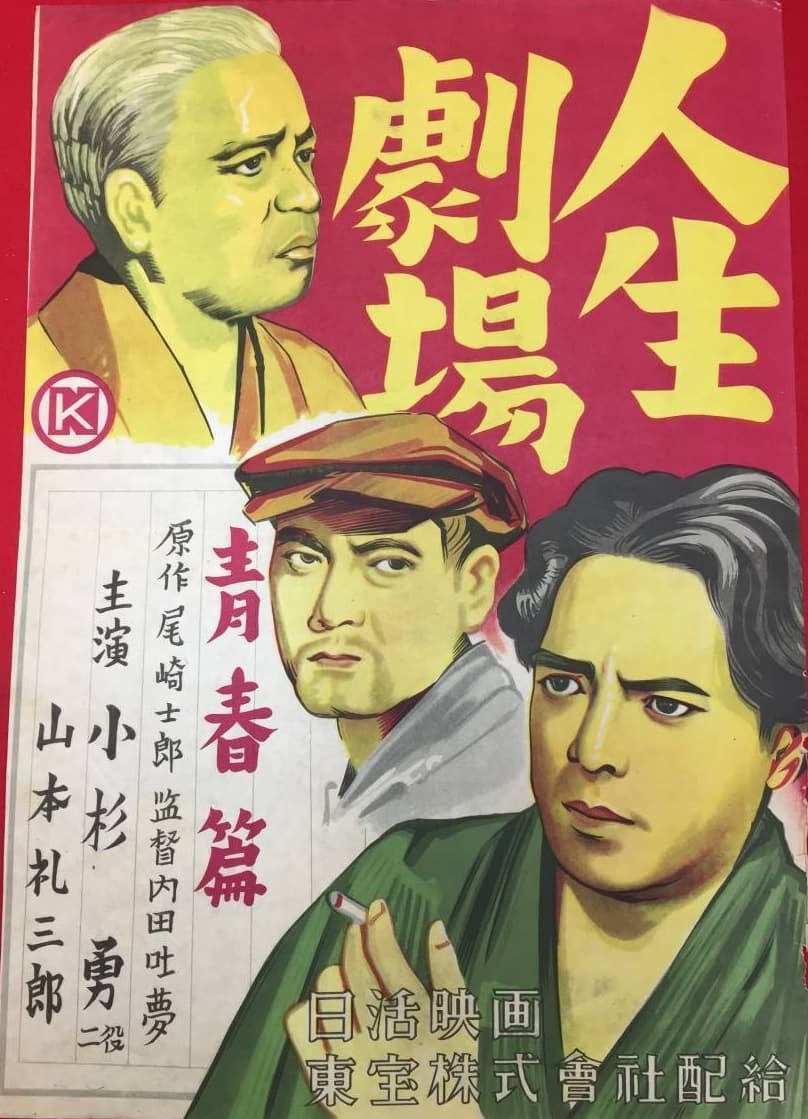
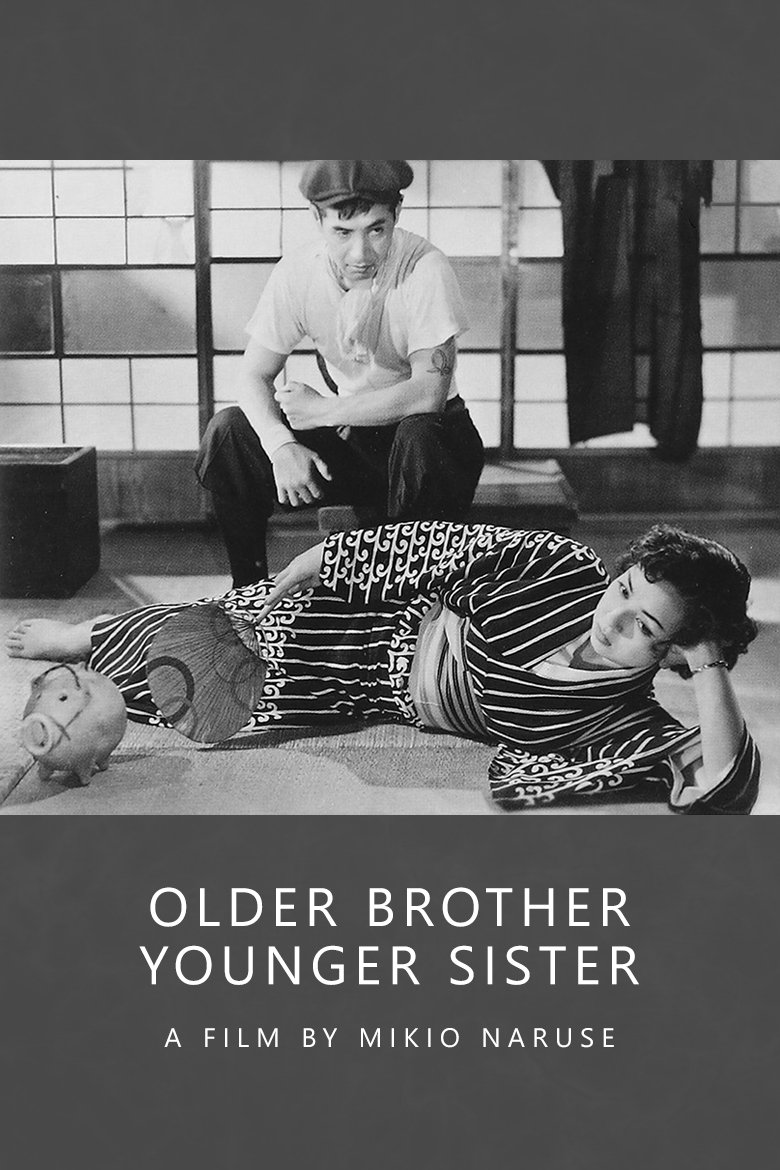
The eldest daughter of a rural family Mon returns home from Tokyo pregnant after an affair with a college student Kobata, which causes a scandal that will threaten the marriage prospects of the younger sister San, in her cash-strapped family. The ill-tempered eldest brother Inokichi decides to take on the role of disciplinarian, with harrowing results.
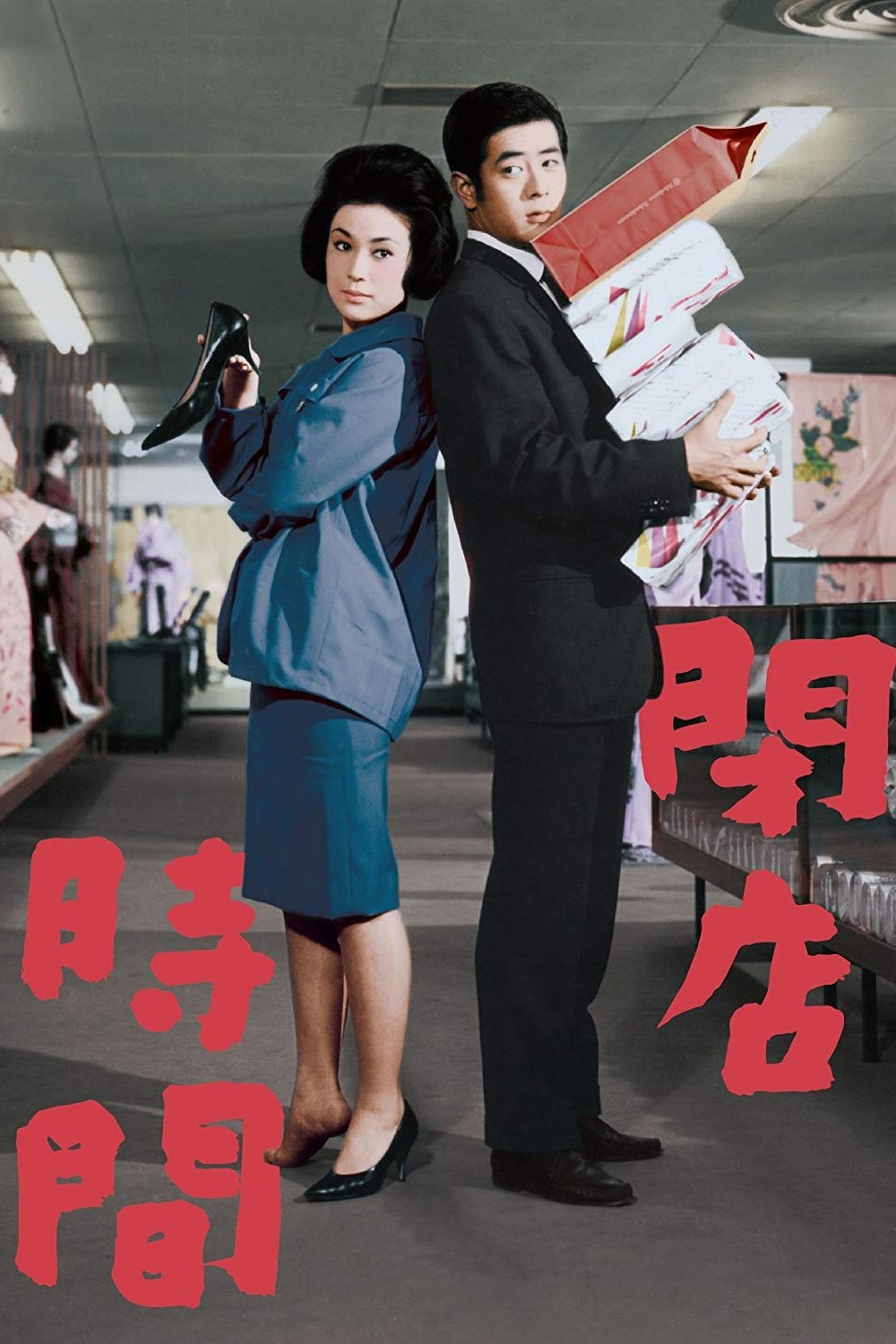
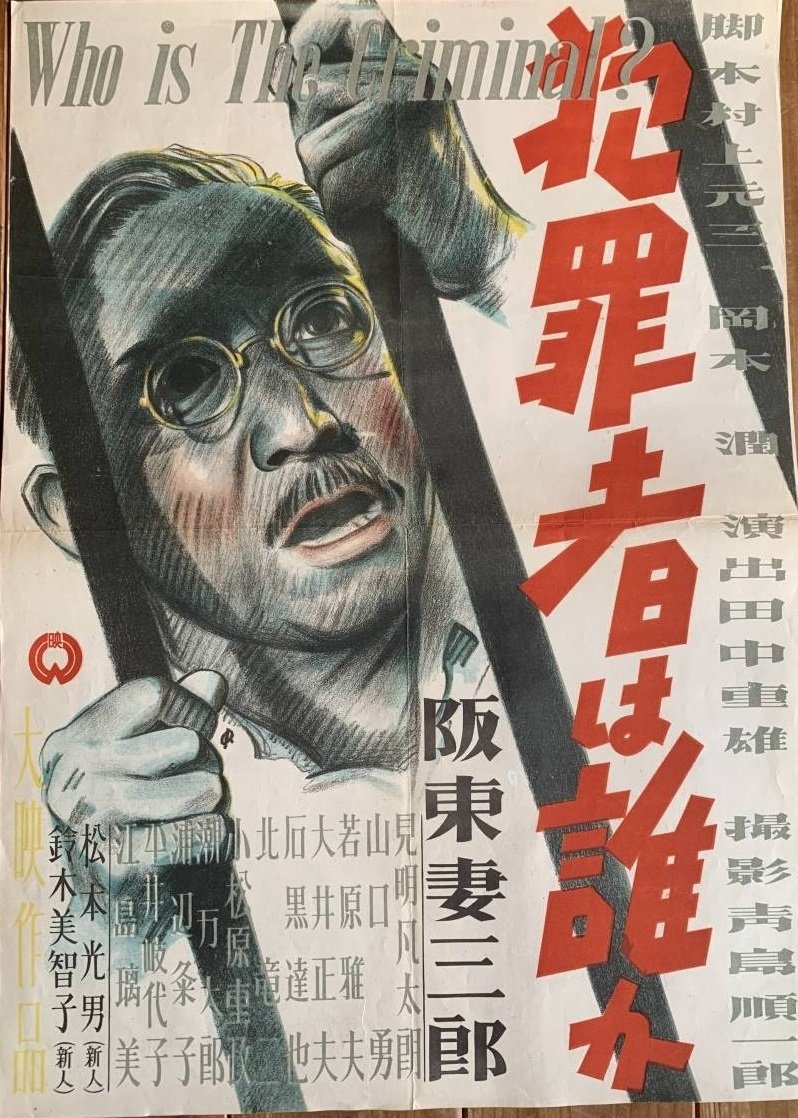
1945 Japanese movie
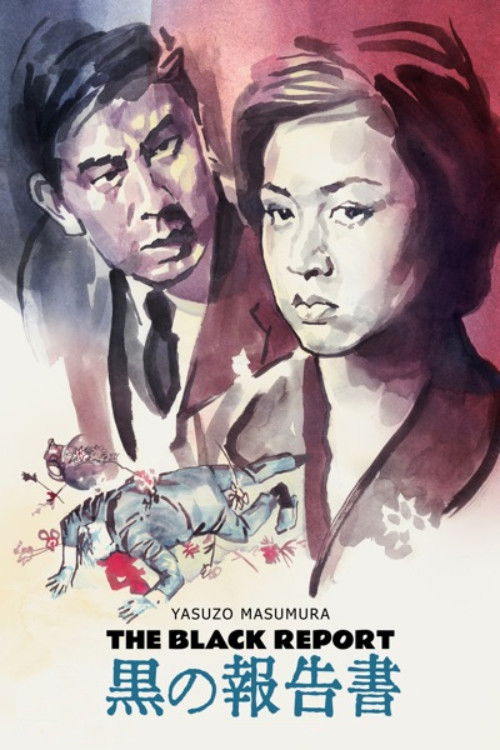
After a businessman is murdered, an investigation identifies a suspect who is then put on trial for that crime.

Japanese comedy directed by Noriaki Yuasa.
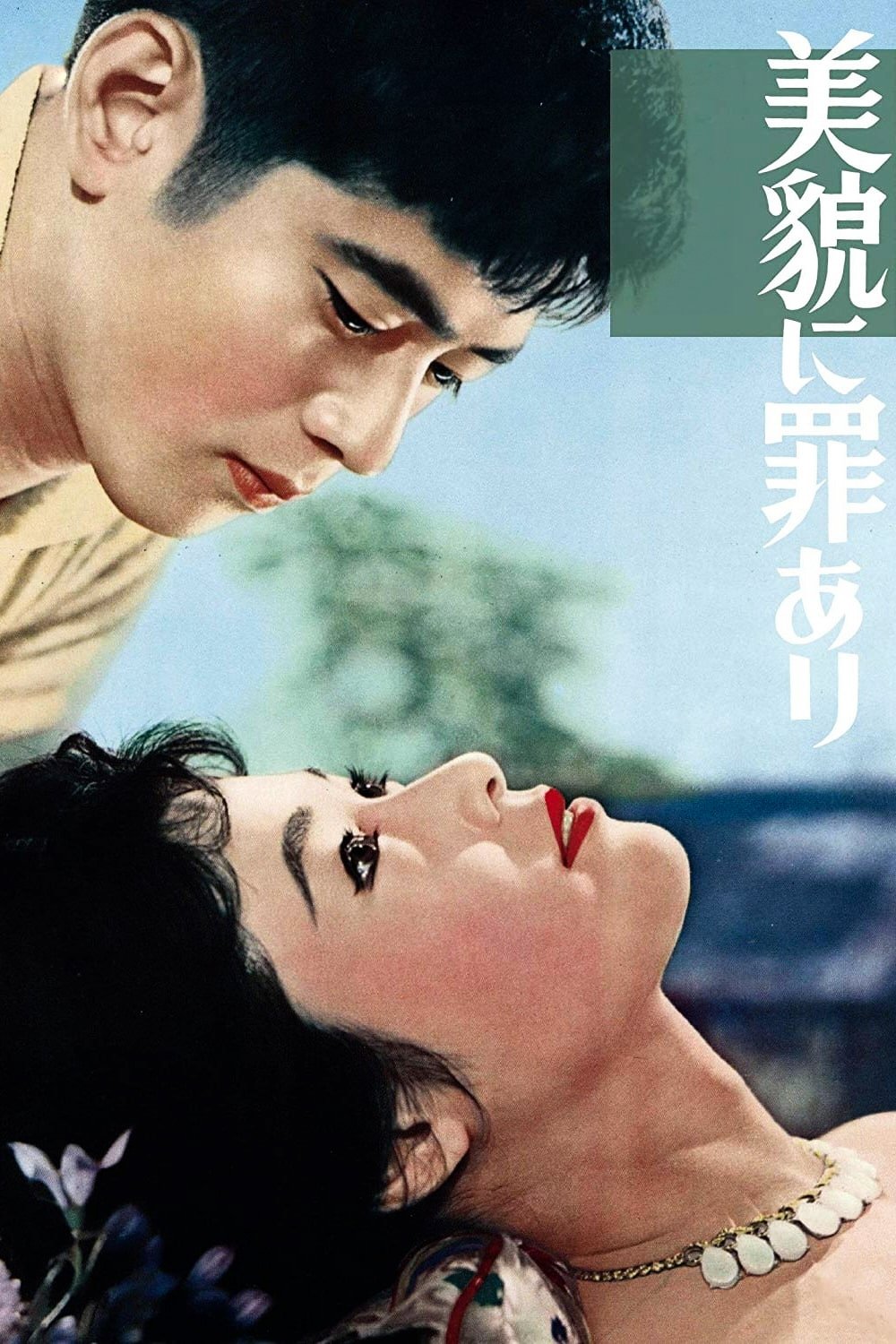
In a rural district of Tokyo, the owner of a farm is abandoned by his two daughters who are attracted to the life of the big city.
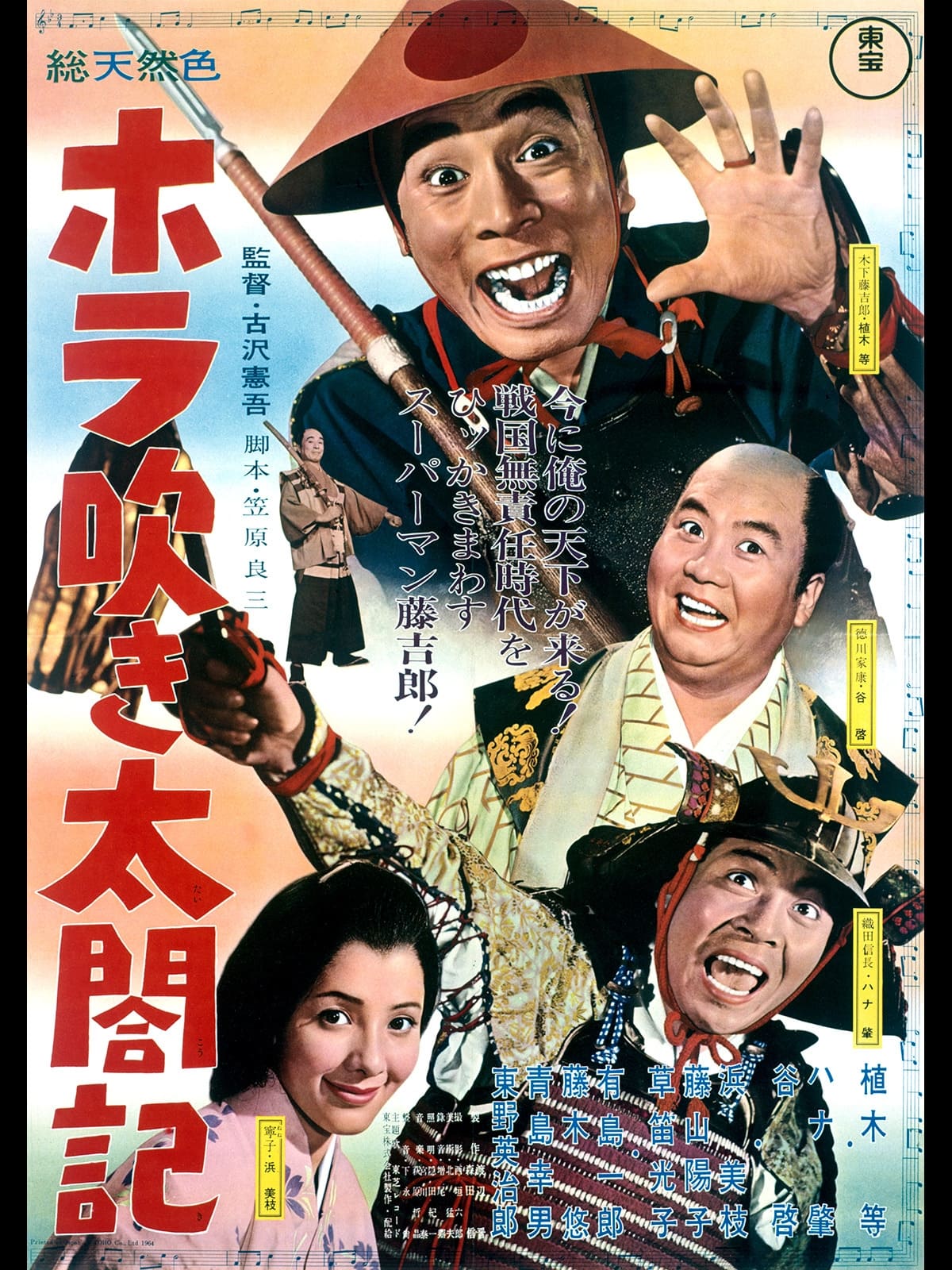
Toyotomi Hideyoshi (Hitoshi Ueki) starts out as Nobunaga's "Sandal Keeper" but climbs the ranks to eventually become a trusted general.

A middle-aged husband of a younger woman finds her youth intimidating to the point that he cannot become aroused. His solution involves the introduction of his daughter's lover to his wife.
Romantic comedy about a love triangle between two girls who fall in love with a reliable young doctor.
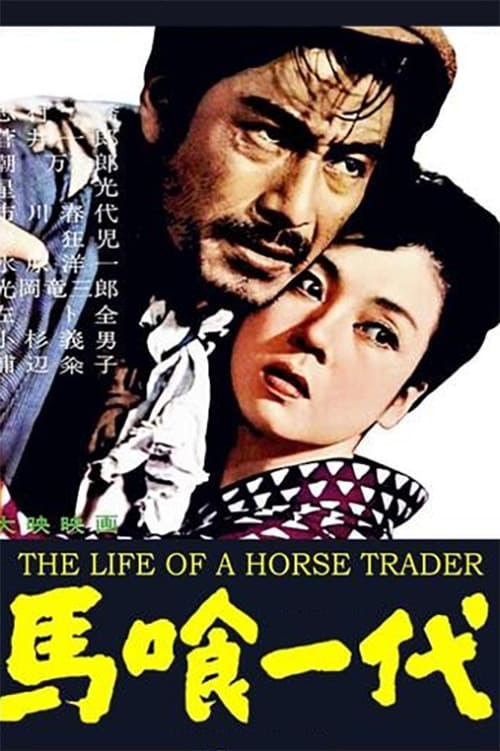
The tale of Katakana Yonetaro aka "The Shark," a rough-and-tumble horse trader in Japan's northernmost island of Hokkaido, despite being a father and a husband he is frequently drawn to taverns.
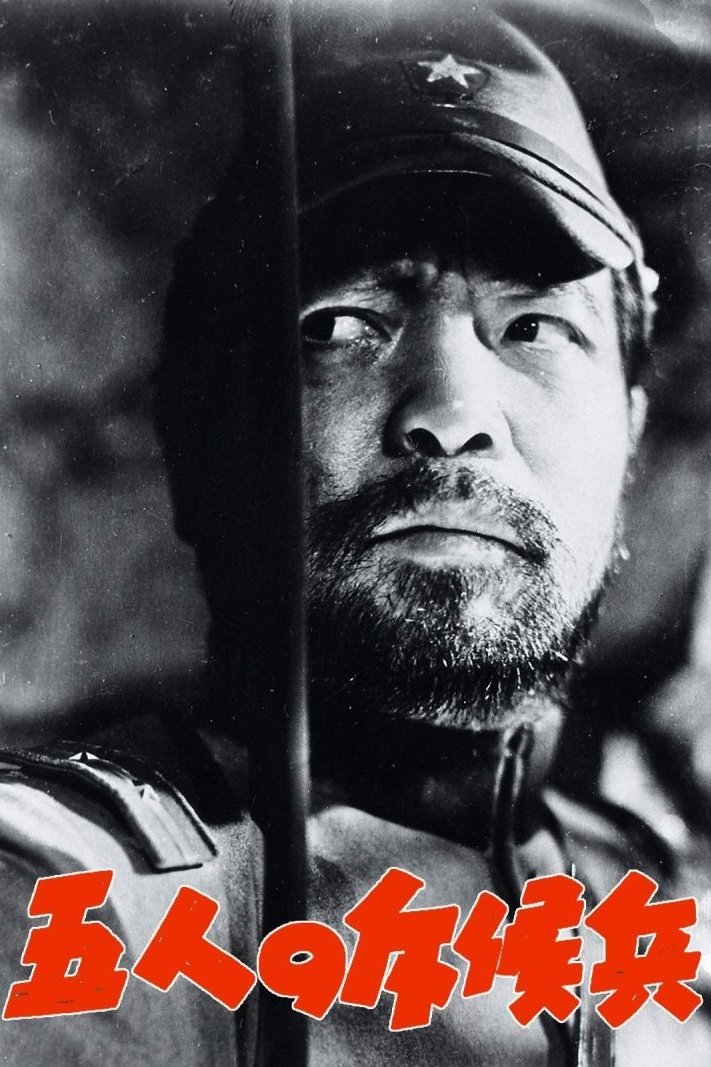
During the Second Sino-Japanese War, a five-man reconnaissance unit is dispatched to scout enemy positions in a volatile territory. After a sudden and intense firefight, the group is separated, leaving the survivors to wait in agonizing suspense at their outpost.
A young woman decides to leave school in order to help her sister.
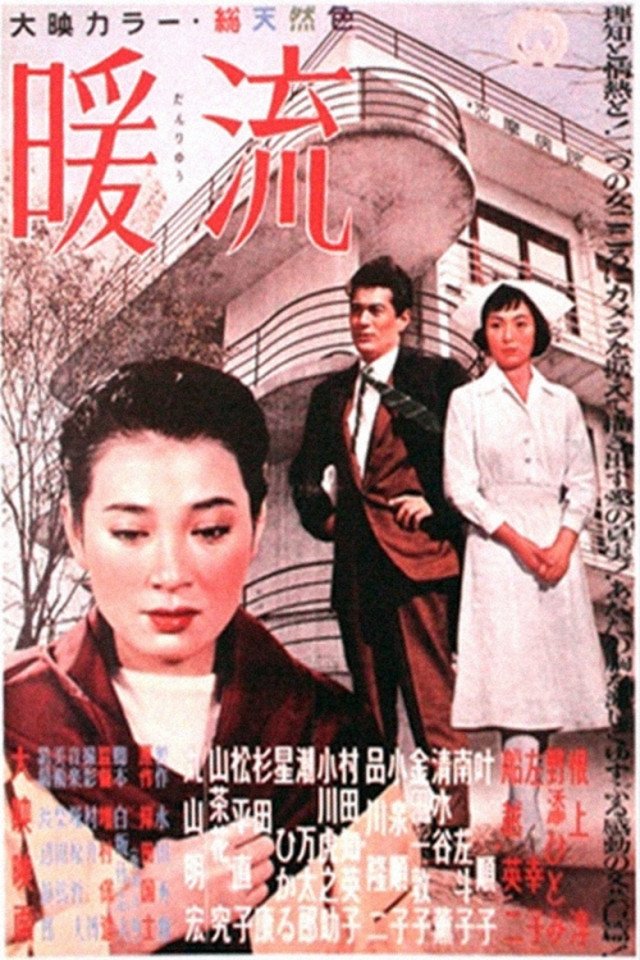
The story revolves around a young man appointed to rescue a troubled hospital who must choose between two women, a dedicated nurse or a spoiled rich girl.
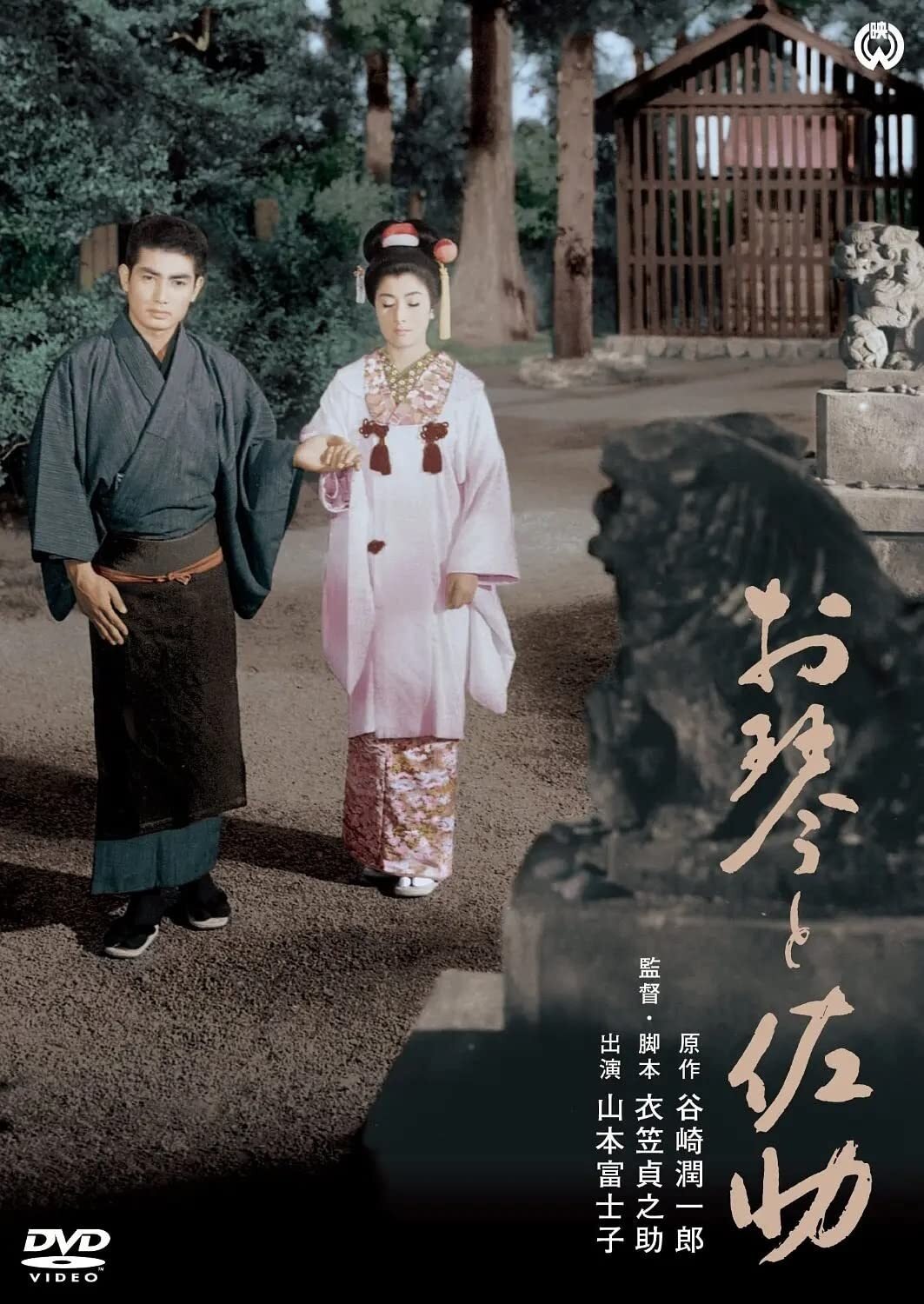
One of Kinugasa's last films--based on the story by Tanizaki Jun'ichirō.
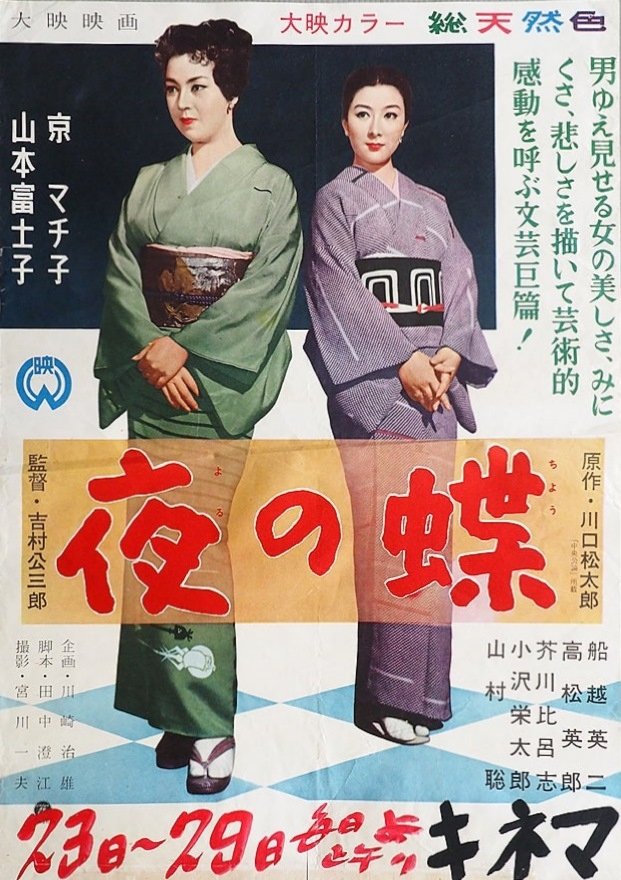
A traditional bar mistress in Kyoto clashes with her Tokyo rival.

The mythical adventures of the legendary Chinese trickster Monkey, who must outwit a variety of wily demons who stand in the way of him and his fellow Buddhist travelers. Though portrayed as a literal, if rather anthropomorphized, monkey in the original legends, this film substitutes the spindly comic actor Norihei Miki, sans makeup.
One night, three wives, Matsuyo, Keiko and Mari, receive a mysterious telephone call. The voice tells them that she has their husbands with her and invites them to " P " Hotel to see for themselves. They have been married for many years and are bored with their husbands, and are about to secretly carry on affairs with the other's mates.
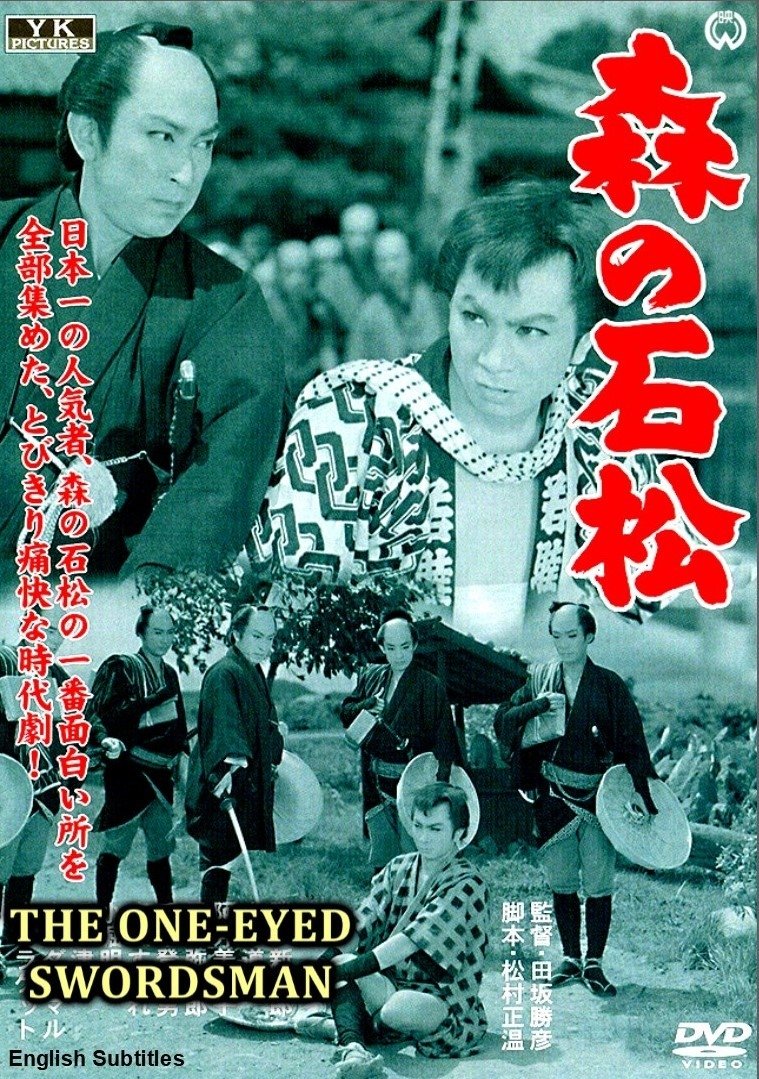
Ishimatsu of Mori, from his early days leading up to his joining with Shimizu Jirocho, Boss of the Tokaido where he made his mark in history through his tragic end this is the story of a beloved and loyal henchman.
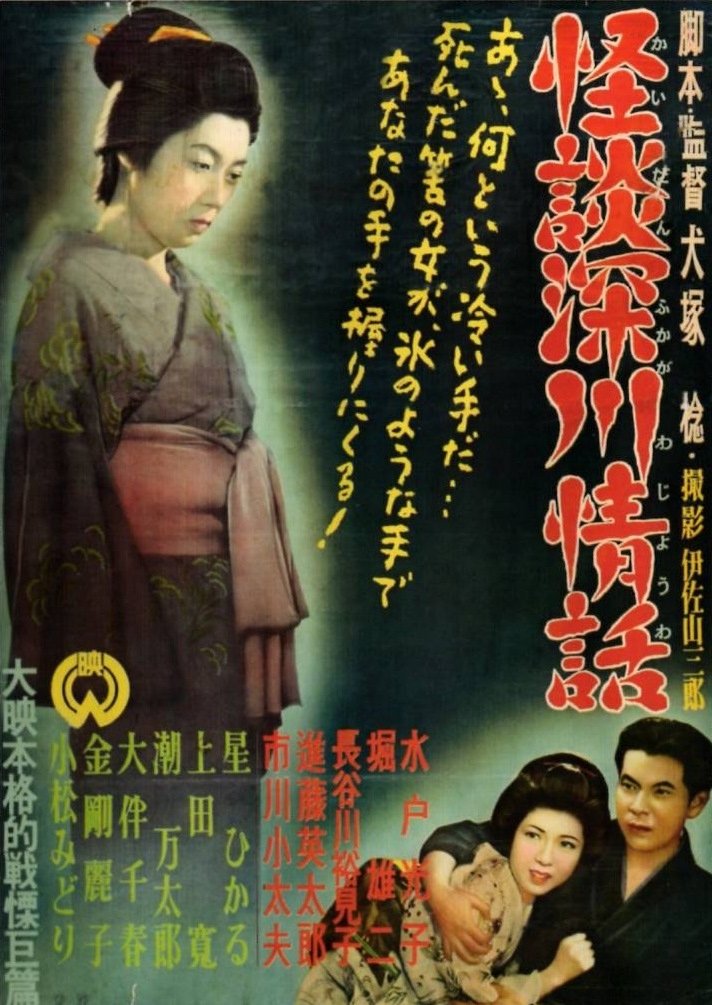
A ghost story about a woman who dies a violent death and appears to the man she loves as a vengeful spirit. This film marked the turning point in Daiei's shift in emphasis from thrillers to ghost stories.
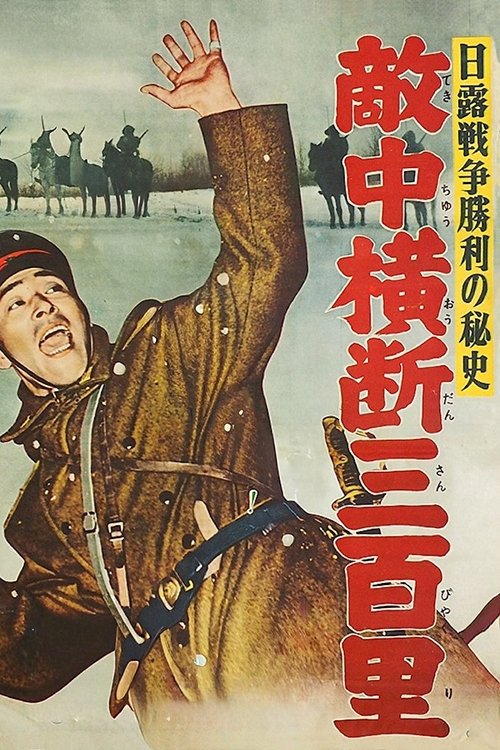
In 1905, Japan was seriously threatened in the Russo-Japanese War. Japan determined a decisive attack on Russia to end the war. A reconnaissance troop was organized to penetrate into the supreme headquarter of Russia in Tieling Mountain of China to find out the enemy's situation...
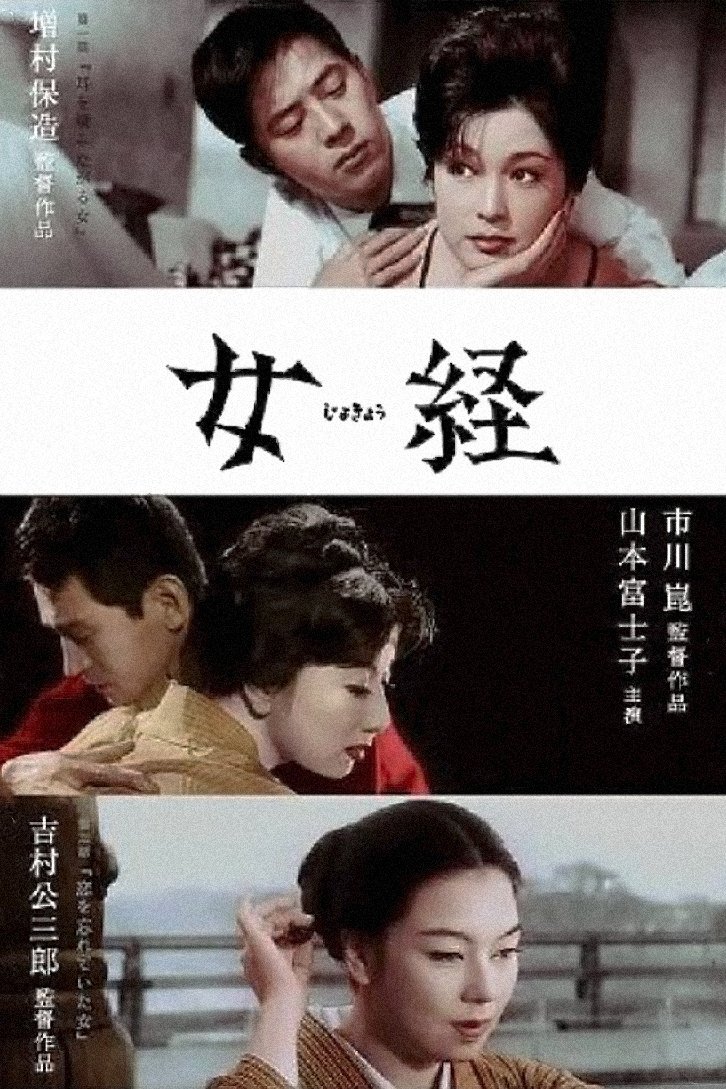
The first story concerns an attractive young woman who works in a Tokyo nightclub. Her plan for a solid financial future has a double whammy. In the second story, a beautiful young woman is employed by an unscrupulous real estate agent to convince male clients to invest in worthless property. The last story is about a widowed geisha who has no real financial worries and who falls in love with a forger.

Nishi is an advertising executive for a caramel company that is planning to launch a new product, in fierce competition with two other companies.
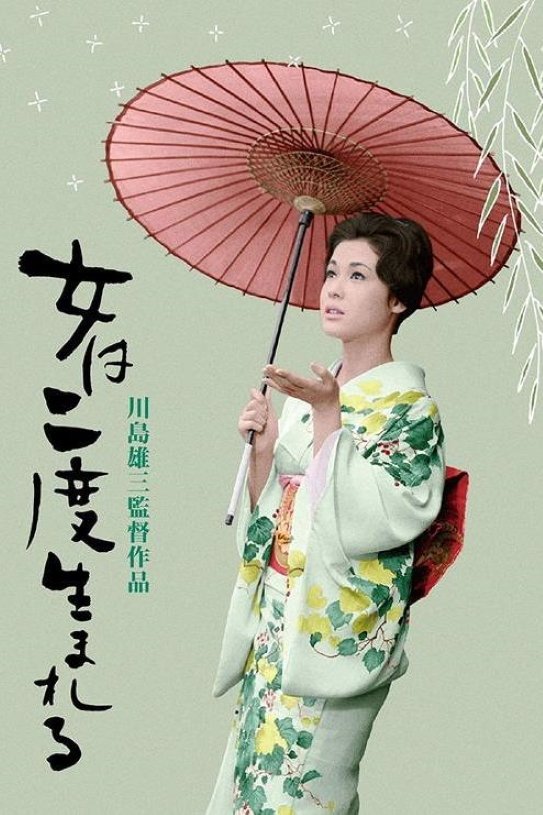
A young girl is rigorously trained in the feminine arts so that she can become a geisha. As she struggles through life, she learns to live not just as a woman but as a complete person.
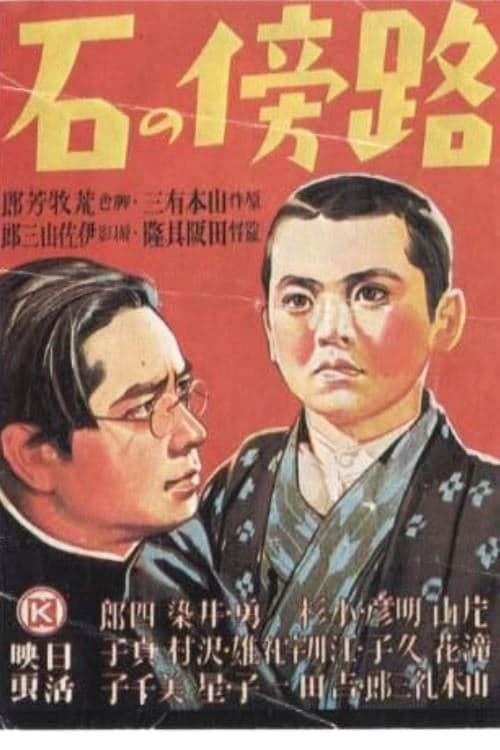
Tomotaka Tasaka's A Pebble by the Wayside (Robo no Ishi), made in 1938 and taken from a Yuzo Yamamoto novel, takes place around 1902, was about a young boy brought up entirely by his mother since his drunken father is never home. An intelligent teacher wants to send him to middle school, but instead the father apprentices him to a clothing store to which he is in debt. The mother dies and the boy is forced to quit work when his father insults the store owner. Later the boy goes to Tokyo, but only to continue his hardships. First he is forced to do a maid's job at a boarding house and later is used by an old woman to steal at funerals. Finally he is rescued by the teacher, whom he meets in Tokyo.
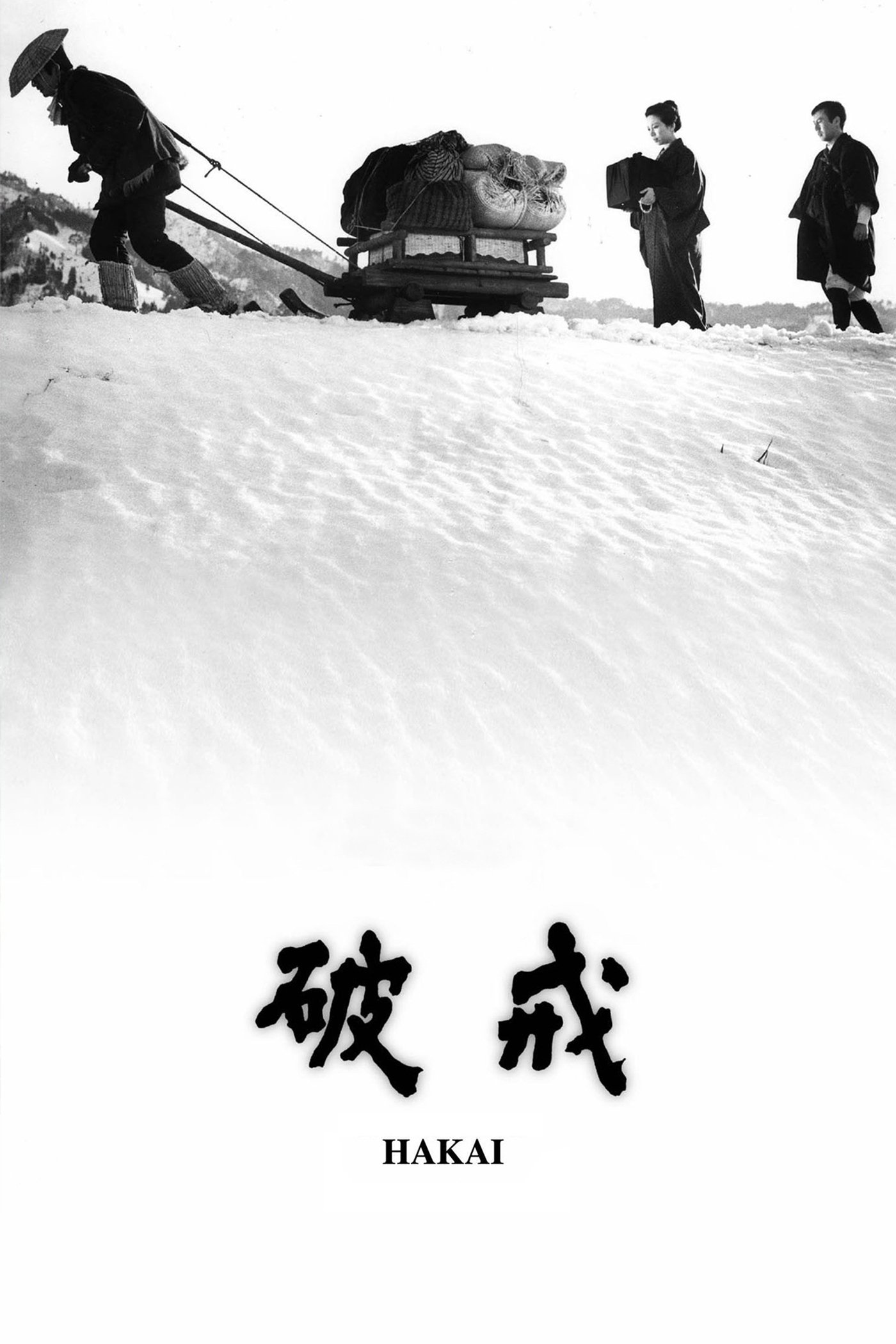
Ushimatsu's father told him never to reveal his lower-caste heritage; years later, he now contemplates confiding in an activist fighting against such discrimination.
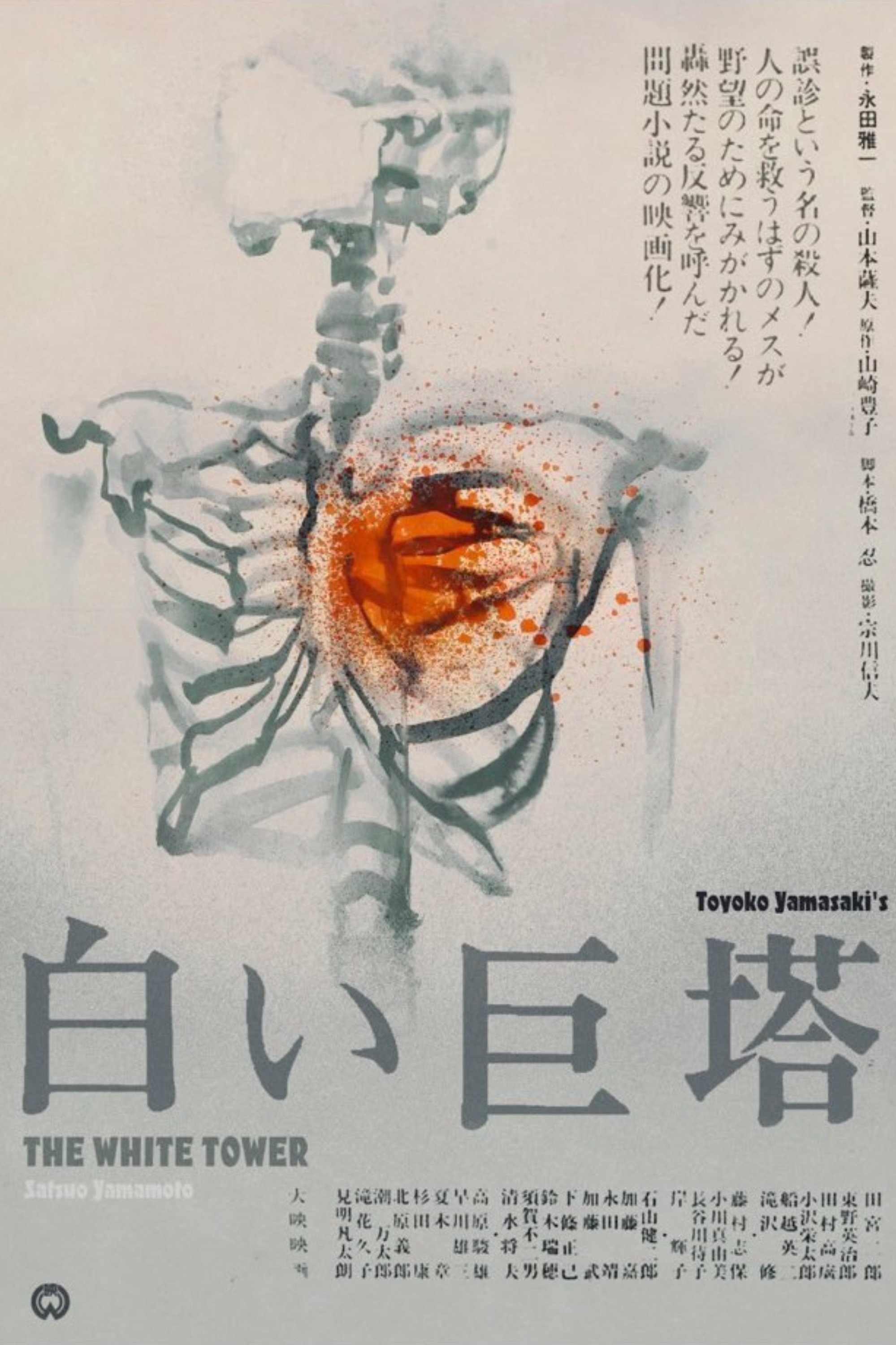
The story contrasts the life of two doctors, former classmates and now both assistant professors at Naniwa University Hospital in Osaka. The brilliant and ambitious surgeon Goro Zaizen stops at nothing to rise to a position of eminence and authority, while the friendly Shuji Satomi busies himself with his patients and research.
A 1937 Japanese language film directed by Tomu Uchida, starring Ryo Akaboshi, Mitsuru Date and Hisao Furutani.
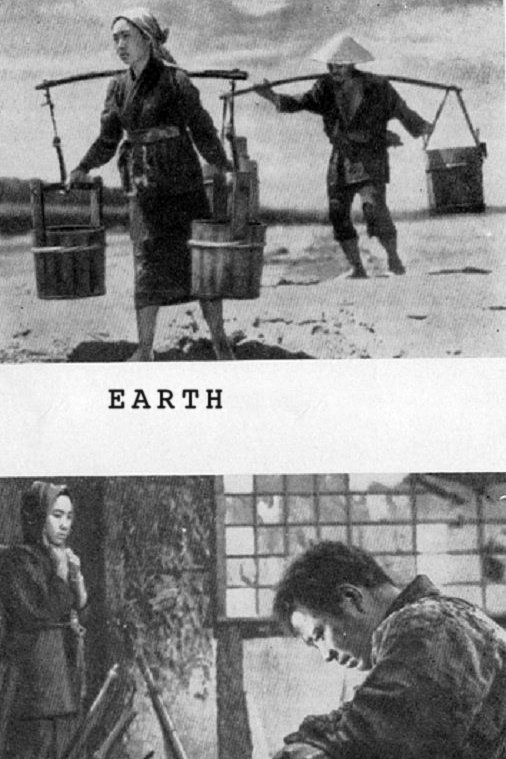
Kanji is a poor peasant widower who struggles to earn a living for his daughter and himself and to pay off his father-in-law's debts.
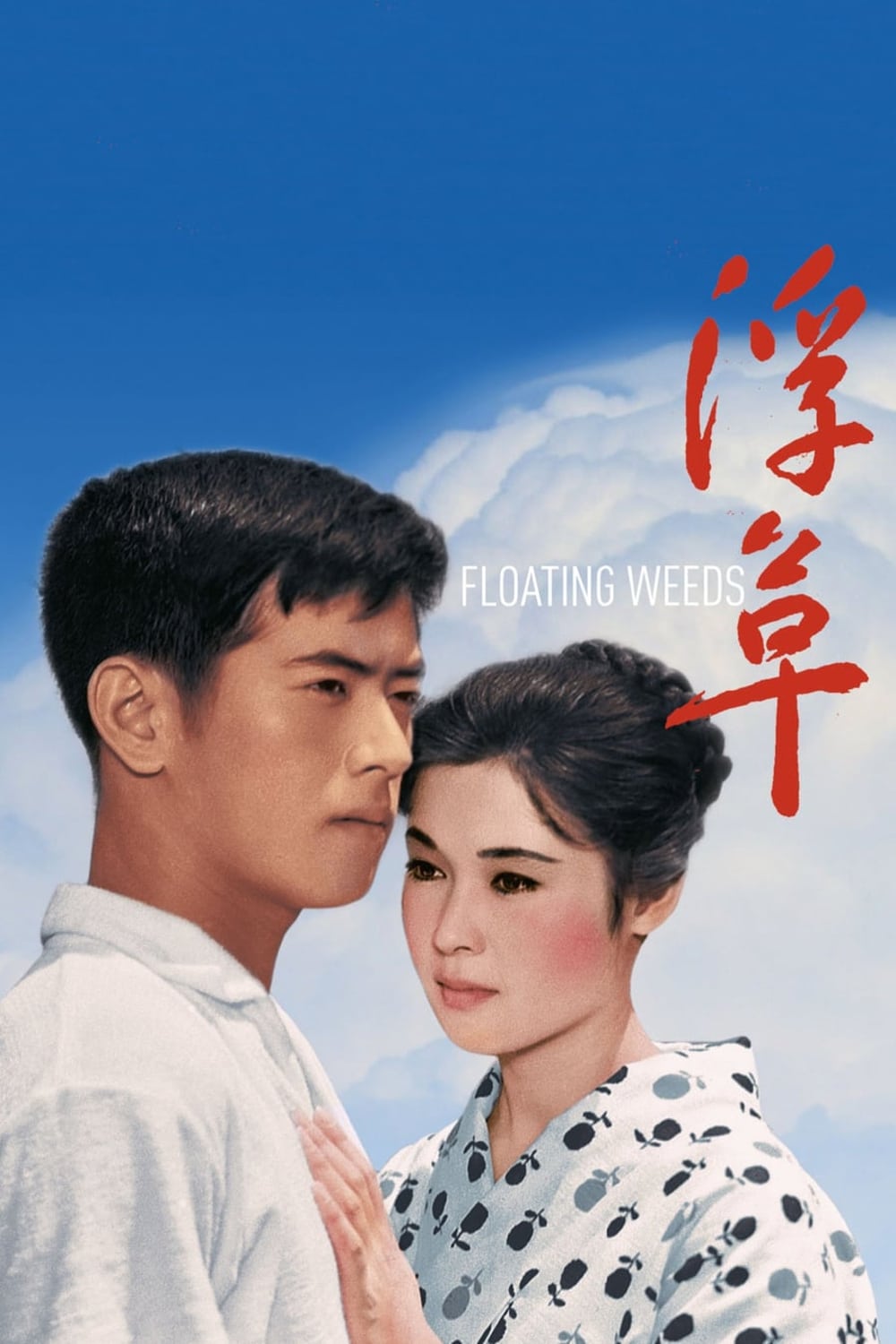
A theater troupe master's visit with his old flame unintentionally sets off a chain of unexpected events with devastating consequences.
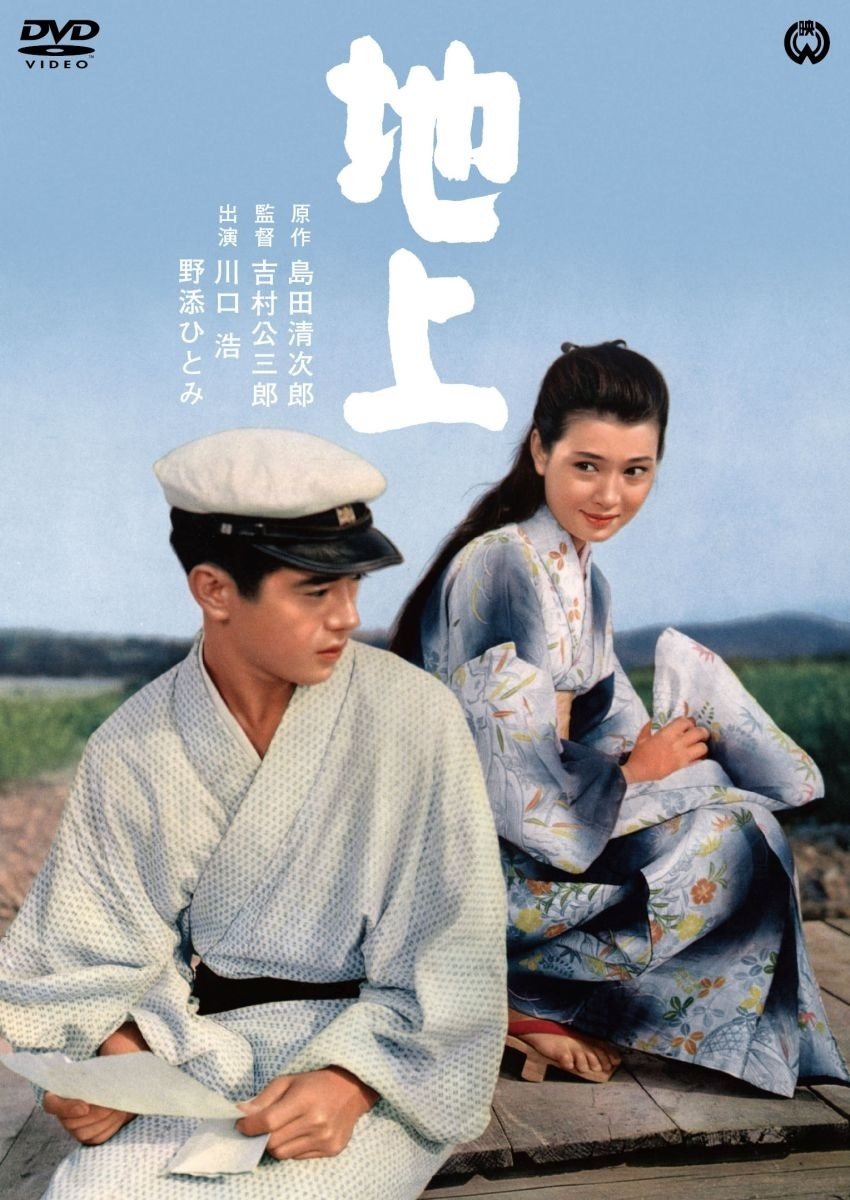
Ichiro’s family used to be a large landowner, but now he is living in poverty with his mother. His mother works hard to get her son through school. Under such circumstances, Ichiro meets Wakako, the daughter of a wealthy man, and they fall in love with each other, but they are opposed by those around them because of their different social status.
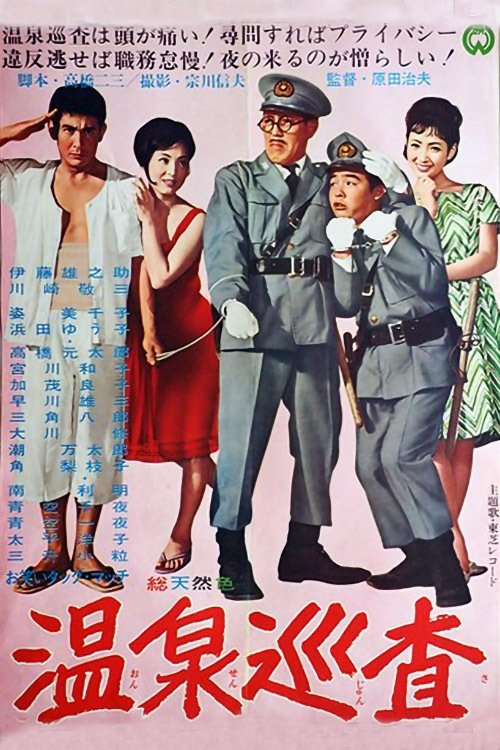
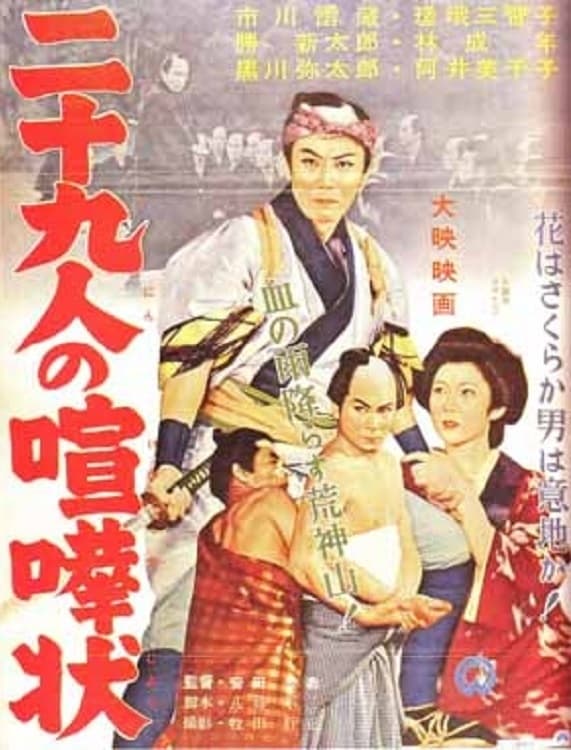
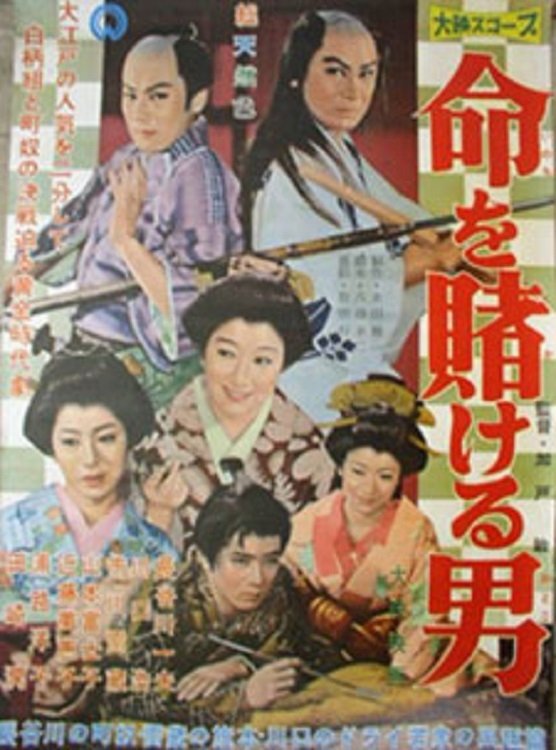
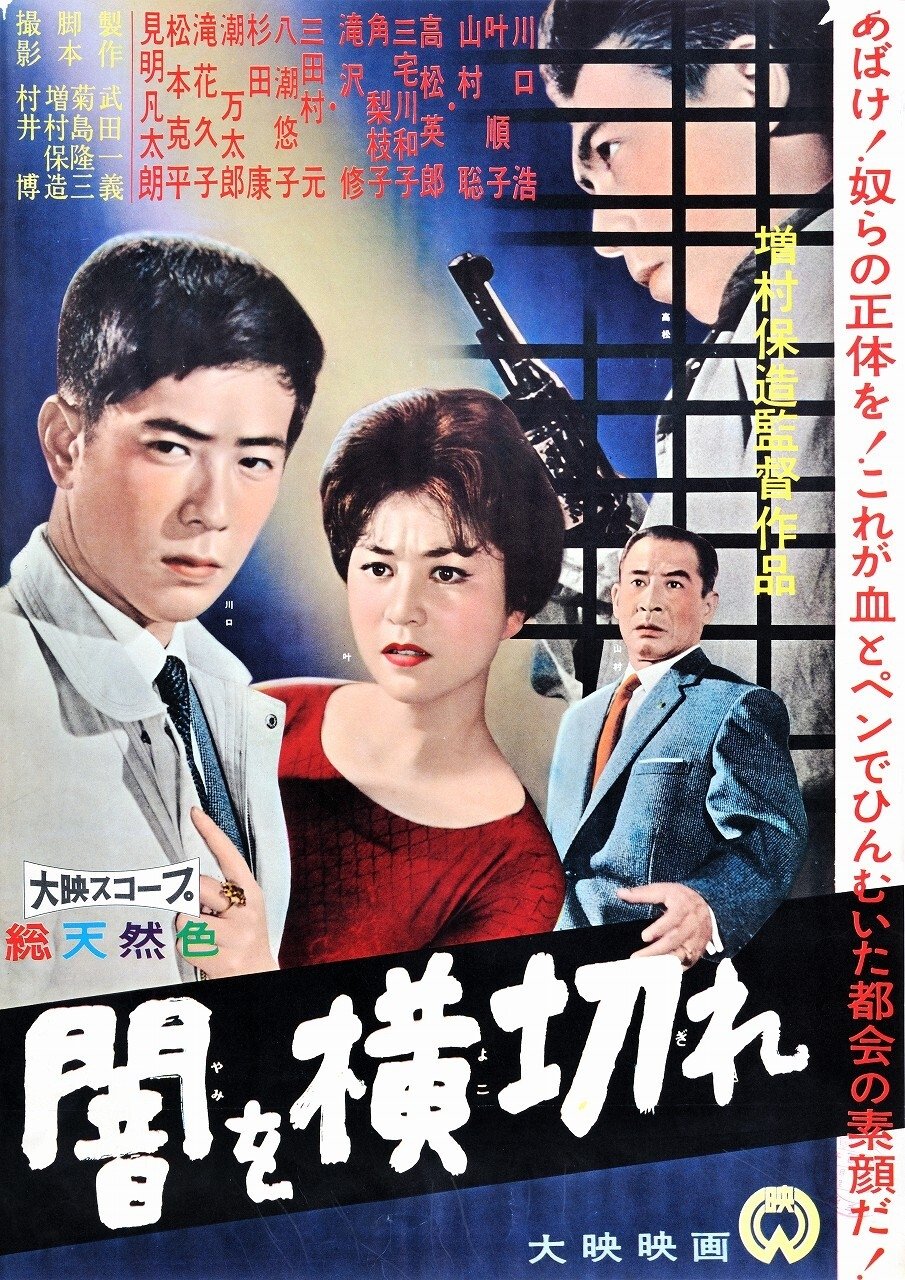
A journalist decides to do his own investigation after a series of strange murders are committed during a local election campaign.
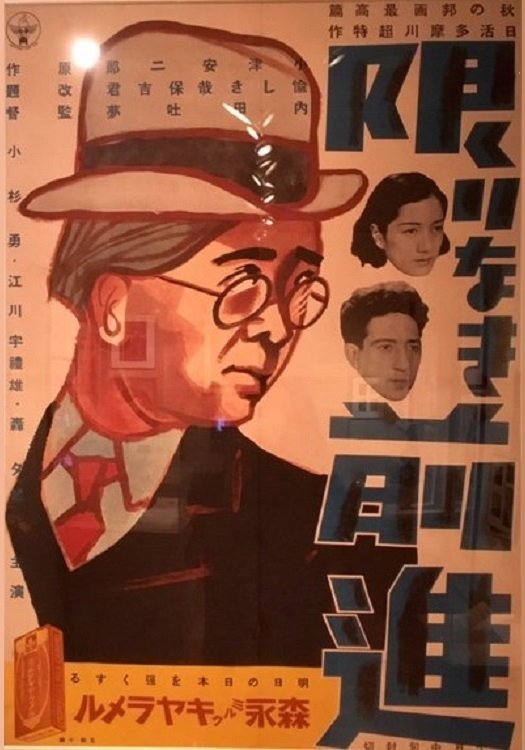
One of Uchida’s early sound films, Unending Advance is based on a curious story by Yasujiro Ozu, in which an examination of the quotidian problems of a middle-aged salaryman and his family segues into an idyllic dream of an implausible future. The surviving print, although incomplete, offers an essential glimpse into Uchida’s prewar period, when he was associated more with realist dramas than with the period films that dominated his work after the war.
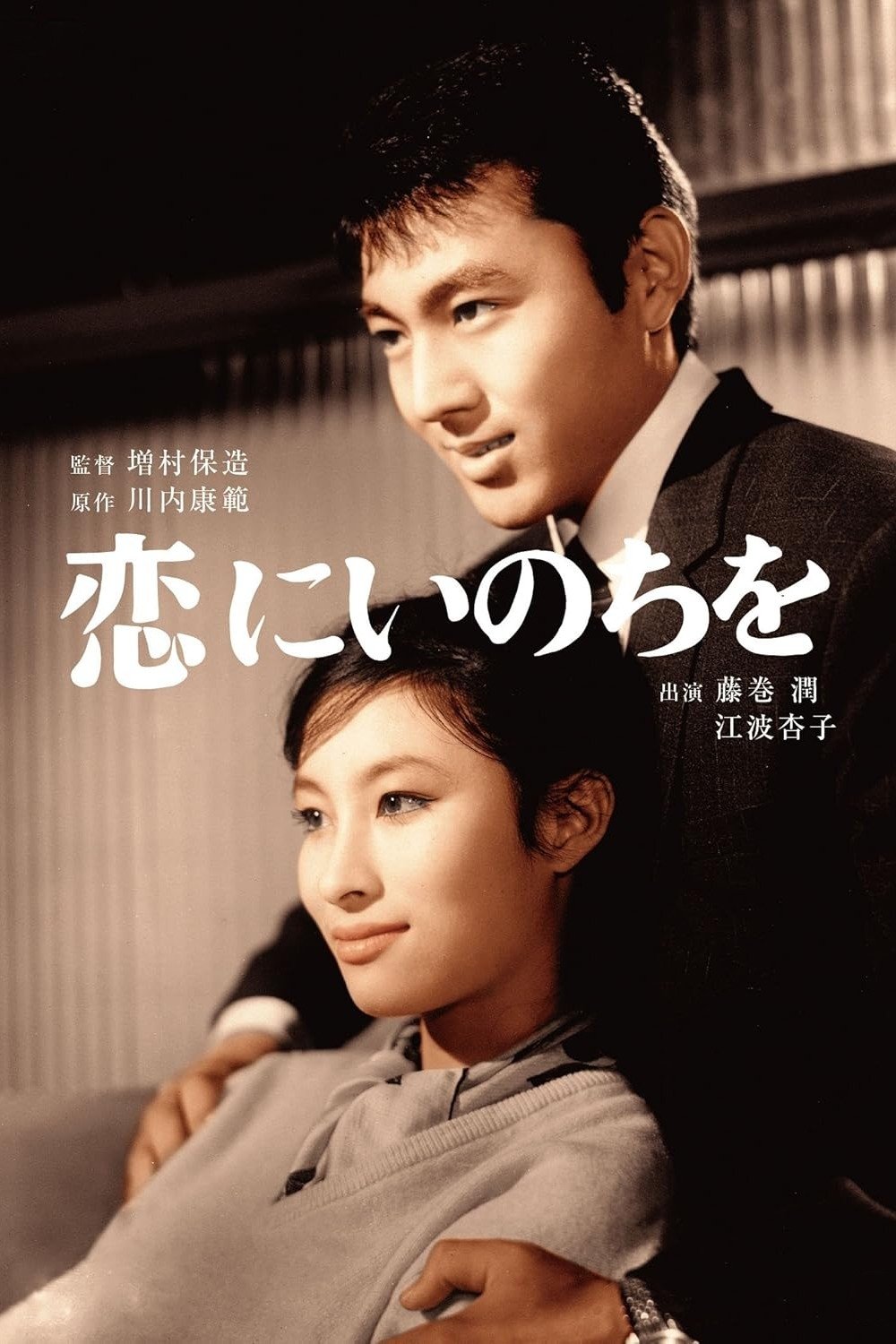
Contemporary musical drama film by Yasuzo Masumura.
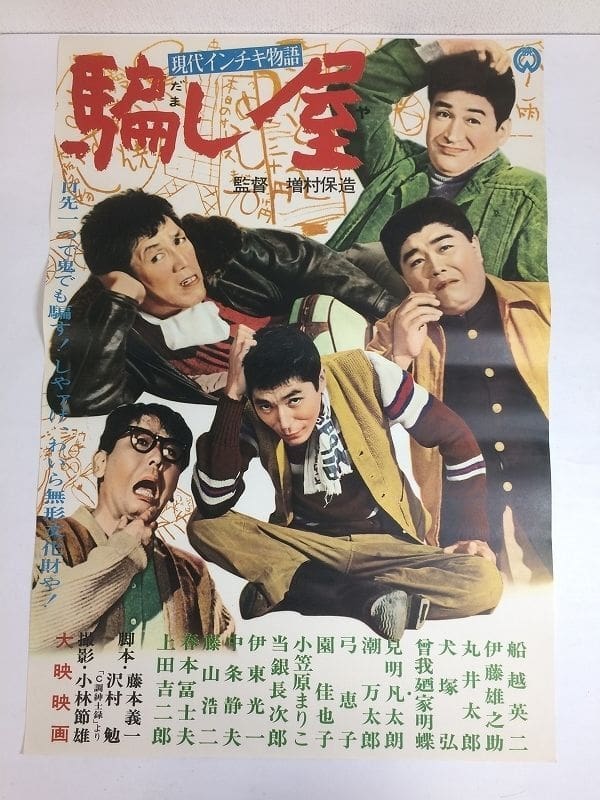
A comedy directed by Yasuzo Masumura starring Yunosuke Ito.

Following the tragic death of his father, a young boy's family trains his horse to compete in the local derby.
Tamio Moroi, a young university graduate, works at a large brewery where he is taught to do nothing but look busy. When his father goes insane, he is told to send money for medical research into the condition. This prompts him to pay his father a visit, leading to a series of mishaps that leaves him at the bottom of the heap in what he once expected to be a promising lifetime career.
A bride suddenly disappears from the wedding venue, and her boyfriend begins searching for her. Things get hectic around the two of them.
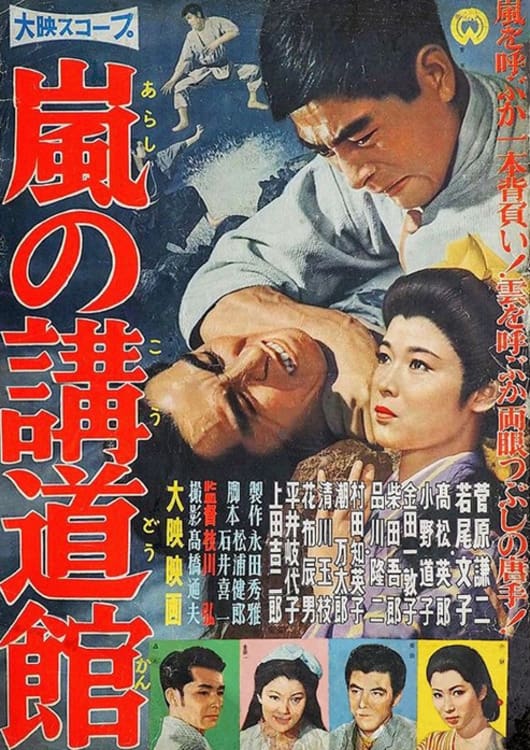
When Shinsuke returns to Kyushu from the Russo-Japanese War he finds his Judo school hall neglected and in decay. His Judo teacher has died and his brother, Ryota, and the teacher's only daughter, Akiko, are greatly disturbed by Zanba, who intends to use the school for teaching the Ryukyu art of Karate.
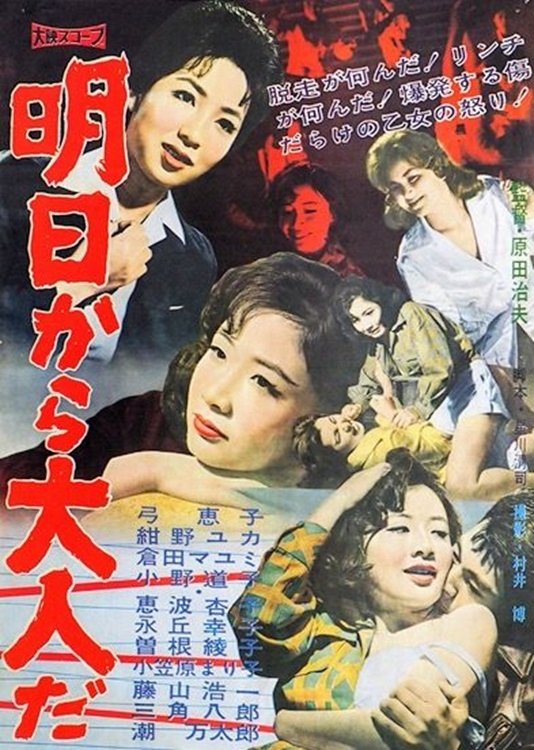
1960 Japanese movie
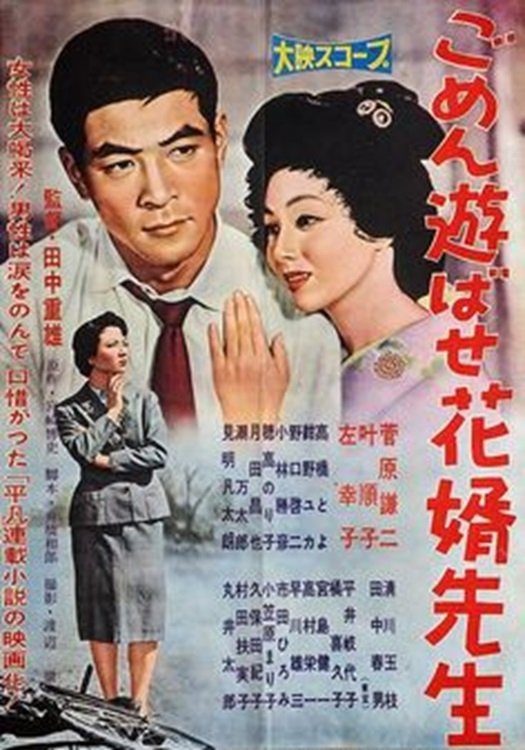
1958 Japanese movie
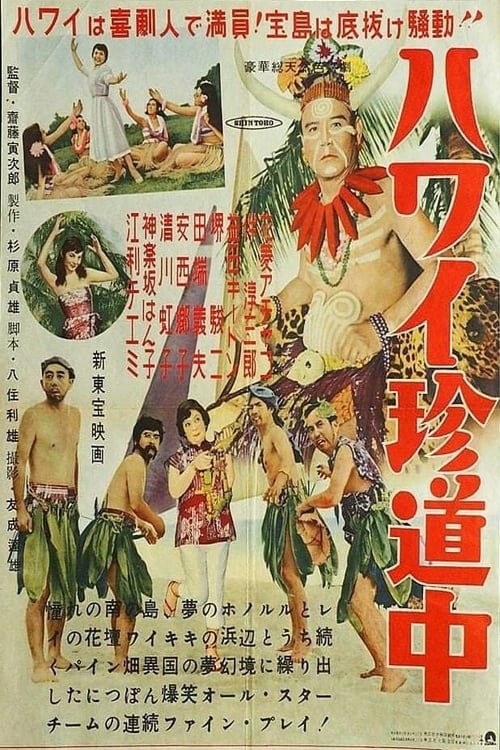
A 1954 film.
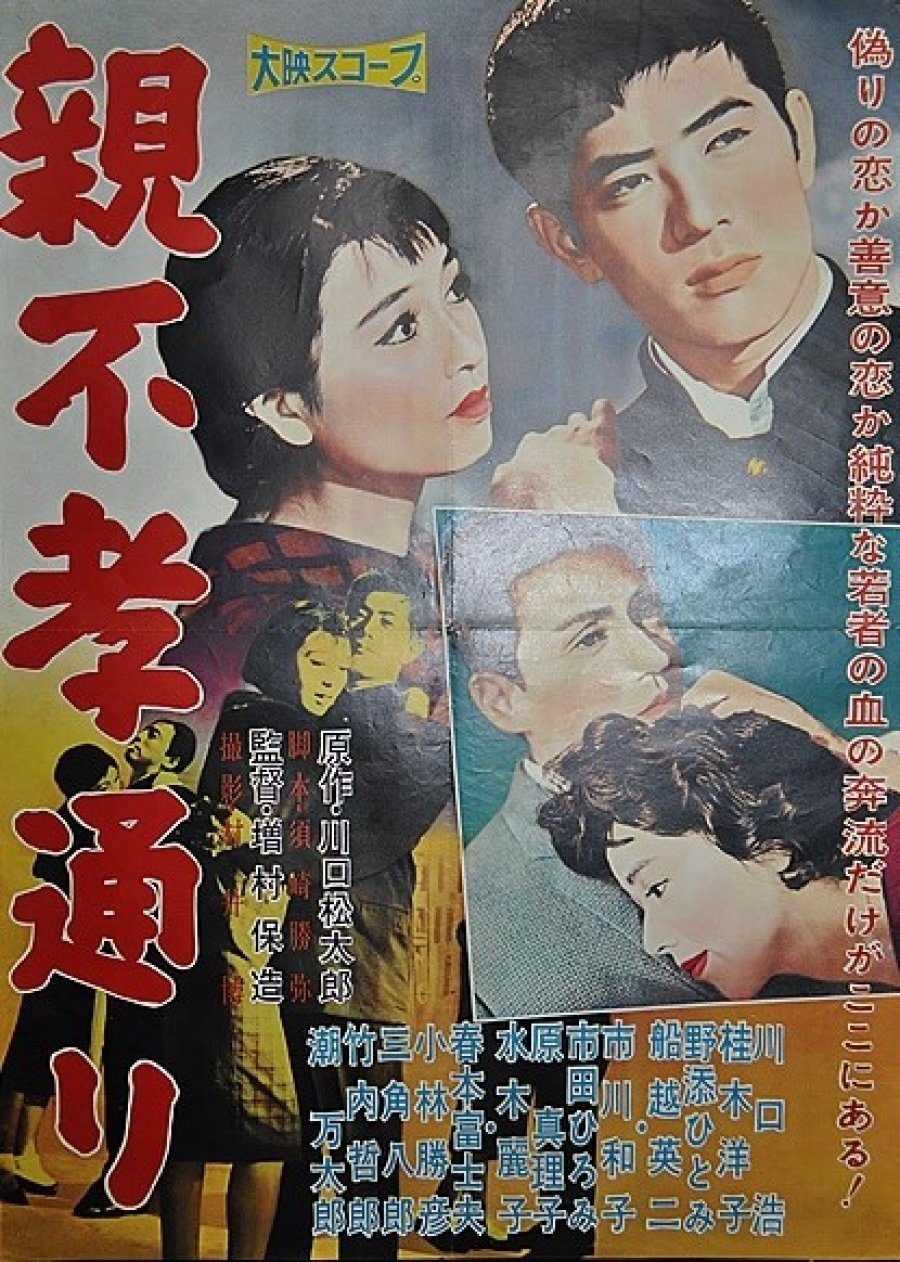
A university student wants to avenge his sister from a businessman who abandoned her after leaving her pregnant. To do this, he decides to seduce the man’s sister to make him suffer the same fate.
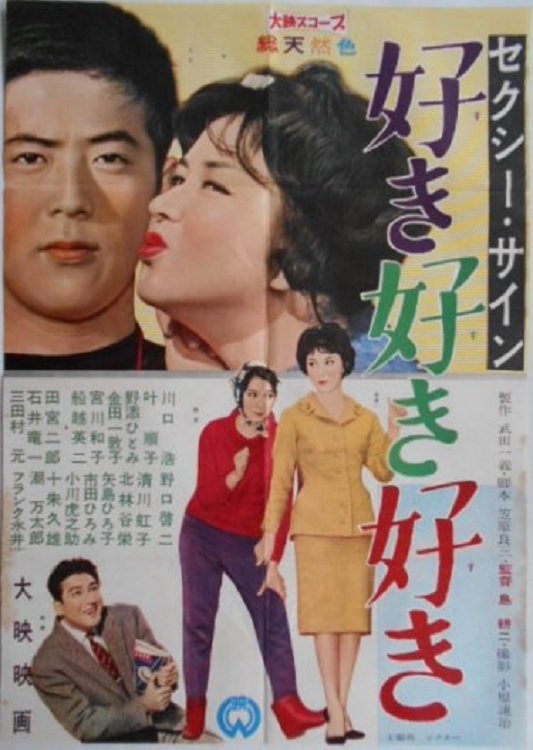
Yamazaki Ryotaro is an Olympics' athlete and an asset. He accepts two jobs and responsibilities that are thrust upon him. One involves a a painting and an advertising poster. The other is about coaching the hockey team. Simultaneously, however, he is head over heels for three gals, one is a hairdresser, one is a fashion model and of course the third is part of the cheering squad for the hockey team.
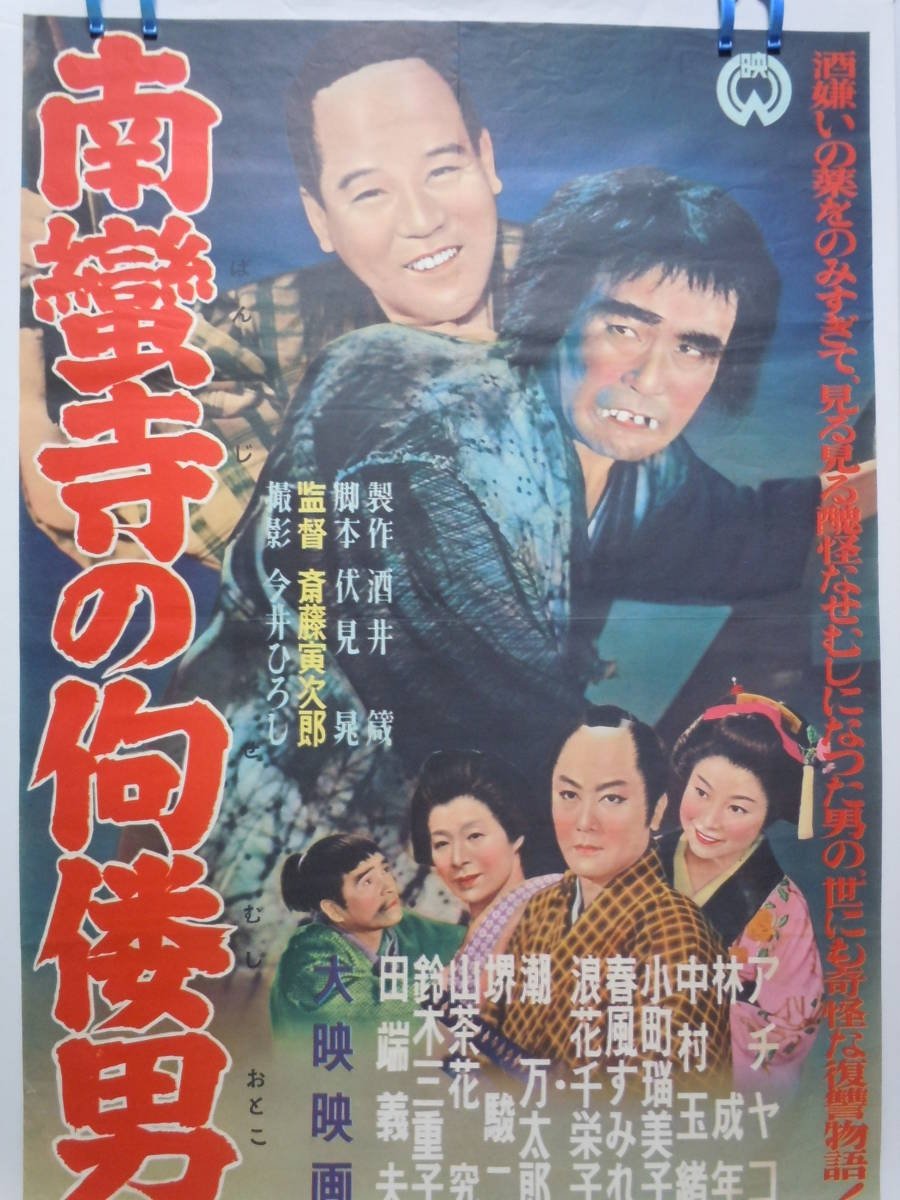
A revenge comedy directed by Torajiro Saito (Oedo's most Popular Man) from a script by Chao Fushimi (The Millionaire of a Night) and shot by Hiro Imai (Akado Suzunosuke (1957)). Starring Achako Hanabishi (Segedei Momoshiki Goten), Tamao Nakamura (Akado Suzunosuke (1957)), Seinen Hayashi (Nijunin no Kenka-jou) and Sumire Harukaze (Harukaze Sumire). Also Rumiko Komachi, Shunji Sakai, Yoshio Tabata and Mieko Suzuki.
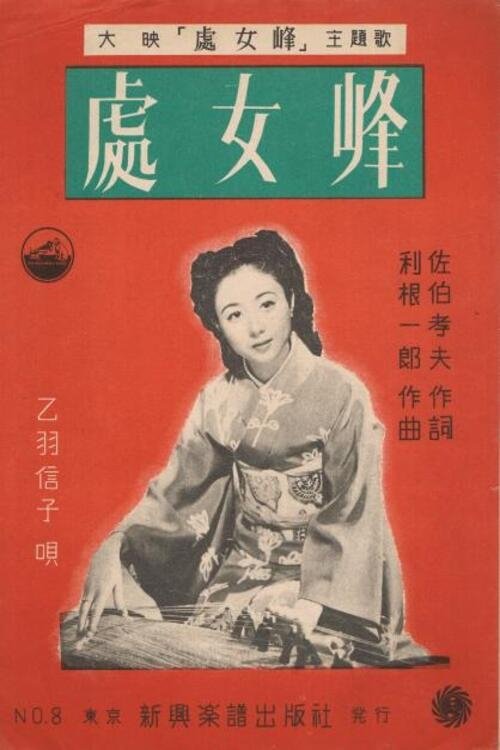
A beautiful but sad romantic melodrama about three sisters who are uninhibited, pure and lovely, and who stand tall like the peaks of a place that has endured the winds and snow of love! Eisuke Taniguchi (Shimizu), president of Towa Electric Works, has three beautiful daughters. The eldest, Kozue (Todoroki), is an intelligent and dynamic modern girl, the second, Yoko (Otowa), is a modest girl with Japanese tastes, and the third, Hanayo (Wakayama), is a mischievous girl who has not yet lost her schoolgirl temperament. All three have feelings for Kiichiro Matsuzaki (Uehara), the president of a magazine company. He was married to Kozue, the eldest daughter, by agreement between their parents, but it was Yoko whom he loved, so he asked her to end her engagement to him.
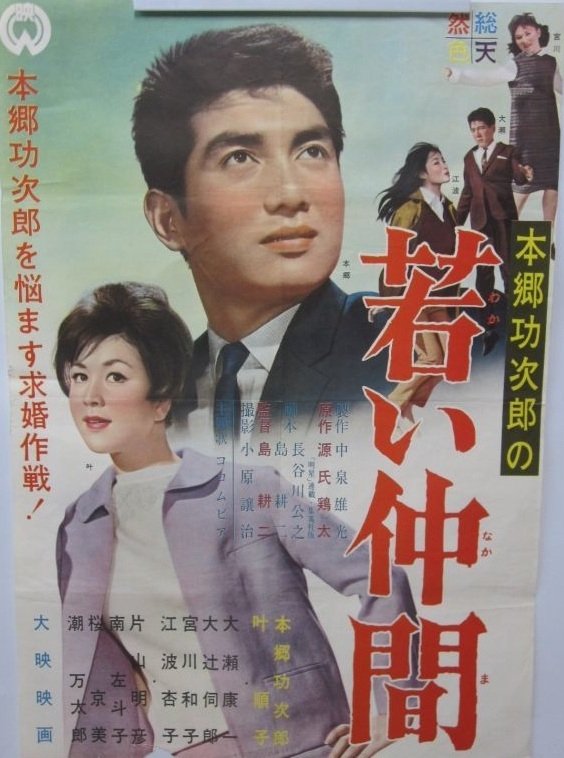
1961 Japanese movie
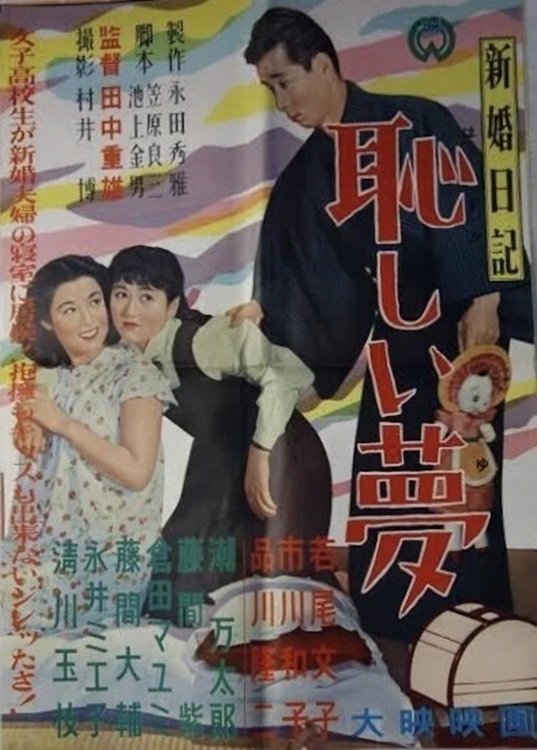
Chieko gets married and moves from Kumamoto to Tokyo when her boyfriend Saburo, who works for the Telegraph and Telephone Public Corporation, is transferred to Tokyo. Her husband's mentor, a university professor, moved to the United States, and she ended up house-sitting at his residence. However, it's the only house in the neighborhood with a telephone, so Chieko is exhausted from making phone calls all day long.
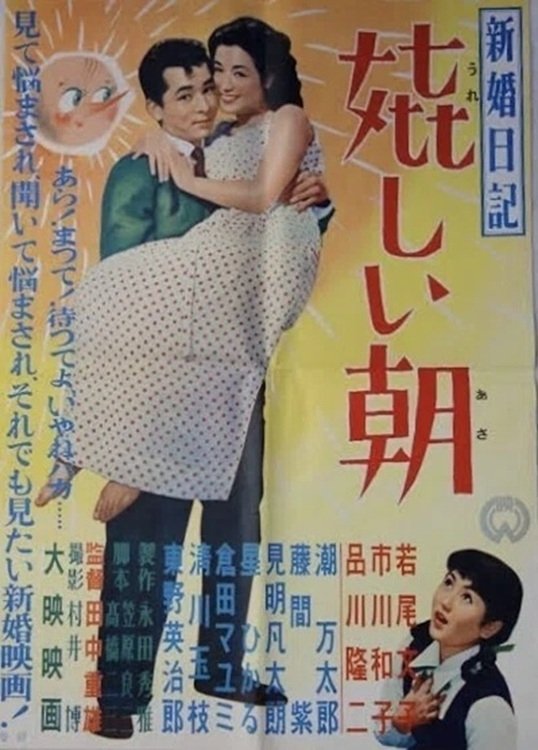
Newlyweds Saburo and Chieko are renting a room. The two get into a fight over something trivial.
Drama directed by Kōzō Saeki.
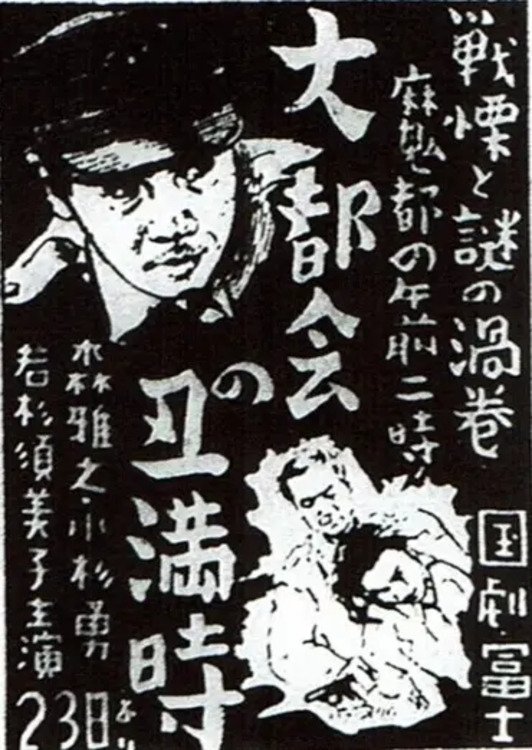
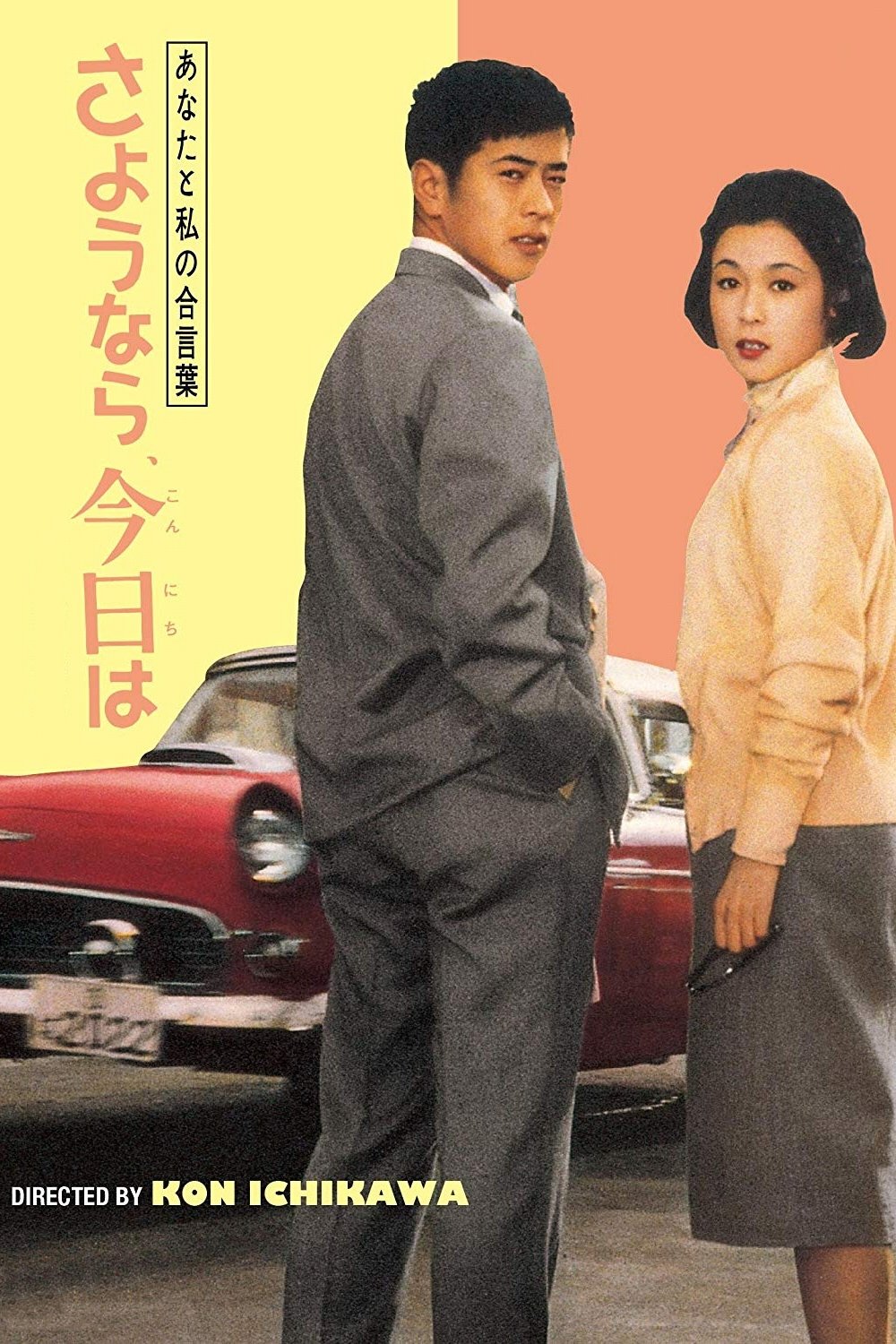
Kazuko and Umeko have been friends since college. They are modern businesswomen who have many obligations in life and are not ready for marriage. Their families think differently and strive to arrange their personal happiness.
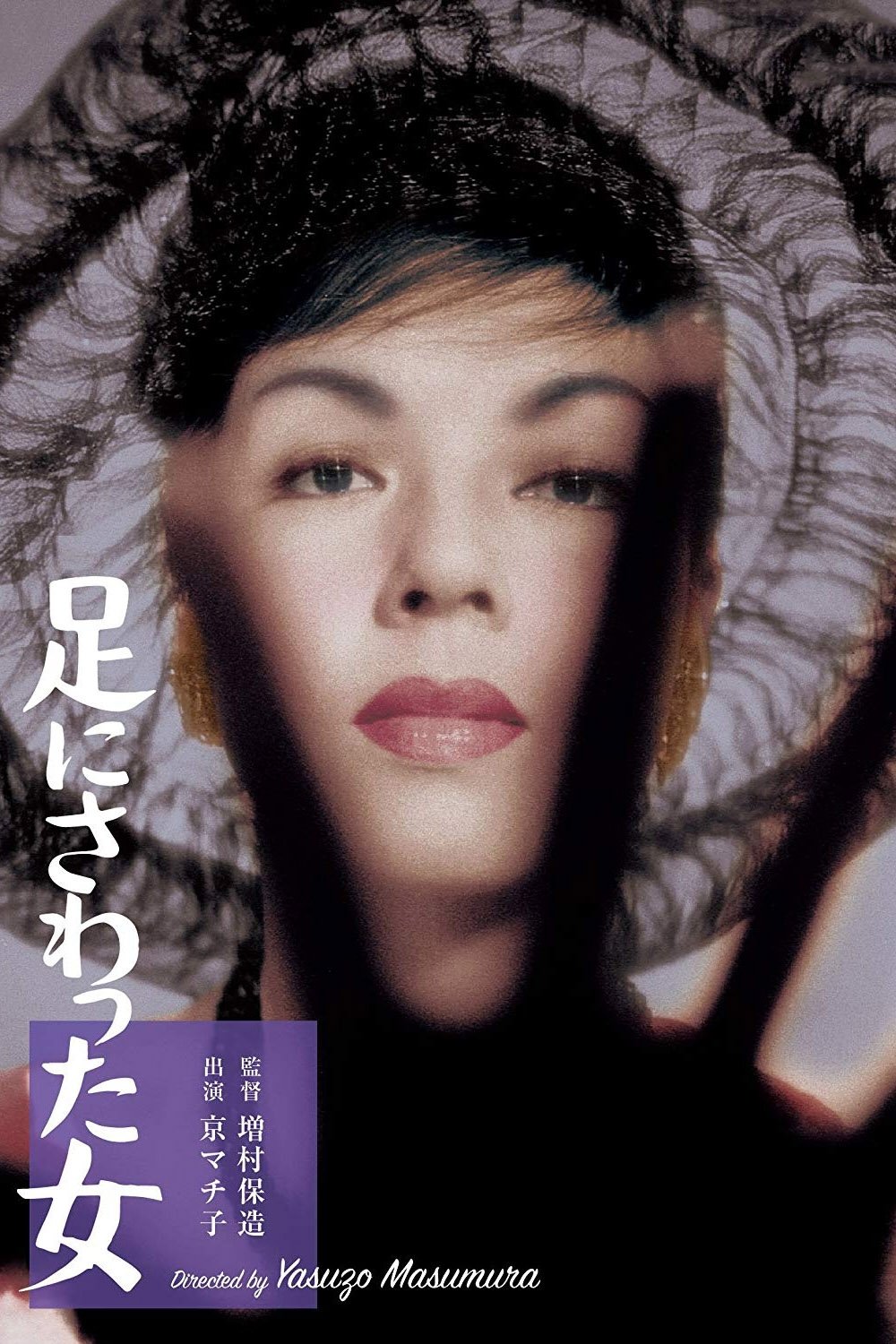
Detective Katahachi meets a young and beautiful pickpocket and doesn’t arrest her because she was not in the act. Instead, he listens to the story about her parents who killed himself and died for overwork to feel sorry about her.
The intense selfishness of a man brings him fame and fortune but not happiness.
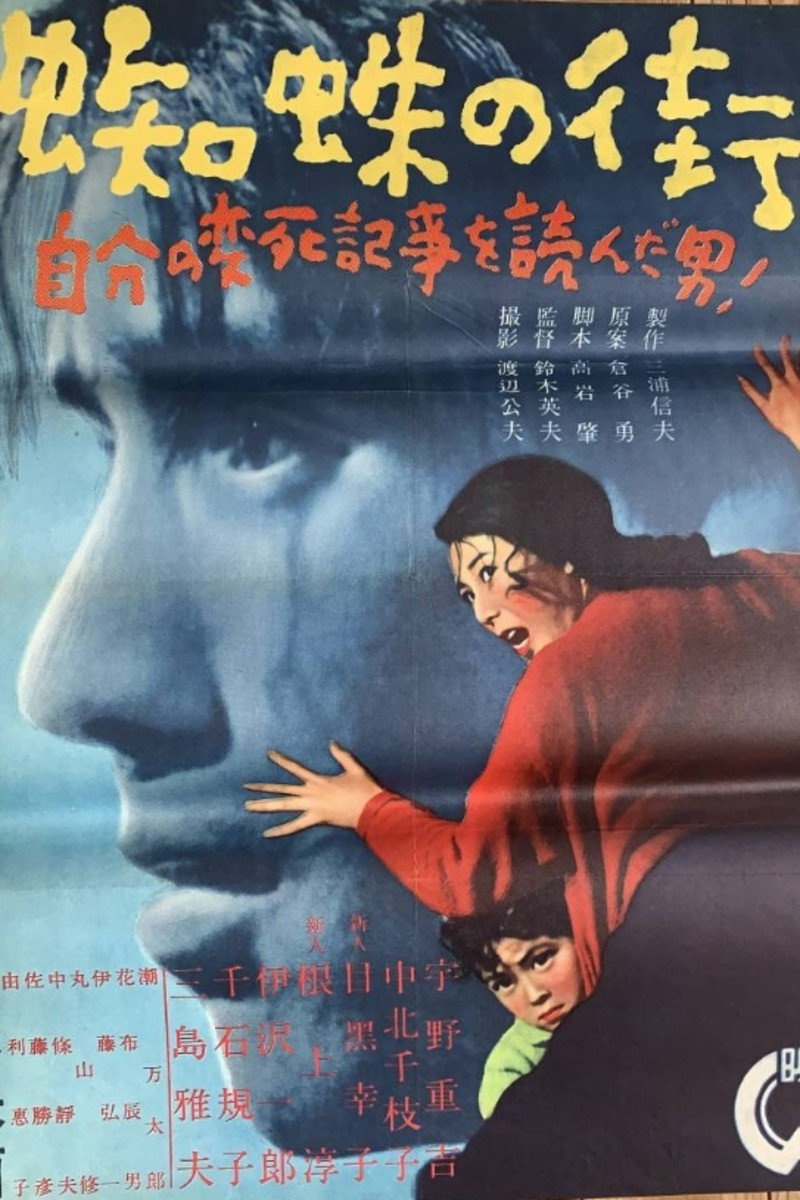
Inspired by the "Shimoyama Incident," which caused a great stir in society in 1949, the year before its release, this masterpiece suspense film thrillingly depicts the fate of a man caught up in a crime.