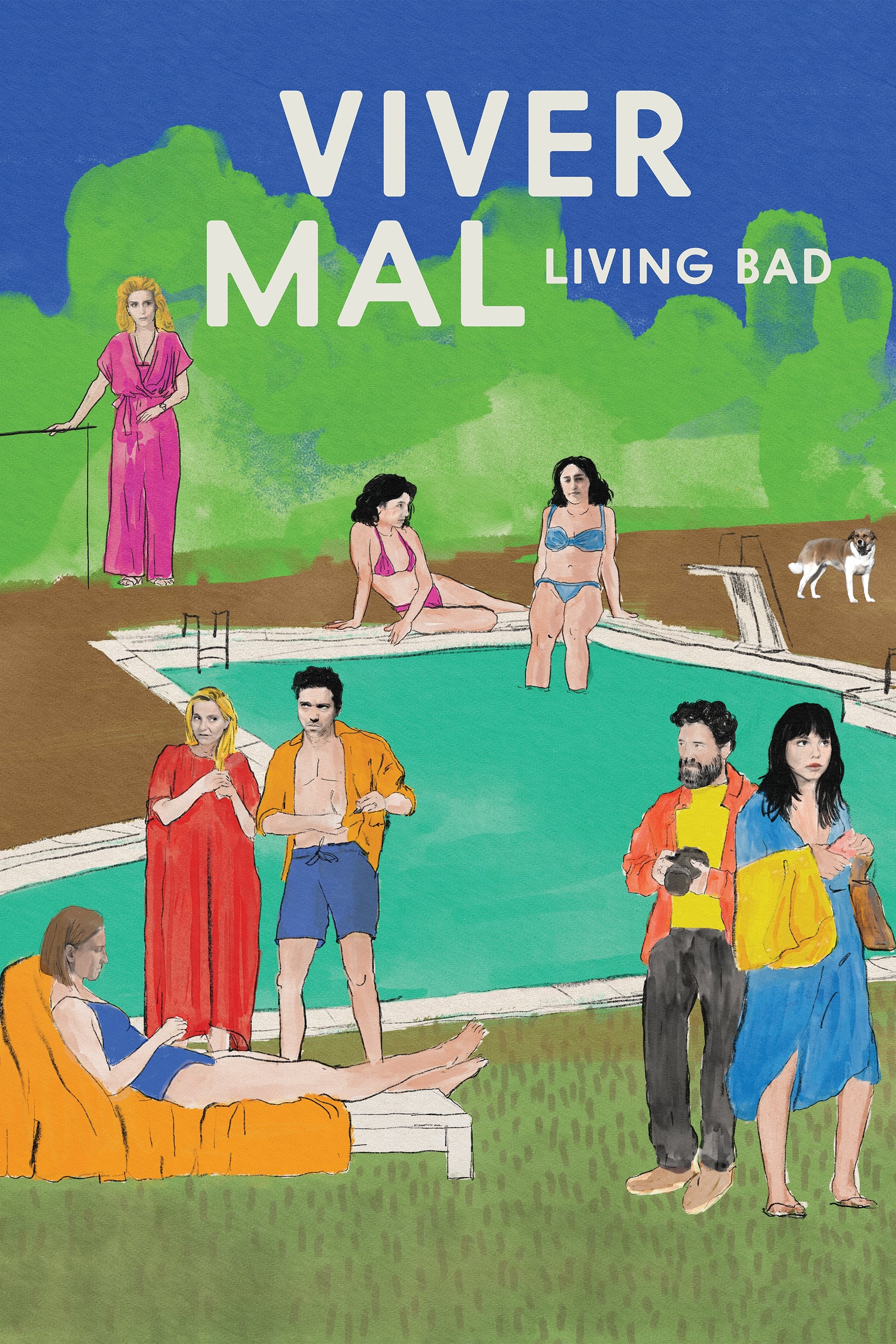
A hotel by the northern shore of Portugal welcomes its guests over the weekend. A man is torn between being present for his wife and the space that his mother takes up between the two of them. A mother encourages her daughter’s marriage to enable her own love affair with her son-in-law. Another mother lives through her daughter, preventing her from making her own decisions. Three families at the end of their cycles of acceptance.

On a train to Algarve, a young man recounts to a fellow passenger his past relationship with an eccentric young woman.
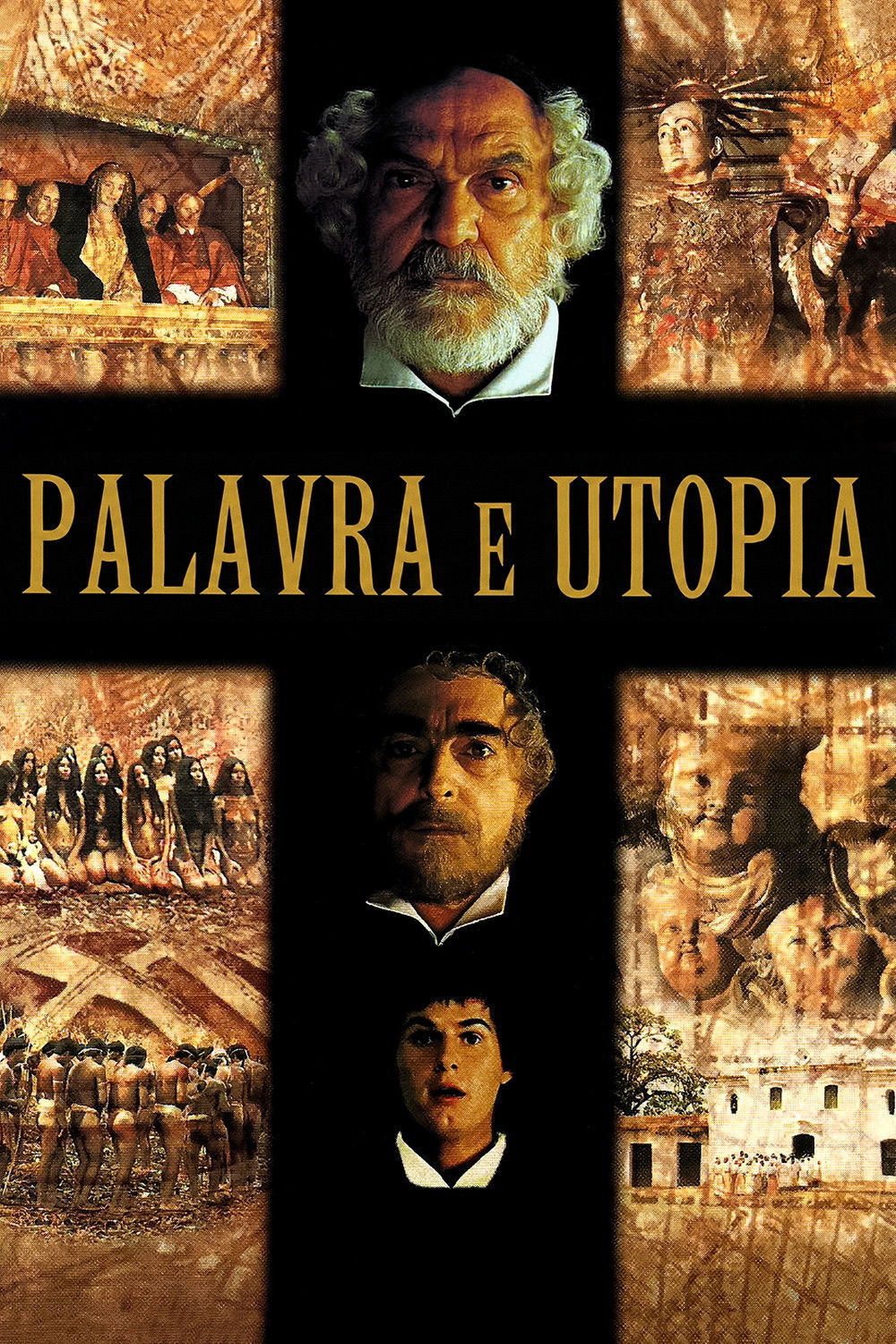
The story of Father Antonio Vieira, a 17th-century Portuguese priest who lived in Brazil and worked for better treatment of the Indians and to abolish slavery.
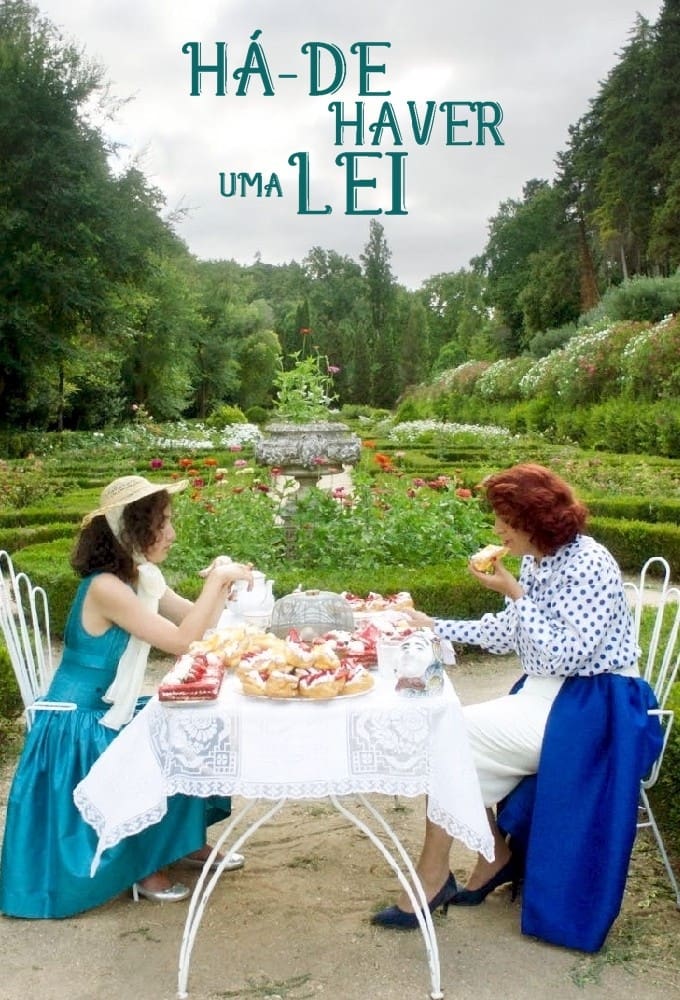
The story of Luizinha, a girl born into a very poor family who is given by her father to António, the richest man in town, to raise her. But the death of his wife leads António to marry Berta for the second time, and it soon becomes clear that the large family home is too small to accommodate both Luizinha and her stepmother. At the height of the conflict, António defends his daughter and Berta files for a contentious divorce. Shortly afterwards, she is found dead and António is accused of murder. But the truth that the court seeks to uncover may not be the most obvious one.
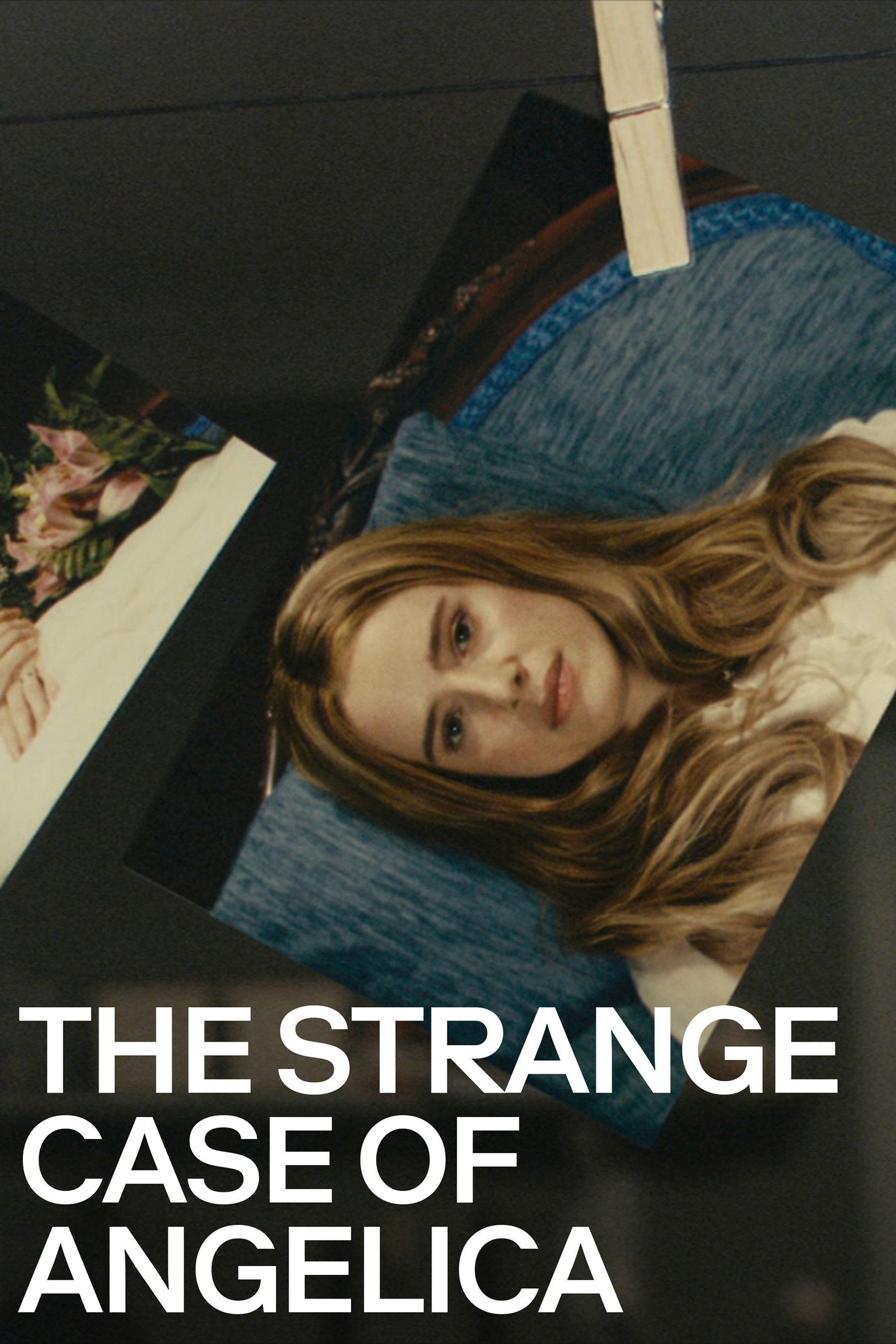
A photographer, Isaac is asked by hotel owners to take portraits of their recently deceased daughter Angélica. When he looks at her through the lens of his camera, she appears to come back to life just for him. He instantly falls in love with her. From that moment, he will be haunted by Angélica day and night.
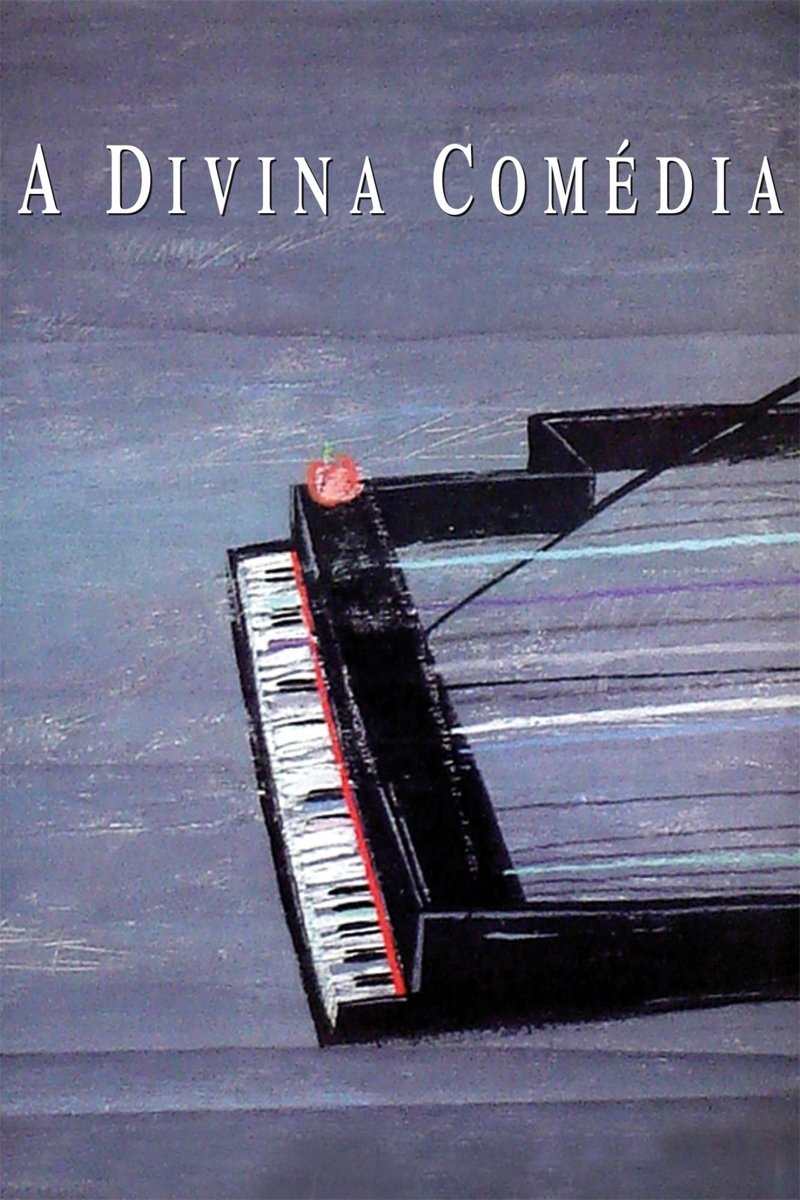
In a mental institution the patients see themselves as people like Jesus, Lazarus, Martha, Mary, Adam, Eve, Sonia, Raskolnikov, Aliosha e Ivan Karamasov, a Philosopher, a Profet, Santa Teresa d'Avila, reciting the Divine Comedy.
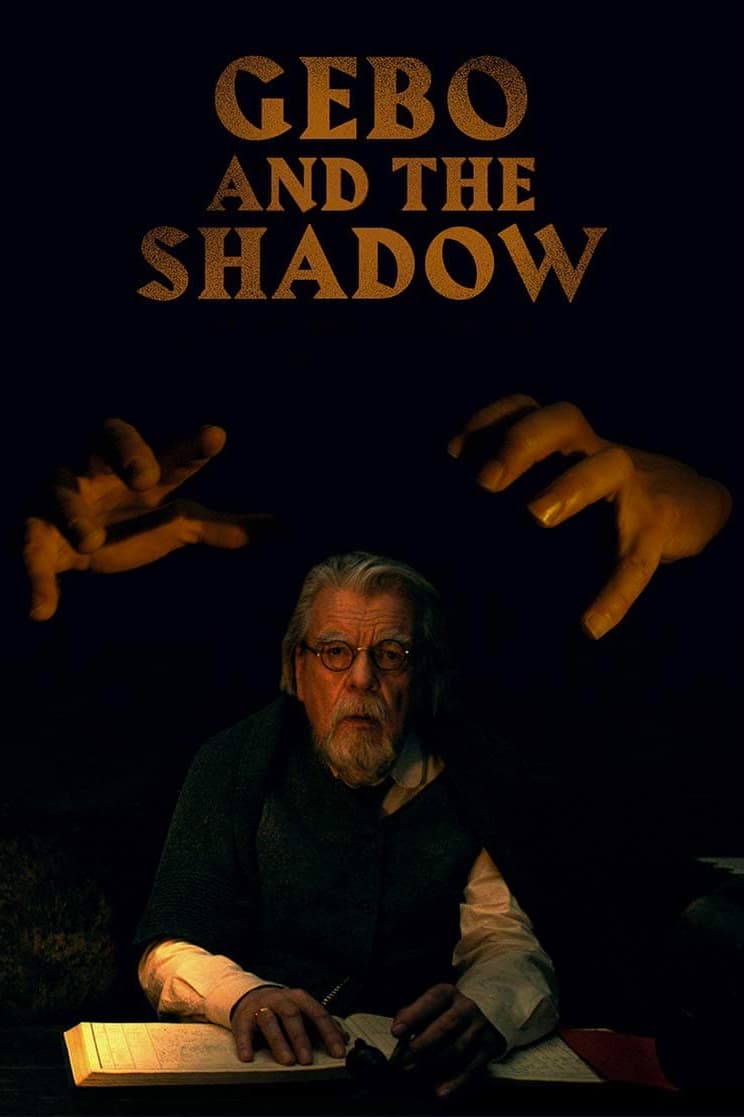
Despite his age and general weariness, Gebo keeps on working as an accountant to provide for his family. He lives with his wife, Doroteia, and his daughter-in-law, Sofia, but it is the absence of João, son and husband, that worries them.Gebo seems to be hiding something, especially to Doroteia, who is anxiously waiting to see her son again. Sofia is also waiting for her husband to come home, and yet she fears him. All of a sudden, João arrives and everything changes.

In 1996, Marcello Mastroianni talks about life as an actor. It's an anecdotal and philosophical memoir, moving from topic to topic, fully conscious of a man "of a certain age" looking back. He tells stories about Fellini and De Sica's direction, of using irony in performances, of constantly working (an actor tries to find himself in characters). He's diffident about prizes, celebrates Rome and Paris, salutes Naples and its people. He answers the question, why make bad films; recalls his father and grandfather, carpenters, his mother, deaf in her old age, and his brother, a film editor; he's modest about his looks. In repose, time's swift passage holds Mastroianni inward gaze.

A reorganization within a crime syndicate.

In 1974, after years of civil war, the Portuguese and their descendants fled the colony of Angola where groups working for independence gradually claim their territory back. A tribal girl discovers love and death when her path crosses that of a young Portuguese soldier. Meanwhile, another group of Portuguese soldiers is barracked inside an infinite wall from which they will have to escape once the past comes out of the grave to claim its long-awaited justice.
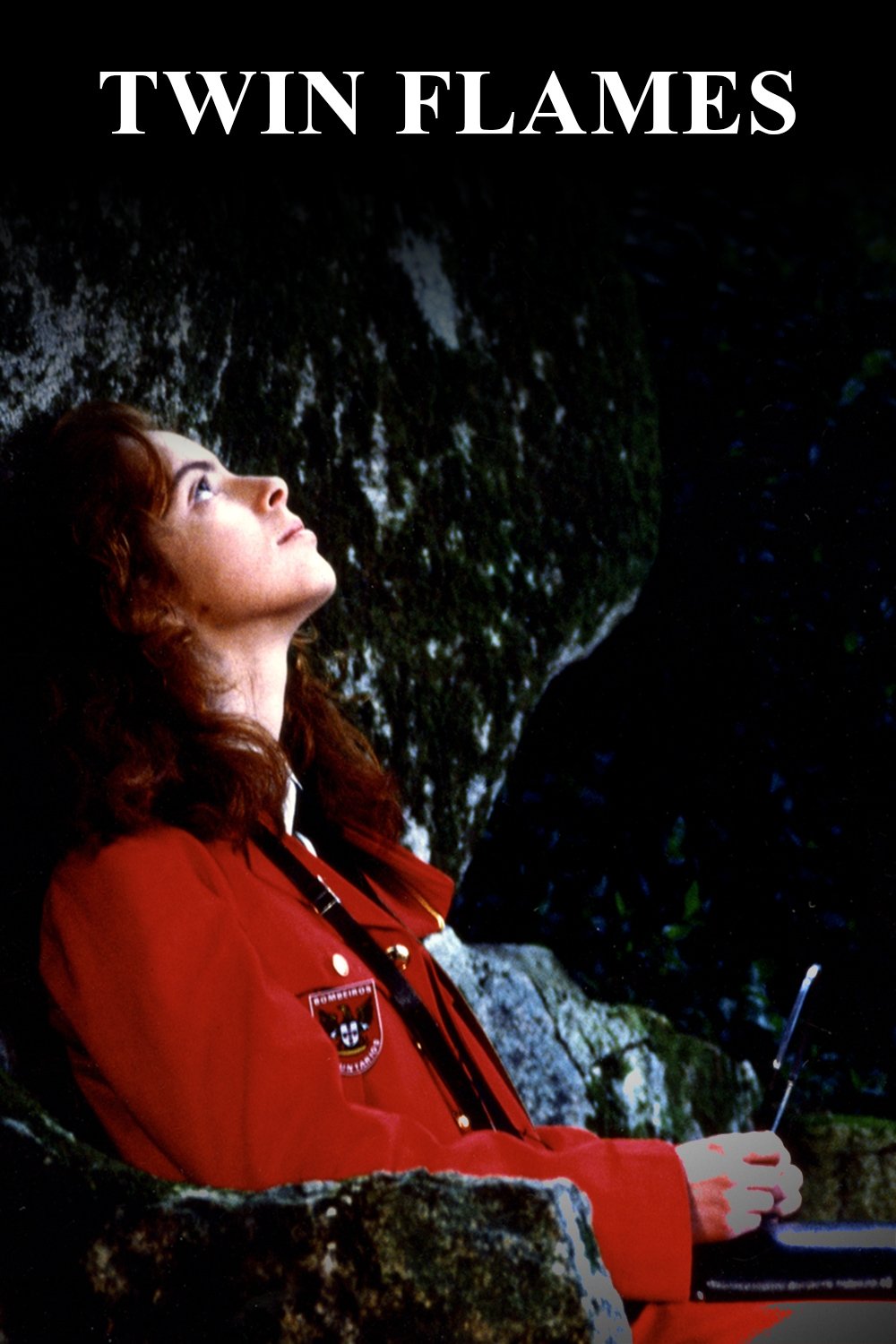
Redheaded twins Armando and Beatriz always dreamed of being firefighters but during a rainy, uneventful winter they find themselves spending less time putting out infernos than they do helping neighbors who’ve locked themselves out of their apartments. This is how Armando meets a pretty young woman with whom he begins a tentative courtship. But soon a rift grows between the siblings and, spurred by Armando’s exaggerated stories about his nascent relationship, Beatriz begins experiencing aural hallucinations that can only be remedied through music and, finally, the love of a stranger. Pinto made this impassioned fairy tale as part of a series of films about the four elements. - FilmLinc
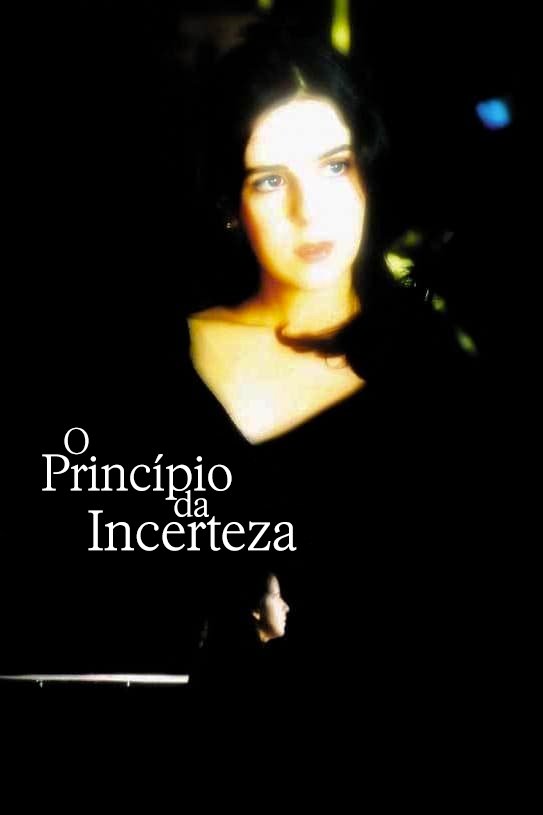
Having lost her place among the social elite, a widow remarries and starts a family.

Paulo Rocha catches up with his “beloved subject” in Porto, where he made Douro, Faina Fluvial in 1929, and where today Oliveira reminisces about the figure of his father, his first experience of cinema as an actor, his past as a racing driver, his first technical experiences…
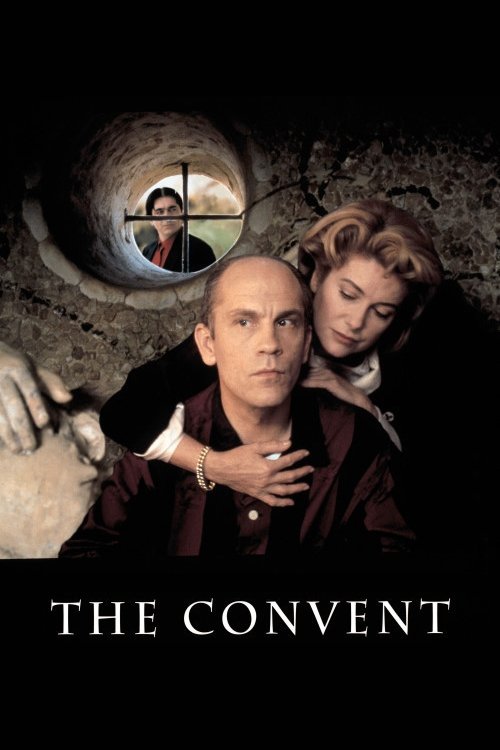
The journey of Michael Padovic, an American professor who arrives with his wife, Helene, at a Portuguese convent where he expects to find the documents needed to prove his theory: Shakespeare was born in Spain; not in England.
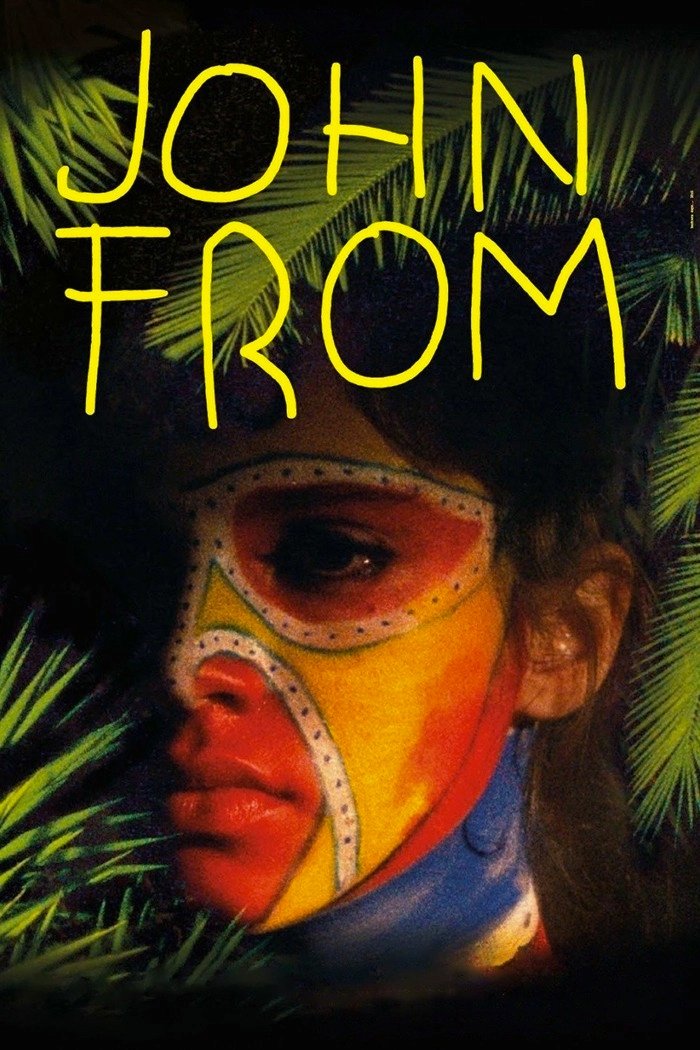
Rita is fifteen and spends the summer between warm afternoons of teenage love and party nights with her friend Sara. From Portugal to the South Pacific, the pleasures of this routine will take a turn when the young girl visits the art show of a new neighbor in the local community.
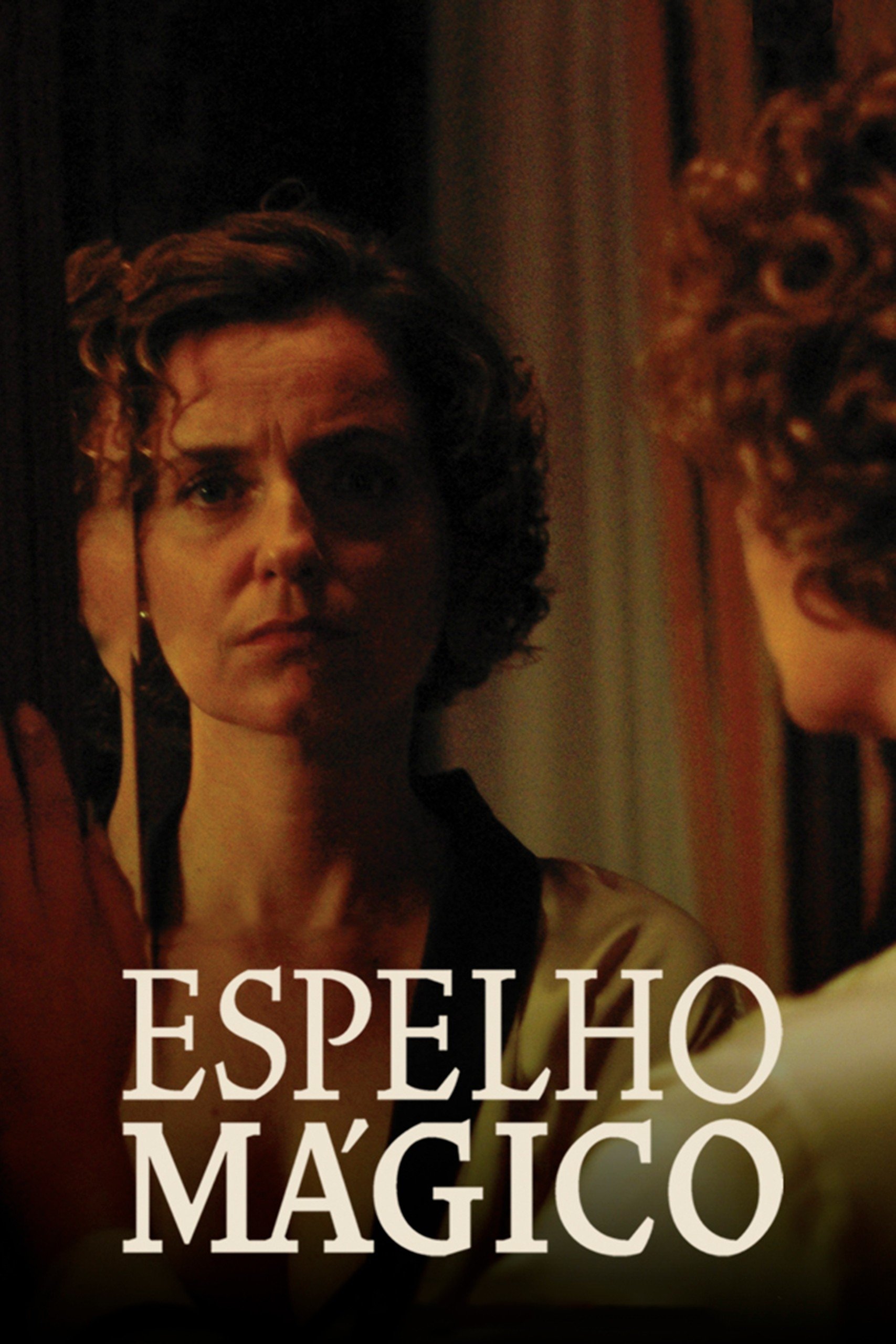
Luciano, fresh out of jail, was taken by his brother, Flórido, to serve in the home of wealthy Alfreda. He was surprised when she told him that her greatest desire was to see the Virgin Mary. Now comes this rich land owner with her sublime pretensions. Isn't it enough for her to have an Aston Martin and a Jaguar in the garage and ten different dresses per season? It was all professor Heschel's fault. Or someone else's. Anyway, to go beyond the promise is heresy. Alfreda said that she wouldn't rest until she saw the Virgin and made her some questions. Filipe Quinta, the Forger, says he has a solution. Meanwhile, Bahia, her husband, listens do music.
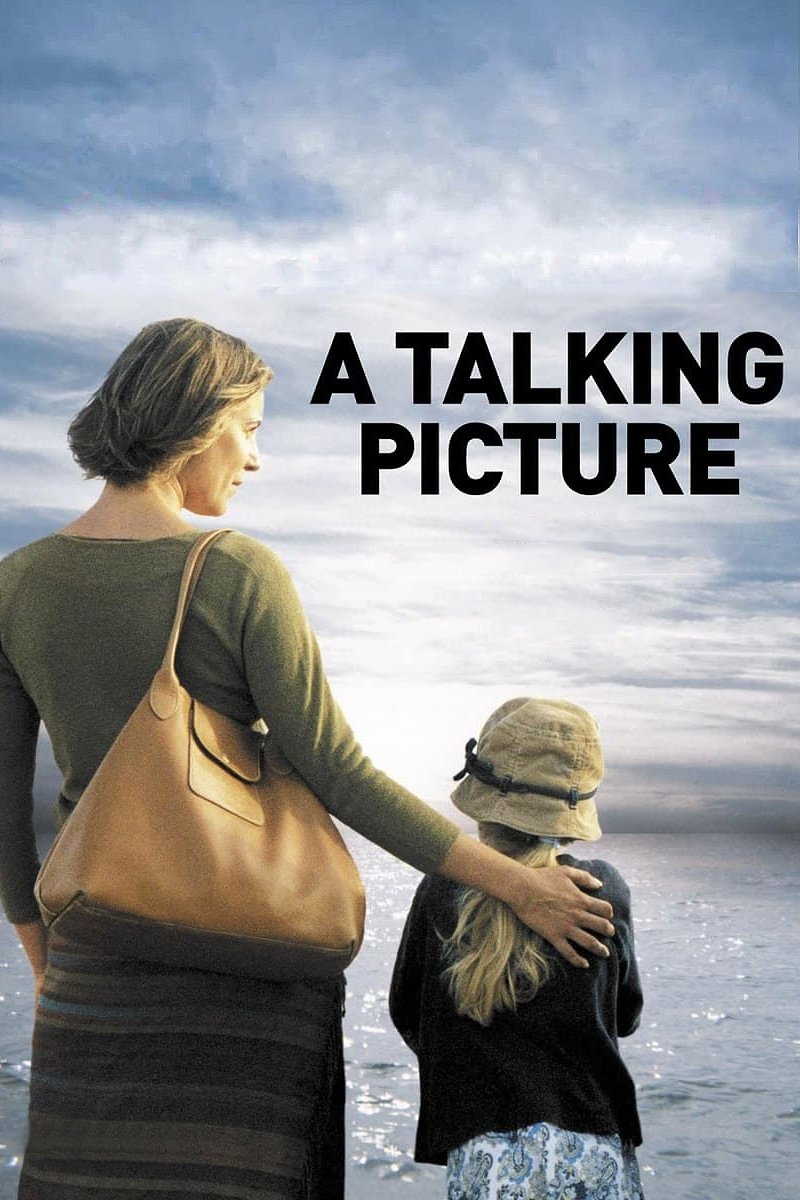
A meditation on civilization. July, 2001: friends wave as a cruise ship departs Lisbon for Mediterranean ports and the Indian Ocean. On board and on day trips in Marseilles, Pompeii, Athens, Istanbul, and Cairo, a professor tells her young daughter about myth, history, religion, and wars. Men approach her; she's cool, on her way to her husband in Bombay. After Cairo, for two evenings divided by a stop in Aden, the captain charms three successful, famous (and childless) women, who talk with wit and intellect, each understanding the others' native tongue, a European union. The captain asks mother and child to join them. He gives the girl a gift. Helena sings. Life can be sweet.
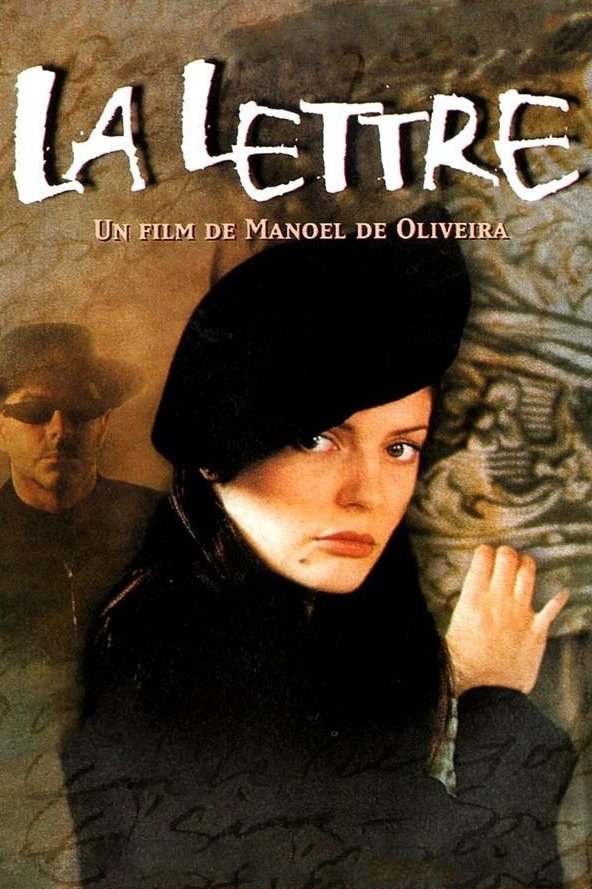
A well-bred, lovely, spiritual, sad young woman marries an attentive physician who loves her. She feels affection but no love. Soon after, without design, she falls in love with Pedro Abrunhosa, a poet and performance artist. He also loves her. She keeps her distance from him, confessing her love to a friend who is a nun and, later, to her husband. Hunger for her love and jealousy consume him; she attends him as he wastes away. With his death, she can marry and express her passion, but what she does and how she explains herself, particularly to her cloistered friend, is at the heart of the film. Glimpses of convent life and of Abrunhosa on stage give contrast and mute comment.
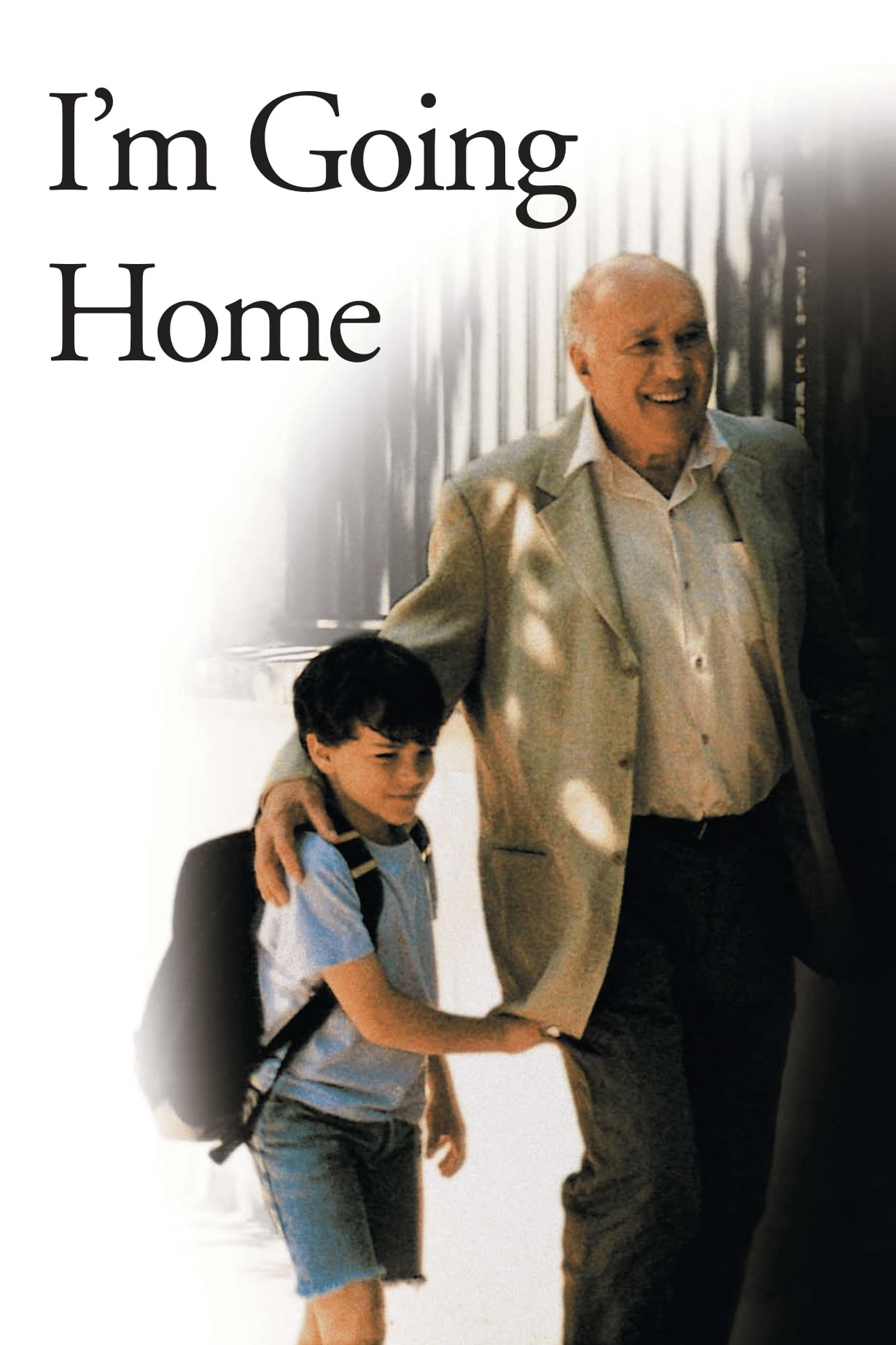
The comfortable daily routines of aging Parisian actor Gilbert Valence, 76, are suddenly shaken when he learns that his wife, daughter, and son-in-law have been killed in a car crash. Having to take care of his now-orphaned grandson, he struggles to go on with his lifelong acting career like he's used to. But the roles he is offered -- a flashy TV show and a hectic last-minute replacement in an English-language film of Joyce's Ulysses -- finally convince him that it's time to retire.
Manoel is an aging film director who travels with the film crew through Portugal in search of the origins of Afonso, a famous French actor whose father emigrated from Portugal to France and in process remembers his own youth.
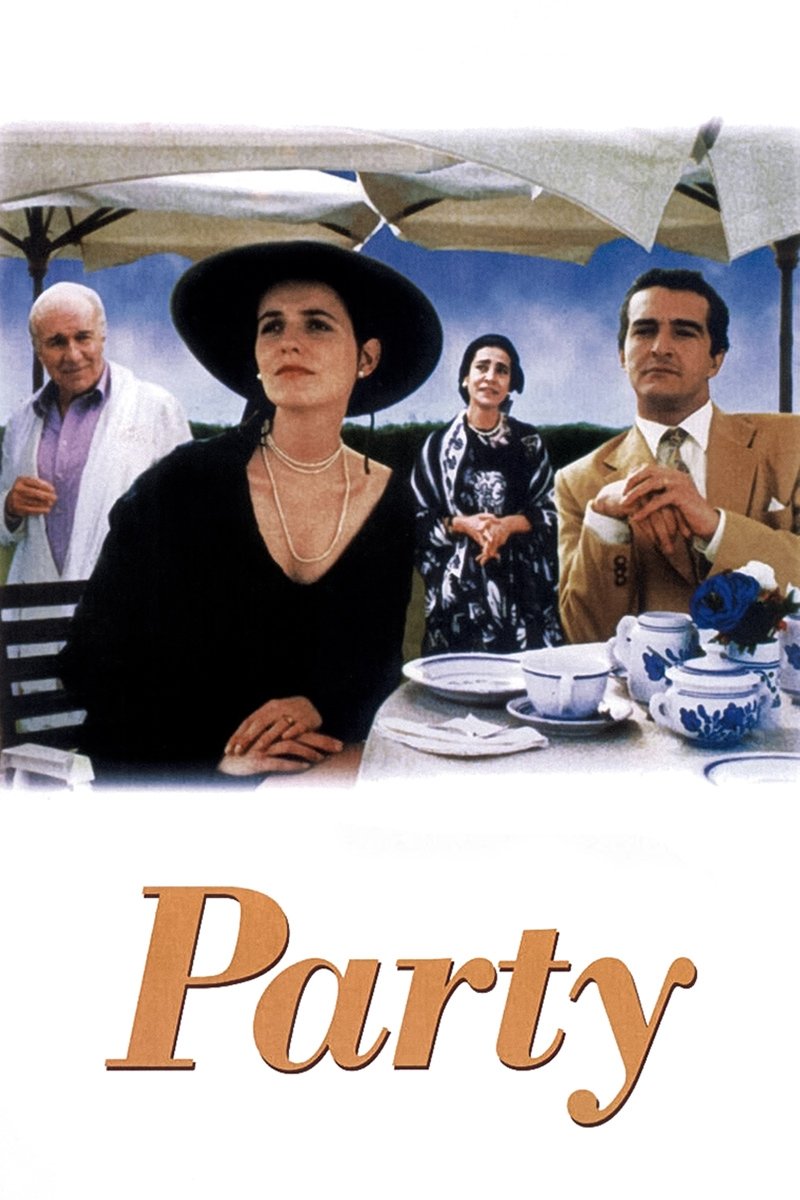
The battle of the sexes? The forces of despair and seduction? On S. Miguel in the Azores, Rogério, a young man with old money, and his enigmatic wife Leonor host a garden party at their villa. The intriguing guests are an older unmarried couple, the philosophical and observant Irene, and Michel, a roué. While Rogério and Irene talk, Michel and Leonor go down to the sea. The conversations upset Rogério and capture Leonor's imagination. Five years later, the four dine at the villa. Michel and Leonor again leave the other two. Intentions and undercurrents are subtle. One of the four proves strong, one weak, and two must choose. Wind and rain bring down the curtain on both acts.
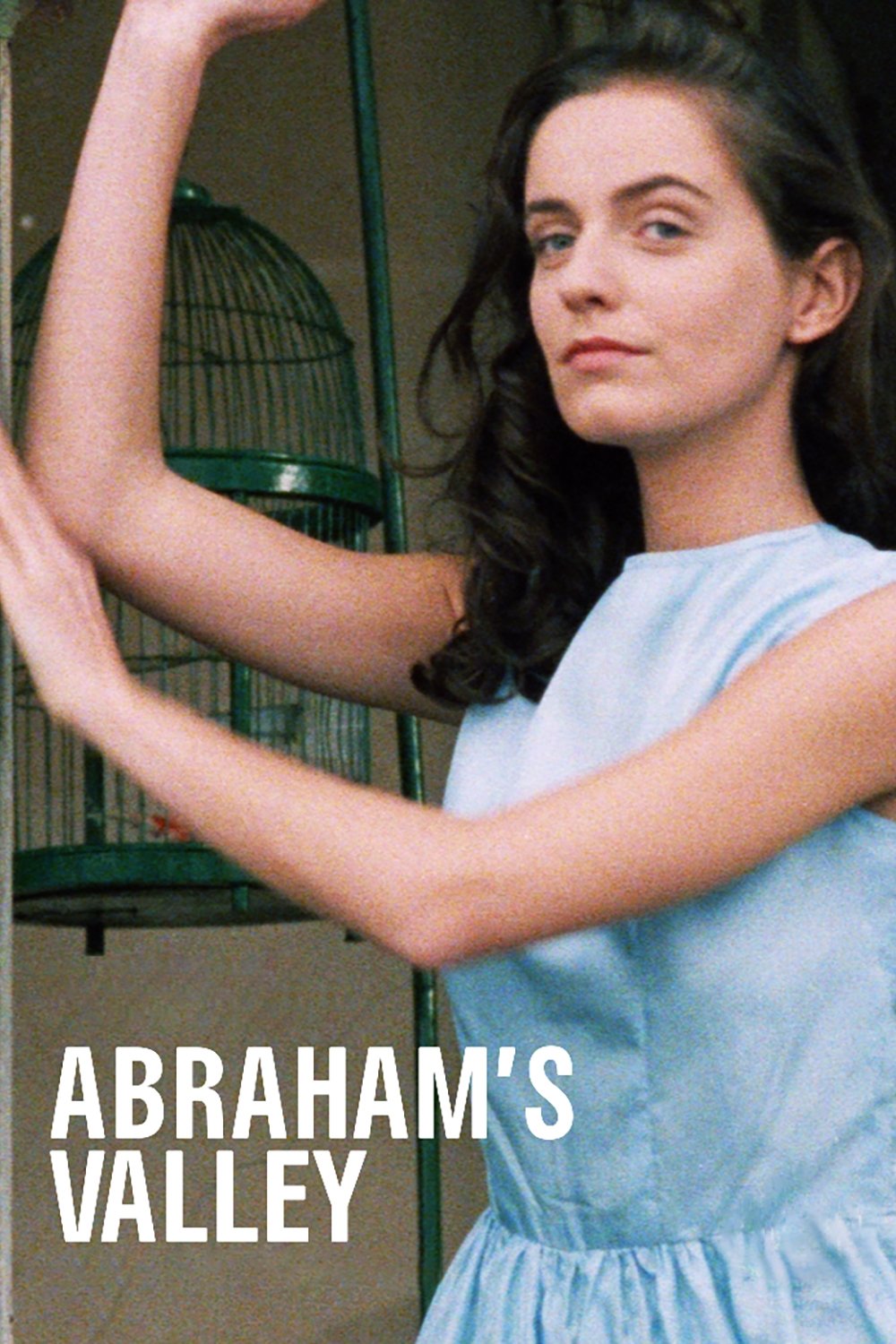
Ema is a very attractive but innocent girl, so pretty that cars crash in her presence. In her youth she marries Dr. Carlos Paiva, her father's friend, to whom she is not attracted. They move to the valley of Abraham. Carlos loves her, but decides to sleep in a separate room to avoid waking Ema when he has to return late at night. As time goes by she begins to feel unhappy about her marriage, so she finds a new lover.

A true story of a doctor and his wife who went on a journey in order to prove that discoverer Christopher Columbus was in fact Portuguese. Inspired by the book "Cristóvão Colon Era Português".
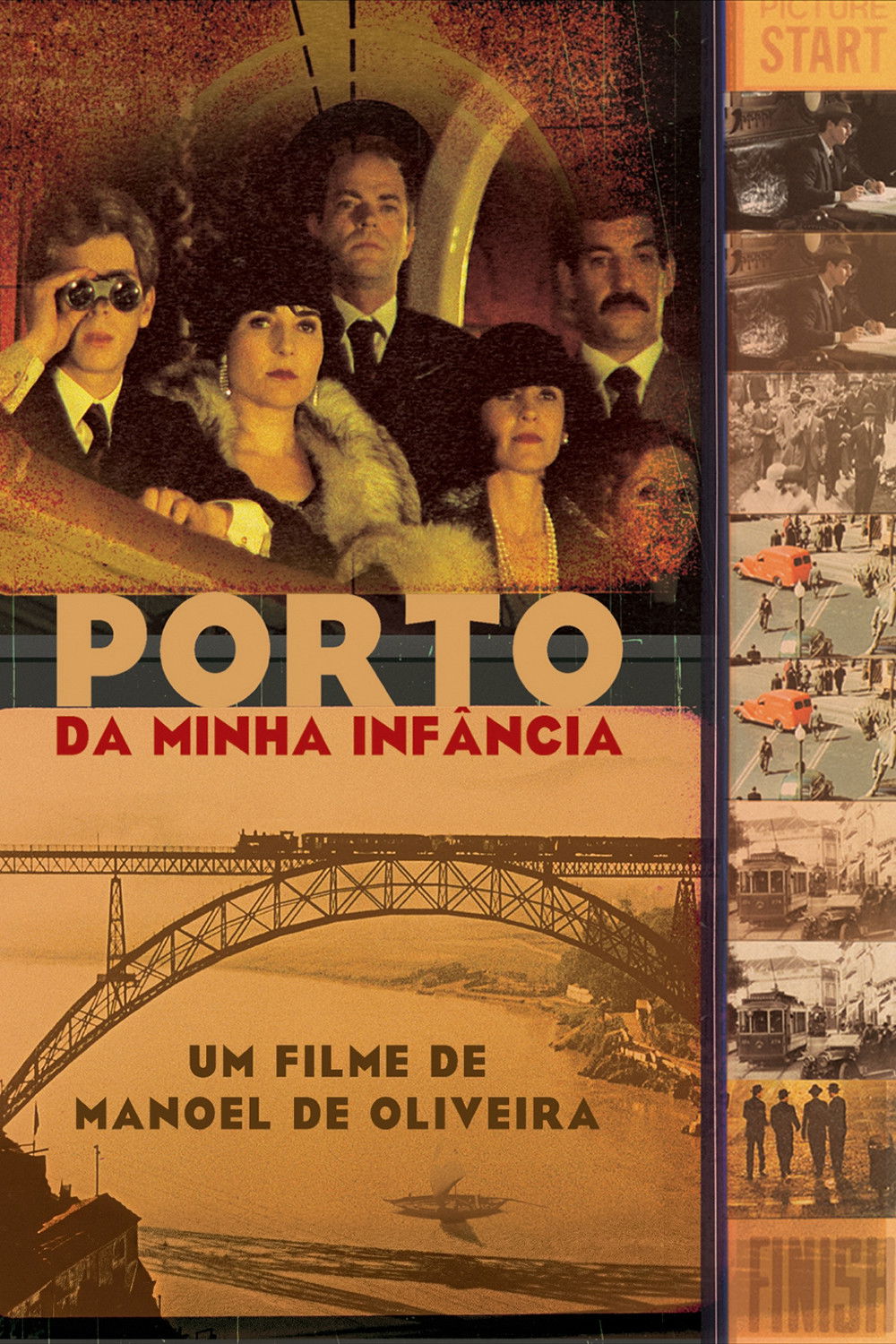
Manoel de Oliveira's autobiographical documentary about returning to his hometown.
“An old photograph taken 36 years ago. His hand rests on my shoulder. A blessing, a gift. Then a history of over four decades of friendship, admiration and apprenticeship. A journey into Oliveira’s cinema, his method, his way of filming and his extraordinary cinematic inventions. He lived for over a century, over a century of cinema, cinema in its entirety. For him, and for me too now, documentary and fiction films go hand in hand; it is all about cinema. So I had the audacity to film a magnificent story that Manoel loved but never filmed, one that he left behind as if his hand and eyes were close to God, or among the gods, and he was steering me.” - João Botelho
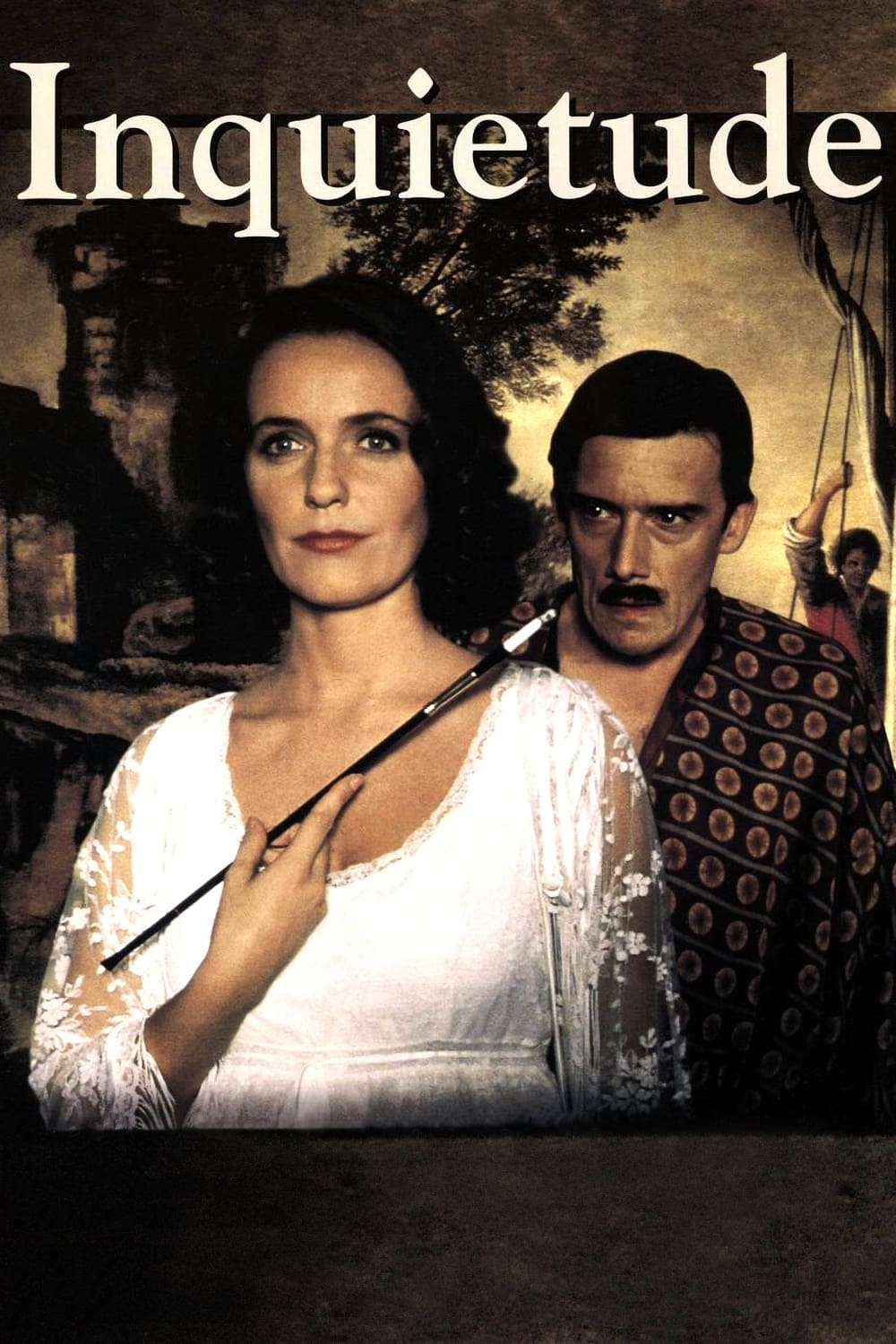
An anthology film drama featuring a poetic mirror structure based on existential identity. In "The Immortals," adapted from a Helder Prista Monteiro play, two famous doctors, an 80-year-old father, and his 60-year-old son, contemplate senility and death. "Suzy," from an Antonio Patricio story, is set in the '30s when a young courtesan dies on the operating table. "Mother of the River" is from an Agustina Bessa-Luis fable about eternal life.
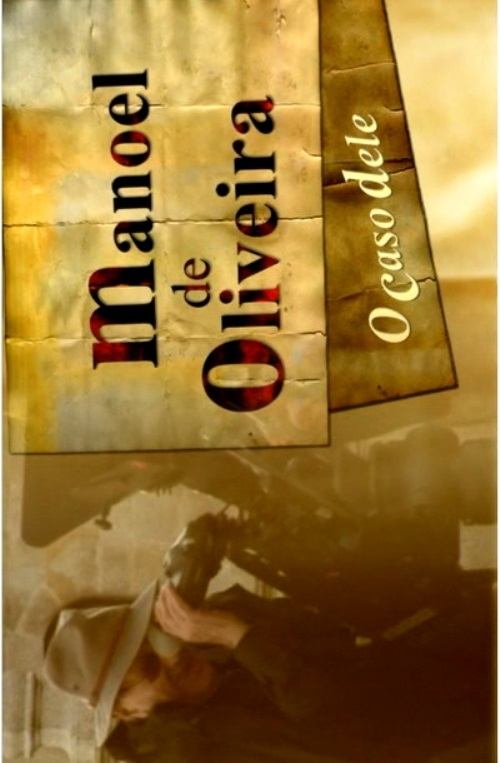
A tribute documentary to Manoel de Oliveira, on occasion of his 100th birthday.
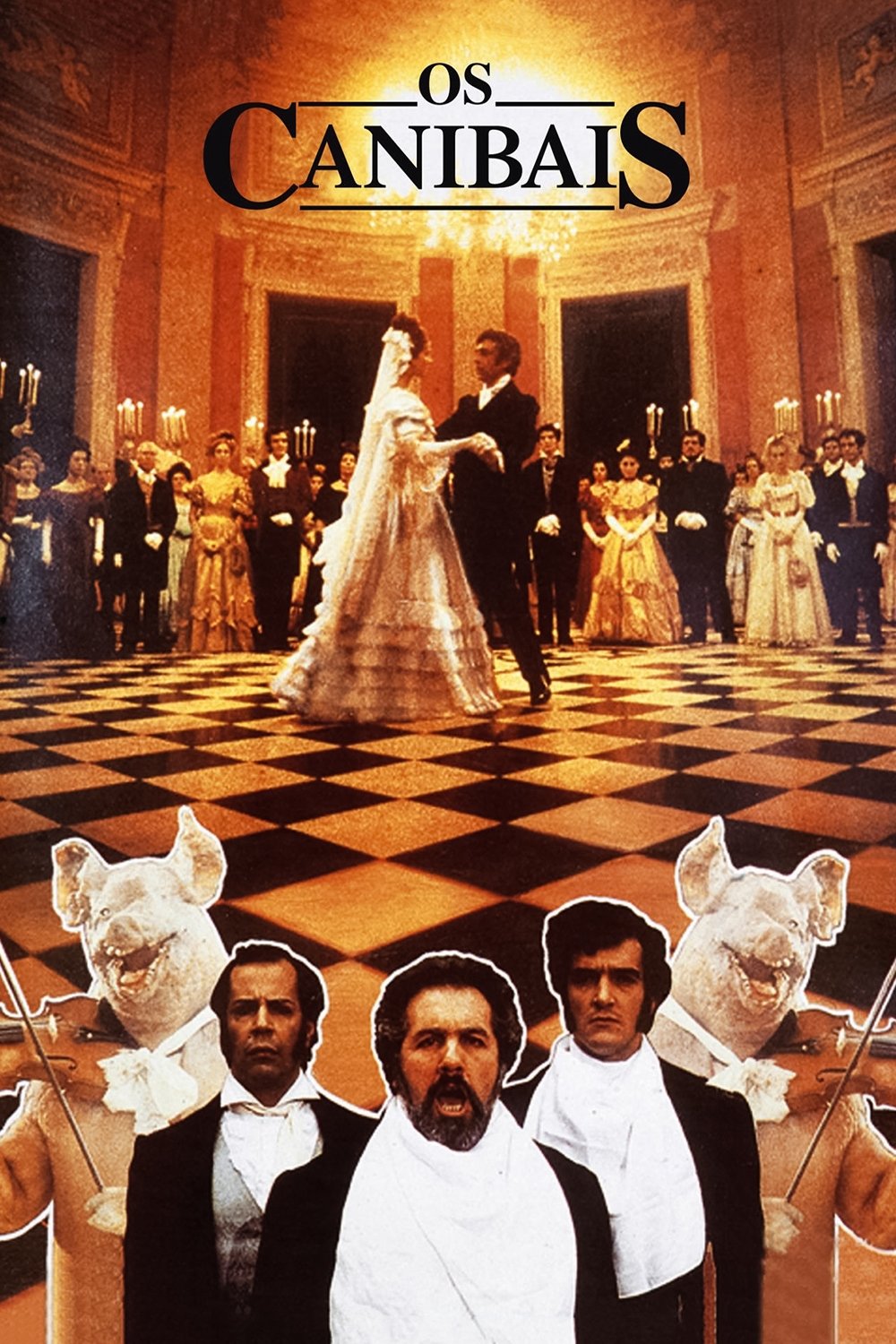
This odd film is a major representative of an even odder film genre: direct-to-celluloid opera. It was commissioned by the Portuguese master of style, director Manoel de Oliveira from composer João Paes. Musically, it ranges from 19th-century romanticism to popular, modernist and even "post-modernist" styles. In the initially tame story, a host-narrator tells the story of a wedding between the two lovebirds: Viscount d'Aveleda and the beautiful Marguerite. However, what happens in the bridal chamber is incredibly bizarre. The events after that are even stranger, and the wedding guests and family indulge in cannibalism, among other perversions.
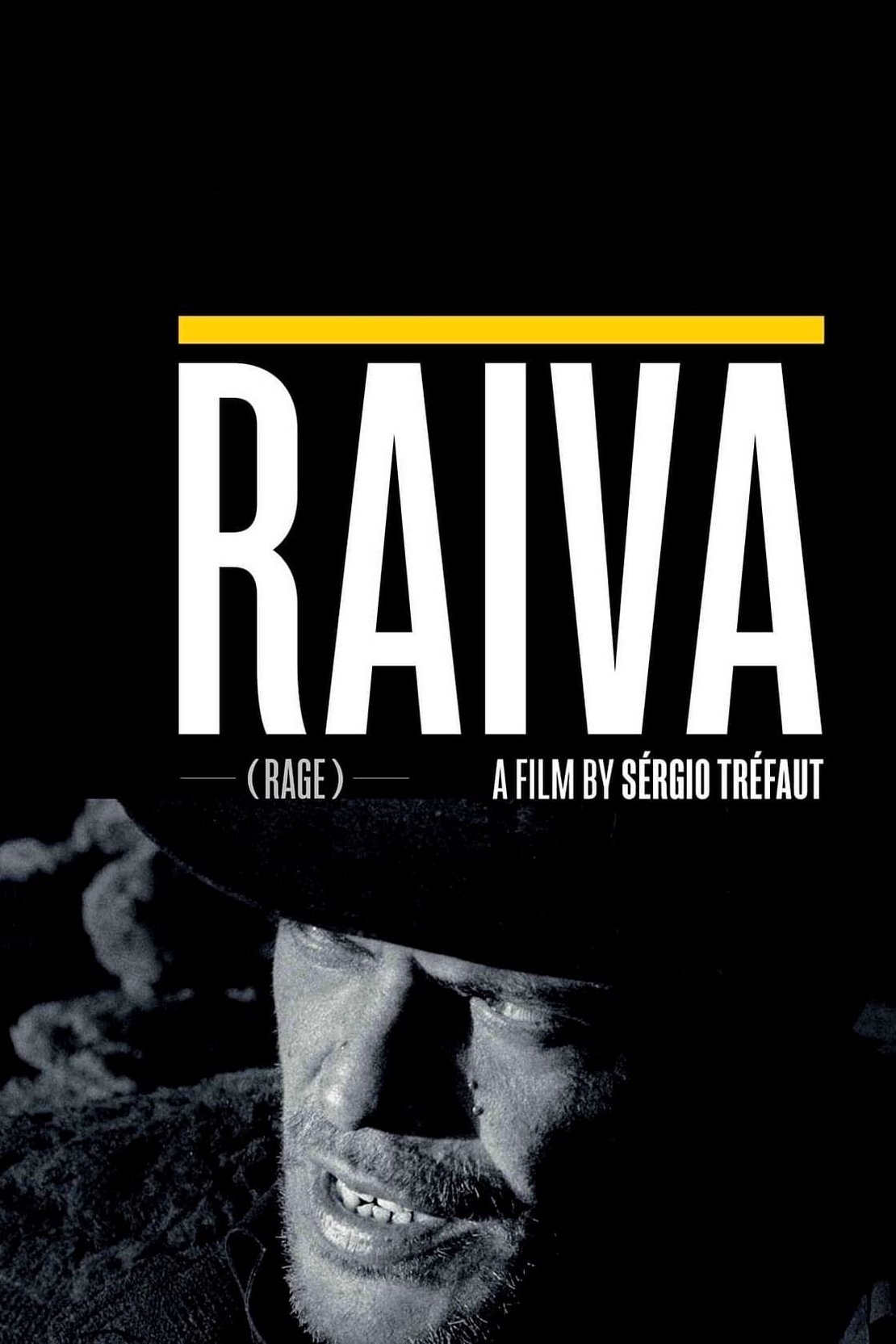
Alentejo, Portugal, 1950. In a desolate region, where the wind seems to speak, where misery and hunger reign over poorest, a desperate man takes his revenge on those who caused his ruin during the darkest night, unable to get honestly the bread needed to feed his family in the daylight.
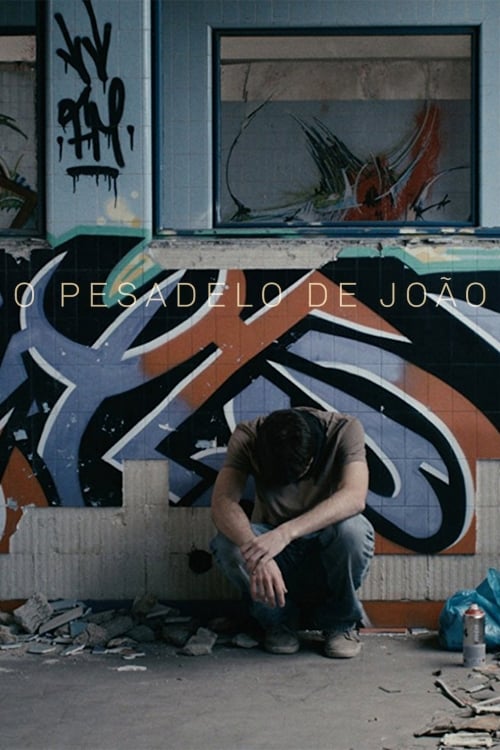
João still lives at home with his parents. With absolutely no idea what to do with his life, he leaves the city centre to hang out in the outskirts. The abandoned factory where he spends his days is the lingering echo of a better past. What lies ahead seems worse as João comes face to face with the failure of youth.

Lisbon, on a winter day in 1994, between six and fourteen o'clock. A forty-year-old woman despairs in the last eight hours preceding the birth of her first child.
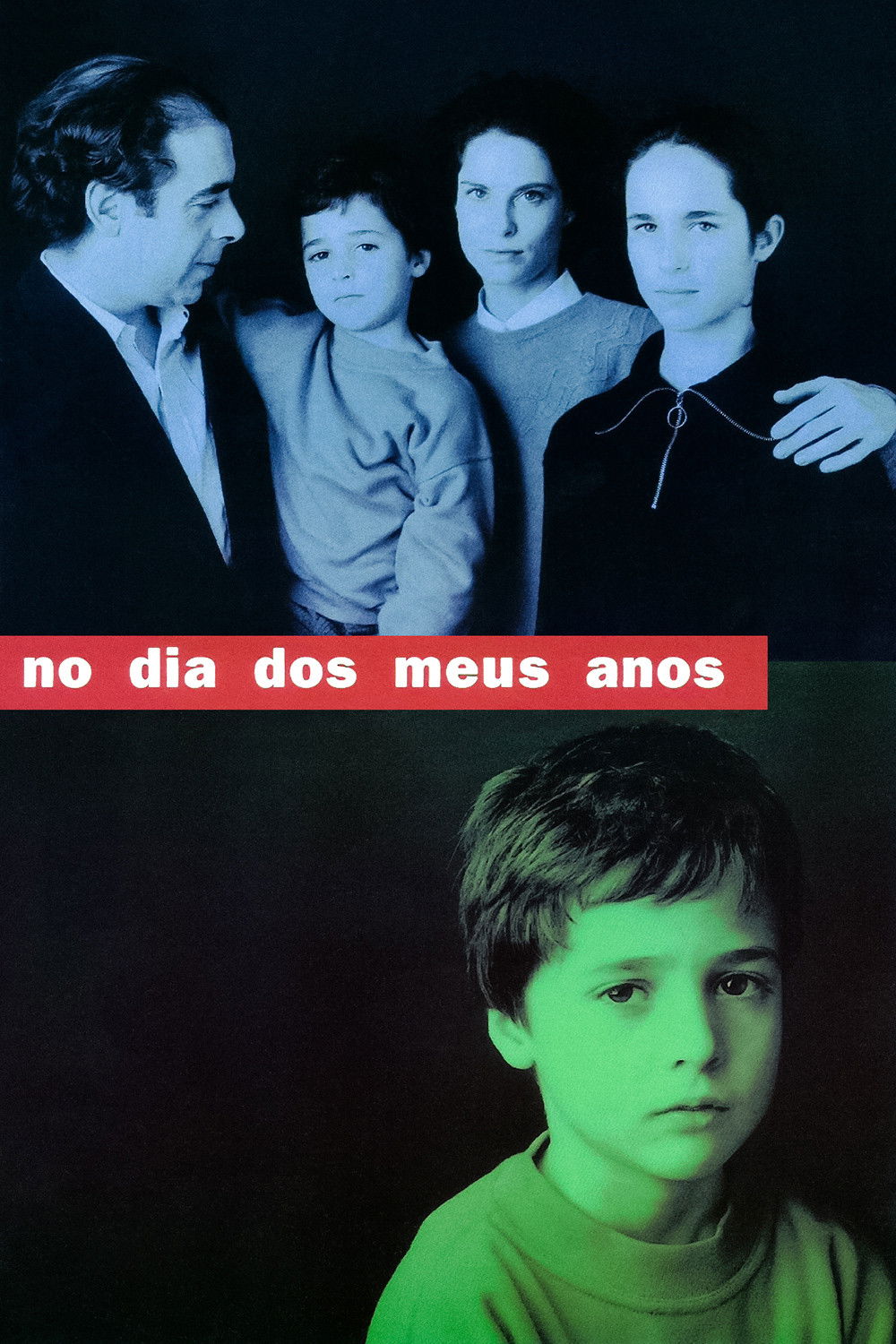
This Portuguese movie directed by João Botelho, is part of The Four Elements series. This is the second episode, The Air.
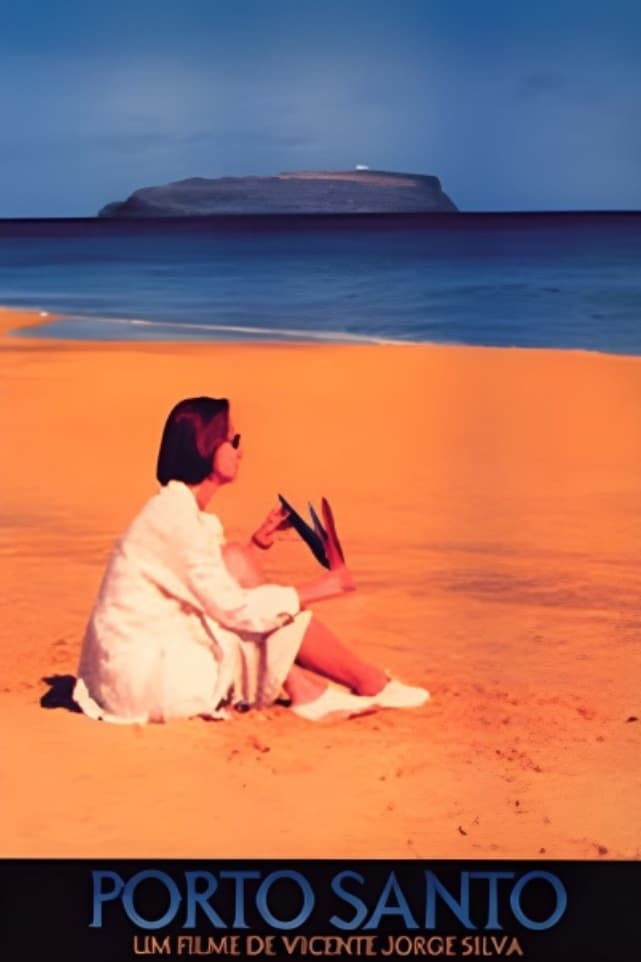
A technical problem aboard a transatlantic flight forces a plane to land in Porto Santo, the small island of Madeira's archipelago where, according to a legend, Christopher Columbus the 15th century navigator, lived for a while and entertained a sexual relationship with a widow and her nubile daughter. A girl photo journalist profits to stay the extra-needed days for repair, to visit the island - and eventually she'll become part of complex relationships among some of the secluded people of the island. Also, a yacht lost in the high seas in 1947 reappears from the misty horizon 50 years later - to unite Fanny and João, a contemporary navigator.
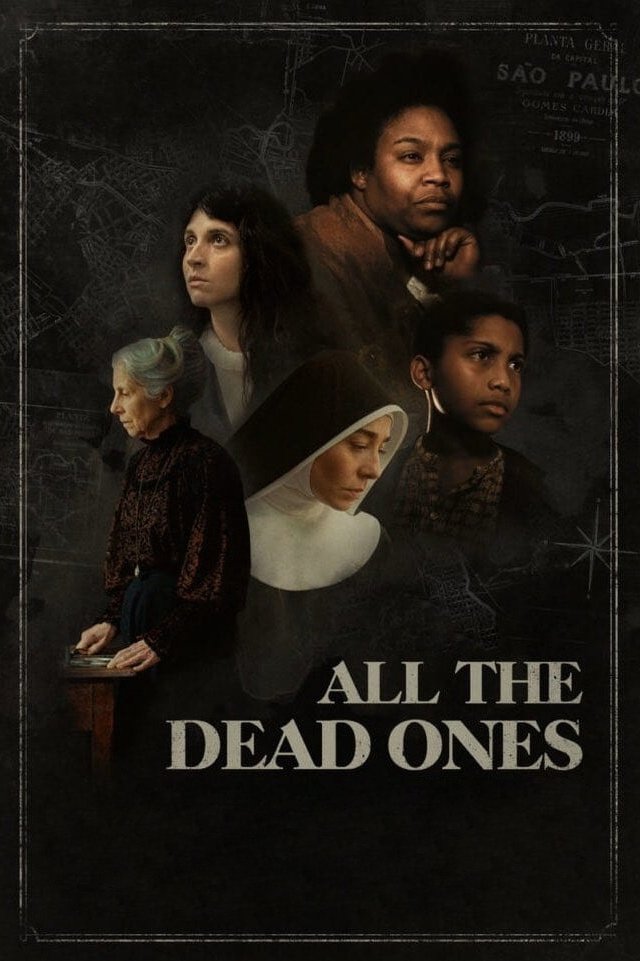
The story of the decline of the Soares family in the final months of the 19th century. Isabel is the dying mother, and her daughters are Maria and Ana. The three women try hard to forget about their pasts in the coffee farm and face the industrial times that start to take over Brazil.
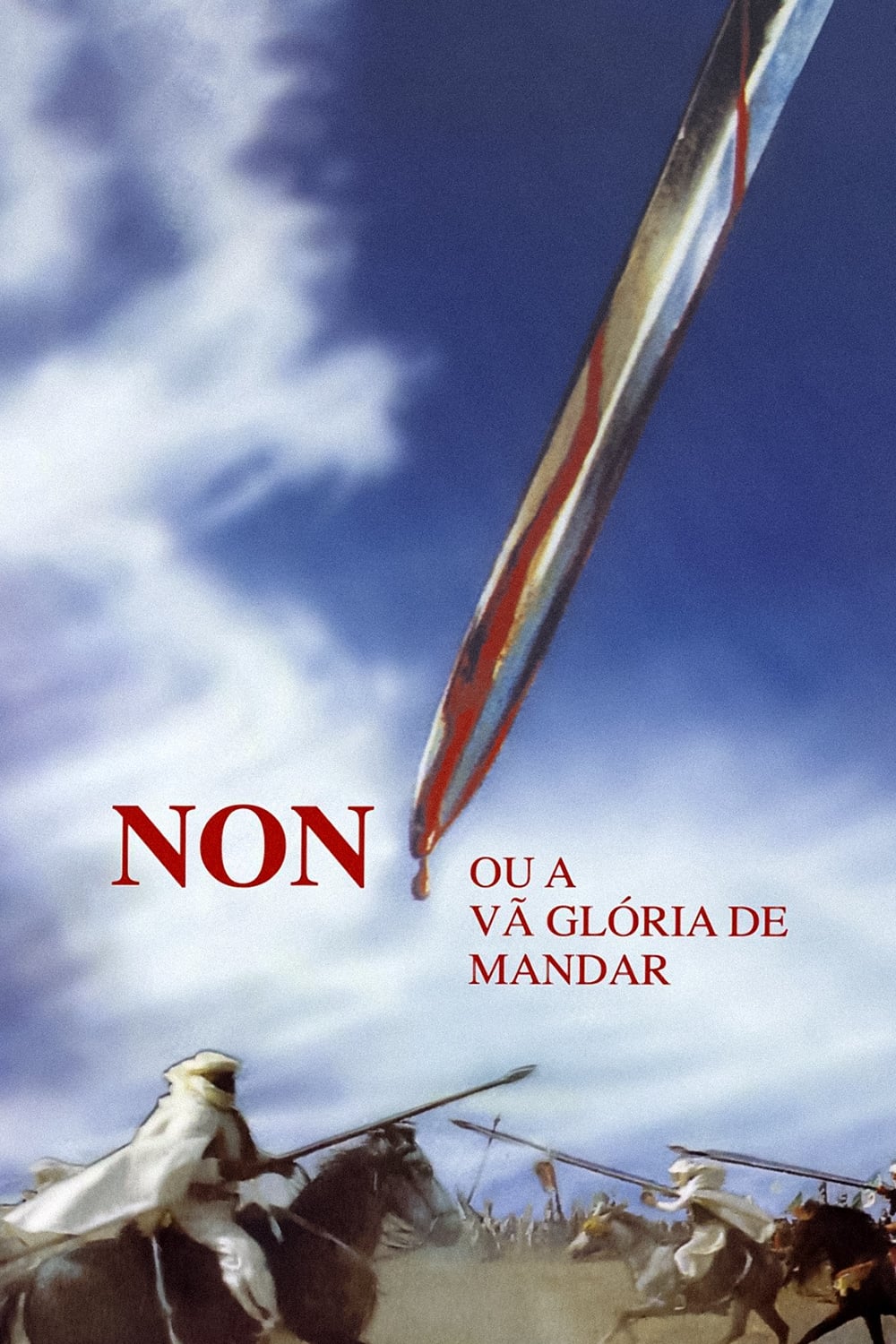
Episodes from throughout the entire military history of Portugal are told through flashbacks as a conscripted student of history recounts them to his fellow soldiers while they march through an African colony in revolt during 1973.
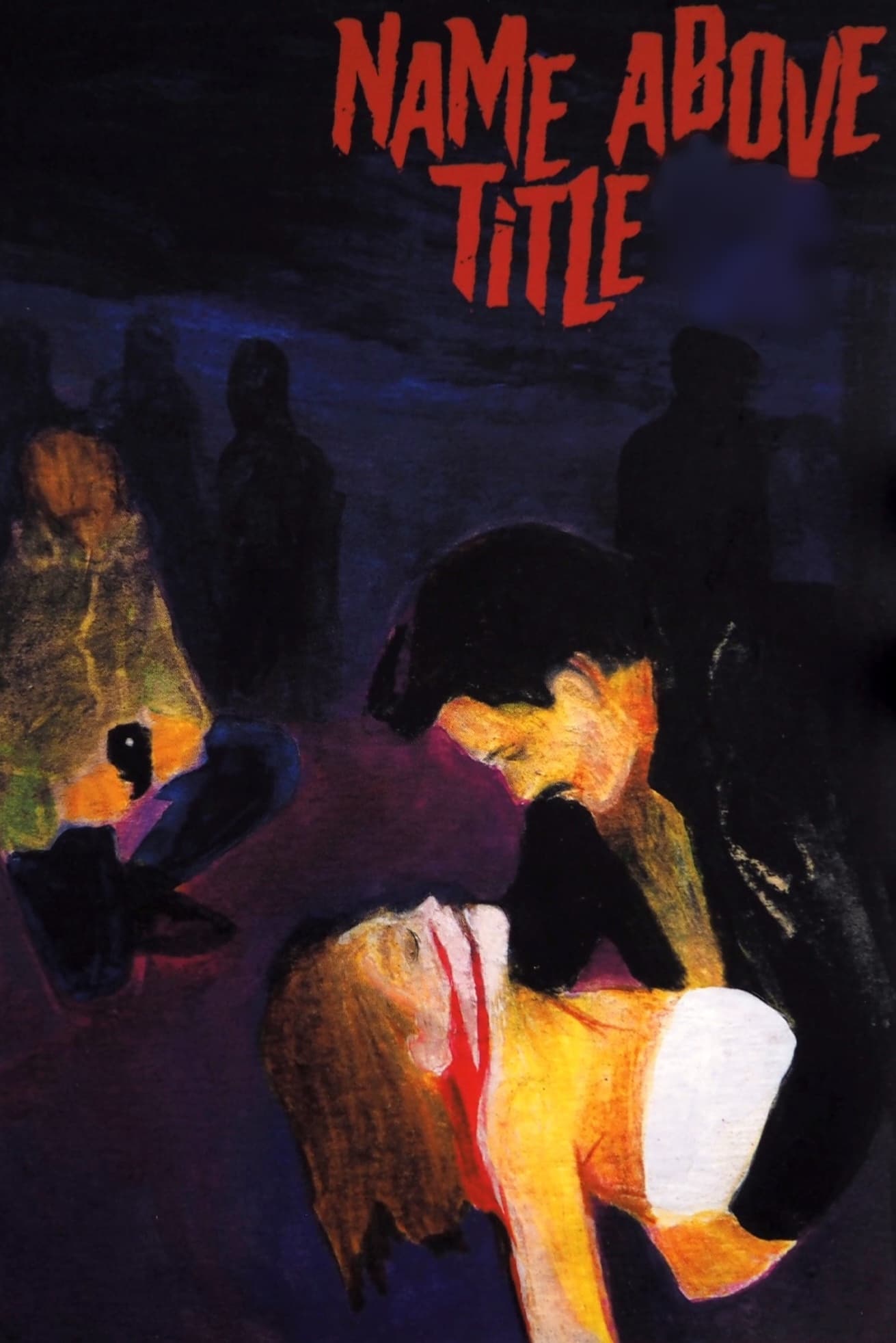
The quiet life of a serial killer in Lisbon is disrupted when an unusual incident suddenly turns him into a social media star.
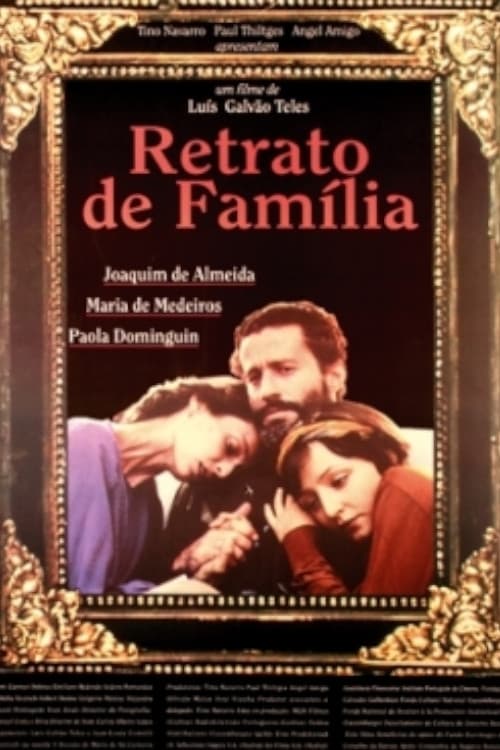
Ofelia is the daughter of photographer Miguel and of deceased circus artist Lea. When her father is hospitalised with a nervous breakdown, she decides to find out the reason and in doing so discovers the truth about the relationship between her parents and the true fate of her mother.
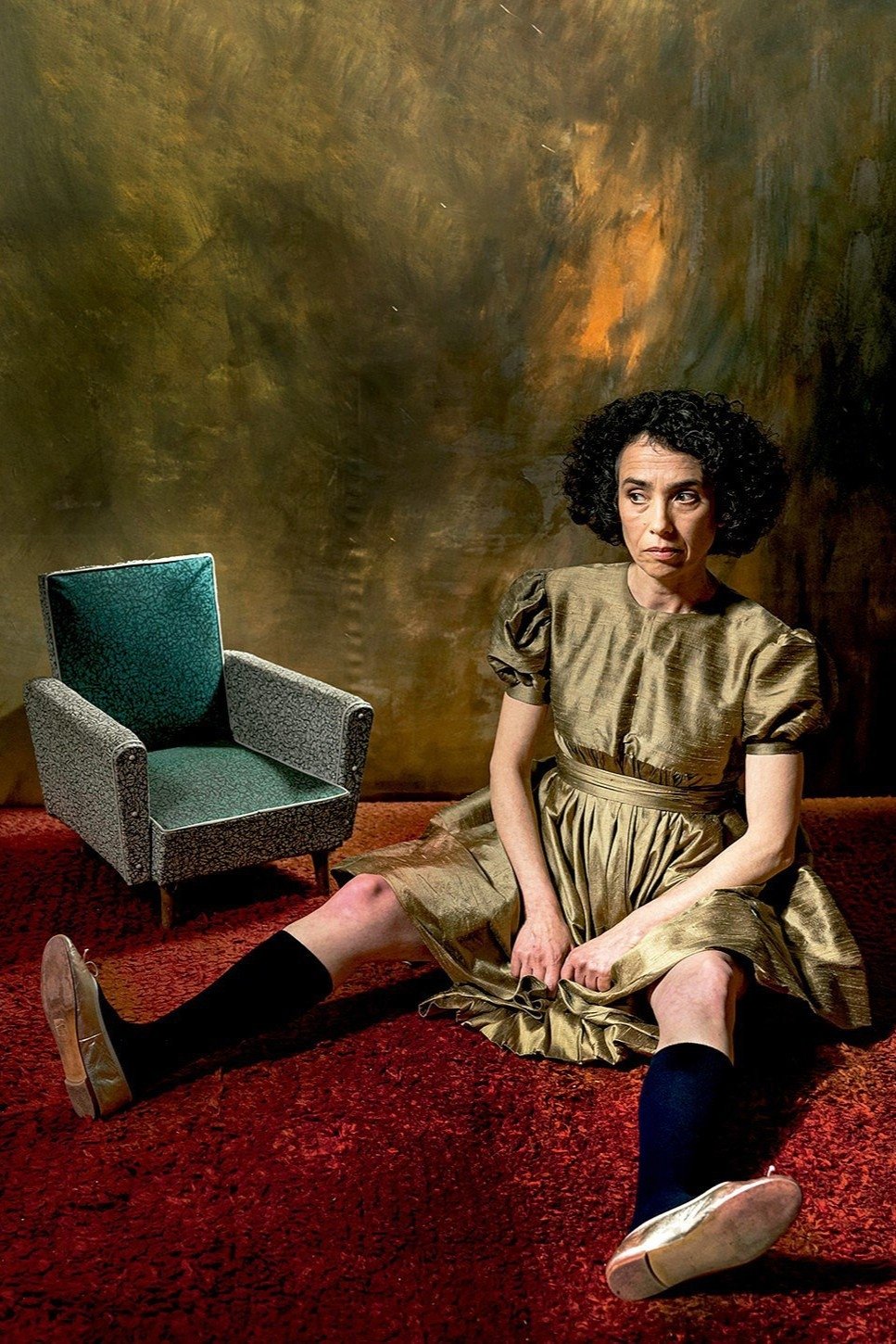
The misfortunes of Sofia, the exemplary Madalena and Camila, the troubled vacations of girls and boys, a few years later leading to the resolution of some mysteries, form the perfect trilogy by the Countess of Ségur on education, social, religious, and political power. Desire and its oppression, violence and punishment, in short, the terrible loss combined with inevitable growth. Both adults and children will understand that precepts, rules, and prayers can tear nerves and blood apart.
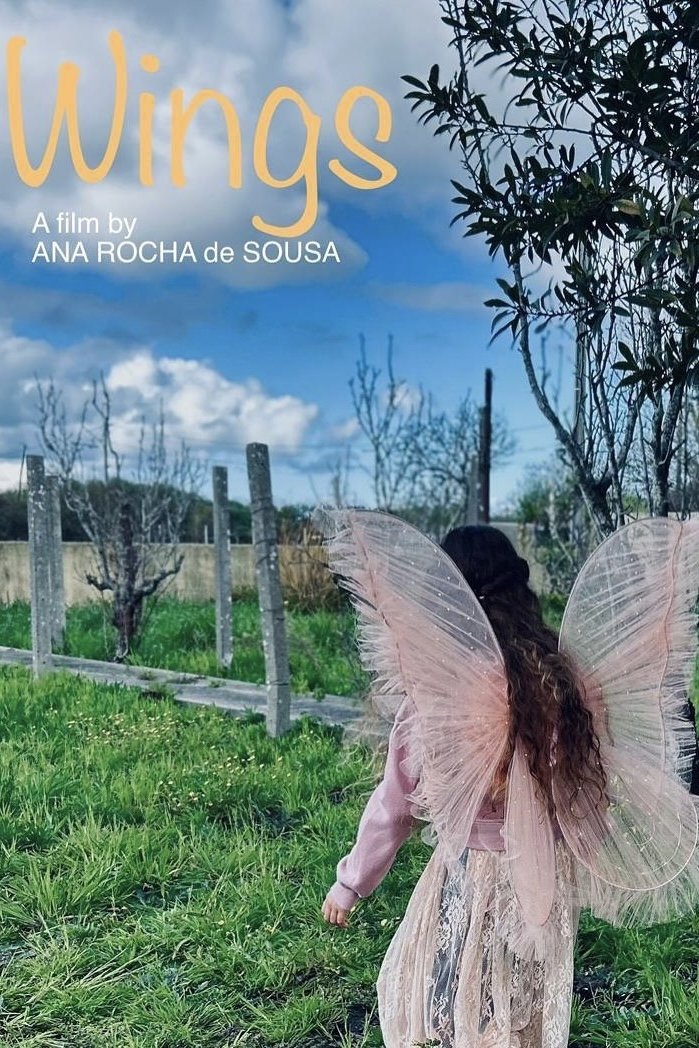
It is inspired by the true story of the girls and women of a Ukrainian family forced to find rescue from the war. Although... War can never truly be escaped.
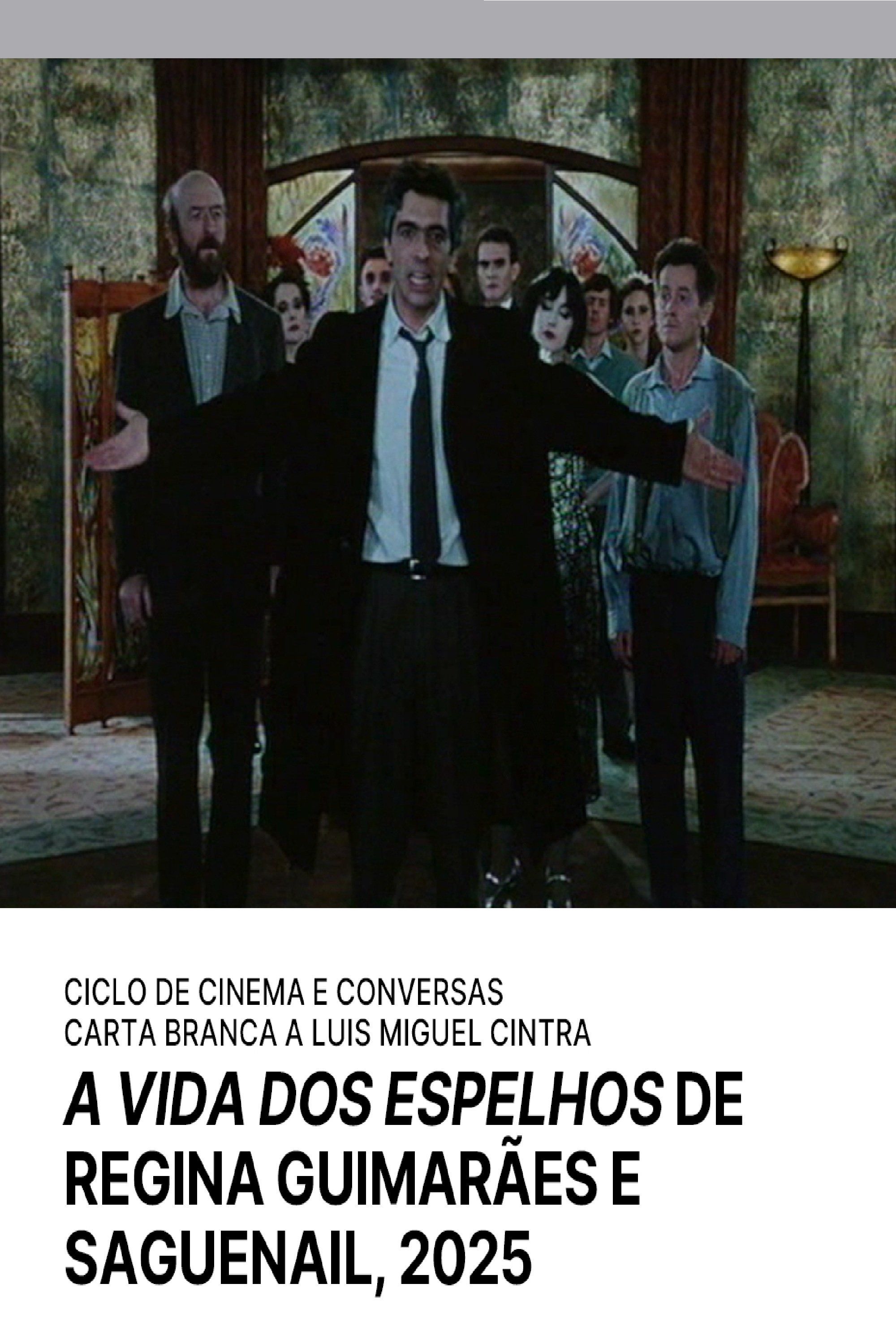
The Life of Mirrors is one of the sections of the exhibition Luis Miguel Cintra - Small Theatre of the World. A commission by Serralves Foundation to Regina Guimarães and Saguenail, and constructed after an unpublished interview with Luis Miguel Cintra, this film is the result of a long and painstaking exercise of selecting and editing excerpts from films by Manoel de Oliveira in which Cintra participates as an actor. In this way, The Life of Mirrors is a reflective, retrospective essay film, which opens the Carte Blanche, thus establishing a gateway to Luis Miguel Cintra's cinematographic and cinephile career.
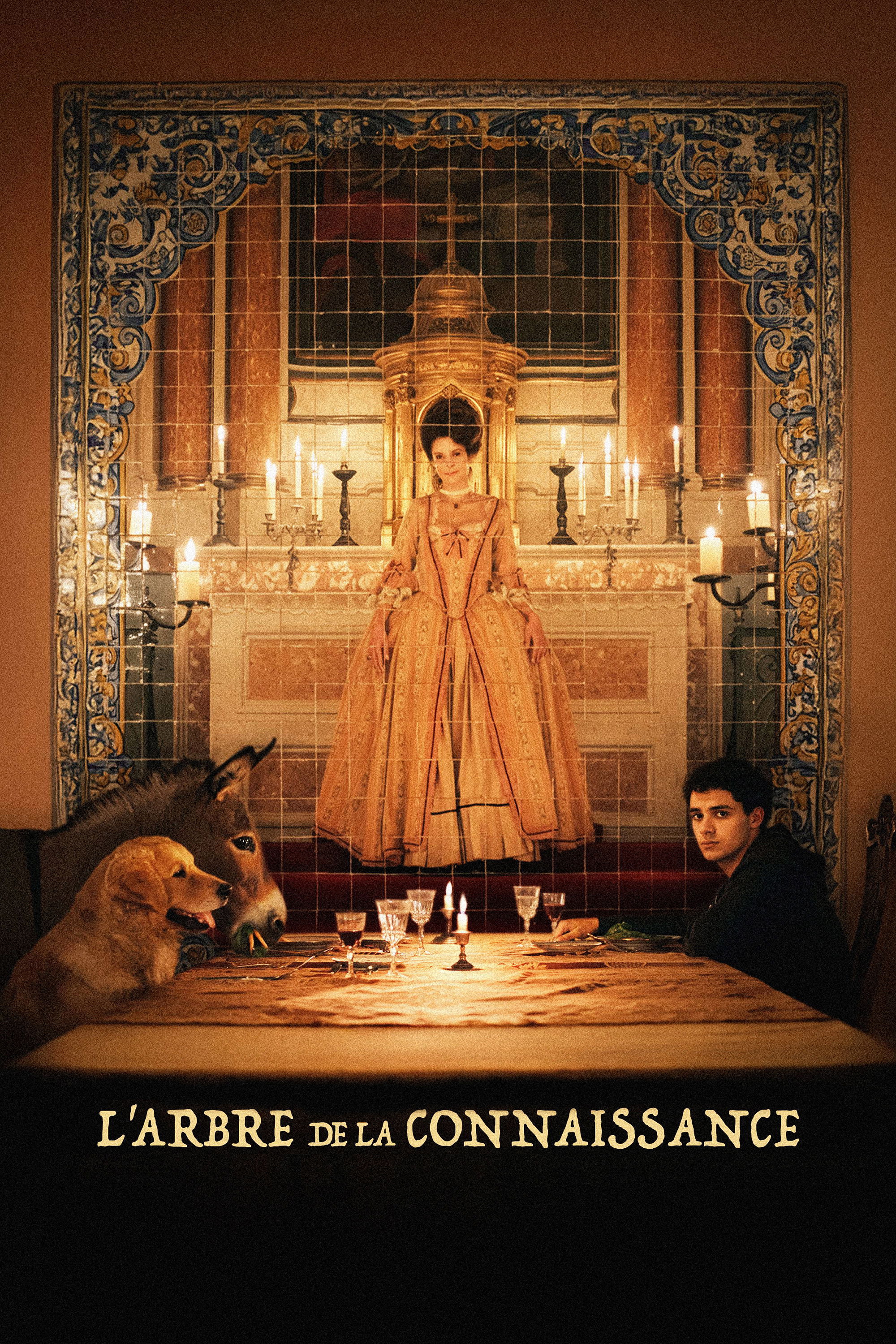
Gaspard, a teenager from the suburbs of Lisbon, falls into the hands of the Ogre, a man who has made a pact with the Devil. The Ogre uses the boy to attract tourists, whom he transforms into animals and then kills. Gaspard escapes with a donkey and a dog that he has grown fond of, and in an enchanted manor, he meets the spirit of Queen D. Maria I.
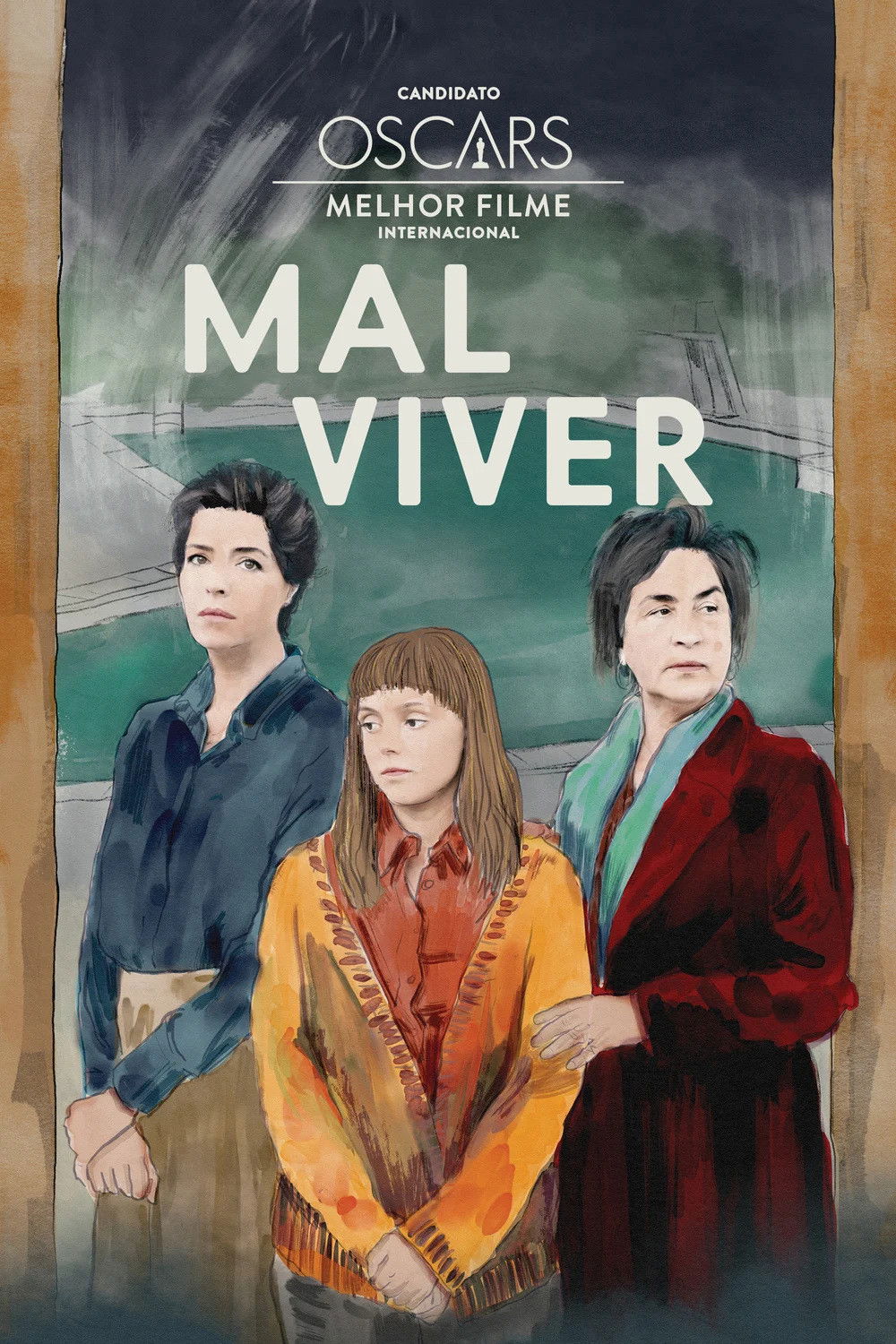
In a family-run hotel near the northern coast of Portugal, several women from the same family, spanning different generations, live together. Their relationship, poisoned by bitterness, struggles to survive in the decaying hotel. The unexpected arrival of a granddaughter in this claustrophobic space provokes turmoil and rekindles latent hatreds and accumulated resentments.