
On a train to Algarve, a young man recounts to a fellow passenger his past relationship with an eccentric young woman.
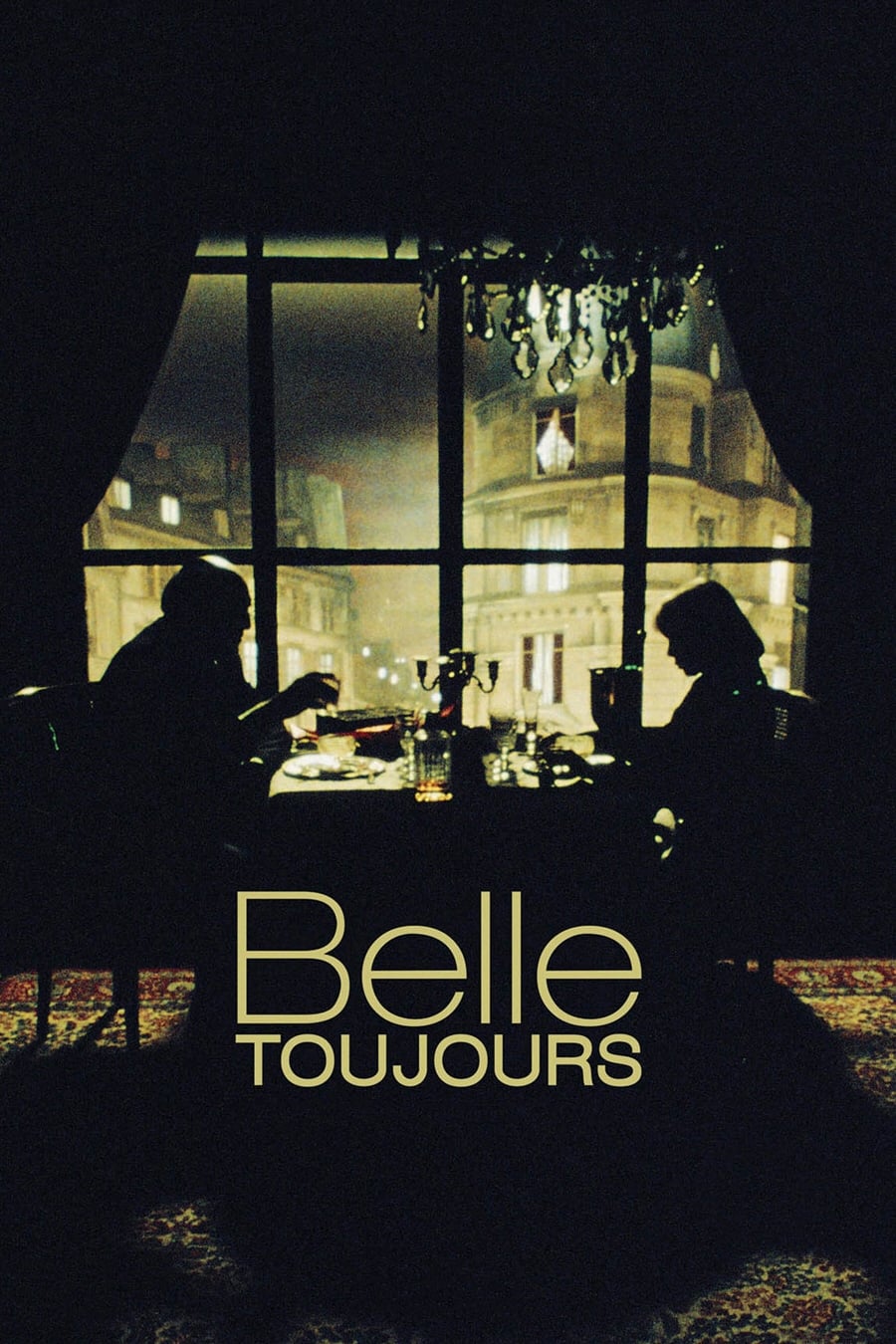
38 years after the events in the Luis Buñuel classic Belle de Jour, Henri Husson thinks he sees Séverine one night at a concert. He follows her and makes her face her past and then takes a slow revenge on her.
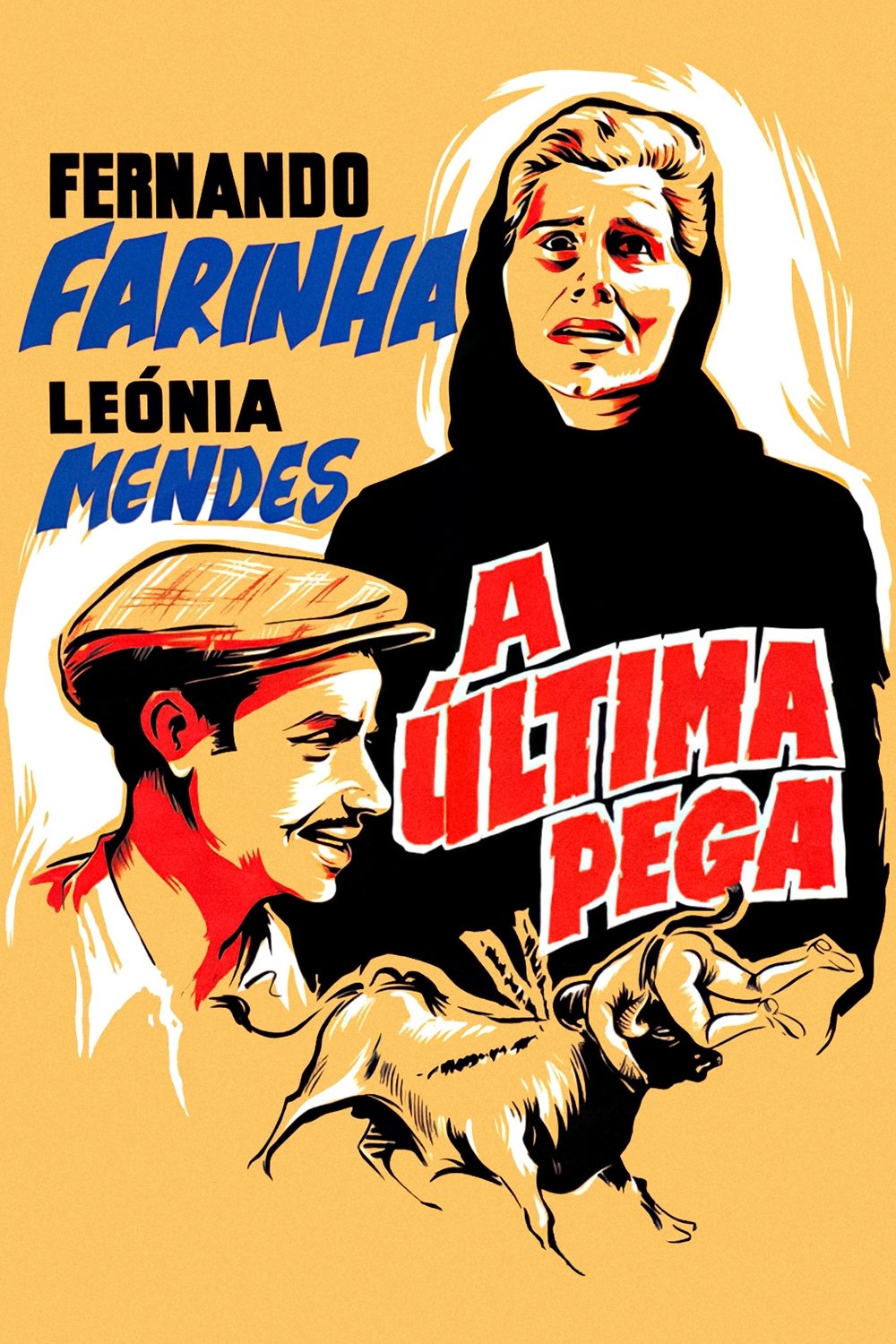
Ribatejo - Maria Rosa, wife of a fearless cowboy, José, who was killed by a bull, makes her son Toino swear that he will never work with cattle again, for which he will be called a coward. Years later, having married Cacilda and isolated from his family, Toino breaks his promise when, in the countryside, he is forced once again to prove his bravery in order to save his son Quim, who is being pursued by an animal...
The life of Fernando Farinha, from kid where he ran away to school - to sing the fado, and the condescension of the parents, although aspiring to have an "honest" job.
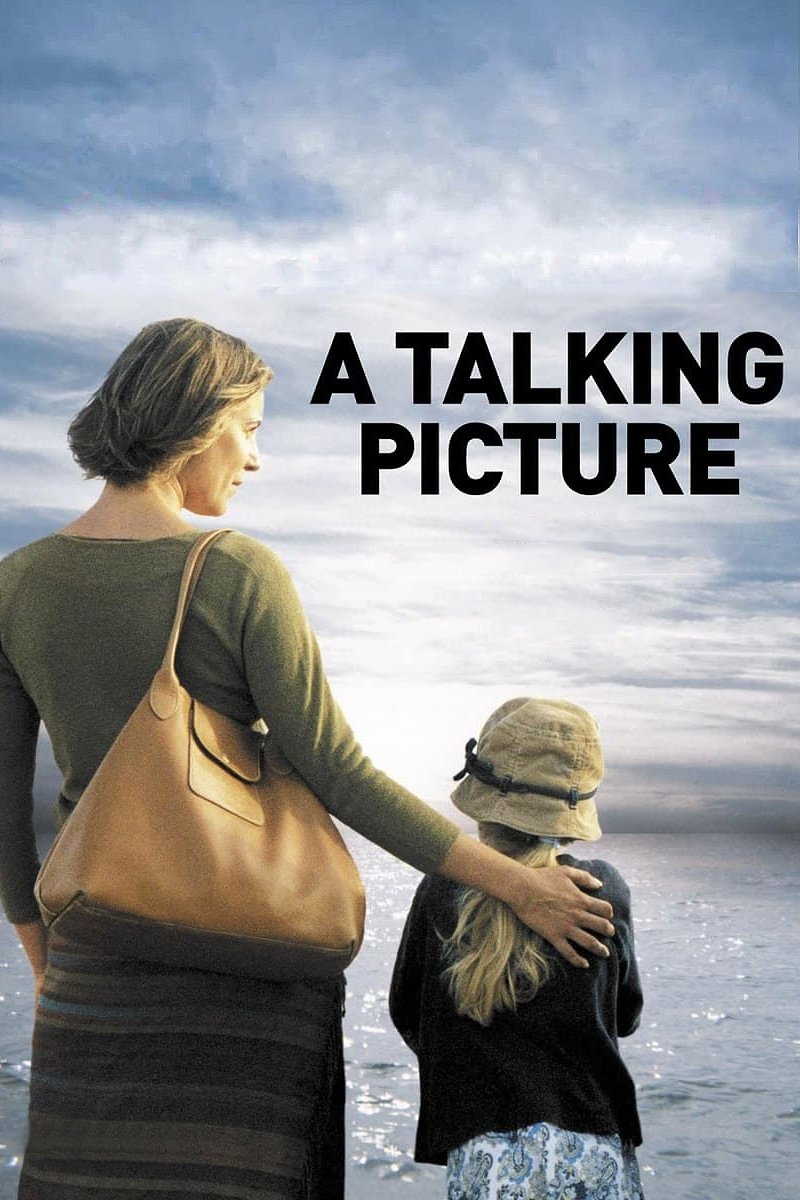
A meditation on civilization. July, 2001: friends wave as a cruise ship departs Lisbon for Mediterranean ports and the Indian Ocean. On board and on day trips in Marseilles, Pompeii, Athens, Istanbul, and Cairo, a professor tells her young daughter about myth, history, religion, and wars. Men approach her; she's cool, on her way to her husband in Bombay. After Cairo, for two evenings divided by a stop in Aden, the captain charms three successful, famous (and childless) women, who talk with wit and intellect, each understanding the others' native tongue, a European union. The captain asks mother and child to join them. He gives the girl a gift. Helena sings. Life can be sweet.
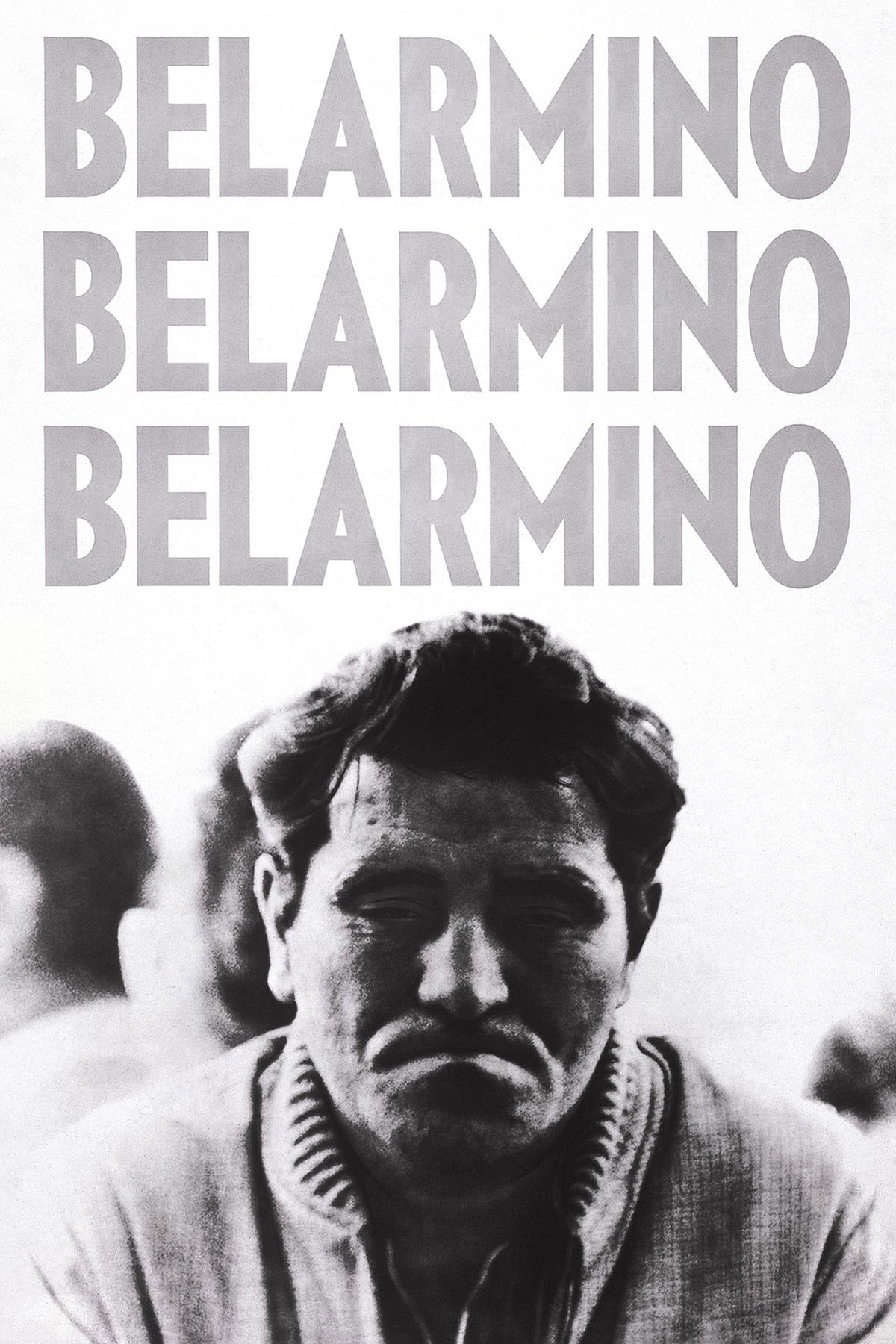
A portrait of Belarmino Fragoso, a veteran boxer in Lisbon nearing the end of his career. In a blend of reportage and re-enactment, the many vices of the once national featherweight champion are revealed against a background of the grim economics of boxing in 1960s Portugal.
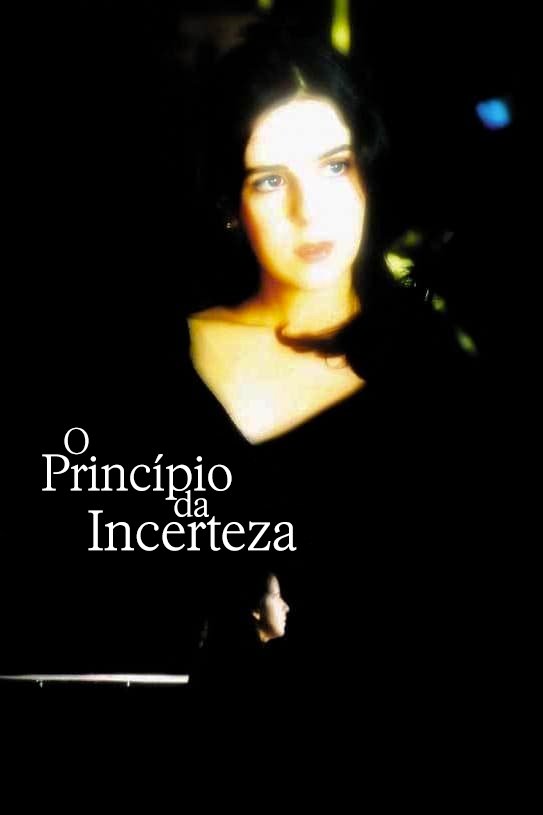
Having lost her place among the social elite, a widow remarries and starts a family.
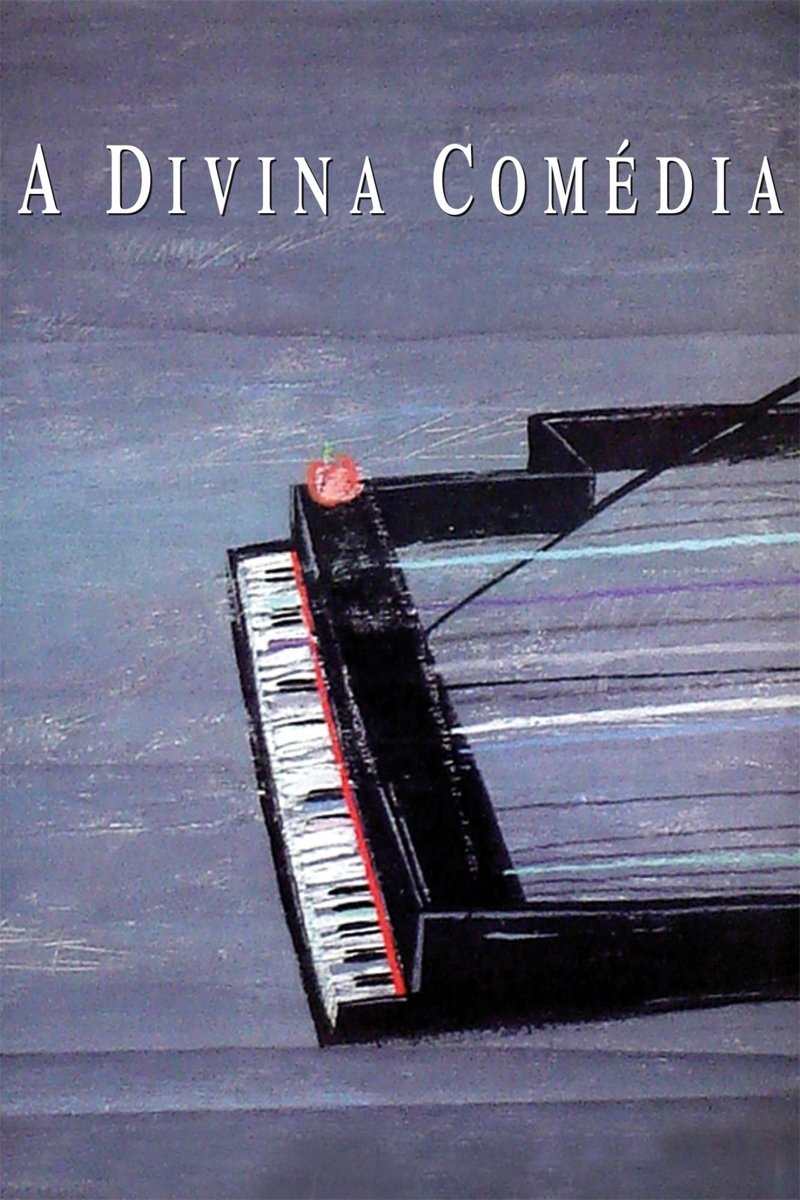
In a mental institution the patients see themselves as people like Jesus, Lazarus, Martha, Mary, Adam, Eve, Sonia, Raskolnikov, Aliosha e Ivan Karamasov, a Philosopher, a Profet, Santa Teresa d'Avila, reciting the Divine Comedy.
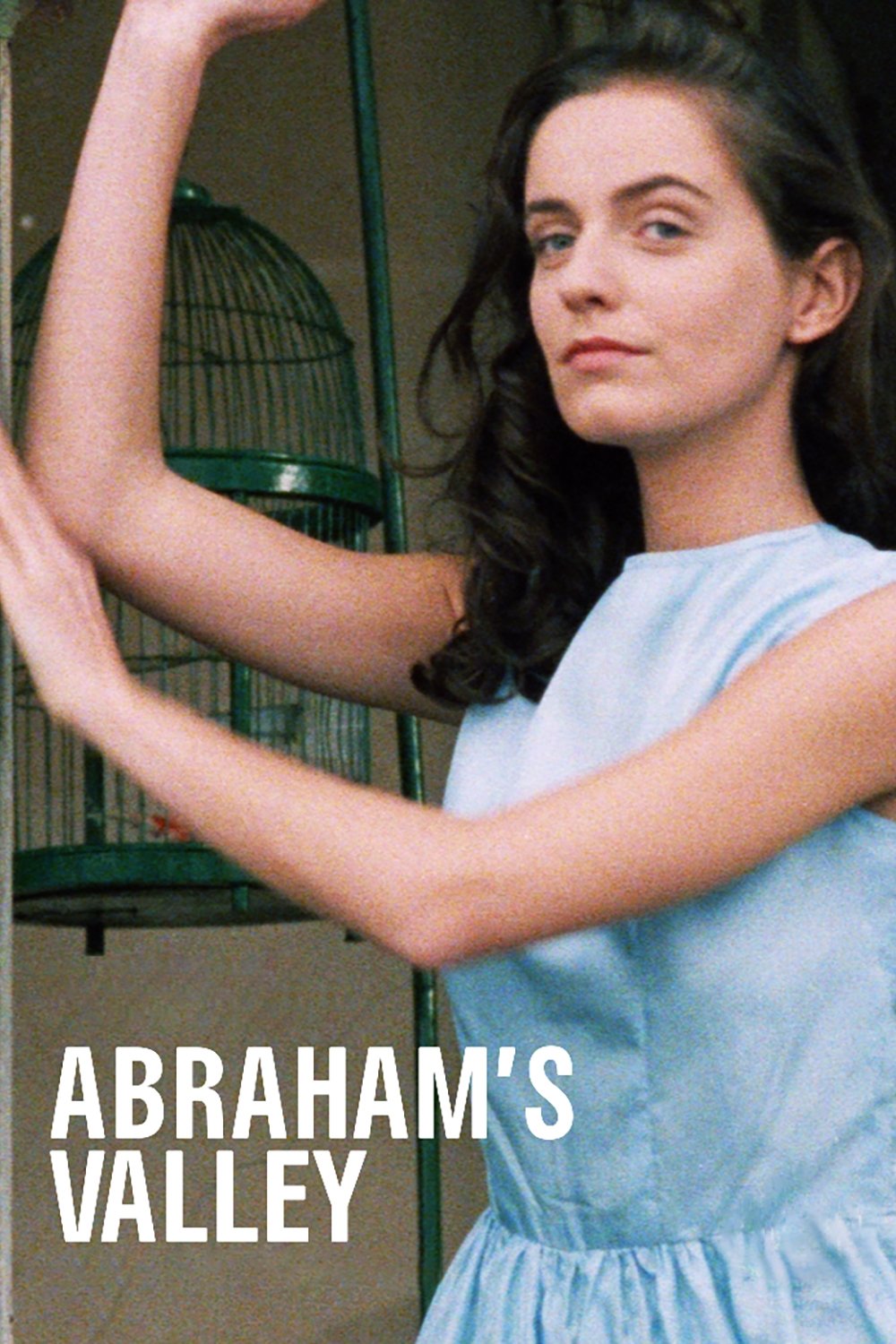
Ema is a very attractive but innocent girl, so pretty that cars crash in her presence. In her youth she marries Dr. Carlos Paiva, her father's friend, to whom she is not attracted. They move to the valley of Abraham. Carlos loves her, but decides to sleep in a separate room to avoid waking Ema when he has to return late at night. As time goes by she begins to feel unhappy about her marriage, so she finds a new lover.
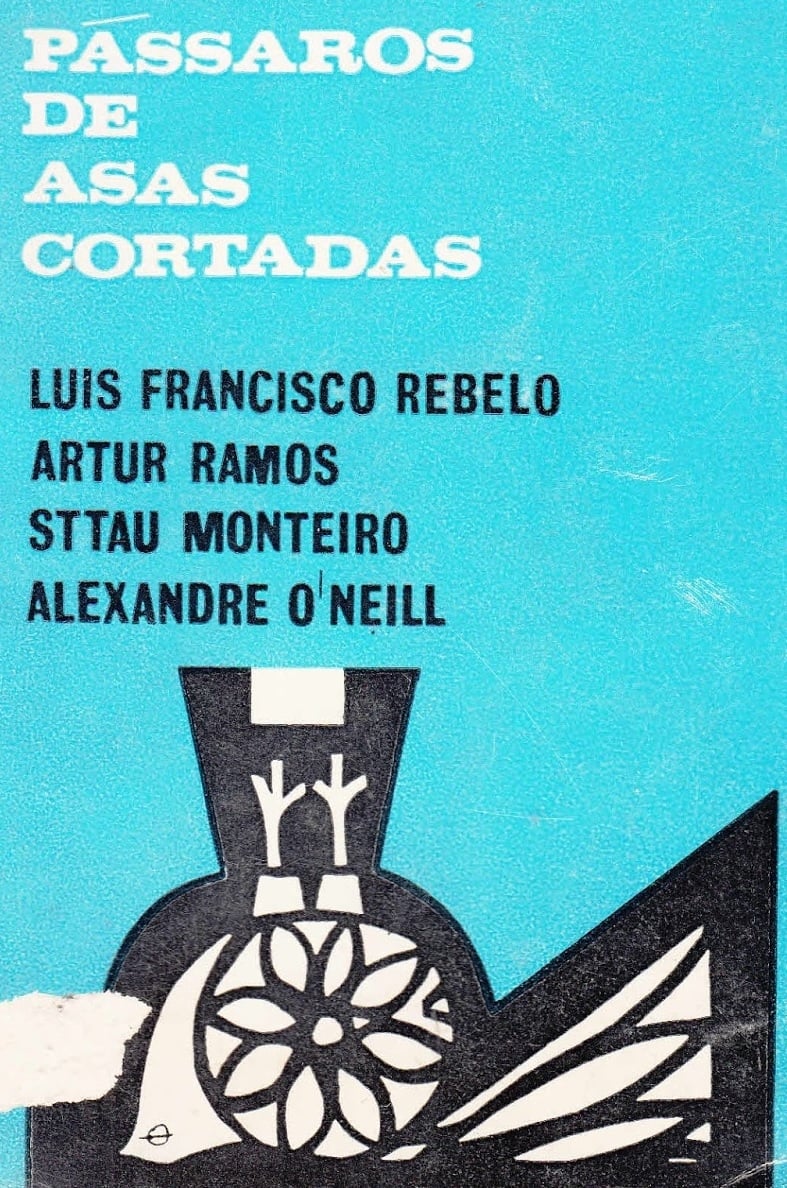
After a fatal crash involving her brother, Elsa tries to escape her corrupt & prejudiced background, making Francisco (the victim’s dad) – a wealthy family’s driver – resign himself with the unavoidable so as not to compromise his employer’s son, thus trying to gain something from the tragedy.
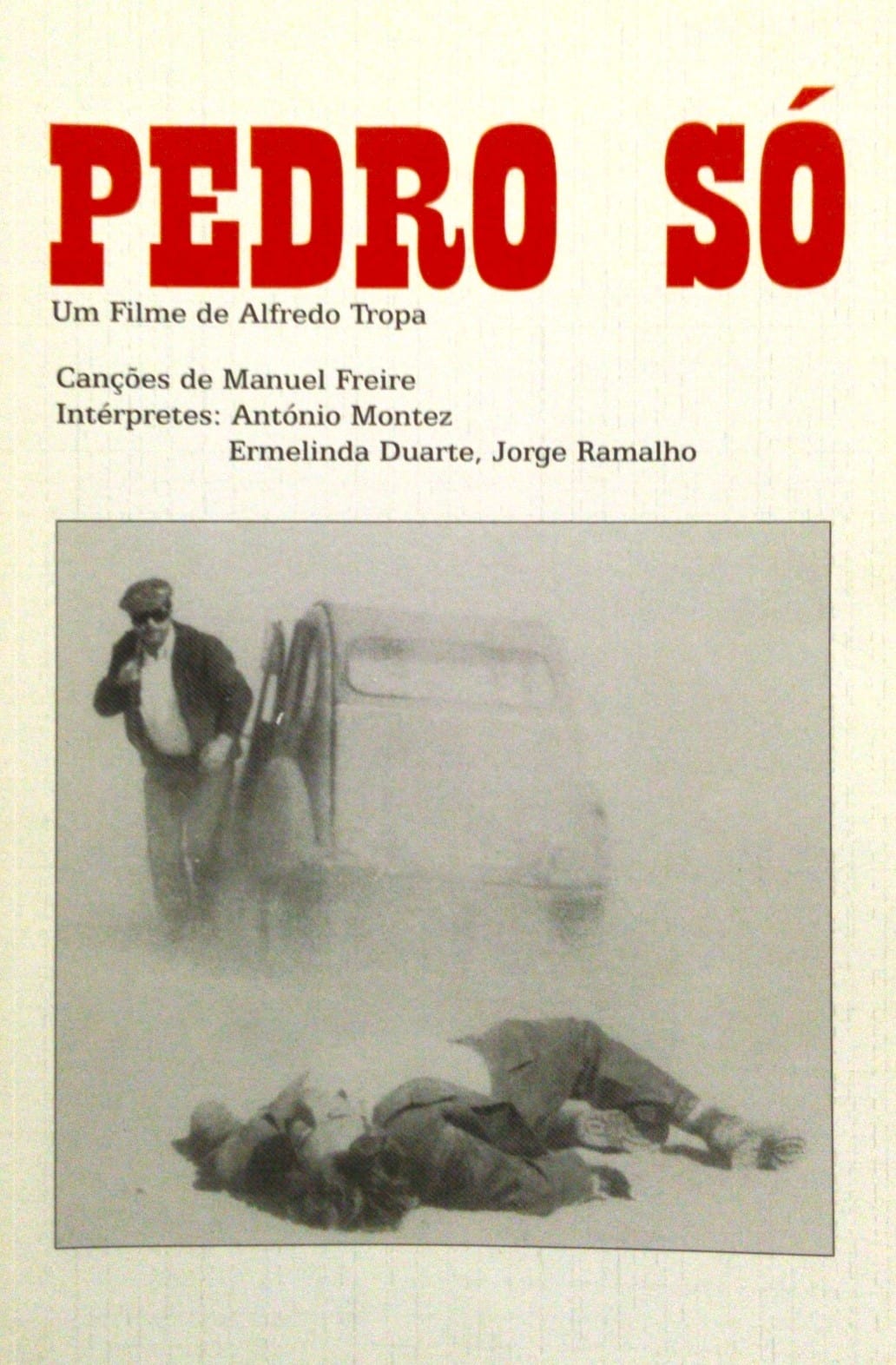
Pedro is a young agricultural worker who gets caught in the middle of a fight between two families, kills a man and escapes to the capital. He can't find work,resorts to begging, but keeps his mountaineer pride. He starts a new life with a prostitute who is nice to him, but nothing works. He returns home, and alone, and now he finds life there is sad as well.
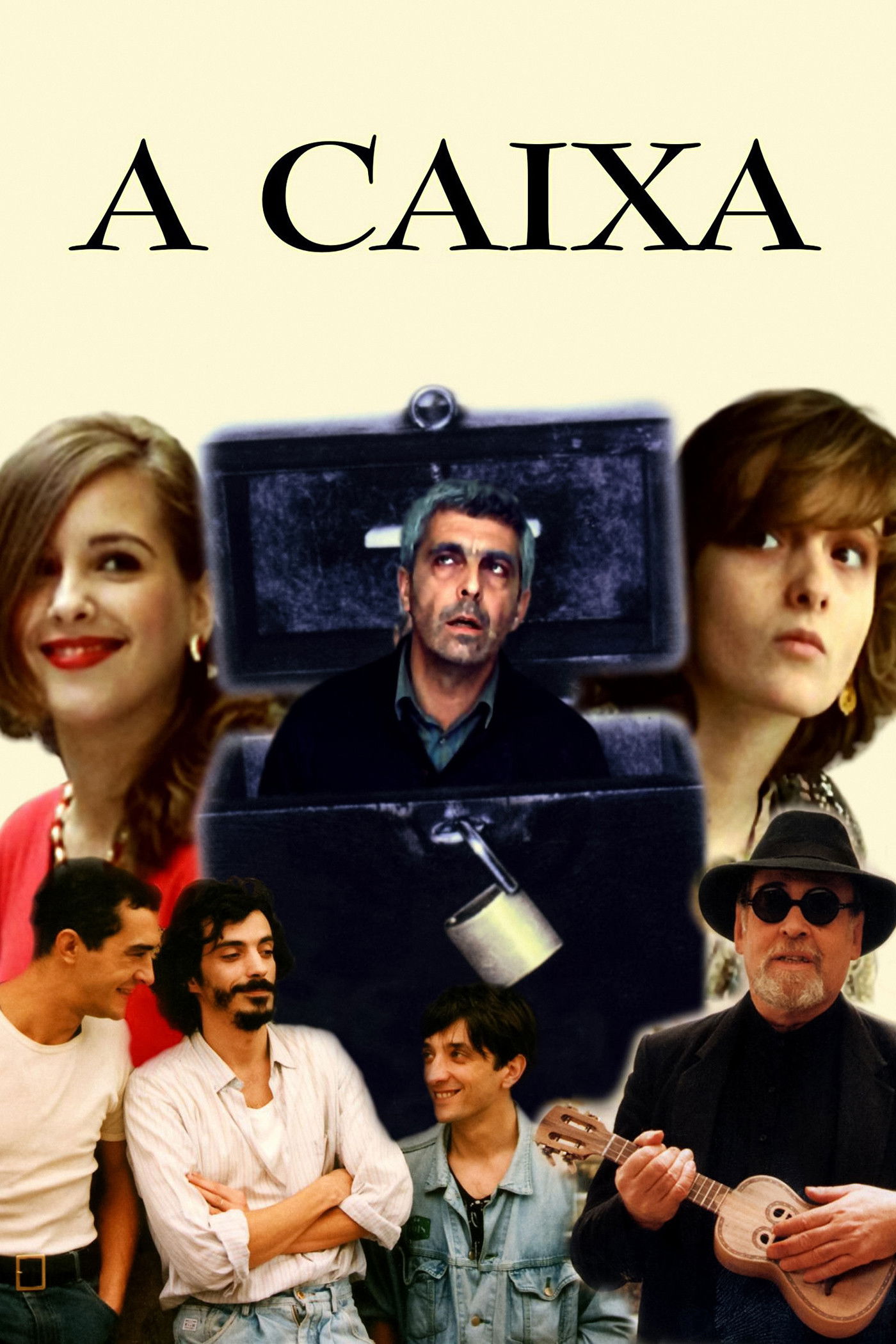
A blind beggar is robbed of his chest of money. The theft leads to a dramatic situation in the street where he begs every day.
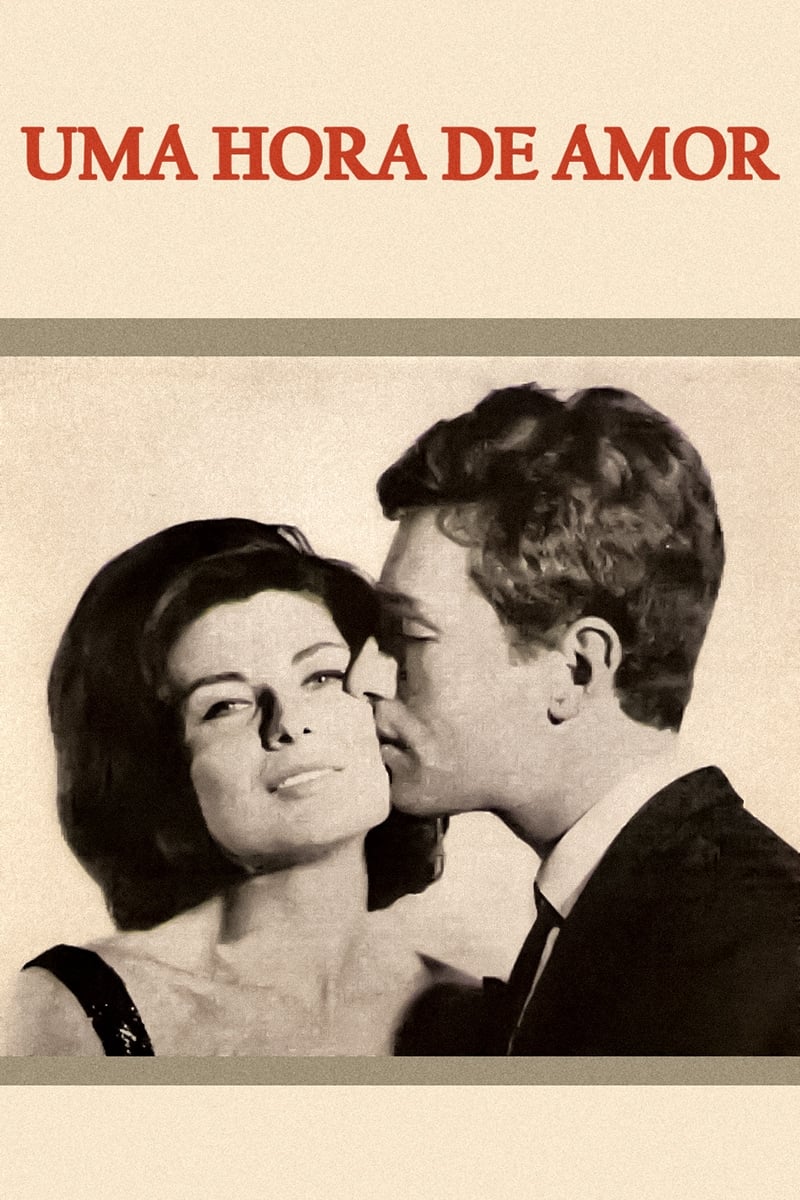
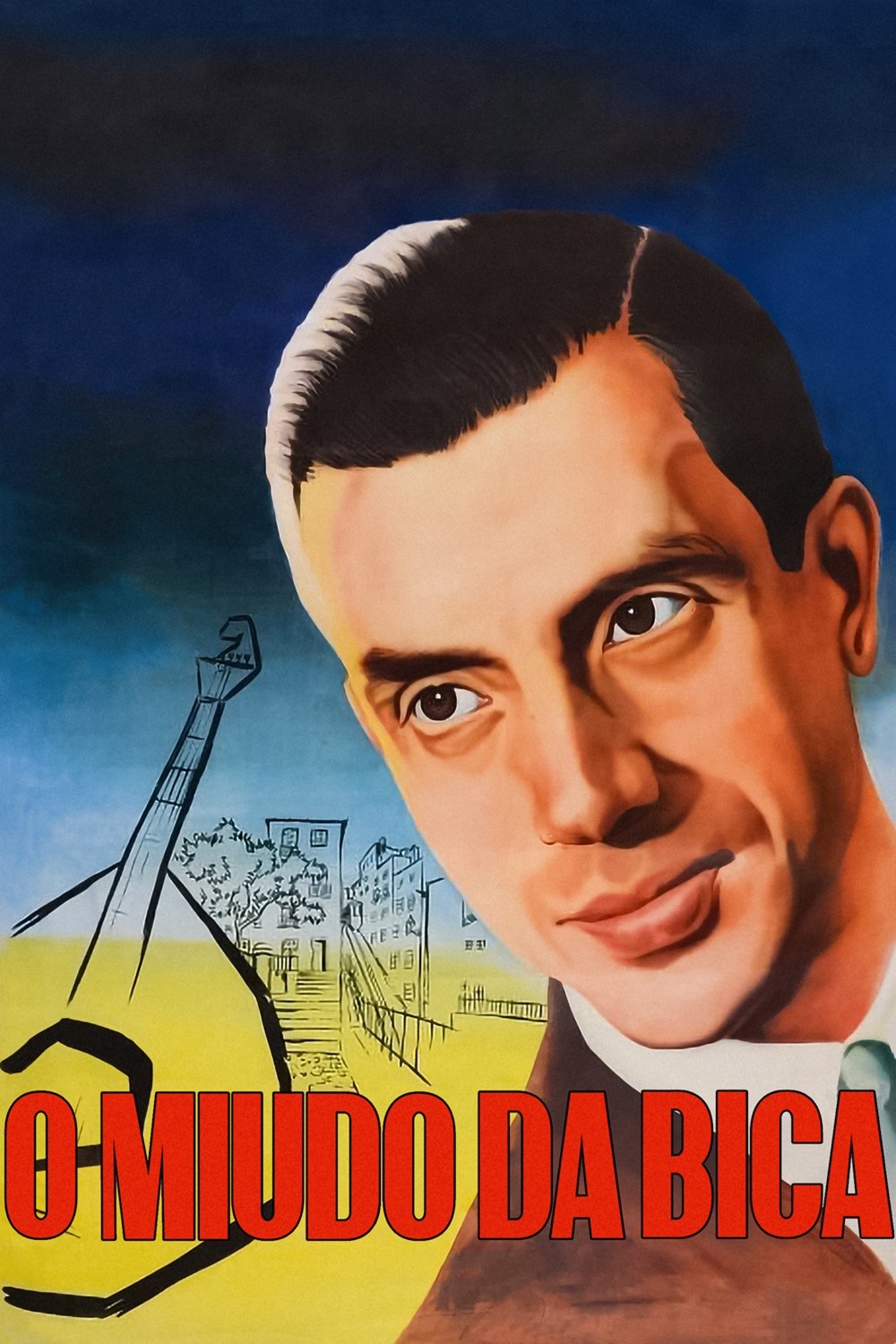
António, a factory worker of immense musical talent, is discovered by a business man who launches him as a singer. Nevertheless, this changes the man's life for better and for worst.
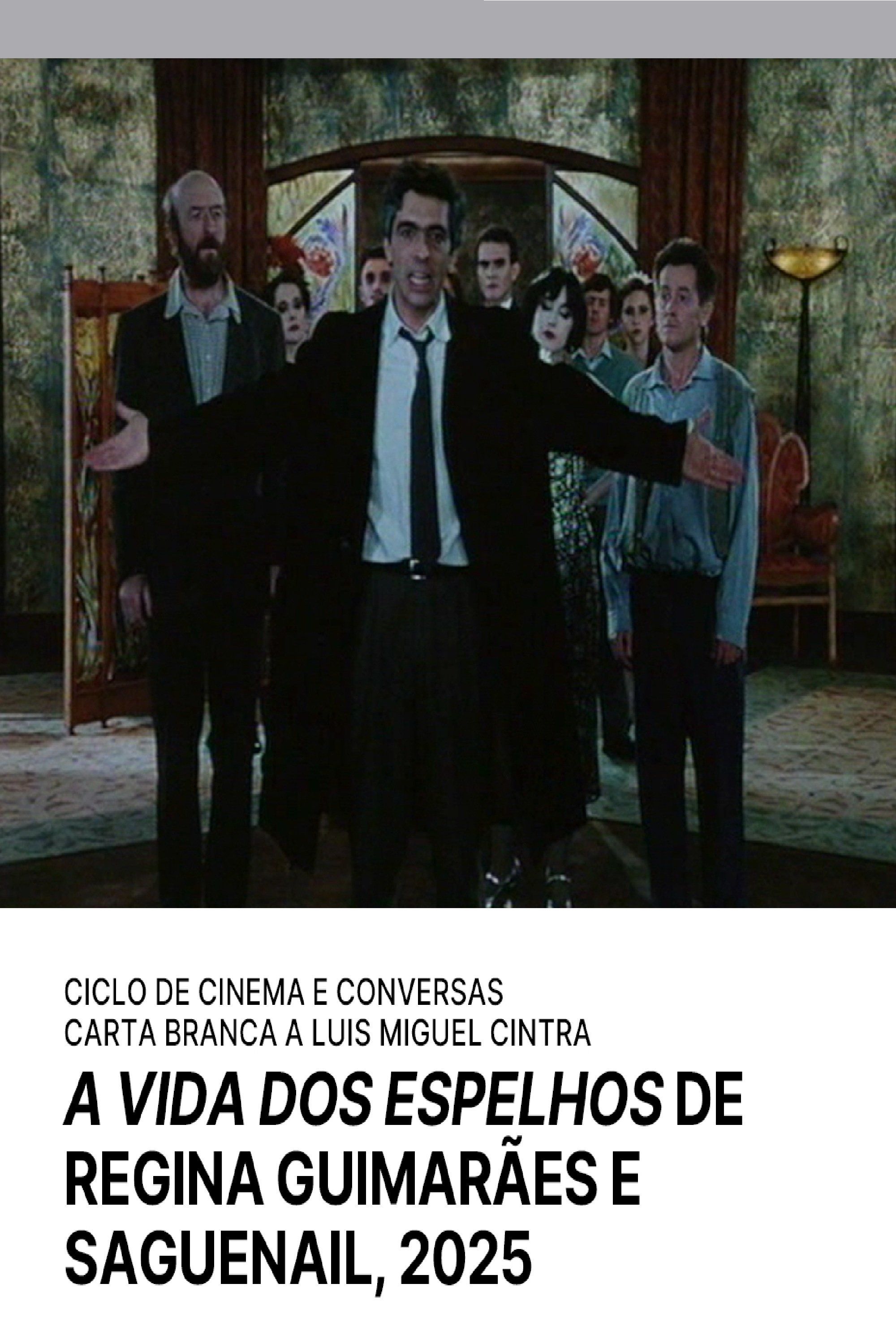
The Life of Mirrors is one of the sections of the exhibition Luis Miguel Cintra - Small Theatre of the World. A commission by Serralves Foundation to Regina Guimarães and Saguenail, and constructed after an unpublished interview with Luis Miguel Cintra, this film is the result of a long and painstaking exercise of selecting and editing excerpts from films by Manoel de Oliveira in which Cintra participates as an actor. In this way, The Life of Mirrors is a reflective, retrospective essay film, which opens the Carte Blanche, thus establishing a gateway to Luis Miguel Cintra's cinematographic and cinephile career.