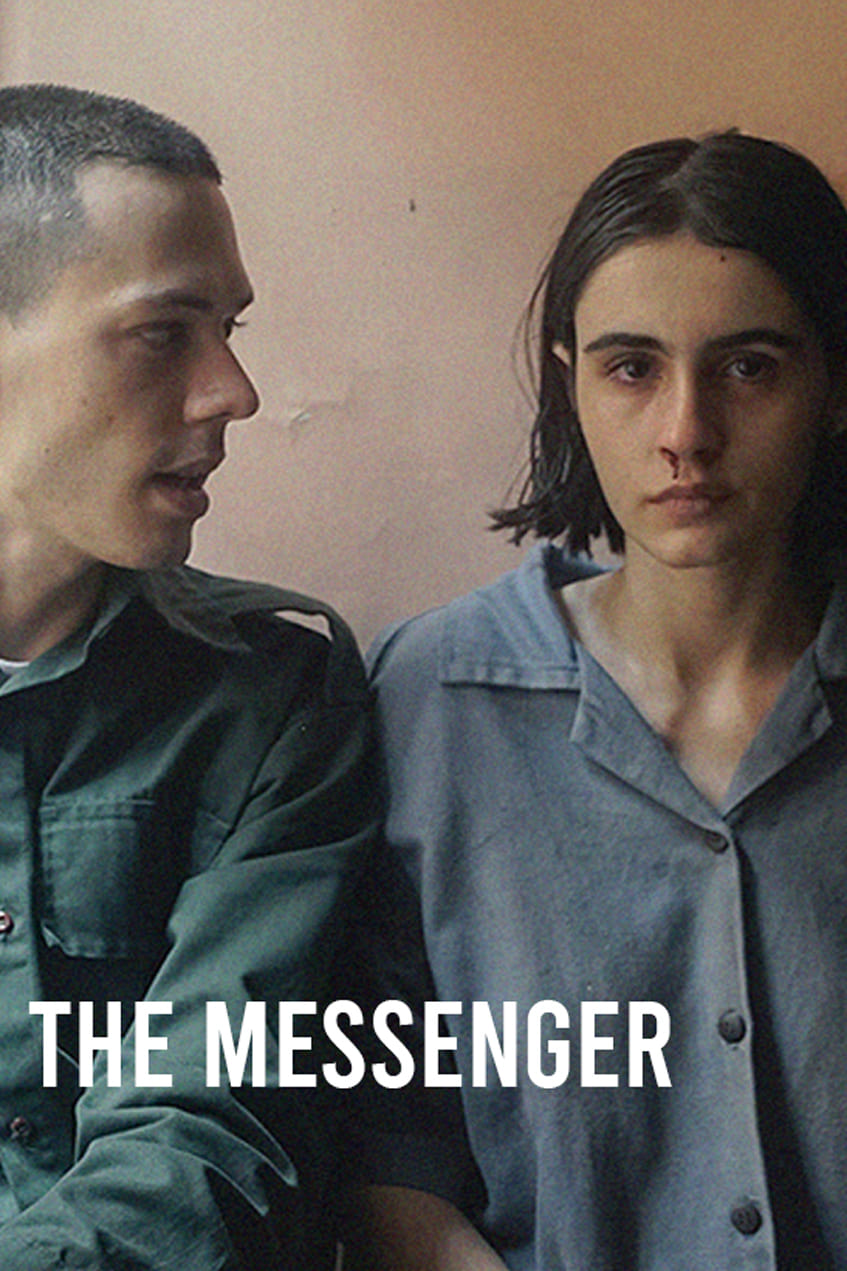
Vera, imprisoned at a military fortress during the dictatorship, 1969, get to know a soldier, Armando, who, in the face of torture, decides to take messages from Vera to his family and establishes an affective relationship with D. Maria, Vera’s mother. Despite the horrors of the time, the film works on this possibility of a dialogue between two lonely and lost human beings: a high-middle-class lady and a young southerner of rural origin. Today, Vera, aged 70, is a professor at the university, and debates with her students about politics, forgiveness and Hannah Arendt.
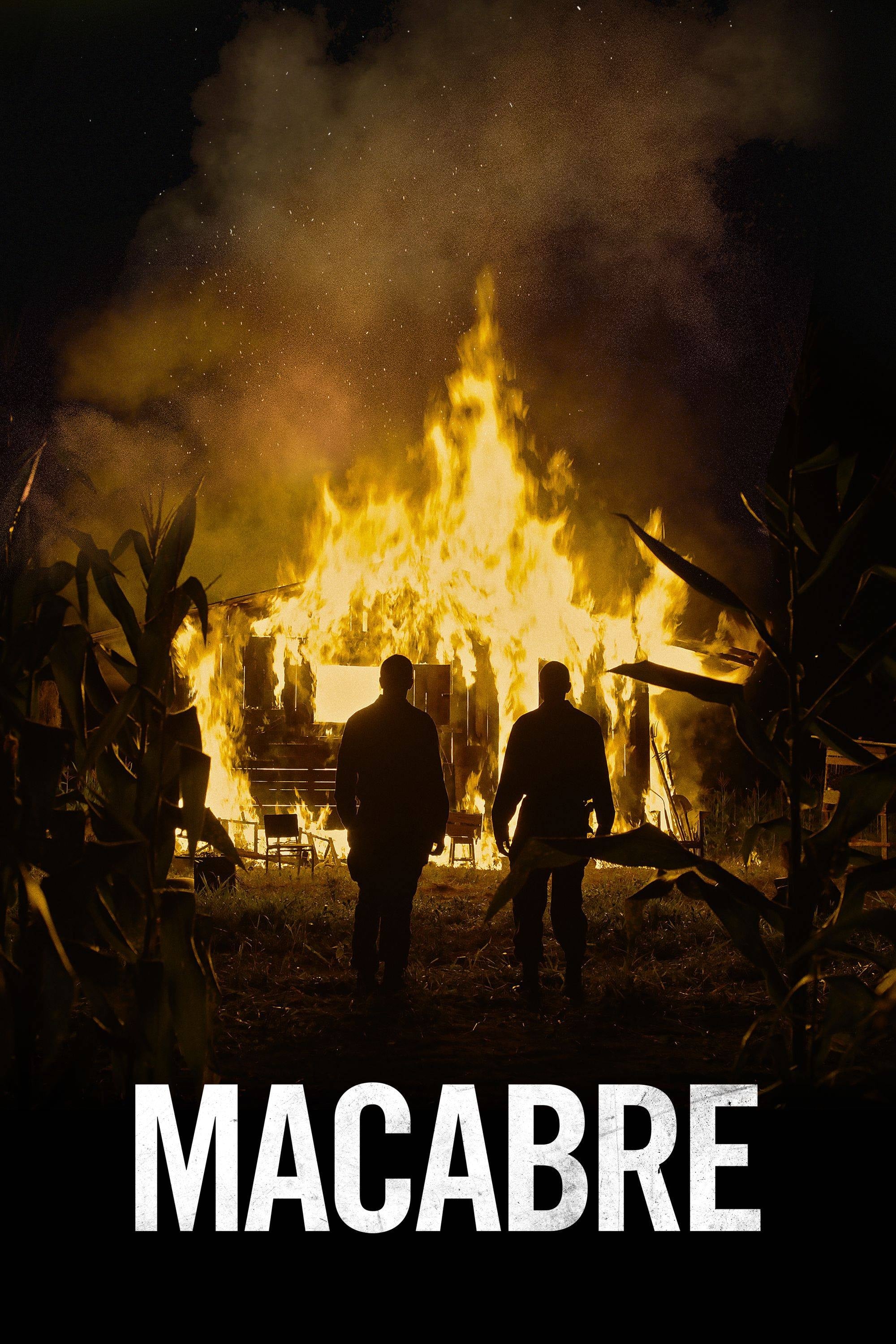
In the 1990s, two brothers were accused of murdering eight women, one man and one child in the Serra dos Órgãos region. In the eyes of the suspects, Sergeant Téo realizes that the trial of the press, police and local society is fundamentally racist, and begins to have doubts about the conviction of one of them. Based on a true story, the film is a work of fiction about the famous case of the "Necrophil Brothers."
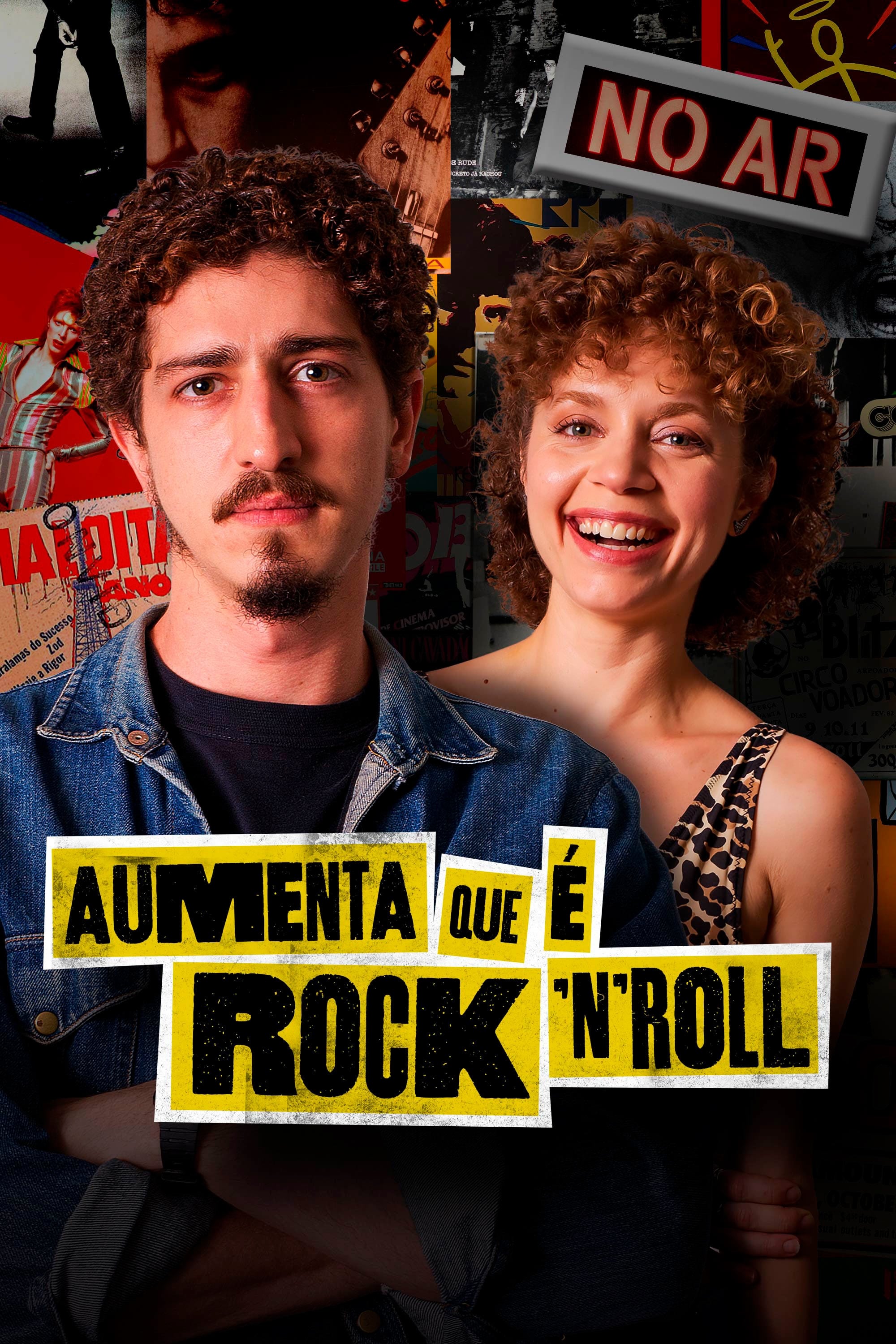
The film tells the story of Luiz Antônio, a clumsy radio host, who unexpectedly finds himself in charge of a bankrupt radio station. Relying only on his passion for rock'n'roll and a crazy team, he creates one of the most emblematic radio stations in the history of Brazilian rock, Fluminense FM. Among guitar solos and radio signal interferences, we follow the adventures misadventures of Luiz.
Vacation time, summer camp, a place where cellphones are kept safe and the kids have to do outdoor activities. For the first time, Laura tries to adapt to the group.
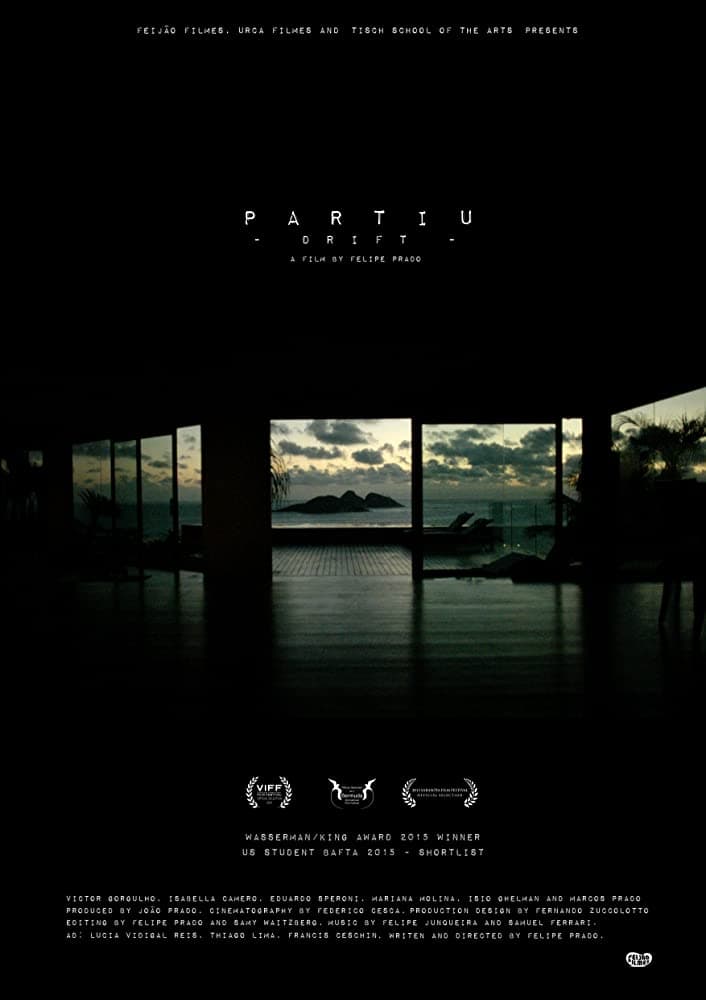
Daniel turns 20 and has the night in his life that will redefine who he is, his future and his moral self.

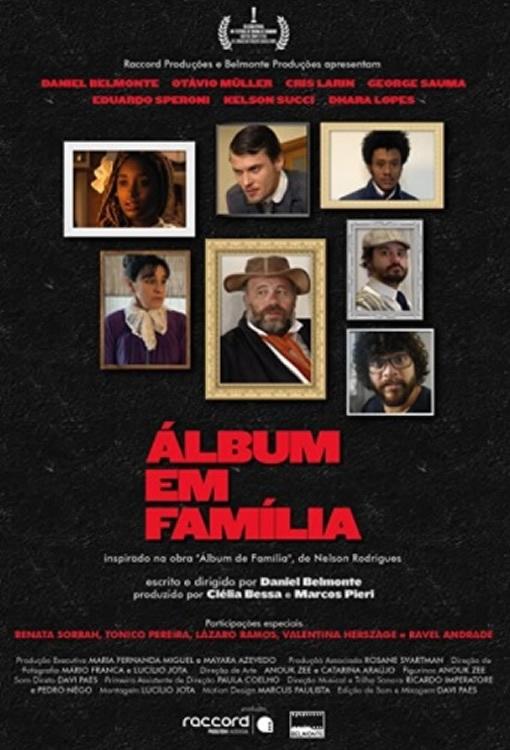
A group of actors and actresses rehearse play virtually and look for solutions to get around the fact that they cannot meet. Confined at home, they use their own family members on stage. The piece chosen is ÁLBUM DE FAMÍLIA, by Nelson Rodrigues, an attempt to debate the idea of a traditional Brazilian family.