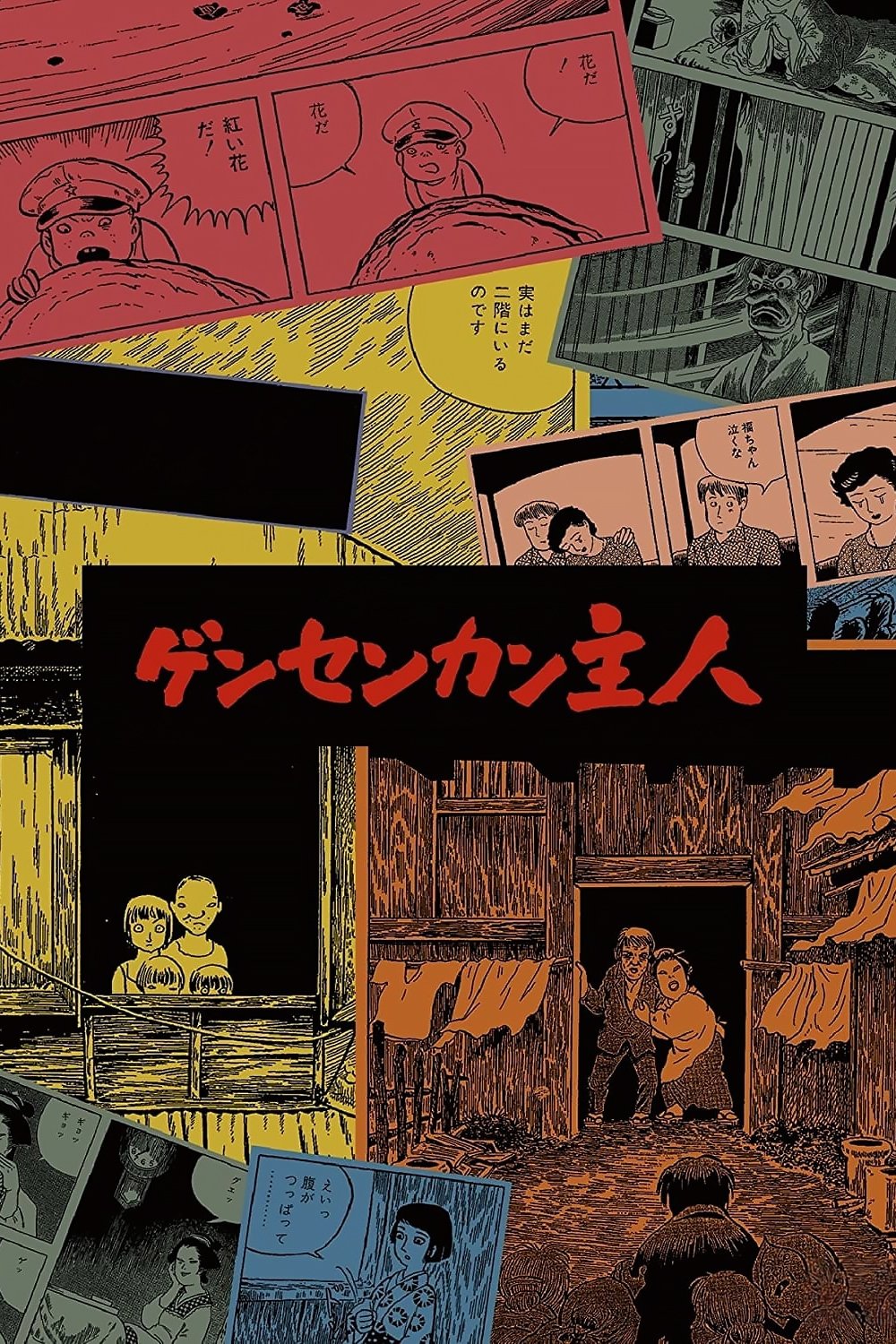
An anthology film based on the works of manga artist Yoshiharu Tsuge. The main character in all four segments is a fledgling cartoonist named Tsube . In the first segment, Tsube encounters a dotty old man named Ri after renting a tumble-down cottage in the country. The following day, Ri, his equally weird wife, and his two squalid children move into his house. Soon the wife is stealing the cucumbers in his garden while the two kids devour all the food in the house.
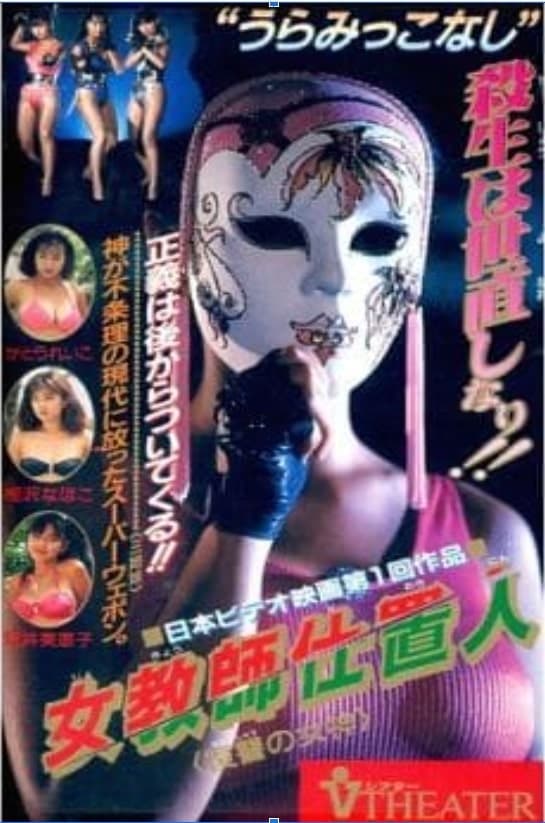
In the daytime, an ordinary high school girl's English teacher, but at night, the dynamite body of Super Lady Reiko, who defeats the villains who are infested in the world as an agent of a mysterious organization, explodes.
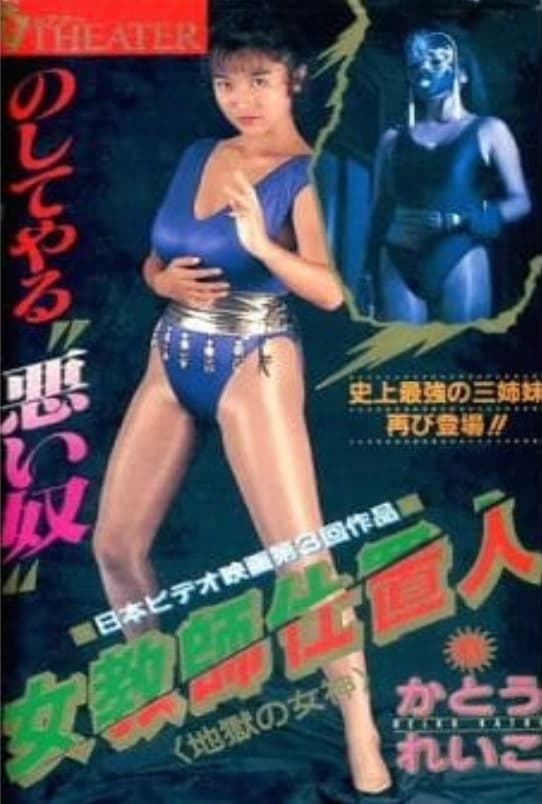
In the daytime, an ordinary high school girl's English teacher, but at night, the dynamite body of Super Lady Reiko, who defeats the villains who are infested in the world as an agent of a mysterious organization, explodes. A direct sequel to the first iteration.
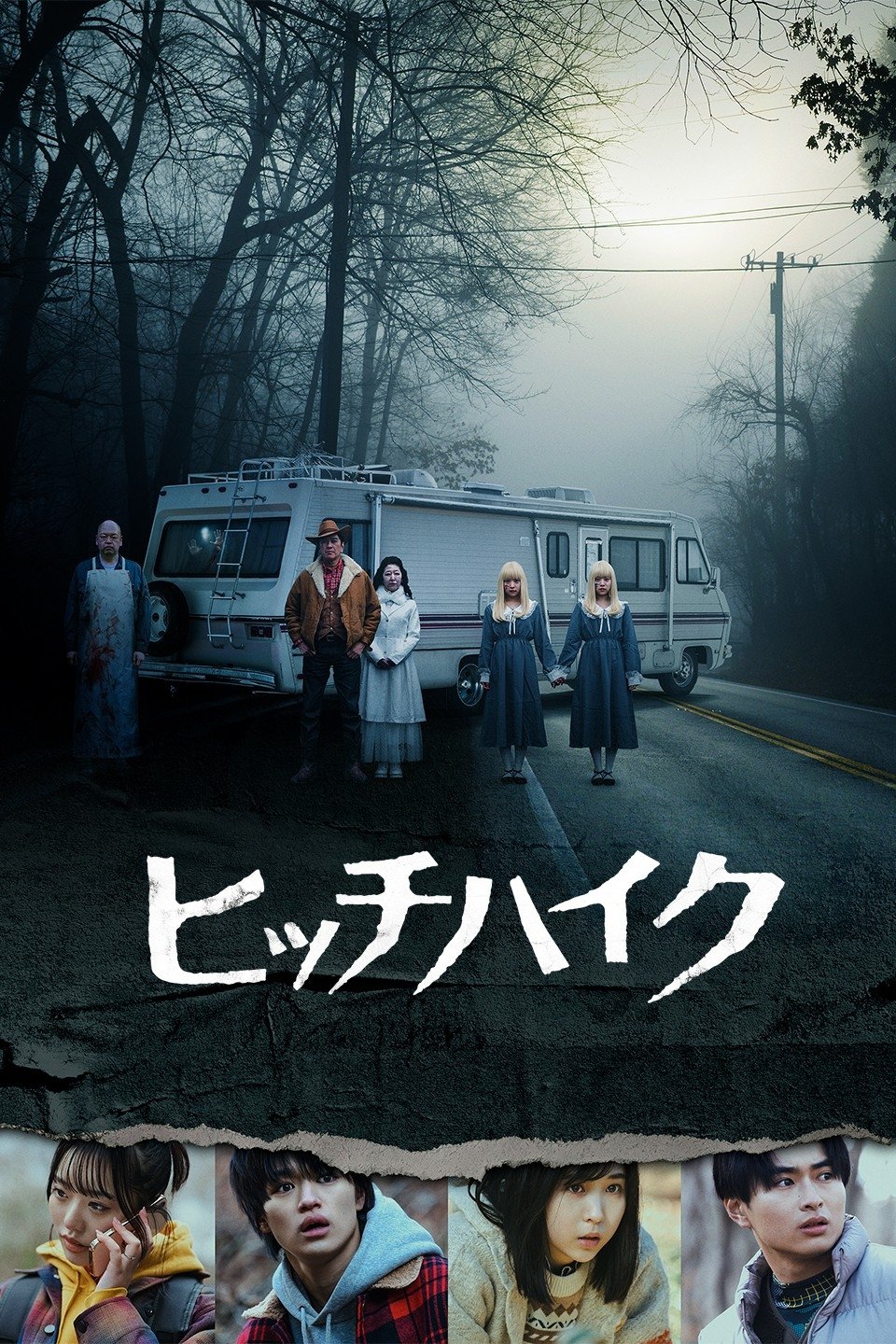
University students Ryoko and Akane get lost on a mountain road on their way home from a hike. They finally reach a bus stop, but there is no sign of a bus coming. Furthermore, Ryoko has an injured leg, and Akane's boyfriend is at a drinking party and cannot come to pick her up. The two decided to hitchhike out of the goodness of their hearts. It seemed reckless deep in the mountains, but as luck would have it, a camper pulled up. From the driver's seat...

Bullied by his boss, worked around the clock, he's nothing more than a corporate drone. All it takes is a zombie outbreak for him to finally feel alive!
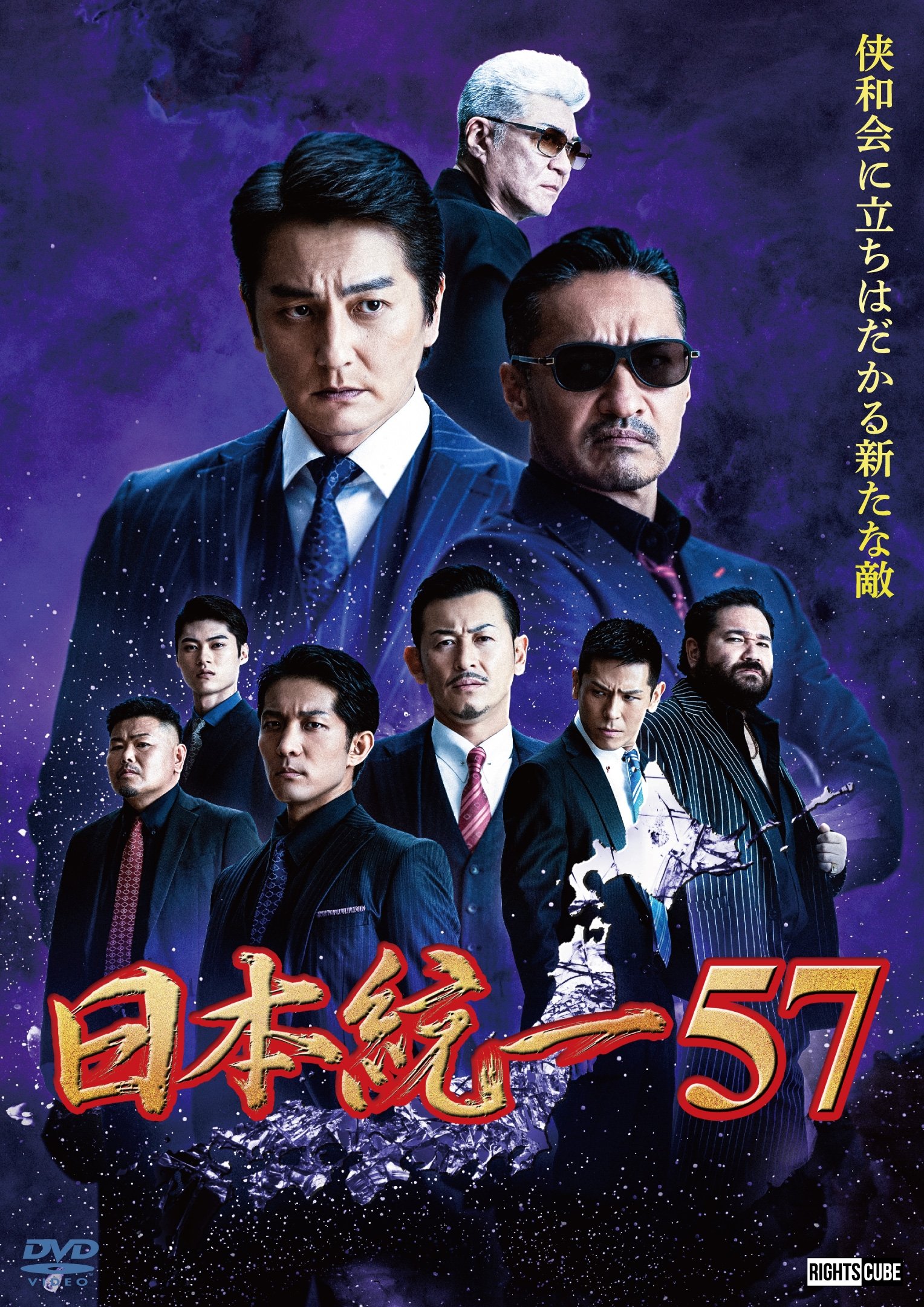
With Hamada's death, it seemed that the Yuseikai's problems would be resolved, but an incident occurred in Yokohama in which a member of the Nakamori group was attacked. Matsumiya (Gen Hongo) once again assumes that this is the work of the Kyowakai and investigates. Meanwhile, the captured Kawakami (Tatsuya Nakazawa) and Ryuji (Tatsuya Kishida) are attacked by someone when they are released.
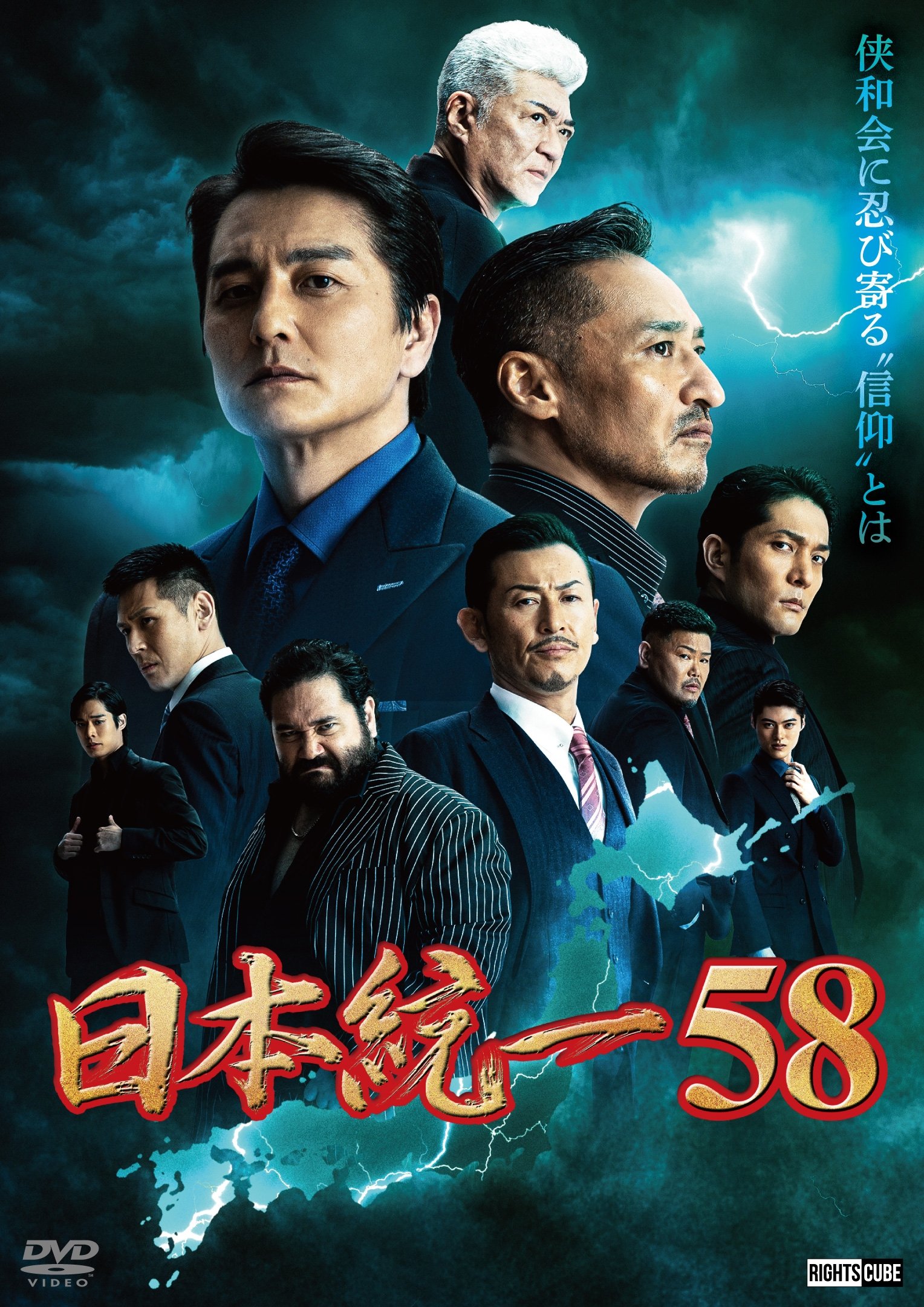
Makimoto (Tomohiro Waki), Arimura (Tasuku Nagaoka), and Itagaki (Keisaku Kimura) of Koukai, who shot Iwao (Daisuke Negishi), escape. Himuro (Yasufu Motomiya) prioritizes taking the seriously injured Iwao to the hospital. Himuro and Tamura (Yoshiyuki Yamaguchi) stubbornly refuse a thank you from Sakoda (Hideo Nakano) who rushes to the hospital. Afraid of conflict in the near future, they avoid colluding even though they have a common enemy, the Steel Association.
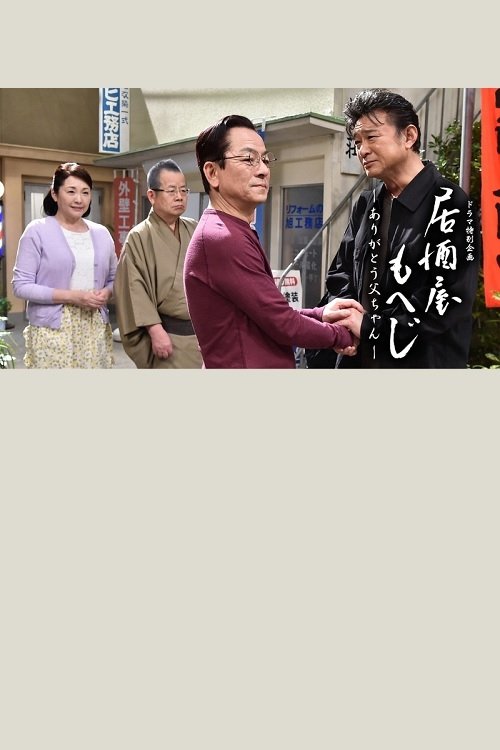
A small, out-of-the-way izakaya in Tokyo has become the favorite hangout of people searching for nourishment…for their bodies and their souls. The proprietor of Izakaya Moheji is Heiji, played by Yutaka Mizutani, star of the popular AIBOU series. Izakaya Moheji is a place where regulars and strangers alike can find comfort and comfort food.
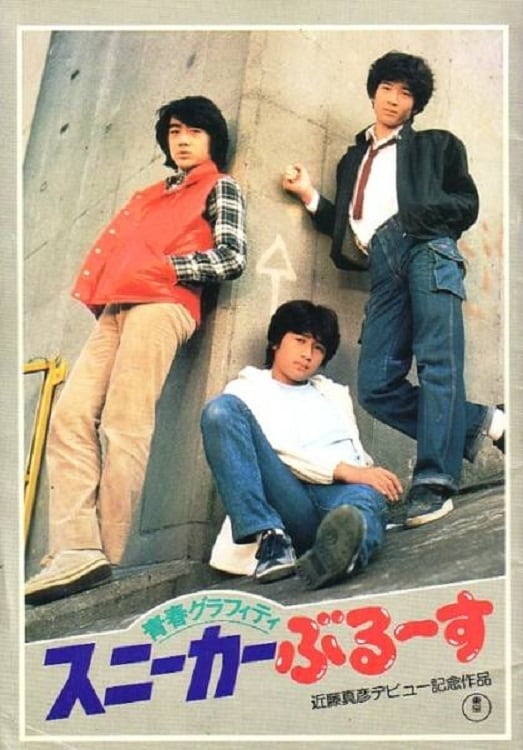
3 people are fresh and naive so they try to go from wandering around lonely to becoming a lively young bunch. Tanokin’s youthful energy explodes!
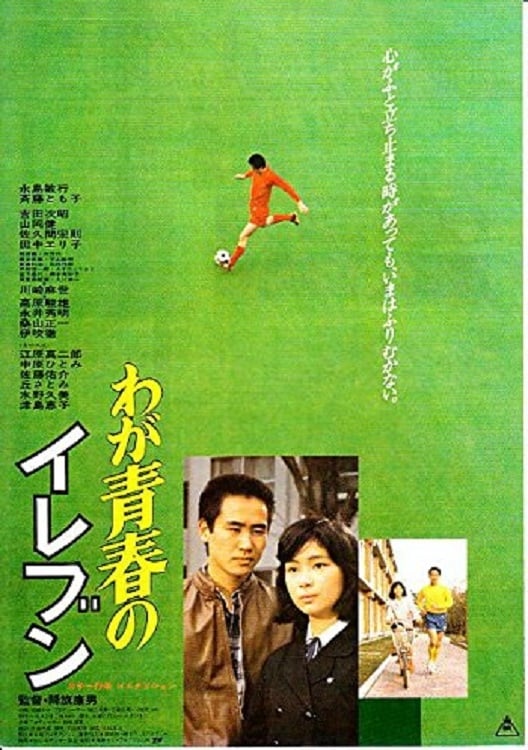
Soccer movie.
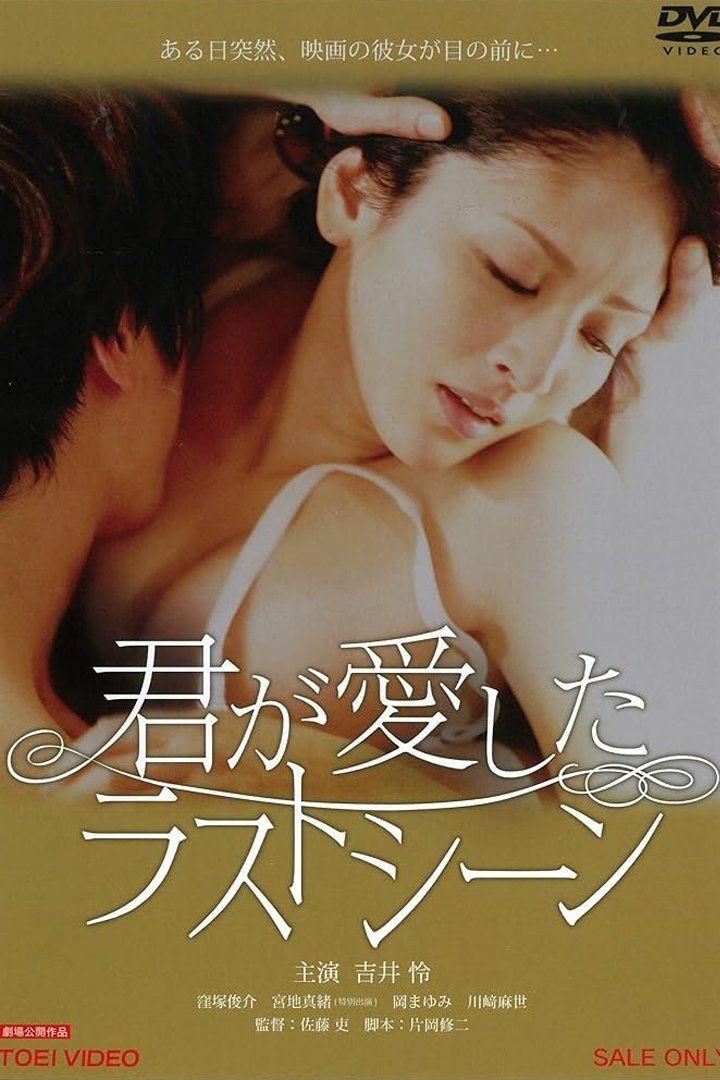
Kosuke (Kubozuka Shunsuke), who has no desire to meet new women due to the trauma of losing his beloved wife, is watching a favorite movie over and over again that he used to watch with his wife, when the movie's heroine, a nurse, escapes from the TV and stays in the room. The real-life actress who played the heroine is confused and furious. An unexpected love triangle unfolds around Kosuke.
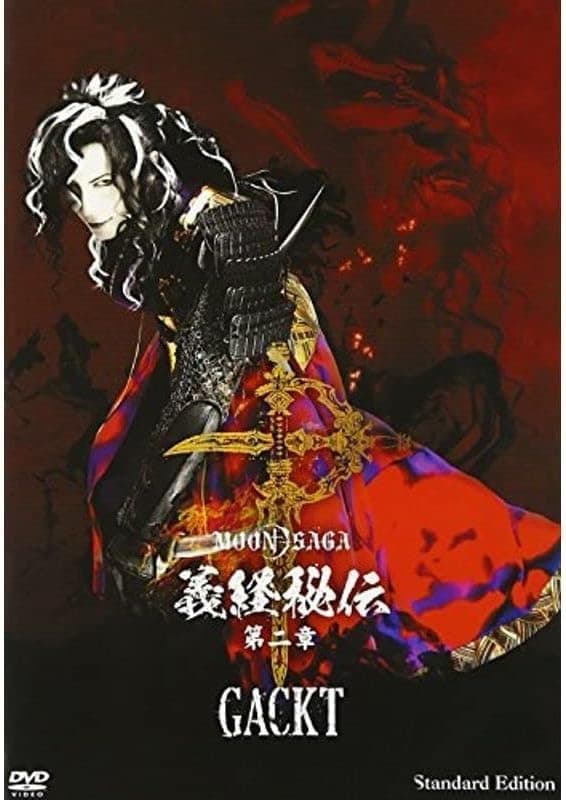
The story begins from March in year 1184 2 months after the final scene in the first play. The Genpei War and troubles of the hero, Minamoto no Yoshitsune, acted by GACKT,was dramatised from a new perspective drawn with a color of entertainment and a fresh breath of aesthetics. It is set in the days after the Heian Era. The Mononoke, who were feared since ancient times, the Mononofu, who are humans who gained the Mononoke’s powers, and the humans, who are being ruled by the Mononofu. In this scenario, the Heike and the Genji families, along with the other Mononofu around them, possess various powers like telepathy and seeing the future.
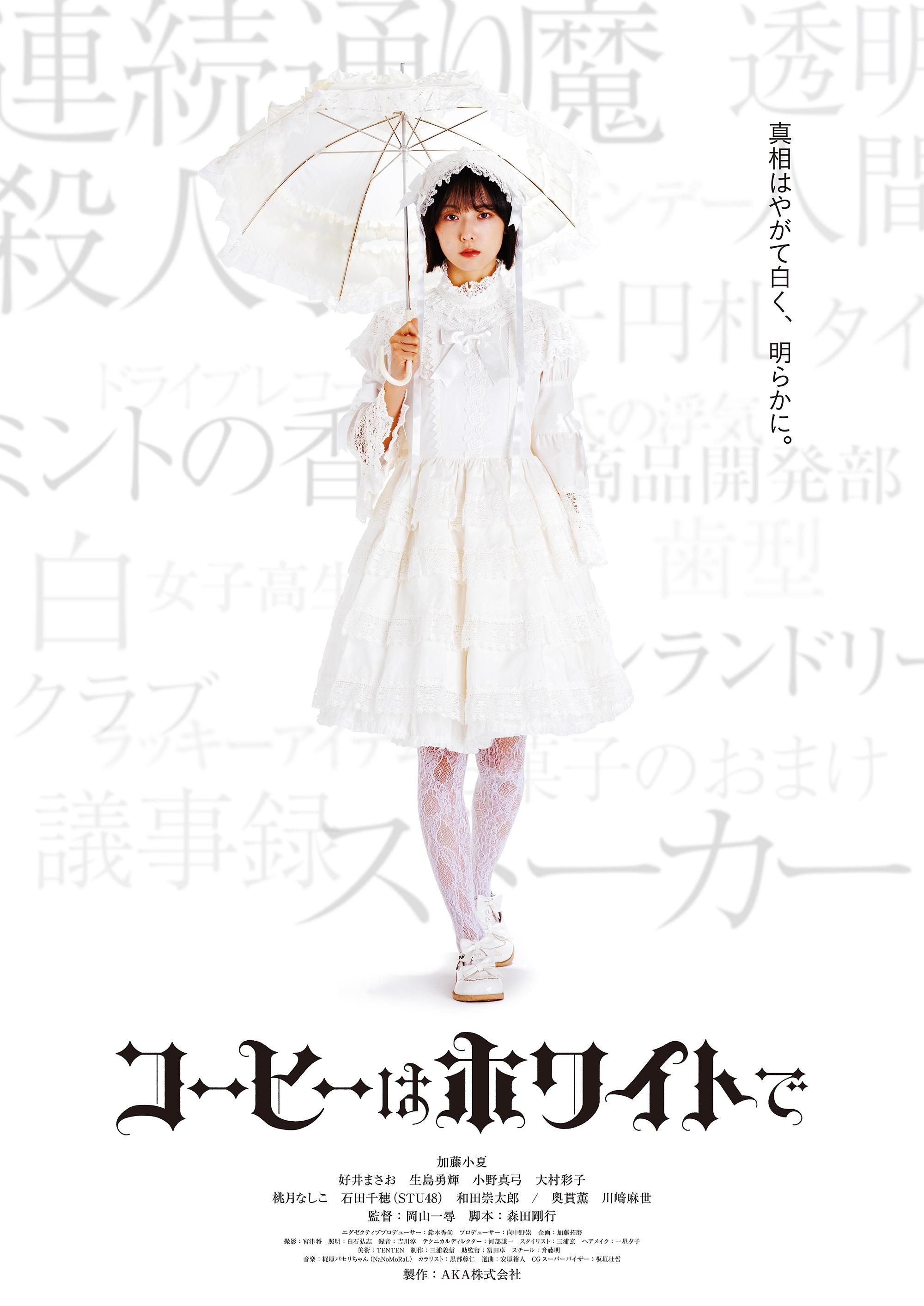
The old-fashioned pure cafe "Moa", which is loved by the locals, had another face called the detective agency. "More" was opened by the current owner, Michiru, the mother of Yumihiko, and Michiru has solved various problems as a detective. After Michiru's death, her brother Goro and her son Yumihiko took over the store, and the detective business was contracted by a part-timer Monaco, which was once helped by Michiru. One day, Monaco, who was consulted by the mother of the luxury club "Sun" about a malicious customer, successfully solves the case with an intelligent arrangement, but the client stops the opportunity and the situation gradually becomes complicated and serious. C) Film "Coffee in White" Production Committee

An absurdist retelling of Moon Saga Yoshitsune Hiden Chapter 2 as a 1990s high school story.
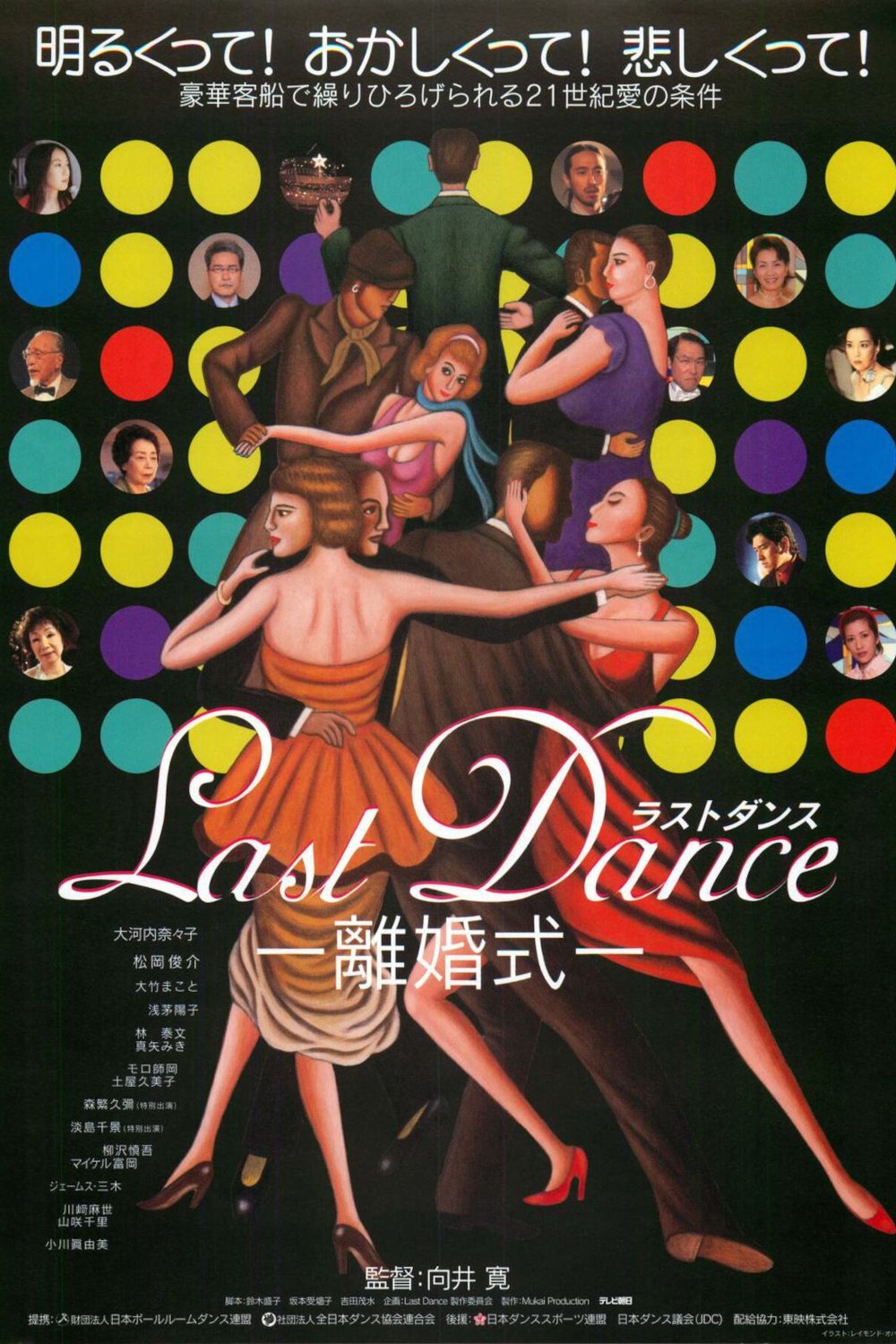
Where have all the wives gone who were once driven to tears by their husbands' infidelity? With each passing year, women become stronger and more resilient, while men enter the 21st century still harboring the legacy of the Showa era! How can there be no problems in the married life of such men and women?! People at a crossroads in life are about to set sail for a second life! This entertaining drama depicts the sometimes sad and sometimes funny slapstick human drama unfolding on board a ship among a variety of troubled couples!

This film is based on the book "Welcome to Le Jardin" by Akemi Mochizuki, owner of the high-end club "Le Jardin" in Ginza, Tokyo. Based on the original story, which has been released up to three installments in the series, the film depicts the club's state at the mercy of the COVID-19 pandemic and the anxieties and conflicts of the people who work there. Maiko, who works at the high-end Ginza club "Le Jardin," remembers how Mama Akemi, the owner, helped her during her job interview. She devotes her days to working hard for Mama and the club. Then, in 2020, COVID-19 spread worldwide, and the first cases were confirmed at Le Jardin. The spread of COVID-19 led to public questioning the value of restaurants and nightlife, and Le Jardin was forced to suspend operations. Maiko, anxious about her future, is helpless and spends her days holed up in her room.
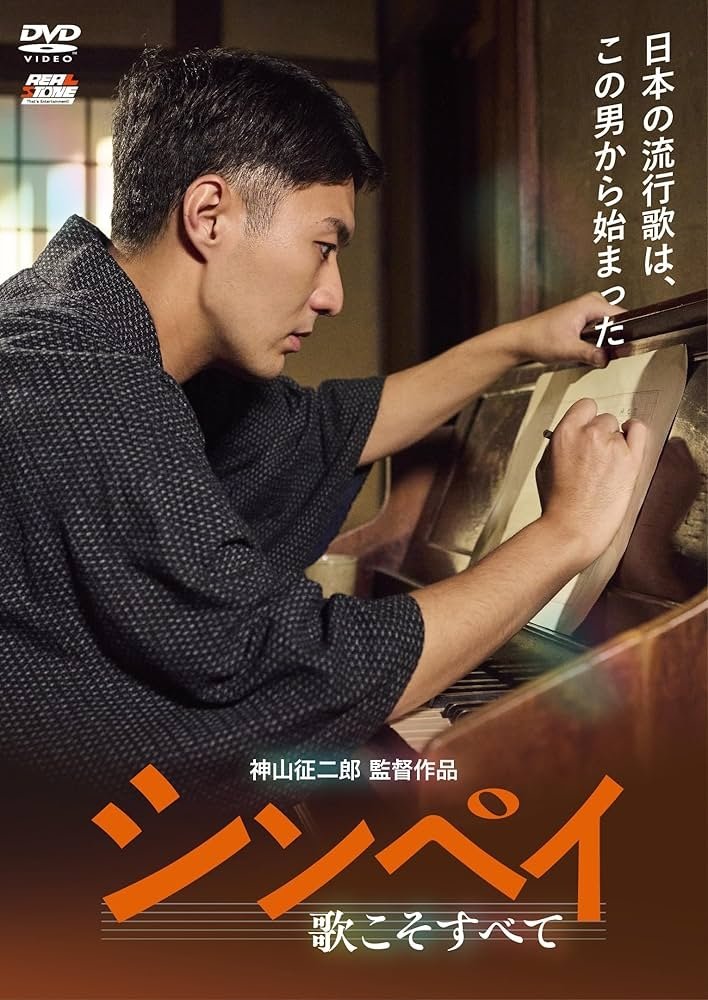
From Meiji to Showa, composer Shinpei Nakayama rises from Shinshu to Tokyo, crafting enduring hits like “Katyusha’s Song,” “Gondola no Uta,” and “Tokyo Ondo,” while navigating mentors, collaborators, and the changing media of his era.