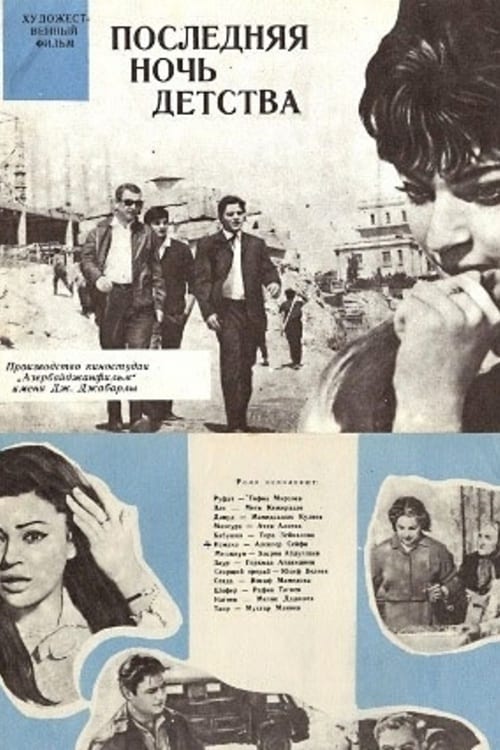
Murad, a young man fails the entrance exam to the Institute and starts working at the meat factory. His cousin Rustam, a worker on a building site, fights with him against the dishonest people who sell pieces of meat from the factory. After a series of dramatic situations, Murad and Rustam manage to uncover the thieves.
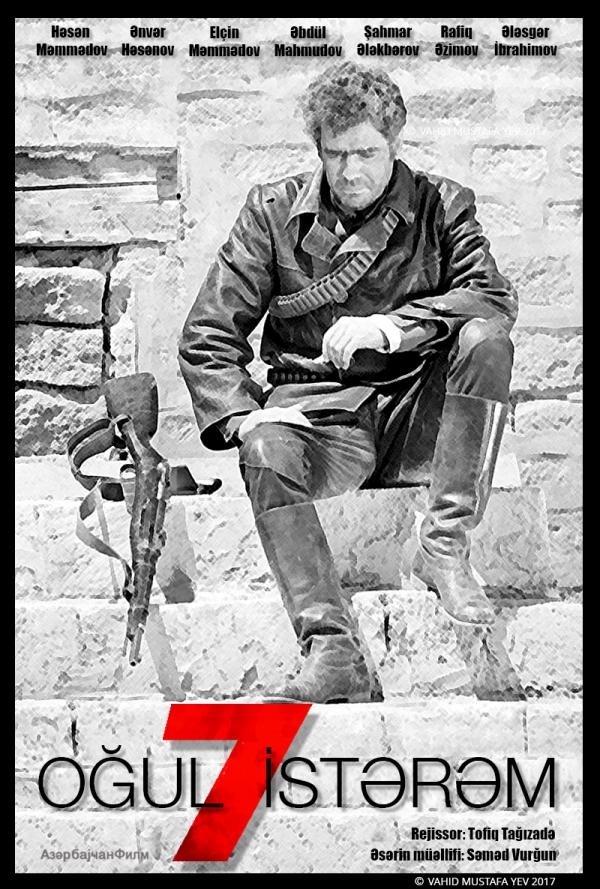
This film was based on Samad Vurgun's "Komsomol poem". Seven sons, like seven samurai become the seven komsomols (communist leaders) who were sent to a village to establish Soviet power. Seven sons become the romanticized images of people's heroes ready to take revenge.
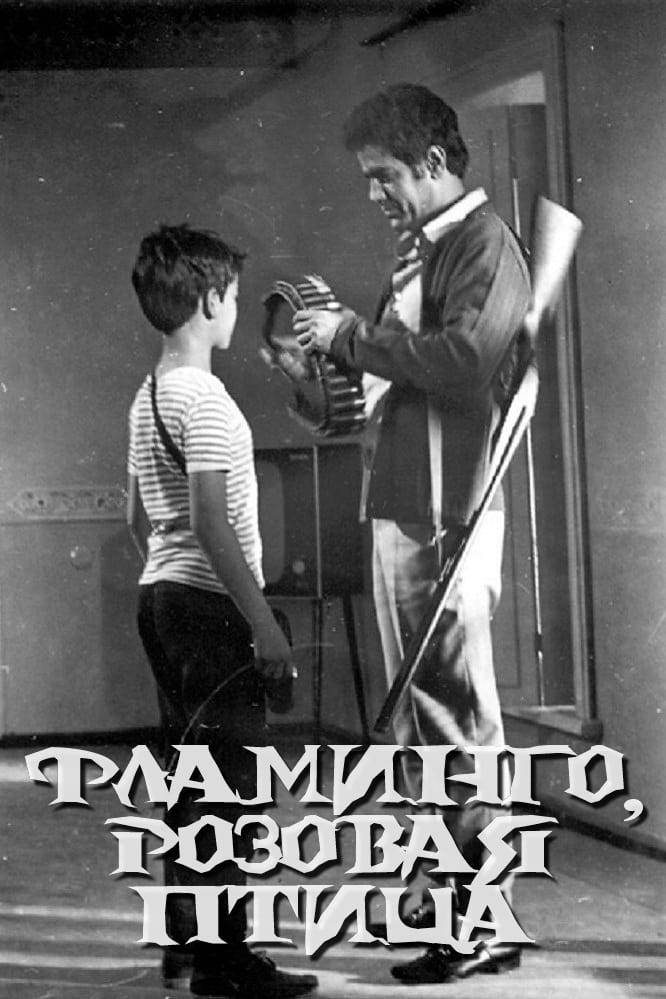
The film is about the fishing island.
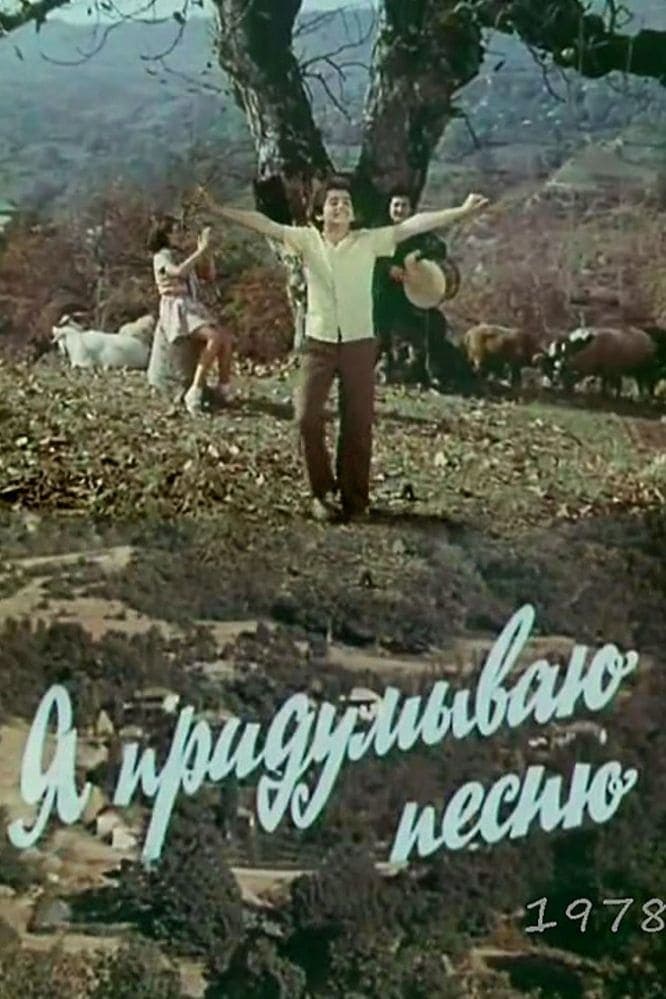
A story about ten years old Sona - a very talented young singer whose parents are not so happy about her singing.
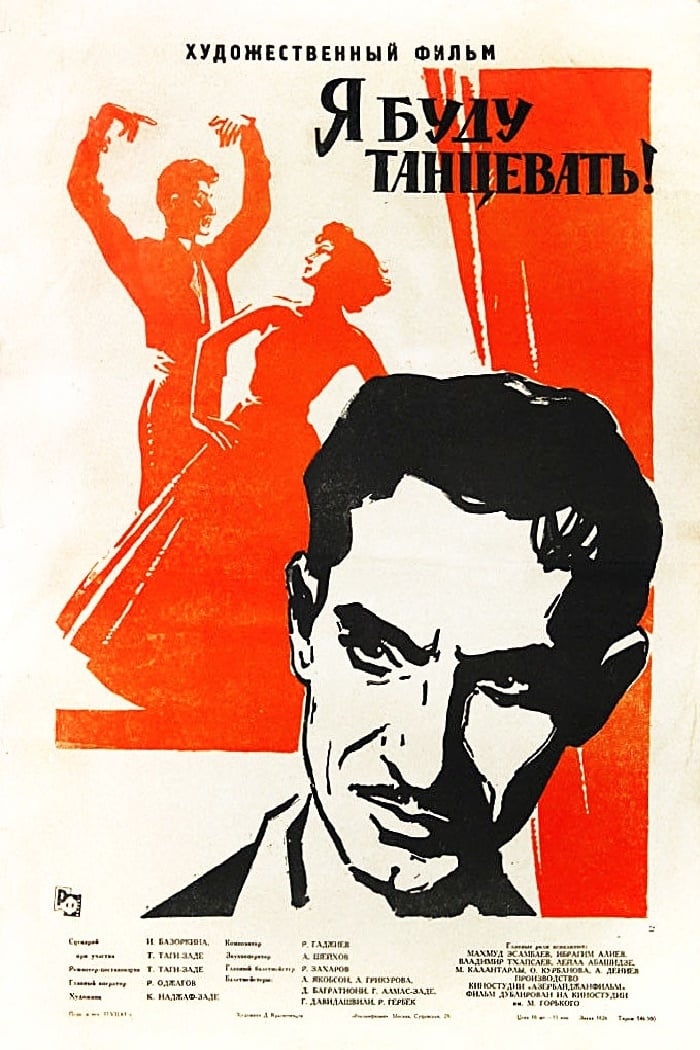
The film is about famous Chechen ballet and folk dancer Mahmud Essembayev's life.
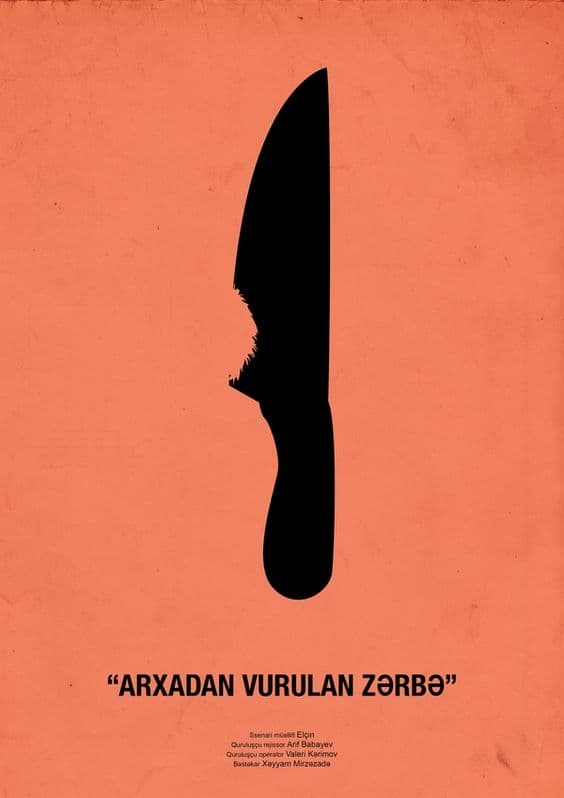
Young inspector investigates a murder in small town.
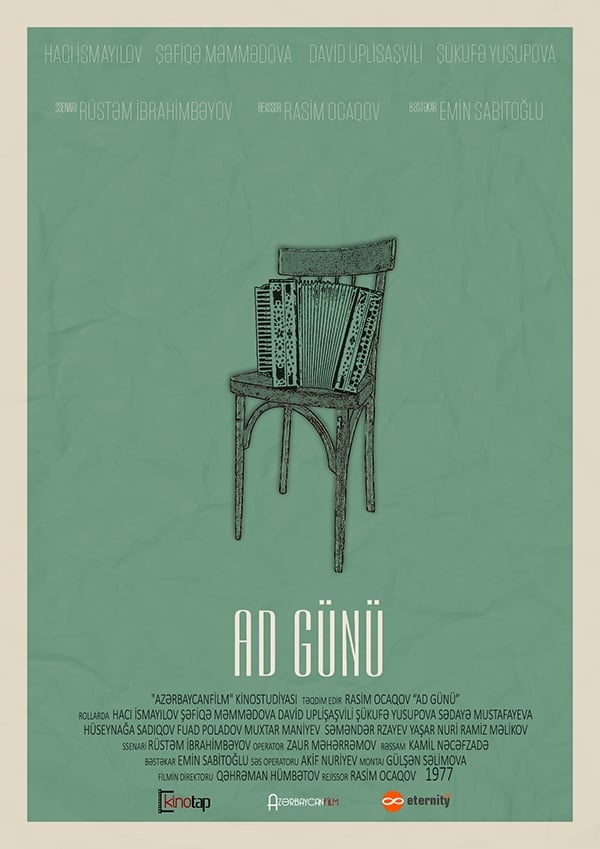
This lyrical psychological film is about true friendship. The characters in the film are contemporaries in of late 1970s Azerbaijan SSR with differing visions of the world, yet sharing true and lasting friendship.
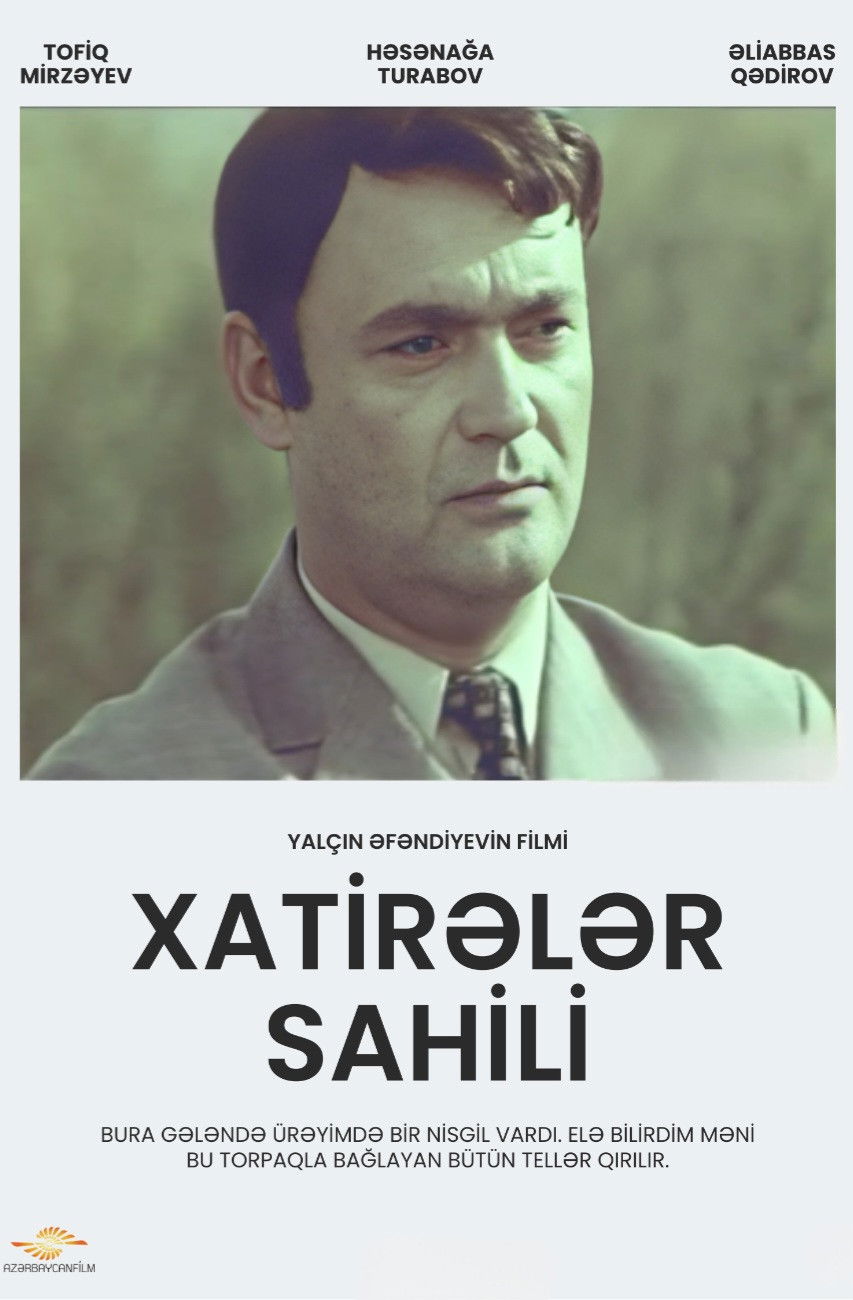

The film chronicles the ordeals faced by Azerbaijan’s intellectuals - from the Red Terror to the present day - depicting how, amid shifting social and political upheavals, they endure physical and moral persecution. It also explores human betrayal and the ways people adapt their identities to survive changing circumstances.
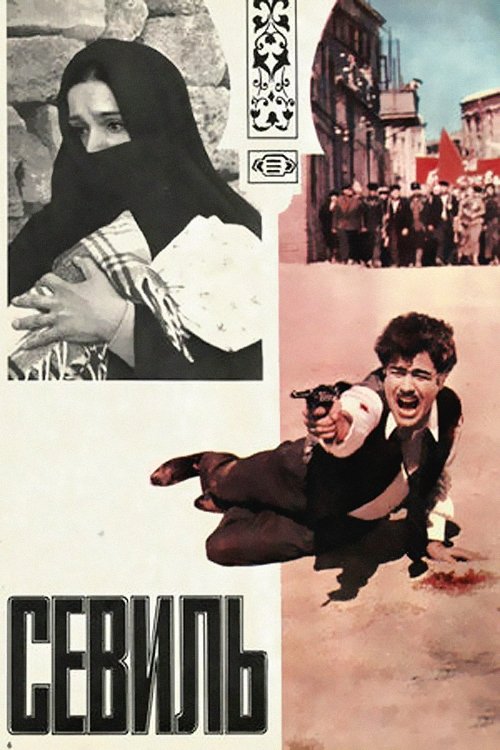
The film takes place in Baku in 1918-19 and then several years later. The film is based on the opera of the same name by Fikret Amirov. Sevil became the first film opera in the history of Azerbaijani cinema.
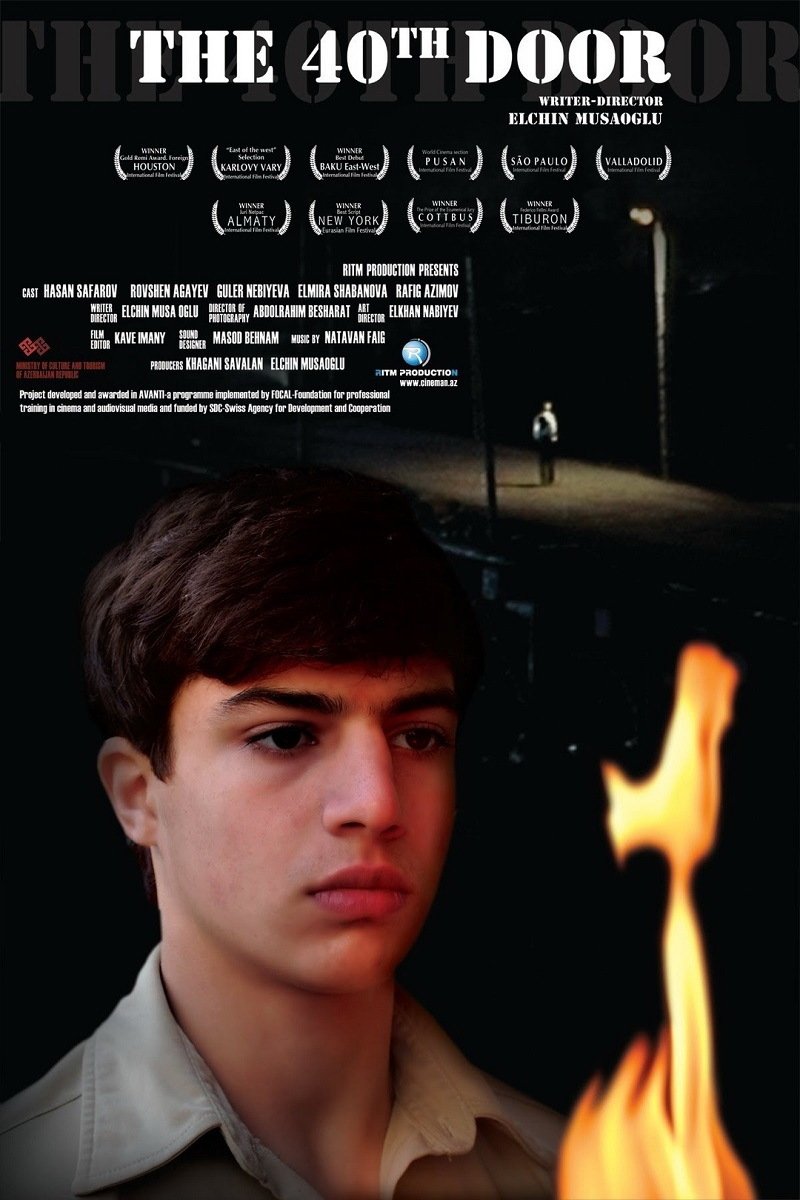
Fourteen-year-old Rustam lives with his mother in a village; his father was killed by the Russian mafia. After his father's death, Rustam tries to provide for himself and his mother without resorting to illegal money-making schemes. But his dream is to join a music band. The title of the film refers to an Azerbaijani fairy tale about saving a princess from a house with 40 doors; no one has succeeded in opening the last door, and thus its secret remains hidden. The villagers have named their village the 40th door as well.
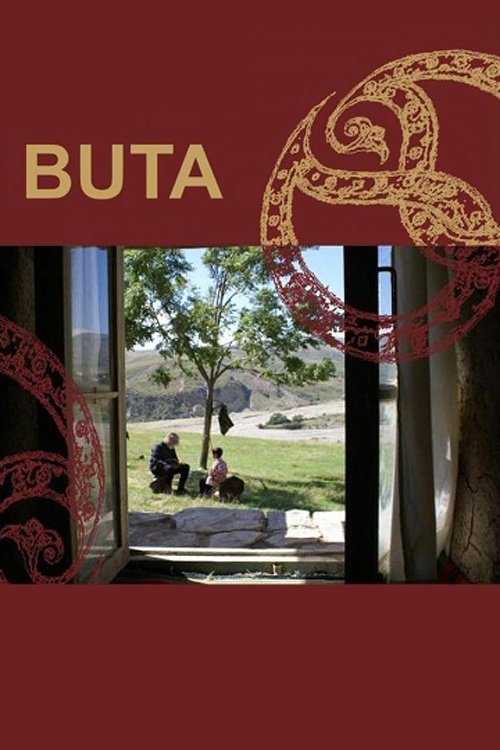
"Buta" is the story of a lonely 7-year old boy (named Buta), who lives in a mountain village with his grandmother. He is befriended by an old man, a liquid soap merchant who once loved (and lost) Buta's grandmother. The old man's friendship and wise advice helps Buta to overcome his difficulties in life. Buta's grandmother, in the meantime, is weaving a special carpet in memory of Buta's mother. The carpet features a special pattern (also called "Buta"), which represents love. The boy is inspired by his grandmother's work, and decides to make his own "buta" made of rocks and stones, high on the top of the mountain...
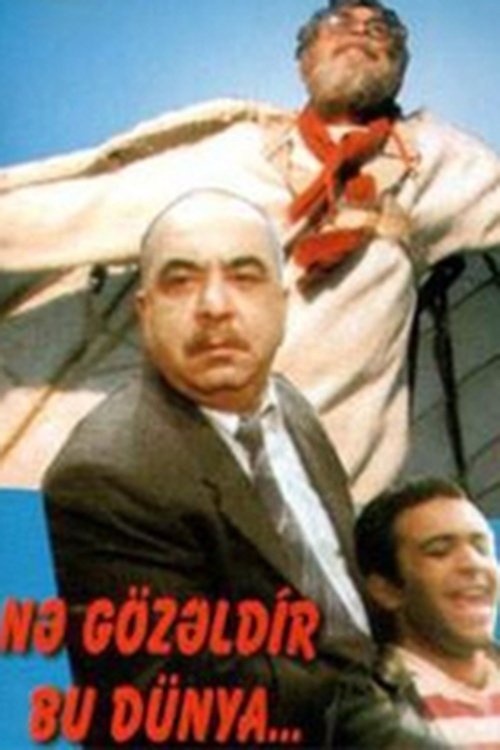
After the country transitions to a market economy, the psychiatric hospital is left without funding. The chief doctor (Yaşar Nuri) releases the patients to their homes. However, the outside world turns out to be even more insane than the patients themselves. Seeing the state of society, the patients are forced to return to the hospital. Although this film portrays the lives of people with mental illnesses, it actually uses dark humor to highlight the ugliness and shortcomings in our society and everyday surroundings.
The film is about oilmen having different ideals and decisions, were also based on this same ideology, depiciting the heroism of oil workers, who never became exhausted and who continued working in oil, generation after generation. It was the oil workers who were always invincible, unconquerable and unyieling, in contrast with other characters who were shown as weak and who preferred to earn a living via easier means.
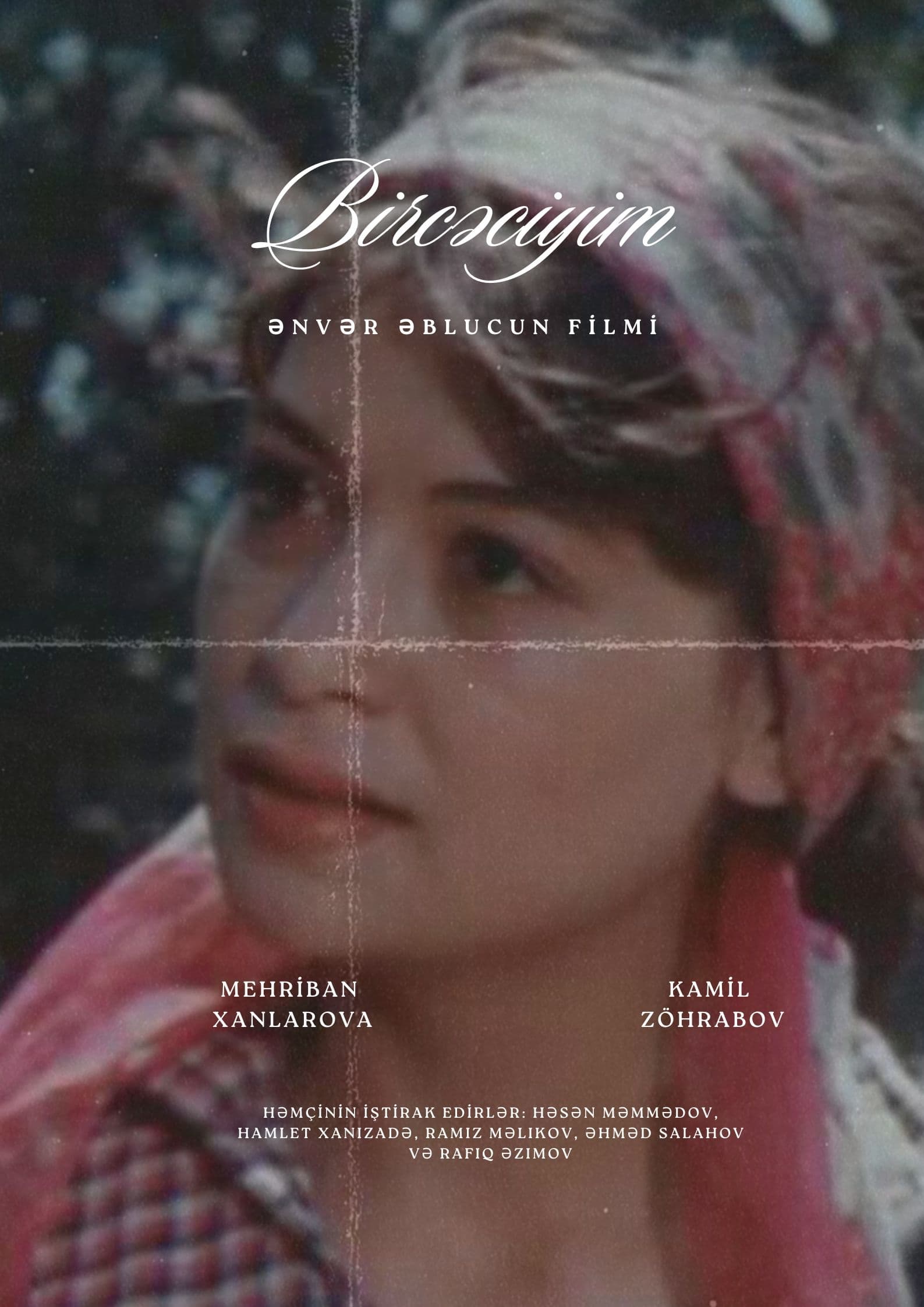
After the story of same name of Ilyas Afandiyev. The film is about two young people's love.
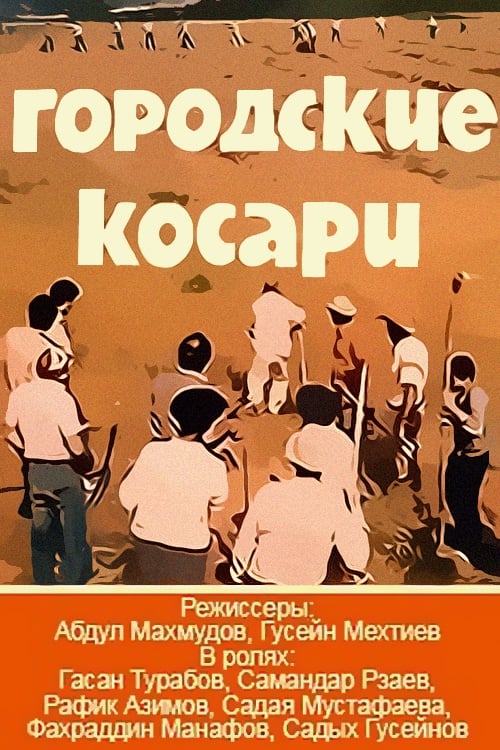
At the crossroads of relationships between fathers and children, cities and villages, existing problems are revealed.
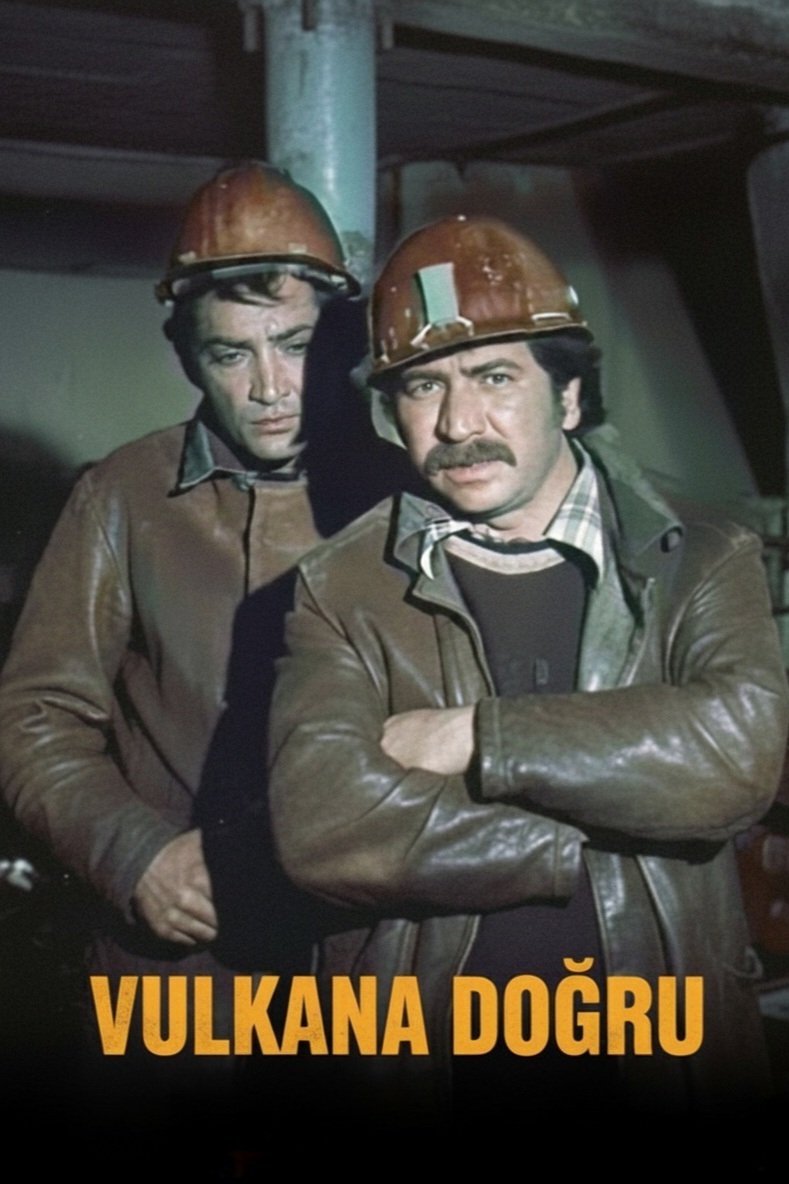
After the novellette of the same name of Mehdi Huseyn.
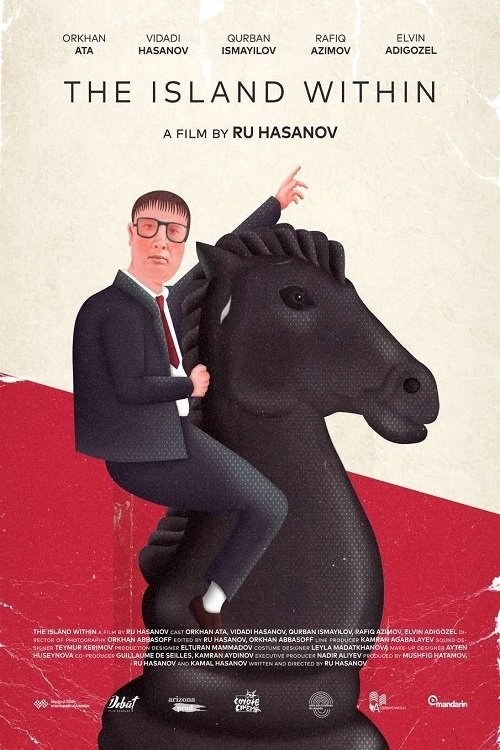
Seymour Tahirbekov is an international chess grandmaster from Azerbaijan. Having won the Candidates Tournament, Seymour earns the right to challenge the defending world champion Skroten Gudmonson in the World Chess Championship match. With a few weeks left before the championship match, Seymour’s psychological and emotional state deteriorates under escalating abuse and pressure to succeed by any means.
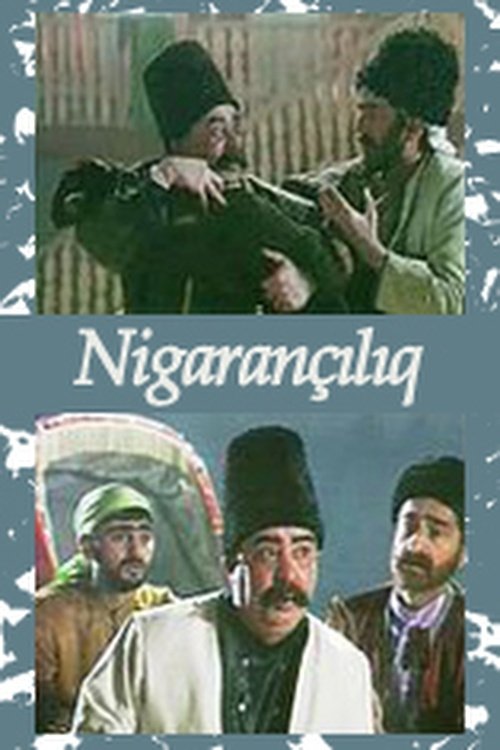
Gurbanali Bey is a slave of the officials of Tsarist Russia. If they say die, he dies, if they say stay, he stays. After Gurbanali Bey gets drunk at a party, he invites all the guests to his house, but they say that a drunkard has no memory. The Bey, who forgets this, falls into a bad situation and is disgraced...
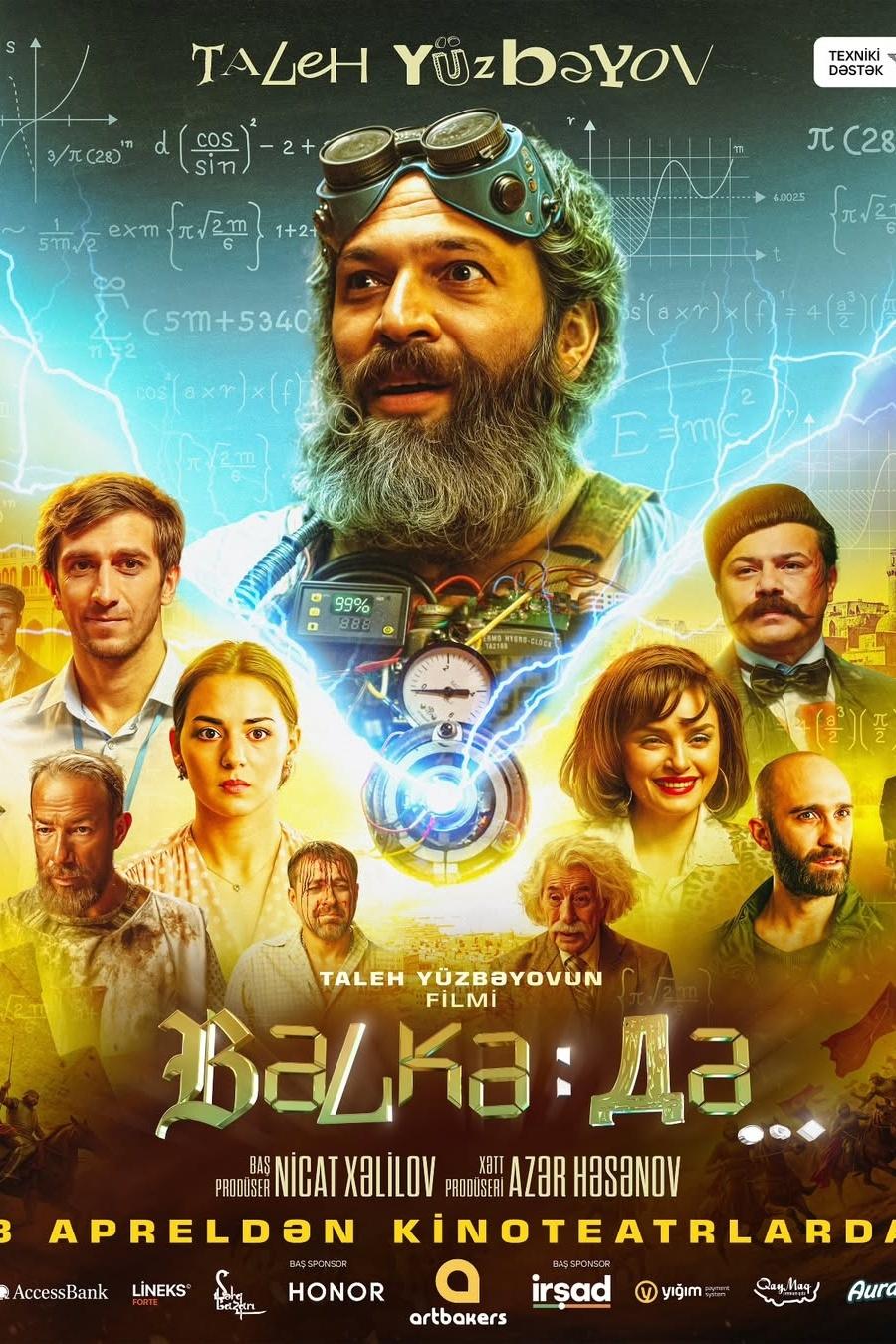
An inventor who creates a time machine to correct his past mistakes encounters an unusual situation. One day, souls wanting to return to life begin to flock to his house...


The events take place at the Scientific Research Institute of Ophthalmology in Baku. Shahbazov is the director of the institute. Despite the fact that he and Narmina, who work with him and have similar personalities, are educated and experienced doctors, the institute is undermining those who are ahead of them.
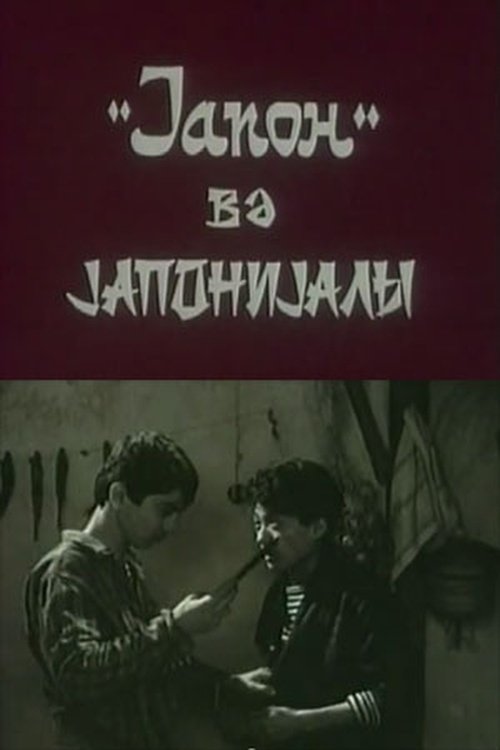
1944, Japan. One of the kamikazes, by misfortune, survives. When he jumps with a parachute, he lands in Nardaran — right in the house of Gulbala, who is nicknamed “the Japanese.” When the representative of the State Security Committee learns of this unusual incident, he intervenes, saying: “This matter is under Stalin’s control; we must keep the Japanese alive,” and begins the operation. From then on, the funny stories continue.

1993. Those who are serving sentences for their crimes are rejoicing at the first pardon issued by the head of state. Kamil Shabanov, who is facing a second prison sentence, does not lose hope. When he leaves the iron gate of the prison, it is as if he sees a bright world for the first time. The mother, who has been waiting for years, holds her child to her chest, caresses his face and hair. Unfortunately, after a certain period of time, Kamil is in danger of standing in the dock again.
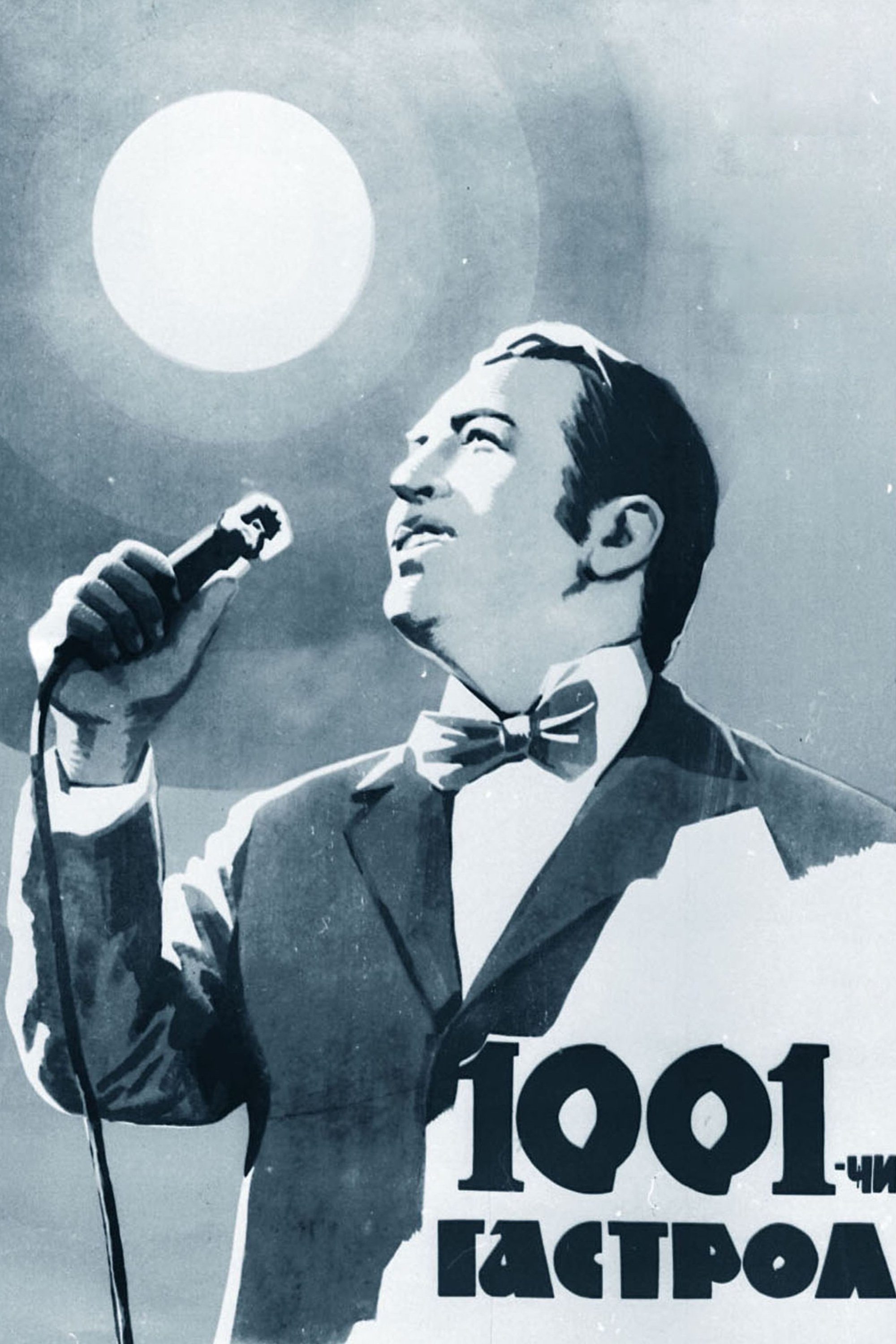
A musical TV film about the creation of the Song Theater by Rashid Beibutov, telling humorous stories related to it.