
Shameless slimeball Eduard "Edik" Letov - clad in an everpresent Hawaiian shirt - puts the sting on alien travelers hoping to connect with their roots, by having local phonies pose as the visitors' long-lost relatives. Complications abound when Letov attempts to pass off an entire village under the guise of a community wiped out during the Second World War. The arrival of a group of trouble-causing misfits, among them mobster Barukh - who wishes to bury his mother's remains, only to discover that someone keeps exhuming them - and the lech Simon - a Canadian with an insatiable fetish for his sexy translator - turn Letov's latest scheme into a veritable cat's cradle.

Though approaching his eighties, Max Kohn shows no signs of slowing down. He pursues his love life - both real and imagined - with youthful vigor, thereby risking his relationship to Reisel, the woman he loves but neglects. LOVE COMES LATELY is a film about real and imagined longings, the never ending dream of love and the power of fiction.
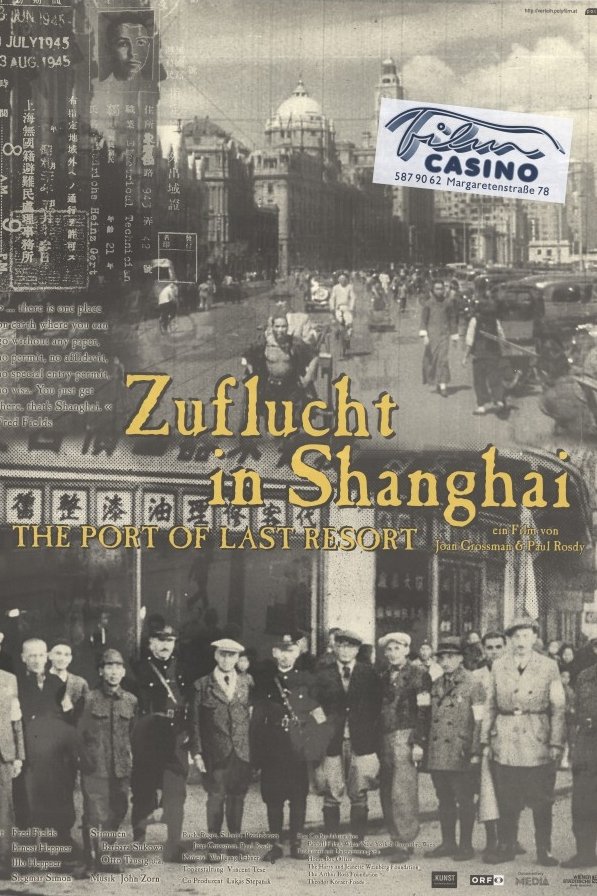
Documentary that follows the lives of several Jewish refugees who fled to Shanghai during WWII.
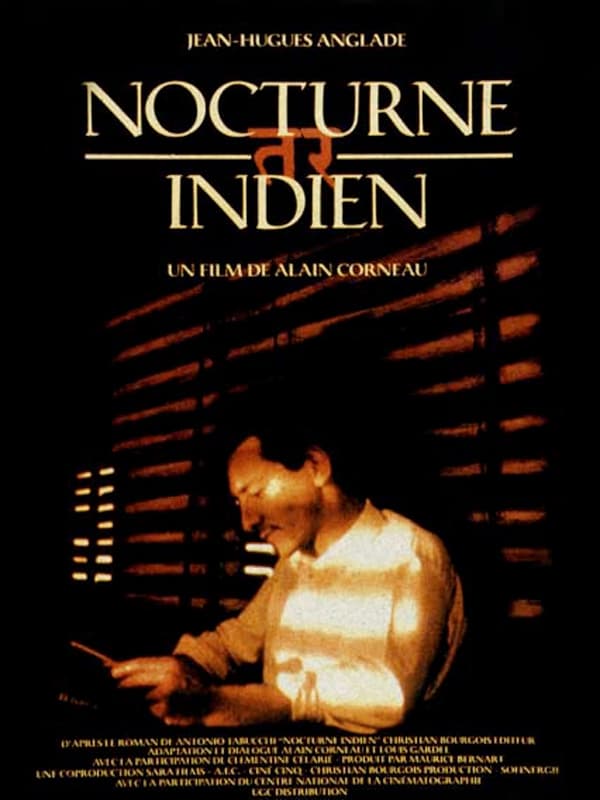
The enigmatic but vivid imagery of this loosely plotted film is based on a similarly evocative novel by the Italian author Antonio Tabucchi, Noturno Indiano. An old friend of the hero's has been living in Bombay with a prostitute. His friend Peter Schlemihl (Otto Tausig) is a concentration camp survivor, who went to India after being captivated by a photograph he saw there. When the prostitute writes to him in Europe asking that he rescue his friend from a mysterious malaise, he flies into India to try and help. When he gets to Bombay, he discovers that his friend has disappeared. Following the clues left behind by the friend, and based on his acquaintance with him, he journeys to Madras to speak to a Theosophist dignitary there, and then journeys on to Portugues Goa. With each step of his journey, the hero (Jean-Hugues Anglade) becomes more identified with his friend, and re-enacts in his own person the transformations he must have experienced.
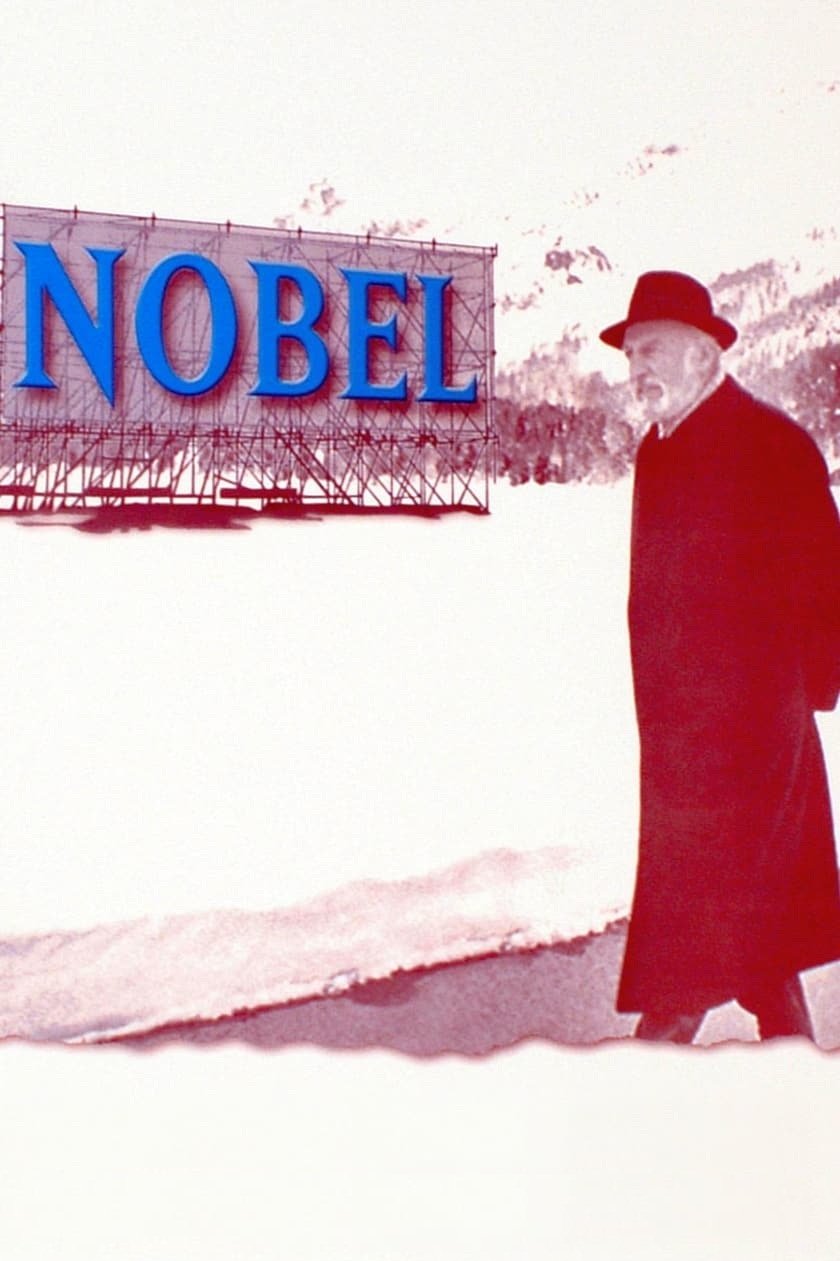
This is the story of writer Alberto's long journey to Stockholm, where the Nobel Prize awaits him, in a blazing Maserati. He is accompanied by Alessandro, a young journalist whose job is to interview him along the way. Personal and generational dynamics arise between the two men, leading to misunderstandings, jealousies, quarrels, separations, love quarrels and so on, but also to growth for both of them. A story full of twists and turns and always played on the edge of irony.

Klaudia Wehmeyer, the proud co-owner of a pastry shop, has to stand trial because her manager Müller and her fraudulent partner Lehmann accuse her of embezzling half a million euros. After she is wrongly sentenced to prison, the spirited woman flees the courtroom in a hurry. Disguised in a Santa Claus costume, she plans to break into Lehmann's villa to gather evidence of her innocence on her own. When the plan fails, she finds shelter with two neighboring children who believe they are looking at the real Santa Claus. However, their single father is anything but happy about the strange guest. Only when he gets to know Klaudia better does he realize that there is more to the Santa Claus costume than a simple burglar.

Berlin 36 is a 2009 German film telling the fate of Jewish athlete Gretel Bergmann in the 1936 Summer Olympics. She was replaced by the Nazi regime by an athlete later discovered to be a man. The film is based on a true story and was released in Germany on September 10, 2009. Reporters at Der Spiegel challenged the historical basis for many of the events in the film, pointing to arrest records and medical examinations indicating German authorities did not learn Dora Ratjen was male until 1938.
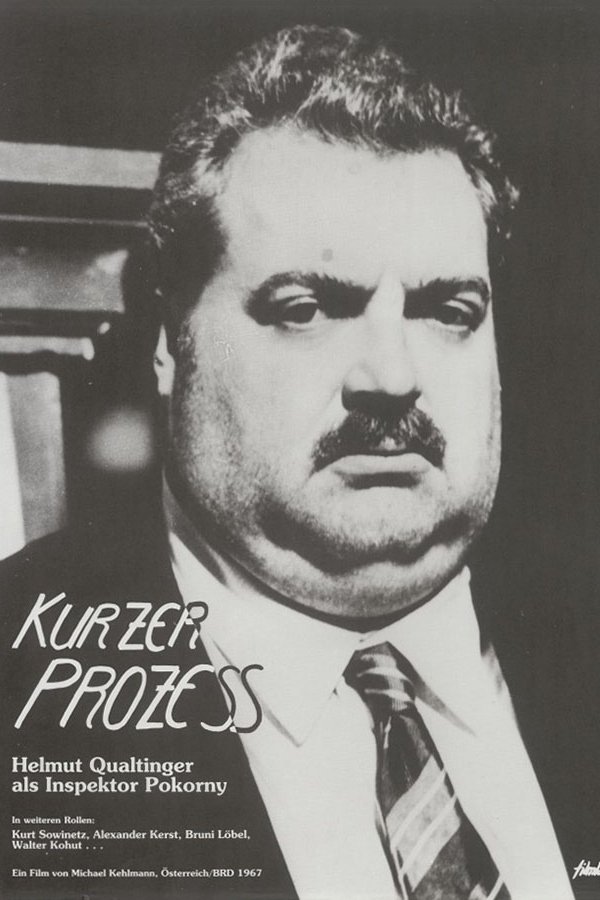
District Inspector Pokorny was transferred some time ago from Vienna to the fictional Upper Austrian town of Mühlstadt after assaulting a suspect while on duty. There, as he says, he has to deal with "idiotic scoundrels who steal each other's chickens." Police officer Janisch was given a quick trial and sentenced to seven years in prison for robbing the post office in Litzelsdorf. His colleagues do not believe he is capable of such a crime and try to catch the real perpetrators. At the same time, they have to deal with a multitude of other cases.
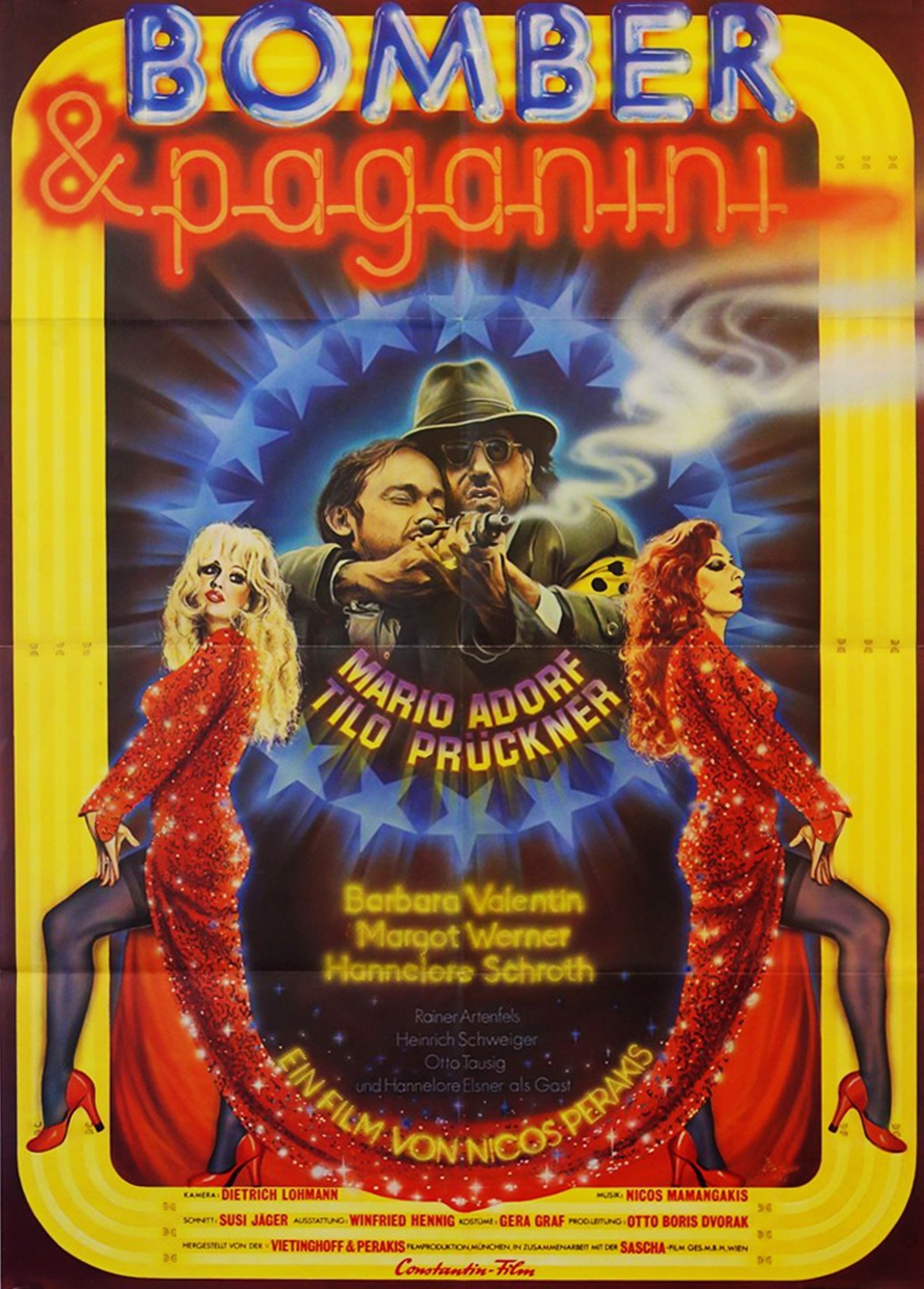
The story follows two simple as well as incorrigible petty crooks, who always fail spectacularly in search of the big coup.

Dr. Andre Tourenne is a biologist by training, but has conducted a great deal of research in the field of cybernetics in recent years.
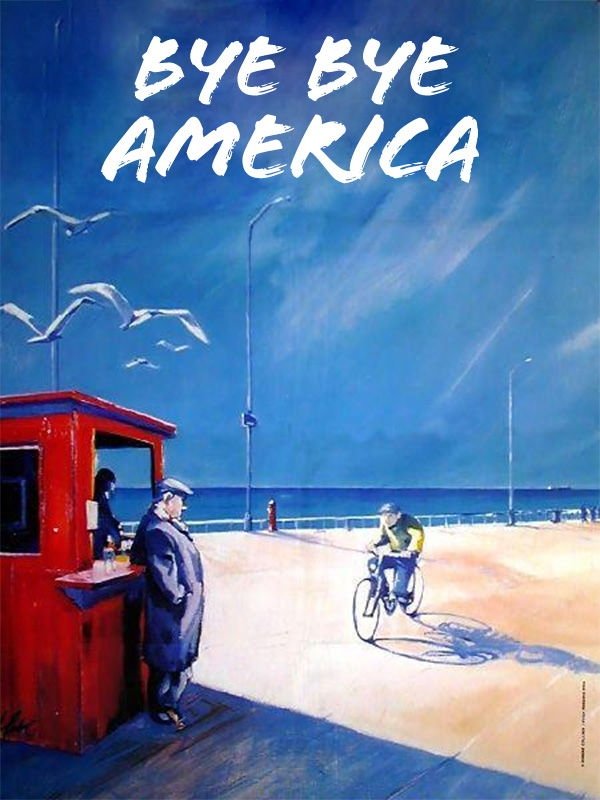
The mis-adventures of three Polish-Jews on the road to Gdansk is the basis for this German comedy that was filmed in New York, Germany, and Poland. Genovefa and Moshe have been married and living in New York for 30 years. Physically the couple resembles Mr. and Mrs. Jack Sprat. The two have decided to return to Poland for a visit. They intend to have Moshe's best friend Isaac, an unlucky, depressive German, take care of their house while they are gone. Unfortunately, Isaac loses his job before they go and ends up accompanying them on a Polish freighter. When the ship dies in a German port, the threesome must go overland to Gdansk. They encounter many mishaps along the way.
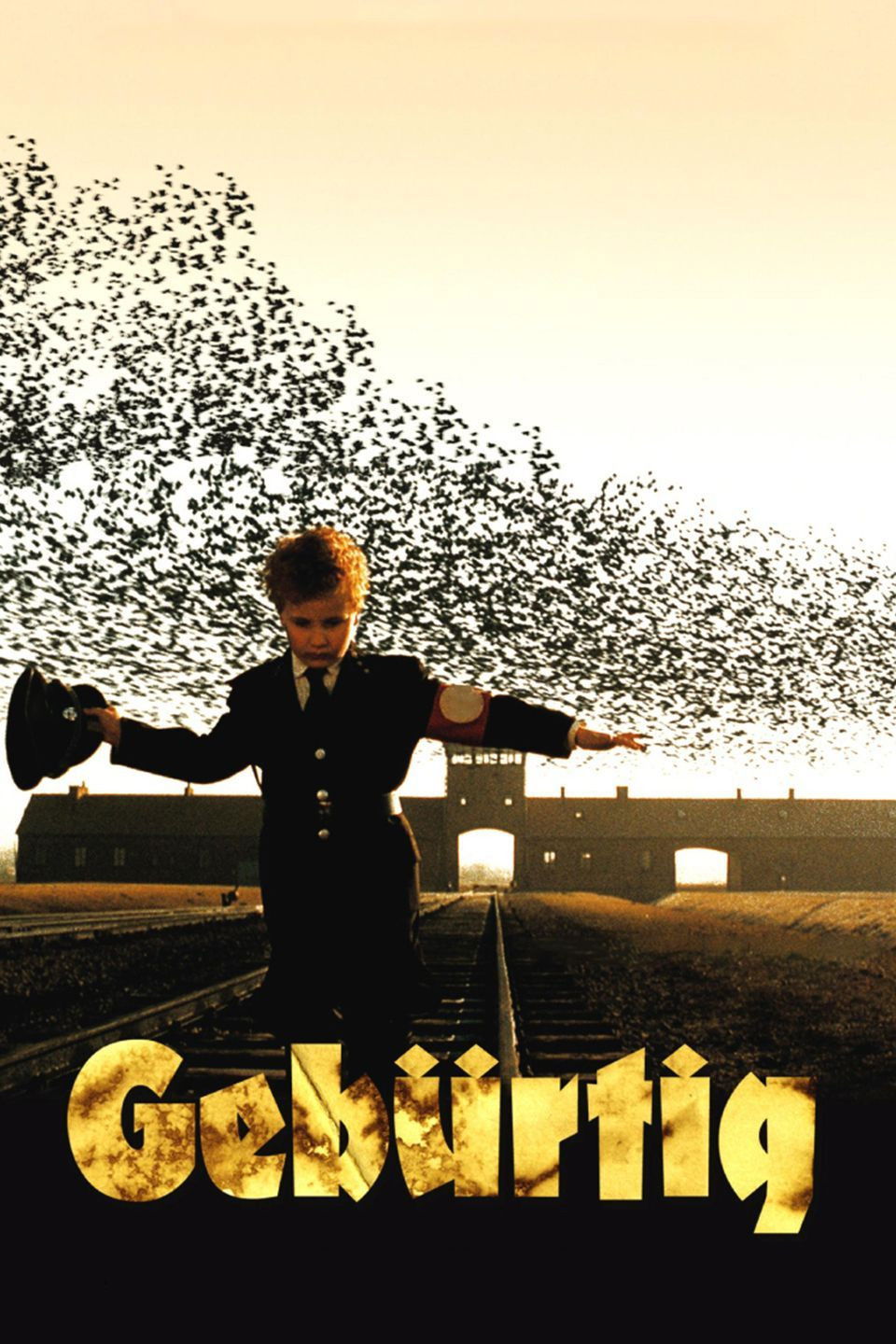
A holocaust survivor now living as a respected writer in Manhattan is the only person who can identify a suspected Nazi back in his native Austria. When a beautiful reporter eager for a scoop tries to lure him back, Geburtig must decide whether to confront his past.

The story of a woman that remained distracted for a long time from her life, from the passions that made her feel alive. The importance of true love is compared with the material value of diamonds. Only one truly lasts forever. She's got to find the thing that values most for her, the thing that gives psychical stability and real happiness again to her life.
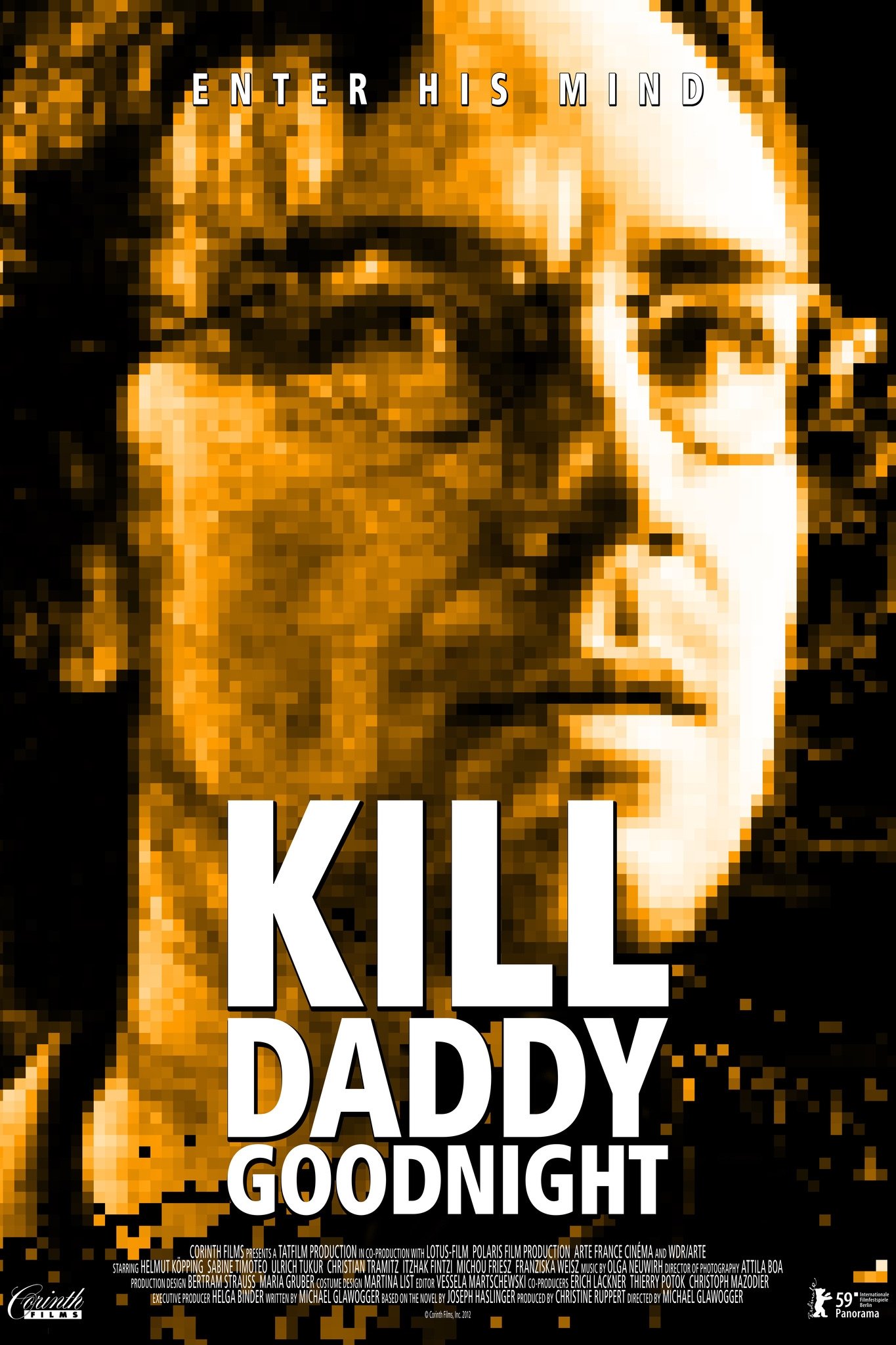
The story and fate of three families: A Jewish family destroyed by the massacres of the Nazis in Lithuania; the family of the culprit, who flew to America and keeps grotesque family cohesion; the family of Ratz, a social democratic family, dissolving itself miserably in today's Vienna. The condemnation of the last century bundled in these three families showing clearly that one could never escape from its own past. Written by themoth-1
In this tragic melodrama, a man who has been hiding his Nazi past has it come back to haunt him when his hippie daughter, whom he disapproves of, comes back to bond with her daughter, whom he's been raising. Meanwhile, he and his drinking buddy, a beer-truck driver, go on a jaunt to Poland to recover some gold fillings he had hidden years ago during the time when he worked in a concentration camp. The truck driver inadvertently leaves a filling lying around at home, and his mother immediately recognizes it for what it is. When she confronts him, he claims that "Jews don't mean anything to me" and she must then reveal his Jewish heritage to him: she was a housekeeper in a Jewish household and he was a child there whom she adopted during the Holocaust in order to save his life. The driver then confronts the wily old Nazi, who conceives a brutal scheme which will save his cozy life at the expense of the reputations of the driver and his granddaughter.
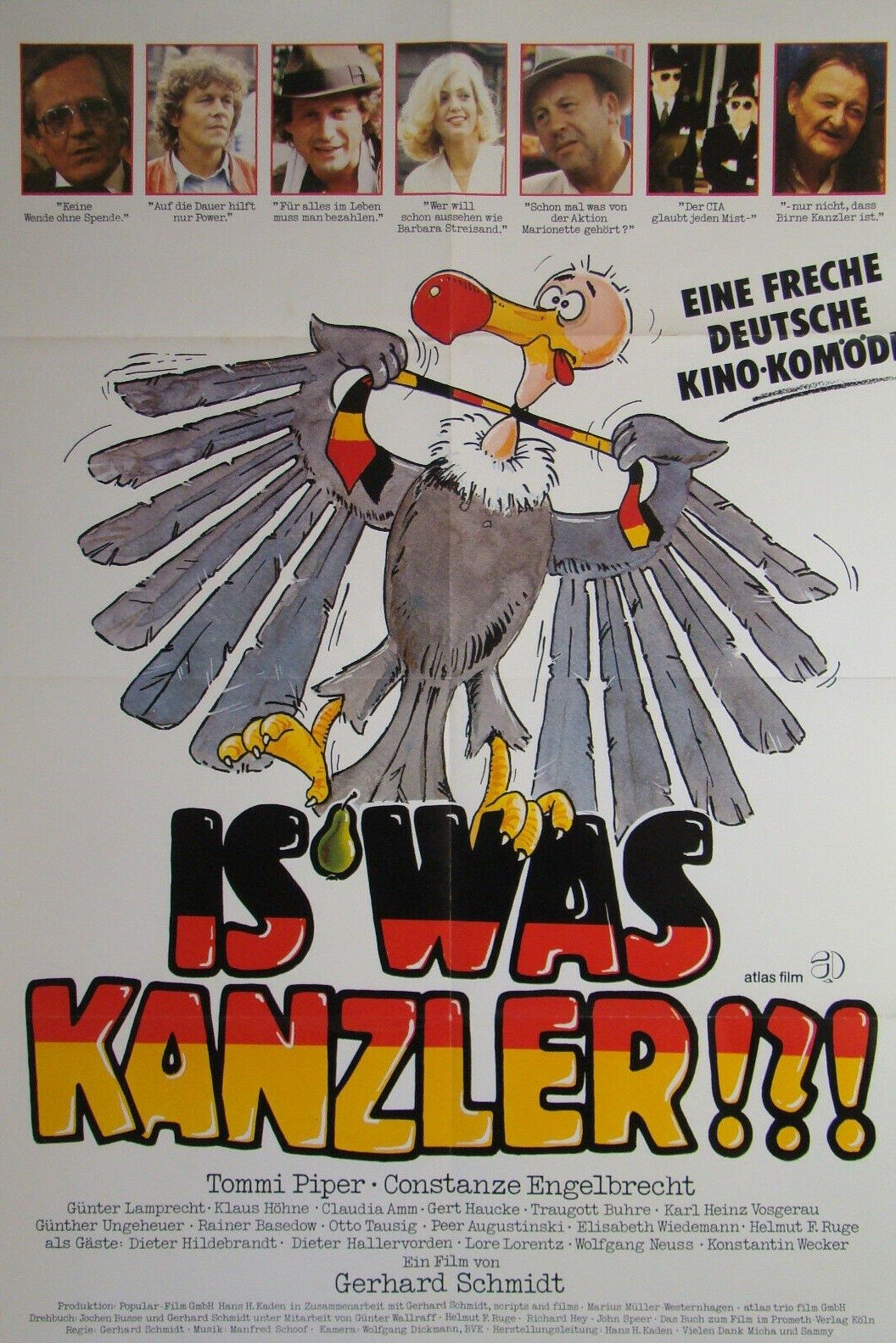
October 1982: The entire German political scene is corrupt, the German government a puppet of the USA. To play it safe, the CIA replaces German politicians with compliant doubles. When the chancellor's doppelganger, of all people, is to be taken out of circulation, the secret service accidentally kills the real chancellor, who is floating dead in the swimming pool. Agent Erwin of the Federal Criminal Police Office is assigned to solve the case...
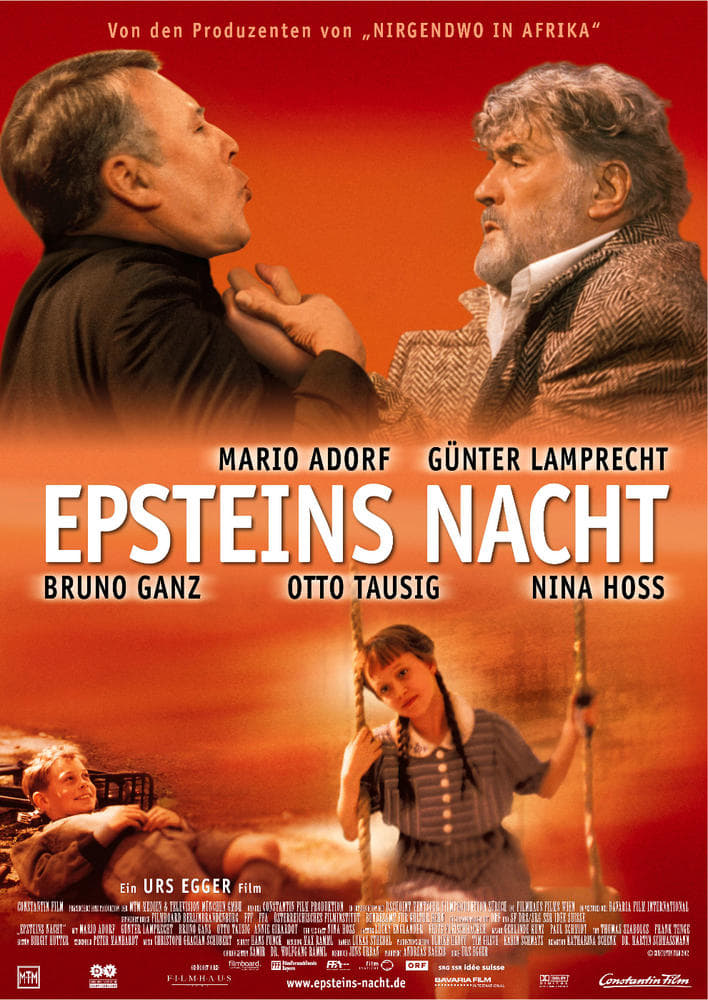
Jochen Epstein is released from prison after serving 15 years for murder. He is determined to emigrate from Germany and leave the past behind him forever. But familiar places, repressed memories and a never-forgotten girlfriend break the armor that the old man has built around himself. It all began on his last night in freedom: during a chance visit to a Christian service, Epstein believes he recognizes his former concentration camp tormentor Giesser in the parish priest.
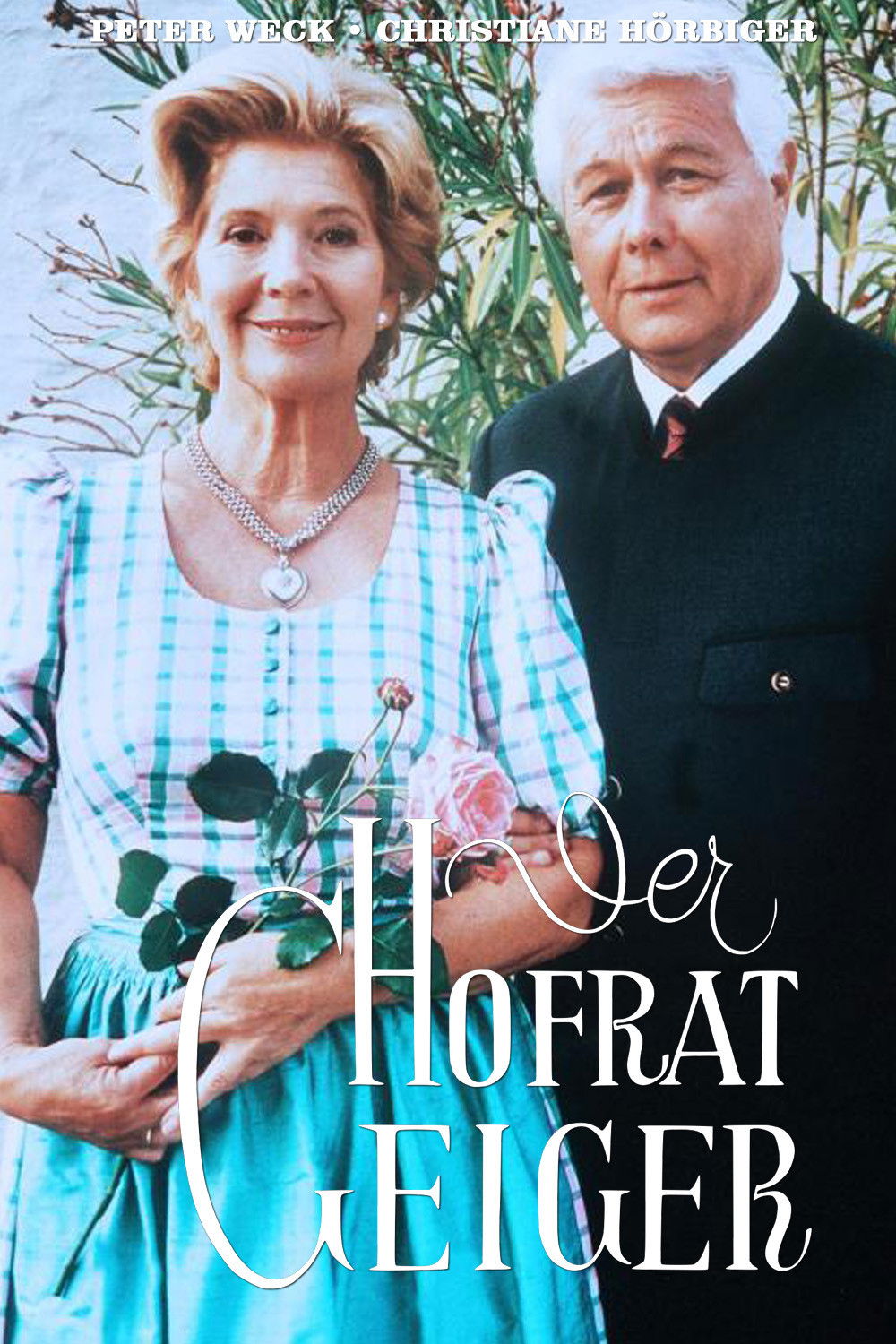
Viennese curator Dr. Martin Geiger has achieved honor and prestige in his career and has just been appointed Hofrat. In his private life, however, he is not so successful and still mourns the loss of his former holiday sweetheart. One day, the student Mariandl visits him. She is involved in the restoration of Countess Chiari's castle, who is supporting her art studies. When Martin looks through her portfolio of pictures, he unexpectedly sees a picture of her mother – Marianne, his holiday sweetheart. He is confused by the idea of suddenly becoming a father, but does not want to reveal anything to his daughter before speaking to Marianne. The resolute, single winegrower reacts very coolly to the reunion. She thinks Martin is a playboy and holds a grudge against him for leaving her with the child.
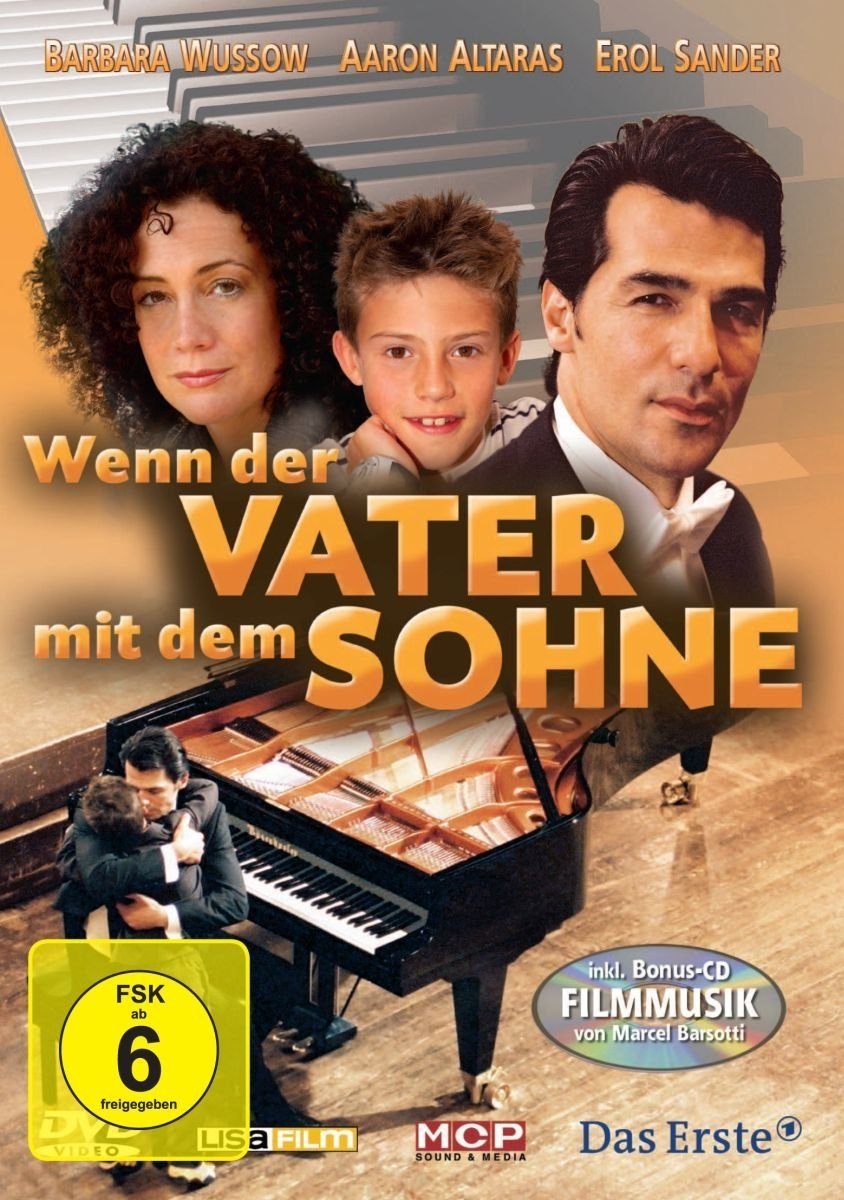
Paul, a former concert pianist, lives in the picturesque town of Krems with his adopted son Rico. Since the accidental death of his wife Anna, he has been living alone with his son. When Paul falls in love with the beautiful Luisa, he starts playing the piano again. What Paul doesn't know is that Luisa is Rico's biological mother and has already made friends with the little boy, without knowing that Paul is Rico's adoptive father. When Paul finds out, he feels betrayed by Luisa and confronts her. The situation comes to a head and Luisa travels back to Italy. But Paul quickly realizes that he wants to give his adopted son the chance to get to know his biological mother. Together with Rico, he travels to Italy to see Luisa again. They have a heated argument there and don't realize that Rico is eavesdropping on them. When he learns that Paul is not his father, the little boy's world falls apart.

The twelve year old Ivo has been living in Vienna with his family for three years. His father and brothers work at construction sites. Their Austrian neighbors despise the Yugoslav guest workers. Because the mother has to look after the sick grandmother at home in Croatia, Ivo runs the male household in Vienna alone. Solitude and insults from the locals make the child unhappy. And so Ivo decides on a rainy winter's day to return to his home village on his own.

Paris, Kingdom of France, August 18, 1572. To avoid the outbreak of a religious war, the Catholic princess Marguerite de Valois, sister of the feeble King Charles IX, marries the Huguenot King Henry III of Navarre.
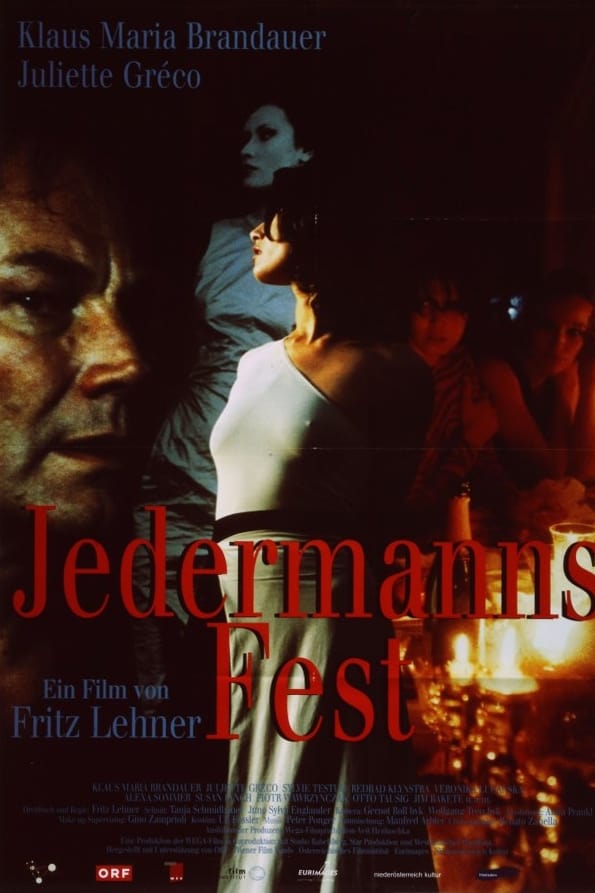
Austrian television director Fritz Lehner makes his feature debut with the big-budget drama Jedermann's Fest, based on the 1911 play by Hugo von Hofmannsthal, which in turn was based on a medieval tale. Originated in parts of England, the myth of Jan Jedermann ("John Everyman") deals with a rich man on his deathbed coming to terms with his life's failures. Not following much of a plot, the modernized version involves famous fashion designer Jedermann (Klaus Maria Brandauer) imagining his last big gala event while rendered unconscious as a result of a car accident in his Ferrari. He is a success in Vienna but not in fashionable Paris, so he wishes to impress French elder stateswoman Yvonne Becker (Juliette Greco).

Biographical TV movie about controversial Austrian artist Egon Schiele.
In spring 1957 Budapest, former lovers Sándor and Mónika reunite after 16 years at a street‐corner café. Their conversation flashes back to 1941, when Hungary joined WWII under Horthy and eight fresh teacher‐graduates, including Sándor and Mónika, vowed lifelong solidarity. War and shifting politics fracture their bond and force each to choose a path through turbulent decades. The drama echoes the 1956 uprising: participants seeking reform are branded “counter‐revolutionaries,” denounced by steadfast communists like László, who scorns defectors such as Béla for “dishonouring socialism and the people.”
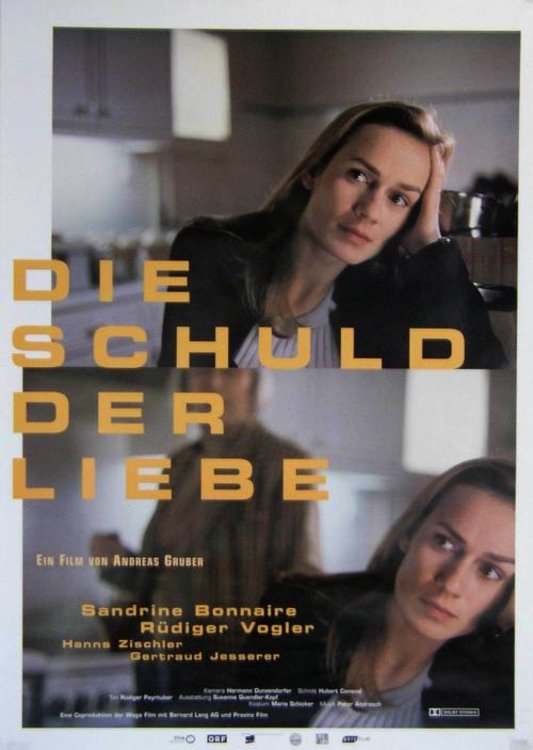
Simon Granderath has been found dead in his appartment. His only daughter, Monika Besse, who lives in Luxembourg, arrives to arrange the funeral and settle his estate. She wishes to get back to Luxembourg and to her normal life as quickly as possible. However, she quickly realizes that in fact, she hardly knew her father, and tries to trace the various stages and encounters that made up his life. Much later, she realizes that the search for the identity of her father has actually become a search of her own identity – though still she believes she can get closer to her father after his death.
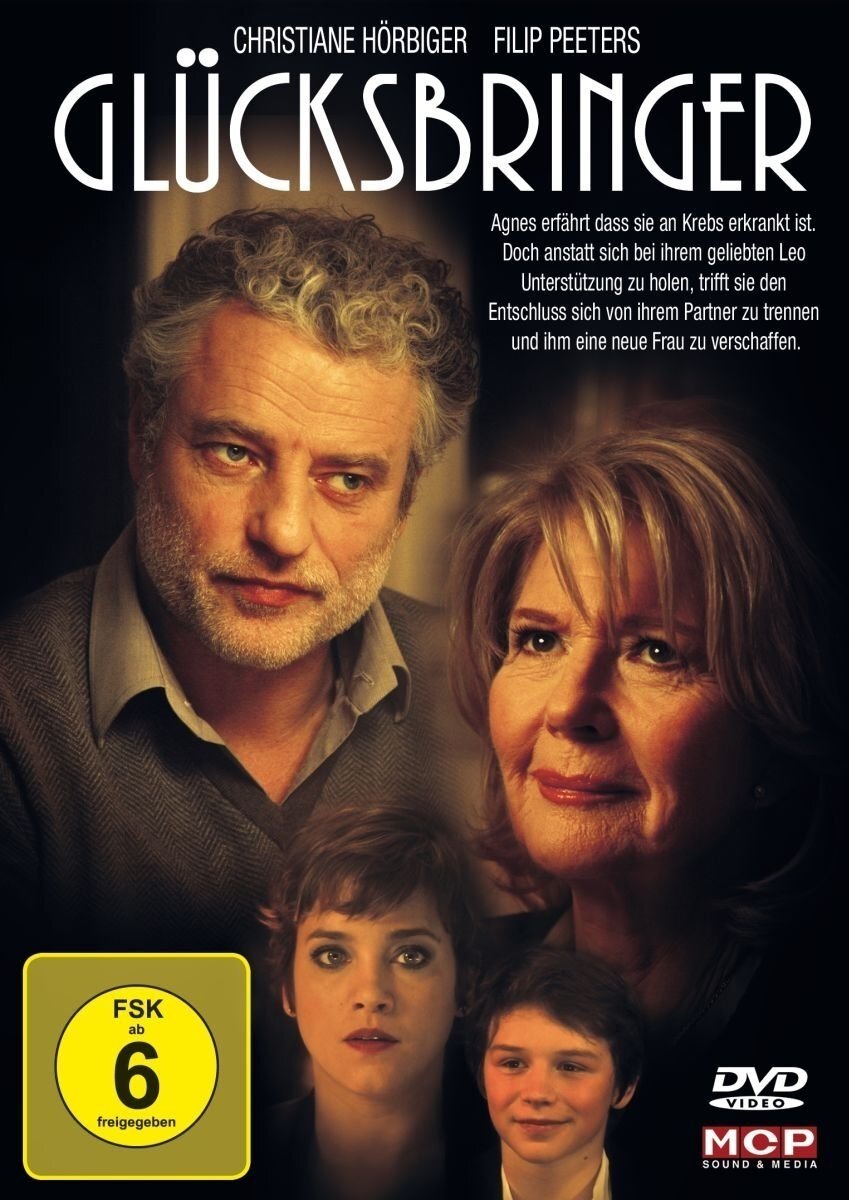
Agnes, the proud managing director of a renowned Viennese jewelery business, has been happily married to the jeweler Leo Wieland for 17 years. He designs for her the exclusive collections and proves her despite the obvious age difference - Leo is a lot younger than his wife - every day his great love. But everything changes when Agnes receives a devastating diagnosis from her doctor: lung cancer. By chance, the couple will one day get to know little Max and his attractive mother Vera. In the terminally ill Agnes matures a plan: Vera would be a perfect partner for Leo.
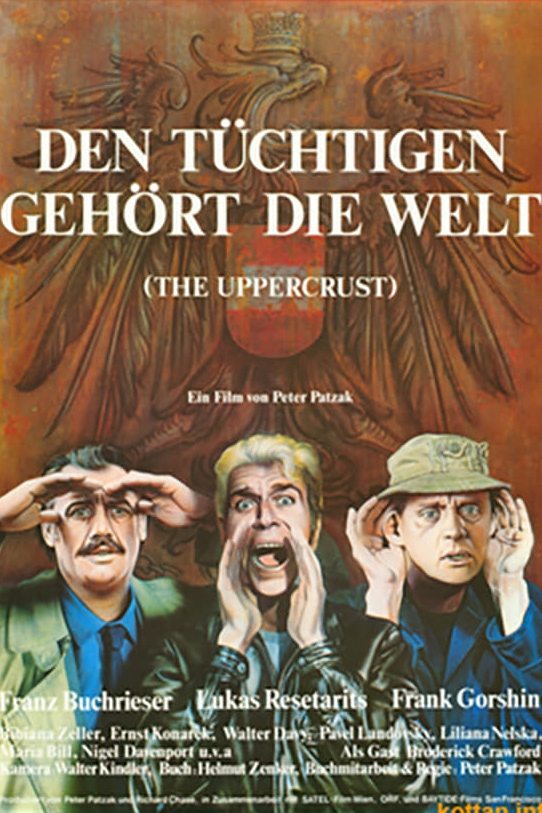
This film combines two very different styles: an atmospheric psycho thriller about the ice-cold hired gun (masterfully played by Frank Gorschin), and the bizarre satire of the Austrian TV serial "Kottan ermittelt".
1964 TV broadcast of the Arthur Schnitzler play

An unhappy young photographer is about to make his debut as a journalist. He is to write an obituary about the weapons-crazy mayor of a Lower Austrian village who, it is said, had a tank from WWII. In the course of his research he unearths a conspiracy of wifes murdering their husbands to get an early widowers pension.