
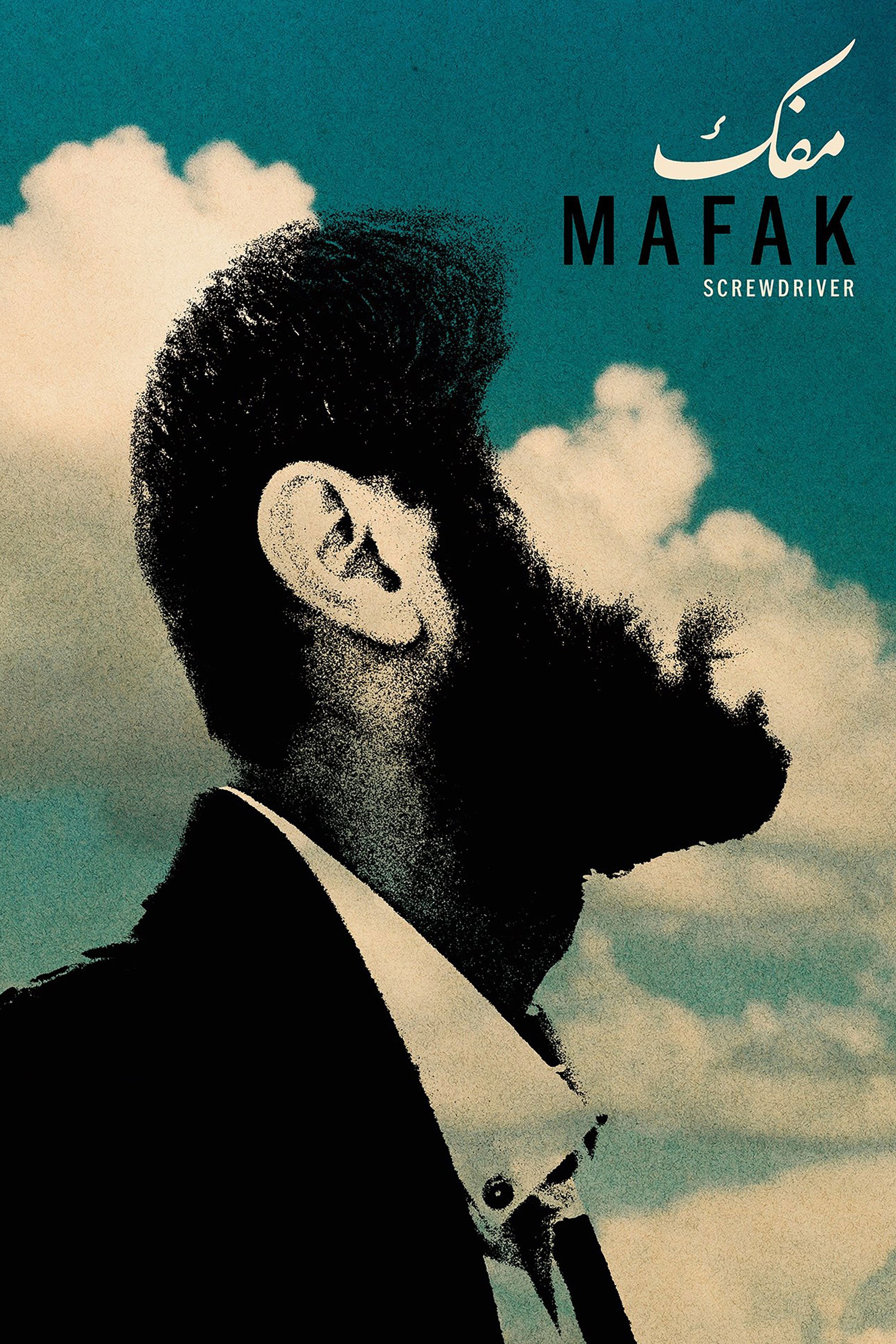
1948: an Egyptian filmmaker is creating newsreel stories about a volunteer force tasked to liberate Palestinian farmers. The journey propels him towards a chance encounter with a tenacious young leader of a nearby commune that will set in motion events that will change their lives forever.
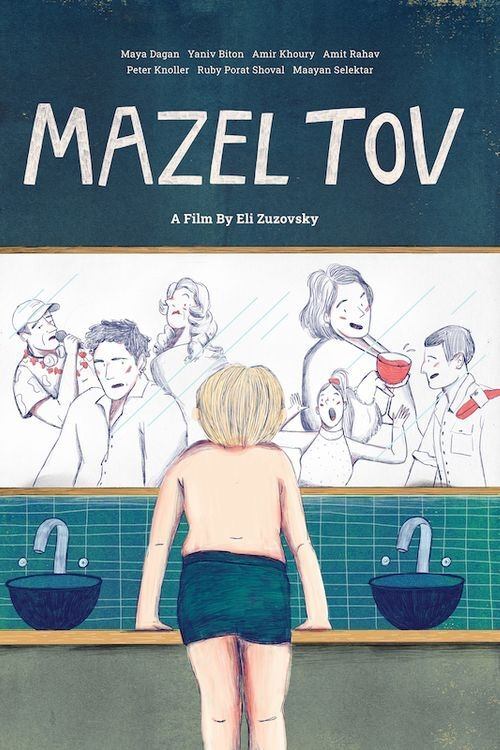
At a banquet hall in Israel, at the height of a war, Adam Weizmann’s Bar Mitzvah party turns into a glorious catastrophe. On the cusp of manhood—and on the verge of a nervous breakdown—Adam takes a crucial step toward coming to terms with his sexuality.
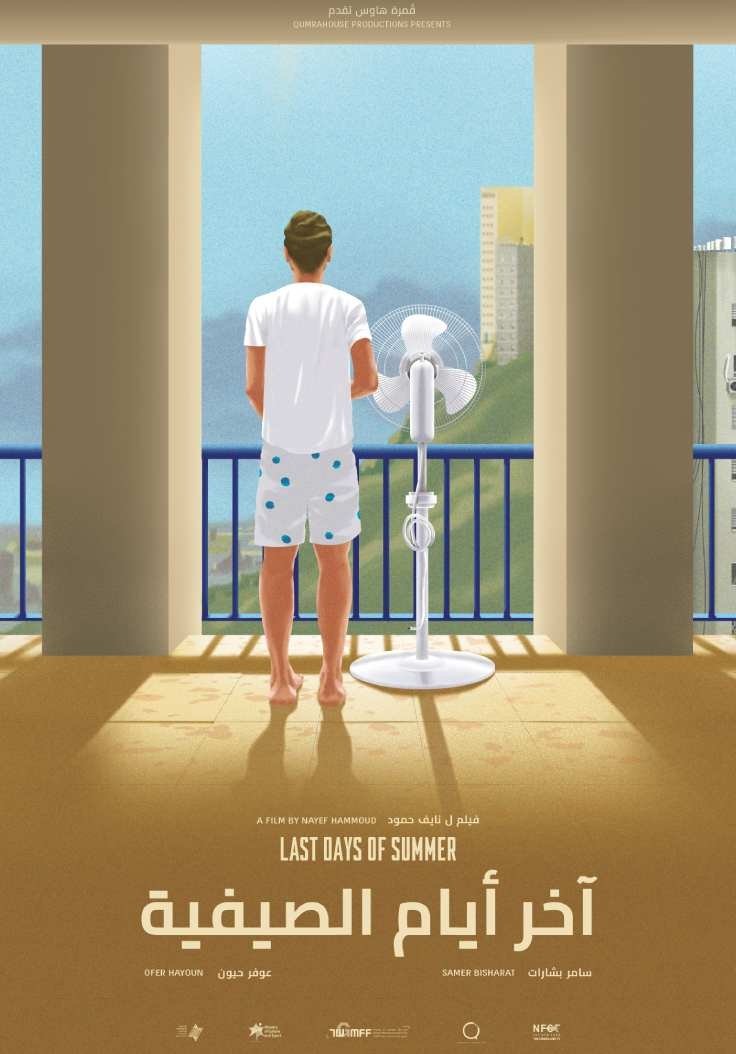
Darwish is a young man with existential fatigue. He returns home from work with one concern: to fix the broken fan, While his neighbor is shot in the building's lobby. Darwish gets stuck at the crime scene looking for solutions for the fan while police investigate the scene.
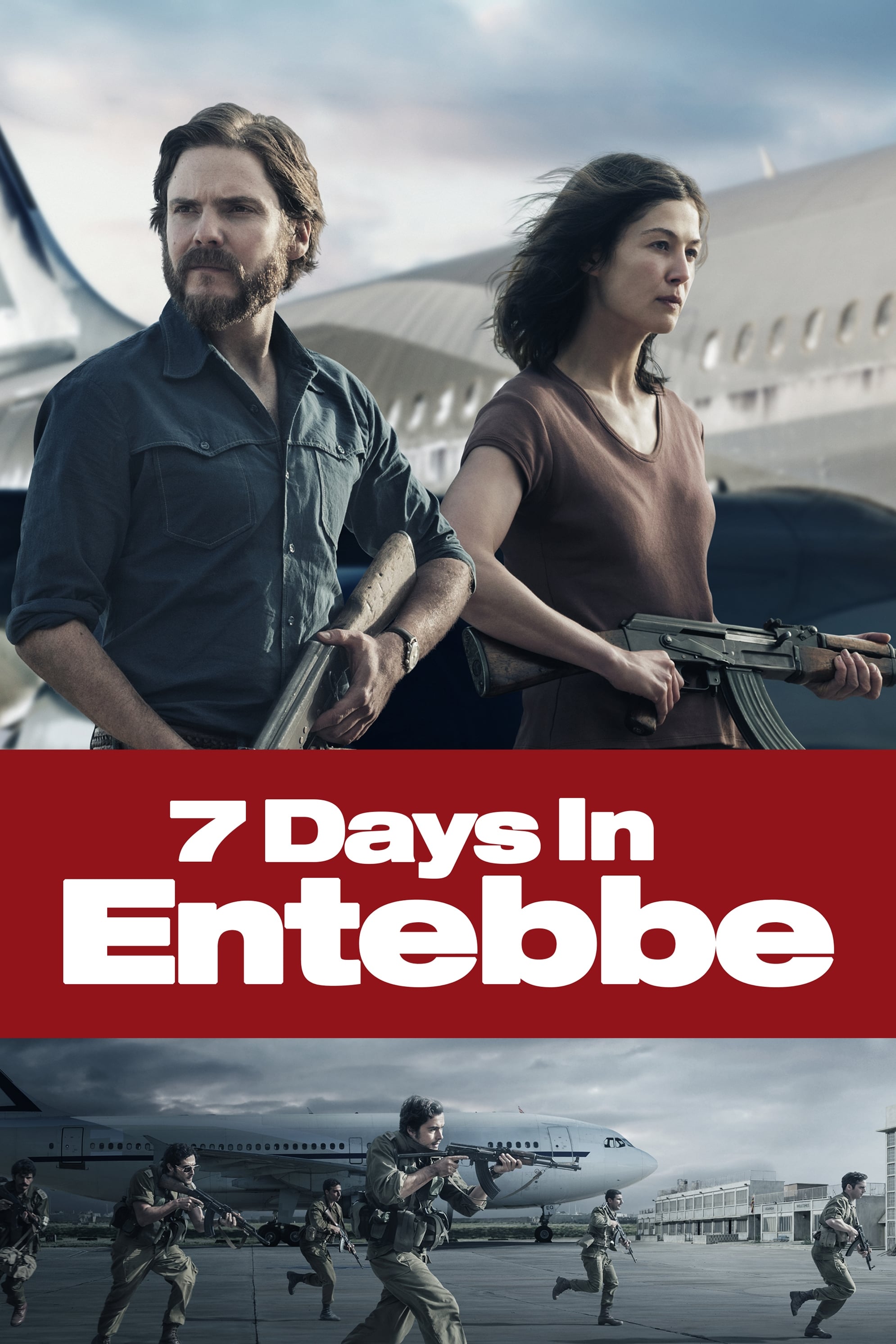
In 1976, four hijackers take over an Air France airplane en route from Tel Aviv to Paris and force it to land in Entebbe, Uganda. With 248 passengers on board, one of the most daring rescue missions ever is set in motion.
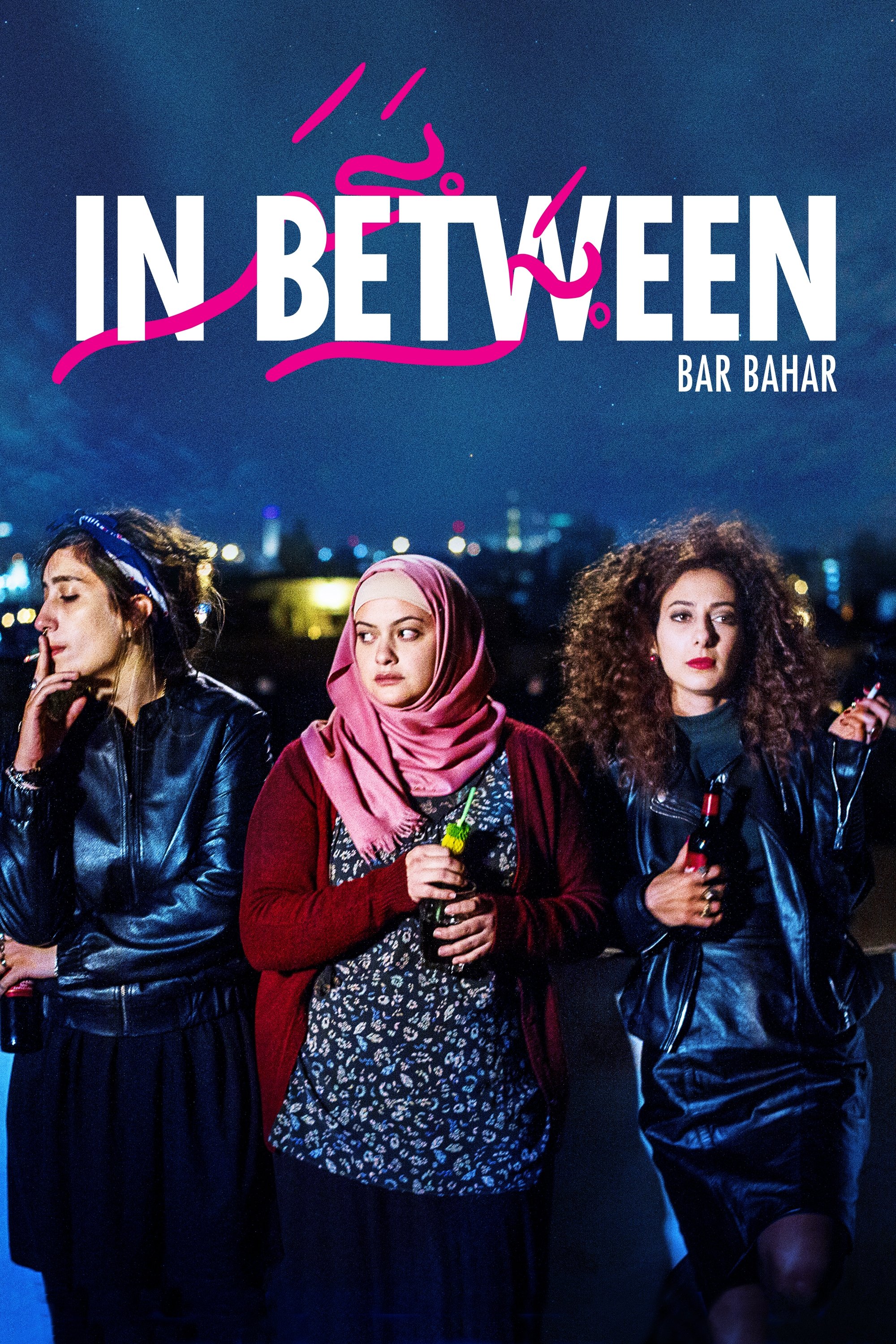
The film captures the daily duality of three young Palestinian women in Tel Aviv, caught between hometown tradition and big city abandon, and the price they must pay for a lifestyle that seems obvious to many: the freedom to work, party, have sex, and choose.
After fifteen years of imprisonment, Ziad struggles to adjust to modern Palestinian life as the hero everyone hails him to be. Unable to distinguish reality from hallucination he unravels and forces himself to go back to where it all began.
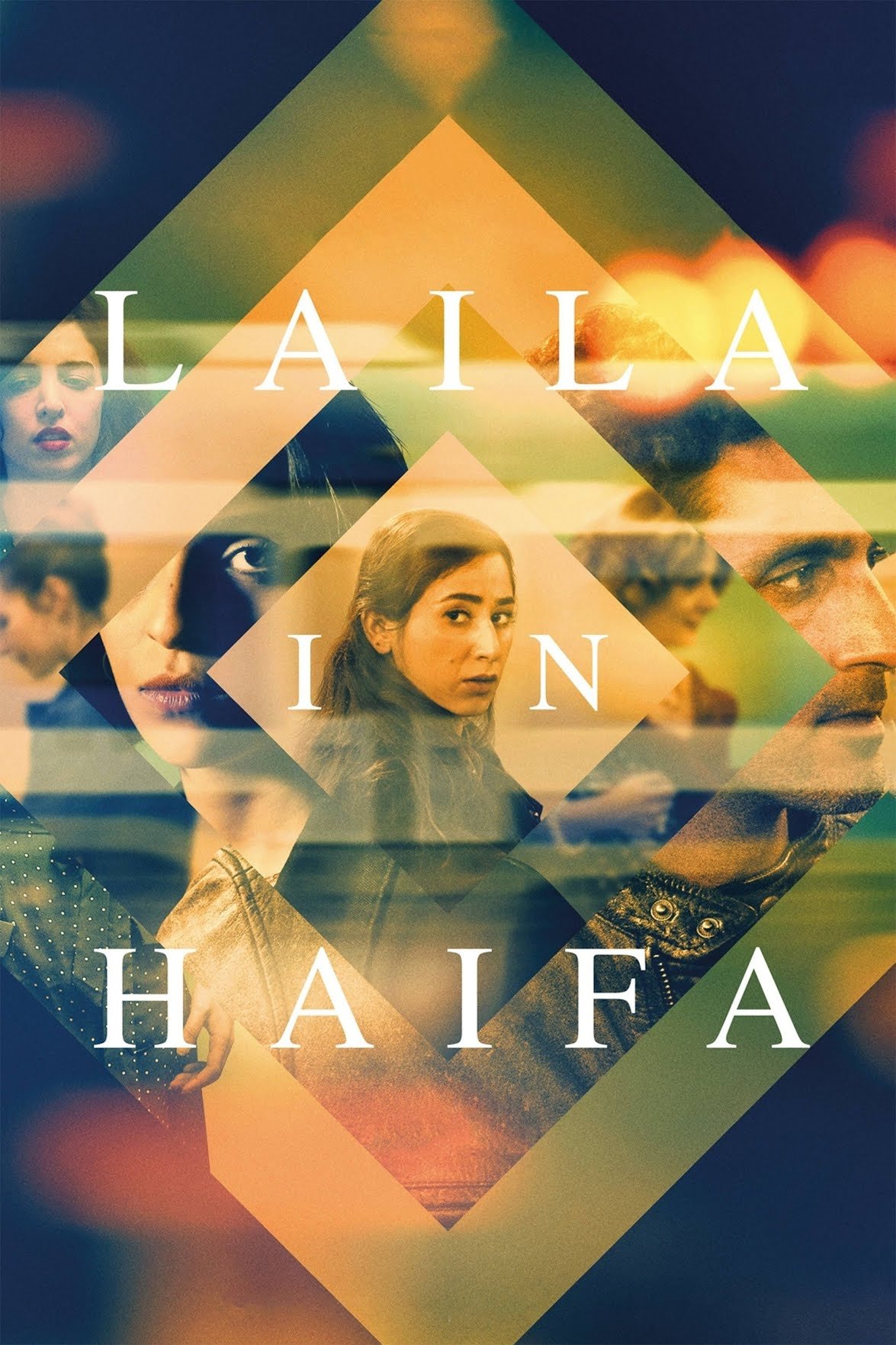
The film was shot entirely in a nightclub, with an adjoining contemporary art gallery, whose customers are both Israelis and Palestinians, in one of Israel’s most open cities, Haifa. A long night in a place where the most diverse people meet: Jews, Muslims, gays, heterosexuals, transvestites; and three women, who in that multifaceted microcosm, a gathering peaceful hideout, can find shelter from male bullying and arrogance.
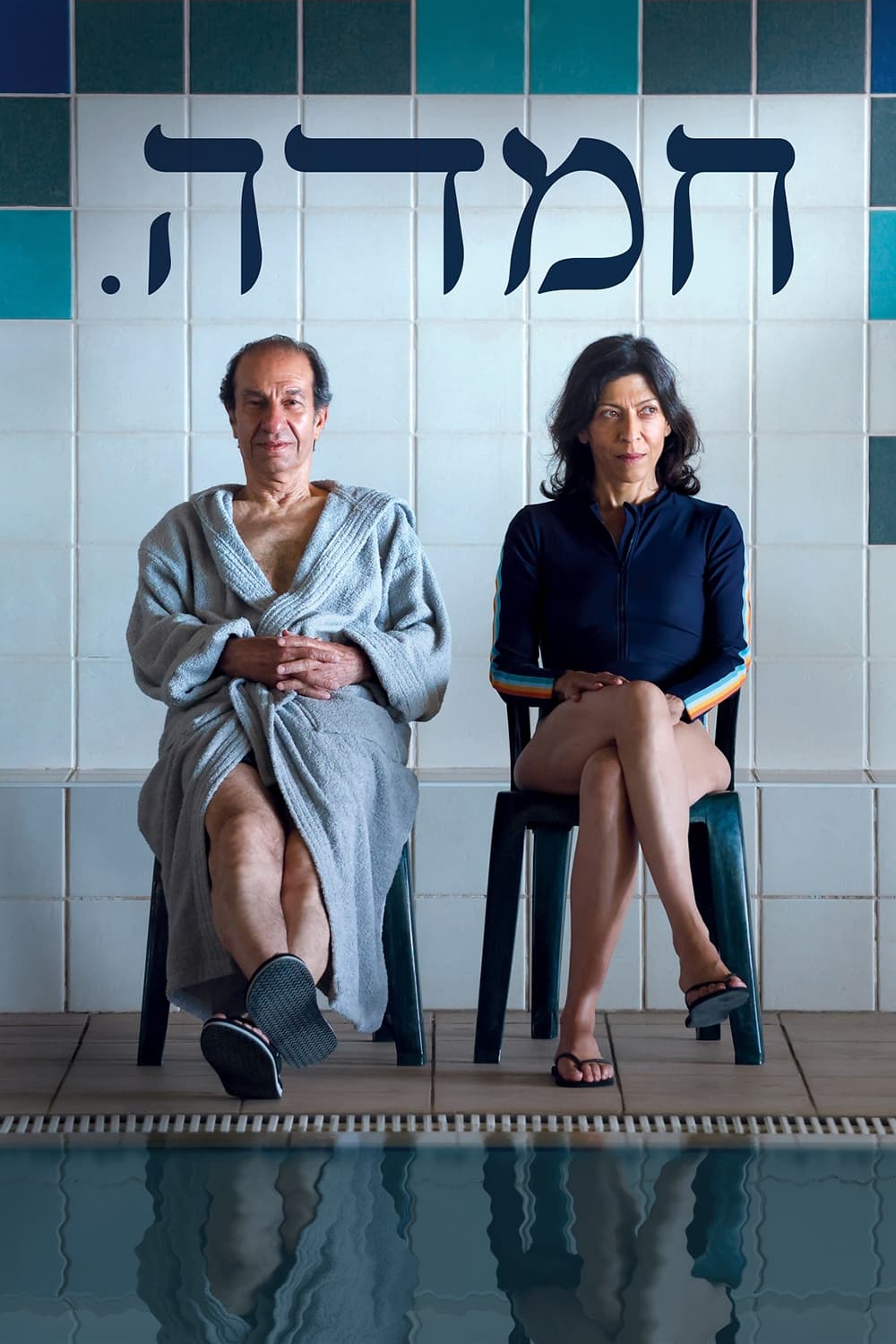
Sassi is more than 20 years older than his wife Effi and is worried about his declining powers. Surgery has left him seeking treatment for impotence, but Effi insists she’s content with their emotional closeness. In her work as a physical therapist, though, Effi sees the link between body and heart every day. The biggest challenge to their loving relationship has been the gambling debts Sassi’s adult son keeps running up. But the couple’s fragile understanding, compounded by the presence of two young men, introduces new threats. Their teenage grandson, Omri, returns from living with his father in Europe, at loose ends and clearly in need of guidance. For one thing, he can barely stand to wear a shirt. Then a young patient turns up at the swimming pool where Effi conducts therapy sessions. He comes to confront her about something from their past, something complicated, contested, and painful to them both.

Sana and Annu — grandmother and six-year-old granddaughter, live together in a Druze village in the Galilee. The day before Annu’s family is due to move to Haifa, Annu suddenly loses consciousness. When she wakes up beside her grandmother, she whispers: “You will find my children in Syria.” Sana becomes convinced that Annu is the reincarnation of her sister Muna, who was killed in the war, and is overwhelmed by the revelation. But Annu’s parents explain it away as a side effect of epilepsy and medication. They ask Sana to stop and begin to distance the two from one another. Heartbroken, Sana sets out on a journey to cross into Syria — the homeland she left at seventeen. There, she uncovers not only the true meaning behind her granddaughter’s words, but also what she herself has been searching for all along.