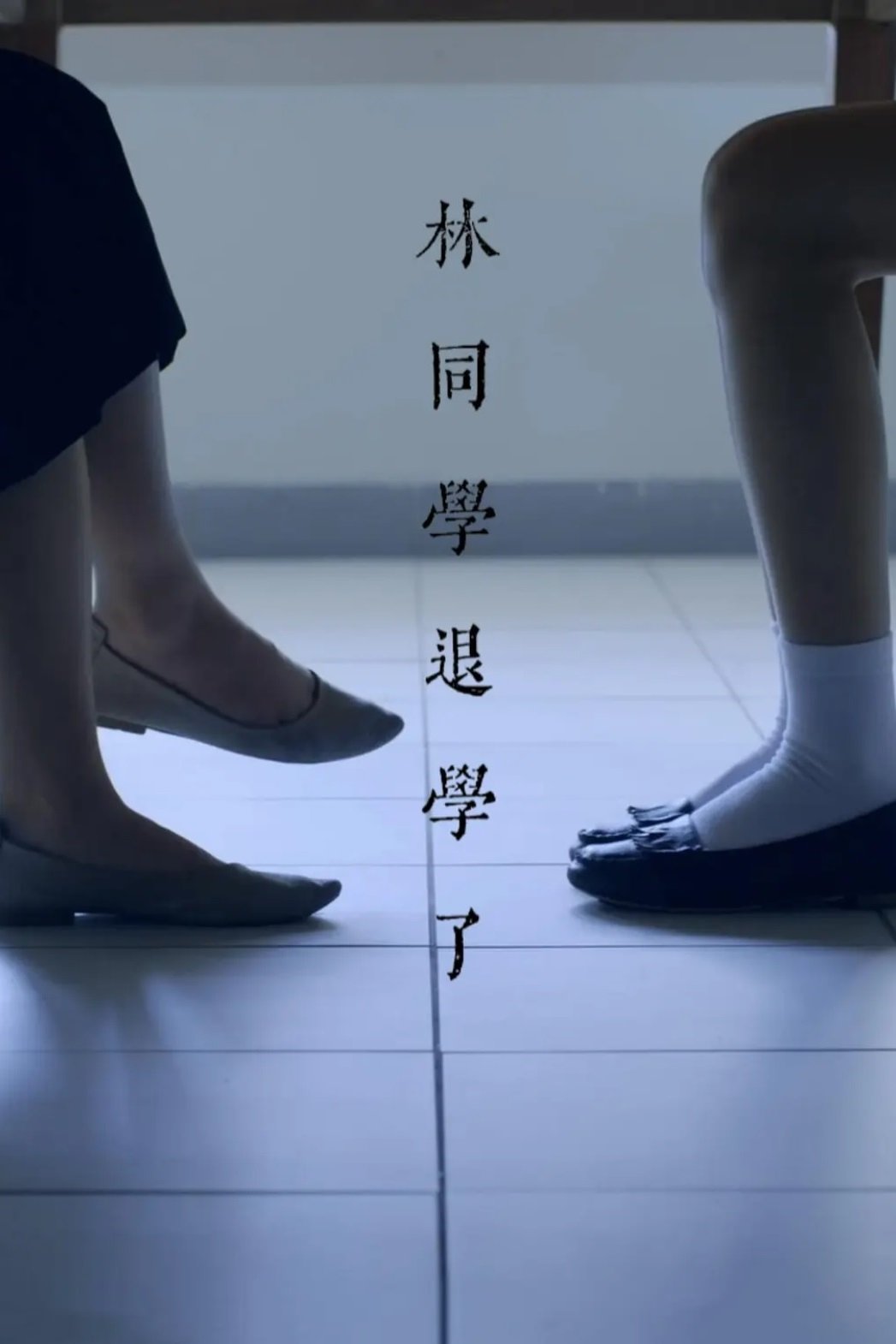
Kwan believes that she is unique. Enclosed in solitude within her own literary world and deprived of affections from her family, she longs for love in whatever form it takes - no matter how distorted. She considers the detention class with Mr Cheung a shelter from the world, until it is shattered together with all her hopes. She finally comes to the realisation that it is the world that goes against her. There is no hiding place for her no matter how hard she struggles……
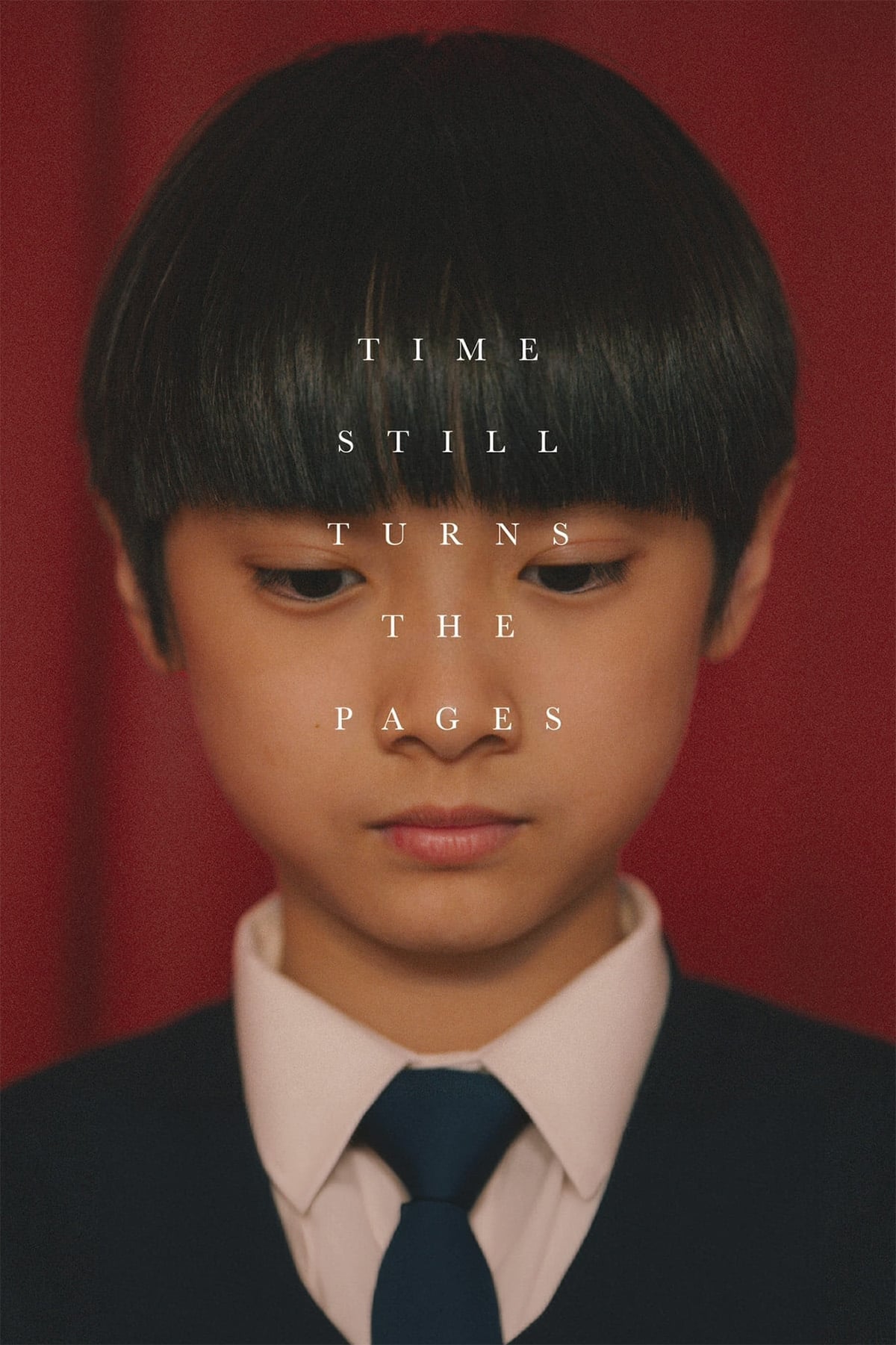
High school teacher Cheng looks back to his repressed childhood memories, as he finds an anonymous suicide note in the classroom. He strives hard to prevent another tragedy from happening, meanwhile facing a series of family problems, his wife is divorcing him, and his father is dying.

Heiward Mak’s Graduation Short Film, which won the 12th IFVA Gold Prize.

Shan, a Hong Kong cosmetologist, learnt about the art of solitude during the lockdown period of pandemic. As the regulation of prohibition on group gathering was imposed in April 2020, Shan had to close down her small business and build a new daily routine.
Lam Ka-wai is a young rebellious man who seldom goes home early and always quarrels with his parents. One day, a zombie followed Lam back home. Except for Lam, both of his parents and sister became zombies. Even though Lam managed to keep them under control, he could not leave his home. Forced to stay there, Lam had no choice but to live with his family. He had never really cared about his family, but he was starting to learn how to get along with them. Lam gradually understood their daily habits and started to regret not cherishing the good old days with his family. Unfortunately, Lam was later bitten and also turned into zombie when he searched for food outside. Will Lam choose to die with his whole family or become zombies all together?

Jing's day begins with a graceful tracking shot that follows her from the early morning as she pumps breast milk, leaves her baby with her mother-in-law, and heads to the bakery where she works.
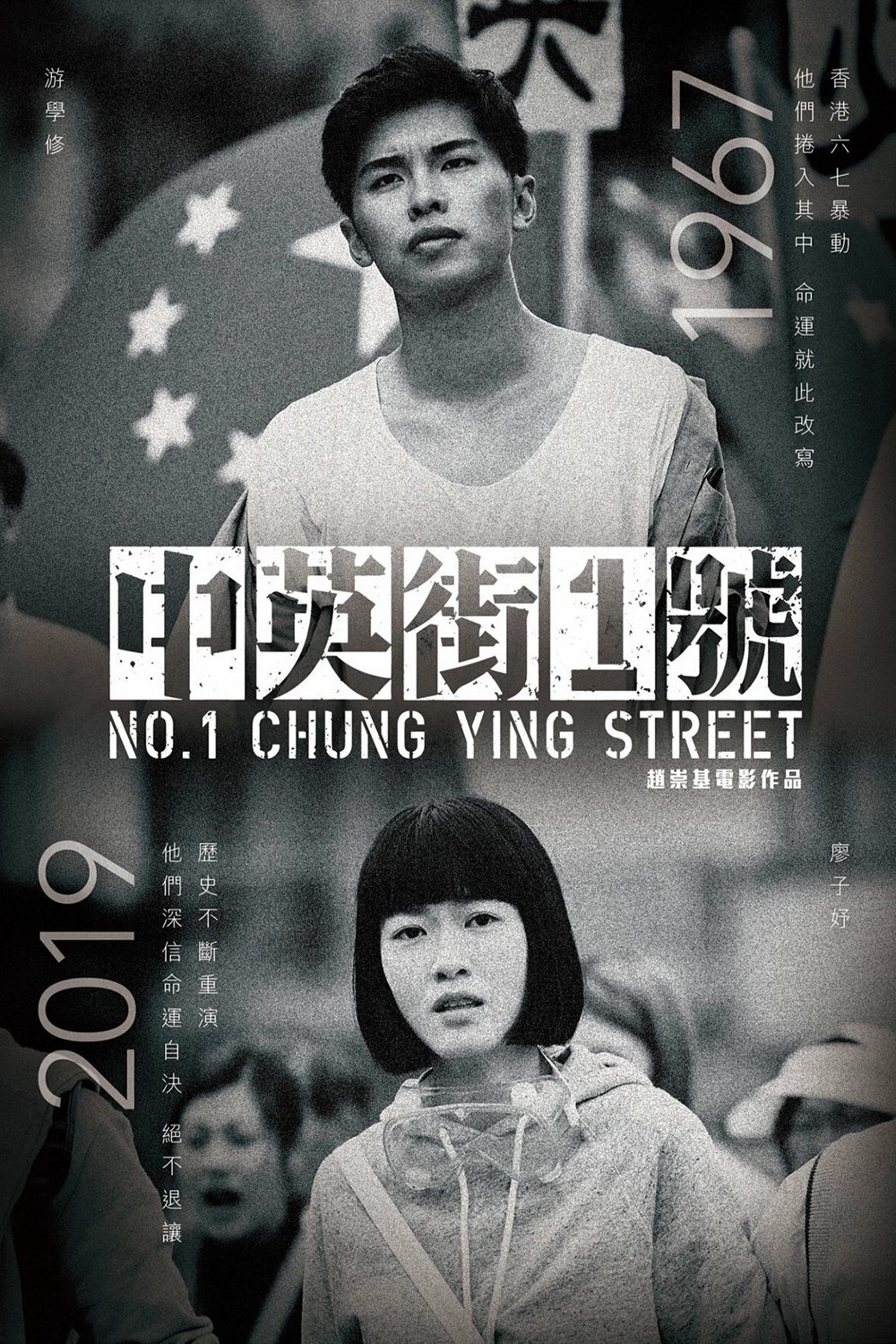
Four young lives were changed forever when they become involved in the 1967 Hong Kong Leftist Riot; half a century later, another four face similar challenges amidst the Mainland-Hong Kong conflict.
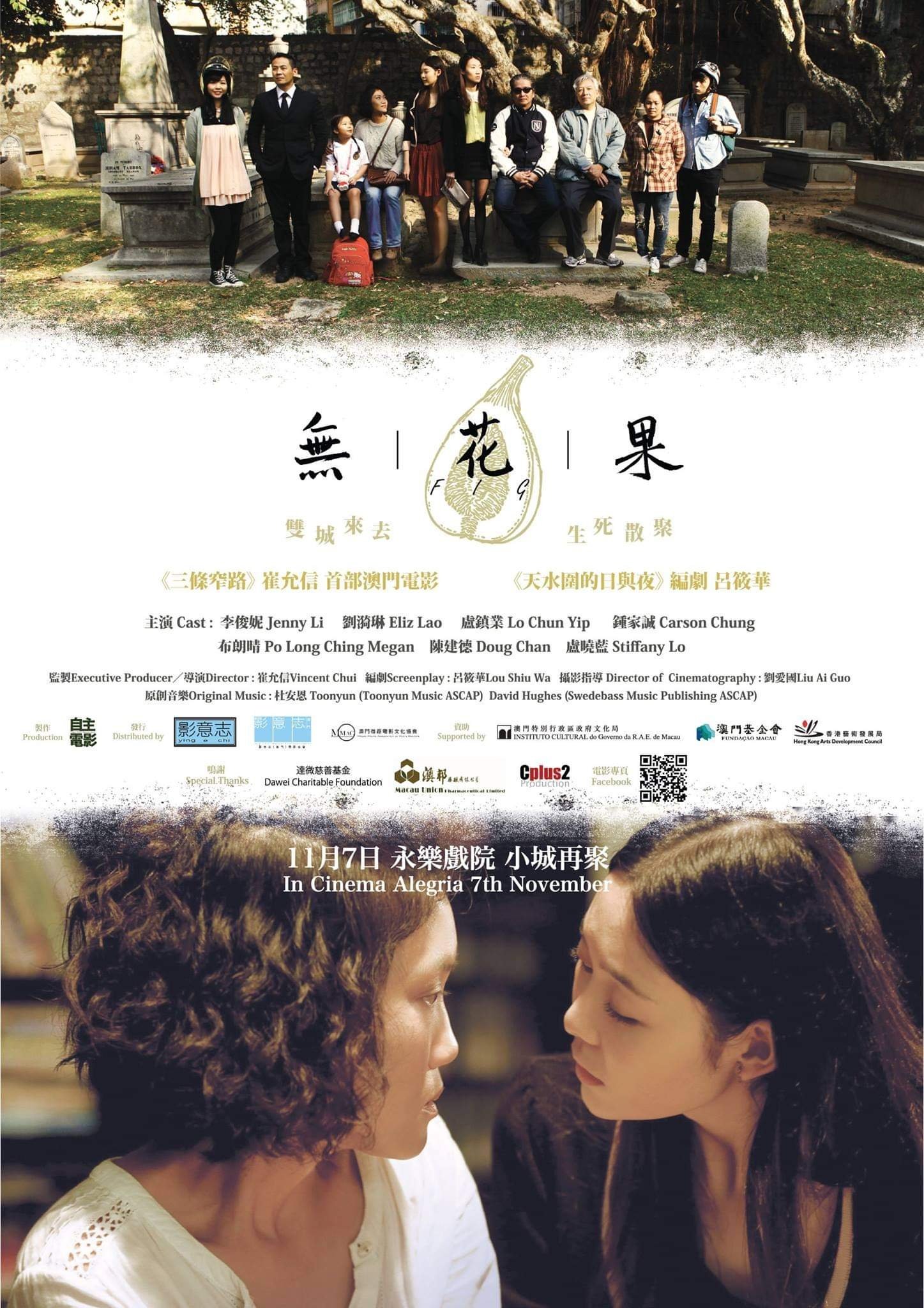
Ka, a common housewife, leaves her husband after big change in the family. Then she encounters Man, who has for years blamed her father Chow for bringing to light his relationship with his lover Tracy after the accidental death of Man’s mother. And so it seems that from departures stems relationships anew, but there are in fact little to be explained in the logic of cause-and-effect for existence, death, encounters, and love.
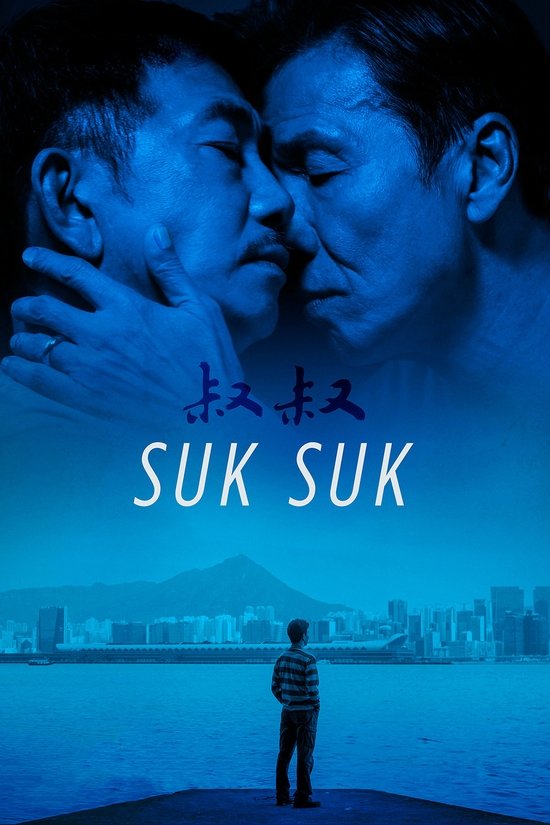
One day Pak, a taxi driver who refuses to retire, meets Hoi, a retired single father, in a park. Although both are secretly gay, they are proud of the families they have created through hard work and determination. Yet in that brief initial encounter, something is unleashed in them which had been suppressed for so many years. As both men recount and recall their personal histories, they also contemplate a possible future together.
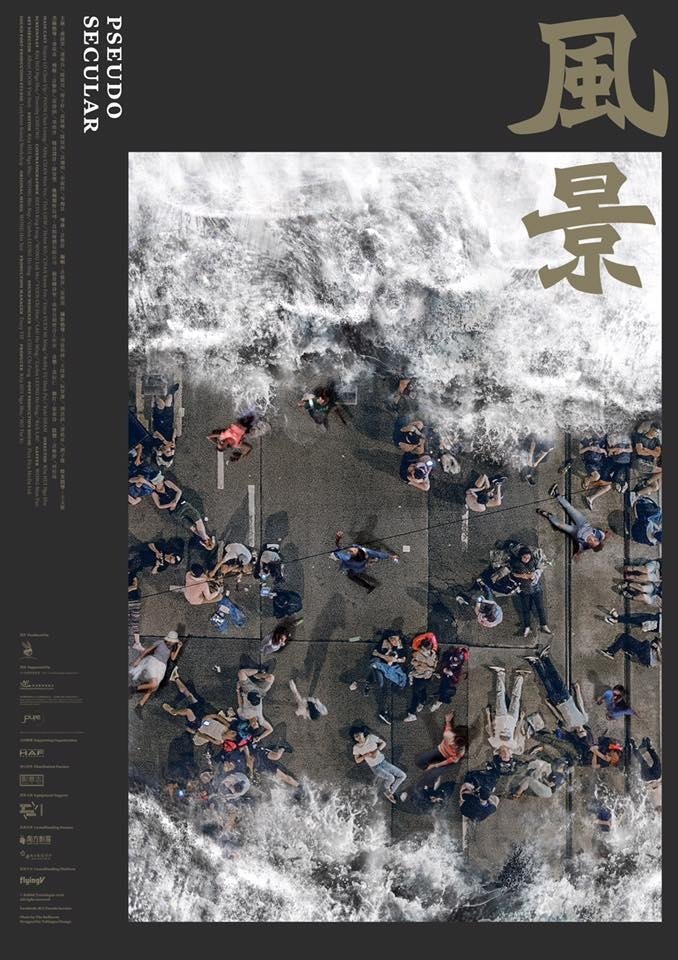
They are frozen in place, stagnating without any direction. Around them, things change rapidly.

After her father died, a Hong Kong girl discovers she has two hitherto unknown sisters, one in Taiwan and one in China. To settle her father's debt, she must reunite with them to run the family's hot pot restaurant.
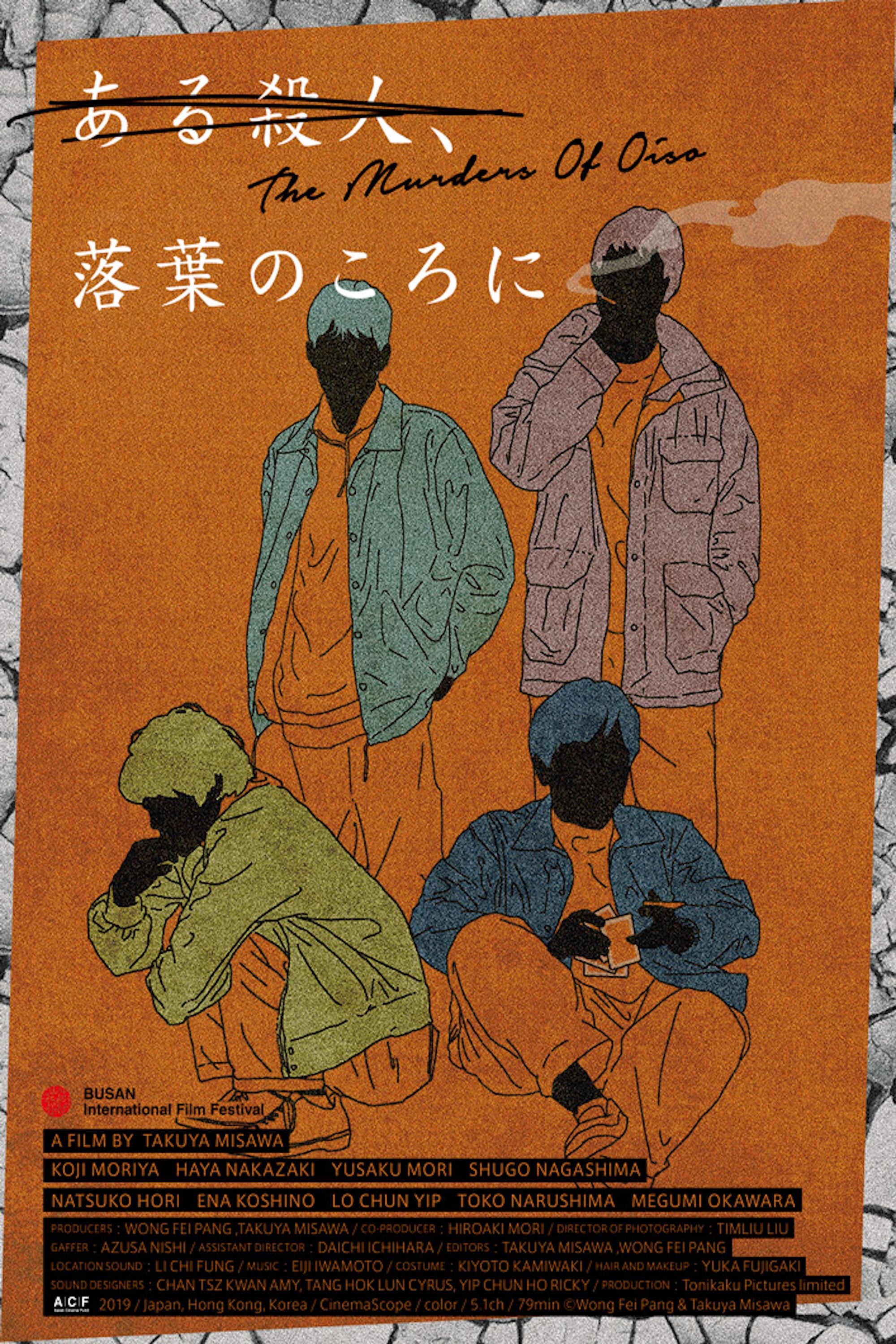
There are Tomoki, Shun, Kazuya, and Aita in Oiso, the seaside town. One day, Tomoki finds their teacher, Ito, who is their teacher and Kajya’s uncle, dead.
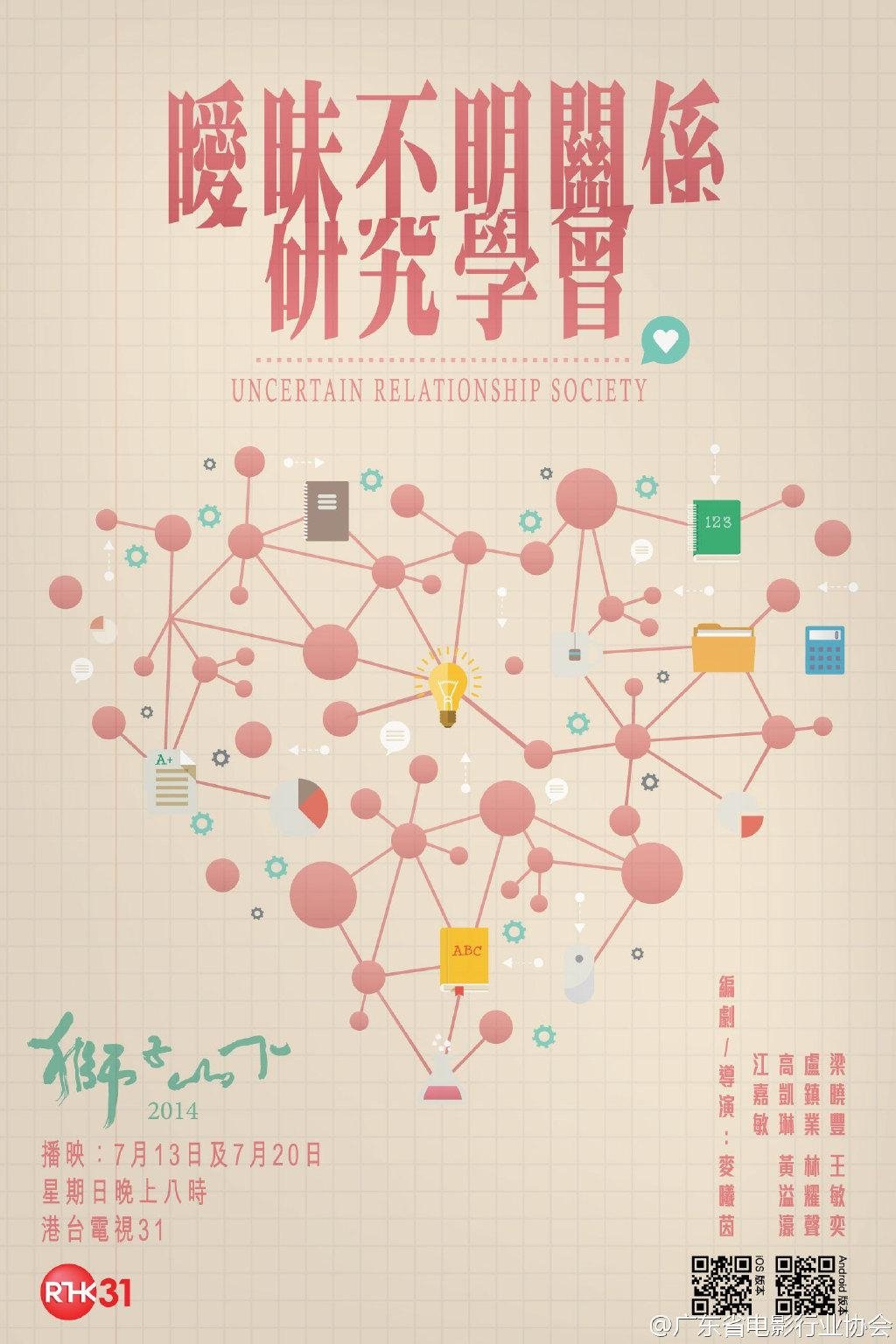
“Ambivalence means… nothing has happened, but you remember everything.” Another coming-of-age story about youngsters who are always desperate for but also afraid of falling in love, director Heiward Mak (High Noon, Ex, Diva) continues to examine the ambivalence of youthful love like an autopsy in this episodic adventure among a group of twenty-something. These characters might be a bunch of losers in love who are searching for self-esteem and recognition, but what make these intertwining tales relevant today are not just the pain and longing, but also the bittersweet memories and emotional growth of Hong Kong’s post-90s generation.
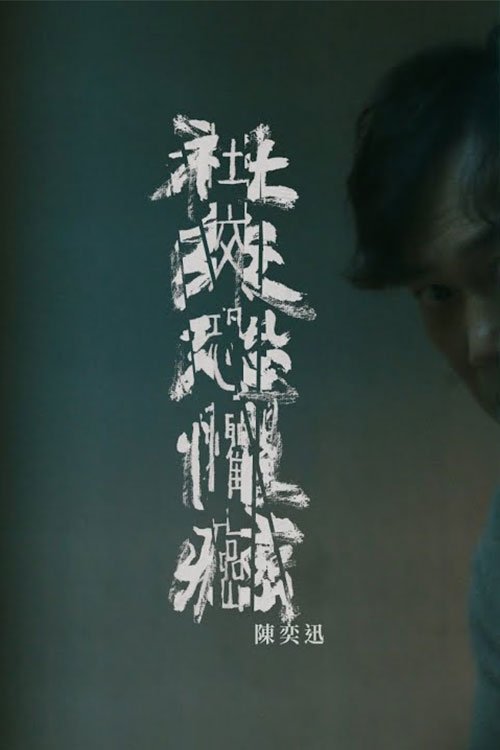
A short film with dialogue for Eason Chan's Mandarin song "Don't Mind Me" 社交恐懼癌 (from his most recent album "Chin Up"), which was produced as an extended backstory for the music video. The Chinese title literally translates as "social anxiety cancer". Starring Eason Chan himself, along with a guest appearance from Tony Leung Chiu-Wai.

Wong Chi Wa’s uncle, Lee Ho Sang, was 20 years old when he disappeared one night without a trace during the Hungry Ghost Festival. Rumours about the incident have spread swiftly around the neighbourhood. Fifteen years later, without explanation about his disapearance, Lee suddenly showed up. Like a ghost tale, the story would be retold every year…
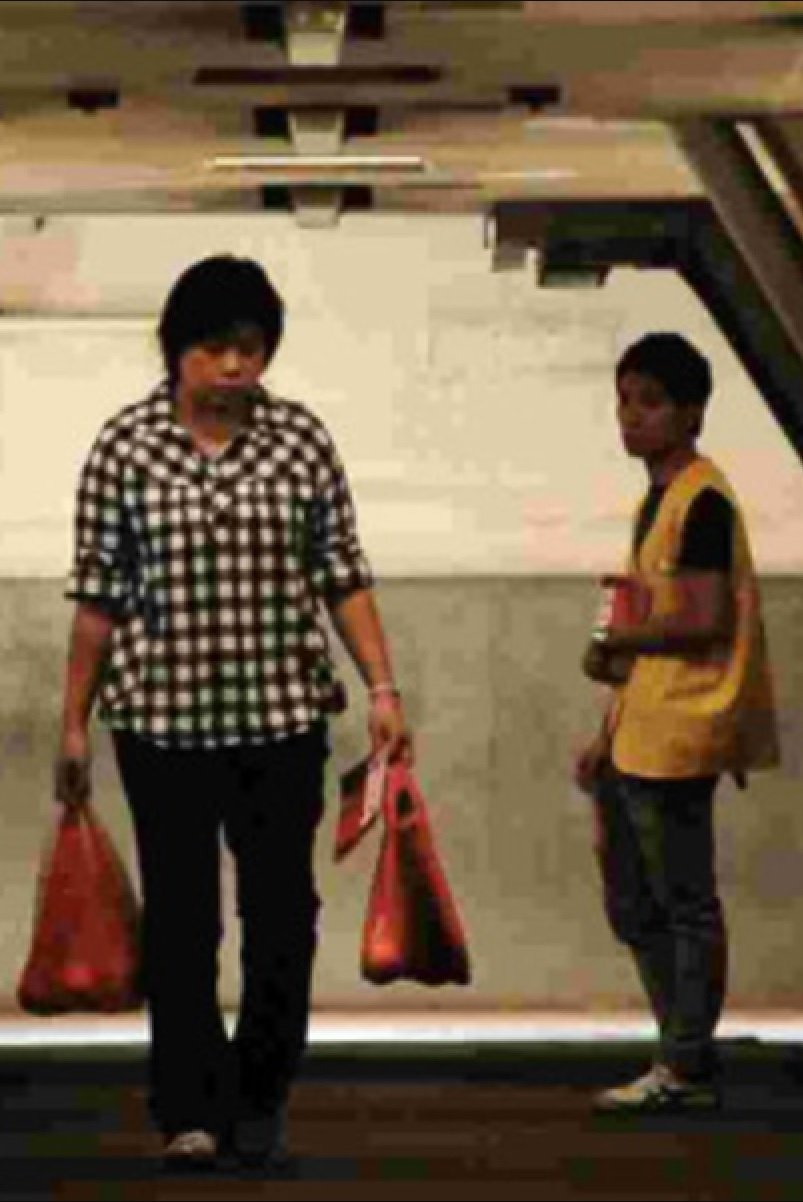
This is the first referendum held in Hong Kong and probably the last. Some people want to grasp the chance to directly participate in the democratic process. They try in various ways to push for greater democracy in society so that the people can become emancipated.
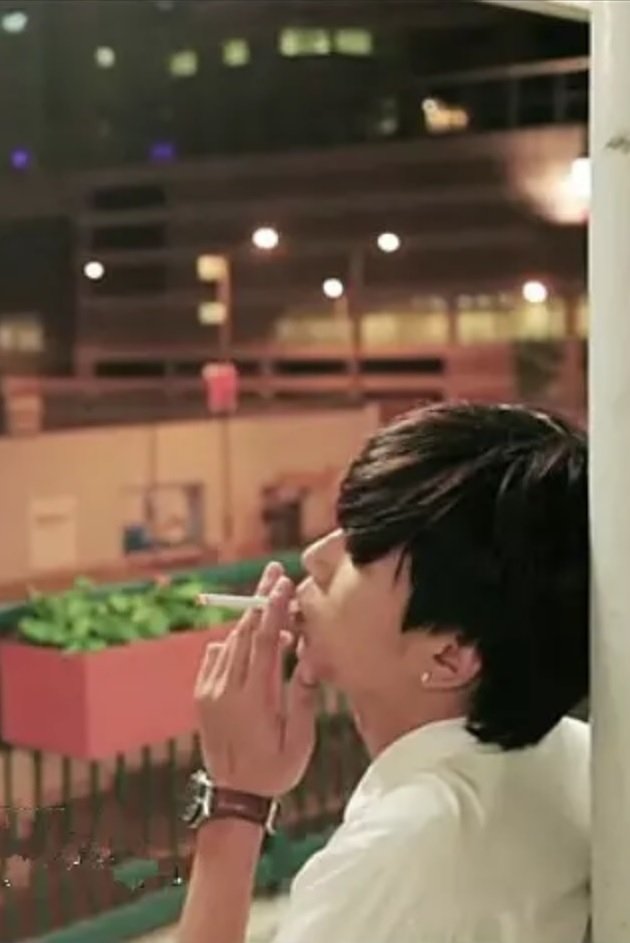
Nick Cheuk’s student short, featured in the 35th HKIFF
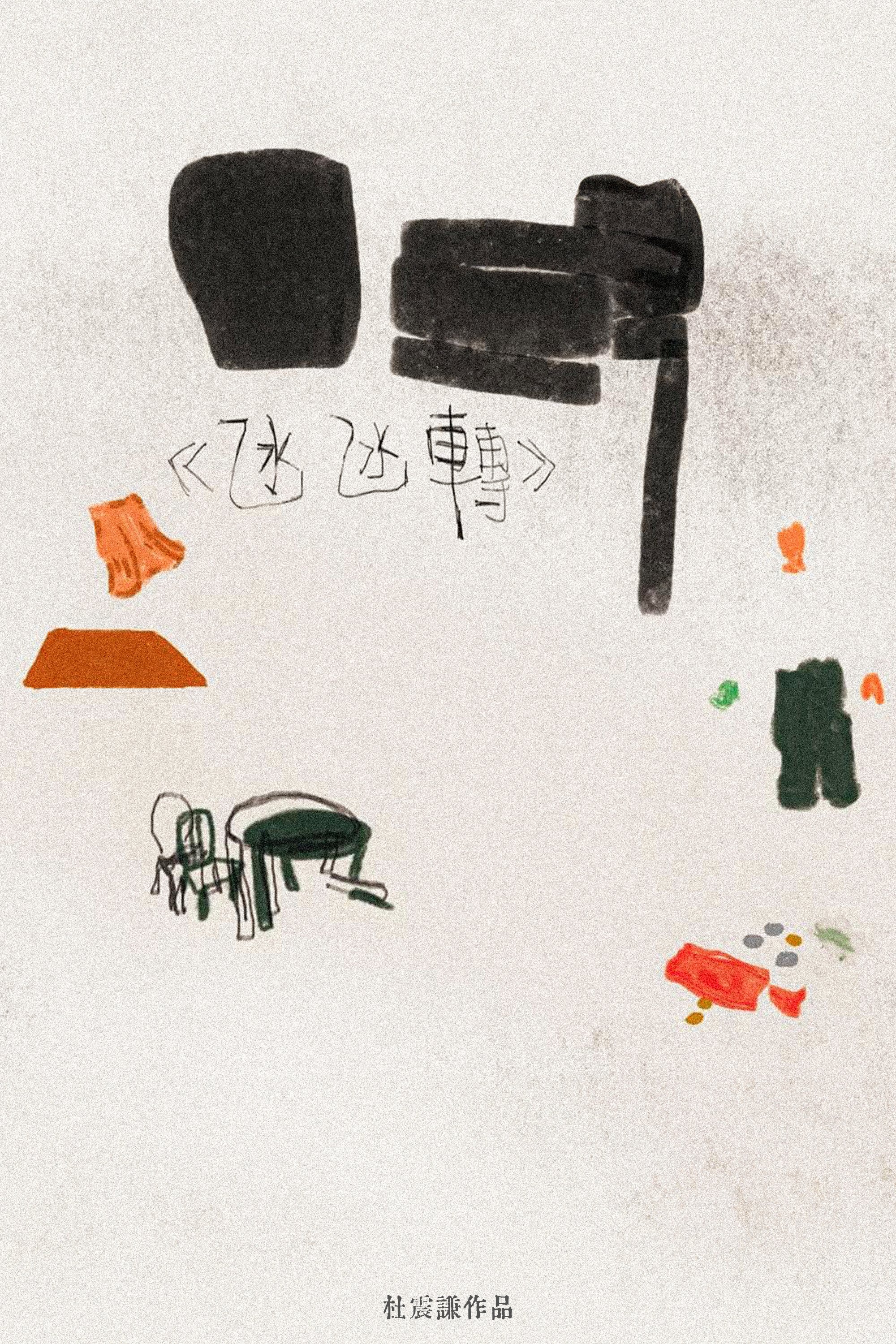
Kwong is a child longing for parental attention. To see his mother, who works in a department store, Kwong often pretends to leave his keys at home, compelling her to return home to let him in. While waiting for his mother to finish work, he frequently observes her assisting lost children in the store. Kwong imagines himself as one of those children, craving similar attention from his mother. Meanwhile, rumors of an impending earthquake stir anxiety across Hong Kong...
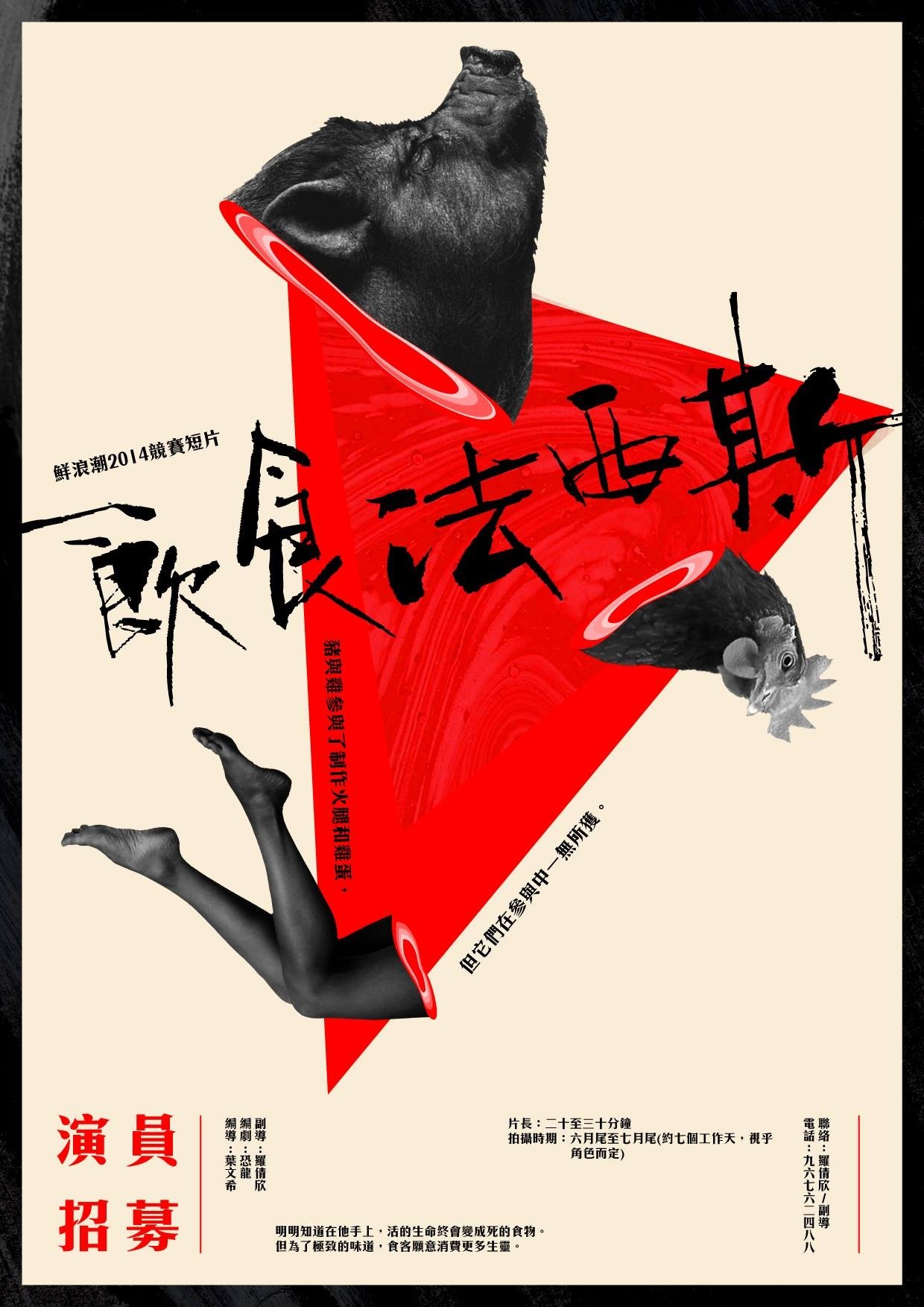
Legendary chef Mo Yik-Tin is notorious for turning animals into spectacular dishes – tastes always rule over lives under the butcher's knife. Equally thoughtful and fascist, Mo is a fascinating mentor in the eyes of his apprentice. In subtle tension with the TV programme's host, Mo is poised to present his greatest culinary dishes which set off an intense debate with the programme host. A reflection on the general public's food-obsessed culture and celebrity worship, this feature also highlights human's decadence and corrupt excess through the aesthetics of food.
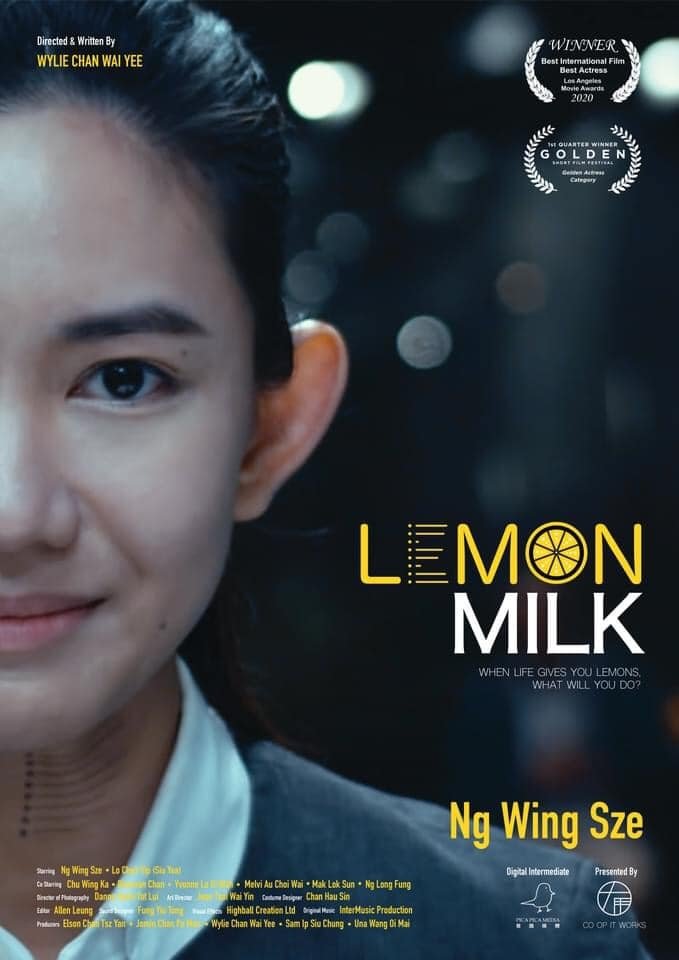
In the insurance exam hall, Wing is afraid of being categorized as social failures. She trains hard to be professional. However Wing is pressured by the examiner Chan and it’s been tough. With Wing’s pure heart, the system slowly malfunctions… When life gives you lemon, you make lemon tea and you swallow it. But is this our only way out?
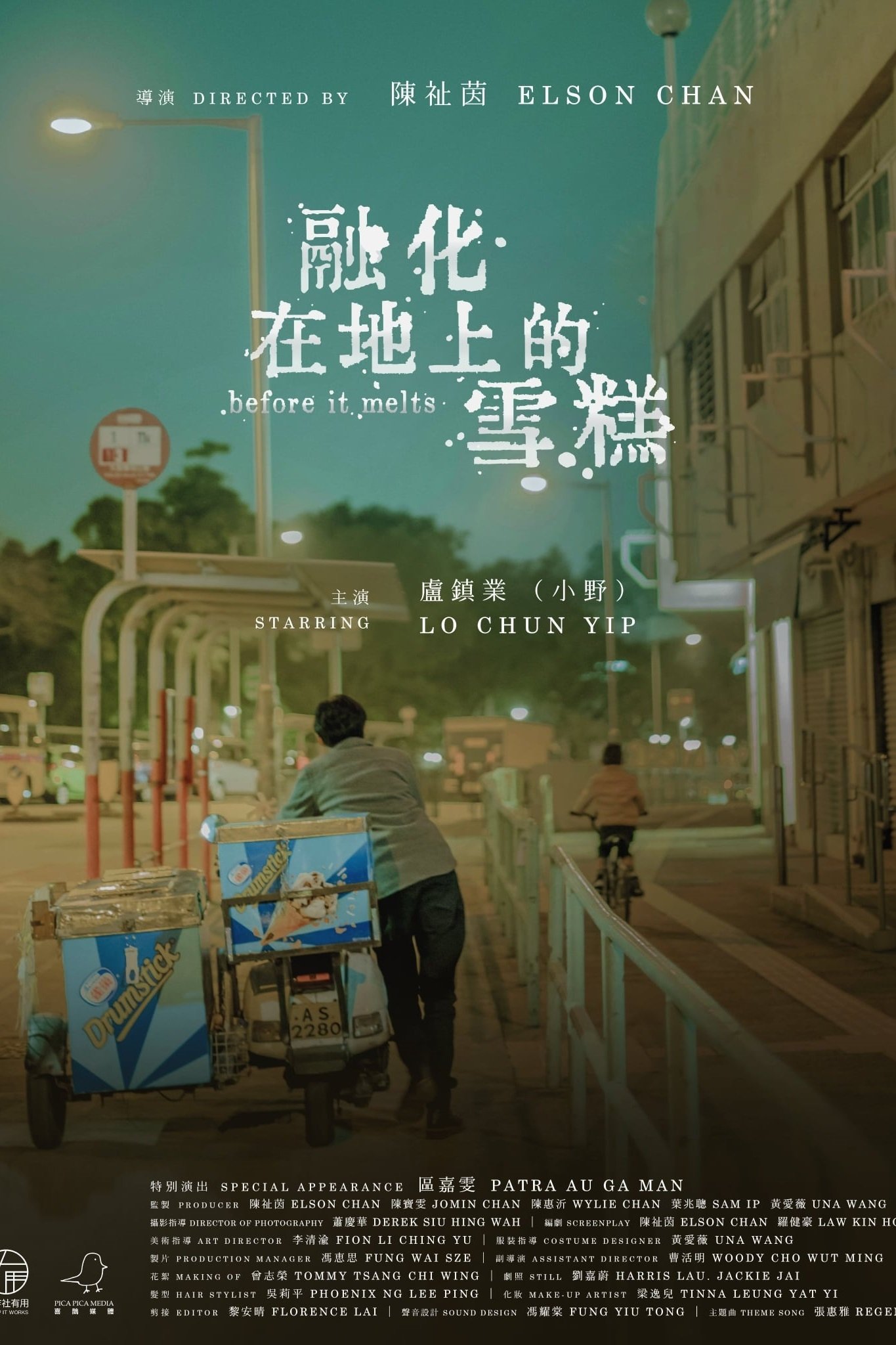
When Lok's estranged father passed away, he left nothing but an ice cream motorcycle. Lok doesn't know how to ride one, so he has no way but to walk alongside it. During his trip, not only does Lok get to know more about his father, but it also leads him to reflect on his relationship with his son.
A private chef, an account on a dating app, and four first omakase meal dates with women from different backgrounds. Our protagonist struggles to articulate his aspirations for adulthood.
Yunnan girl Xiangnan, coming from a poor family, was married off to Hong Kong in exchange for a generous dowry. She lives in the remote area of Lau Fau Shan with her elderly husband. As a stranger in a foreign land, Xiangnan feels lost both in Hong Kong and back home, unable to find a space of her own. She dreams of escape, yet feels trapped like a small boat adrift in the sea, tossed by the waves with no way forward or back. In her helplessness, Xiangnan begins to converse with different versions of herself, searching for a place to coexist with herself. Birth and death, unity and separation, living and survival—all dissolve into silence. The story unfolds in scattered, fragmented memories, mostly reflecting Xiangnan’s daily life. The narrative shifts between the perspectives of her mother, Xiangnan as a child, and Xiangnan herself, moving through different spaces in Lau Fau Shan—sometimes in contrast, sometimes in harmony.
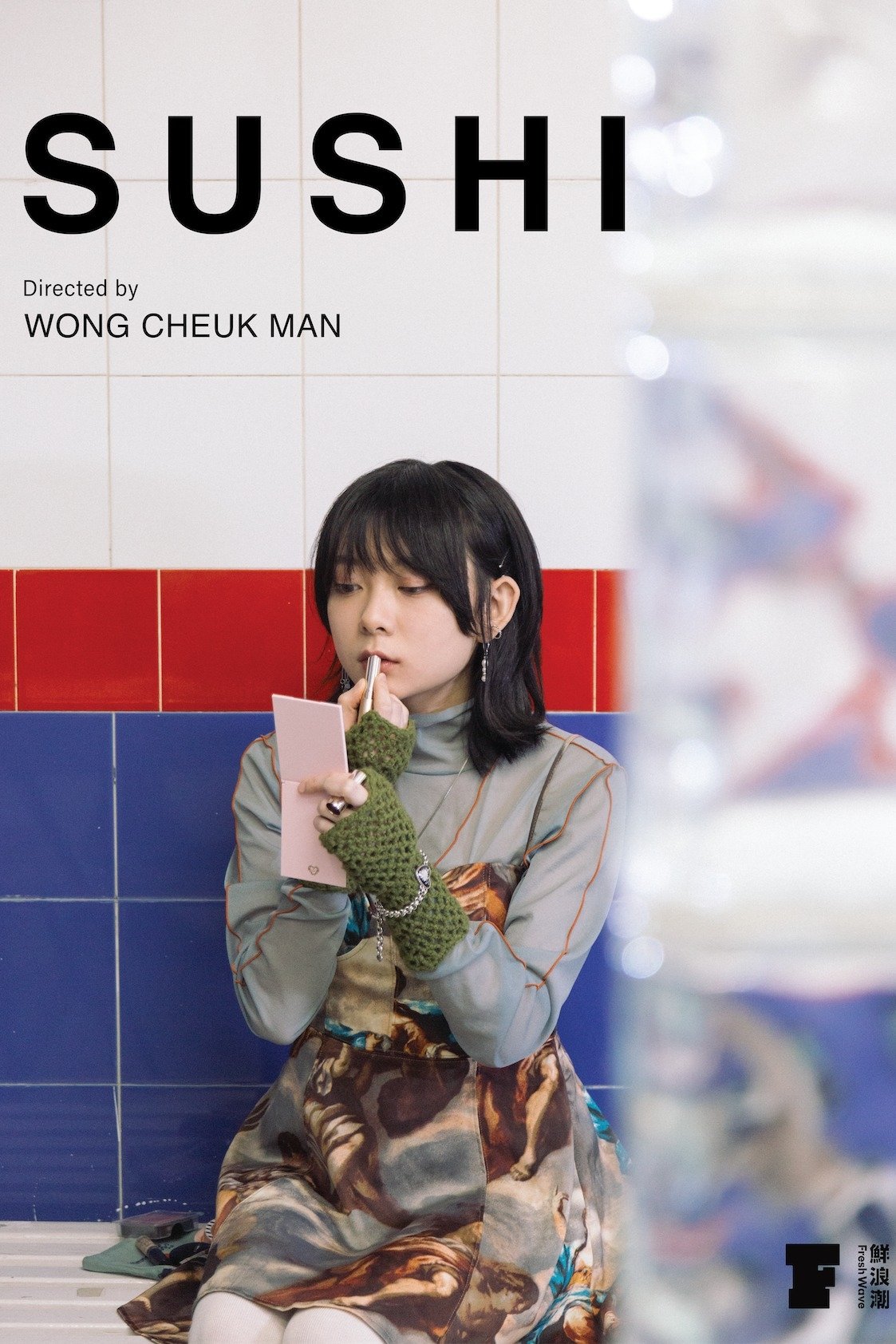
High school student Faye leads a lonesome life, being bullied at school and her family living abroad. She keeps a distance from people, including her classmate Yiu whom she secretly admires. Yearning for love and desperate to break away from her mundane life, Faye becomes a part-time girlfriend named “Sushi”. A delicate dish on the sushi conveyor belt, Faye is coveted and manipulated by the assortment of men who seek her services. Her life is further complicated when Yiu suddenly confesses his affection for her on the phone. Navigating the tumultuous journey of love, will Faye finally be able to lift herself up, take the lead and find her way?
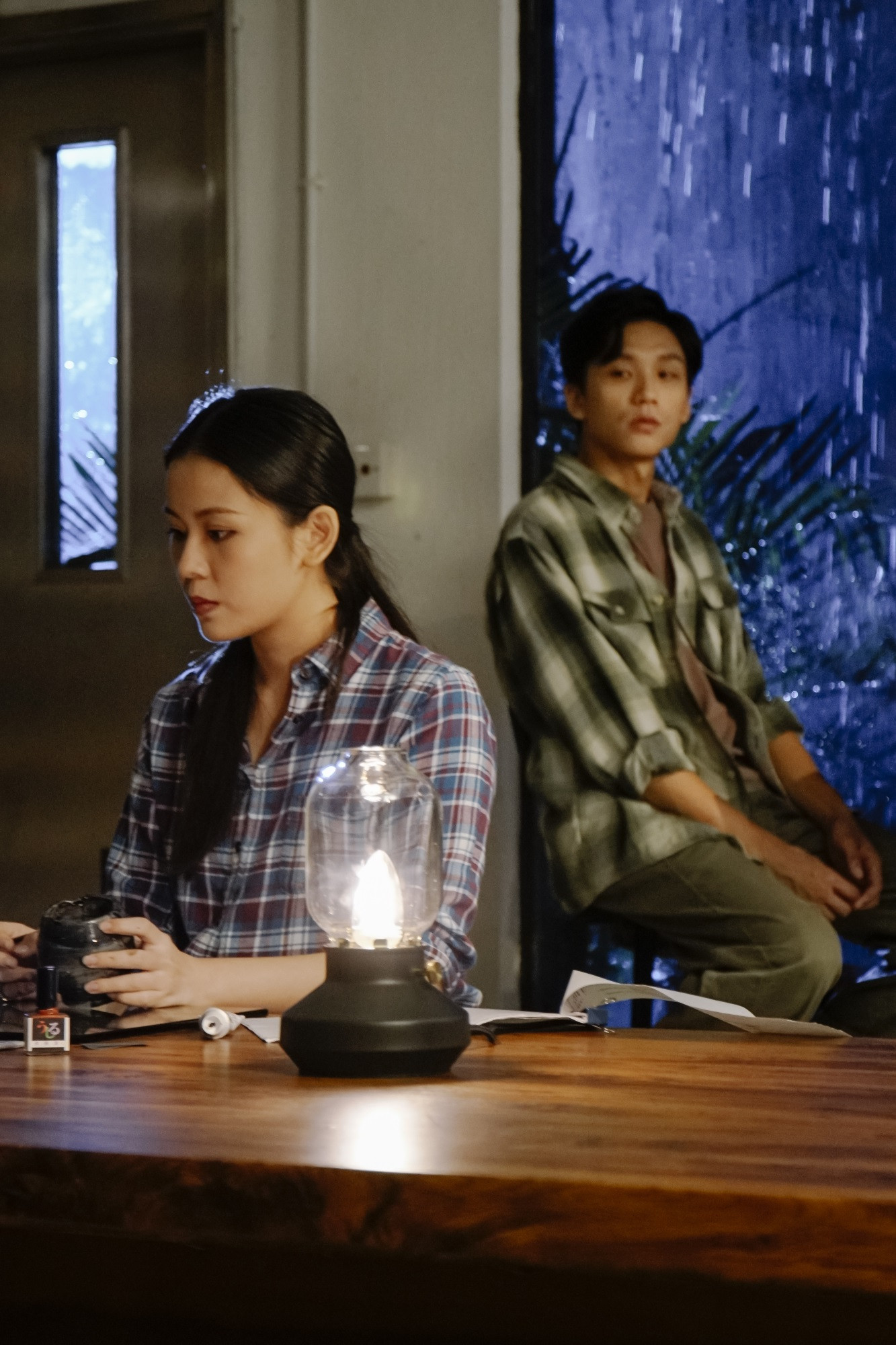
Sherman is a journalist working on a feature story about Kintsugi, the ancient Japanese art of repairing ceramics with powdered precious metals, a manifestation of the Japanese philosophy of embracing the flawed or imperfect. As she learns of a Japanese Kintsugi master's arrival in Hong Kong, she arranges an interview with him and brings along some broken ceramic pieces to the Kintsugi lessons. Sherman unexpectedly runs into her ex-boyfriend, Chun, whom she has not seen for a long time. Because of Sherman's feature, the two are re-acquaint with each other. Sherman is troubled about Chun’s entering her life again. The shattered pieces and the broken relationship - can all that be repaired?
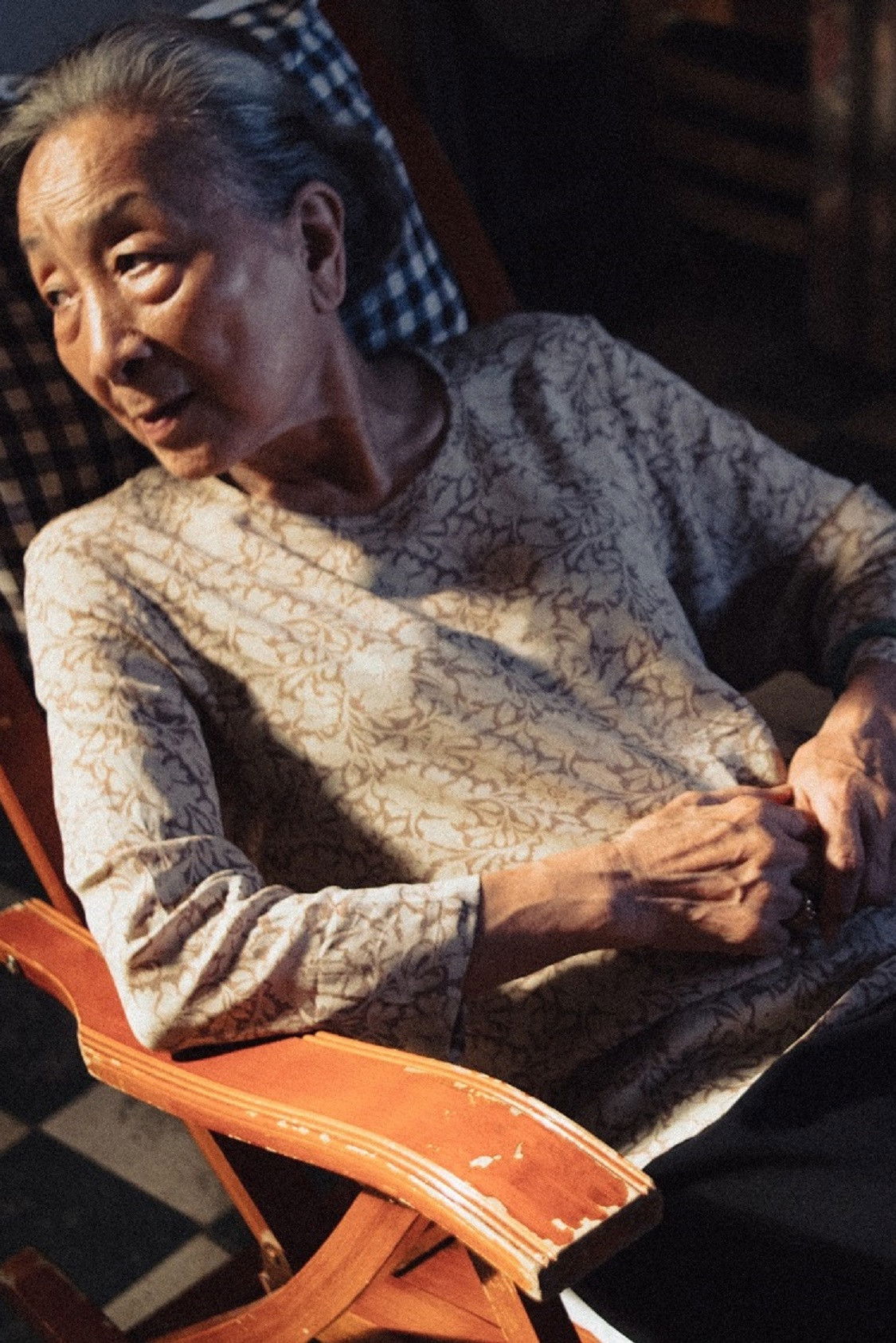
Mrs. Ho, a senile and distraught widow, lives by herself in a walk-up building. For more than half a century, Mrs. Ho has been living in her flat since she was married. But, after an accident, her legs went lame. Her son keeps persuading her to sell the flat and move into a building with lifts. She refuses and she wants to hold onto the flat, her only contact with her dead husband, where they used to do tap-dance together. Of course, they weren’t Fred Astaire and Ginger Rogers but, the film makes touchingly clear, we need to listen to rhythm of their dance. More importantly, Mrs. Ho’s perseverance and strength recall the portrayal of another old woman – Ella Garth (Jo Van Fleet) in Elia Kazan’s masterpiece Wild River (1960).
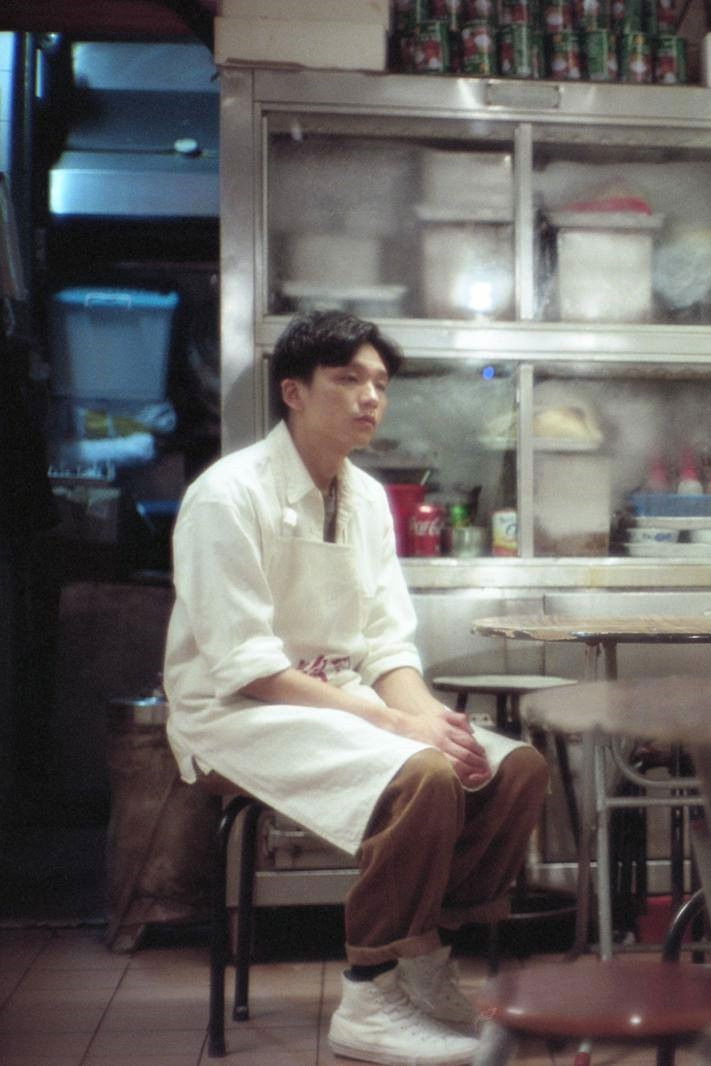
After their father's death, Wah and her older brother Jason inherited the small shop "Remembering". Inside "Remembering", there is an old, worn bulletin board covered with missing person notices and messages of longing accumulated over the years. One night, both of them encountered people in the city carrying memories and pain. Searching for the missing is just a process; perhaps the people we cannot find are simply living in a place happier than where we are.