
Petra von Kant is a successful fashion designer -- arrogant, caustic, and self-satisfied. She mistreats Marlene (her secretary, maid, and co-designer). Enter Karin, a 23-year-old beauty who wants to be a model. Petra falls in love with Karin and invites her to move in.
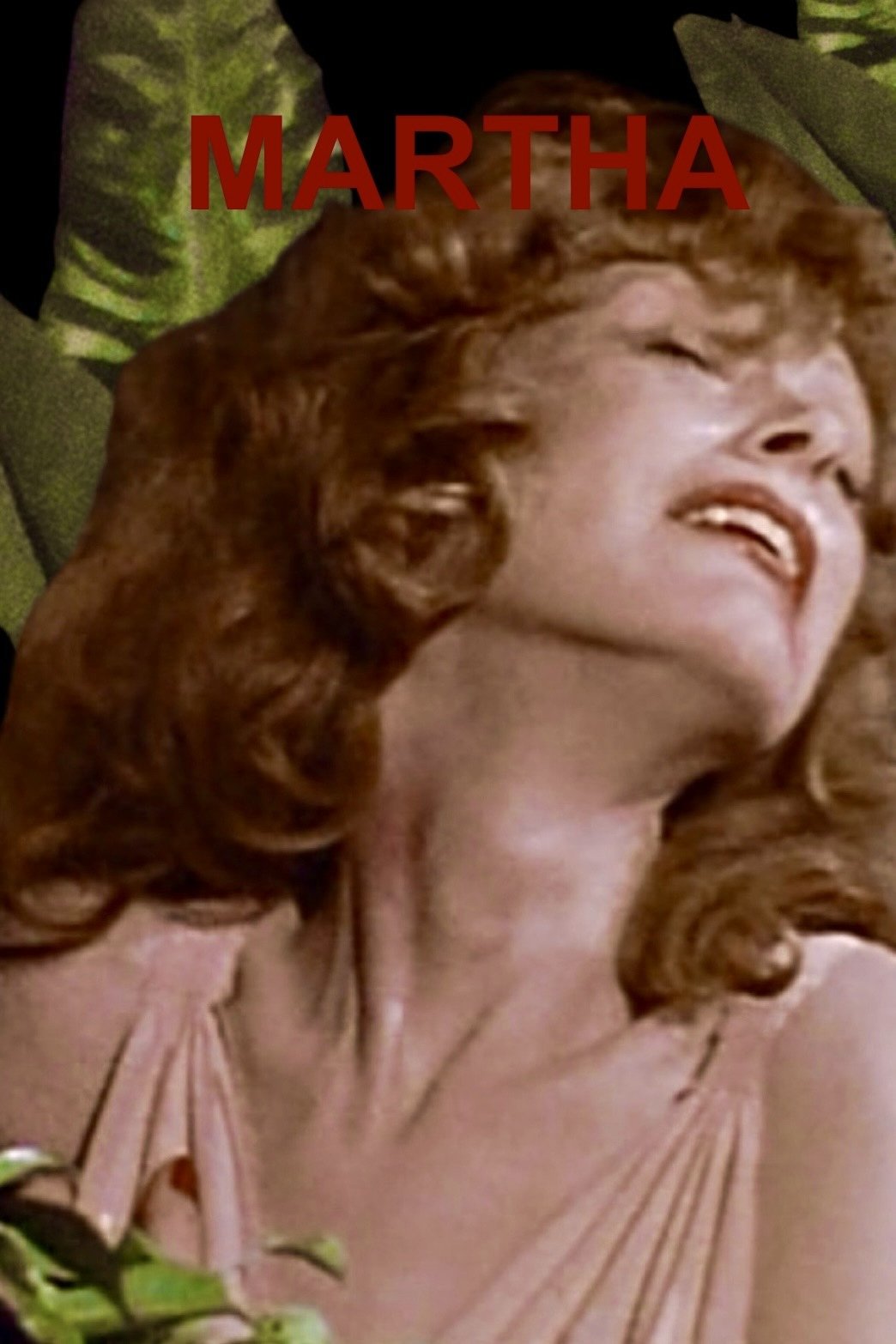
After the death of her abusive father, lonely librarian Martha finds herself caught up in a strange, sadomasochistic relationship with a monstrous husband whom she begins to suspect may be trying to murder her.

Focuses on three very different siblings, all searching for happiness. Hans-Jörg is a sex addicted librarian, who is interested in young students. Werner is a successful politician with a dysfunctional family. Agnes, a trans woman, works as a table dancer in a night club. The three brothers just have one thing in common: their longing for a happy life.
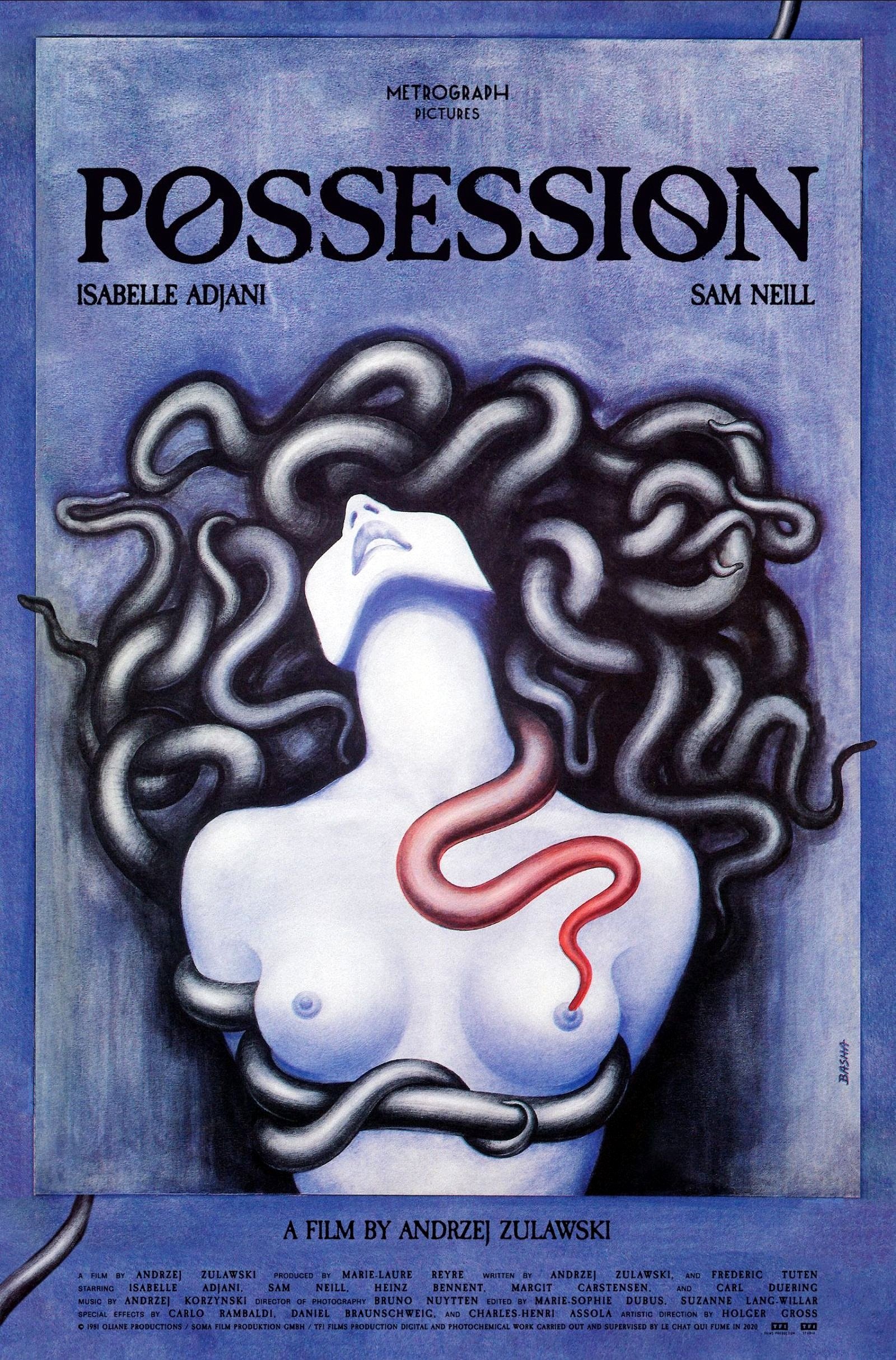
A young woman left her family for an unspecified reason. The husband determines to find out the truth and starts following his wife. At first, he suspects that a man is involved. But gradually, he finds out more and more strange behaviors and bizarre incidents that indicate something more than a possessed love affair.

Ariane and Gerhard Christ, a wealthy Munich couple, plan for the weekend on separate trips, lying to the other about their trysts. However, their itineraries are complicated when they both arrive at the family's country home with their respective lovers.

Frau Emma Küsters prepares dinner late one seemingly-ordinary afternoon in her seemingly-ordinary Frankfurt kitchen. She wants to add canned sausages to the stew; her irritating daughter-in-law thinks otherwise. But the point is moot: Ernst Küsters has not only murdered the personnel director at the soap factory where he's employed but succeeded that by committing suicide.
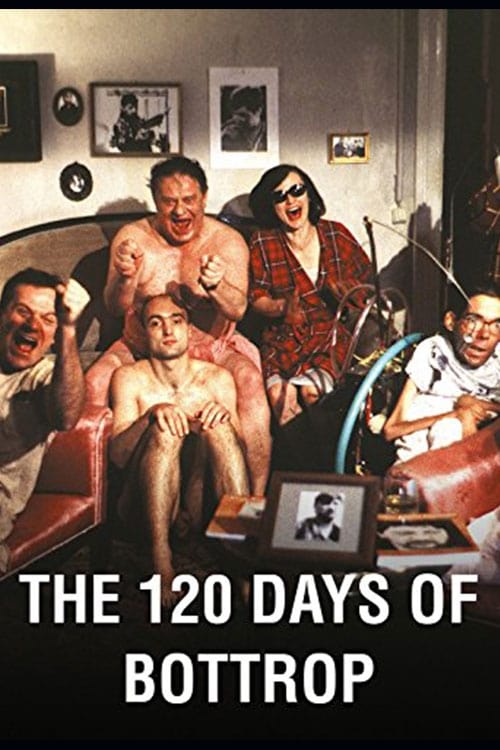
An eccentric homage to the Rainer Werner Fassbinder days of German filmmaking.

A famous poet who hasn't written a word in two years unconsciously plagiarizes the work of Stefan George, while dealing with several mistresses, his dimwitted brother, and a murder investigation.

After having her second child, a German housewife suffers from postpartum depression before inexplicably falling into a continually misdiagnosed mental state, befuddling her relatives.

Paul, a man suffering from cerebral palsy, lives an unfulfilled life in a nursing home. Sitting in his wheelchair, he fantasizes about a life in which people understand him, women find him irresistible, and he is be a force to be reckoned with. He places this imagined self in four different sexual fantasies, each with a different woman.
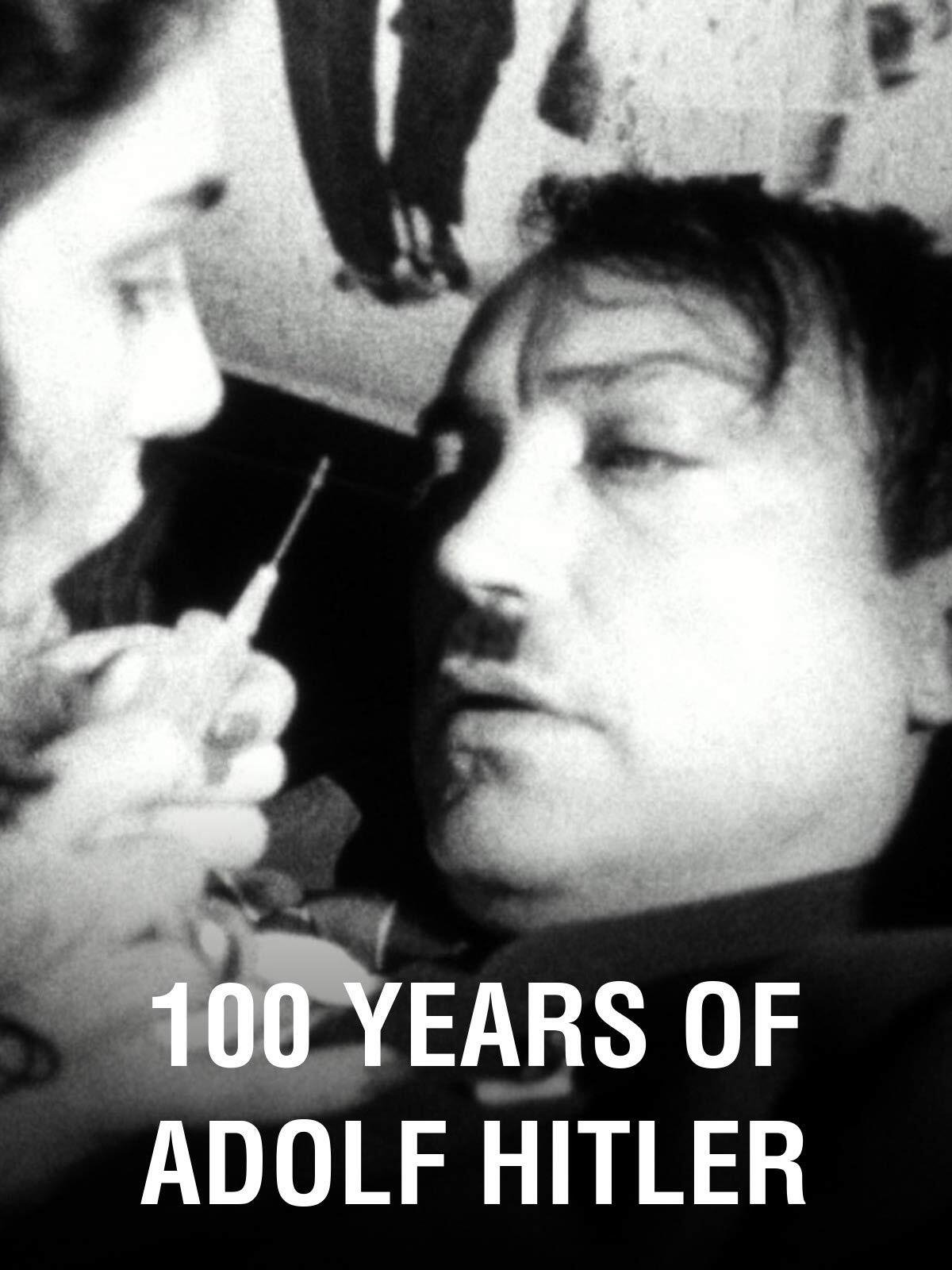
On 30 April 1945, dictator Adolf Hitler, his wife Eva Braun, and prominent members of the Third Reich live out their final hour in the Führerbunker.
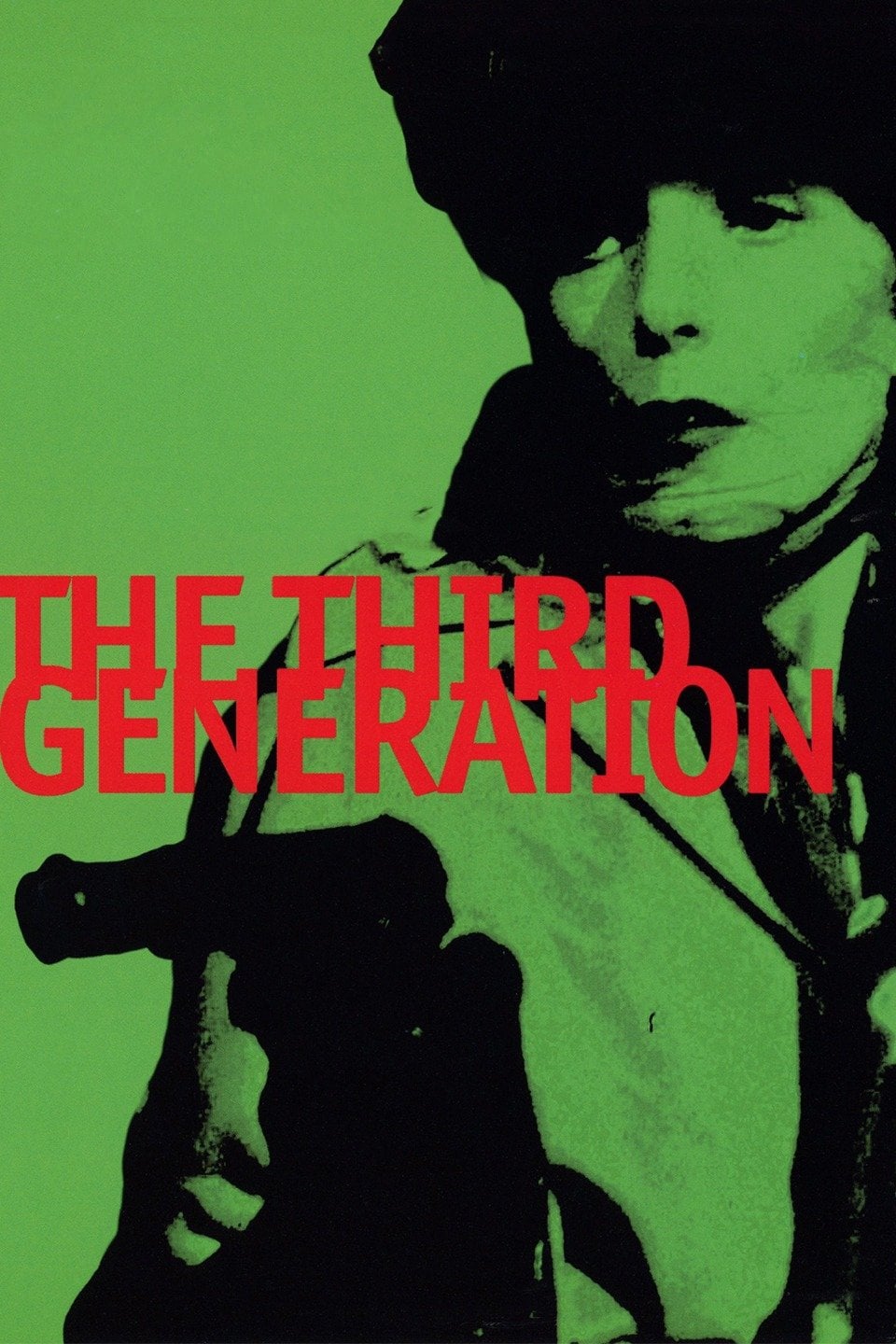
A wildly anarchic satire of guerrilla terrorism in which a band of leftist radicals inadvertently become puppets of the West German government, which uses them to justify its authoritarian policies.
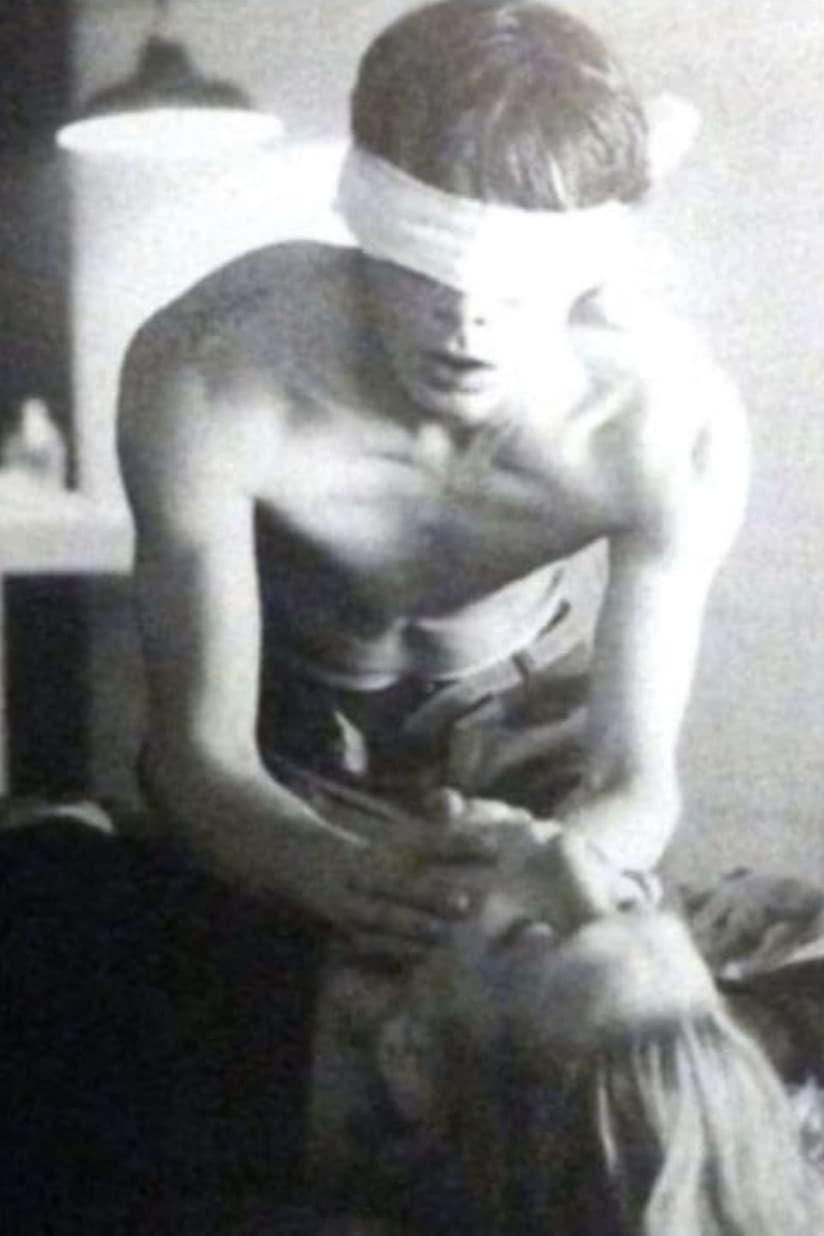
Unable to possess Ivy in reality, Adrian organizes himself so as to know everything about her, to possess her story. Like the viewer, Adrian will be an involuntary detective, witness to a passion.

A German serial killer preys on boys and young men during the so-called years of crisis between the wars. Based on the true story of Fritz Haarmann, aka the Butcher of Hanover and the Vampire of Hanover.

Germany, right after the re-unification. The people are out of control, blind hatred towards immigrants is common sense. In this time, a social-worker, with the mission to bring a Polish family to their destination (an immigration camp in a little provincial town called Rassau), gets kidnapped just as the family. Chief inspector Koern and his girl-friend start to investigate in this matter in Rassau, exploring a world of obsessive sex, mislead lust and an over-whelming irrational love to the German nation, infiltrating anyone's mind. Rascism doesn't start with shaved hair and boots but rather in the middle of society itself...
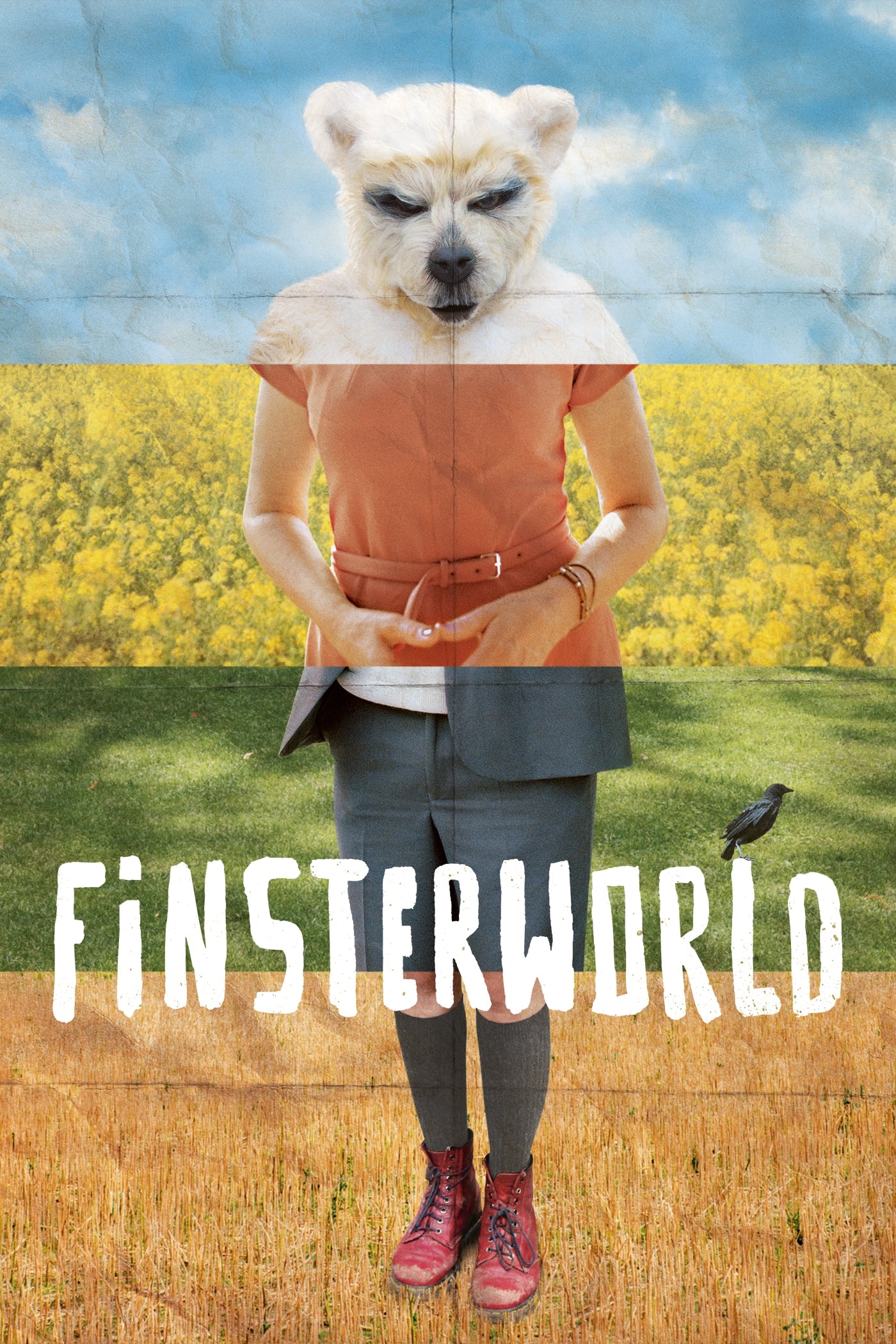
The film tells different stories in a kind of parallel Germany about love, affection and hatred.

A very stylized TV version of the Fassbinder play. The set consists of a few pieces of furniture in front of a large screen on which coastal scenery is back projected. Geesche is a nineteenth-century woman who wants to have a mind of her own. She defies convention and will do anything to achieve her freedom from oppression by her family and friends.

People meet and chat at Ridolfo's Coffeehouse; the conversations are mostly about money, but also about feelings, ideals, friendship, love, fidelity and respectability.

Due to a delayed flight, a group of German flight passengers had to wait in the hall of the airport of Manila. The crowd was quite mixed, ranging from a cultivated eastern German teacher couple up to sleazy sex tourists. As the waiting prolonged, more and more aggressions and long-repressed behaviors shed their way to the surface.
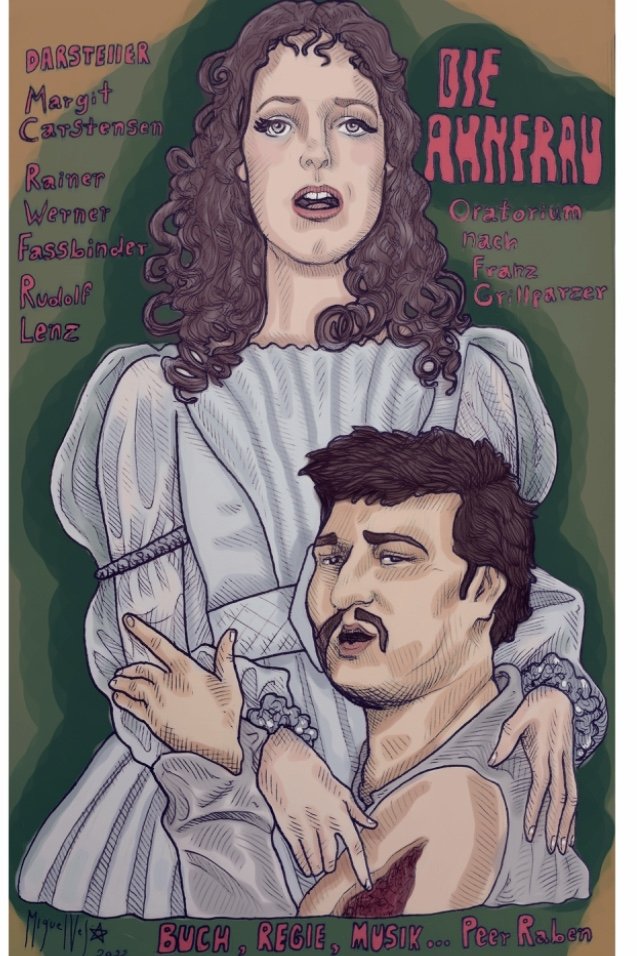
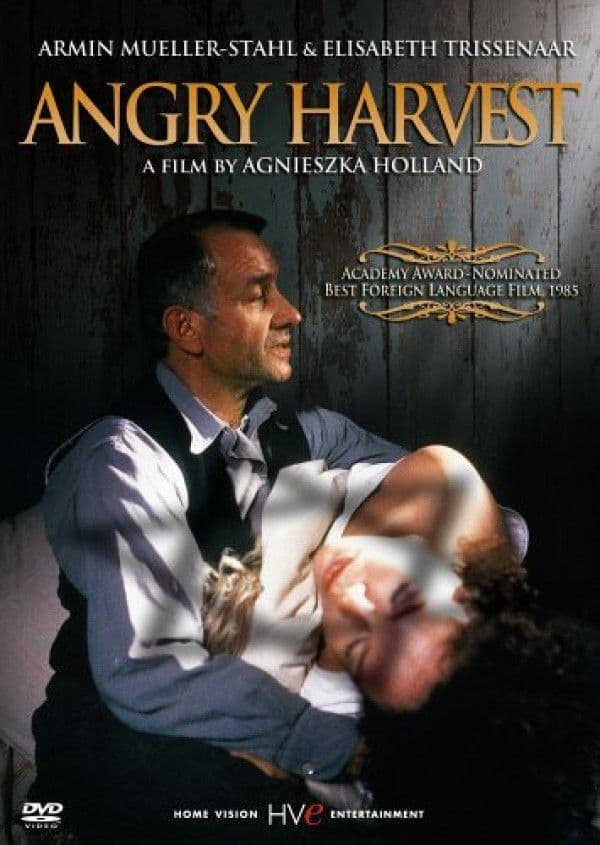
In the winter of 1942-43, a Jewish family leaps from a train going through Silesia. They are separated in the woods, and Leon, a local peasant who's now a farmer of some wealth, discovers the woman, Rosa, and hides her in his cellar. Leon's a middle-aged Catholic bachelor, tormented by his sexual drive. He doesn't tell Rosa he's seen signs her husband is alive, and he begs her to love him. Rosa offers herself to Leon if he'll help a local Jew in hiding who needs money. Leon pays, and love between Rosa and him does develop, but then Leon's peasant subservience and his limited empathy lead to tragedy. At the war's end, a ray of sunshine comes from an unexpected place.
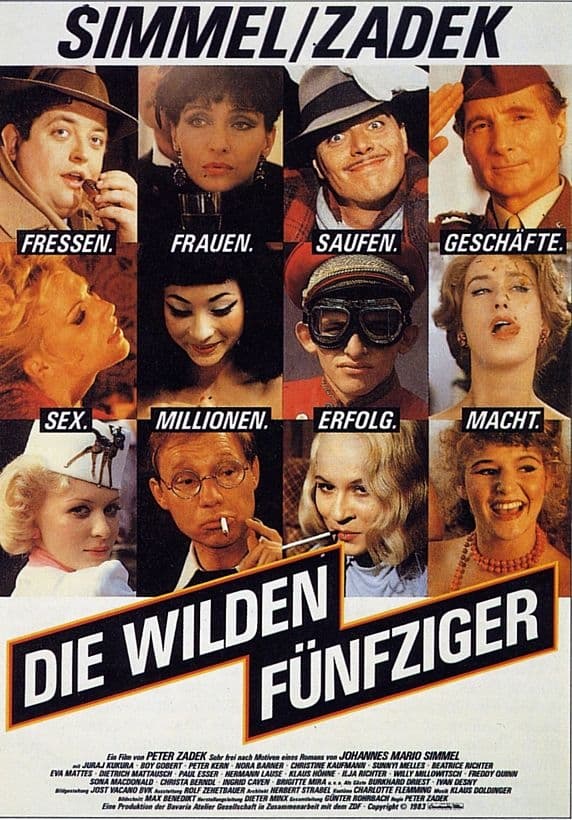
The Second World War is over and now begins in post-war Germany, the reconstruction. Jakob Formann sees his chance here and begins a rapid rise as an entrepreneur.

Full of anticipation, ten-year-old Emma goes on vacation to her grandma Dolly in the country. Once there, however, the girl learns that old Klipperbusch has died - and his money-hungry nephew Albert is already in the process of converting the inherited estate for profit. And anything he can't use for this is thrown out without further ado. At least Emma manages to save Klipperbusch's beloved mare Mississippi from the slaughterhouse at the last minute: she persuades her grandmother to buy the horse from Albert. Emma is now a proud horse owner. She is all the more surprised when Albert turns up at her door one day and desperately wants Mississippi back. It's clear to Emma and her friends that this guy can't be up to no good...
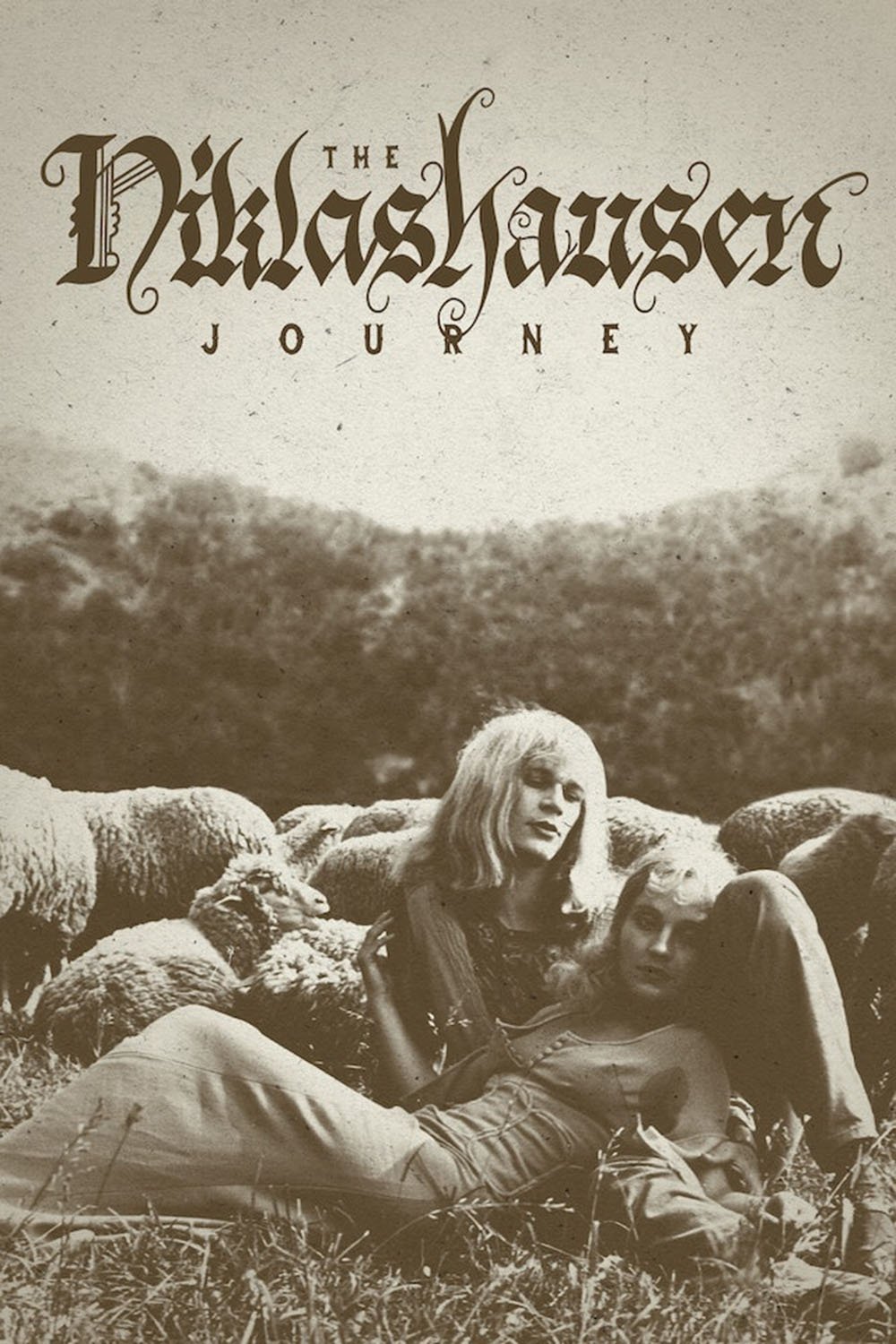
Can a small group of people start a proletarian revolution, asks the "Black Monk" in a leather jacket? The medieval shepherd, Hans Boehm, claims to have been called by the Virgin Mary to create a revolt against the church and the landowners. The "Black Monk" suggests that he would have more success if he dressed up Johanna and had her appear as the Virgin Mary.

A documentary about the life of Karlheinz Böhm from his film career to his charity activities in Ethiopia.
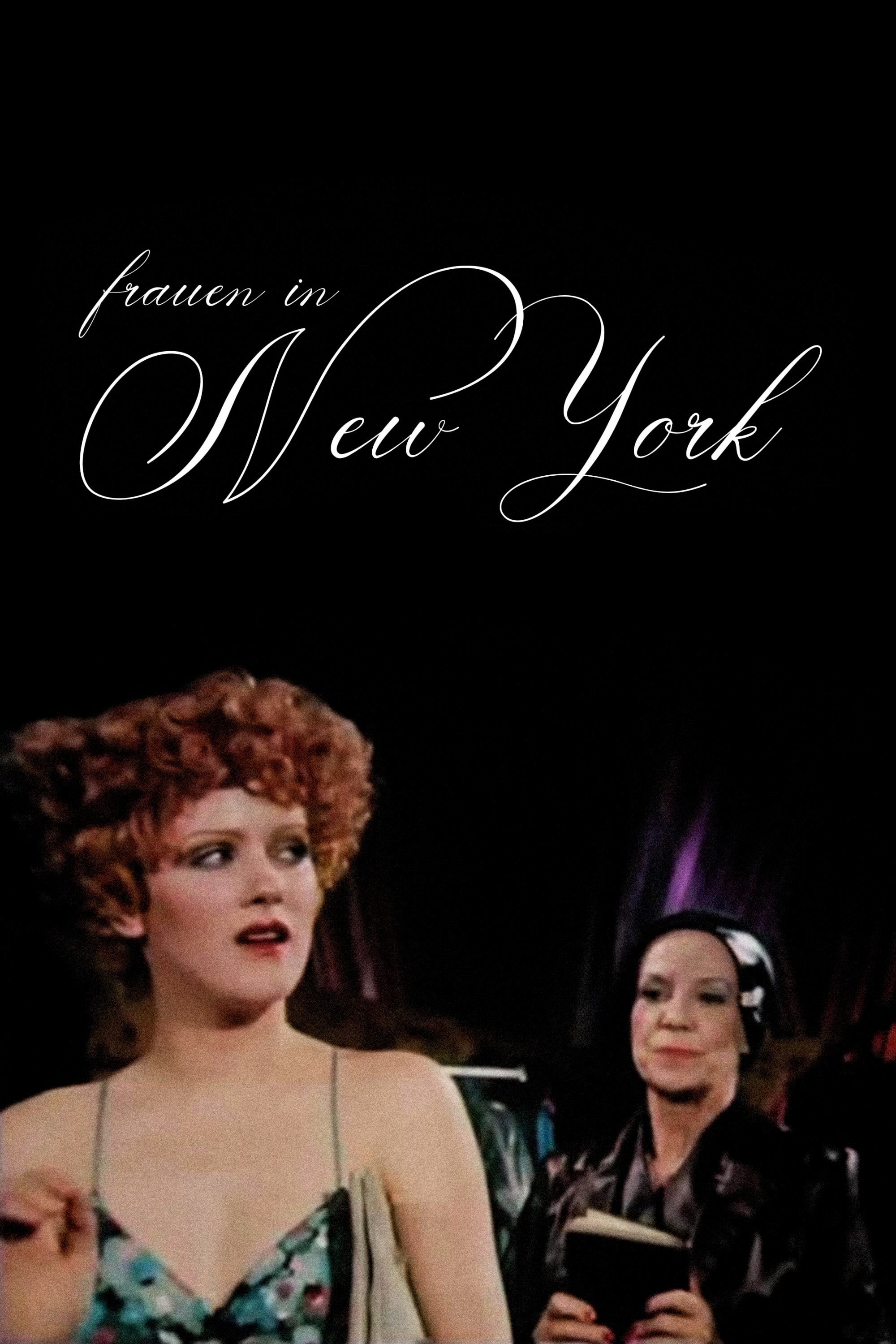
In 1930s New York, a group of bored wealthy women convene in social situations and converse about their husbands and/or lovers.
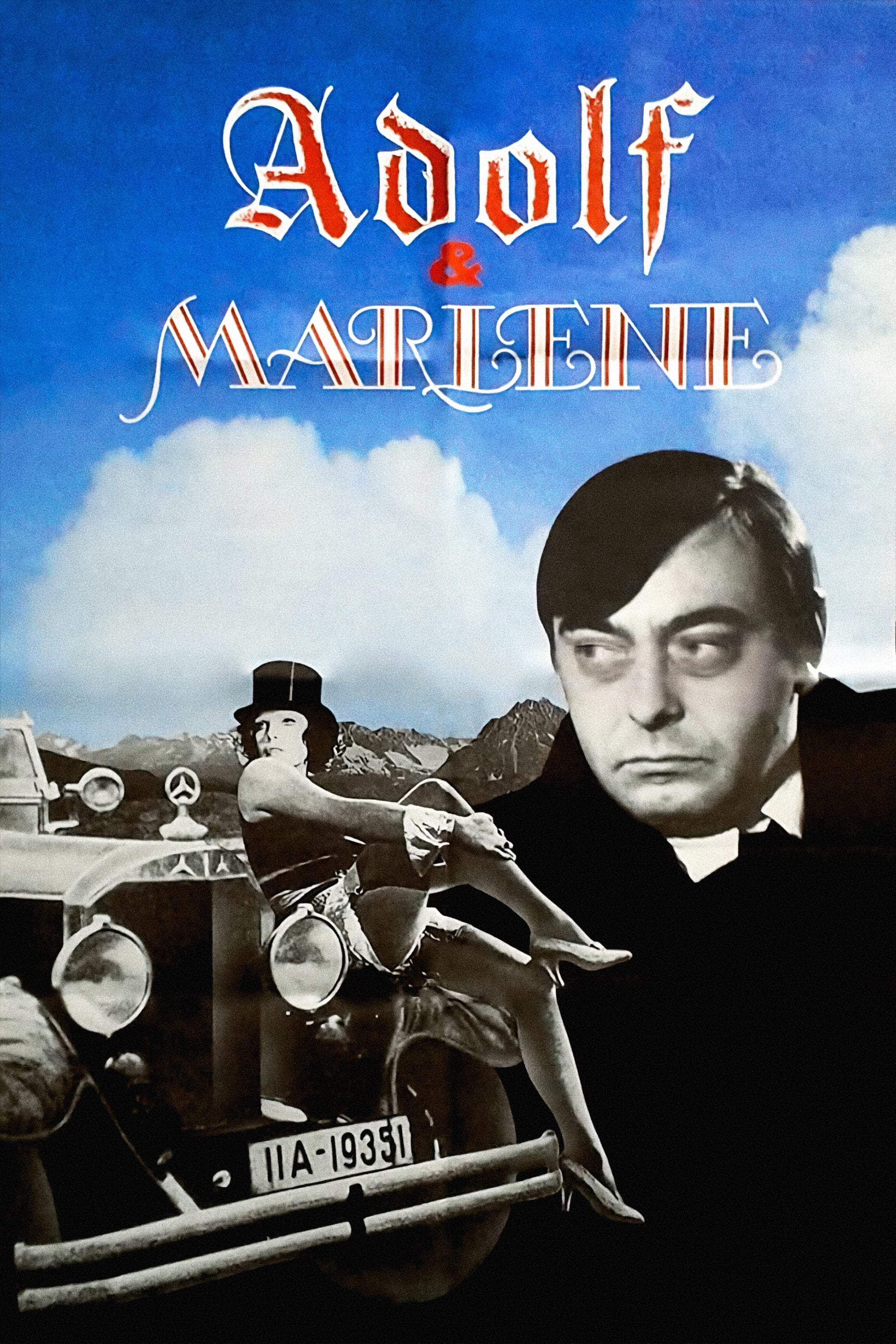
When Hitler watches Marlene Dietrich in a movie, he falls in love with her. He persuades her to come back to Germany to be with him, but upon her arrival, she constantly insults and provokes him until he eventually, on her command, bites the carpet to bits.

To find a bone marrow donor for himself, fashion designer Jesko visits his upper-class family in southwest Germany where he has to confront mental illness and long-held grudges.

Oskar Panizza’s The Council of Love (1895) is a blasphemous play set in 1495, during the first recorded outbreak of syphilis, which Panizza satirically presents as the punishment from Satan for sexually active humans. As a result, Panizza was imprisoned for obscenity. Schroeter alternates scenes from the Panizza’s work with a dramatization of his trial, presenting the play as an expressionist spectacle performed by actors wearing exaggerated makeup who gesture and grimace grotesquely. The film thus forms a bridge between Schroeter’s use of tableaux in his early experiments with the political urgency of his 1980s films. On the eve of the AIDS crisis, Schroeter is presciently worried about disease as an excuse for governmental repression and the oppression of sexuality. - Harvard Film Archive
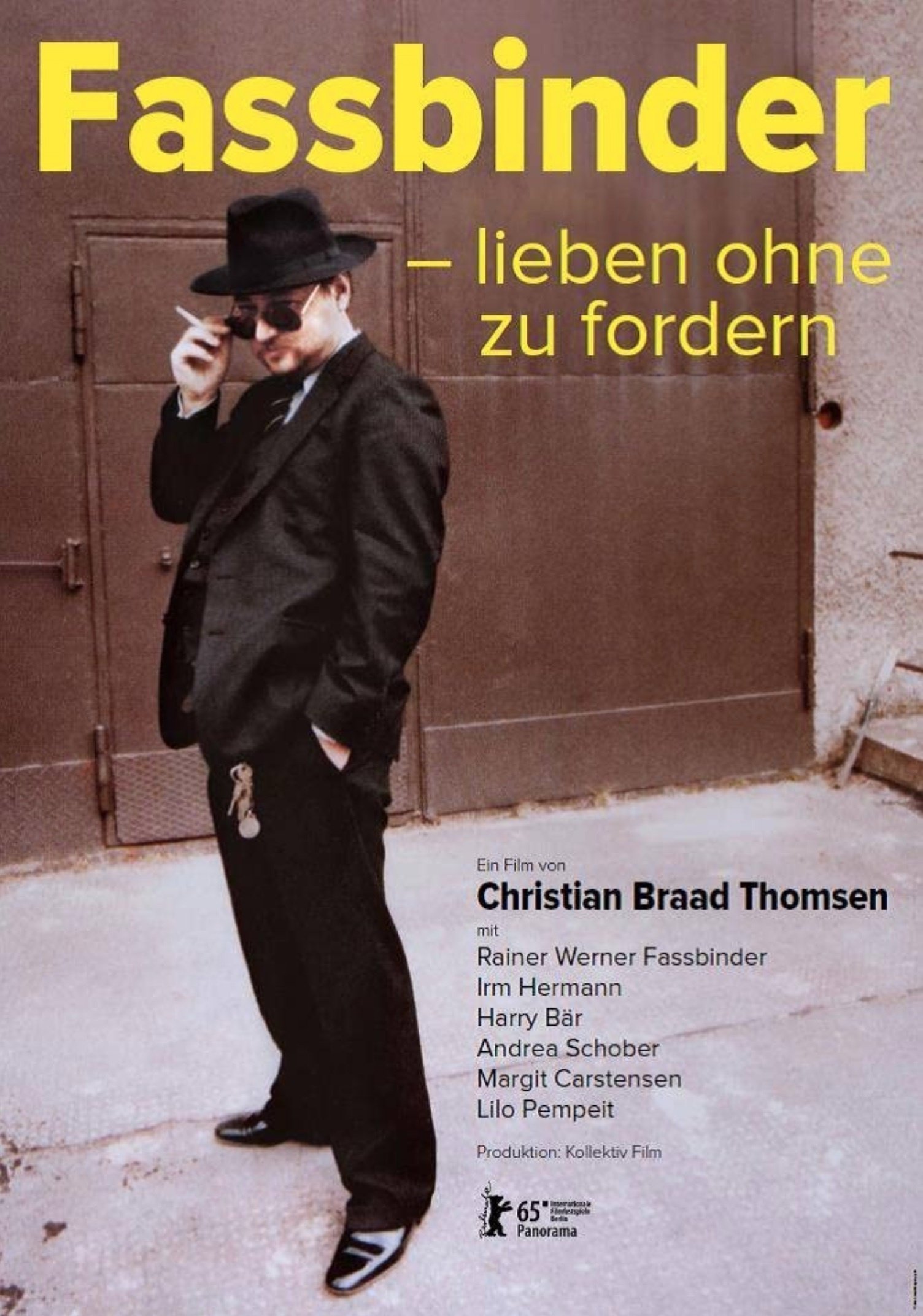
Rainer Werner Fassbinder was probably Germany’s most significant post-war director. His swift and dramatic demise at the early age of 37 in 1982 left behind a vacuum in European filmmaking that has yet to be filled, as well as a body of unique, multi-layered, and multifarious work of astonishing consistency and rigour. From 1969 onwards, Danish director and film historian Christian Braad Thomsen maintained a close yet respectfully distanced friendship with Fassbinder. The film is based on his personal memories as well as a series of conversations and interviews he held with Fassbinder and his mother, Lilo, in the 1970s.

A film portrait of the influential Bavarian actor, director, and screenwriter who publicly confessed his homosexuality, which chronologically covers all the important stages from Action-Theater to the director's early death, supplemented with anecdotes.
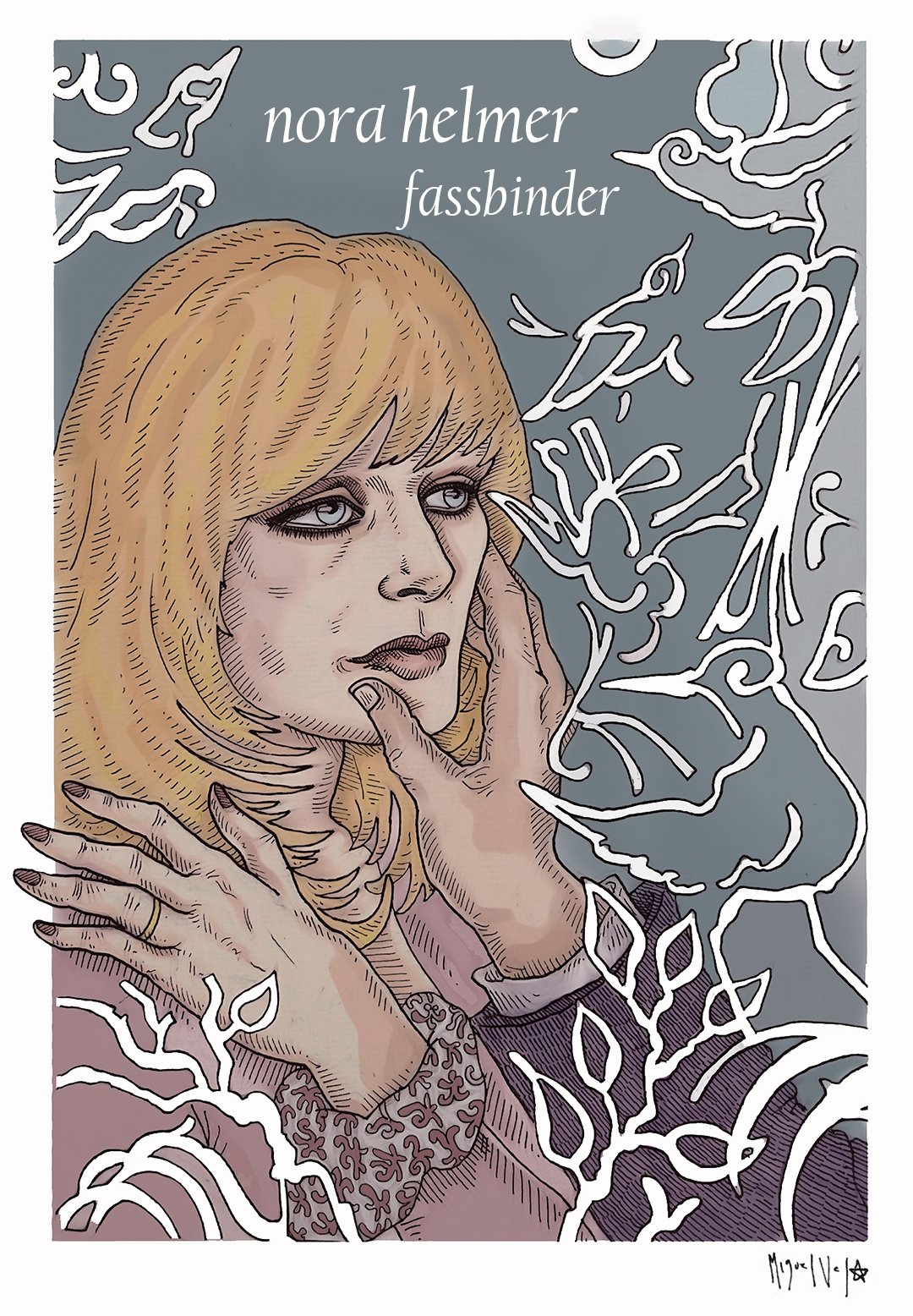
A childish wife reveals surprising strength when faced with blackmail. Based on A Doll's House by Ibsen, this is a video recording made for German television.
A psychological portrait loosely based on the true story of Gesche Gottfried who became notorious in 19th century Bremen for killing fifteen people with arsenic. Known by her neighbors and friends as a merciful Christian, loving mother and devoted wife, she poisoned within fifteen years her parents, her brother, two husbands, three children and numerous friends. When caught, she never denied her deeds, but could not give any reason.

A group of kids grow up on the short, wrong (east) side of the Sonnenallee in Berlin, right next to one of the few border crossings between East and West reserved for German citizens. The antics of these kids, their families, of the "West German" friends and relatives who come to visit, and of the East German border guards, all serve to illustrate the absurdity of everyday life on the Sonnenallee, and therefore throughout the former East Germany.

Feuerreiter is an elegant period drama that begins in Frankfurt in 1796. Through his friend, Baron von Sinclair, romantic and rebellious poet Friedrich Hölderlin secures the position of a private tutor in the home of a banker named Gontard. He is soon torn between his passion for poetry and his love for Susette, the lady of the house. To top it all off, Baron von Sinclair is in love with him. Hölderlin's most beautiful poems are written during this trying time. However, he becomes a total recluse when he loses Susette. The film examines the effects of conflicting demands, both emotional and sensual, that may inspire art. Feuerreiter was screened as part of the New German Films at the 49th International Berlin Film Festival, 1999.
The 50-year-old haulier Kluth is left by his wife and falls in love with 15-year-old Anita, the daughter of the owners of his favorite pub. Anita's parents tolerate the relationship because Kluth supports them financially. But when Anita is expecting Kluth's child, they terminate their friendship and threaten to press charges. Kluth commits suicide.

The movie version of Christoph Schlingensief's stageplay.

Using unpublished and newly digitalised archive footage and film material, Bettina Böhler has brilliantly assembled this film about the life and work of the exceptional artist Christoph Schlingensief, who died in 2010.
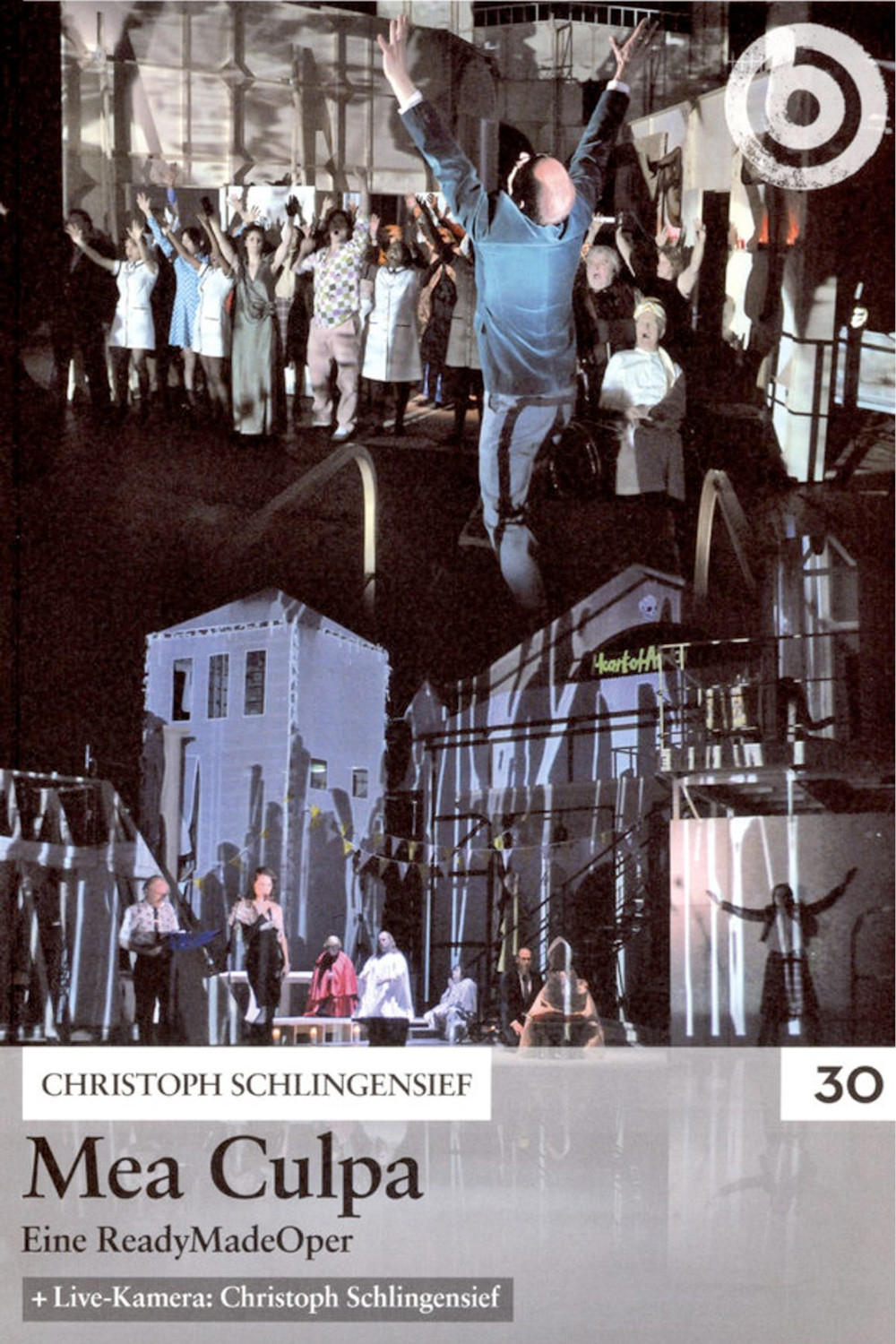
In Mea Culpa, Christoph Schlingensief blurs a delicate line: he ignores the threshold that separates the healthy from the sick. By making his cancer the subject of an opera, premiering on the largest German-speaking theater, he is putting the art district under pressure: a wonderful institution like the Burgtheater must use its artistic resources lavishly to reveal the entire "truth" about us humans. At the end of the day, when the scenery on Janina Audick's revolving stage has finally come to rest, when Isolde's last Liebestad has been sung enchantingly beautifully by Elfriede Rezabek and indescribable jubilation breaks out, then Schlingensief is completely alone with his illness.