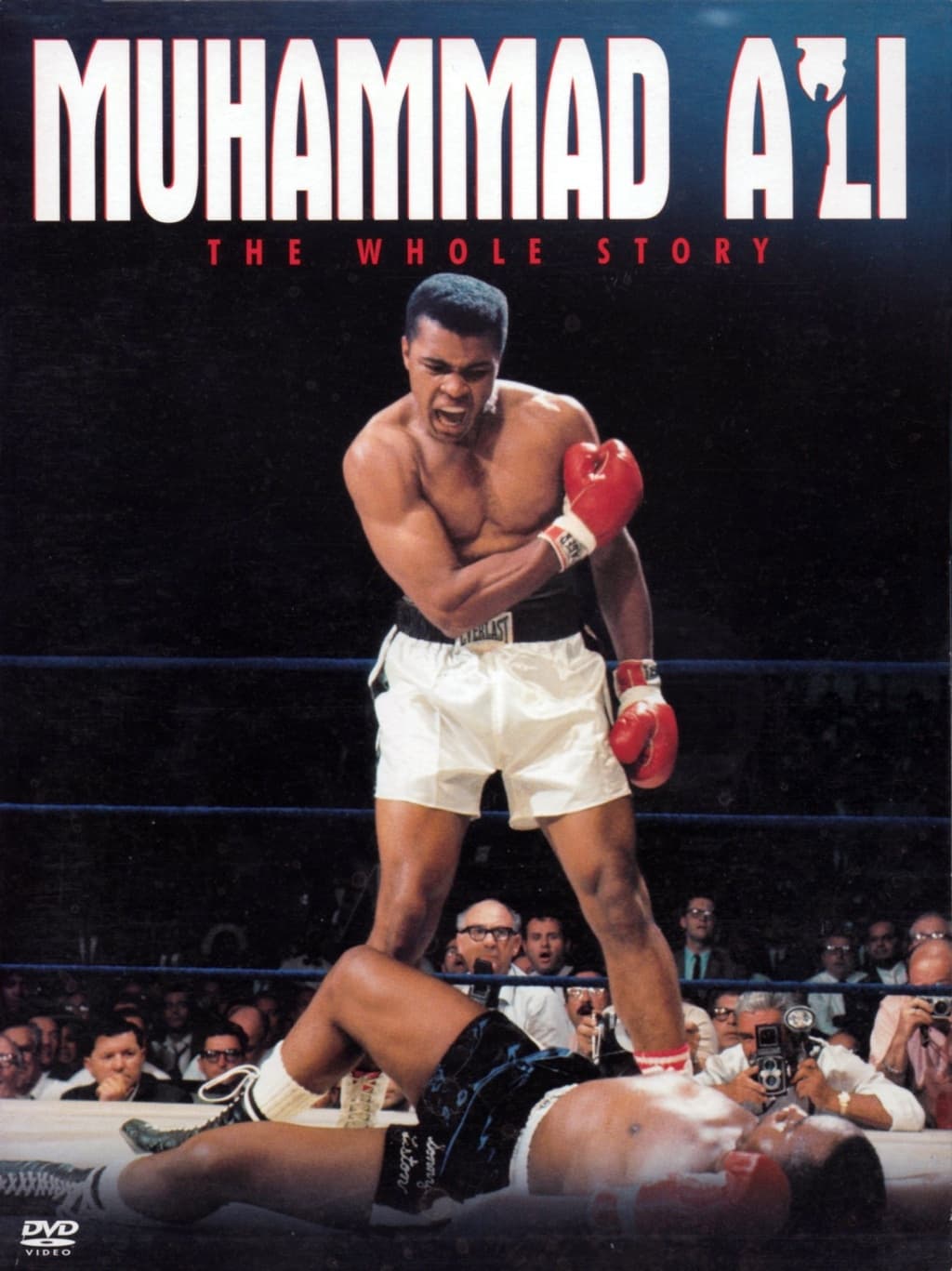
Muhammad Ali. He is known as the most thrilling athlete of all time... he is known as The Greatest. The remarkable story of how he became one of the most loved, hated, intriguing, and controversial figures in American history is brought to life in the 6-hour series, Muhammad Ali: The Whole Story. Episode 1: Olympic Gold. Episode 2: The Youngest Heavyweight Champion. Episode. 3: Exile. Episode 4: The Road Back. Episode 5: The Rumble In The Jungle Episode. 6: The Thrilla In Manila.
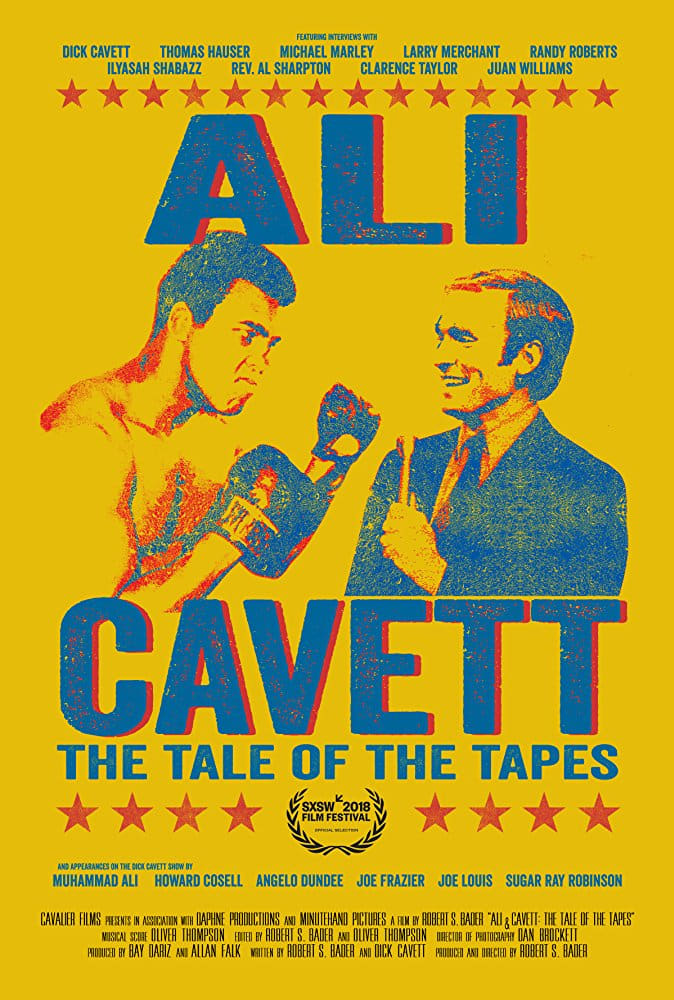
The life and times of Muhammed Ali shown through the lens of his numerous appearances on The Dick Cavett Show. The film features new interviews with Dick Cavett, Rev. Al Sharpton, and Larry Merchant, as well as archival material from the Cavett Show.
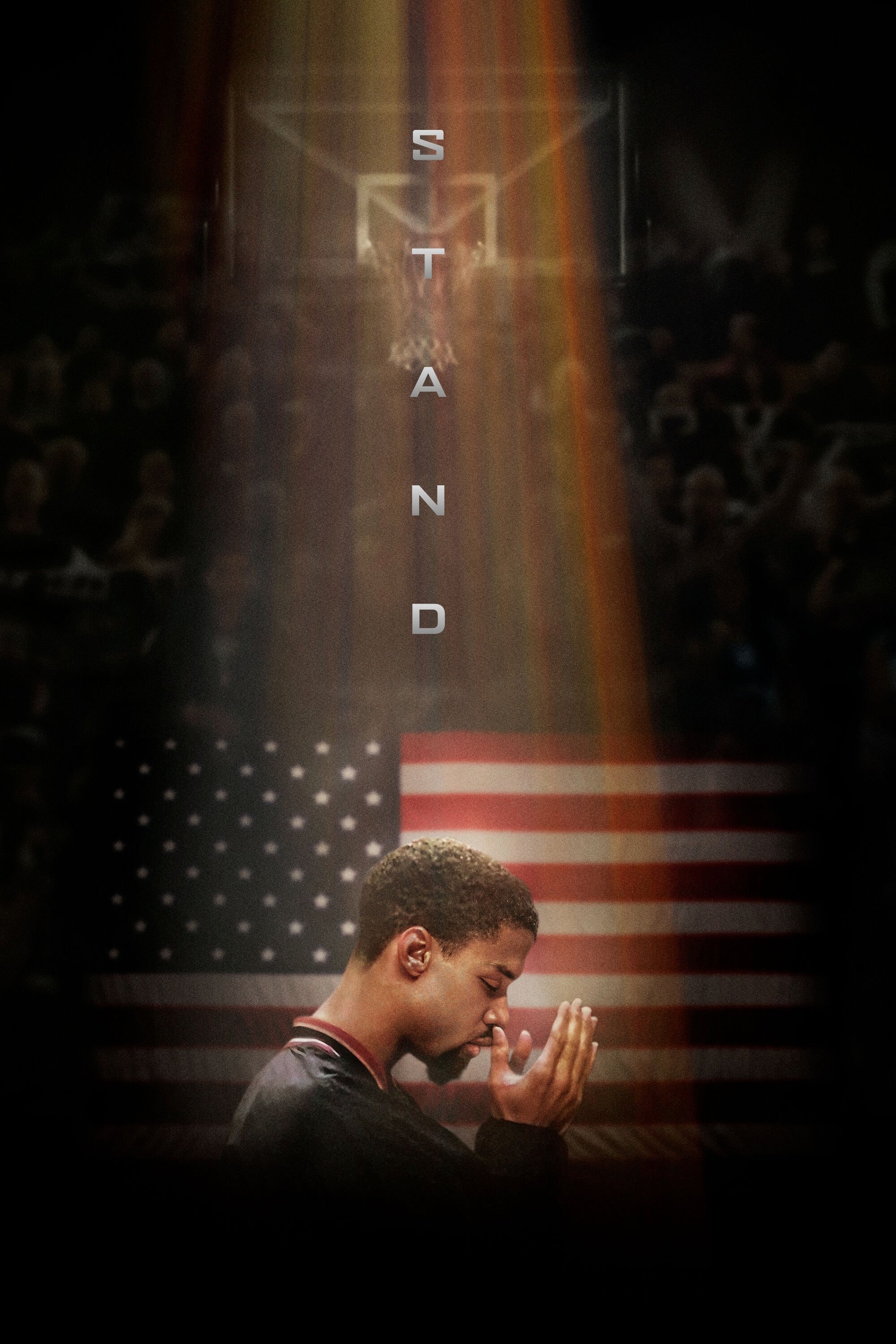
Raw and unflinching examination of the courageous life of basketball star and social justice activist Mahmoud Abdul-Rauf. Born Chris Jackson, he overcame tremendous adversity to reach the NBA and found his true calling when he converted to Islam. His decision not to stand for the national anthem, however, turned him from prodigy to pariah. Told candidly by Abdul-Rauf himself more than 20 years later it’s the remarkable story of one man who kept the faith and paved the way for a social justice movement.

A film about one of the most iconic images of the 20th century, the moment when the radical spirit of the 1960s upstaged the greatest sporting event in the world. Two men made a courageous gesture that reverberated around the world, and changed their lives forever. This film is about Tommie Smith and John Carlos' protest at the 1968 Olympics.
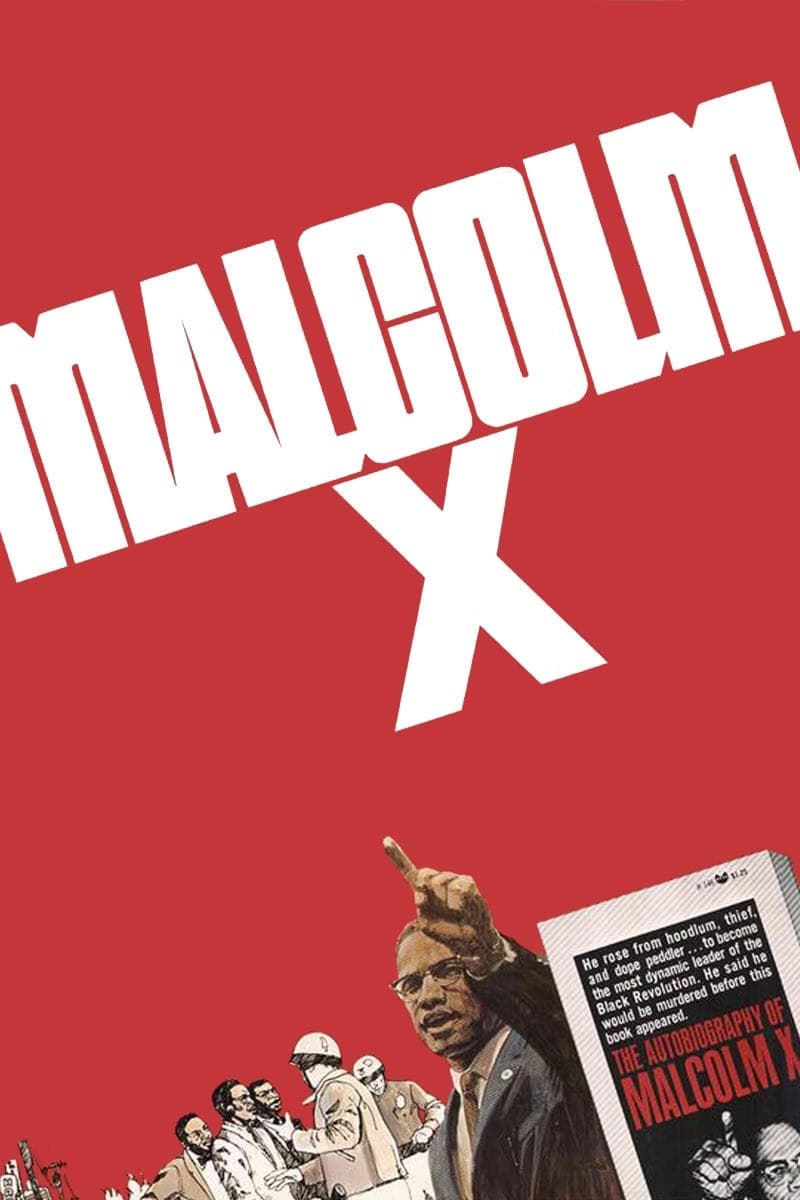
James Earl Jones narrates this fascinating and moving documentary about the life of the assassinated black leader through various sources.
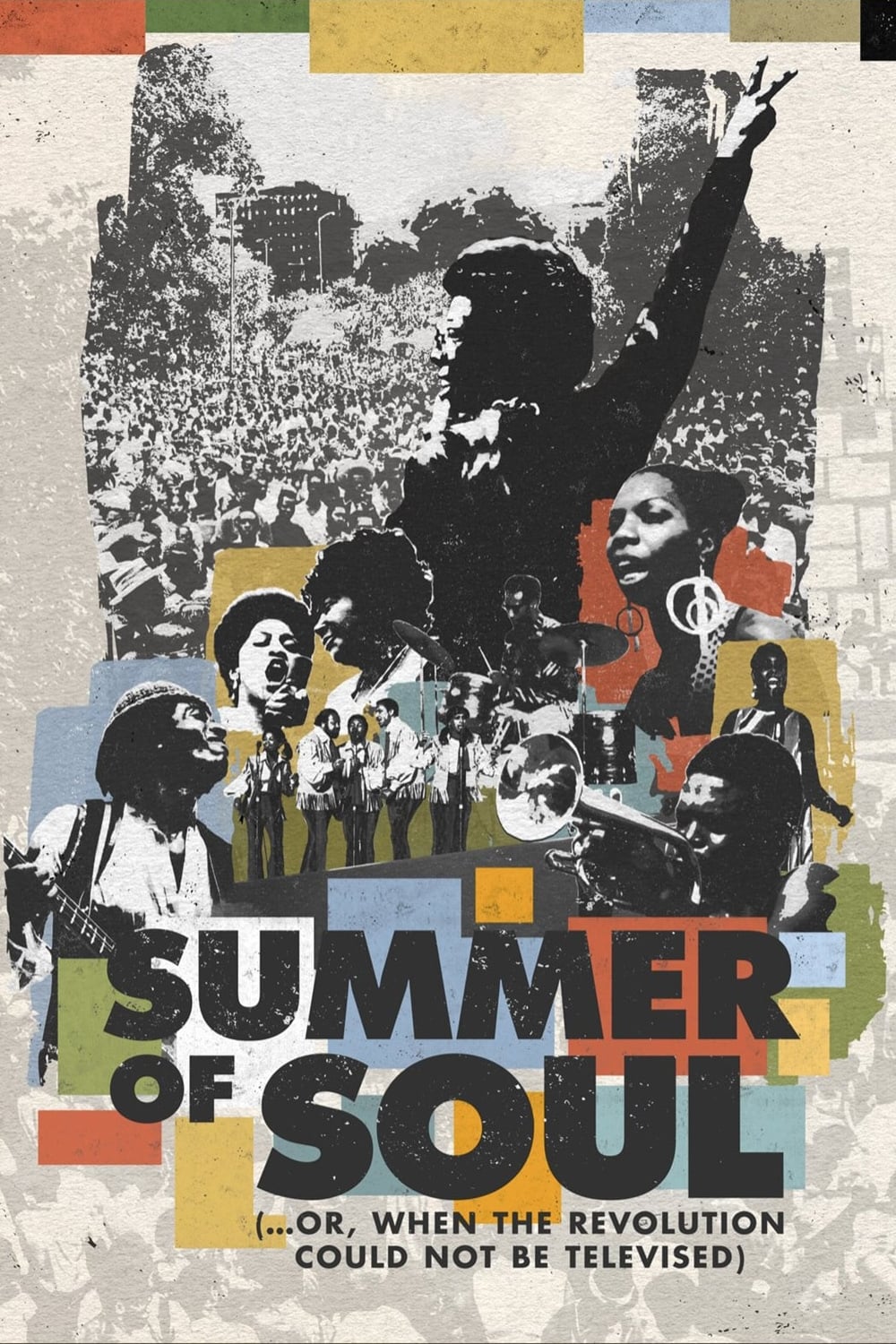
During the same summer as Woodstock, over 300,000 people attended the Harlem Cultural Festival, celebrating African American music and culture, and promoting Black pride and unity. The footage from the festival sat in a basement, unseen for over 50 years, keeping this incredible event in America's history lost — until now.
Through a secret program called the Counter Intelligence Program (COINTELPRO), there was a concerted effort to subvert the will of the people to avoid the rise "of a Black Messiah" that would mobilize the African-American community into a meaningful political force. This documentary establishes historical perspective on the measures initiated by J. Edgar Hoover and the FBI which aimed to discredit black political figures and forces of the late 1960's and early 1970's. Combining declassified documents, interviews, rare footage and exhaustive research, it investigates the government's role in the assassinations of Malcolm X, Fred Hampton, and Martin Luther King Jr. Were the murders the result of this concerted effort to avoid "a Black Messiah"?
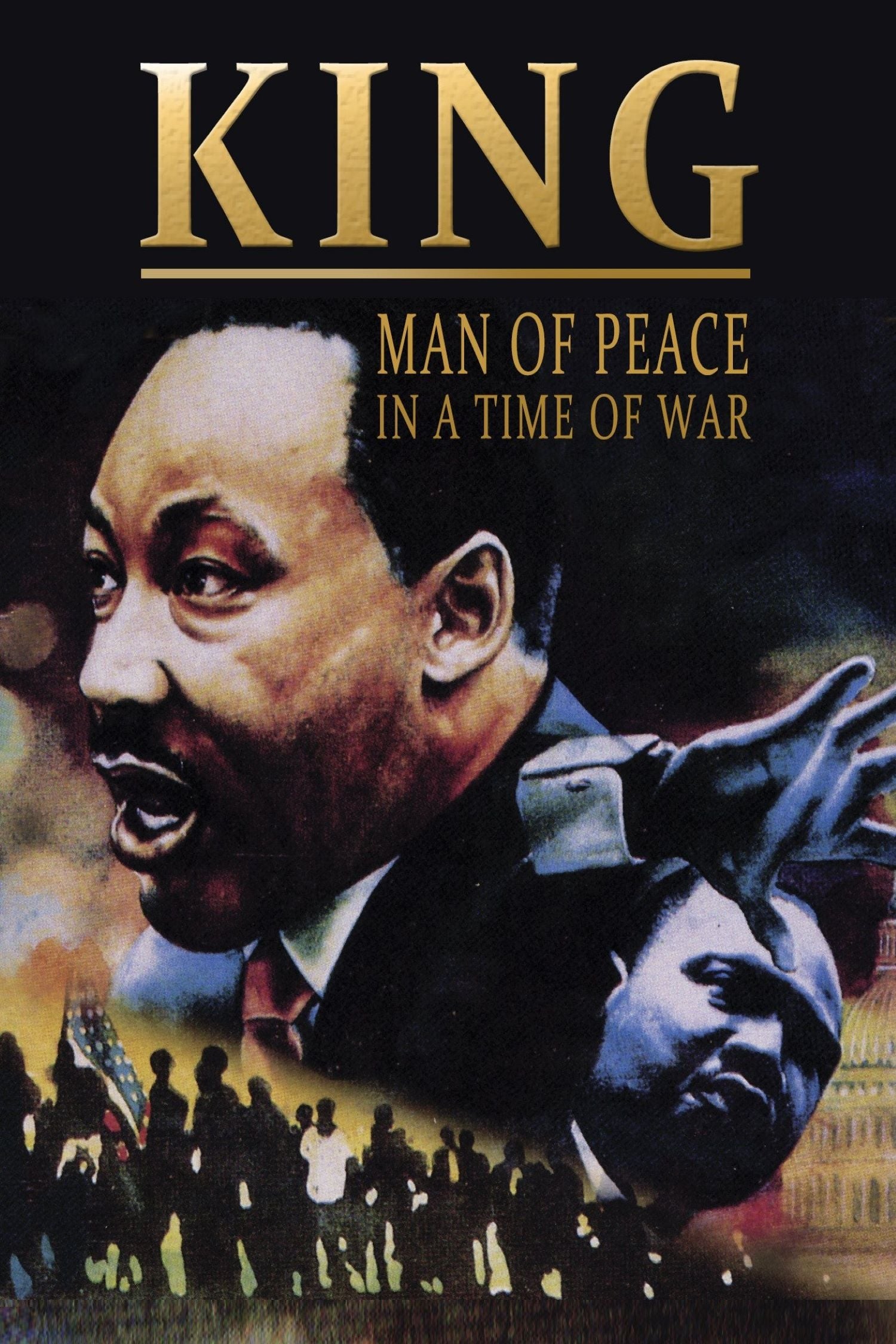
King: Man of Peace in a Time of War documents the work Martin Luther King did in attempting to bring peace to people during the turmoil of the Vietnam War and the Civil Rights Movement. The film includes interviews with contemporaries such as Jesse Jackson, and military experts like Colin Powell.

Nominated for Emmy for "Program of the Year." First look at the lives of Negros on American television - in their own word. Produced/Directed by Nicholas Webster, co-written by Webster an Louis Lomax.
COINTELPRO 101 exposes illegal surveillance, disruption, and outright murder committed by the US government in the 1950s, 60s, and 70s. “COINTELPRO” refers to the official FBI COunter INTELigence PROgram carried out to surveil, imprison, and eliminate leaders of social justice movements and to disrupt, divide, and destroy the movements as well. Many of the government's crimes are still unknown. Through interviews with activists who experienced these abuses first-hand, with rare historical footage, the film provides an educational introduction to a period of intense repression and draws relevant lessons for the present and future.
Focuses on sexual equality in the Black community.
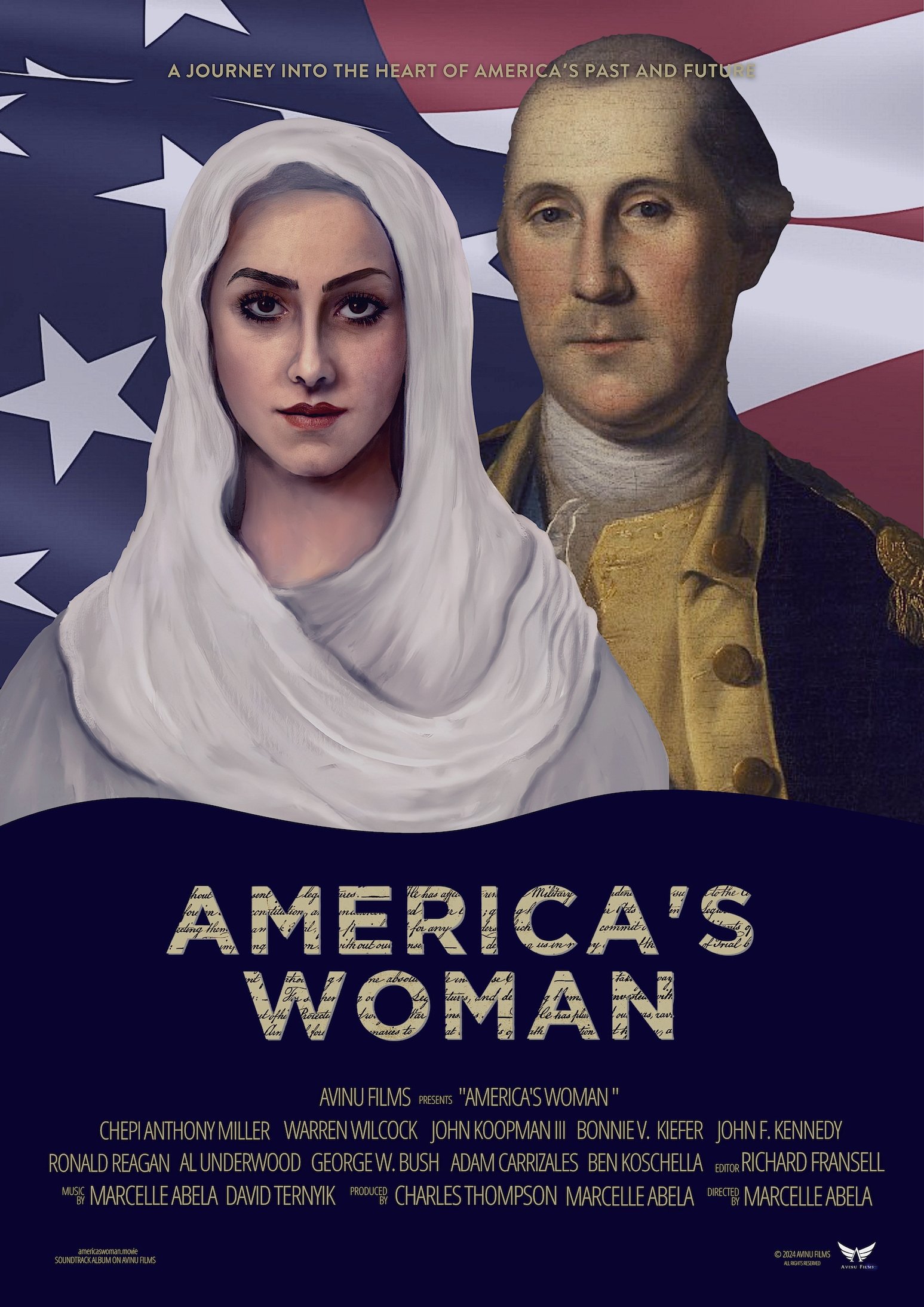
A journey into the heart of America's past and future. The story revolving around the mysterious woman, overlooked by historians, who had a profound influence on George Washington, his vision for America, and its independence – a vision that can deeply influence the nation’s present need for healing and unity.
A short film made for William Greaves' "Black Journal" that discusses the influence of Malcolm X, and includes an interview with his widow, Betty Shabbazz.
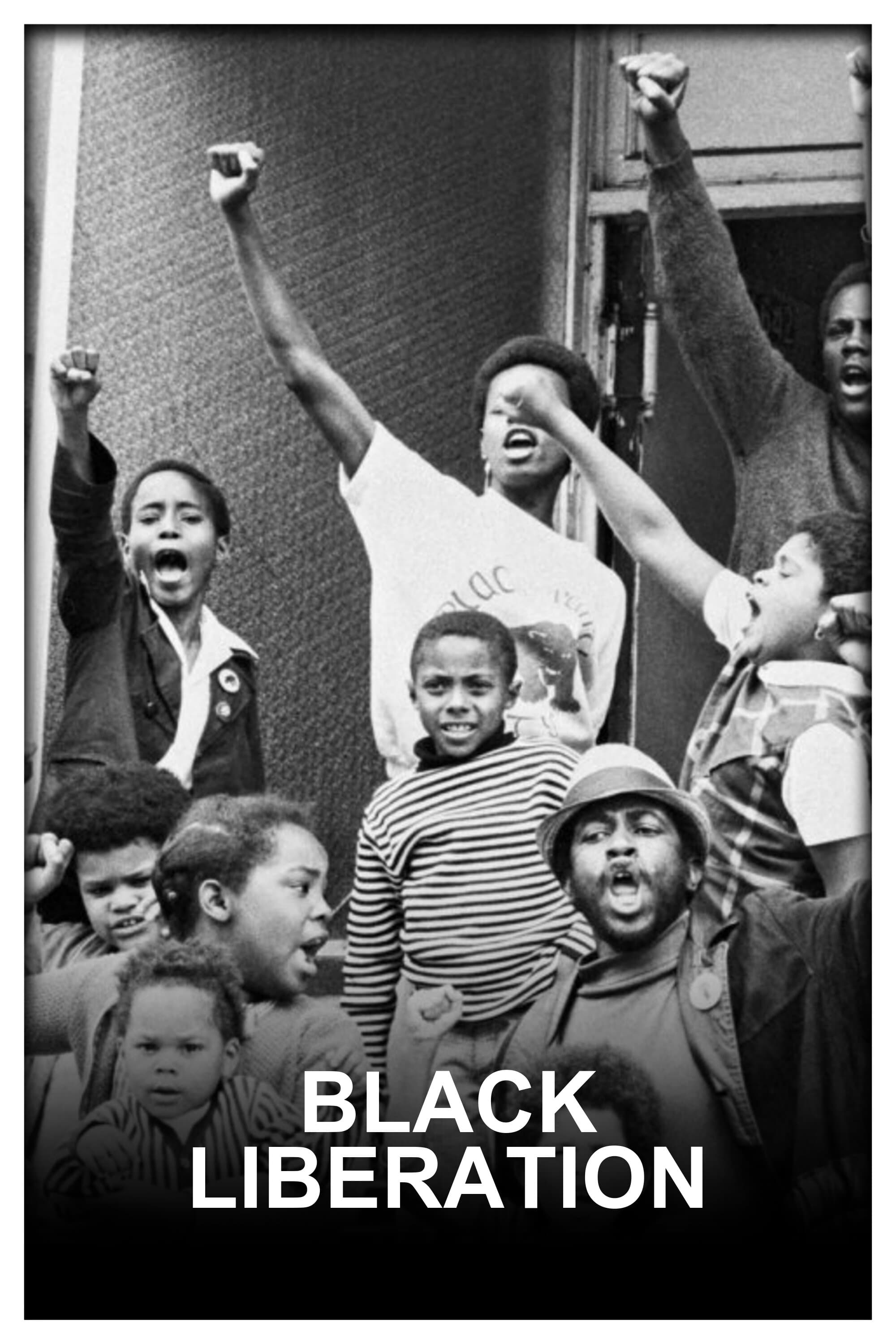
Produced in collaboration with Malcolm X and narrated by Ossie Davis, this call to arms layers revolutionary text from multiple sources with gritty, shot-on-the-streets-of-New York footage of African-American struggle. A forgotten masterpiece from radical filmmaker, theorist and founder of Cinéma Éngagé, Édouard de Laurot.
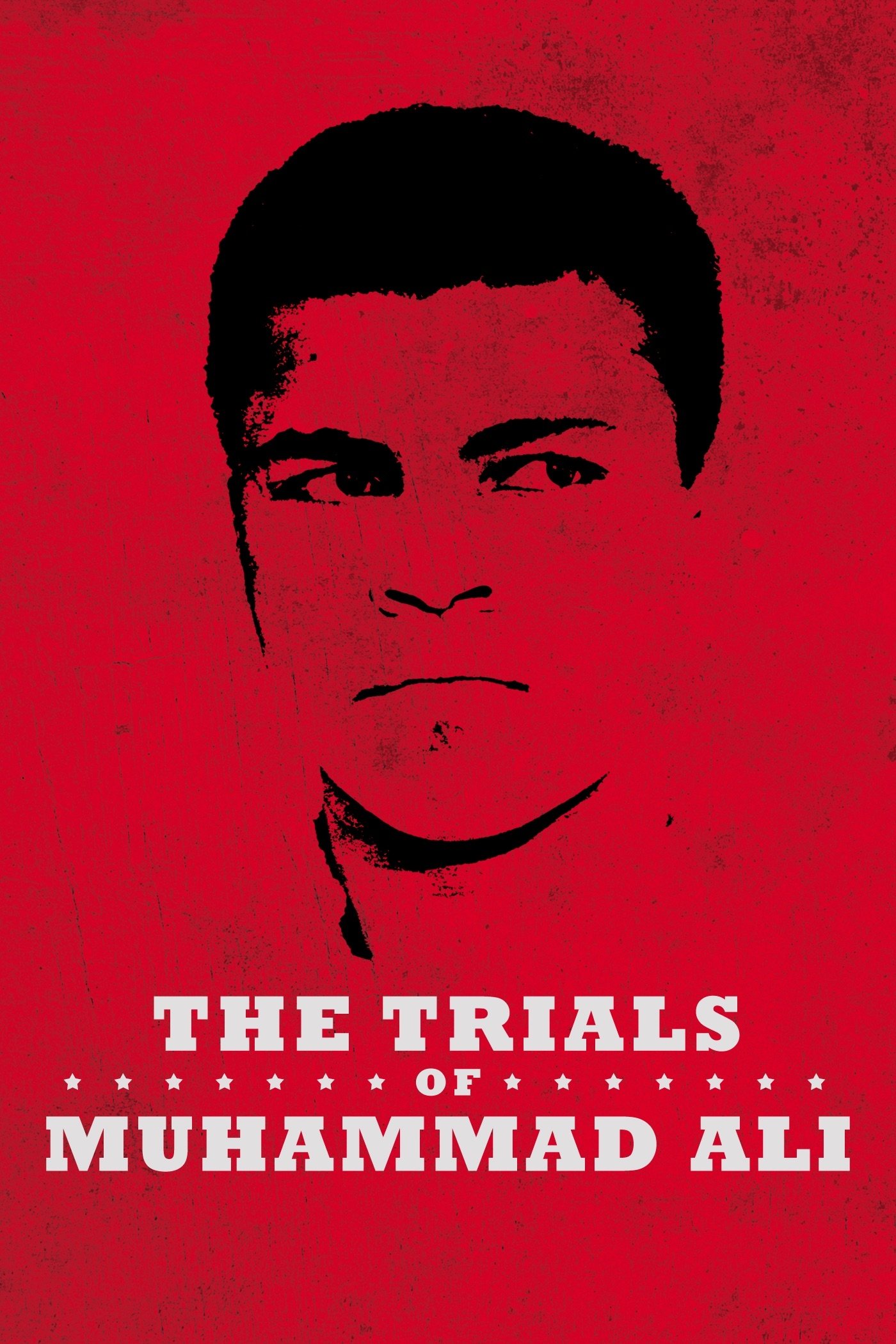
Brash boxer Cassius Clay burst into the American consciousness in the early 1960s, just ahead of the Civil Rights movement. His transformation into the spiritually enlightened heavyweight champion Muhammad Ali is legendary, but this religious awakening also led to a bitter legal battle with the U.S. government after he refused to serve in the Vietnam War. This film reveals the perfect storm of race, religion and politics that shaped one of the most recognizable figures in sports history.
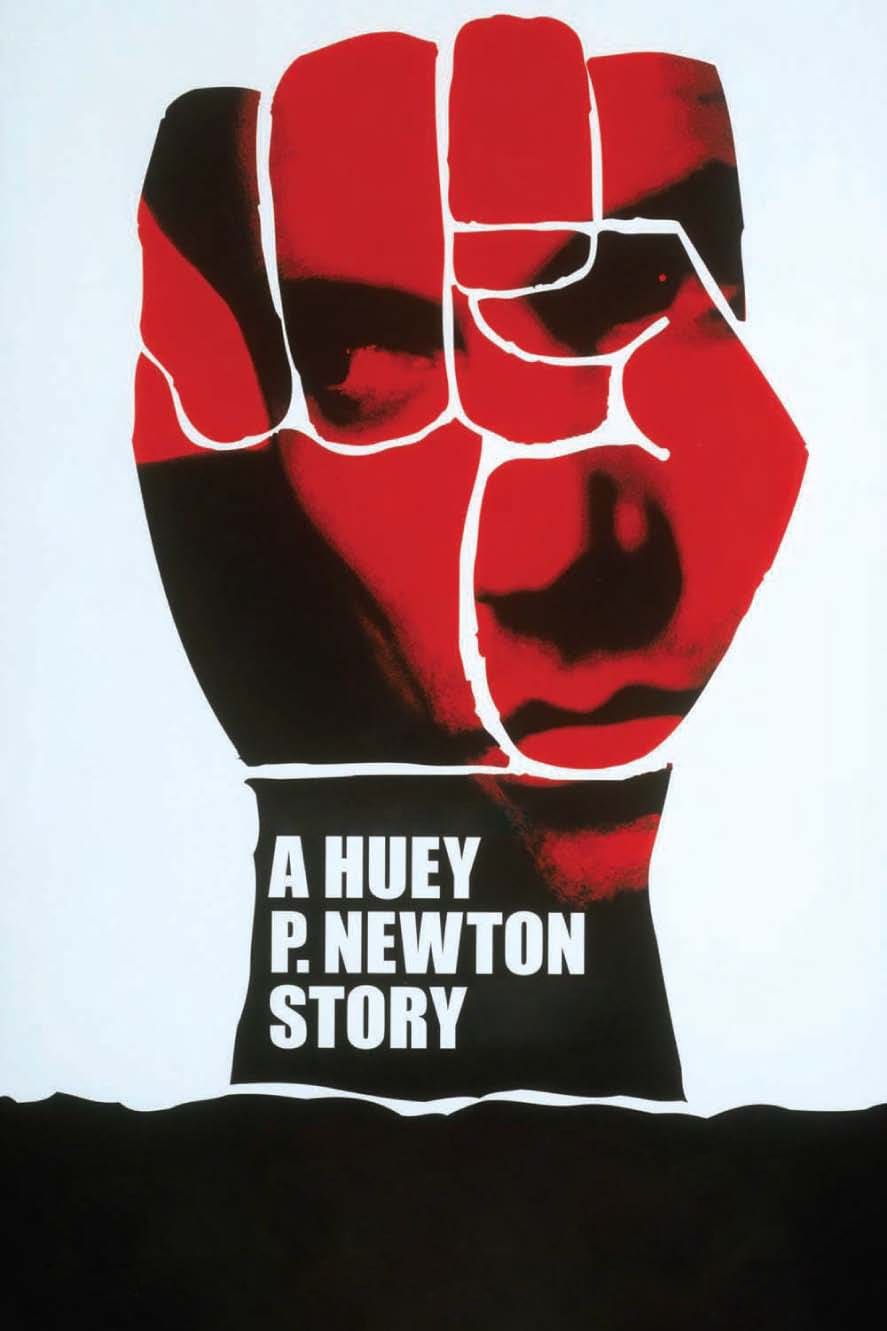
The story of how the radical Huey P. Newton developed the Black Panther Party based on his 10-point program for social reform.
This special three-part presentation of "Like It Is" examines the history of the black civil rights movement in the United States, emphasizing the role of black leaders and activists. Including the defected FBi-agent "Othello" Darthard Perry tells it all.
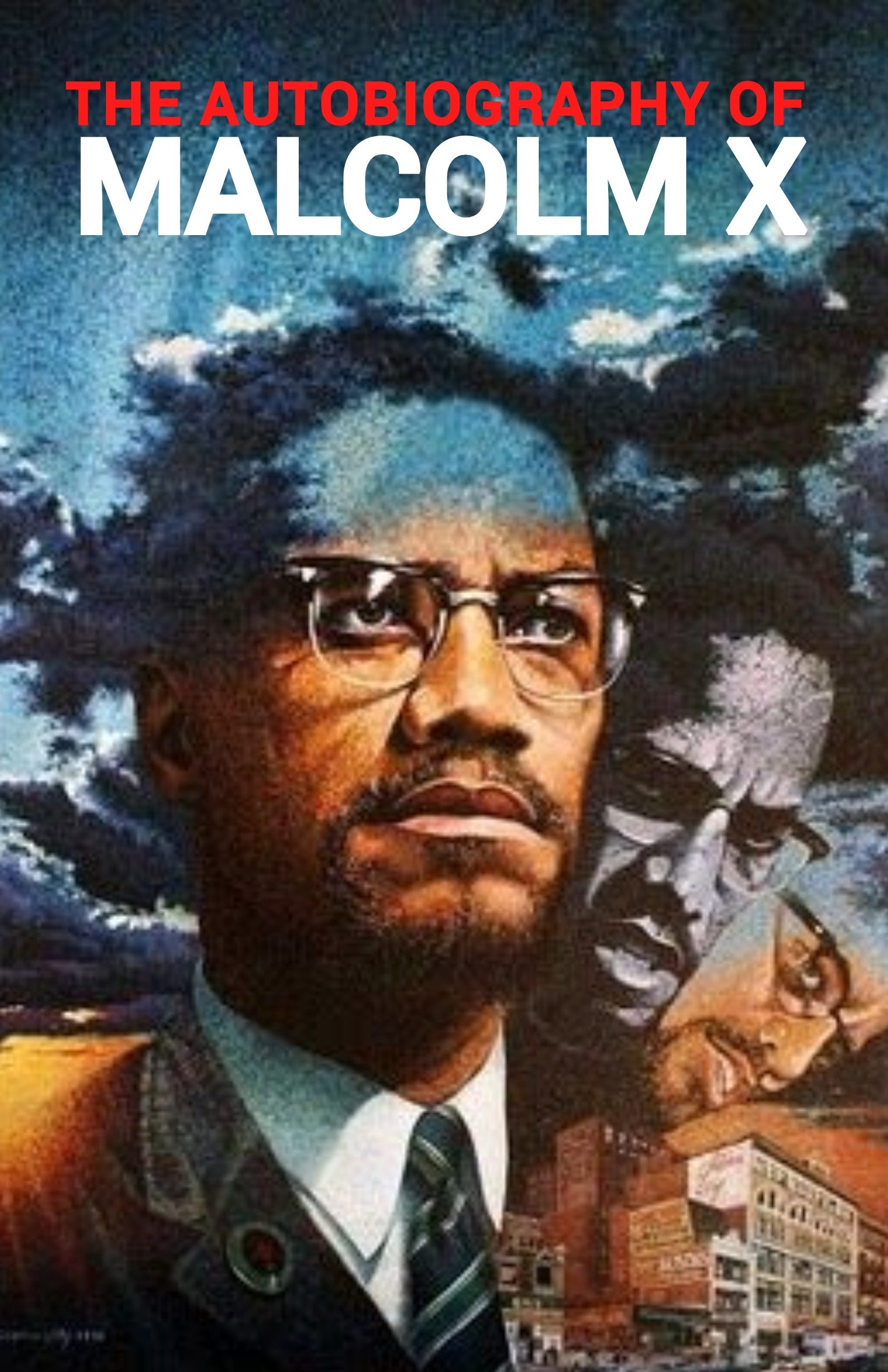
The Autobiography of Malcolm X is an account of the life of Malcolm X, born Malcolm Little in 1925, who became a human rights activist. Malcolm X was assassinated in New York's Audubon Ballroom in February 1965.
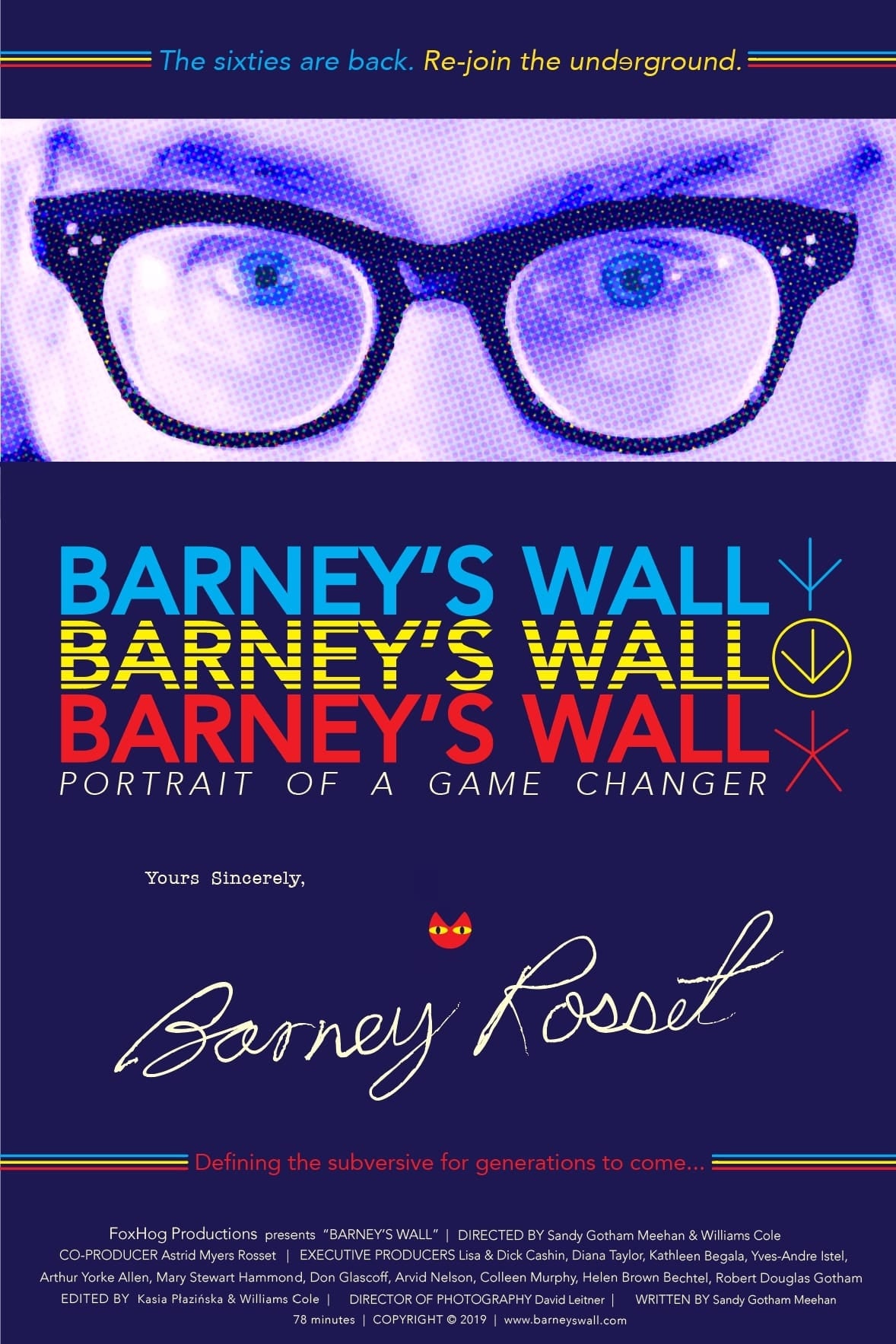
What makes a rebel? This 78 minute documentary probes the psyche of bad-boy publisher and free speech warrior Barney Rosset, whose mid-century legal and cultural battles smashed sexual and political taboos in the United States — unleashing the counter-culture of the 1960s and introducing millions of young intellectuals to the most radical currents in literature, film, theater and politics. In his late eighties, coming to terms with his life, Barney Rosset began to obsessively sculpt an autobiographical 15′ x 22′ surreal wall mural, embedded with jewel-like vignettes crafted out of found objects, each a clue to the conflicts and obsessions that drove Barney’s lifetime rebellion against authority. A cast of artists, a neurologist, and a shaman connect the clues and piece together Barney’s life.
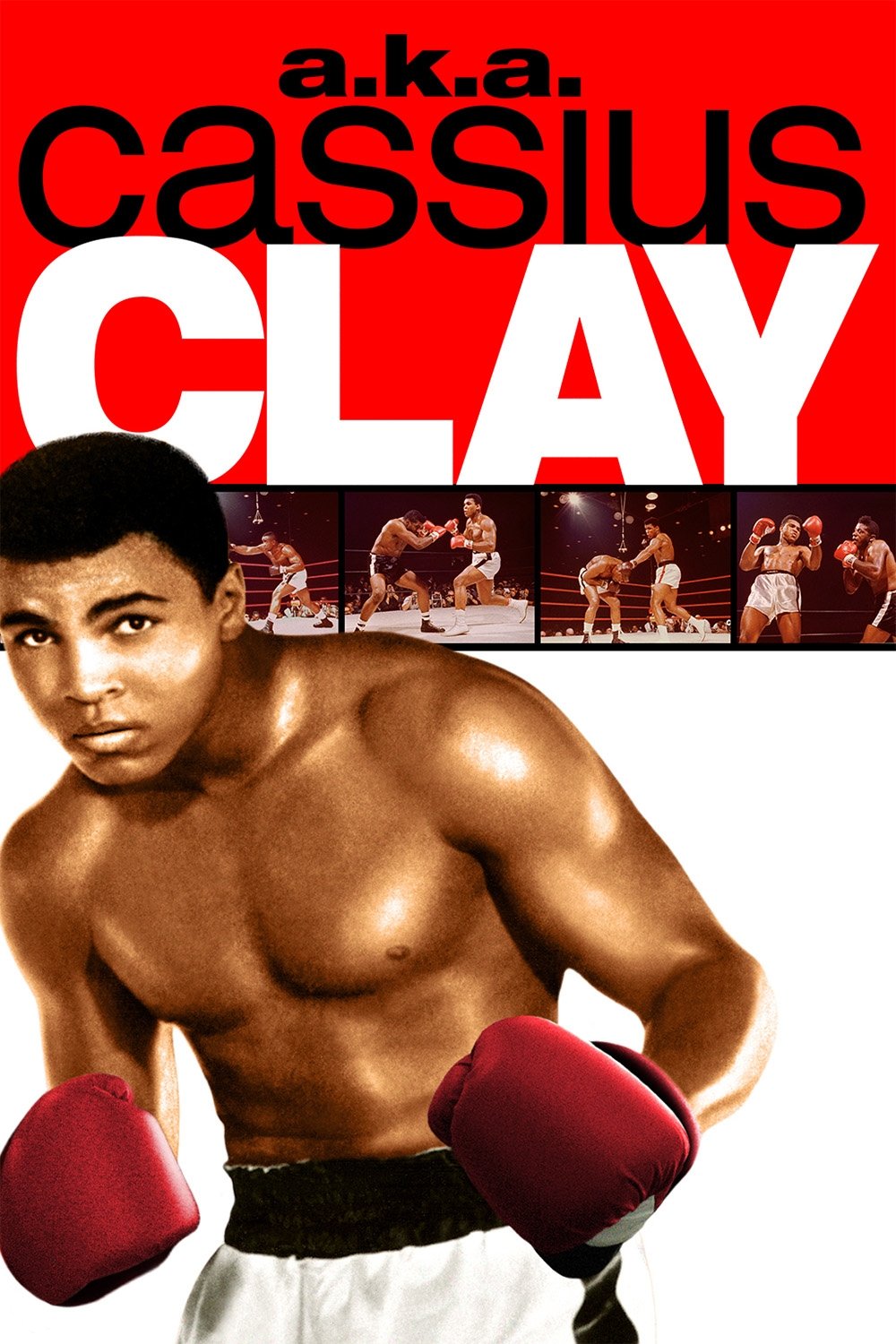
The study of crazy brilliance and flamboyant sincerity. a.k.a. Cassius Clay presents a fascinating look at the incredible life and achievements of one of the most courageous, outspoken and charismatic figures of boxing: Muhammad Ali. Born Cassius Clay in 1942, Ali soon rose to become a renowned athlete, an articulate author and a compelling political; leader. Audacious, ambitious and totally fearless, Ali became a symbol of pride, a legend of hope and one of the most extraordinary cultural icons of the 20th century.
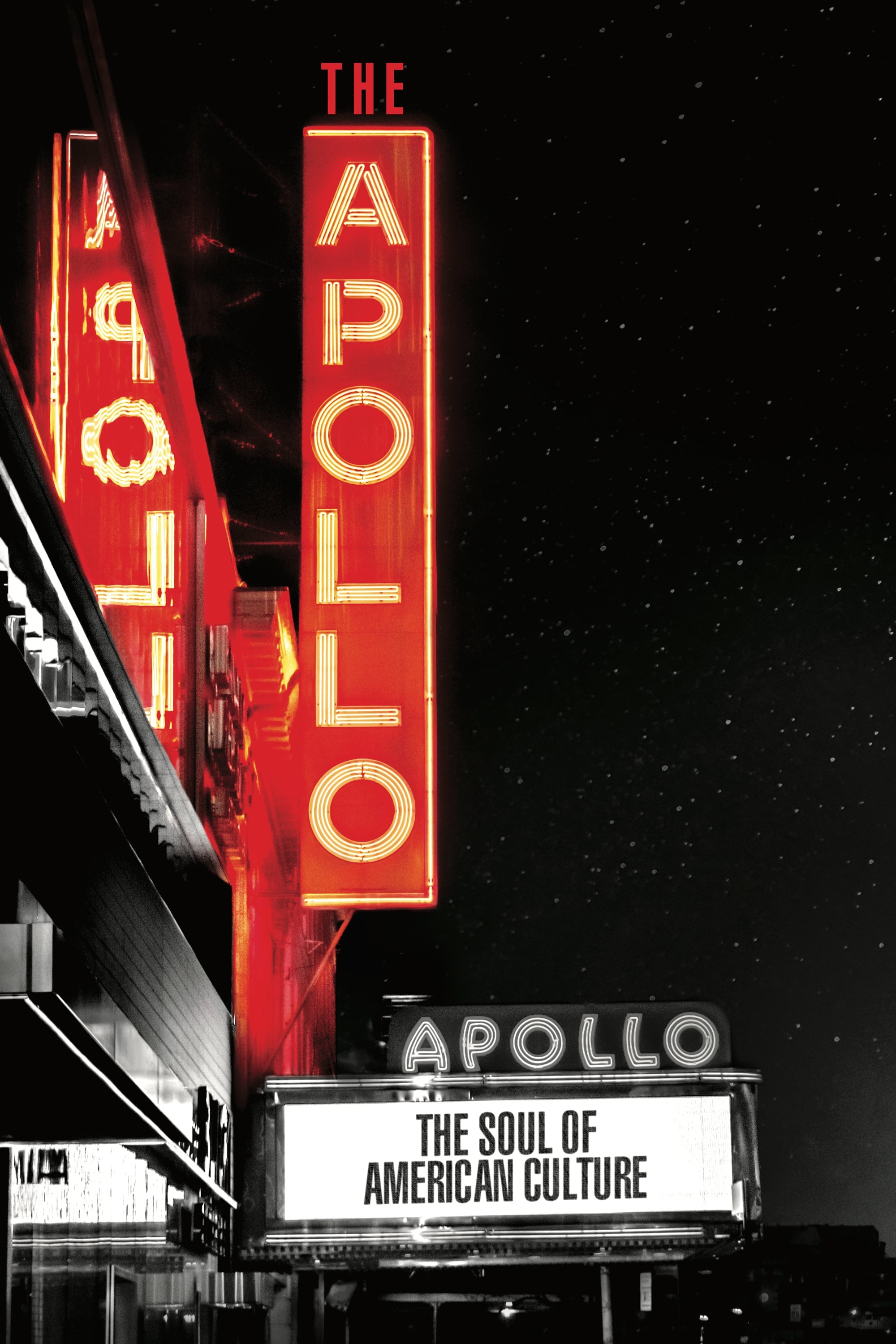
The history of New York City's Apollo Theater in Harlem is given the full treatment.
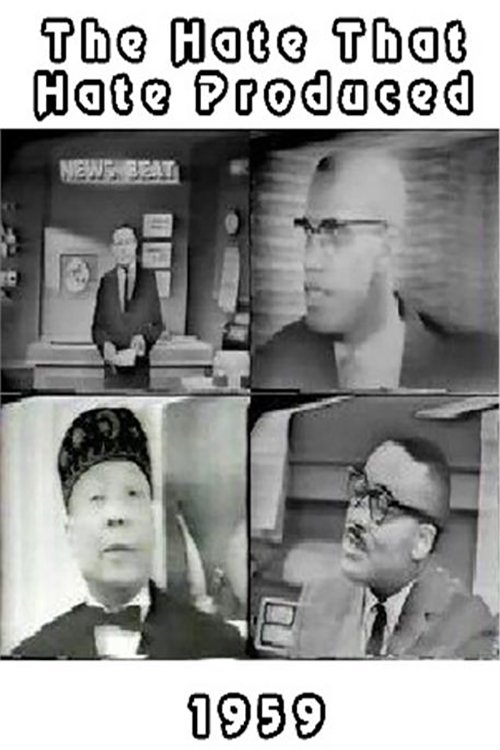
A television documentary about Black Nationalism in America, focusing on the Nation of Islam and, to a lesser extent, the United African Nationalist Movement.
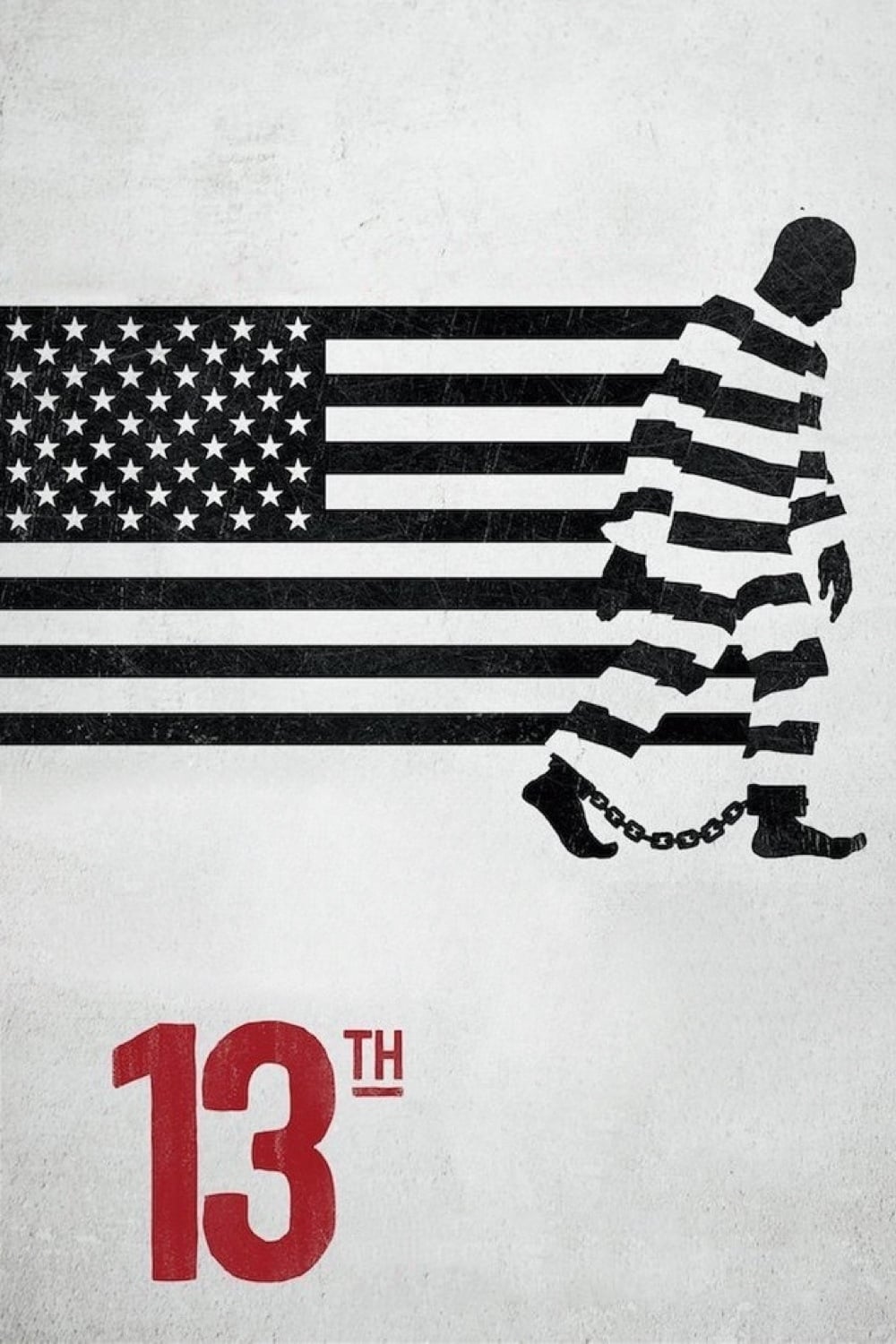
An in-depth look at the prison system in the United States and how it reveals the nation's history of racial inequality.
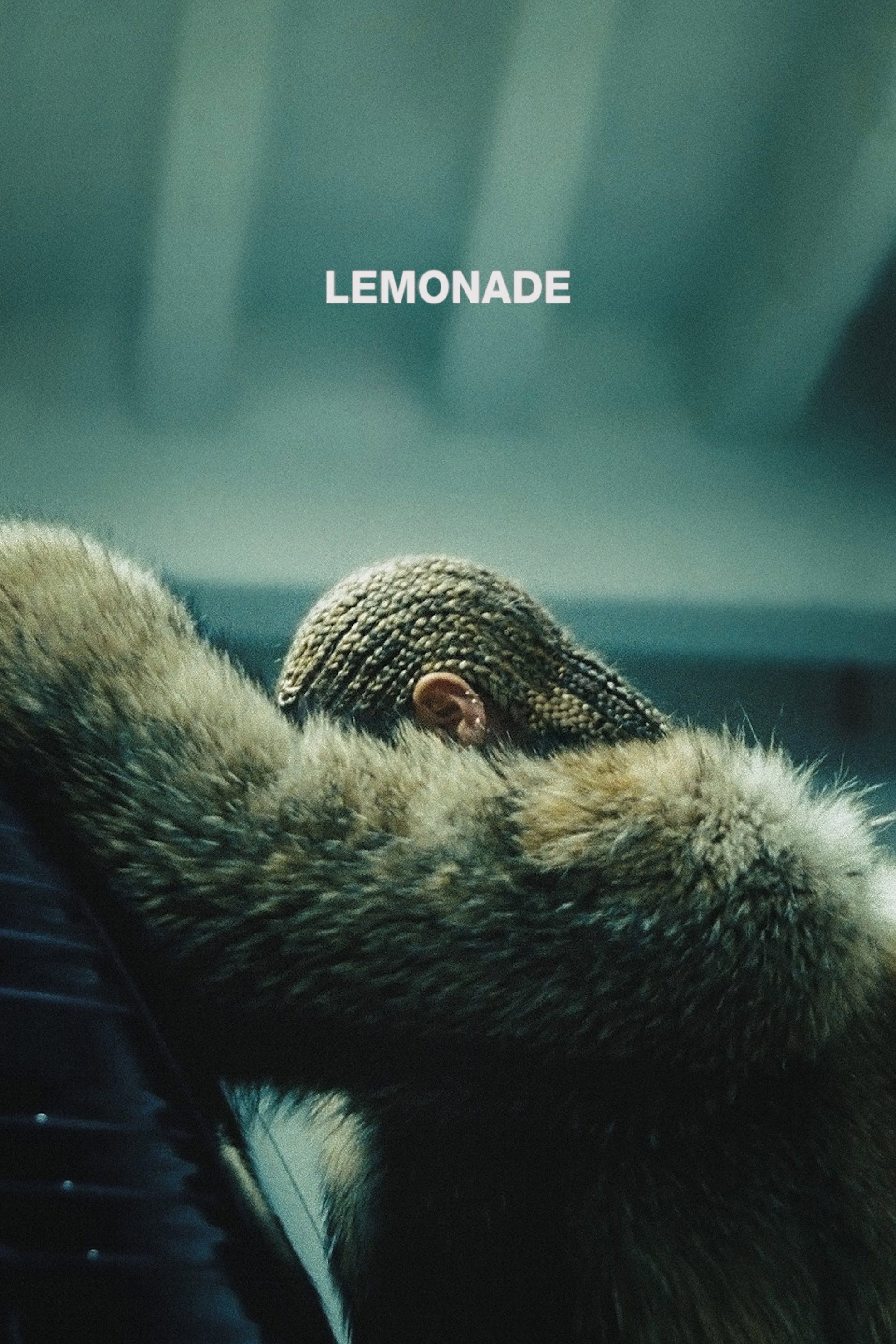
The second "visual album" (a collection of short films) by Beyoncé, this time around she takes a piercing look at racial issues and feminist concepts through a sexualized, satirical, and solemn tone.

Through clippings, the film draws a narrative line between the construction of racism in Brazil and the United States, having as base the European invasion of the continent, police violence, the genocide of the black people, the massacre of indigenous peoples, religious violence, the criminalization of funk music, structural racism in art and education, the importance of quota policy and the need urgent historical repair as a commitment by the Brazilian state to the black people.
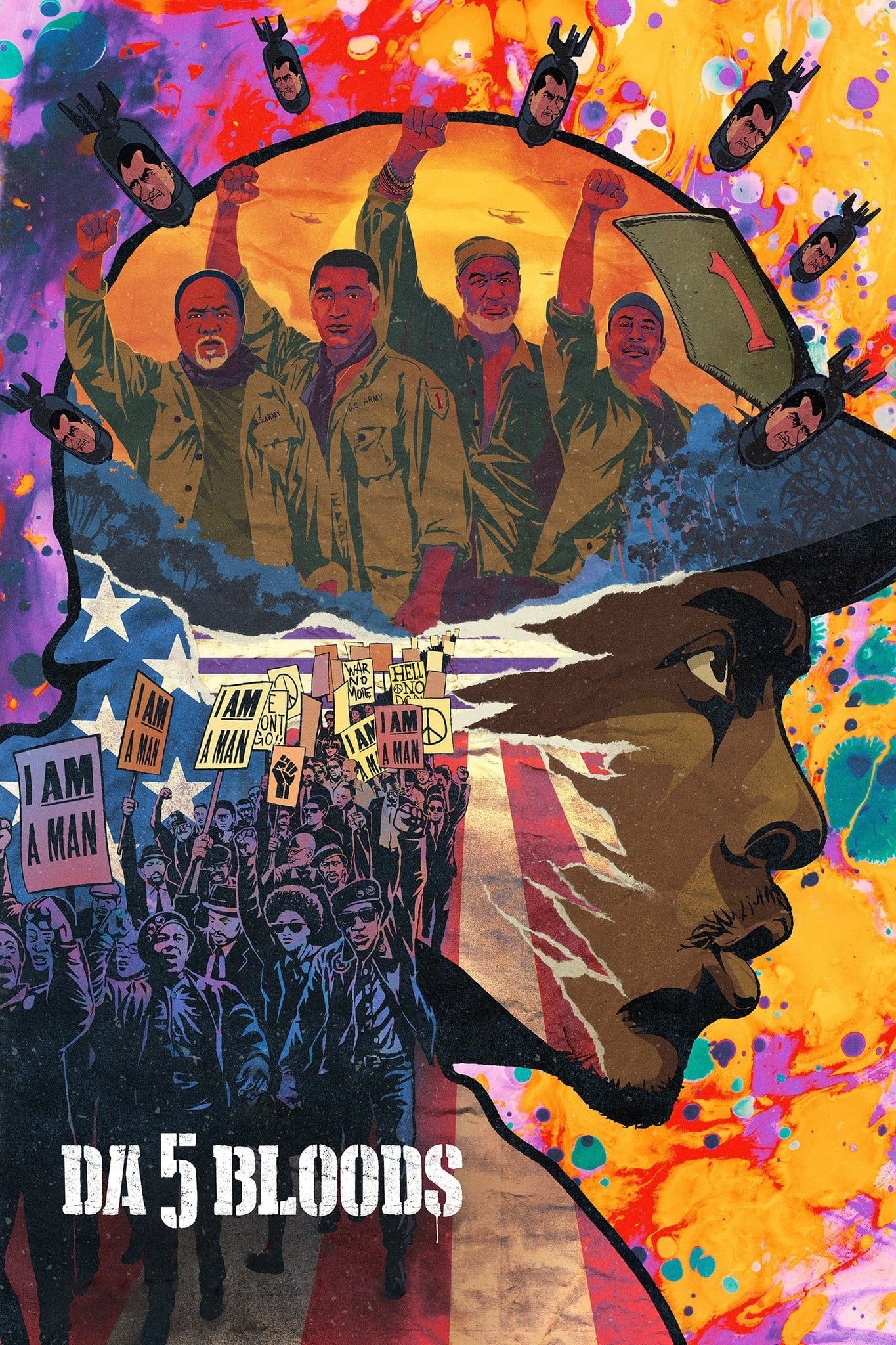
Four African-American Vietnam veterans return to Vietnam. They are in search of the remains of their fallen squad leader and the promise of buried treasure. These heroes battle forces of humanity and nature while confronted by the lasting ravages of the immorality of the Vietnam War.
For over half a century, 60 Minutes' fearsome newsman Mike Wallace went head-to-head with the world's most influential figures. Relying exclusively on archival footage, the film interrogates the interrogator, tracking Wallace's storied career and troubled personal life while unpacking how broadcast journalism evolved to today’s precarious tipping point.

The timely biopic focuses on John Lewis’ longstanding prominence as a civil rights champion and his continuing crusade for racial and social equality. The documentary illuminates the 80-year-old Congressman’s life as it chronicles the moments on the extraordinary journey that have shaped his place in history and make him such a galvanizing figure today as protests circle the globe. Lewis’ schedule has increased ten-fold as he has become the go-to figure for TV news shows, podcasts and newspapers and magazines from the Washington Post to Vanity Fair, commenting on and leading the way forward through today’s worldwide protests and demonstrations.
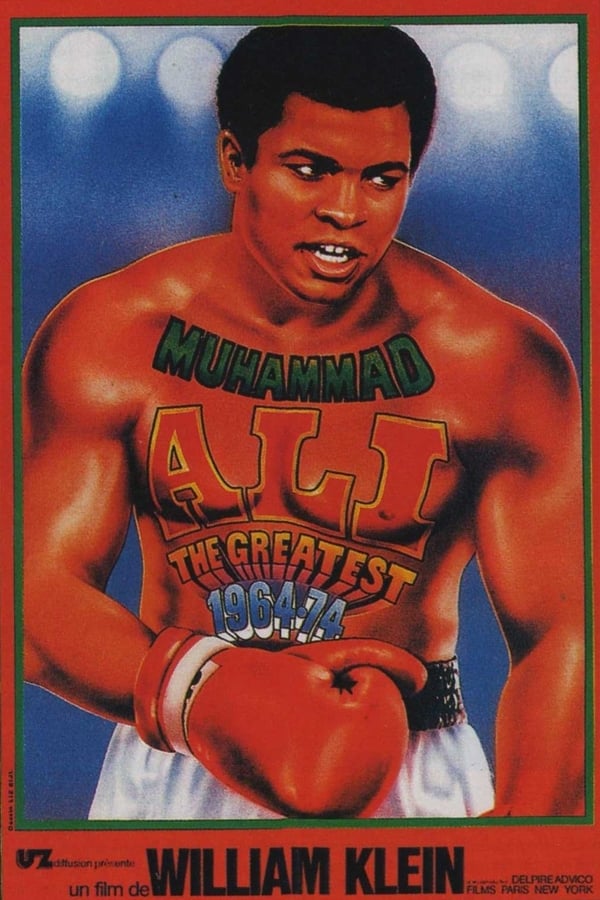
Universally accepted as a true icon of the 20th century, Muhammad Ali’s phenomenal achievements spanned sport, politics and religion. One man – photographer William Klein had comprehensive access to the events that shaped Ali’s legend. In 1964, the young gregarious Cassius Clay successfully defeated the seemingly invincible Heavyweight Champion of the World Sonny Liston – the manner of Clay’s victory and his amazing persona made him an instant superstar. Through this incredible period, and Clay’s subsequent rematches with Liston, William Klein enjoyed unrivalled access top Clay’s camp – witnessing at first hand Cassius Clay becoming Muhammad Ali and angering the American people with his allegiance to Islam. Forward to Zaire 1974, and the return of Muhammad Ali to the world stage to face another invincible champion George Foreman. As Ali reclaimed the crown for a second time, Klein was ever present, capturing the full story at close quarter.

Using government documents, archive footage and direct interviews with activists and former FBI/CIA officers, All Power to the People documents the history of race relations and the Civil Rights Movement in the United States during the 1960s and 70s. Covering the history of slavery, civil-rights activists, political assassinations and exploring the methods used to divide and destroy key figures of movements by government forces, the film then contrasts into Reagan-Era events, privacy threats from new technologies and the failure of the “War on Drugs”, forming a comprehensive view of the goals, aspirations and ultimate demise of the Civil Rights Movement…
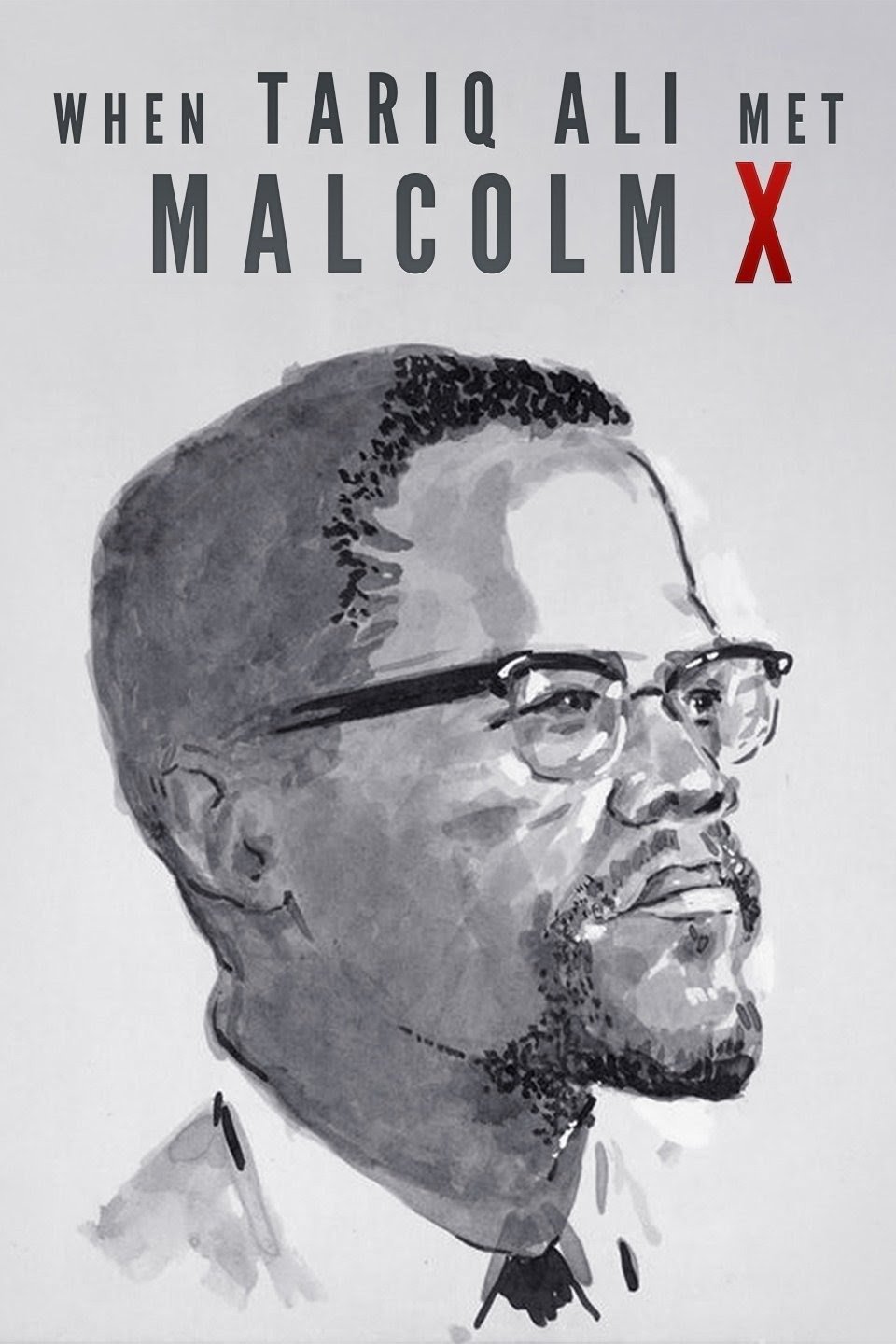
One was a Black human rights leader who had achieved global notoriety. The other was a young Marxist Oxford student from Pakistan looking to bring radical change to the British establishment. When they met in December 1964, Malcolm X's life of activism was about to come to a tragic end, but Tariq Ali's journey was just beginning. This is the story of a brief but impactful friendship that, 50 years later, still ripples through England today, told by Ali, civil rights historians, and rarely seen footage of Malcolm X's overseas visit.
A brief introduction to two revolutionary leaders, both born on May 19th.

DEATH SCENES II continues the exploration into the dark recesses of violence and rage that ended in such heinous crimes as the Manson Family's assault on society. You'll see the gruesome aftermath of mob reprisals, public executions and international terrorism. DEATH SCENES II uniquely ushers the brave and curious into a spellbinding trip through the reality that is our world today.
An in-depth and provocative look at the 1992 Los Angeles riots exploring the roots of civil unrest in California and the relationship between African Americans and LAPD.
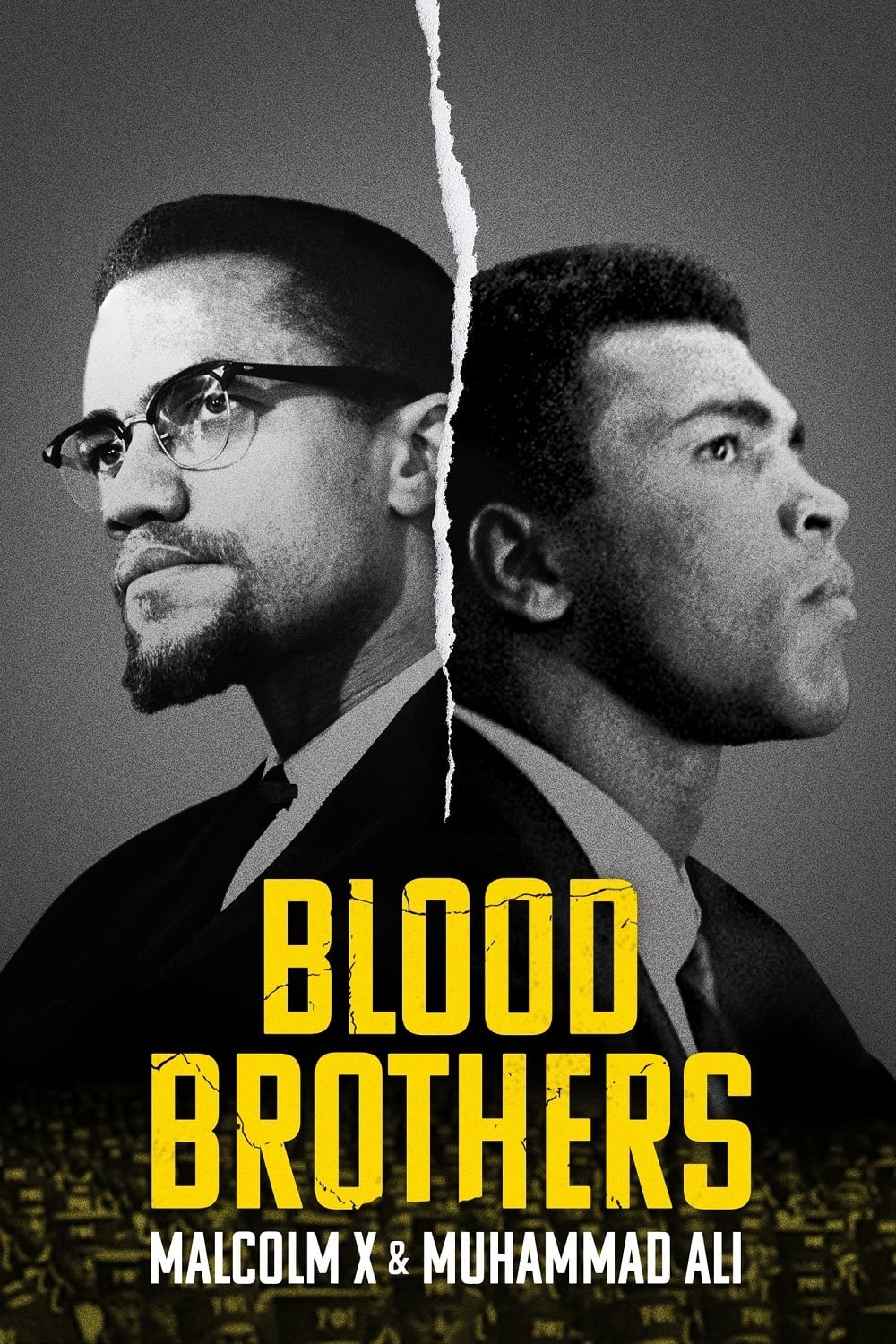
From a chance meeting to a tragic fallout, Malcolm X and Muhammad Ali's extraordinary bond cracks under the weight of distrust and shifting ideals.
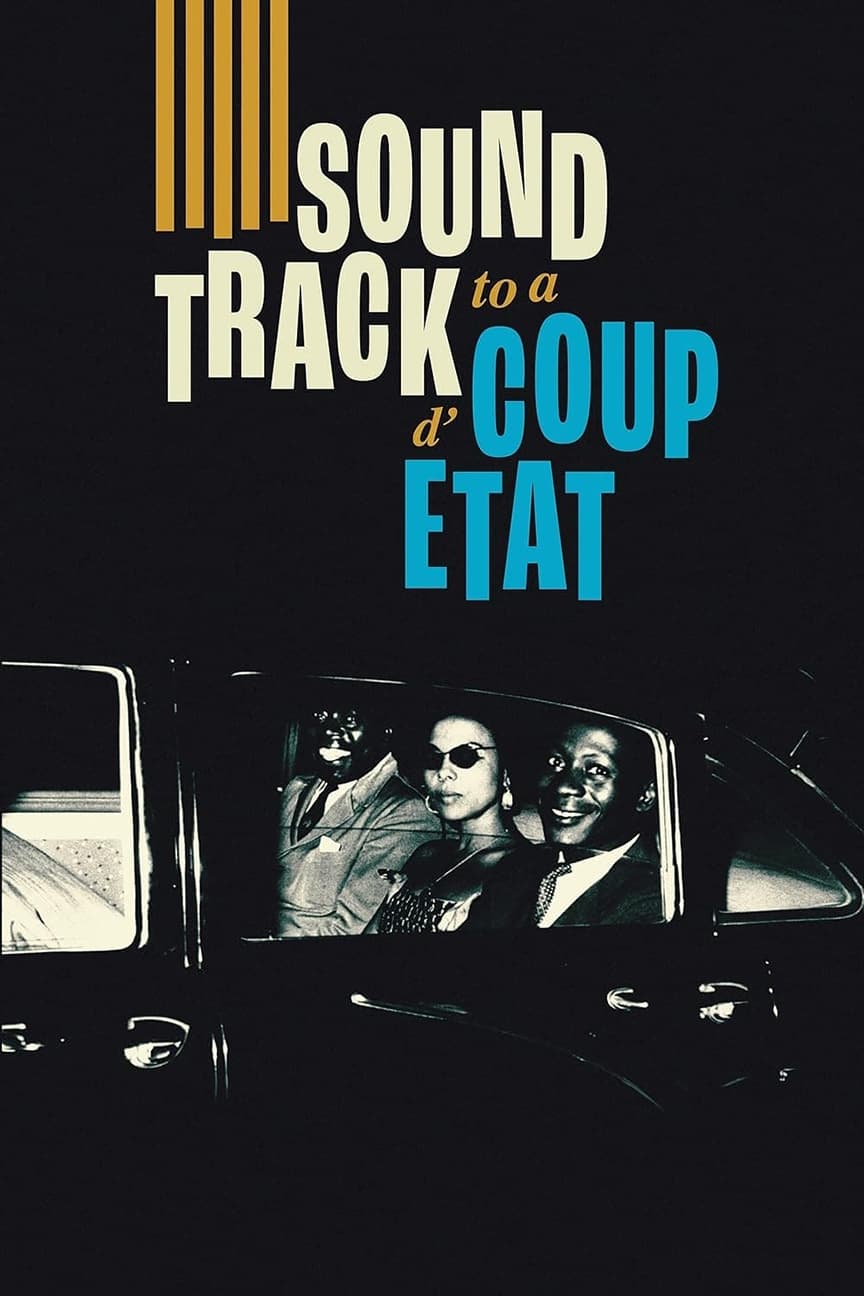
Jazz and decolonization are intertwined in a powerful narrative that recounts one of the tensest episodes of the Cold War.
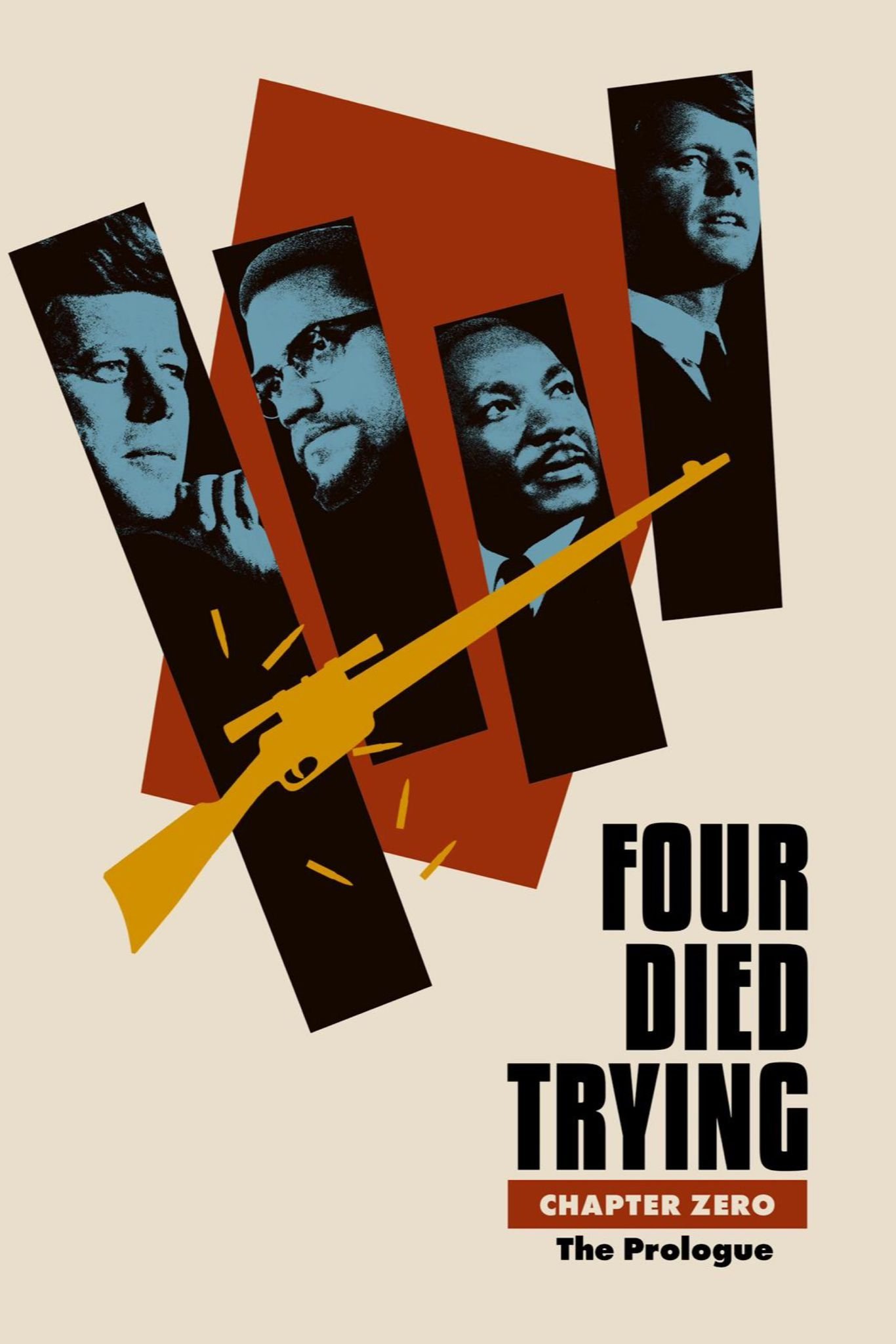
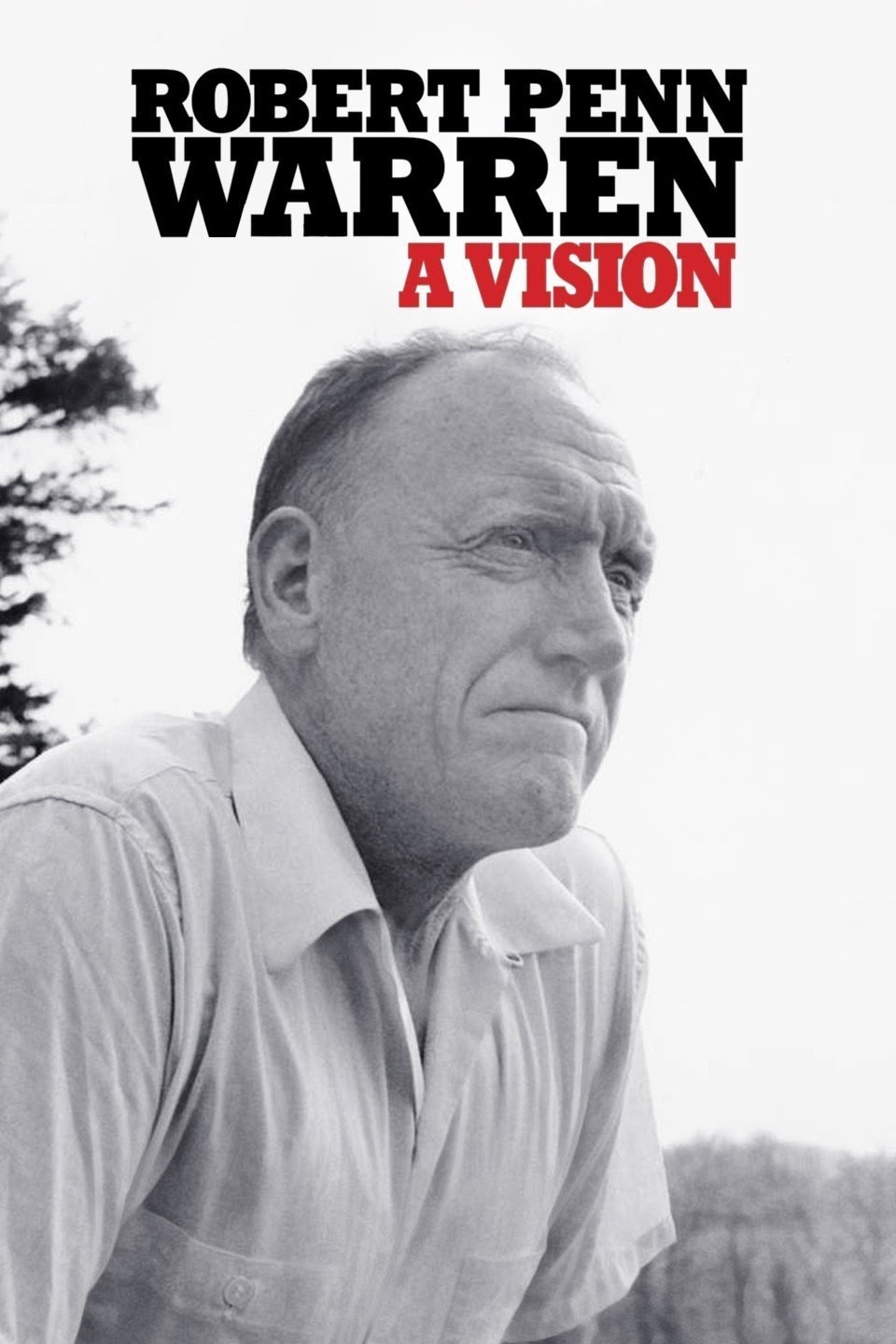
A documentary profile of 3-time Pulitzer winning author Robert Penn Warren, featuring Harold Bloom, David Blight, Natasha Trethewey, David Milch, Gabriel Warren and Rosanna Warren.
illustrates how directors pushed boundaries and altered the art of filmmaking during the turbulent, swinging 1960s. Narrated by Woody Harrelson, "Reel Radicals" features clips from such seminal films as Arthur Penn's "Bonnie and Clyde" (1967); Mike Nichols' "The Graduate" (1967); Dennis Hopper's "Easy Rider" (1969); John Frankenheimer's "The Manchurian Candidate" (1962); Stanley Kubrick's "Dr. Strangelove" (1964) and "2001: A Space Odyssey" (1968); John Schlesinger's "Midnight Cowboy" (1969); Richard Brooks' "Elmer Gantry" (1960) and "In Cold Blood" (1967); and Norman Jewison's "In the Heat of the Night" (1967) and "The Thomas Crown Affair" (1968). Frankenheimer, Jewison, Hopper, Schlesinger, Penn, Buck Henry, Paul Mazursky, Roger Corman and Arthur Hiller are among the filmmakers who discuss the decade.
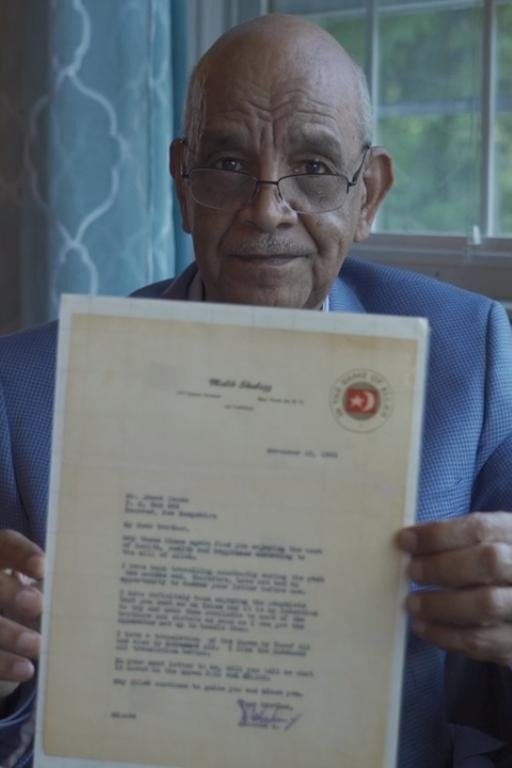
A poignant documentary exploring the unexpected bond between Malcolm X and Ahmed Osman, a young Sudanese student. Through personal reflections and rare footage, the film traces their friendship, culminating in Osman's emotional return to Harlem, where he revisits the legacy of Malcolm X and his meaningful connection to the Sudanese people.
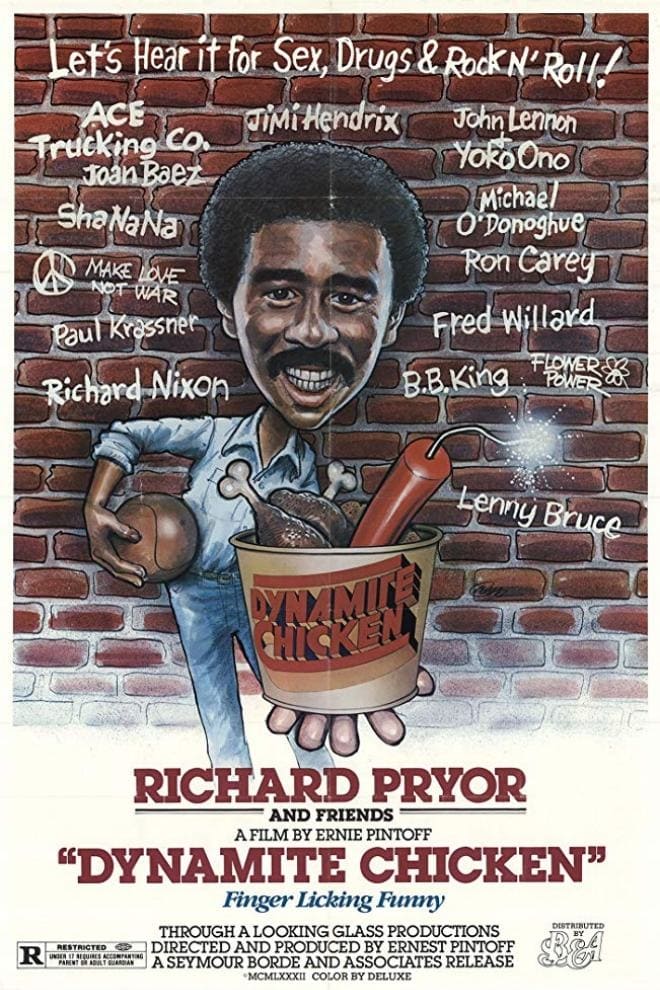
A collection of subversive comedy sketches and routines relating to the peace movement.

Fusing history, culture, politics, and contemporary issues, Motherland sweeps across Africa to tell a new story of a dynamic continent. From the glory and majesty of Africa's past through its complex history. Africa as you have never seen it.
Dr. Martin Luther King, Malcolm X, and James Baldwin -- three of the most highly regarded civil rights leaders of the 1960s -- were united in their quest for Black empowerment. But their methods of approach were polarizing.
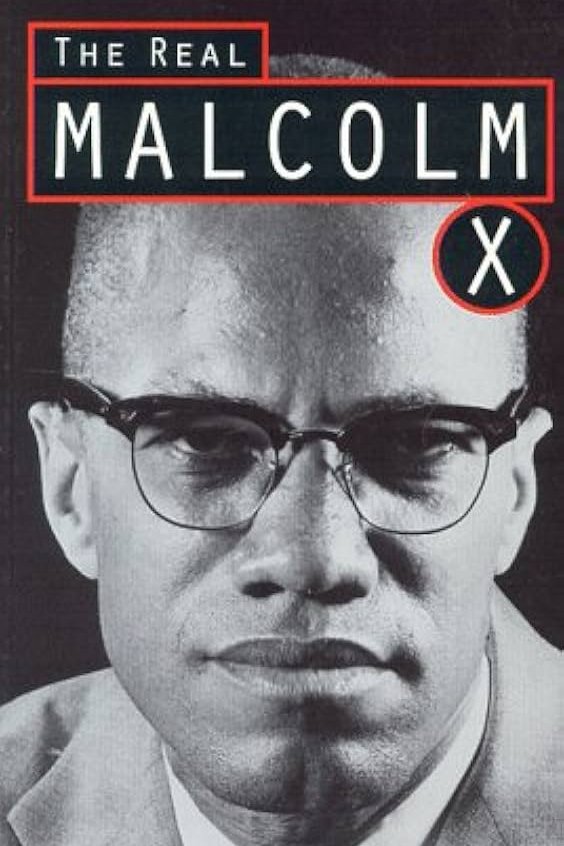
CBS News looks at Malcolm X, focusing on his public life from 1959 to his assassination in 1965, suggesting that his death was a great loss to the nation. The film intercuts archival footage of Malcolm and interviews with family, friends, colleagues, scholars, and writers. CBS documents Malcolm's move from being Elijah Muhammad's deputy in the Nation of Islam to his embrace of Islam: his new links with the civil rights movement posed a real threat to the powers that be. CBS details his death after secret FBI acts to increase the rift between Muhammad and Malcolm. Maya Angelou, Dick Gregory, and Andrew Young offer trenchant comments. "He was our manhood," eulogized Ossie Davis.
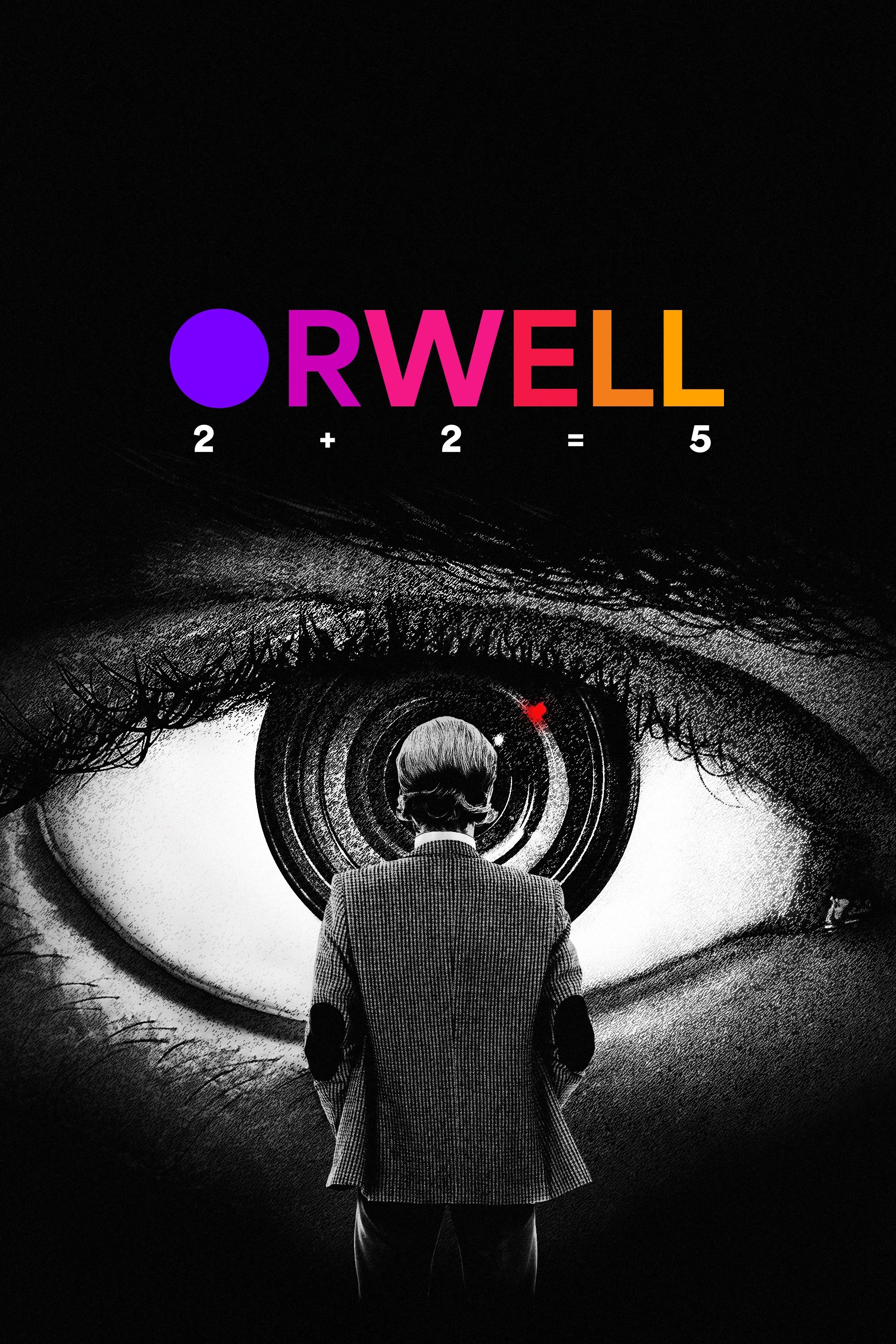
George Orwell was one of the most visionary authors of the 20th century, whose novels 1984 and Animal Farm foretold a chilling, authoritarian future. Acclaimed director Raoul Peck interweaves clips, readings from Orwell's diary, cinematic references, and modern-day footage to craft not only a portrait of the writer, but a fresh take on how prophetic his work has become.
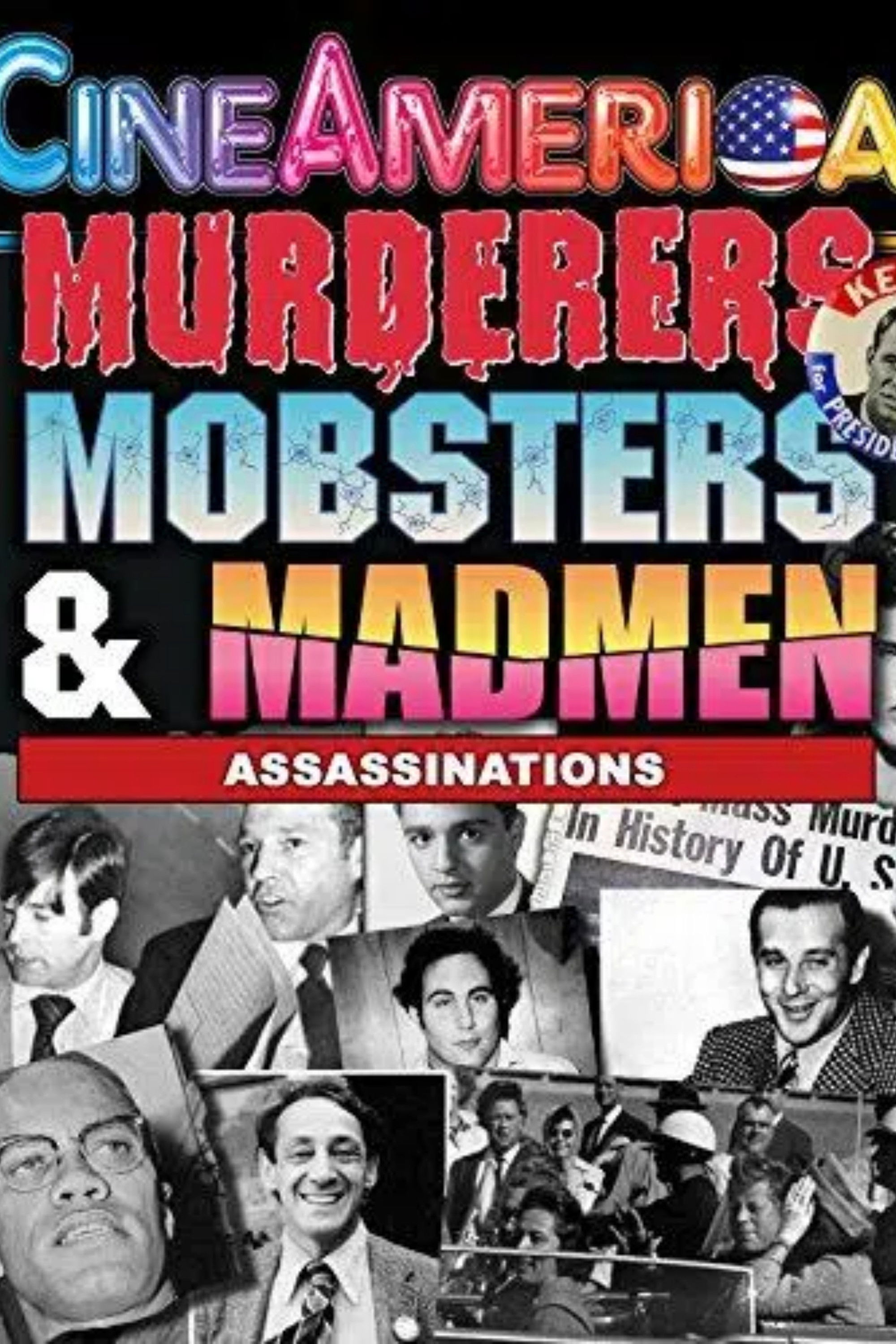
Reveals through graphic historical and exclusive footage the tragic murders of political and social leaders. These heinous crimes help make the 20th century man's most most violent era. Included also are numerous attempted assassinations and the stories behind those who are driven to kill prominent figures. ASSASSINATED: Malcolm X John F. Kennedy Dr. Martin Luther King Mahatma Ghandi John Lennon Robert Kennedy George Moscone
A deep delve into King’s search for the truth on what really happened on that terrible Memphis day in the penultimate years of the tumultuous Sixties.
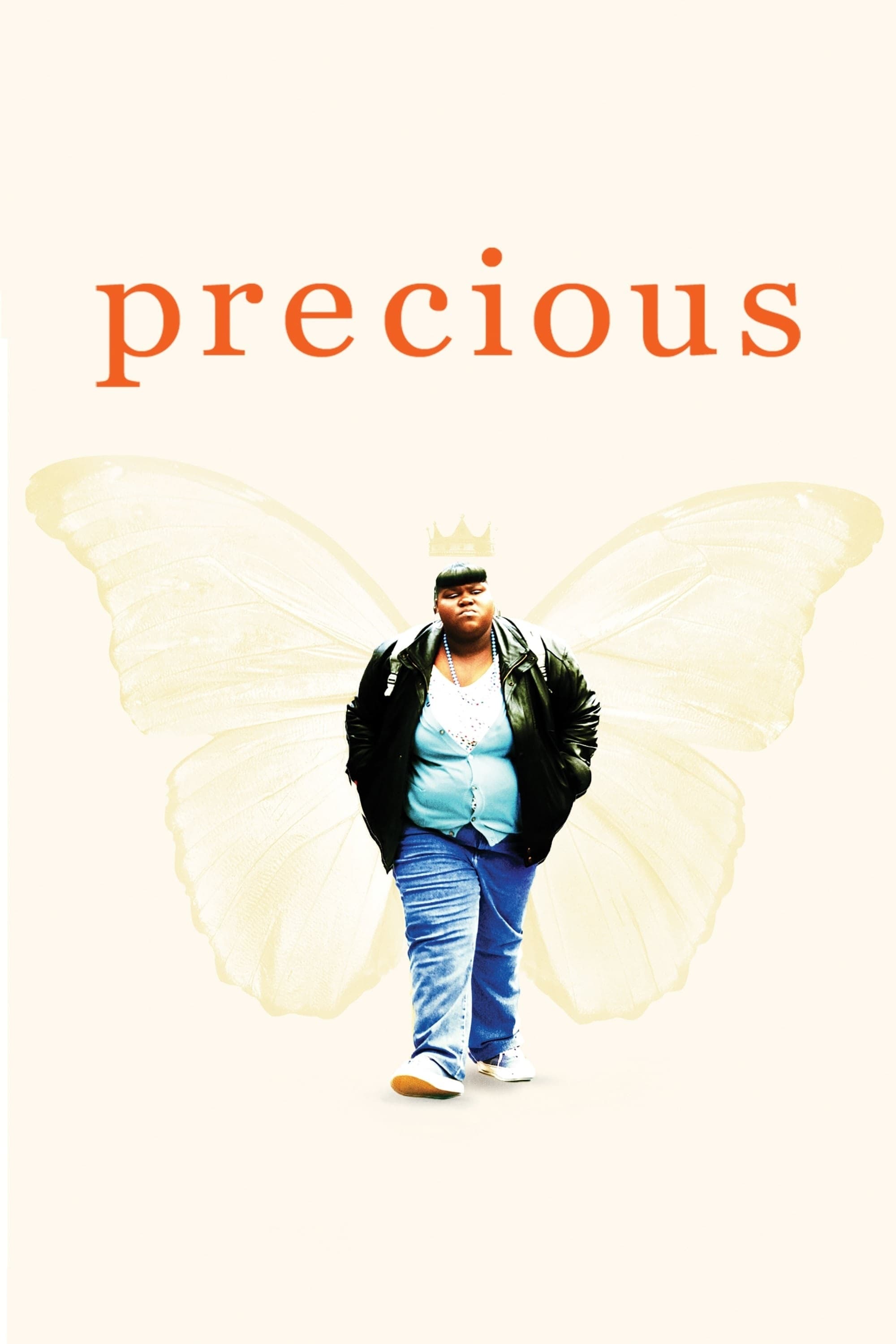
In Harlem in 1987, Claireece "Precious" Jones is a 16-year-old African American girl born into a life no one would want. She's pregnant for the second time by her absent father, and at home she must wait hand and foot on her mother, an angry woman who abuses her emotionally and physically. School is chaotic and Precious has reached the ninth grade with good marks and a secret – she can't read.