
Risto Jarva's short documentary on housing in Helsinki in the late 1960's.
Independence Day celebrations at the Finnish presidential palace December 6, 1960.
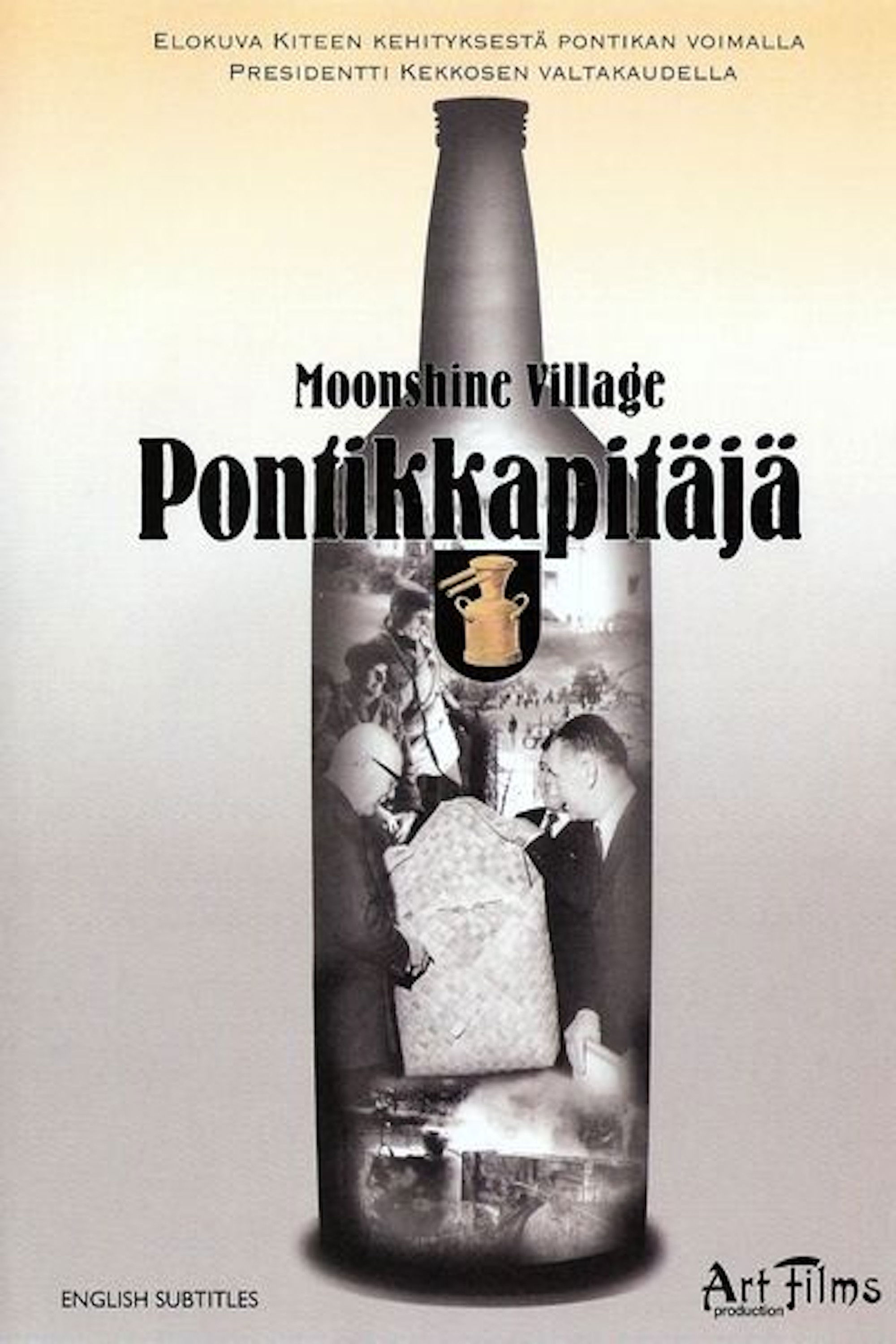
Moonshine Village is a story about producing moonshine in Kitee, Finland, and its effect on the village's social and economic development between 1960-70. For most families producing Moonshine was a prerequisite. Kitee became one of the most remarkable producers - both in good and bad. According to an 85-year old police officer, in the 1960s there were no villages that were not producing Moonshine. Yet, the city mayor of Kitee says that this time has been the most creative time in the town's history.
A documentary following a day in Urho Kekkonen's life as the president of Finland.
Finnish documentary film.
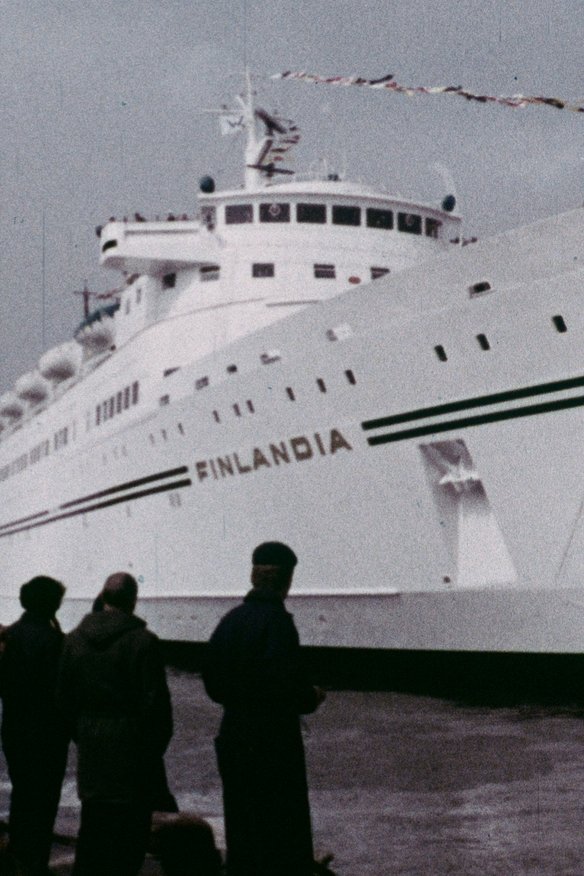
Building and launching the cruise ship M/S Finlandia

A different history of the Cold War: how Estonians under Soviet tyranny began to feel the breeze of freedom when a group of anonymous dreamers successfully used improbable methods to capture the Finnish television signal, a window into Western popular culture, brave but harmless warriors who helped change the fate of an entire nation.
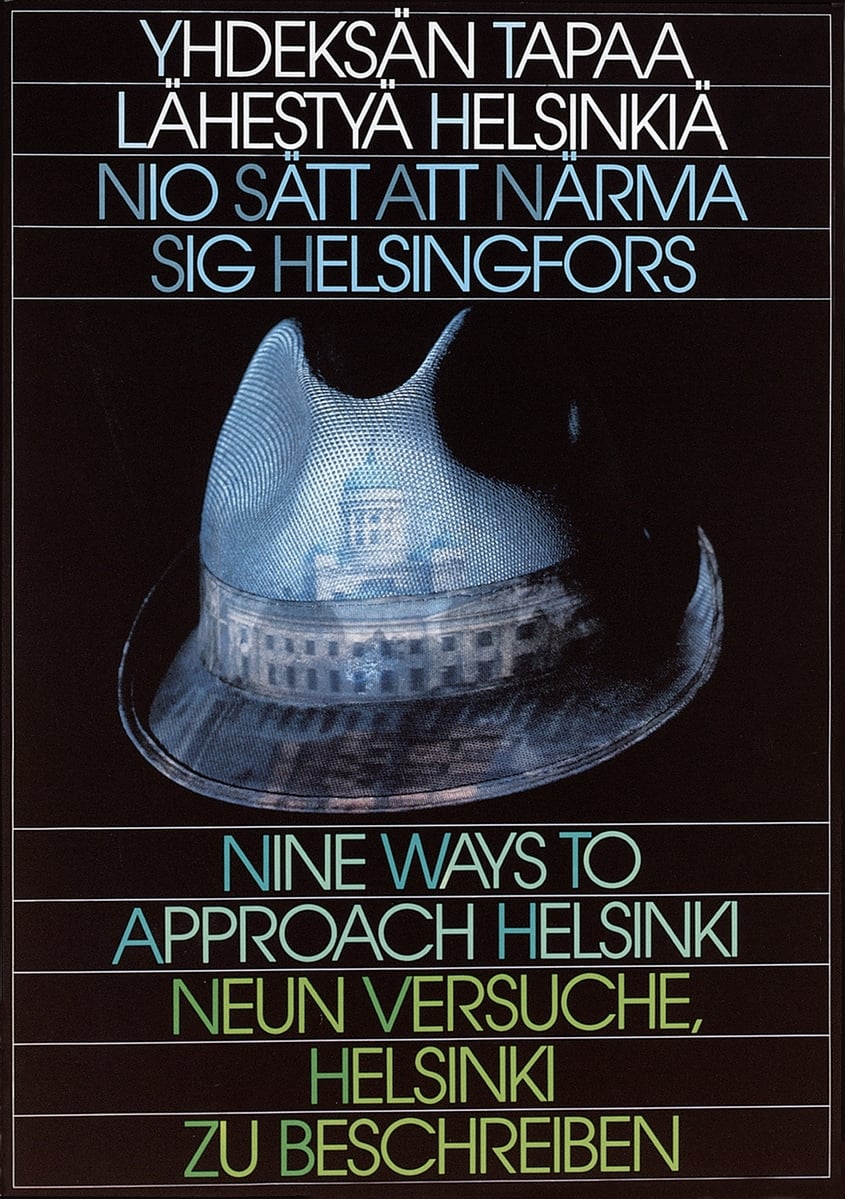
Nine Ways to Approach Helsinki, shot by Pirjo Honkasalo and Eero Salmenhaara, is a documentary on the capital of Finland.
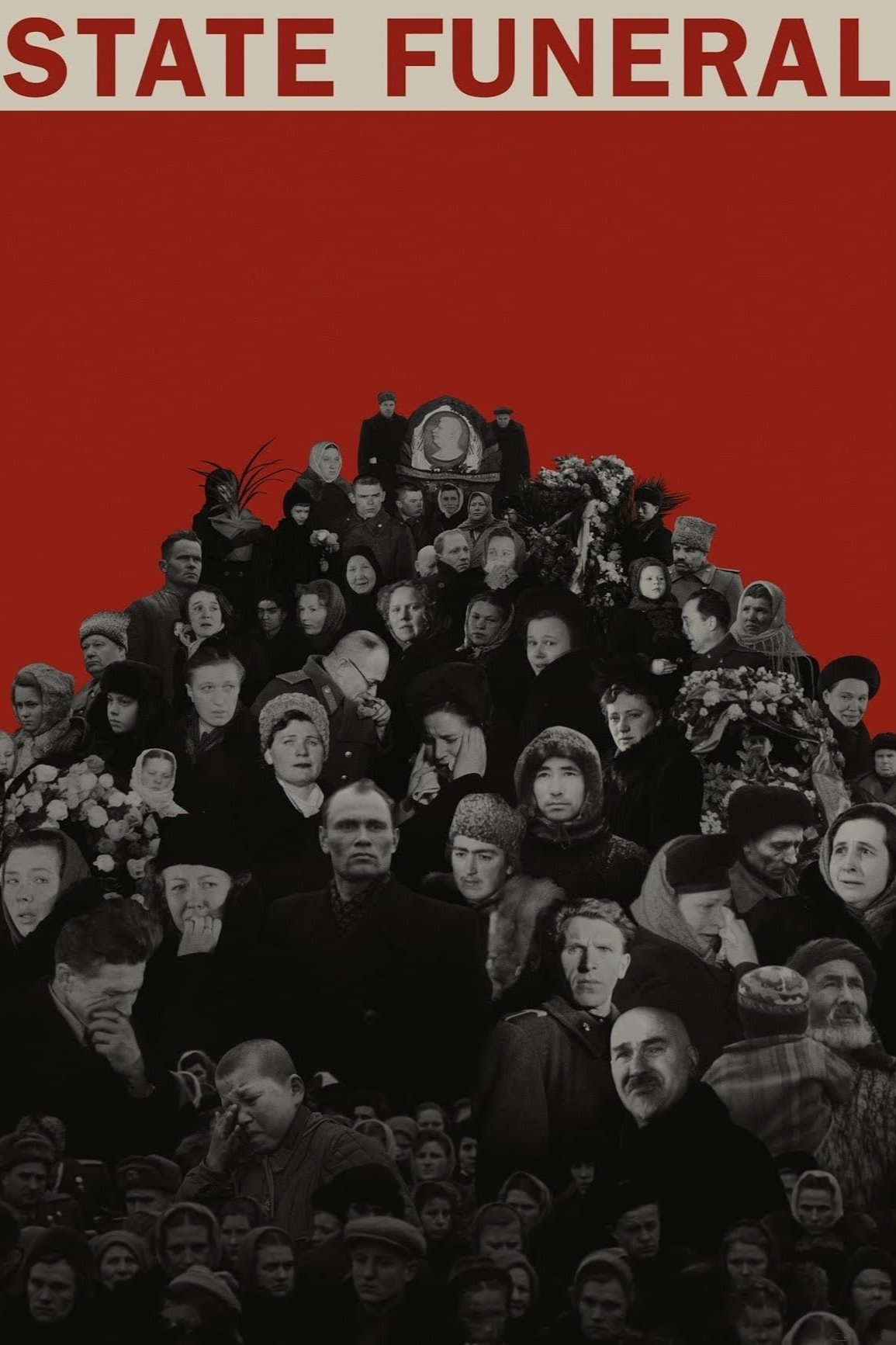
The enigma of the personality cult is revealed in the grand spectacle of Stalin’s funeral. The film is based on unique archive footage, shot in the USSR on March 5 - 9, 1953, when the country mourned and buried Joseph Stalin.
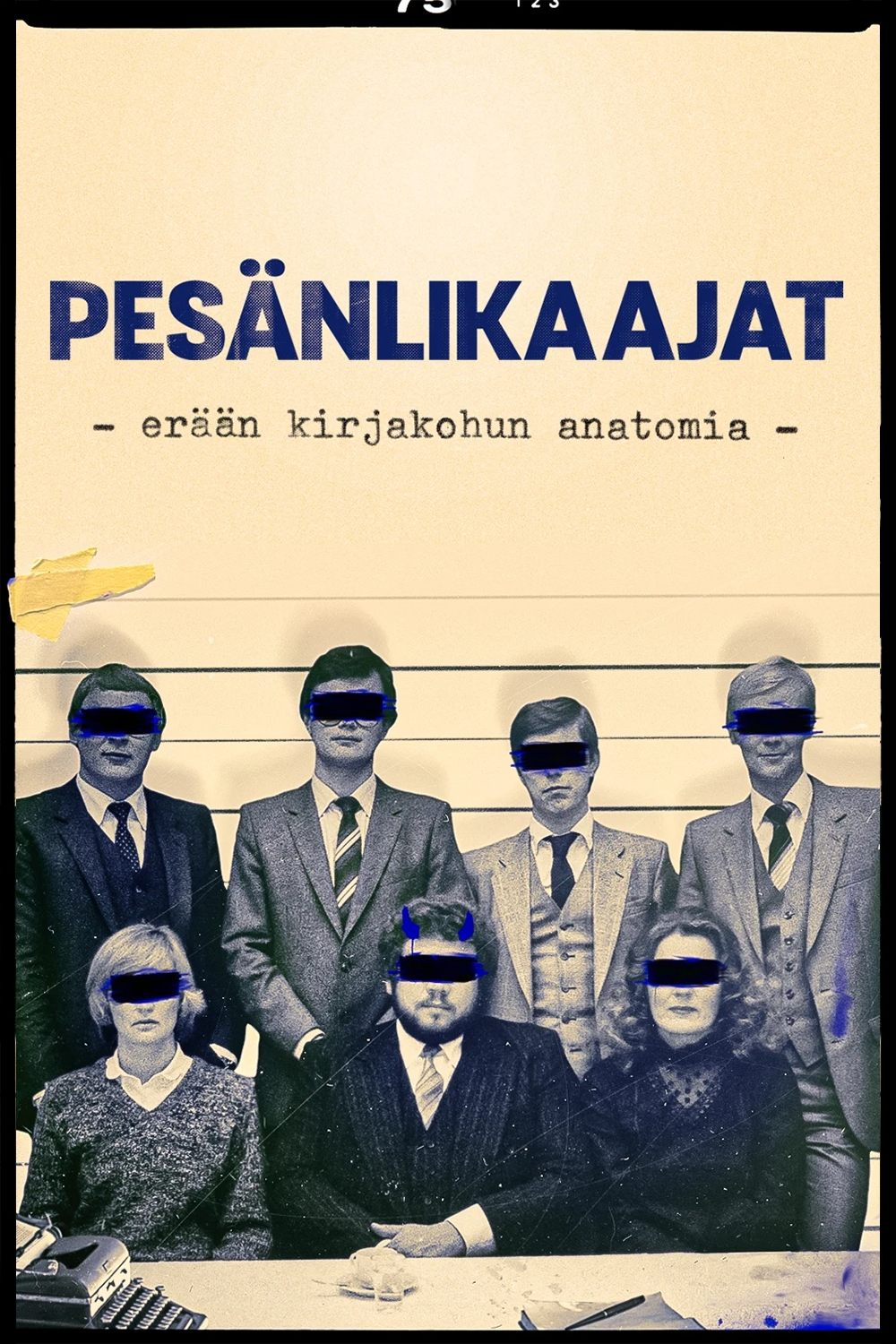
The documentary tells the story of the political scandal caused by the book 'The Spoils of Tamminiemi' from the perspective of the journalists who wrote it. The time of the book's publication was the worst time of the Finlandization, Soviet spies worked behind the scenes and the power struggle was heating up, who would be successor of the President Kekkonen? The authors of the book appeared under pseudonyms, but the subjects of the writings were named, and it revealed everything that had been going on behind the scenes.
Before his political career, Urho Kekkonen (1900–1986) was an athlete on the national level. Later he served as head of the Finnish Olympic Committee. The earliest film fragments of Kekkonen can be found in sports films, where he visits the Finland-England and Finland-France national athletics matches in 1933 and the Finnish Athletics Championships in 1938.
Urho Kekkonen assumed the office of President of the Republic of Finland on 1.3.1956. J. K. Paasikivi hands over the duties of President to Urho Kekkonen, who states that he will follow Paasikivi's policy and humbly accept the duties of President. On the same day, a general strike declared by the The Central Organisation of Finnish Trade Unions (SAK) also began.
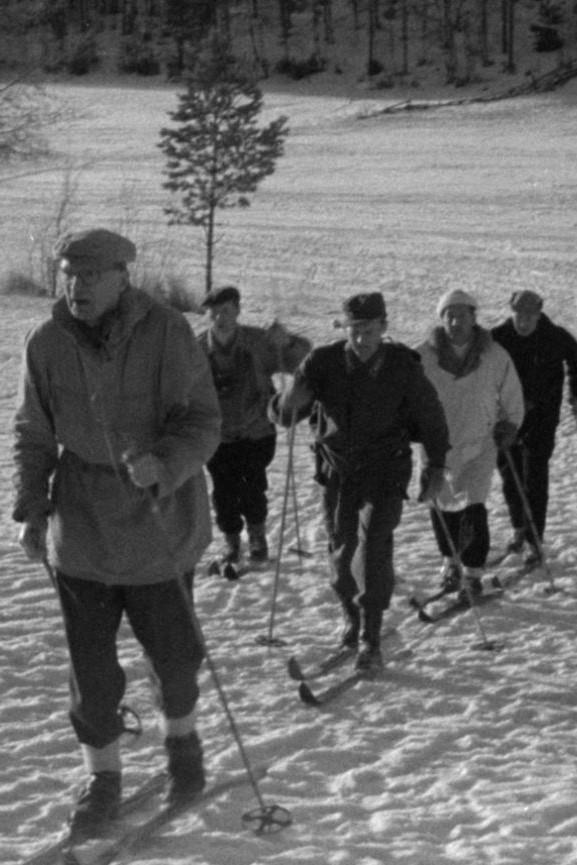
President Kekkonen's skiing trip in January 1957 begins in Taipalsaari. From there, the President skis towards Puumala along the frozen Lake Saimaa. From Puumala the journey continues to Ryhälä and from there on to Sulkava and Savonlinna. Another of the President's ski trips was recorded by film cameras in late winter 1957 in Kainuu.
The documentary, intended as an election film, covers the key events of Urho Kekkonen's first presidential term. The President of the Republic of Finland makes state visits all over the world and travels frequently in Finland. The President's spouse Sylvi Kekkonen is also featured in the documentary. The President also comes to Tampere in July 1961, when King Olav of Norway visits Finland. President Kekkonen's first term was a time of many crises, but they are not really featured in the film. Instead, the ending is heartwarming: Urho picks a fallen autumn leaf from the ground and hands it to Sylvi.
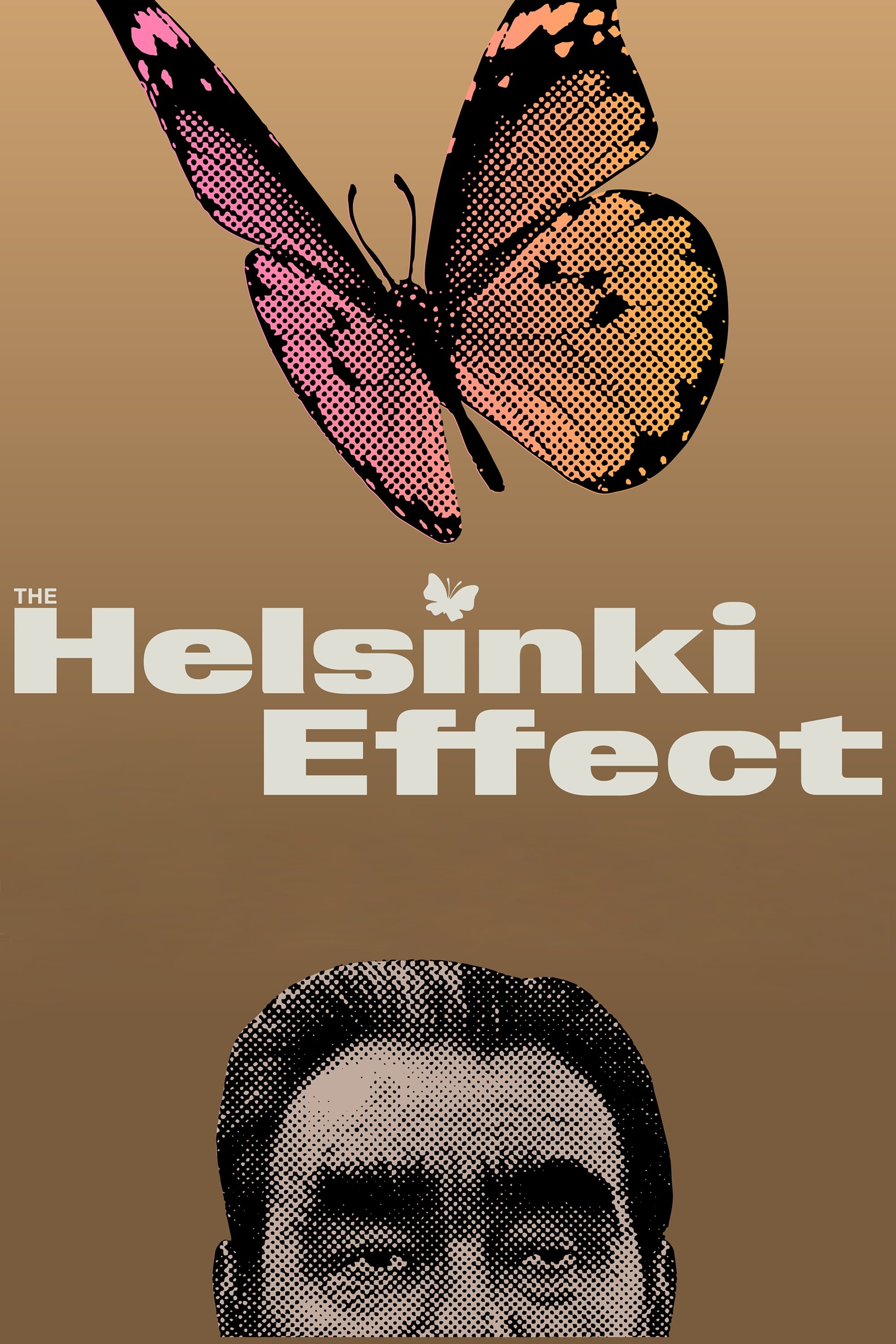
The Conference on Security and Cooperation in Europe (CSCE) was the starting point for the slow but sure collapse of communist authoritarian rule in Eastern Europe. The Helsinki Effect offers new perspectives on the events of the Cold War. The film tells the story of the CSCE process, which had a major impact on the end of the Cold War, and sheds light on secret top-level discussions behind closed doors, through voice simulations using artificial intelligence.
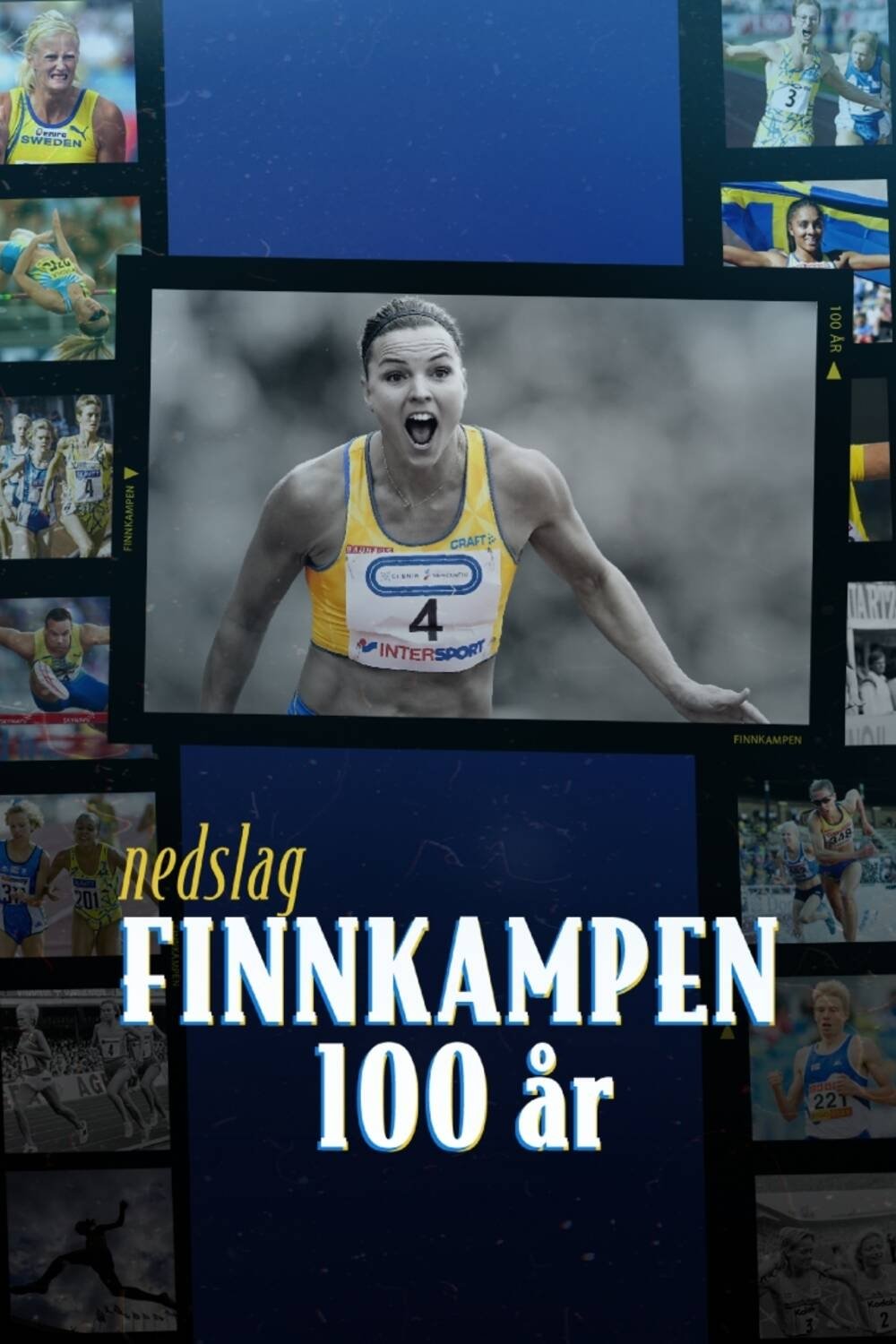
The Finnkampen is the oldest surviving international competition in athletics. Sweden and Finland have competed against each other since 1925 in a mixture of respect and love-hate. This documentary by Lotta Fahlberg delves into the history of the Finnkampen, where we get to see the hustle and bustle both on the track and behind the scenes, and the Swedish ups and downs over the years.