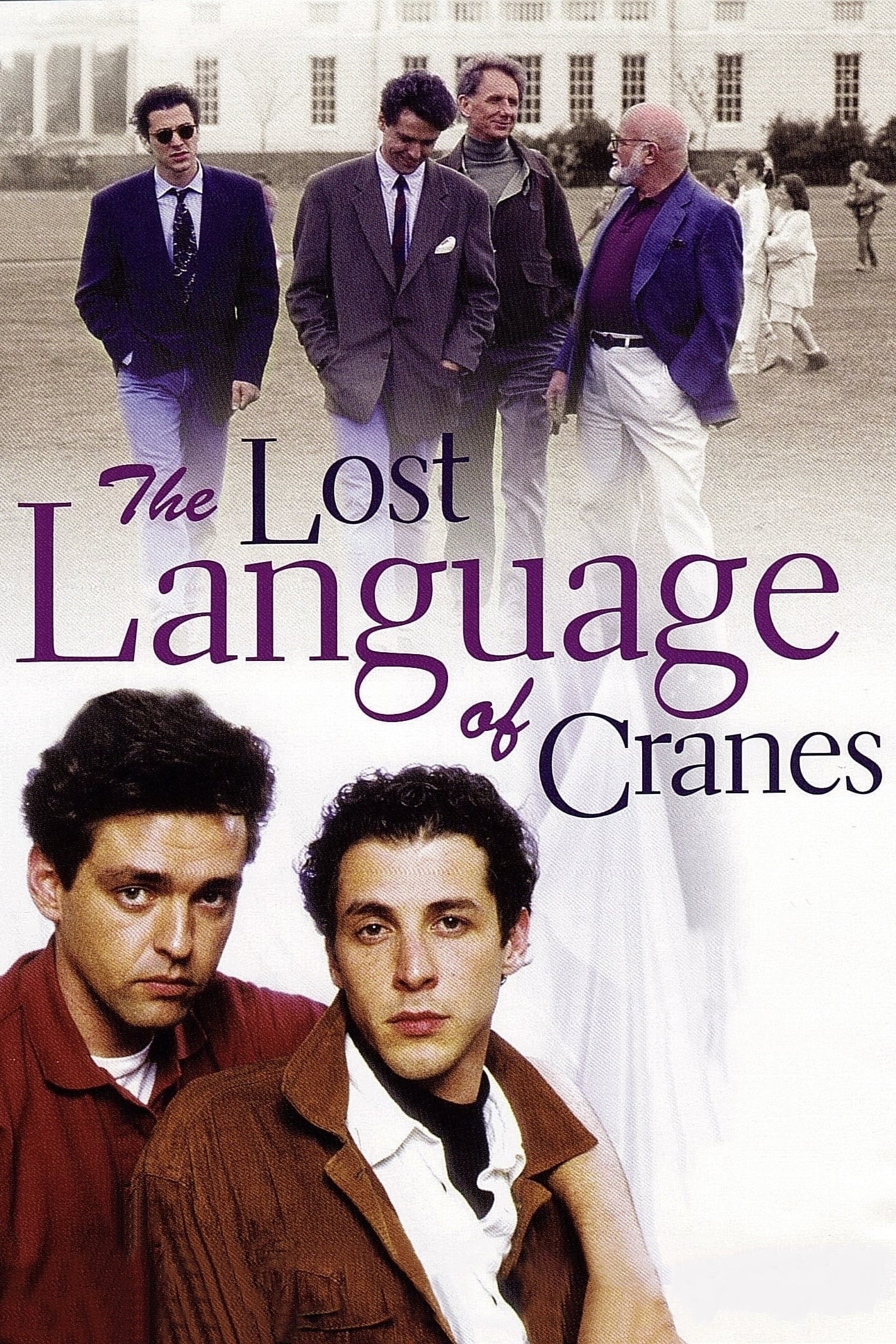
When a young gay man comes out of the closet, his friends support him, but when he comes out to his parents, he stirs up a wealth of hidden feelings and secrets in their relationship.
Two of Britain's leading film directors - John Schlesinger and Gerald Thomas - share the anxiety, hopes and risks experienced by those involved with the movie industry. The Big Screen follows the production of four British films: the eighth James Bond film Live and Let Die, The Optimists of Nine Elms, science fiction-thriller The Final Programme and The 14. Actors Peter Sellers, David Hemmings, Jon Finch, Roger Moore and Jenny Runacre are among those seen at work.
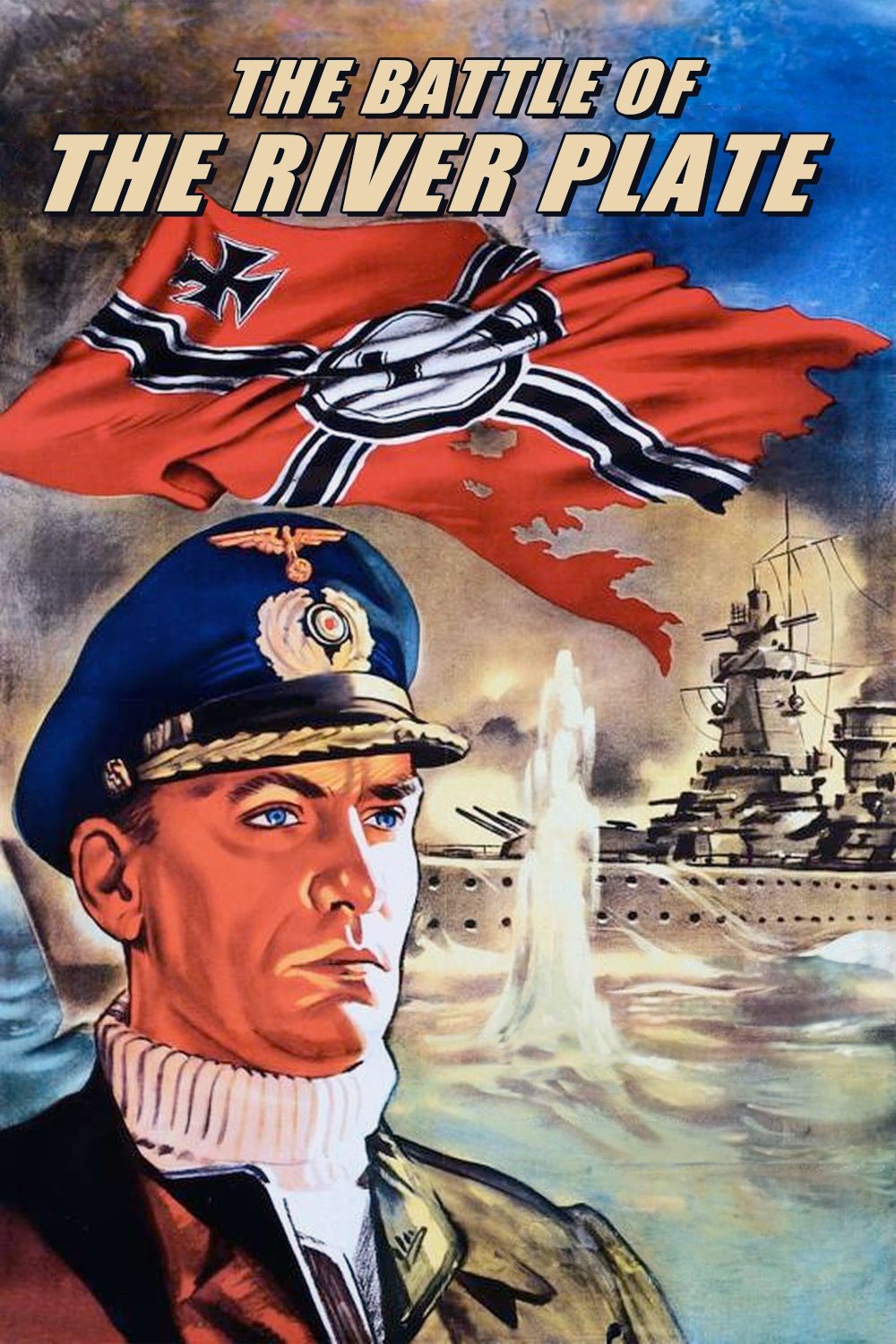
In the early years of the World War II, the Royal Navy is fighting a desperate battle to keep the Atlantic convoy routes open to supply the British Isles, facing the great danger posed by the many German warships, such as the Admiral Graf Spee, which are scouring the ocean for cargo ships to sink.

Ekchart Schmidt examines the machinery behind the dream factory; the Hollywood myth is unmasked. How does the studio industry work? What role does marketing and the hype surrounding the stars play?
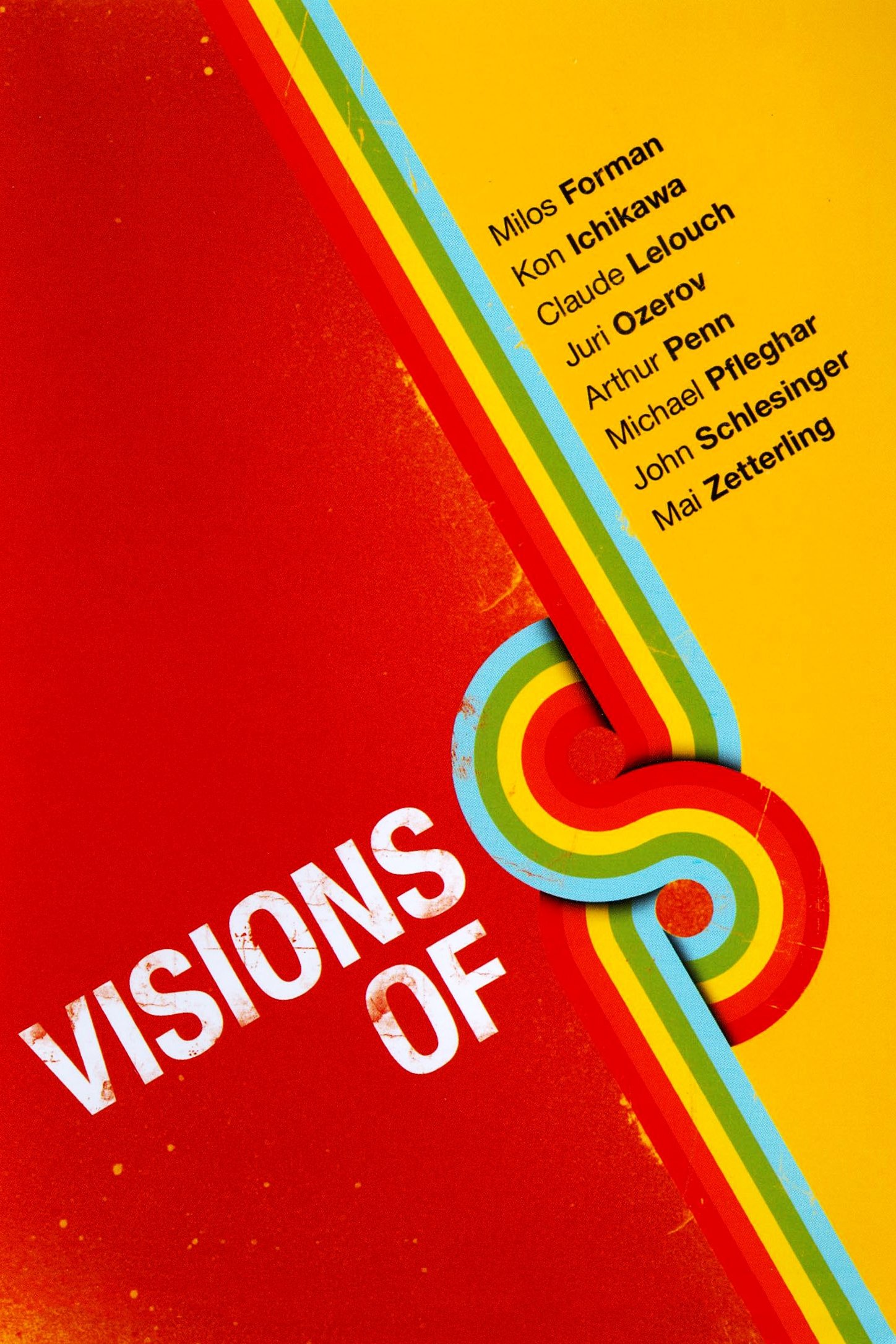
Eight acclaimed filmmakers bring their unique and differing perspectives to the 1972 Summer Olympic Games held in Munich. The segments include Lelouch's take on Olympic losers and their struggle to remain dignified even in the face of bitter disappointment and defeat; Zetterling's dramatic exploration of the world of weightlifting; and Pfleghar's piece on young Russian gymnast Ludmilla Tourischev's majestic performance on the uneven bars.
A dramatic retelling of the brutal double murder of Martha Broomham and her son Robert perpetrated by her husband George and his mistress Dorothy Newman on 23 February 1676.
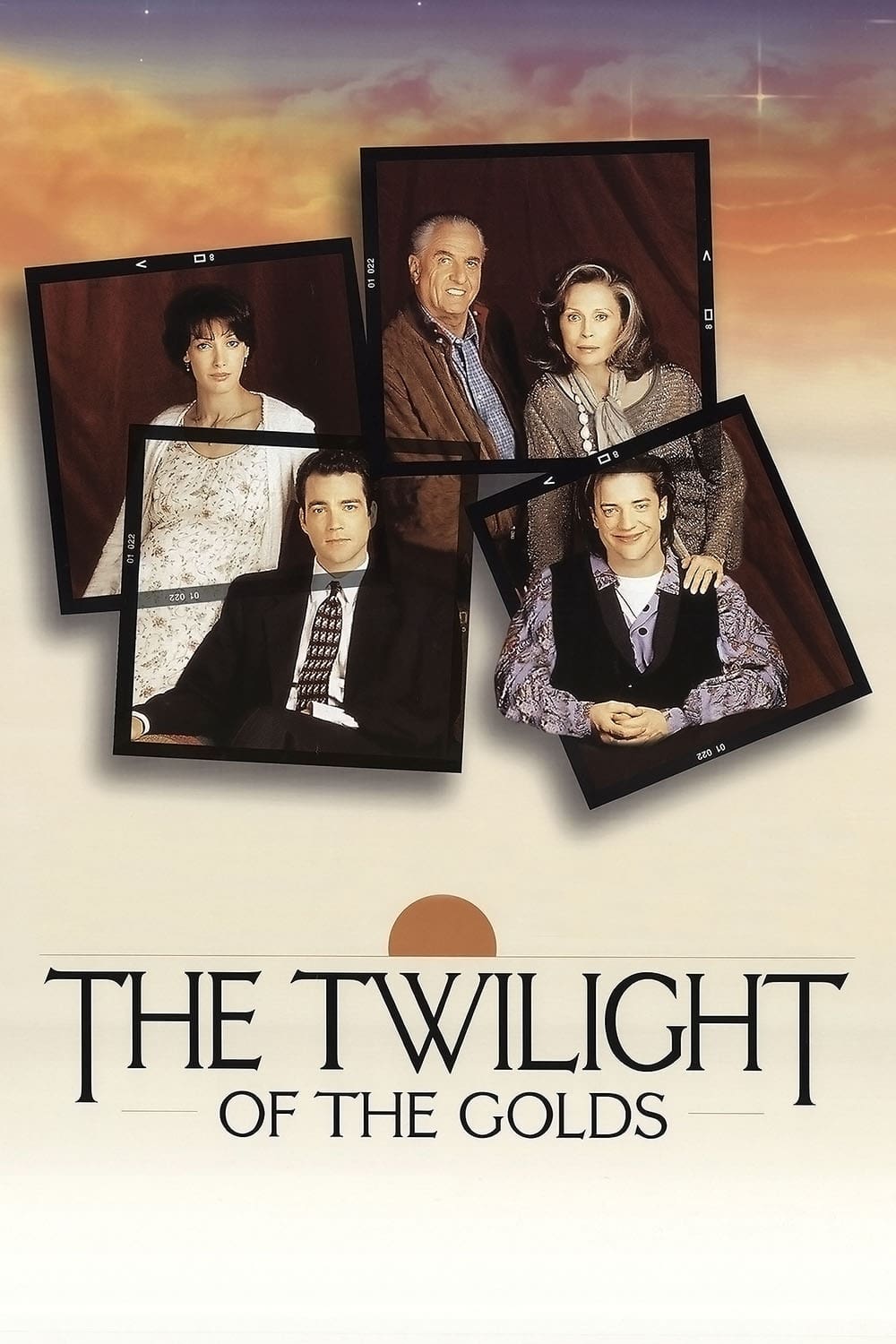
A woman discovers her unborn baby has a genetic predisposition to homosexuality, unwittingly exposing deep-seated prejudices within her family.
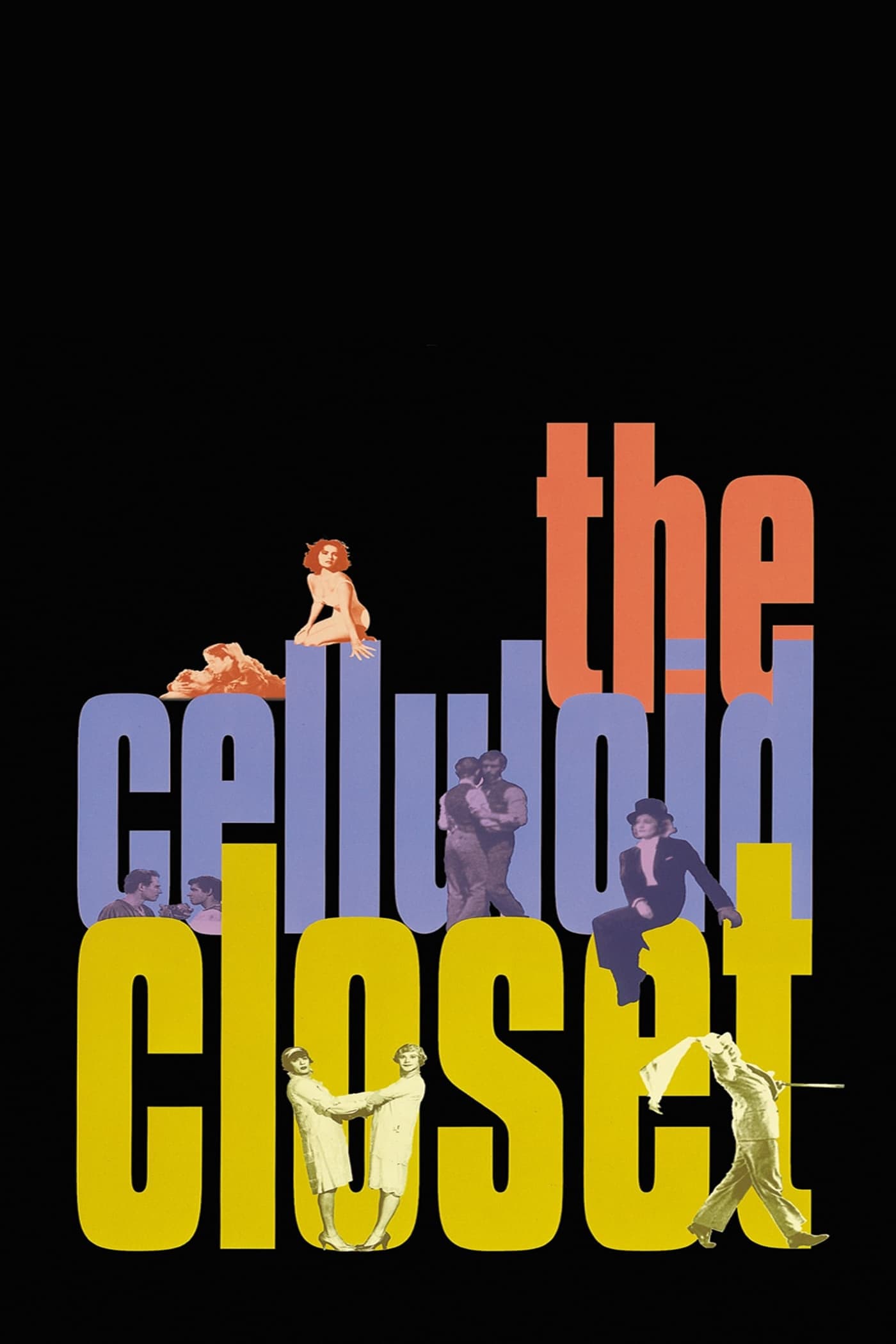
Exuberant, eye-opening movie that serves up a dazzling hundred-year history of the role of gay men and lesbians have had on the silver screen. Film contains fabulous footage from 120 films showing the changing face of cinema sexuality, from cruel stereotypes to covert love to the activist triumphs of the 1990s.
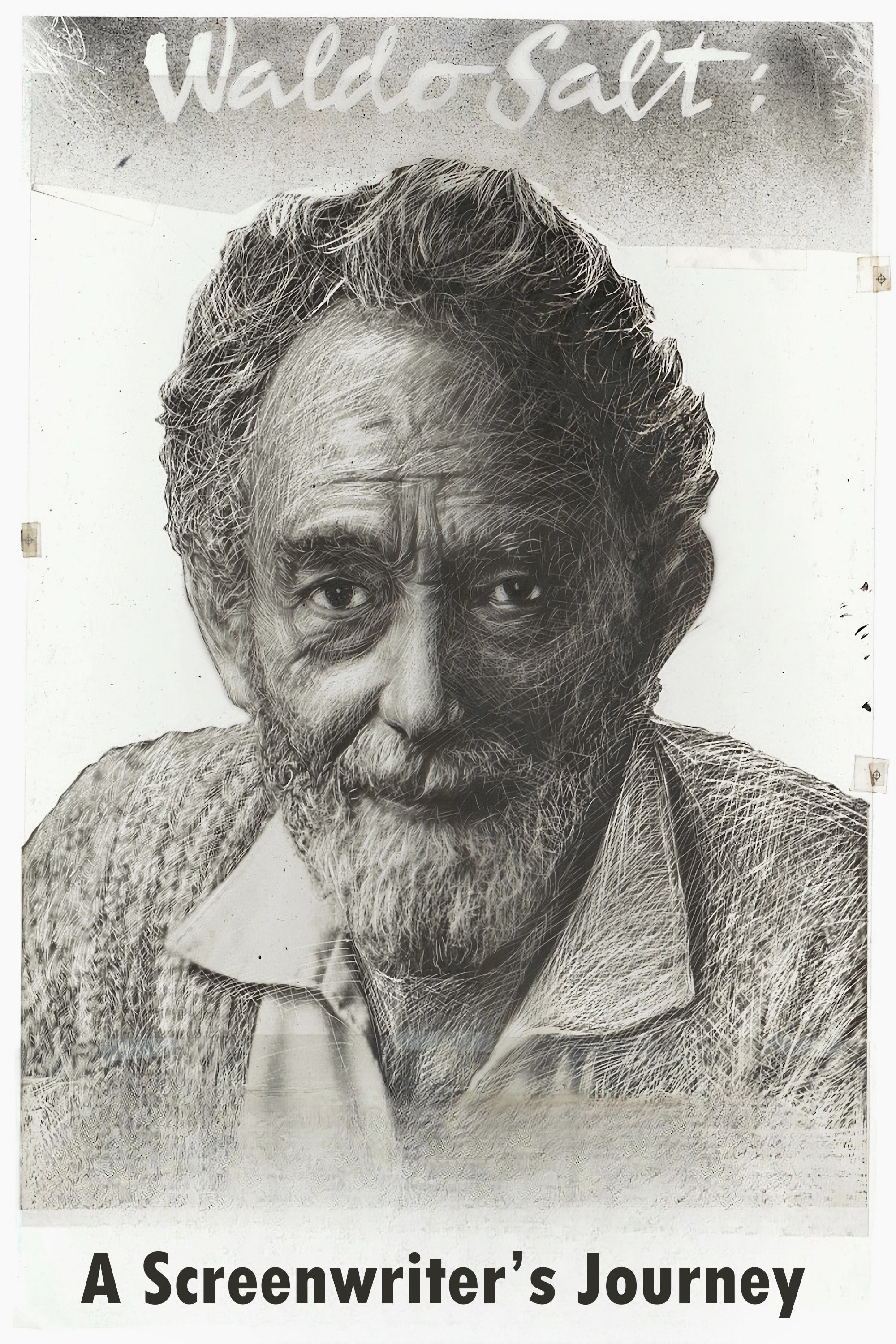
Documentary is about the life and work of American screenwriter Waldo Salt who won two Academy Awards and was put on the Hollywood blacklist in the 1950s. The story is told through interviews with collaborators and friends such as Dustin Hoffman, Robert Redford, Jon Voight, John Schlesinger and with clips from Salt's films, chiefly Midnight Cowboy.
A short documentary made on location during the filming of John Schlesinger's 1969 film "Midnight Cowboy."
A man is tried for the murder of his neurotic wife by means of a sedative overdose.
Diana, a beautiful but shallow and easily distracted model and failed actress, toys with the affections of several men while attempting to gain fame and fortune in Swinging London.
Producer Robert Evans dominates with his trademark promotional style, but Schlesinger gets a short time on camera (one of his few available interviews about the film), and Hoffman has even more. A highlight is the celebration of Olivier's final shooting day, complete with speeches and a toast.
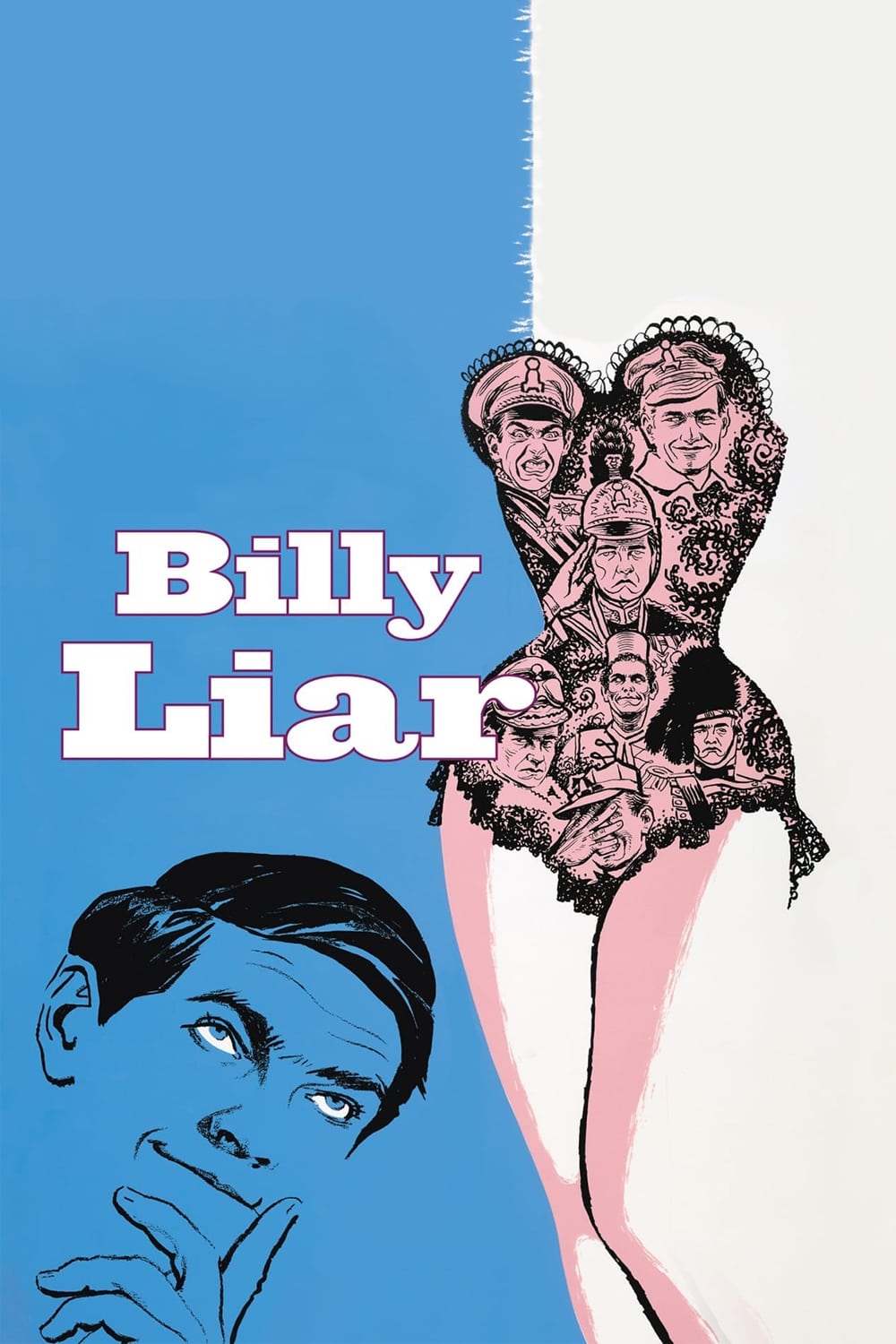
A young Englishman dreams of escaping from his working class family and dead-end job as an undertaker's assistant. A number of indiscretions cause him to lie in order to avoid the penalties. His life turns into a mess and he has an opportunity to run away and leave it all behind.
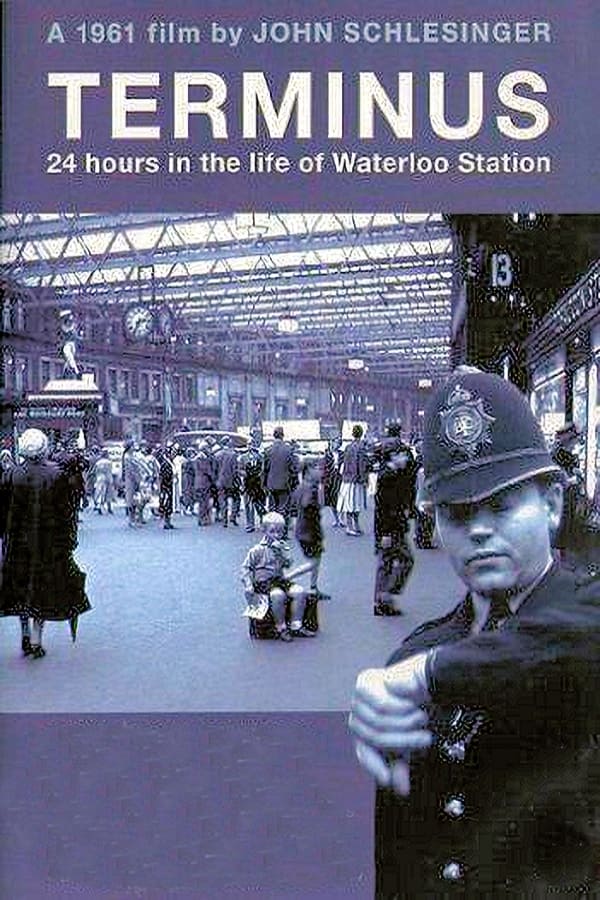
This fly on the wall-style documentary from 1961 won an Oscar for best documentary, and shows the changing patterns of human emotions during 24 hours in the life of Waterloo Station.
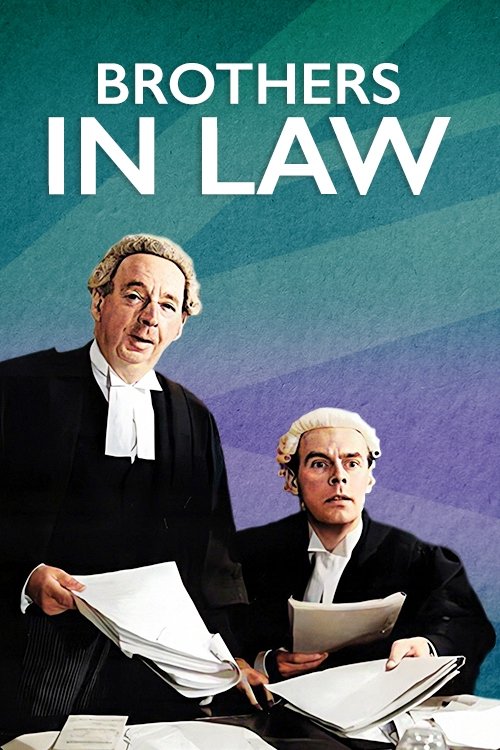
Roger Thursby is an overly keen, newly-qualified barrister who rubs his fellow barristers up the wrong way. When he is thrown in at the deep-end, with a particularly hot-tempered judge and tricky case, Thursby learns how to prove himself not only to the judge and fellow barristers but also to the public gallery.
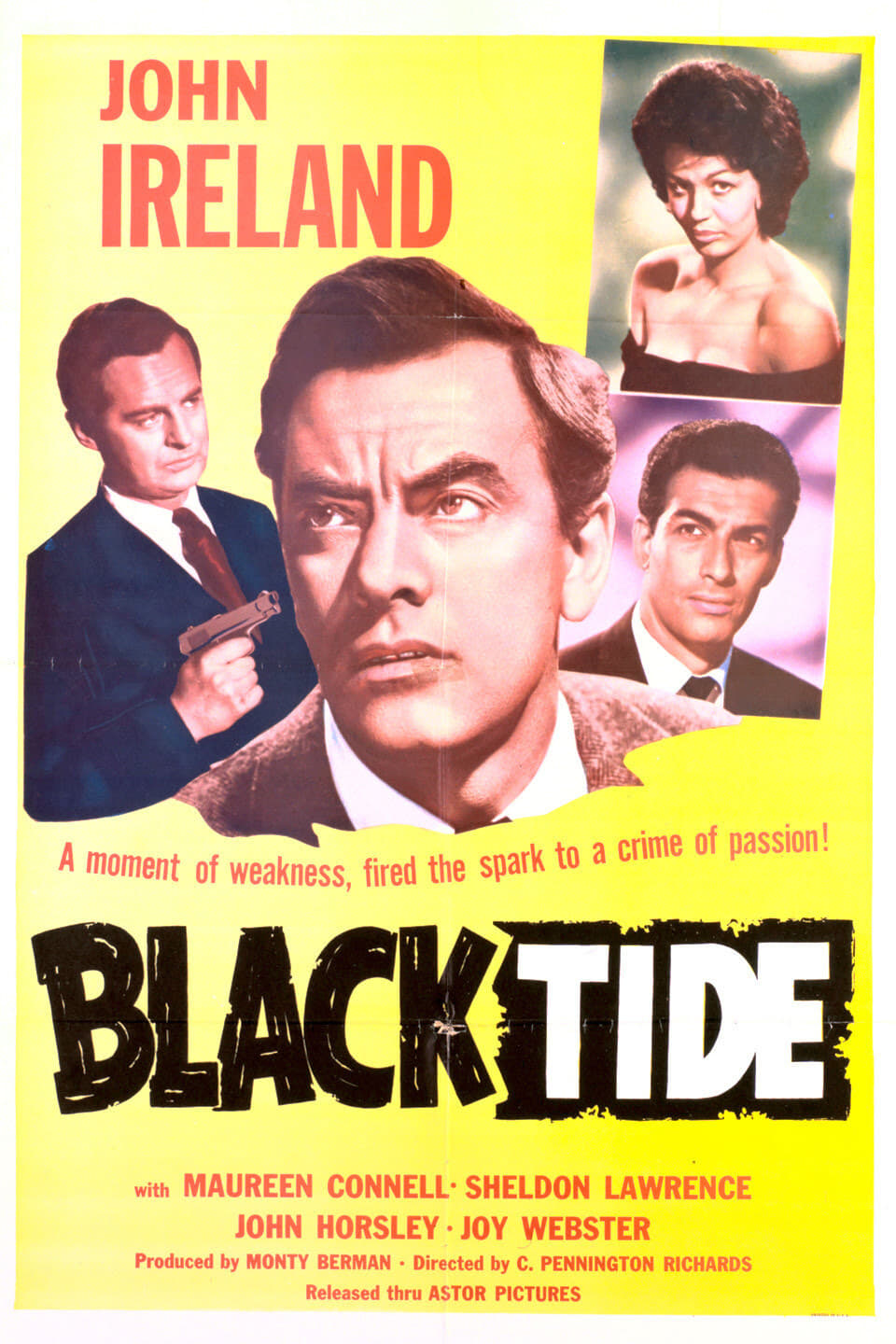
After murdering his lover, cross-channel swimmer Joy Webster, Derek Bond attempts to do same to her other boyfriend, Sheldon Lawrence. John Ireland plays an Interpol detective who stems Bond's homicidal hijinks. Black Tide was produced by Monty Berman in his pre-Saint days.
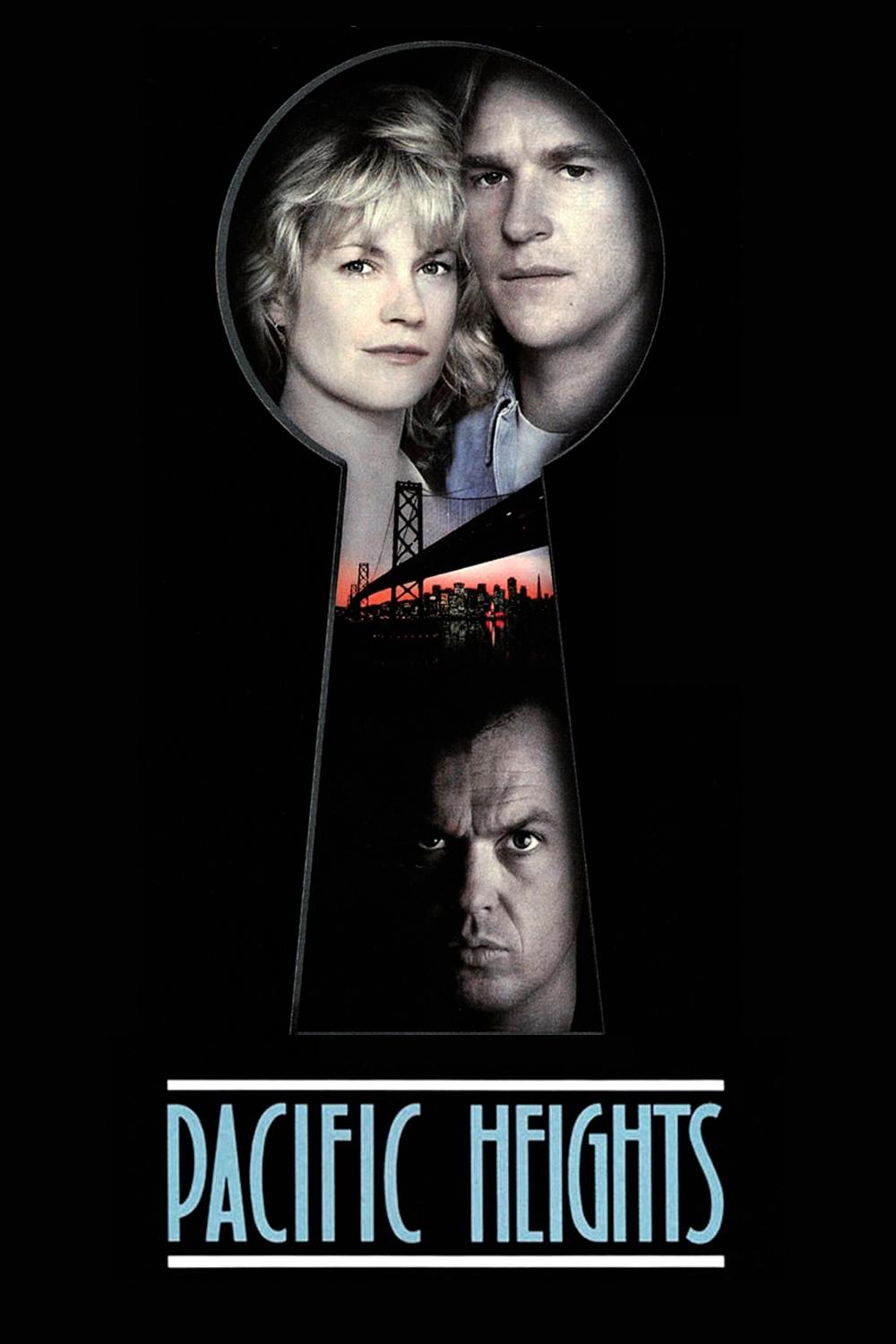
A couple works hard to renovate their dream house and become landlords to pay for it. Unfortunately one of their tenants has plans of his own.
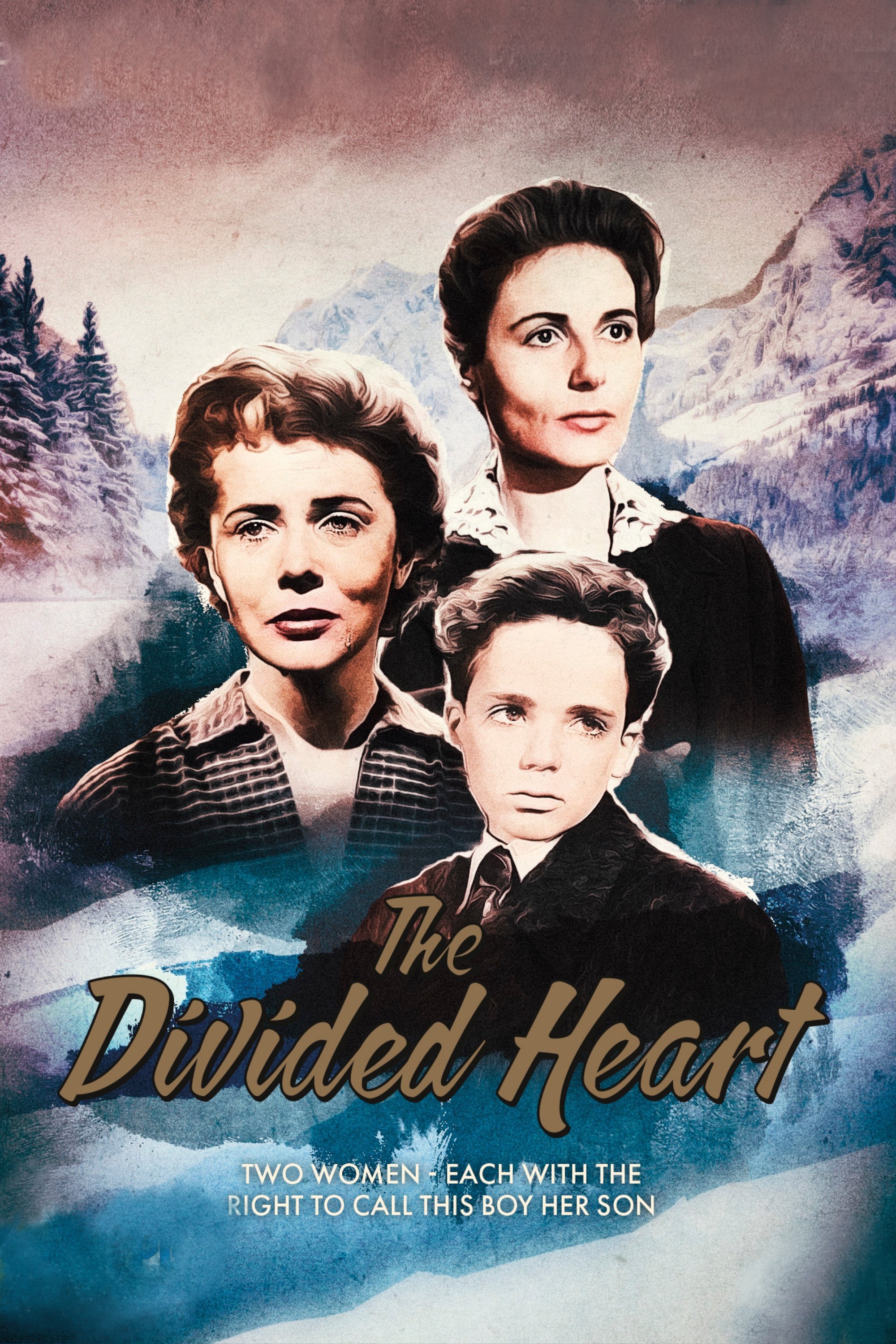
During World War II, a German woman, Inga, goes missing and is presumed dead. Her infant son is placed in an orphanage where, years later, he's adopted by a childless couple. The adoptive parents' happiness is shattered when Inga reappears and insists on custody of her son.

This promotional short film for the feature Far from the Madding Crowd (1967) takes us to the many locations in Dorset County, England, where the movie was filmed. It was here that 'Thomas Hardy' lived and was inspired to write the novel upon which the film is based. Only the film's star, Julie Christie, makes comments on the production.
Part of BFI collection "Portrait of a People."
illustrates how directors pushed boundaries and altered the art of filmmaking during the turbulent, swinging 1960s. Narrated by Woody Harrelson, "Reel Radicals" features clips from such seminal films as Arthur Penn's "Bonnie and Clyde" (1967); Mike Nichols' "The Graduate" (1967); Dennis Hopper's "Easy Rider" (1969); John Frankenheimer's "The Manchurian Candidate" (1962); Stanley Kubrick's "Dr. Strangelove" (1964) and "2001: A Space Odyssey" (1968); John Schlesinger's "Midnight Cowboy" (1969); Richard Brooks' "Elmer Gantry" (1960) and "In Cold Blood" (1967); and Norman Jewison's "In the Heat of the Night" (1967) and "The Thomas Crown Affair" (1968). Frankenheimer, Jewison, Hopper, Schlesinger, Penn, Buck Henry, Paul Mazursky, Roger Corman and Arthur Hiller are among the filmmakers who discuss the decade.
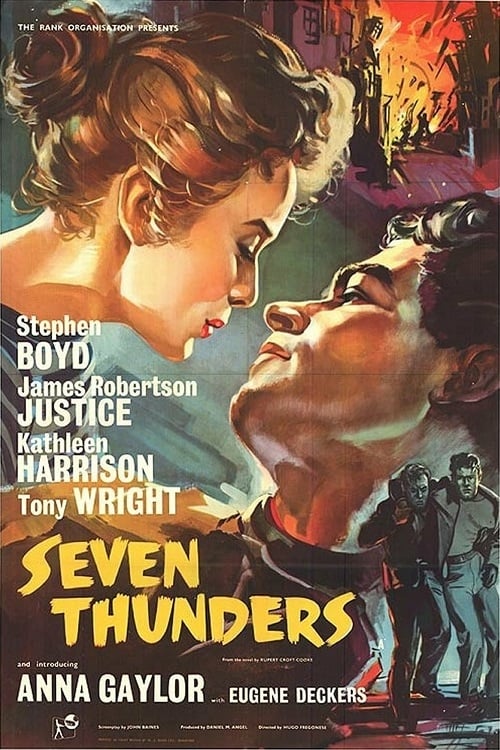
Escaping British prisoners of war hide out in German occupied France.
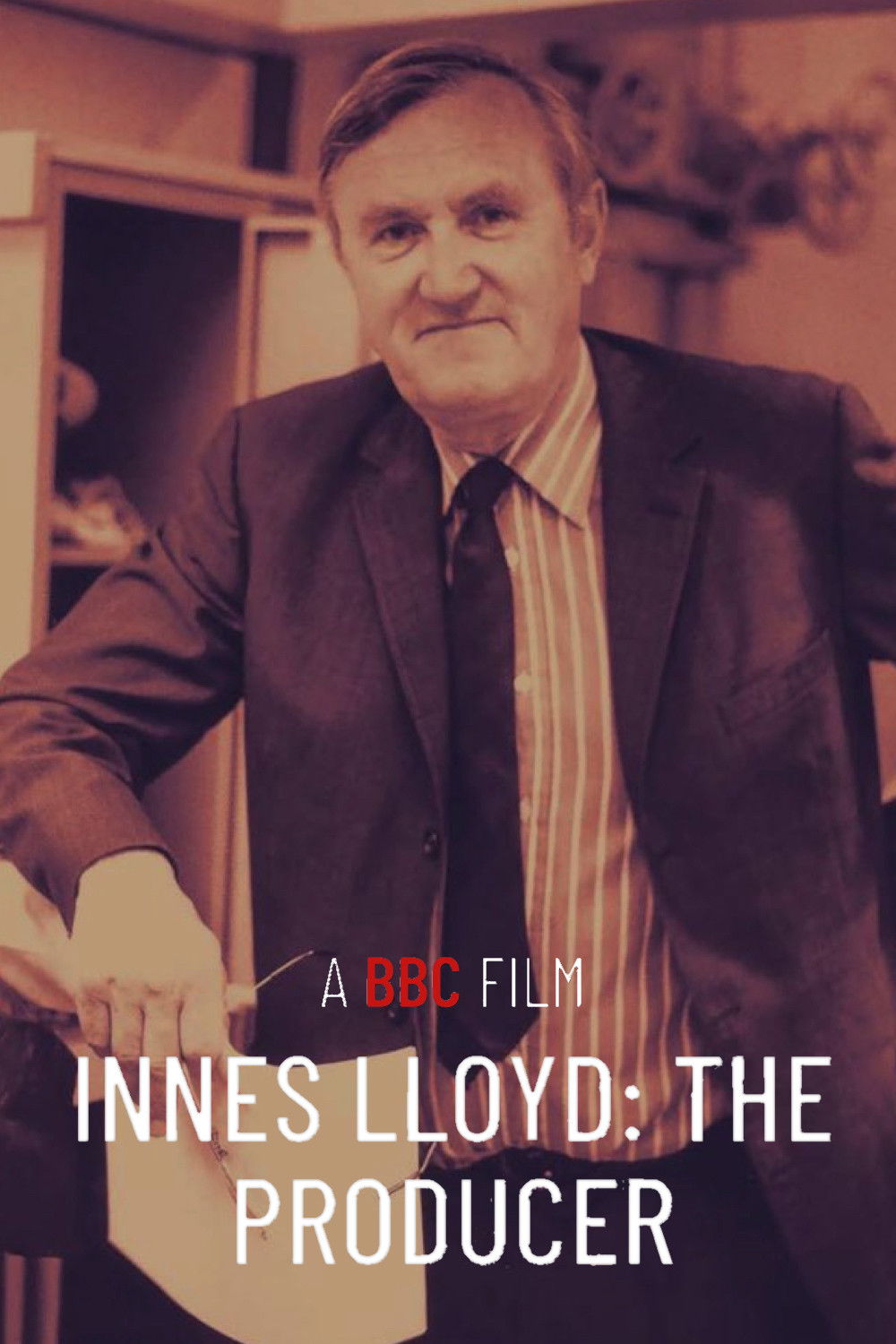
A look at the life and work of television producer Innes Lloyd