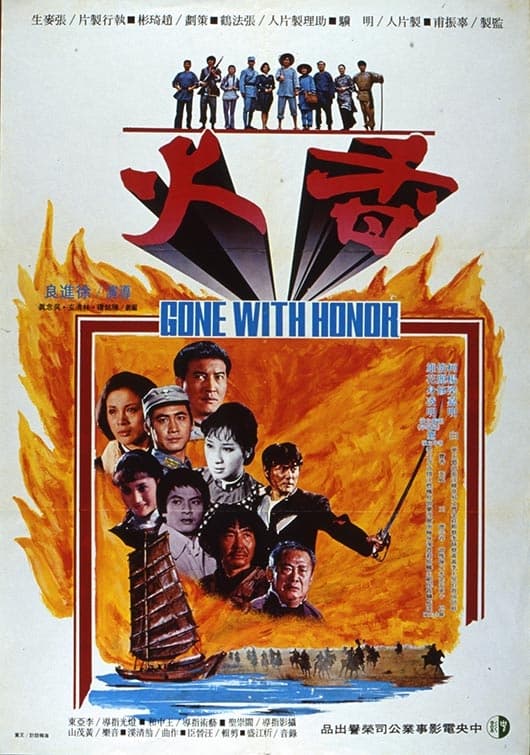
Lin Zemin and his wife Xiugu move to Taiwan from Fujian. At the same time, the Japanese invade Taiwan, leading Zemin to die during the war of resistance. His son Yongyuan grows up and goes to Japan to study medicine were he makes three friends, one of whom is a Japanese girl named Sadako.
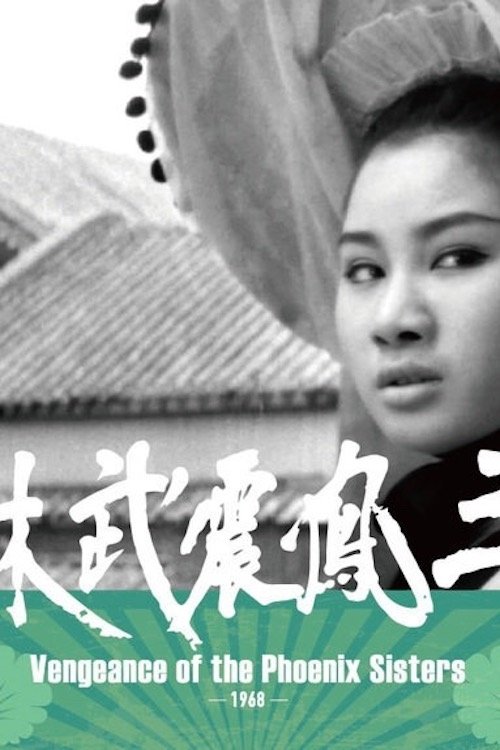
In the prelude to this martial arts film, bandits kill a former sheriff and his wife. A servant carries their three little daughters to safety, but they grow up apart. Fifteen years later, each girl sets out to seek revenge. Eldest sister Xiufeng disguises herself as a man, performing acts of chivalry as she seeks out the bandits. Along the way, she runs across her sisters, Qingfeng and Zhifeng. They are entranced by the handsome stranger. Will Qingfeng and Zhifeng figure out he is in fact their sister, Xiufeng? Will the three "feng" girls (phoenixes) find the bandits and avenge their parents?
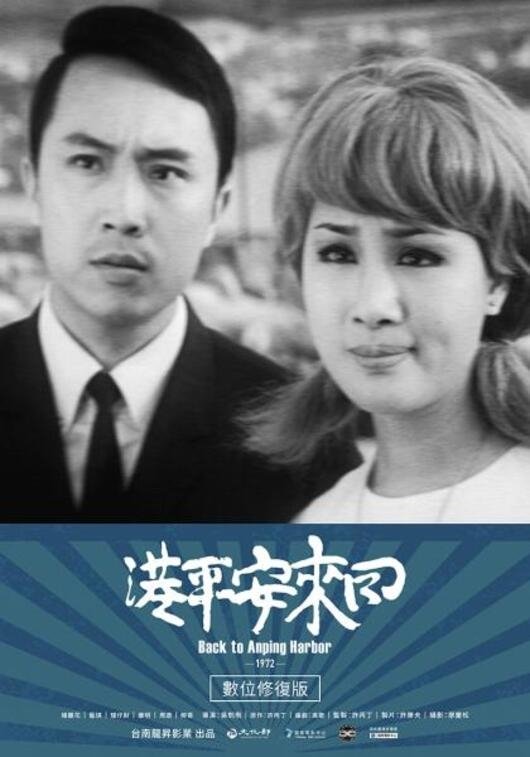
This romantic family melodrama reworks the Madame Butterfly story in Anping, the port attached to Tainan city in southern Taiwan. Xiuqin falls for a Dutch ship’s doctor called Daley, and becomes pregnant. When he has to leave, he promises to return, but never does. Xiuqin brings up her red-haired daughter, Kimby herself. Kim falls for a medical student from Taipei, Zhiqiang, who is about to go to the USA for his studies. Is destiny about to repeat itself?
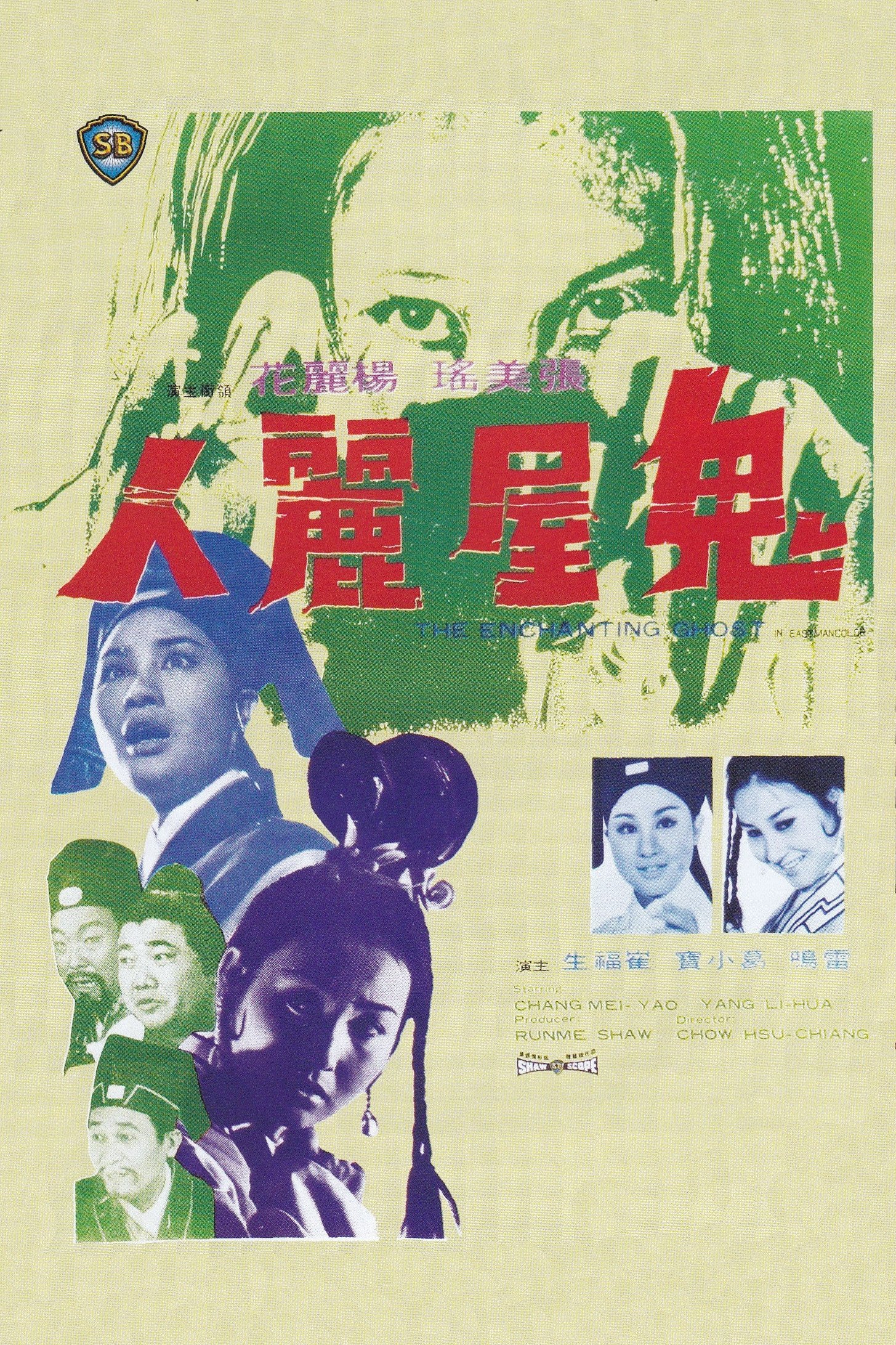
A young couple desperately try to keep their love alive, while living in a haunted house.
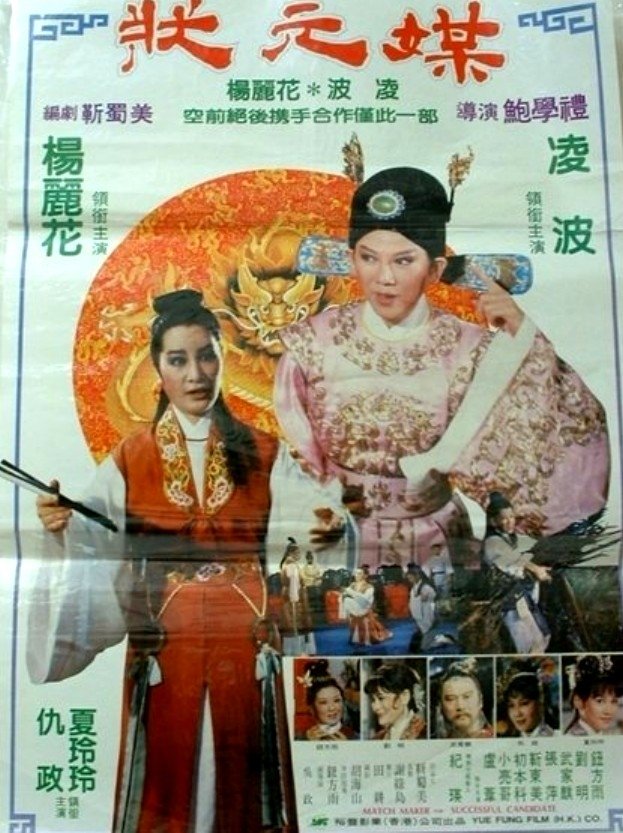
Half-brothers Yan Jun and Yan Qing share a bond of deep respect and affection, yet their mother openly favors Yan Jun. Following a matchmaker's advice, a "joy-bringing" marriage is arranged for sickly Yan Jun. To spare his brother, Yan Qing steps in as the groom. This remarkable film unites two legendary performers of Chinese opera cinema: Ling Po and Yang Li-hua, both are celebrated for their iconic male roles played by women. It also marked Yang Li-hua's final film performance and represents the last traditional Huangmei opera film ever made, closing a significant chapter in Chinese cinema history.
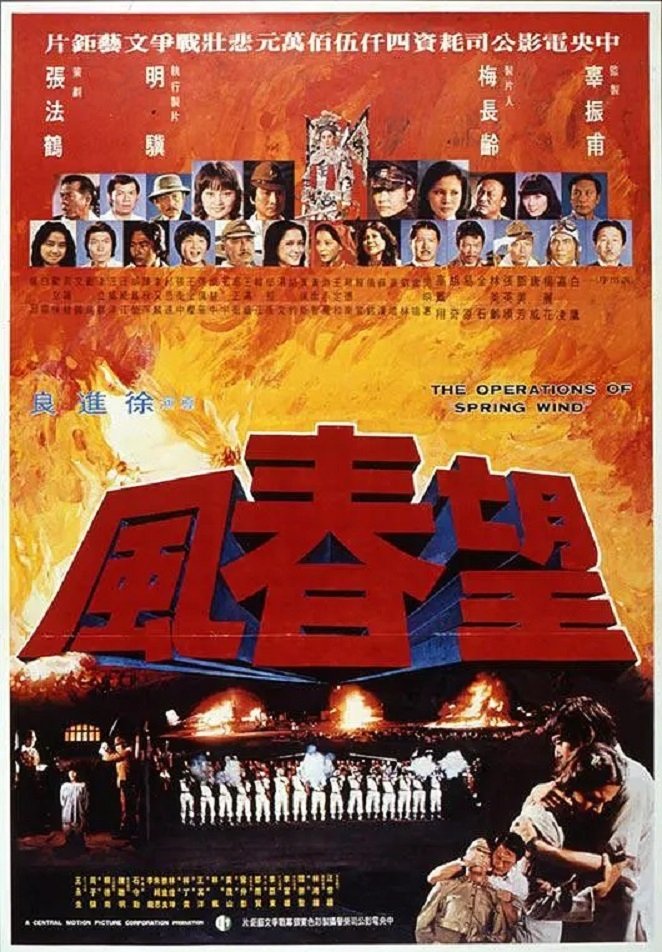
The film tells the story of how, before Taiwan’s liberation, anti-Japanese patriot Qin Bingzhong led five brave national soldiers to Taiwan and conspired to cooperate with the Allied fleet to destroy the Japanese “Kamikaze Special Attack Force”.

Convinced of infidelity, the scholar Wang Yulin refuses to consummate his marriage to Xiuying, the only daughter of the Secretary of Defense, subjecting her to constant humiliation. After enduring a long period of mistreatment by Yulin, Xiuying finally uncovers the plot behind the hairpin with help from her father, and a guilt-ridden Yulin crawls back for forgiveness. This film marks the first co-starring appearance of Yang Li-hua and Ye Qing, two legends of televised Gezaixi (Gezai opera). Yang delivers memorable performances of classic pieces, and her distinctive artistry is further showcased during her first outdoor filming experience, which captures the journey to the capital examinations.
Young Qin Chong fled his home, and was later adopted by the Zhu family, who own an oil shop, but his stepmother frames him and casts him out, forcing him to sell oil on the streets. A chance encounter with courtesan Yao Qin sparks instant attraction. When the Zhu family faces hardship, Qin Chong returns, vowing to achieve success in the imperial examinations, while Wu Ba kidnaps Yao Qin but meets his death in his own mansion, leaving her holding the murder weapon.This adaptation broke from tradition, replacing the usual gongs and drums with a Chinese orchestra for its score, adopting a folk-song style.
Based on the Tang dynasty's "The Tale of Li Wa (Li Wa Zhuan)," this film follows the romance between Zheng Yuanhe, son of the Changzhou provincial governor, and Li Yaxian, a renowned courtesan. Billed as "Authentic Taiwanese Opera," this production marks the first color Taiwanese opera film. Yang Li-hua leads the TTV Taiwanese Opera Troupe in a spectacular cast.
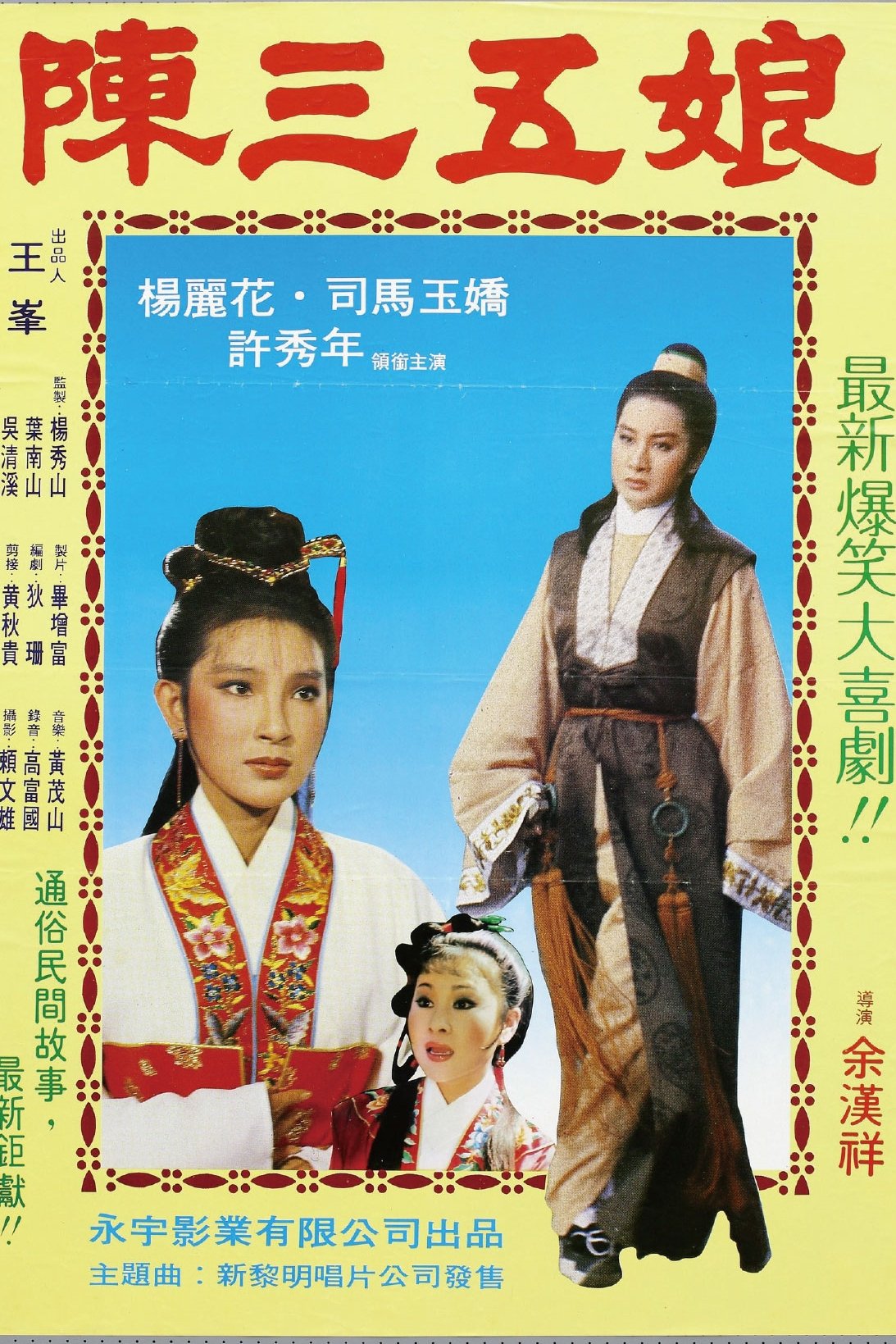
During the Lantern Festival, Chen San encounters Wu Niang, and mutual attraction blossoms. Chen San cunningly enters the Huang household as a servant. Through clever schemes and determination, Wu Niang resists an arranged marriage, and the lovers ultimately unite in matrimony. This film is recognized as one of the four classic Taiwanese opera plays. In 1981, Yang Li-hua juggled both television and film commitments, leading her troupe in this production. This film marked the end of the taiyupian era.
A musical taiyupian co-starring King of Improvised Singing, Chang Di, and the Queen of Taiwanese Opera, Yang Li-hua.