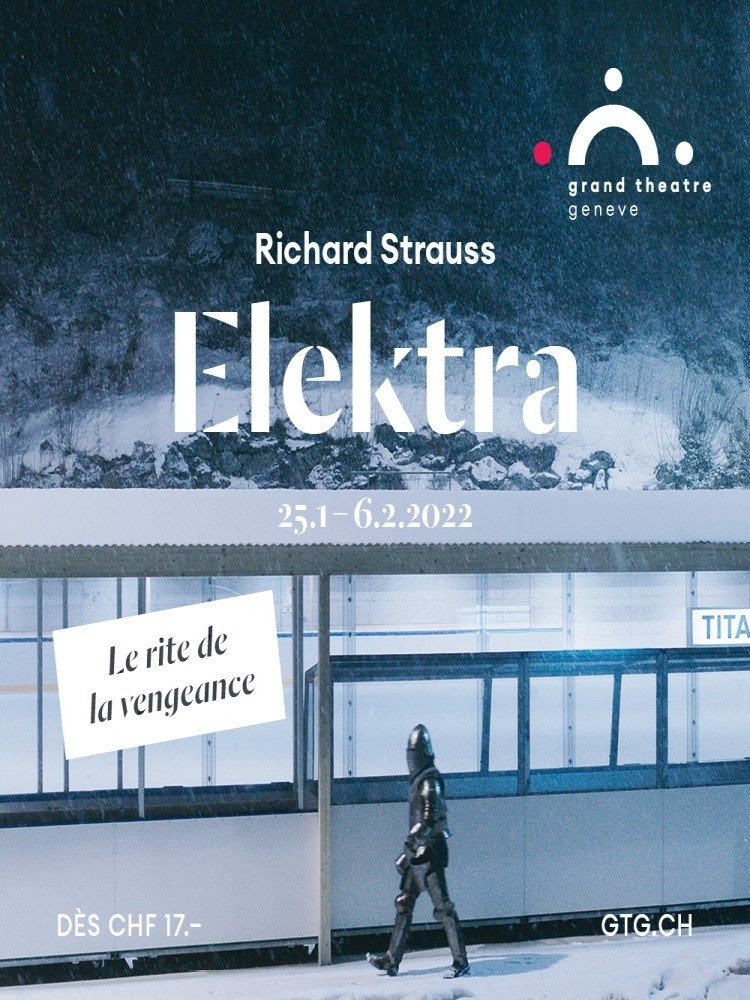
Queen Clytemnestra assassinates King Agamemnon. Their daughter, Elektra, lives for the day when her father's death will be avenged. Like a curse, the vendetta must be fulfilled, but is Elektra capable of committing the irreparable? At Grand Théâtre de Genève, the cogs of revenge are set in motion by director Ulrich Rasche, who imprisons the characters of Elektra in a spectacular scenic device: a steel tower weighing almost twelve tons in perpetual rotation. In the pit, conductor Jonathan Nott and his Orchestre de la Suisse Romande confront the musical challenges of Strauss' intoxicating one-act score. The female characters at the centre of the drama are sung by three artists of the highest calibre: Ingela Brimberg as Elektra, Sara Jakubiak as Chrysothemis and Tanja Ariane Baumgartner as Clytemnestra.
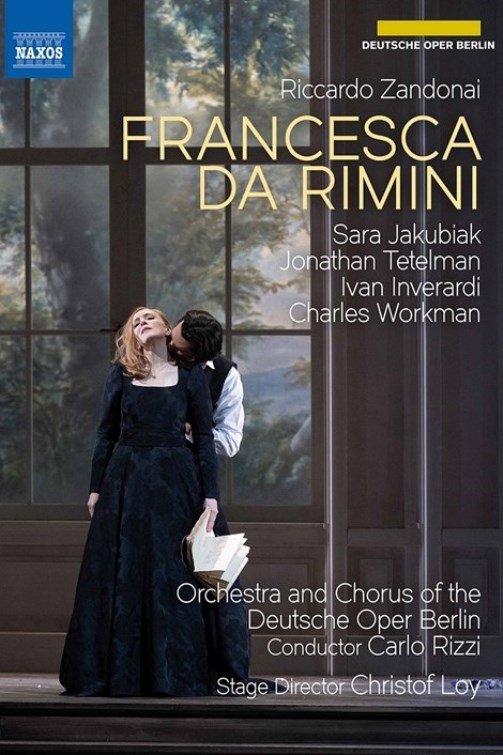
This 2021 Deutsche Oper Berlin performance is directed by Christof Loy and stars soprano Sara Jakubiak in the title role. Riccardo Zandonai’s Francesca da Rimini is a four-act opera set during the Renaissance period. The plot concerns an arranged marriage between Francesca and Giovanni, also known as Gianciotto, who is impersonated by his handsome brother Paolo, and with whom Francesca falls passionately in love.
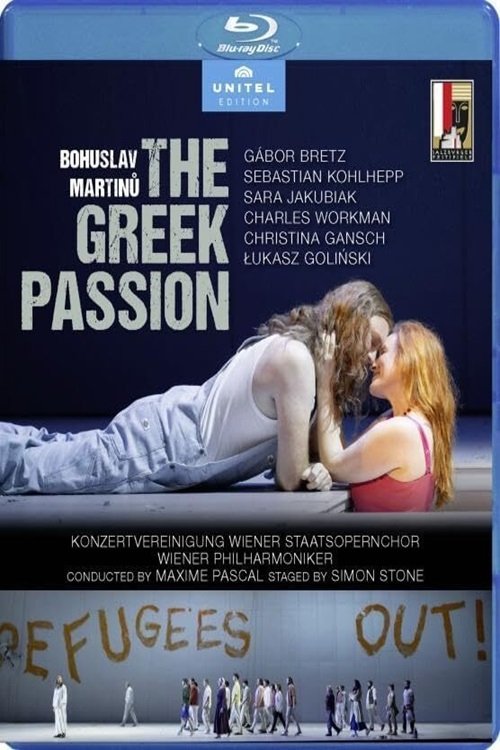
Bohuslav Martinů's Greek Passion, which outlines a serious, very topical problem today, which is the position of refugees in a foreign, often hostile environment, is among the composer's most important works in terms of both ideology and art. The English libretto was based on the novel "Christ Recrucified" (1951) by the Greek writer Nikos Kazantzakis, which takes place in the first decades of the 20th century in the harsh Greek countryside.
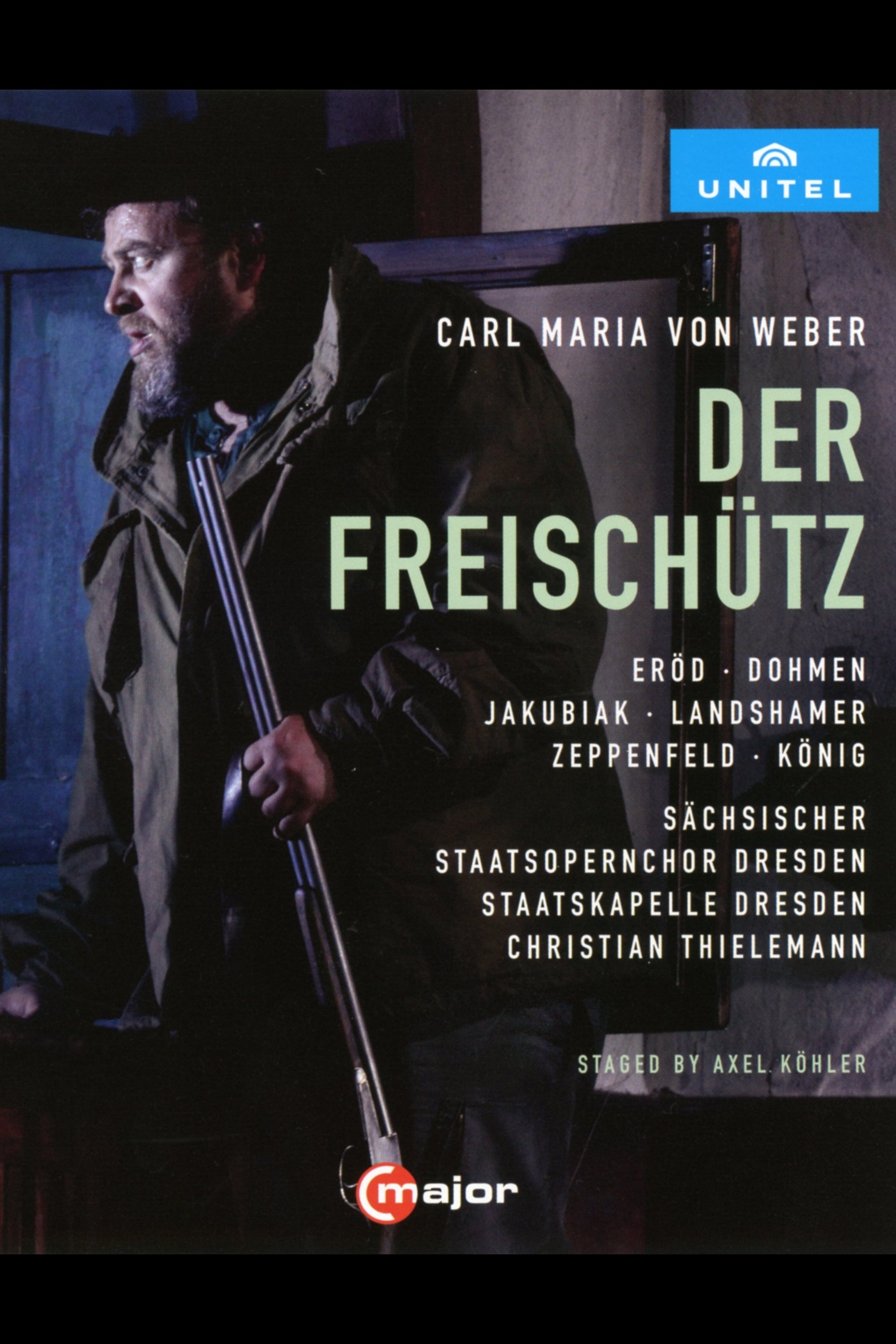
Axel Köhler’s production of Der Freischütz at the Dresden State Opera was described by Die Presse as “a minor miracle in Dresden”. In the words of the Salzburger Nachrichten, Köhler “scored a bulleye” with his sombre and satanic interpretation of Weber’s Romantic opera about love, temptation, souls sold to the Devil, obsession andfaith. According to the Financial Times, Christian Thielemann and the Dresden Staatskapelle conjured up a sense of “mortal terror from the orchestra pit. […] Thielemann is in command of every detail. That makes for utterly gripping listening.”
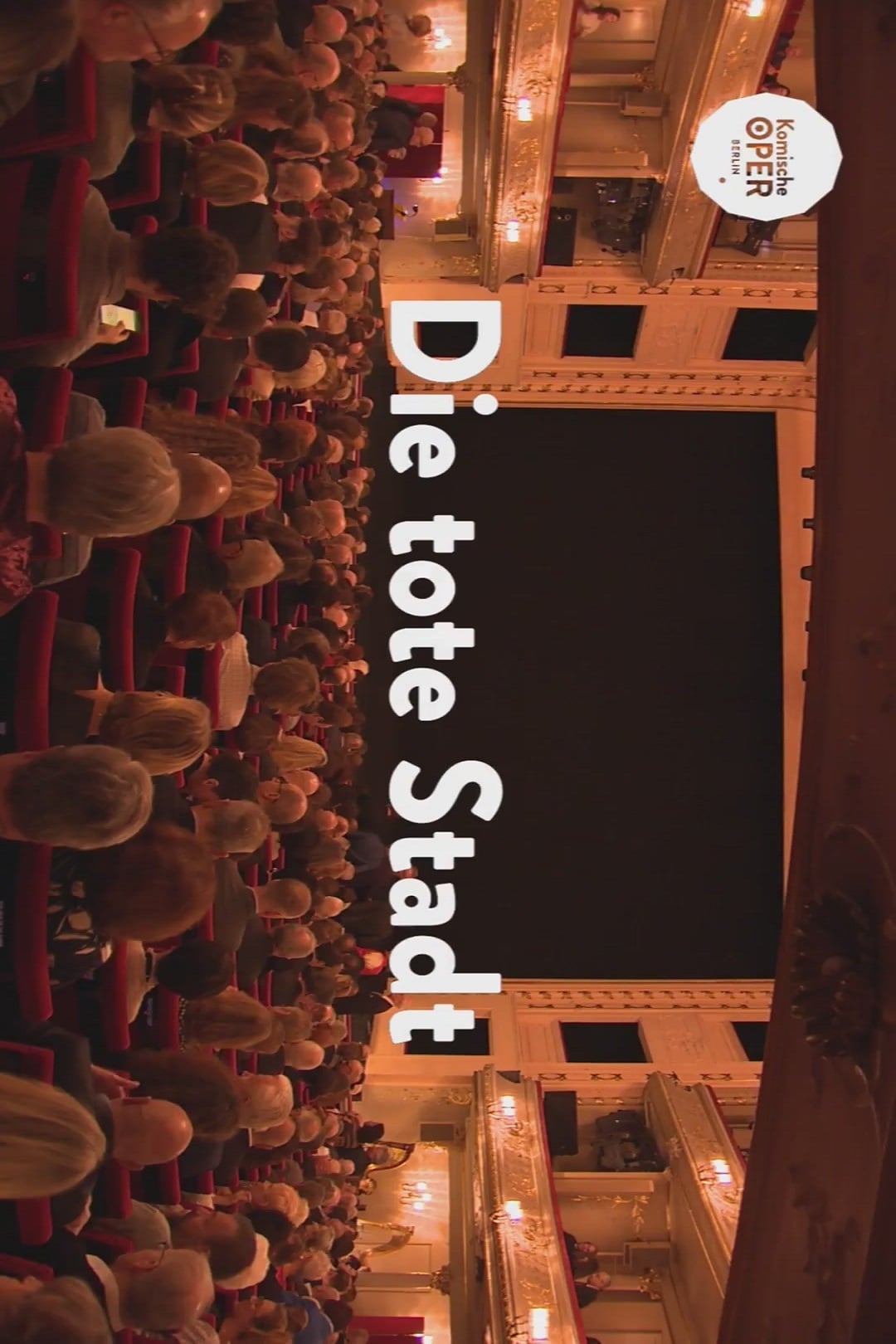
Following the death of his young wife, a widower has isolated himself from the outside world. He lives solely for her memory, until one day he encounters a dancer who looks remarkably familiar. Working together with the General Music Director Ainārs Rubiķis, Canadian star director Robert Carsen stages his production at the Komische Oper Berlin with Korngold’s musical psycho-thriller, one of the greatest hits of the 1920s.
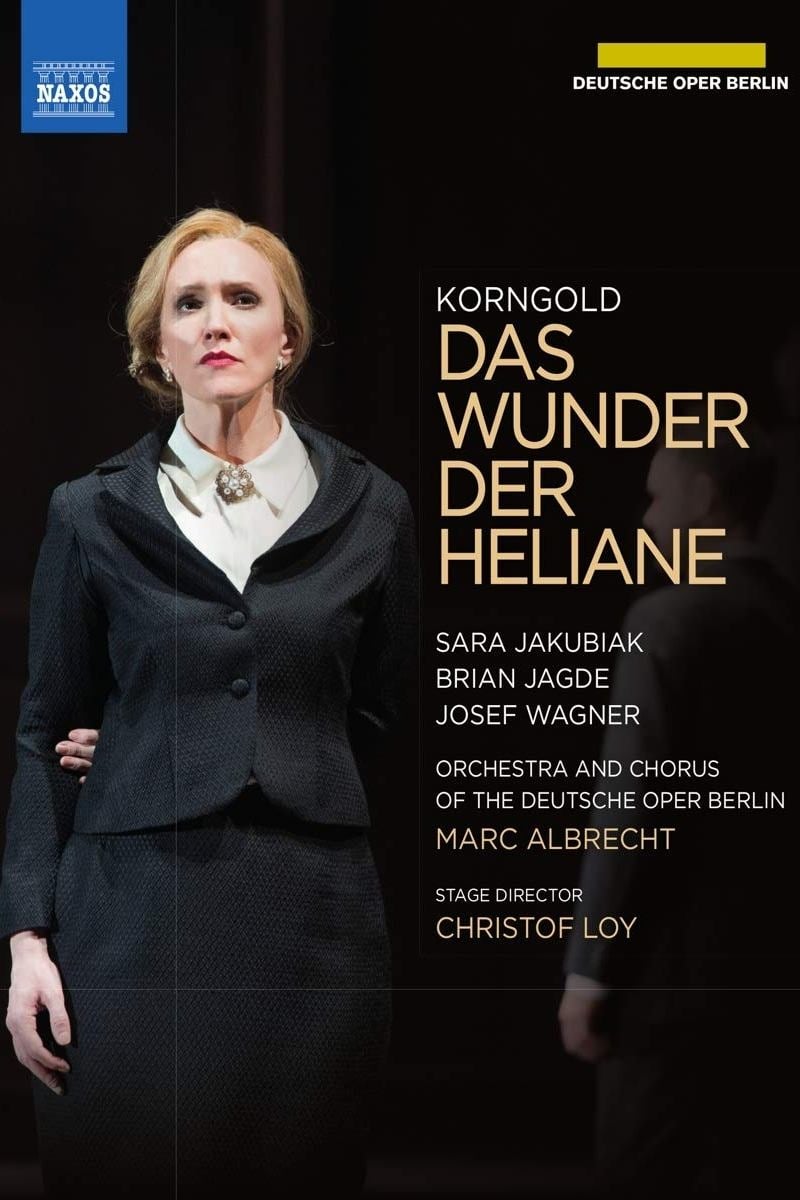
The first-ever audio-visual recording of this opera – directed by Christof Loy, conducted by Marc Albrecht and with Sara Jakubiak, Brian Jagde and Josef Wagner in the leading roles
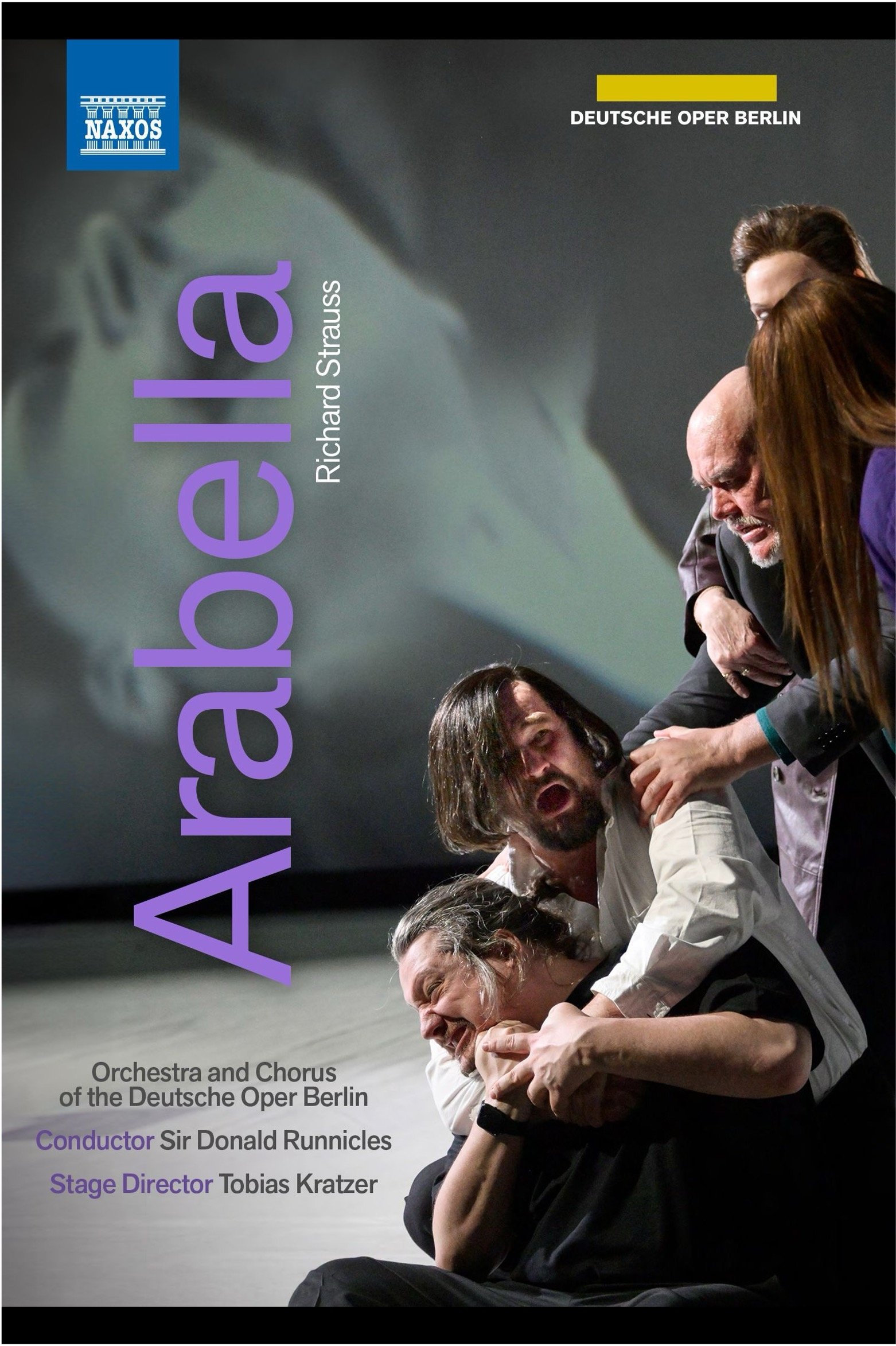
At first glance, Hofmannsthal's libretto ARABELLA is a comedy of mistaken identity which, had it been composed by Rossini, could have been a snappy buffo opera. But the music of Richard Strauss, who pulls out all the stops of his orchestral art, from the late romantic intoxication to the most modern discord, creates a subtle, colorful panorama of a society in transition, whose late-bourgeois values are crumbling. One's own identity and interpersonal relationships have to be tested from scratch. Central is – even more than the title character, who oscillates between romance and rebellion – Arabella's younger sister Zdenka, who, disguised as a man by her parents for lack of money for girls' clothes befitting their status, has to struggle all the more desperately with her/his role as an outsider.
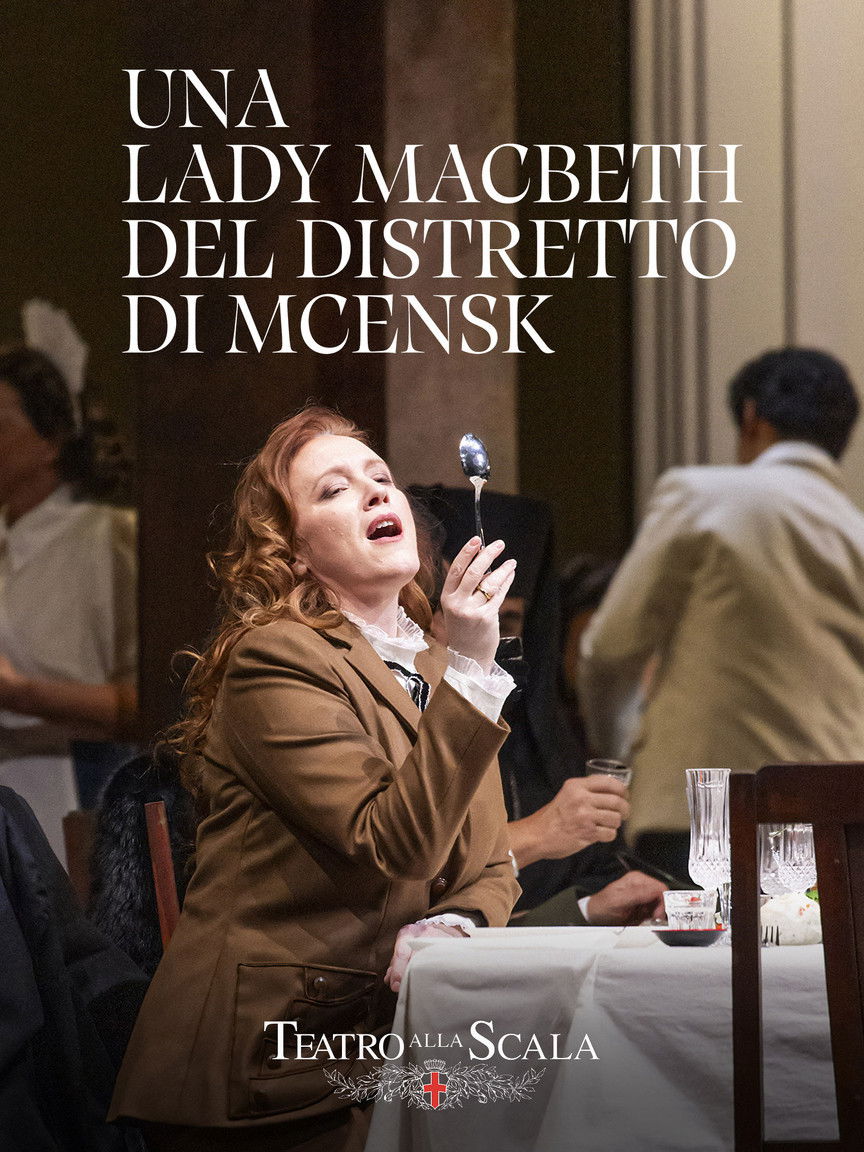
On the 50th anniversary of Shostakovich’s death, La Scala opens the Season with his masterpiece Lady Macbeth of the Mtsensk District, based on the novella by Nikolai Leskov. After its premiere in St. Petersburg, the opera – which was intended to be the first part of a trilogy on women’s condition in Russia – enjoyed great success at home and abroad. Stalin attended a performance in Moscow in 1936; two days later, the famous denunciation titled “Chaos Instead of Music” appeared in Pravda, through which the regime blacklisted the opera and its composer. Years later, Shostakovich prepared a new version that was staged in Moscow in 1963 under the title Katerina Izmailova, after Superintendent Ghiringhelli had unsuccessfully tried to secure its premiere for La Scala. Today, the theatre presents the original 1934 version, conducted by M° Chailly and the debut of director Barkhatov.