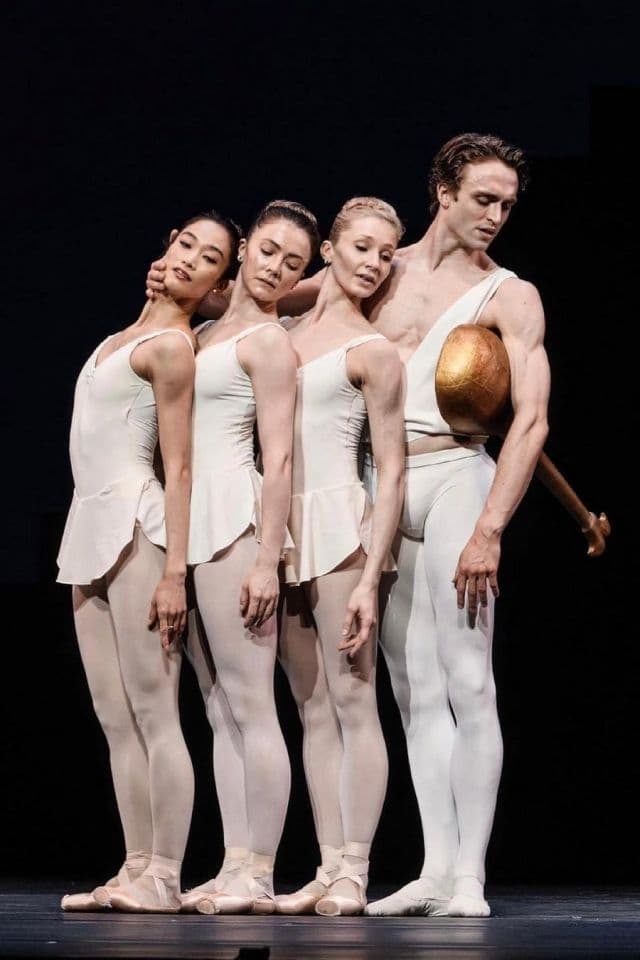
The rich history of American ballet is celebrated in classic works by George Balanchine and Jerome Robbins, two choreographic giants of the 20th century. Apollo brought Balanchine together for the first time with composer Igor Stravinsky. Their creation for Diaghilev’s Ballets Russes in 1928 remains a masterpiece of neoclassicism in its striking depiction of the young god of music and his three muses. Balanchine’s effervescent Tchaikovsky Pas de Deux breathes life into a long-lost movement from Tchaikovsky’s original score for Swan Lake. Created in 1960 for virtuoso New York City Ballet dancers Violette Verdy and Conrad Ludlow, its thrilling technical challenges are still relished by performers today.
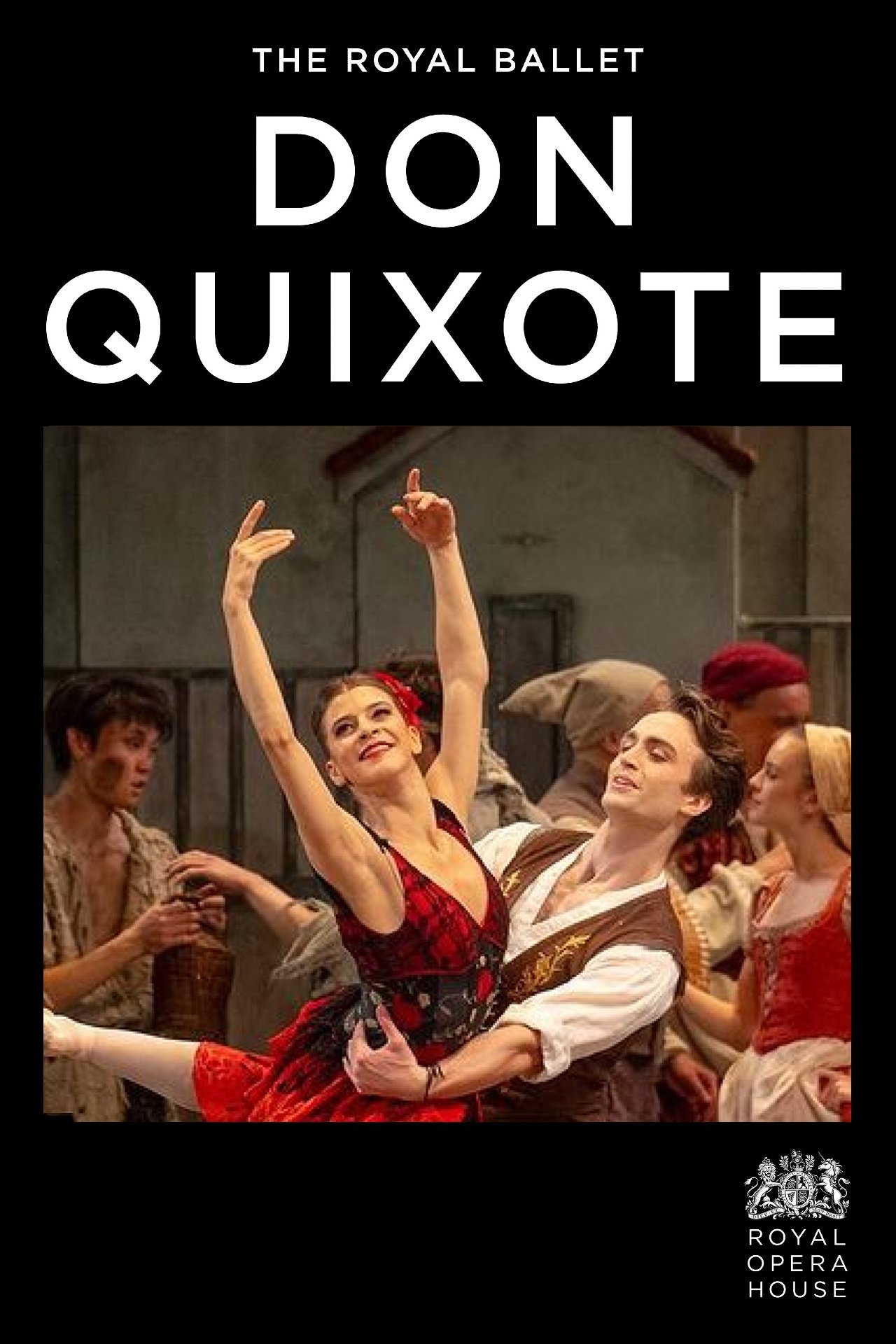
Don Quixote, based on Miguel de Cervantes’ epic novel of the same name, regales the adventures of the eccentric nobleman Don Quixote and his faithful squire Sancho Panza, as they help to bring a vivacious young couple, Kitri and Basilio, together. This energetic 19th-century ballet is enlivened by Ludwig Minkus’ spirited score, and is a wonderful showcase for the virtuosity of The Royal Ballet's Principal dancers. Created for The Royal Ballet a decade ago, Carlos Acosta’s exuberant production brings the sunshine and charm of Spain to the Main Stage with Tim Hatley’s characterful designs.
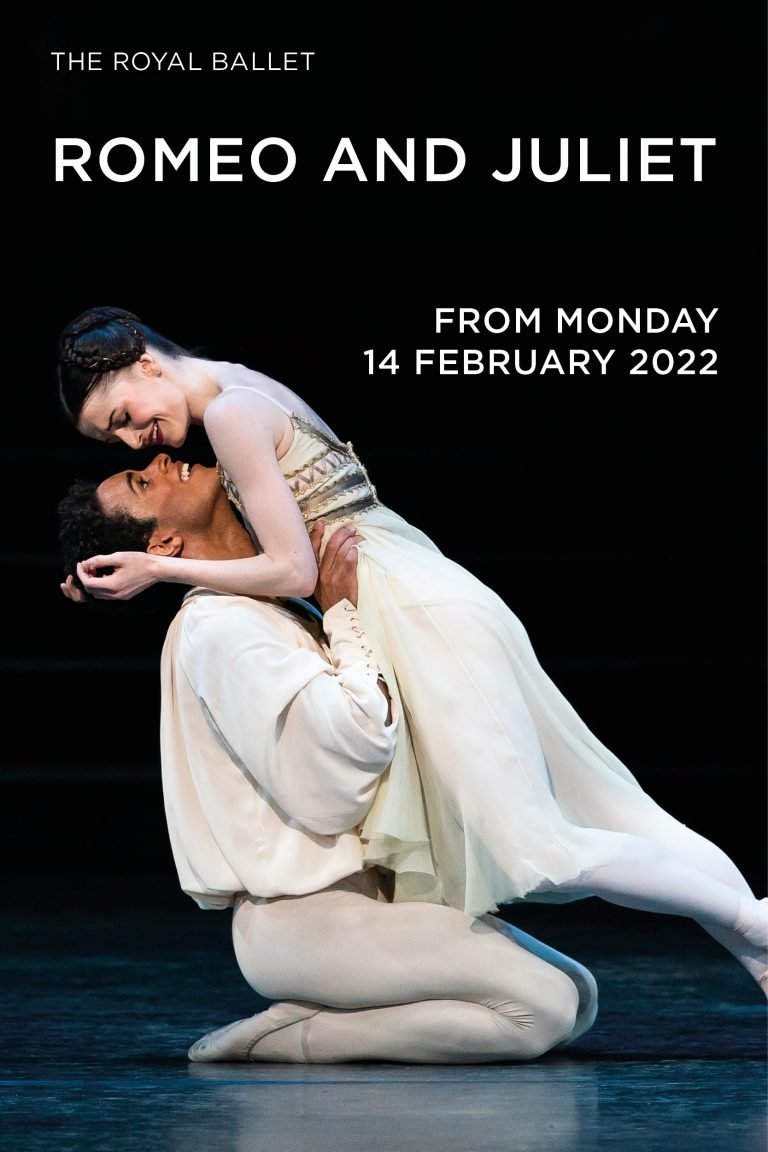
Anna Rose O'Sullivan and Marcelino Sambé star in this 20th-century ballet masterpiece, brought to life by Prokofiev’s ravishing score and Kenneth MacMillan's evocative and detailed choreography.
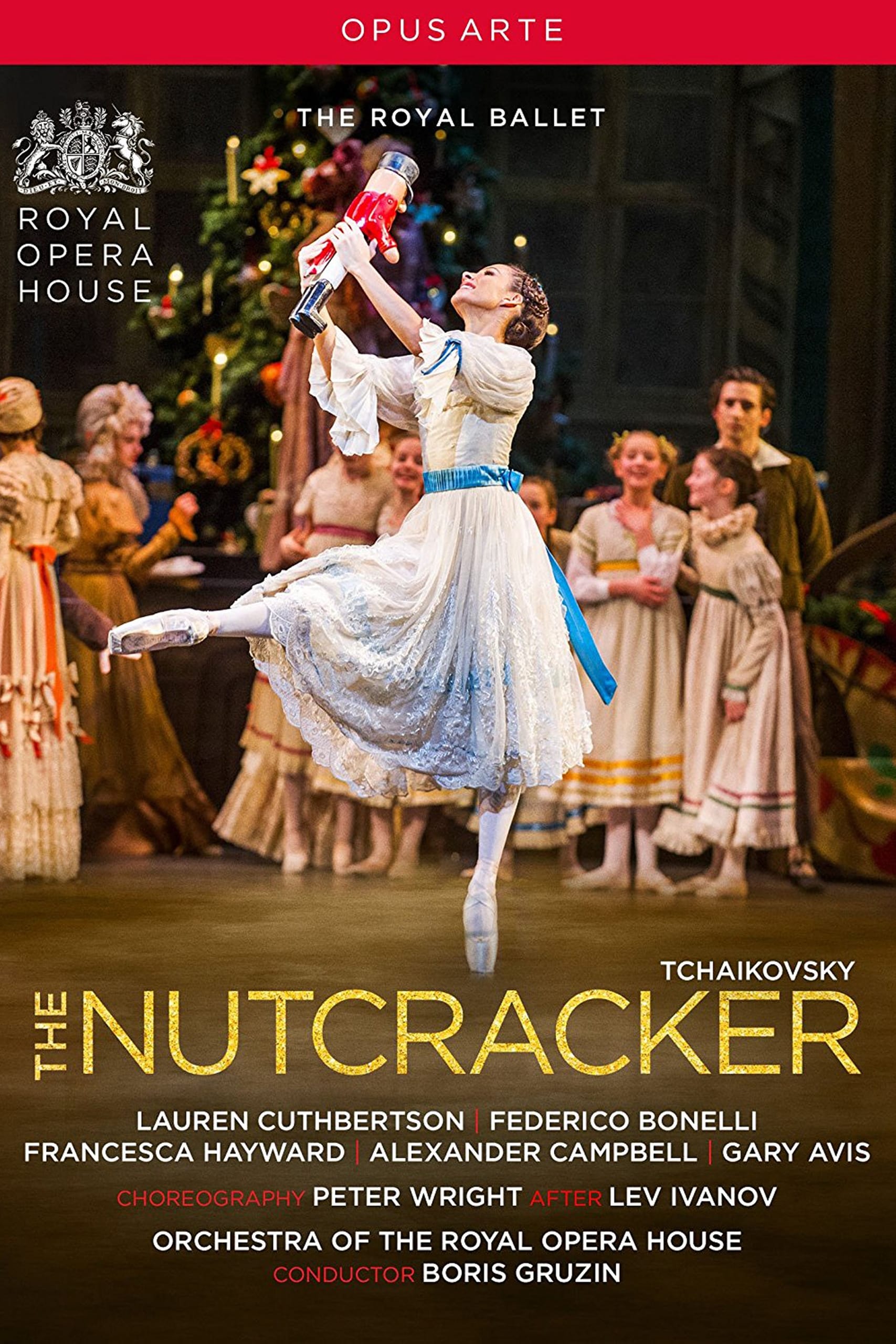
The young Clara creeps downstairs on Christmas Eve to play with her favourite present – a Nutcracker. But the mysterious magician Drosselmeyer is waiting to sweep her off on a magical adventure. After defeating the Mouse King, the Nutcracker and Clara travel through the Land of Snow to the Kingdom of Sweets, where the Sugar Plum Fairy treats them to a wonderful display of dances. Back home, Clara thinks she must have been dreaming – but doesn’t she recognize Drosselmeyer’s nephew?
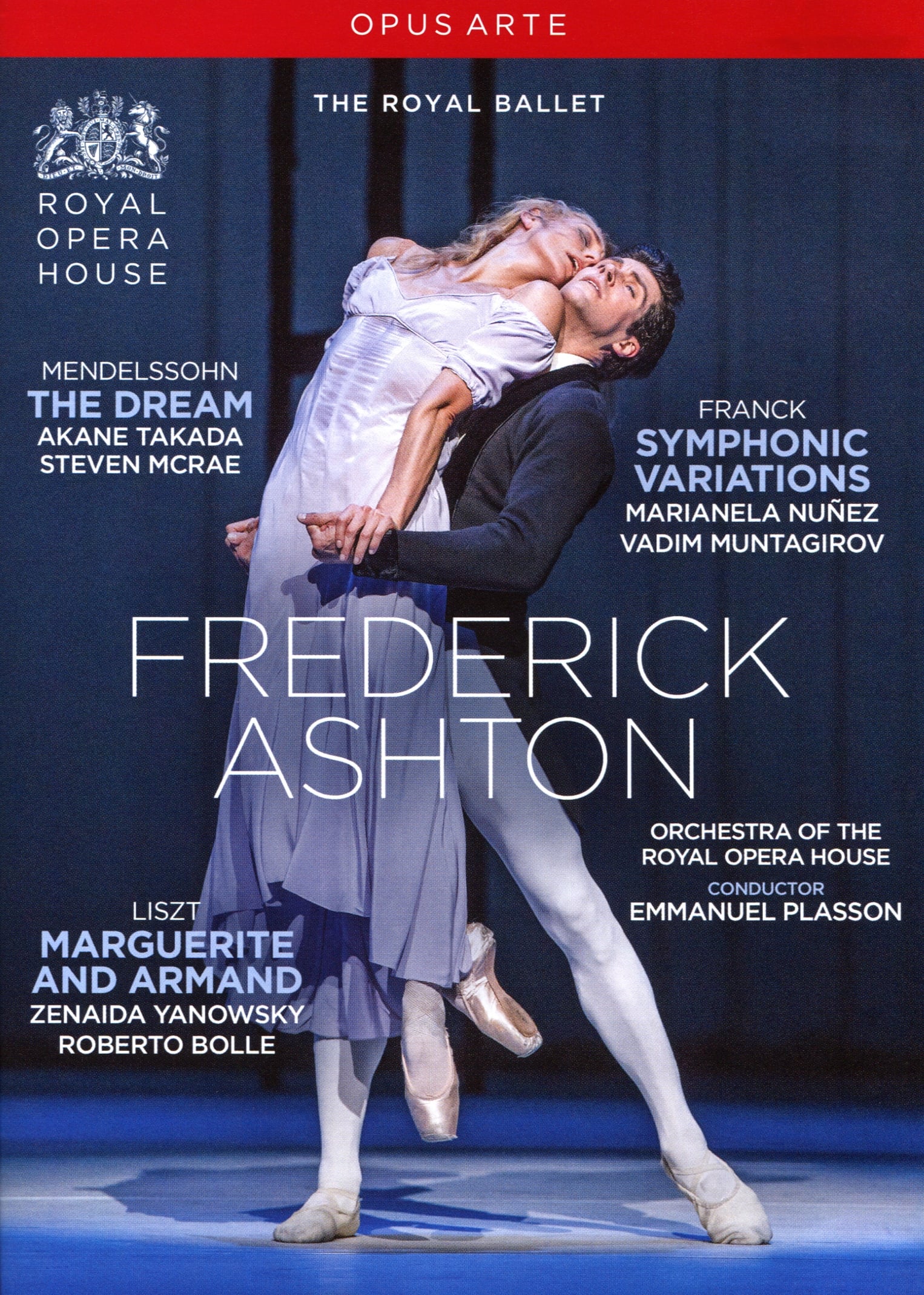
The Dream: Frederick Ashton’s delightful interpretation of Shakespeare’s A Midsummer Night’s Dream is a classic of The Royal Ballet’s repertory. Symphonic Variations: Ashton was inspired to create a ballet on the four seasons – but as he began to choreograph he refined and purified until the ballet shook off its original meaning, emerging as an abstract celebration of movement and physicality. Marguerite and Armand: Marguerite, a Parisian courtesan, lies on her deathbed. She recalls her tragic love affair with Armand in a series of feverish flashbacks.
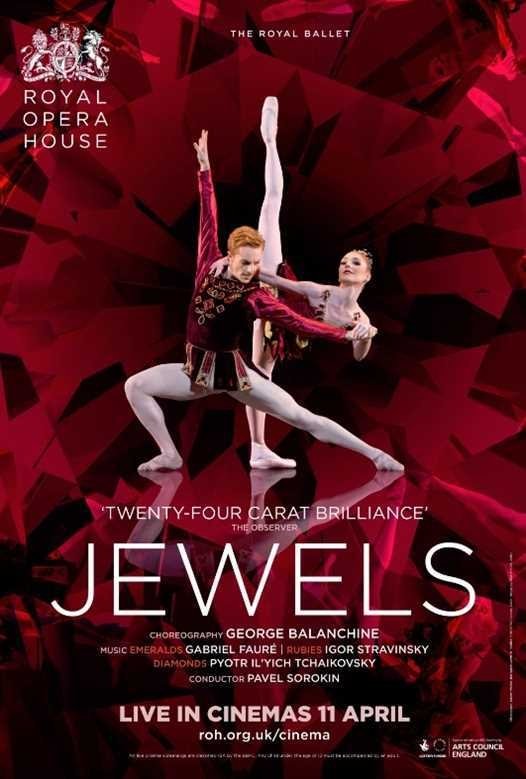
Now celebrating its 50th year, George Balanchine’s sparkling ballet still shines with all the brilliance of the gemstones that inspired it.
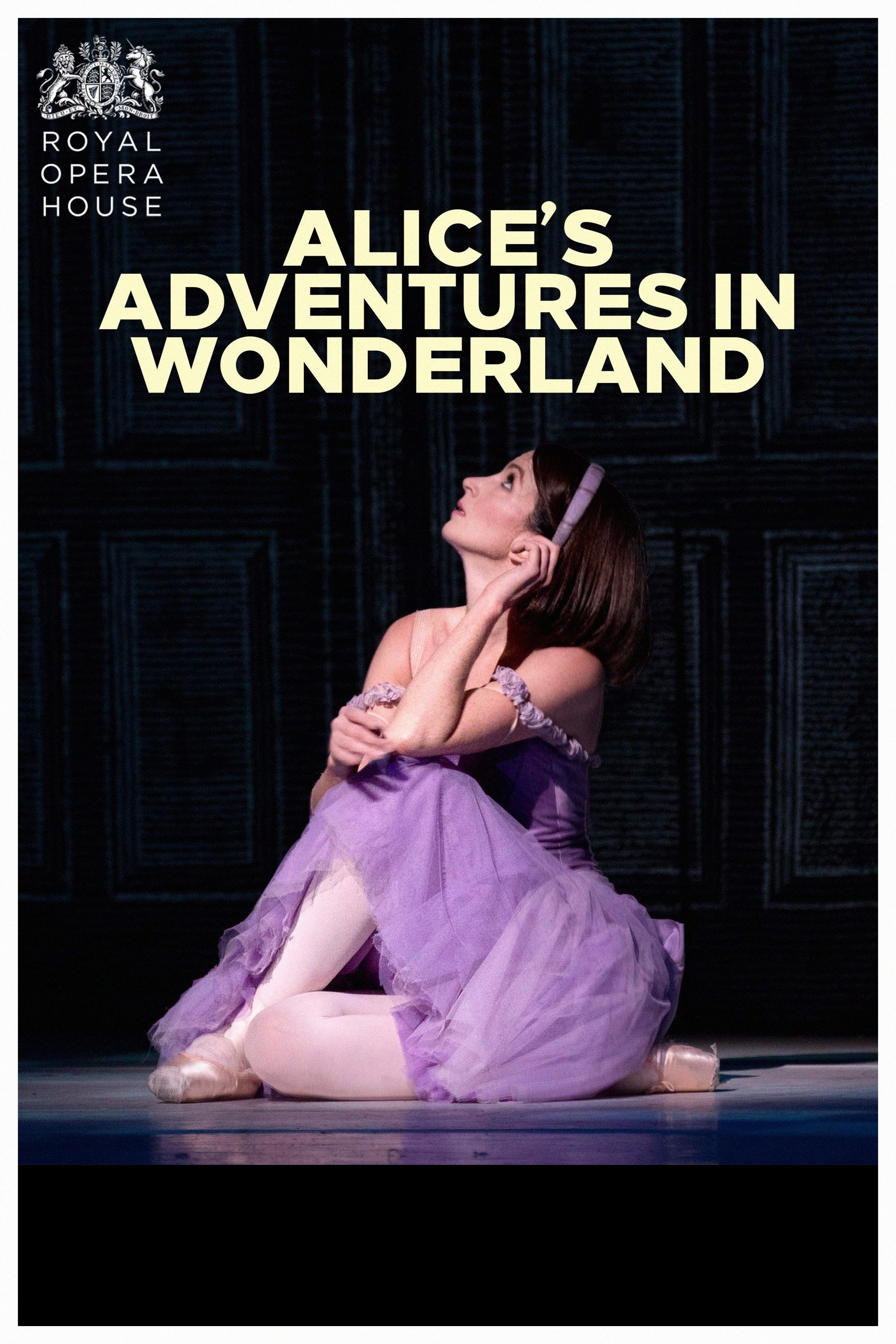
One sunny afternoon, during a garden party, young Alice sees with surprise how the writer Lewis Carroll, a friend of her parents, unusually turns into a white rabbit, and immediately feels the irrepressible desire to follow him into a magical rabbit hole.
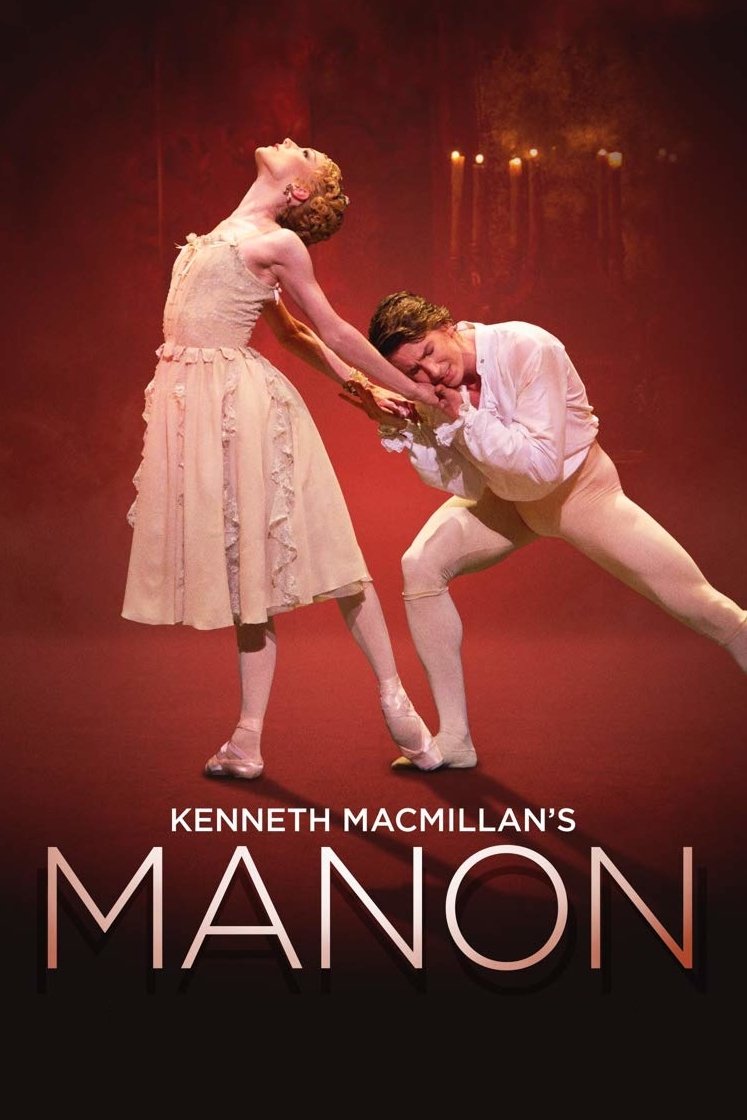
Manon’s brother Lescaut is offering her to the highest bidder when she meets Des Grieux and falls in love. They elope to Paris, but when Monsieur G.M. offers Manon a life of luxury as his mistress she can’t resist.
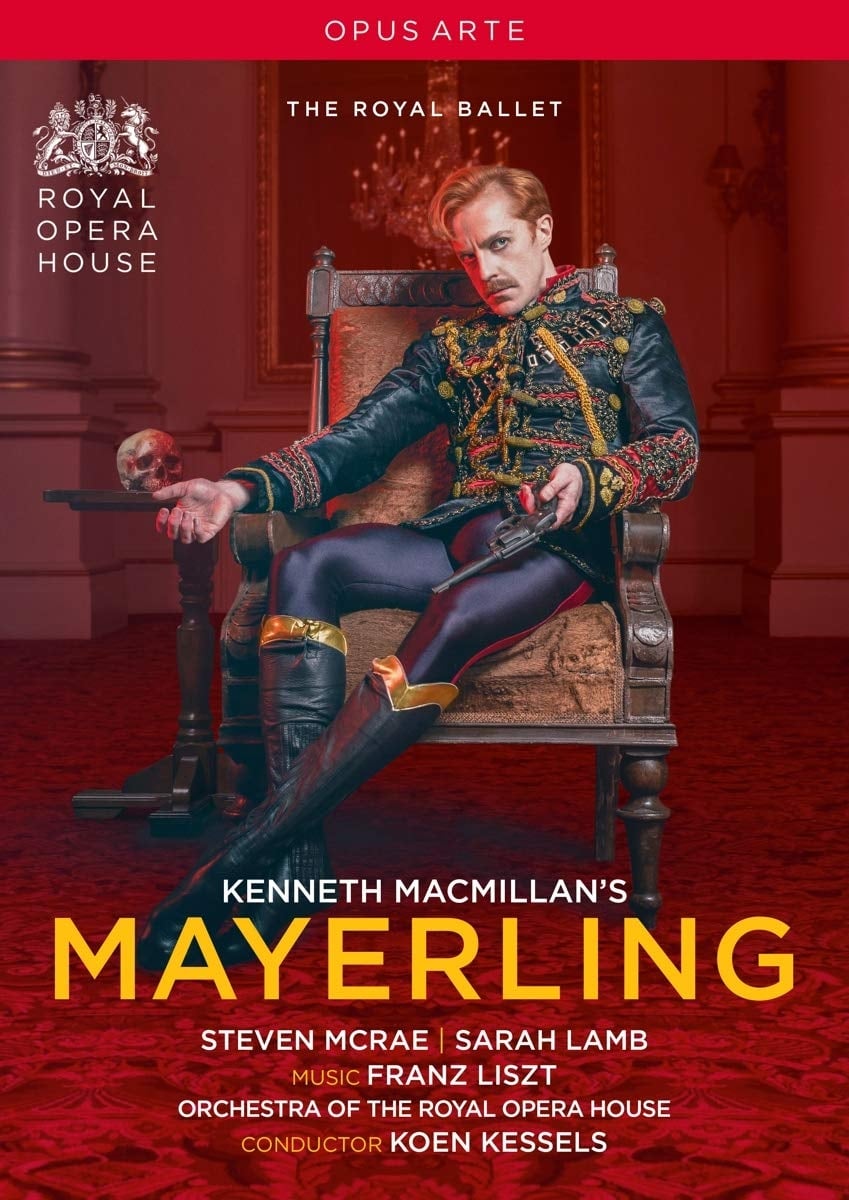
Based on the true story of the death of Crown Prince Rudolf and his young mistress Mary Vetsera in 1889, Steven McRae and Sarah Lamb take on these challenging roles in a dark and intense ballet. Crown Prince Rudolf of Austria-Hungary is emotionally unstable and haunted by his obsession with death. He is forced to marry Princess Stephanie. Soon afterwards, his former lover, Marie Larisch, introduces him to a new mistress, Mary Vetsera, a young woman who shares his morbid fascination.
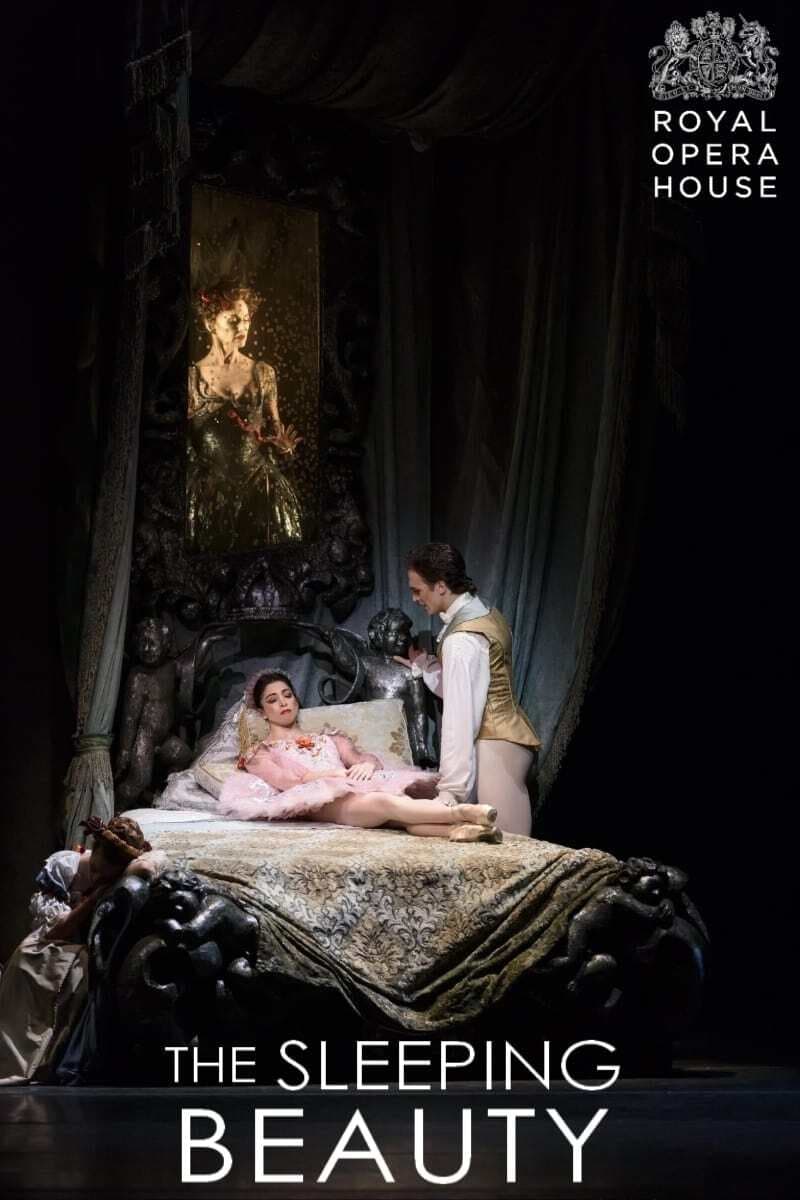
The wicked fairy Carabosse is furious she wasn’t invited to Princess Aurora’s christening. She gives the baby a spindle, saying that one day the Princess will prick her finger on it and die. The Lilac Fairy makes her own christening gift a softening of Carabosse’s curse: Aurora will not die, but will fall into a deep sleep, which only a prince’s kiss will break. The masterful 19th-century choreography of Marius Petipa is combined with sections created for The Royal Ballet by Frederick Ashton, Anthony Dowell and Christopher Wheeldon. Recorded live as part of the Royal Opera House Live Cinema Season 2019/20 with encore screenings broadcast online during the #OurHousetoYourHouse programme.
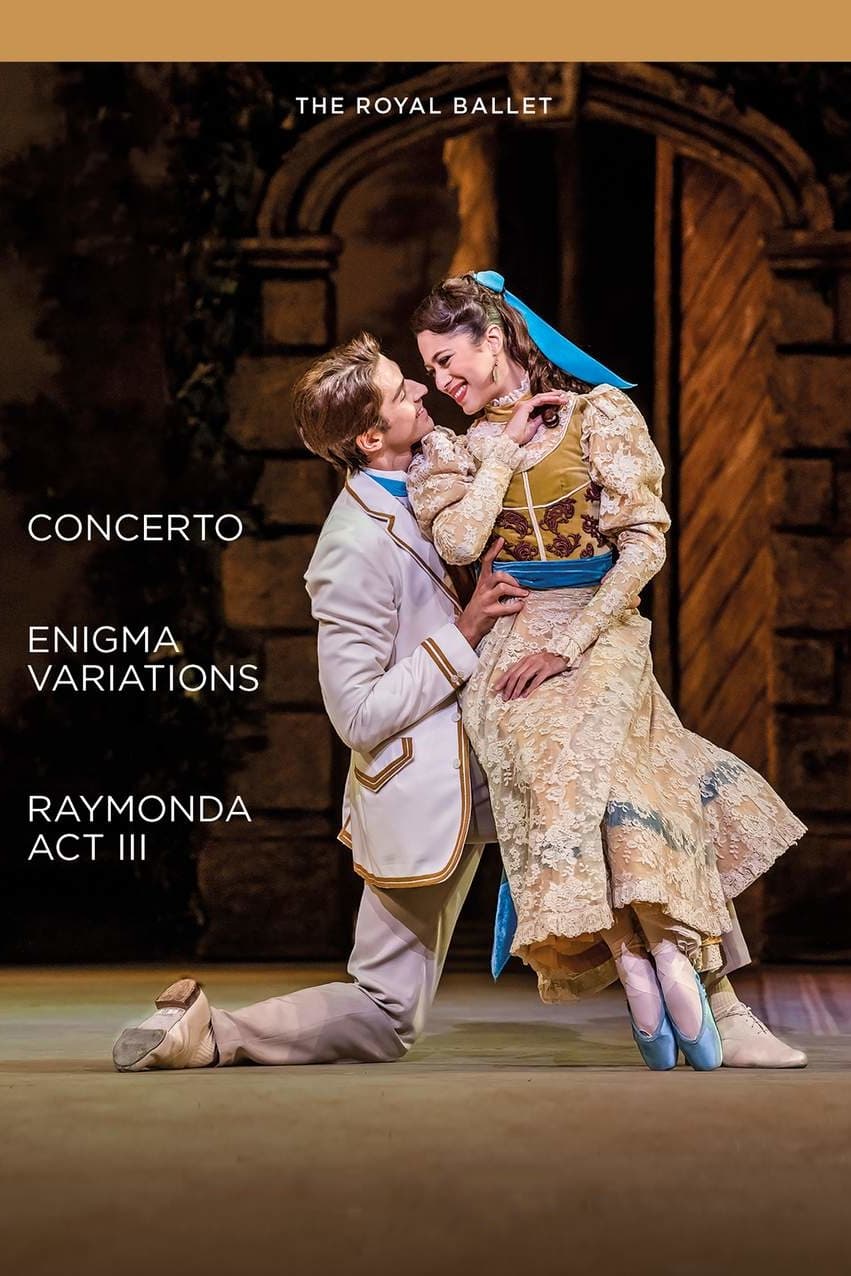
From The Royal Ballet’s classical origins in the works of Petipa, to the home-grown choreographers who put British ballet on the world stage, this mixed programme highlights the versatility of the Company. Petipa’s Raymonda Act III is Russian classical ballet summarized in one act, full of sparkle and precise technique, while Ashton’s Enigma Variations is quintessentially British in every way – from its score by Elgar and period designs by Julia Trevelyan Oman, to Ashton’s signature style, the essence of British ballet. Concerto, MacMillan’s fusion of classical technique with a contemporary mind, completes a programme that shows the breadth of the Company’s heritage.
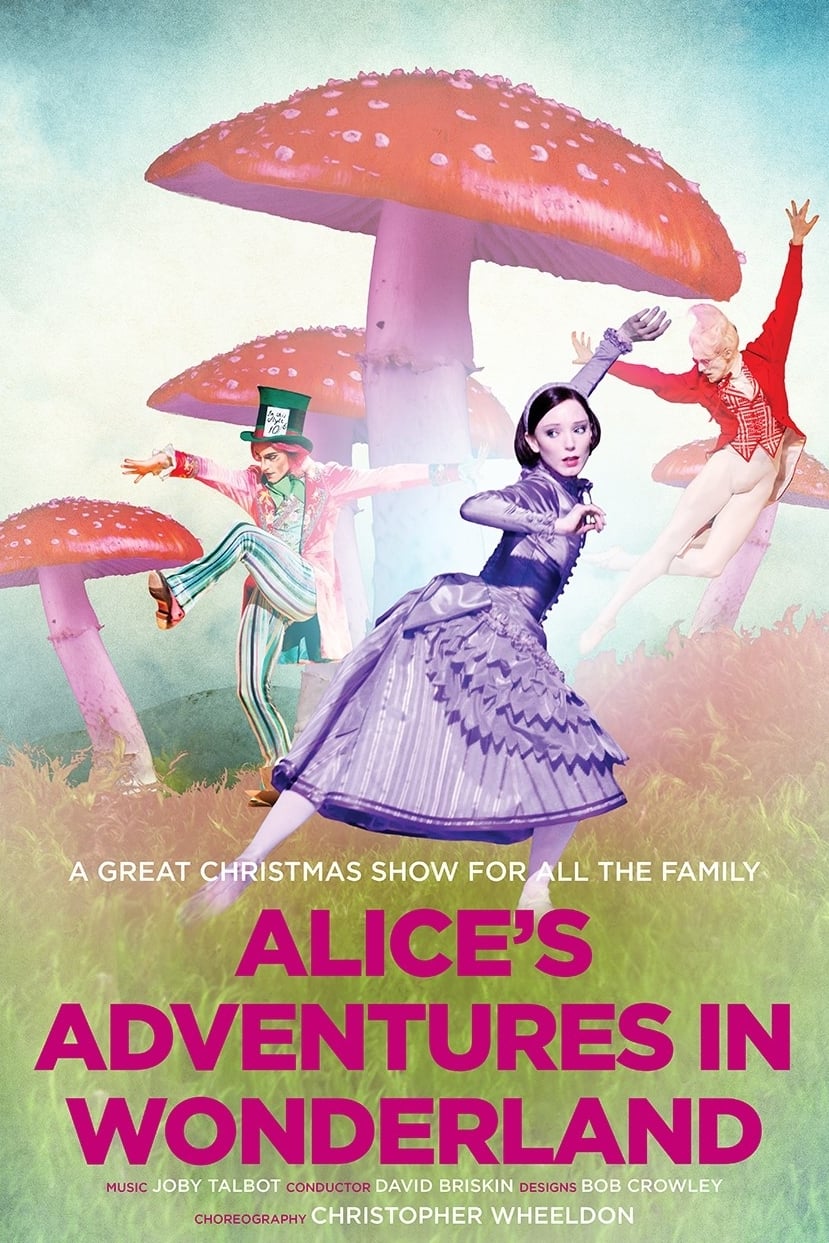
At a garden party on a sunny afternoon, Alice is surprised to see her parents’ friend Lewis Carroll transform into a white rabbit. When she follows him down a rabbit hole events become curiouser and curiouser.
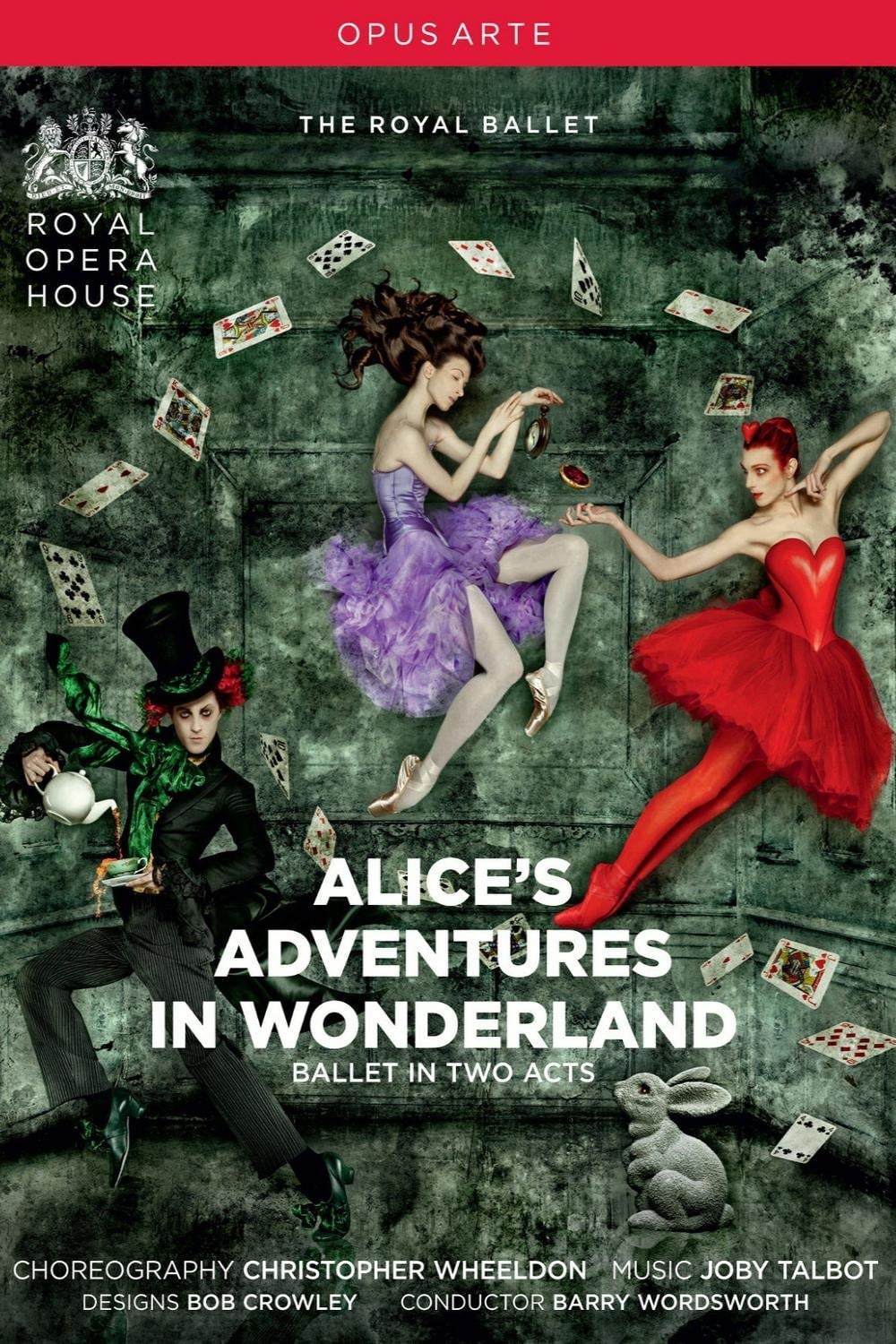
A full-length ballet created by choreographer Christopher Wheeldon for the Royal Ballet at the Royal Opera House, Covent Garden. The ballet is based on Lewis Carroll's famous story of Alice, an ordinary girl who one summer afternoon falls down a rabbit hole and finds herself on an extraordinary adventure. The music is by Joby Talbot, with designs by the internationally acclaimed Bob Crowley. Alice is danced by the Royal Ballet's Lauren Cuthbertson, and actor Simon Russell-Beale plays the cameo role of the Duchess.
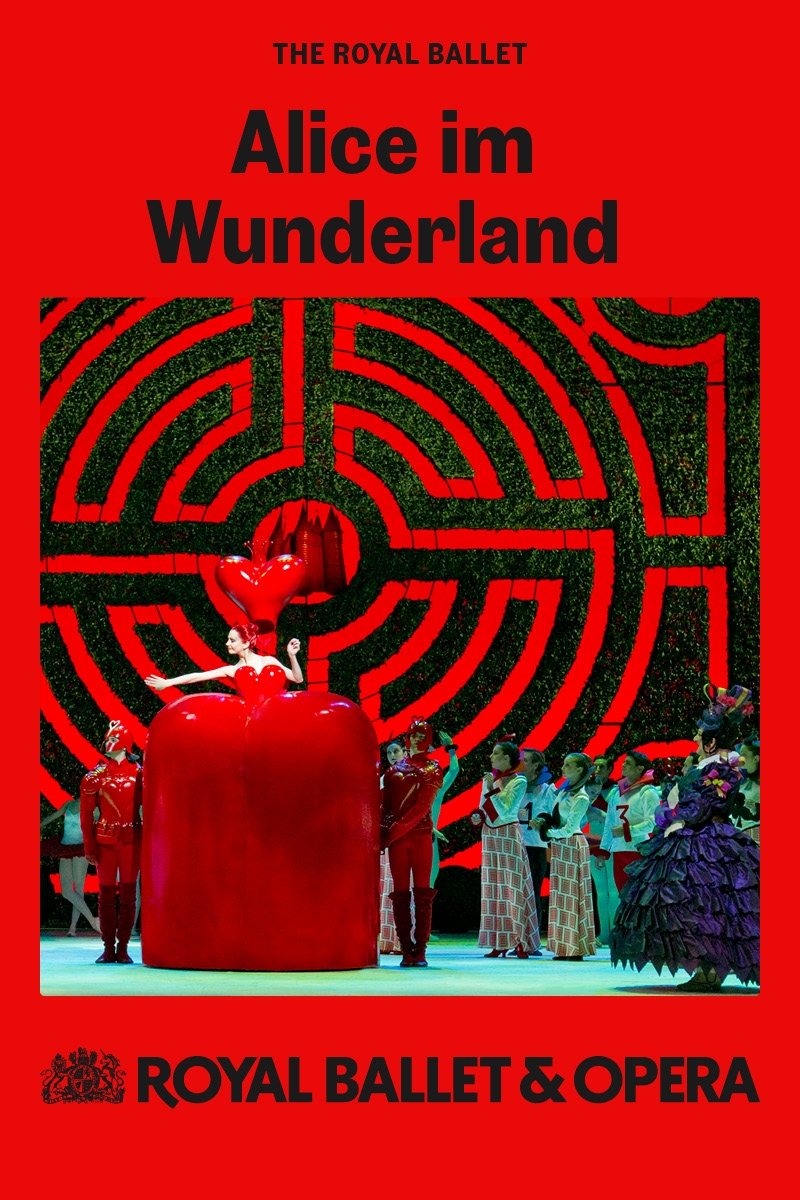
Distraught by her mother's refusal to allow her to meet gardener Jack, Victorian teenager Alice retreats into a book gifted to her by Lewls Carroll.