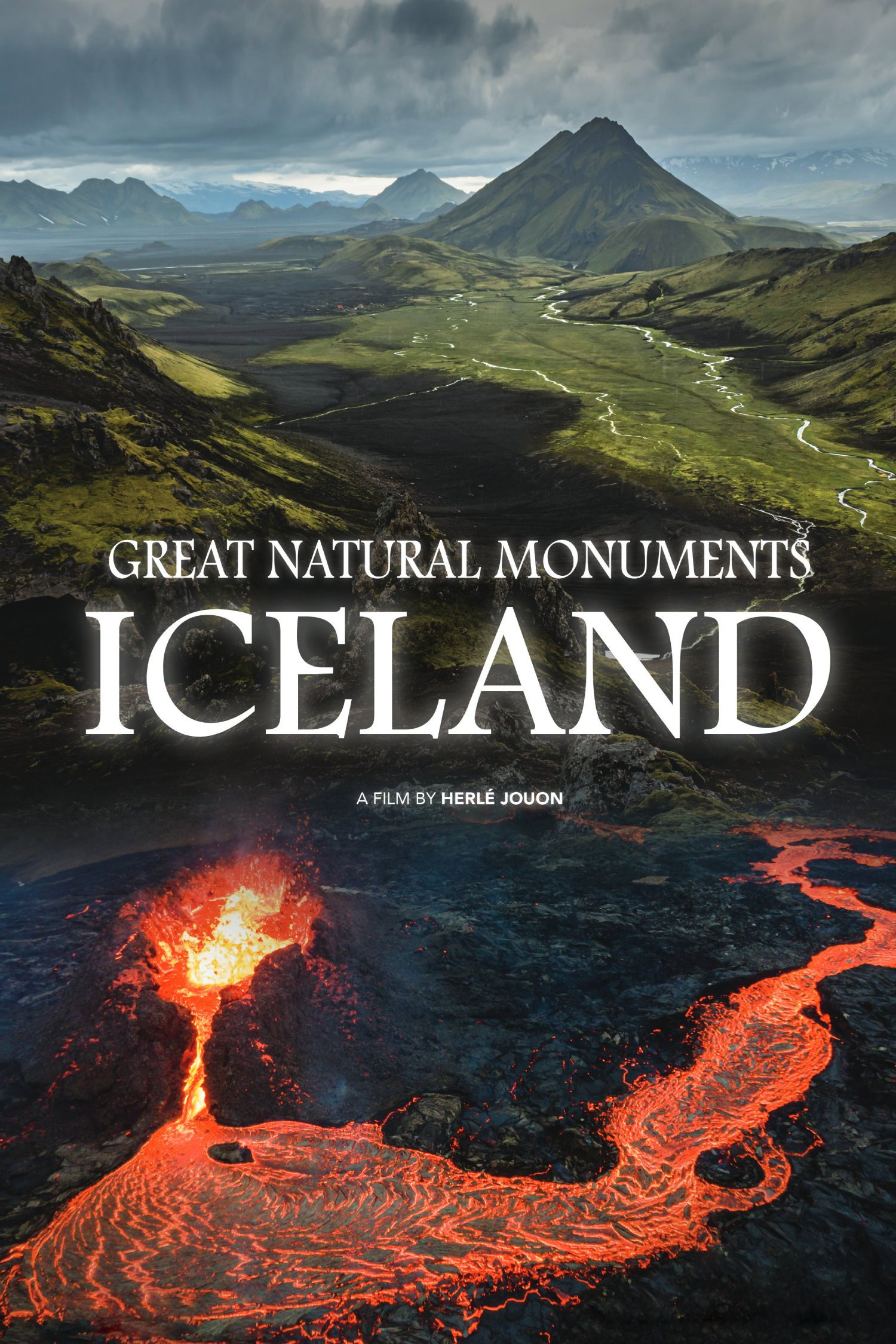
The fascinating landscape formations of Iceland in the North Atlantic bear witness to the beauty and primal power of nature. They were created through the interaction of powerful volcanic, geological and biological processes that have been changing the face of the earth for billions of years. This is what the Earth might have looked like four billion years ago. Iceland is the realm of ice and fire. Nowhere else is there such a high density of volcanoes. The landscapes, which are continually reshaped by eruptions, make the island a natural laboratory full of clues about the formation and development of the earth. The documentary follows a group of scientists through the most active areas of Iceland, along a mountain range that has emerged from the ocean. On the slopes of the volcanoes, in the fog of the fumaroles and on streams and rivers, the three researchers explore how the first forms of life populated the earth's surface and in what evolutionary steps they took over the earth.

In order to wipe out the Gaulish village by any means necessary, Caesar plans to absorb the villagers into Roman culture by having an estate built next to the village to start a new Roman colony.
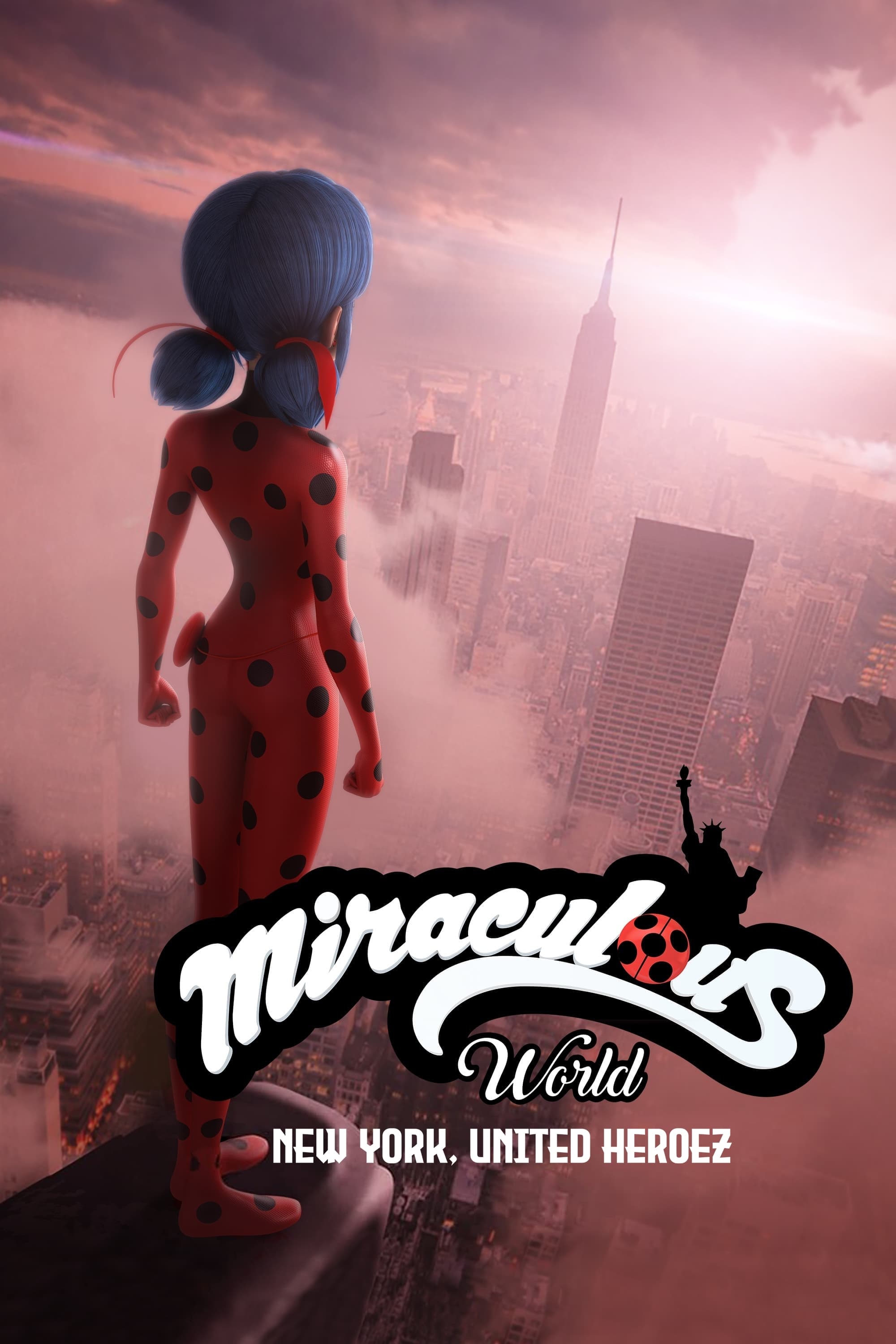
Marinette's class is headed to New York, the city of superheroes, for French-American Friendship Week.

When Apollo, a kindhearted cricket, lands in the village of the Funny Little Bugs, the whole kingdom is about to be disrupted.


To save the future from a terrible fate, Marinette becomes Chronobug and teams up with Bunnyx to defeat a mysterious opponent who travels through time.
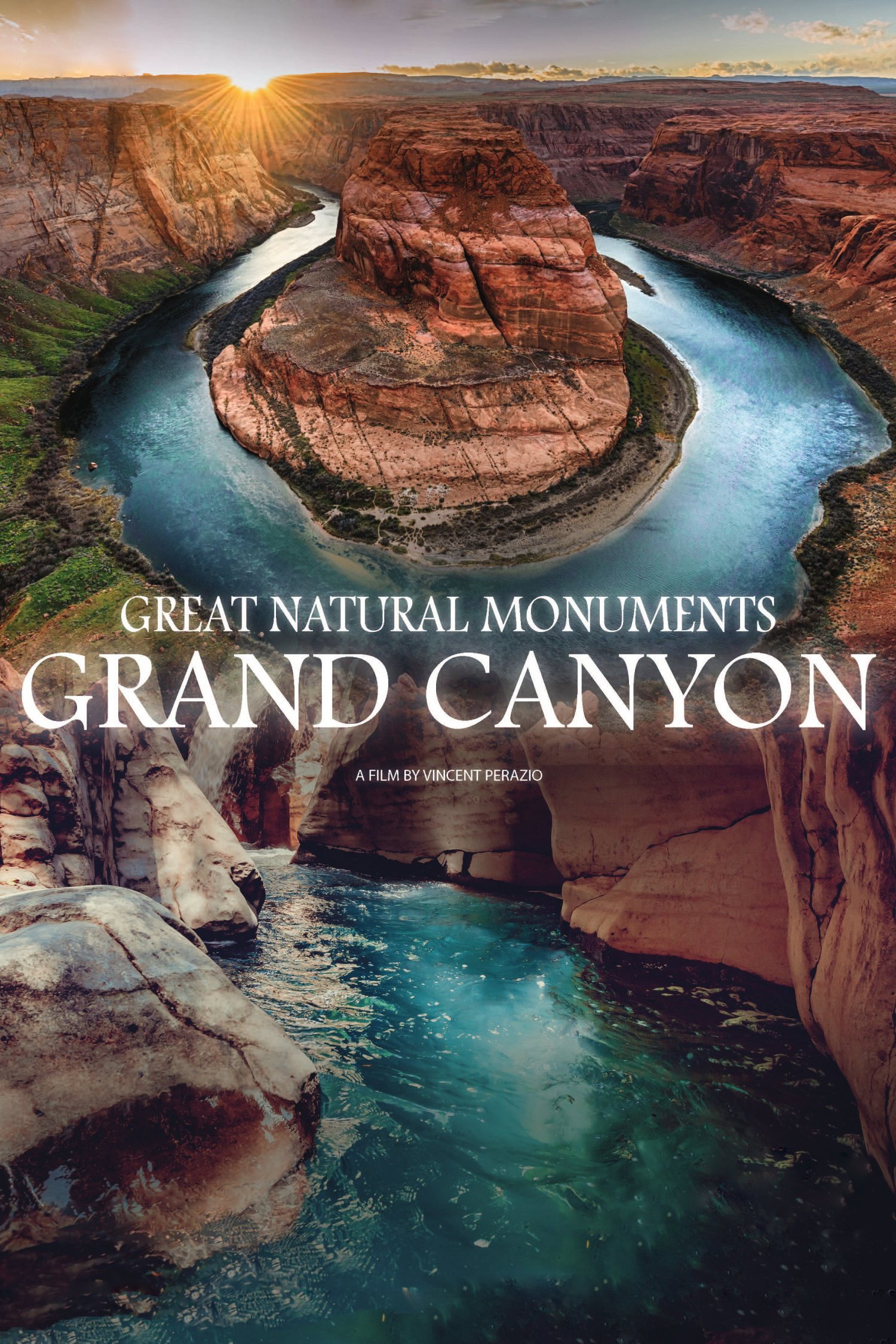
The Grand Canyon is a breathtaking natural monument. It's one of the planet’s best-known landscapes, yet we often forget that it tells two billion years of the Earth's history. Geologists Karl Karlström and Laurie Crossey are the leading experts on this. Over the course of 8 days, they descend the Colorado river and tackle hundreds of rapids to unveil the mysteries held in the Grand Canyon, and the place that humans occupy within it.