
The struggle of Belarusian peasants against the oppression of Polish lords during the reign of Paul I.
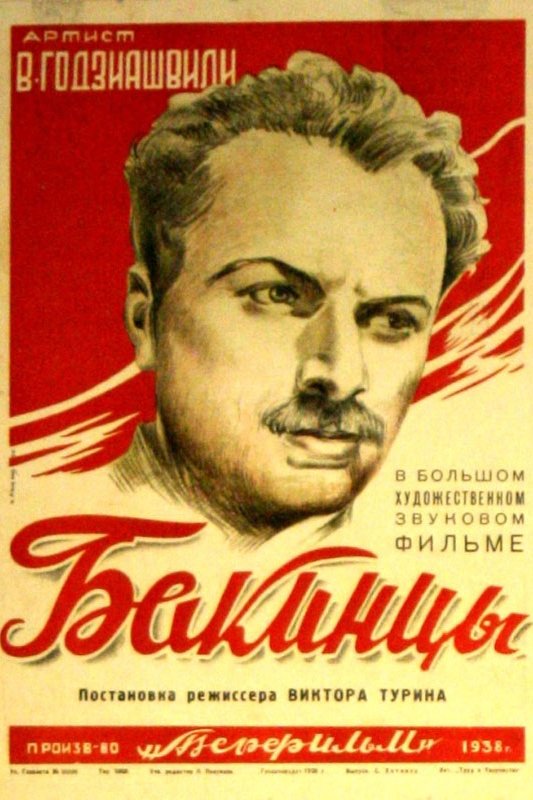
The film is about the revolution which began bacause of dissemination of Bolshevik ideas among workers.
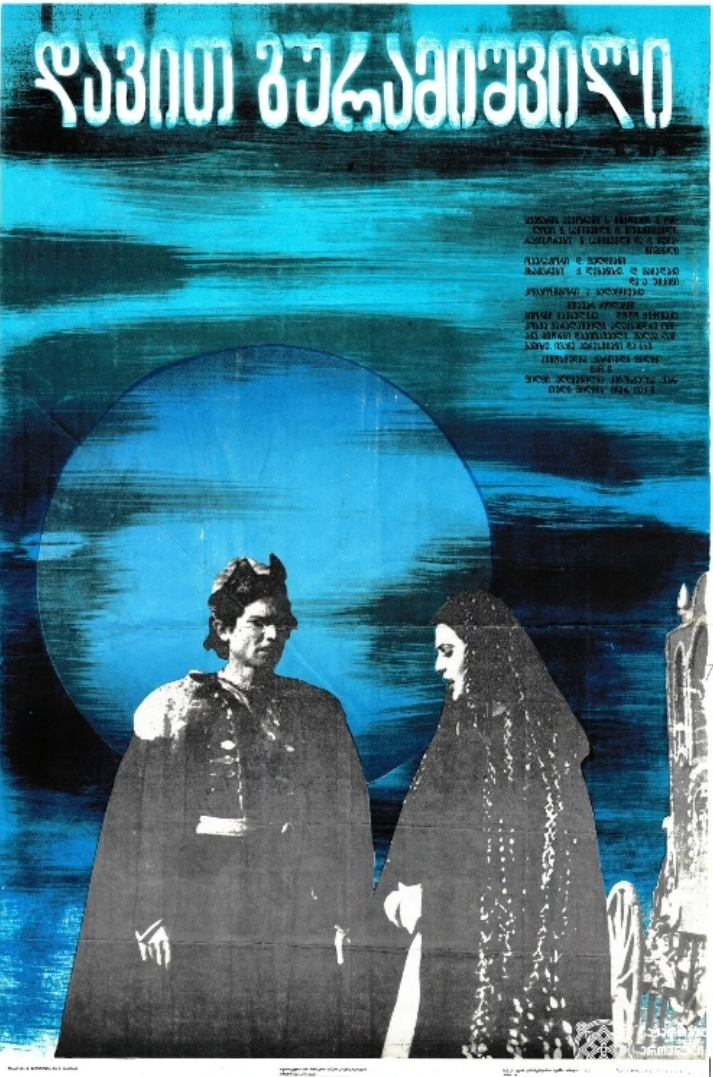
The film tells about Davit Guramishvili's short period of activity during the rule of Vakhtang VI
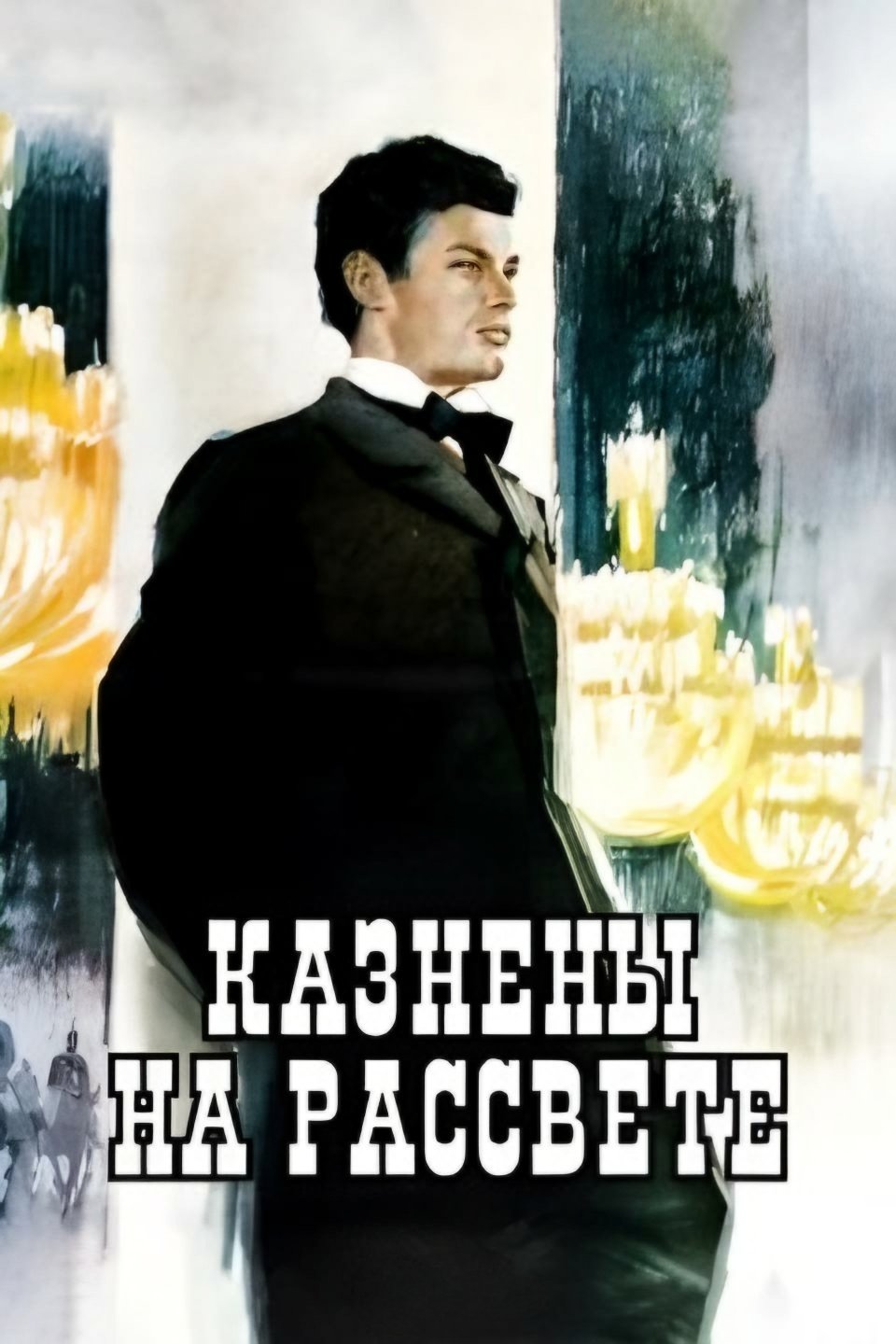
About Lenin's brother Alexander Ulyanov and his comrades' fight against the Russian autocracy.
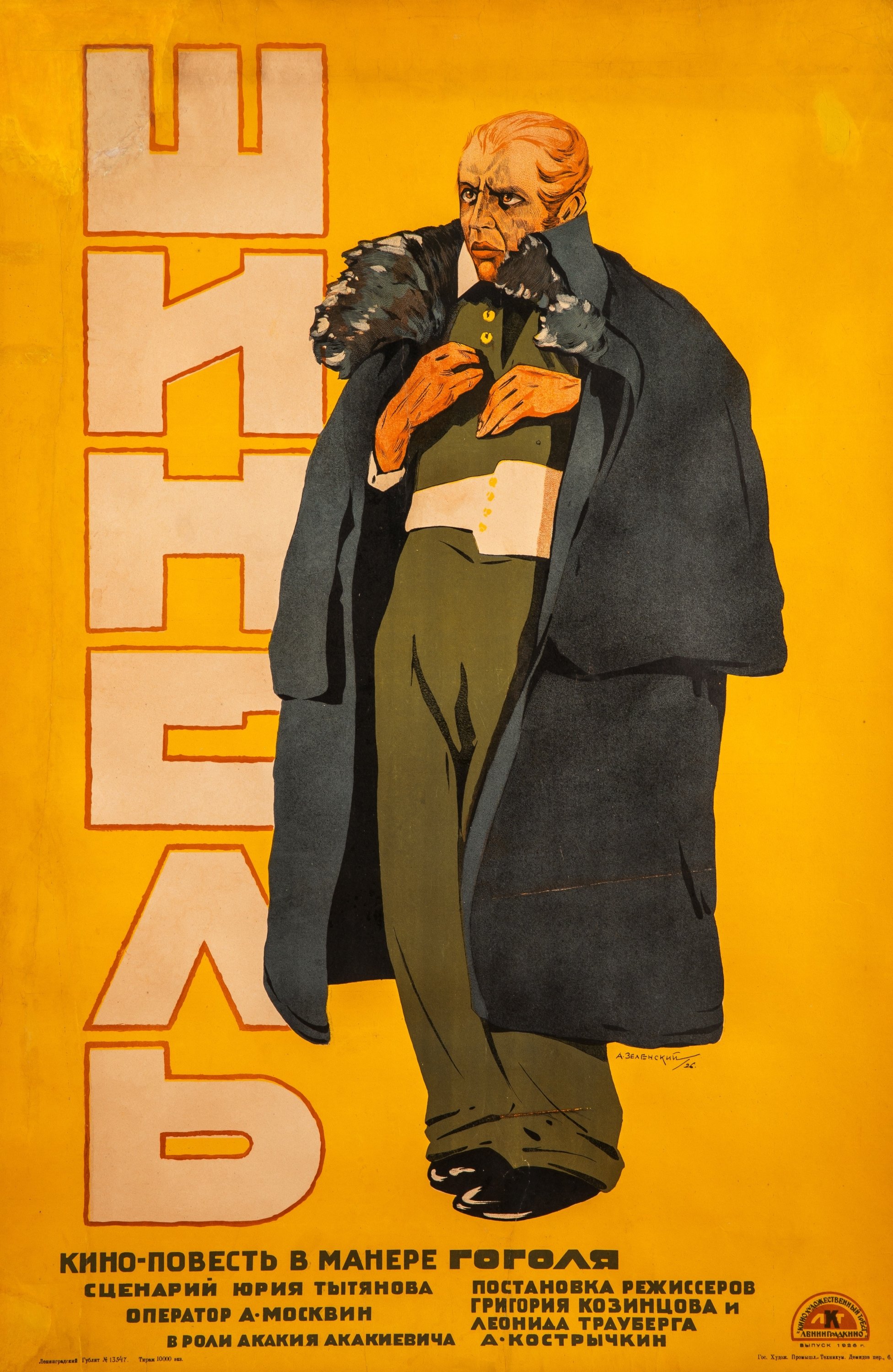
Soviet film based on Nikolai Gogol stories "Nevsky Prospekt" and "The Overcoat".
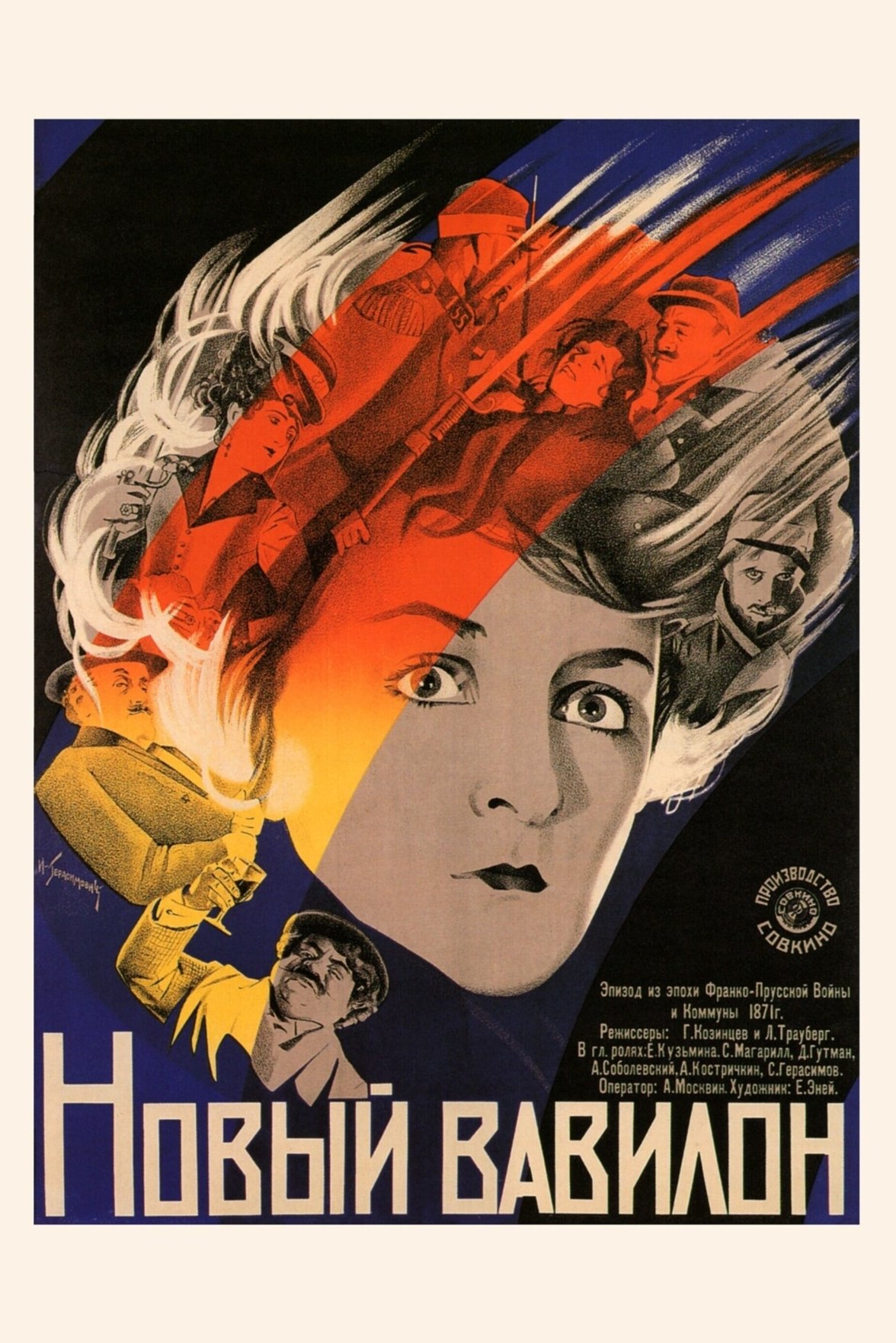
In the short-lived Commune of Paris, a conscripted soldier falls in love with a Communard saleswoman. As the army cracks down on the revolutionaries, the soldier is forced to fight against the Commune, and the pair's love is put to the test.
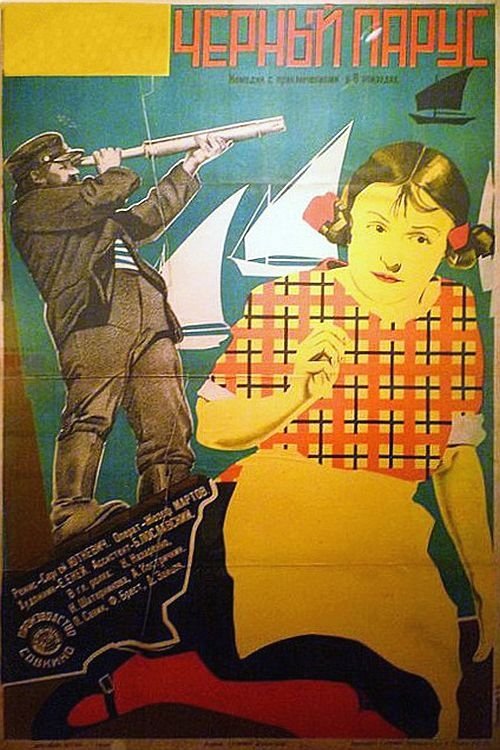
The struggle of the Komsomol members against private speculators for the surrender of fish to the state.
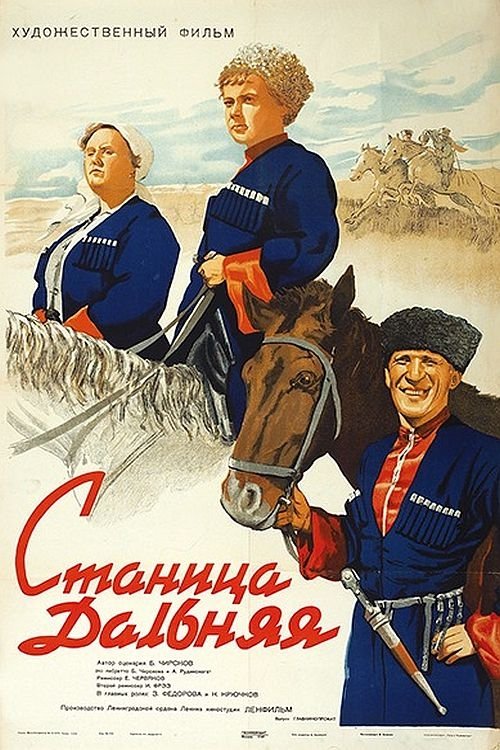
Military maneuvers are being conducted in the Kuban villages of Dalnyaya and Kochevskaya, with the participation of village Cossack detachments. The Kochevskaya reconnaissance unit is led by the dashing Cossack Mikhail, while his fiancée Dasha Gorkunova is a communications officer for the "enemy" unit. Dasha cleverly deceives her "enemy" and, having escaped from her pursuers, gives instructions to "her own."
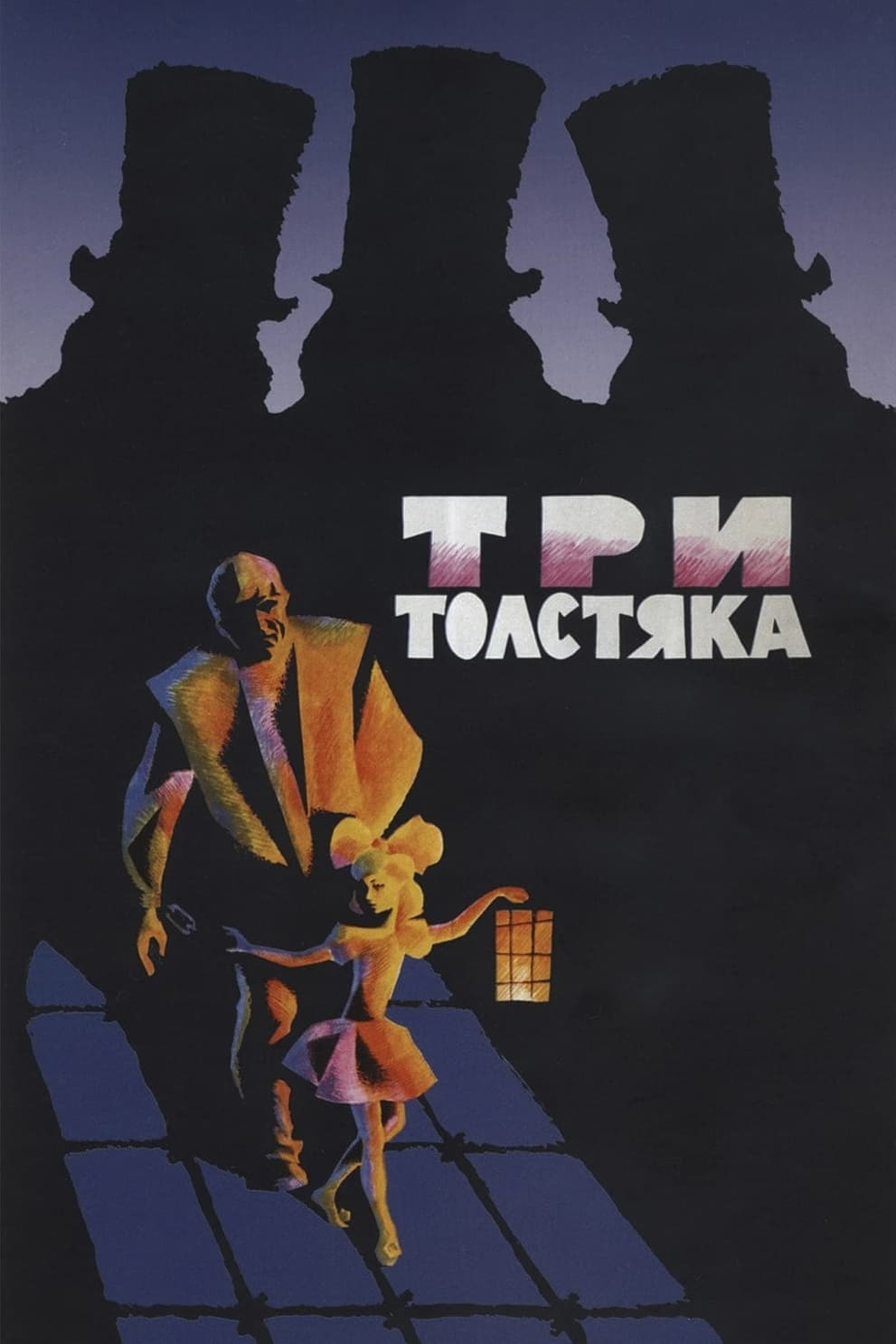
Based on a famous fairytale by Yuri Olesha. A fairy tale film about the clever tightrope walker Tibule, who fights alongside the armorer Prospero and all the working people against the tyrants, the three Fat Men, who rule the state until the young heir Tutti comes of age. The freedom fighters are aided by the kind Dr. Gaspar and the brave acrobat girl Suok, who has to pretend to be a doll to sneak into the palace and free Prospero.
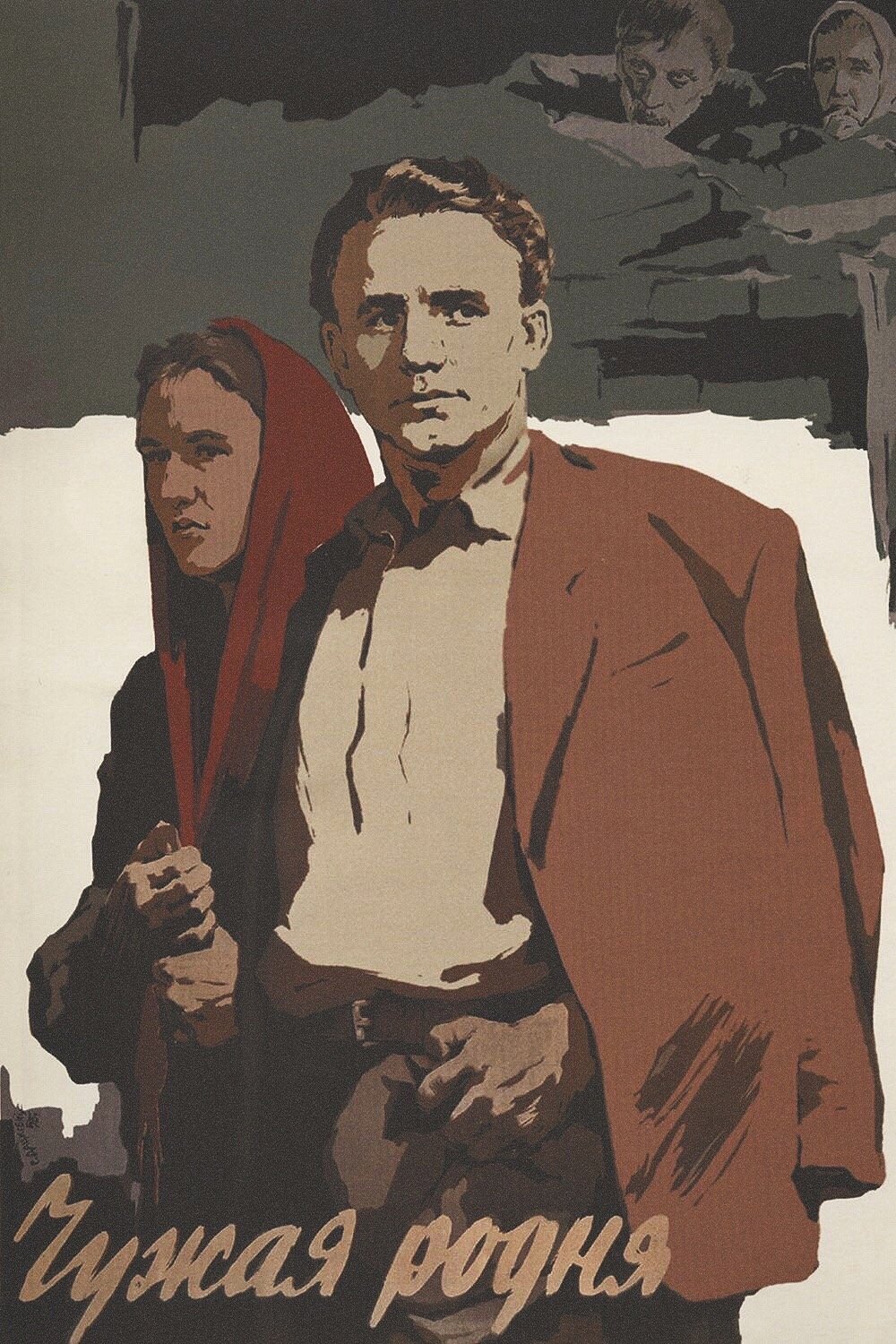
The young machine operator Fyodor Soloveikov marries Stesha from a neighboring village and moves to live with her parents in a house. Young and energetic, he suffocates in the petty bourgeois world of the family, living away from collective farm life. Quarrels arise between young people, where old men pour oil of discord. Not receiving proper support from his wife, Fyodor leaves home.
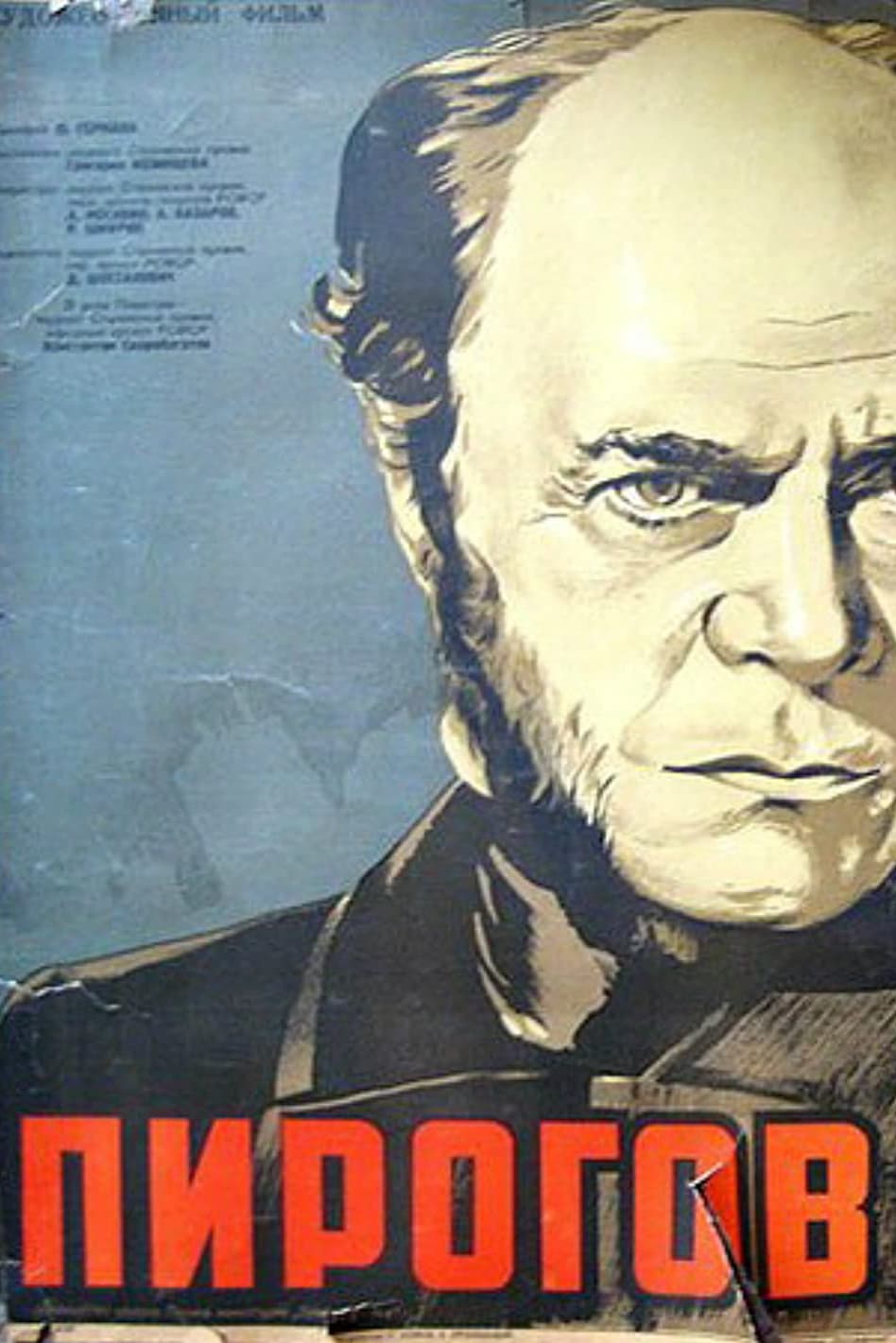
A biopic based on the life of Russian scientist and doctor Nikolai Ivanovich Pirogov (1810-1881), famous for being the founder of field surgery.
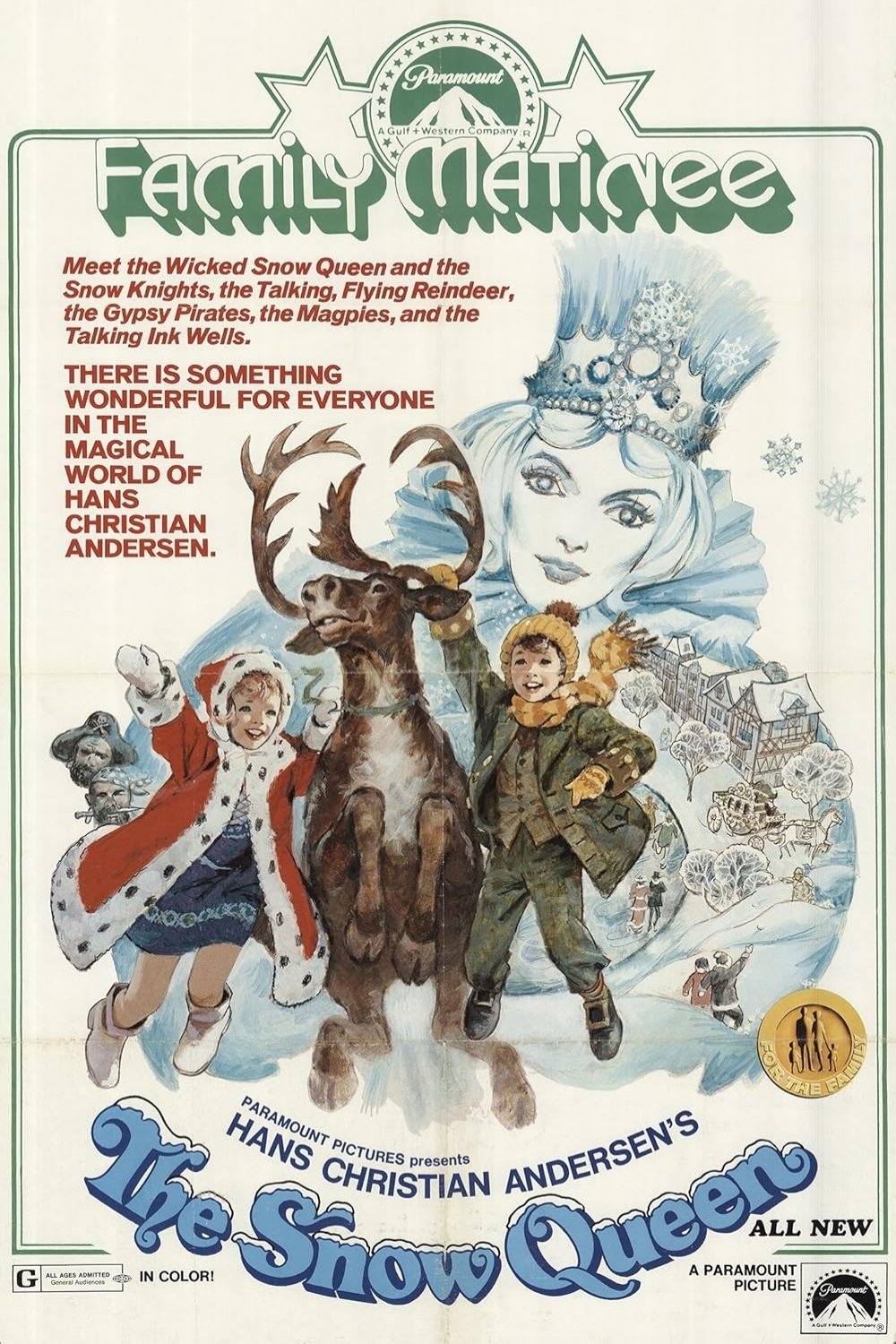
The film tells a story about the extraordinary journey of the modest little girl Gerda. She is looking for her friend Kai, who was kidnapped and taken to her kingdom by the powerful evil Snow Queen. In search of her beloved friend, Gerda ends up in the castle to the cunning, insidious and at the same time funny king, meets forest robbers. On the way, the girl will have many obstacles before the decisive battle with the Snow Queen. But Gerda’s faithful heart will overcome all adversity...
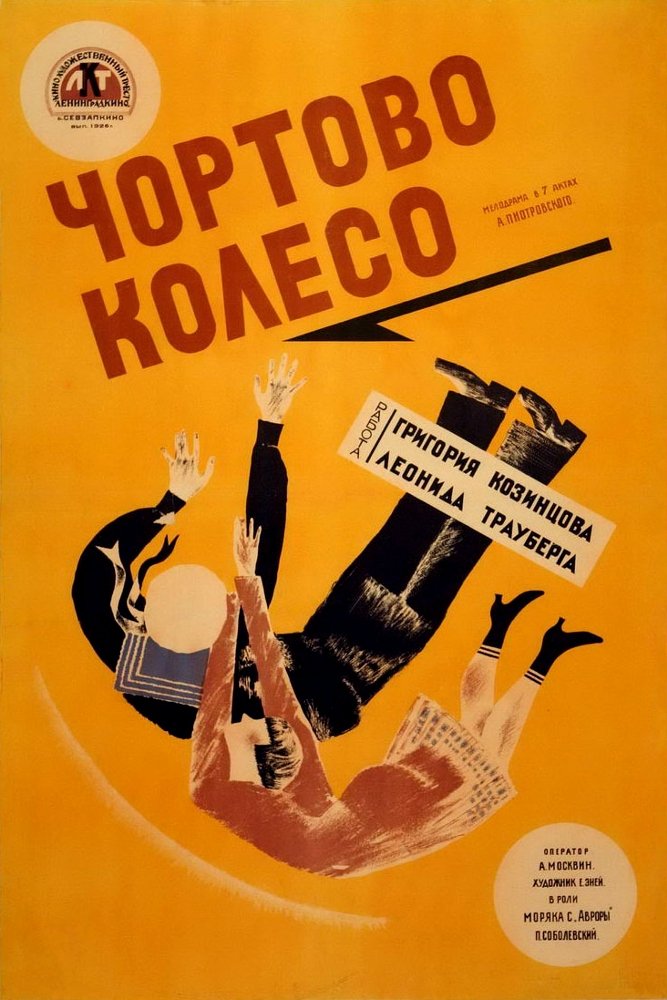
Typically of the heady days of early Soviet cinema, this is constructed according to the fast, sharp editing principles advocated by Eisenstein, complete with symbolic inserts; but in terms of subject matter, it's much less explicitly political than most movies emerging from Russia in the '20s. Chronicling a young sailor's descent into a murky, treacherous underworld of pimps and thieves, after having encountered a Louise Brooks lookalike at a fairground and missed his departing boat, it's a lively moral fable that delights in vivid visual effects and quirky characterisations. If the plot occasionally reveals gaping holes, and the tacked-on ending urging the clearance of the Leningrad slums seems to be rather gratuitous, there's enough going on to keep one attentive and amused.
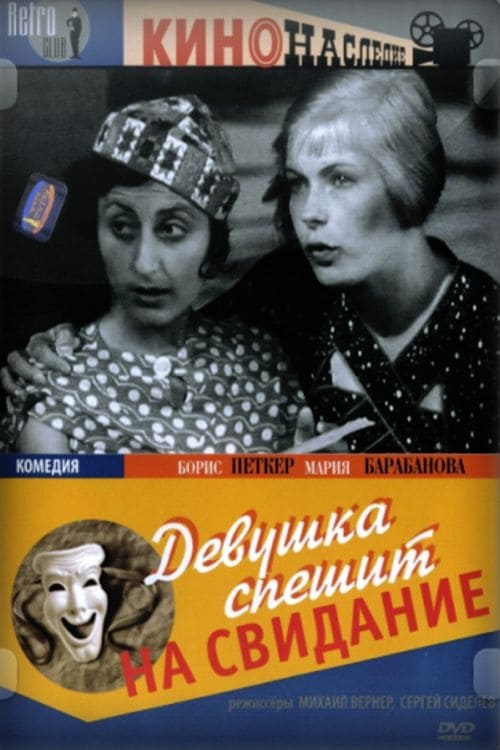
Arriving on a resort muscovites - circus artist Gurov and professor Fedorov are forget the houses of passport. Girl-dispatch on mail, hurrying on an appointment, mixes up envelopes, that entails the row of the comic misunderstanding.
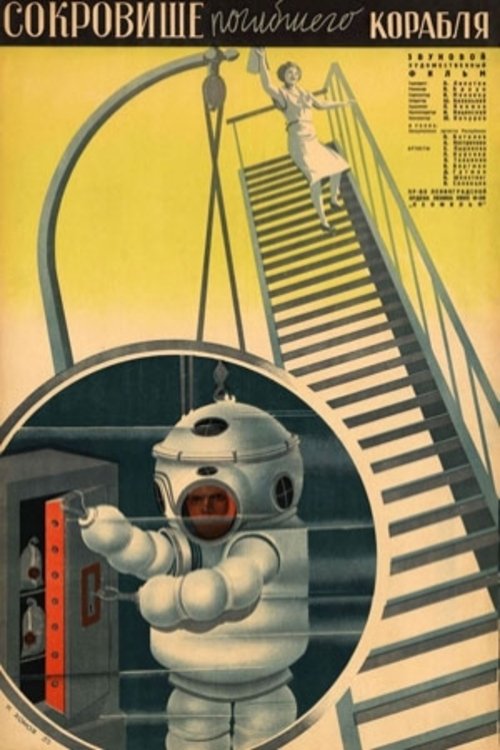
A group of divers are trying to bring up the wrecked ship from the Black Sea bottom.

About the life and work of the poet Sergei Yesenin, his connection with his native country, its people and nature. Childhood, love, painful searches for his place in the new, revolutionary Russia — everything found a place in Yesenin's lyrics. Frames illustrating Yesenin's poetry and poems are side by side in the film with episodes of the poet's biography: the film reflects the days of his stay in America, World War I, revolution and village round dances, a daring uncle, a wise mother...
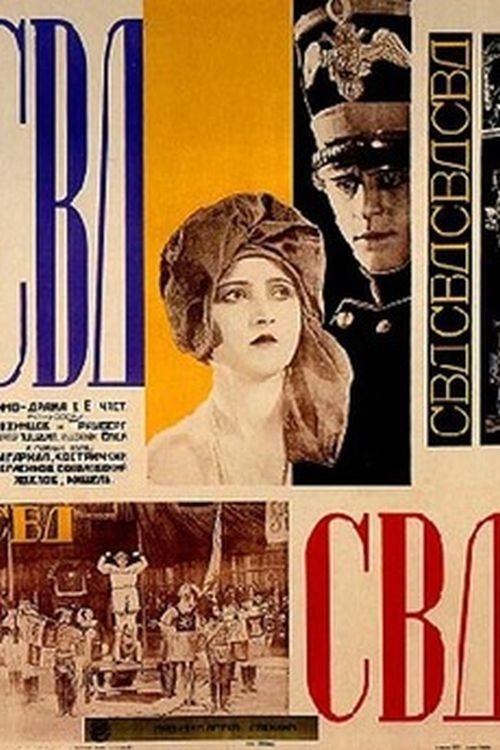
The film tells about the Decembrists’ revolt in the south of Russia. Right before the Decembrist Revolt 1825 a chevalier of fortune decides that it's time for a game. But on whom to make a bet? He asks the cards. But he's not the only one who makes the choice.
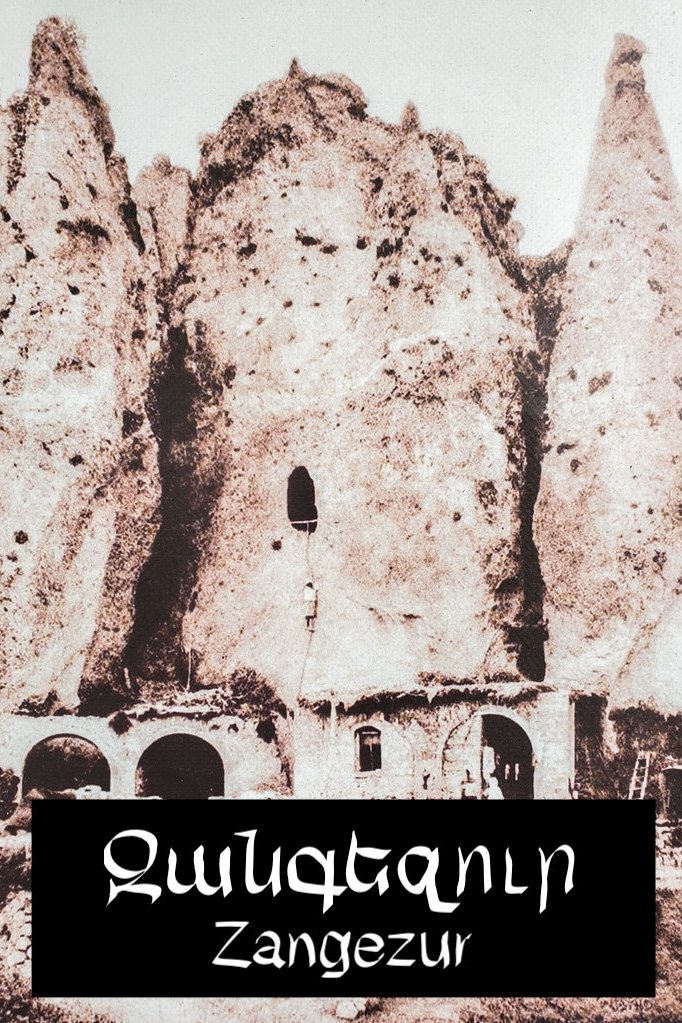
The film is about the civil war in the Zangezur (Syunik) province of Armenia in the early 1920s. The last Dashnak battalions headed by Sparapet Nzhdeh still opposed both the incursion of Red Army and the local Bolshevik partisans.
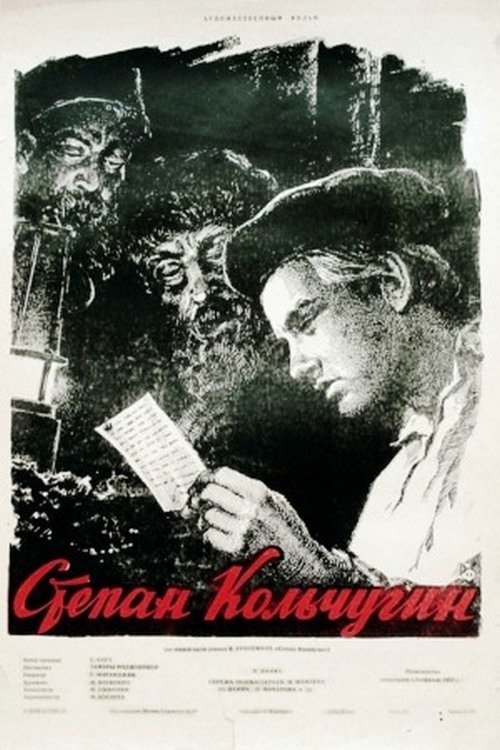
The film is set in old Yuzovka on the eve of 1905. After searching the Kolchugins' apartment, where money from the strike fund was hidden, the police arrest Anna Kolchugina and her lodger, the miner and revolutionary Kuzma. Anna's teenage son, Stepan, is forced to go to work in the mine. There he learns about the existence of the revolutionary underground and joins its struggle.
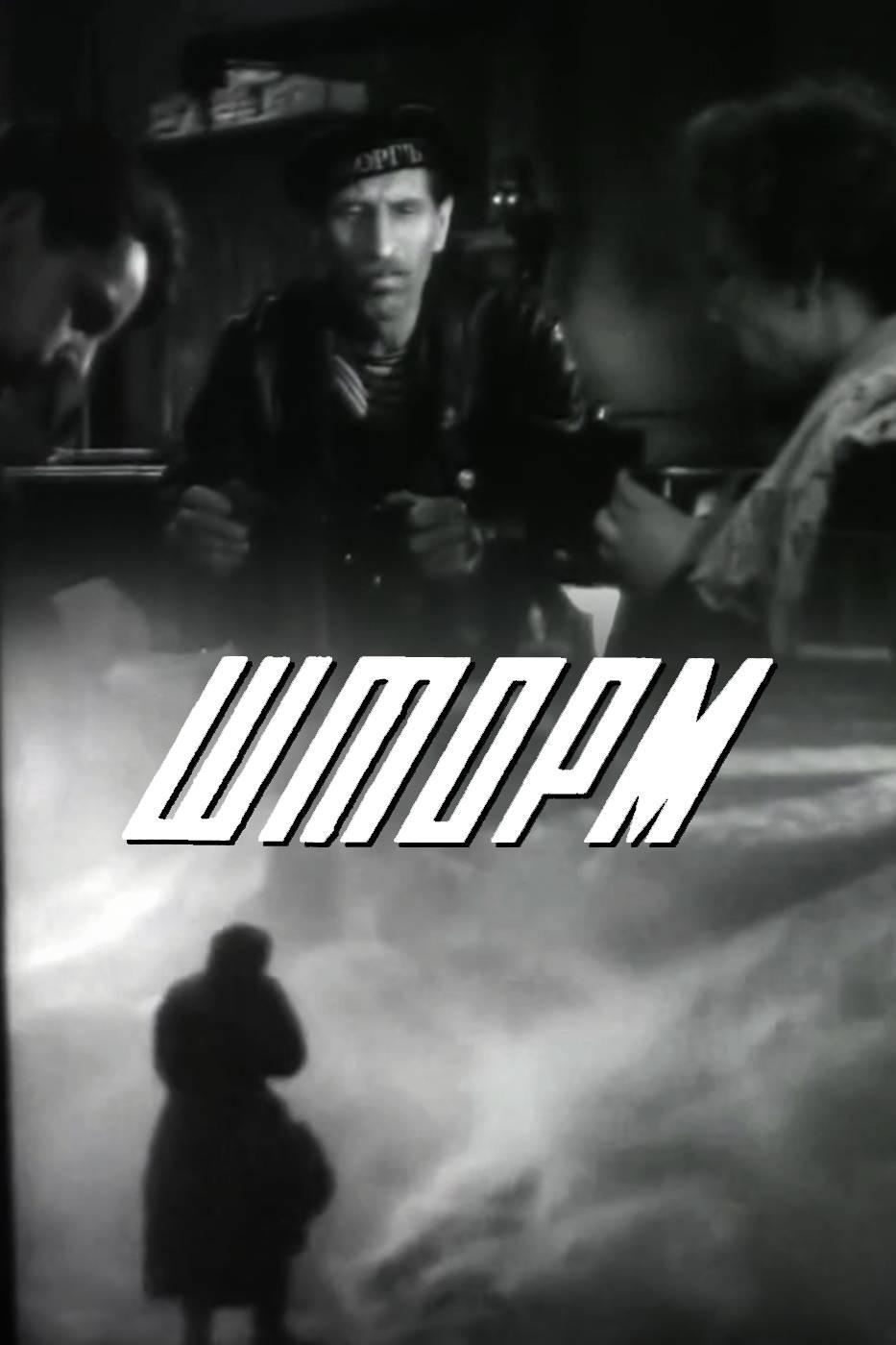
In the winter of 1918, a provincial Russian town is faced with a shortage of food, firewood, and medicine. Discontent is brewing in the Red Army regiment stationed in the town, as former Tsarist officers sow seeds of discord in an attempt to organize a counter-revolutionary rebellion.
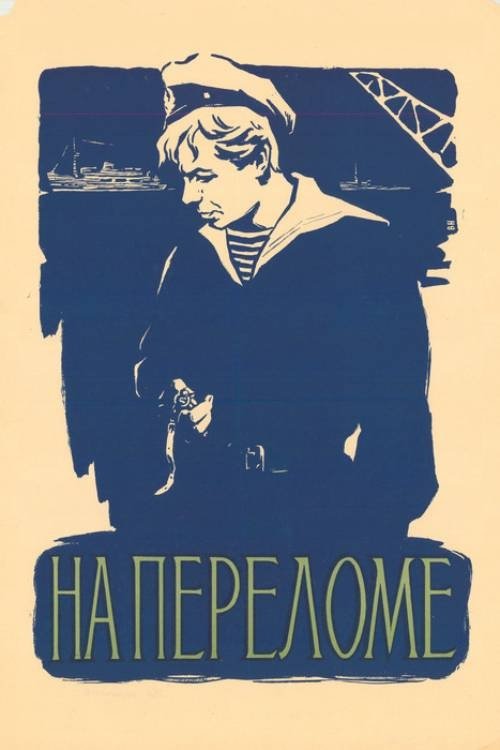
After his father's death, teenager Viktor Tsaplin was sent by his stepmother, who suspected the boy of stealing watches, to an Odessa orphanage. The guys met the new guy unfriendly, and when the teacher's antique watch was missing, Victor was considered the culprit. After enrolling in a nautical school and once going to sea with tipsy fishermen, Victor crashes a boat. He is being expelled from the college. Deciding to start a new life and in a new place, Victor leaves to work as a fireman in Kamchatka.
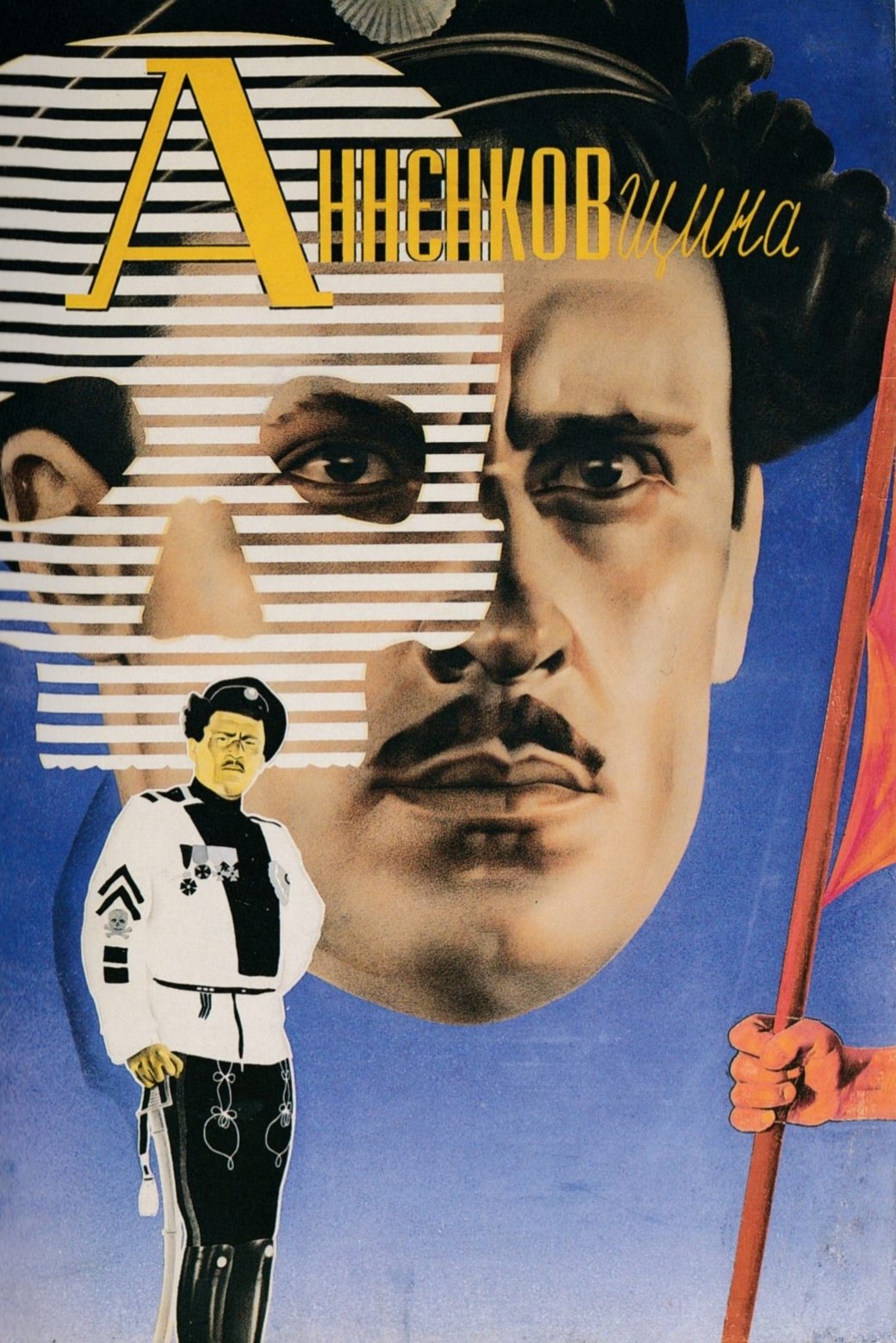
Mostly lost (only 2 minutes recovered).
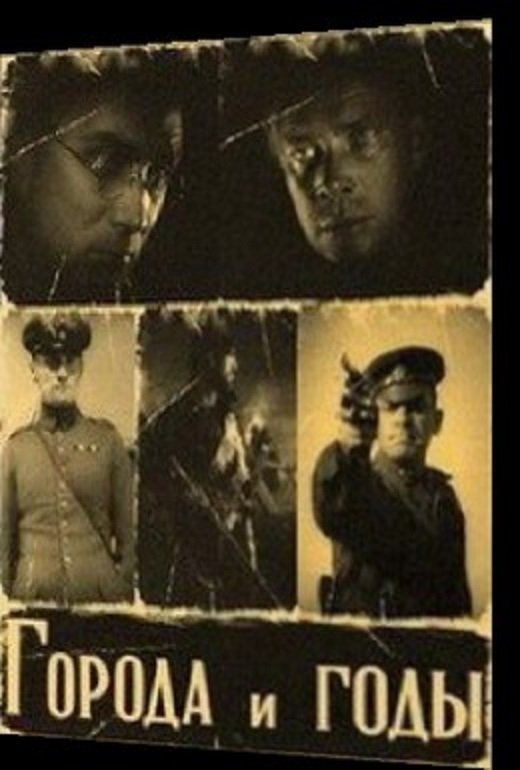
The last and only surviving silent film by director and actor Yevgeny Chervyakov. The film adaptation is distinguished by the accuracy of the psychological characteristics of the numerous characters (Chervyakov himself played the episodic role of an officer magnificently), the detail of everyday sketches of life in Germany and Russia, and the conveyance of the atmosphere of the events of the First World War and the Civil War. Parts 3 and 5 of the film have been lost.
About a brigade of young female turners who win the respect of the factory team by their labor.
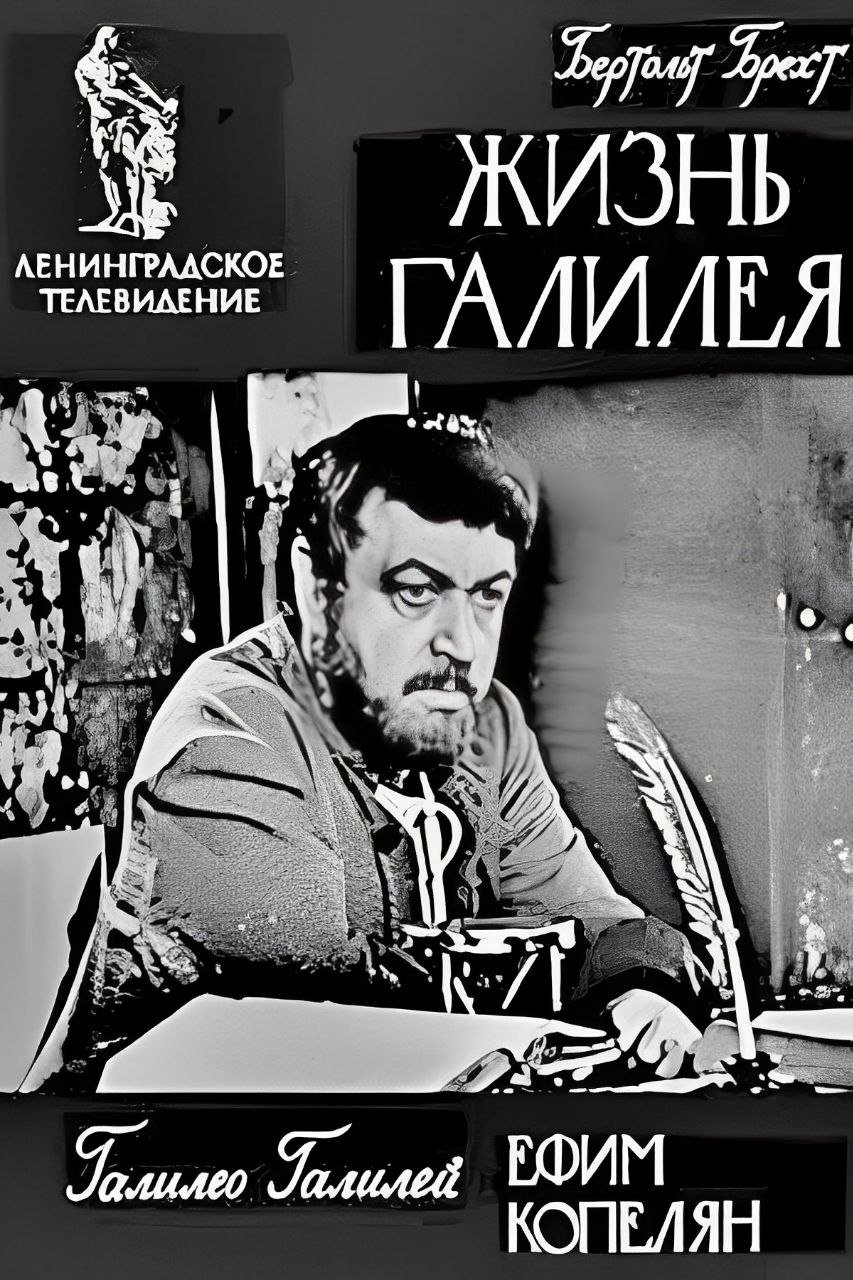
A televised play based on the work of Bertolt Brecht.
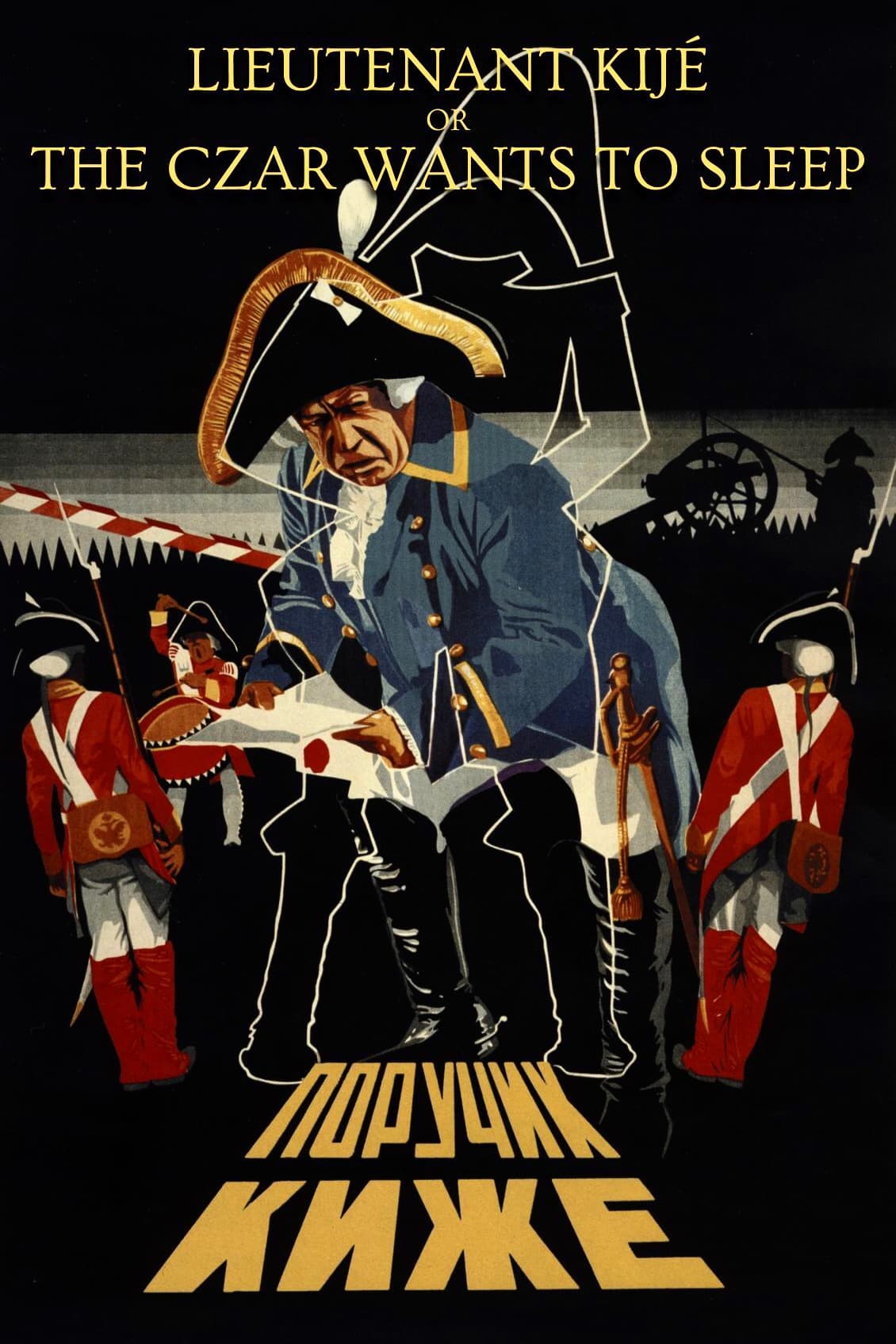
A copying error by a military scribe turns the Russian words "the lieutenants, however" into what looks like "lieutenant Kizhe". The Tsar reads the error, and wants to meet this (non-existent) lieutenant. The courtiers, eager to avoid the wrath of the temperamental Tsar, create a Kizhe to serve as their royal scapegoat.