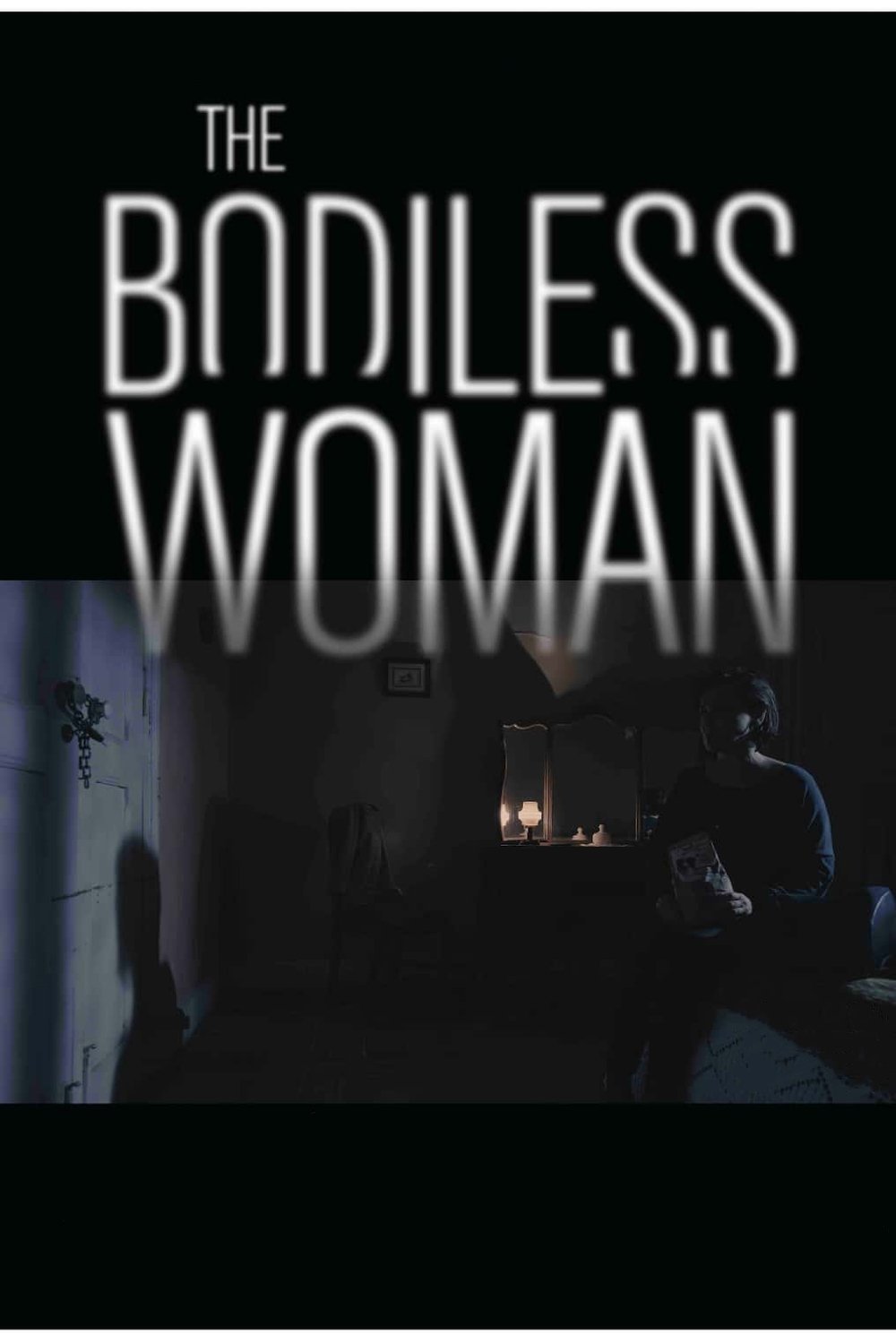
The Bodiless Woman is an intervention film about the violence perpetuation and, above all, about the victim’s dignity and her deliverance.
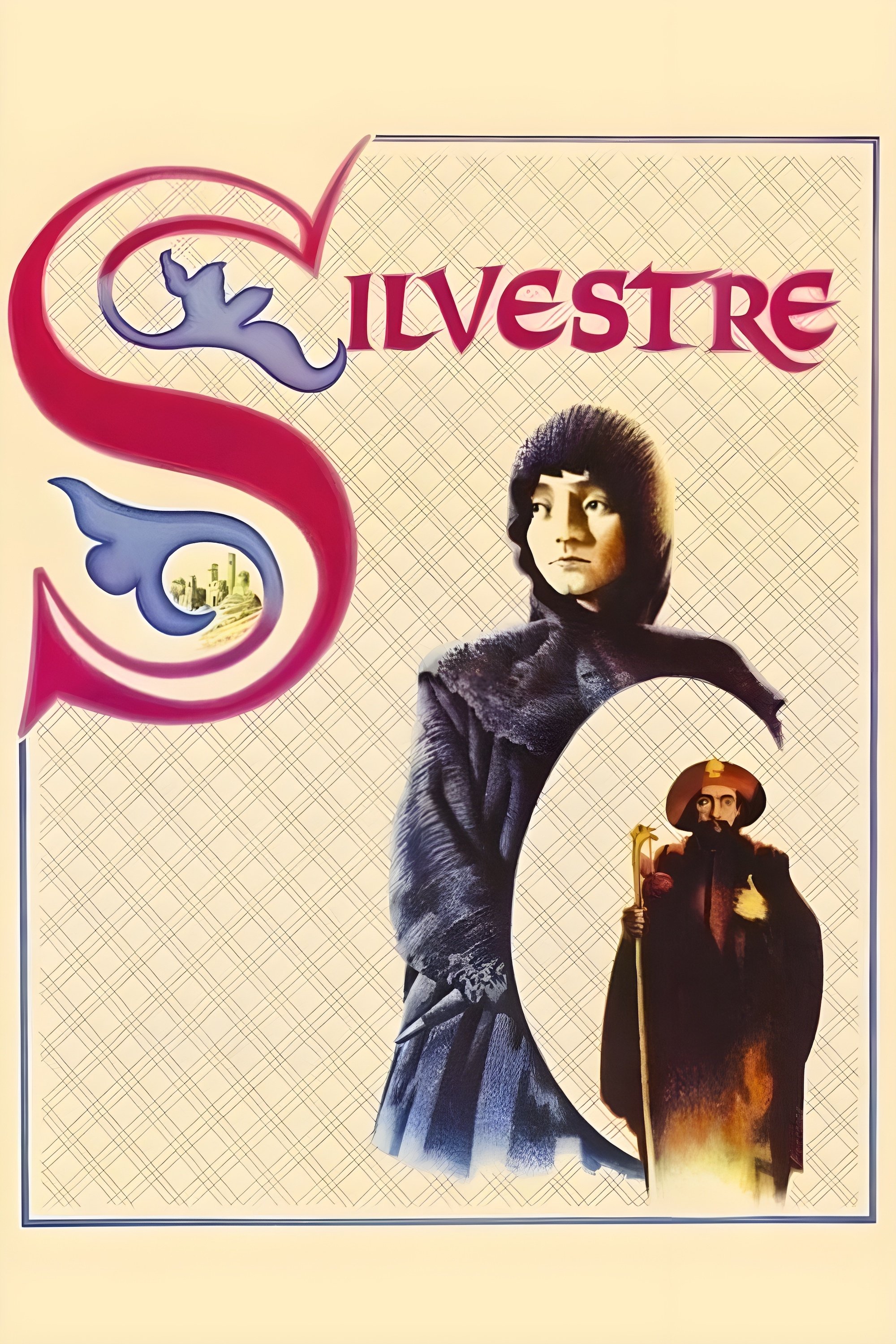
A bewitching combinatory adaptation of the Bluebeard tale and a 15th century Portuguese fable of a damsel who disguises herself as a knight errant.

The daily routine of a streetwise office boy, waiting in long lines, having to deal with some fishy situations, listening to music, and meeting people.
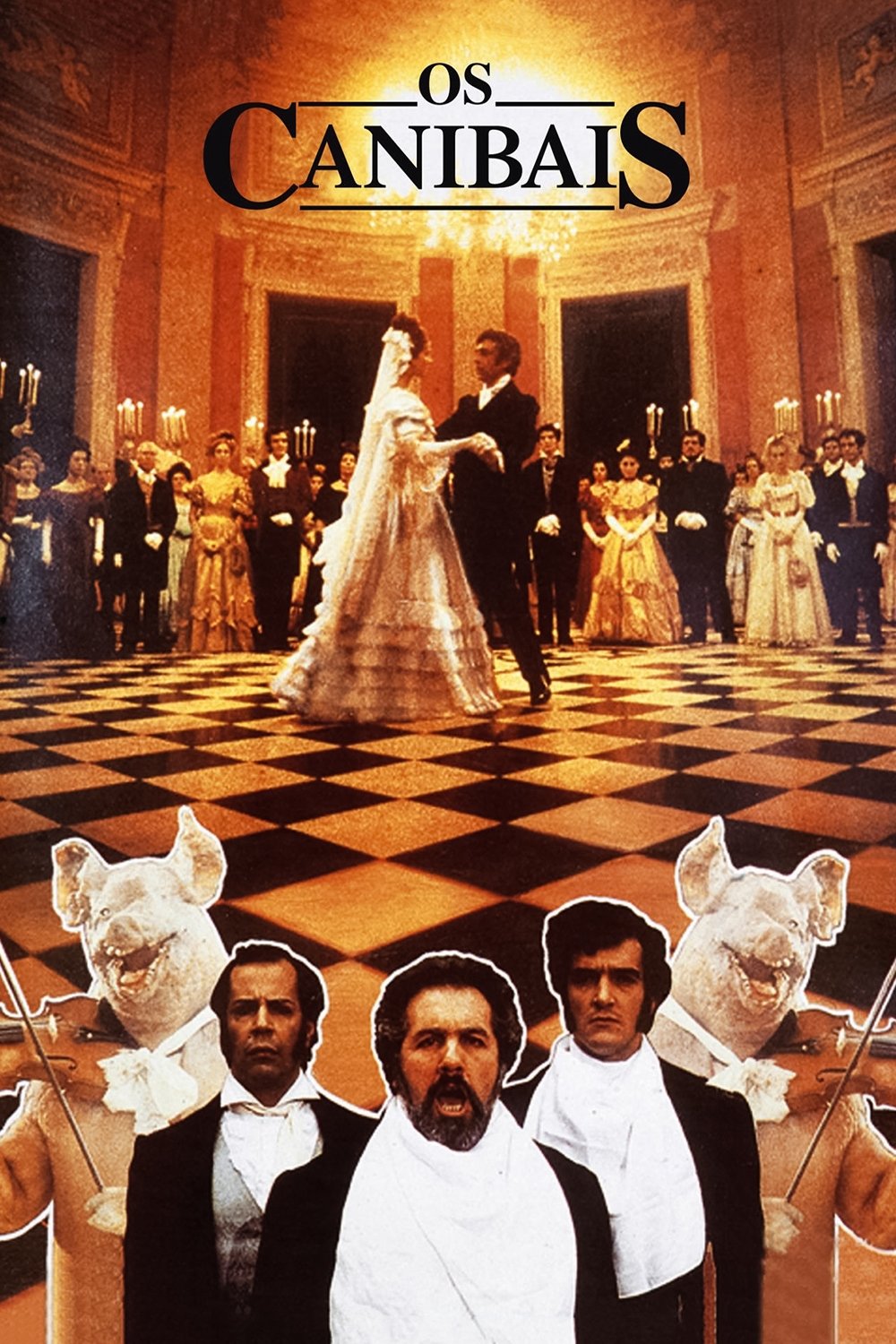
This odd film is a major representative of an even odder film genre: direct-to-celluloid opera. It was commissioned by the Portuguese master of style, director Manoel de Oliveira from composer João Paes. Musically, it ranges from 19th-century romanticism to popular, modernist and even "post-modernist" styles. In the initially tame story, a host-narrator tells the story of a wedding between the two lovebirds: Viscount d'Aveleda and the beautiful Marguerite. However, what happens in the bridal chamber is incredibly bizarre. The events after that are even stranger, and the wedding guests and family indulge in cannibalism, among other perversions.
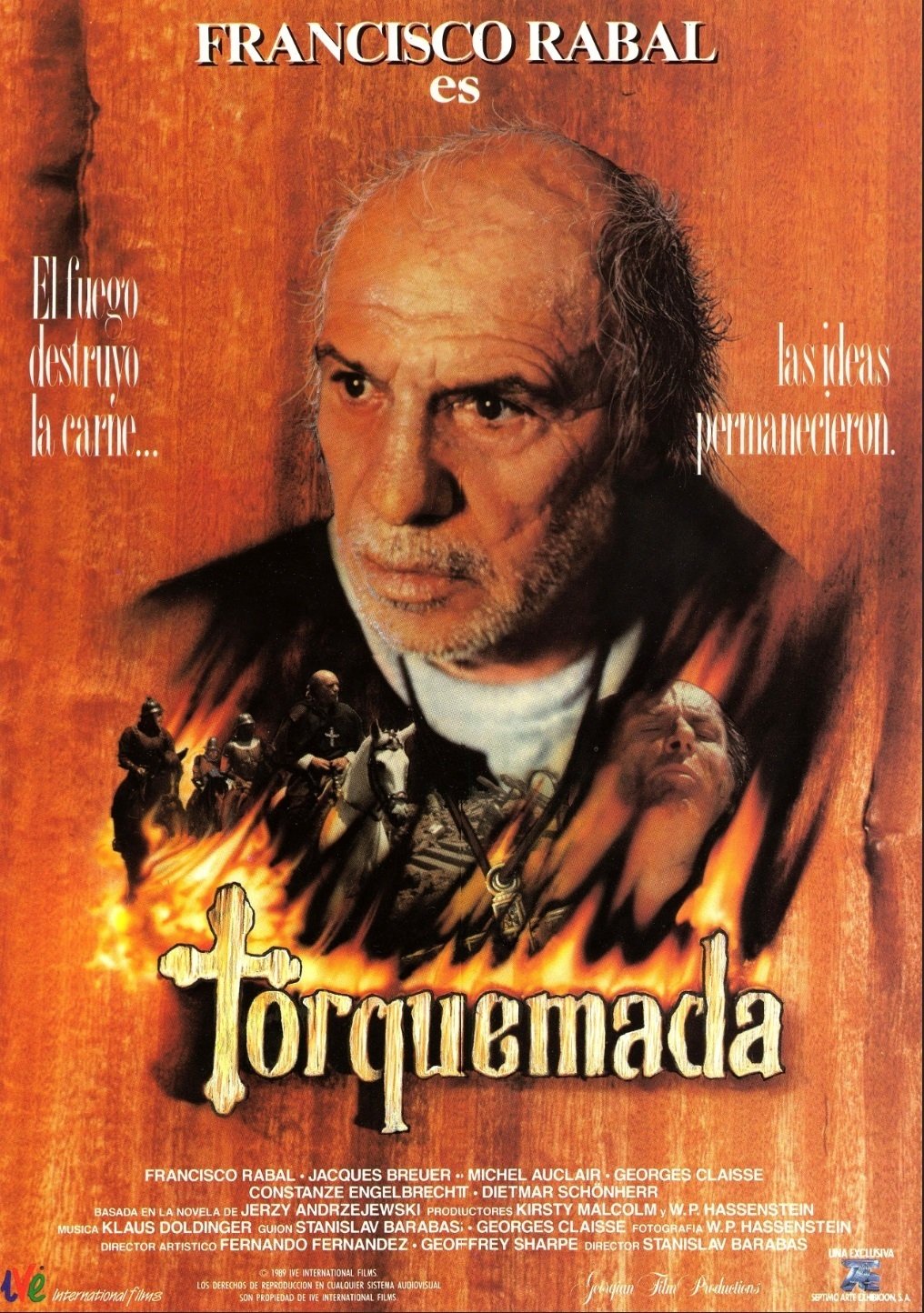
Last feature film of Stanislav Barabas
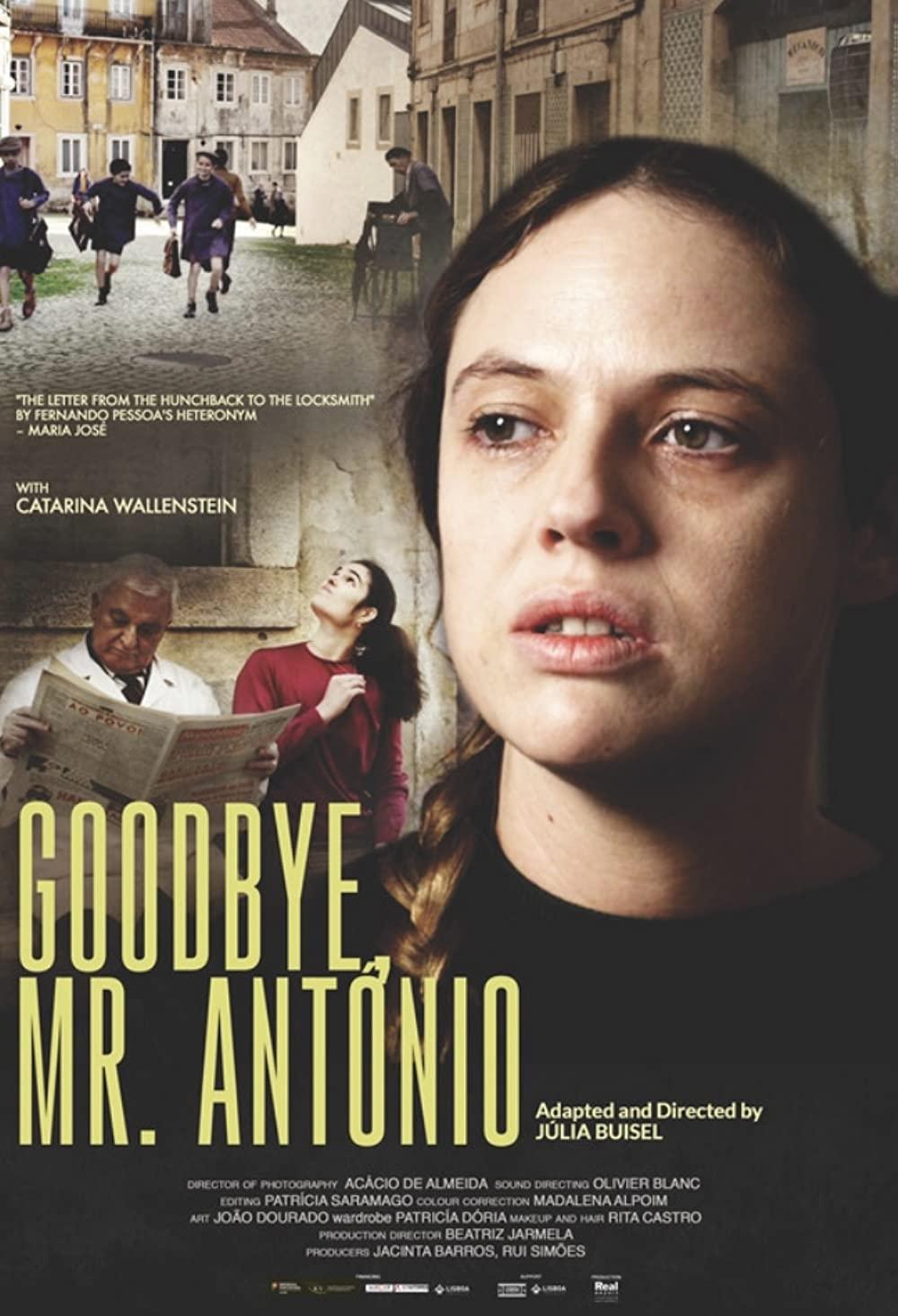
Film adaptation of "The letter from the hunchback to the locksmith" by Fernando Pessoa's heteronym Maria José.
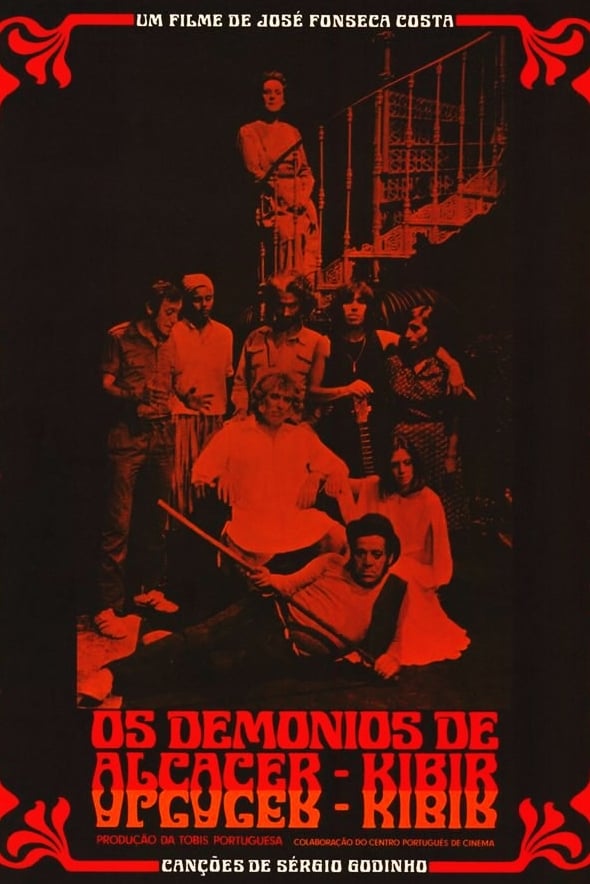
Alentejo 1975. The Police associate a group of traveling players with a strike of agricultural workers. The action takes place in the open space and harsh heat of the Alentejo. With the connivance of Lianor, the troupe enters the palace of Don Gonzalo an old aristocrat. The gentleman is obsessed by visions of great past deeds in a universe of ghosts. This was the first example of militant cinema in Portugal after the end of the Estado Novo dictatorship, exploring the world after the Carnation Revolution and its contradictions.