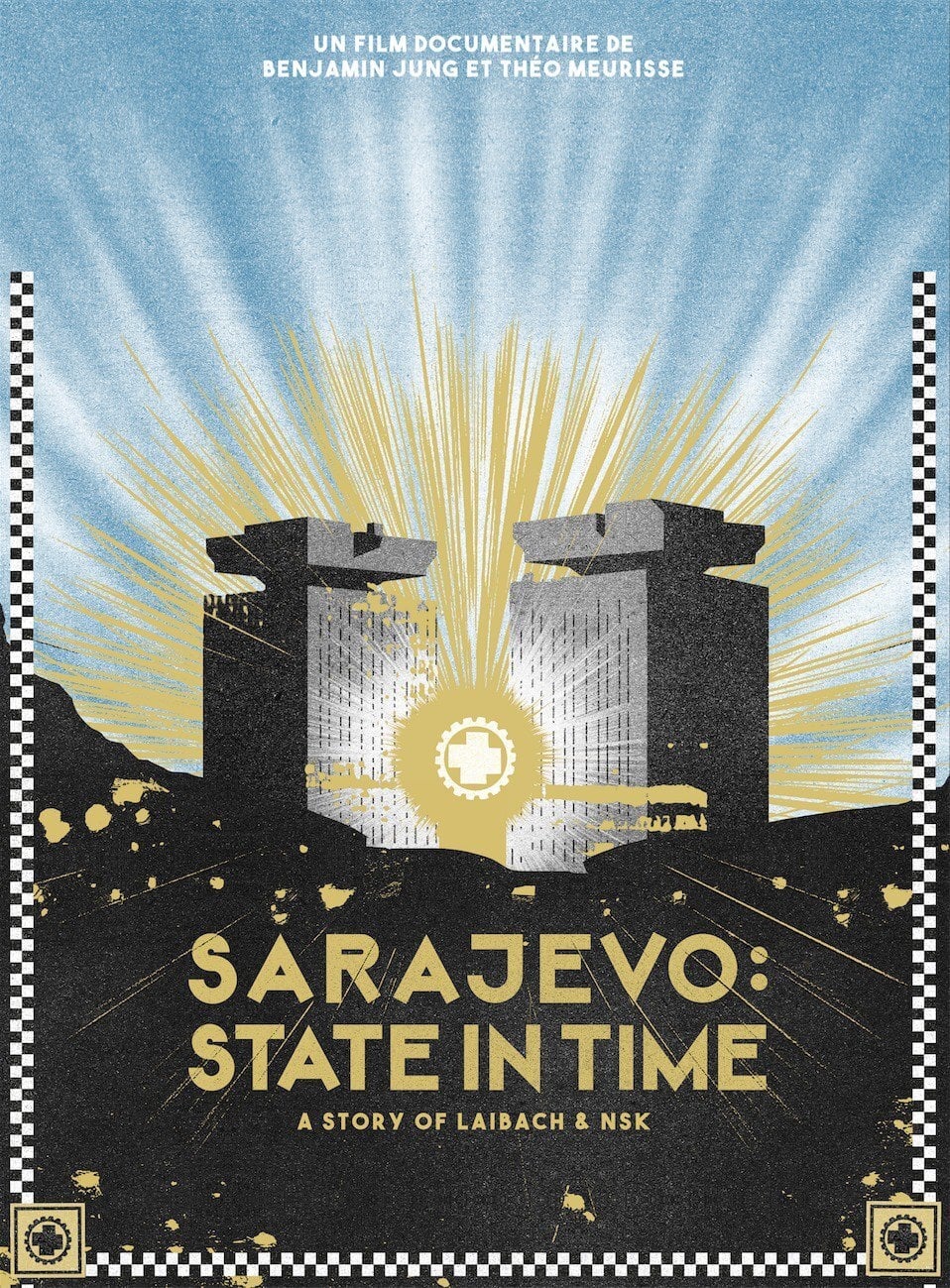
Shot in six European countries, it tells the story of the concerts given by cult underground band Laibach during the siege of Sarajevo back in 1995.
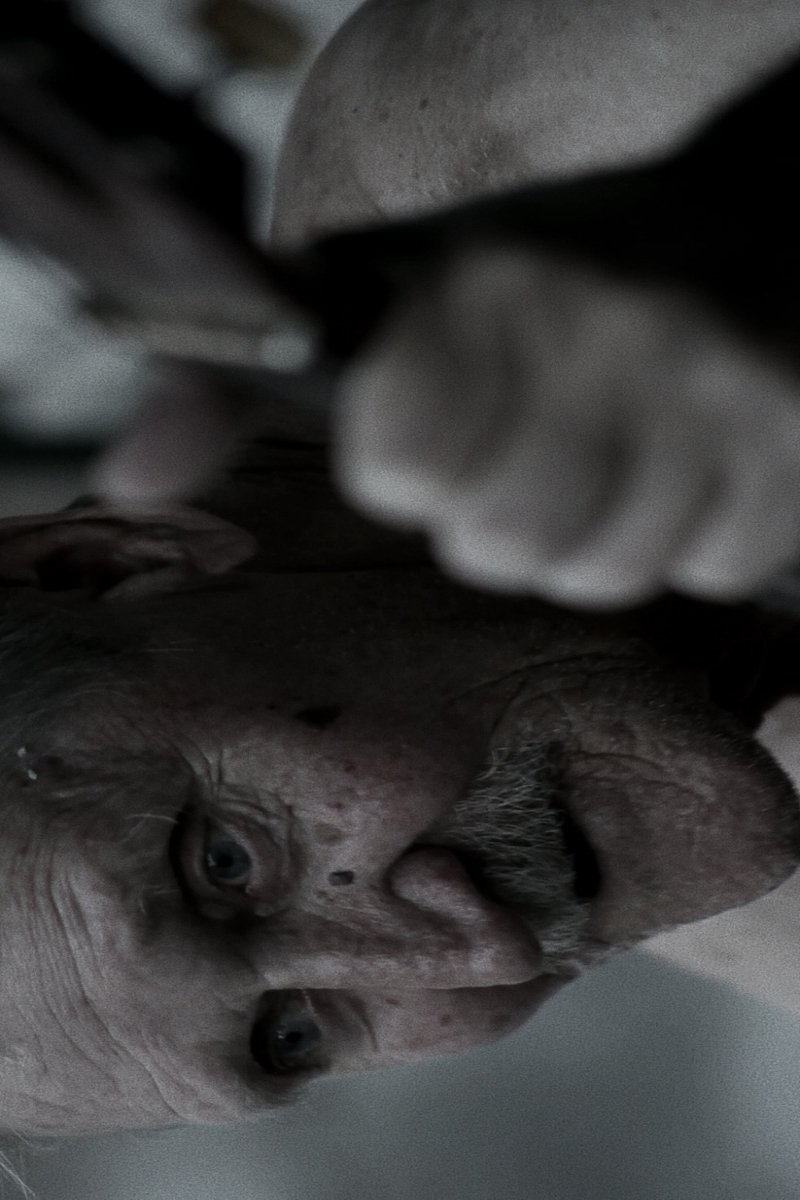
They say that the blues was born from suffering and from a desperate desire to overcome it, through music, through constant aimless travels, drowning in alcohol. If we talk about blues as all this, then Vili Fajdiga's life was a typical blues one. At that time (1920), in Zasavje and Trbovlje, similar social conditions were evidently established as in the American Mississippi Delta, necessary for the birth of blues music. This is a story about a difficult and varied life, creativity, passion, hope, about falls and not always ups and downs, about love for a woman, for music, for life.
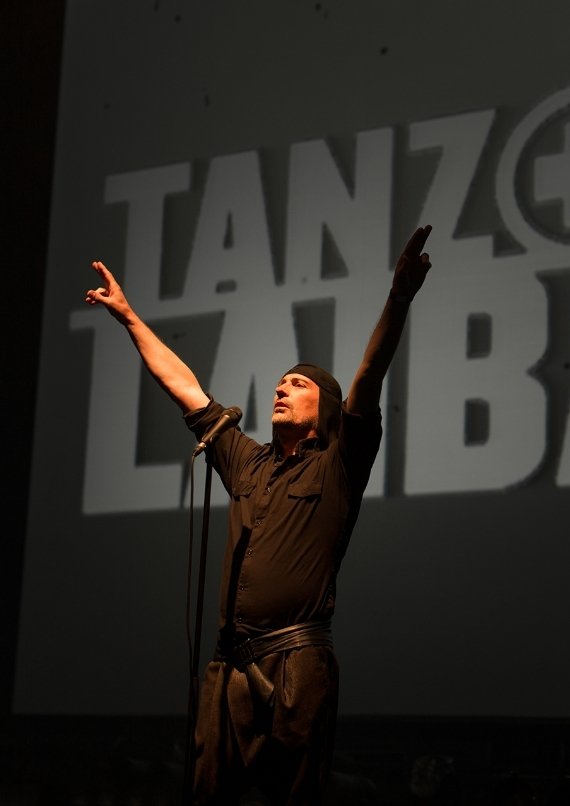
As part of the Spectre world tour, Laibach returned to the city after which it is named (Križanke 16. 5. 2014). The concert was clearly divided into three parts. In the first part, they presented material from the new album. With Milan Fras and Mina Špiler in the foreground and a recognizable animation in the background, the band replayed the new album and ended it with the song Whistleblowers. In the second part, they played some old songs from Brat moj through B Machina, Leben Tod to See that my grave and kept clean. For the third part or additions, they left Tanz mit Laibach and Das Spiel ist Aus. Laibach proved once again that they remain a young, agile and current band.
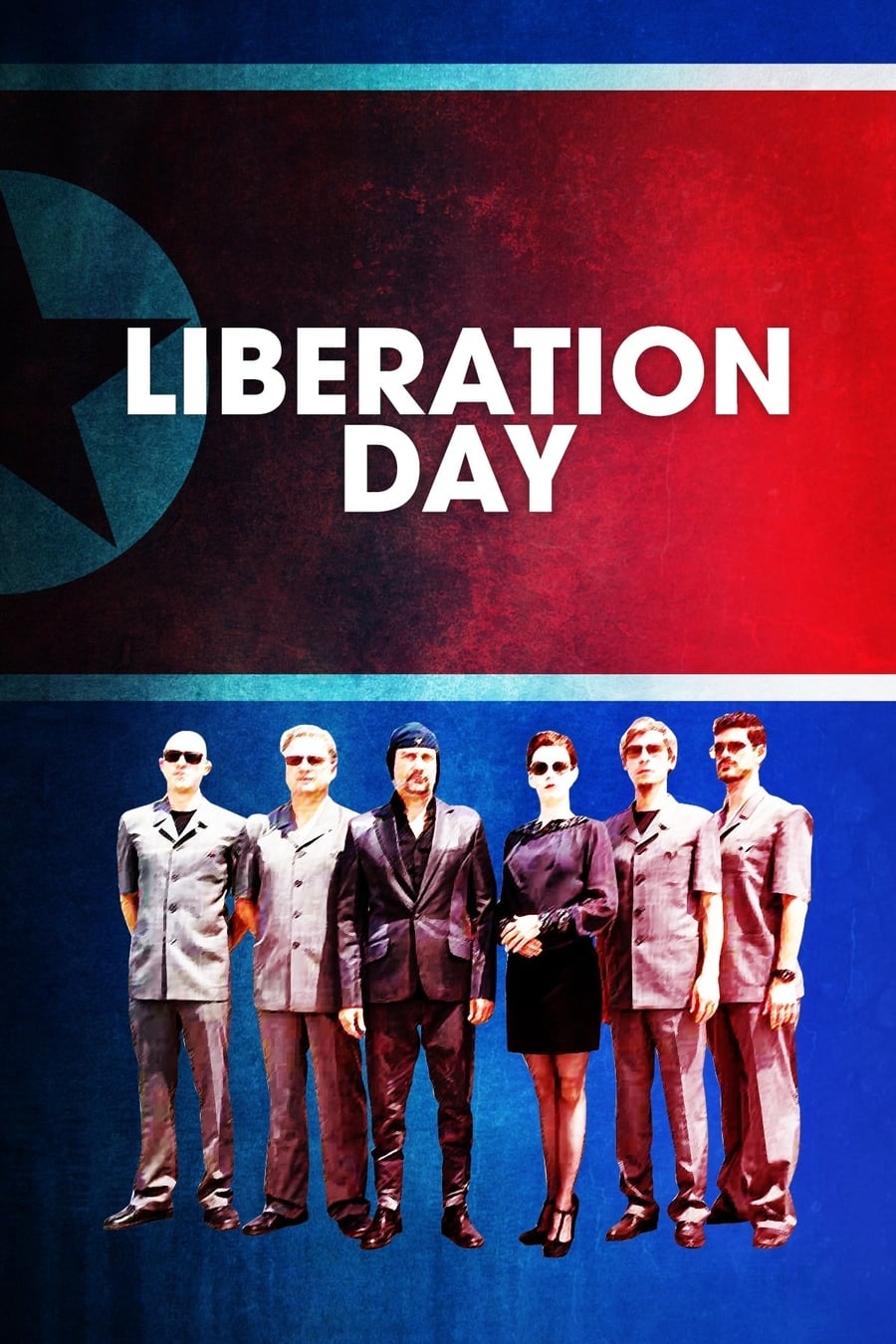
Under the loving but firm guidance of an old fan turned director and cultural diplomat, and to the surprise of a whole world, the ex-Yugoslavian cult band Laibach becomes the first rock group ever to perform in the fortress state of North Korea.
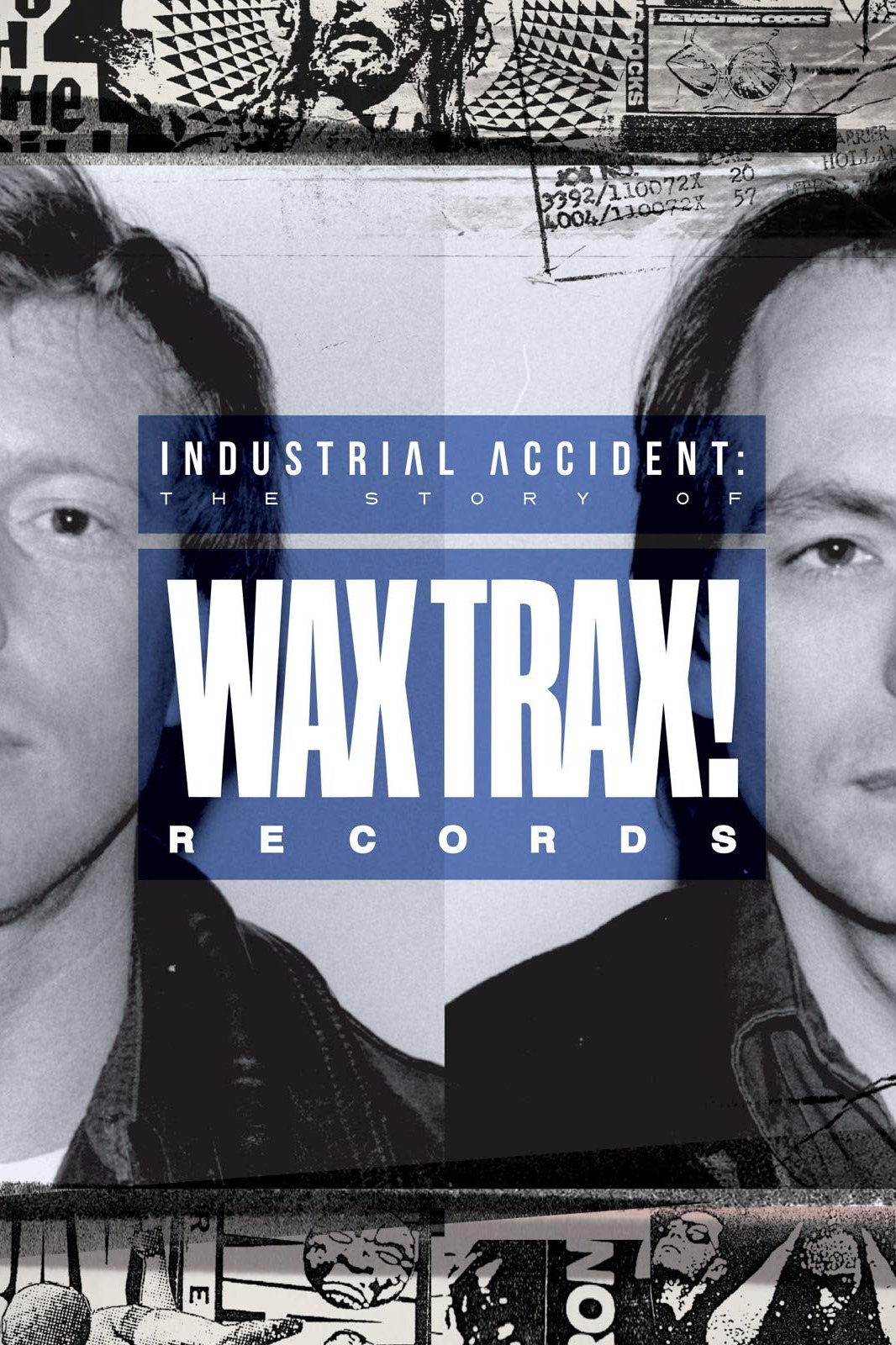
The true story of punks, queers, & criminals on a ride with two men who accidentally changed music along the way.

Video short film for So Long, Farewell from Laibach from the album "The Sound of Music".
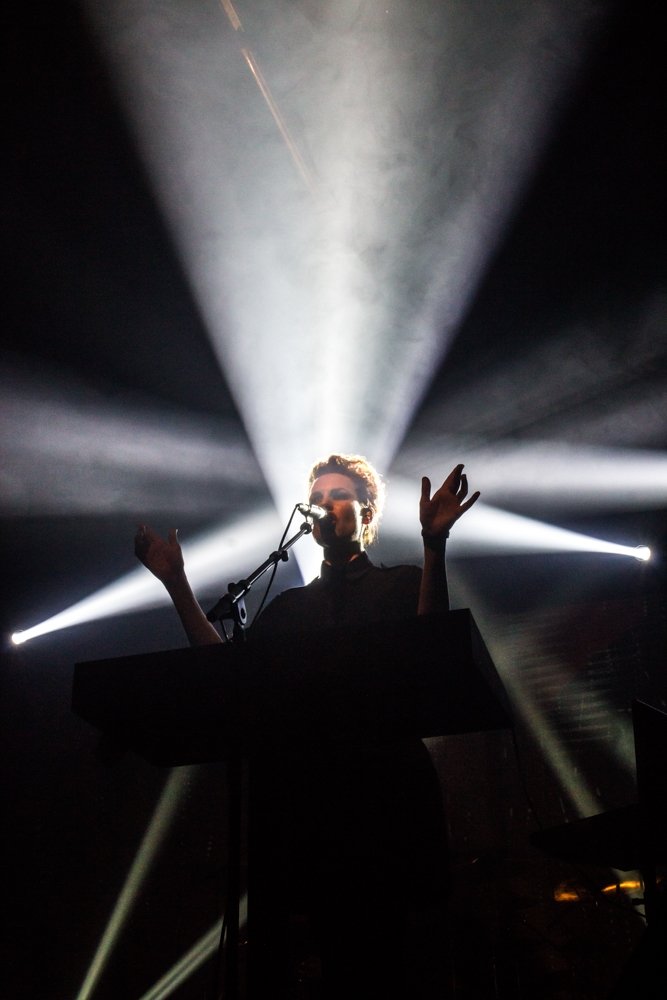
Laibach performing in Hamburg, Germany.
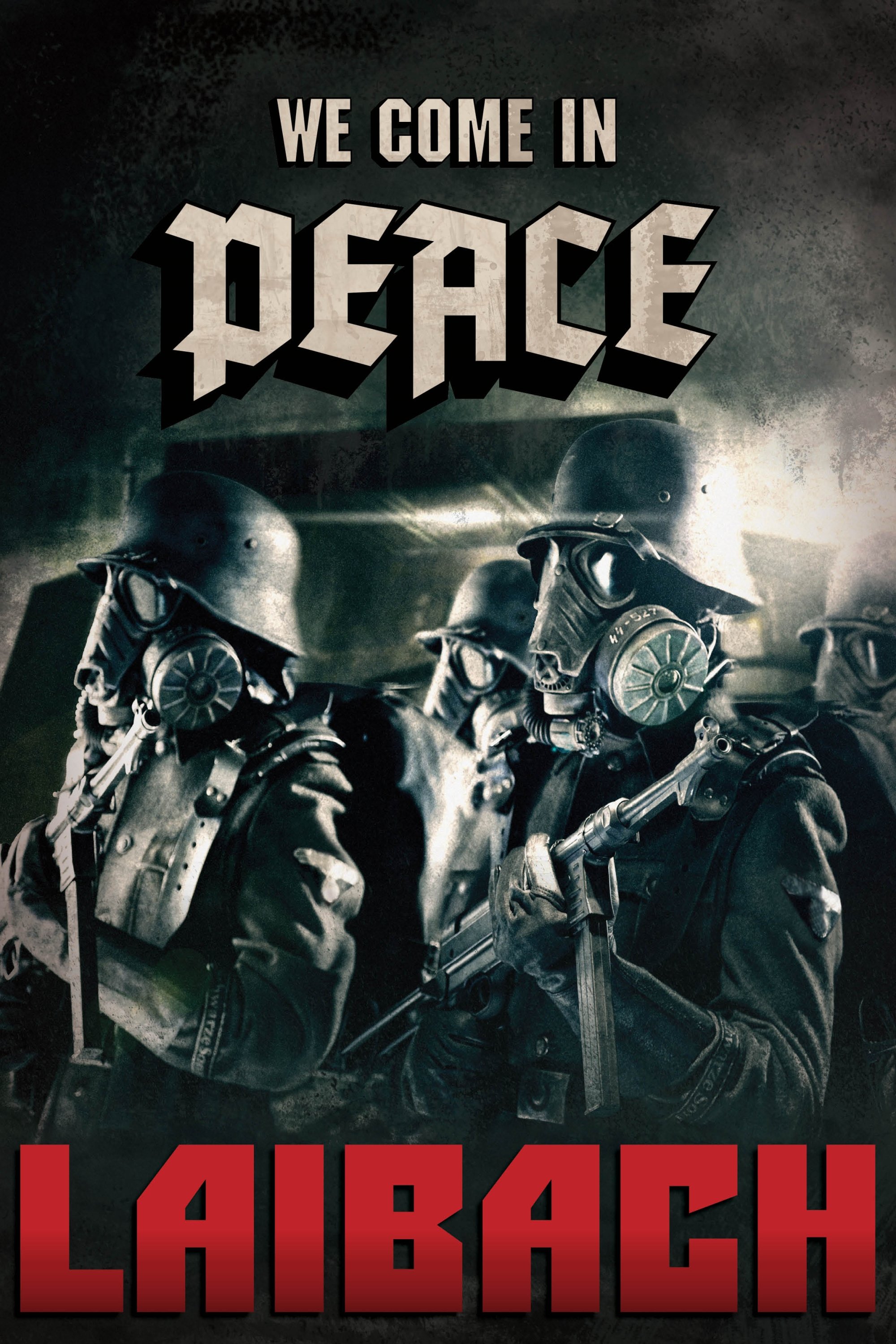
Laibach performing at Letno gledalisce Khislstein in Kranj, Slovenia.
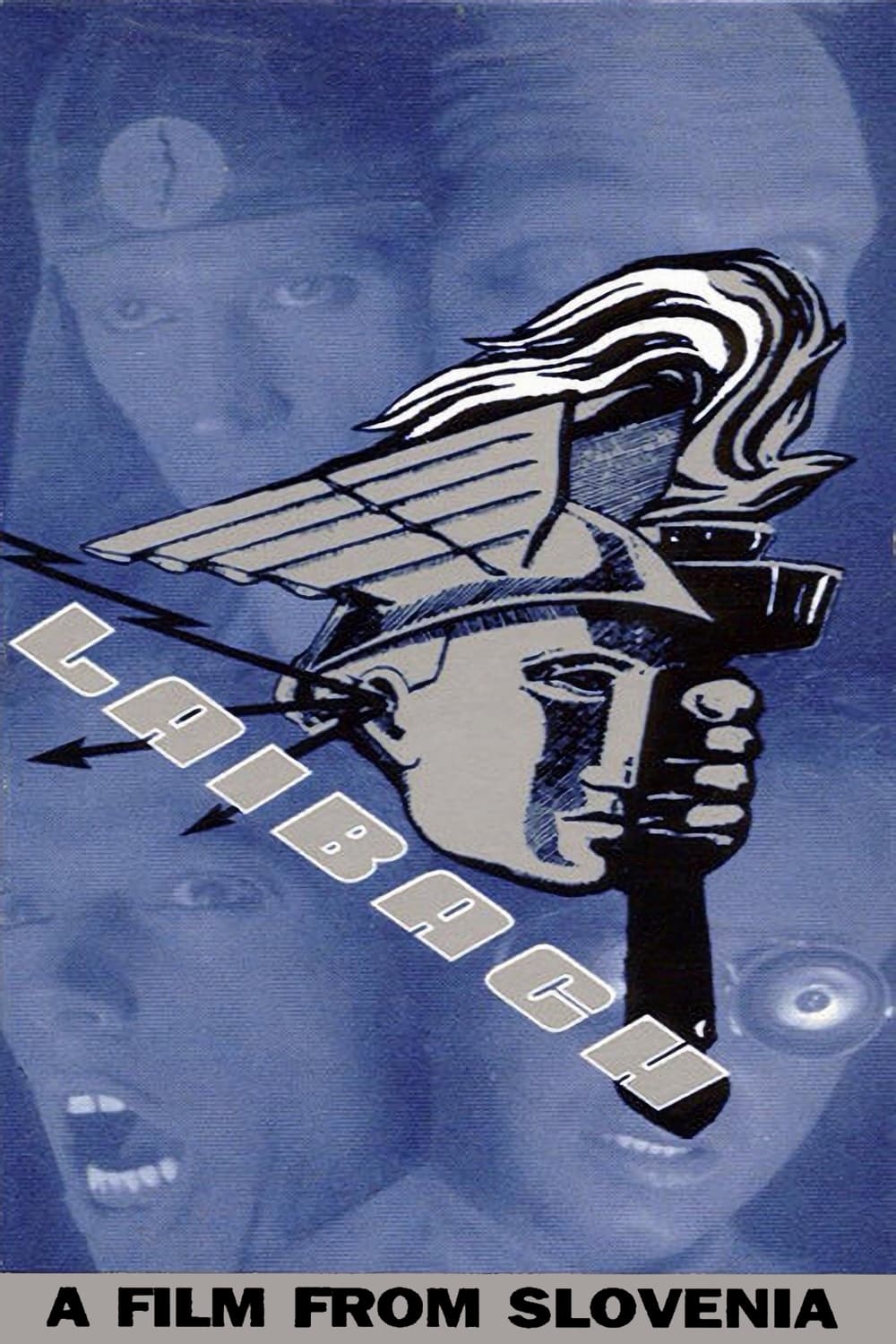
In the video film shots from the tour are interspersed with acted scenes, video clips and theoretical reflections of Slavoj Žižek and critic Chris Bohn. Together they form a compelling story about Laibach, controversial Slovene music group in the eighties.
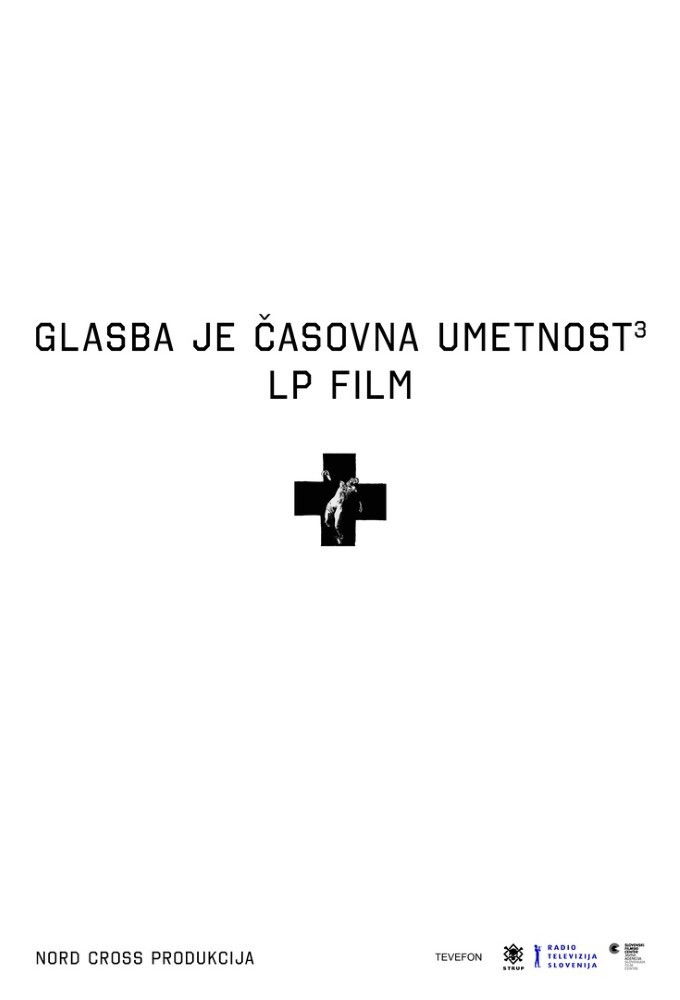
A film about the first Laibach album officially released in Yugoslavia. The record came out despite the political ban that was in place on the band's name at the time, in 1985 - but without the name or a title. A black cross on the cover was enough.
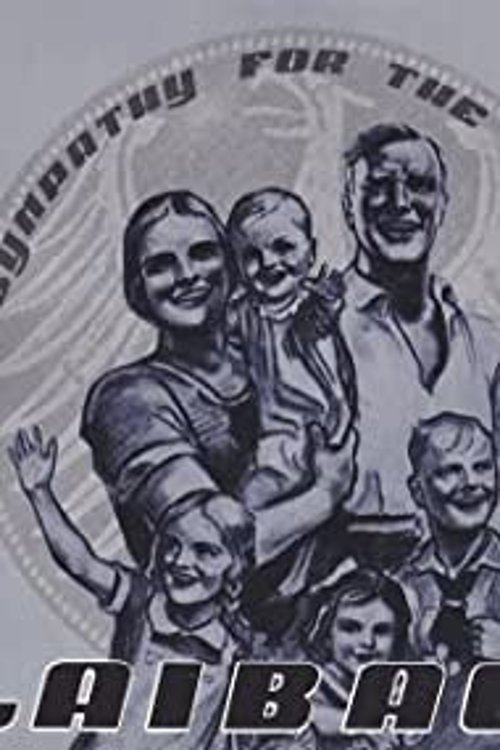
Music video for Laibach's cover of Rolling Stones' song "Sympathy for the Devil"
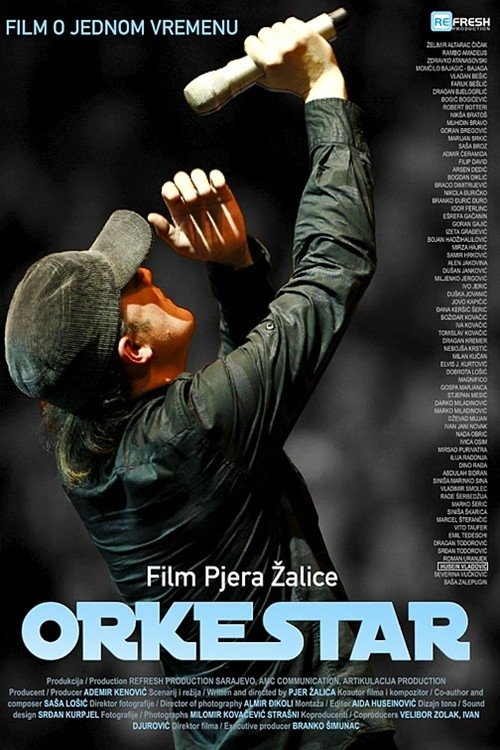
Story about Plavi orkestar (Blue Orchestra), a pop band from Sarajevo who were one of the biggest pop sensations in the 1980s Yugoslavia.