
Zeca tries to get up early to catch the bus and arrive an hour and a half later at the neighboring town’s school, where he works as a librarian. Waking up early is evermore difficult: something prevents him from maintaining his routine. One day, Zeca meets Louisa.

A middle-class Black family in Brazil copes with the election of a far-right extremist president. The mother believes that she's cursed after an unexpected encounter, while her husband puts all of his hopes into their son's soccer career.
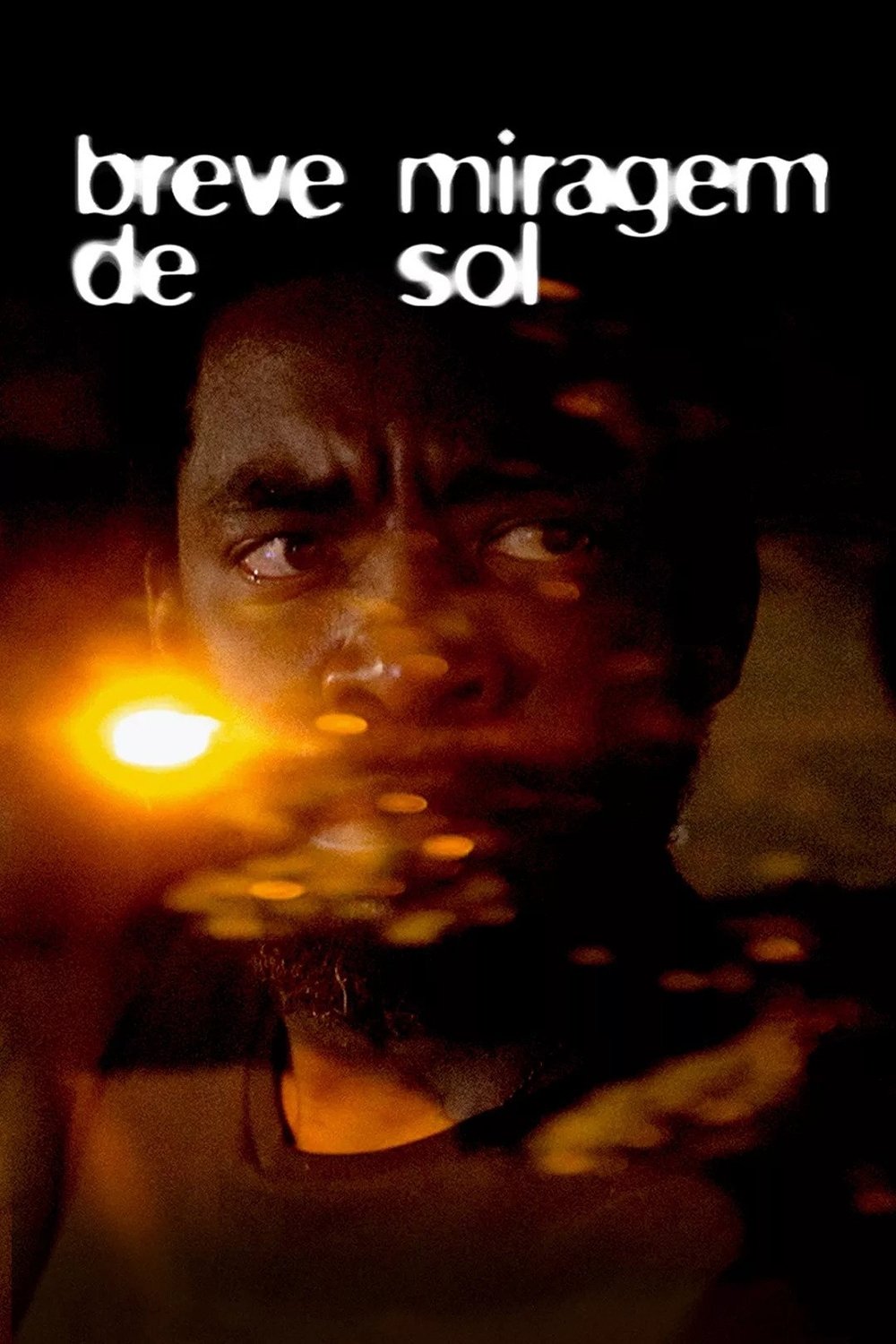
Down on his luck and recently divorced, Paulo has begun driving a cab around Rio, hoping he’ll make enough to send his ex money to support their ten-year-old son. He mostly works nights, so in addition to his encounters with a colourful variety of customers, colleagues, cops and others, he must cope with loneliness, fatigue and new faces in his life.

17-year-old Anderson steals a motobike in the outskirts of São Paulo. He wants to become a man, putting an end to years of exclusion and rejection, but he is faced with something he never learned to deal with: his own feelings.

The night of Belo Horizonte, Brazil, is a time capsule that relativizes the passage, blurs the senses, and recasts the definitions of future in the life of young Junior - who cannot wait to be emancipated from absolutely everything.



Bia just turned eighteen. The end of the year is coming and also the ACTs. People at school and Bia’s parents are pressuring her to decide which graduation she will apply for. Bia doesn’t want to do anything.
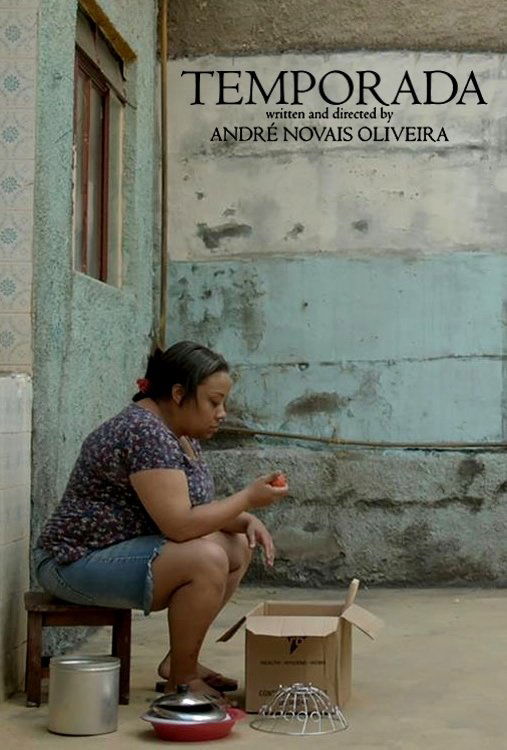
In order to take a new job as an employee in the public sanitation department, Juliana moves from the inner city of Itaúna to the metropolitan town of Contagem in Brazil. While waiting for her husband to join her, she adapts to her new life, meeting people and discovering new horizons, trying to overcome her past.
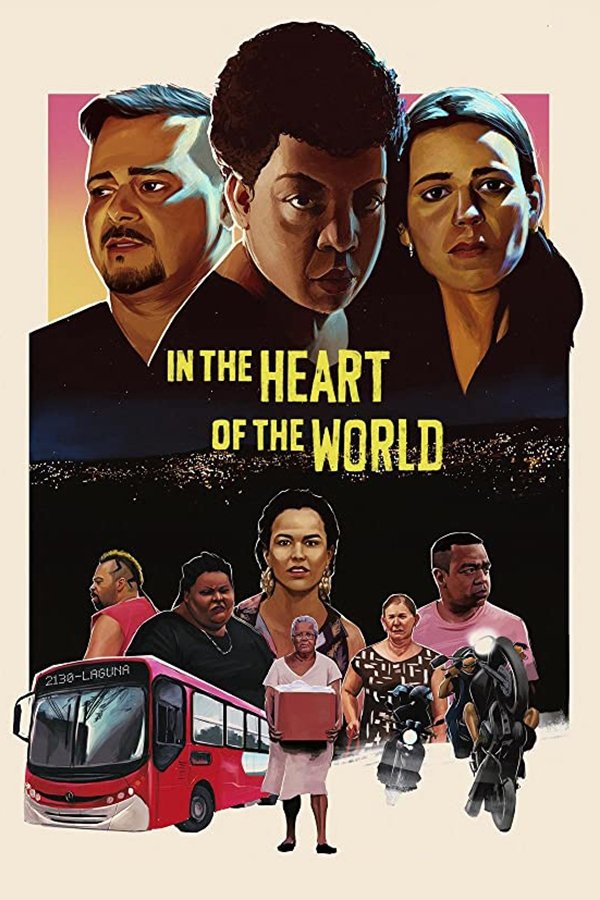
The inhabitants of the Brazilian city of Contagem yearn for a better life. At the core of it all is Selma, a woman dreaming about the heart of the world: it could be anywhere, as long as it's a place where to feel happier.
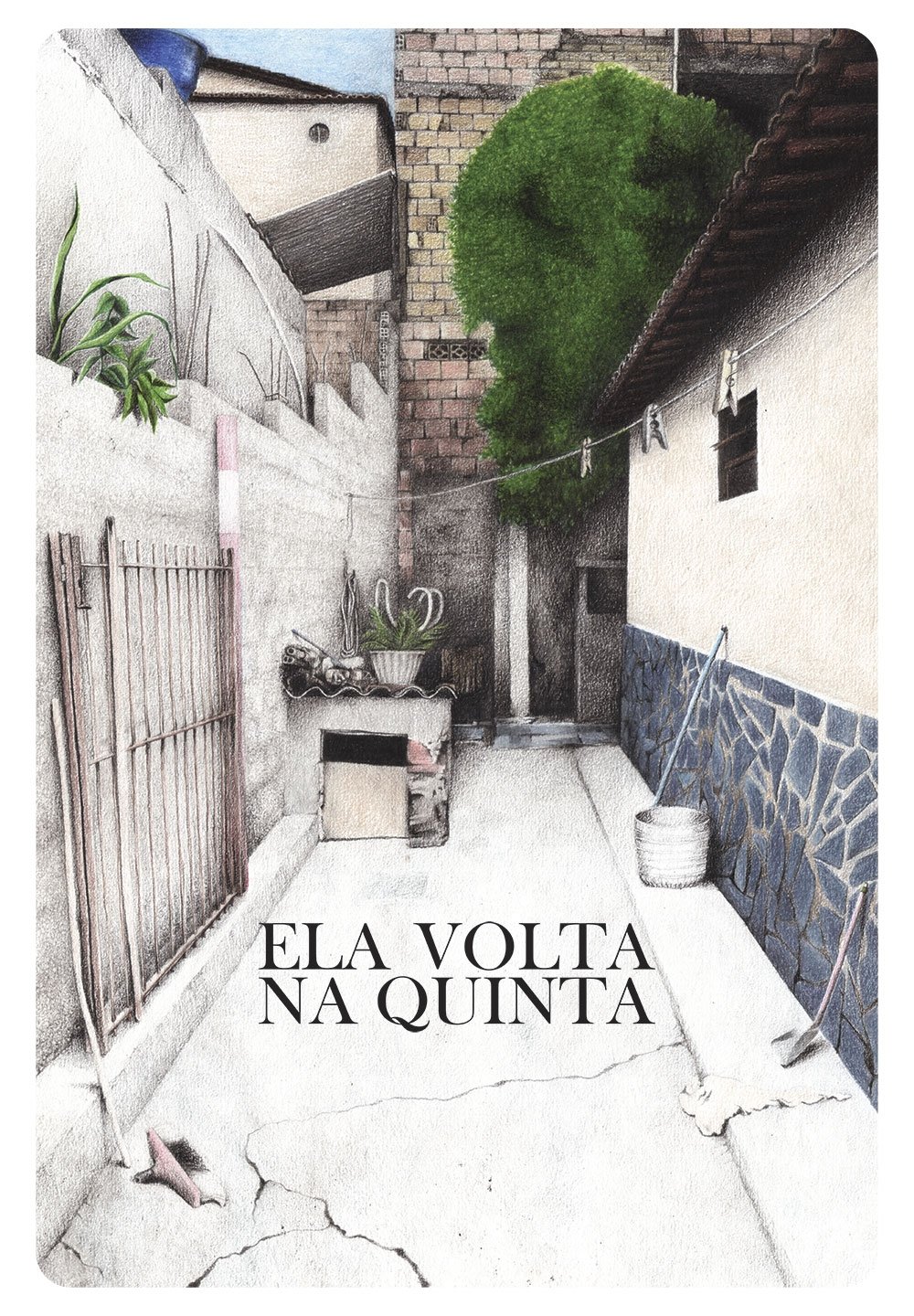
With its obvious simplicity, the film’s title happens to set the mood of the film, or at least its guiding principle: staying anchored in everyday life. More precisely, the life of Maria José and Norberto, who have been married for 35 years and who live in Contagem, in the suburbs of Belo Horizonte. Their marriage is on the rocks, which leads their two sons to also wonder about the future of their own relationships with their wives. The story is quite ordinary. How can one capture such an impercep- tible shift in the heart of the banality of things, only made more noticeable by a crisis? Filming his own family, his own parents, his brother and himself, André Novais Oliveira has chosen to take his time. He shots long sequences, leaving enough time for the fictional situations on which he puts his characters to grow and unfold. Then he uses wide frames to linger on more mundane, concrete or at times farcical moments: eating an orange, cooking, watching television...

Marta wants to give herself a chance to live a new life, in a new city.

Yeda, the green-faced woman, sells homemade bread to support the house where she lives with her sick husband. Through the context of green-faced people, we know the reality of those who live on the fringes of a purple-faced society.
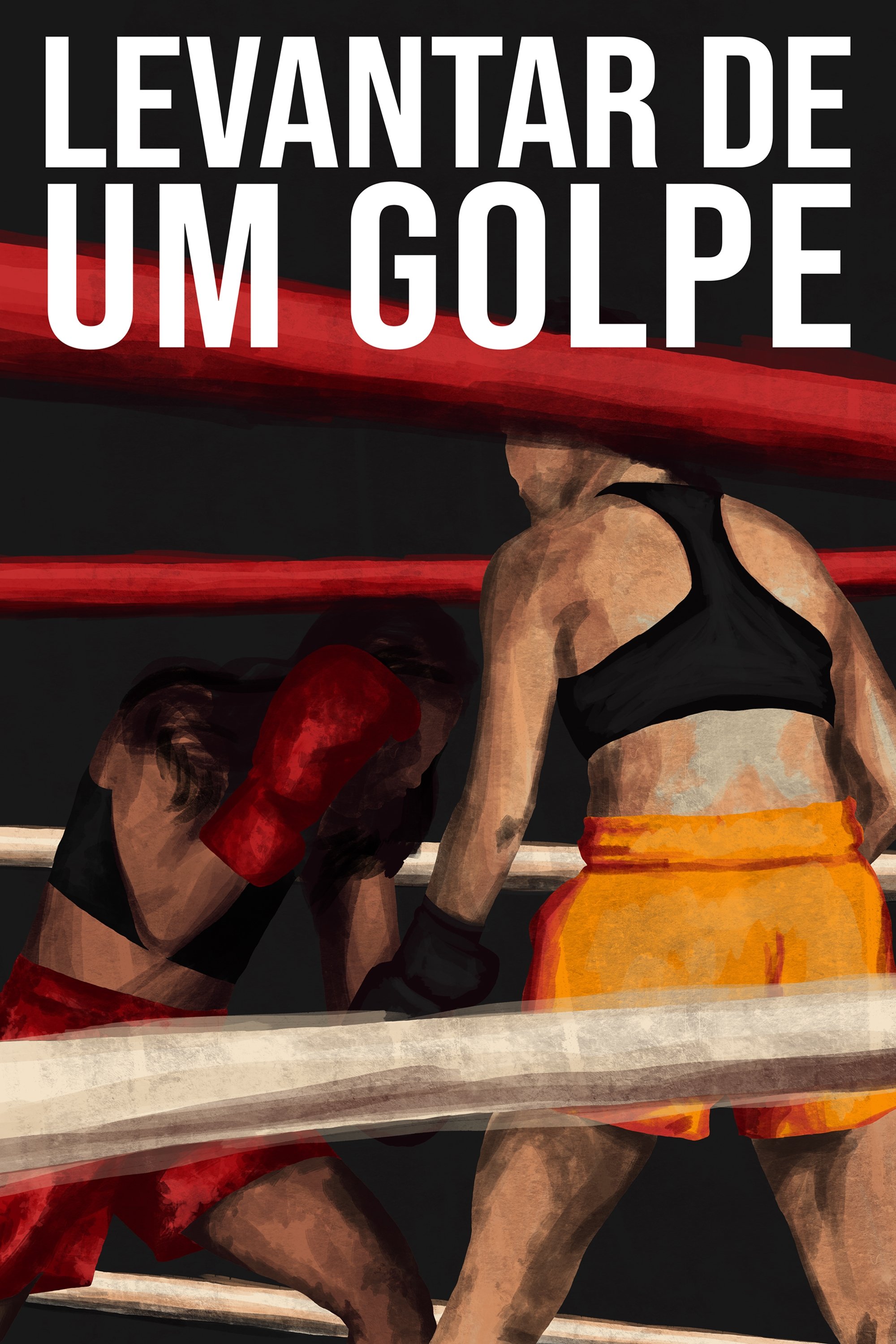
Through boxing Jessica pursue to overcome old traumas.
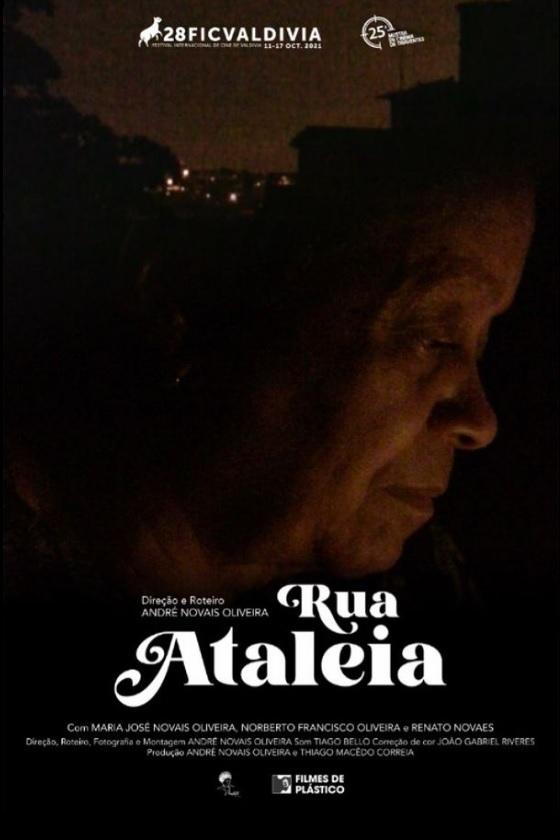
In 2011, during a blackout in an outskirt neighborhood’s street, a family – surrounded by candles that light conversations and thoughts – awaits the return of electricity. Now, ten years later, the light tries to impose its place towards the shadows of memory.

A couple obsessed by fireworks discovers the great Super Silver Star.

One day, Renato and Adriano decide not to work. They walk through the streets of Capão, while a film crew steals some shots.

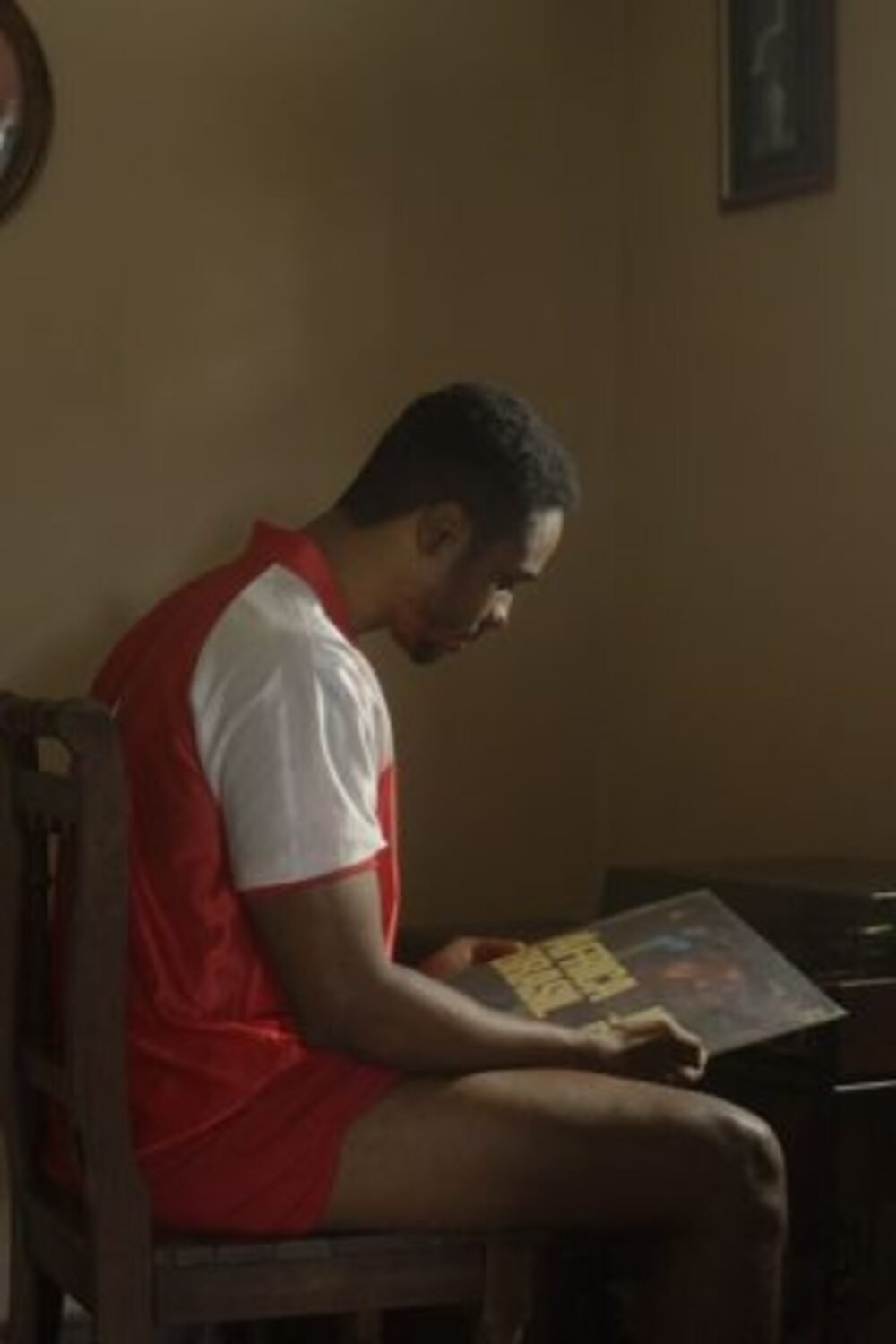
Travel through time without leaving your place.

The film tells the story of a woman who lives in a village of mining workers.

André, a teenager, lives in an industrial town in Brazil near an old aluminum factory. One day, a factory worker, Cristiano, suffers an accident. Asked to go to Cristiano’s house to pick up clothes and documents, André stumbles on a notebook, and it’s here that Araby begins — or, rather, transforms. As André reads from the journal entries, we are plunged into Cristiano’s life, into stories of his wanderings, adventures, and loves.