
Bosco Hogan plays Joyce's alter-ego, Stephen Daedelus, growing up in Ireland in the early part of the 20th century, and at odds with the strictures of his Catholic home and family. The film charts his search for knowledge and understanding, during a decline in his family's circumstances, that leads him to revelations on the nature of art, beauty, and politics. However, his personal renaissance makes him feel unwelcome in his own country, and forces him to make a choice between exile as artist or staying and facing personal defeat.
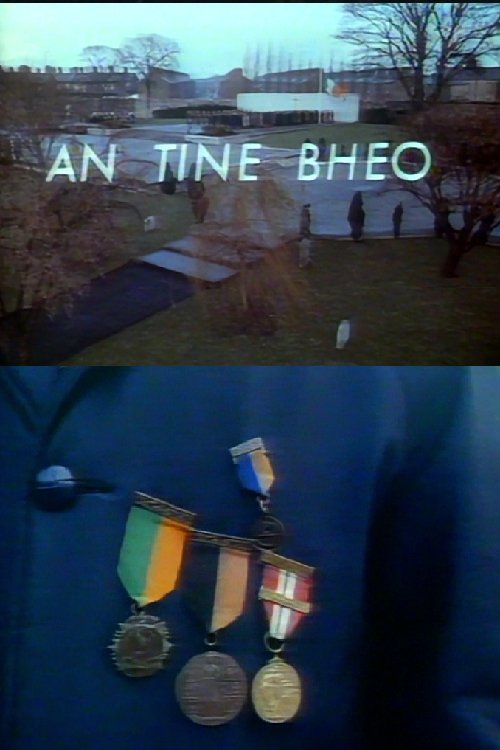
Commemoration of the 1916 Easter Rising in Ireland, commissioned for its 50th anniversary.
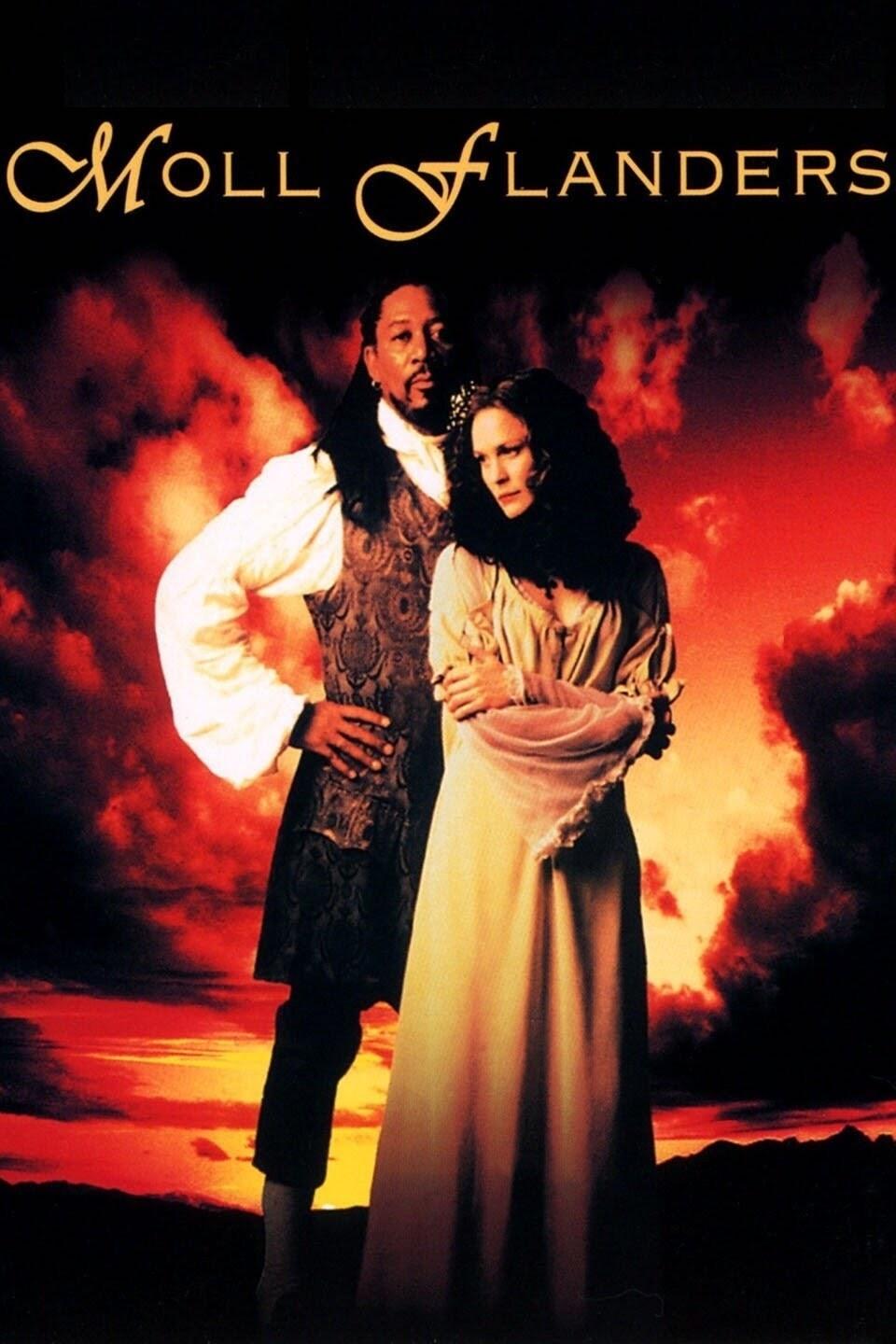
The daughter of a thief, young Moll is placed in the care of a nunnery after the execution of her mother. However, the actions of an abusive priest lead Moll to rebel as a teenager, escaping to the dangerous streets of London. Further misfortunes drive her to accept a job as a prostitute from the conniving Mrs. Allworthy. It is there that Moll first meets Hibble, who is working as Allworthy's servant but takes a special interest in the young woman's well-being. With his help, she retains hope for the future, ultimately falling in love with an unconventional artist who promises the possibility of romantic happiness.
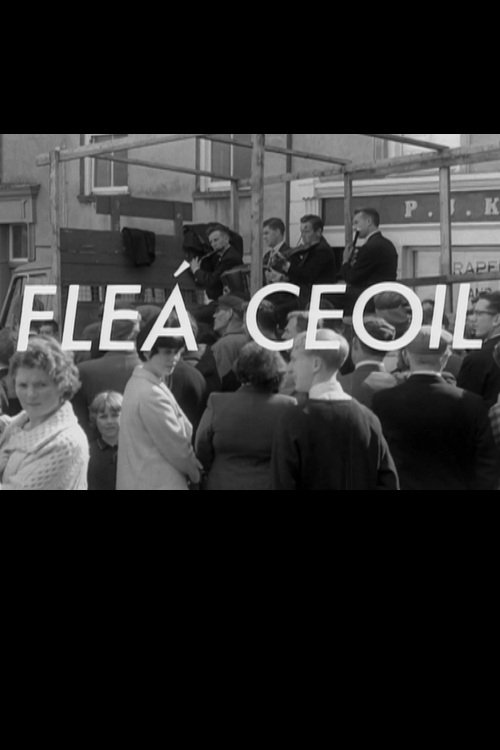
Irish and international folk musicians listen to and play music, sing, dance and drink, and enjoy the craic at a ‘Fleadh’ – a traditional Irish music festival – described as the ‘Mardi Gras of Ireland’ in 1960s Kilrush, county Clare.

Dublin; June 16, 1904. Stephen Dedalus, who fancies himself as a poet, embarks on a day of wandering about the city during which he finds friendship and a father figure in Leopold Bloom, a middle-aged Jew. Meanwhile, Bloom's day, illuminated by a funeral and an evening of drinking and revelry that stirs paternal feelings toward Stephen, ends with a rapprochement with Molly, his earthy wife.