Television special of five episodes directed by Alfredo Di Laura dedicated to the exhibition "Attivo. Performance e Dibattiti" curated by Tommaso Trini.
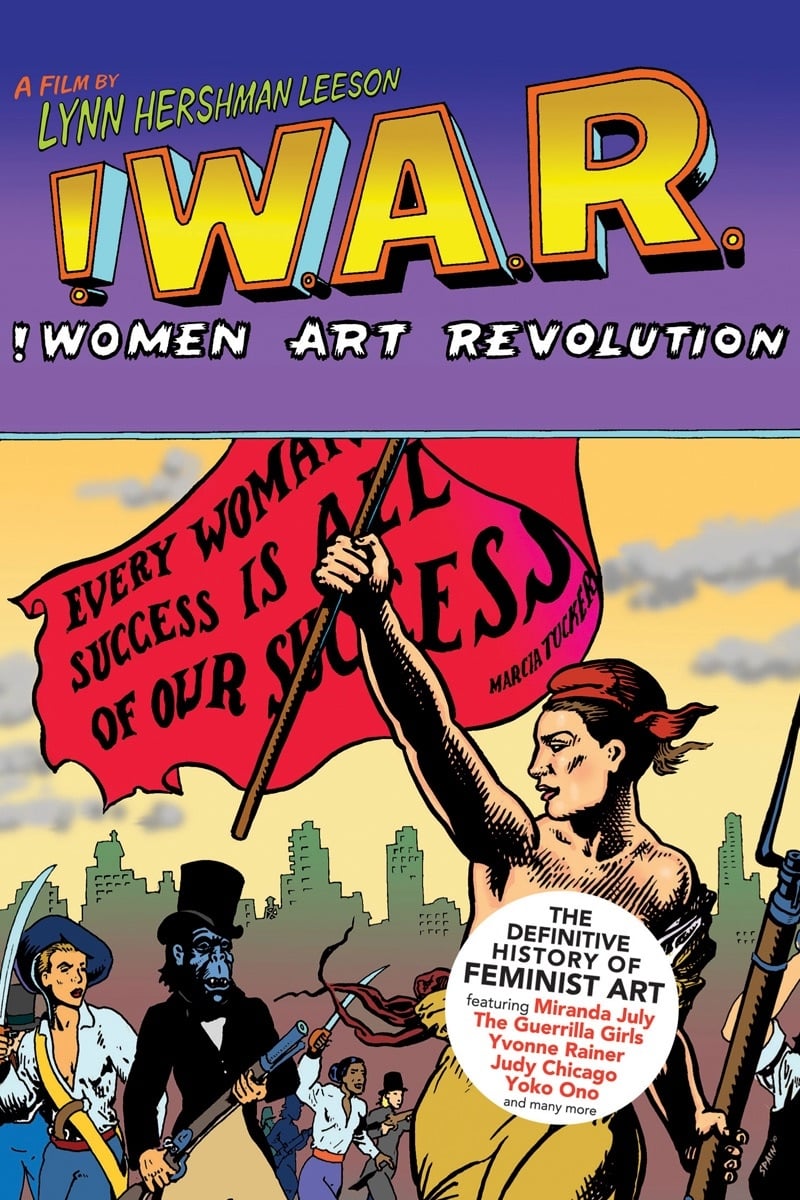
Through intimate interviews, provocative art, and rare, historical film and video footage, this feature documentary reveals how art addressing political consequences of discrimination and violence, the Feminist Art Revolution radically transformed the art and culture of our times.
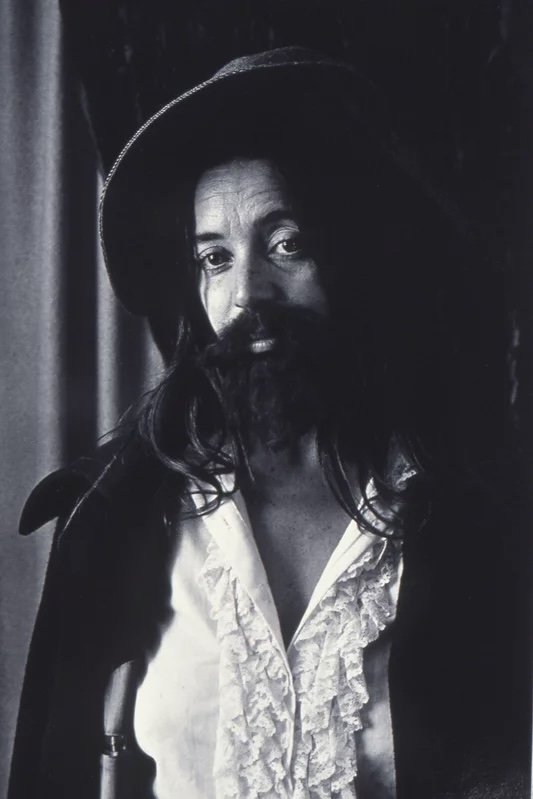
Writes Antin: "Applying hair to her face, the artist moves through a variety of bearded faces seeking the identity most appropriate to her facial structure and satisfying to her aspirations." Antin transforms herself into a man and adopts one of her recurring performance personae, "The King."
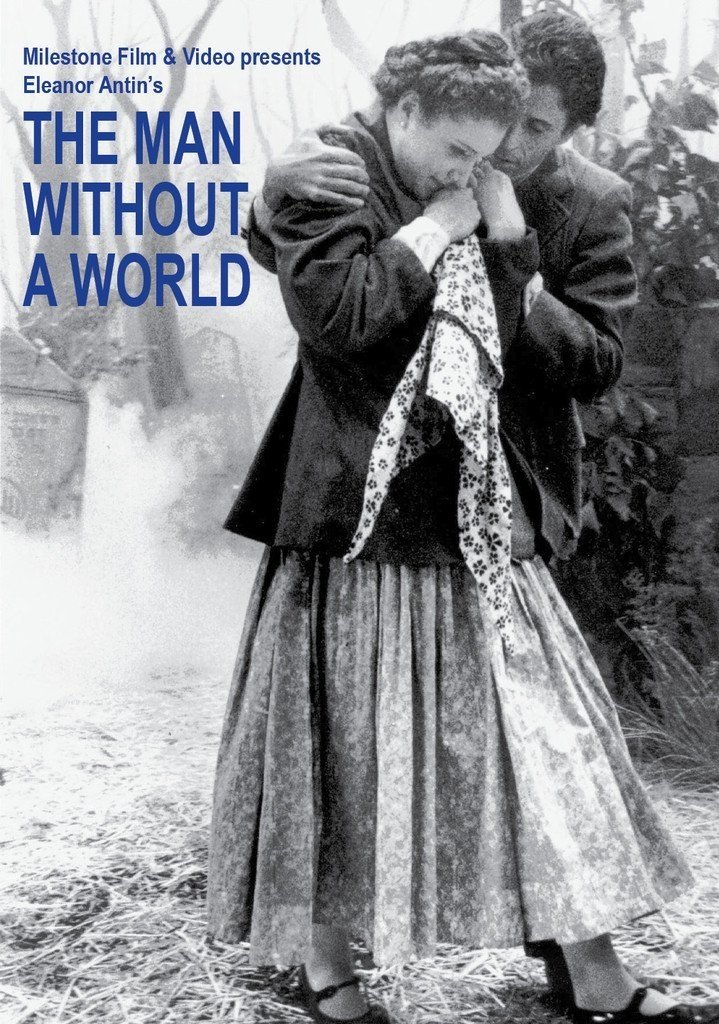
The Man Without a World is credited to the legendary (and imaginary) 1920s Soviet director, Yevgeny Antinov. But the film is anything but old. In fact, Antinov himself is the creation of contemporary filmmaker Eleanor Antin. Her film is a moving, comic melodrama set in a typical shtetl (village) in Poland. The Jews’ struggle against poverty and racial hatred is complicated by their own division into hostile political factions of the religious orthodoxy, assimilationists, socialists, Zionists, anarchists and survivors. While the Jews of the shtetl pursue their loves, politics, religion, business and dreams for the future, the Angel of Death is ever near...
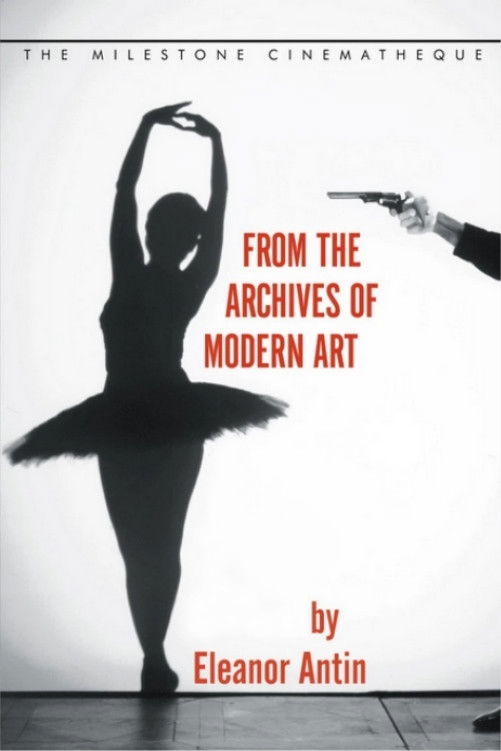
In this work of documentary fiction, an archivist attempts to put together the "lost years" of Eleanor Antinova, the once-celebrated black ballerina of Diaghilev's Ballets Russes, when she returned to her native America to eke out a meager living in vaudeville and early cinema. Eleanor Antin uses fictional characters, autobiography, and narrative to invent histories and explore what she calls "the slippery nature of the self".