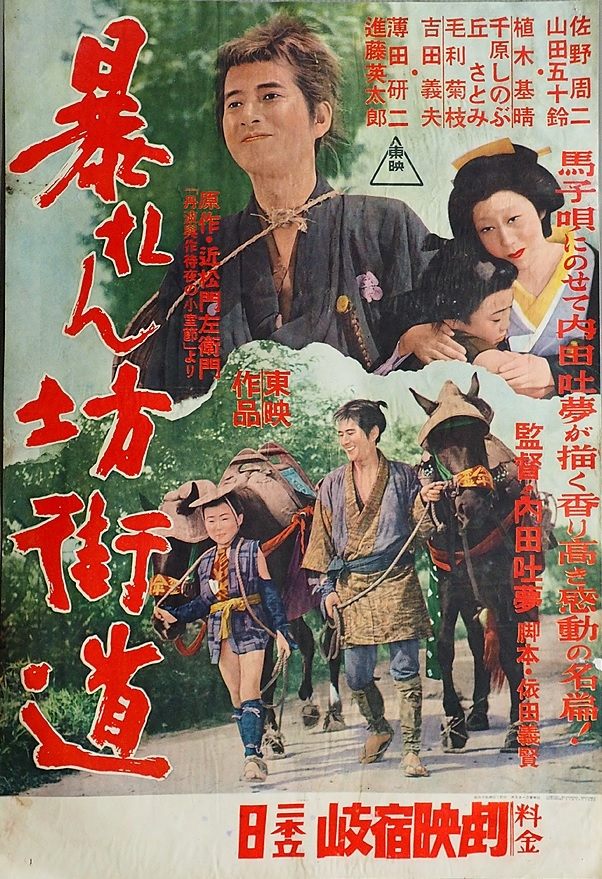
A humble page fathers a child by the daughter of a clan official and is banished. Years later, the child, now a stable boy, is reunited with his father, but feudal codes threaten their happiness. Uchida’s poignant masterpiece condemns the inflexible class system and launches an indictment of values that favor symbolic objects over human life. The film’s focus is on character rather than swordplay, and charged performances - especially child actor Motoharu Ueki - add to the emotional power.
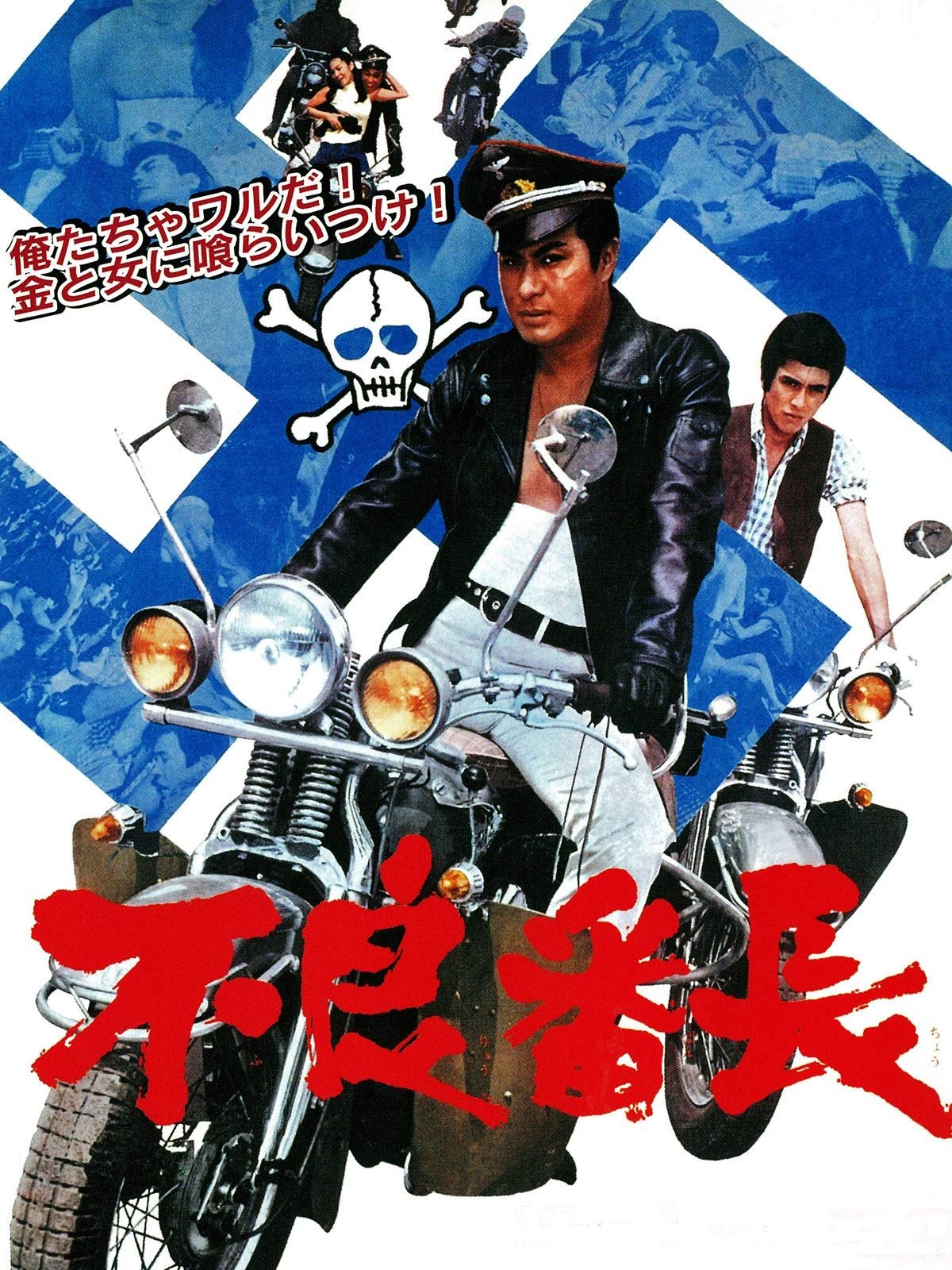
The first in what would become Toei's most successful, longest-running bosozoku film series. It lasted from 1968 till 1972 through sixteen films.
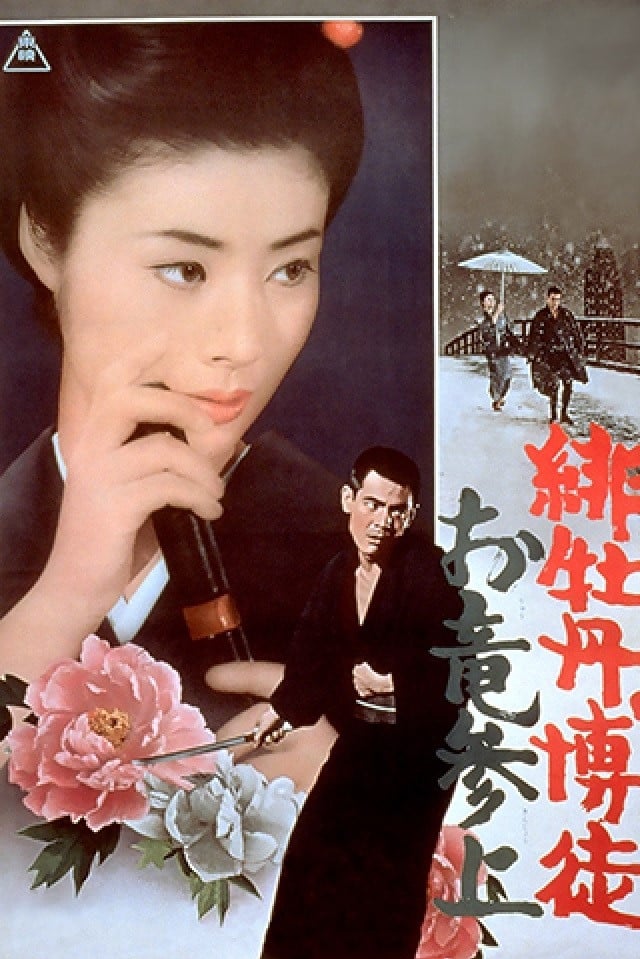
Oryu searches for blind child she left behind and get involved in a Yakuza turf war that takes place in the Tokyo Theater.
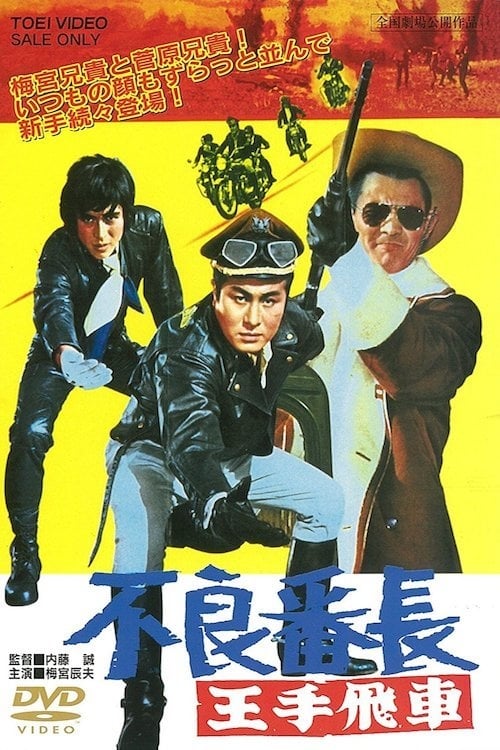
This is the sixth film in the series. There were seventeen Wolves of the City films between 1968 & 1974, in the main aimed at shock-value & “pinku” soft-core with sex, nudity, violence, gunplay, & a lot of mainly pointless foolishness when the biker gang coopts racist or nazi imagery, inventing a non-existent youth culture void of morality…

After helping a pregnant girl escape from their reform school and facing the resulting punishment, a clique of delinquent girls eventually reunites a year later in Tokyo to face different challenges in the form of yakuza and… street vendors.
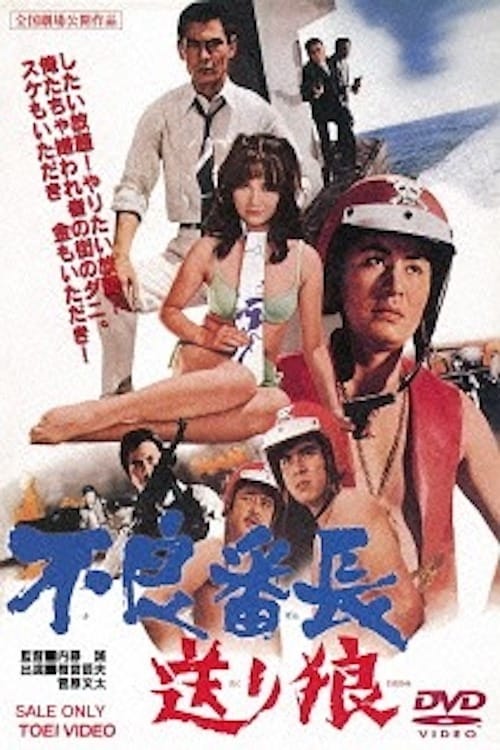
Rivalry between a hoodlum group and gangster organization.
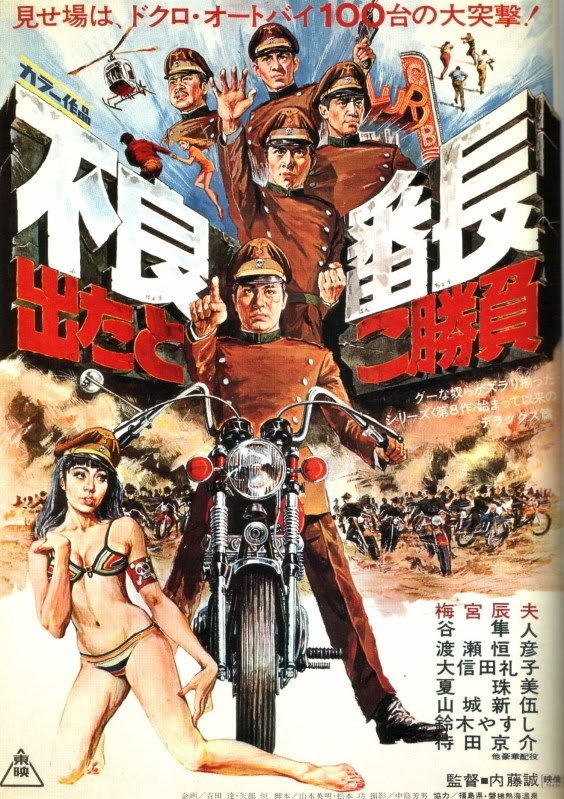
The hoodlum group goes to a hot-spring resort town to earn money.
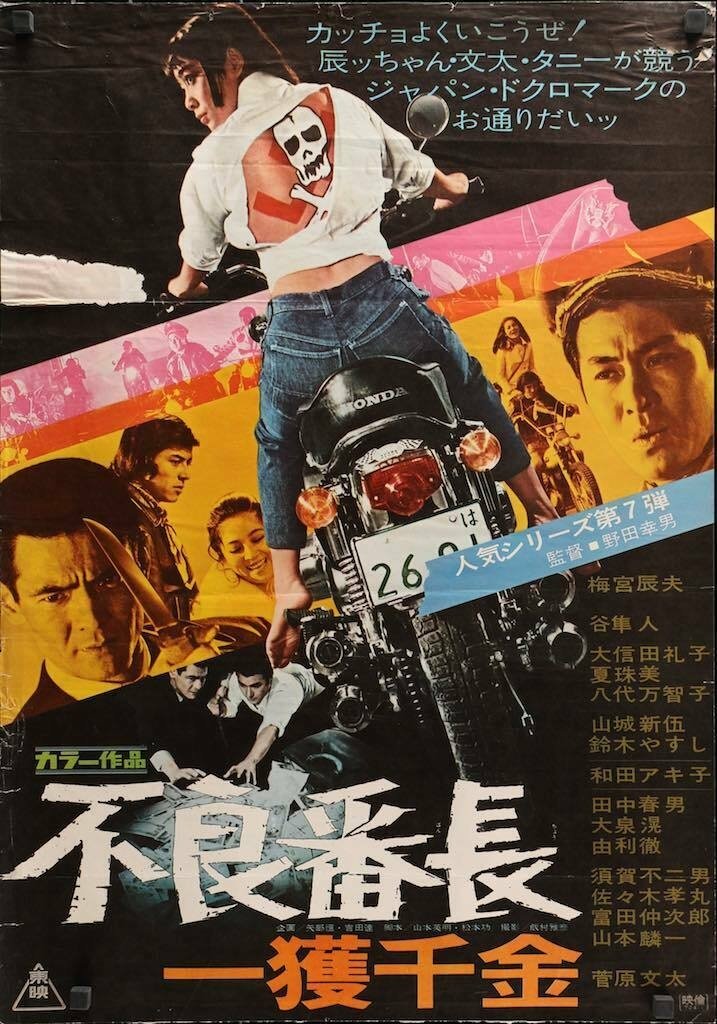
The hoodlum group tries to help a little printing factory against gangsters.

Hidejirō is sent to prison after killing the boss of a rival family. After being released, he discovers that his family has scattered and he is taken in by a company of quarry workers, whose boss has a strict code of non-violence. When the rival family tries to take over the company and kills their boss, Hidejirō must choose between his promise of non-violence and his yakuza code of revenge...
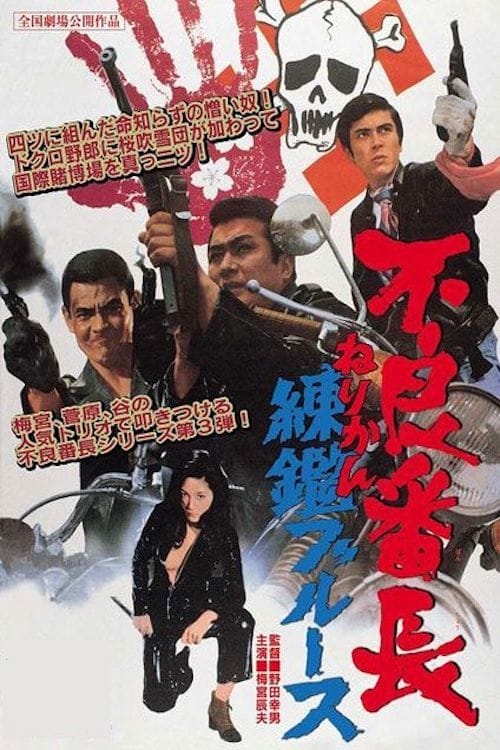
A story of rivalry between two gambling clans.
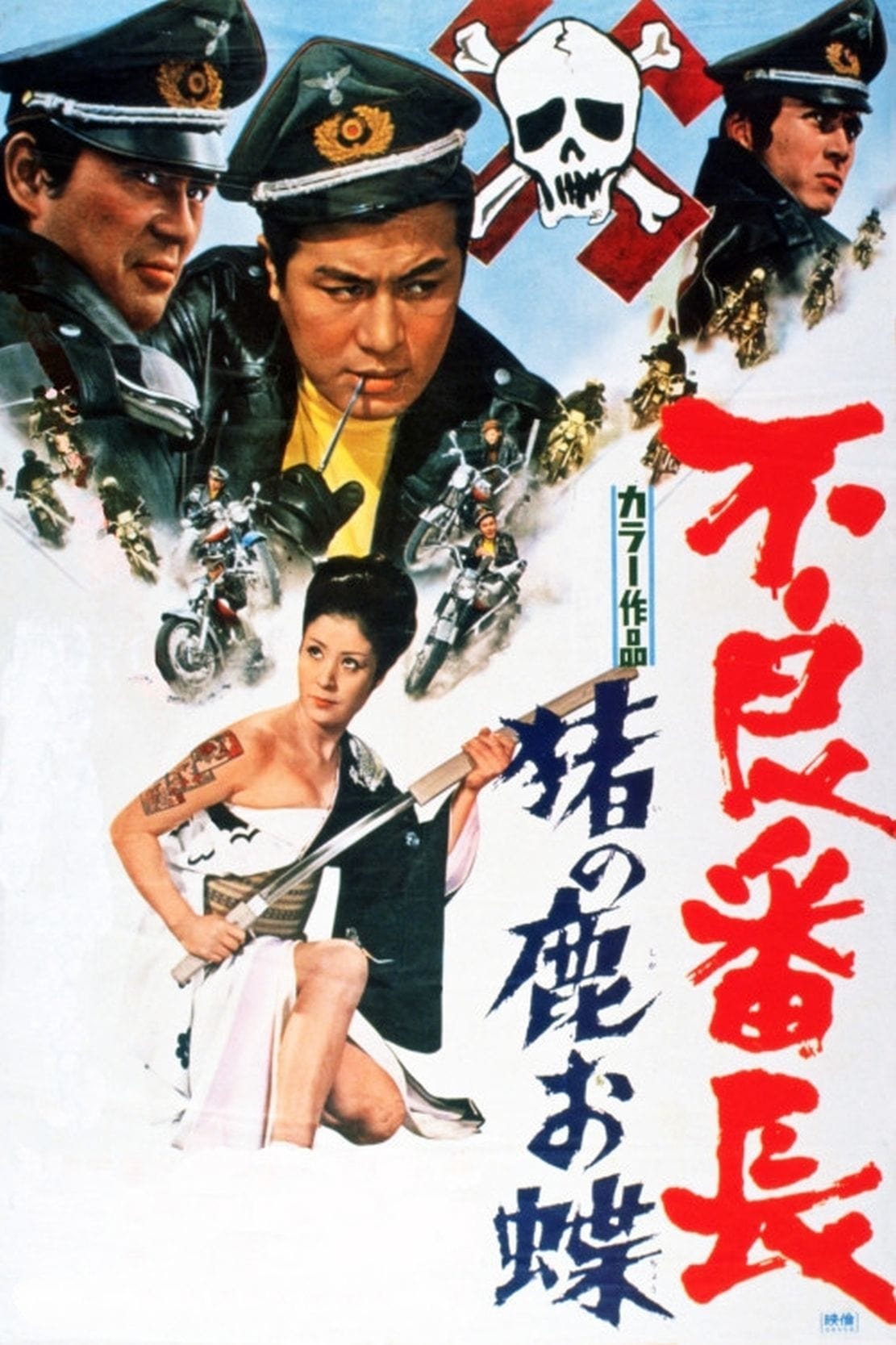
Kosaka Hiroshi is a small time swindler and the boss of a motorcycle gang in Shinjuku. Living only to make money, he never made the big time until he gets involved with a Yakuza's daughter. But when he gets involved in a scheme to blackmail a Yakuza gang and a land developer, he realizes he's gone way over his head…
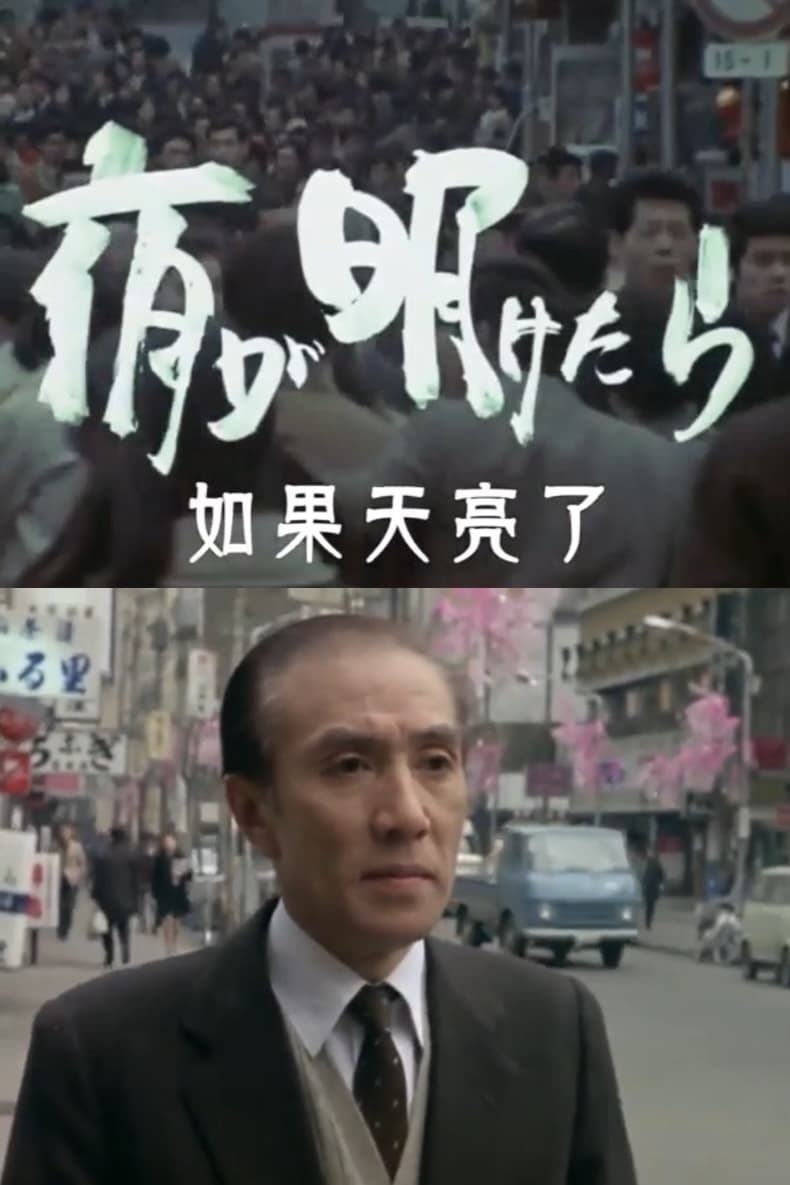
In a bustling shopping district, a humble tailor accompanies his daughter for an afternoon out — until a trio of thugs begin harassing her in broad daylight. Unable to stay passive amidst the crowd’s indifference, he intervenes with tragic results. Two years later, having served time for excessive self-defense, he remains haunted by both the violence and the apathy of society. A veteran detective, still unsettled by the case, notices the tailor quietly providing money to the same thugs. What drives him? A modern horror tale with social undertones, adapted from Futaro Yamada’s short story “The Black Curtain,” this episode merges psychological unease, moral ambiguity, and a chilling critique of bystander indifference.
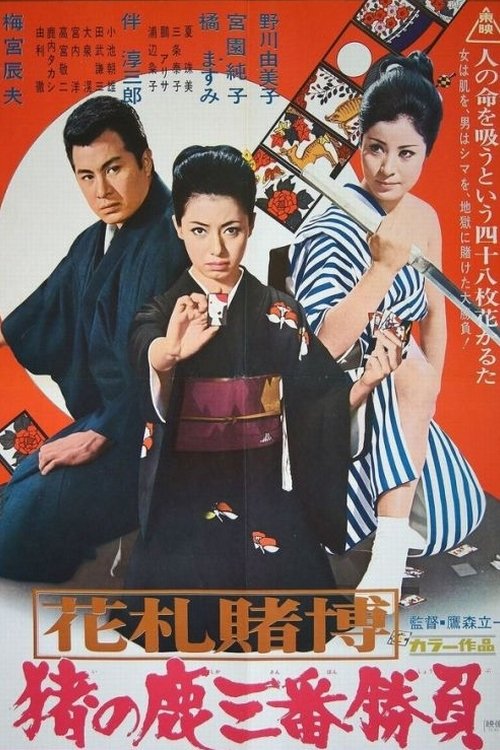
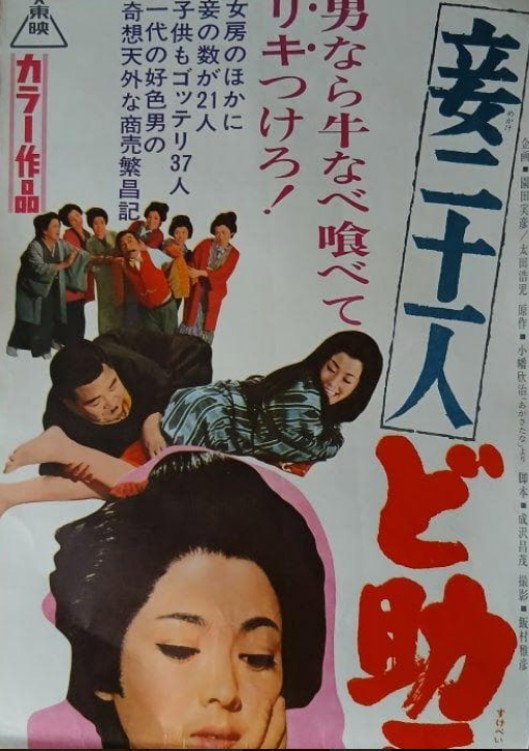
Teppei Omori is a man of extraordinary virility, with 21 mistresses, over 30 children, and more than 1,100 women he has had relations with. Teppei's daily routine involves visiting each of the beef hot pot restaurants, "Akasatana," run by his mistresses, to collect the sales and keep an eye on the women. One day, Noe, one of his mistresses at the first branch, announces that she wants to marry Urakawa, the chef. The other mistresses, in the prime of their lives, can no longer be content with working for him only once a month, and they compete for Teppei's attention, cheating on him behind his back.