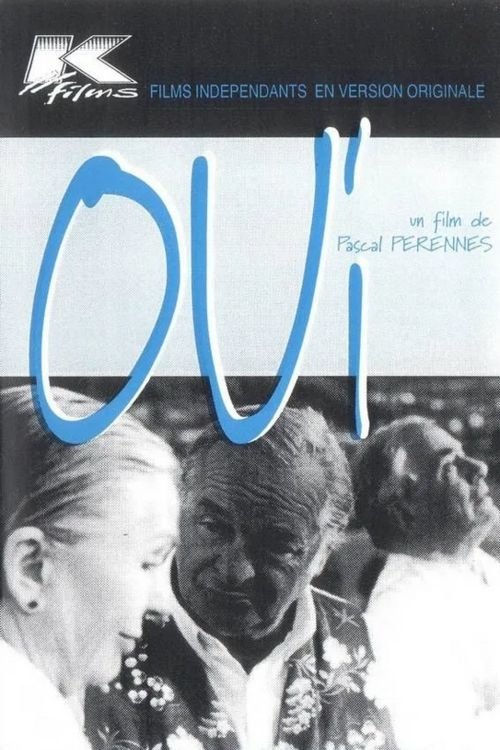
The crossroads of three characters: an old doctor with a general view of the world, a mother having difficulties in recovering her baby that she abandoned, and finally her young sister, a high school runaway in the heart of the problems of the suburbs. All three will meet around the Platonic tripartition, taken up by Paul Valéry: "To know... To be able... To want... Here is the triple key".
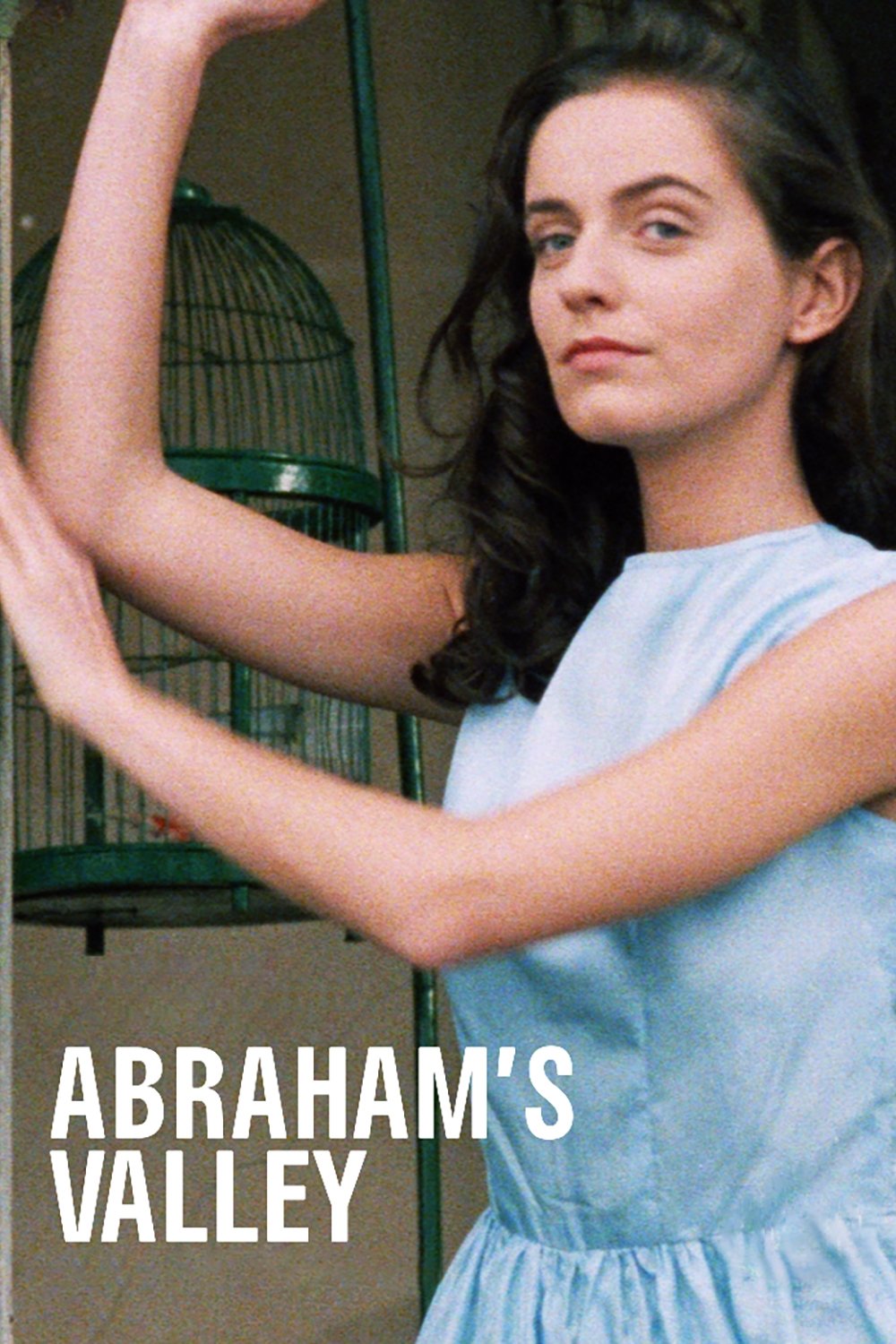
Ema is a very attractive but innocent girl, so pretty that cars crash in her presence. In her youth she marries Dr. Carlos Paiva, her father's friend, to whom she is not attracted. They move to the valley of Abraham. Carlos loves her, but decides to sleep in a separate room to avoid waking Ema when he has to return late at night. As time goes by she begins to feel unhappy about her marriage, so she finds a new lover.
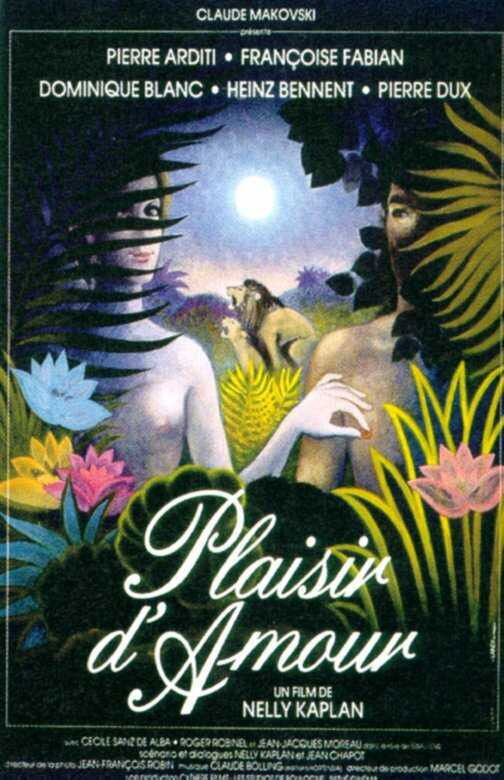
Guillaume de Burlador is a private tutor who hits a low point sufficiently severe for him to contemplate a somewhat theatrical suicide. Instead he is taken off by flying boat to a mad French colonial possession bedecked by mad servants and crazy decor. Three educated and rather gorgeous women live there, and they hire him to tutor a young teenager, but more with plans to seduce him in mind.

Manoel is an aging film director who travels with the film crew through Portugal in search of the origins of Afonso, a famous French actor whose father emigrated from Portugal to France and in process remembers his own youth.
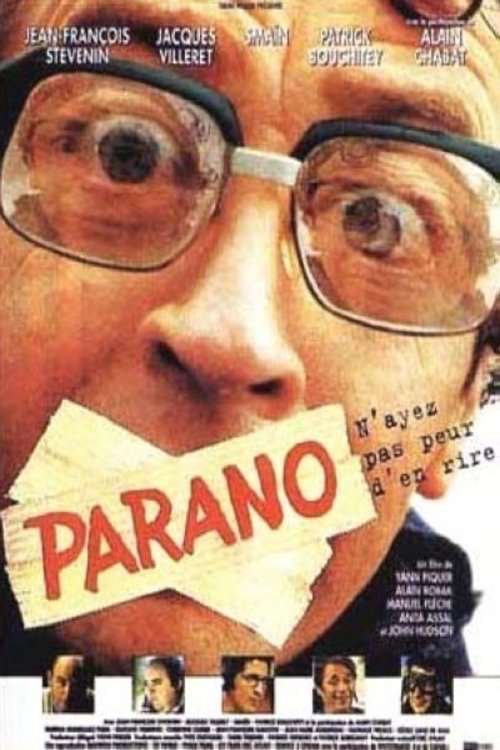
An anthology movie comprising four weird stories. Like the Twilight Zone movie but strictly played for laughs. There’s a bit of everything, car explosions, french debauchery, serial-killers, crazy broads, silly humor and naughty language…
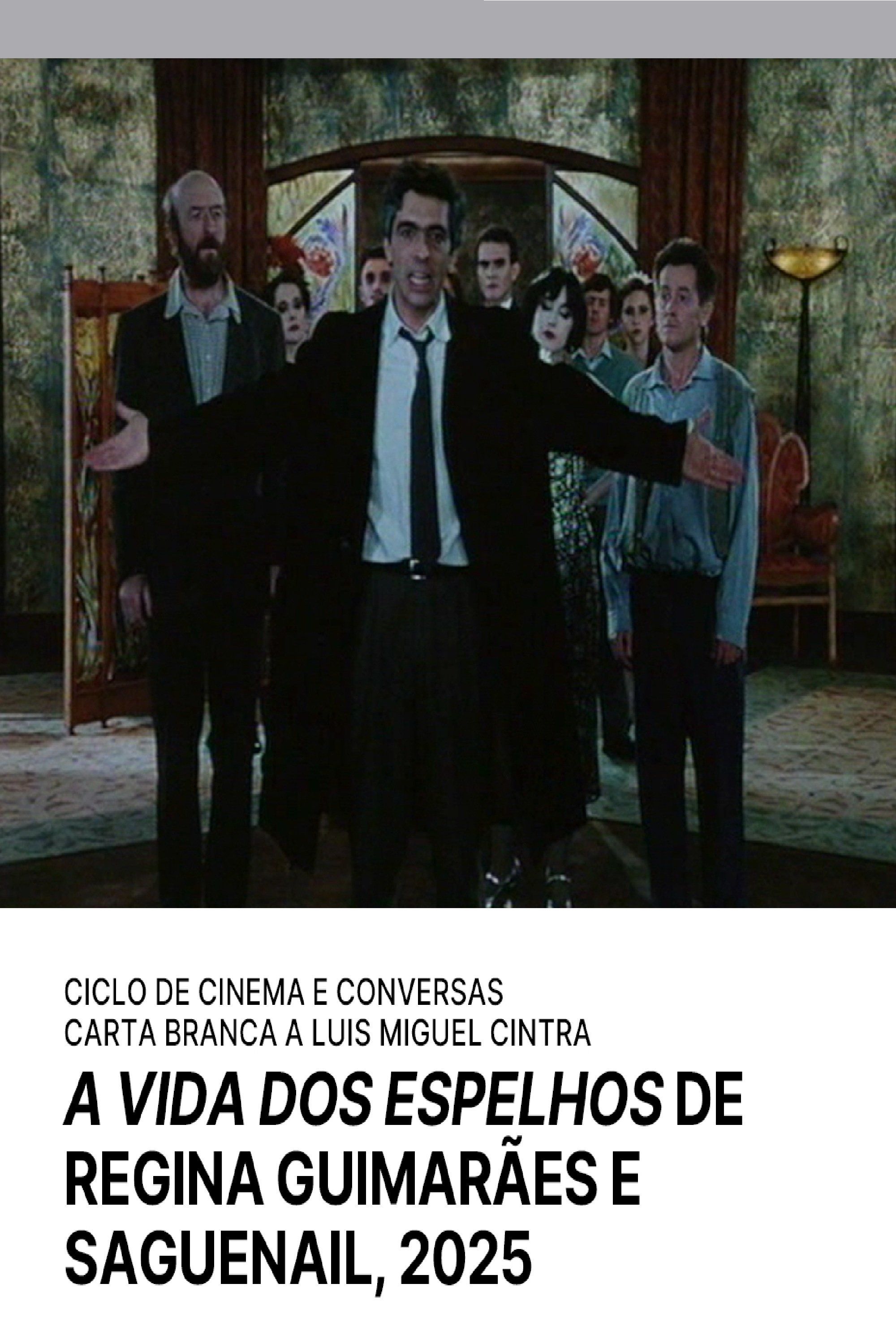
The Life of Mirrors is one of the sections of the exhibition Luis Miguel Cintra - Small Theatre of the World. A commission by Serralves Foundation to Regina Guimarães and Saguenail, and constructed after an unpublished interview with Luis Miguel Cintra, this film is the result of a long and painstaking exercise of selecting and editing excerpts from films by Manoel de Oliveira in which Cintra participates as an actor. In this way, The Life of Mirrors is a reflective, retrospective essay film, which opens the Carte Blanche, thus establishing a gateway to Luis Miguel Cintra's cinematographic and cinephile career.