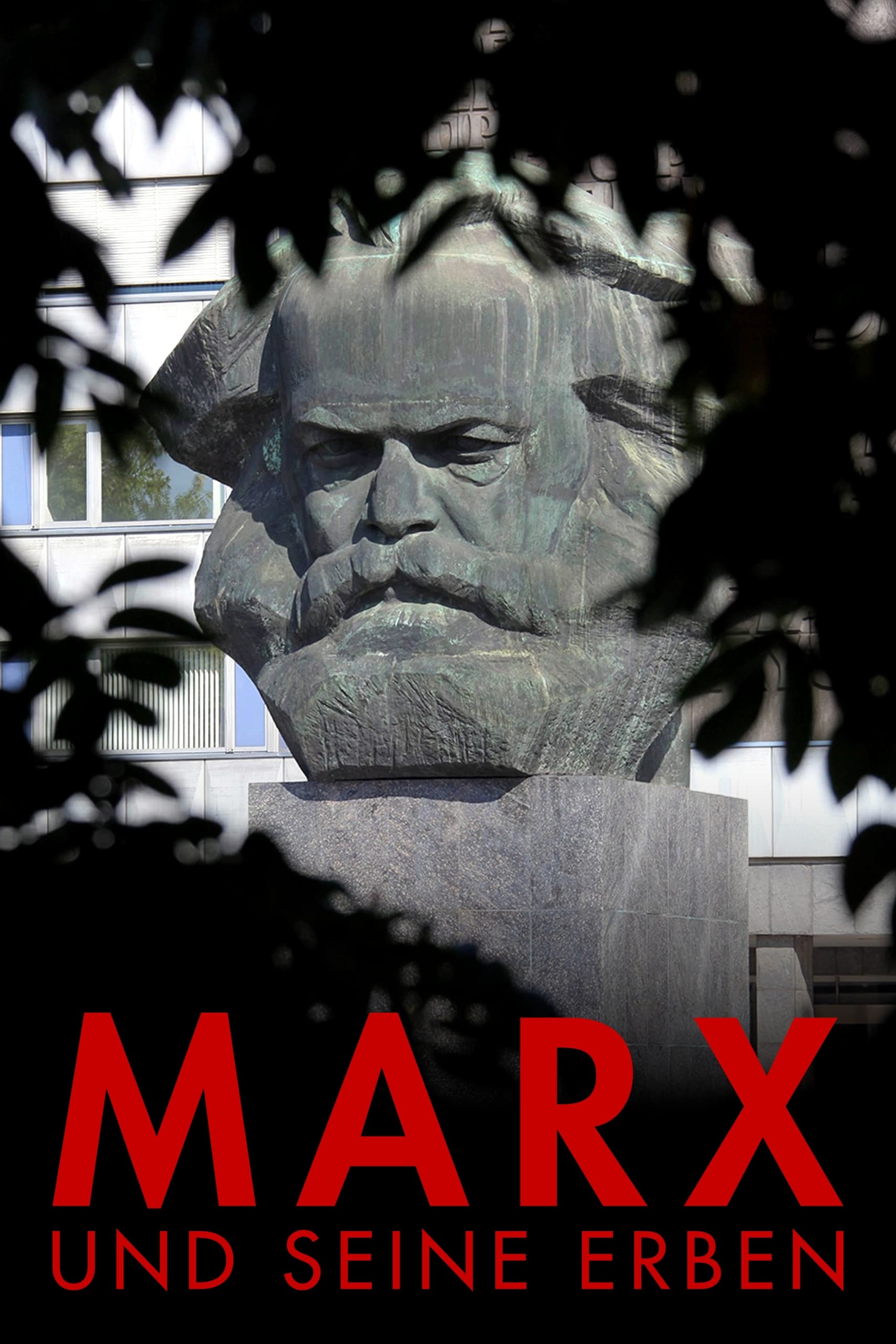
Over the past hundred years, dramatic social upheavals have taken place in the name of Karl Marx's theories. In Western Europe, the student movement of 1968 and the Eurocommunists were inspired. And in recent times, the thinker has experienced a renaissance.
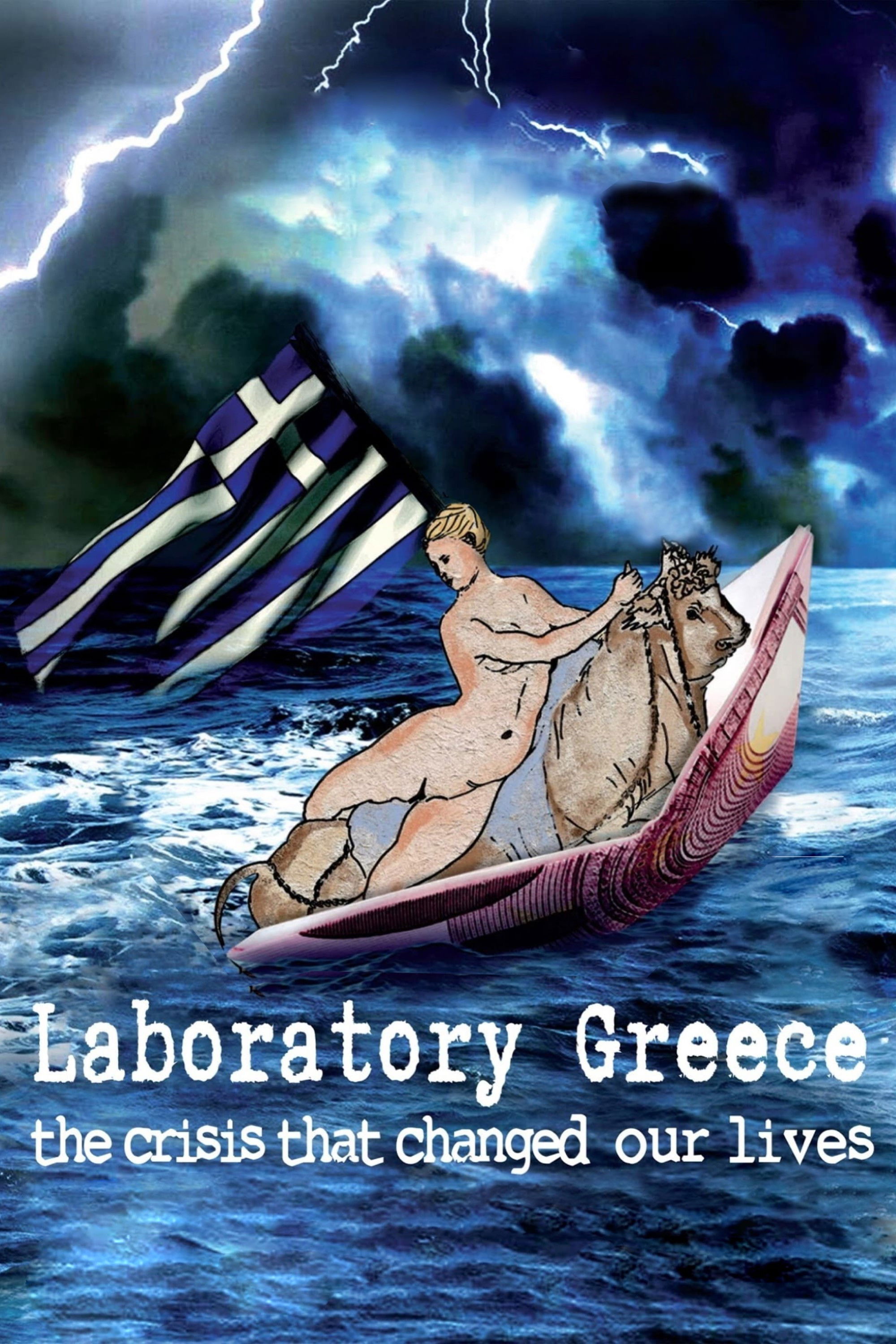
A journey through Greece and Europe’s past and recent history: from the Second World War to the current crisis. It is a historical documentary, a look into many stories. «If Democracy can be destroyed in Greece, it can be destroyed throughout Europe» Paul Craig Roberts
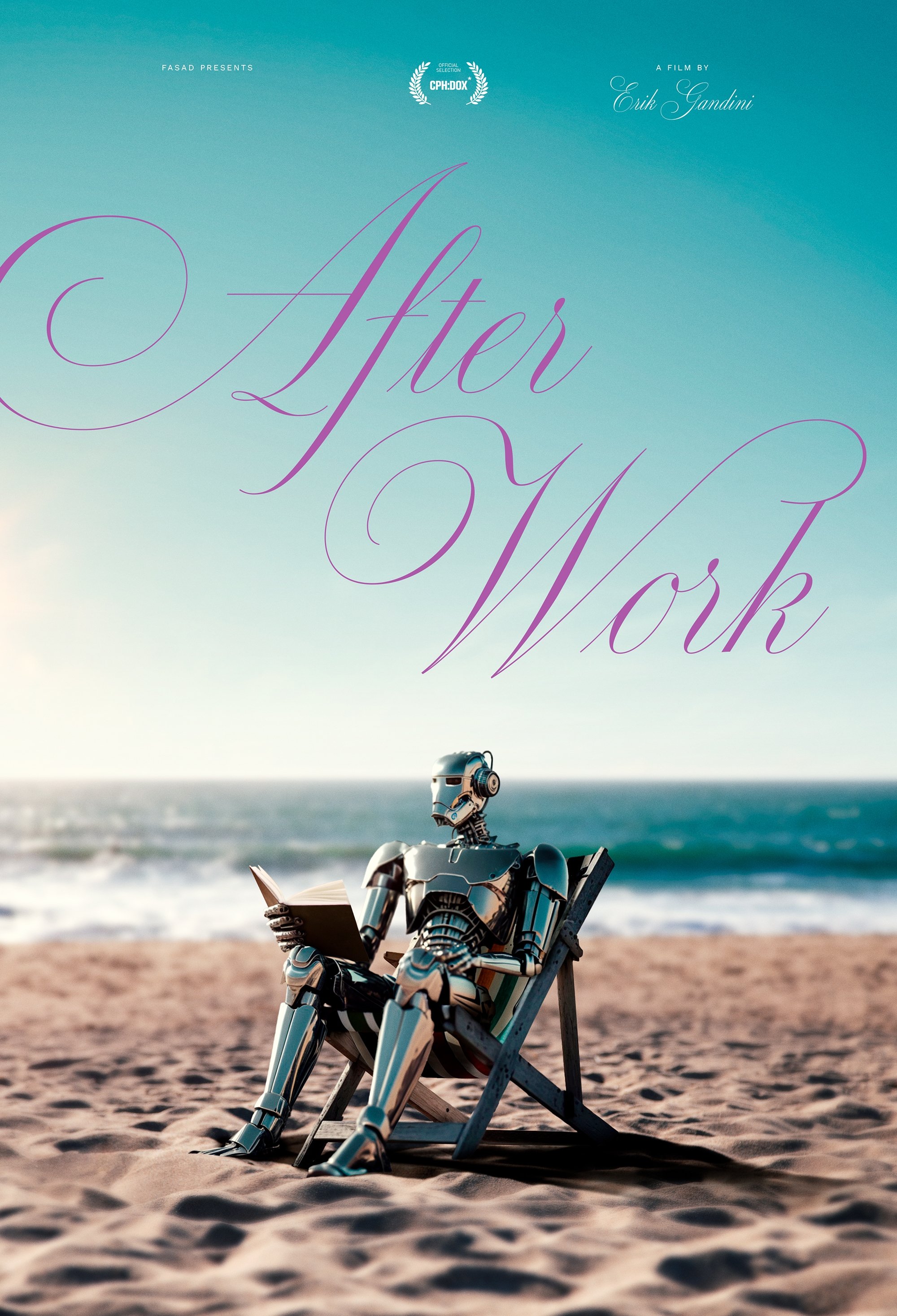
Kuwait’s constitution says that every person has the right to a job, so in some places 20 people are employed for one person’s job. In South Korea, they work so much that a policy has been introduced to turn off computers at the end of the day so that employees can’t work any more. In the US, they give up over 500 million holiday hours each year, while Amazon’s drivers are trying to form a union. Meanwhile, robots are poised to take over most jobs and put the rest of us out of work. Work is so crucial to our identity and what we spend our waking hours on that it is barely noticed anymore. A lot has happened since a group of Puritan priests invented the concept of work ethic in the 1600s, and in the 21st century the very concept of work is in many ways disintegrating. A perfect situation for a filmmaker like Swedish mastermind Erik Gandini, who travels the world to explore what the concept of work means today – if it means anything at all.
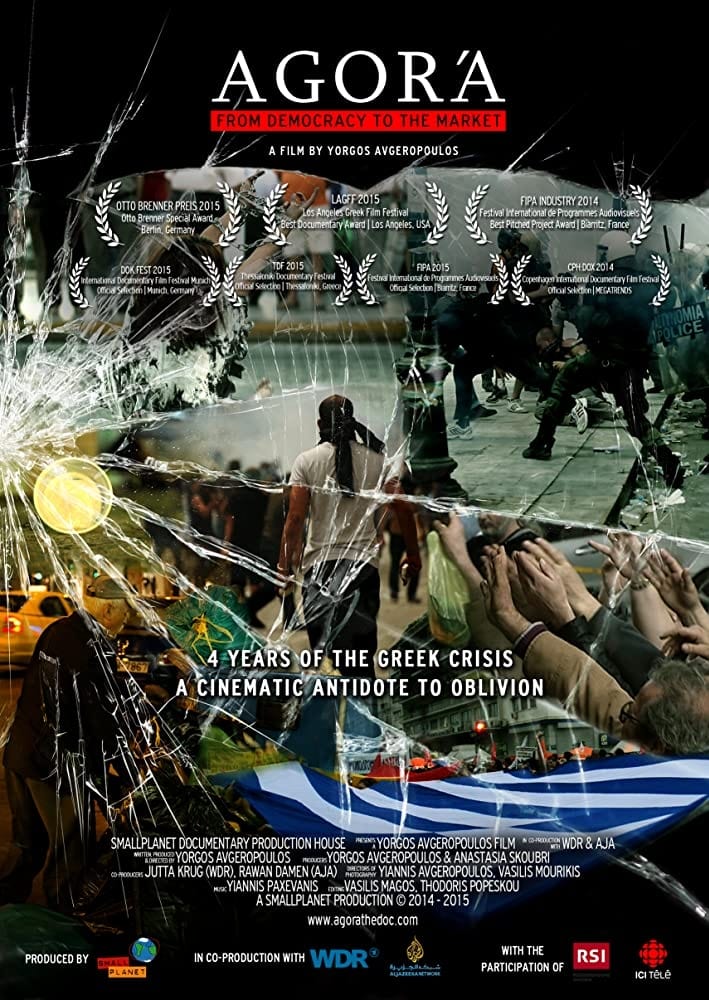
As going through an economic vortex, Greece is experiencing condition in post-war history. Homeless people, unemployment, poverty, violent conflicts and the rise of the extreme-right are found all over the county. Is there any possible way to break through the crisis? This film follows development of the crisis and its impact on people’s lives, as well as rise of fascism, while seeking answers from interested parties.
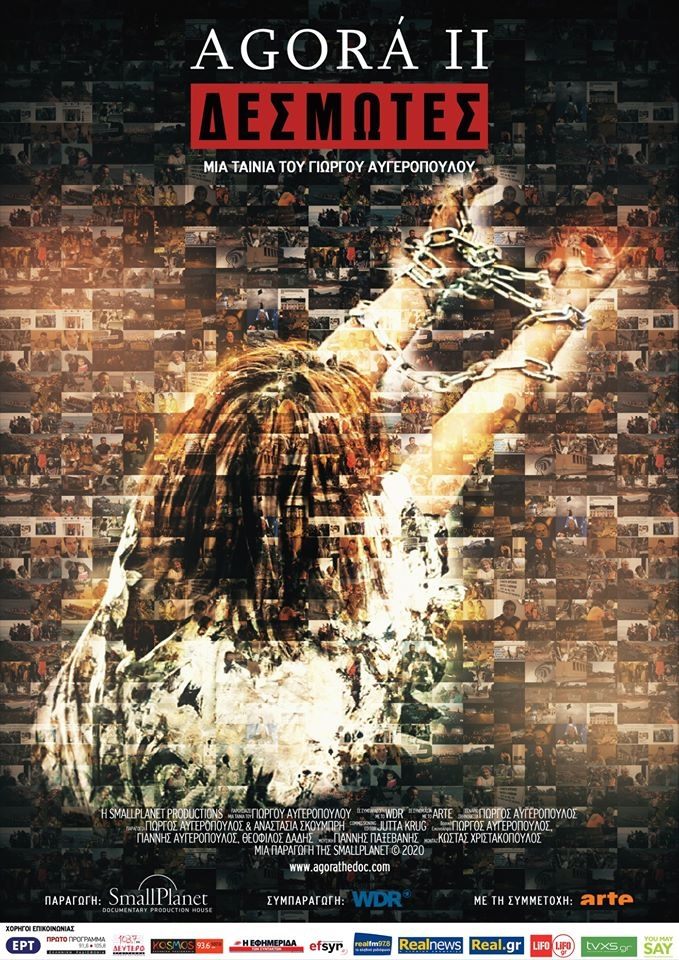
For four and a half years, between 2015 – 2019, acclaimed filmmaker Yorgos Avgeropoulos observed Greek society on multiple levels. As well as having exclusive access to Prime Minister Alexis Tsipras and Finance Minister Yanis Varoufakis, he followed others, including a refugee couple from Syria and a mother whose child was murdered by Golden Dawn. The result is a unique and multiple story-lined film: a tale which evolves and unfolds with the characters over time as they face difficult decisions, even to partially achieve their goals.
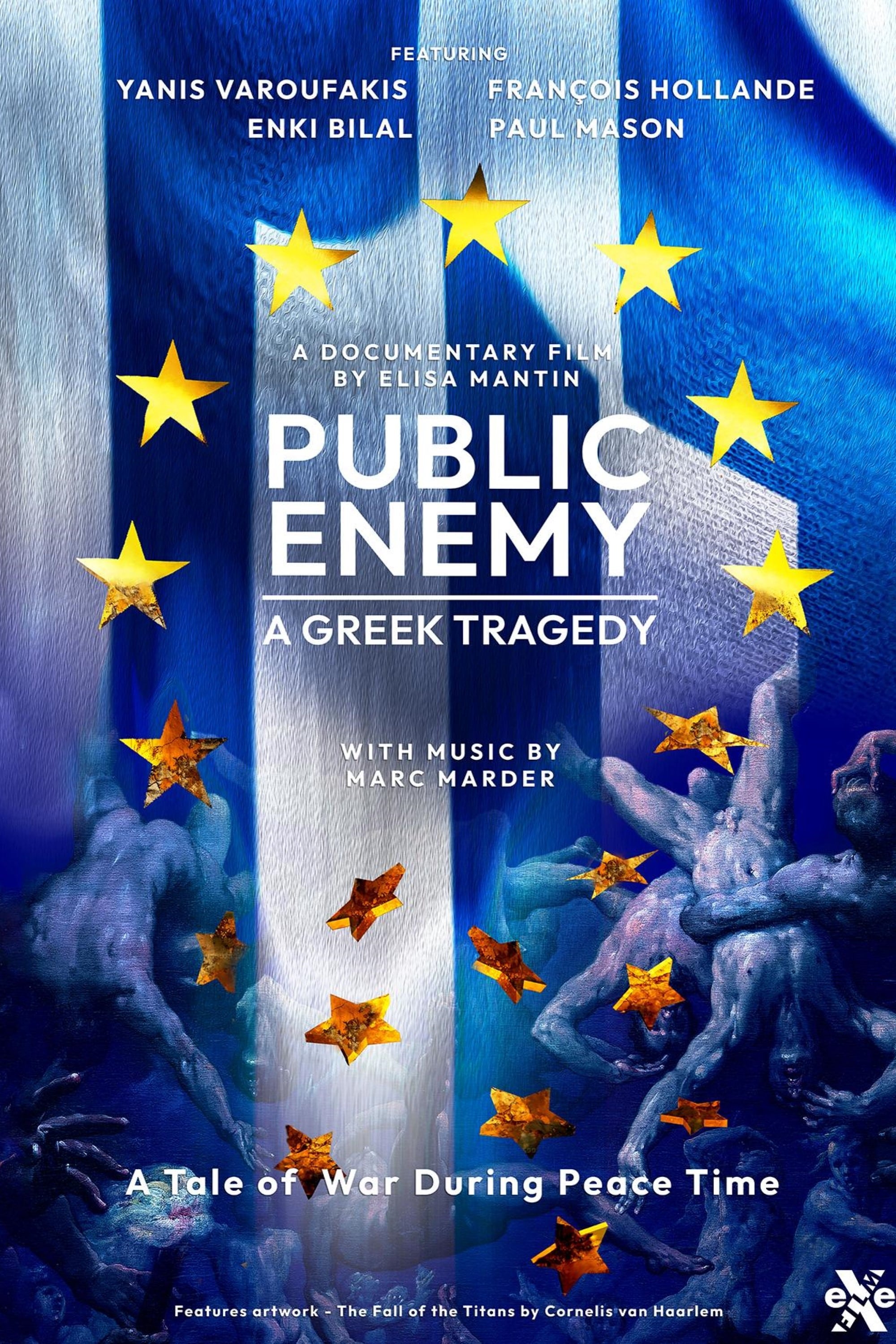
Corruption, political instability and social poverty are explored in this tense documentary film chronicling the Greek government debt crisis and its impact on the people of Greece.
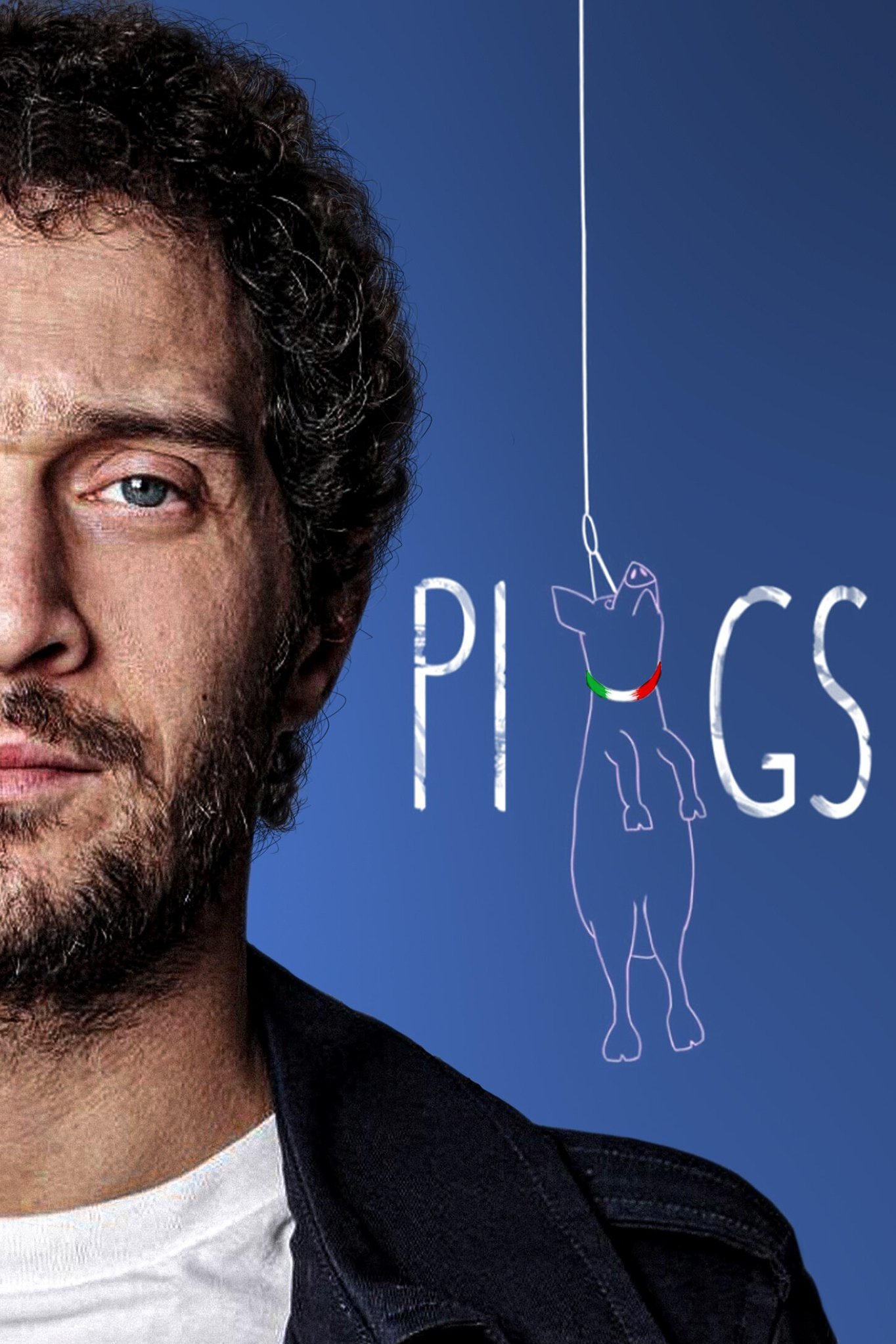
PIIGS is a documentary that challenges prevalent European budgetary policies and the austerity dogma. It does so by bringing in lesser-known facts and evidence that have the effect of ridiculing prevalent European monetary policies and dominant political certainties.
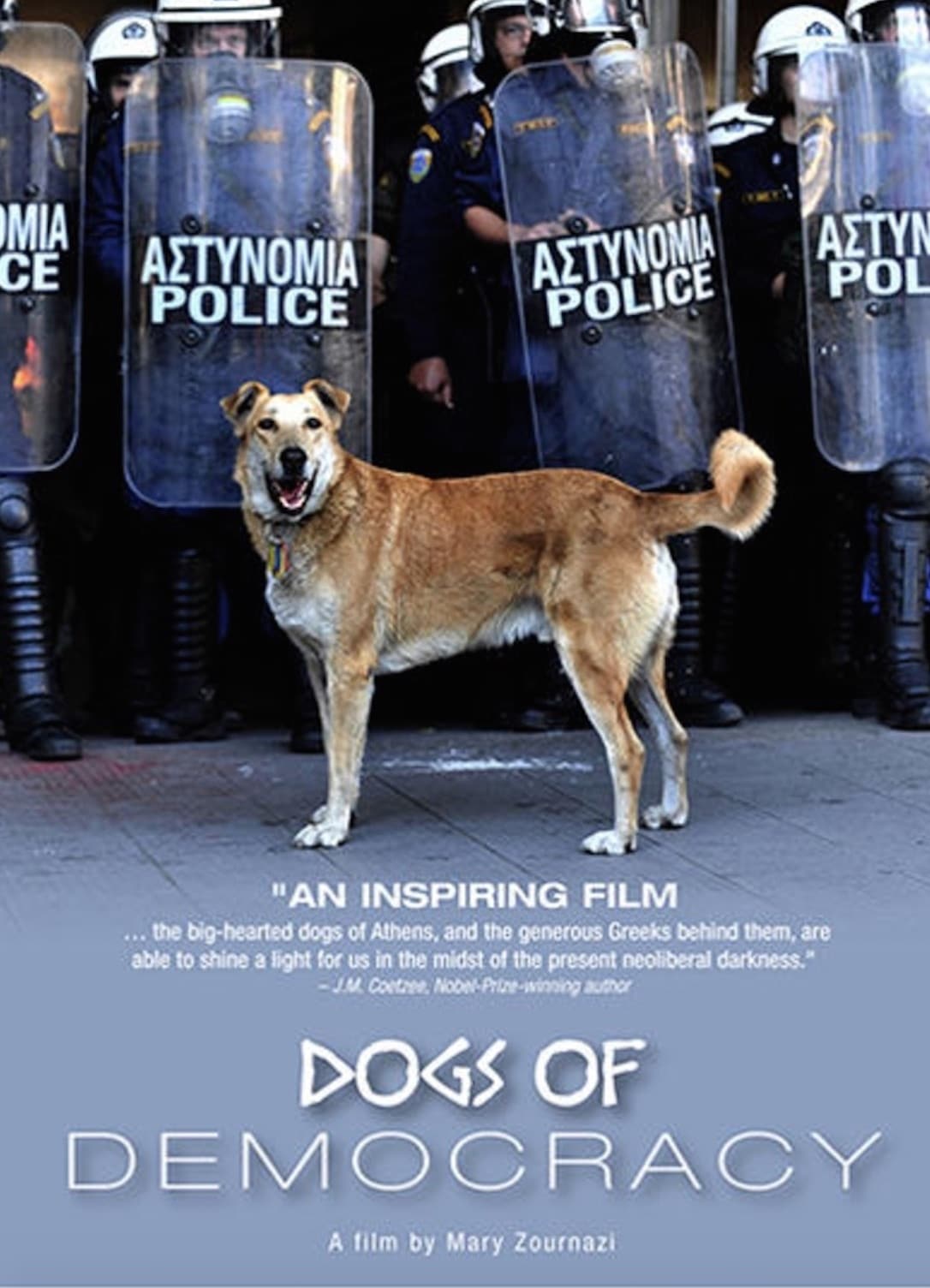
Dogs of Democracy is an essay-style documentary about the stray dogs of Athens and the people who take care of them. Author and first-time filmmaker Mary Zournazi explores life on the streets through the eyes of the dogs and peoples' experience. Shot in location in Athens, the birthplace of democracy, the documentary is about how Greece has become the 'stray dogs of Europe', and how the dogs have become a symbol of hope for the people and for the anti- austerity movement. A universal story about love and loyalty and what we might learn from animals and peoples' timeless quest for democracy.
This film shows how four decades of neoliberal policies have resulted in a widespread of social injustice, economic inequality and popular anger.
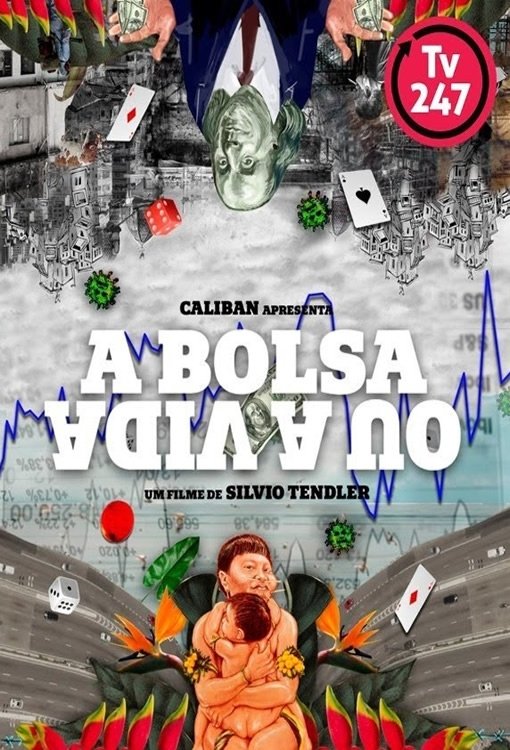
In the post-pandemic future of covid-19, will the centrality be the financial casino and the accumulation of wealth by an elite or a quality life for all, with less inequality? Did the minimal state show itself capable of serving the collective? How to guarantee life without social and labor rights? What model of society do we want to live in? The film addresses the dismantling of the concept of social welfare and makes us reflect on the incompatibility of neoliberalism with a humanist project of society.
Why is social trust breaking down, and how do we find it again? This is the question at the heart of Leviathan. Directed and produced by Alexander Beiner, it draws on sociology, myth, psychology, economics and systems theory to delve into the deep code of culture and make sense of the times we live in. It’s a journey that invites the viewer to confront the shadows lurking at the heart of our systems, and points the way toward hope, healing and action.
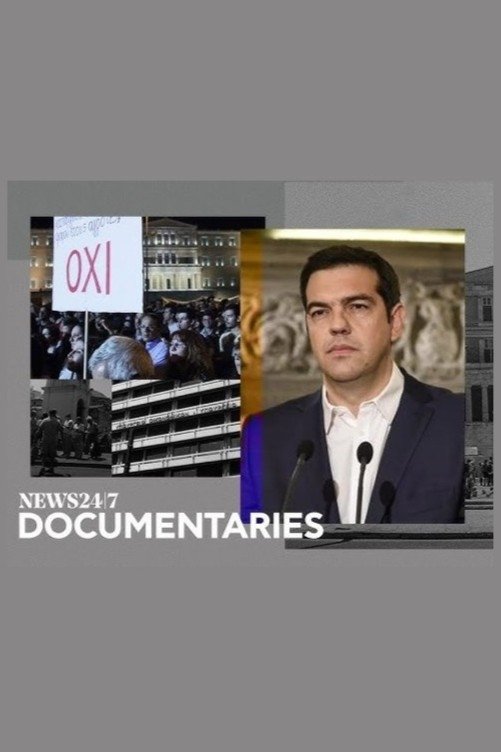
The 2015 referendum sealed the country's modern political history. Ten years later, the protagonists of the era recount all the revealing details that led to the decision to hold the referendum and its implementation, as well as what happened after the deafening result of July 5.