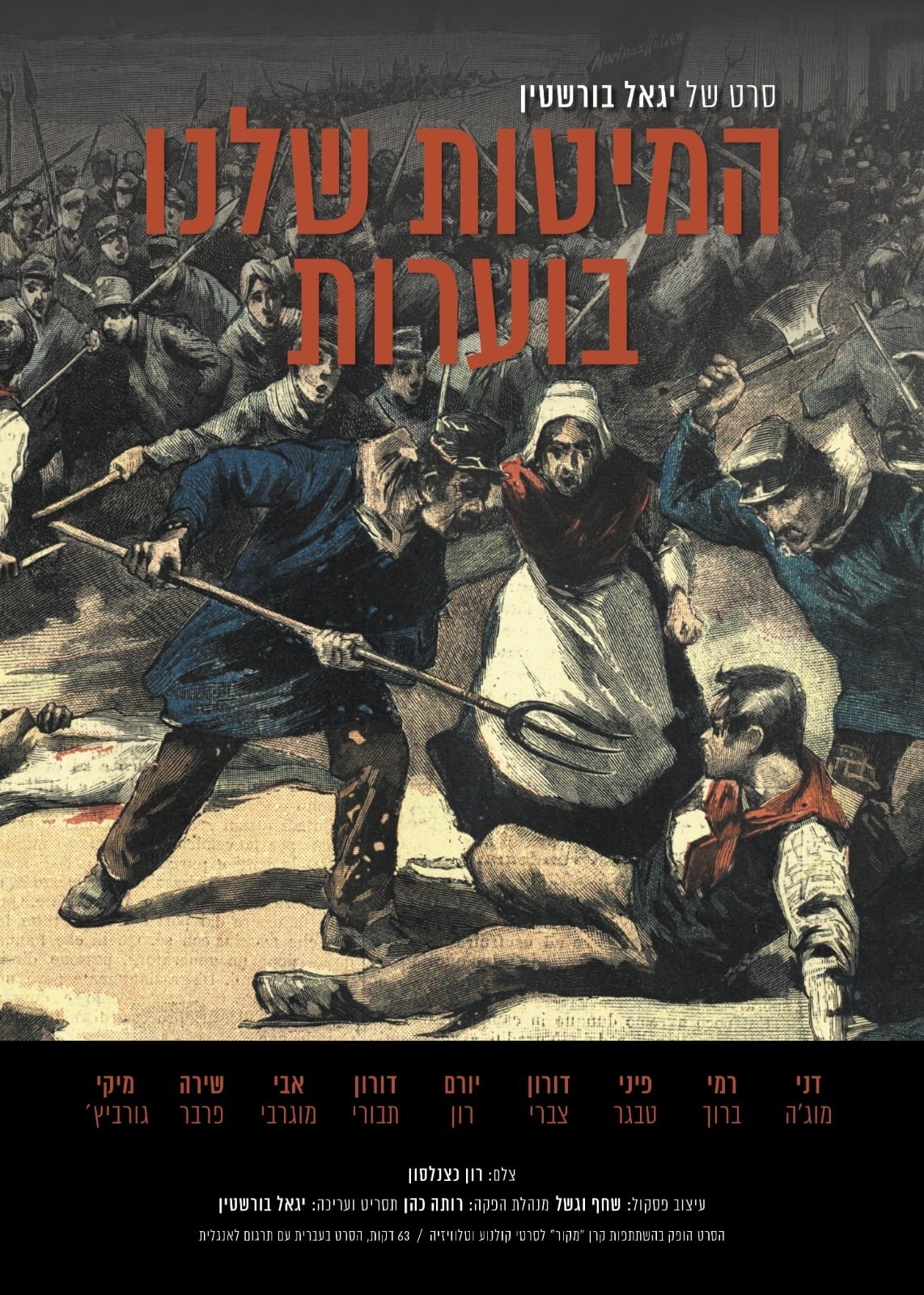
The film presents fascist ideologies since the beginning of the 20th Century. The actor/presenter of Maurice Barrés argues against foreign labor on the Tel Aviv beach. Mussolini in a gym. Jose Antonio Primo de Rivera in a bookshop. Carl Schmitt at court. Abba Ahimeir and Itamar Ben-Avi in a public library. Gudrun Streiter recalls her love affair with an SA Stormtrooper with Hitler and Himmler on a bench in a park. Three Rabbis from the Yitzhar Settlement on the West Bank: Shapira, Ginzburg and Elitzur have recently ruled that “there is a reason to kill a child if it is clear that it will grow to harm us” (Torat Hamelekh, 2009, pg. 207). They too appear and discuss their interpretation of Divine commands on a park bench.

Yair, an ultra-Orthodox Yeshiva student, opens an electronics shop in "Geula", a neighborhood that is the shopping epicenter for the entire ultra-Orthodox community in Jerusalem. The religious character of the neighborhood is enforced by the "Geula Committee" and Yair strictly adheres to their rules. His shop is introducing a world of advanced technology that overnight becomes a magnet for every ultra-Orthodox household, but the increasing intrusion of modernity is an affront to the committee, leading to an inevitable conflict that forces Yair into a desperate struggle for survival.
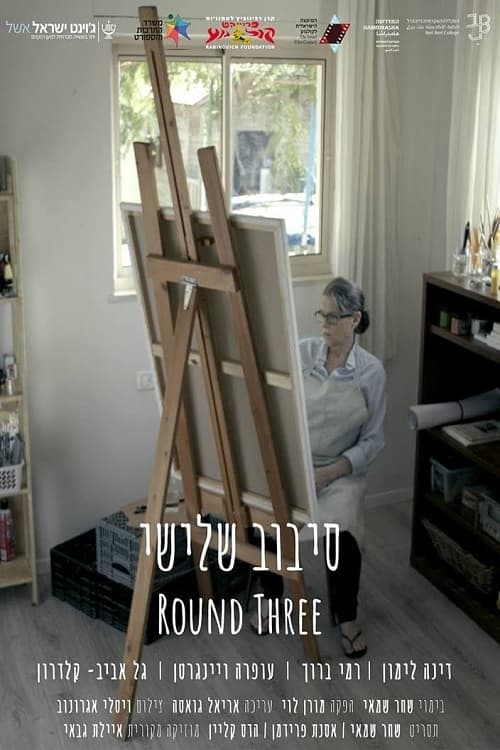
The main character of the film is Ophira (Dina Limon), a drawing teacher, who is retiring. With the daily routine no longer needed, she decides to fulfill a long-held dream of becoming an artist. Ophira asks her husband to clear out one of the rooms in their house to create a studio, and she asks her friend, a renowned gallery owner, to organize an exhibition for her future paintings. Despite not receiving much support from either of them, she starts working on her art. However, it soon becomes clear that Ophira doesn't really know what to paint about. The film explores the refusal to age and the aspiration to understand oneself at any age.

On his way to a funeral in the Kibbutz, where he grew up, after his best friend ends her life, Alon meets a young broken-hearted girl that joins his journey.
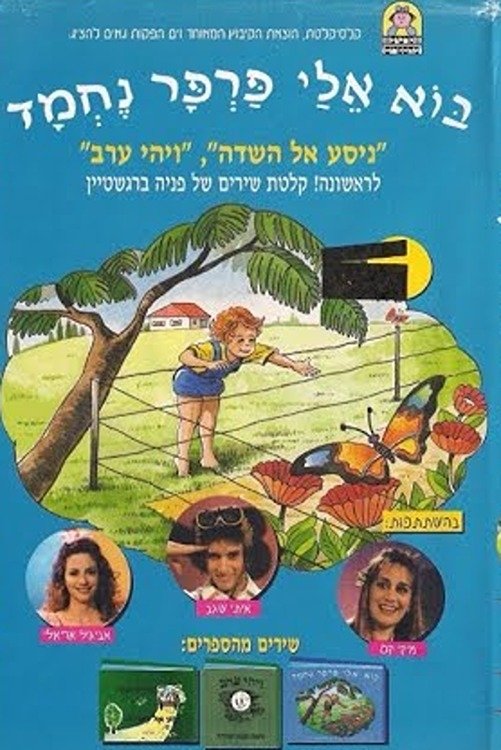
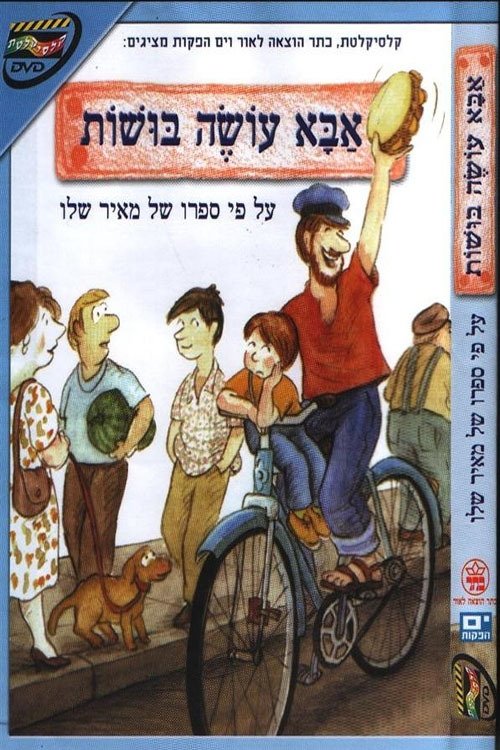
Songs and stories from Fania Bergstein's "Come to Me, Nice Butterfly", "We'll Go Out to the Field", and "And it was Evening".
He Who Is Well and Happy, Kaf Yamcha - Datia Ben Dor, all the favorite game songs that we grew up with. List of songs: 1. Come as You Are 2. Hello to You Girls, Hello to You Boys. 3. Gifts on the Occasion 4. Playful in Bed 5. I'm Clean 6. How to Grow 7. A New Friend in the Mirror. 8. He Who Is Well and Happy 9. What Do We Wear 10. I Always Remain Me 11. We Have an Orchestra.

Isaac, a young yeshiva student, is an only child to born again orthodox parents. Trapped in a dysfunctional family and a failing body, Isaac finds refuge in wandering. Tormented by his newfound infertility, Isaac looks for answers in his father dubious past. Wandering through the backstreets of the city, he seeks deliverance.

The Gulf War, January 1991. Talila Katz, a yuppie Tel Avivian creative director at an ad agency falls in love with clumsy food engineer Noah Ne'eman. The war, with its Scud missiles bombarding Israel and disrupting everyday life, is the backdrop for this pair's love story...
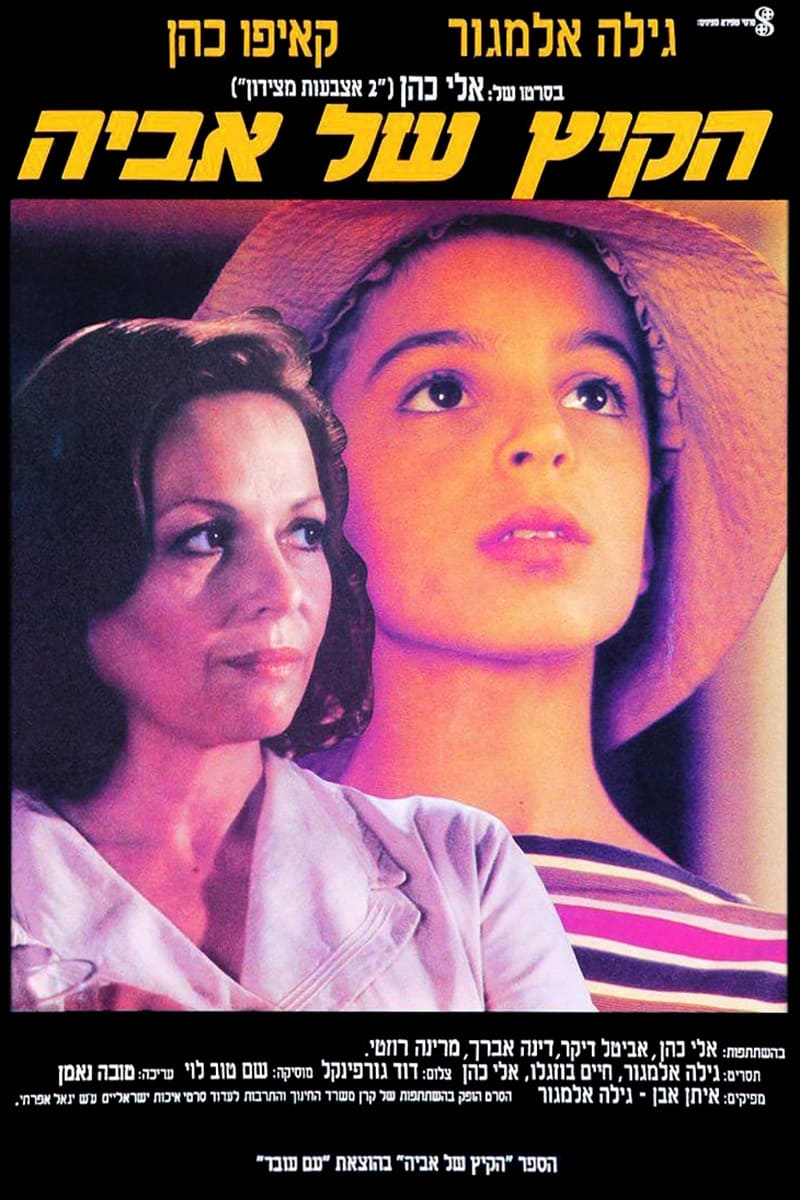
A young girl and her mother both carry the scars of their experiences during the holocaust in this drama from Israel. In 1951, Aviya is a ten-year-old girl being raised by her single mother, Henya, in a small village in Israel. Henya is a survivor of a Nazi concentration camp, and has come out of the experience considerably worse for wear; she's haunted by the memories of her past, and has become emotionally unstable. Circumstances for her and her daughter are hardly improved by the poverty of the newly wounded state of Israel, and their own difficult economic circumstances. Aviya, meanwhile, is obsessed with finding her missing father, and wonders if he might be the man who has just moved into their village. Henya, however, knows better, and knows why Aviya's father is never coming back to them.
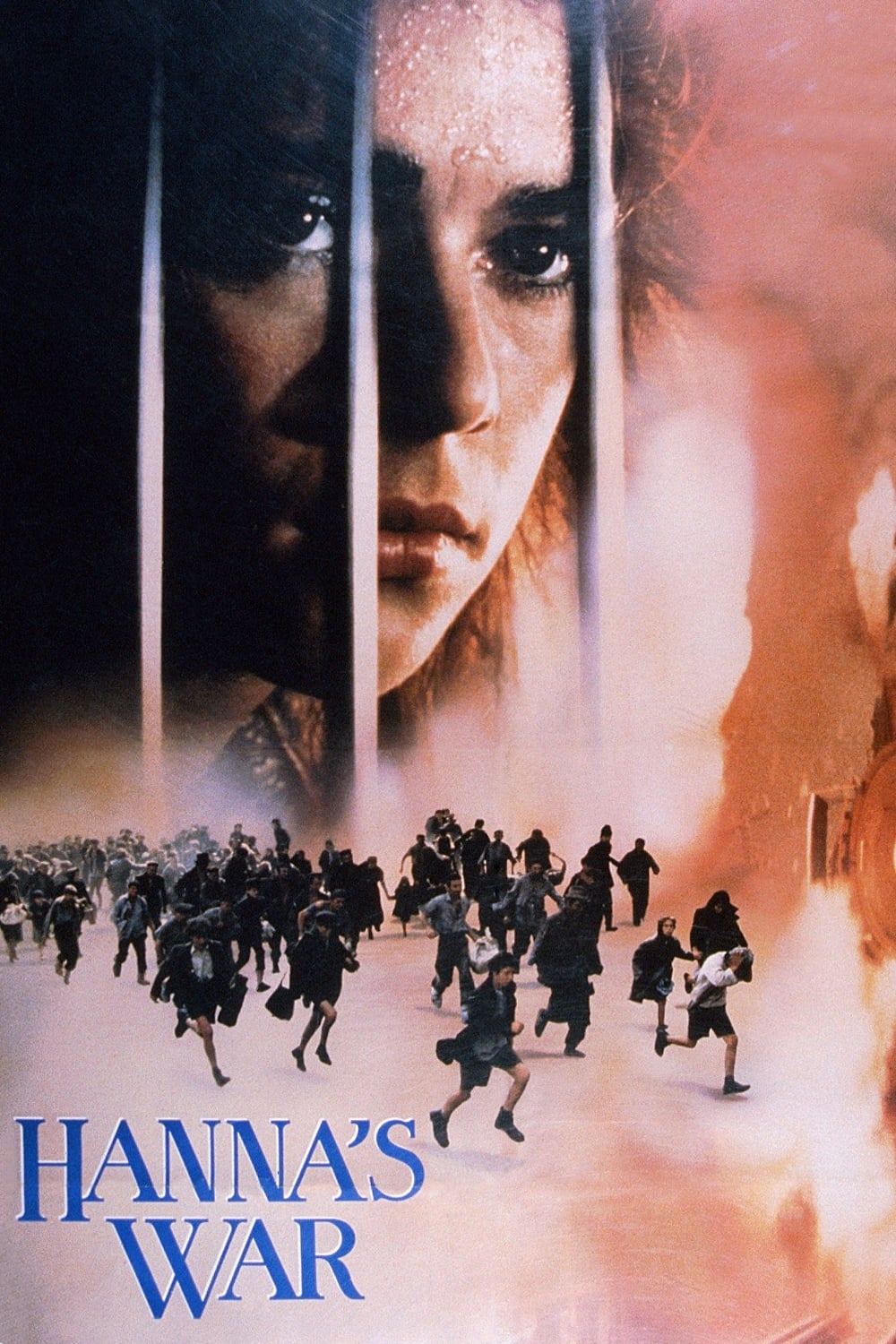
Hanna's War is the true story of Hanna Senesh, a Hungarian-Jewish WW2 resistance fighter, who would become Israel's "Joan of Arc". As a young person, she fled Nazi-occupied Hungary for Palestine, where she was recruited and trained by the British to serve as a commando. After completing her training in Britain, she parachutes into Yugoslavia with a commando team to establish escape routes across the Hungarian-Yugoslavian border for downed British pilots. Her attempts to save Hungarian Jews in Nazi-occupied Hungary, however, leads to her capture, torture and demise at the hands of the Gestapo and the Nazi-controlled Hungarian police.
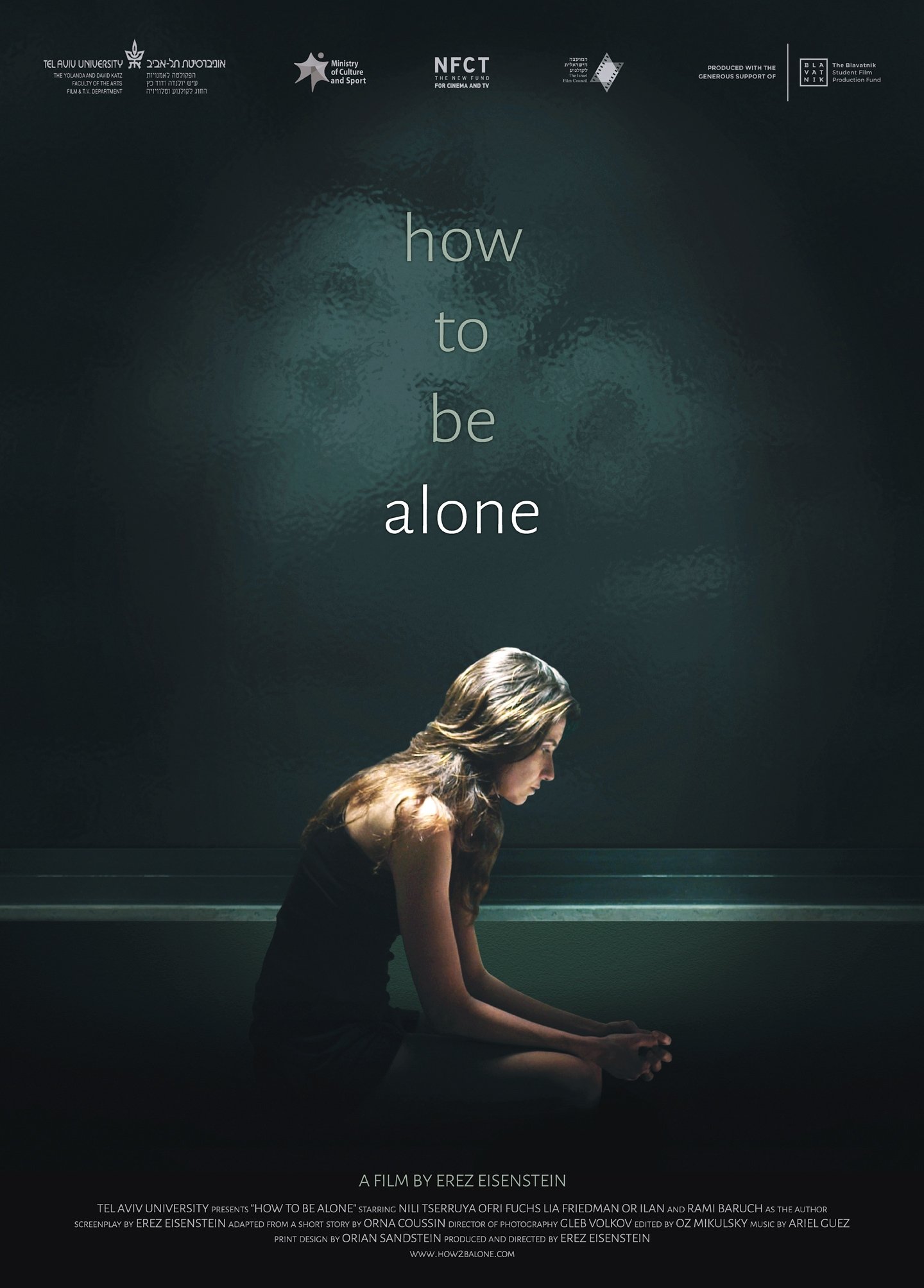
Relying on "How to Be Alone" – a self-improvement audio book – a heartbroken lesbian woman, struggling with her lonesome existence, decides to embrace solitude and to learn how to survive without love.
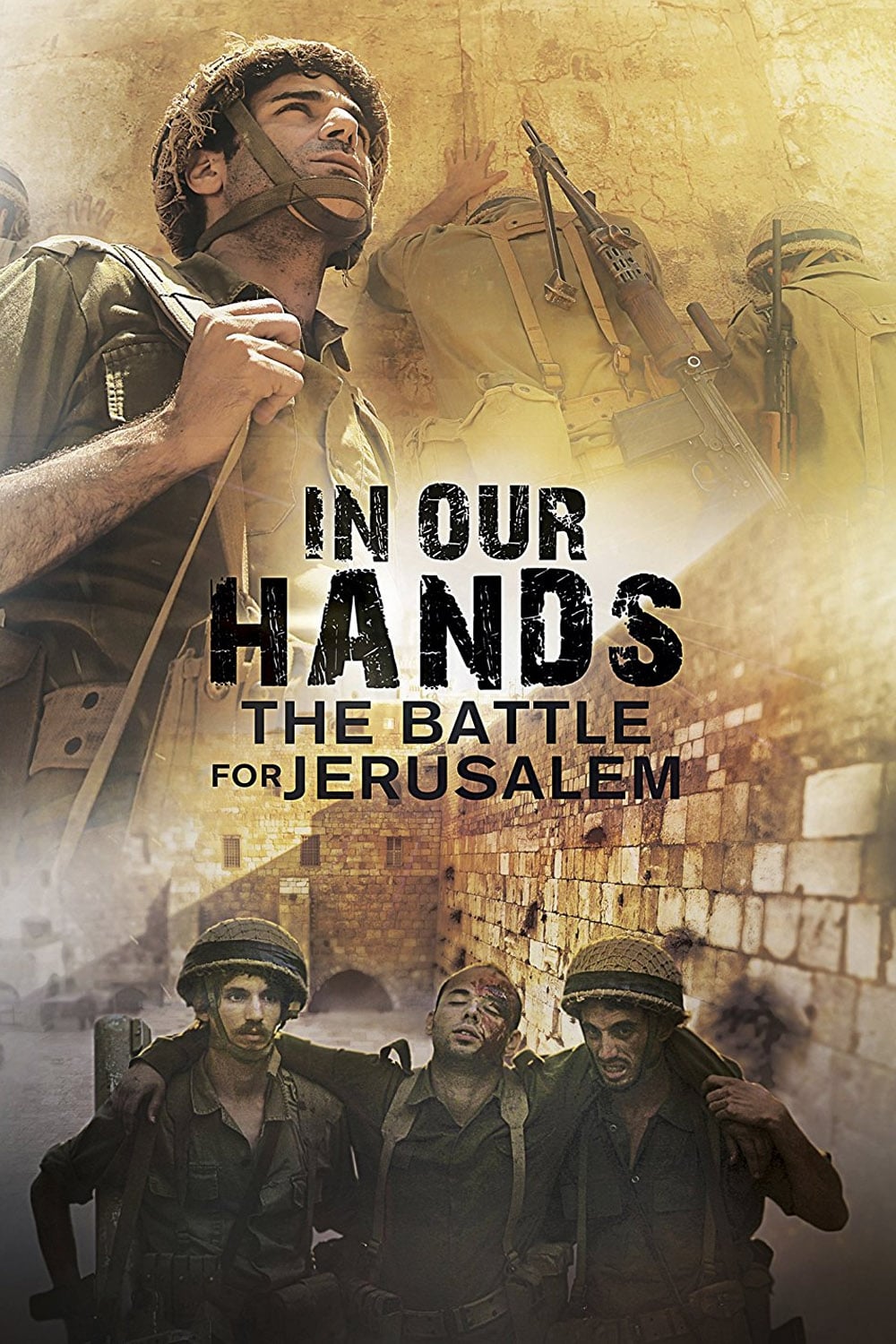
Produced by CBN Documentaries and Biblical Productions, "In Our Hands" tells the story of the Battle of Jerusalem in the Six-Day War through the eyes of the IDF's 55th Paratrooper Brigade
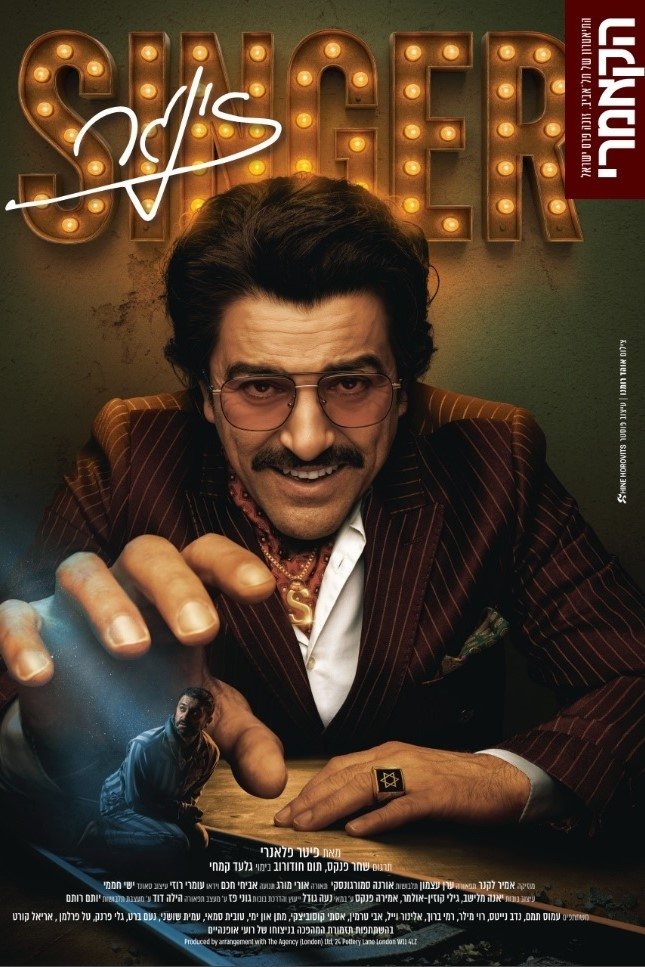
After surviving Auschwitz, Peter Singer arrives in London as a penniless refugee. Determined to cling to life, he erases his past and reinvents himself. Gradually, he succeeds in building a thriving real estate empire, captivates women with his charm, and gains entry to the upper echelons of British high society. But when is exposed as having clawed his way to the top by exploiting his tenants and trampling over them, the empire he built finds itself in grave jeopardy.