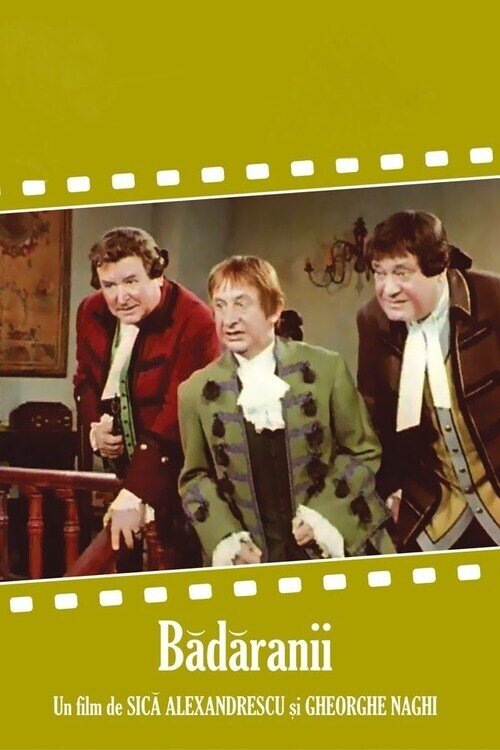
Movie adaptation after Carlo Goldoni`s "I rusteghi" comedy, written in 1760.
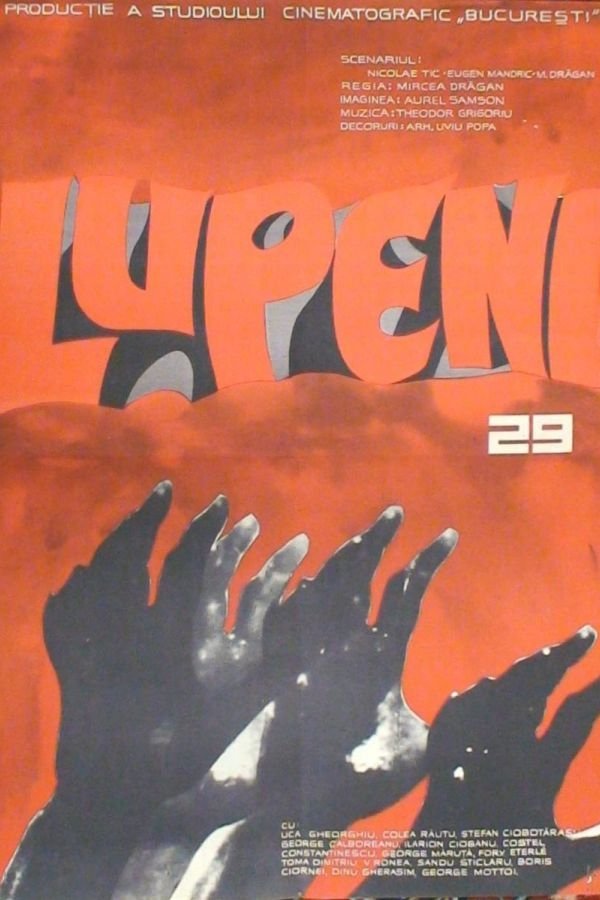
Based on true events. In the Romanian town of Lupeni August 5, 1929, driven to despair by hard labor conditions miners under the leadership of Communists organized a strike. The miners demanded higher wages and an eight-hour workday. They opposed the government's attempts to shift the entire burden of the economic crisis onto the workers' shoulders. The government, concerned about the scale of the strike and the workers' determination not to give in to their demands, ordered troops to shoot at unarmed people. On August 7, the strike was brutally suppressed. Many workers were killed. But these events have forever gone down in the history of the Romanian labor movement as an example of solidarity, heroism and invincibility of the people.
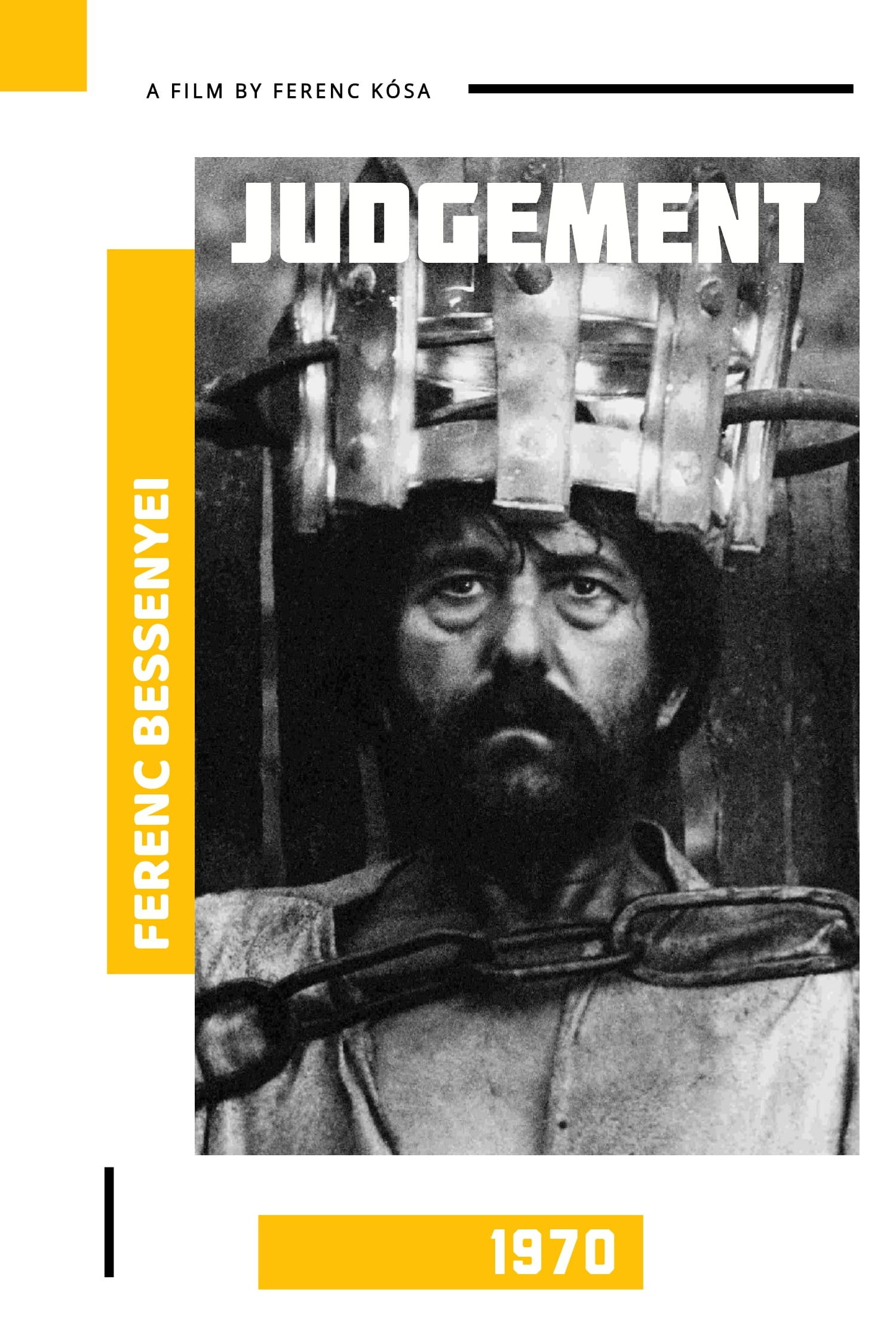
The film is a historic parable about the topicality of revolution. 1514. The peasants' uprising is over, Dózsa has been arrested. Werbőczy tries to get the imprisoned peasant leader deny the revolution and offers him the lives of his people in exchange.
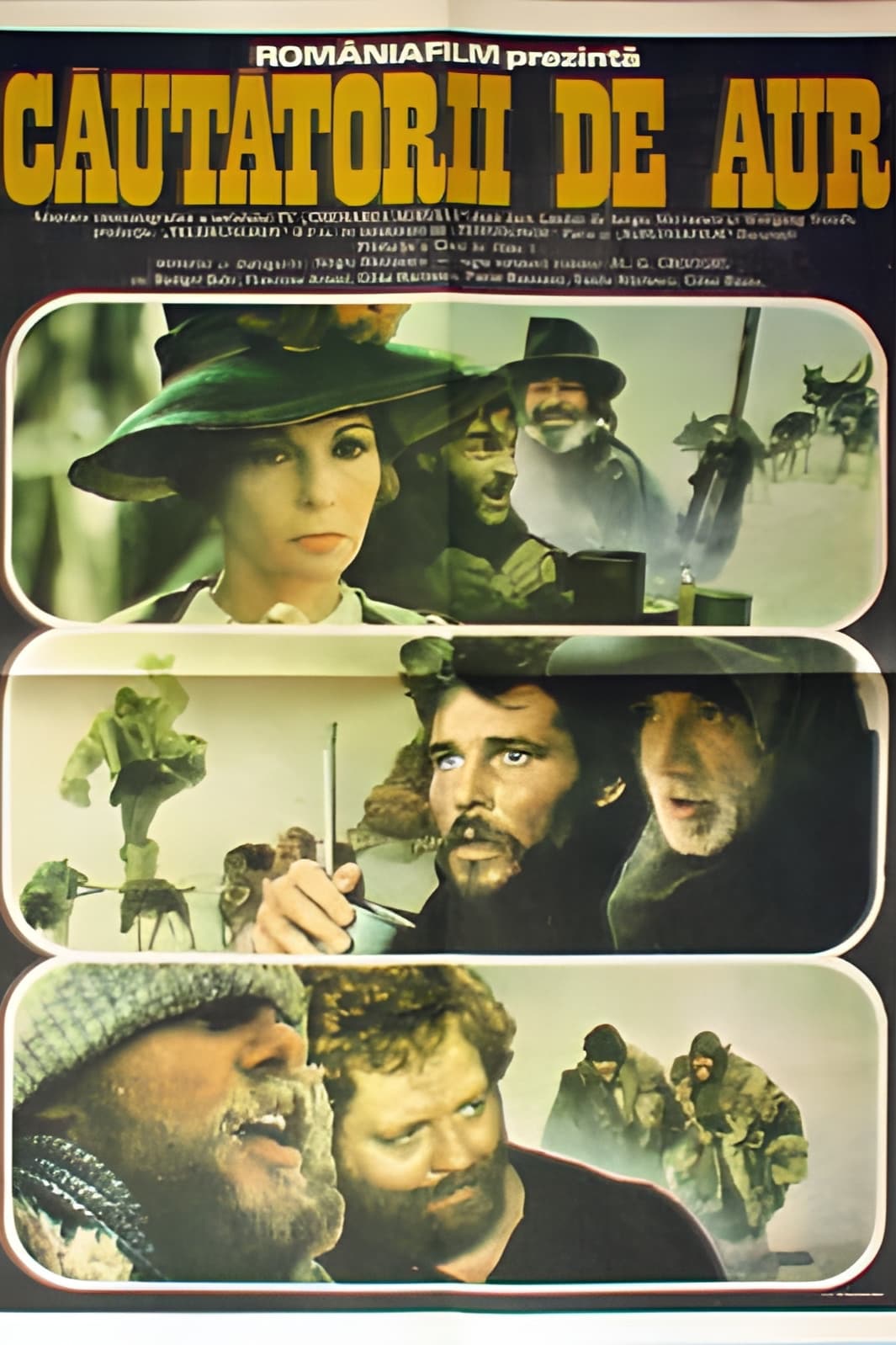
Old man John Tarwater and young lawyer Elam Harnish, gripped by the "gold fever" leave for Alaska, embarking on the adventure of a new hard and torturous life, which, due to famine, John Tarwater falls victim to.
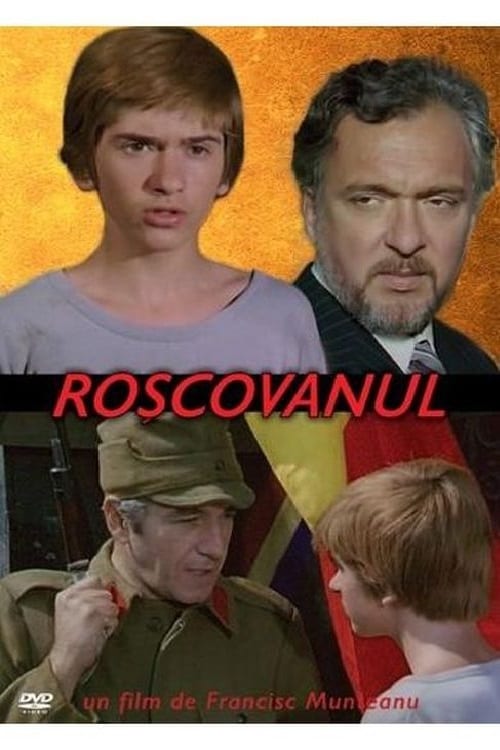
During the summer of 1944, while Romanians turn weapons against Nazis, Mihai, an orphan teenager whose parents died in a bombing, tries to enlist in order to fight in the front line but he discovers that former police commissioner Potra tortured and beaten prisoners, including his father, who was political detained. Mihai will fight to bring Potra in front of the justice.

A simple story about a man who, in saving another man - whom he does not know - suffers all the consequences of an accident and the implications that medicine catalogs in the name of science.
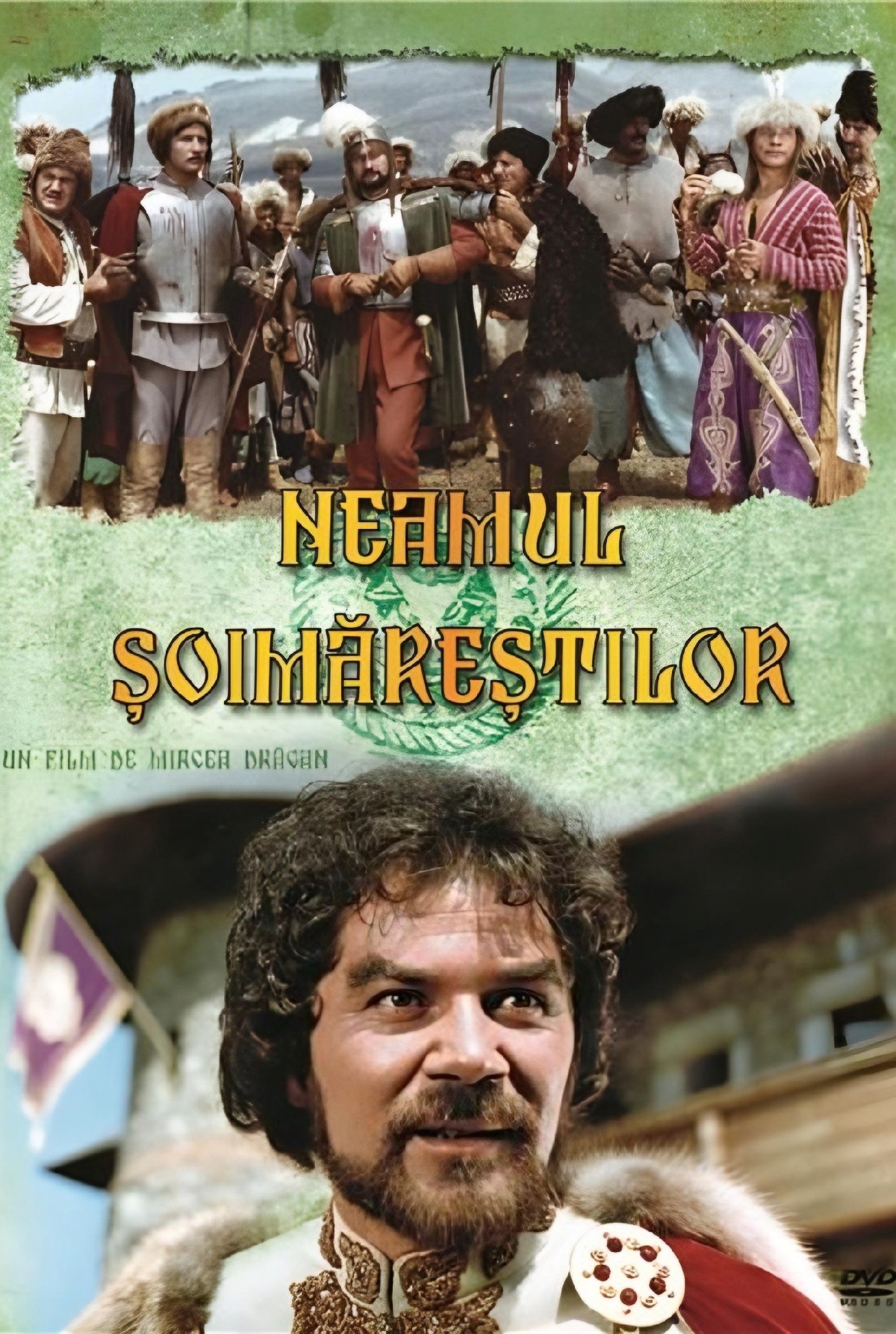
Vying for Principality of Moldavia's throne the descendants of Prince Stephen the Great start a bloody civil war in 1612.
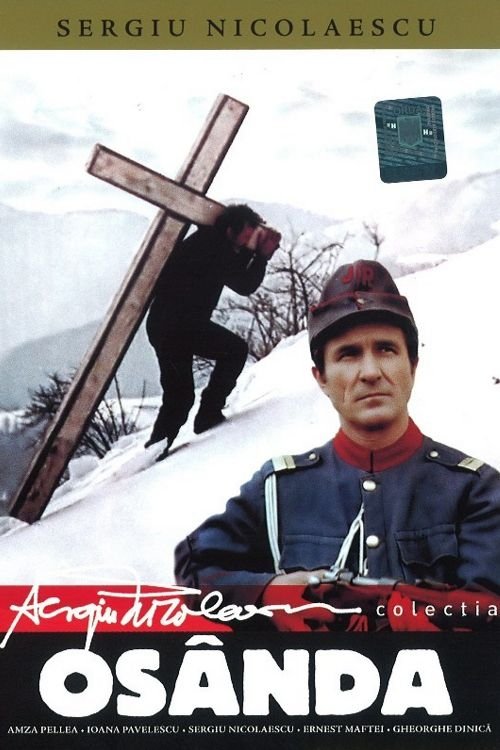
In 1919 at the end of WW1 Romanian peasant Manolache Preda returns to his native village where he finds his woman taken by another and his land sold to the local landowner.
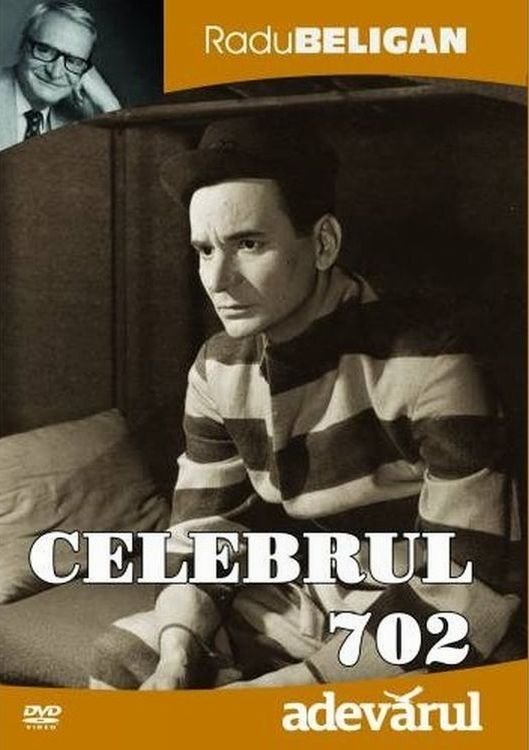
In the imaginary country of "Allergica", a group of gangsters have made a fat hit by pinning the blame on the Kid, who awaits execution in the terrible "Bing-Bing" prison. At the last moment the electric chair is unplugged because the lawyer has persuaded the doomed man to dictate his gangster memoirs for the use of the Books & Books publishing house. Its director offers him a "bonus to life" only if he plays along. But the Kid prefers to write about truth, people and love.
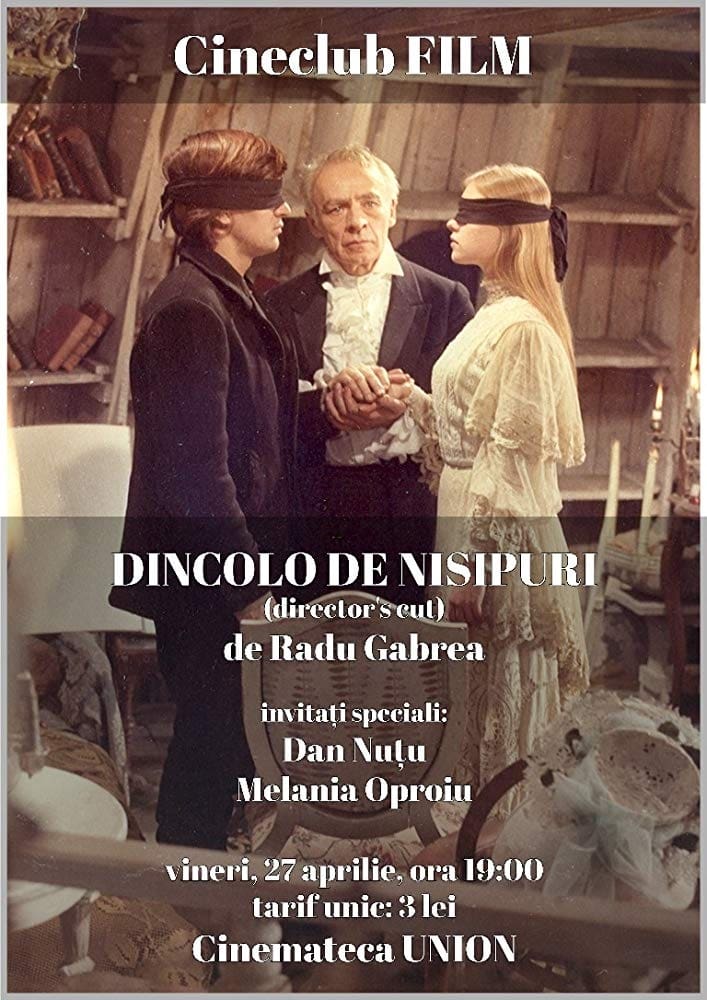
Bad luck and bad judgment follow two generations of men in this Rumanian tragedy, set in the World War II era. Ion (Dan Nutu) seeks to find out why many years ago his father was falsely accused of being a communist, an accusation which led to his execution. He discovers that his father's mistress, now married to a wealthy man, made the accusation for money, as she was deathly afraid of poverty. Ion's own girlfriend seems to be similarly concerned about issues of livelihood, and abandons him for a richer suitor. Frustrated and angry, he burns down these couple's houses and takes up with some anti-communist arms smugglers.
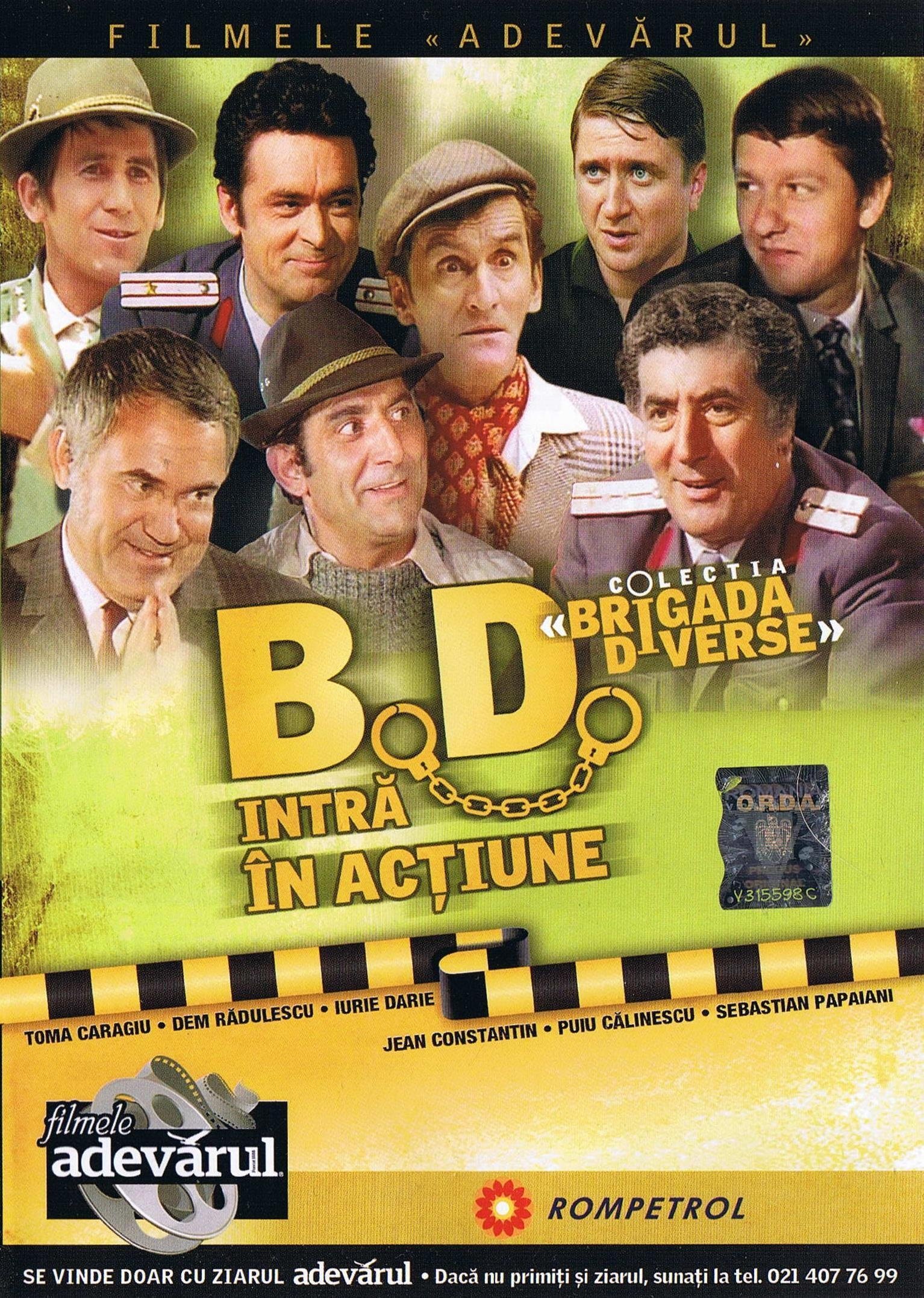
Brigade Miscellaneous fights crime in a funny and serious way.
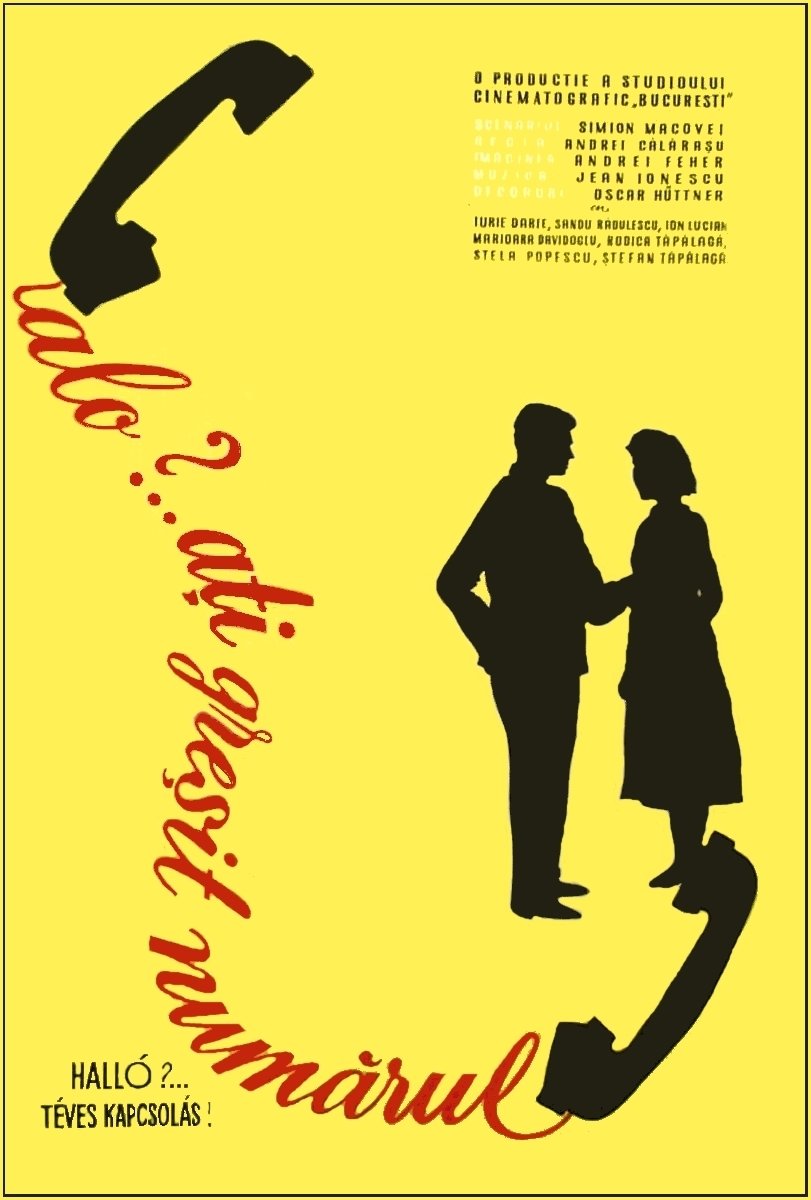
A music school student immersed in the music that he loves. One time he happens to dial a wrong number, thus starting an adventure in which he will find love.
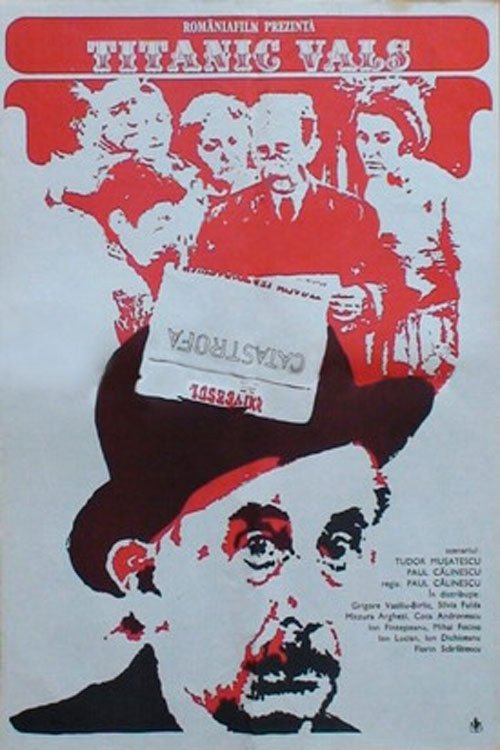
Based on a play by Tudor Mușatescu, Titanic Vals is the essence of Romanian genius in comedy, with amazing performances and the beautiful absurd of the quotidian.
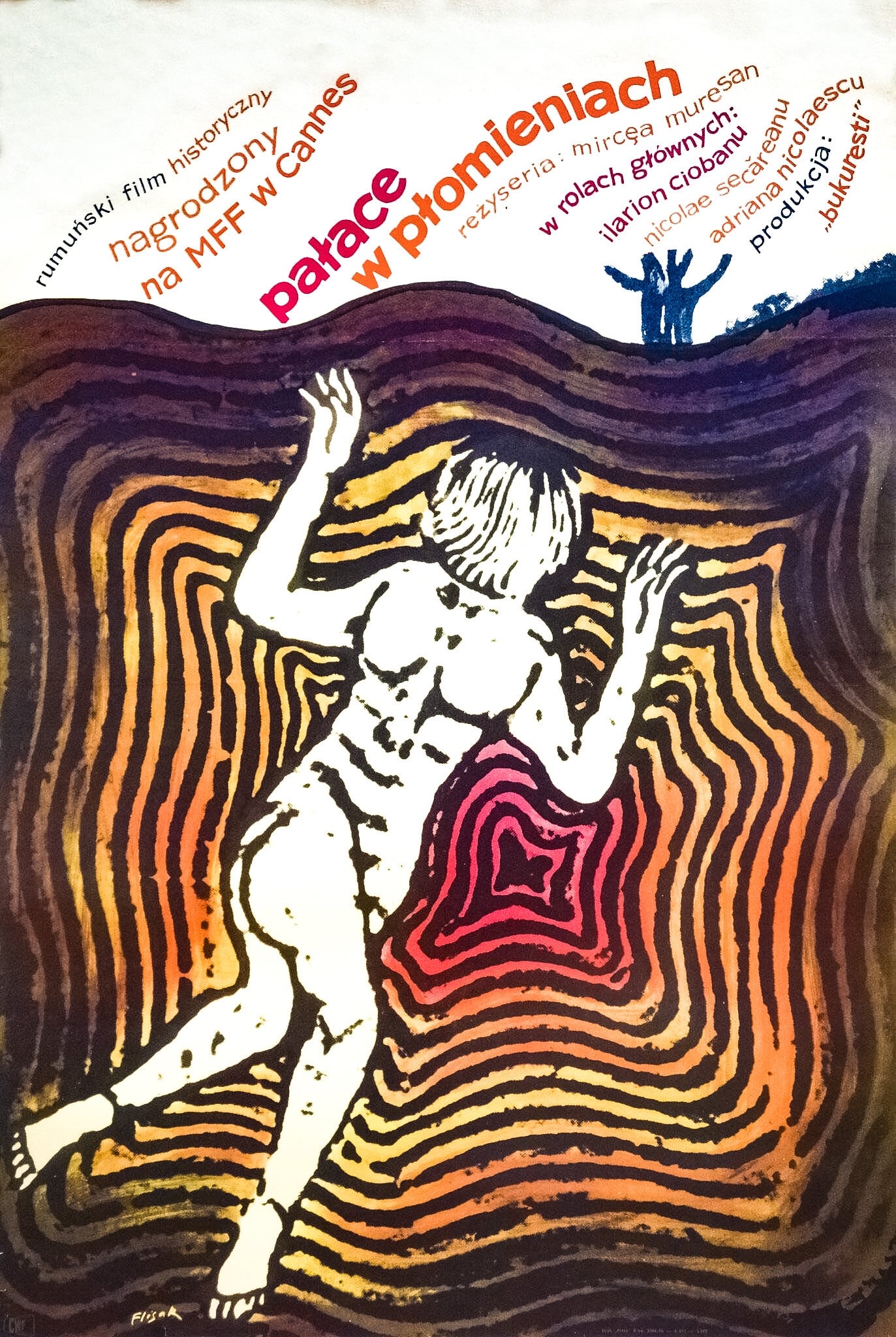
After years of deplorable conditions of poverty and injustice, peasants revolt against the landowners, the social elite, and police in this routine social drama. A peasant woman is raped by a lecherous wealthy lesbian, and chaos breaks out in the rural areas where the poor suffer the most from the oppressive social and economic conditions.
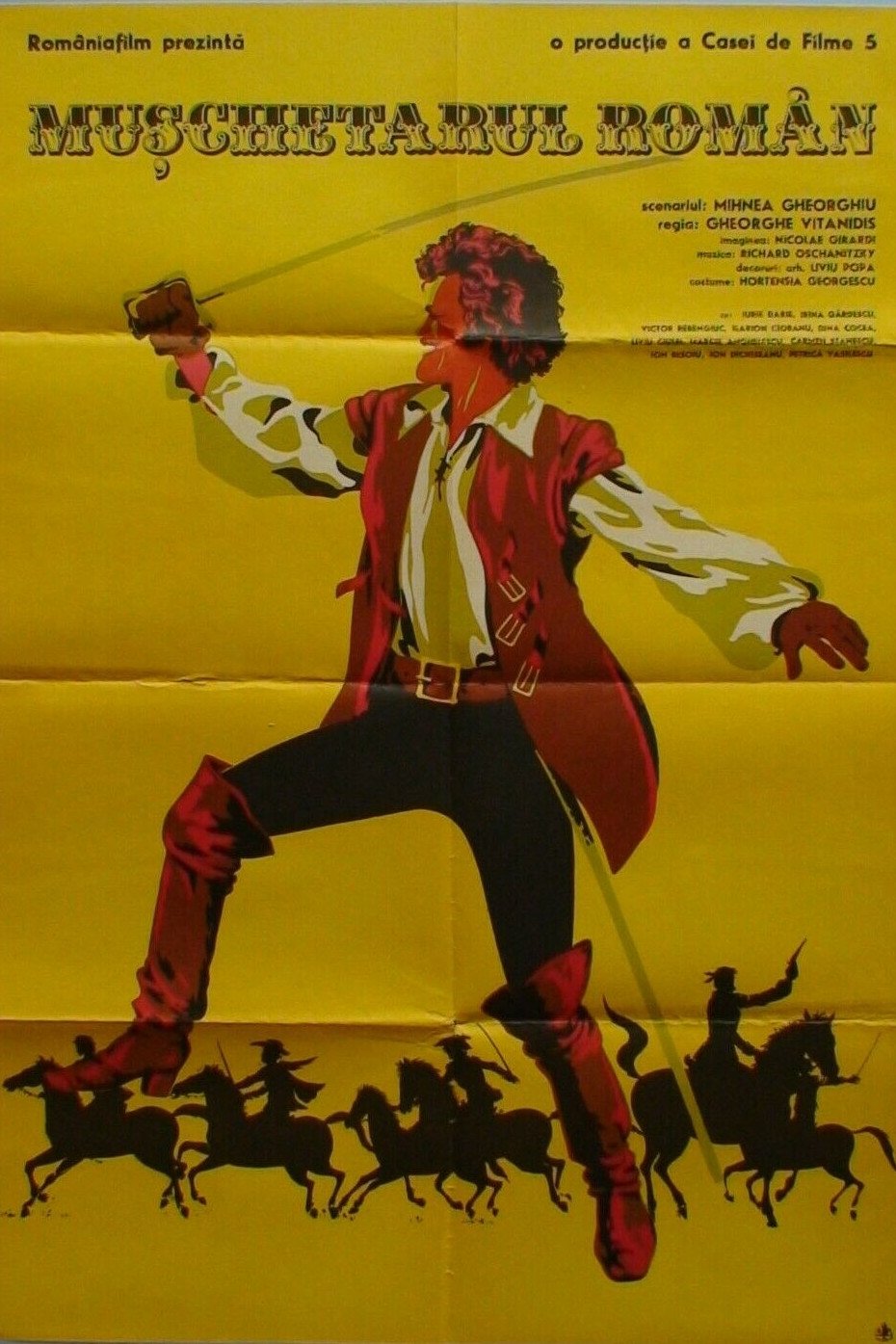
During the 18th century when Moldavian Prince Dimitrie Cantemir writes The History of the Rise and Fall of the Ottoman Empire the manuscript is stolen and offered to the highest bidder.
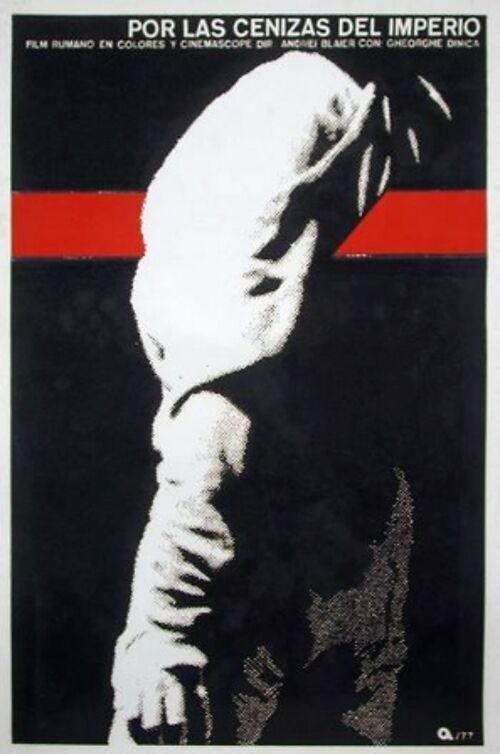
A war story. survivors. refugees. few essential meetings. and great actors. a film inspired from Zaharia Stancu short story. about pain, search of sense in misty times, about roots of evil and price of survive, about a country as shadow and ruins of a empire. all in dark nuances, touching images. a movie like a ballad. heavy, strange, profound, harsh, cruel. with few drops of feelings as steps of rotten ladder. looks, silhouettes, way to ambiguous home. a thief and a young man. across Balkans. among ash of a fragile territory. the impressive aspect – silence. and gestures. the woman, the train. the escape. the bath. and the death of Diplomat. all – fragments of an old way to discover reality. all – words of a new world.
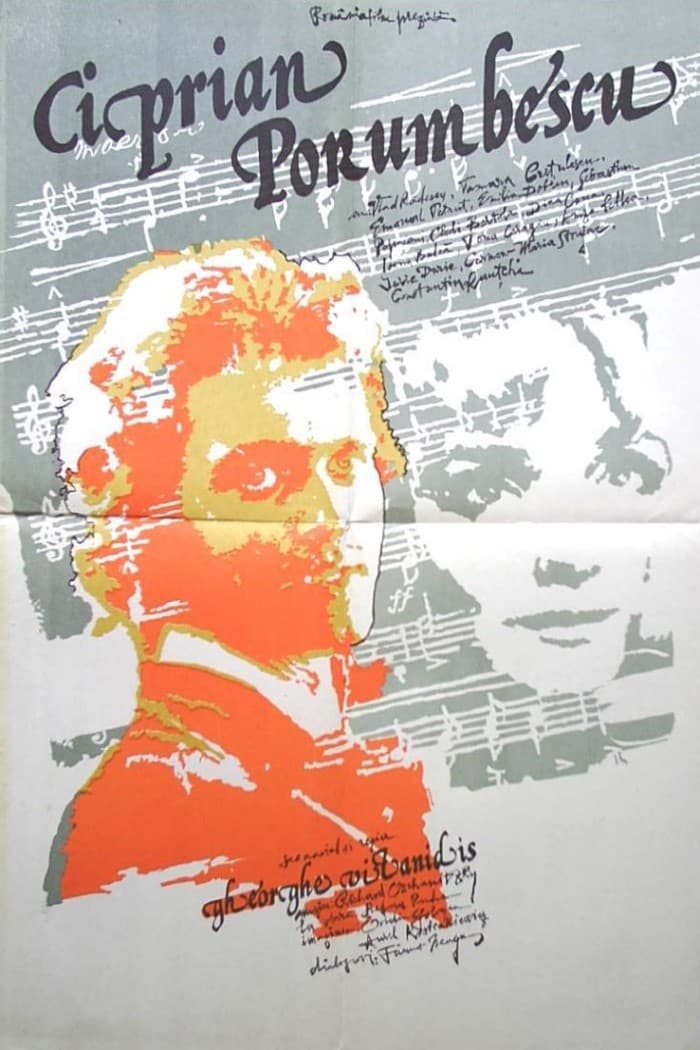
This film envisions the patriotic and tragic life of Romanian composer Ciprian Porumbescu.
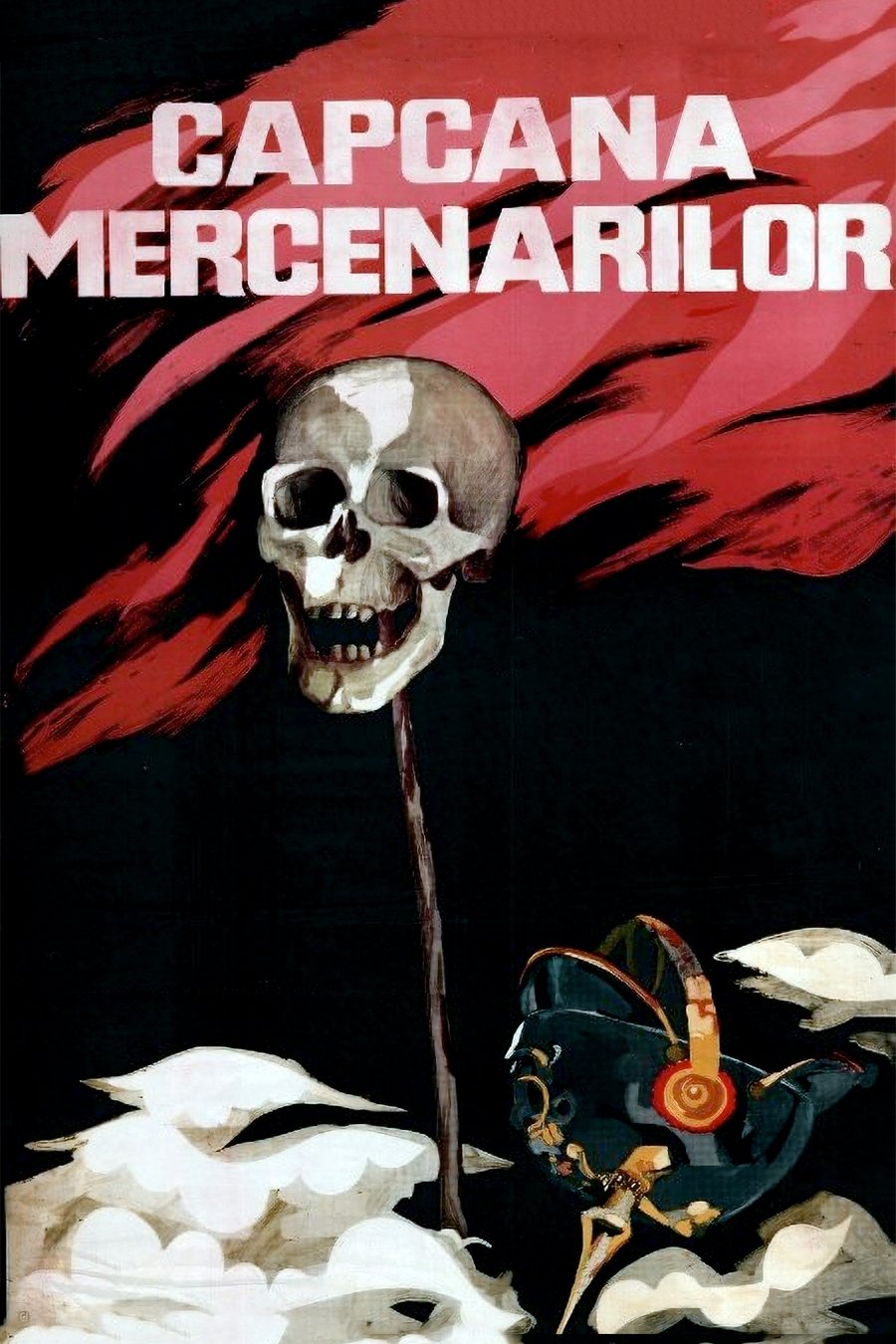
The movie is based on a true story from the end of WWI, in Transylvania. A nobleman who owned some land in Transylvania returns home to find a part of his fortune burned to ashes during late 1918 when power was trasfered from AustroHungary to Romania. Looking for revenge, he ordered the killing of innocent Romanian peasants from a neighbouring village, which he suspected to be guilty for the losses he suffered. A Romanian officer from Romanian Transylvanian Volunteers Corp, decides to help the villagers to face the menace of the nobleman
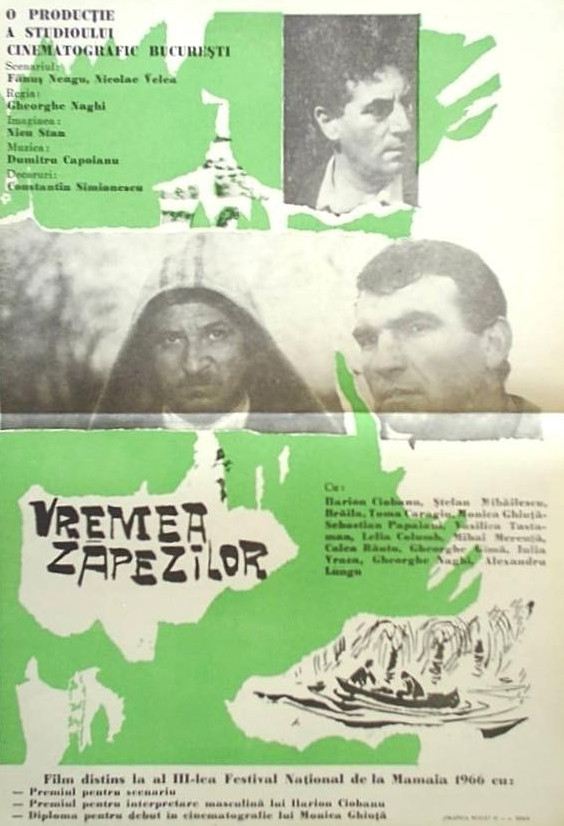
Pavel has to confron his father in law, who is decided to compromise him in front of the village.
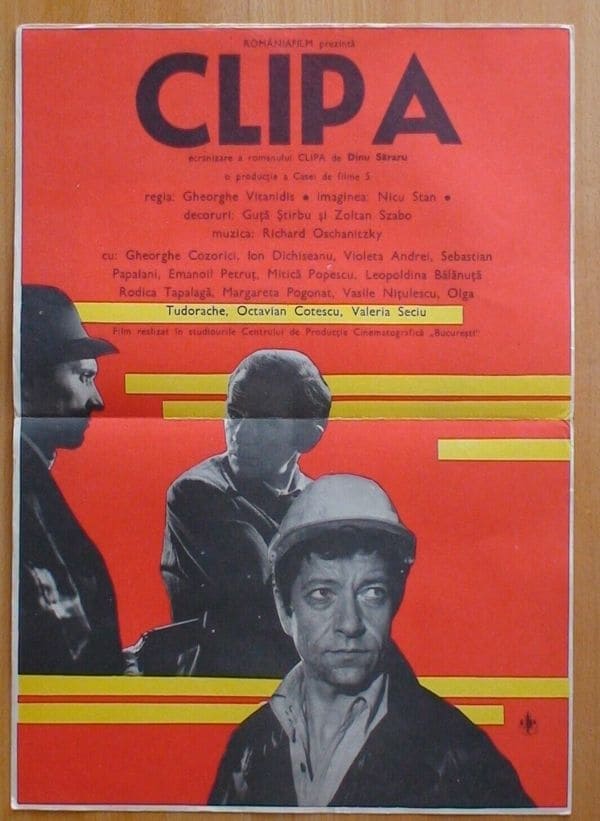
This movie is about a person that was convicted in the 50s by the stalinist policy of the times, then released and re-educated at the workplace in 65, as the policy changed.

Light comedy about various Bucharest house dwelling families trading their houses for apartments in a brand new apartment building complex in a new subdivision of a large Bucharest neighborhood.
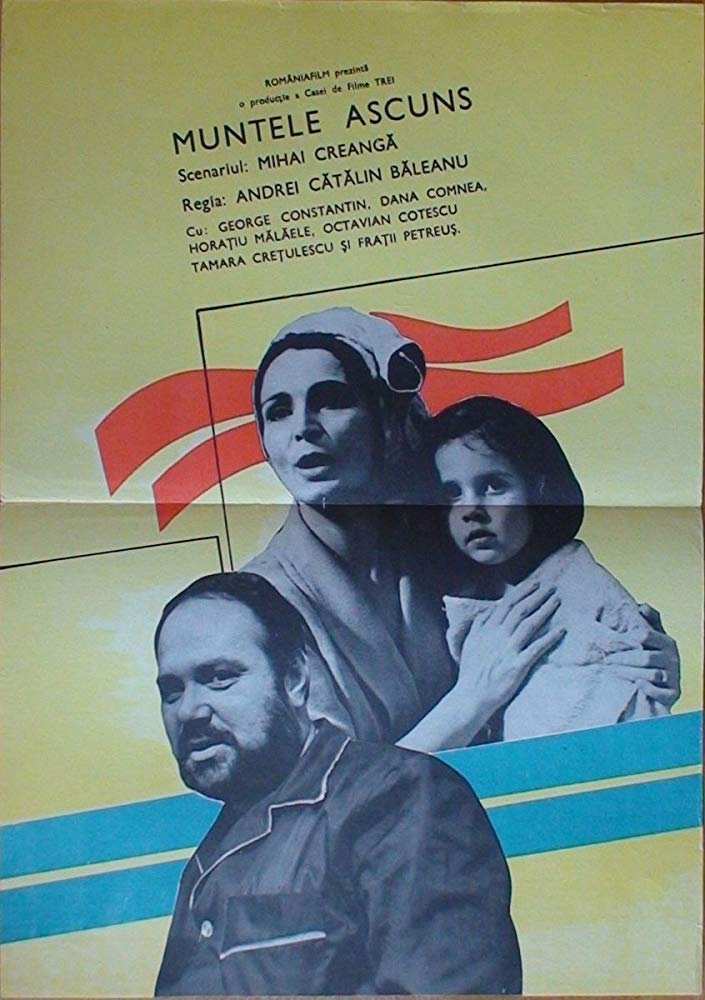
A young man is taking hard his parents divorce and constant absence, so he decides to work on a hydro dam project. Here he finds some relatives that serve as a family.
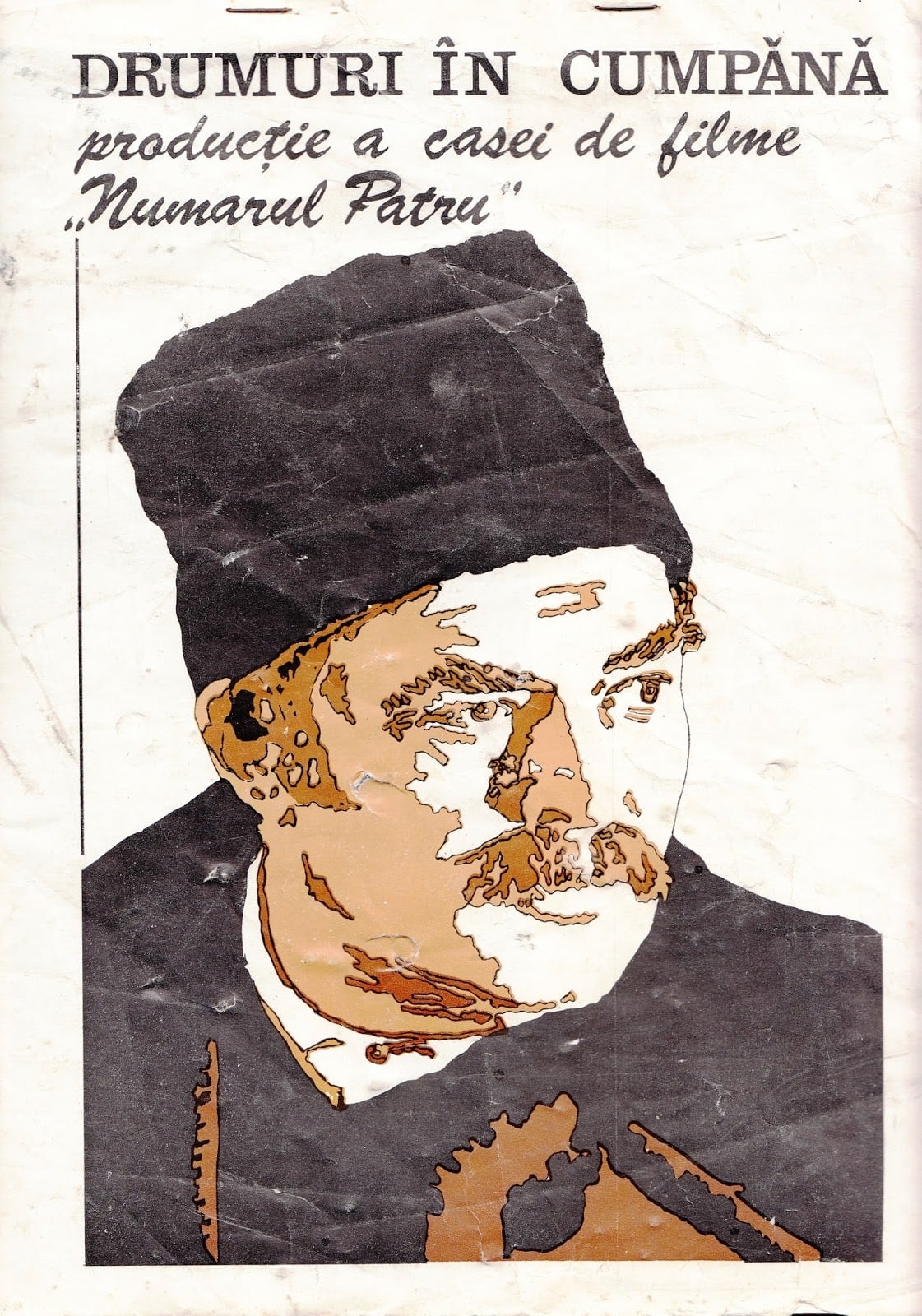
Octavian Borcea, a middle aged peasant, goes through a social crisis when he decides to re-marry with a widower. He visits all his 5 children, then he returns in the village, where he burned his bridges.
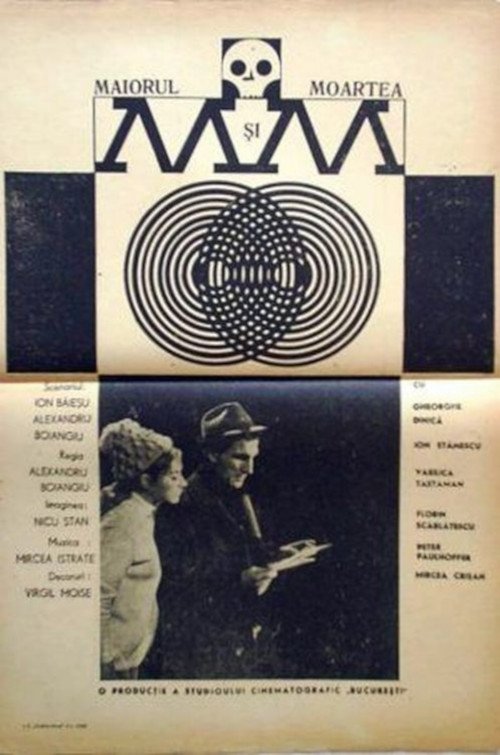
A police major is investigating a gangster.