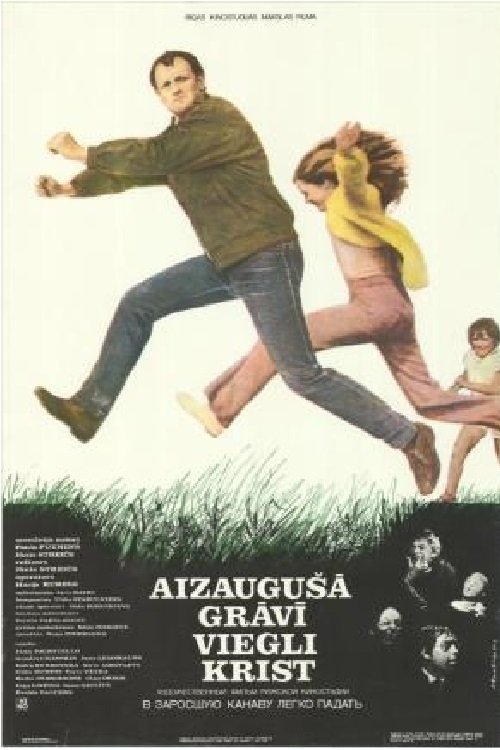

In this film, set in Latvia in the late 19th century, Edgars, the coachman of Alaine Manor, loves Kristine, the washerwoman's daughter, although he is too hot-headed for Kristine's mother to consider him a good suitor for his daughter. The servant Viskrelis and stable boy Sutka try to tempt Edgars to a life of drinking and a relationship with the barmaid Matilde. Meanwhile, Kristine is courted by the rich land owner, Akmentins.

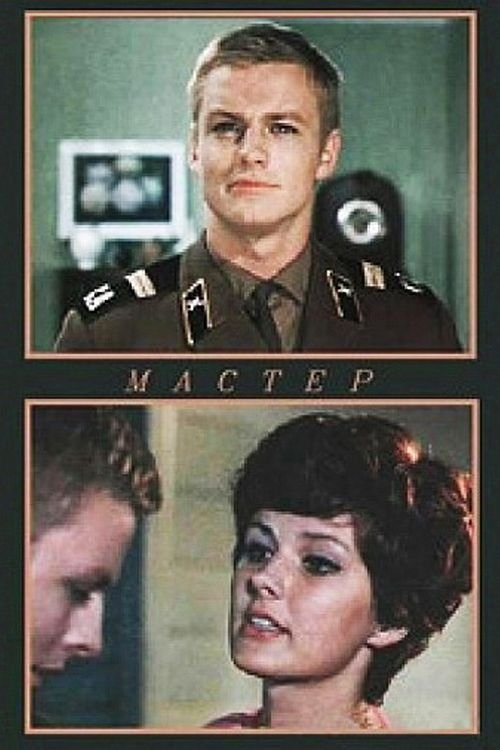
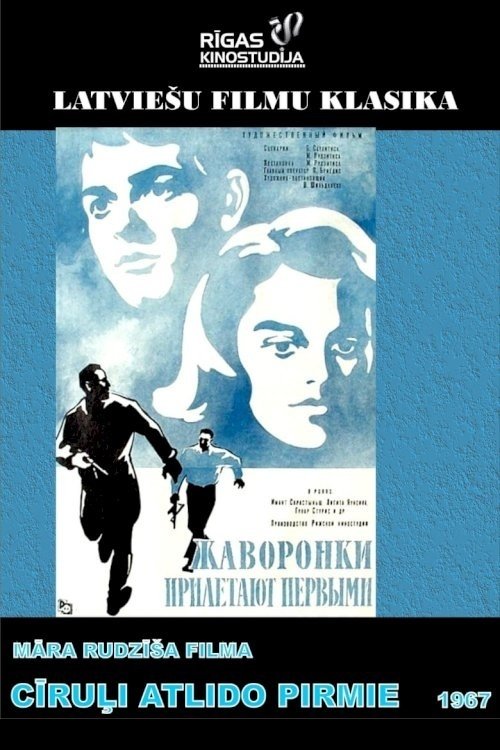
Artūrs comes back to Riga after serving in army and faces changes because of his years of absence- his girlfriend has met another man, his work in a factory in a superior position brings changes to relationships with acquaintances.

One of the iconic Latvian movies. Based on Astrid Lindgren's book 'Emil of Lönneberga'. A story of a little boy, Emil, who, according to others is incredibly naughty, but actually Emil is a lot more kind hearted than all the rest. And everything he does is to help someone. But somehow it all the time turns out like a prank. His family won't agree with any pranks on themselves, so there goes Emil in his father's tool shed, where he's locked up for every prank. Includes the phrase - 'the main idea is to keep your feet warm', which has been adapted in Latvian culture, so it's already a saying.
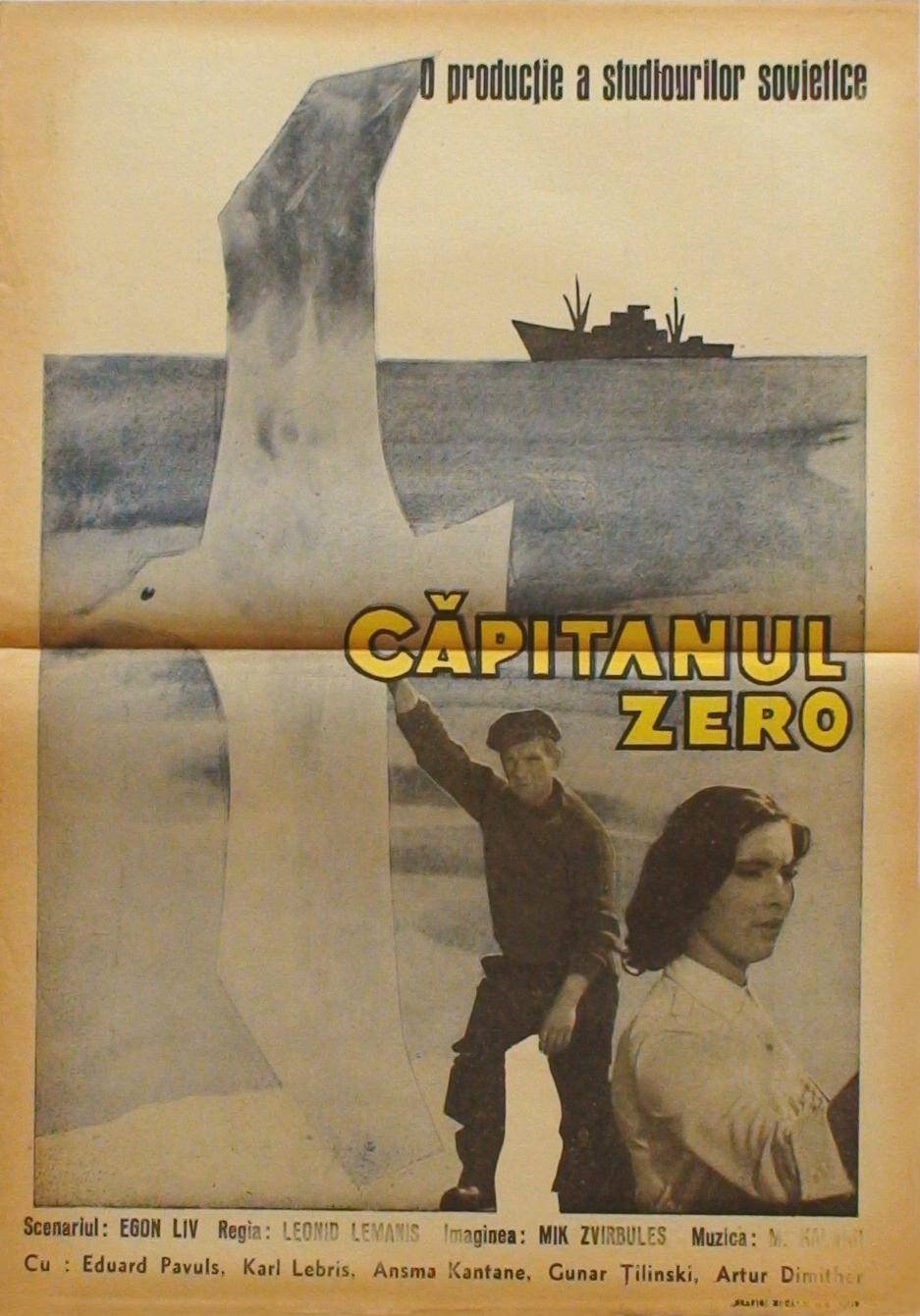
Valdis Nulle is a young and ambitious captain of fishing ship 'Dzintars'. He has his views on fishing methods but the sea makes its own rules. Kolkhoz authorities are forced to include dubious characters in his crew, for example, former captain Bauze and silent alcoholic Juhans. The young captain lacks experience in working with so many fishermen on board. Unexpectedly, pretty engineer Sabīne is ordered to test a new construction fishing net on Nulle's ship and 'production conflict' between her and the captain arises...

Oskars lives in a typical sea-side village, but wants to break free of his father’s rule and the old ways – he dreams of new, large nets, an ice-cellar, and the fishermen’s independence from the fish wholesaler. At first, no one wants to believe in Oskars’ plans, except for happy-go-lucky Fredis. With the help of Fredis, Oskars builds a new fish trap, gaining admiration from even the old fishermen.

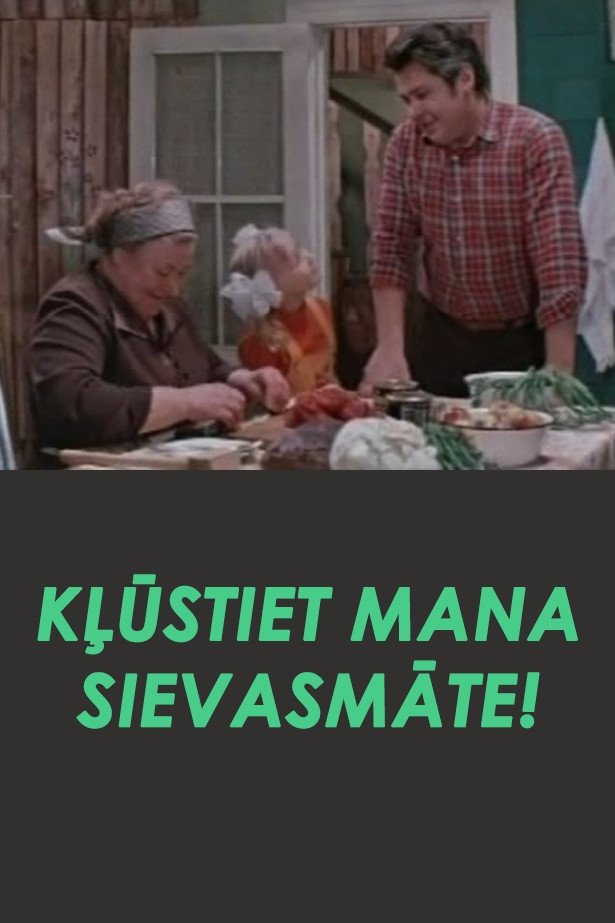
An adventurous love story of a veterinarian from Riga, a cheerful loser Andris.
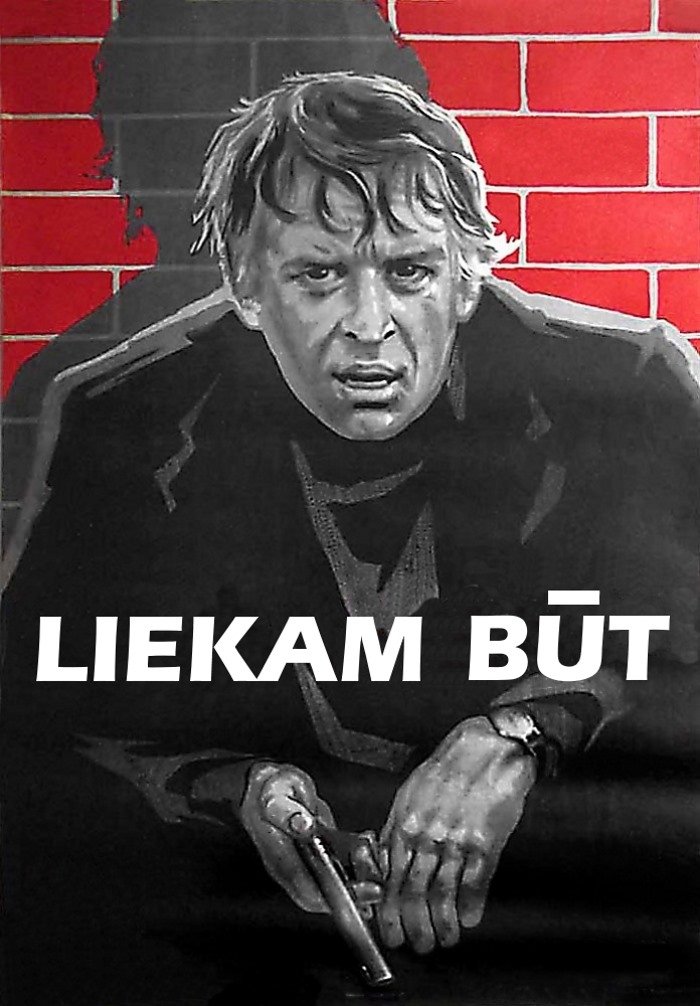
Voldis Viters is released after seven years in prison. He is 46 years old and has no family or job. Some of his old friends have abandoned the life of crime, and policeman Leo Aleksandrs, as well as the beautiful taxi driver Irēna, try to persuade Voldis to forget the past and move on. But when the crime boss Teksis proposes a plan to rob a jewelry store, Voldis agrees, thinking this will be his last crime before starting a new life. Marking the pinnacle of its director's filmography, To Be Unwanted is a psychological drama that centers not on a single crime or its investigation but on the emotional collapse of the criminal as he realizes that his amoral lifestyle has rendered him redundant within society.
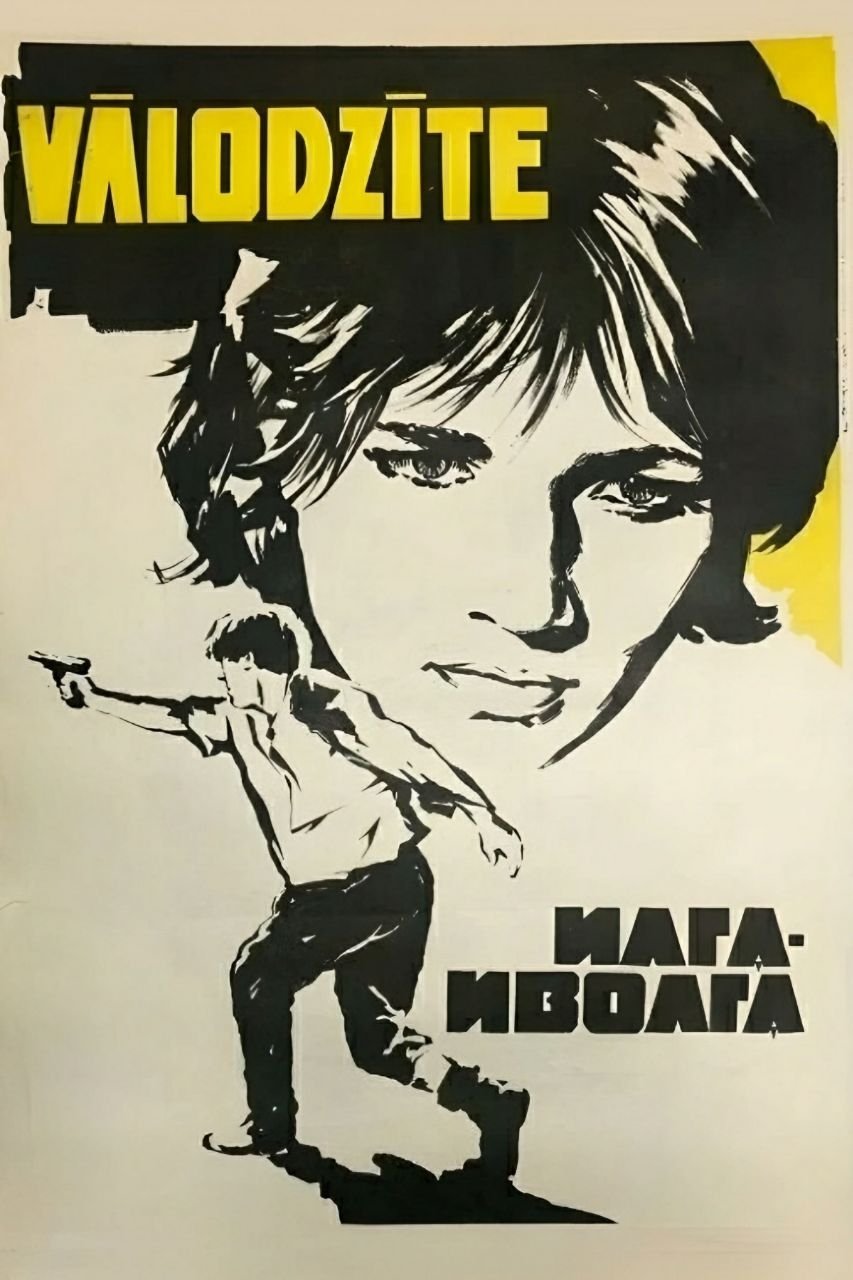
The wounded Russian soldier Fyodor, risking his life, was sheltered on a Latvian farm by his grandfather and granddaughter. Ilga fell in love with him, but the war separated them. Fedor went to the partisans, and Ilga is killed by the Nazis. Only many years later Fedor came again. Here he meets a young woman very similar to Ilga.

A man returns to his village after many years away with his new wife in tow.

Human relationships are like fishing nets, they can be either filled or nodular.

The great actress Julia Lambert suddenly realizes that she is, alas, getting old. What can help a woman who has absolutely everything? Only new love. And Julia falls in love with the first person she meets: an ambitious young man who has not a penny behind his soul. So begins a new life - a new romance and new tears. How else could it be?

The 30-year war still goes on. Riga headmasters have decided to submit themselves to mercy of Polish-Lithuanian Duke. Rigas' defenders disagree strongly and steal the ceremonial Key of Riga. Will they succeed in their fight against all odds? Will three Latvian musketeers have their happily ever after?

A young boy finds a watch with an engraving in Spanish saying that the watch belongs to Captain Enrico, and adventures begin...
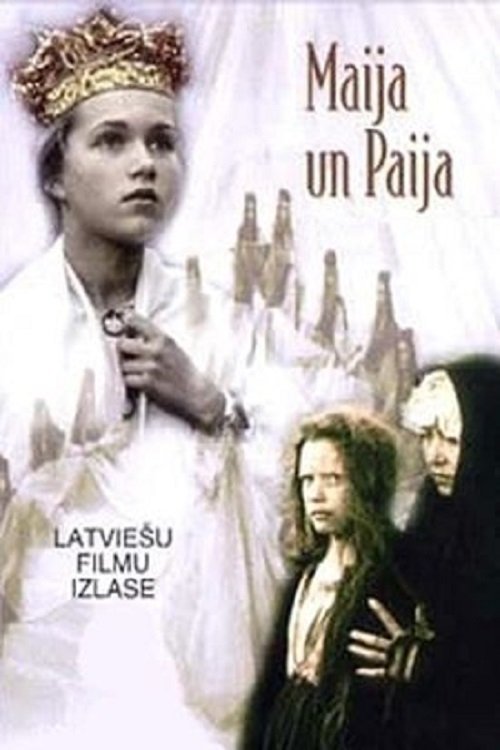
A Latvian fairy-tale film based on Anna Brigadere’s classic play. It follows two stepsisters: gentle, hardworking Maija and spoiled, idle Paija whose trials in the underworld reveal their true natures, with rewards and consequences to match.

Latvia. The end of the 19th century. In a corner of a parish on the shore of a lake, two families live side by side. The Dievlodziņi and the Vilkači. With a long-standing hatred in their relations. True, the manifestations of hatred are felt only in the Dievlodziņi homes. How could it not! They are increasingly unlucky, diseases and livestock diseases strike, and the crops do not yield. In contrast, in the Vilkači, everything grows in a whirlwind, and diseases also continue to take a detour. This leads us to think that the Vilkači family achieves its prosperity by pestering and practicing witchcraft. Over time, they have also managed to turn the other people of the parish against them. However, the essence is completely different. The Vilkači people, being Christians, have not forgotten the ancient traditions and customs of the Latvian people, which are rooted in human life, not separating themselves from nature.


Arvīds Lasmanis can't hold any job for long because he is not ready to tolerate deceit and slapdash work. He still has to feed his family, by chance he finds a well-paid job as a gravedigger. A friend helps Arvīds to find a place in a construction team, but other workers don't approve of Arvīds' high principles. His wife accuses him of not knowing how to make money, the family lives crammed in one room of a shared flat. The Soviet absurd comedy tells a story about a man who, while at odds with the system, won't lose his conscience and his true self, even if it means saying no to wealth and comfort.

In one of the prestigious restaurants during banquet speech a large company's director Palmgren is killed in front of dozen guests . Case is lead by Criminal Investigation Officer Pierre Monson with his assistants. Suspect can be easily intercepted if only miserably lazy police officers Kvant and Kristiansson instead of catching criminal would not argue with father of little 3 years old boy who yelled: "Police, police, mashed potatoes" when they ate hot dogs. Help comes from capital in form of the famous Commissioner Martin Beck, who discovers that murdered industrialist was involved in illegal activities and had many enemies. The case is linked as well with government's "higher ends".

When old auntie Mirta succeeds in a lottery and wins a car, which she cannot use herself, different family members are suddenly there to 'be helpful' in favor to get the car after aunties' death, not to mention, they never have come before to help her. The funny rivalry between two parts of family, a foolish jealousy to the near living peasants' family, which had always non-selfishly been there for auntie, is a caricature of greasy human nature. This is a slight humor of the Soviet life details as well. But aunt Mirta isn't fool, and is still young in her heart until her last minute, that appears in her last will - to whom the car, the limousine in the color of St. John's night goes.