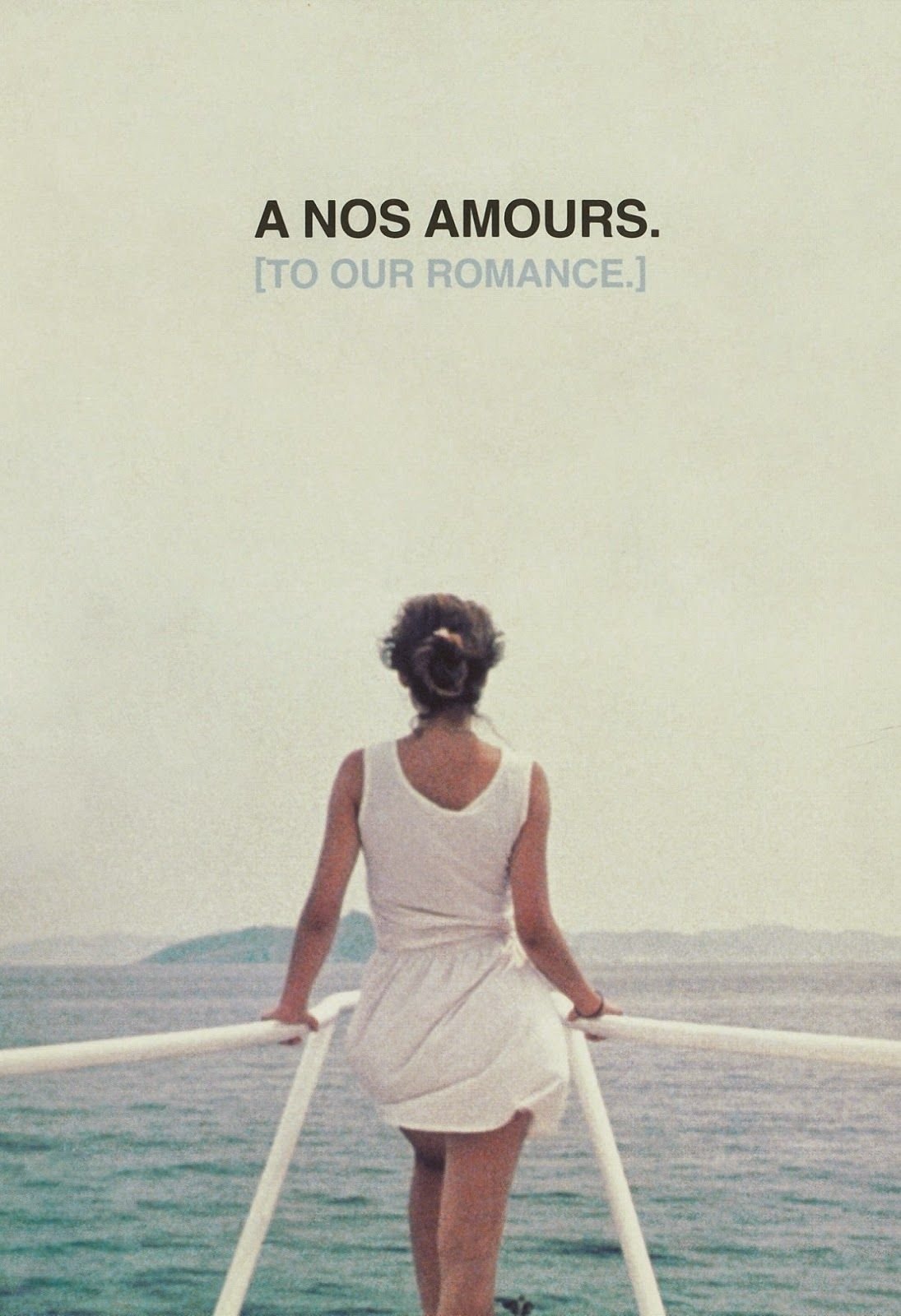
Fifteen-year-old Suzanne seeks refuge from a disintegrating family in a series of impulsive, promiscuous affairs. Her fulsome sexuality further ratchets up the suppressed passions of her narcissistic brother, insecure mother and brooding, authoritarian father.
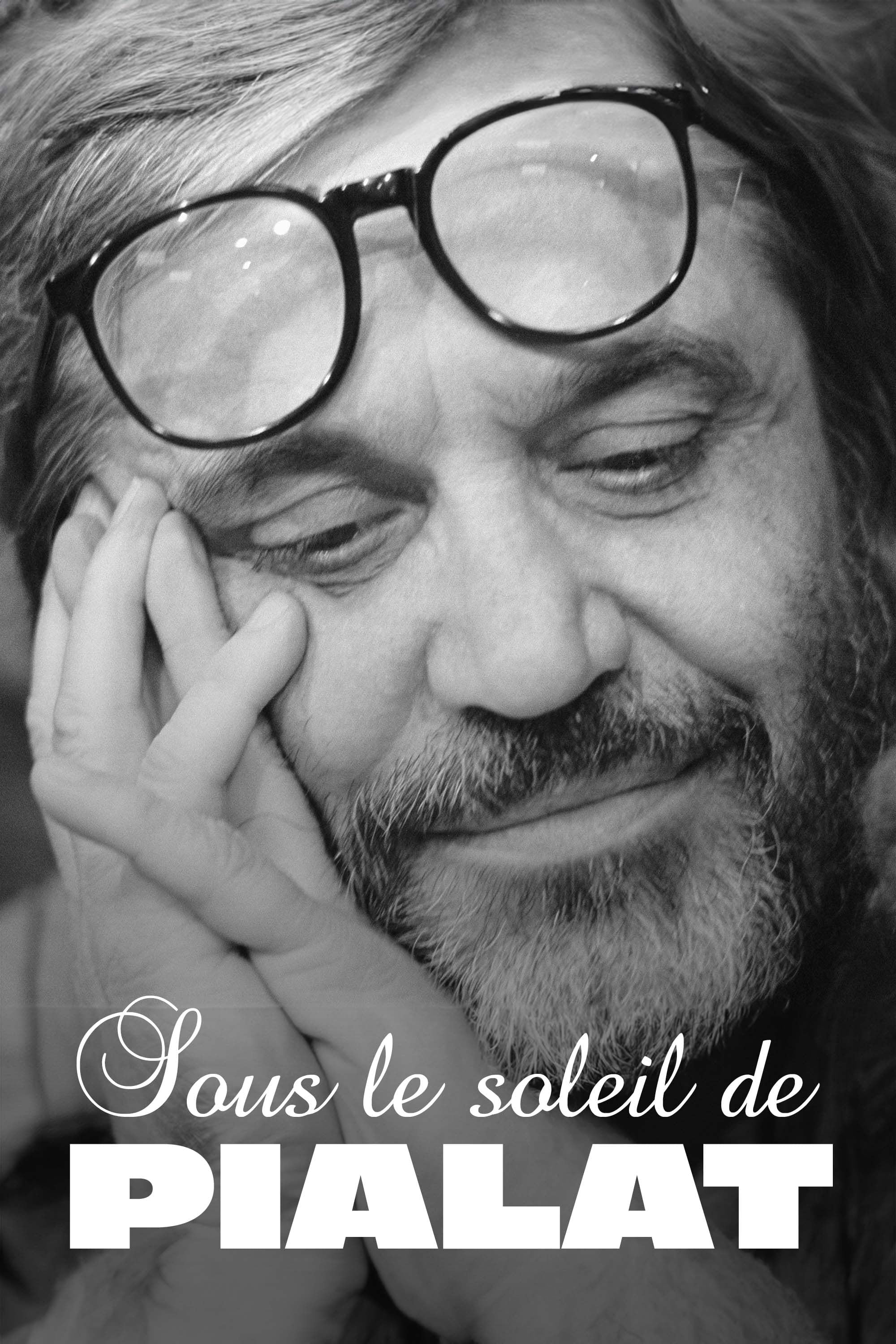
In just ten films, Maurice Pialat painfully rose to the top of the cinema, draining into his legend a mad demand for truth as much as memorable fury to achieve it. With "L'Enfance nue", his first feature film at the age of 43, the filmmaker immediately made his mark, this "art of making things authentic", according to Chabrol. But throughout an unclassifiable filmography in the form of an autobiography, from a break-up to his fatherhood in wonder, through the agony of his mother, the filmmaker does not get rid of the feeling of being misunderstood, despite international recognition.
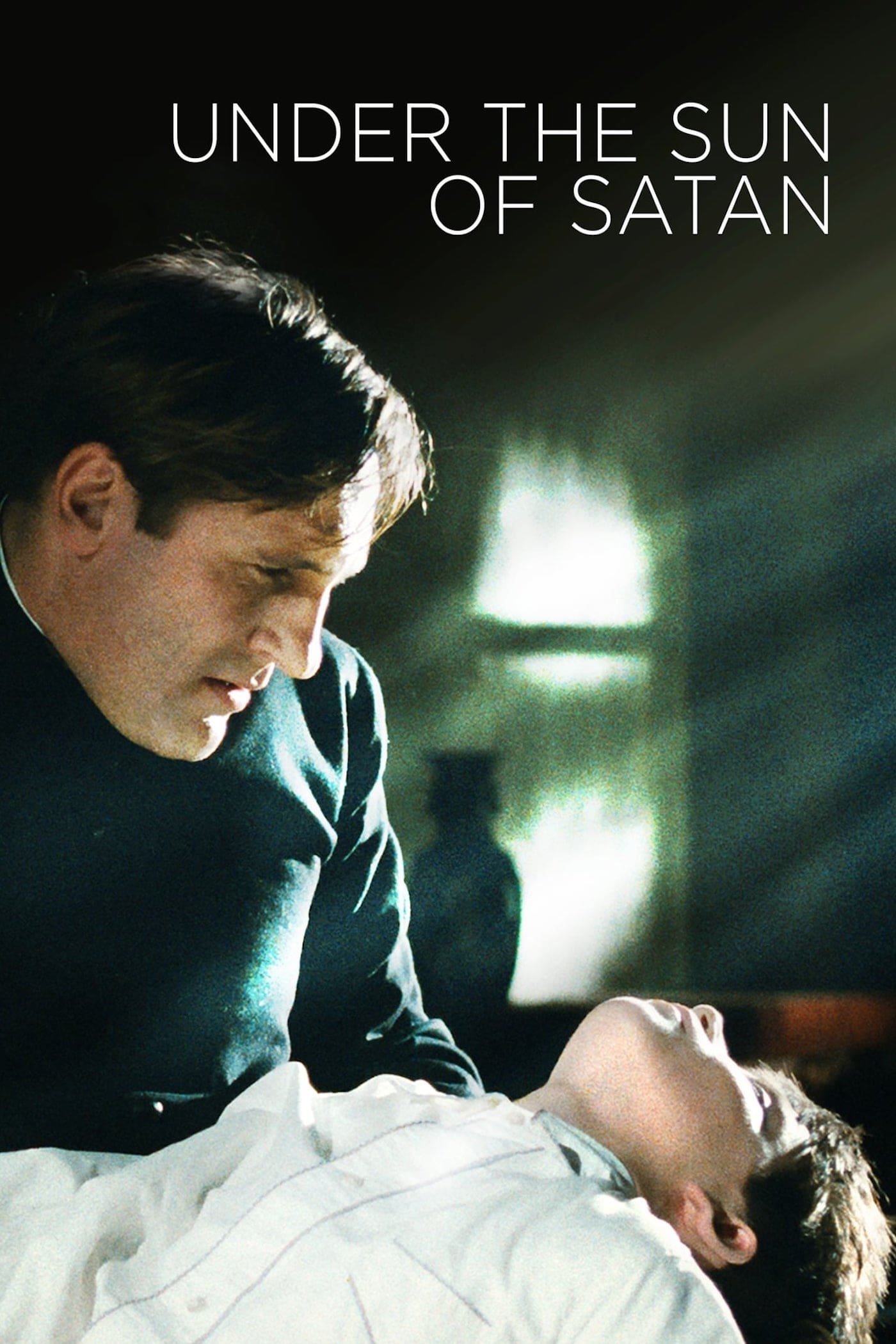
Satan tempts Father Dossignan, who is trying to save the soul of a young girl who killed one of her lovers.

A César award winning short film about a young actress who has to disguise her pregnancy bump in order to keep working.
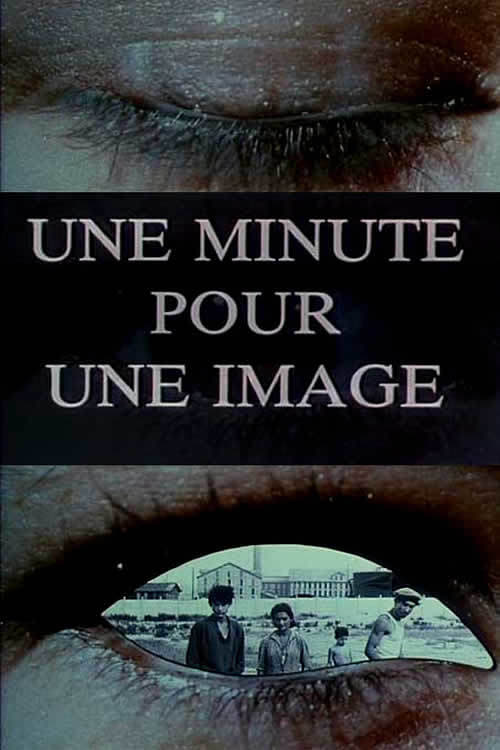
TV series directed by Varda in which she gives thoughts to her favorite images and why she is drawn to them (in short one minute segments per image)
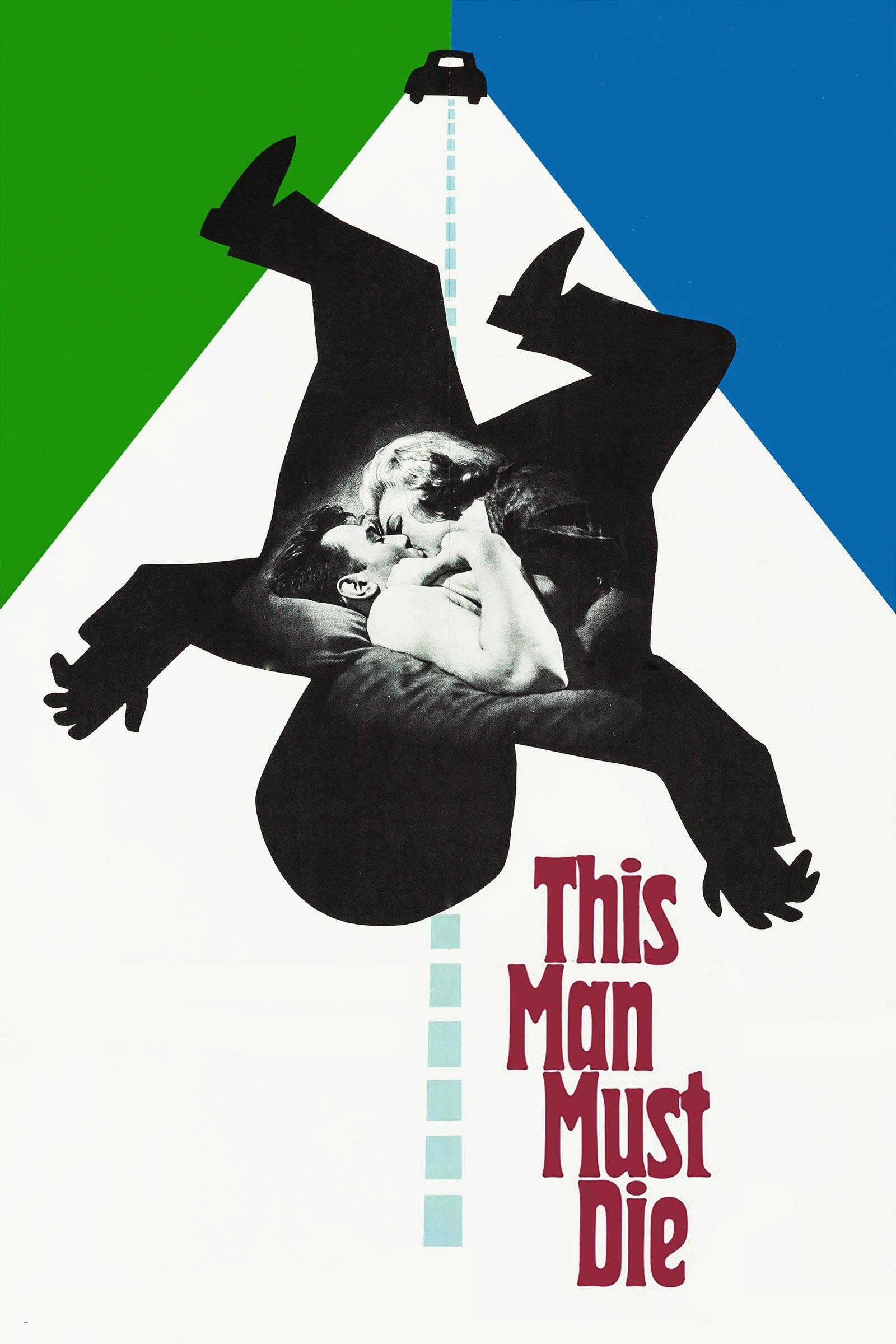
When his young son is killed in a hit and run accident, Charles Thenier resolves to hunt down and murder the killer. By chance, Thenier makes the acquaintance of an actress, Helène Lanson, who was in the car at the time of the accident. He then meets Helène’s brother-in-law, Paul Decourt, a truly horrible individual.
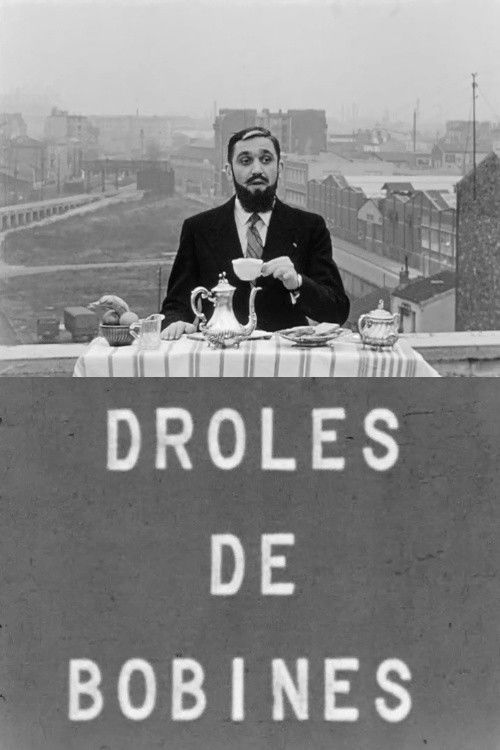
Ruby Alcow becomes assistant manager of a factory, twenty years after failing his baccalaureate five times, engaging in absurdist shenanigans with his coworkers. Pialat's early short film made for Olivetti's end-of-year party, where the filmmaker was then a sales representative; an homage to silent era slapstick comedy.

Filmed in Paris in 1964, this documentary short follows two fifteen-year-old girls from the city’s 16th arrondissement as they move through leisure, conversation, and social encounters. The film records their views on adulthood, relationships, and the future, capturing a moment of transition between adolescence and adult life.
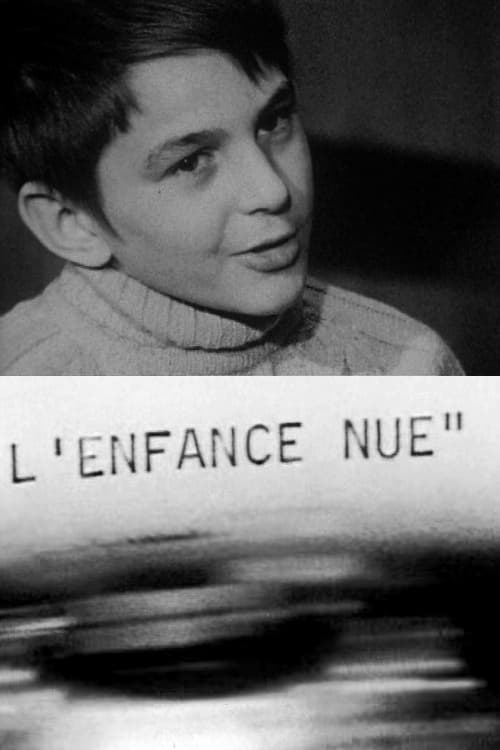
Documentary about the making of Maurice Pialat's 1969 film "L'Enfance nue" (Naked Childhood).
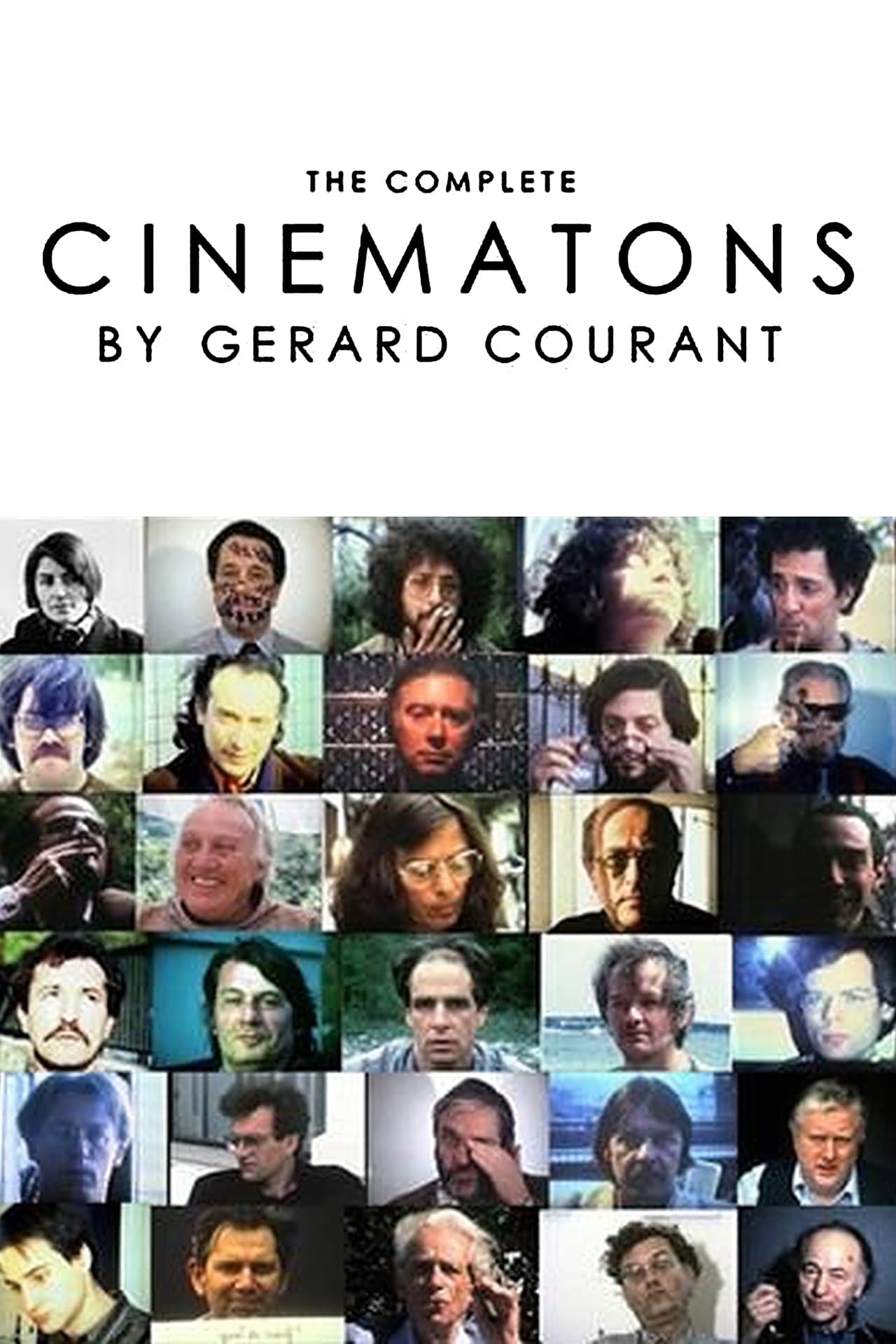
Cinématon is a 156-hour long experimental film by French director Gérard Courant. It was the longest film ever released until 2011. Composed over 36 years from 1978 until 2006, it consists of a series of over 2,821 silent vignettes (cinématons), each 3 minutes and 25 seconds long, of various celebrities, artists, journalists and friends of the director, each doing whatever they want for the allotted time. Subjects of the film include directors Barbet Schroeder, Nagisa Oshima, Volker Schlöndorff, Ken Loach, Benjamin Cuq, Youssef Chahine, Wim Wenders, Joseph Losey, Jean-Luc Godard, Samuel Fuller and Terry Gilliam, chess grandmaster Joël Lautier, and actors Roberto Benigni, Stéphane Audran, Julie Delpy and Lesley Chatterley. Gilliam is featured eating a 100-franc note, while Fuller smokes a cigar. Courant's favourite subject was a 7-month-old baby. The film was screened in its then-entirety in Avignon in November 2009 and was screened in Redondo Beach, CA on April 9, 2010.
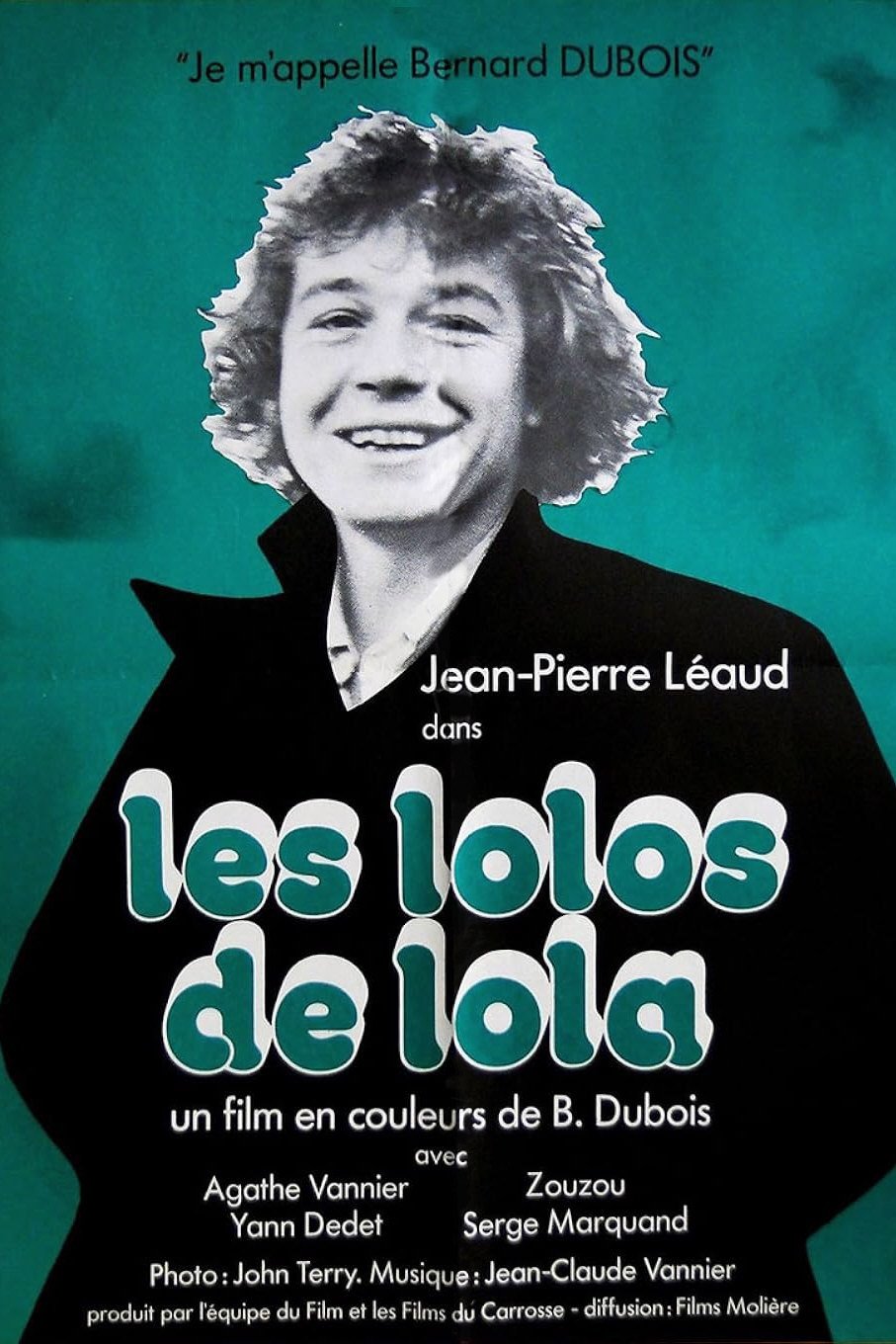
In a deliberately erratic and disjointed fashion, this film follows the adventures of Bernard (Jean-Pierre Leaud). A young man from the provinces, he makes his pilgrimage to Paris and seeks adventure while living on a barge.
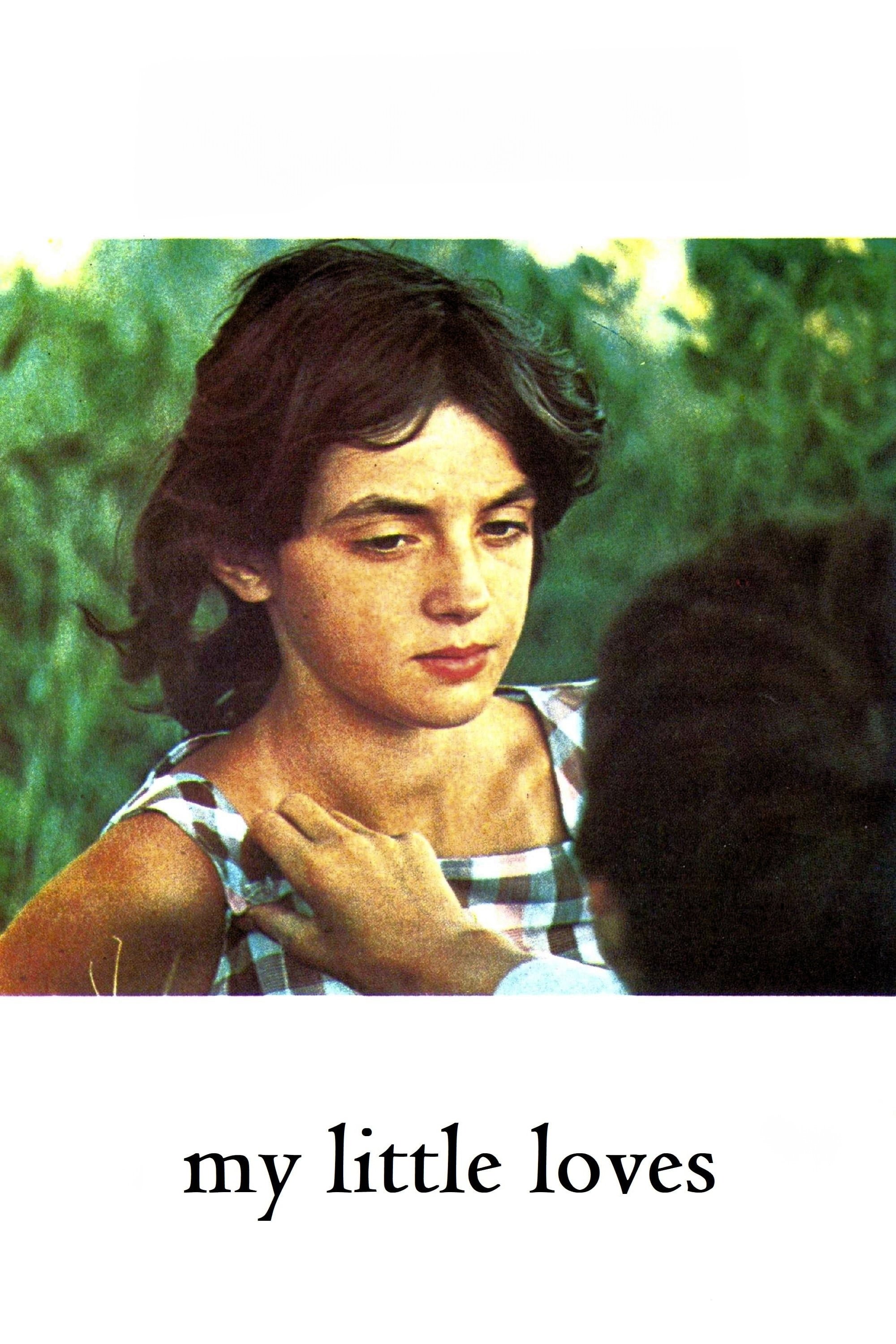
Daniel lives with his grandmother and, after a year of high school, goes to live with his mother in the south of France; a harsher environment which rapidly changes his perception of friends, work, and women.
Reel 24 of Gérard Courant’s on-going Cinematon series.
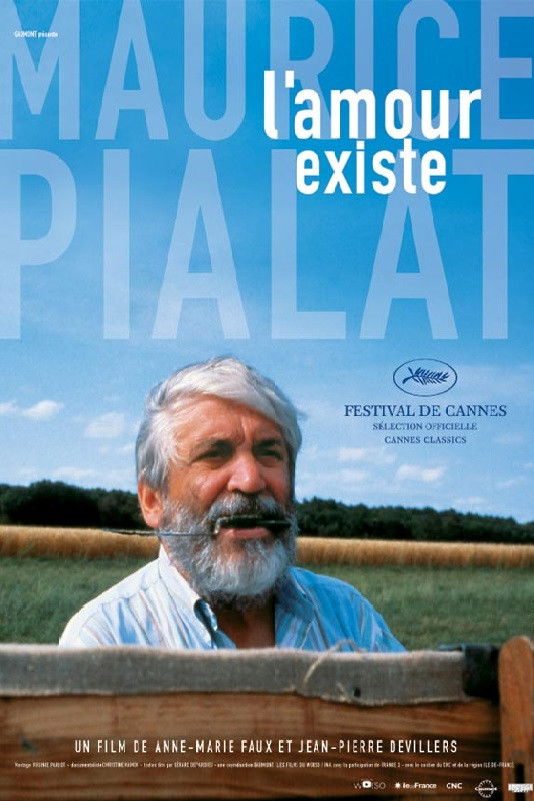
A documentary about the life and career of Maurice Pialat produced by his widow, the accomplished film producer Sylvie Pialat. The film interweaves clips from his films with interview footage of Pialat, who speaks of growing up as an only child, his interest in painting, his early influences in cinema from Yasujiro Ozu to John Ford, his disaffection with the French New Wave, and the theme of abandonment in his films. Pialat’s remarks offer insights into his aesthetic strategies and hint at his reputation as a challenging, irascible director, known for having pushed his actors to deliver raw and powerful performances.