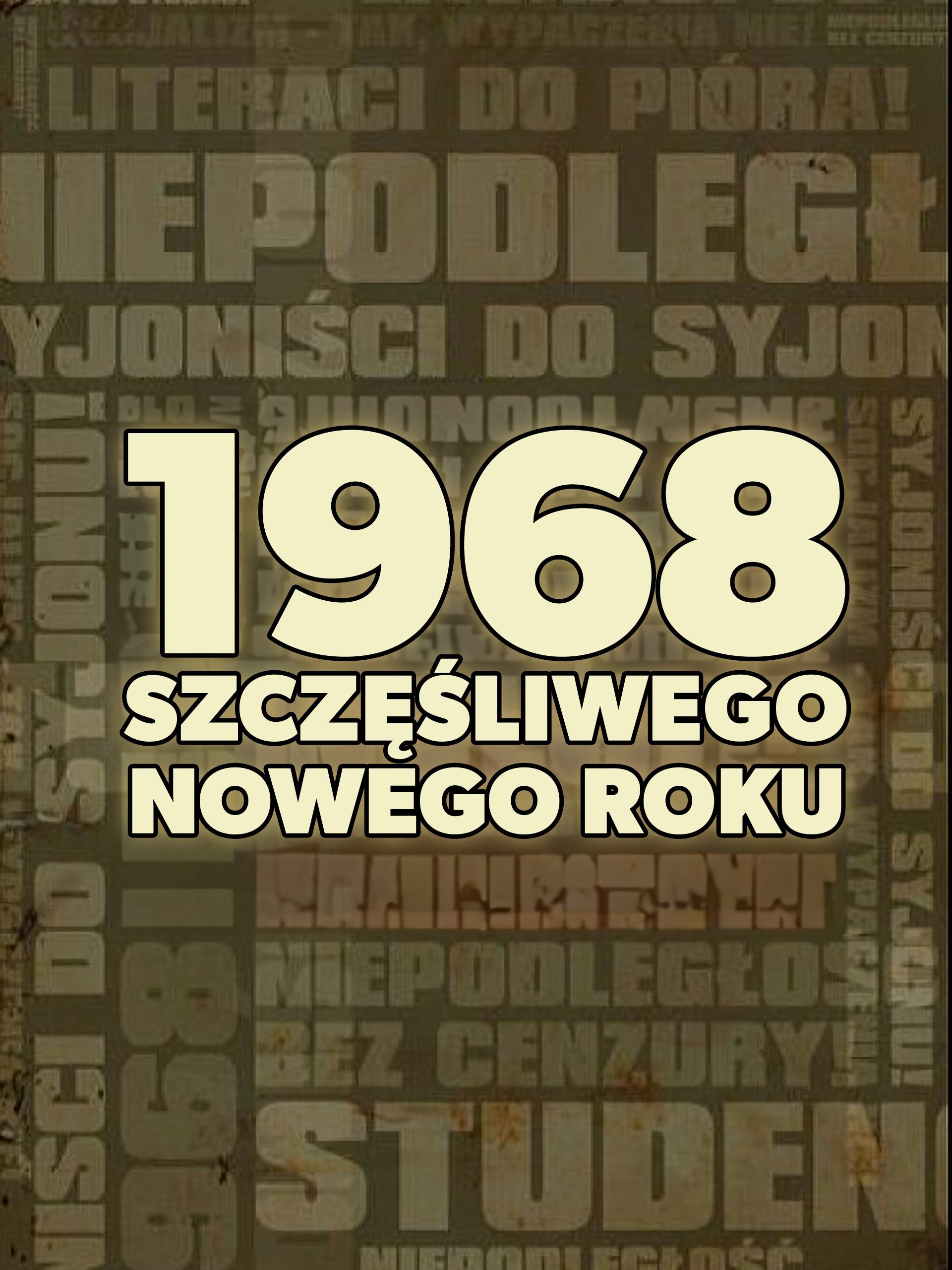
Spring of 1968, Warsaw. The fight for influence between top level Communist officials is the background to a developing love story between a young couple who are engaged in student protests. Both the young couple and their parents will pay a high price for their decisions, and their Jewish roots, which up until now seemed to have no meaning, but which will soon determine their fates.
A young landowner, fascinated by billiard, falls into the trap of gambling

Told as a film within the film, the story concerns an aging actress. Ewa is a flamboyant, pushy actress whose career and love life have come to a dead end. She lives in a faceless housing development. She is totally engrossed in herself and dreams of making a comeback as a singer. But her overbearing personality time after time sets her into conflict with those she tries to work with in the theater and her bedroom.
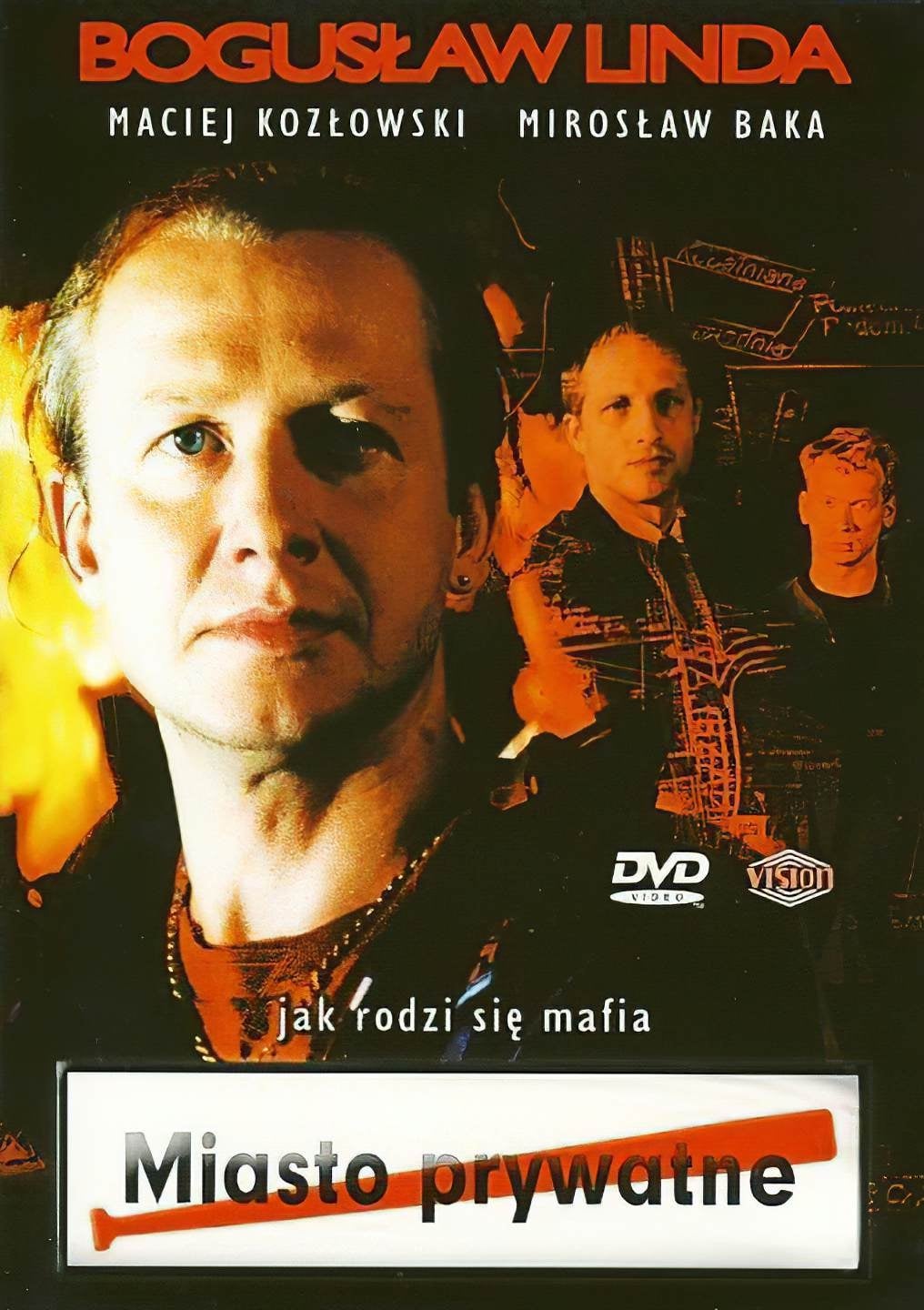
A town near Warsaw. A group of teenagers rules one of the courtyards: Ali, Pawik, and Małgośka, the object of both boys' fascination. A few years later, these same young people form a typical youth gang. Ali and Pawik gather around them a group of peers who have been unable to find their place in society and want to live an easy life. Robberies and thefts are their idea of a comfortable existence. A few more years pass and the gang transforms into a mafia. After the 1989 elections, it enters into deals with politicians. It also gets into a conflict with Russian gangsters.
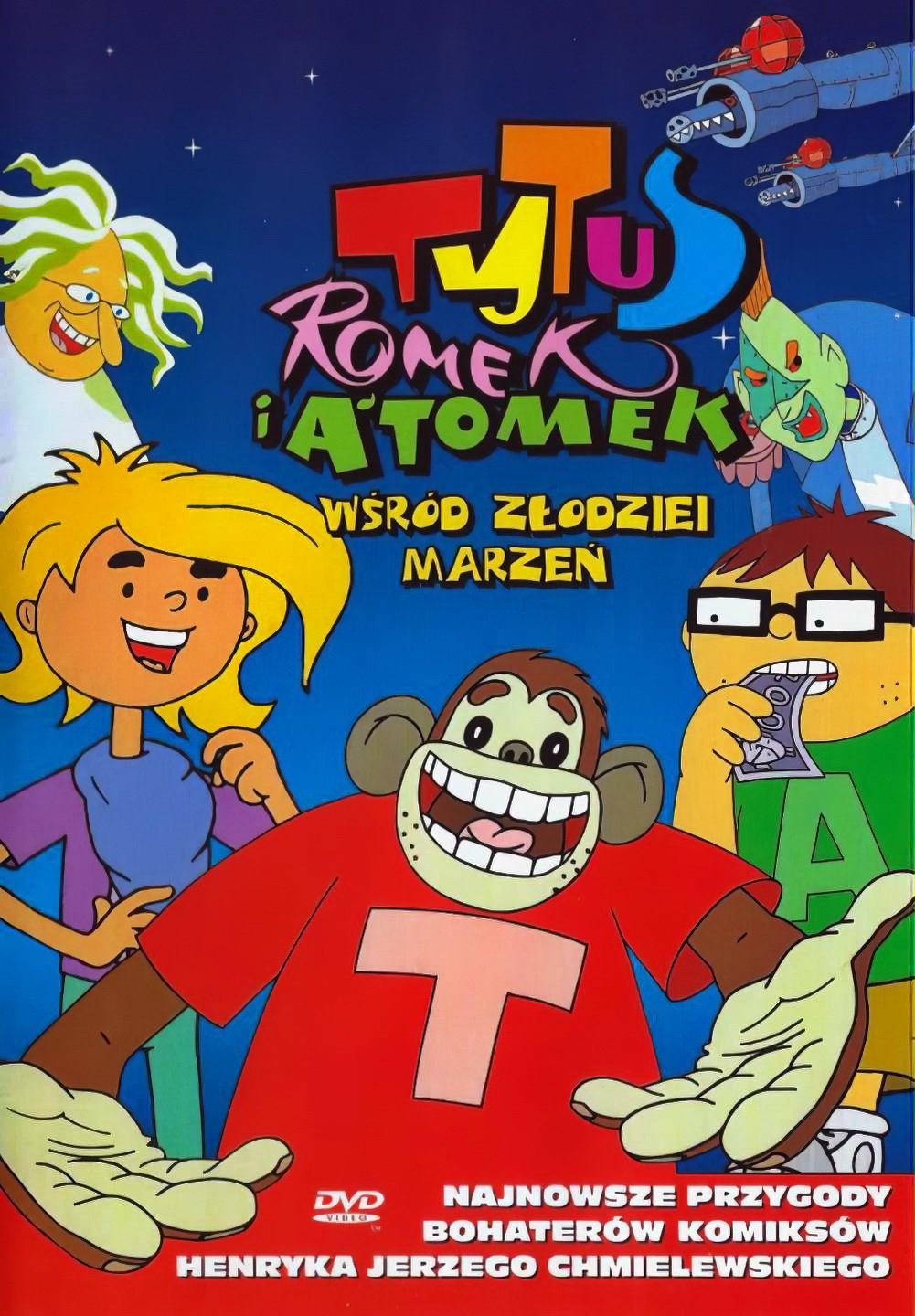
On the planet Transformation, the cruel Prince Saligia steals people’s dreams and turns them into advertisements. When the fame of Tytus reaches him, Saligia lures Tytus and his old friends A’Tomek and Romek to his world, where the friends are captured by the prince’s soldiers and only Tytus’s wits stand between them and despair.

Kazimierz Lipecki lives in a small town, with his three children. The mother died during childbirth, the youngest, a four-year-old girl, did not develop normally. When the grandmother, the pillar of home life, is also gone, Kazimierz Lipecki and his two older children, thirteen-year-old Łukasz and eleven-year-old Ula, start a desperate fight to defend simple, superior values - mutual love and family bonds.

Jerzy Stuhr scripted, directed and plays four roles in this Polish comedy about four men -- an army officer, a college instructor, a priest, and a drug dealer -- and their relationships with four females. An attractive student puts the teacher in an awkward spot when she reveals her love for him. An 11-year-old informs the priest that she's his daughter. The army officer is pleased when confronted by a past lover. The drug dealer, taken prisoner, must decide whether or not to trust his wife with his hidden loot. In the wrap-up, the elderly accountant passes judgment on all four men. Stuhr acted in films by the late Krzysztof Kieslowski, who had some input here by offering advice to Stuhr on this screenplay.
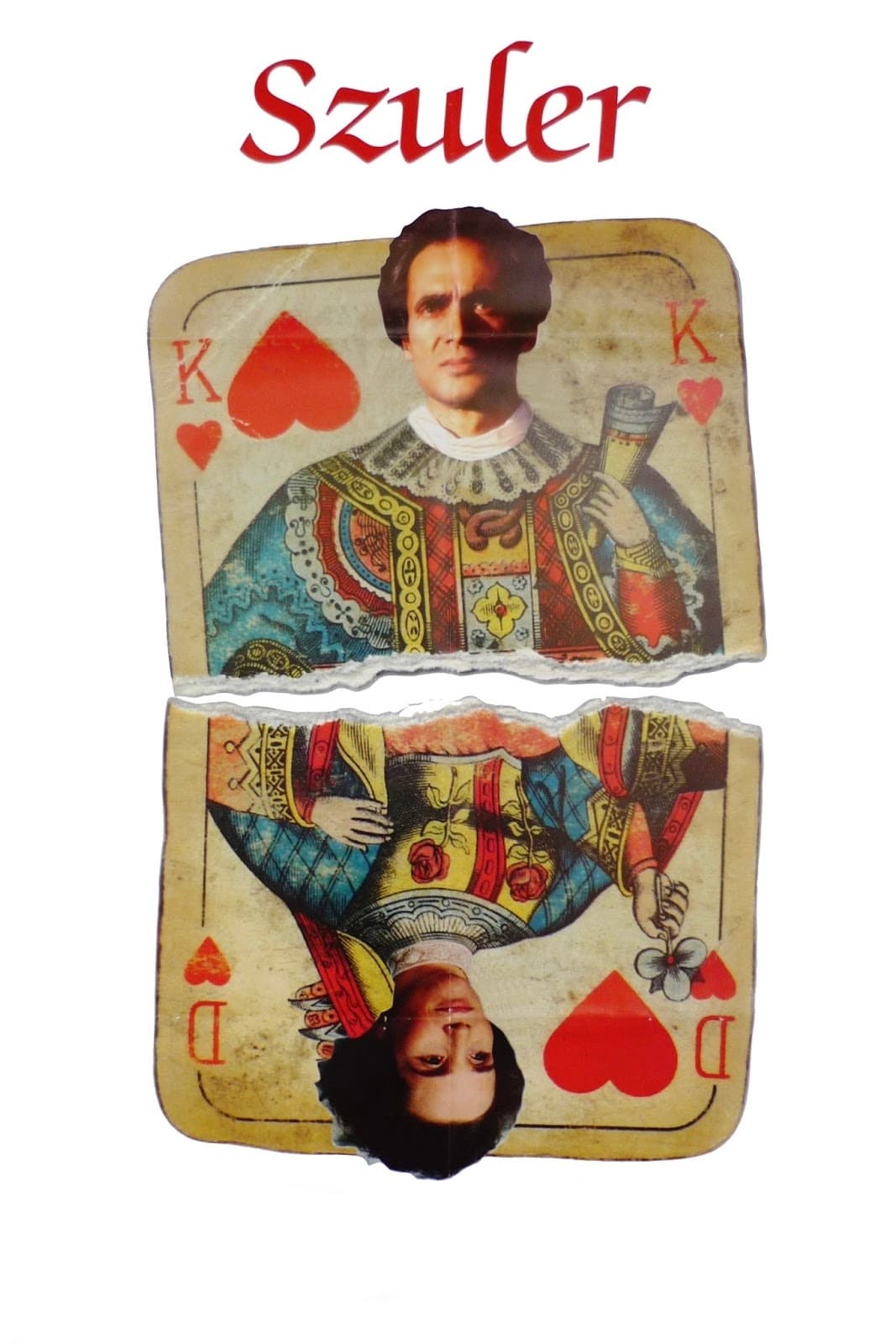
The year is 1750. Europe is in a ravaged state following a plague. Victor Moritz and Rufolf de Sevre are gamblers, frequenters of elegant casinos and fashionable brothels. Rudolf is a young aristocrat, charming and charismatic. His degenerate behavior has an animal intensity. Victor, though leading the life of libertine, remains to one side. He is a man of a refined taste despite his low birth and buys his noble title thanks to his gambling skills. Victor and Rudolf have been inseparable friends for years. Then two young, beautiful and innocent people - a brother and sister - enter their life...

It tells the story of the Warsaw Uprising of 1944 through the eyes of a US airman, escaper from the Nazi Stalag camp and two young reporters, cameramen for the Bureau of Information and Propaganda of the Polish Home Army. Their mission: documenting the Uprising by shooting newsreels for the “Palladium” cinema. Looking for the right shots, they go deeper and deeper – literally and figuratively – into the heart of the Uprising. Traumatic truth becomes obvious. Aware of being witnesses of indescribable events, they realize their duties: to document them and preserve the rolls of film at any cost…
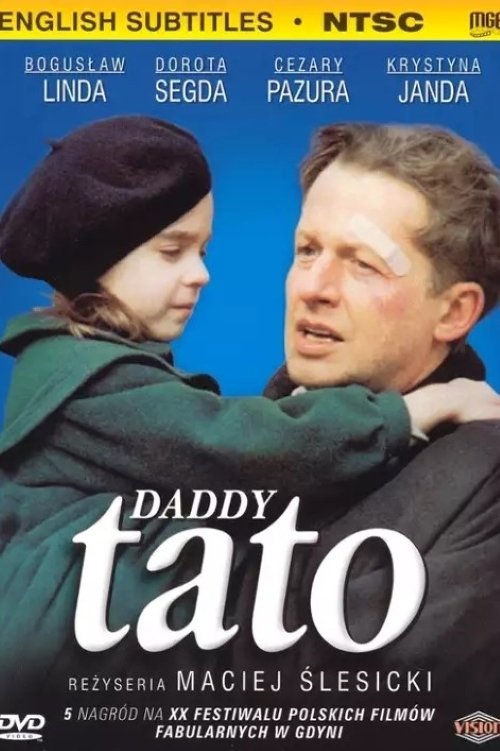
Tato is the story of a divorced father fighting for the right to raise his 7-year-old daughter. When his marriage falls apart, he decides to kidnap his daughter rather than let the court award custody to his mentally ill wife, whom he deems unfit to raise their child. But as he quickly finds out, it’s easier to be a real man than it is to be a real father.