Clément Cogitore adapts a short ballet excerpt from Jean-Philippe Rameau's Les Indes galantes, with the help of a group of Krump dancers and three choreographers on the 3rd Stage of the Paris Opera: Bintou Dembele, Igor Caruge, and Brahim Rachiki. Krump is a dance style that originated in the ghettos of Los Angeles in the 1990s. It emerged as a result of the riots and brutal police repression that followed the beating of Rodney King.
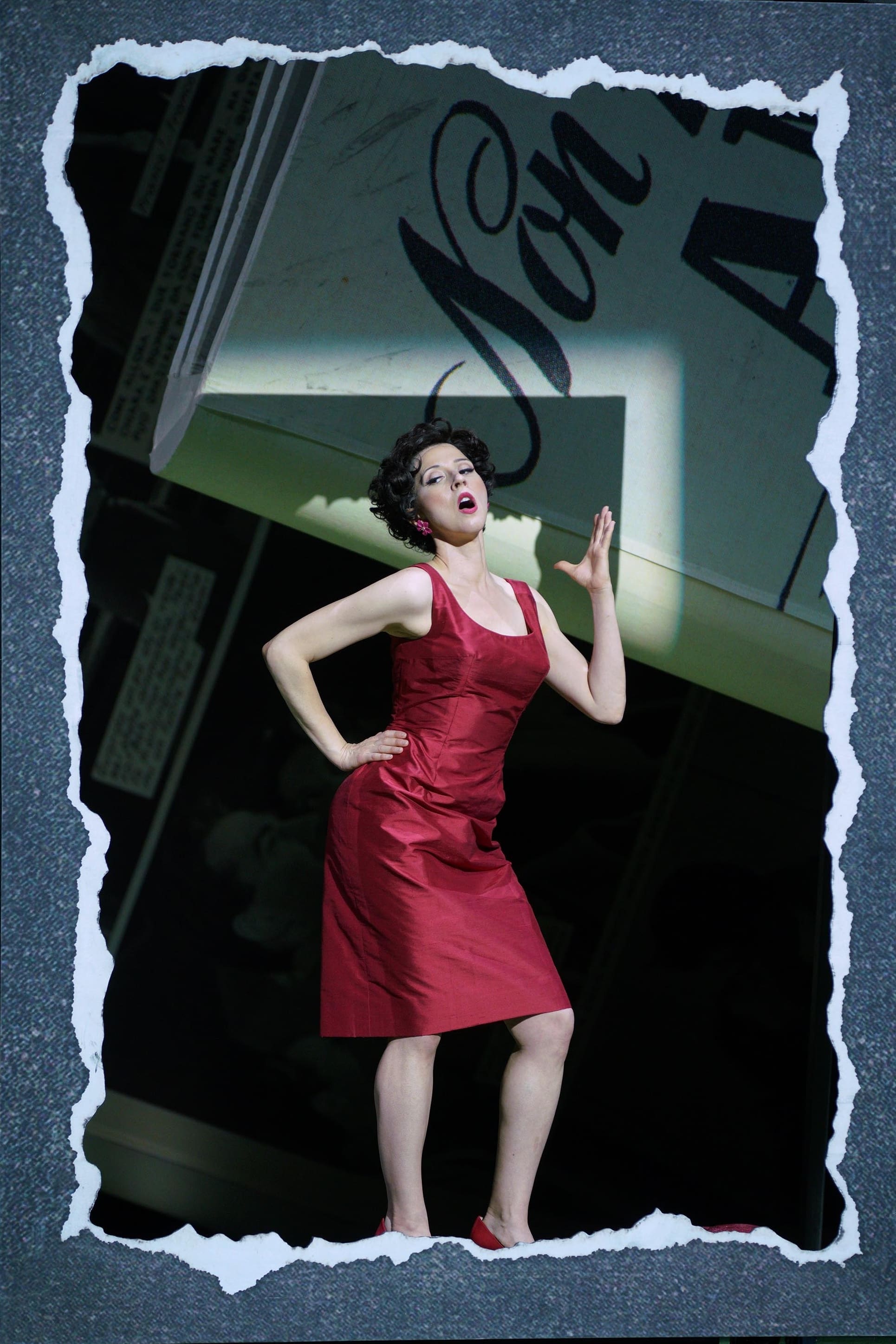
At the Teatro Real in Madrid, director Laurent Pelly and conductor Giacomo Sagripanti get to grips with Gioachino Rossini’s Il Turco in Italia (The Turk in Italy) – a delightful opera buffa teeming with colourful characters!
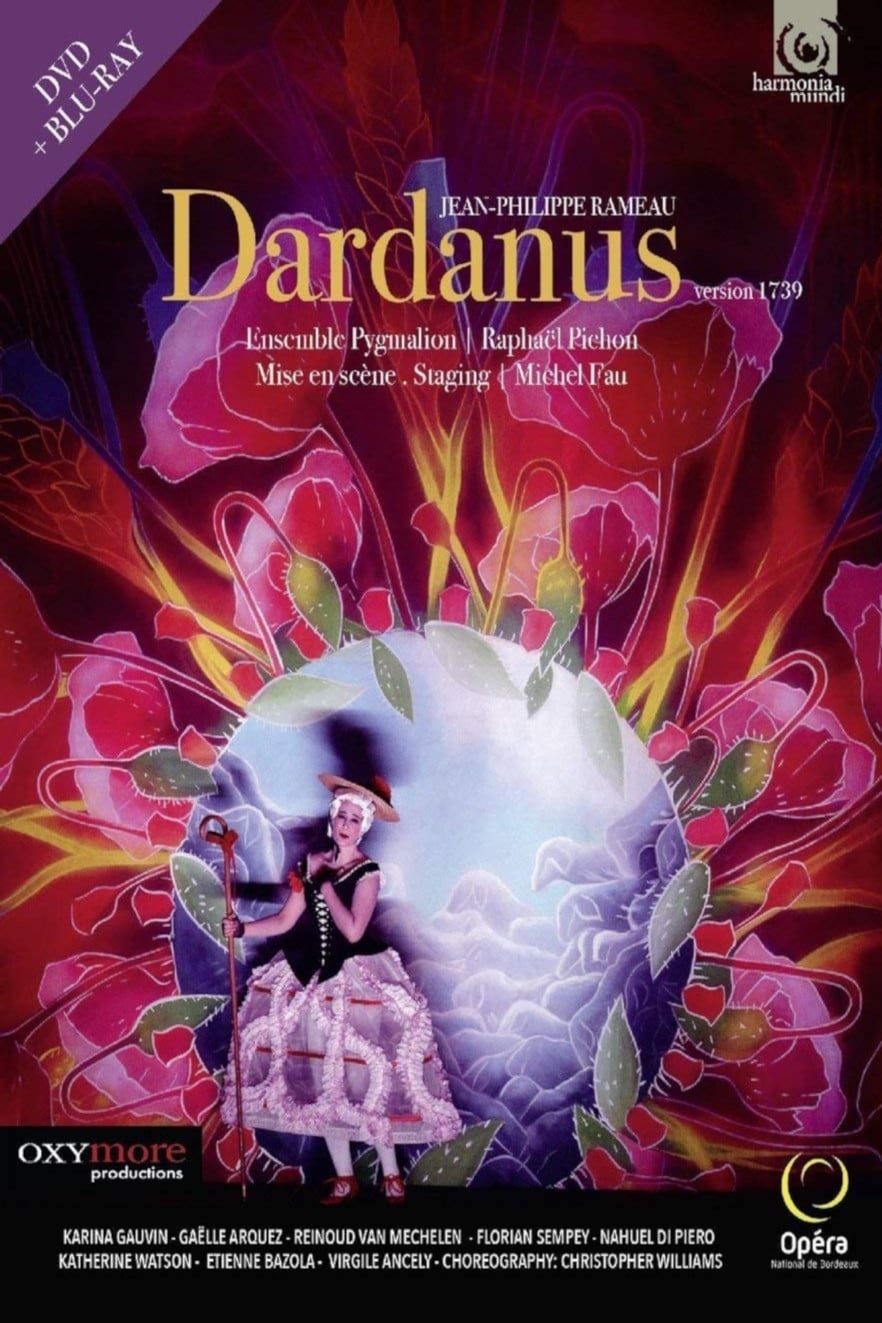
At the Grand Théâtre de Bordeaux, Raphaël Pichon conducts a new production of Rameau's opera Dardanus, with the ensemble Pygmalion, in a staging by Michel Fau and a choreography by Christopher Williams.
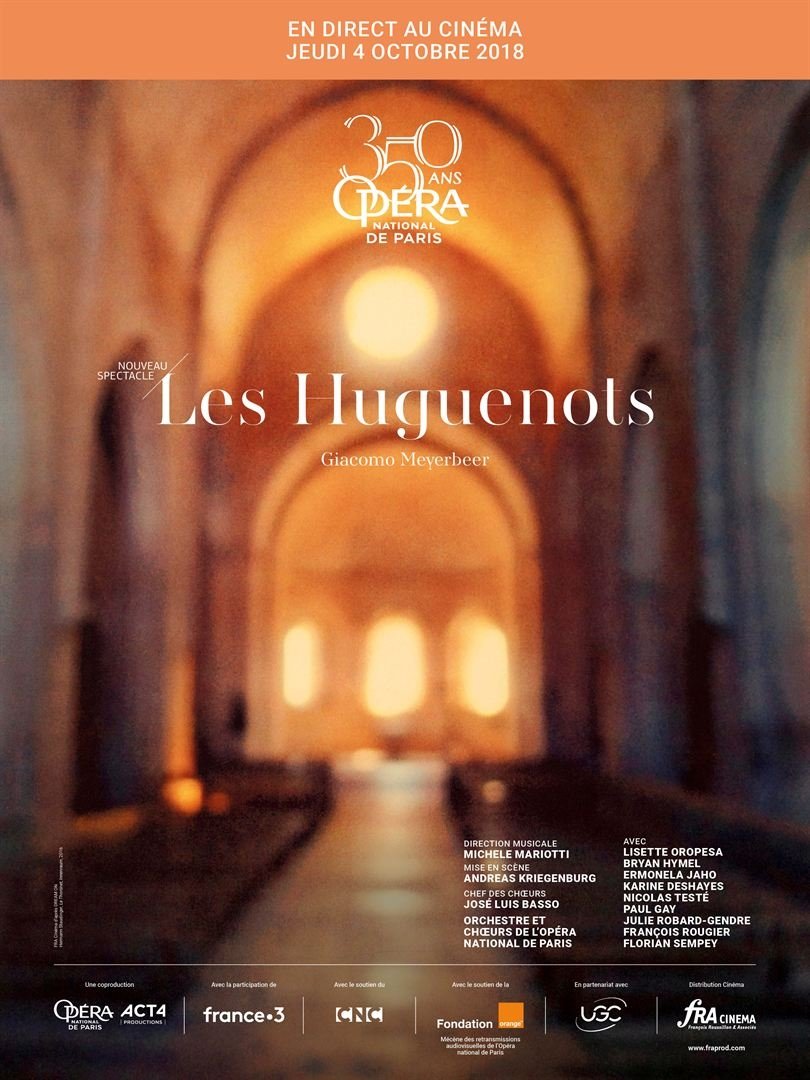
Les Huguenots is a monumental fresco featuring various impossible loves in the context of the Saint Bartholomew Massacre. Andreas Kriegenburg places these timeless conflicts of love and religion in an immaculate setting in which the costumes appear yet more flamboyant and the victims’ blood more violently red.
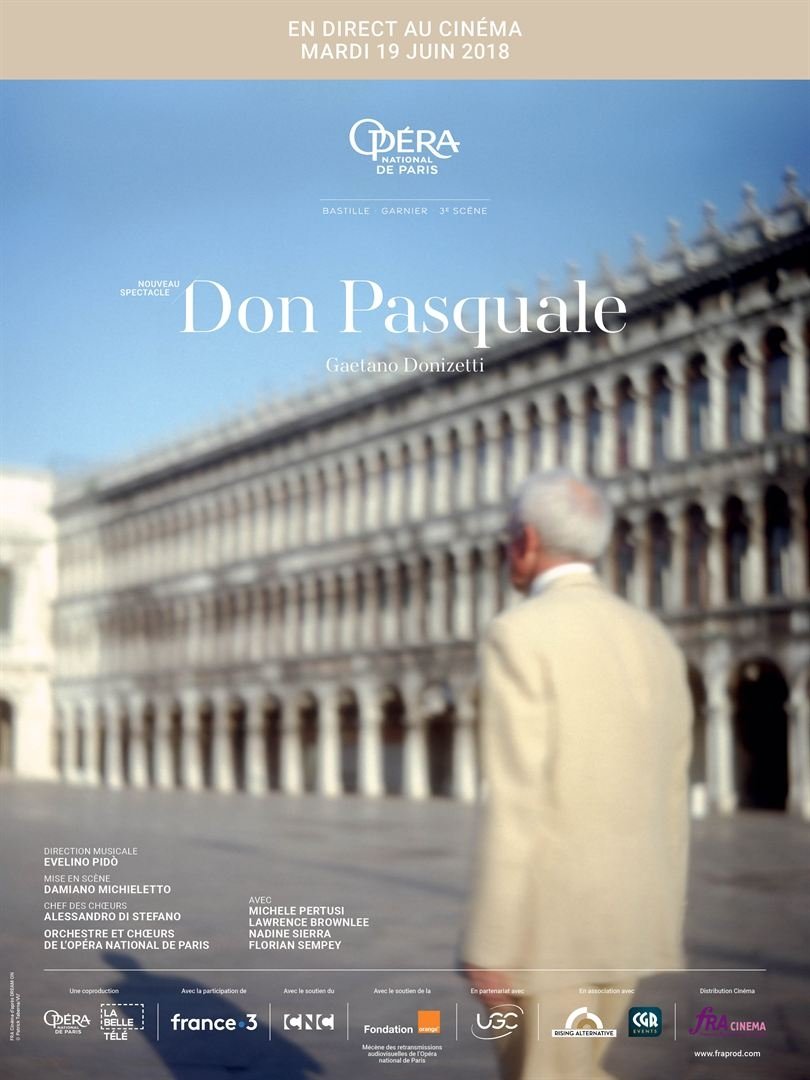
First performed in Paris in 1843, at the turning point of several eras, Don Pasquale, a composite and varied work, is the apotheosis of opera buffa. Performed for the first time at the Paris Opera, the production has been entrusted to the Italian director, Damiano Michieletto, who transports us directly to the sincerity and dramatic splendour at the heart of an apparently light‑hearted work.
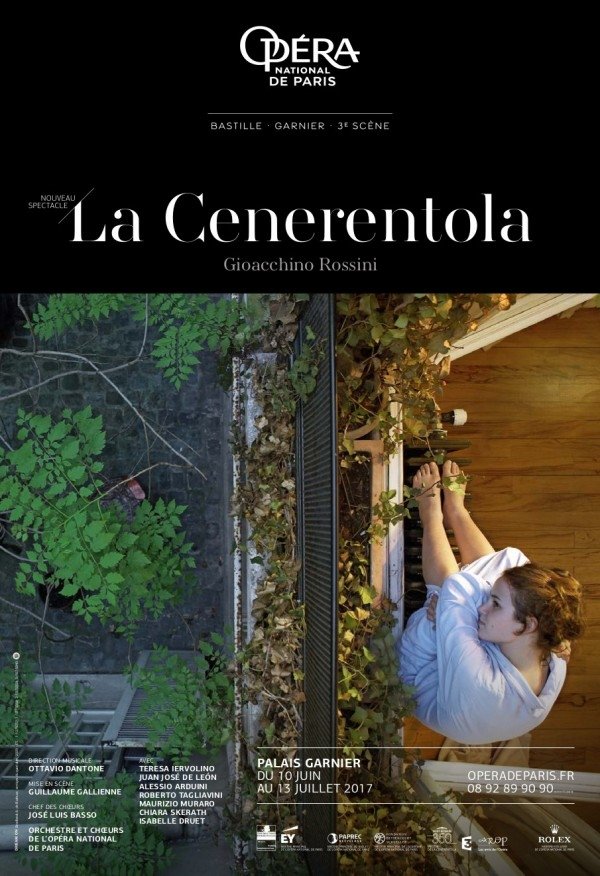
Divested of its traditional attributes – glass slipper and pumpkin carriage – and dominated by a tyrannical stepfather instead of a cruel stepmother, Rossini’s la Cenerentola plays with these most conventional of fairy‑tale characters. Nonetheless Cinderella lives in a closed world devoid of tenderness and under the yoke of the tormentor whom she protects. Deep beneath her goodness smoulders a fire that her encounter with the prince will set free… Guillaume Gallienne subtly highlights the halftones of this dramma giocoso, somewhere between opera buffa and opera seria, and ranging from sombre melancholy to the burlesque.
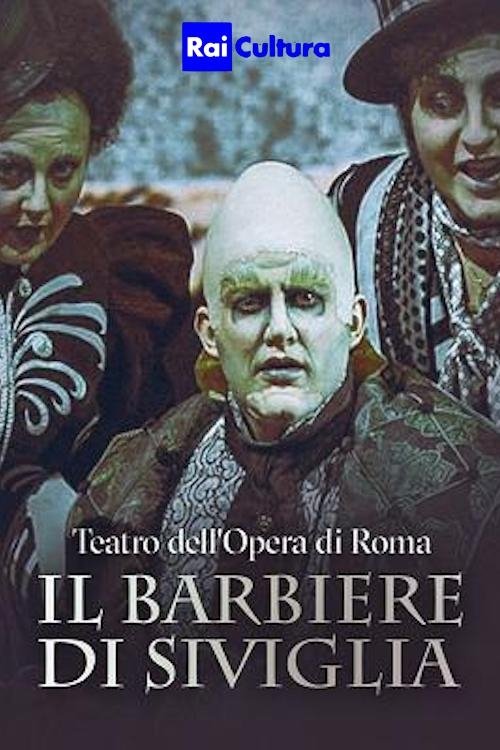
The staging of Gioacchino Rossini's two-act comic opera, with libretto by Cesare Sterbini, at the Teatro dell'Opera di Roma during the 2016/2017 season.
“Foolish indeed is he who marries in old age.” Thus ends Don Pasquale: with a wise dictum not lacking in irony that sums up the disappointments of its hero, a rich bachelor keen to marry who is deceived by his nephew Ernesto and his young bride-to-be Norina. First performed in Paris in 1843, at the turning point of several eras, Don Pasquale, a composite and varied work, is the apotheosis of opera buffa. Performed for the first time at the Paris Opera, the production has been entrusted to the Italian director, Damiano Michieletto, who transports us directly to the sincerity and dramatic splendour at the heart of an apparently light‑hearted work.
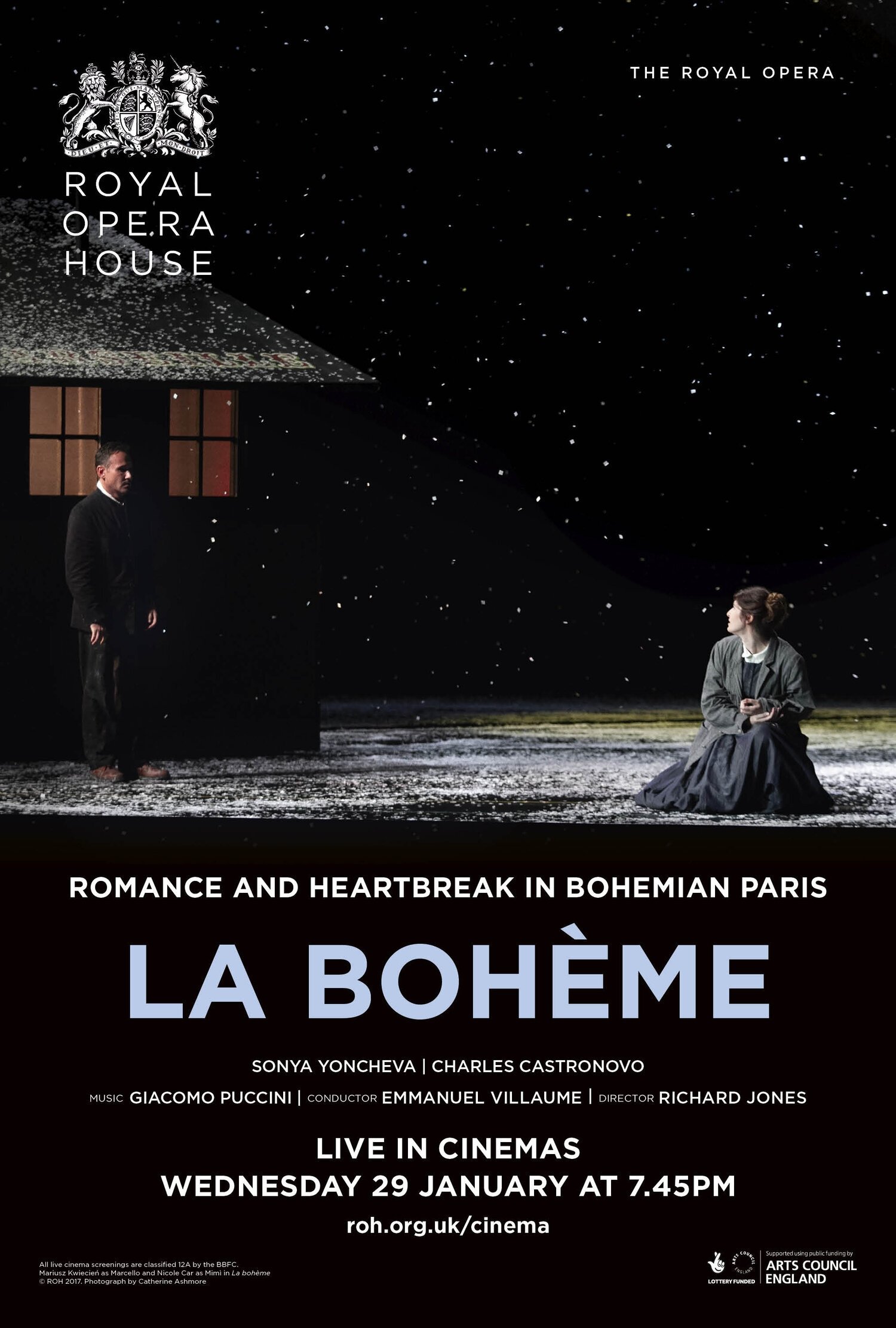
Puccini’s passionate opera is conducted by Antonio Pappano and stars a superb young cast including Nicole Car, Michael Fabiano and Mariusz Kwiecień, in a new production by Richard Jones.
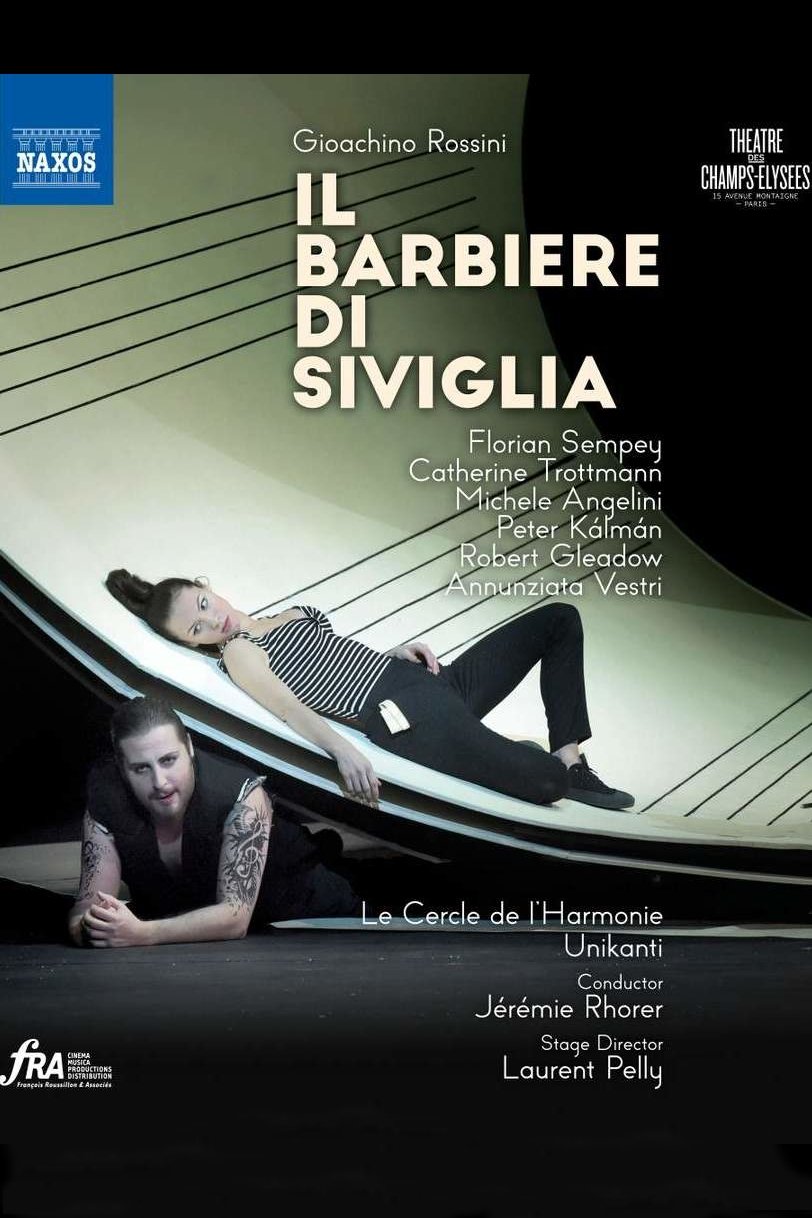
This is Laurent Pelly’s Théâtre des Champs-Élysées staging of Rossini’s Il barbiere di Siviglia, with a cast featuring Florian Sempey as Figaro, Catherine Trottmann as Rosina, and Michele Angelini as Il Conte Almaviva. Jérémie Rhorer conducts Le Cercle de l-Harmonie.
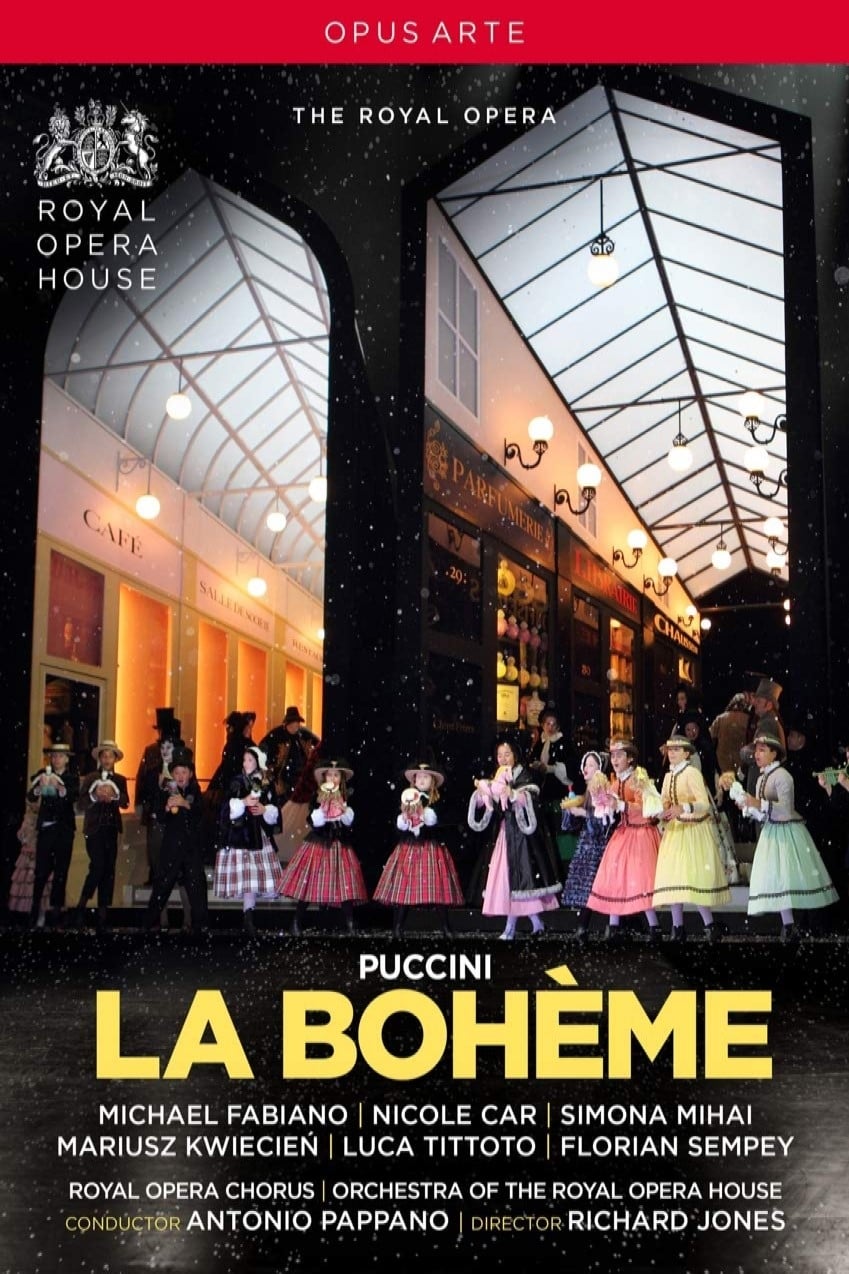
A penniless poet, a young seamstress, and a lost key: Puccinis passionate opera tells the story of a captivating romance set against the background of 19th-century Paris. The luscious score, with its soaring melodies and rich orchestration, brings to life the relationships between Rodolfo, Mimì and their friends, the painter Marcello and fiery Musetta. Acclaimed director Richard Jones stages a fresh and intelligent new production of one of the worlds most popular operas, conducted by The Royal Operas Music Director, Antonio Pappano.
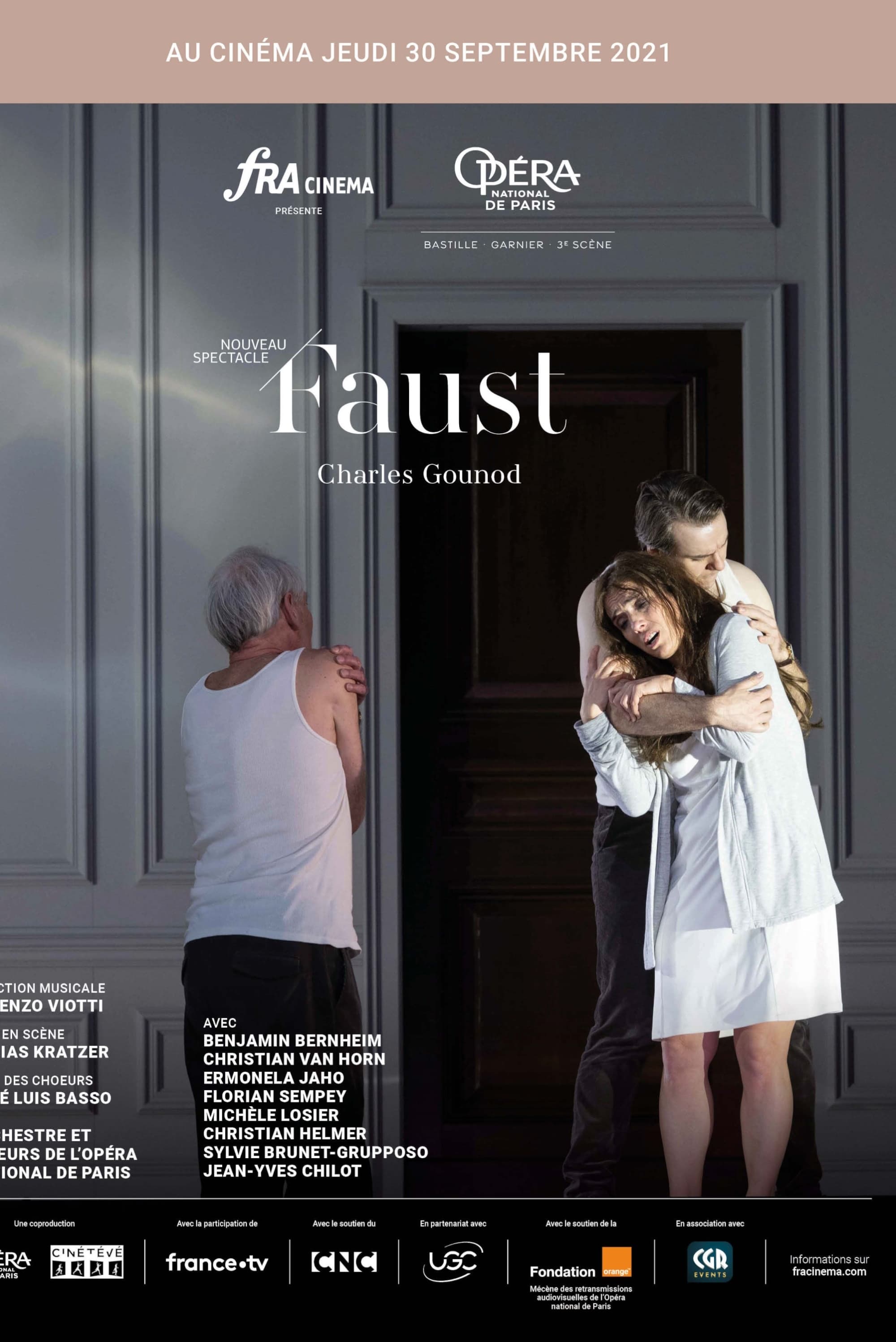
A staging of Charles Gounod's "Faust", staged by Tobias Kratzer.
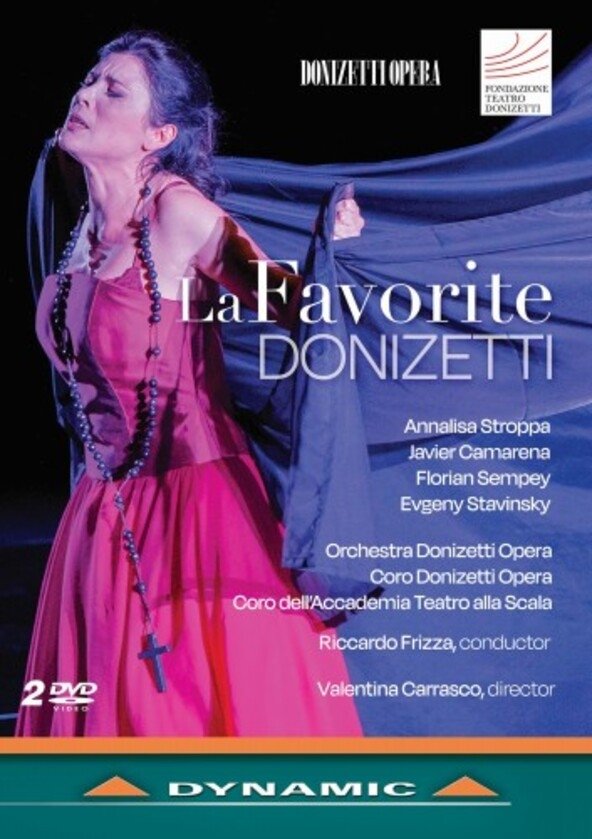
Composed for the Paris Opéra, the romantic but ultimately tragic narrative of Donizetti’s grand opera La Favorite is set amidst the Moorish invasions of Spain and the power struggles between religion and the state in the 14th century. The novice Fernand abandons his monastery having fallen in love with the noble Léonor, not knowing that she is the King’s mistress and favourite. Drawing on traditions established by Rossini and Meyerbeer, La Favorite is noted for Donizetti’s innovative use of the orchestra and for some of his most renowned and enthralling arias. This acclaimed production opened the 2022 Donizetti Opera Festival in Bergamo, and is performed with its original French libretto.
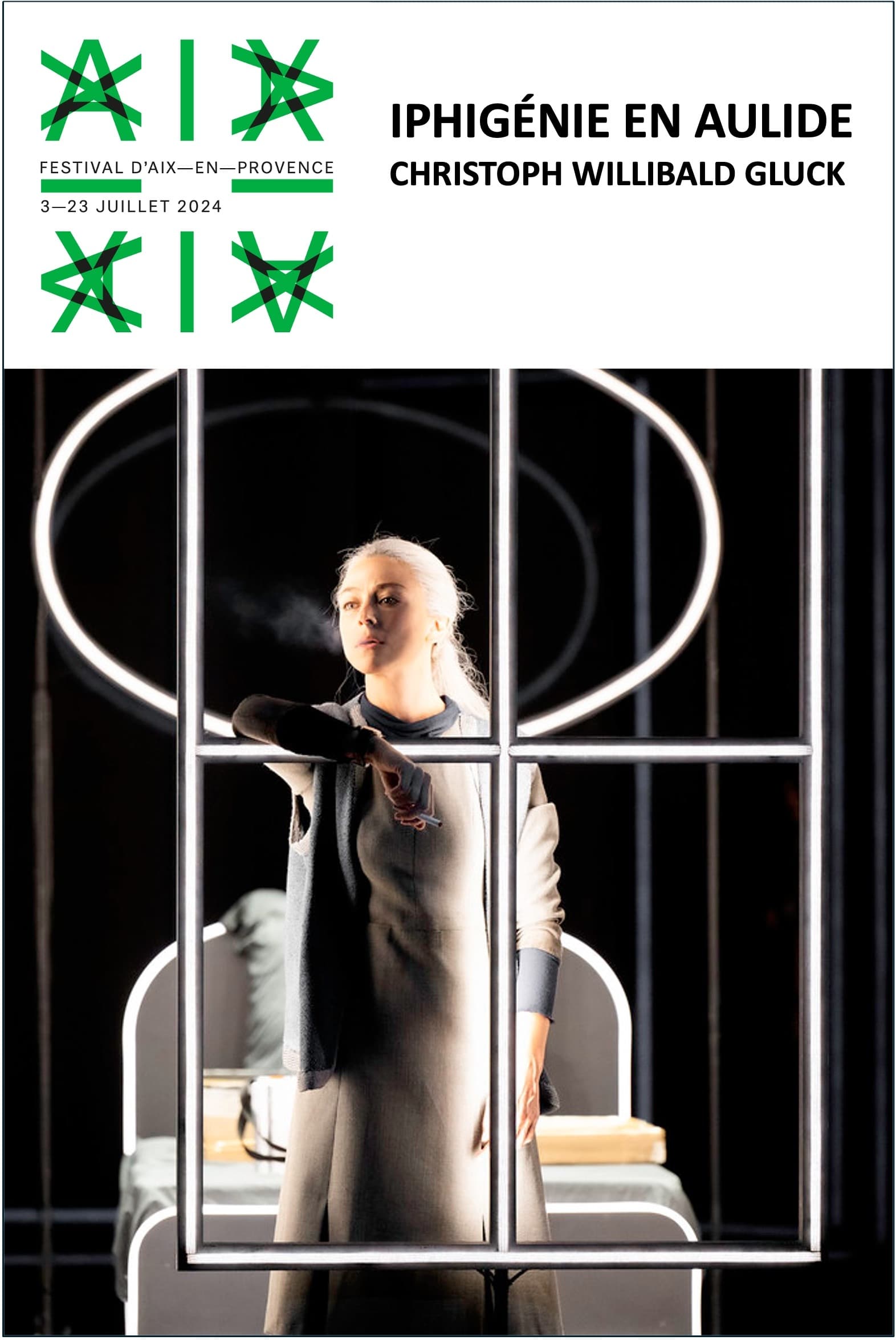
A decade before the French Revolution, in a country riven with bitter polemics, Gluck throws the history of opera into confusion by raising it to an unheard-of peak of tragic intensity. Experiencing his two Iphigenias in a single evening goes beyond the norms of operatic life: it is to enter the very heart of the curse on the family of King Atreus of Mycenae, to follow a logical destiny through a cycle of endless violence. How does the victim of Aulis become the murderess of Tauris? That is the burning question that Dmitri Tcherniakov must adress, plunging the spectator into the midst of a household haunted by the dead and setting in train an implacable process of dehumanization, with parallels to our world today. Conducting Le Concert d’Astrée, Emmanuelle Haïm drives this dual tragedy to the summit of its expressive power, leaving humanity to be translated through arias of the utmost poignancy.
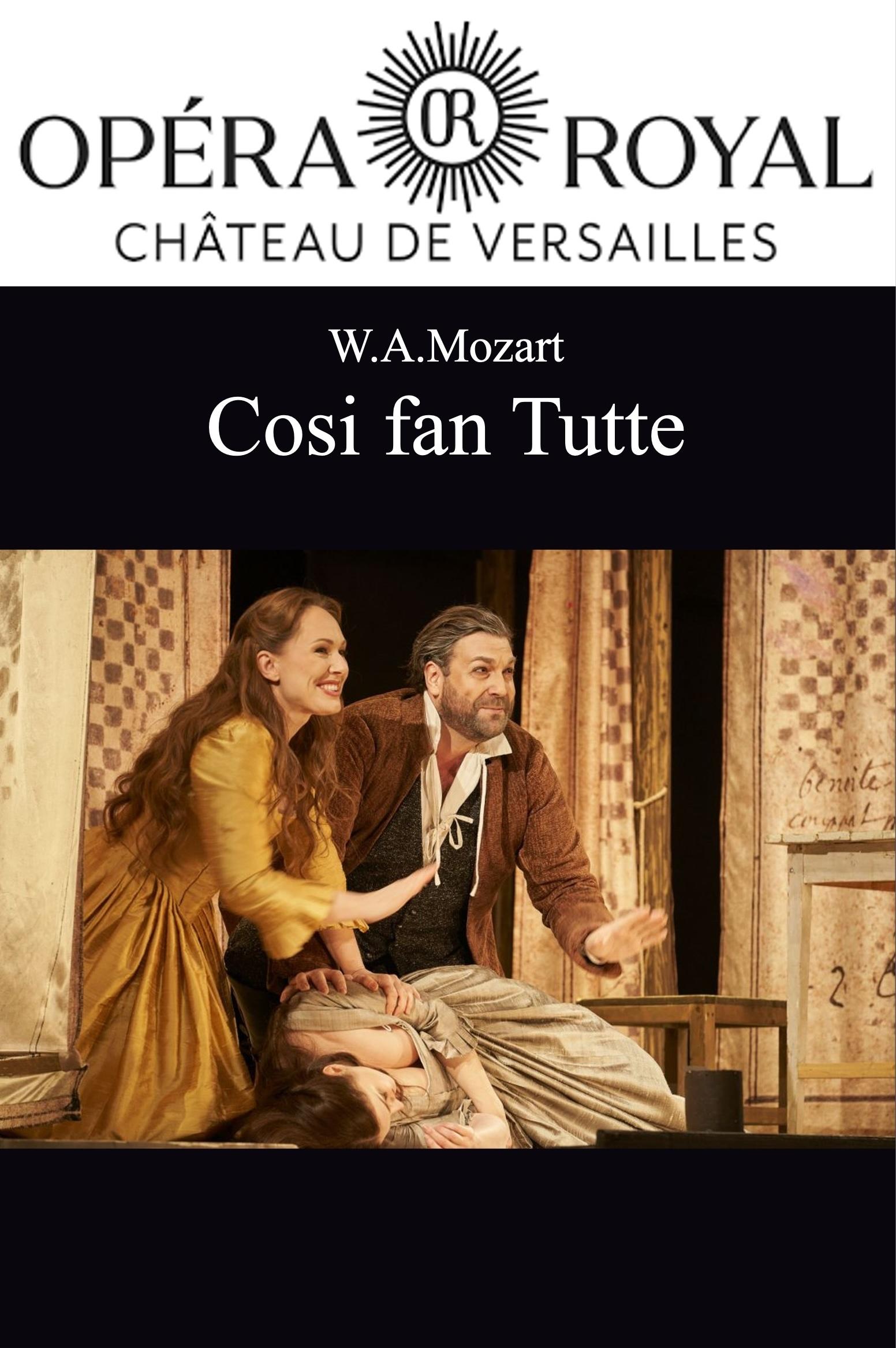
Così fan tutte, or The School for Lovers, is the last joint opera buffa by Mozart and Da Ponte. The libretto and score were written in a month in December 1789, and the premiere took place at the end of January 1790, but the death of the Emperor interrupted the run after five performances. This Neapolitan-style comedy (the action is set in Naples!), but very much inspired by French comic opera, and in particular by Femmes Vengées composed by Philidor in 1775 to a libretto by Sedaine (which was performed in Vienna), where two women wanting to teach their husbands a lesson exchange their roles by cross-dressing… in order to seduce them and confuse them better! Twenty years later, Mozart and Da Ponte found exceptional inspiration for this comedy of manners in the spirit of Marivaux, where love, beauty and cruelty are subtly intertwined, until all hell breaks loose for some anthological moments!
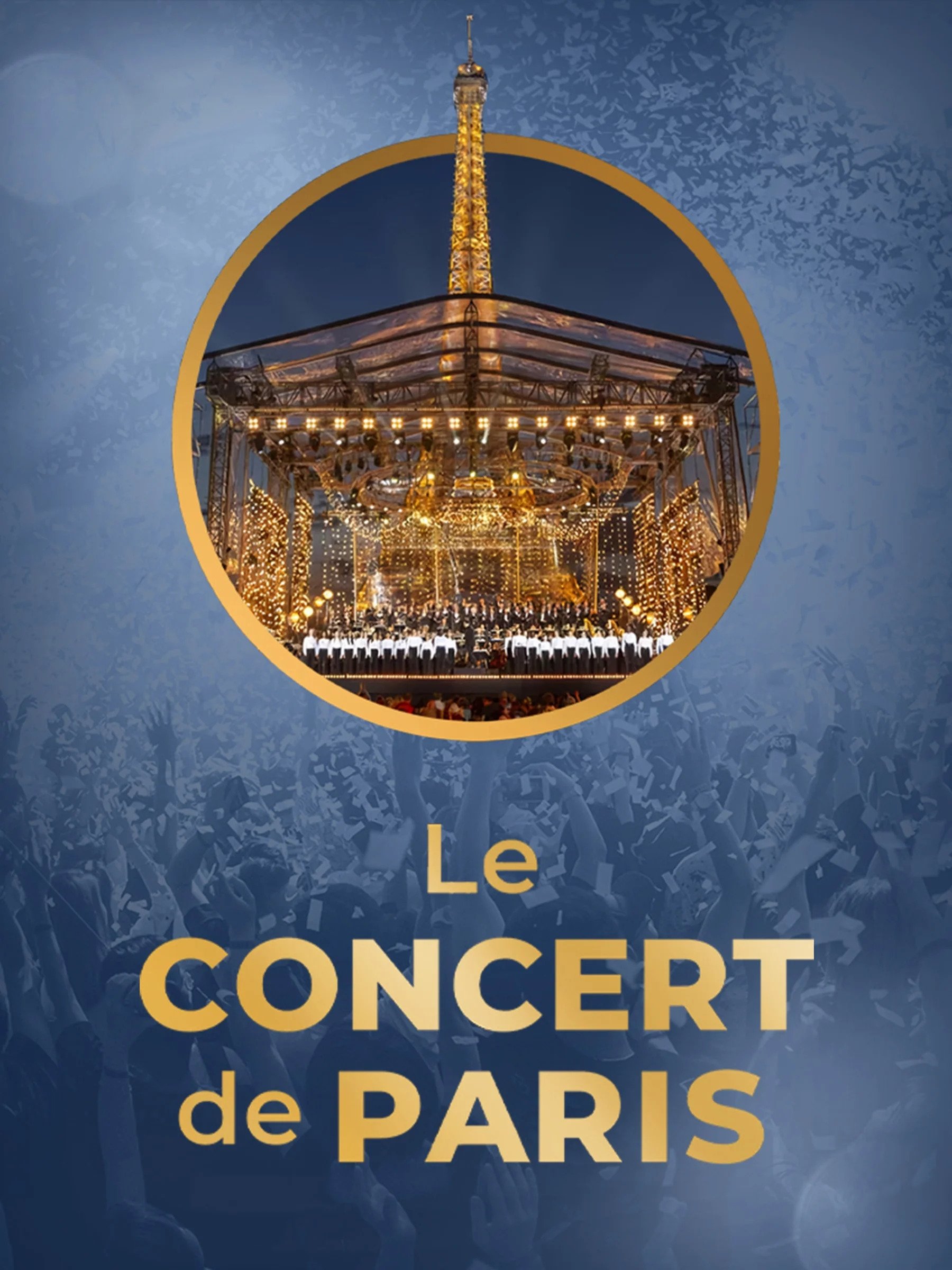
For the 13th edition of the Concert de Paris, at the foot of the Eiffel Tower, the Orchestre national de France, the Choeur and Maîtrise de Radio France, conducted by Cristian Măcelaru, along with leading international soloists, will perform a program with a Brazilian flavor, in celebration of the Brazil-France 2025 season.
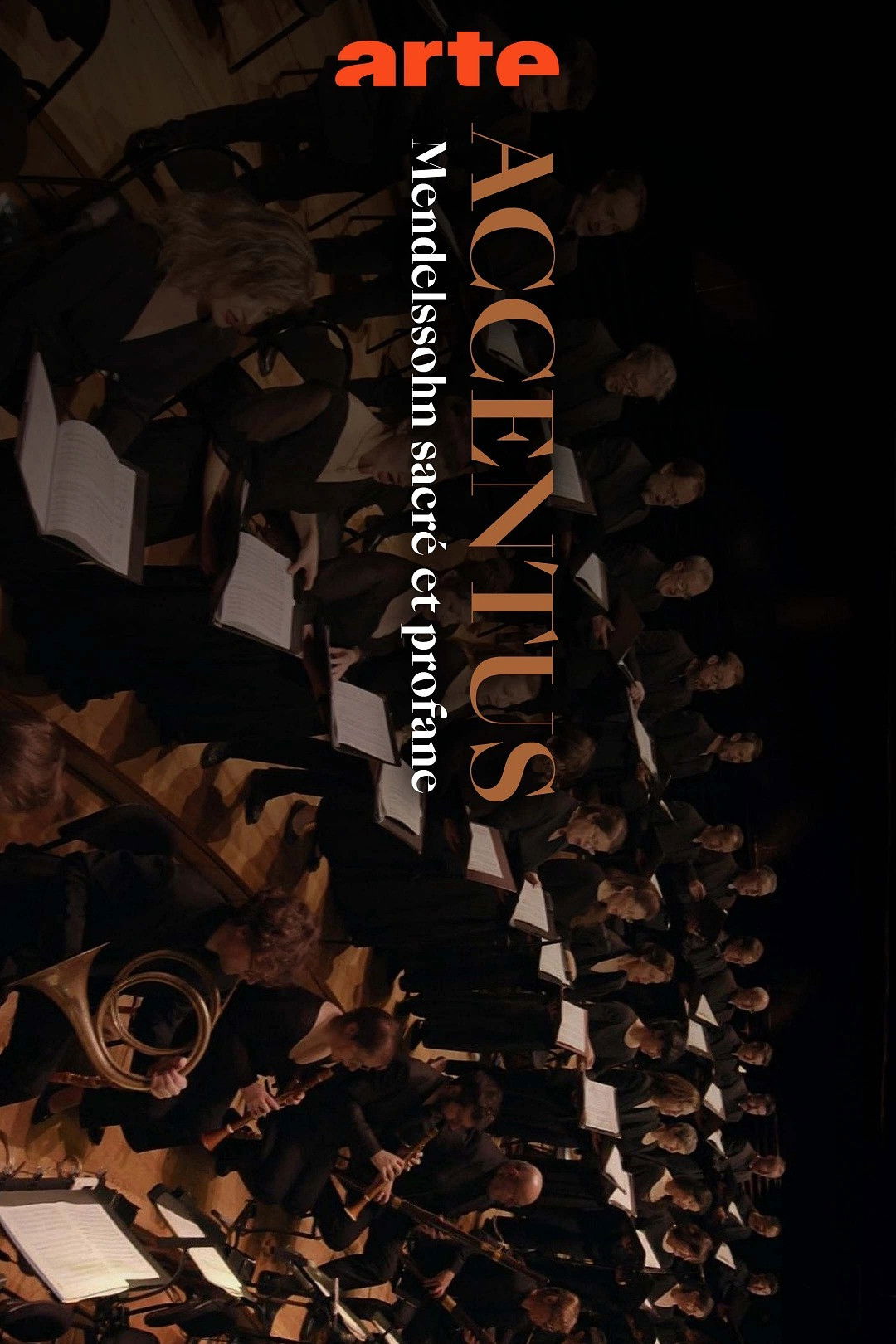
In 1991, Laurence Equilbey's creation of Accentus revolutionized the world of vocal music. To celebrate its 30th anniversary, the choir, accompanied by a quartet of top-flight soloists, gave a grand concert at the Philharmonie de Paris in March 2023. Mendelssohn, whose choral works are among the jewels of vocal music, was honored.
Gounod's Faust at the Bavarian State Opera: Jonathan Tetelman plays Faust, the scholar who makes a pact with Mephistopheles (Kyle Ketelsen) before seducing Marguerite (Olga Kulchynska). The unfortunate woman descends into madness but ultimately achieves redemption. Lotte de Beer directs this production, which marks Nathalie Stutzmann's debut in Munich as conductor.