
In The Swan Tool, video artist Miranda July combines video, performance, music and helium in a 'live film' about a woman who works for an insurance company. The story unites the earthly and bizarre with a surprising humour and unusual clarity. Lisa (played by July) cannot decide whether she wants to live or die. She digs a hole in her garden and buries herself. Then she tries to carry on with her life, but the thing she left behind in the garden just won't die and she can't forget it either. July finds herself literally in the film; she amalgamates with the medium when she stands between the two screens and, for instance, 'moves' a chair with her hand. The video images vary from photo-realism to abstract amorphous colour combinations. The live accompaniment by DJ Zac Love adds a third dimension to this complex story.
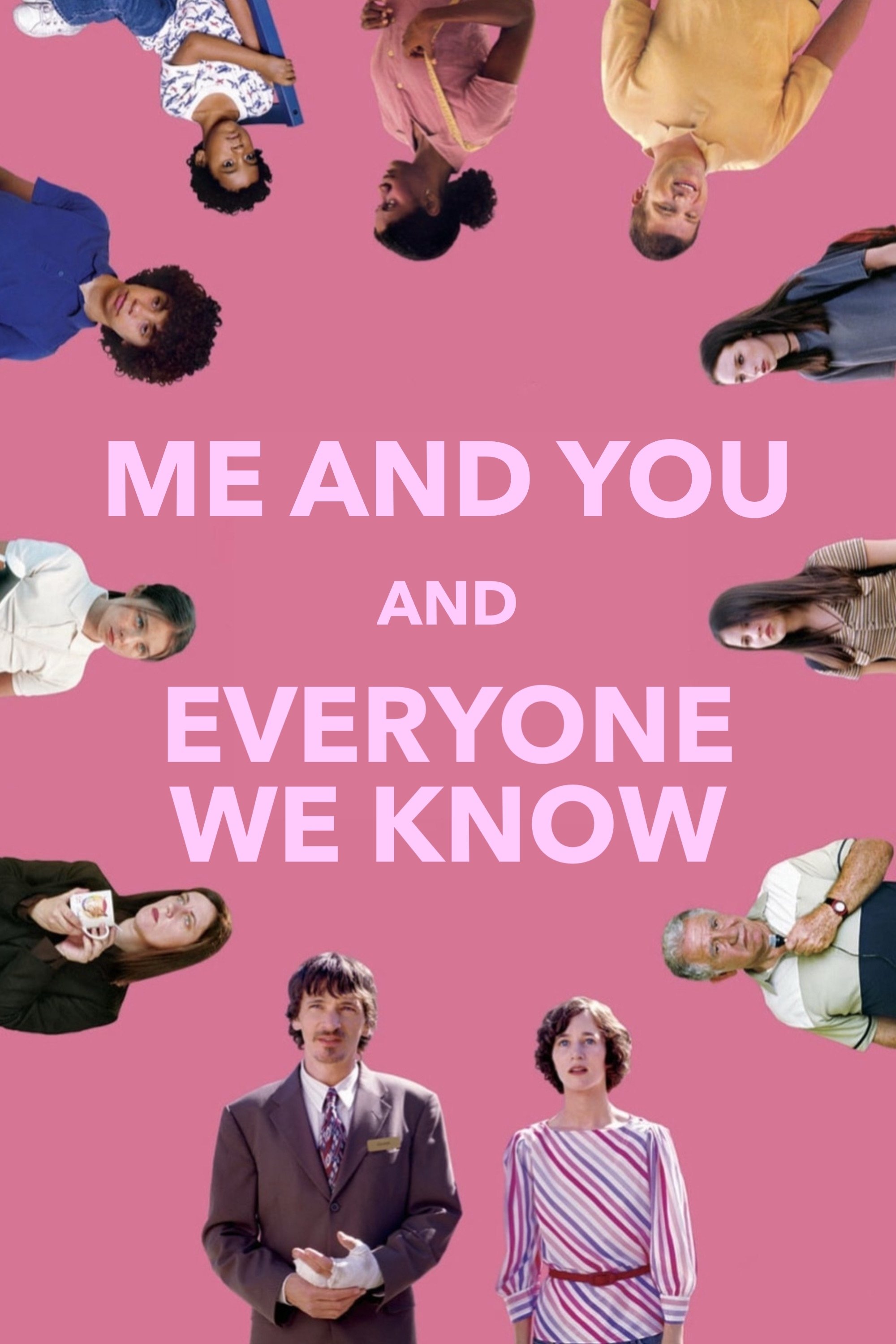
Single dad Richard meets Christine, a starving artist who moonlights as a cabbie. They awkwardly attempt to start a romance, but Richard’s divorce has left him emotionally damaged. Meanwhile, Richard’s sons—one a teenager, the other 6-years-old—take part in clumsy experiments with the opposite sex.
A young man turns from drug addiction and petty crime to a life redeemed by a discovery of compassion.
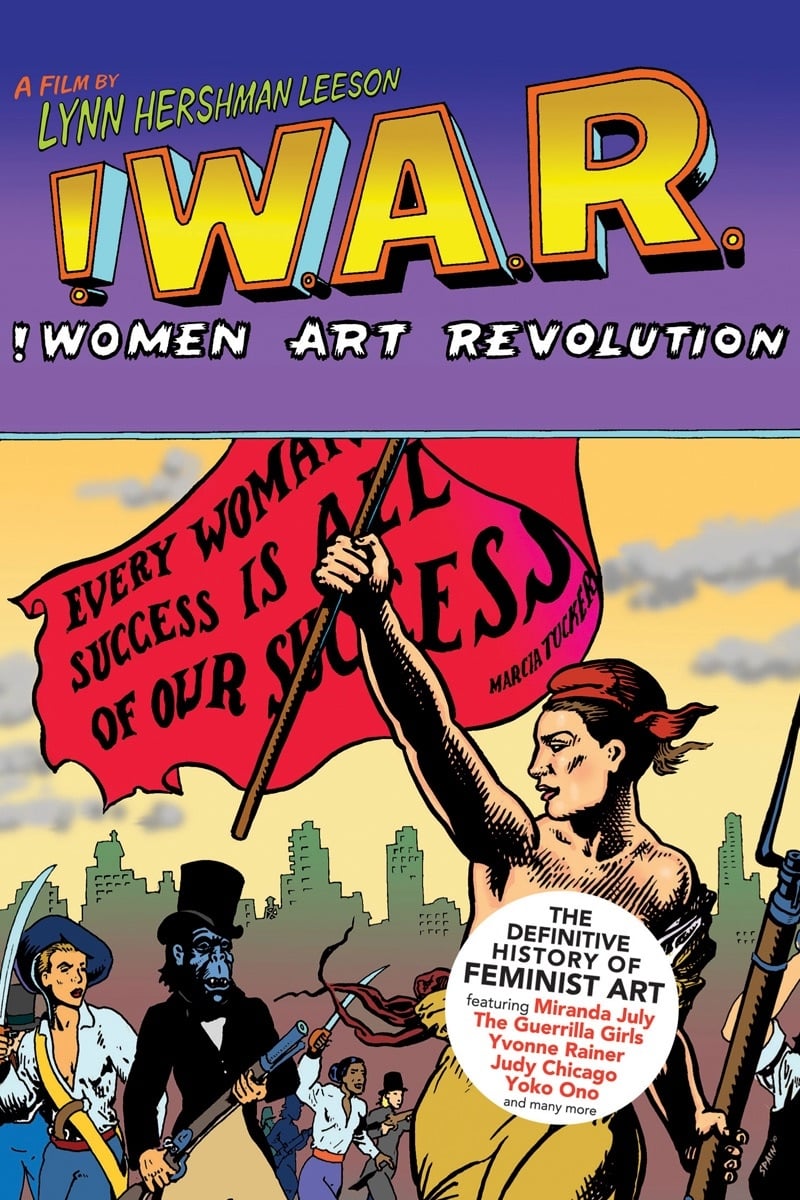
Through intimate interviews, provocative art, and rare, historical film and video footage, this feature documentary reveals how art addressing political consequences of discrimination and violence, the Feminist Art Revolution radically transformed the art and culture of our times.
When a couple decides to adopt a stray cat their perspective on life changes radically, literally altering the course of time and space and testing their faith in each other and themselves.
A document of the Riot Grrrl and Queercore scene in the 1990s.
A man with a clipboard asks passersby a survey question: "Are you the favorite person of anybody?" He has a scale, from "very certain" on down. His manner is open. He offers oranges to one respondent. He talks, one at a time, to three people. Their answers, however brief, are revealing.

A 12 year-old Olympic swimmer and her mother (both played by July) speak to the public about “going for the gold”.
A woman observes another woman on a surveillance camera and describes her actions, with no other interaction between them.
Four alternating stories about mundane, personal methods of control. Children and a developmentally disabled adult operate control panels made out of paper, lists, monsters and their own bodies.

A doomed love triangle between intrepid French scientists Katia and Maurice Krafft, and their beloved volcanoes.
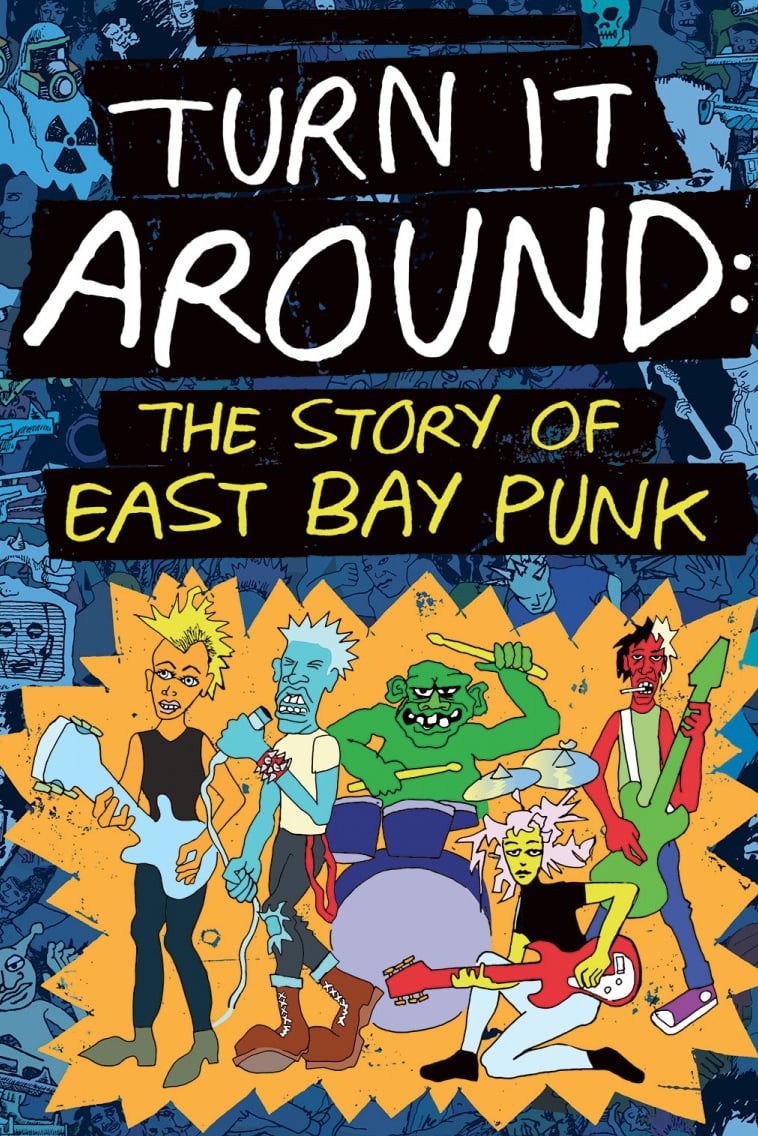
Turn It Around: The Story of East Bay Punk spans over 30 years of the California Bay Area’s punk music history with a central focus on the emergence of the inspiring 924 Gilman Street collective. This diverse group of artists, writers, organizers and musicians created a do-it-yourself petri dish that changed the punk scene... and the world at large.

Madeline has become an integral part of a prestigious physical theater troupe. When the workshop's ambitious director pushes the teenager to weave her rich interior world and troubled history with her mother into their collective art, the lines between performance and reality begin to blur. The resulting battle between imagination and appropriation rips out of the rehearsal space and through all three women's lives.
At a pivotal moment for gender equality in Hollywood, successful women directors talk about their art, lives and careers.
Graffiti removal: the act of removing tags and graffiti by painting over them. Subconscious art: a product of artistic merit that was created without conscious artistic intentions. It is no coincidence that funding for "anti-graffiti" campaigns often outweighs funding for the arts. Graffiti removal has subverted the common obstacles blocking creative expression and become one of the more intriguing and important art movements of our time.

Have you ever found it impossible to say something, face to face, to someone you know, someone you love? The words just won’t come out? New messaging service, Somebody, could help.
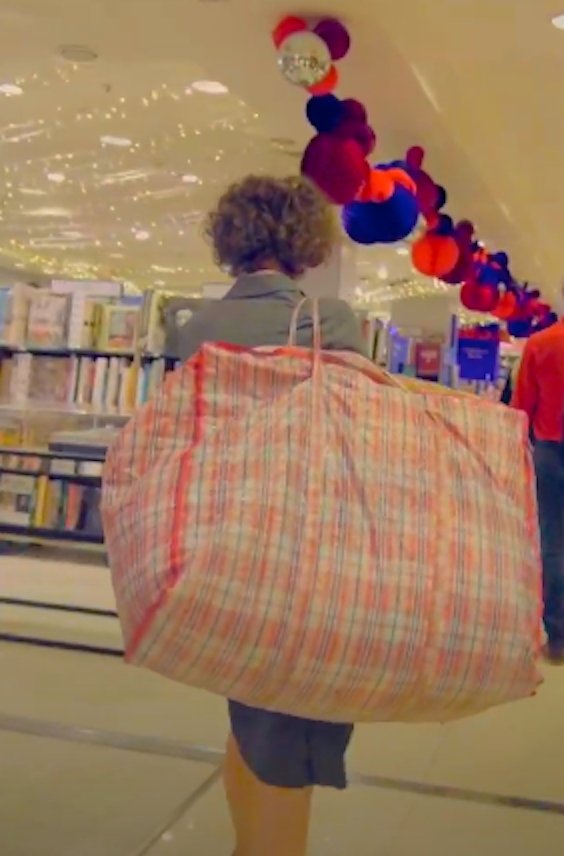
Miranda July looks back at her Artangel project, an interfaith charity shop that opened up unannounced inside one of the world's most famous department stores in August 2017. Situated on the third floor of Selfridges, London, surrounded by designer boutiques, this shop was run and staffed jointly by four religious charities invited by July: Islamic Relief, Jewish charity Norwood, London Buddhist Centre and Spitalfields Crypt Trust.
A documentary about the origins of Miranda July's "Big Miss Moviola" project, later renamed "Joanie 4 Jackie."
Director Miranda July took a new video camera to the 2005 Deauville American Film Festival in France, which she was invited to attend with ME AND YOU AND EVERYONE WE KNOW. Criterion discovered the footage she shot there in July’s archives and edited it for this release. Presented here, it offers a glimpse into July’s capacity to turn any occasion into an opportunity for artistic expression.
In this documentary, produced in 2019, director Miranda July and filmmaker Lena Dunham explore July’s beginnings, including her early work as a performer, the creation of her Joanie 4 Jackie project, and the development and production of her first feature film, ME AND YOU AND EVERYONE WE KNOW.
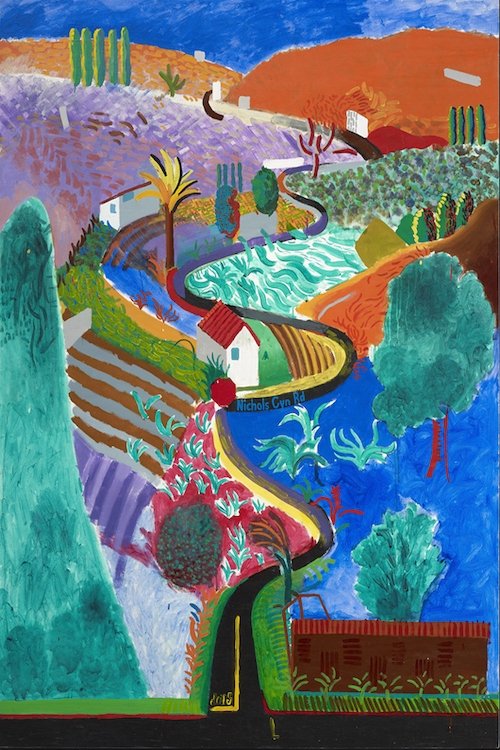
A short film inspired by David Hockney’s painting Nichols Canyon (1980).
A Woman Watches People.
The film gives an insight into the minds of leading creative figures of our time and their thoughts on the relationship between technology and creativity and the impact the arts and technology have had on one another in recent years, and how technology has influenced their life.
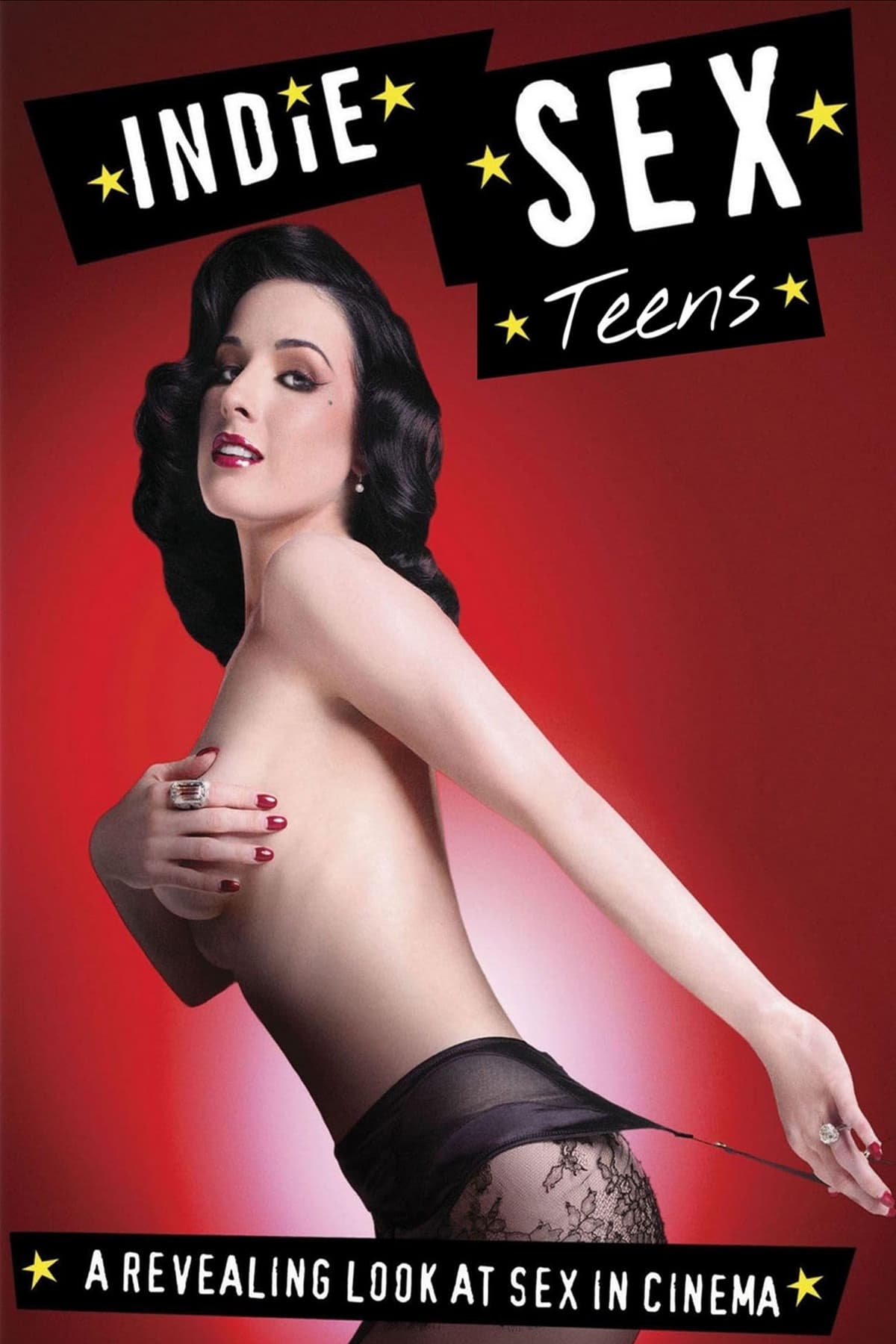
Underage sexual activity is one of the most taboo subjects on screen. The film traces the history and representation of adolescent love and sexual behavior from Splendor on the Grass to Thirteen. It examines both the sensational teen films of the 1980s and more modern youth cinema as mediums through which teen movies play a central role in adolescent sex education.