
Alfredo Méndez, 40, keeps his wife's cryogenically preserved corpse in his country house. This unusual behavior stems from his love for her and his medical ambition. However, in recent years his health has been declining, forcing him to seek the care of Corona, a young nurse who also serves as a maid.
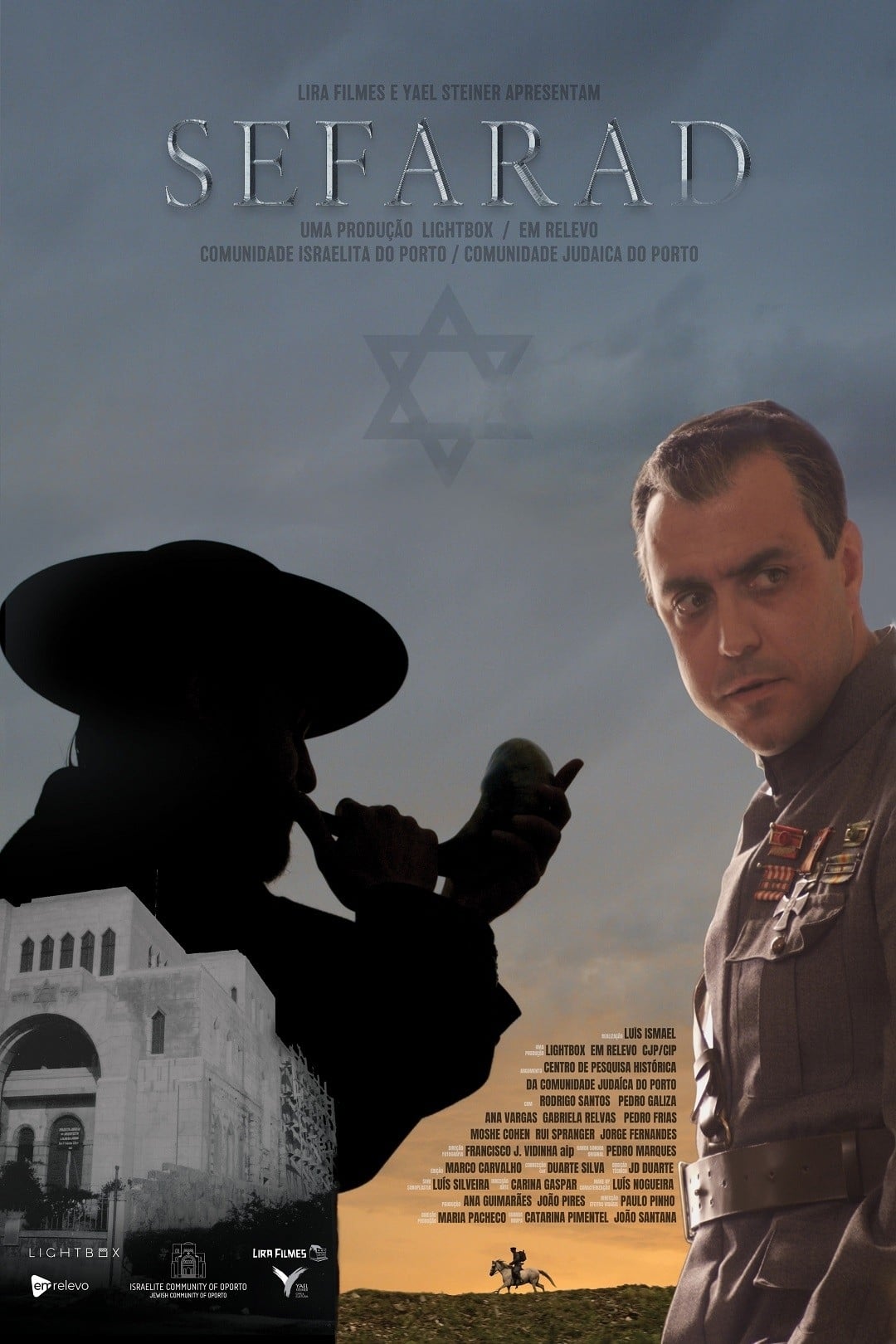
In 1496, King D. Manuel prohibited Judaism. 400 years later, Barros Basto, a Portuguese army captain converted to Judaism, and about twenty Jewish merchants founded the Jewish Community of Oporto, in the north of Portugal.

“1618” is a film about the inquisitorial visit to Porto that encountered resistance from priests, ordinary citizens and the city authorities themselves, all accustomed for centuries to living alongside the Jews.

Abel lives as confined as his crickets.

Mário and Cláudia are going through a divorce process. When Cláudia accepts job in another country, situation will lead parents to reassess many of their certainties and question the effects on the happiness of their children.
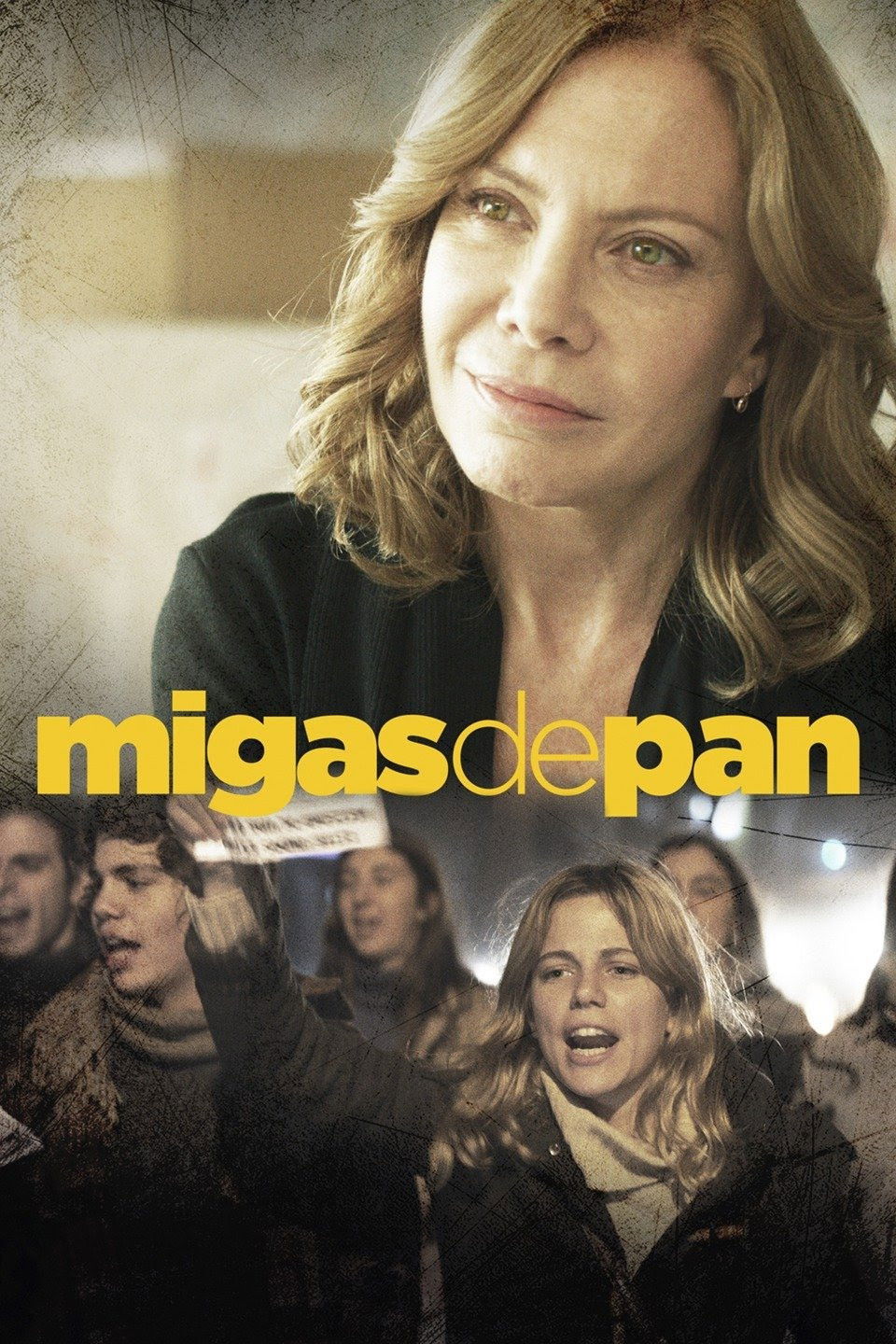
When Liliana decides to return to Uruguay she will have to face up to a new dilemma, perhaps the last great dilemma of her life: To choose between supporting a collective case for female prisoners, raped during the time of the dictatorship, or to reconcile with her son and be able to live peacefully as a mother and a grandmother.

Cesar is 'the boss', the one everyone hates, the one some flatter and the one nobody tells the truth; the great successful businessman is on the edge of the precipice. One night his actions crumble down, his partners betray him and his wife kicks him out of the house. Entrenched in his office, he tries relentlessly to recover his company and his life. But he will not do it alone, César will find a very special ally, Ariana, the cleaner of the night shift.
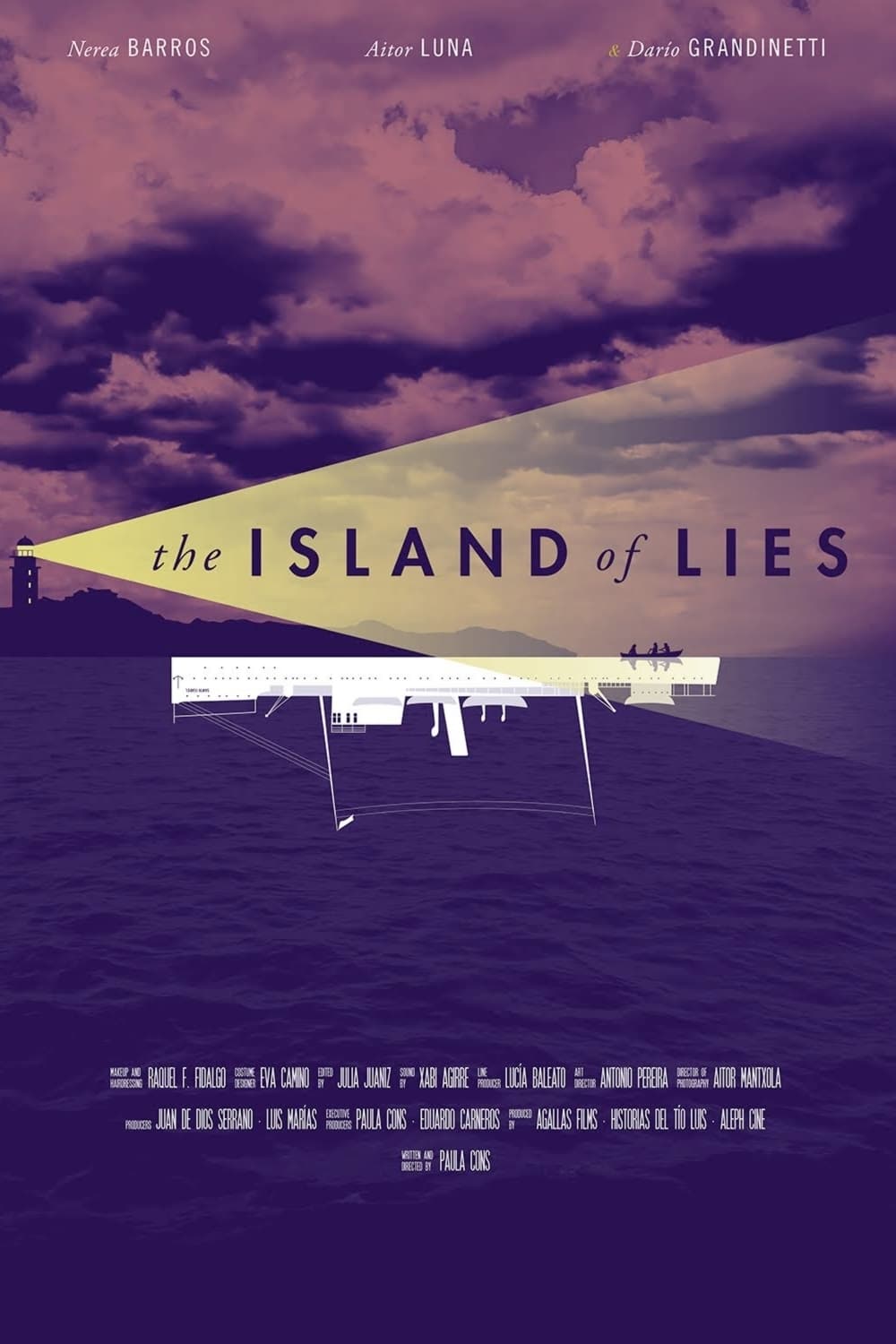
Galicia, northern Spain, January 2, 1921. The steamship Santa Isabel, sailing towards Argentina with more than two hundred emigrants on board, sinks off the coast of Sálvora Island. Three island women, María, Josefa and Cipriana, who have bravely set sail aboard a fragile skiff to save the shipwrecked, are treated as heroes by the cynical authorities; but León, an inquisitive and tenacious Argentinean journalist, starts asking uncomfortable questions.
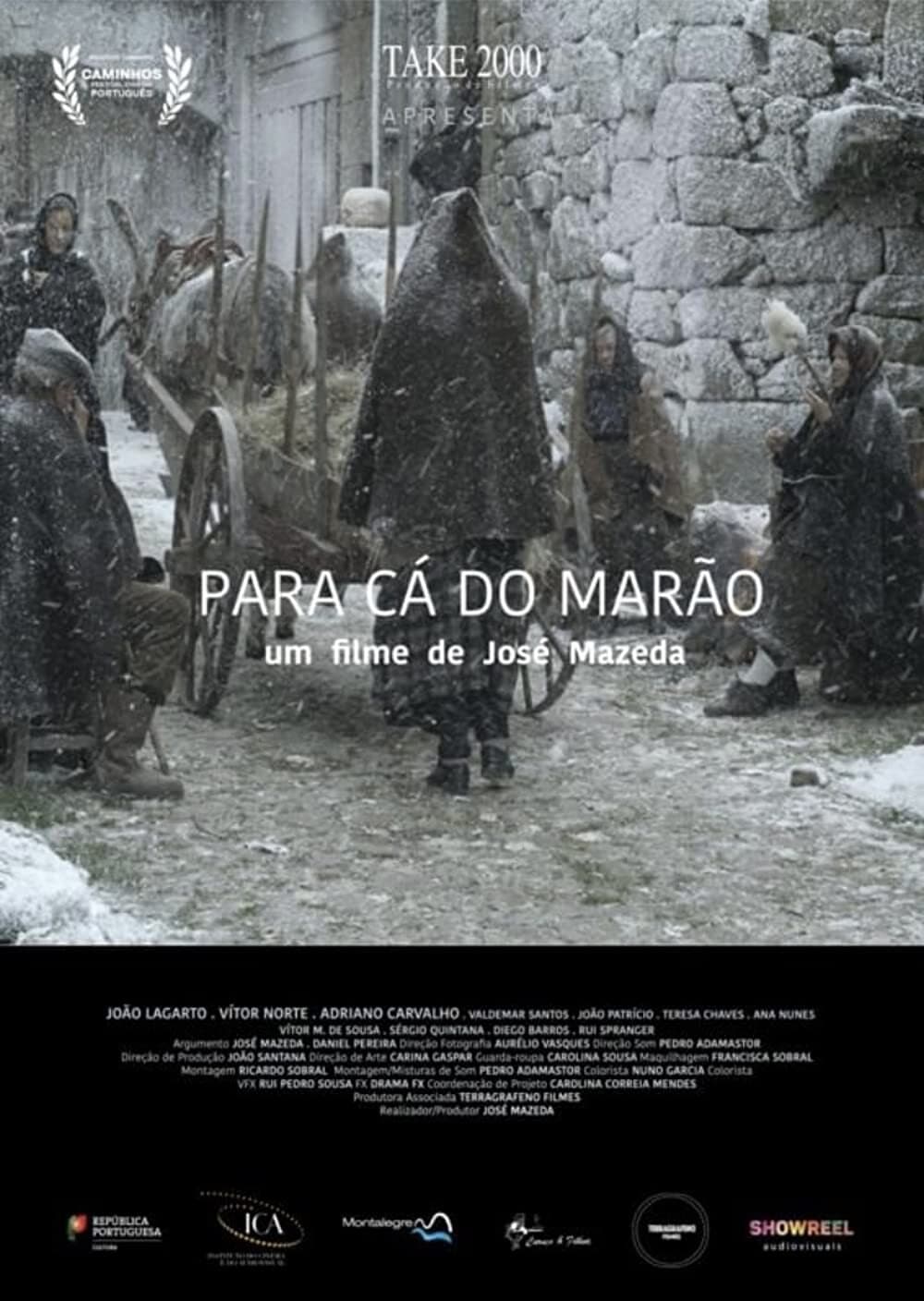
A theft of water, a homicide, a question of honour, a tragedy in the village of Gralhas, Montalegre.

Marina, 18, orphaned at a young age, must travel to Spain’s Atlantic coast to obtain a signature for a scholarship application from the paternal grandparents she has never met. She navigates a sea of new aunts, uncles, and cousins, uncertain whether she will be embraced or met with resistance. Stirring long-buried emotions, reviving tenderness, and uncovering unspoken wounds tied to the past, Marina pieces together the fragmented and often contradictory memories of the parents she barely remembers.