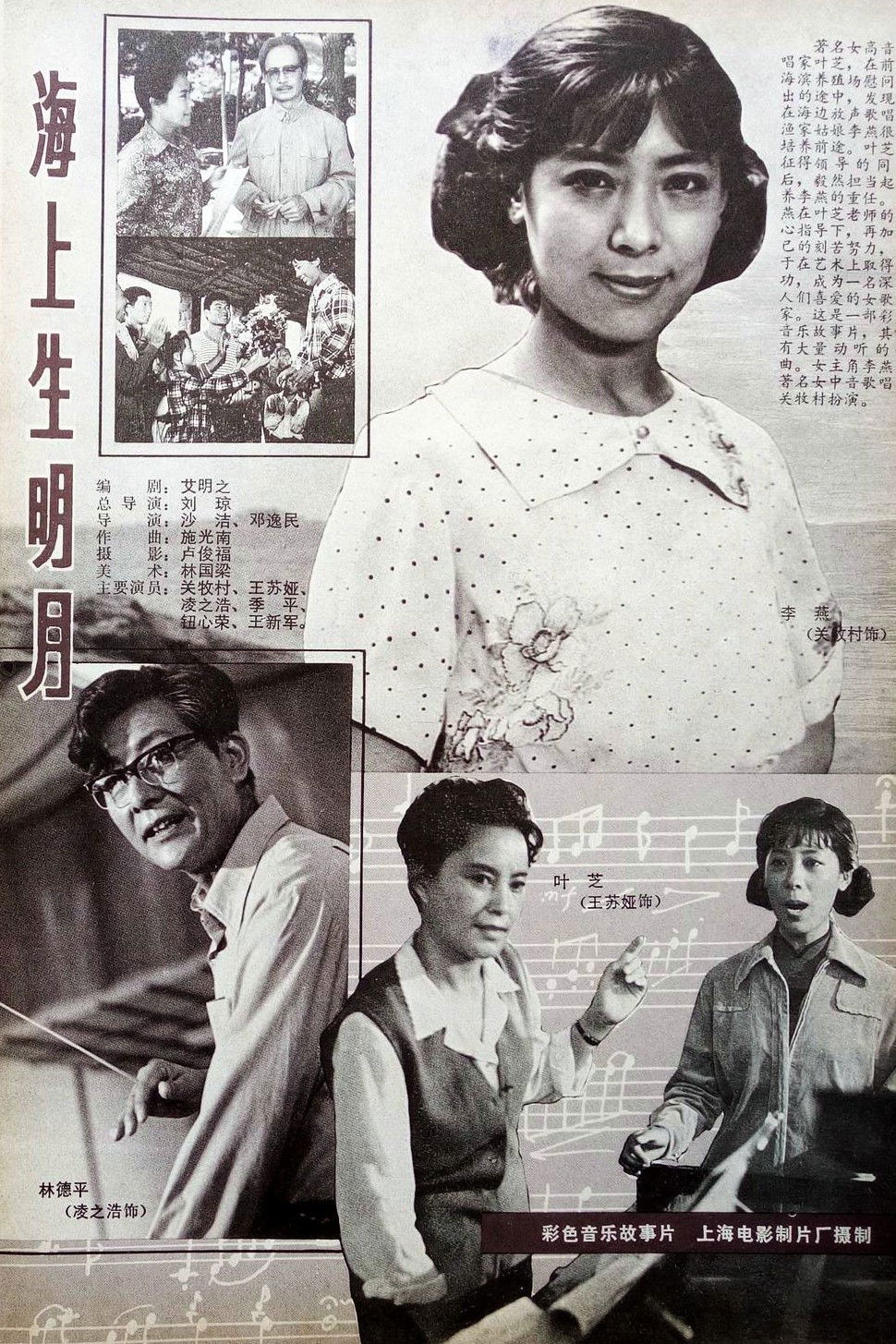
This simple romance story does not mean much to westerners, and in fact, does not even mean anything to Chinese today, but it was a big thing when it was made, not long after the end of Cultural Revolution in which even the personal romance was restricted. This movie is one of the pioneers of personal liberalization in advocating people seeking out their love following their own hearts, not from other people.
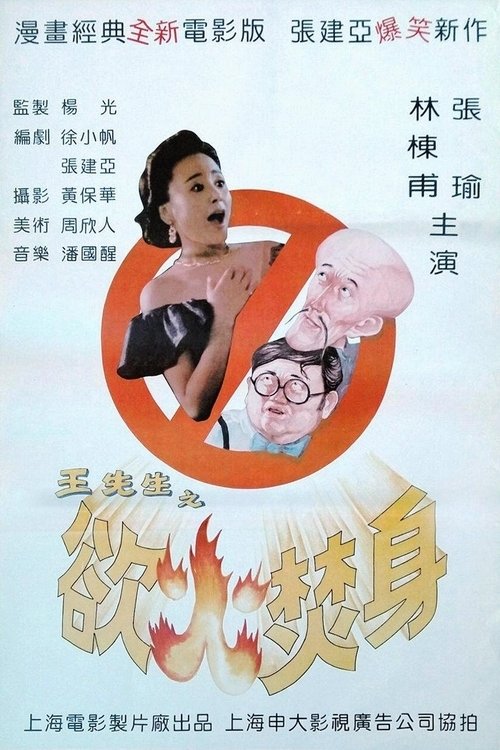
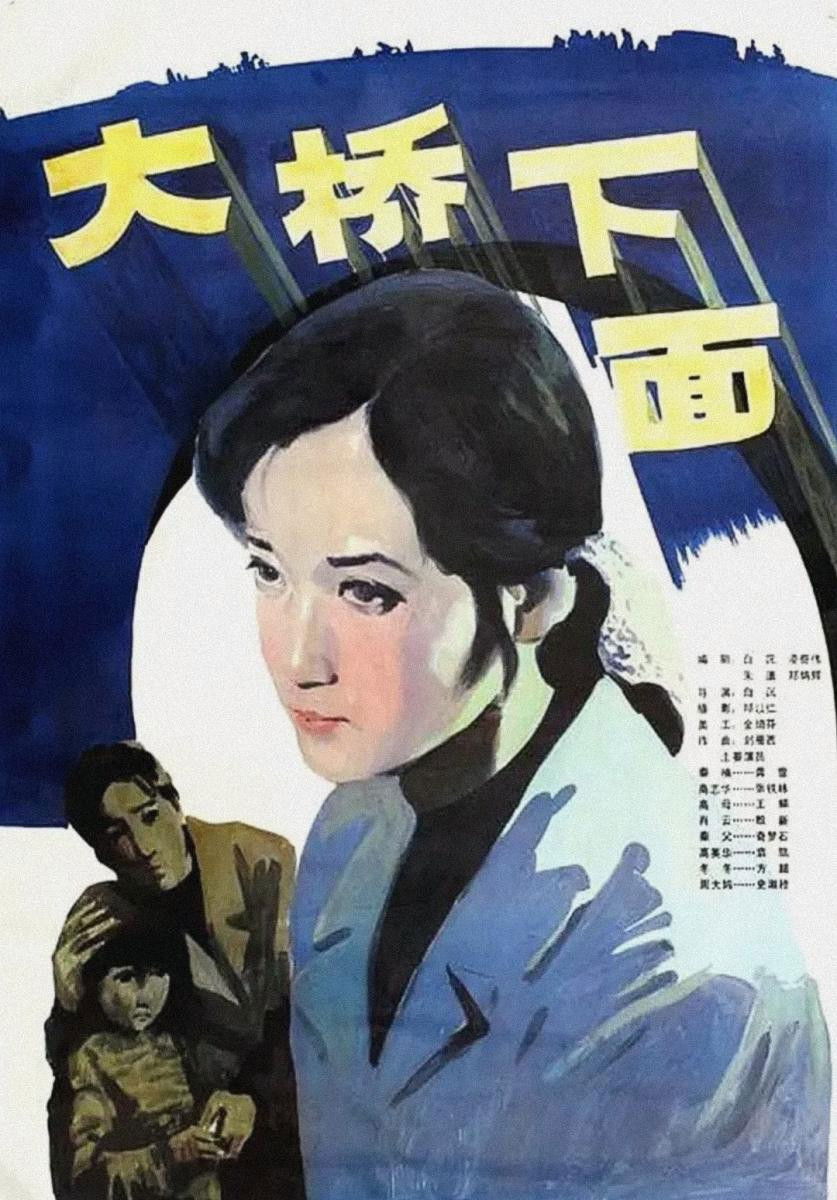
Mr. Wang is a typical Shanghai husband, his wife plays Mahjong everyday, his daughter is busy in love with the boyfriend. A beautiful lady shows up in Mr. Wang's lonely life and it is going to become an affair.
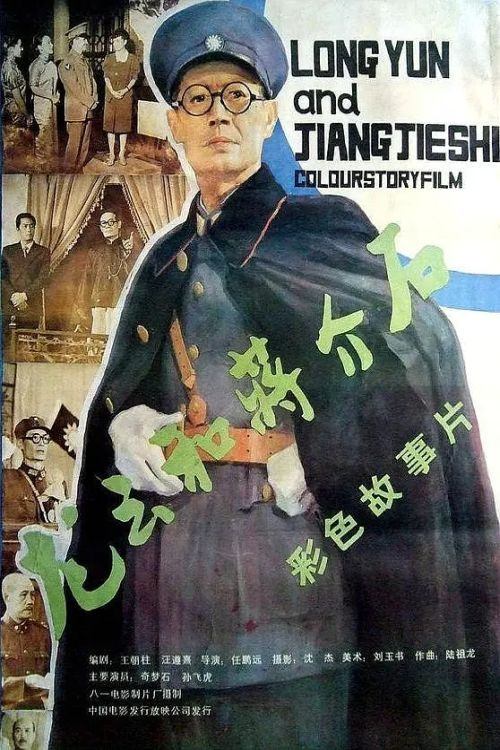
After the victory of the Anti-Japanese War, Chiang Kai-shek stepped up efforts to eliminate dissidents, and first targeted Long Yun, who was in power in Yunnan and had progressive ideas.
Ma Yiming graduated from university and worked as a photojournalist in a newspaper office, dreaming of creating his own film festival. Yiming wants to find beauty around him and wants to use nostalgia to explore the confusion of modern urban people. The old artist Xu Lao, who is engaged in root carving, suggested Yiming and him go to the mountains to observe the simplicity and rural spirit of the people in the mountains. Yiming fulfilled the old man's will and went to Dashan and opened his own film exhibition. Following the proposal of the newspaper director, the theme of the village was changed to change the theme of the film exhibition. The film festival really succeeded. Yiming finally got rid of the hustle and bustle of the city and walked on the land of China to pursue the true meaning of beauty. He finally became a promising young photographer.

A Japanese photojournalist revisits Vietnam after the liberation to document the nation, and begins following and documenting the young children from a poor Vietnamese family.

In the mid-19th century, at the height of the Opium War, the Chinese people rose up against the feudal system and the Manchu dynasty, which had capitulated to foreign invaders. ... With their heads bowed, peasants in chains trudge along, those who refused to give money to crush their rebellious brothers. Suddenly, their path is blocked. It is Song Jing-shi who has come to their rescue with his detachment. The freed peasants joined Song Jing-shi. This is how the core of the Black Flag Army was formed. The first historical film made in socialist China in the 1950s. The script is based on authentic material collected in villages in Shandong Province. Legends about the cruelty of Sen Gelinzin and the bravery of Sun Jing-shi, who is called the "Chinese Spartacus," still live on among the people.
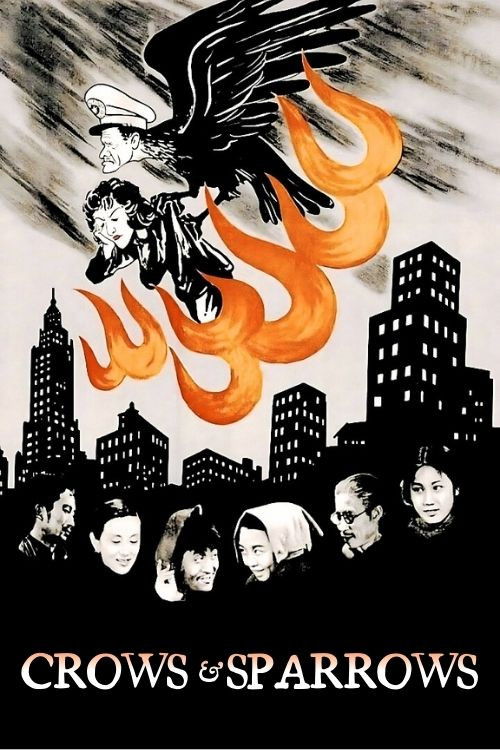
A story of a corrupt party official who attempts to sell an apartment building he has appropriated from the original owner and the struggles of the tenants to prevent themselves being thrown onto the street.
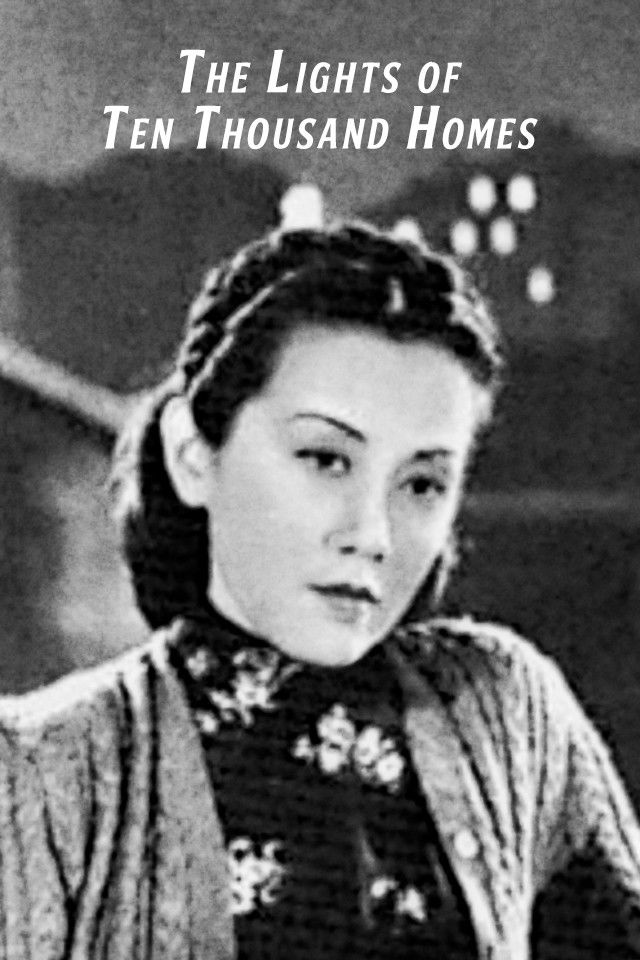
This tale of familial warfare and sacrifice takes place in hard-pressed Shanghai at the end of the 1940s. Hu Zhiqing can barely support his wife and children, and his situation is worsened by the unexpected arrival of his mother, brother and sister-in-law. When he is fired by his unscrupulous boss, the whole family becomes embroiled in one emotional/economic struggle after another.
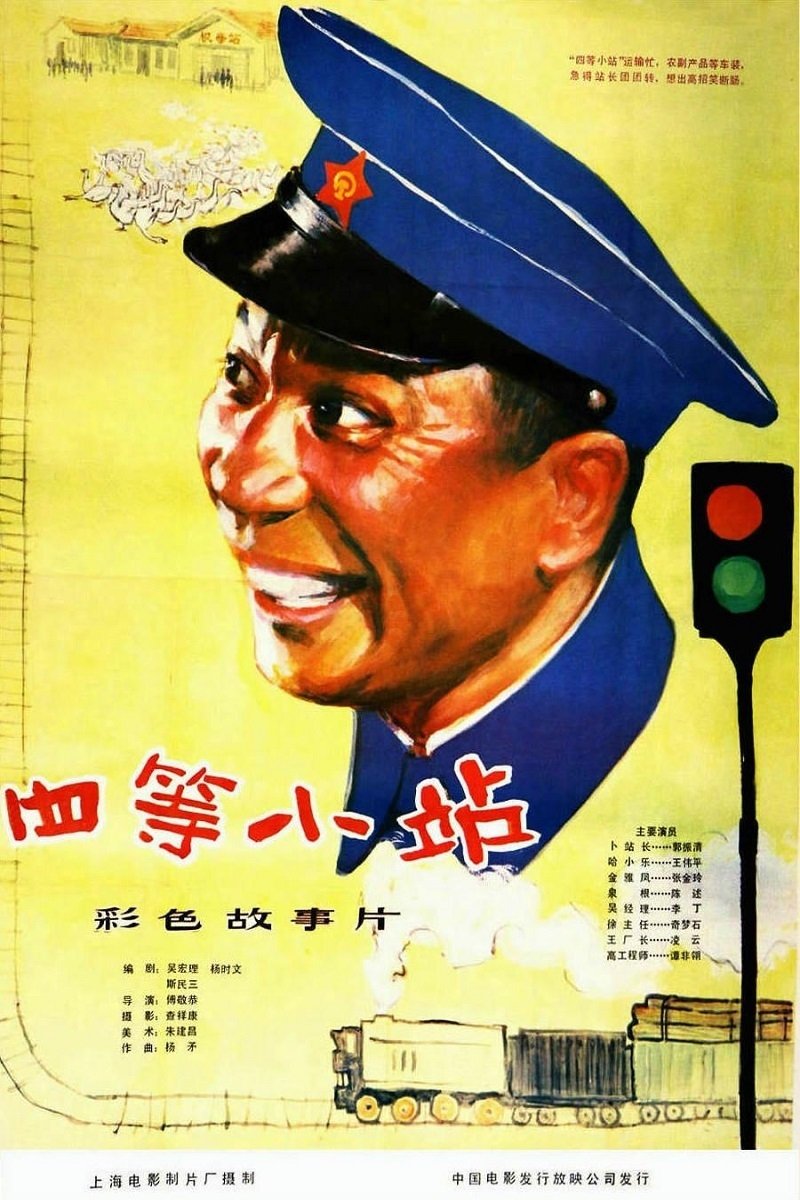
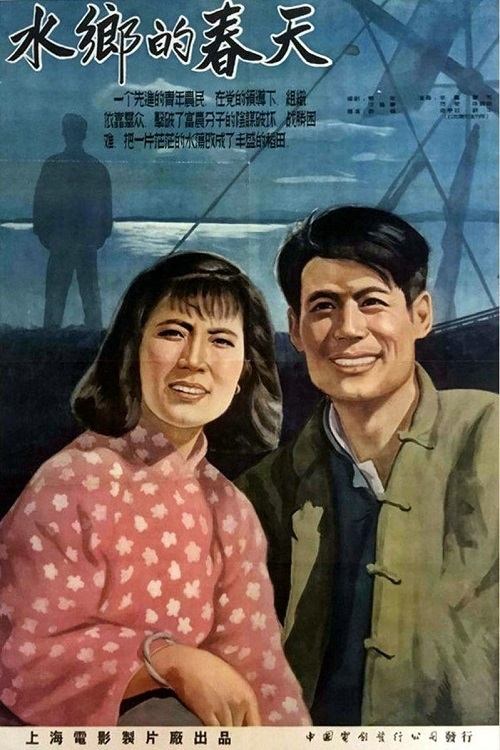
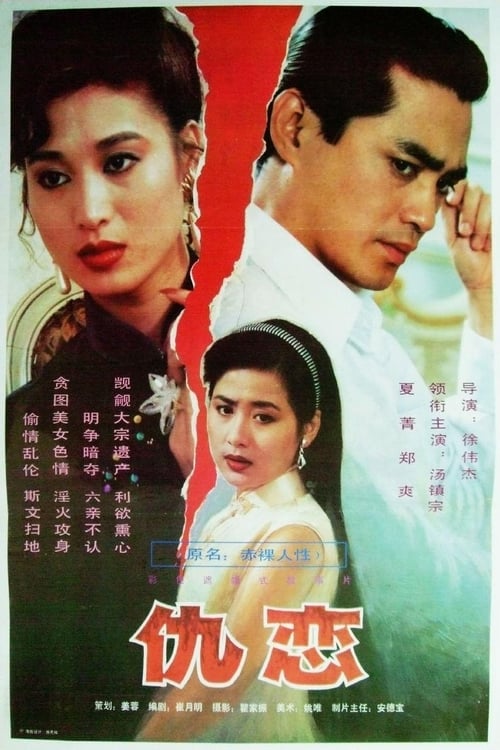
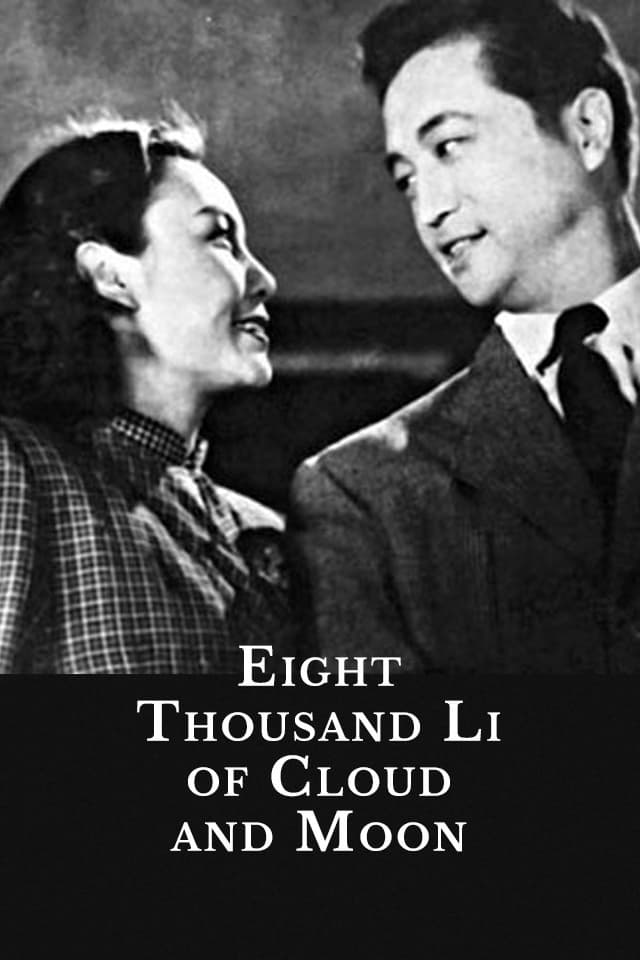
A college girl and a musician go to the front of the anti-Japanese war and fall in love.
This tale of familial warfare and sacrifice takes place in hard-pressed Shanghai at the end of the 1940s. Hu Zhiqing can barely support his wife and children, and his situation is worsened by the unexpected arrival of his mother, brother and sister-in-law. When he is fired by his unscrupulous boss, the whole family becomes embroiled in one emotional/economic struggle after another.
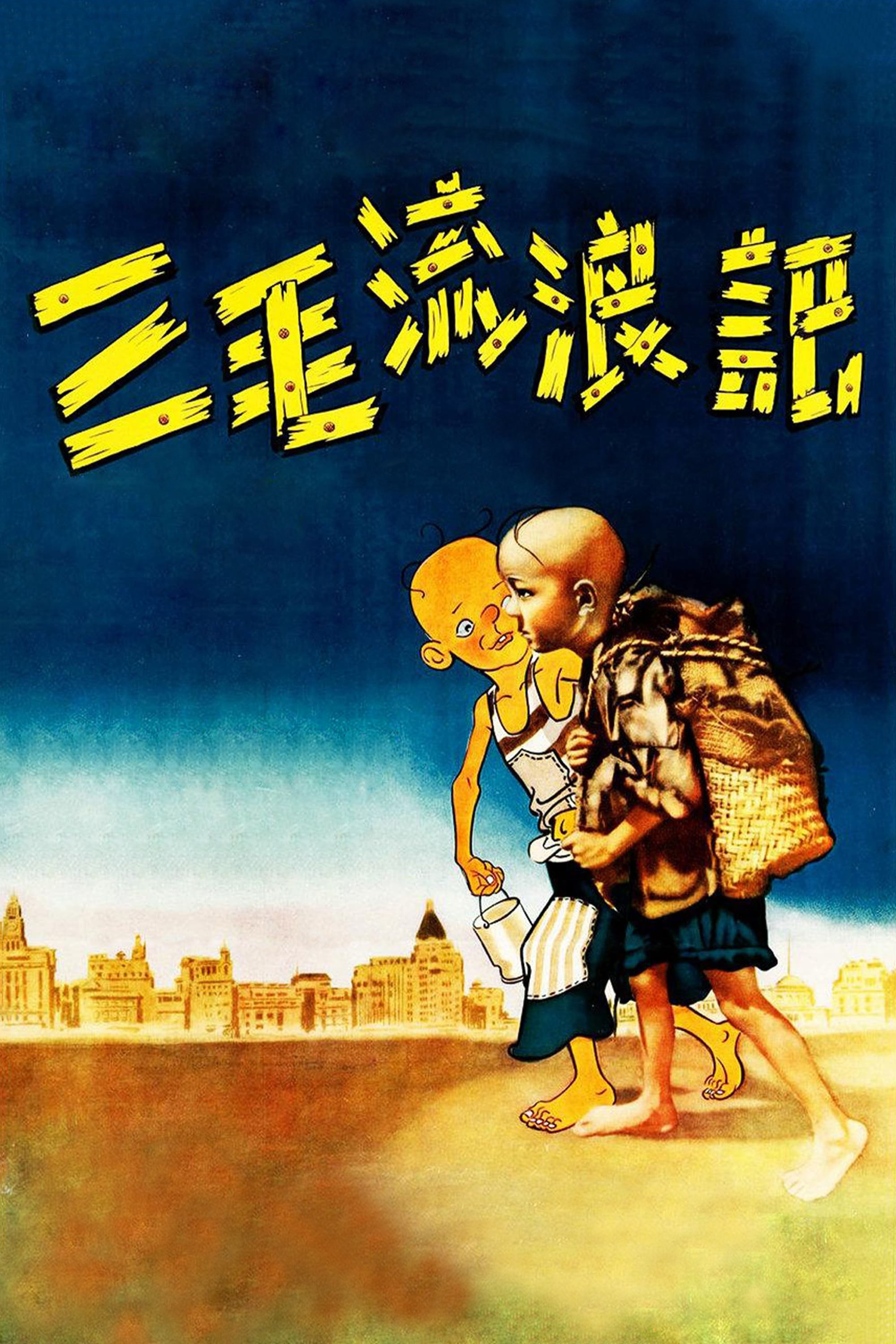
San mao (3 hairs) was a very popular Chinese comic strip first published in 1935-37, continued from 1948 into the 1990s, about a young orphan boy struggling with life in Shanghai.
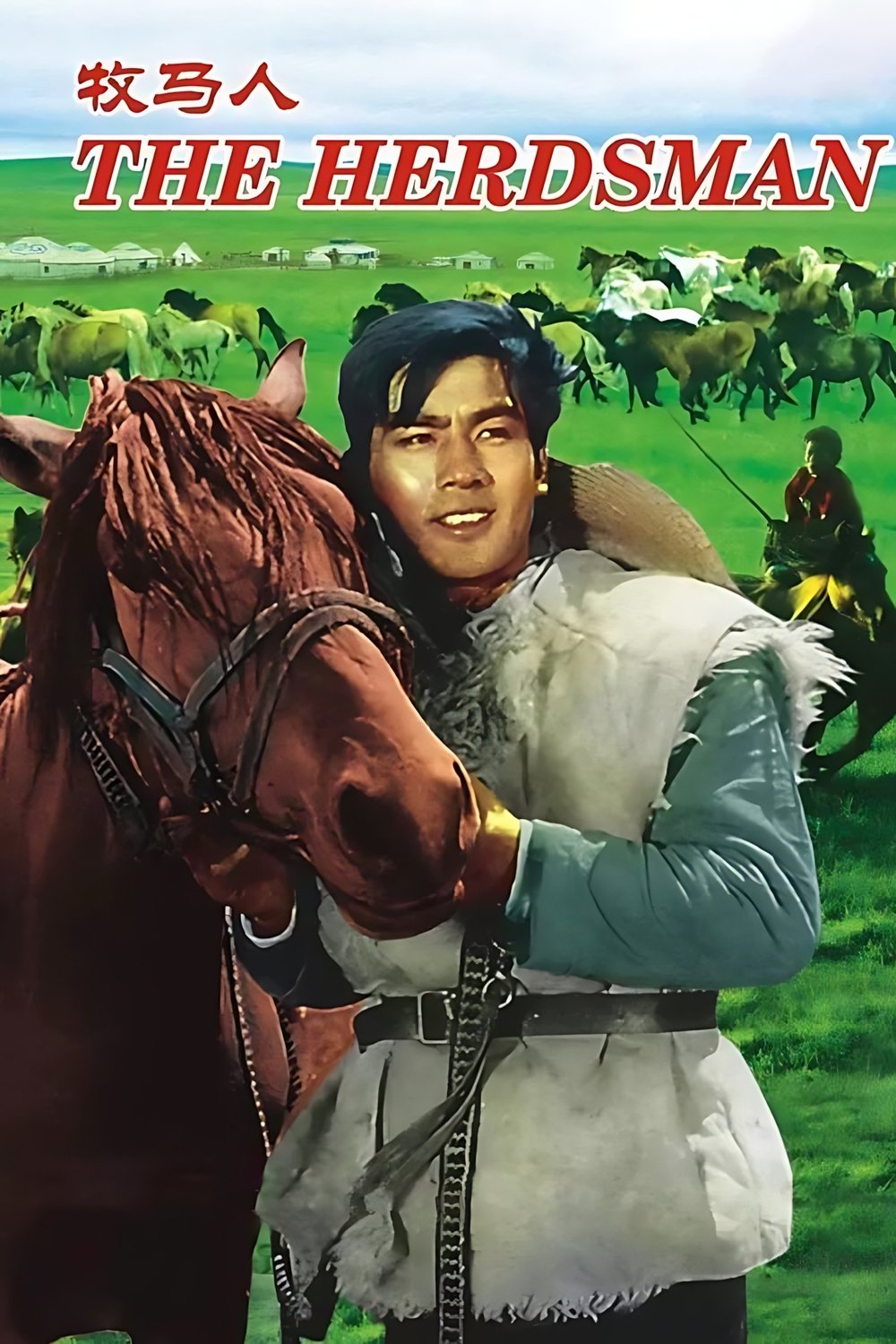
In 1980, Xu Jingshan, a wealthy Chinese-American businessman returns to China to find his son, Xu Lingjun, whom he had abandoned over 30 years earlier. Labeled a rightist because of his capitalist father, Lingjun has been forced to live as a humble herdsman on the grasslands. His bitter life has been transformed by a happy marriage to the wise and beautiful Xiuzhi, and more recently by his rehabilitation by the Party. When he goes to Beijing for their reunion, he discovers his father wants him to work for his chemical company in San Francisco. Lingjun tells the story of his life to his father, as he ponders his future.