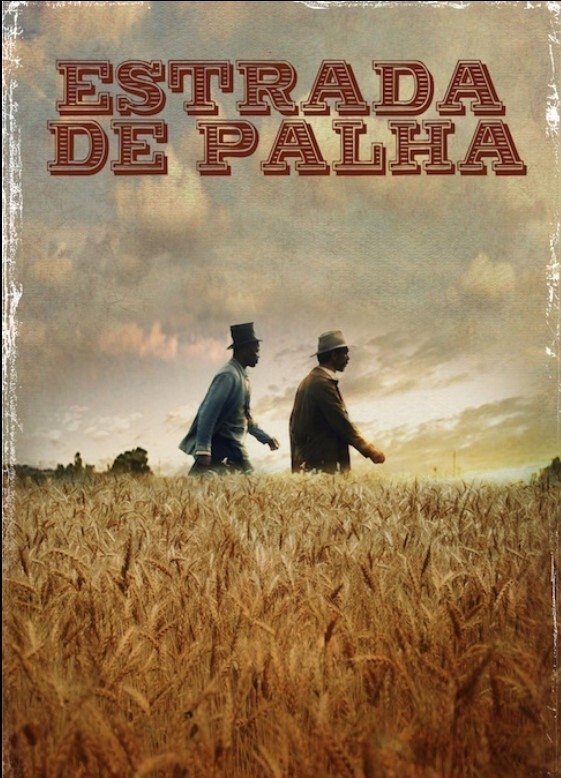
This is the story of a man who after living over ten years isolated away from his country, returns to avenge His brother's death. Inspired by the writings of David Henry Thoreau, he is translating 'Civil Disobedience' into Portuguese. The action is set between 1908 and 1910, between the assassination of the Portuguese King and Prince and the creation of the Portuguese Republic, an era where anarchists who fight against the monarchy often cross the path of burglars. On a country where corruption is set, the state representatives try to rob, arrest and kill innocents. The main character faces the tyranny of the state and tries to save the rest of his family. But this is a country where nothing changes.
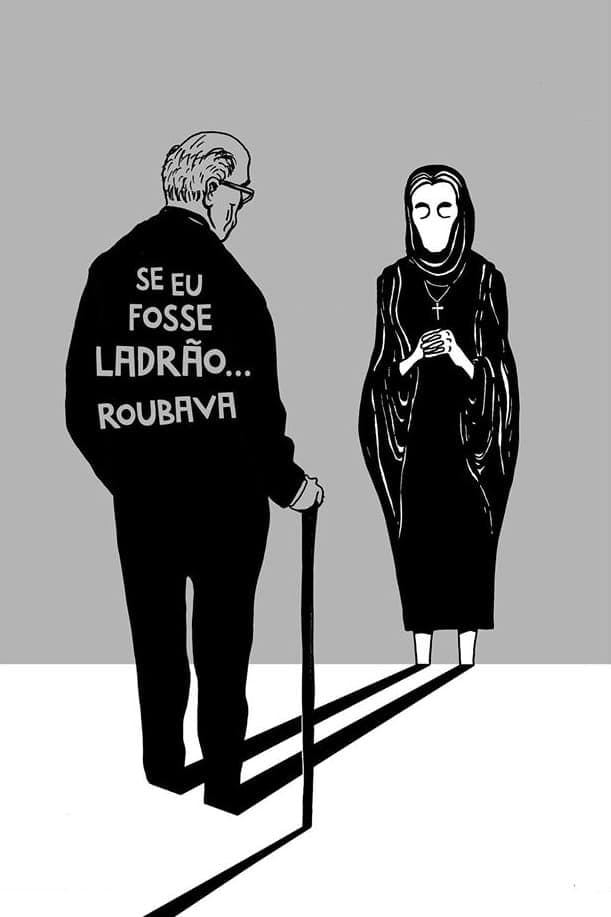
1920s. Vitalino, a small farmer from São Vicente sees his father die of the epidemic which decimated the country. Some years later, of all the brothers, Vitalino is the strongest and takes his father’s place in the house. But the village is too small for his aspirations and he decides to head to Brazil, leaving his sisters in charge of the household. In parallel with Vitalino’s story, If I Were a Thief… I’d Steal portrays the world of Paulo Rocha rummaging through his films and ghosts over the years.
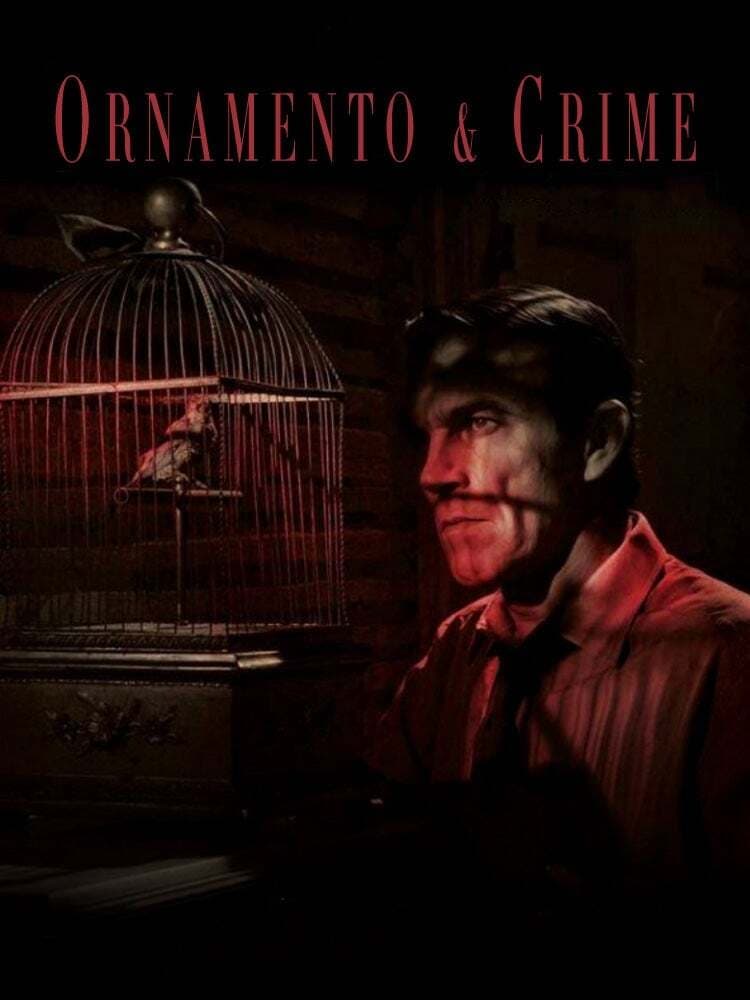
I am the double of the shadow of my own image. An allegory that occupies my place. This is my act of contrition. Beyond good and evil, I stand as an equation: Its result cannot be manipulated By morals or ethics. In mathematics there is no place for beliefs Just as life and death Are a certain fate.
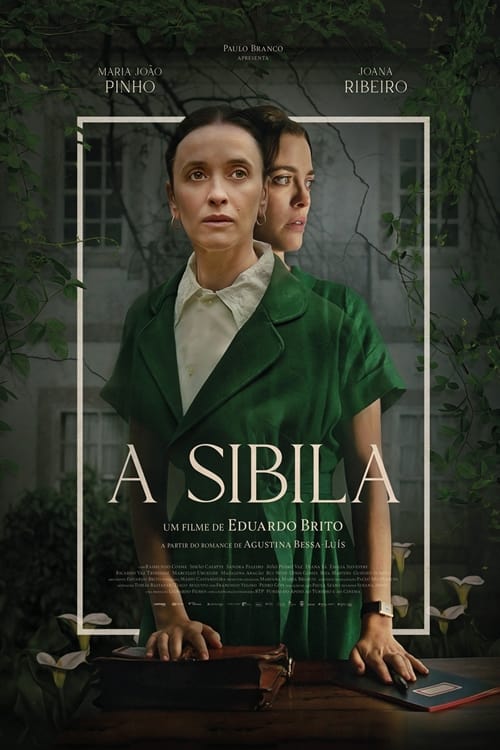
In the mid-20th century, a troubled relationship between Germana, a young writer, and Quina, her aunt who lives in the northern Portuguese countryside. Feelings of jealousy, admiration and the complex magnetism between these two strong women arise.
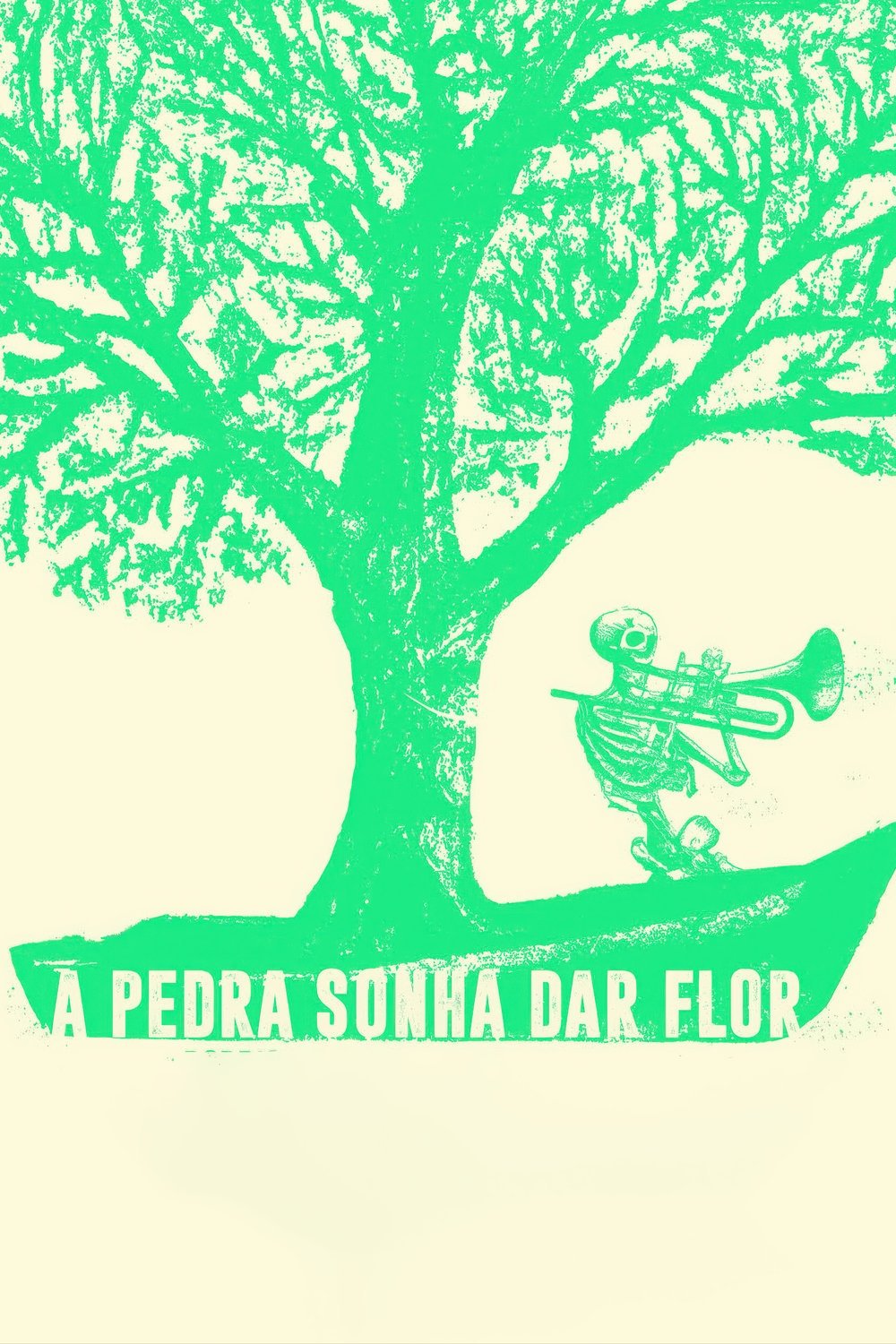
A writer immerses himself in his work La muerte del payaso and becomes a hostage of impossible dreams. Between crimes and hallucinations, between the gothic nature of night and the decadence of the sand, a hopeless story is told, based on the work of Raul Brandão.
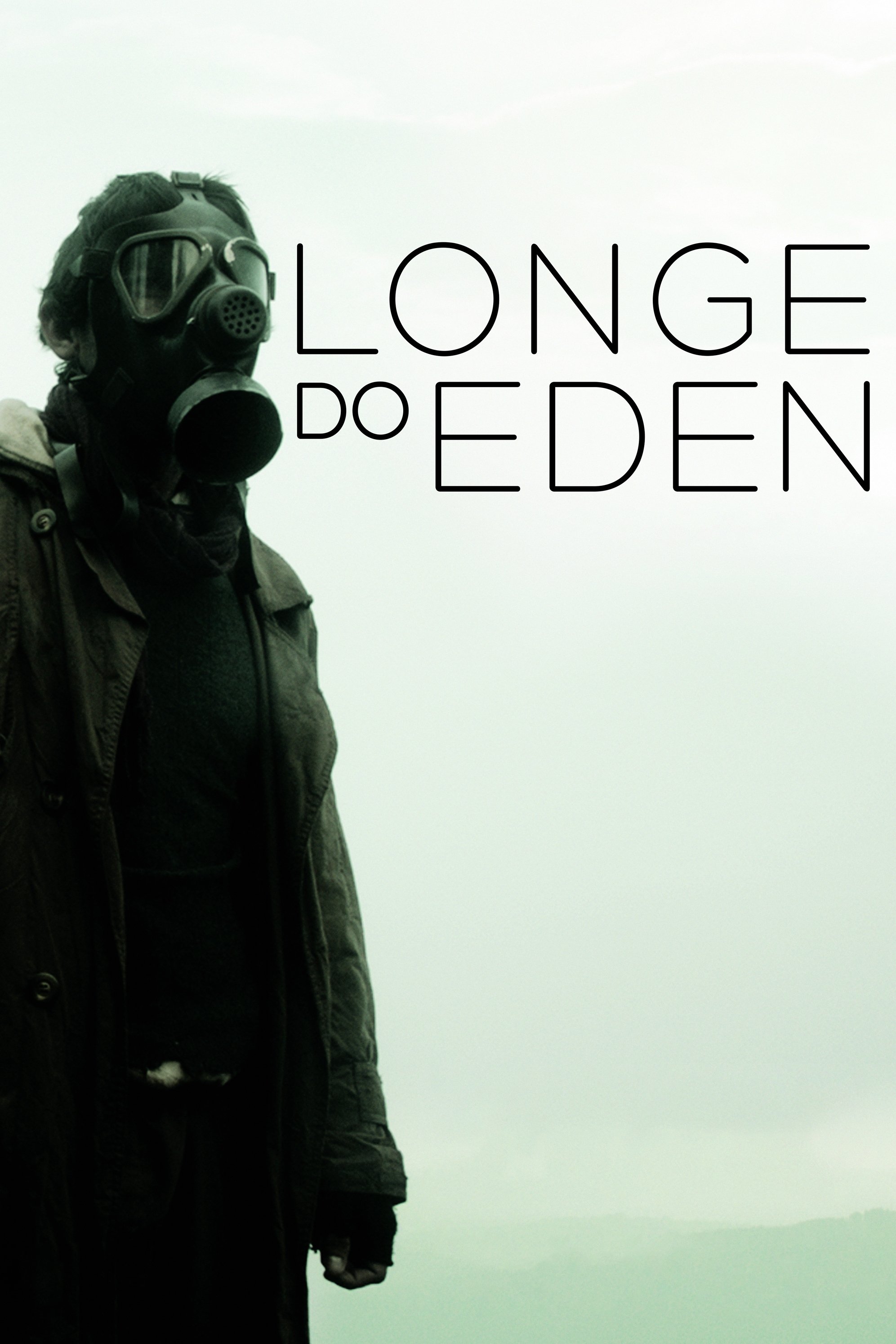
A survivor travels in search of the last bastion of civilization. Battling to survive, but never losing hope that something nostalgic from the past, which lives on in his memory, might still exist.
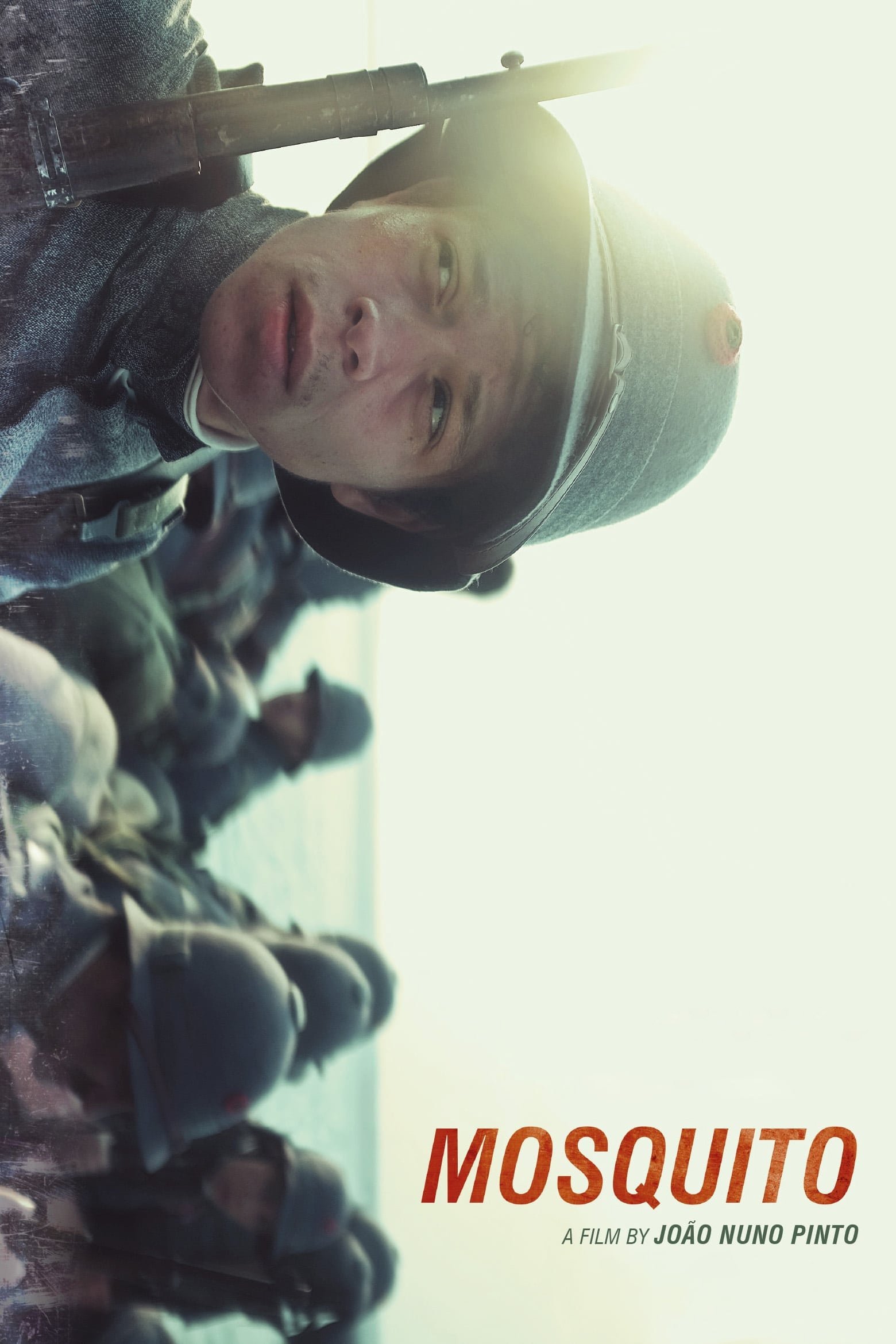
Dreaming of great adventures and of standing up for his homeland, a young Portuguese man enlists in the army during World War I and is sent to the front line in Mozambique, Africa. Left behind by his platoon, he sets out on a grueling trek across the mystic Makua native land, walking for over a thousand kilometers, in search of his dream.
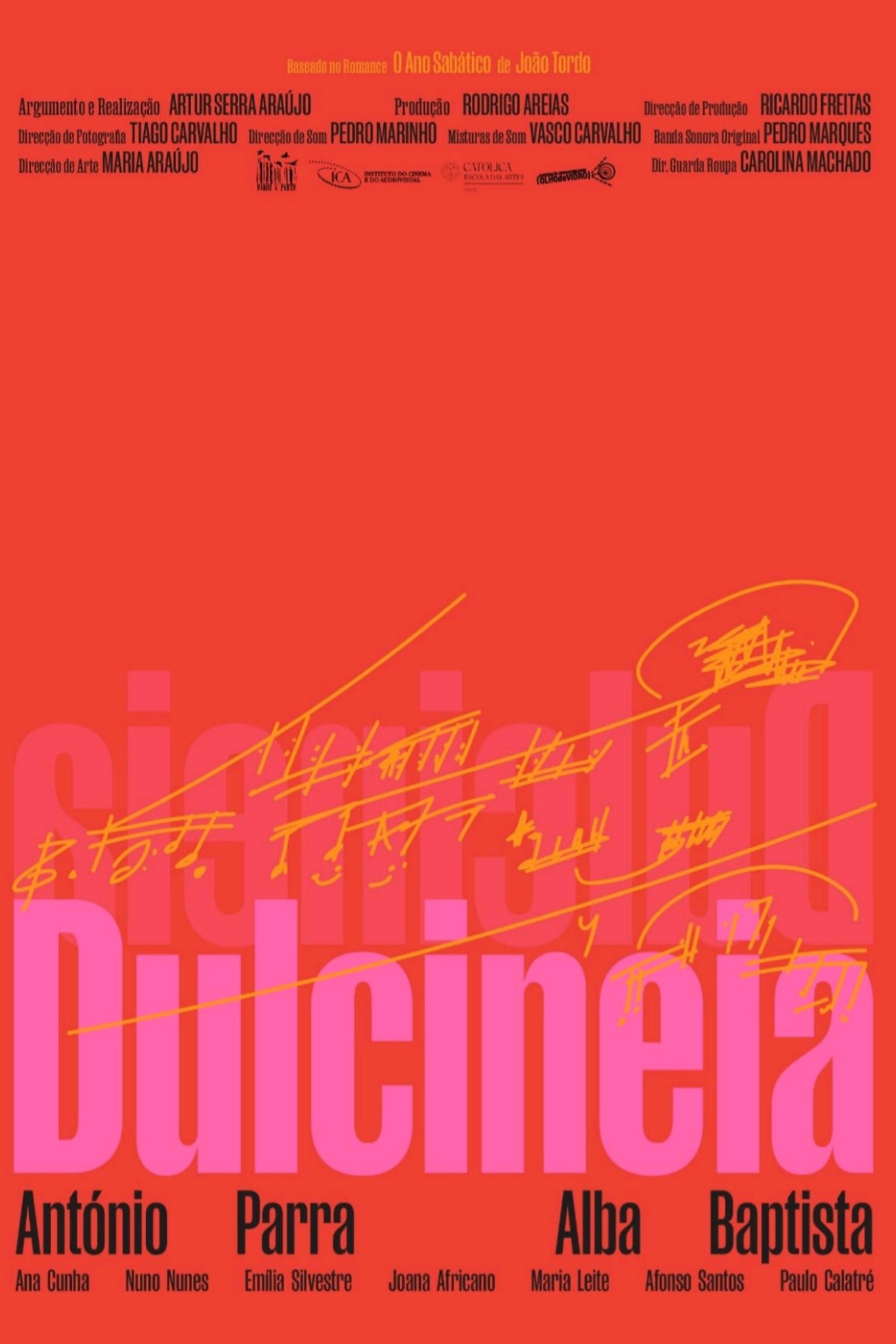
Follows Hugo as he takes a gap year and returns to Porto to regain balance with his family, but he attends a concert by Luís Stockman, who plays a theme that Hugo has been writing in his head for years.
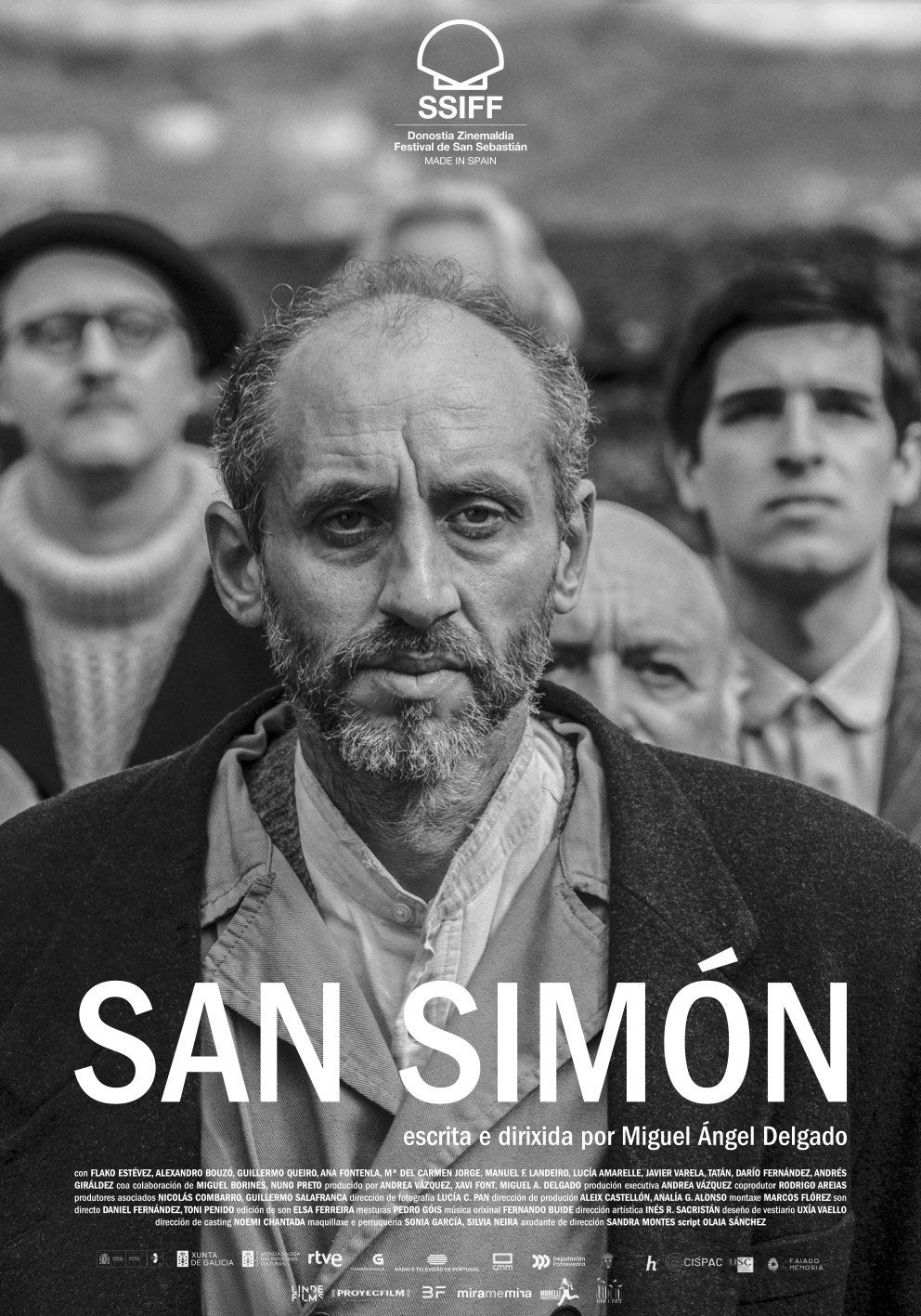
October, 1936. Concentration camps are being opened throughout the territory by Franco's followers. They use convents, factories, schools, bullrings, monasteries... San Simón stands out for its insular nature. The regime turns the former leper hospital into a place of death, where the prisoners are subjected to repression in a place of astounding beauty. Seven years later, Lamas recalls the story of the men and women who, like himself, suffered repression on this small island off the coast of Galicia.