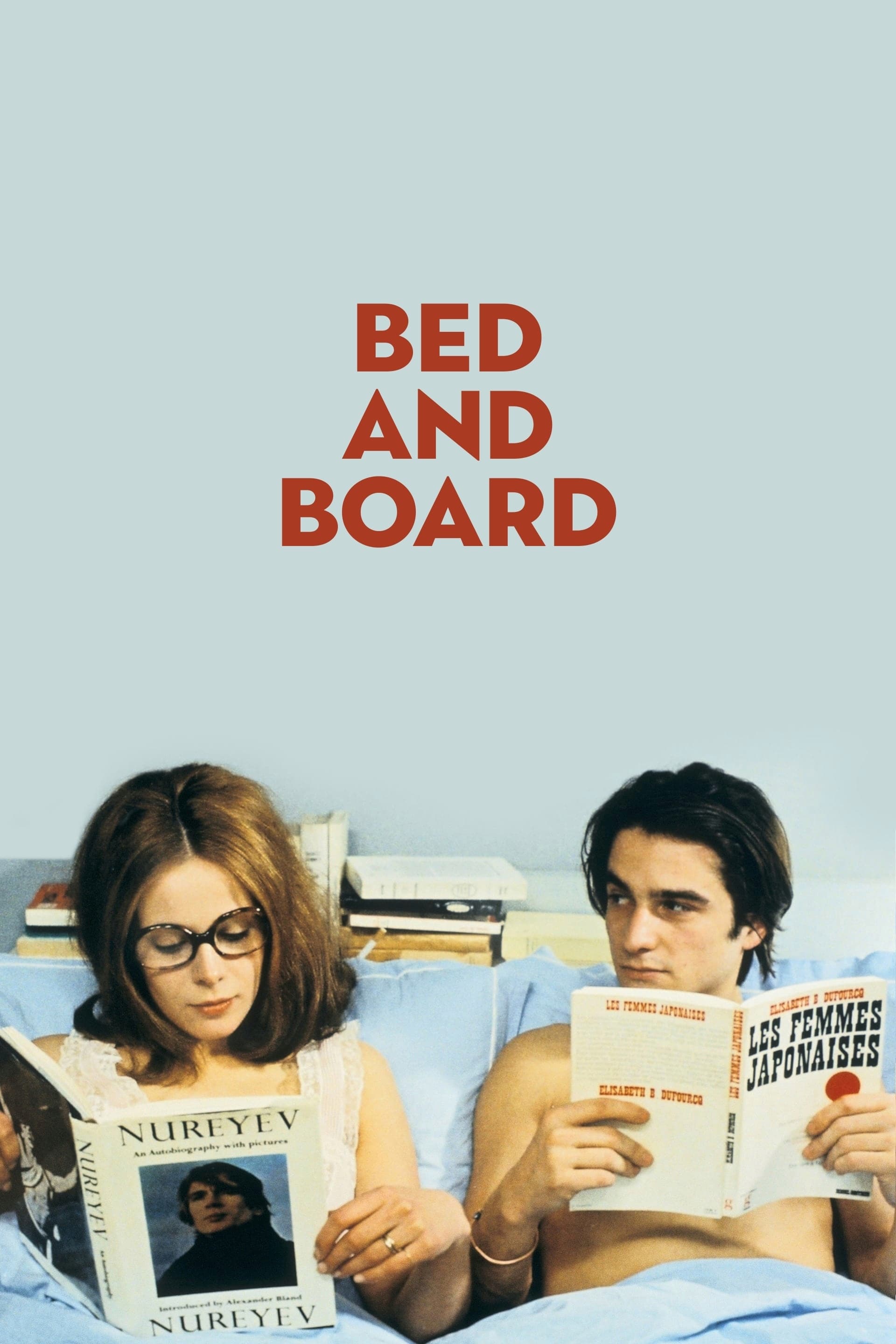
Parisian everyman Antoine Doinel has married his sweetheart Christine Darbon, and the newlyweds have set up a cozy domestic life of selling flowers and giving violin lessons while Antoine fitfully works on his long-gestating novel. As Christine becomes pregnant with the couple's first child, Antoine finds himself enraptured with a young Japanese beauty. The complications change the course of their relationship forever.
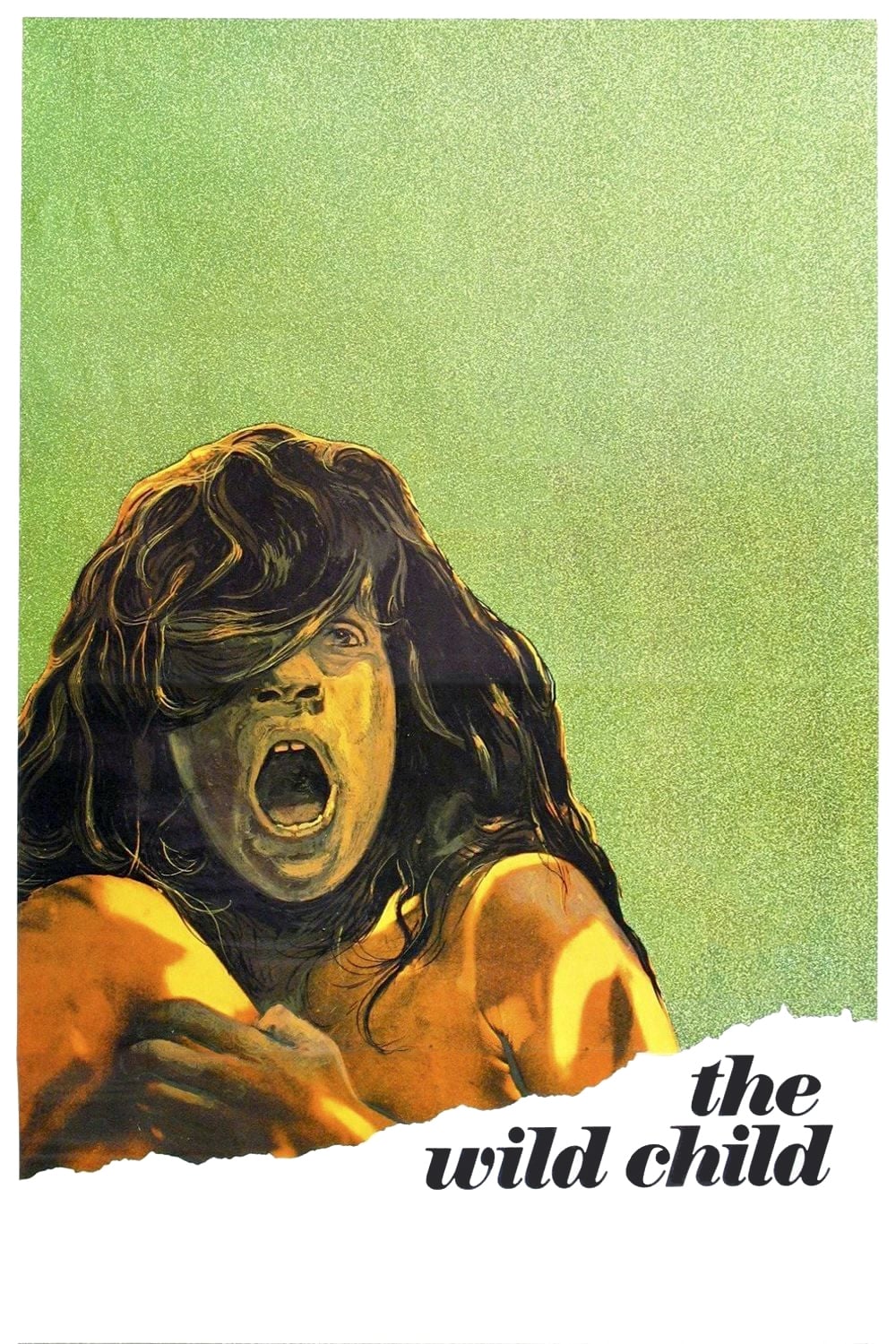
In a French forest circa 1798, a child–who cannot walk, speak, read or write–is found. A doctor becomes interested in the case and patiently attempts to civilise the boy.
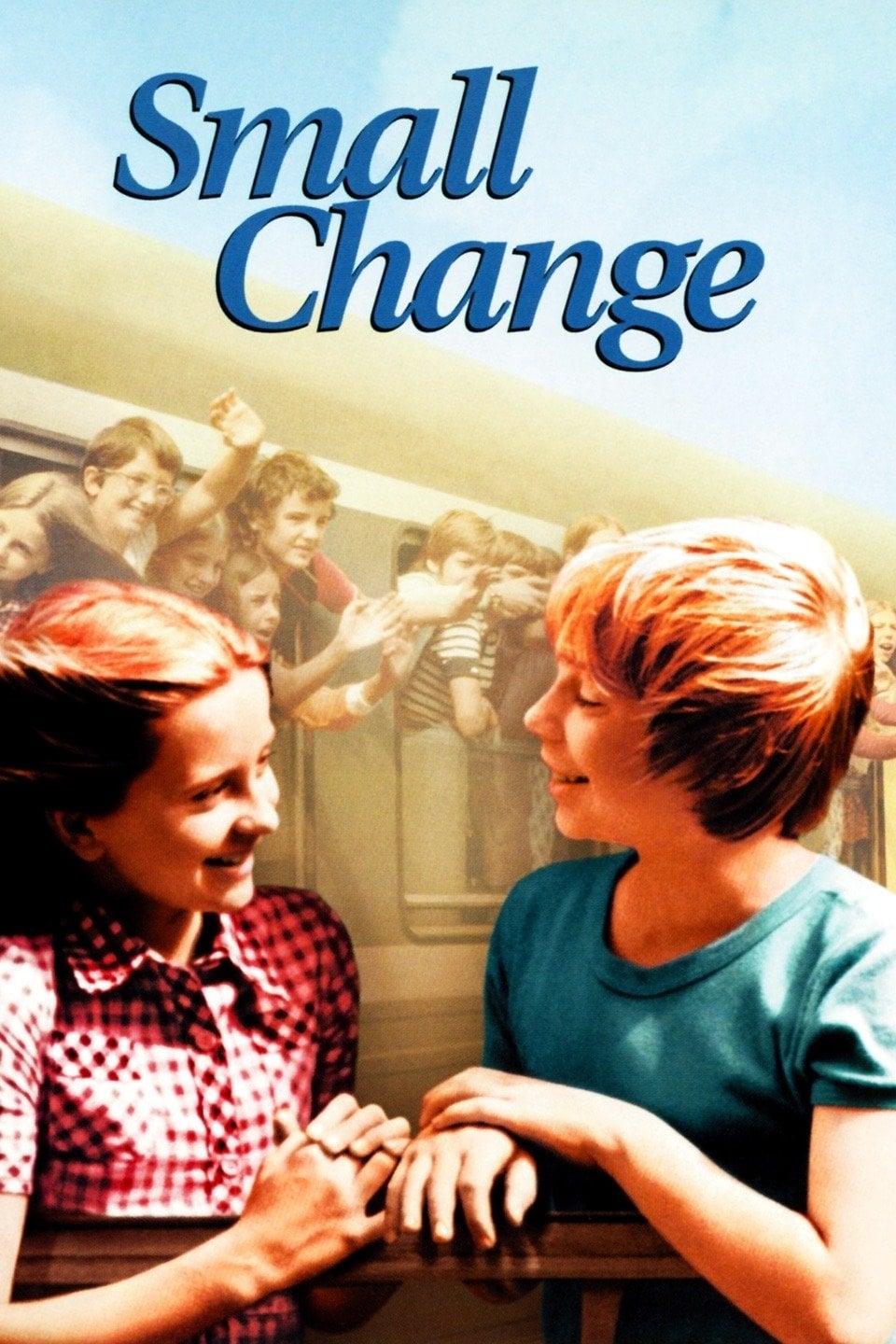
The lives of a motherless young man, who's just starting to find interest in women, and his physically abused, poverty stricken friend, are mixed with more or less innocent childhood experiences and challenges most their age experience.
A committed filmmaker struggles to complete his latest project while coping with a myriad of crises, personal and professional, among the cast and crew.
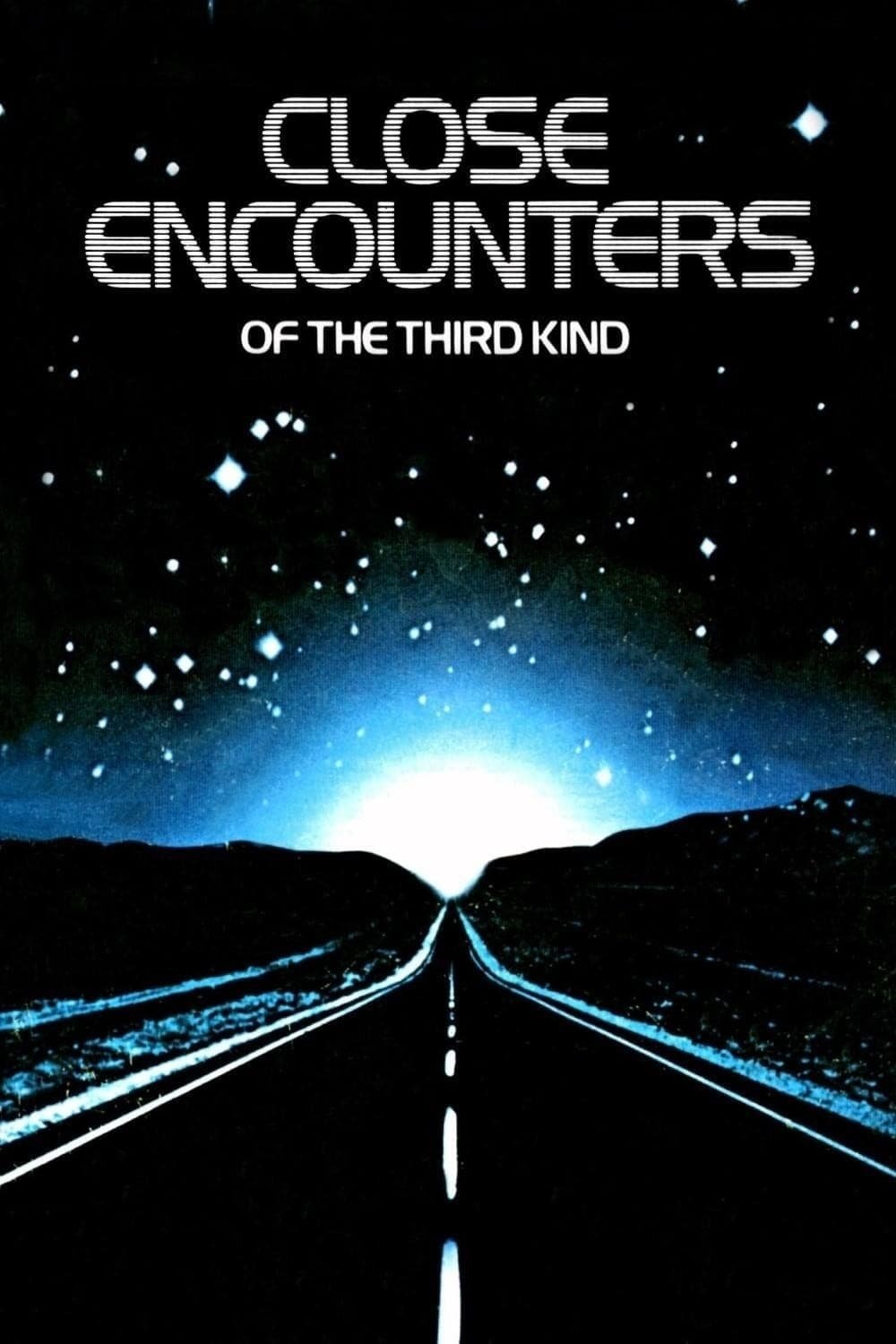
After an encounter with UFOs, an electricity linesman feels undeniably drawn to an isolated area in the wilderness where something spectacular is about to happen.

A documentary interview with the French actress while on the sets of films in production. Several of the directors for whom she has made films are also interviewed

Documentary about the making of Alfred Hitchcock's 1946 film "Notorious."
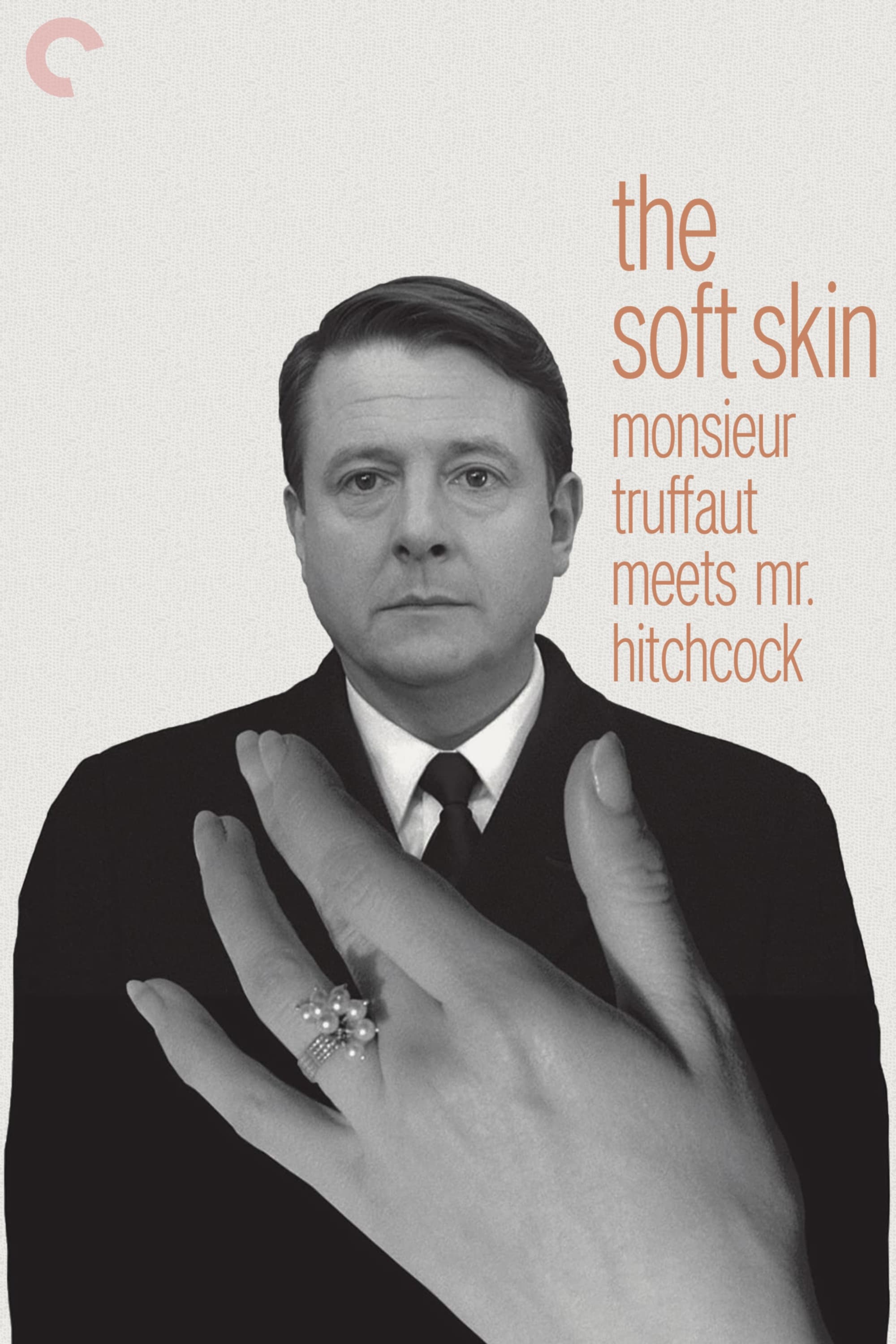
When Francois Truffaut approached Alfred Hitchcock in 1962 with the idea of having a long conversation with him about his work and publishing this in book form, he didn't imagine that more than four years would pass before Le Cinéma selon Hitchcock finally appeared in 1966. Not only in France but all over the world, Truffaut's Hitchcock interview developed over the years into a standard bible of film literature. In 1983, three years after Hitchcock's death, Truffaut decided to expand his by now legendary book to include a concluding chapter and have it published as the "Edition définitive". This film describes the genesis of the "Hitchbook" and throws light on the strange friendship between two completely different men. The centrepieces are the extracts from the original sound recordings of the interview with the voices of Alfred Hitchcock, Francois Truffaut, and Helen Scott – recordings which have never been heard in public before.

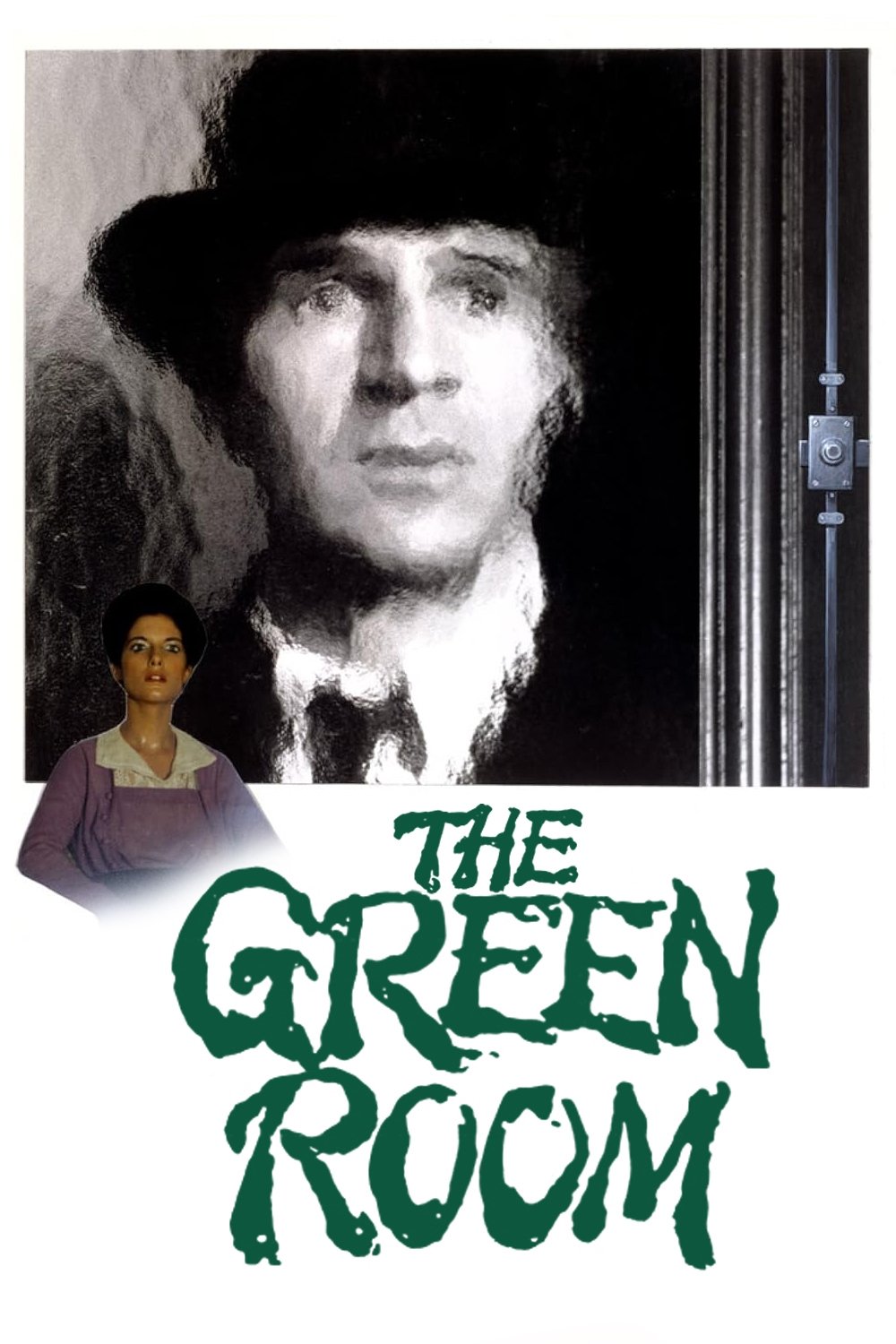
A widower maintains a memorial room filled with his late wife's belongings. When fire destroys it, he transforms a chapel into a new shrine to preserve her memory.
1951. André Bazin and Jacques Doniol-Valcroze founded "Cahiers du cinéma". With contributions from self-taught filmmakers (Jean-Luc Godard, François Truffaut, Claude Chabrol, Éric Rohmer, Jacques Rivette...), the magazine revolutionized film criticism and gave birth to the leading figures of the Nouvelle Vague.
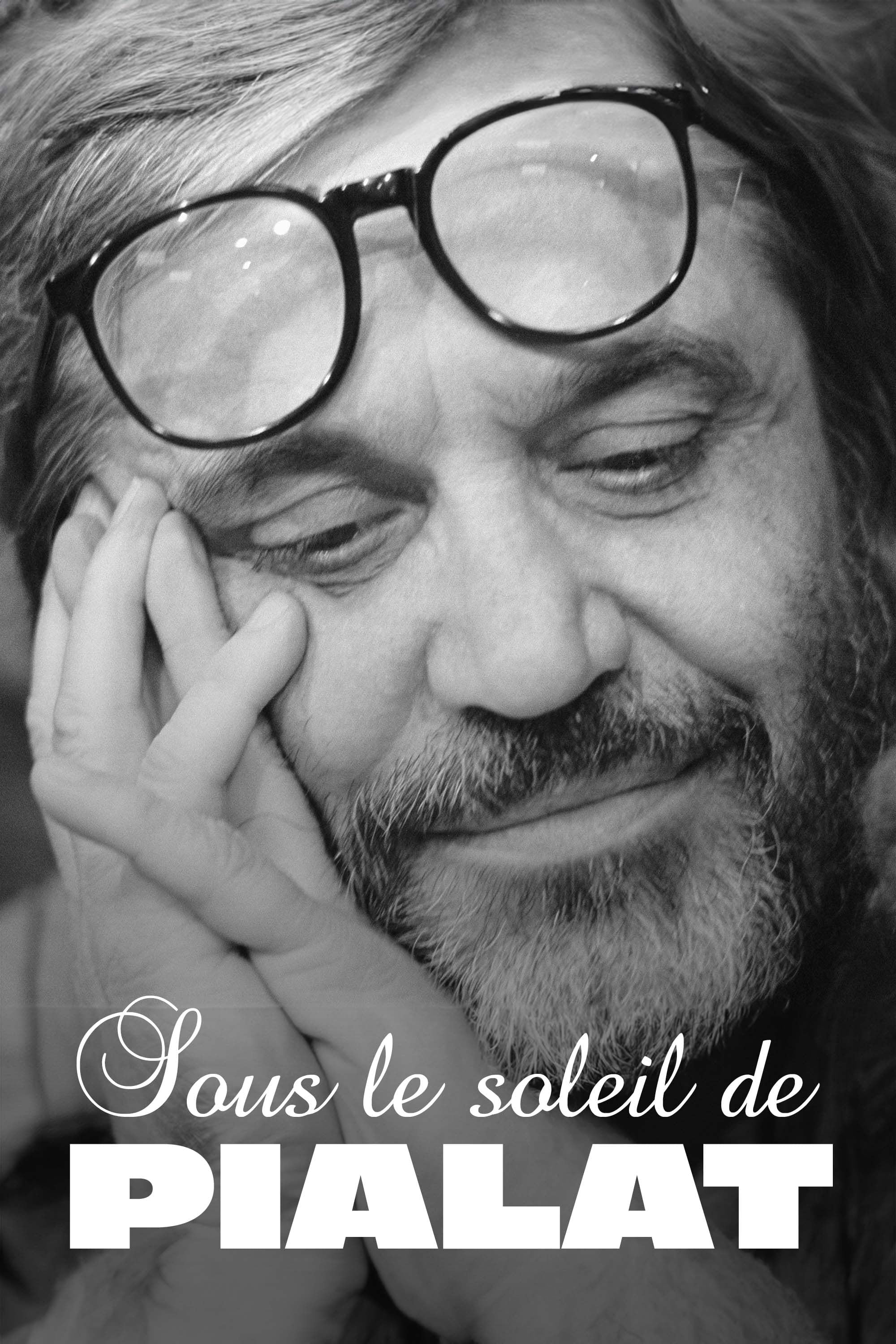
In just ten films, Maurice Pialat painfully rose to the top of the cinema, draining into his legend a mad demand for truth as much as memorable fury to achieve it. With "L'Enfance nue", his first feature film at the age of 43, the filmmaker immediately made his mark, this "art of making things authentic", according to Chabrol. But throughout an unclassifiable filmography in the form of an autobiography, from a break-up to his fatherhood in wonder, through the agony of his mother, the filmmaker does not get rid of the feeling of being misunderstood, despite international recognition.
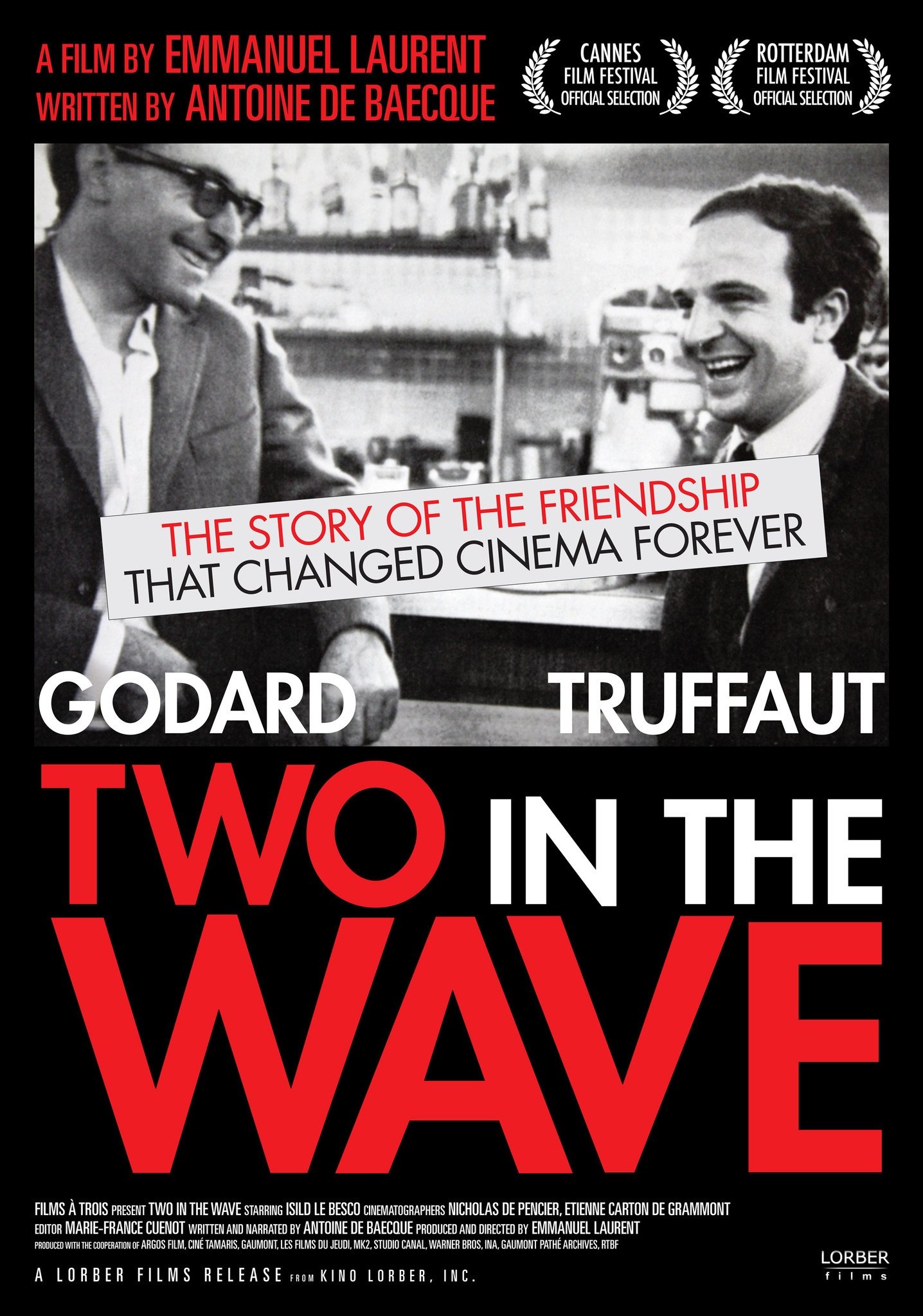
An in-depth analysis of the relationship between New Wave pioneers François Truffaut and Jean-Luc Godard, as seen through rare archival footage, interviews, and film excerpts — written and narrated by former Cahiers du Cinéma editor Antoine de Baecque.
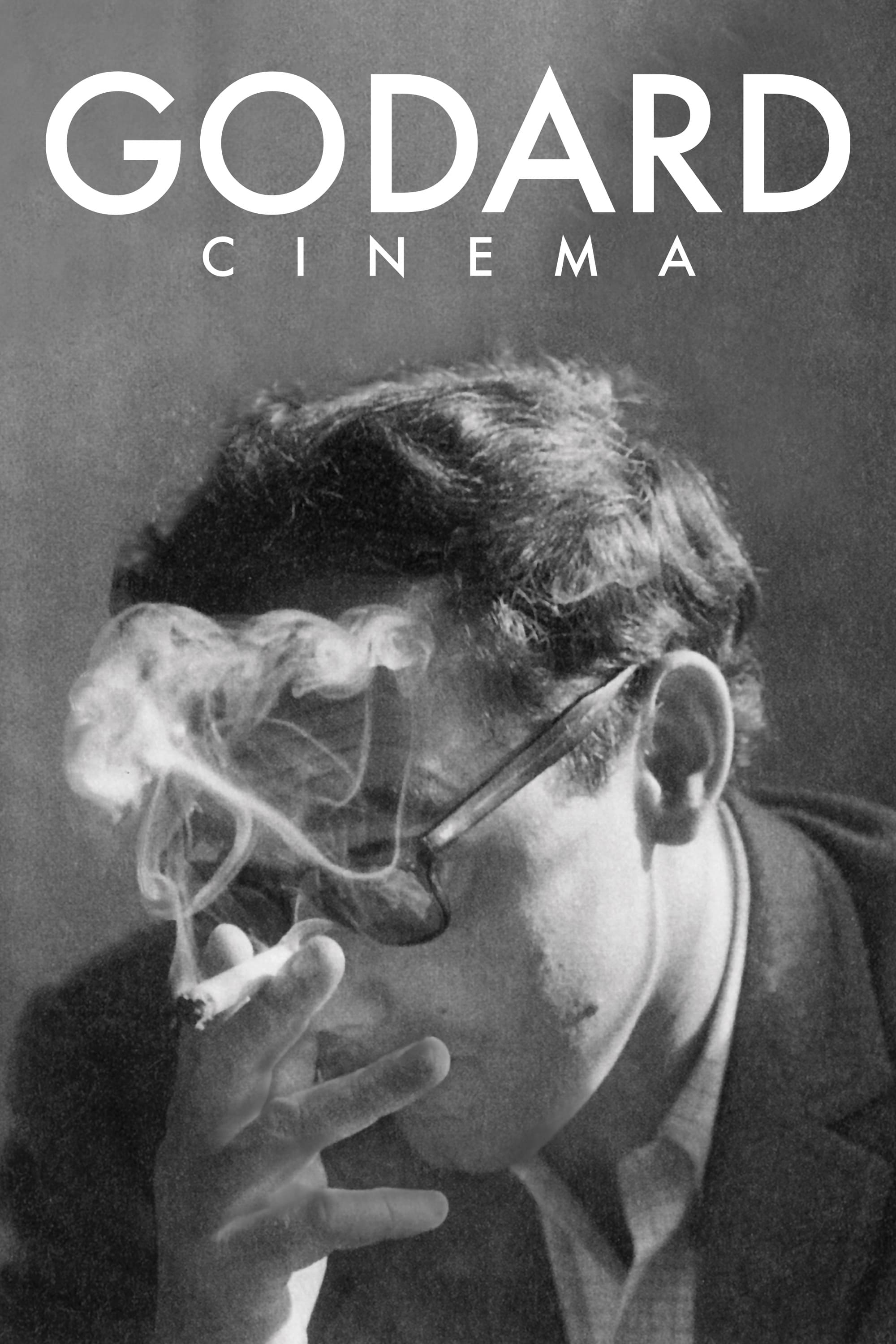
Jean-Luc Godard is synonymous with cinema. With the release of Breathless in 1960, he established himself overnight as a cinematic rebel and symbol for the era's progressive and anti-war youth. Sixty-two years and 140 films later, Godard is among the most renowned artists of all time, taught in every film school yet still shrouded in mystery. One of the founders of the French New Wave, political agitator, revolutionary misanthrope, film theorist and critic, the list of his descriptors goes on and on. Godard Cinema offers an opportunity for film lovers to look back at his career and the subjects and themes that obsessed him, while paying tribute to the ineffable essence of the most revered French director of all time.
An intimate window into one of the great movements in film history that brought about an evolution in the art of cinema. The documentary portrays the movement with insight on the lives and works of Jean-Luc Godard, François Truffaut and other principal players in the New Wave.
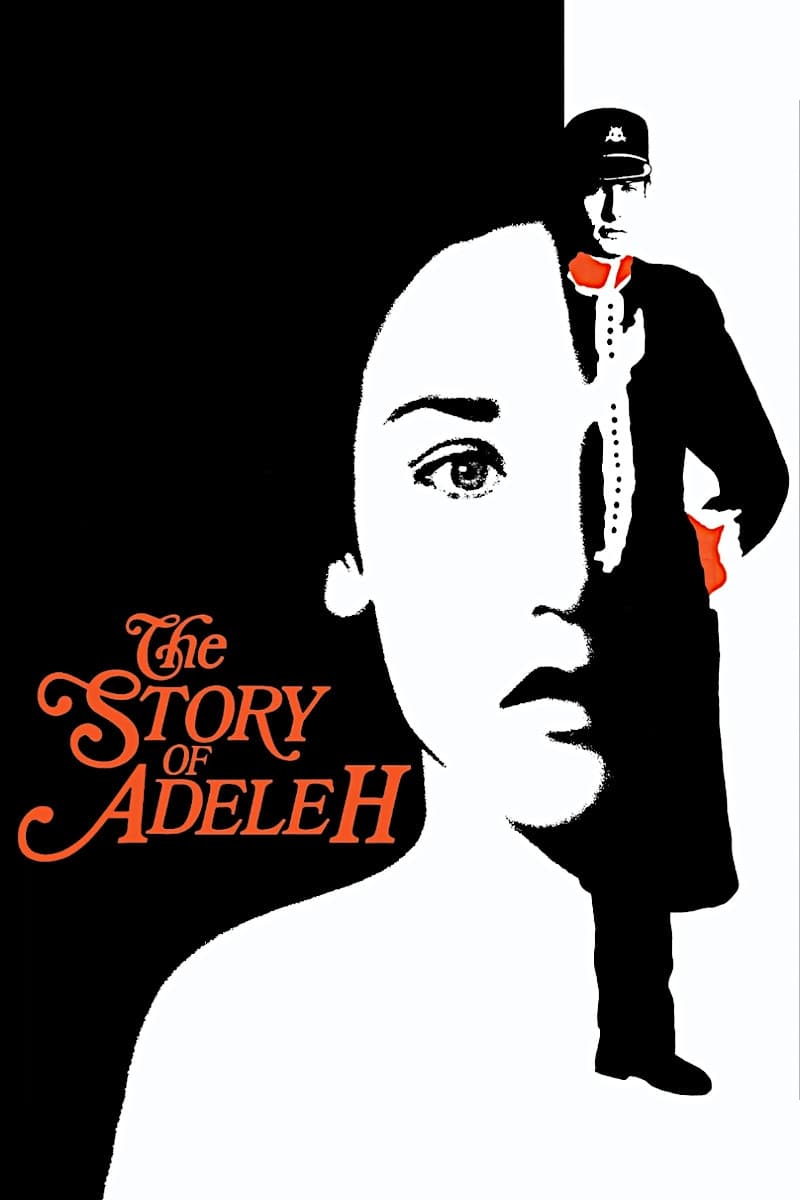
In the 19th century a mysterious woman named Adele H. crosses the ocean, from Europe to North America, to relentlessly pursue a handsome officer that denies her satisfaction.
Documentary about François Truffaut who is one of the most respected directors in the history of cinema.
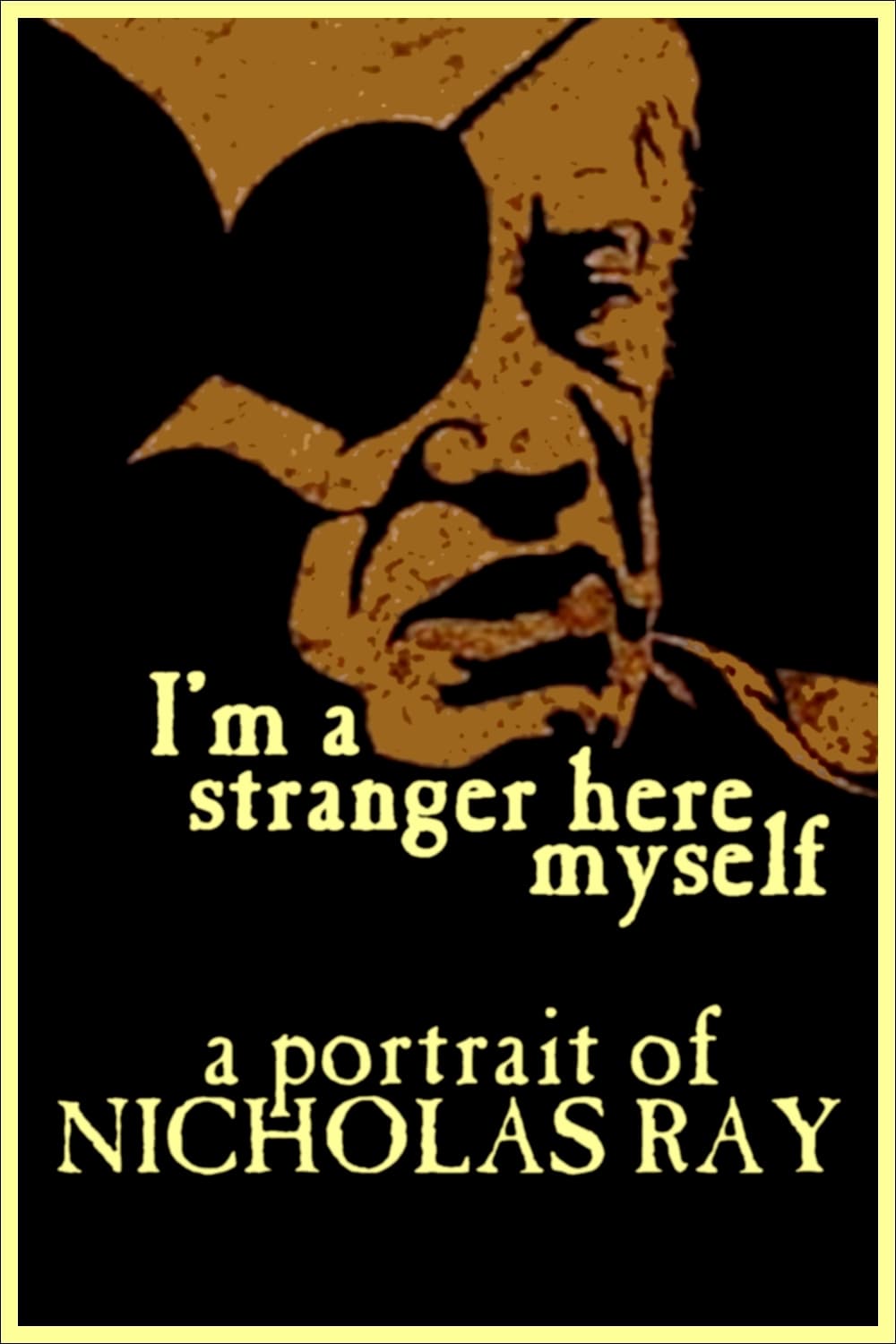
A portrait of legendary filmmaker Nicholas Ray while he is working as a film professor at a college in upstate New York.
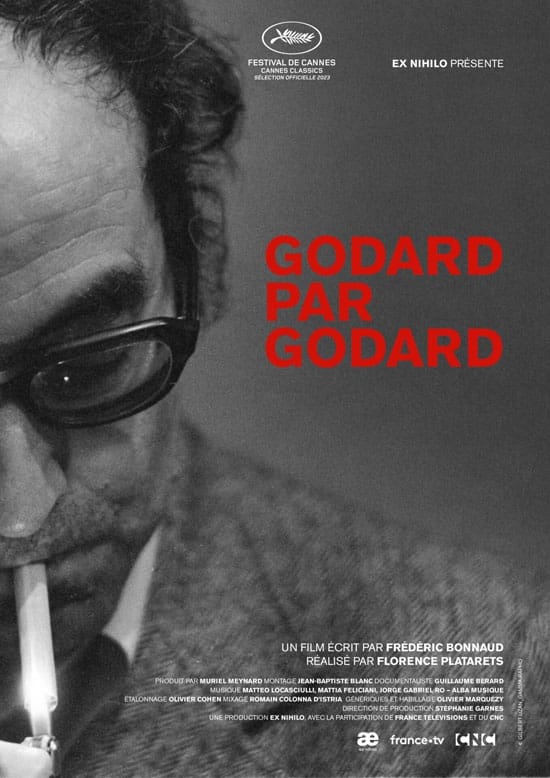
Godard by Godard is an archival self-portrait of Jean-Luc Godard. It retraces the unique and unheard-of path, made up of sudden detours and dramatic returns, of a filmmaker who never looks back on his past, never makes the same film twice, and tirelessly pursues his research, in a truly inexhaustible diversity of inspiration. Through Godard’s words, his gaze and his work, the film tells the story of a life of cinema; that of a man who will always demand a lot of himself and his art, to the point of merging with it.
A documentary about the famous Danish film director Carl Th. Dreyer, made a few years before he died. In this film Dreyer tells about the style in his feature films and about the important things in film making: the script and the casting. He tells about his theories about setting and acting.
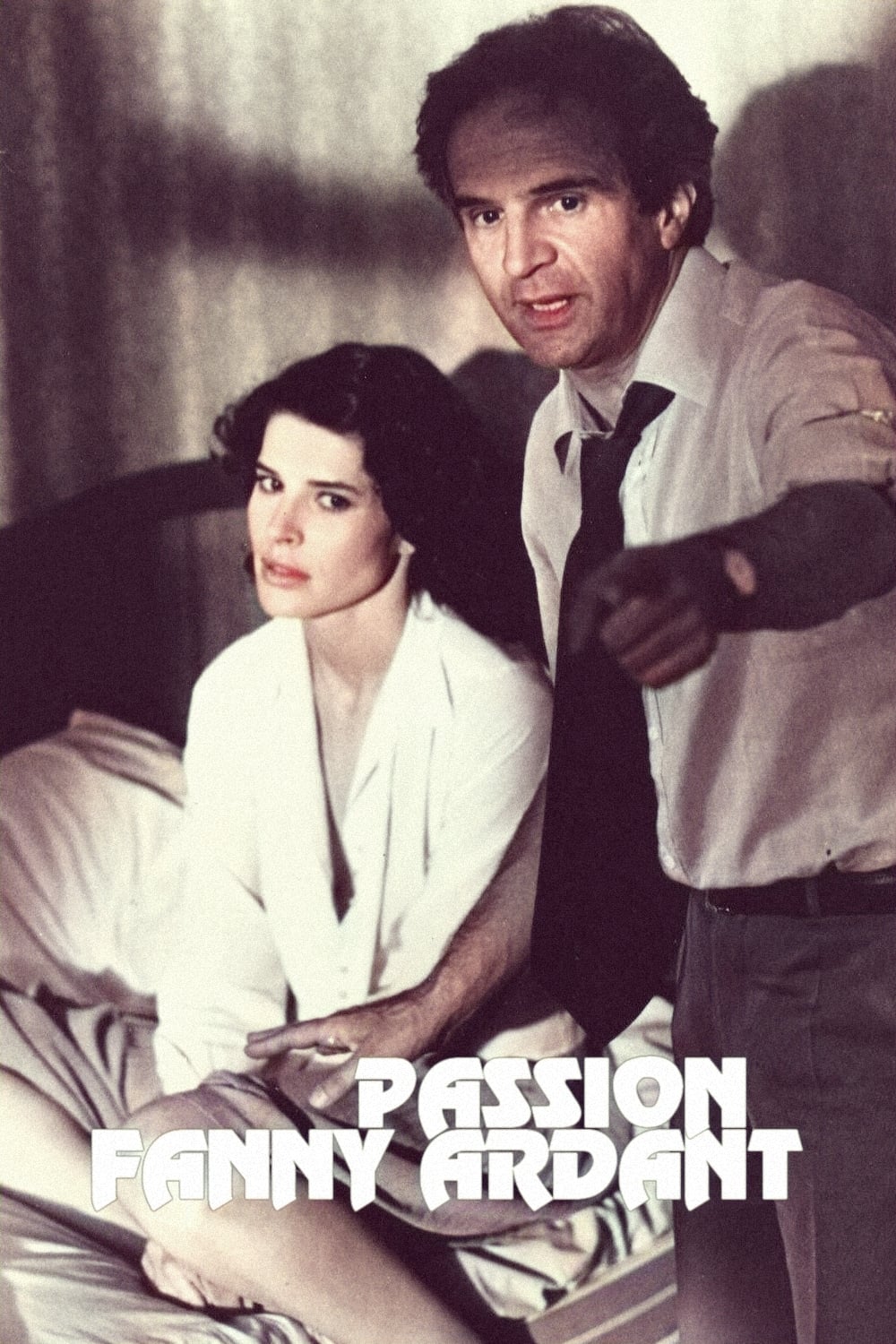
A portrait of the famous French actress Fanny Ardant, who has worked with great figures of cinema such as Agnès Varda, Alain Resnais, Michelangelo Antonioni, Sydney Pollack and, above all, François Truffaut (1932-84), with whom she had a sentimental relationship and whose death marked the rest of her life.
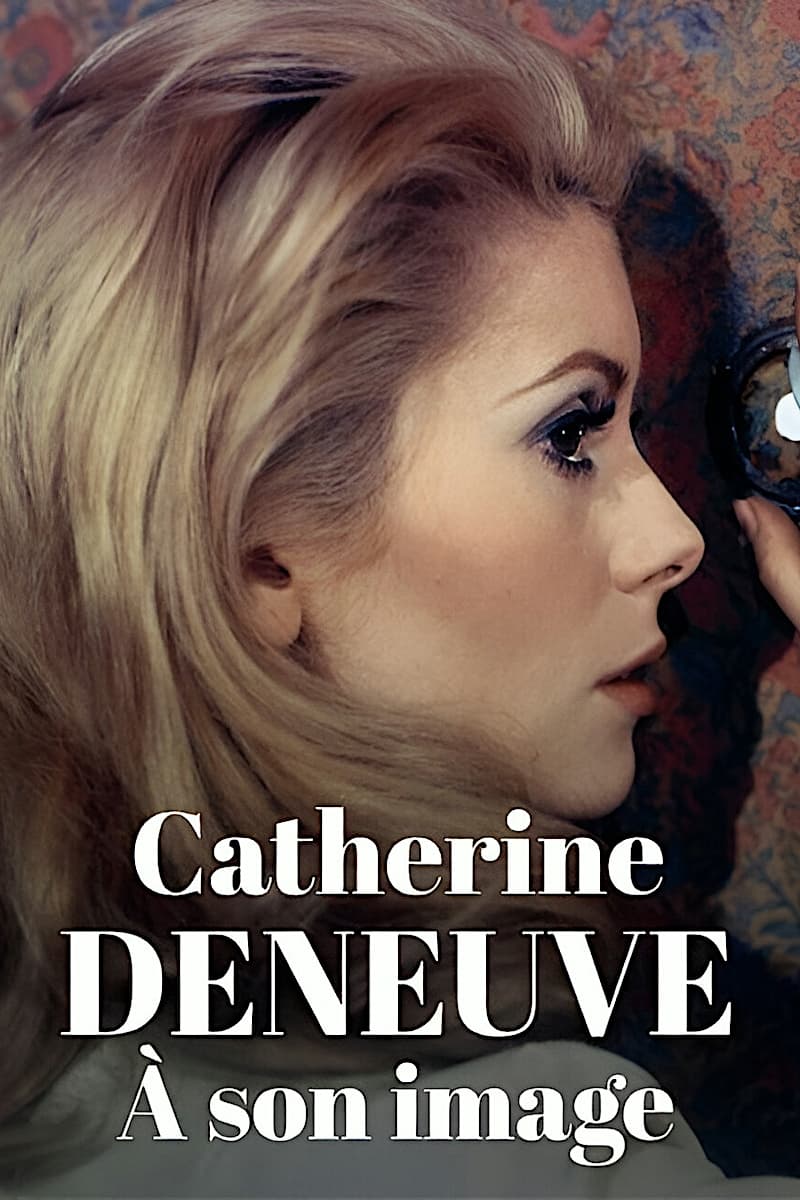
She worked with the world’s greatest actors and directors: Buñuel, Mastroianni, Lellouche, Depardieu... The film guides us throughout her career with the filmmakers with whom she invented herself not to be a “cold blonde actress”, thanks to great interviews of many artists who crossed her path.
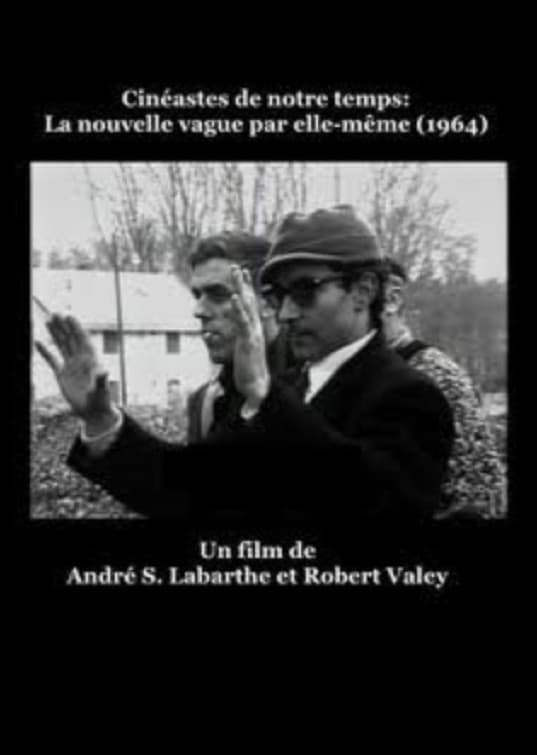
Made for Cinéastes de notre temps series. In 1964, several French New Wave auteurs discuss the success and crisis of the wave. Featuring Claude Chabrol, François Truffaut, Jacques Rivette, Jean-Luc Godard, Jacques Rozier, Jacques Demy, Agnès Varda, Jean Rouch, and many others.
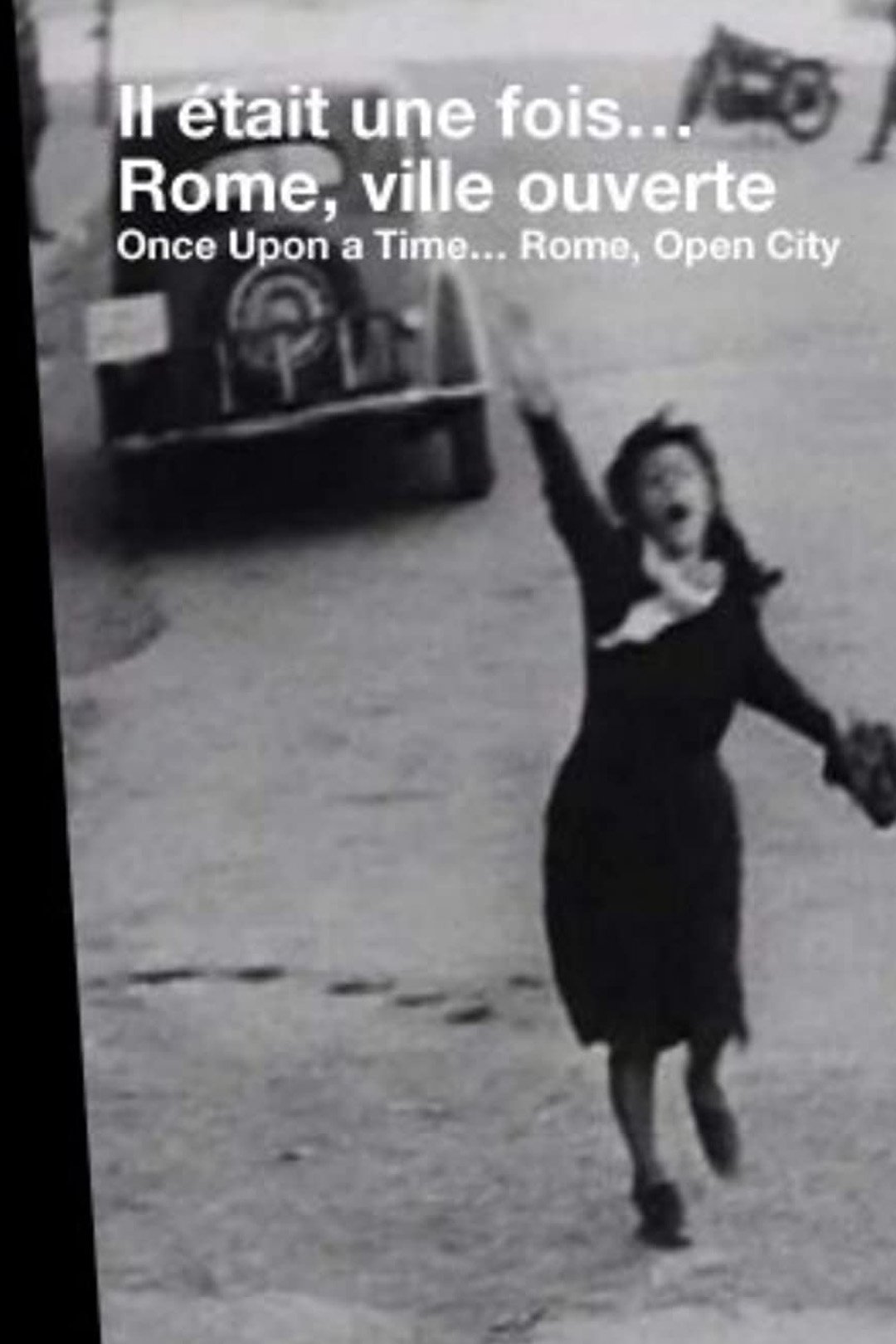
Television documentary about the making of Roberto Rossellini's 1945 film "Rome, Open City".
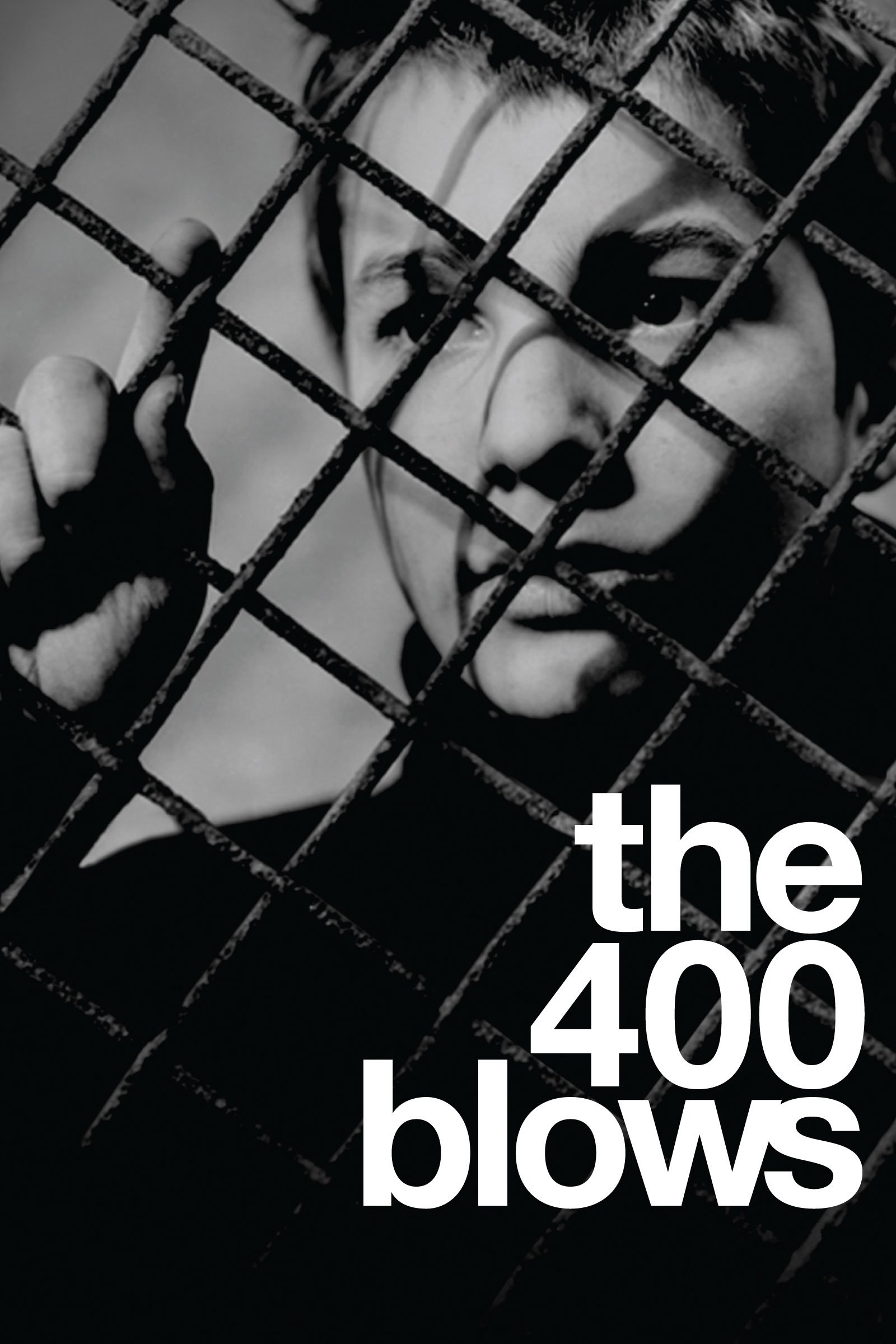
For young Parisian boy Antoine Doinel, life is one difficult situation after another. Surrounded by inconsiderate adults, including his neglectful parents, Antoine spends his days with his best friend, Rene, trying to plan for a better life. When one of their schemes goes awry, Antoine ends up in trouble with the law, leading to even more conflicts with unsympathetic authority figures.
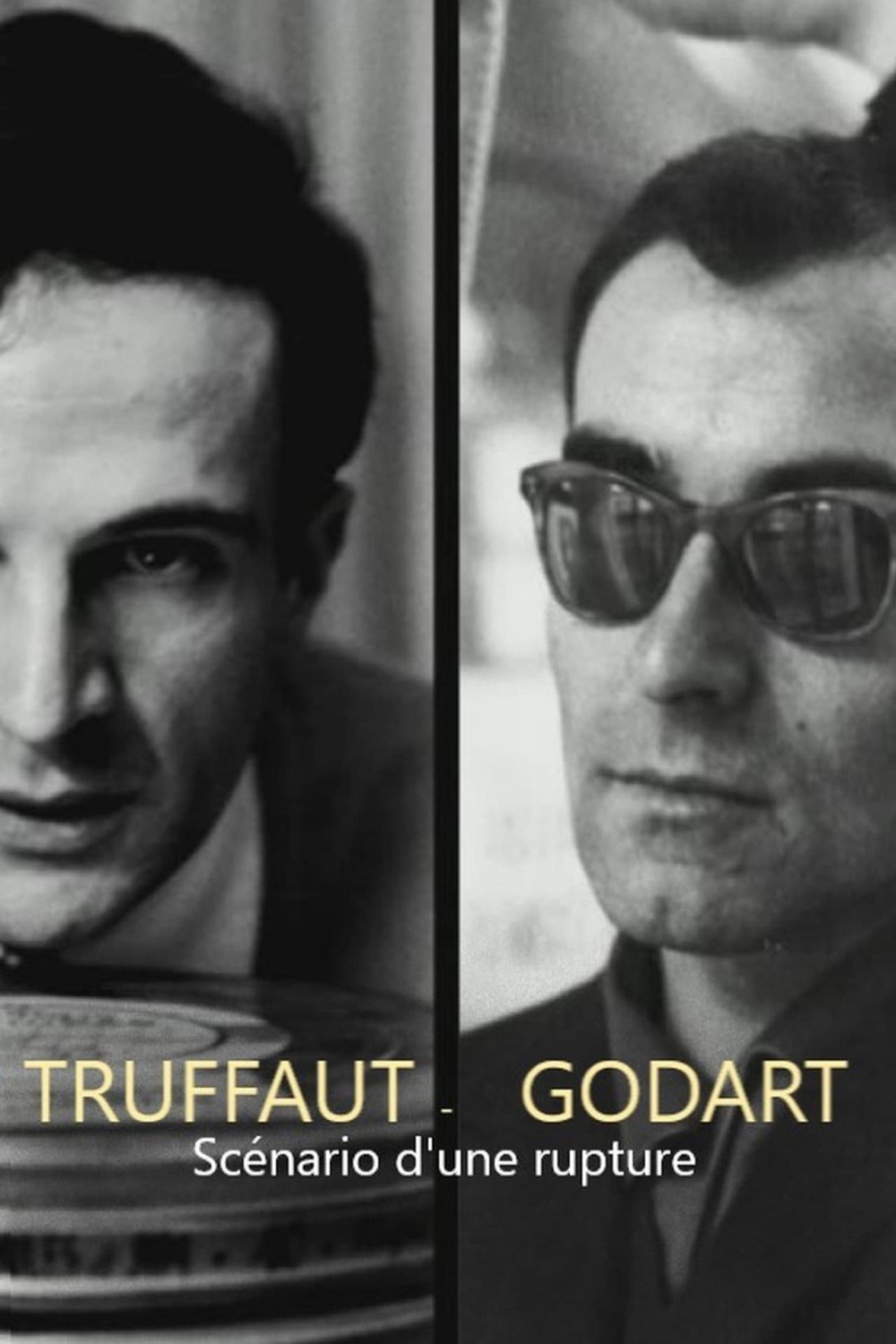
An inquiry into two of the most influencial French filmakers friendship and feud.
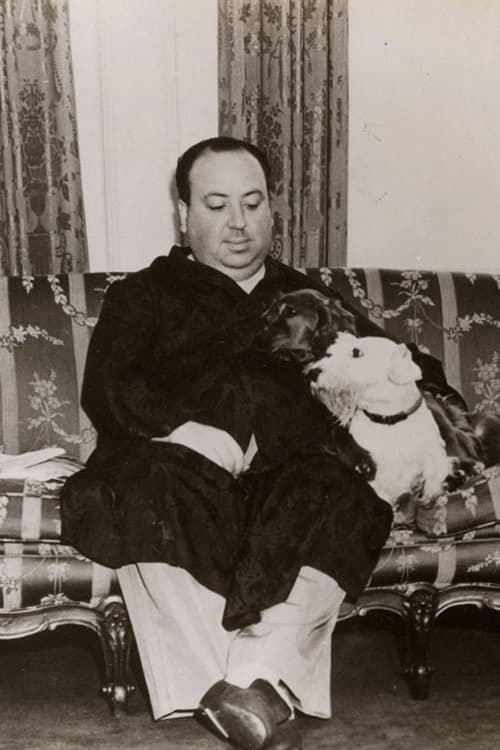
Written and directed by Hitchcock historian Noël Simsolo, this 2004 French television documentary explores the earliest years of Alfred Hitchcock's film career, beginning with his success in the production of The Lodger (1926) and following the filmmaker through his transition to sound films and his early thrillers.
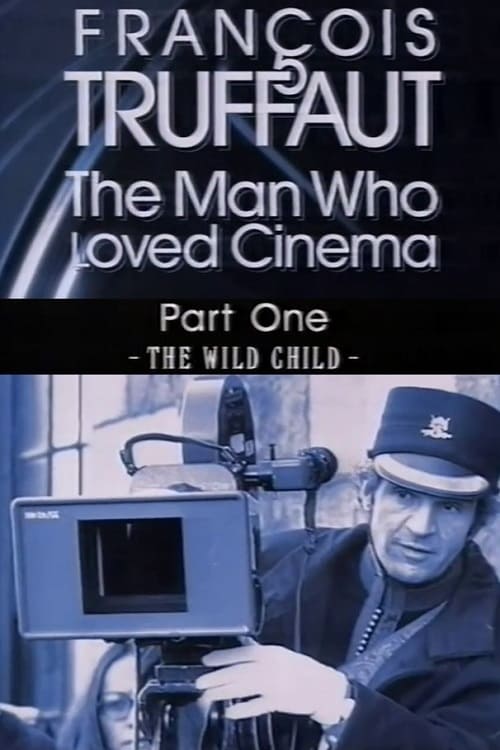
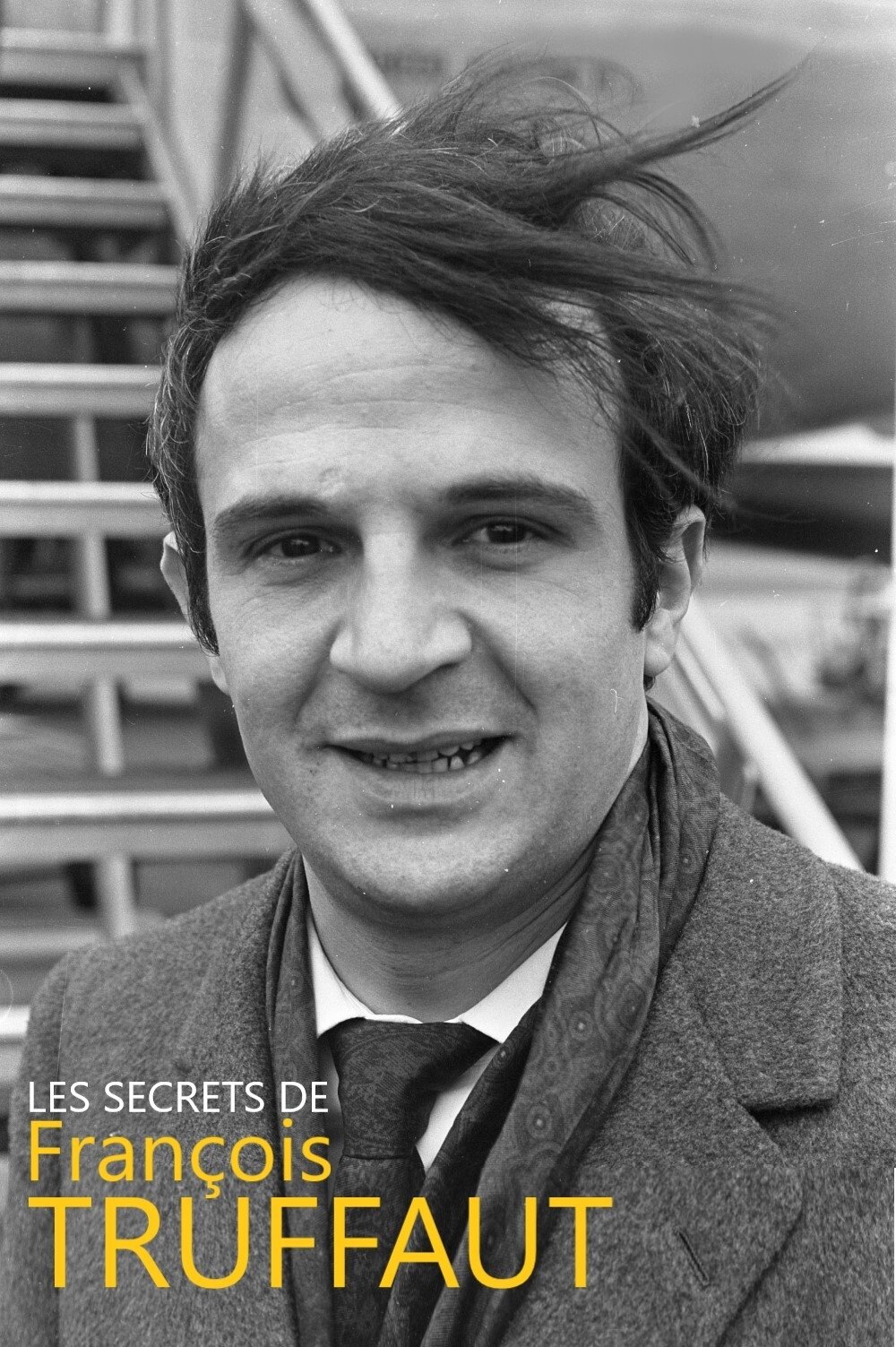
A fascinating glimpse into Truffaut’s creative process and how his life informed his art, told from the perspectives of those who knew him best.
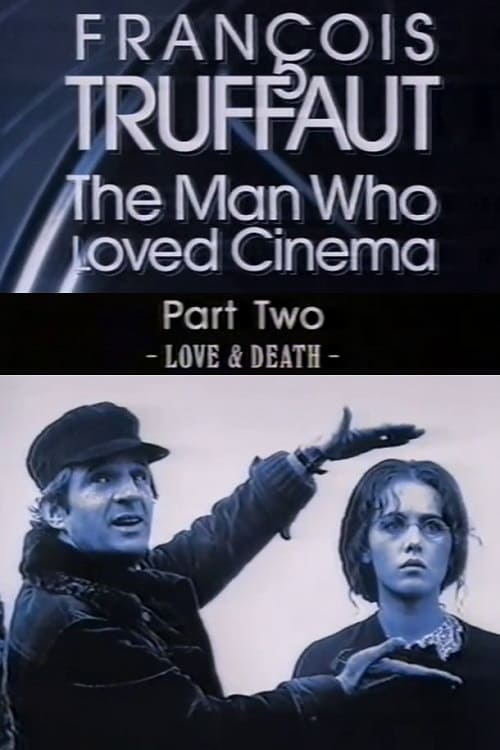
A fascinating glimpse into Truffaut’s creative process and how his life informed his art, told from the perspectives of those who knew him best.
"I only film people who are always active. Even if their activity is strange, weird." The activity François Truffaut talks about here is love. Romantic or filial love. Love as an educational, political and social action. The love imagined by a filmmaker who wanted to show that love is within everyone's reach ! To gather Truffaut's formulas in a documentary rekindles how Truffaut communicates the essential.

Documentary portrait of Henri Langlois, co-founder of the Cinémathèque Française.
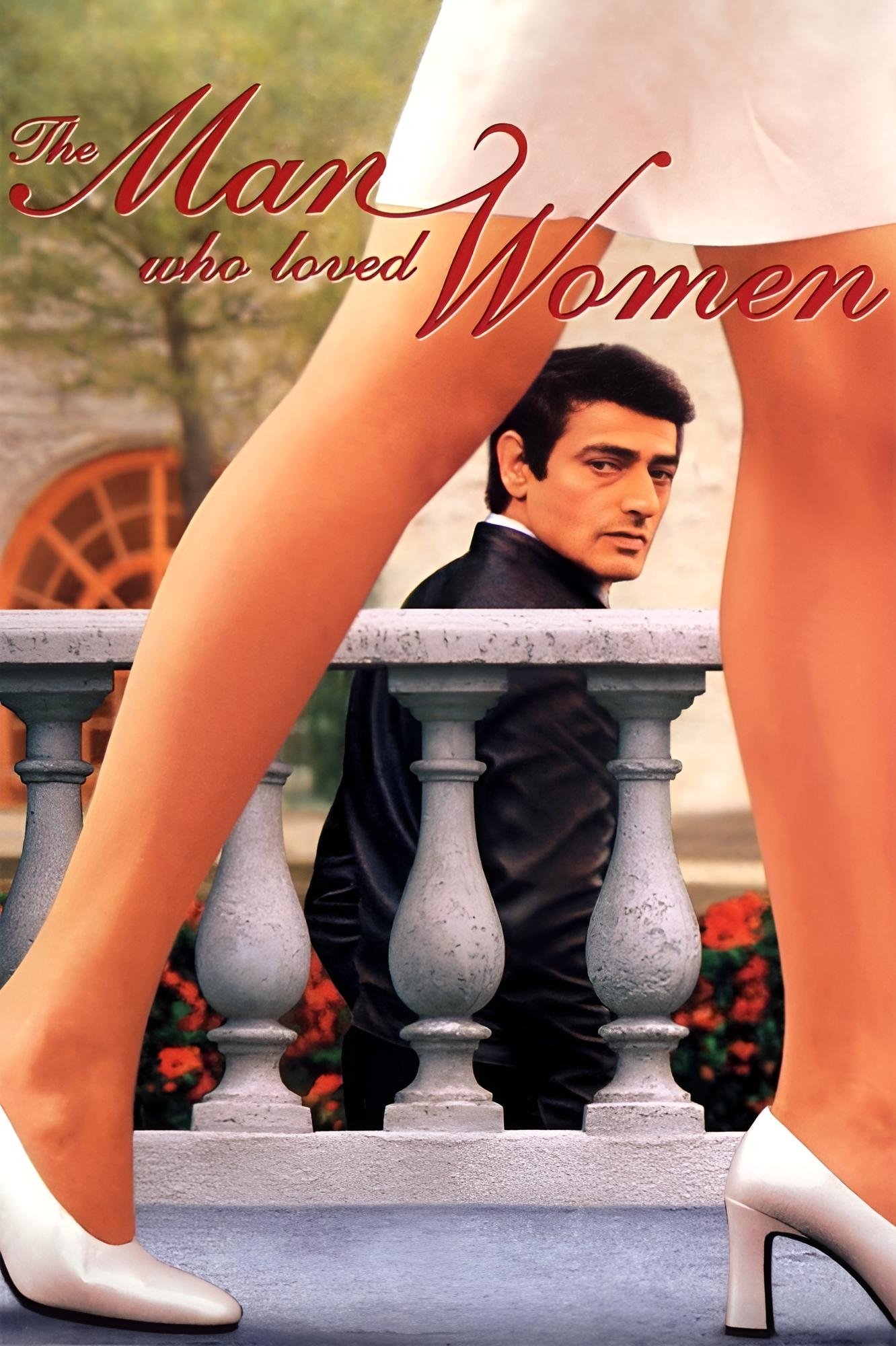
At Bertrand Morane's burial there are many of the women that the 40-year-old engineer loved. In flashback Bertrand's life and love affairs are told by himself while writing an autobiographical novel.
In 1962 while presenting Jules et Jim at the Mar del Plata International Film Festival, which earned him the Best Director Award, François Truffaut shot this playful short film in 16 mm. A brief black‑and‑white sketch featuring Truffaut himself as a would-be assassin staging a comic murder in the lobby of the Hotel Hermitage. The film was rarely seen until its rediscovery and screening at MDQFF 2016.
Documentary about the making of Marcel Carne's 1945 film Children of Paradise (France), interviewing the director, the actors and production designer, as well as other French directors.
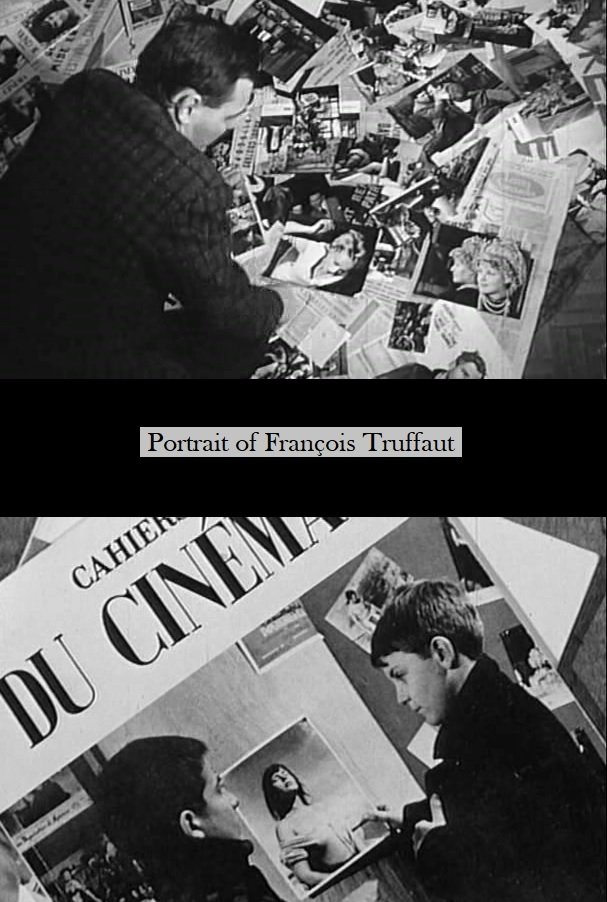
The French director is interviewed in this documentary showing the newly celebrated filmmaker discussing his influences and beginnings along with "Les Mistons" and "The 400 Blows".
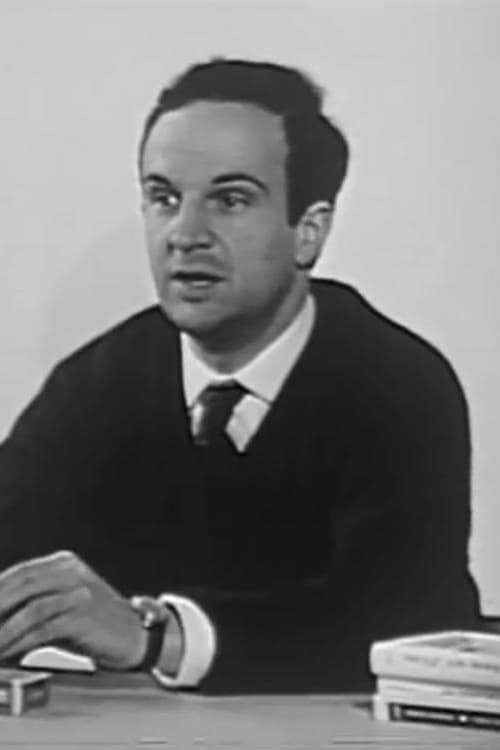
Episode of the French television series about the work of François Truffaut.
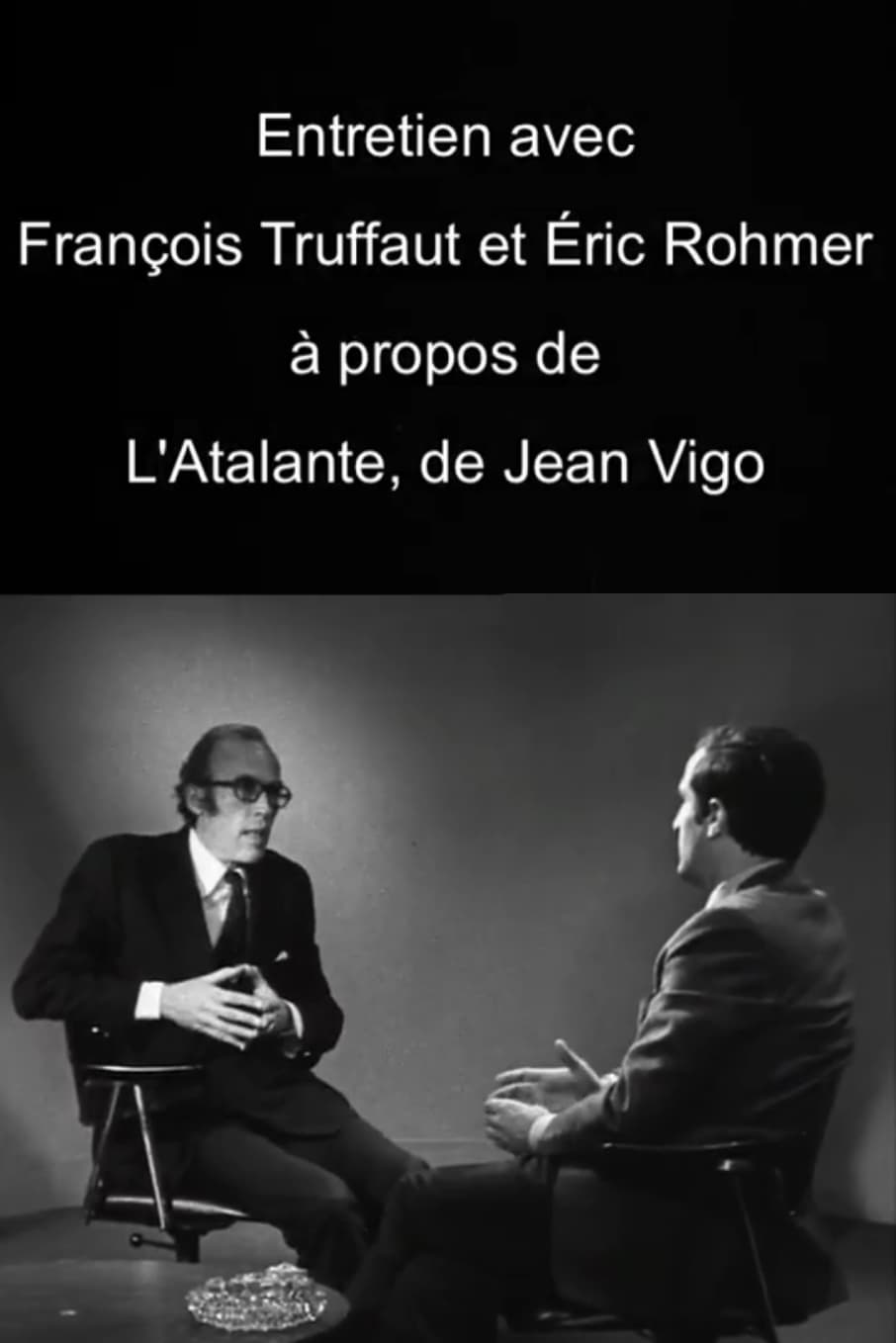
An interview with François Truffaut on the cinema of Jean Vigo.
Film historian/professor at UCLA Janet Bergstrom and Positif journalist N.T. Bihn discuss To Be or Not to Be and Ernst Lubitsch's career and legacy. The featurette also contains archival footage with Francois Truffaut and Claude Berri.
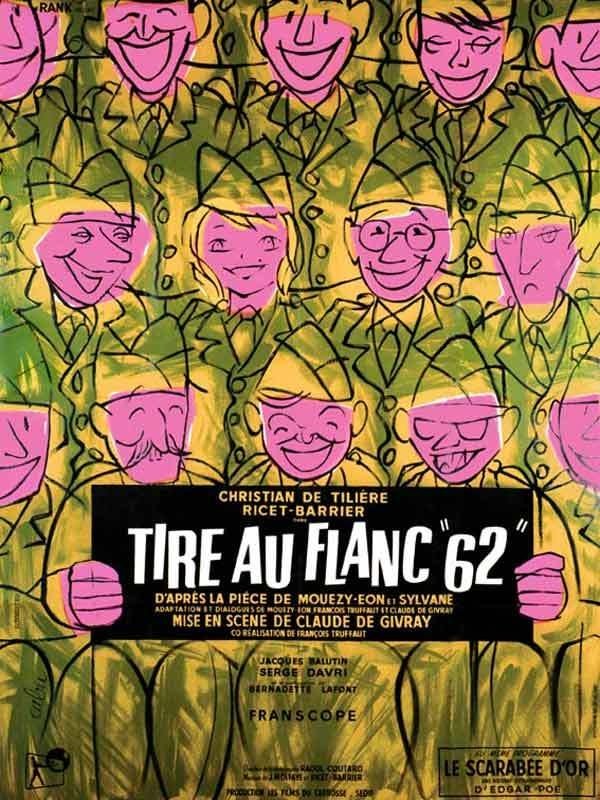
Jean Lerat begins his military service at an army camp. Despite his aunt’s attempts to pull a few strings to his advantage, the unfortunate Lerat manages to get on the wrong side of his bullying colonel…
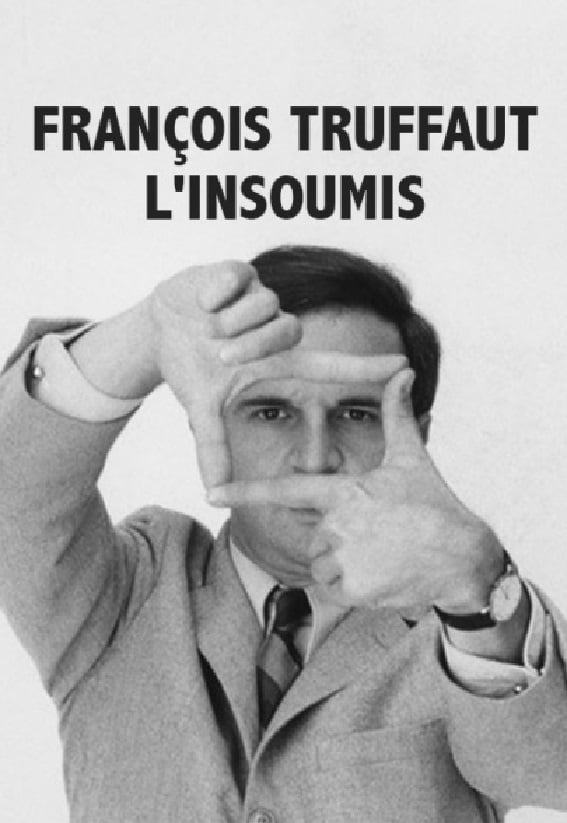
This portrait of the world-famous French director based on his personal correspondance reveals the little known insurgent side of his personnality. Featuring interviews with close collaborators, friends and family, this definitive documentary tells his intimate story, from the streets of Paris to the filmmaking accolades and high profile marriages at the height of his career.
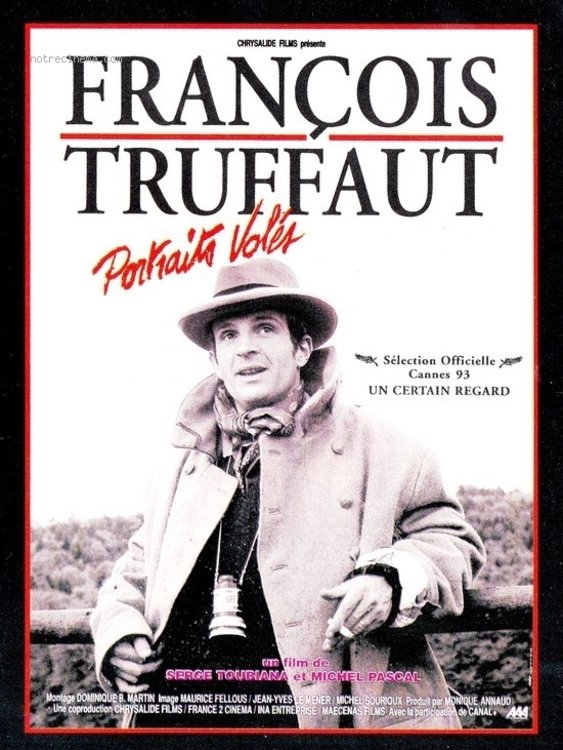
Twenty-six people - including two daughters, an ex-wife, his last lover, actors, fellow directors and writers, a neighbor, and boyhood friends - talk about François Truffaut. They discuss his attitudes toward wealth, his early writings about cinema, the undercurrent of violence in his films and his personality, the way he used and altered events in his life when making films, his search for a father (both artistic and biological), his relationship with his mother, the scenes in his films that cause a squirm of embarrassment, and his ultimate mysticism. Clips from a dozen of his films are included.
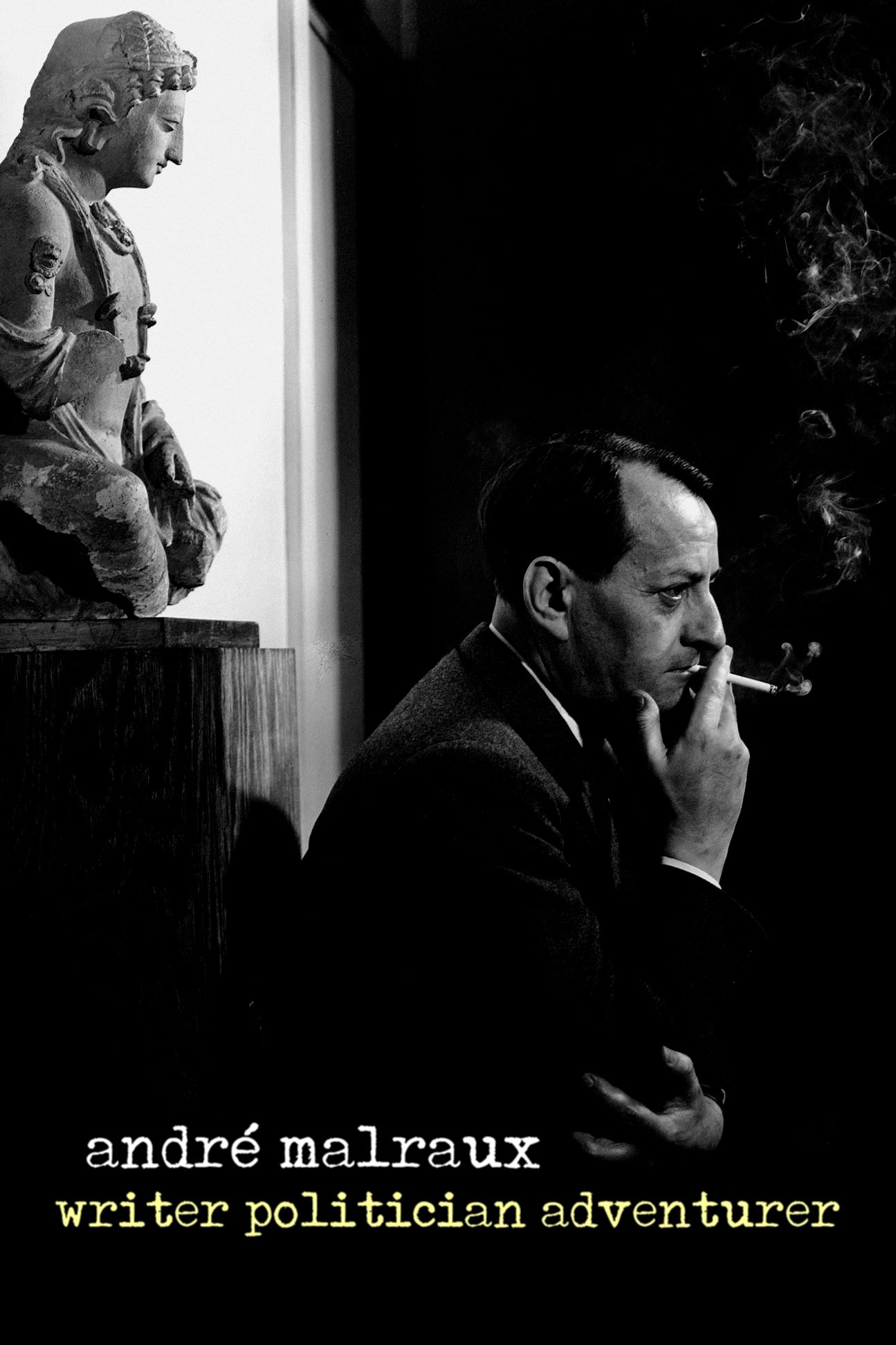
Writer, journalist, explorer, filmmaker, communist militant, freedom fighter. Truths and lies. A plot twist. Politician. General De Gaulle's shadow. Overwhelmed by the weight of power. The numerous exploits of André Malraux (1901-1976).
A man struggles with his identity, his life choices, his interracial relationship, and his latent homosexuality. A portrait of some young intellectuals in early sixties Montreal.
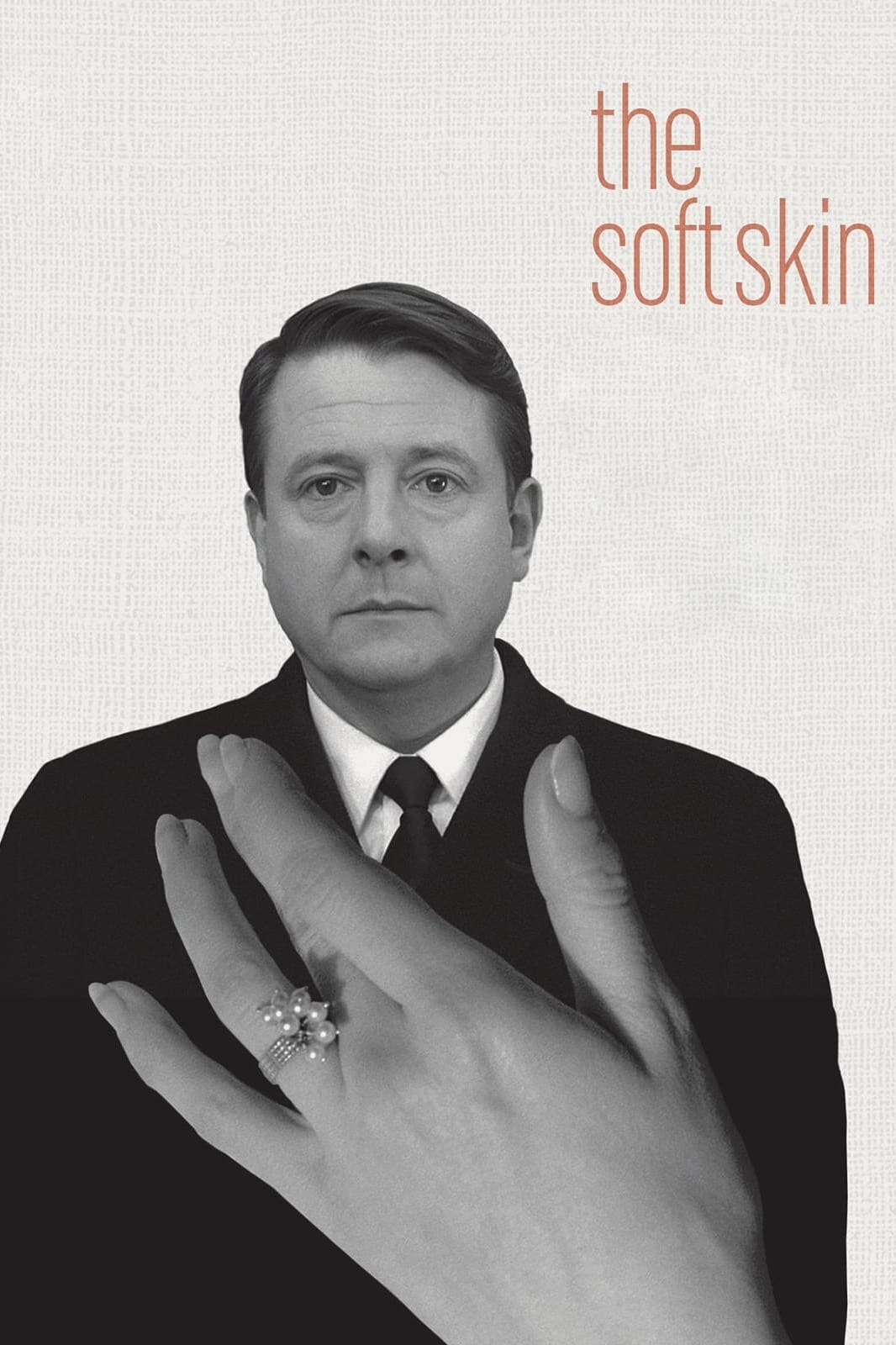
Pierre Lachenay is a well-known publisher and lecturer, married to Franca and father of Sabine. He starts a love affair with air hostess Nicole, which Pierre is hiding, but he cannot stay away from her.
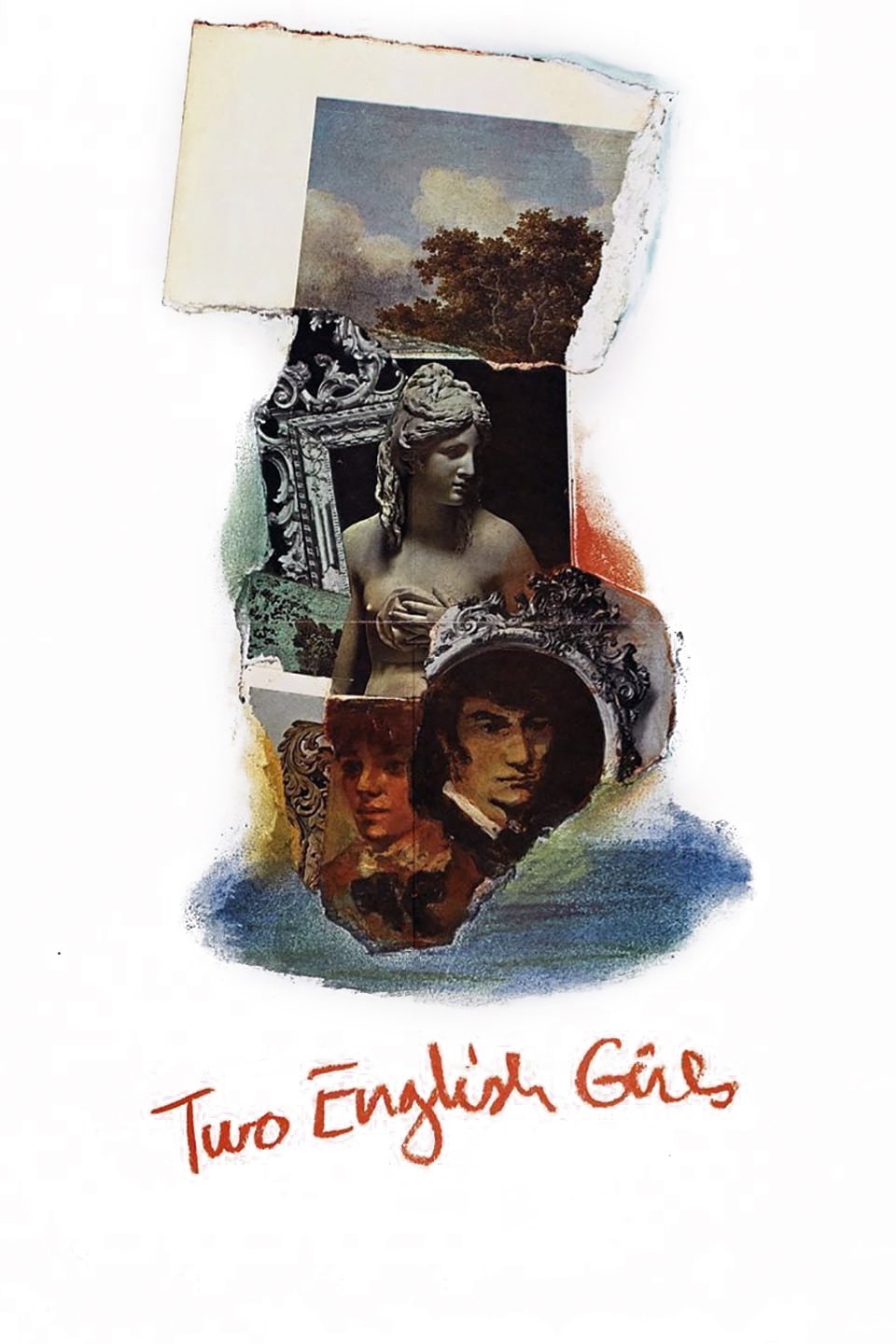
In the early 20th-century, Frenchman Claude meets Englishwoman Ann in Paris. Ann invites him to her family home, intending him for her sister Muriel. Claude falls for Muriel, but families demand year-long separation before approving marriage.
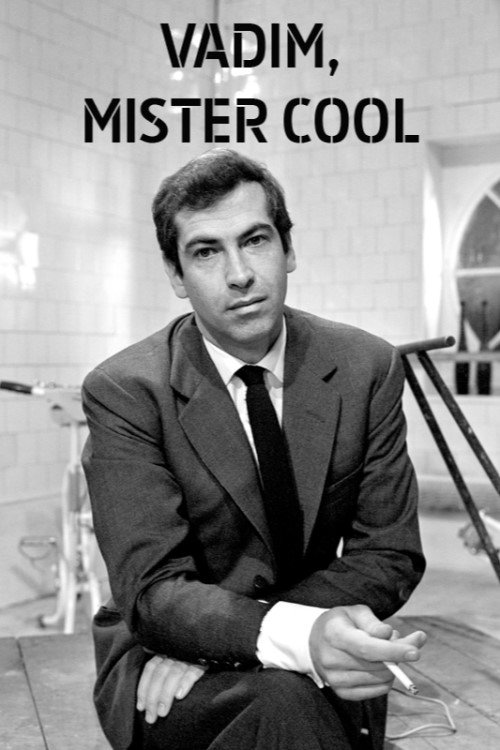
As a poster boy for hedonism, his whole life was one big party. A journalist, filmmaker, director, producer, actor, novelist, ladies' man and prolific father... Roger Vladimir Plémiannikov, a.k.a. Roger Vadim, tried everything until his death in 2000. Portrait of a man at the cutting edge of fashion and trends.
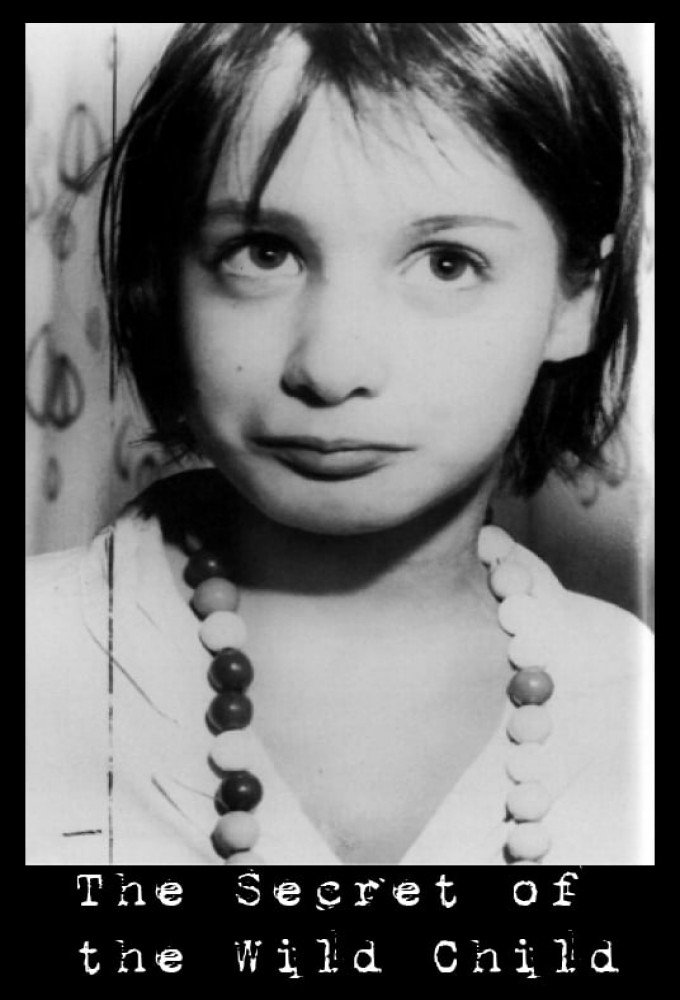
A documentary about Genie, who spent the first thirteen years of her life imprisoned in her bedroom by her father, with her arms and legs immobilized.
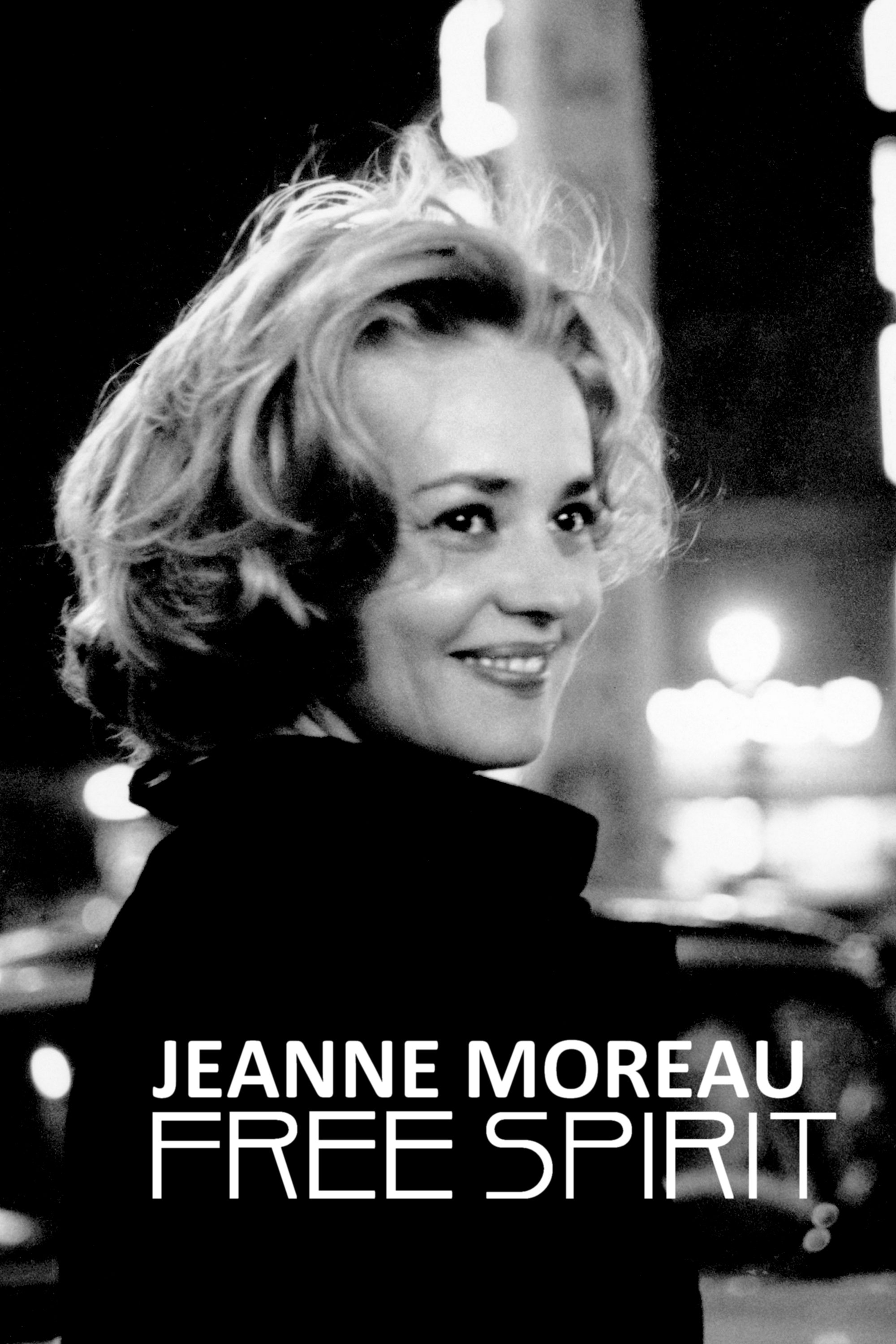
An account of the life of actress Jeanne Moreau (1928-2017), a true icon of the New Wave and one of the most idolized French movie stars.
Some time after marrying a sensual girl, Pozdnychev realizes the only link to his spouse is that of physical love. When a violinist with whom his wife plays regularly the “Sonata to Kreutzer” appears, the young woman blooms in a new passion. From then on, her husband is eaten away by jealousy.
Documentary about the life and works of Italian filmmaker Roberto Rossellini.
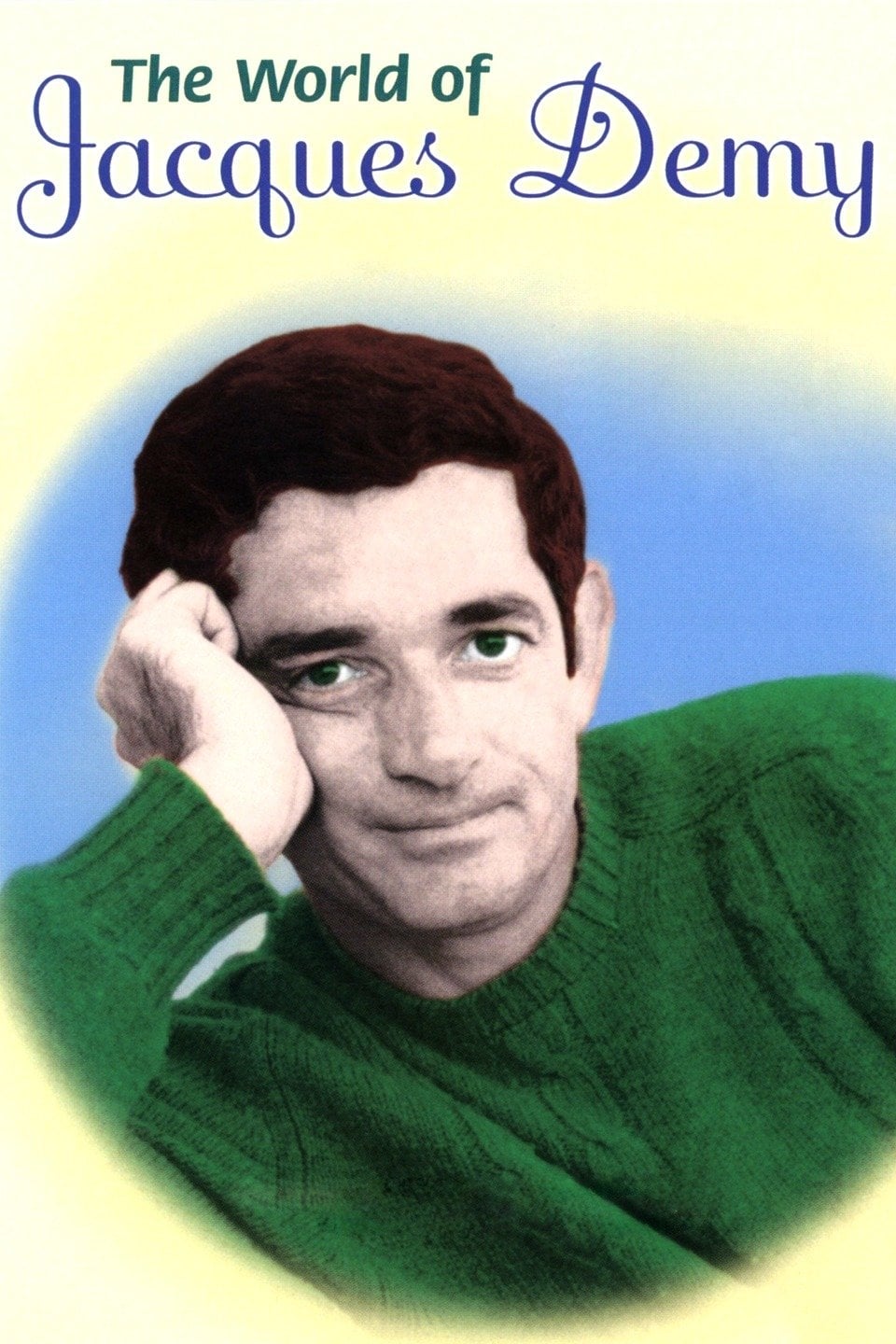
Agnès Varda's documentary portrait of her late husband, Jacques Demy. A companion piece to her Jacquot de Nantes.
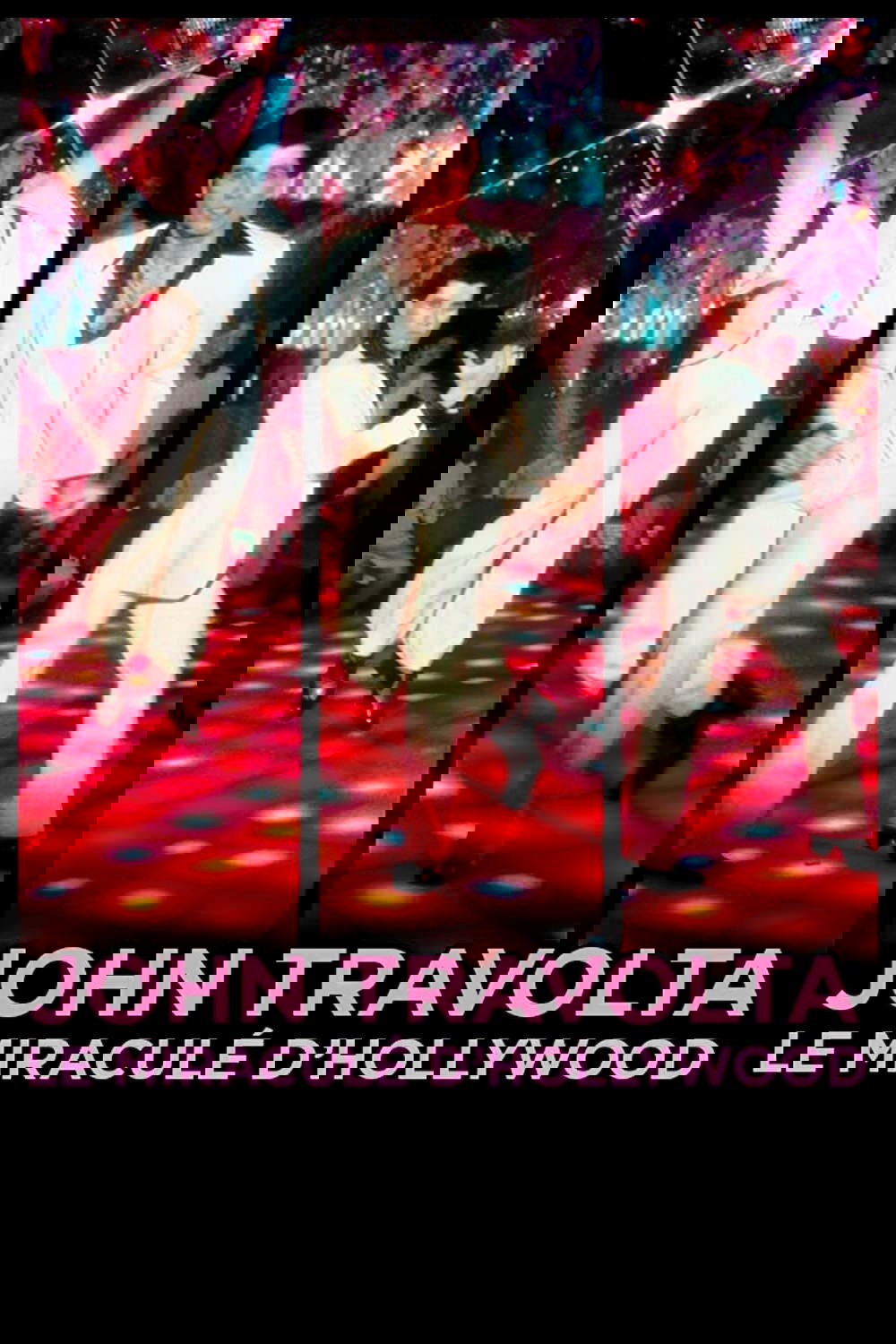
The gripping story of legendary American actor John Travolta: his rise to stardom in the 1970s; his agonizing fall in disgrace in the 1980s; and his stunning artistic rebirth in the 1990s.
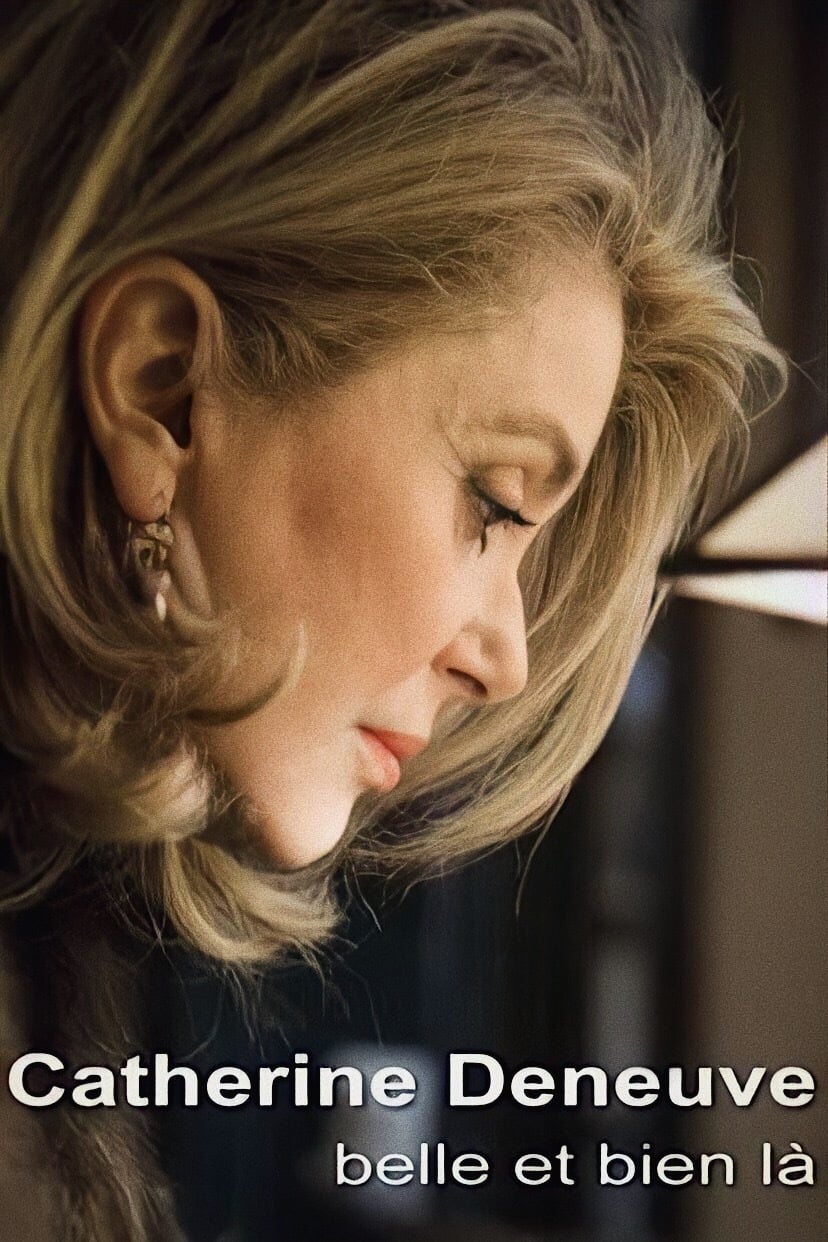
Catherine Deneuve couldn’t care less about being a celebrity, but fame made her an icon long ago and she occupies a special place in our imagination. The star is not one to let others get too close, but when she gives you her confidence, she keeps her word. If Deneuve’s career covers a half-century of cinema, it also bears witness to the force of a generation that experienced the deepest transformation of mores. This portrait reflects her entirely. The story of a mystery and an adventure.
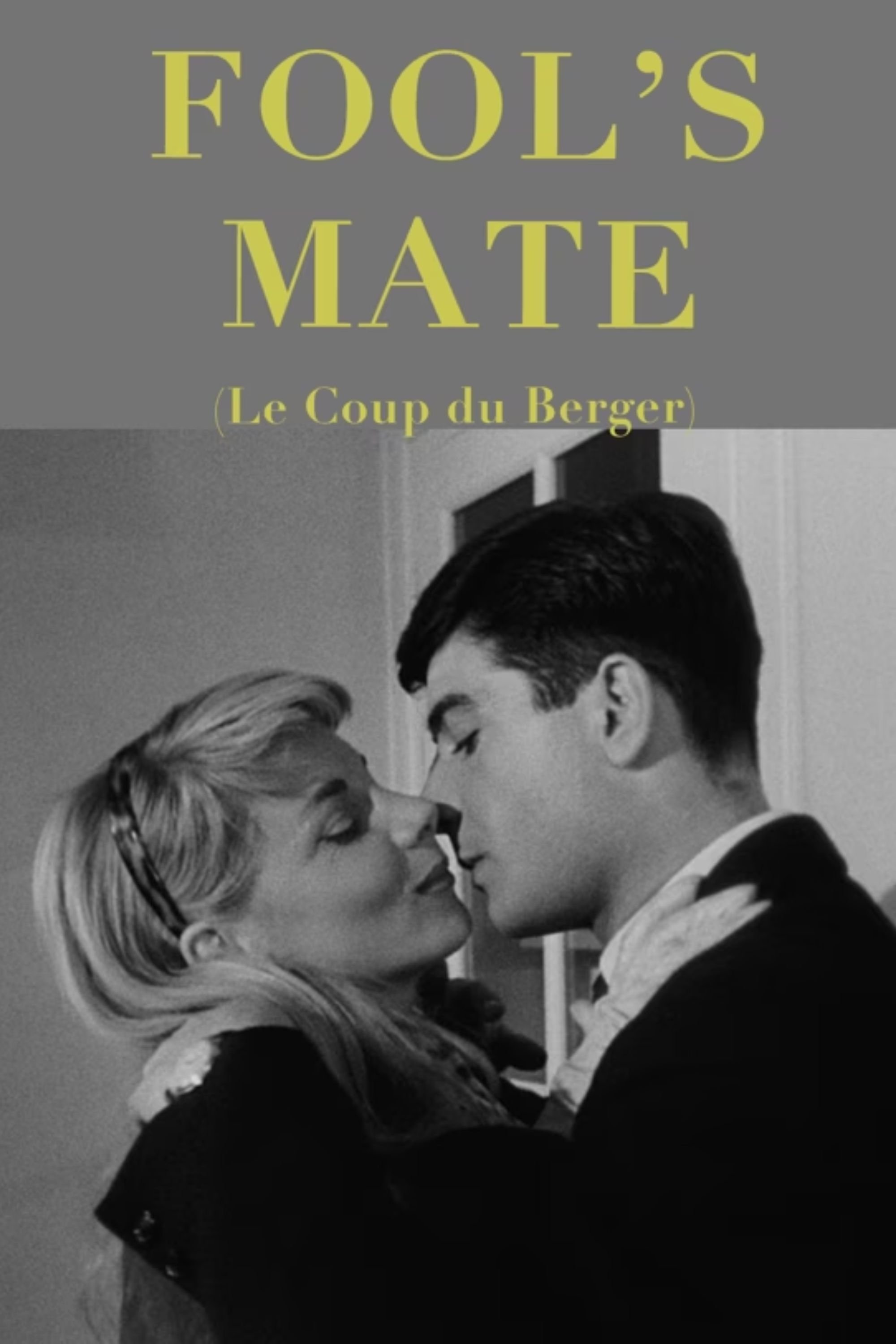
Claire is a chic young Parisian woman married to a somewhat older husband, Jean. Claire meets her lover, Claude, at his apartment, where he gifts her a fur coat. Now Claire needs to figure out how to return home with this expensive gift without the affair being found out.
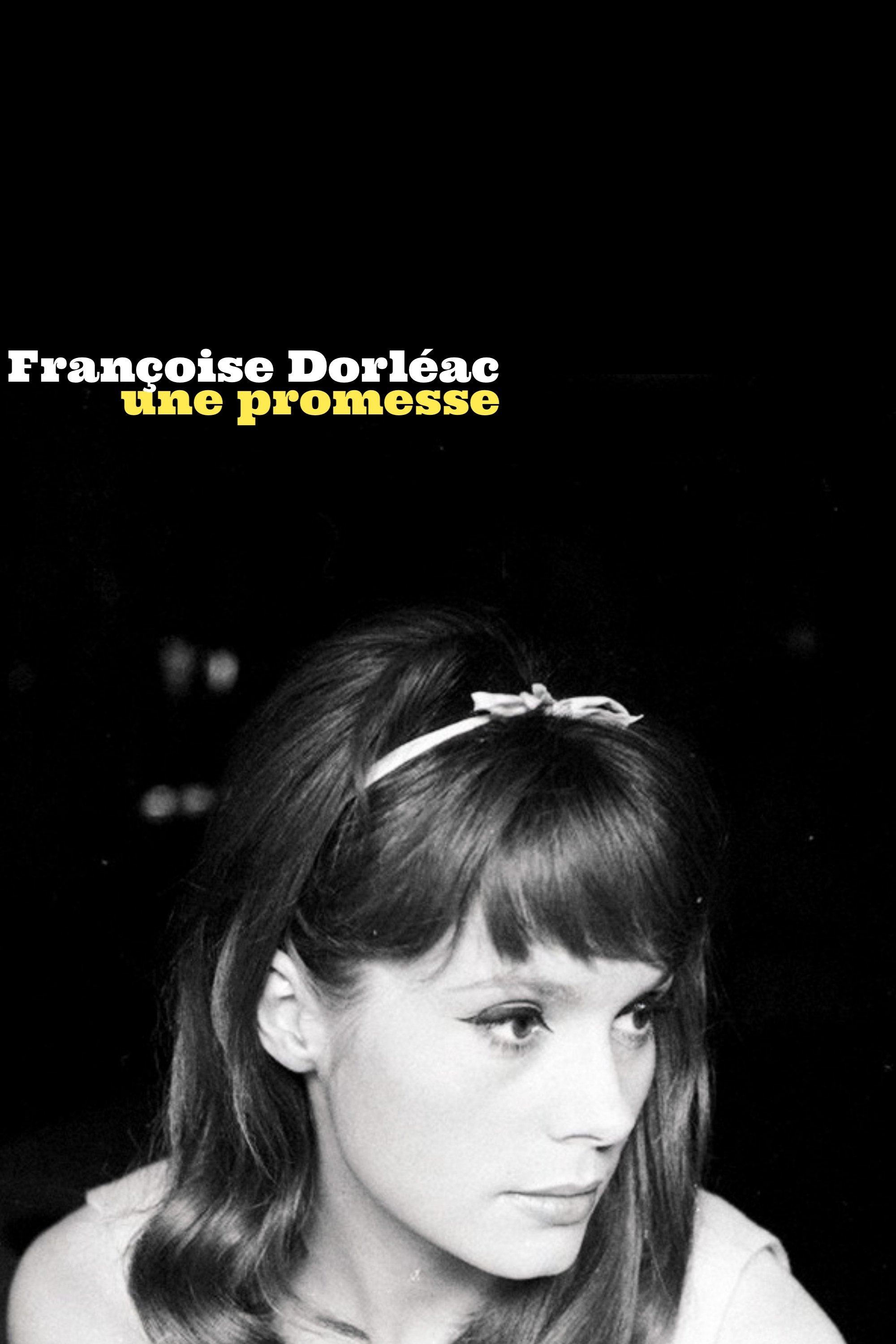
A portray of French actress Françoise Dorléac
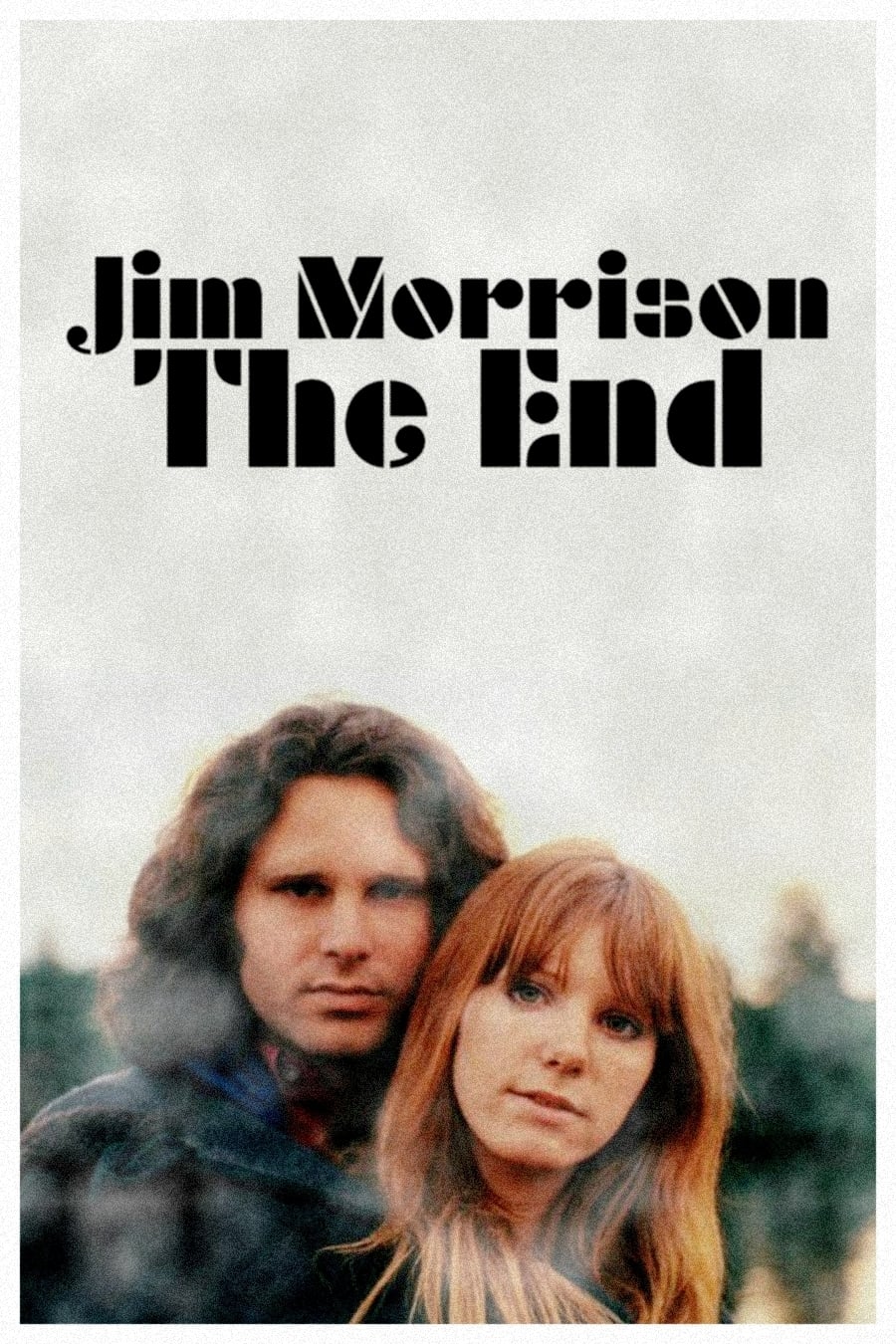
Paris, Rue Beautreillis, July 3, 1971. The corpse of rock star Jim Morrison is found in a bathtub, in the apartment of his girlfriend Pamela Courson. The chronicle of the last months of the life of the poet, singer and charismatic leader of the American band The Doors, one of the most influential in the history of rock.
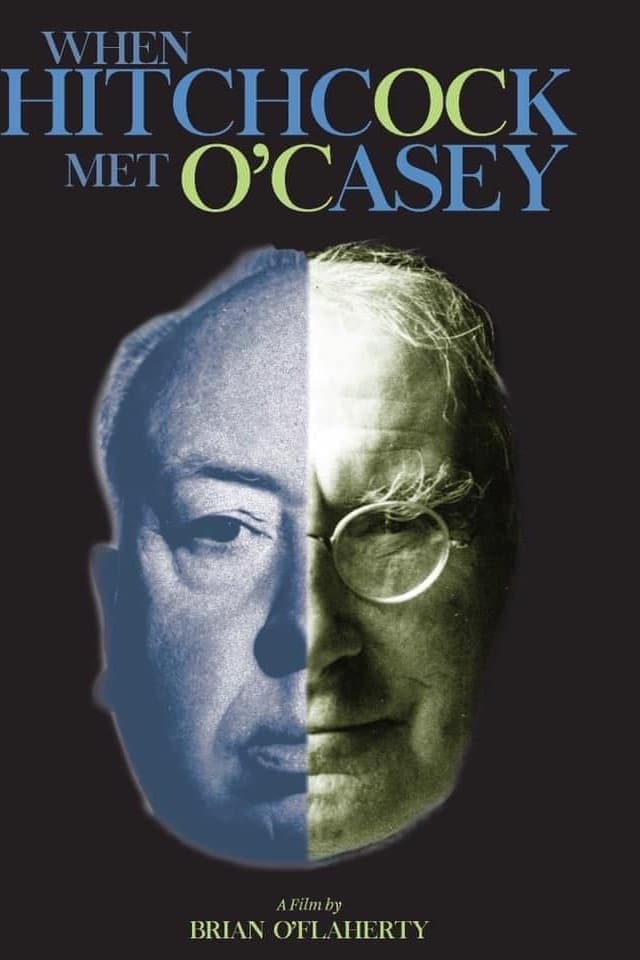
It was a collaboration between one of Ireland’s most noted playwrights and cinema’s greatest directors, yet the 1930 release of Juno and the Paycock is often neglected in the repertoire of both men. Brian O’Flaherty’s documentary aims to find out why. Featuring extensive, incisive interviews with family members, academics, directors and actors, including Shivaun O'Casey, Prof Charles Barr, and Peter Sheridan, it tells the story of how these two iconic figures met and the legacy of the film.
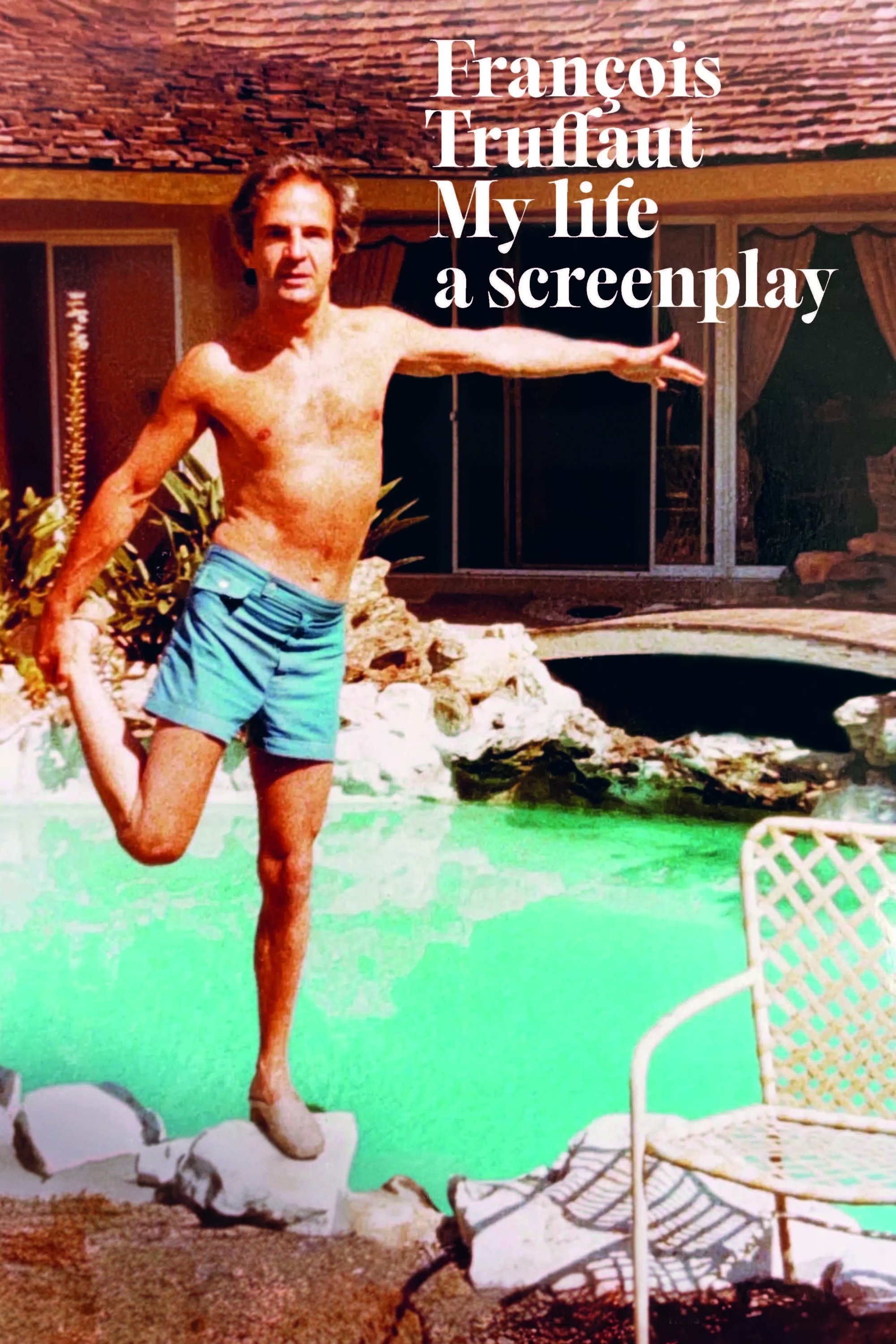
At the end of his life, gravely ill, François Truffaut took refuge with his ex-wife Madeleine Morgenstern. She tried to keep him occupied during his long agony. The filmmaker confided in his friend Claude de Givray, with the intention of writing his autobiography. Too weakened, he abandoned the project. The film reveals part of this final story.
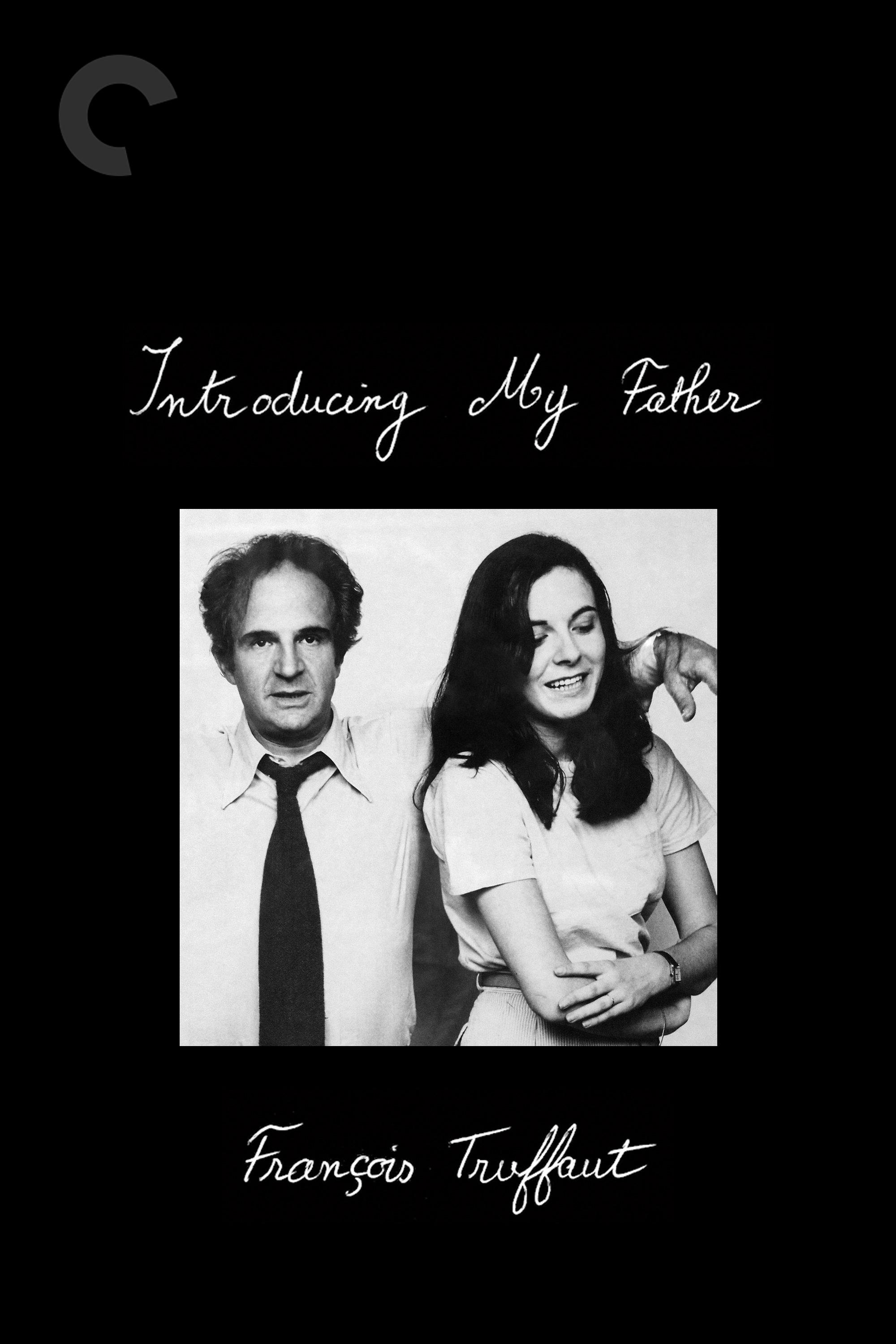
Laura Truffaut shares her memories of her legendary filmmaker father.
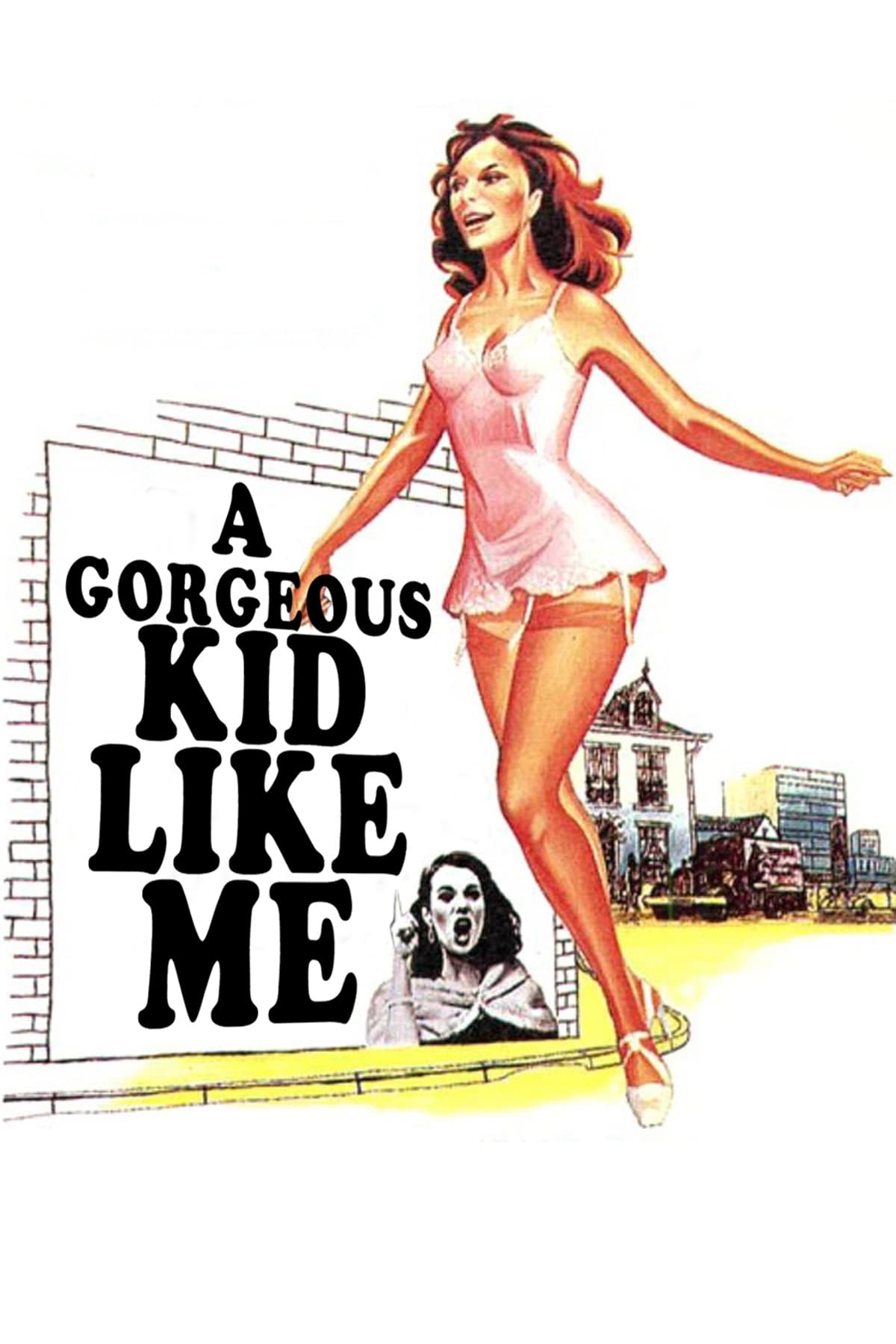
Young sociologist Stanislas Previne is writing a thesis on criminal women, so he visits Camille Bliss in prison for an interview. Accused of murdering her husband and her lover, Camille recounts her life and love affairs.

A journey in the company of Bernadette Lafont, French Cinema’s most atypical actress. Tracing her career from pin-up girl, to New Wave model of sexual freedom, to drug-dealing granny in the film Paulette, by way of La Fiancée du Pirate and Les Stances à Sophie, this film pays tribute to her extraordinary life and artistic odyssey. Her grand-daughters, Anna, Juliette and Solène, revisit the dreams of Bernadette, in the family home in the Cevennes region where they, like her, grew up. Her close friends, Bulle Ogier and Jean-Pierre Kalfon, reminisce on their artistic and human complicity. Throughout the film, Bernadette Lafont in person, with her inimitable character actress voice, re-evokes a life in cinema marked with insolence, courage and freedom.
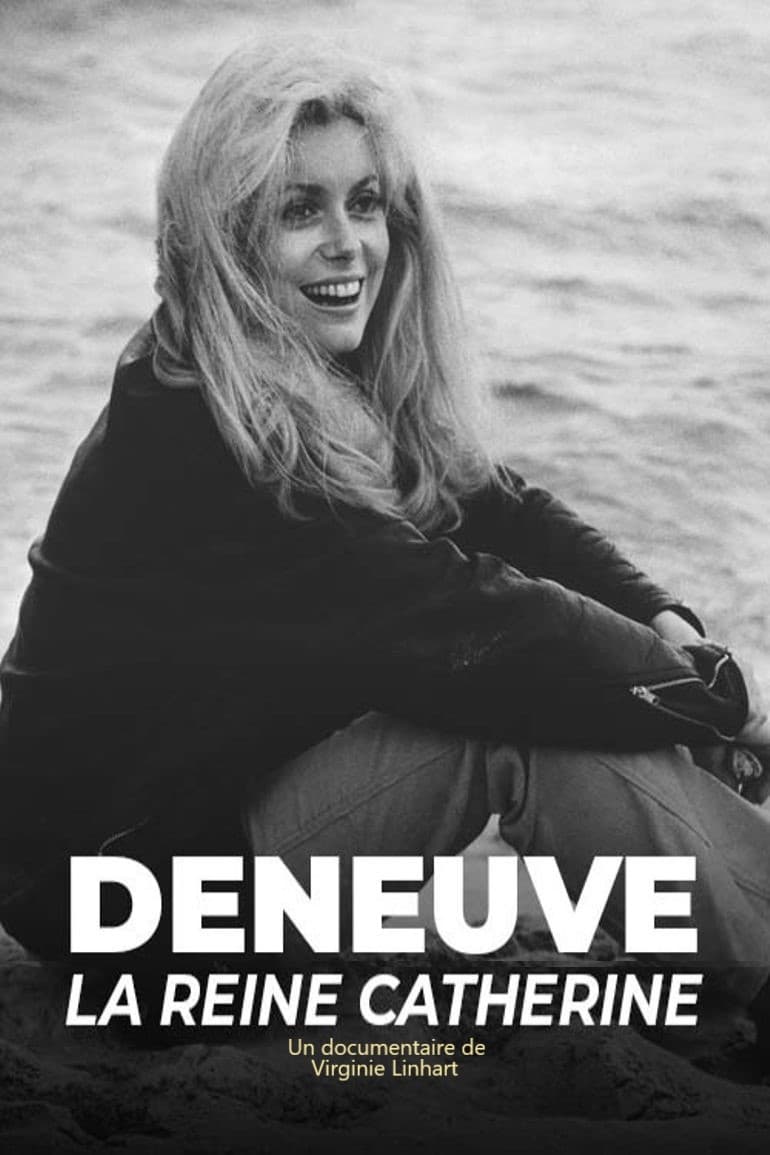
She is said to be cold, secretive and mysterious. She has the reputation of not letting anything of her intimate thoughts, her private life, her joys as well as her torments show through. She managed to protect her family, her loves, her choices from the curiosity of magazines and her public. A tour de force for a sixty year long career with more than one hundred and thirty films shot with the greatest filmmakers in the world. However, the raw material for a very personal account of Catherine Deneuve exists: it can be found in the interviews given by the actress from her beginnings until today. They allow us to discover another Catherine Deneuve.
A short film containing some of the highlights of the Cannes Film Festival's storied history.
18 years after his last film, (The Troubles We've Seen), Marcel Ophuls emerges from retirement as one of our last masters, the most corrosive, the funniest as well. And the most forceful. The director of The Sorrow and the Pity shares with us stories of his exceptionally rich life in this light-hearted yet bitter escapade though the century and the movies. Son of the great Max Ophuls, he is generous in his admiration. We also meet Jeanne Moreau, Bertolt Brecht, Ernst Lubitsch, Otto Preminger, Woody Allen, Stanley Kubrick and of course François Truffaut. There are no great filmmakers without a memory, so here is the memory shop of Marcel Ophuls.
We thought we'd seen, read, and heard everything there was to see about the Cannes Film Festival, from the glitz and gossip to the scandals and censorship. And yet, Emmanuel Barnault's "Morceaux de Cannes" (Pieces of Cannes), by this leading expert on Italian and French cinema, convinces us otherwise. The third largest event in the world (after the Olympic Games and the FIFA World Cup) reveals its secrets only sparingly, as this film attests. The result of passionate research in the INA archives, these 52 minutes, without interviews or voice-over narration, string together rare and sometimes previously unseen footage. Taken together, they tell a surprising, original, and heartwarming story of the Festival. On the beach, on a street corner, in a restaurant, or in the privacy of a hotel room, these forgotten archives summon the greatest filmmakers, actors, and actresses of the last seventy years, from Jean Cocteau to David Lynch, for an anthology of the Festival's history.
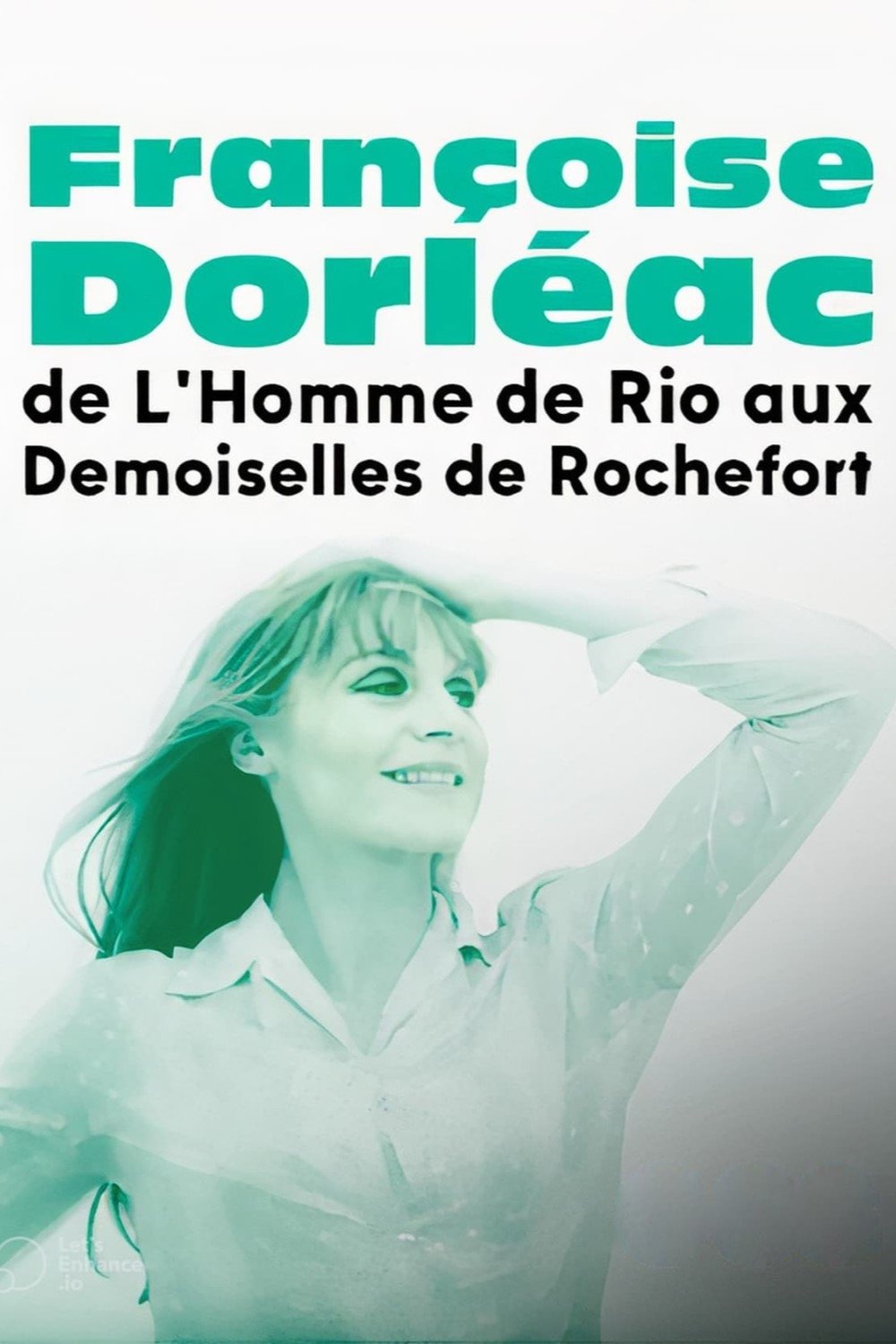
Born into a family of actors, Françoise Dorléac, Catherine Deneuve's older sister, began her career at the age of 15. She shone a few years later alongside Jean-Paul Belmondo in "L'Homme de Rio". From there, a great international career is announced to the young actress. But in 1967, a few months after filming the "Demoiselles de Rochefort" with her sister, she died tragically in a road accident, at the age of 25. Nevertheless, she leaves behind an abundant career and thus continues to be present in the minds of cinephiles.