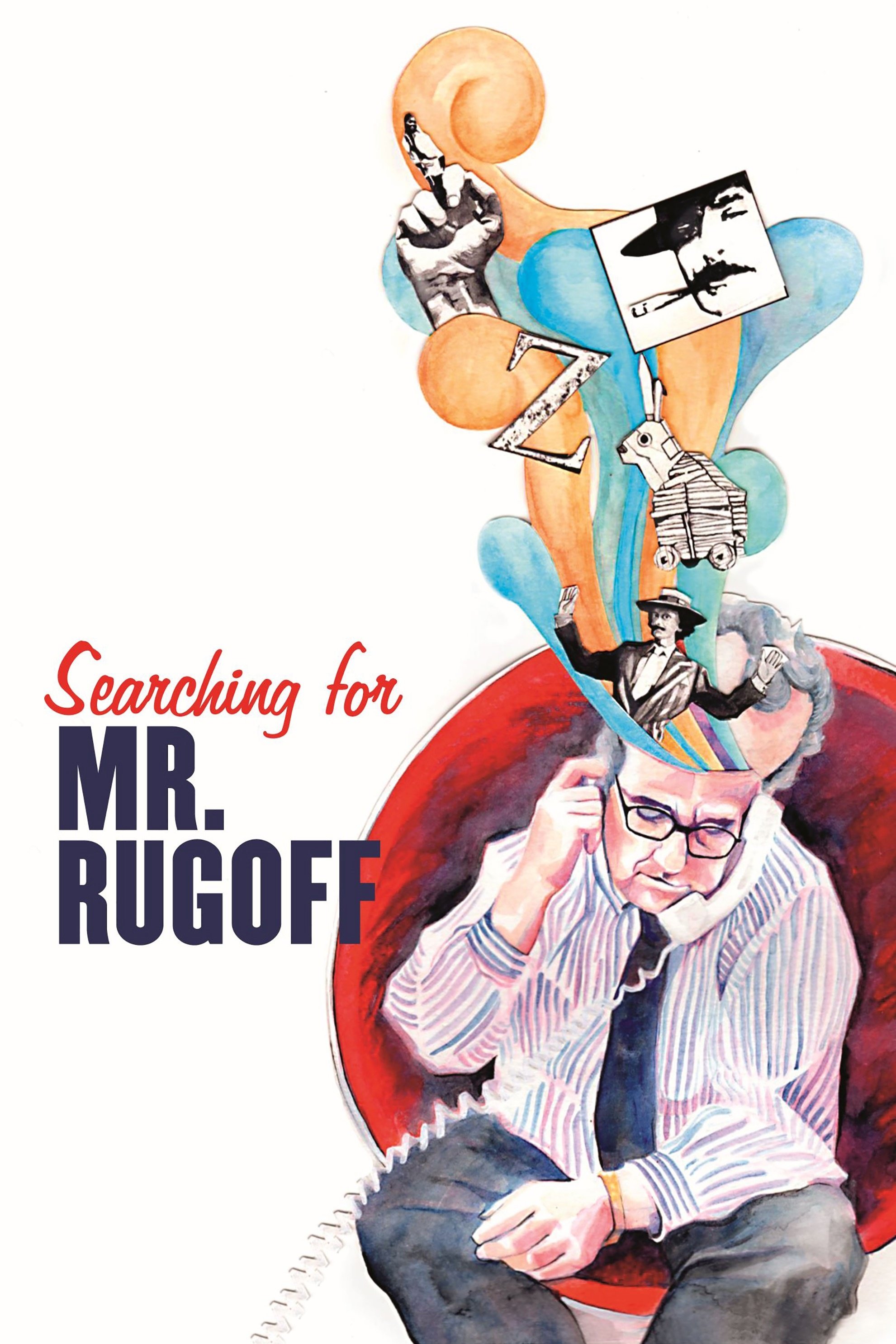
The feature documentary Searching for Mr. Rugoff is the story of Donald Rugoff, who was the crazy genius behind Cinema 5, the mid-century theater chain and film distribution company. Rugoff was a difficult (some would say impossible) person but was also the man who kicked art films into the mainstream with outrageous marketing schemes and pure bluster. Rugoff's impact on cinema culture in the United States is inestimable, and his influence on the art film business-from the studio classics divisions to the independent film movement to the rise of the Weinsteins-is undeniable. Yet, mysteriously, Rugoff has become a virtually forgotten figure. The story is told through the eyes of former employee Ira Deutchman, who sets out to find the truth about the man who had such a major impact on his life, and to understand how such an important figure could have disappeared so completely.
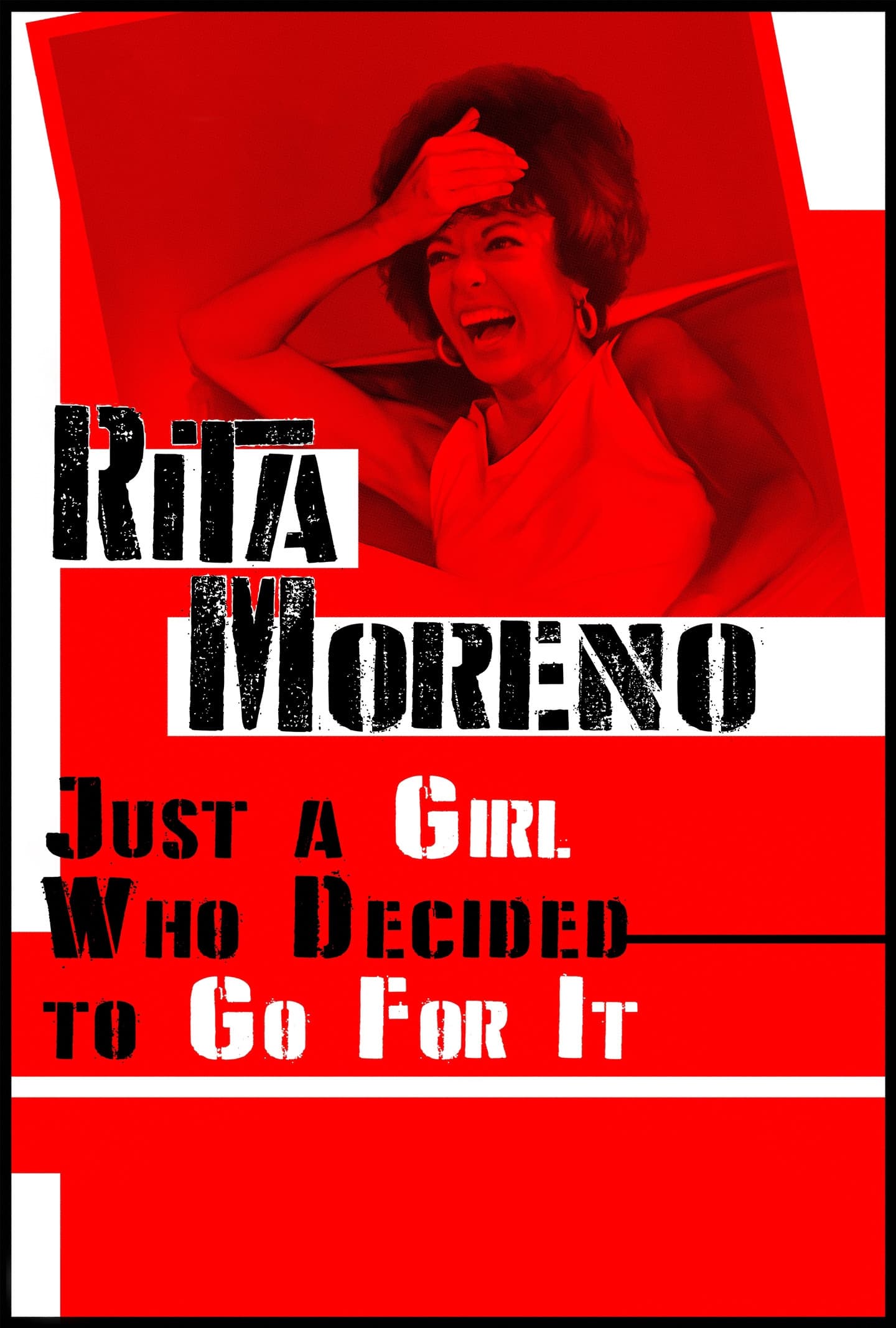
Rita Moreno defied both her humble upbringing and relentless racism to become one of a select group who have won an Emmy, Grammy, Oscar and Tony Award. Over a seventy year career, she has paved the way for Hispanic-American performers by refusing to be pigeonholed into one-dimensional stereotypes.

Produced by Criterion in 2016, film professor Annette Insdorf, author of Double Lives, Second Chances: The Cinema of Krzysztof Kieślowski, examines the formal and thematic patterns of Dekalog.
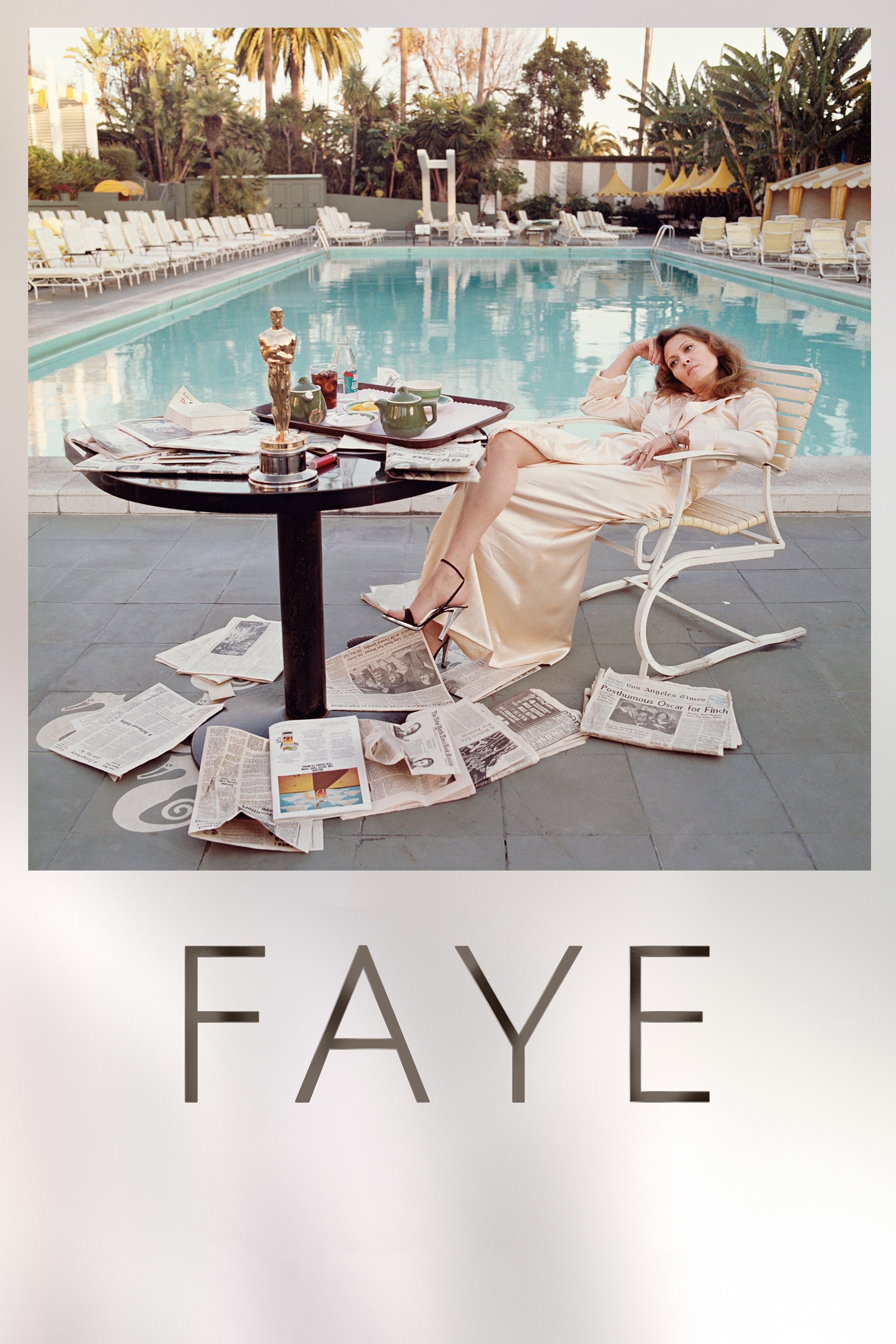
Through honest reflection, complemented by insight from colleagues and friends, Faye Dunaway contextualizes her life and filmography, laying bare her struggles with mental health while confronting the double standards she was subjected to as a woman in Hollywood.
Through honest reflection, complemented by insight from colleagues and friends, Faye Dunaway contextualizes her life and filmography, laying bare her struggles with mental health while confronting the double standards she was subjected to as a woman in Hollywood.
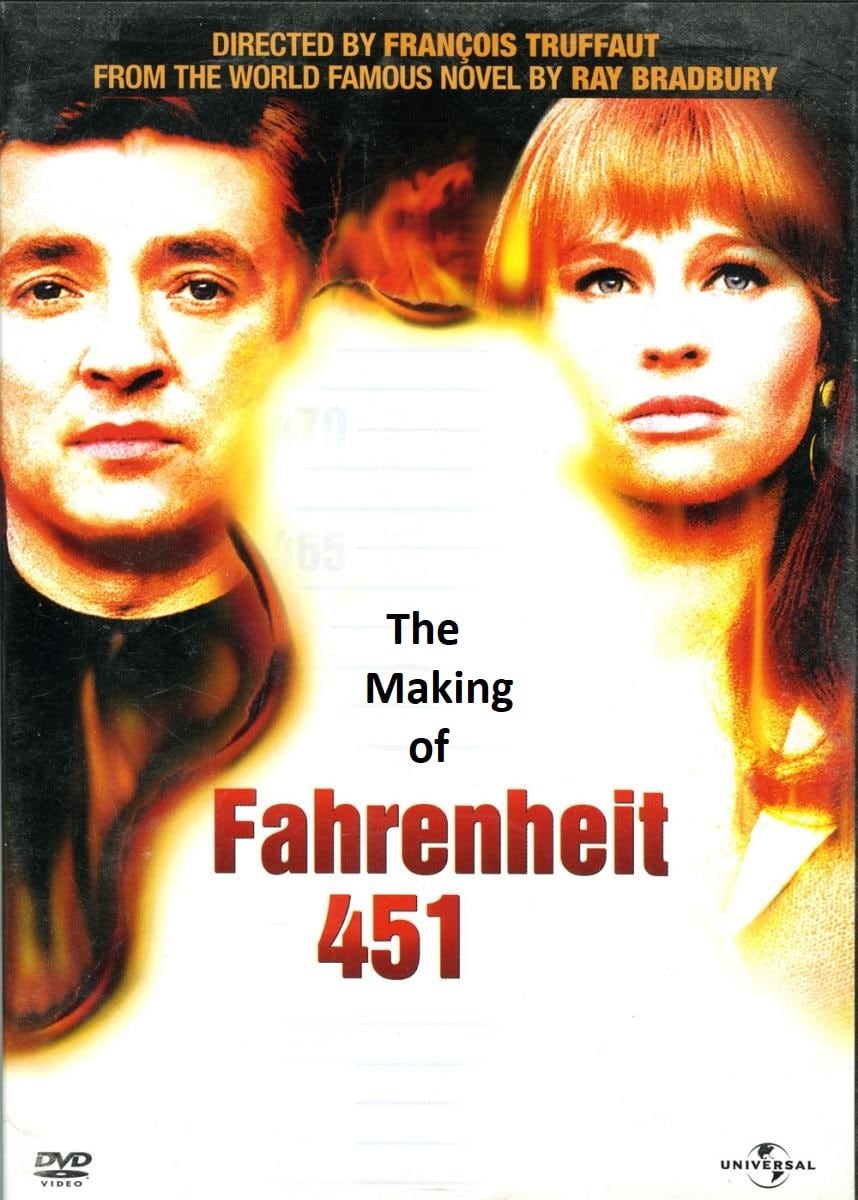
The making of the classic science-fiction film Fahrenheit 451, and includes interviews with cast and crew members, behind-the-scenes photos, and information about the production process.
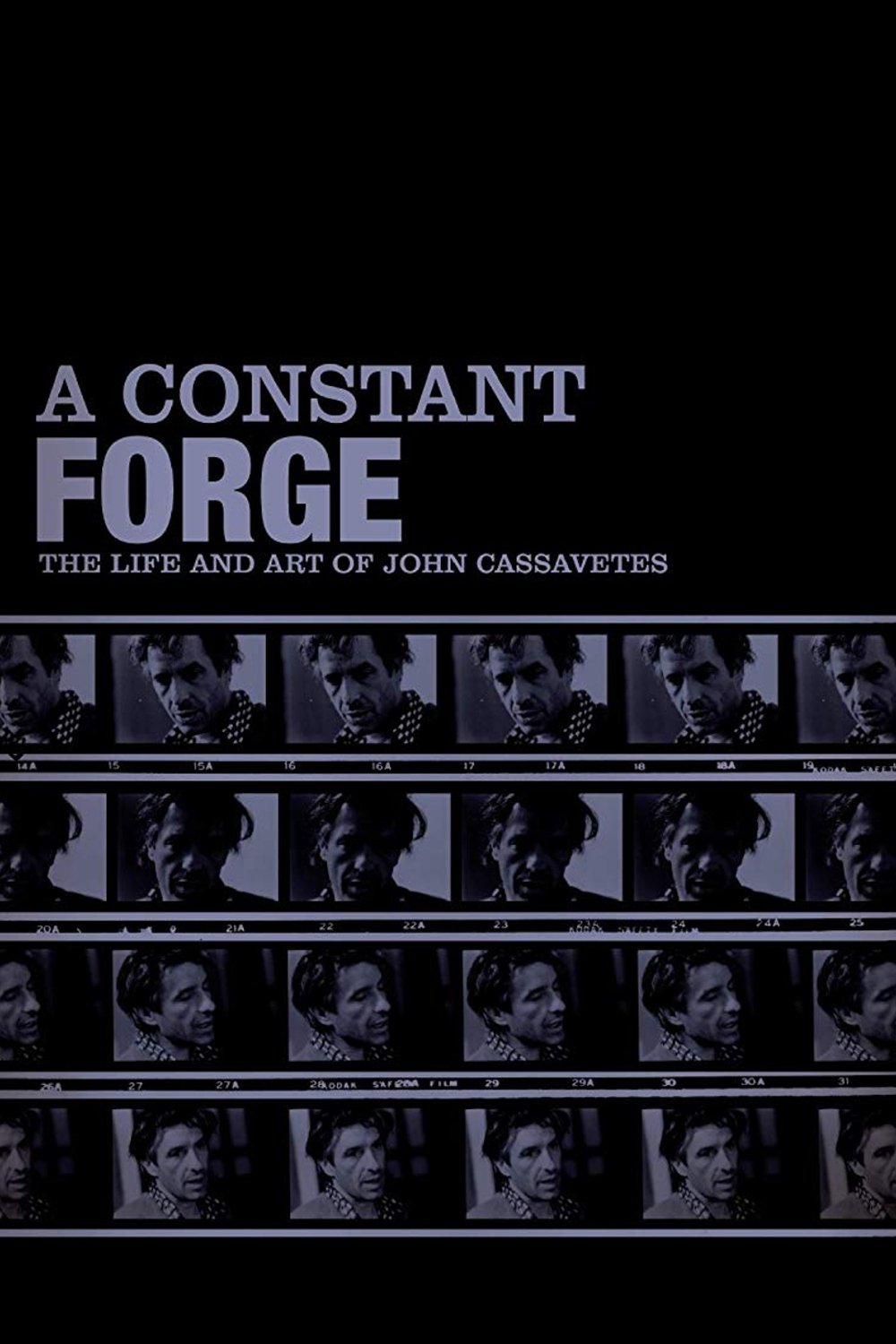
One of the great mavericks of cinema, John Cassavetes has earned a reputation as the godfather of American independent movies. The actor-turned-filmmaker invented a realist style of unadorned narrative films heavily influenced by documentaries. This in-depth analysis of Cassavetes' life and work features interviews with key collaborators and ensemble regulars, and explores the making of classics like "The Killing of a Chinese Bookie," "Opening Night" and "A Woman Under the Influence."
An interview with film critic Annette Insdorf about Francois Truffaut's 1973 film "Day for Night."
Revolutionary French New Wave director Jean-Luc Godard conducts a twenty-five minute interview with influential and acclaimed American director Woody Allen on the cultural radiation, the ubiquity and significance of Television, and how Television compares with cinema as a medium and form of expression.
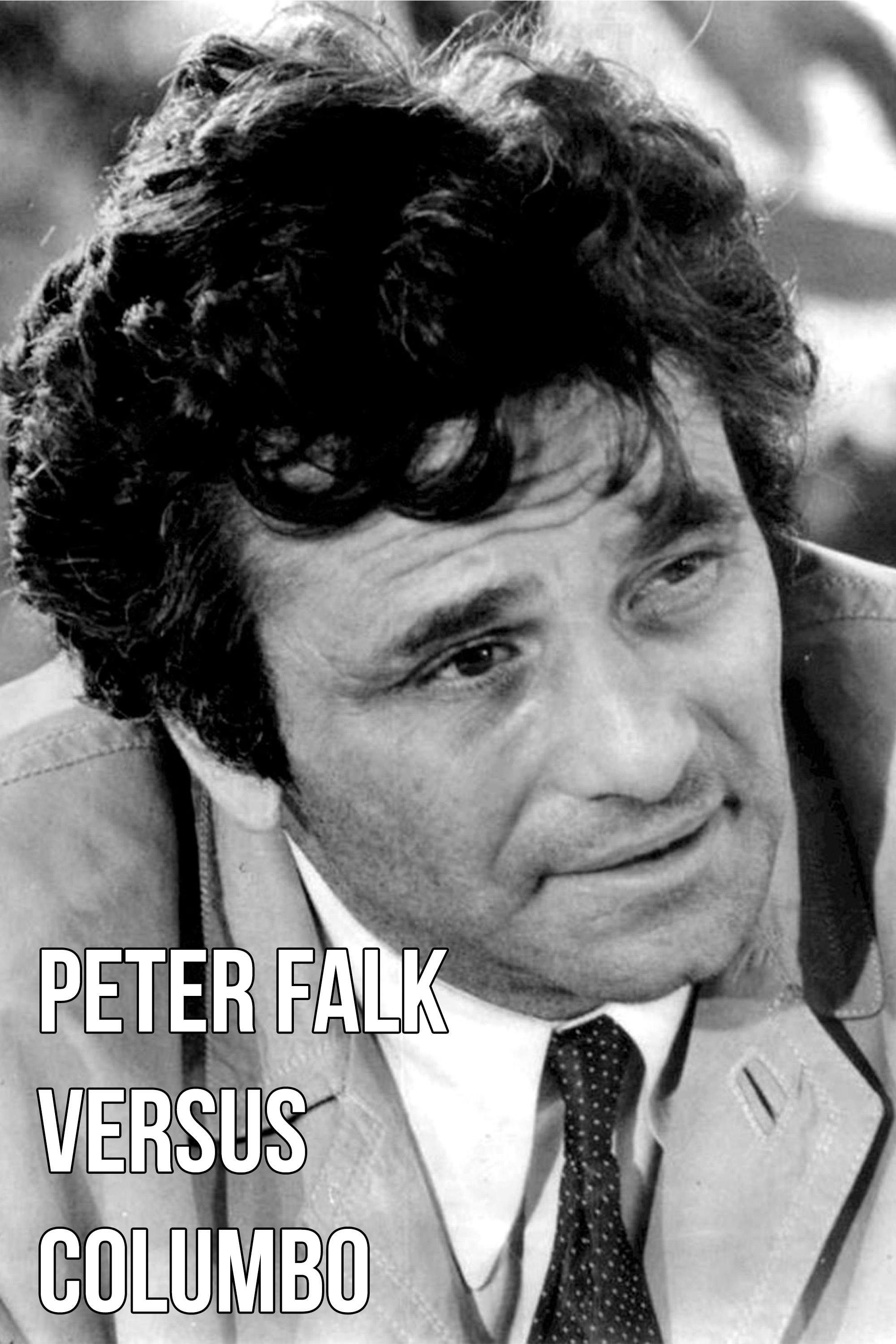
For millions of viewers, Peter Falk is Columbo. Despite playing the quintessential blue-collar TV detective of the '70s and '80s, his early career is rarely explored. Using archive footage, interviews and extracts from his films and the TV show, the documentary pays tribute to the immortal character of Columbo, while shedding light on the actor’s life, one full of twists and turns, ups and downs.

"Alan Pakula: Going for Truth" encompasses the personal and professional life of Alan J. Pakula, a lauded filmmaker and extremely private man, who was unflinching in his commitment to bringing some of the most memorable movies of the last half of the 20th century to the big screen.
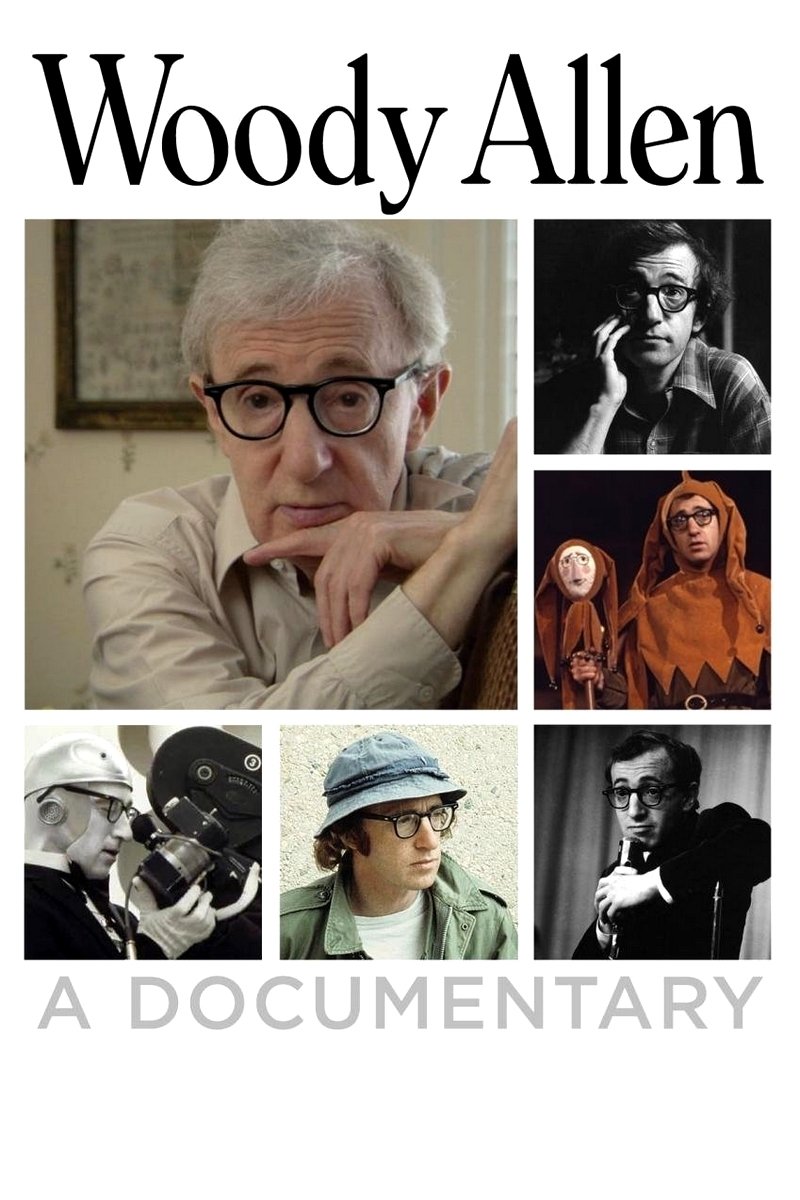
An intense portrait of the iconic filmmaker, writer, actor, comedian and musician Woody Allen: his life, family and friends; his writing and directing habits, and his relationship with performers.