The free online "encyclopedia of the people" Wikipedia has been topping the lists of the world's most popular websites. VPRO Backlight plunges into the story behind Wikipedia and explores the world of Web 2.0.
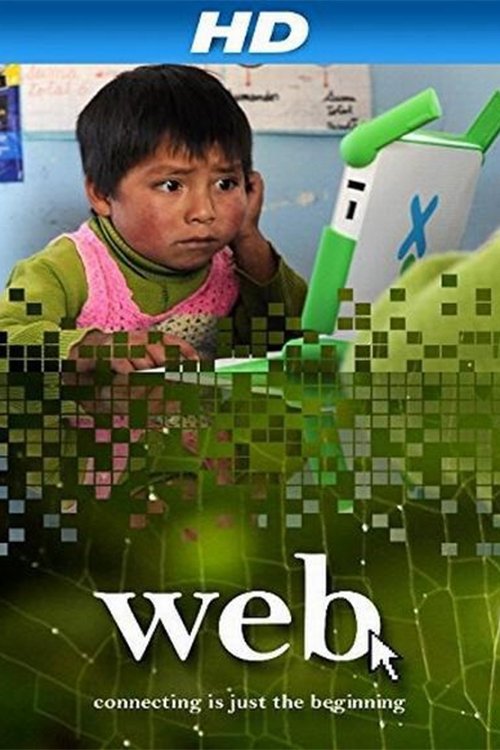
Web is a thought-provoking and character-based consideration of technology, interdependence, and the Internet. For 10 months, director Michael Kleiman lived in small villages in the Andes Mountains and Amazon Jungle in Peru. While there, he lived with families and documented the villagers’ first experience with computers and the Internet via the One Laptop per Child program. As the children and their parents engage with communications technologies for the first time, the film is a deeply relevant consideration of the digital world we find ourselves in, the tremendous implications we are beginning to see all around us, and the changing definition of connection – both remote technological connection and face-to-face human connection.

Tim Berners-Lee programmed the first web server, the first website and the first browser almost single-handedly. Today, Time magazine lists Tim Berners-Lee as one of the 100 outstanding personalities of the 21st century. The magazine compares his invention to Johannes Gutenberg's printing press in terms of its significance. The "neues spezial" documentary by Winfried Laasch uses historical archive material and interviews with Tim Berners-Lee, among others, to guide us through the history of the internet and the web based on it.
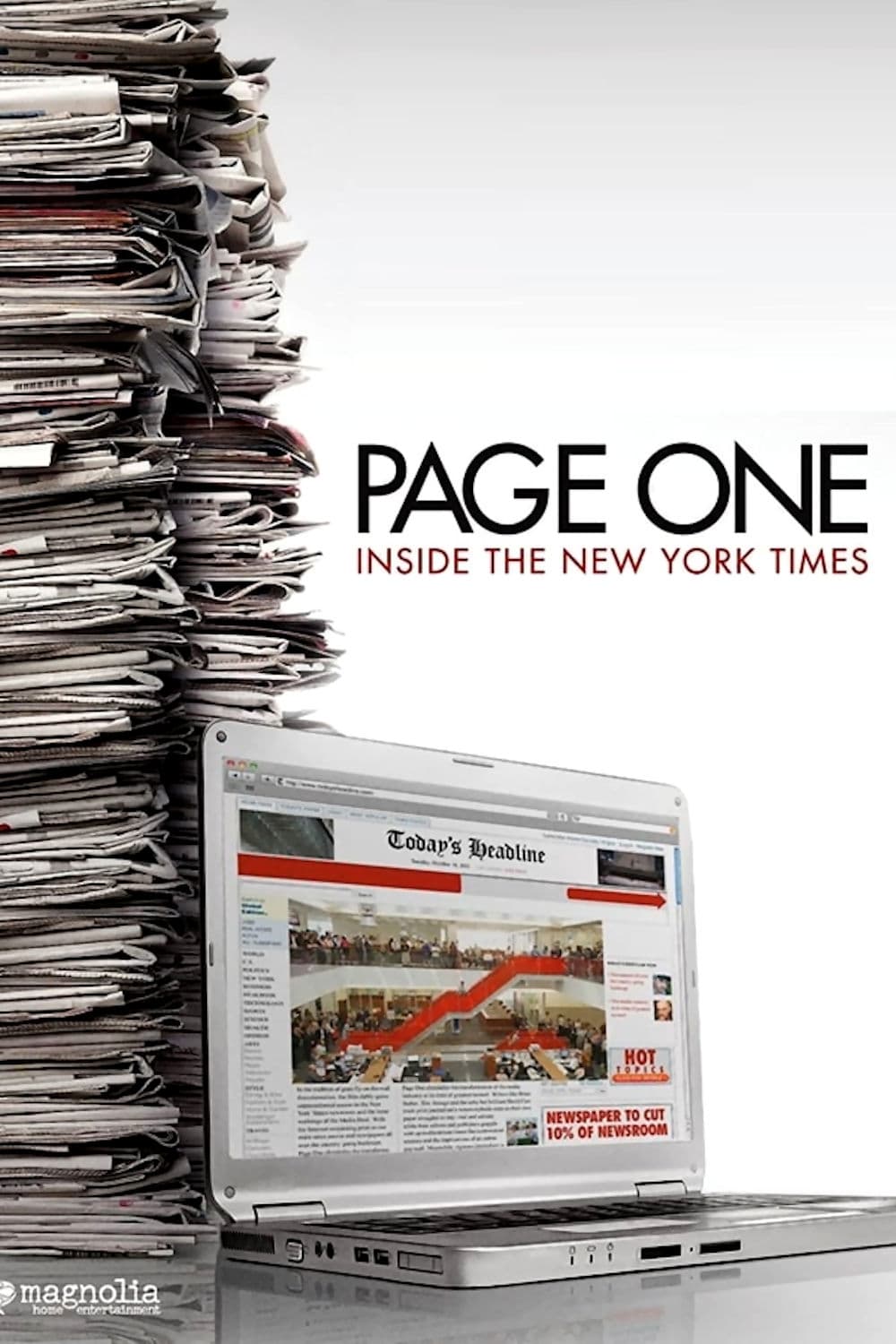
Unprecedented access to the New York Times newsroom yields a complex view of the transformation of a media landscape fraught with both peril and opportunity.

The larger-than-life story of Kim Dotcom, the 'most wanted man online', is extraordinary enough, but the battle between Dotcom and the US Government and entertainment industry—being fought in New Zealand—is one that goes to the heart of ownership, privacy and piracy in the digital age.
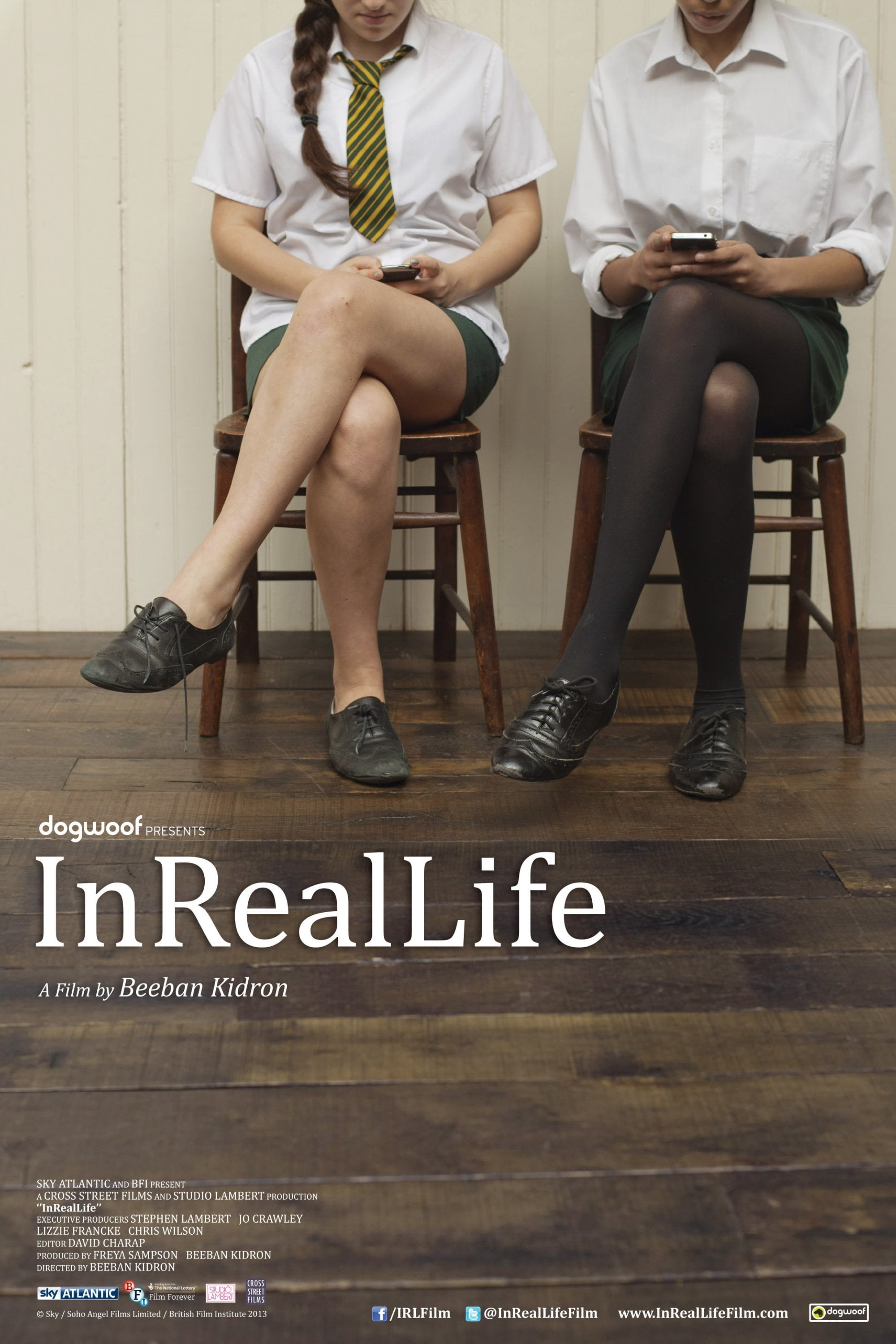
InRealLife takes us on a journey from the bedrooms of British teenagers to the world of Silicon Valley, to find out what exactly the internet is doing to our children.
In 2001, Jimmy Wales published the first article on Wikipedia, a collaborative effort that began with a promise: to democratize the spreading of knowledge, monopolized by the elites for centuries. But is Wikipedia really a utopia come true?