

Barely escaping an avalanche during a family ski vacation in the Alps, a married couple is thrown into disarray as they are forced to reevaluate their lives and how they feel about each other.

A young girl tries to help her grandfather, who is suffering from Alzheimer’s, navigate his increasing forgetfulness, and ends up going on a remarkable adventure with him.
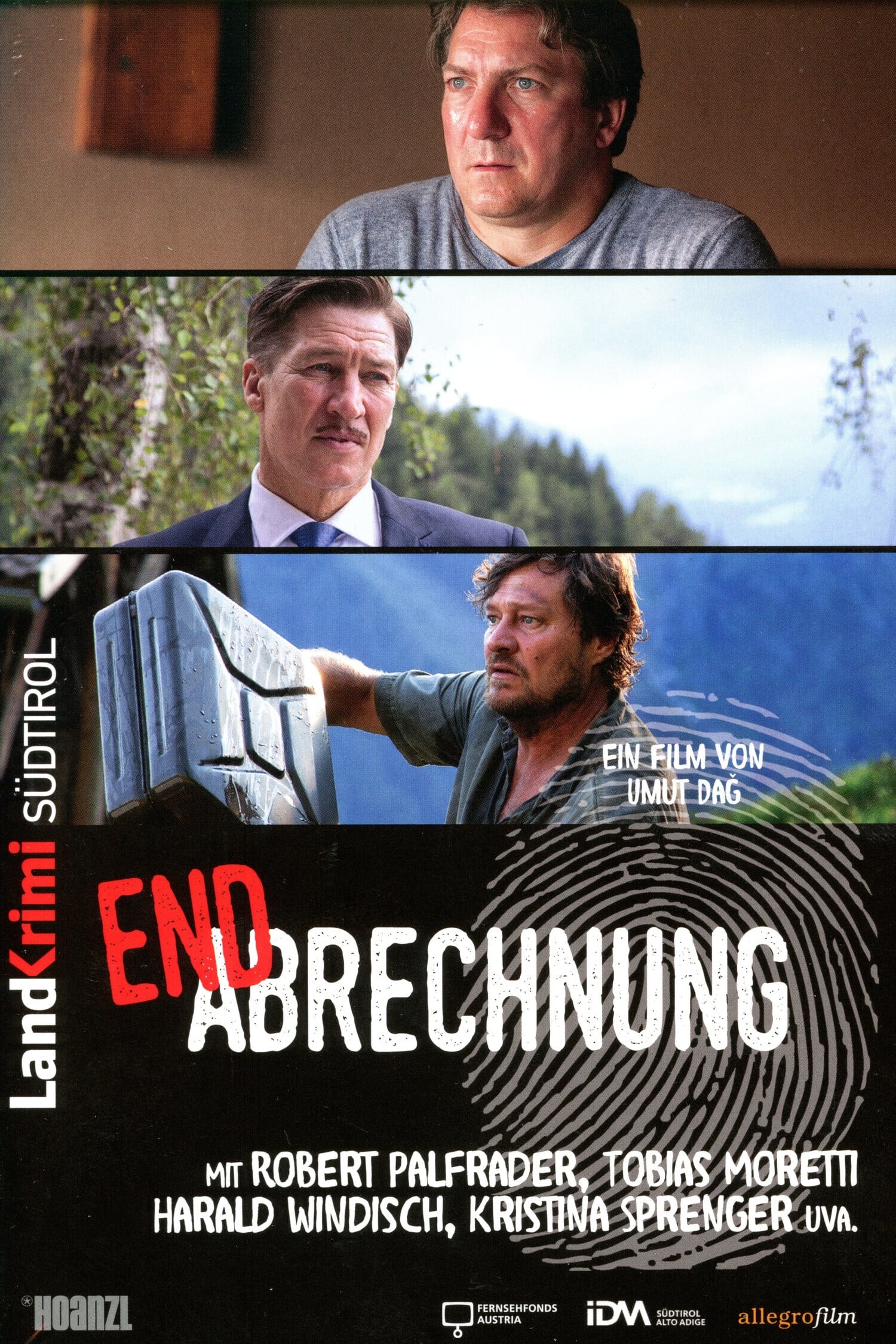
An irreparable mistake in a case of abuse that drives the accused, a pastor, into suicide, prompted Kommissar Höllbacher to resign.

Michael Gaismair is generally known as the leader of the oppressed people in the Tyrolean peasant uprisings in the 16th century. Yet he was far more than a simple rebel. Michael Gaismair had extraordinary foresight and he dared to fundamentally question the church and the supremacy of the nobles – which of course did not please the authorities at all. Betrayal and imprisonment only fueled his passion for the concerns of the peasants and ensured that he was no longer content with reforms. In his thoughts and actions, he was in no way inferior to Martin Luther and Thomas Müntzer. His plans and actions brought him into contact with the Swiss reformer Ulrich Zwingli and the two kingdoms of France and Venice. His demands was far ahead of its time and already included points such as the separation of the church from the state, or the reduction of privileges. But the powerful Habsburgs knew how to prevent this and persecuted the Tyrolean leader until his death.

A movie based on the book by Christine Nöstlinger “Maikäfer, flieg! Mein Vater, das Kriegsende, Cohn und ich”
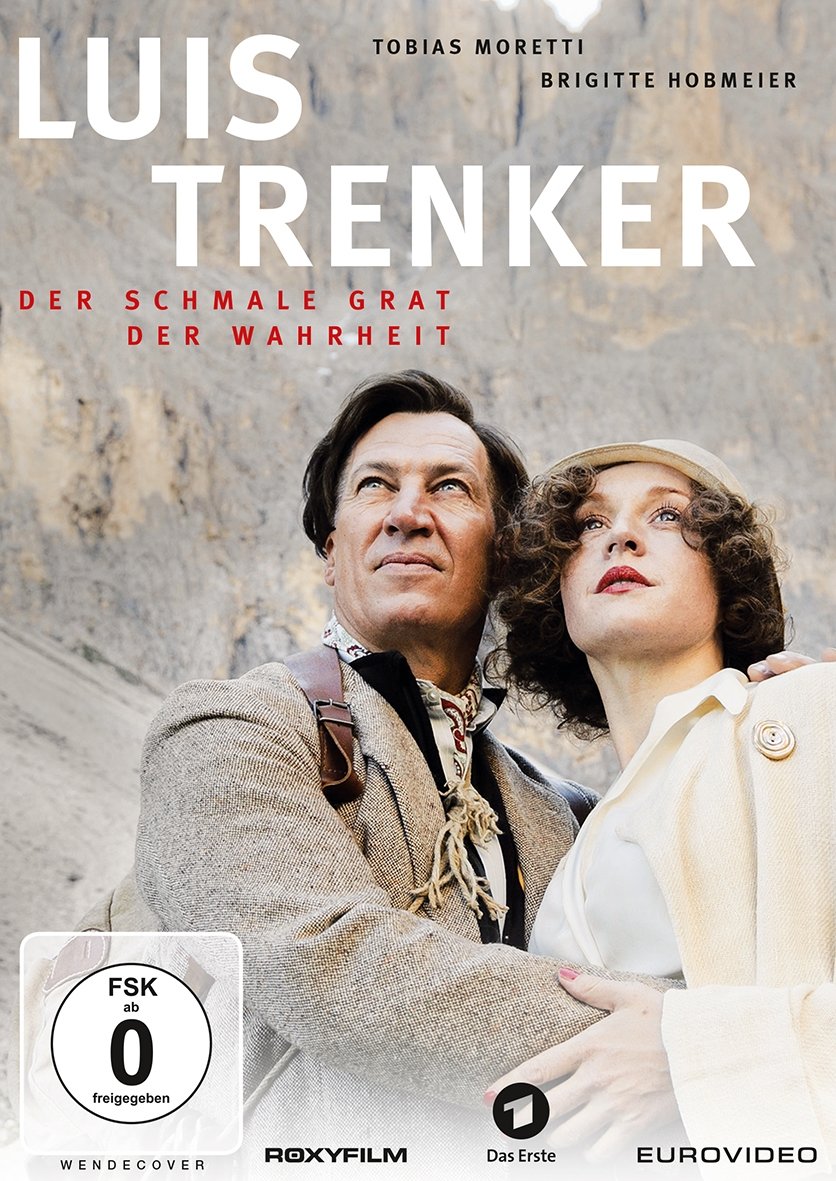
Luis Trenker - South Tyrolean mountaineering legend, actor and director - traveled to the Venice Film Festival in the summer of 1948. He wants to offer Eva Braun's diaries to the American Hollywood agent Paul Kohner for filming. At the same time, the authenticity of these diaries is negotiated before the Munich district court. The director Leni Riefenstahl, ex-lover of Trenker, feels disgraced by the implication that she was Hitler's lover. The story is told in flashbacks of two opportunists who, possessed by the will for artistic success, instrumentalize themselves ...
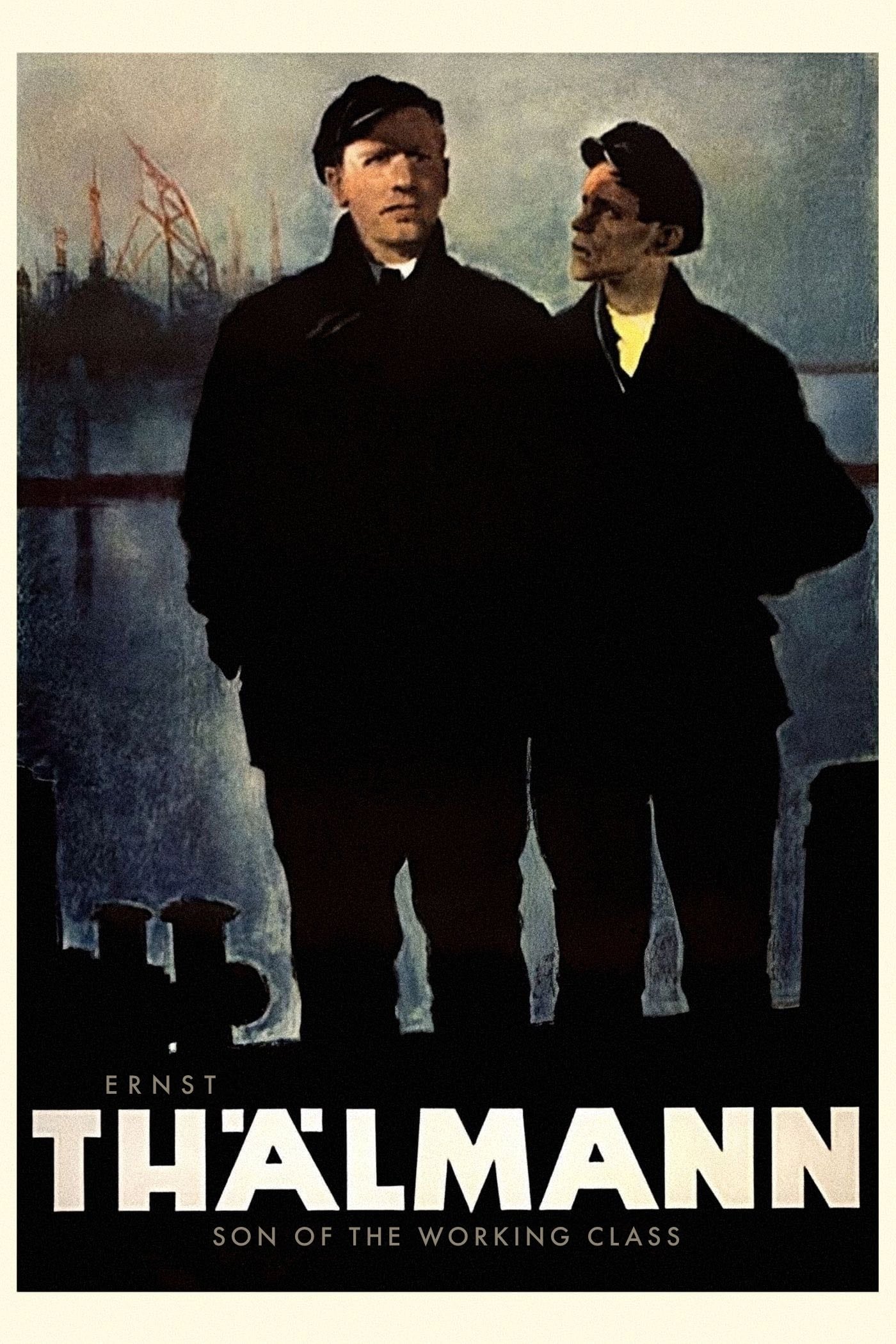
This film is the first of a two-part historical and biographical portrait of the communist politician and anti-fascist Ernst Thälmann. In early November 1918, Ernst Thälmann is an unwilling soldier serving on the western front. As the revolutionary movement at home is threatened by the betrayal of the Social Democrats and fissures in the working class, Thälmann calls on his fellow soldiers to put down their weapons and unite with the workers in the communist struggle at home. Thälmann’s qualms about which side he is fighting on continue, but when the local police attempt to prevent a shipment of provisions and supplies from reaching the people in Petrograd, he intervenes and the ship is unloaded. With this moment of clarity, Thälmann continues to follow his political convictions and joins the workers at the Hamburg uprising in October 1923.

A dreaded inspector reviews the circumstances in a psychiatric clinic and not everything goes like the doctors expected.
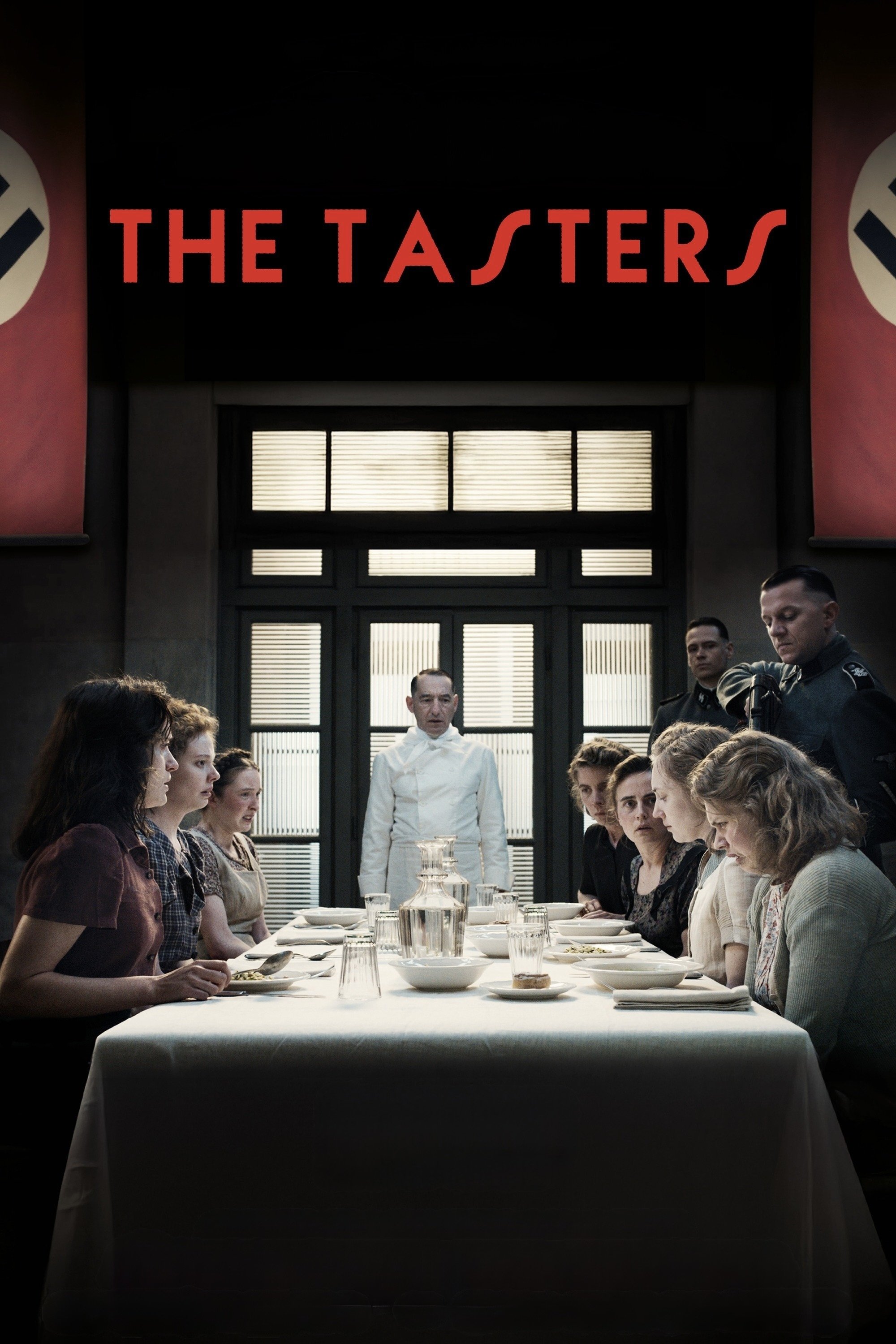
In autumn 1943, in Gross-Partsch, 26-year-old Rosa, who had come from Berlin to stay with the parents of her husband Gregor, who was fighting on the Russian front, was taken by the SS to a mysterious place. Forced to taste a dish, she joins the group of tasters responsible for checking that the food destined for Hitler is not poisoned.

Set in the 1800s when Napoleon’s French ruled Europe, the film follows young Austrian carpenter Franz and his Bavarian wife, Katharina as an unforeseen event forces them to flee from Augsburg, Bavaria for Franz’s family home in Tyrol, Austria. Tyrolian sentiment is rising strongly against Napoleon and trouble is stirring. In no time it sweeps up Franz and his brothers along with the whole town.