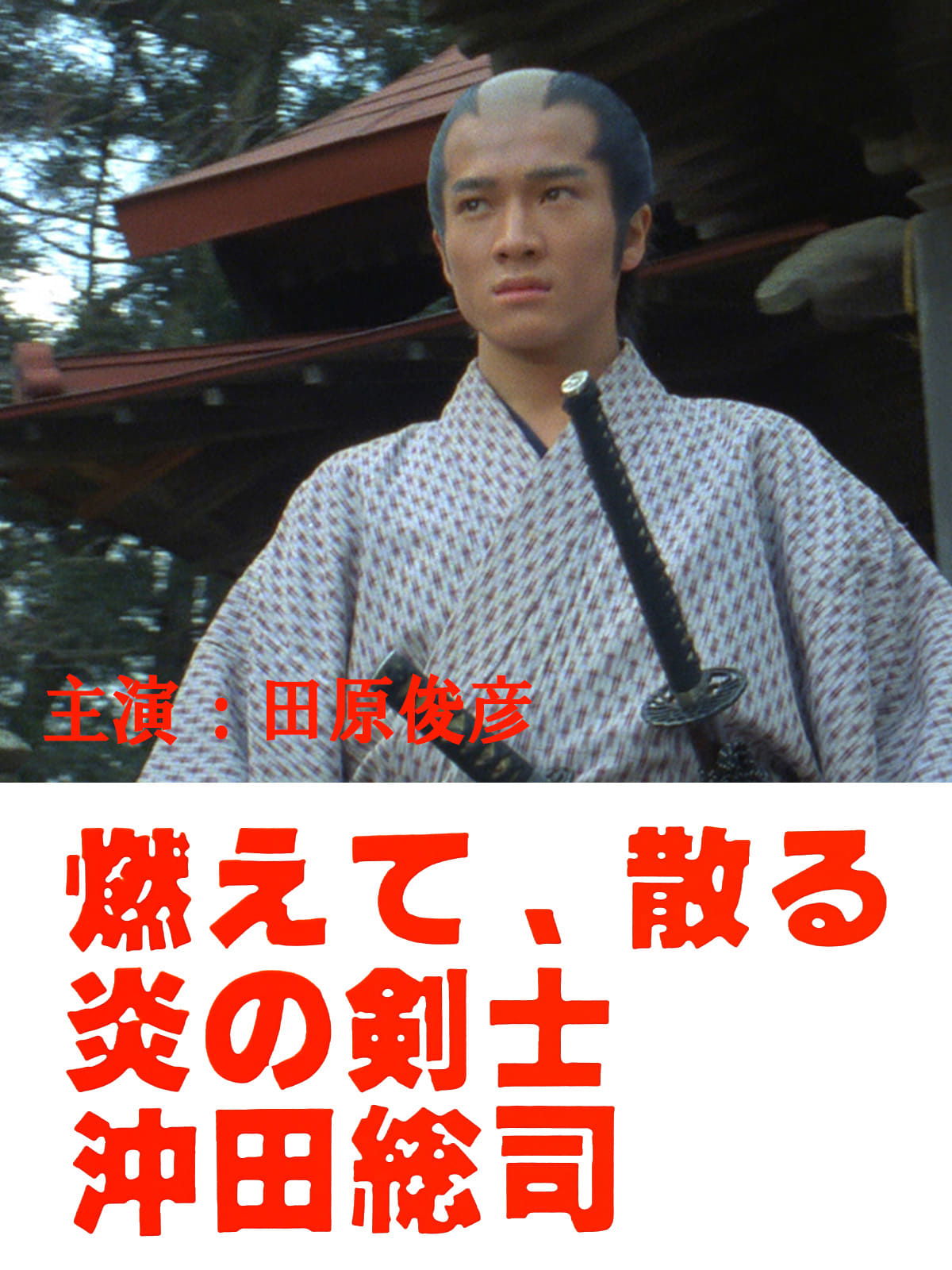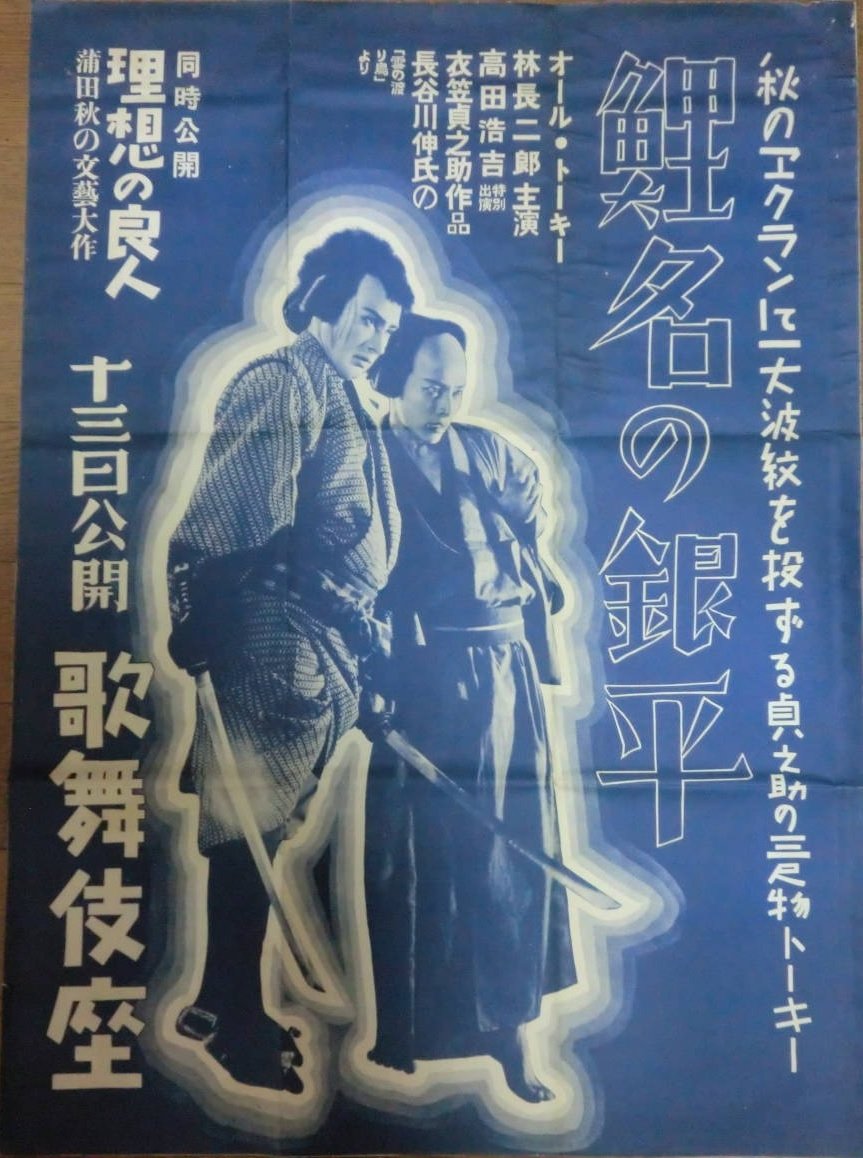
The first half of the movie depicts a man's jealousy of his best friend and the woman he love. The second part depicts a hero who is ready to put the past behind him and risk his life for his friend.
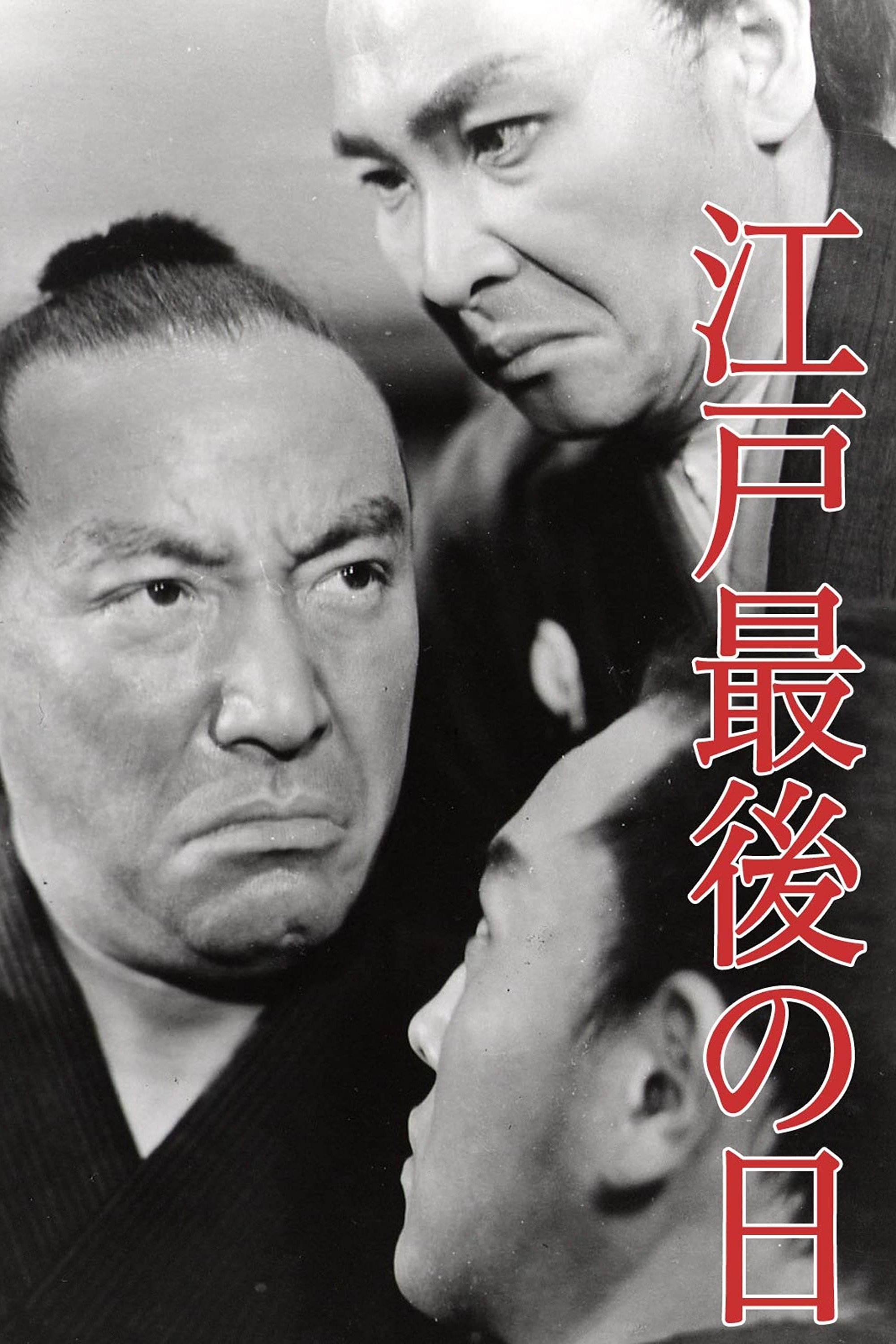
It is a historical drama that follows Katsu Kaishu's efforts to surrender Edo Castle bloodlessly in the first year of the Meiji period.

The second film in the "Suruga yukyoden" series, in which Shintaro Katsu plays Jirocho Shimizu. The film features Omasa, Komasa, Ocho, who will become Jirocho's wife, as well as other members of his future family. There is a particularly great swordfight near the end where Katsu and cronies attack the rival villainous yakuza clan to rescue their ailing, elderly boss. The action choreography, cinematography and editing of this sequence is quite brilliant, treading a difficult tightrope act between genuinely goofy antics and exhilirating, bloody violence.
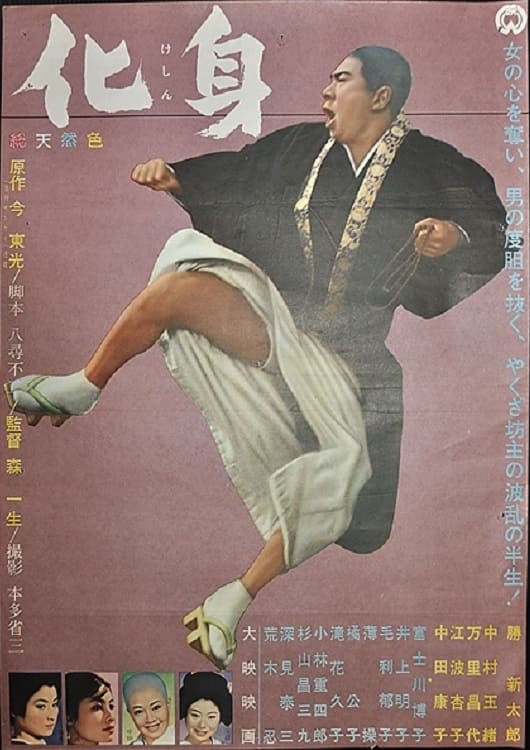
1962 Japanese movie
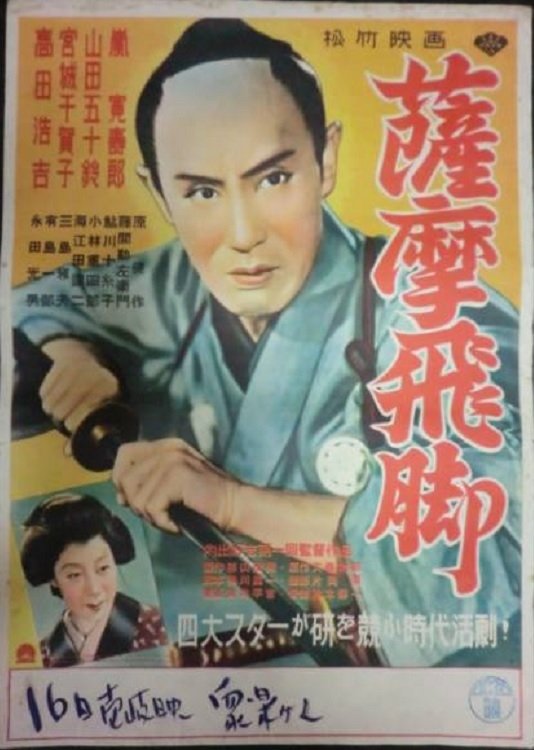
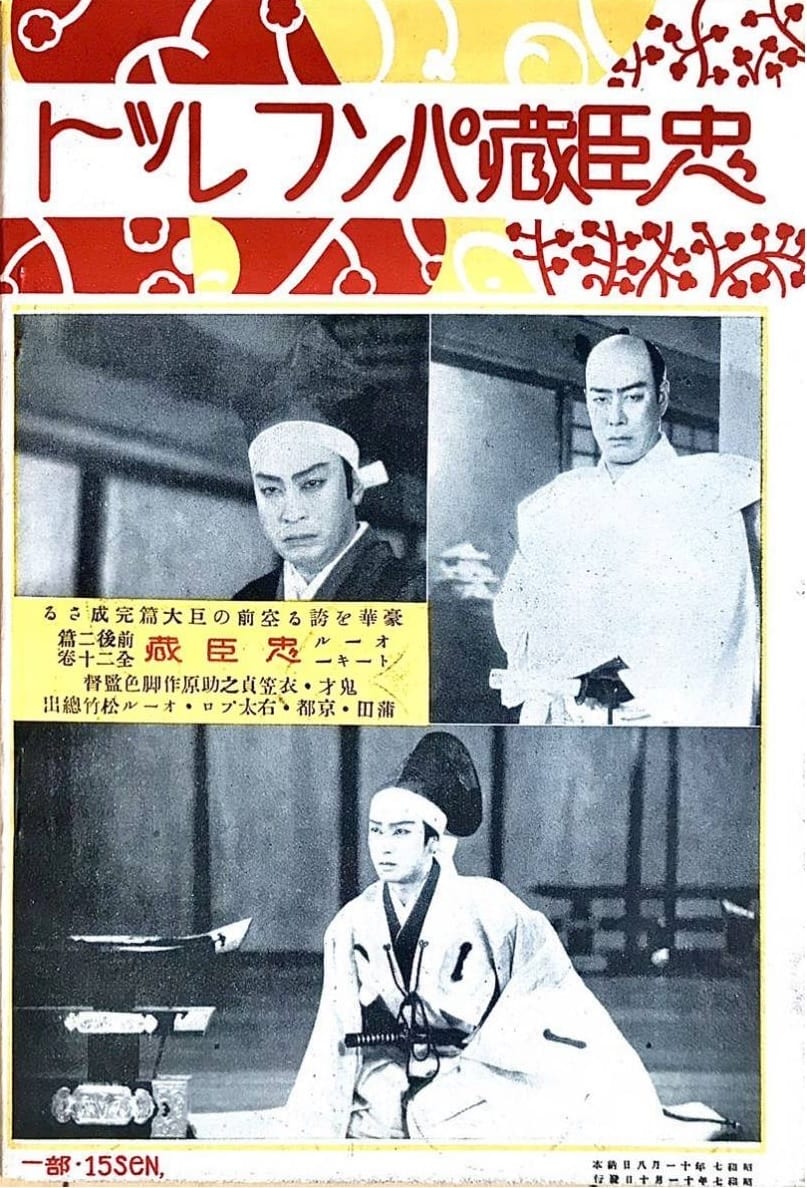

1956 Japanese film, originally released in two parts.
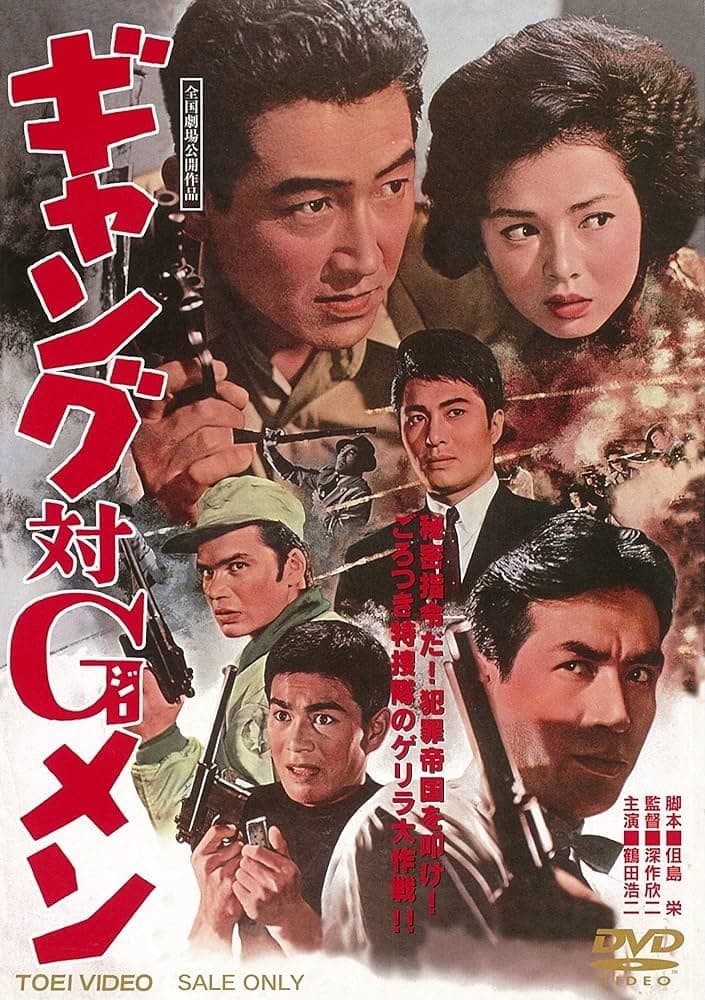
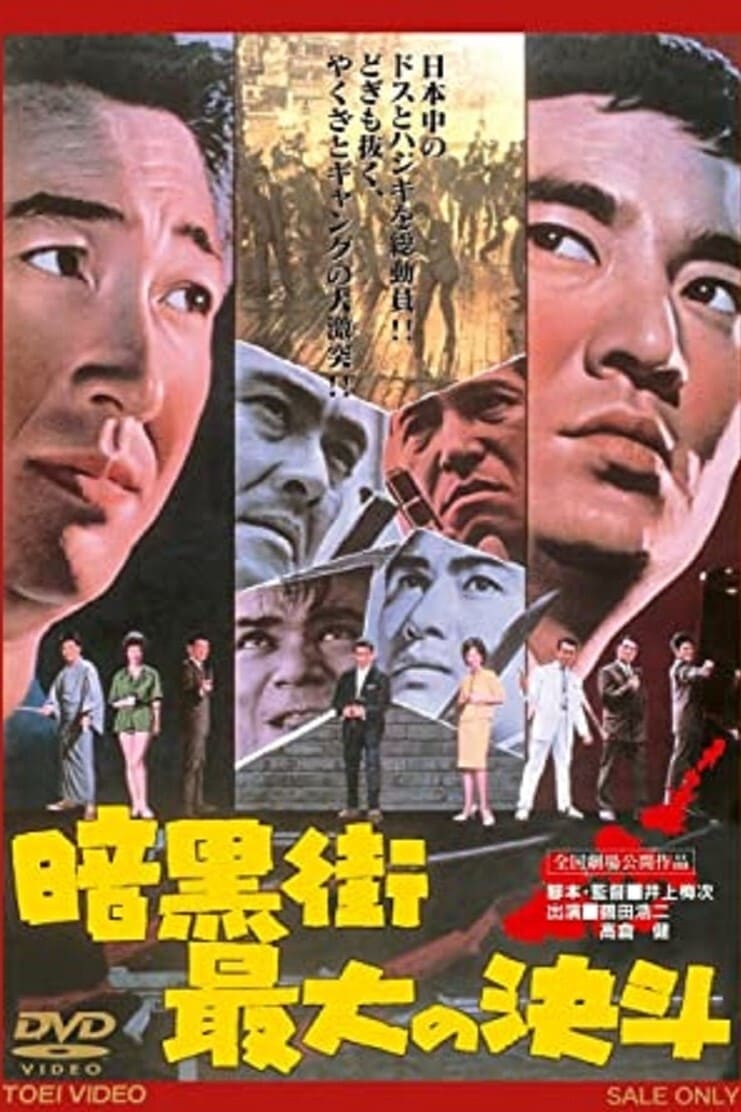
Two rival gangs of gangsters clash for dominance of a neighborhood.
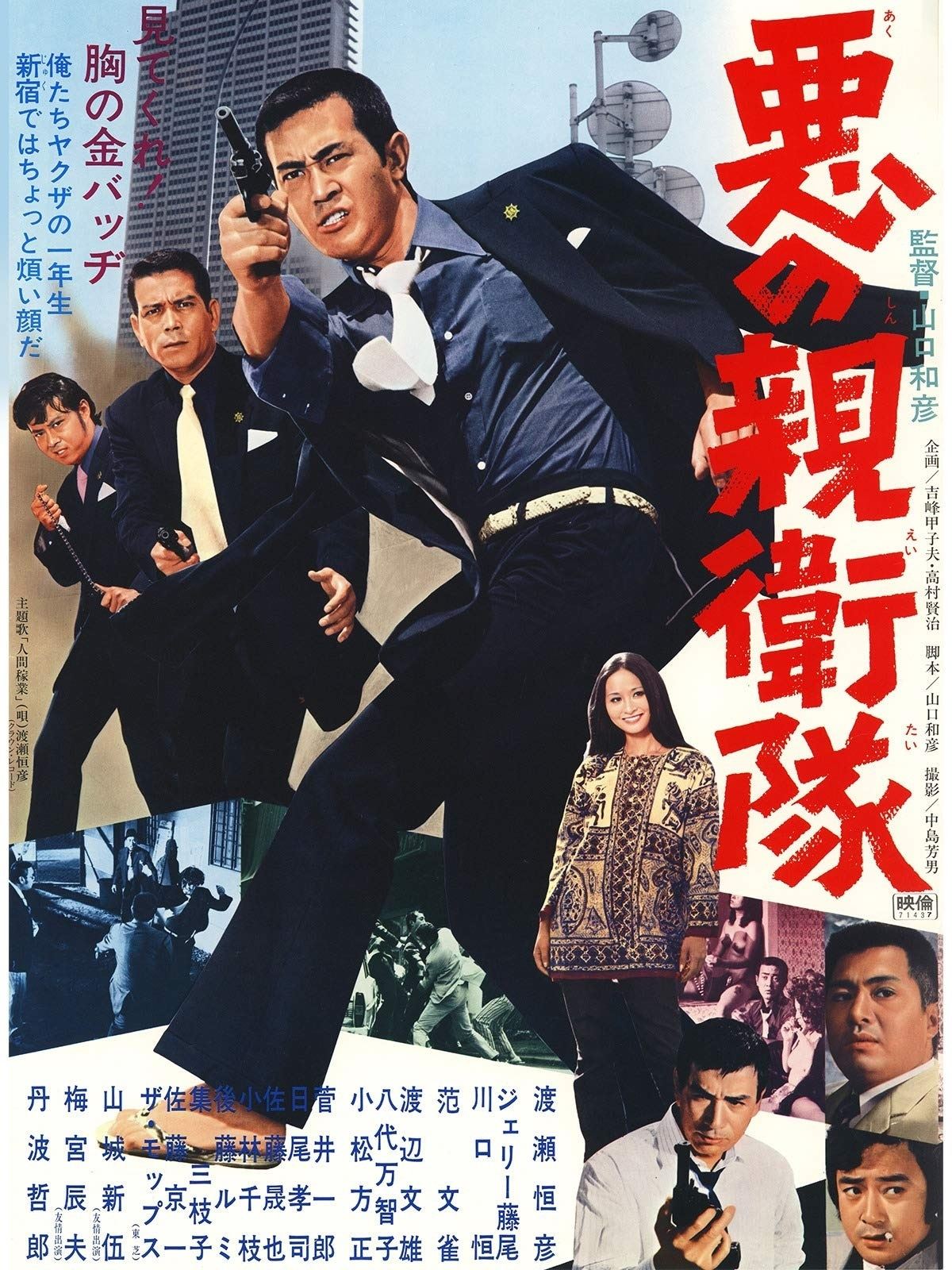
A disgraced yakuza member, framed for the murder of his boss, emerges from prison eight years later with revenge on his mind.
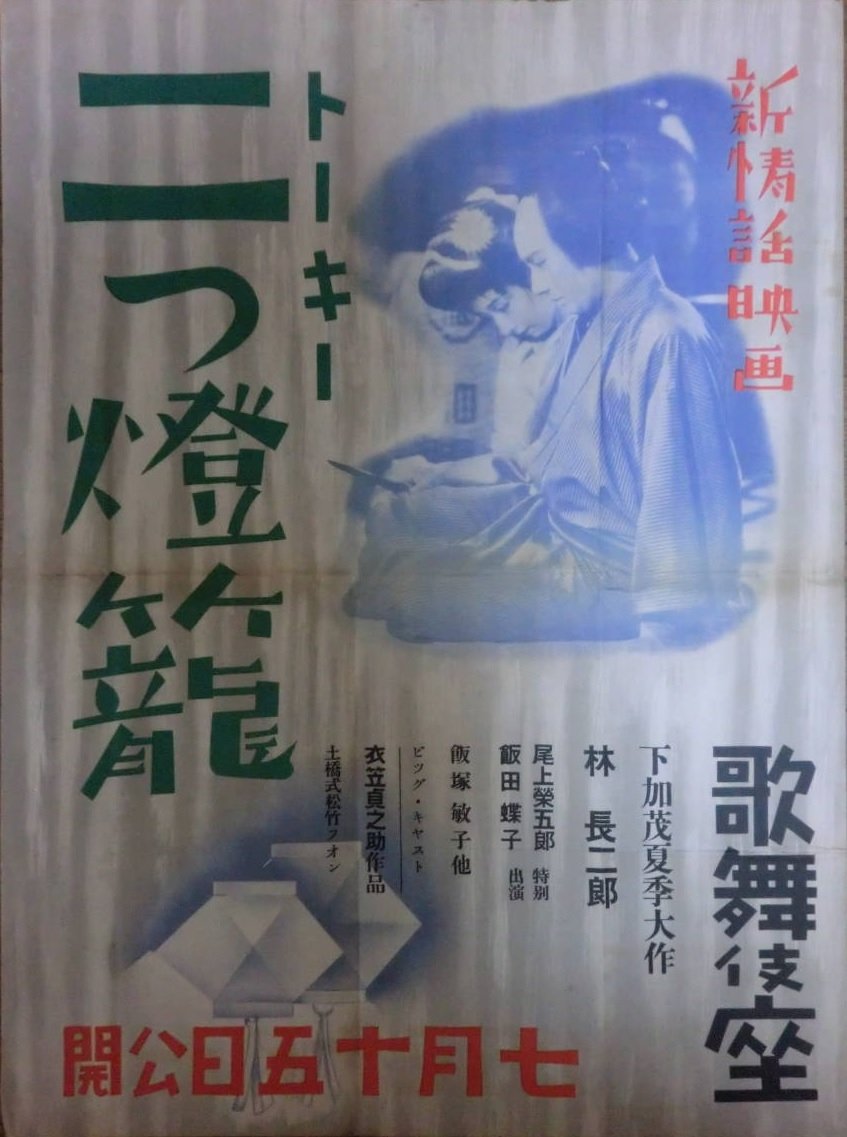
A mournful masterpiece by Kinugasa Teinosuke
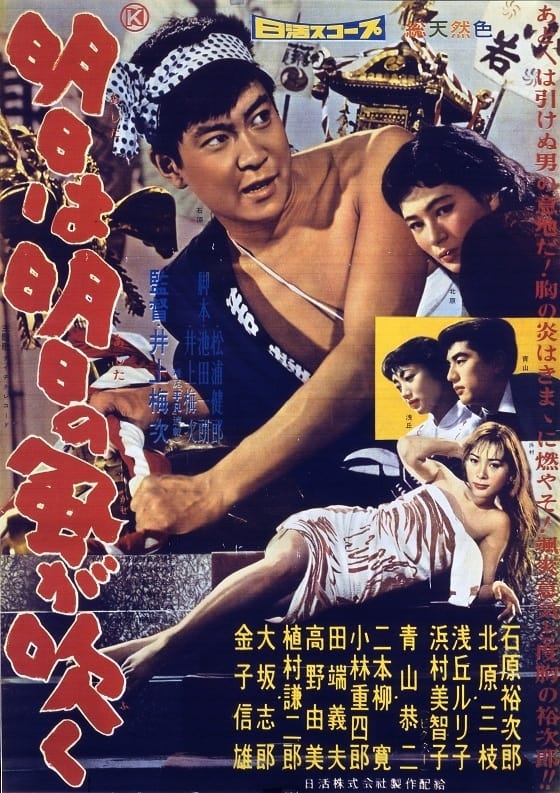
"Tomorrow is Another Day" tells the story of three brothers who struggle to shake free of the father's ties to the yakuza underworld. A star vehicle for the popular singer/actor Yūjirō Ishihara.
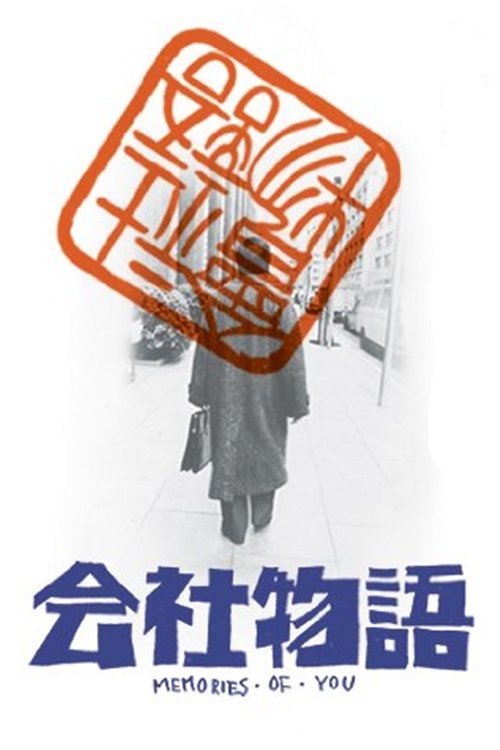
A hard-working section chief, fast approaching retirement and beset by stress from all directions, joins a jazz band and reignites his youthful passion for the music, giving him a chance to set things right in his life.
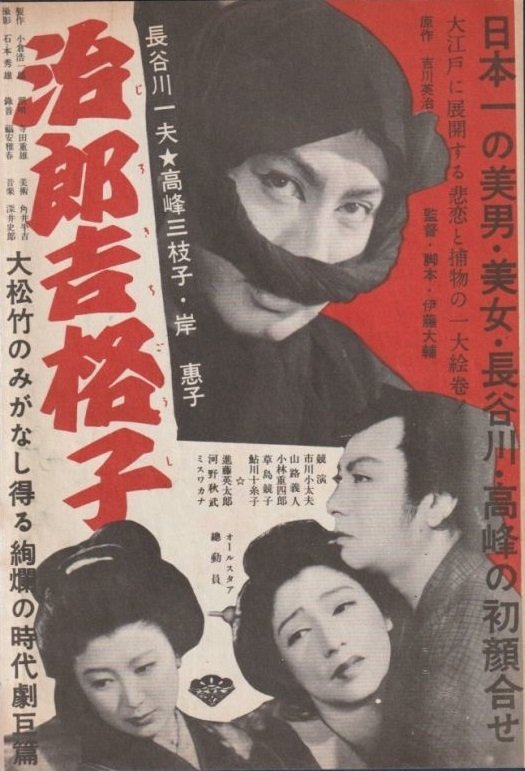
Aboard a ship connecting Kyoto and Osaka, Osan was pickpocketed by a sham blind biwa player. A man who looked like a merchant retrieved the wallet for her. Osan was a woman being sold off for the sake of her yakuza-like brother, Nin'kichi. The man in the guise of a merchant turned out to be the Rat Thief, Jirokichi, the infamous thief of Edo. Due to this chance encounter, the two ended up staying at the same hot spring inn. However, one morning, as Jirokichi was about to leave alone, Osan, with the intuition of a smitten woman, confessed she knew he was the famed Rat Thief.
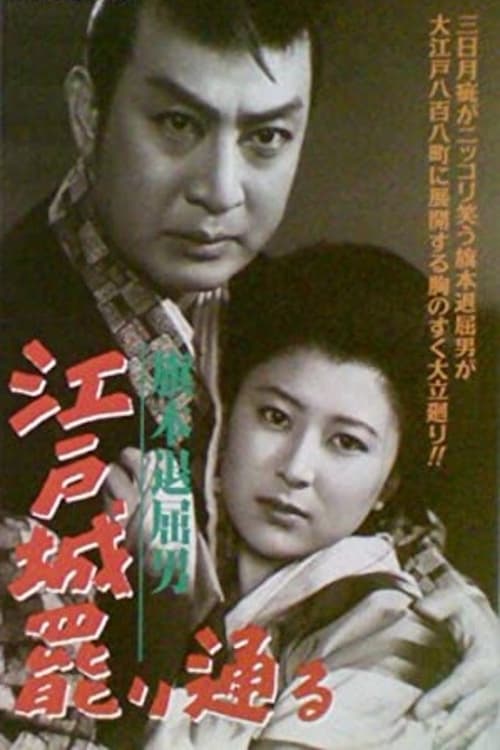
Around the Genroku era, there was a man named Saotome Shusui-no-Suke, nephew to the senior councilor Matsudaira Sakon Shogen. He was commonly known as the Bored Samurai of the Hatamoto rank. Just as he was engulfed in boredom, Tokugawa Jo-Kaibo, claiming to be the Shogun's illegitimate child, made a grand entrance into Edo. At the behest of Sakon Shogen, Shusui-no-Suke was tasked to investigate Jo-Kaibo's background and had his young page Kyoya disguise as a woman to infiltrate Jo-Kaibo's gun mansion.
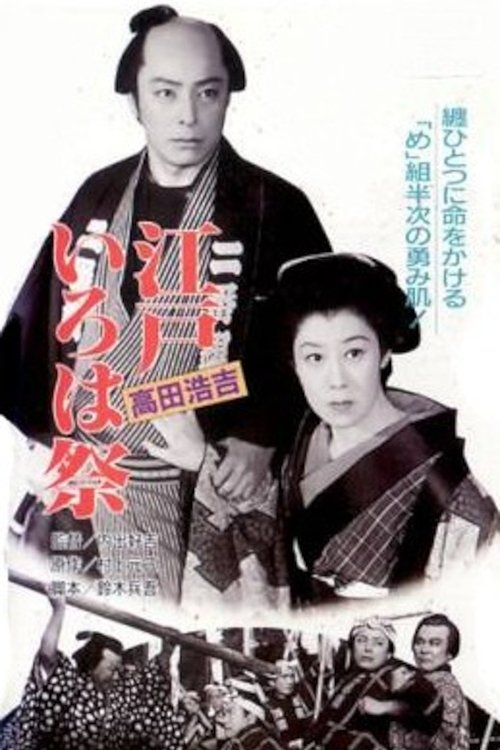
Hatamoto Akabane Tanaka once ruined his life with alcohol in his youth, leaving behind his wife and son, Hanji, to embark on a journey. He killed a man on the Shikoku route, but later returned to Edo, reforming his ways. Concerned about Hanji, he tracked down the wet nurse, O-Kane, to whom he had entrusted the boy. To his surprise, Hanji had become a respectable young man, now a subordinate of the gang leader, Tatsugorou. During a New Year visit to the Shiba Shinmei shrine, a minor altercation led Hanji to meet the geisha Koina, the wicked servant Miya-toku, and the sumo wrestler Naruto. Hanji and Naruto hit it off and formed a bond like brothers. However, Naruto's father was the very man Tanaka had killed. Naruto had been seeking vengeance against his father's killer. During a chance encounter at a restaurant, Naruto witnessed the reunion of Hanji and Tanaka, realizing Tanaka was his father's killer.
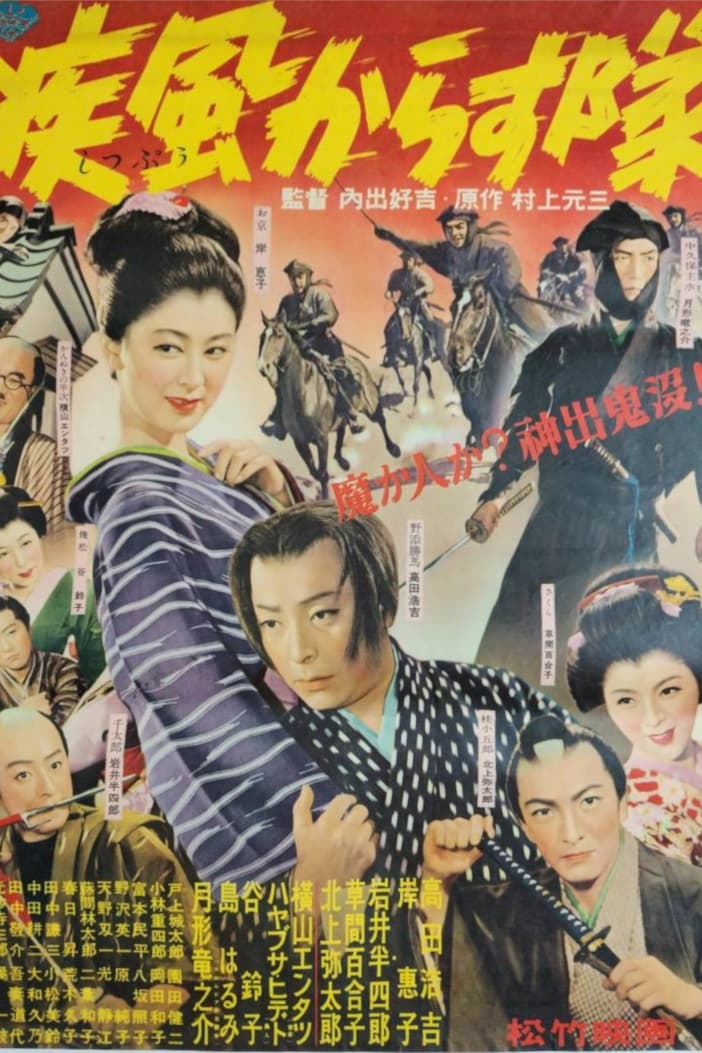
During the end of the shogunate, there was a group of black-clothed masked samurai known as the "Crow Squad" who resisted the shogunate's oppression, taking down key figures one by one. During a Go game with a visitor named Seki Hikonoshin, the government inspector, Nozoe Minbu, was attacked and killed by what appeared to be the Crow Squad. The witness, Yoshi Goro, was also injured by their blade. Minbu's son, Katsuma, returning from a trip, learned of this and, along with his sister Sakura, vowed revenge.
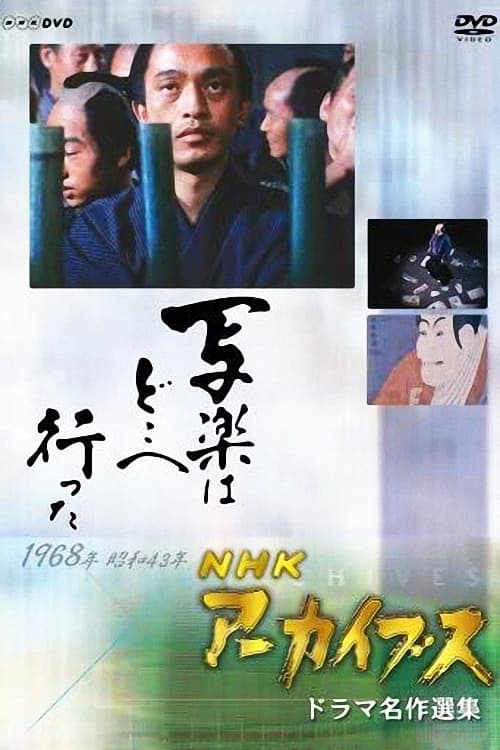
Writer Jippensha Ikku hears Tsutaya Juzaburo, a wholesaler of picture books, mutter on his deathbed, "Where has Sharaku gone?" He begins to figure out the true identity of Sharaku, who disappeared after about 150 portraits of actors he created came out.
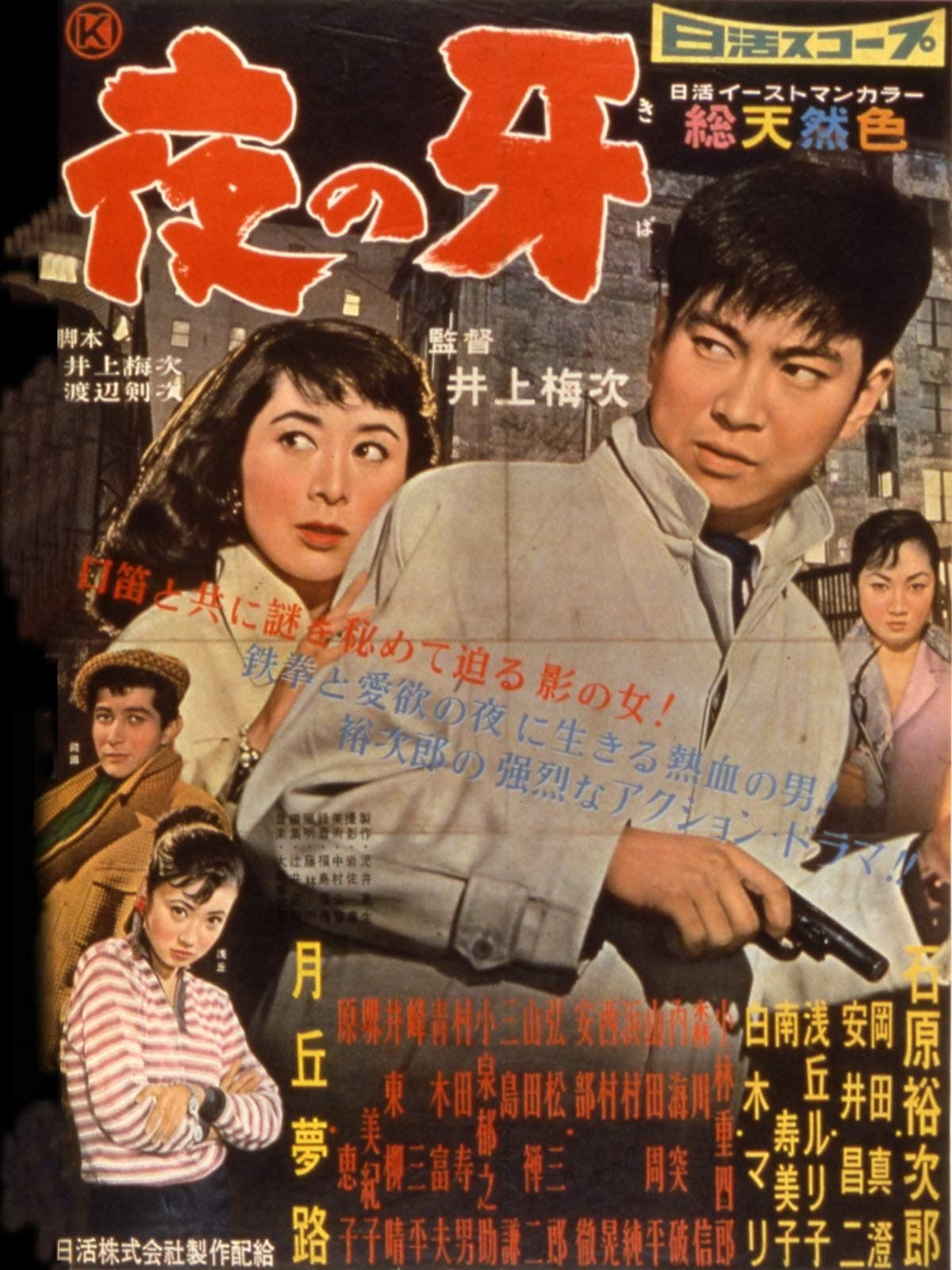
A young doctor discovers that the city hall of records has a record of his death. He and some friends try to seek out the person who reported it, and uncover a shady group of criminals with a sinister plot.
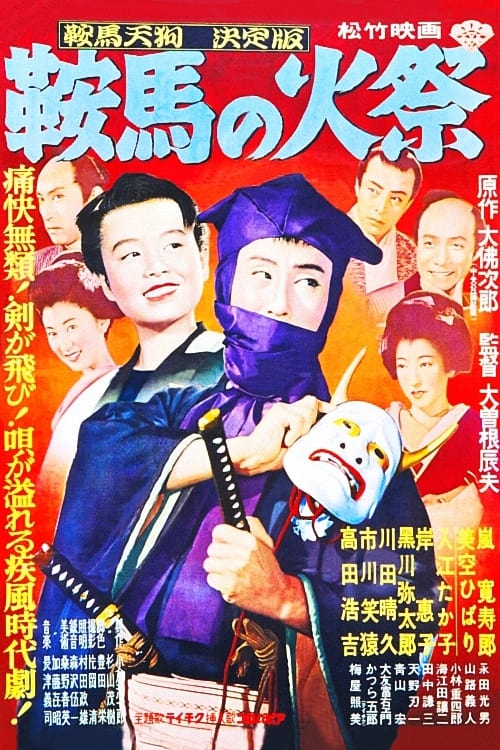
The masked avenger Kurama Tengu is linked to a plot to bring down the Tokugawa shogunate, but is it really our hero, or an imposter?
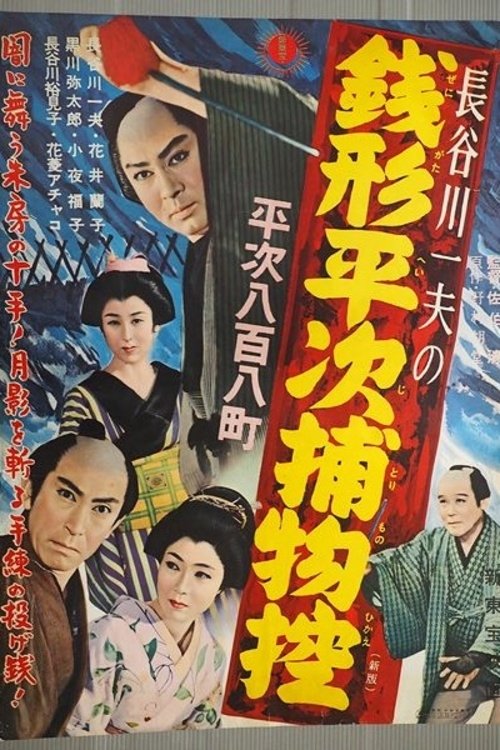
Police detective Heiji is assigned to catch the masked Maboroshi gang of robbers who have terrorized all of Edo leaving few clues as to who their leader is.
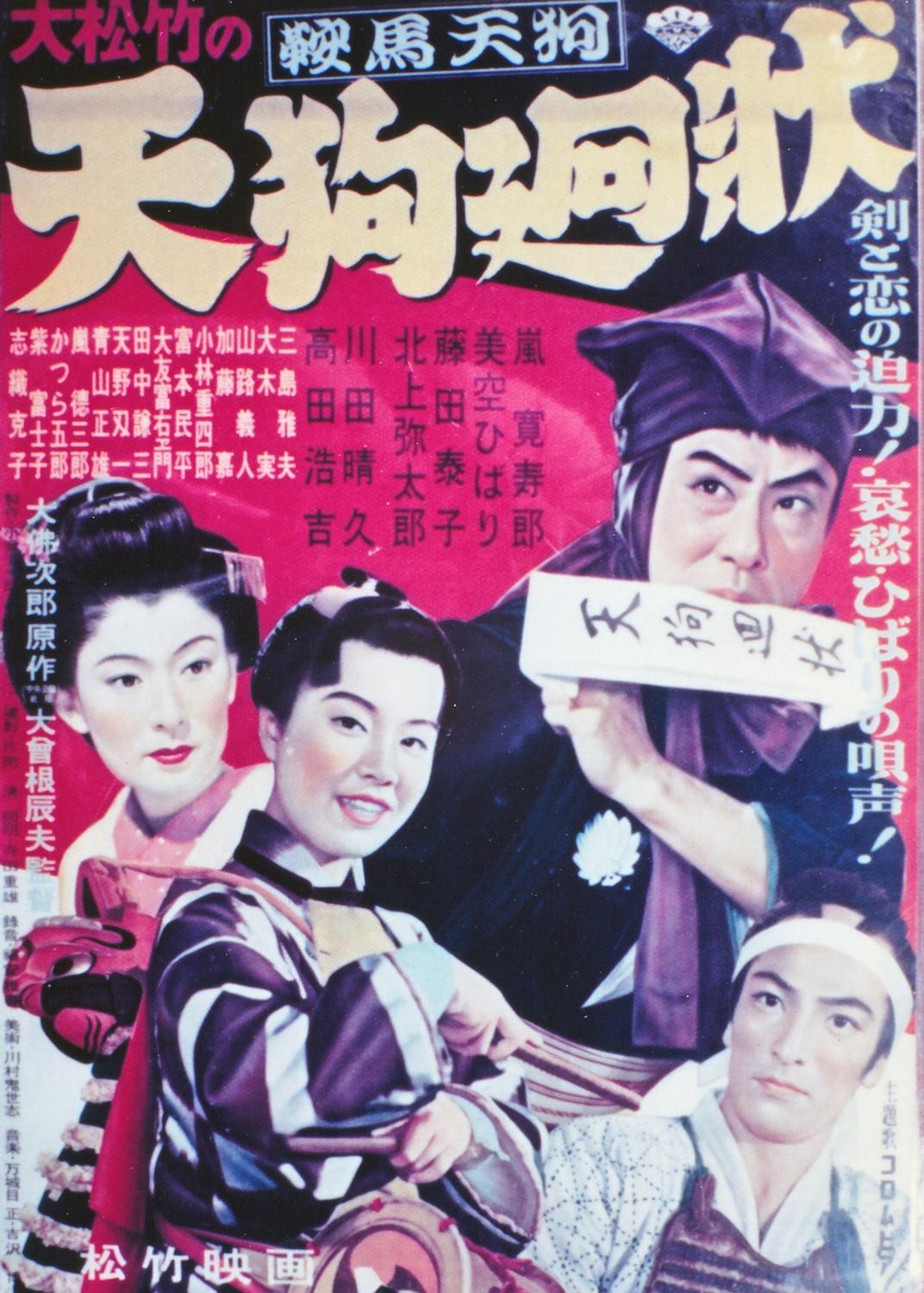
Masked avenger Kurama Tengu and his young sidekick try to stop a mysterious adversary from assassinating a group of young warriors who want to bring down the Shogunate...
Japanese war film.
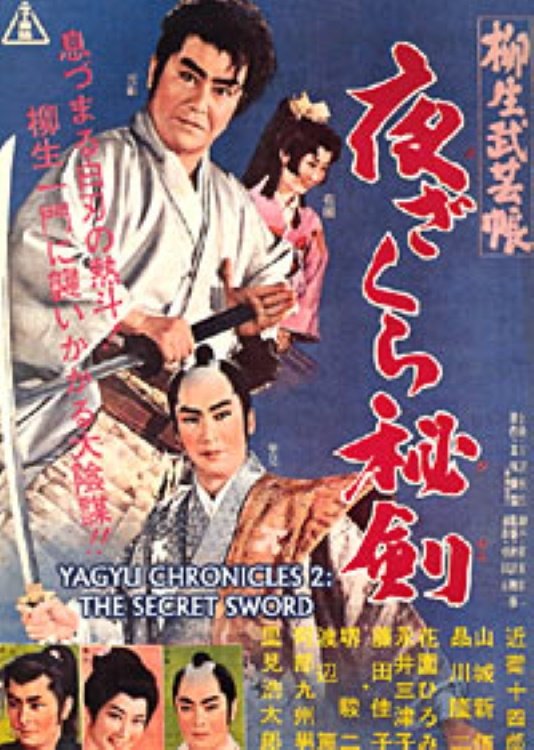
This is the second film in the popular black and white series about the master swordsman, Yagyu Jubei. When the Yagyu clan falls victim to rival Kasumi spies, Yagyu Jubei is called to action to protect them. But in performing his duty, he becomes the target of those who wish to destroy his clan.
Japanese comedy film.
Japanese drama film.
Japanese film.
Japanese film.
Japanese film.
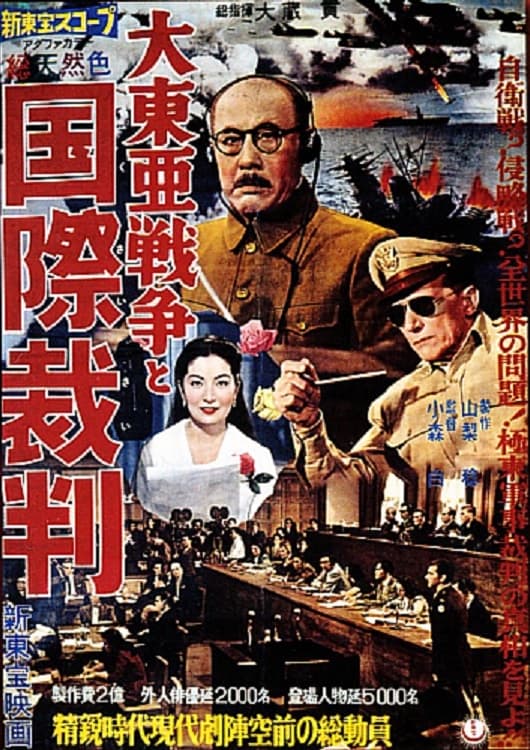
In 1941, overpopulated Japan faces an economic boycott and its armed forces push further to the south. And despite negotiations between Japan and the U. S. A. war is declared with the attack on Pearl Harbour. Victories follow for Japan on land and sea and her forces push forward to the borders of India. But gradually the tide turns in favour of the Allies and after the atom bombings of Hiroshima and Nagasaki, Japan is compelled to accept the Potsdam Declaration and by the order of the Emperor agrees to unconditional surrender. Under the supervision of the occupation forces the International Military Tribunal opens in Tokyo to try the Japanese war leaders. Established in the cause of justice, and to prevent future aggressive wars the trials drag on for two and a half years. And on December 23, 1948, General Tojo and six other war leaders mount the thirteen steps to the gallows at Tokyo's Sugamo prison.
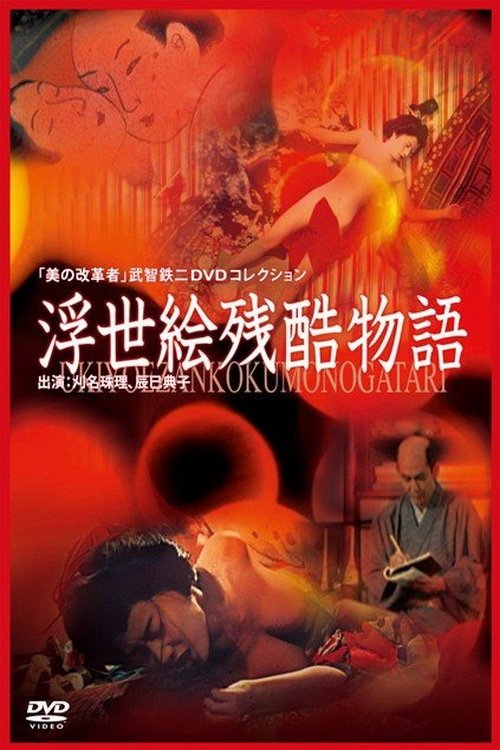
Made after Takechi had won an obscenity trial over Black Snow (1965), the film has been called "Takechi's personal message to Eirin."
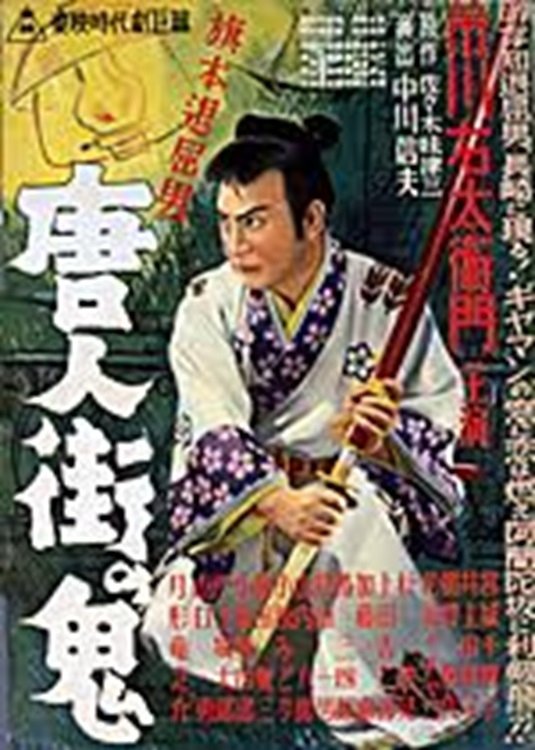
Bored Hatamoto movie #12
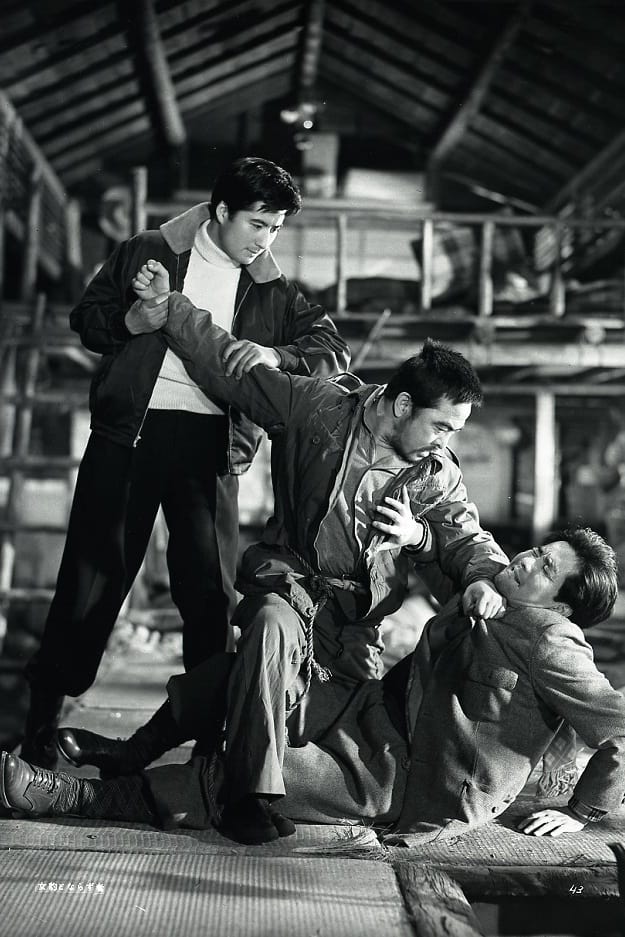
A poignant entertainment epic about a righteous mountain man, a young company director with new ideals, and a beautiful woman with wild charm, whose love and action unfold against the backdrop of a rice field in the middle of a vast forest.
The sequel to the 1935 film Great Bodhisattva Pass
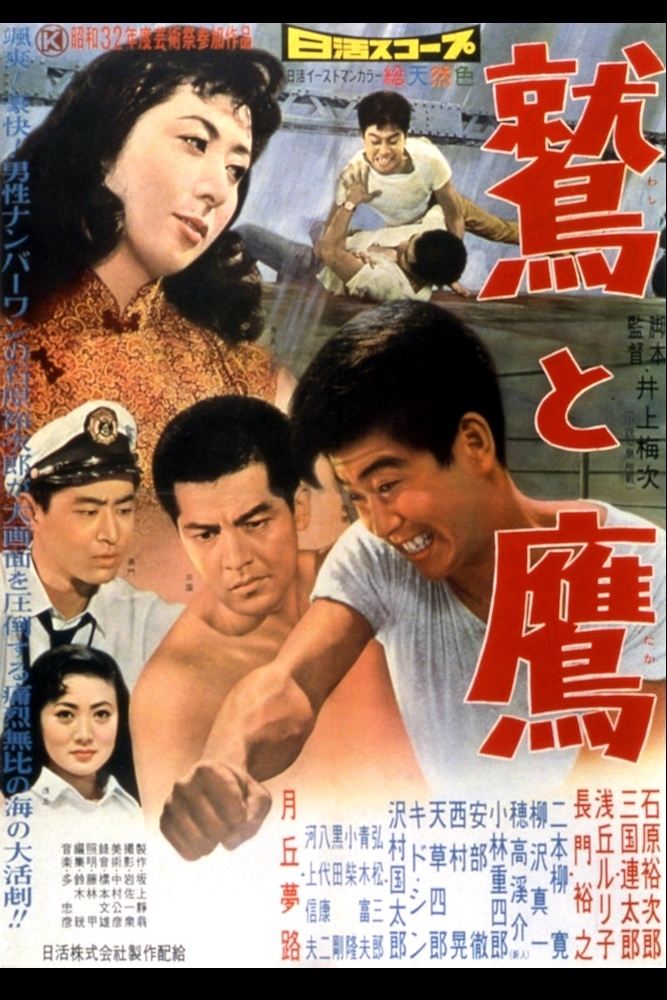
In a warehouse area at night, a drunk chief engineer is stabbed to death by someone who whistles. After the break of dawn, two seamen join the crew of a rusty cargo ship Kaiyo Maru. One is a troublemaker with bad attitudes, Senkichi Nomura, who pursues an enemy in order to take revenge for his father's death. The other is Keizo Sasaki, a buff, eagle-eyed man on board for a certain mission.
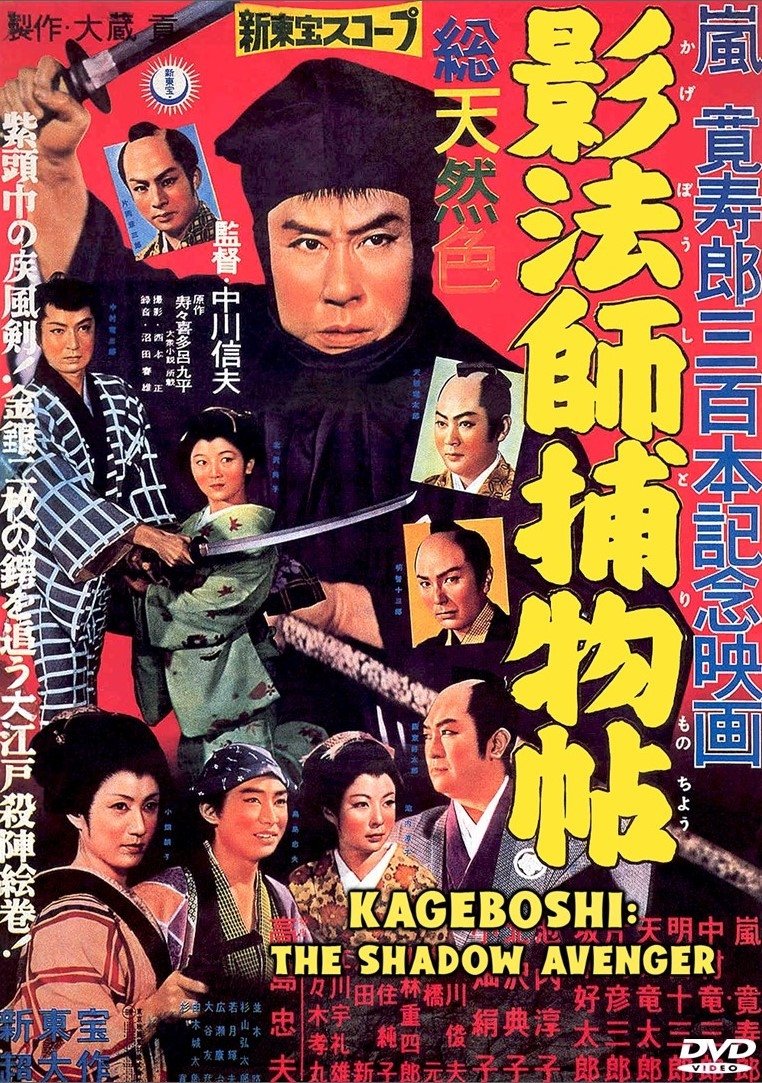
For the poor, Edo is Hell on Earth, starving under the rule of Tanuma Okitsugi, corrupt councilor to the shogun. But the courageous vagabond called “Kageboshi” (Shadow Avenger), will fight for the common folk, robbing the rich so the people will have rice. Tanuma’s henchmen will hire an evil swordsman to pose as Kageboshi, starting a wave of murder, kidnapping and robbery, searching for two antique sword-guards that will reveal the hiding place of a fortune in buried gold. But who will claim the gold? The poor of Edo, or the conniving Tanuma? Only Kageboshi’s flashing sword, tearing through Tanuma’s bloodthirsty minions, can forestall his wicked schemes.
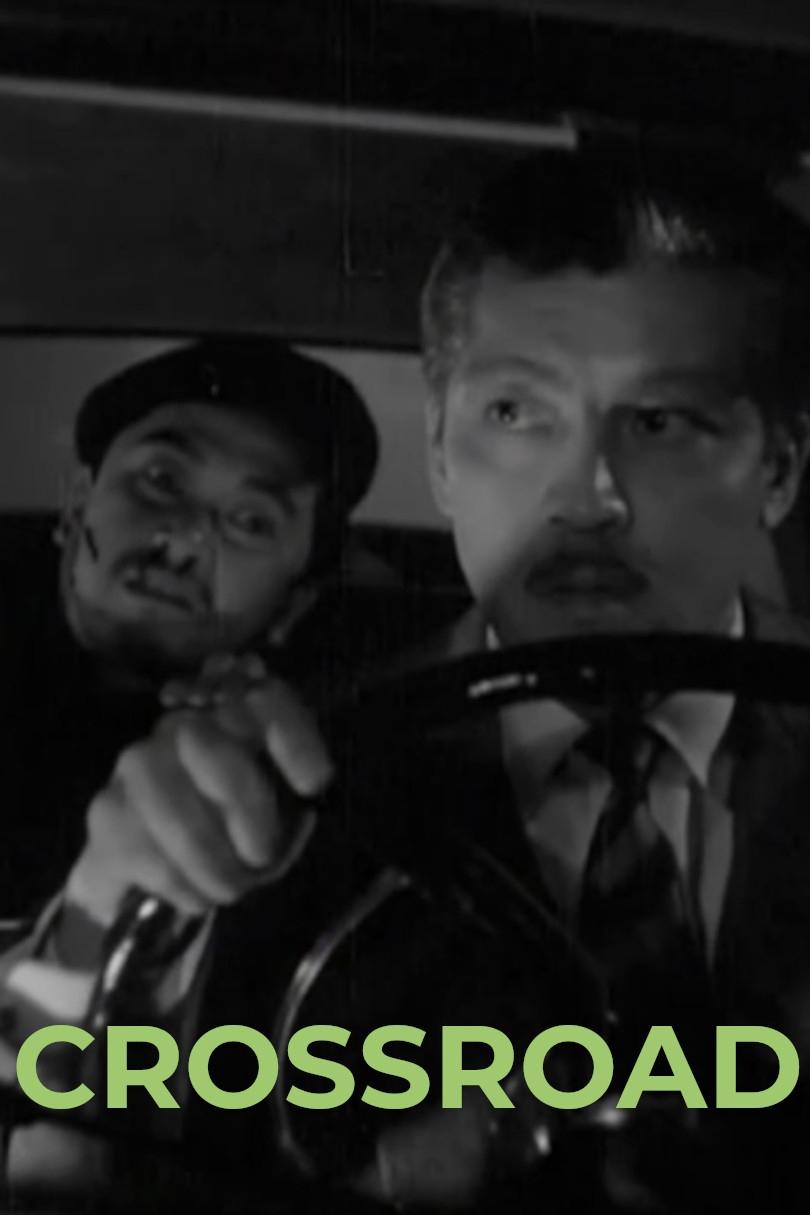
Ise, a successful entrepreneur, accidentally murders his lunatic wife after he is spotted having an affair with his secretary, Harumi. In his attempt to perfect his crime, he drives to a remote quarry to bury his wife’s body, but along the way, he finds another dead body in the back of his car! Given no choice, Ise dumps both bodies. Meanwhile, Yoshie begins her search for her missing brother, Yoshihiko. After surprising twists and turns, Ise faces his fate.
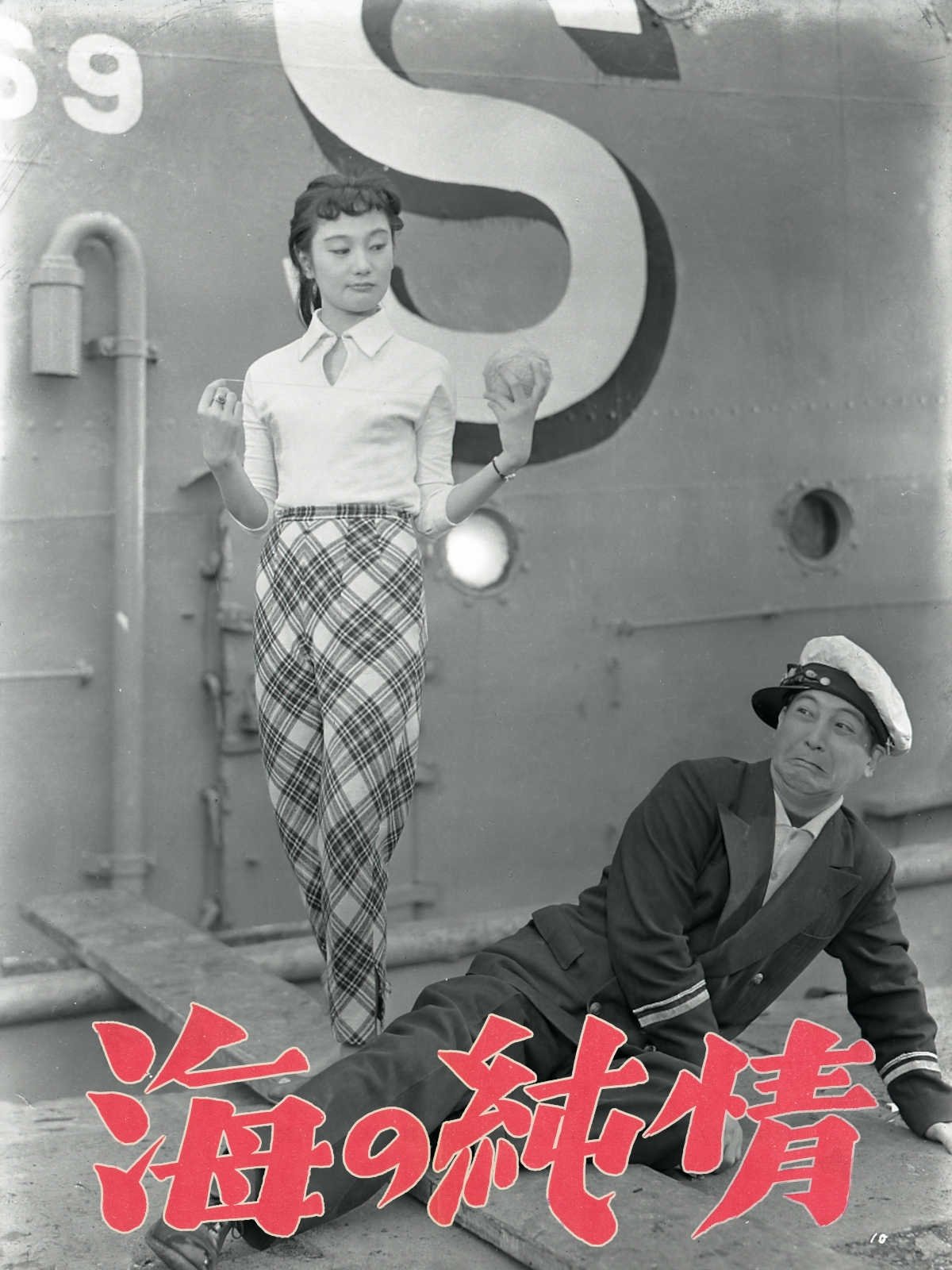
A romantic adventure tale about a young guy working on a whale-hunting vessel and his love for a childhood sweetheart.
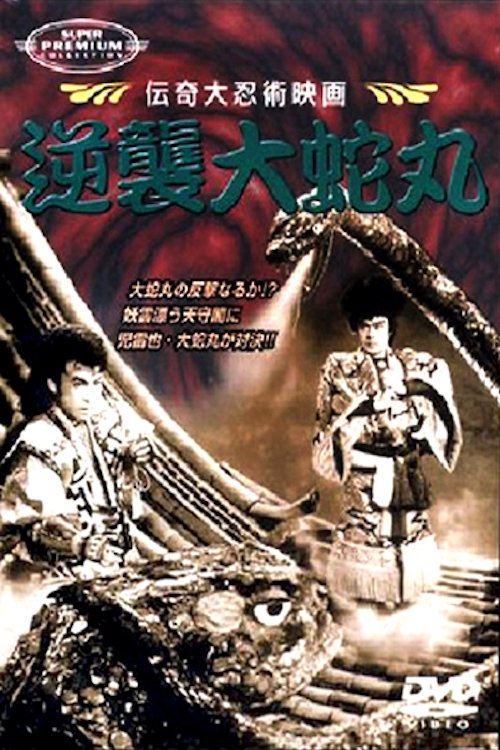
An early fantasy film starring Tomisaburô Wakayama.
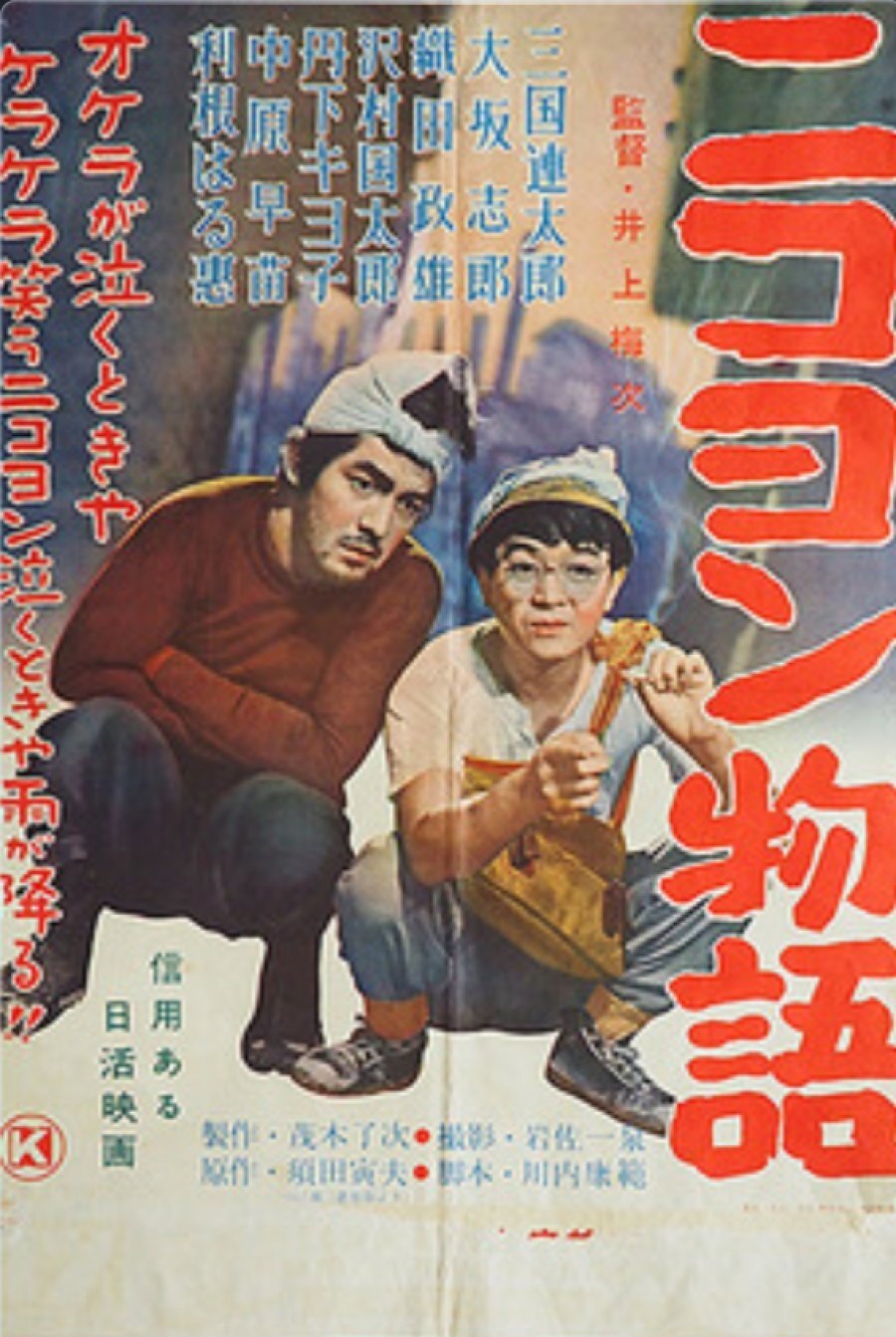
Japanese drama film.
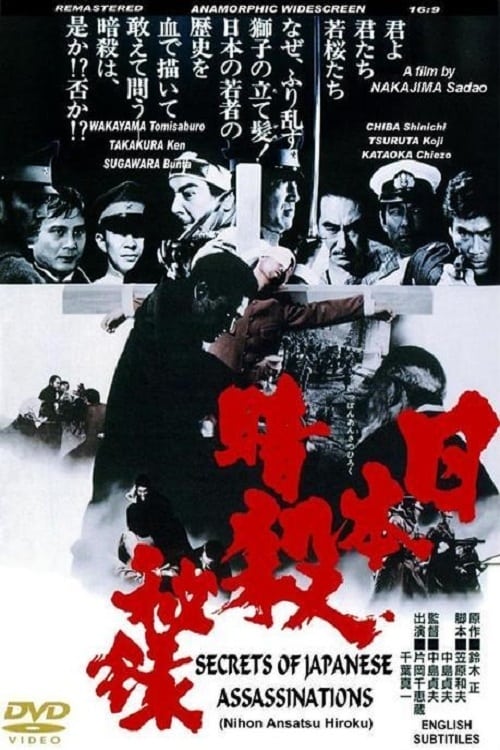
This anthology film consists of nine incidents in the late 19th and early 20th centuries when assassins changed the course of Japanese history.
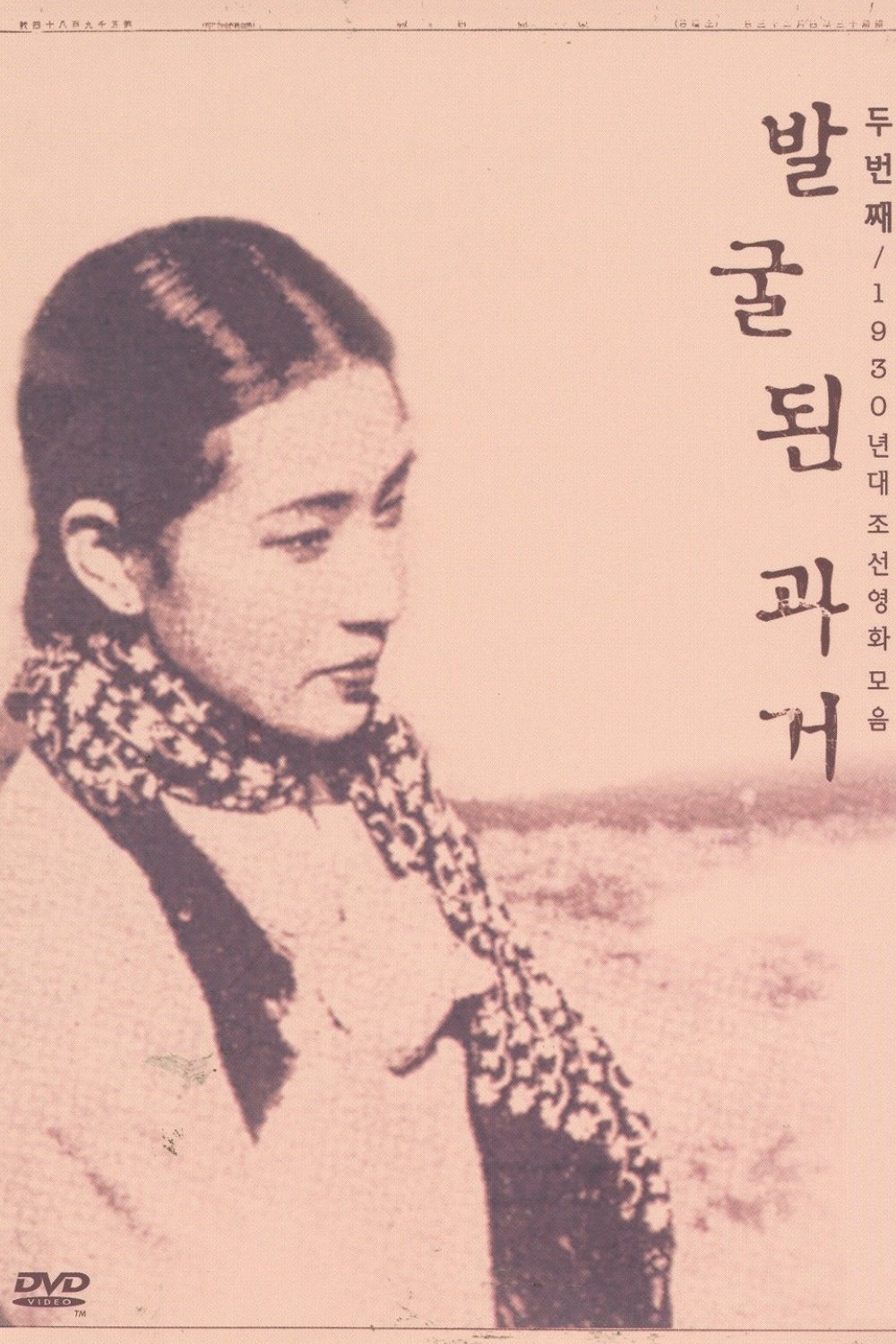
Jeom-yong Kim (Pyeong Wang) is a train conductor who wants to drive a military train. Won-jin (Eun-gi Dog) is his best friend and both live together. When a spy for the resistance approaches Won-jin for information on the Japanese military train in exchange for money, he puts the life of his best friend in danger.
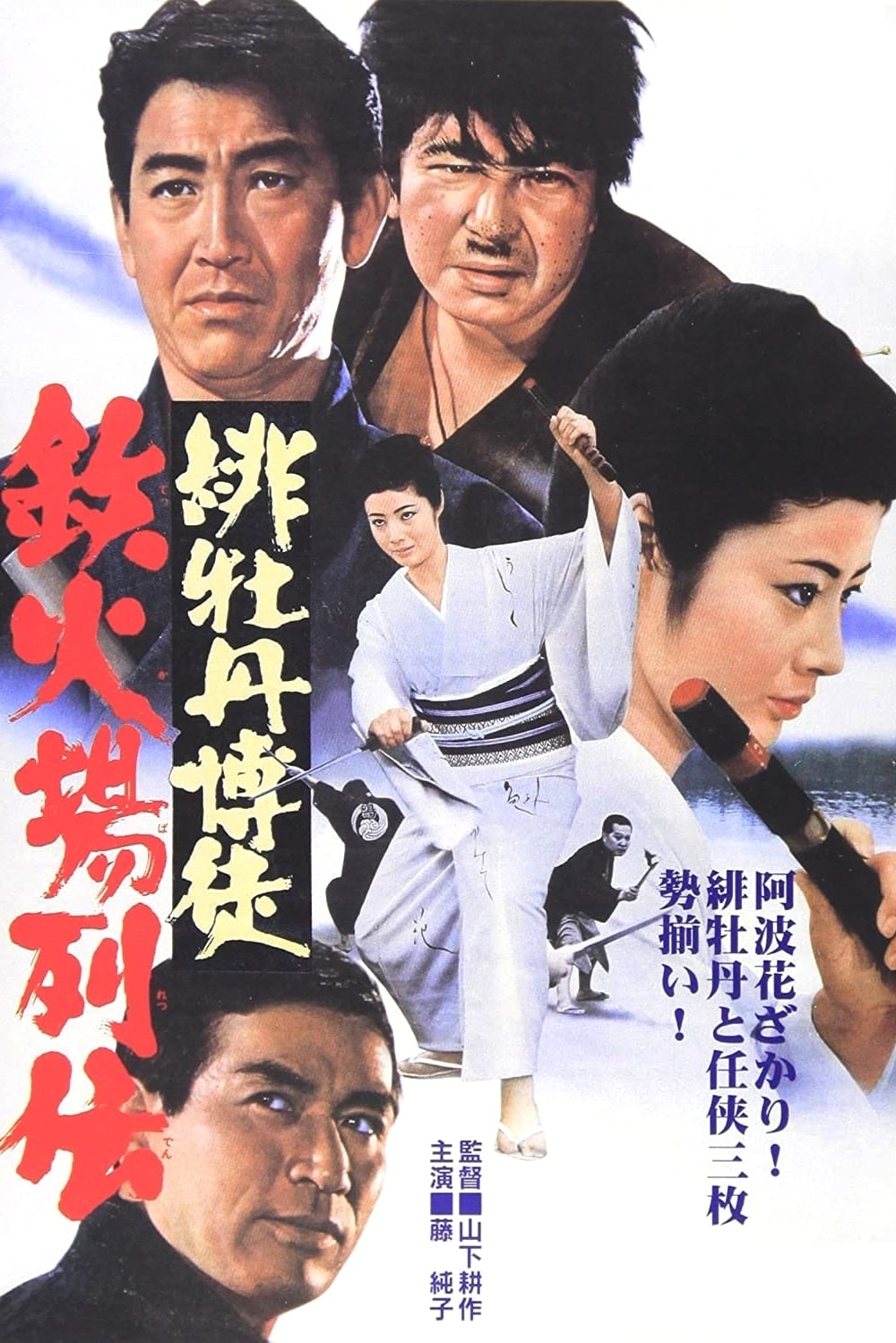
Junko Fuji returns as Oryu the Red Peony, a wandering female yakuza on a soul-searching journey after the death of her father. After collecting her sickly follower from jail, she is taken in by a fishing village. Feeling indebed to their generosity, she stays to work for the village and promises to leave her yakuza ways behind. When a dispute breaks out for the gambling rights to a local festival, the villagers are harrassed by a gang of thugs. When the harrassment turns violent, Oryu must decide wither to keep her promise or protect the villagers.
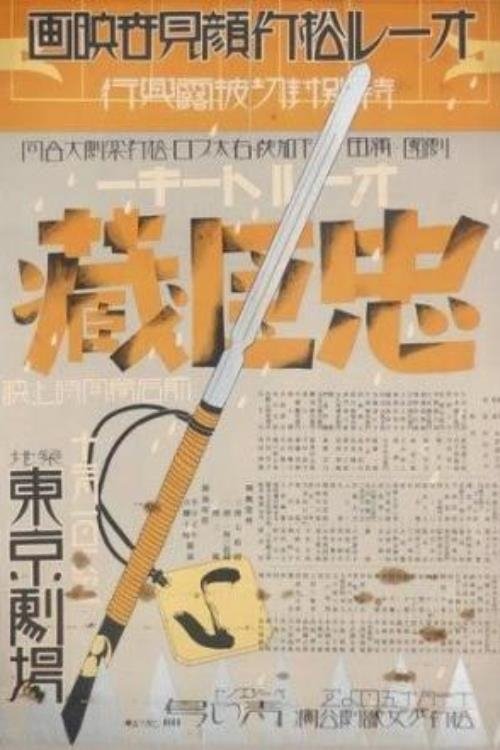
This 1932 adaptation is the earliest sound version of the ever-popular and much-filmed Chushingura story of the loyal 47 retainers who avenged their feudal lord after he was obliged to commit hara-kiri due to the machinations of a villainous courtier. As the first sound version of the classic narrative, the film was something of an event, and employed a stellar cast, who give a roster of memorable performances. Director Teinosuke Kinugasa was primarily a specialist in jidai-geki (period films), such as the internationally celebrated Gate of Hell (Jigokumon, 1953), and although he is now most famous as the maker of the avant-garde silent films A Page of Madness (Kurutta ichipeji, 1926) and Crossroads (Jujiro, 1928), Chushingura is in fact more typical of his output than those experimental works. The film ranked third in that year’s Kinema Junpo critics’ poll, and Joseph Anderson and Donald Richie noted that 'not only the sound but the quick cutting was admired by many critics.
Period film from 1934.
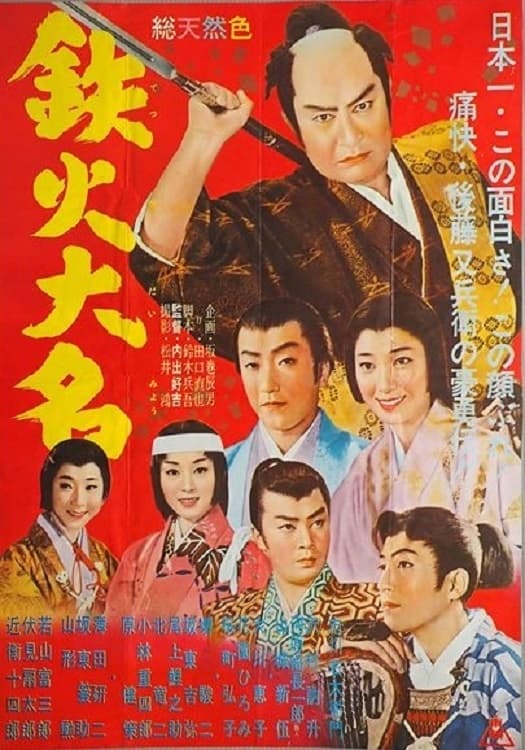
A Tokugawa Daimyo rebels against an his lord after the battle of Sekigahara. Samurai Matabei, a famous spear fighter and warrior, is a vassal of lord Honjo. One of Honjo's most trusted under-lords is Sanzaemon. He has designs on Matabei's fief, and he plots to kill Matabei. He finally convinces Lord Honjo of Matabei's guilt. Now Matabei must fight to survive.
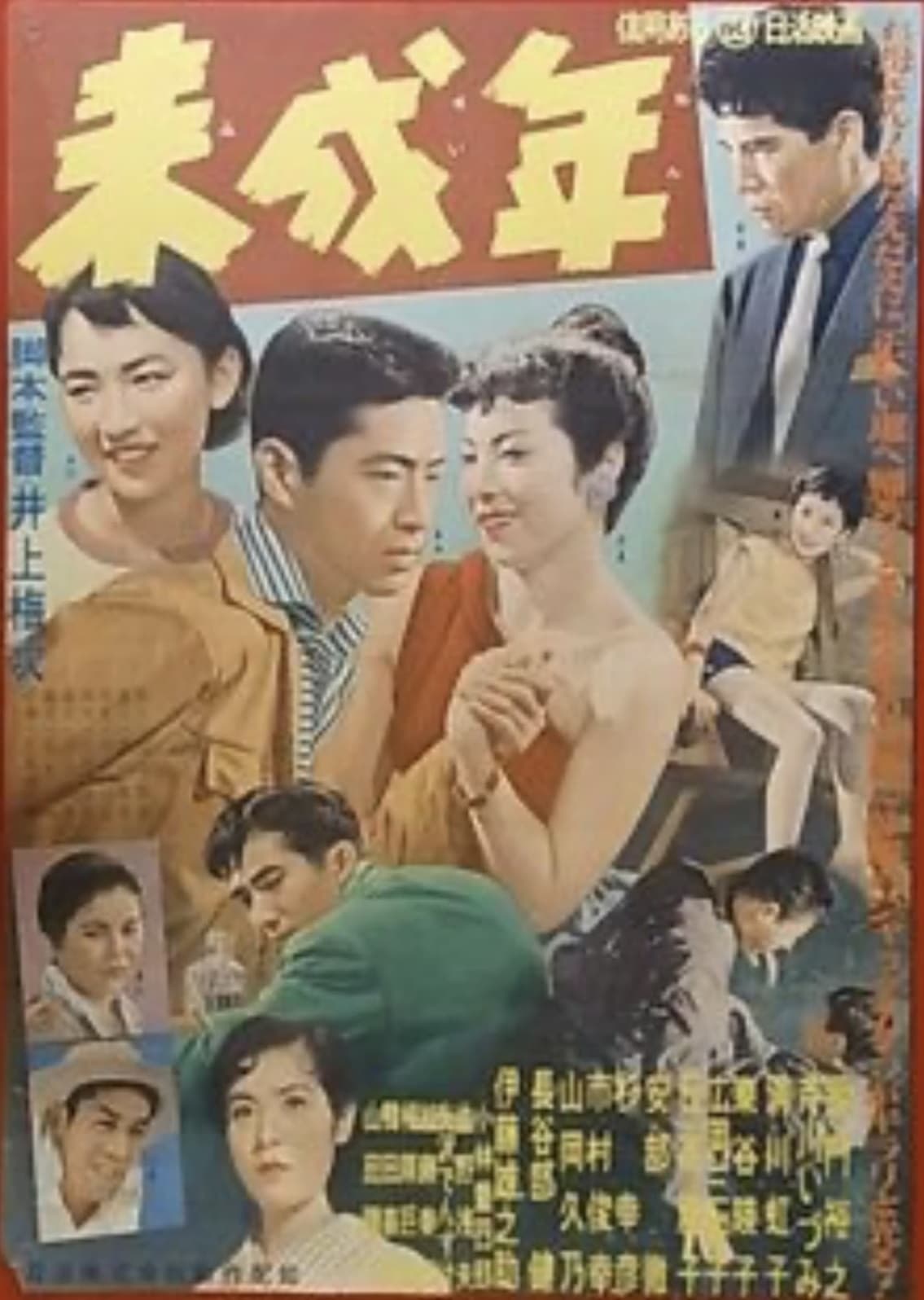
A good young man accidentally joins a group of leg breakers
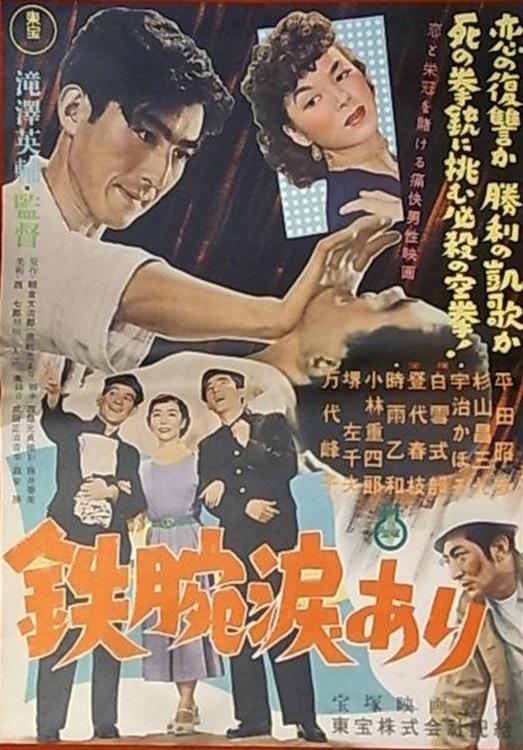
After Ryusaku Nishikawa and his girlfriend Katsuko are attacked by a gang, he trains in karate to seek revenge. Years later, Ryusaku is a skilled martial artist preparing for an inter-school match, but his past resurfaces when Katsuko, now involved with the gang, brings tragedy. In a final confrontation, Ryusaku faces the gang and finds redemption through his karate, with the support of his friends.
After Ryusaku Nishikawa and his girlfriend Katsuko are attacked by a gang, he trains in karate to seek revenge. Years later, Ryusaku is a skilled martial artist preparing for an inter-school match, but his past resurfaces when Katsuko, now involved with the gang, brings tragedy. In a final confrontation, Ryusaku faces the gang and finds redemption through his karate, with the support of his friends.
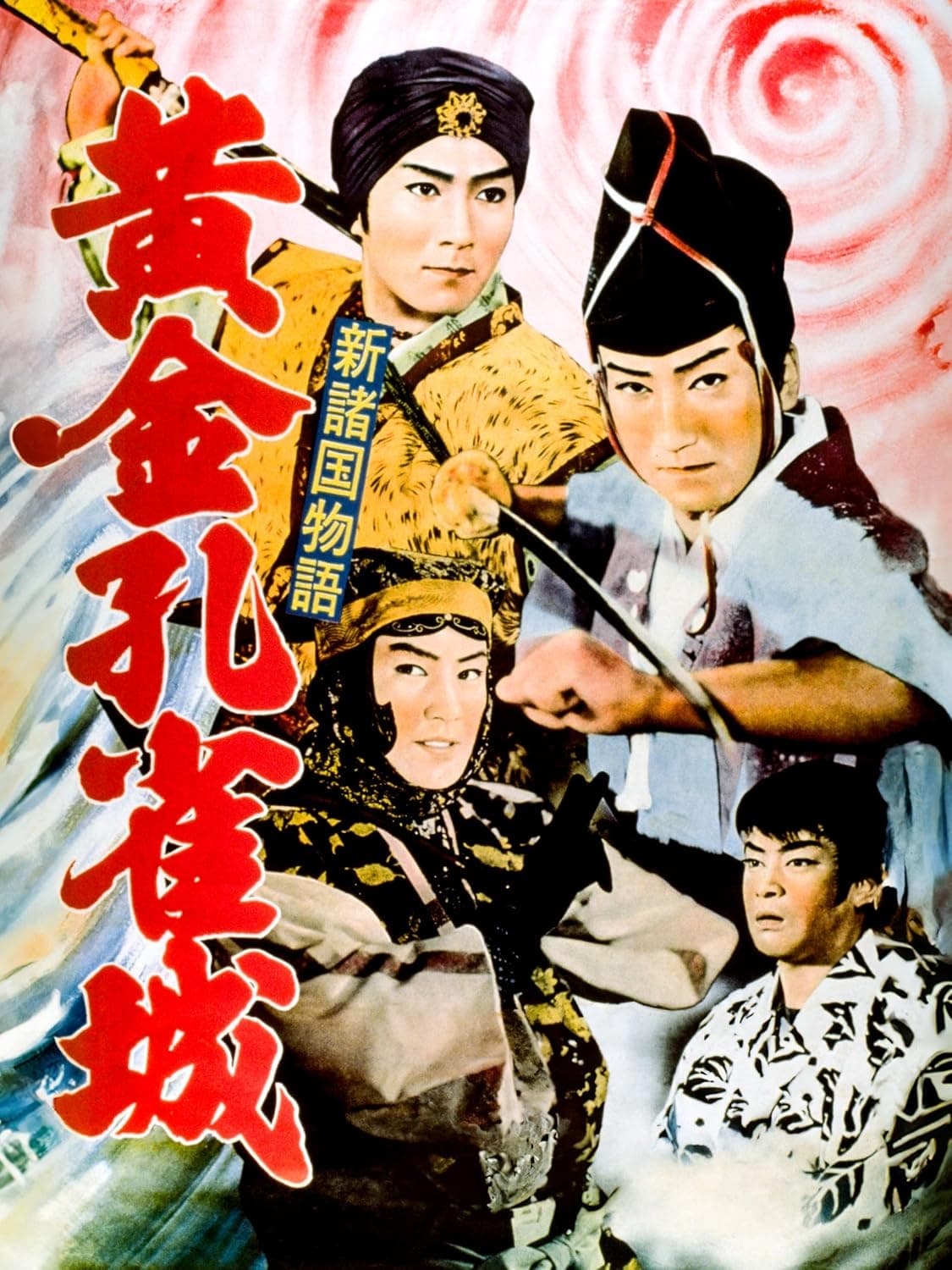
A group of pirates led by the evil Gondaiyu and his wizard, Genkuro, capture the Golden Peacock Castle and massacre the peaceful clan that lives there. The few survivors that manage to escape plot their revenge and wait for the right timing for an attack. The struggles of the Golden Peacock Clan continue as they seek to reclaim their home and prevent the evil Gondaiyu from taking their most prized treasures.
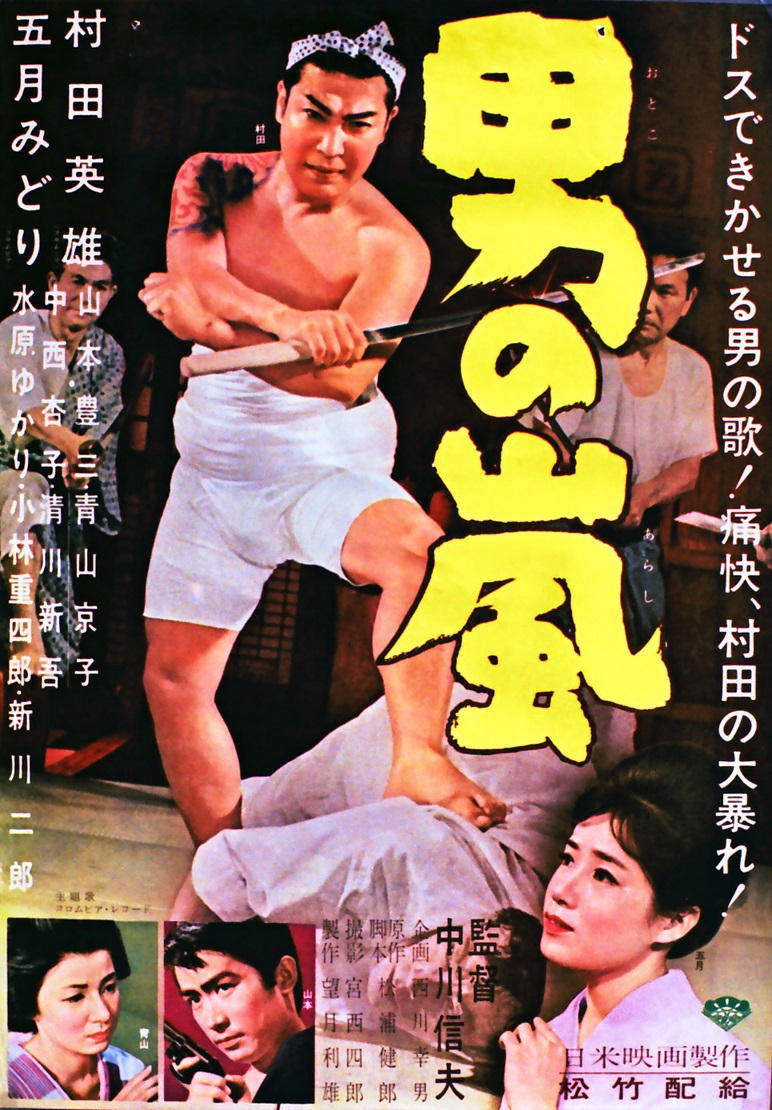
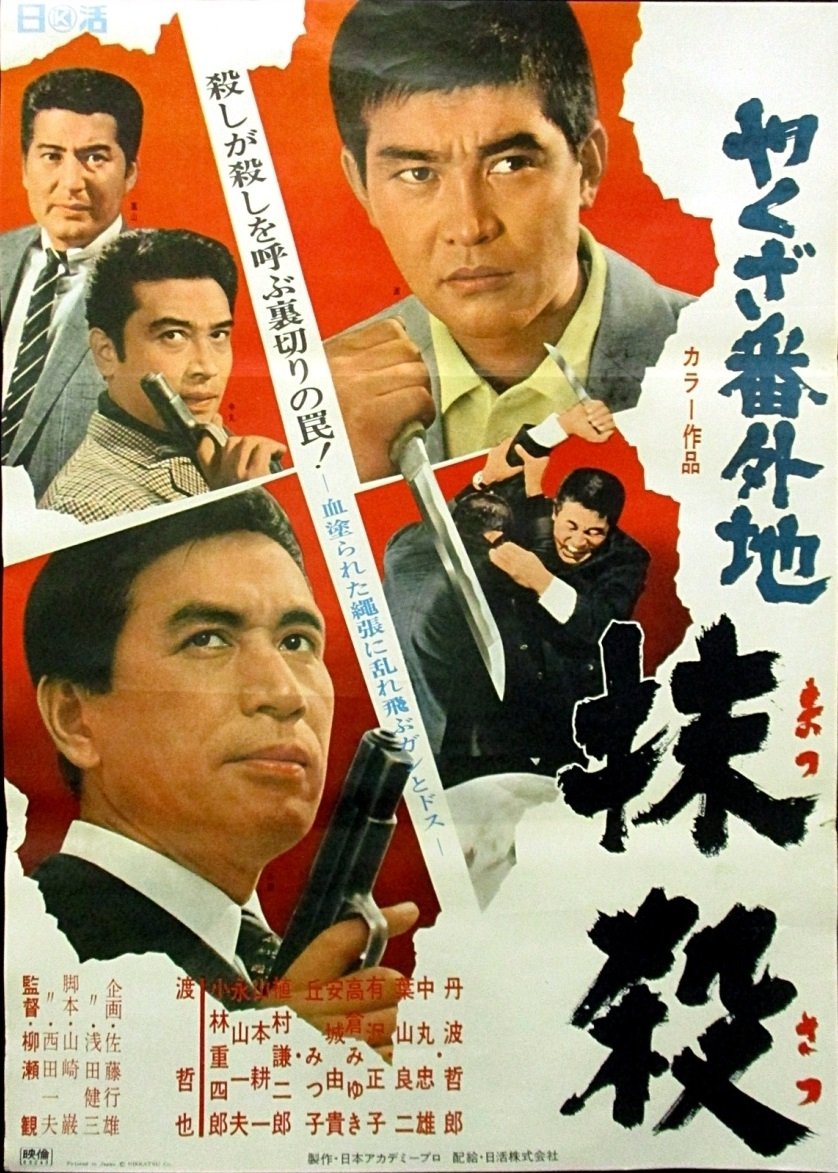
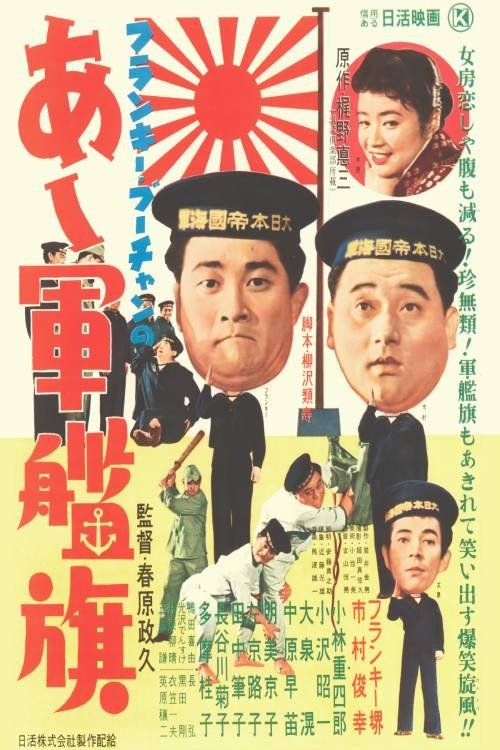
The day has come for recruits to enlist in the Japanese Marine Corps. The recruits, who have left the free world to enter this strict military life, look nervous. Monma Santaro (Frankie Sakai), who grew up in Edo and is small but smart, and Mamada Gosaku (Toshiyuki Ichimura), who was born in Tohoku and has a strong 'zuzu' dialect, have also been called up.
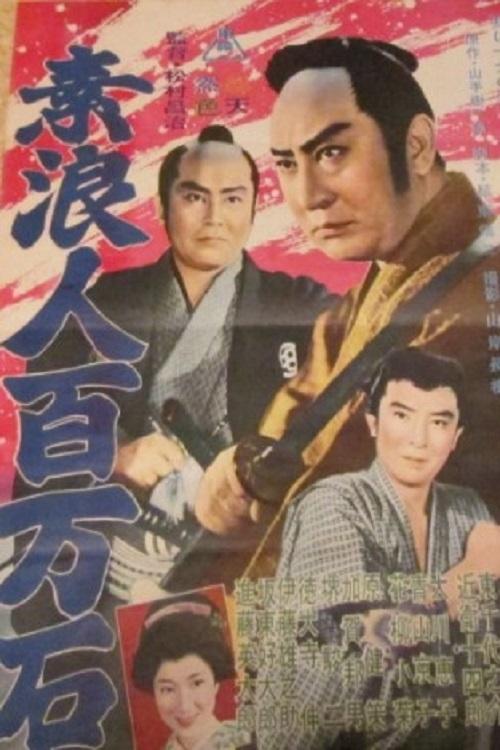
At a tavern in Shimoda, Ronin Tadakazu Yamakawa saved a samurai girl named Mino from the clutches of the Benten family. When Mino's father, Kyohei Tsuchihashi, is murdered by unknown assailants, Tadakazu is summoned to Akane-ya, the landlord of this area. He promises to ensure the safety of Mino for three days, during which the Benten family must not harm her...
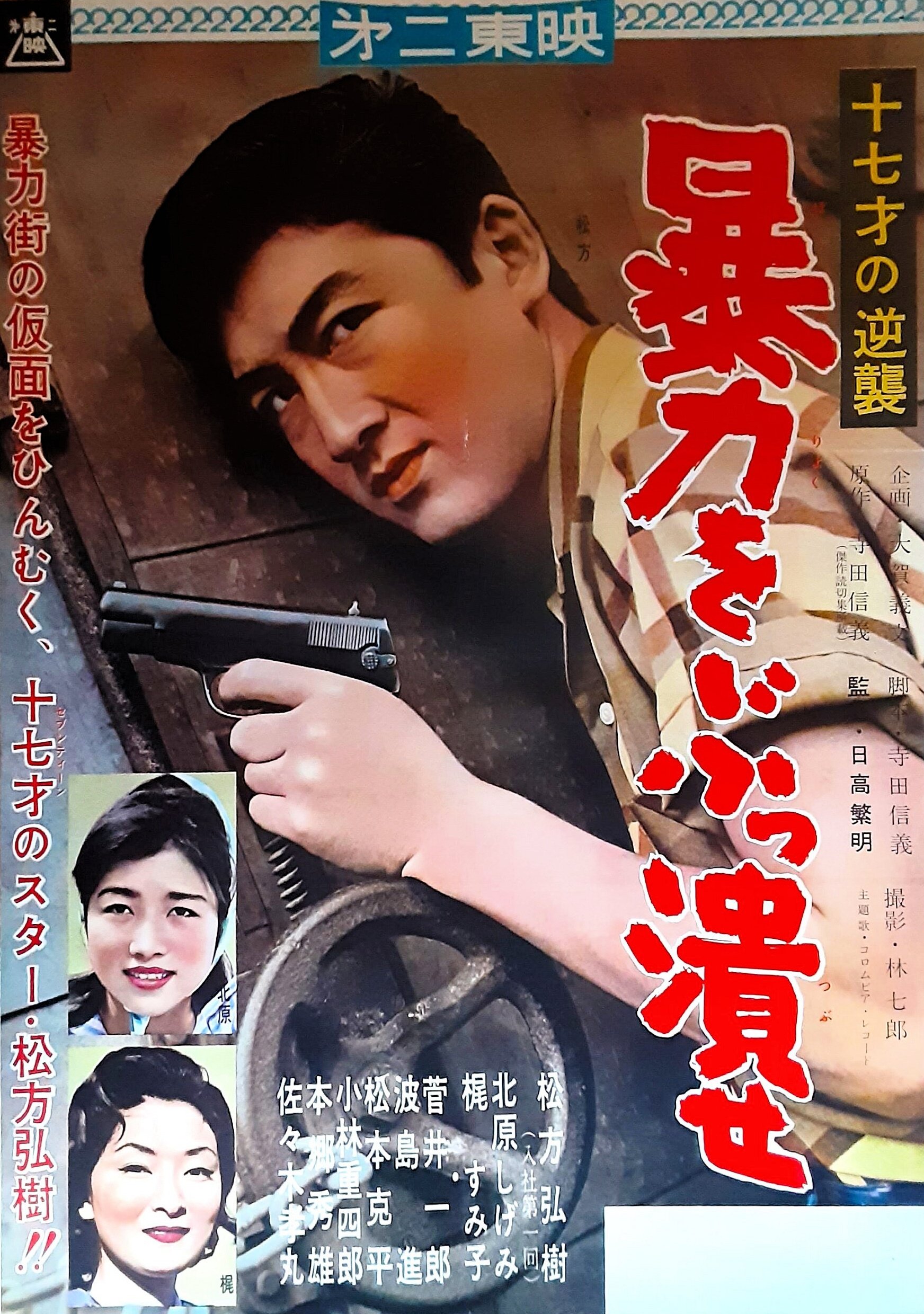
1960 Toei movie.
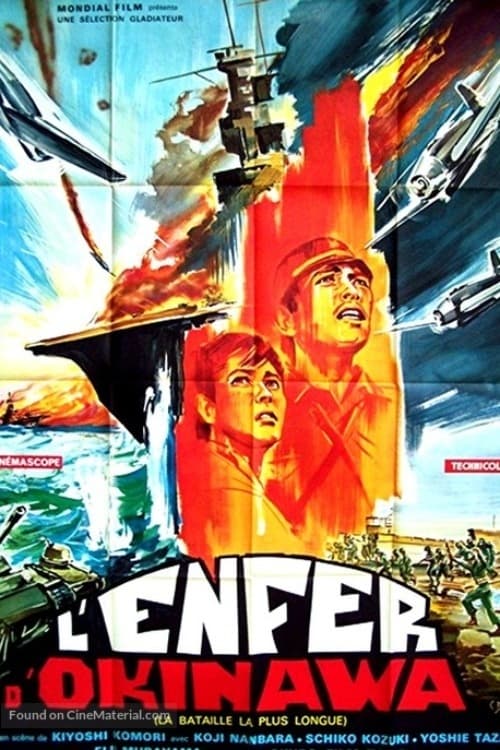
The last fight put up by remaining forces and a special volunteer nursing corps in 1944-5.
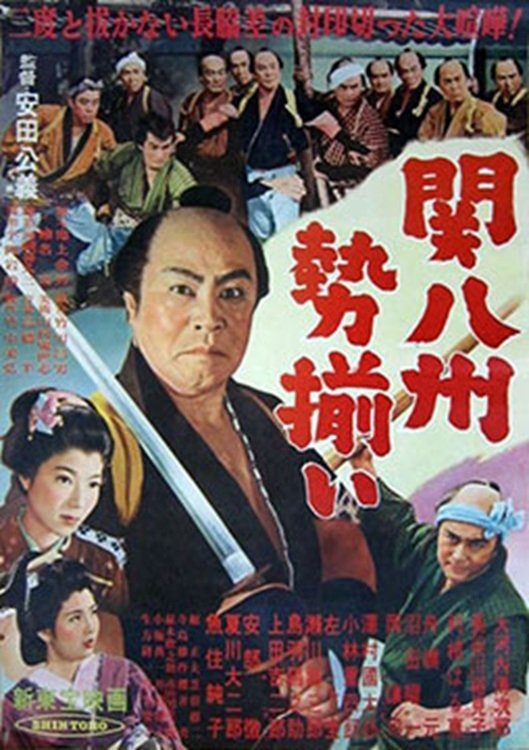
During the Tenpo era, the peasants of the Kanto region were in dire straits due to successive natural disasters. Maebashi's boss, Shiroganeya Ginjiro, allied with the magistrate Yamaoka Jintayu, and, using his baton as a shield, he committed a series of evil acts, earning the peasants' animosity. At this time, Omaeda Eigoro, who had been on a long journey, returned with his horseman Kunisada Chuji. Eigoro was popular with yakuza all over the country, and the Shiroganeya family, whose territory had been disturbed until then, were alarmed by the news of Eigoro's return.
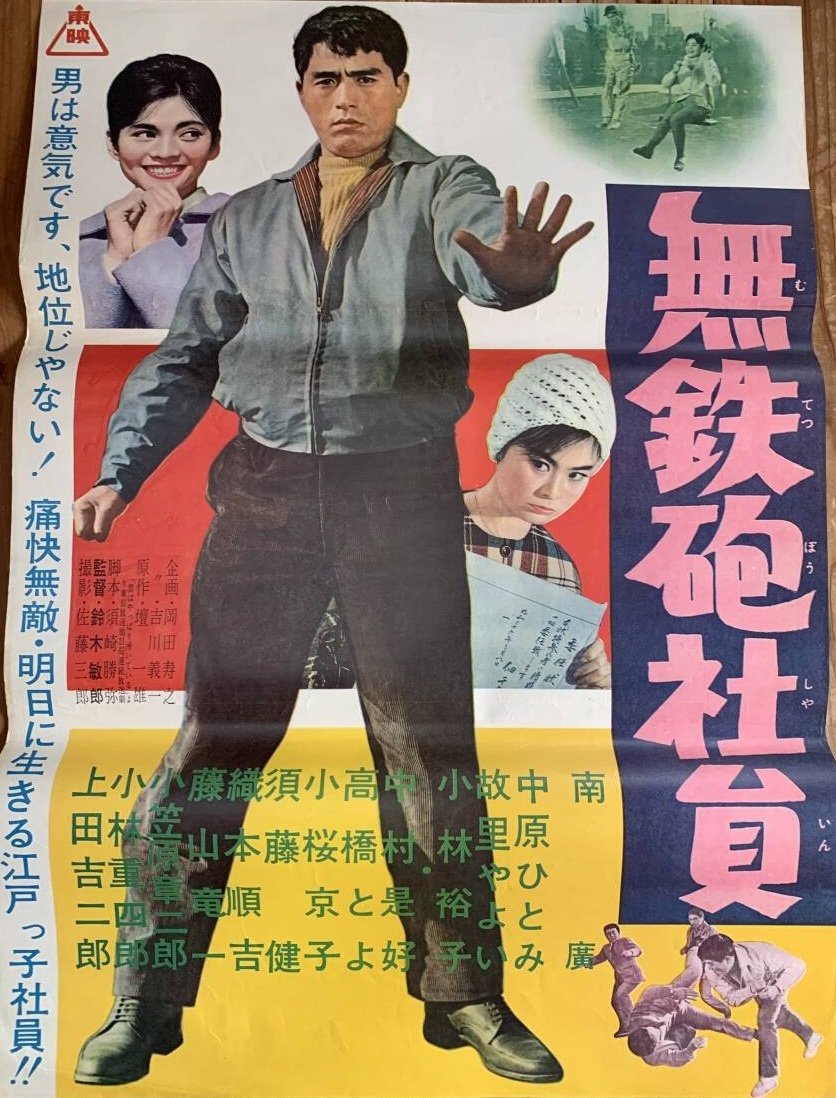
1961 Japanese movie
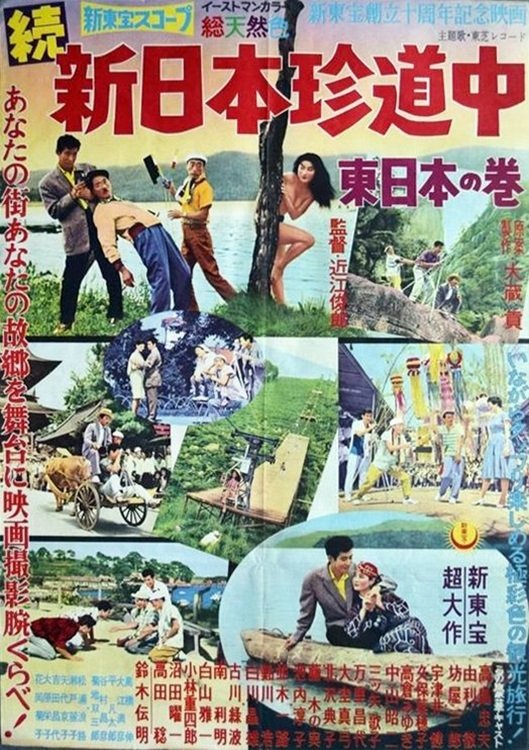
Part 2 of Holiday in Japan