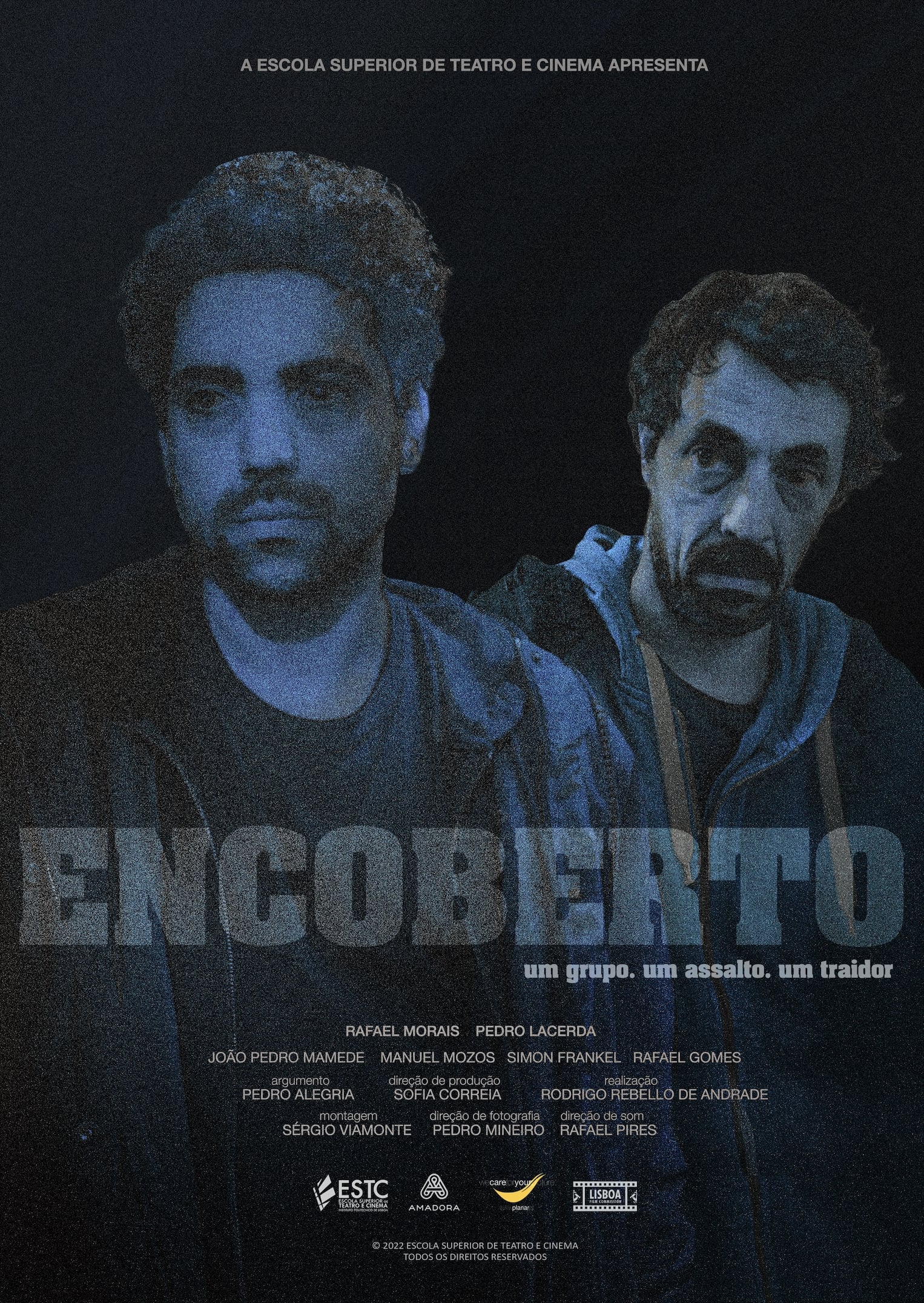
Vargas is an undercover agent whose mission is to capture a group of robbers. The robbery of a jewelry store will be the ideal moment to catch them in the act. After a conversation with Ricardo, one of the group's members, Vargas questions his view of the enemy, making the mission much more difficult.
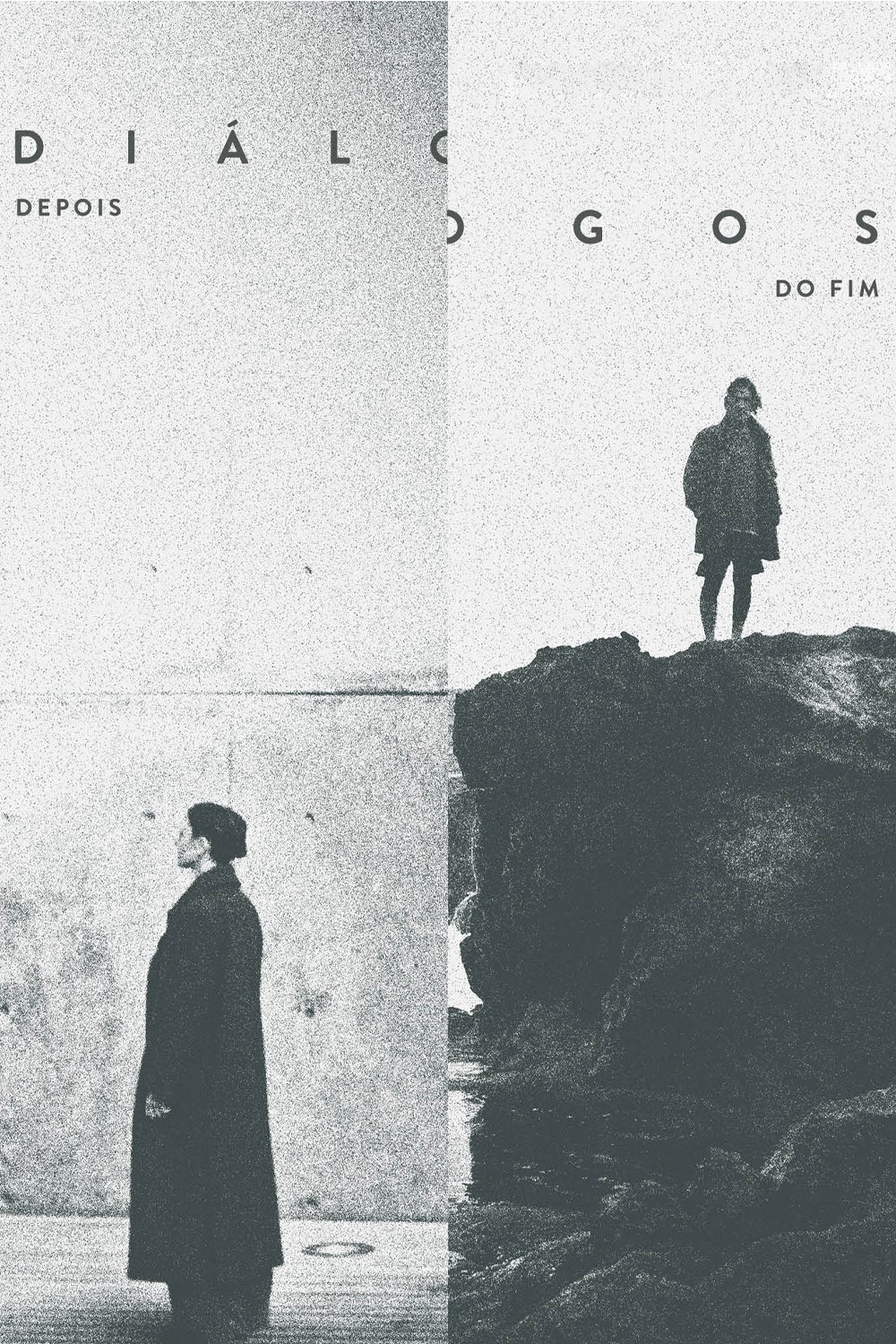
Pavese considered Dialogues with Leucò his best work. Eloquent and at the same time sententious and fragile, but implausible among humanized gods, demigods, heroes, and other pagan figures of Greek mythology, who question, through the imaginary of myths, the society of contemporary man. Out of a time and a certain space, and thus, and like all myths, always current.
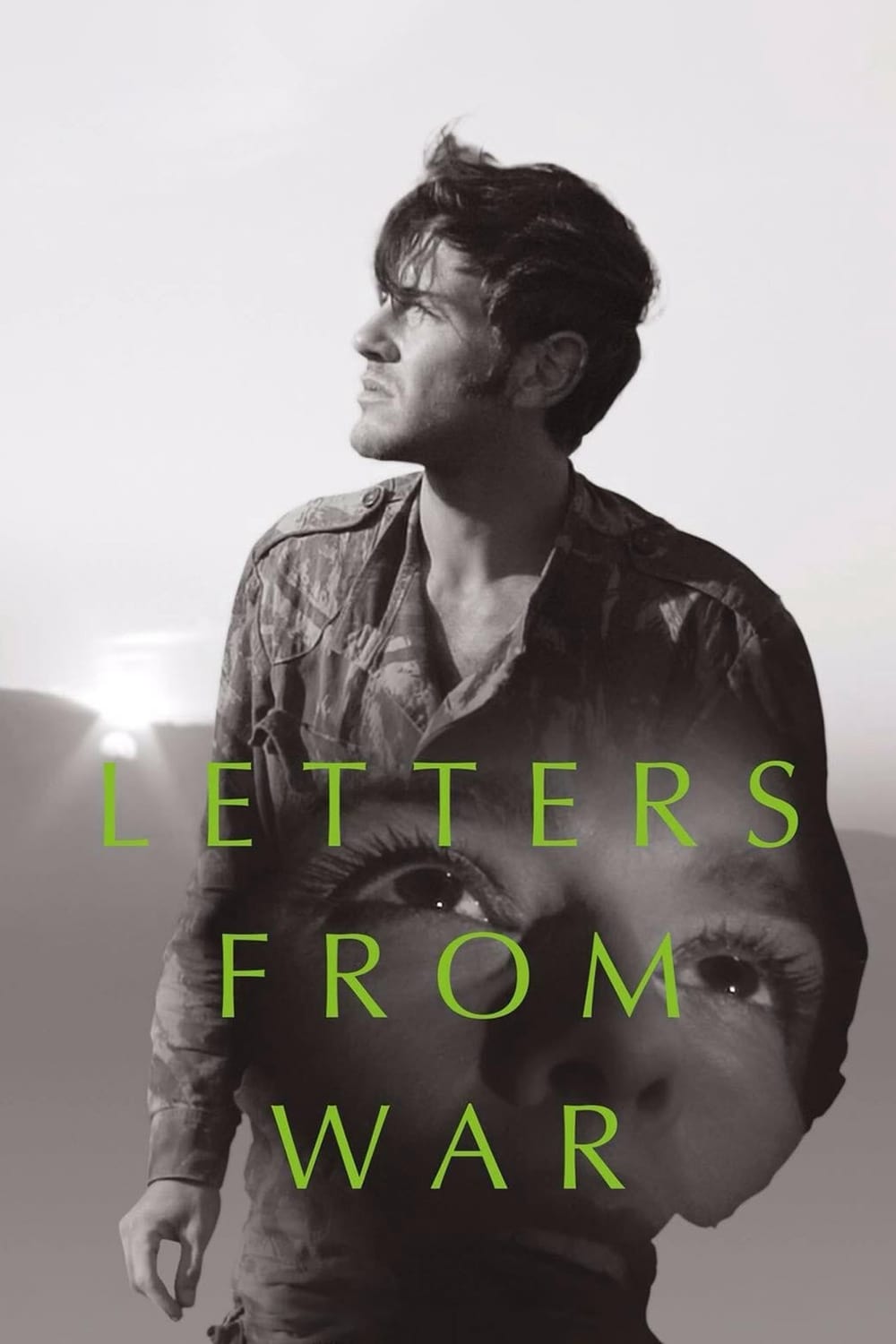
In 1971, António Lobo Antunes' life is brutally interrupted when he is drafted into the Portuguese Army to serve as a doctor in one of the worst zones of the Colonial War – the East of Angola. Away from everything dear he writes letters to his wife while he is immersed in an increasingly violent setting. While he moves between several military posts he falls in love for Africa and matures politically. At his side, an entire generation struggles and despairs for the return home. In the uncertainty of war events, only the letters can make him survive.

A protagonist in limbo, with a precarious work situation, a temporary home location. And a hidden facet of his life that he reveals to few.
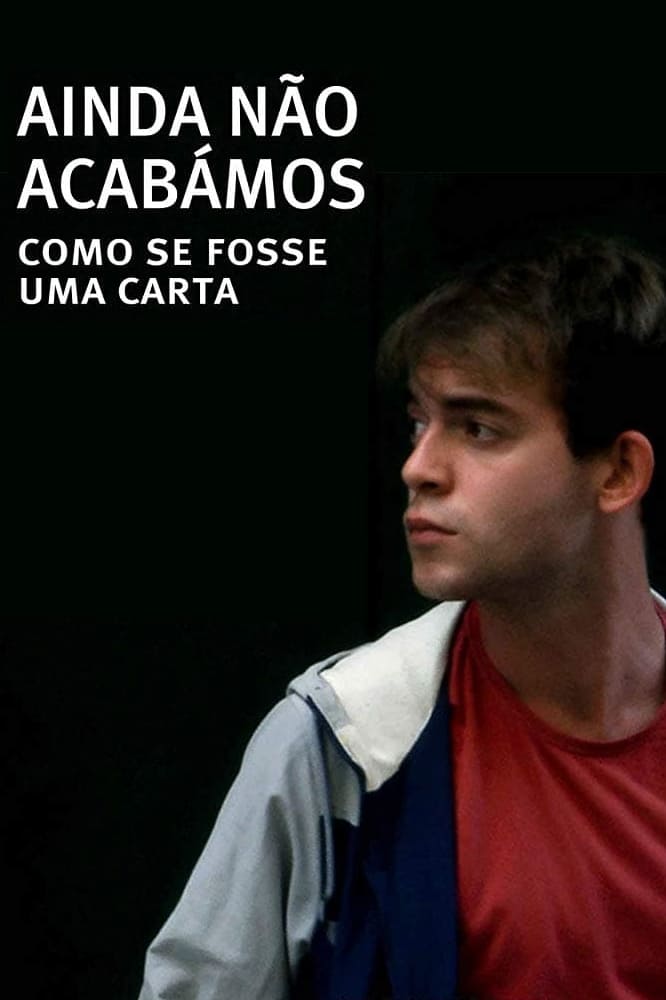
A walk for half a century, yes, a letter perhaps. Travels in my life, I could call it, which I like Garrett so much. A traveling as he would like, a loose story, memories, projects, meetings. Also because, since 1995, I have done several portraits of artists (Palolo, Bravo, Lapa, Skapinakis, Bartolomeu, Angelo, Sena, Ana Vieira and I prepare Sofia Areal and Fernando Lemos), I started to think that this is my life, these meetings , see, hear, cut, show, tease. I want, with this film continue to show what I see. [Jorge Silva Melo]
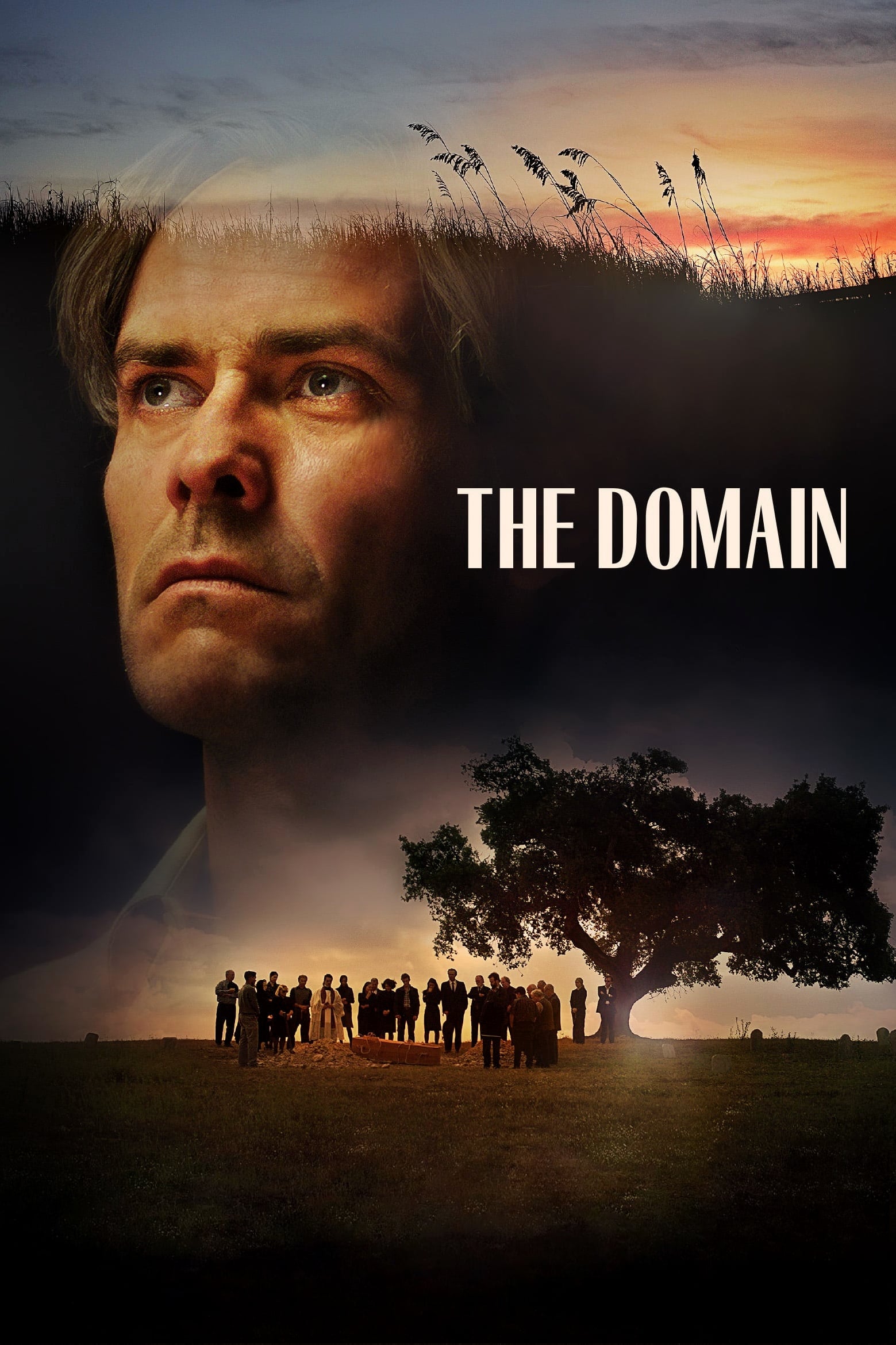
The chronicle of a Portuguese family that owns one of the largest estates in Europe, on the south bank of the River Tagus. The Domain delves deeply into the secrets of their homestead, portraying the historical, political, economic and social life of Portugal, since the 1940's to these days.
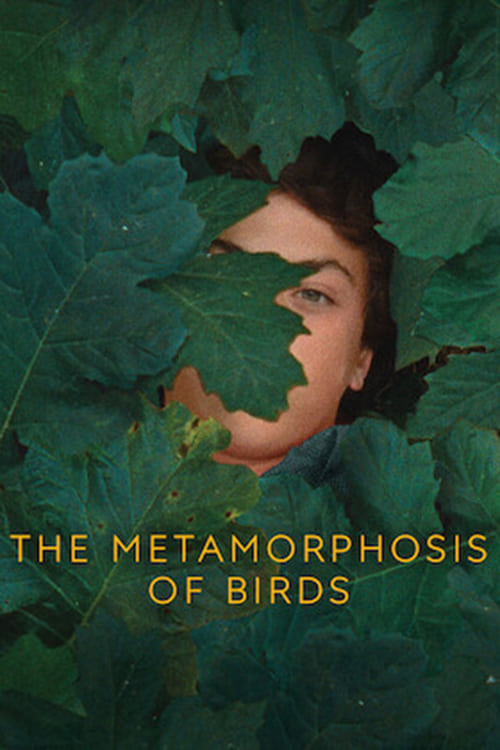
Filmmaker Catarina Vasconcelos sifts through the memories of her ancestors. Her naval officer grandfather, Henrique, who married her grandmother, Beatriz, on her 21st birthday, spent extended periods at sea, leaving her with six children. This is the beginning of a generational saga.
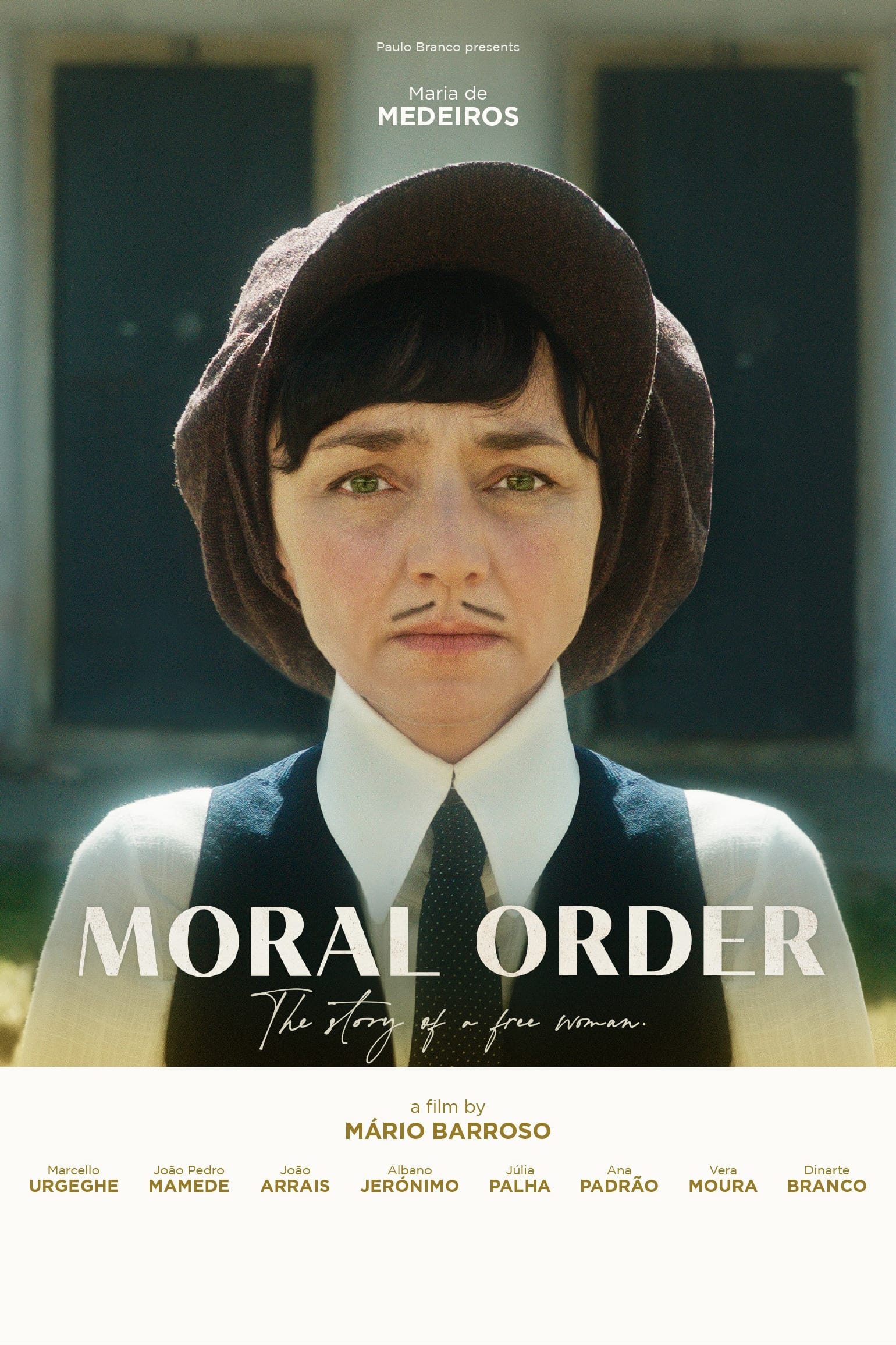
In 1918, Maria Adelaide Coelho da Cunha, heiress and owner of the Diário de Notícias, leaves the social, cultural and family luxury in which she lives to escape with a petty chauffeur, 26 years younger.
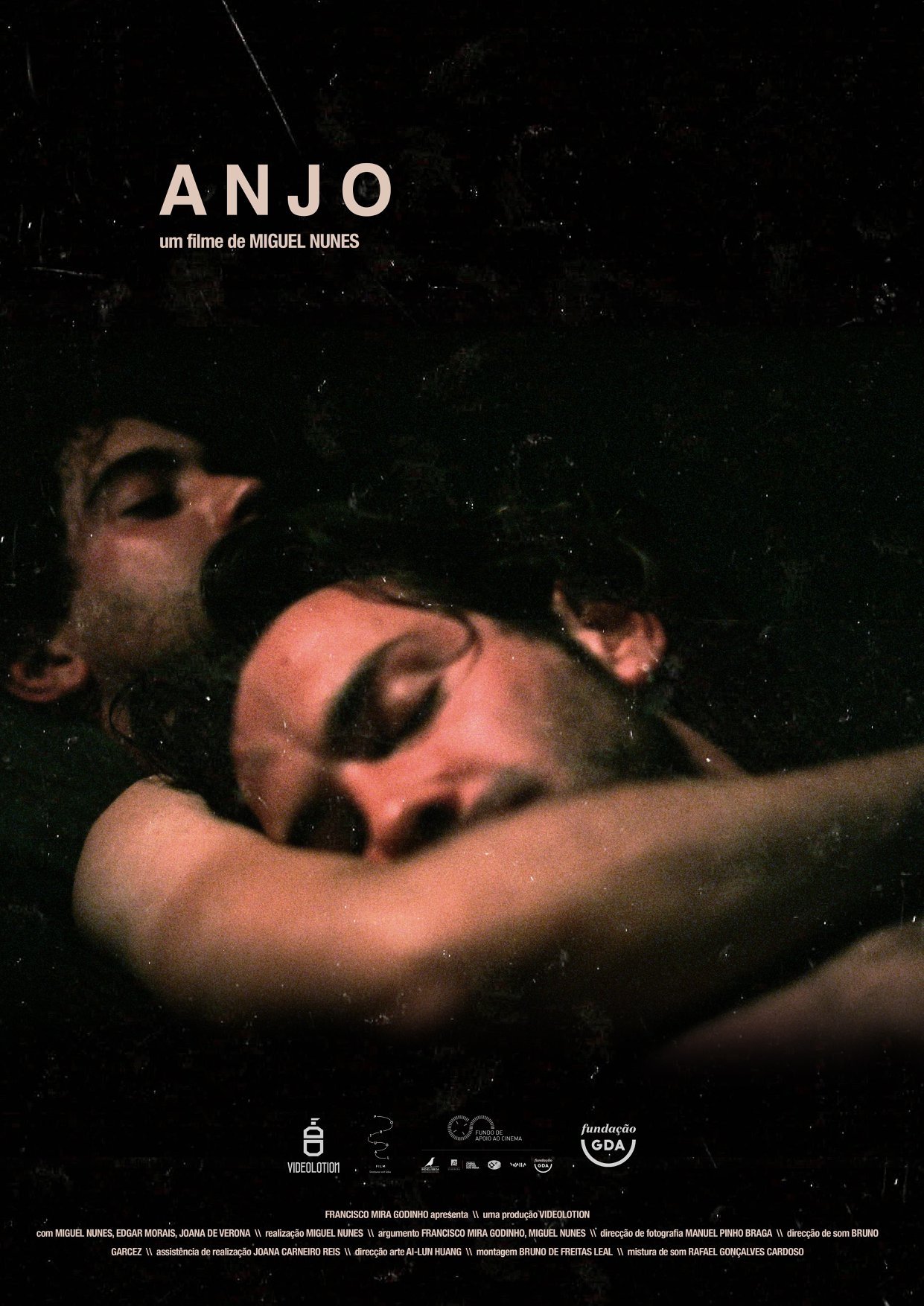
Lisbon; after another blistering summer, Miguel finds himself in a deep jadedness. An improvised party erupts at his apartment awakening the memory of a passion.
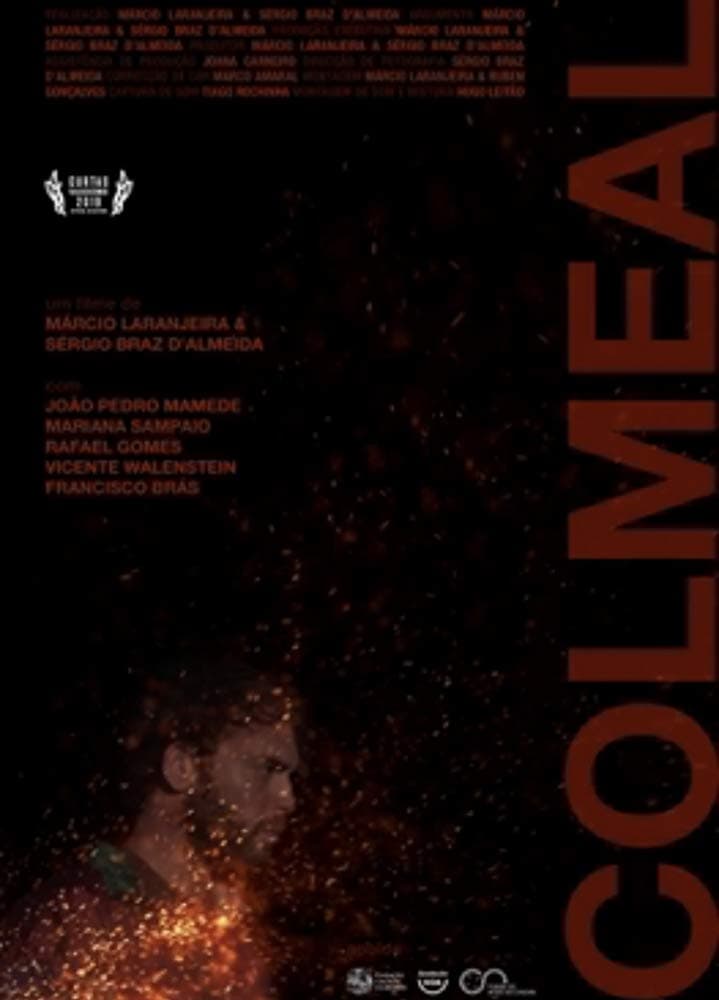
From a certain idea of Rousseauian rural purity, “Colmeal” is settled in the small homonymous village located in Riba-Côa, also known as ghost village, due to the effects of the rural exodus and the inland desertification. In an allegorical way, quite worked on the natural elements and the sound elements, the film tells the story of a young man who lives isolated and who obsessed by a woman who comes from the city to spend her summer vacation. Gradually, the young man tries to overcome the inability to deal with his emotions, seeking to discover himself, emotionally and sexually. Márcio Laranjeira and Sérgio Brás d’Almeida are debutants in Curtas Vila do Conde and propose a return to the themes of growing pains and transition to adulthood, with young people trying to find their place in the world and to define their personality, especially in context of social and loving relationships.
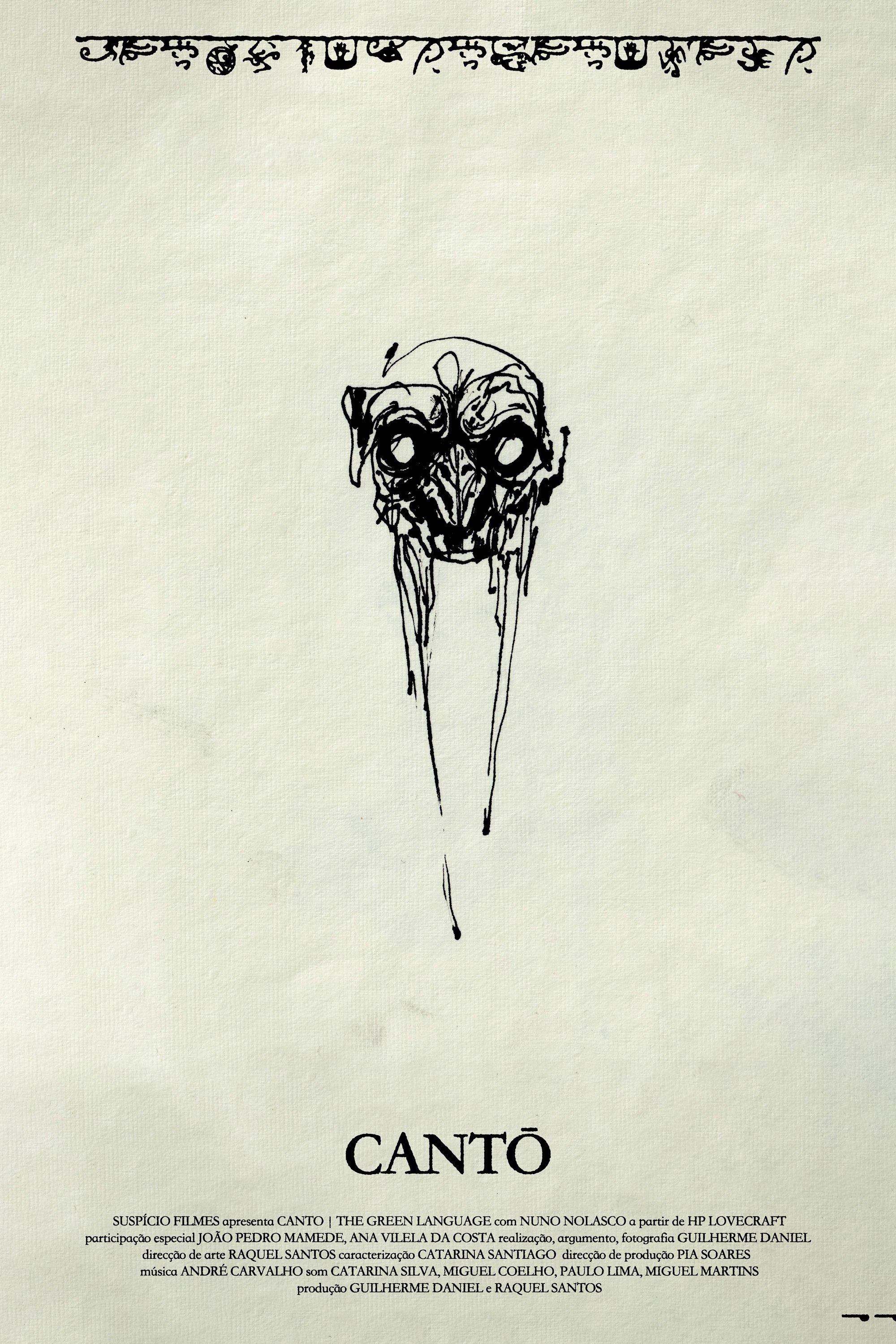
When night falls, a man pierces the darkness and encounters a monstrous being that speaks to him in an unknown tongue. Night after night he gives himself over to this obsession, trying to understand what the shadows hide. He tries to photograph it, draw it, but is consumed by the darkness.
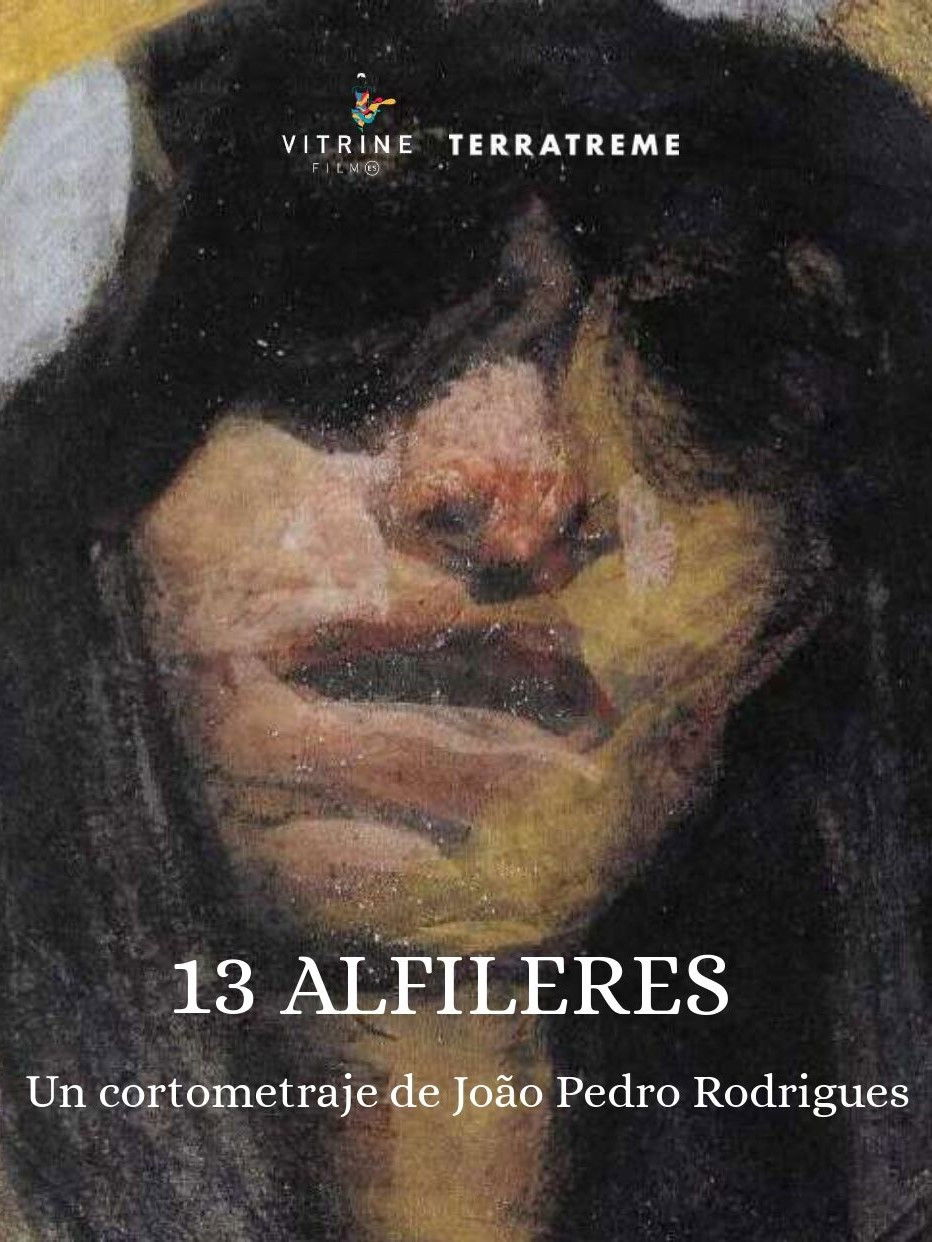
Miracles still happen—or so they say… What is the place of the sacred in the contemporary world? Looking again at a myth that haunts us, that of Saint Anthony of Lisbon (and also of Padua), through the timeless painting of Goya, 13 Alfinetes is a story of love, revenge, and blood. It begins with a reenactment of an episode supposedly occurring in medieval Lisbon, filtered through the cosmopolitan 18th-century Madrid, and returning to Lisbon today, where miracles, in truth, no longer happen.
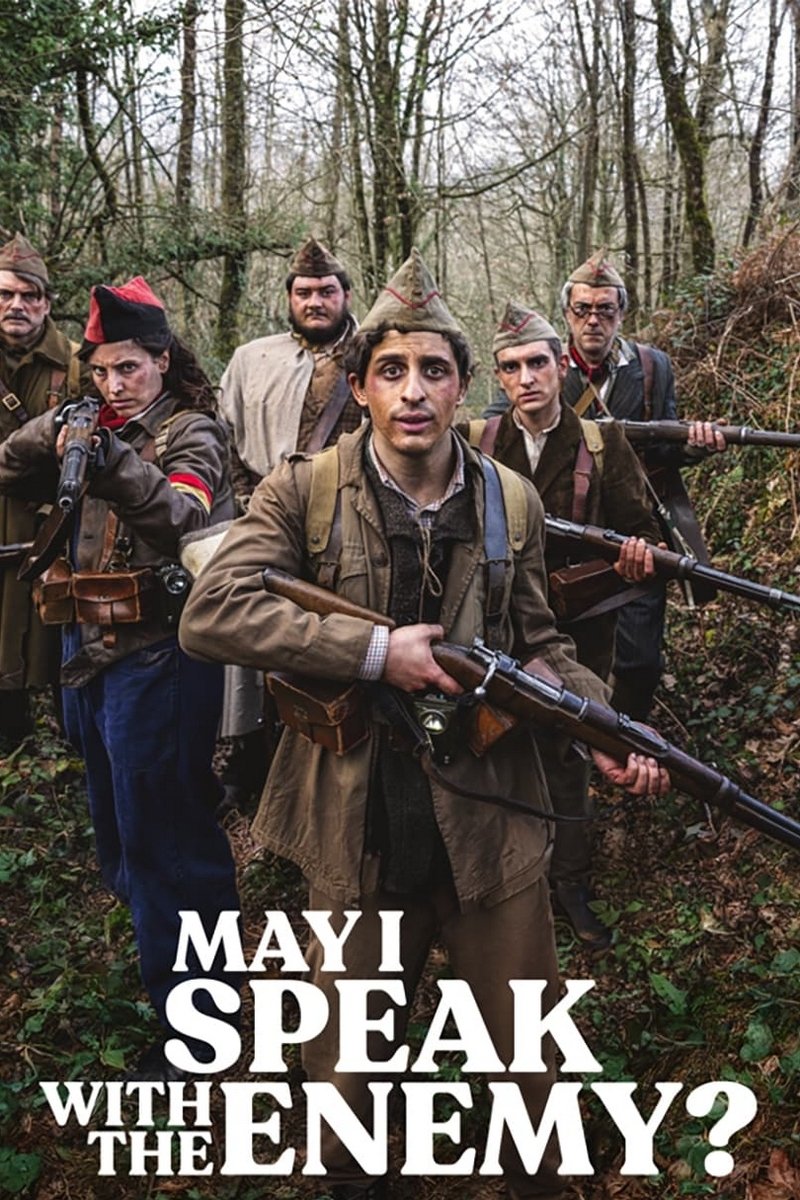
Madrid, Spain, 1936. The young Miguel Gila lives happily with his grandparents in a humble attic; but the outbreak of the Civil War forces him to go to fight.