It is not the landscape that changes. Every service station is a service station. What changes is being in movement.
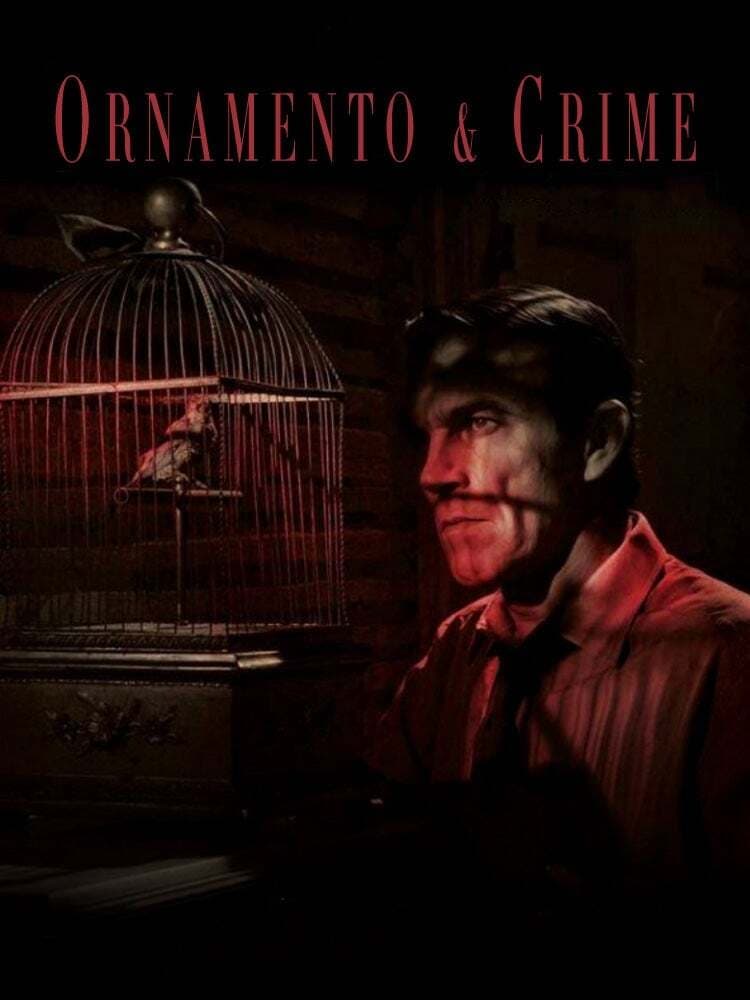
I am the double of the shadow of my own image. An allegory that occupies my place. This is my act of contrition. Beyond good and evil, I stand as an equation: Its result cannot be manipulated By morals or ethics. In mathematics there is no place for beliefs Just as life and death Are a certain fate.
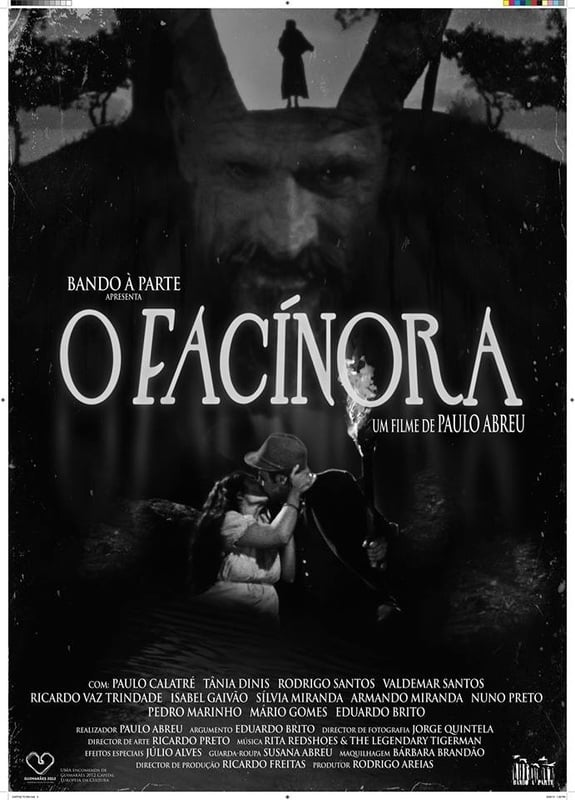
The story of a vigilante friar, zealous caretaker of goodness and order who, after suffering unrequited love for an engaged woman, becomes a terrifying villain in a quiet town.
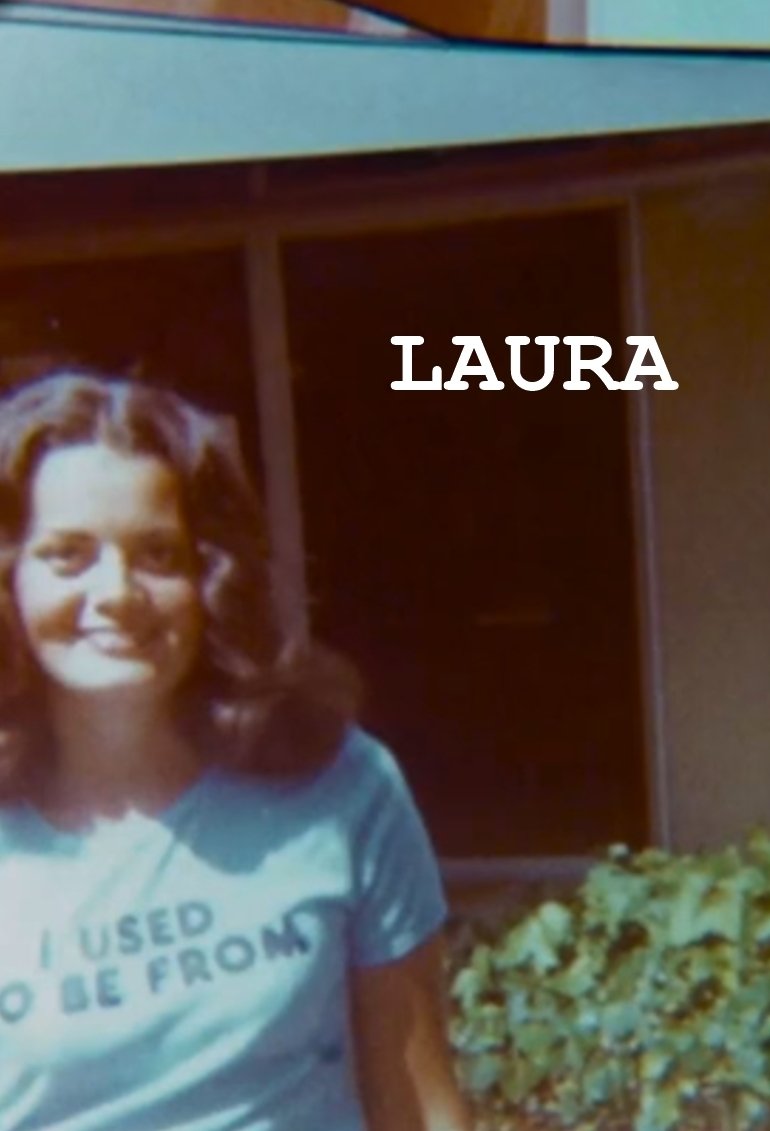
Laura is an essay film whose inception began from a project of research and collection of familial photographical archives. It departs from the exploration of the notion of images as bygone experiences in time which, from that timelessness, expand in space, thus creating small narrative moments.
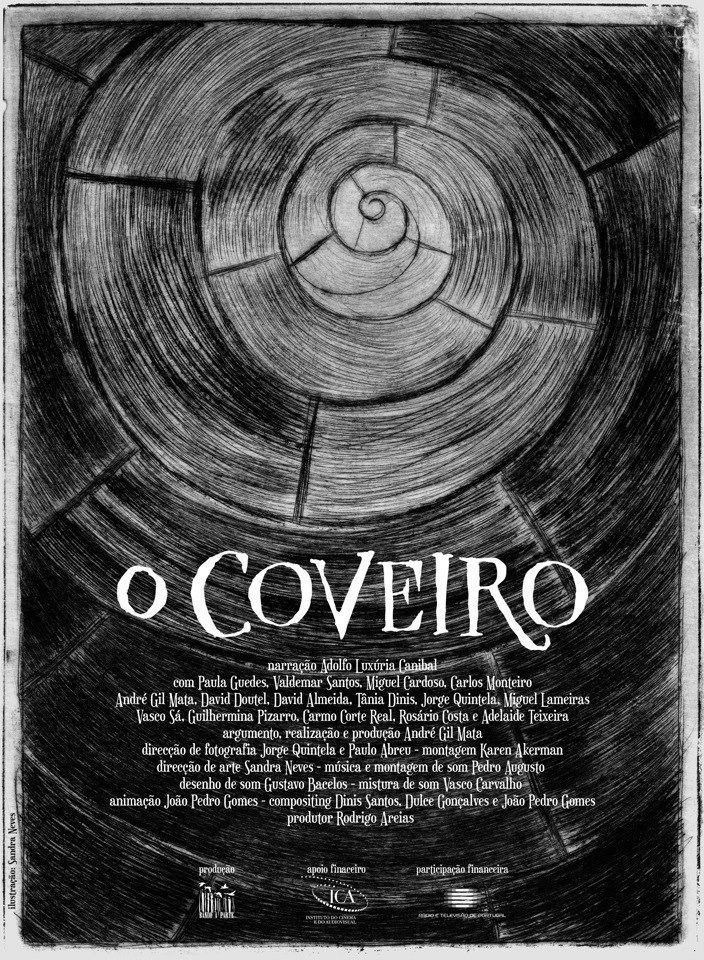
Inspired by popular cult, O COVEIRO is part light part darkness, a bedtime story and almost a nightmare. A child is born and his parents die of fright just to see him. André Gil Mata revisits the traditional Portuguese tale, in a fantastic movie where heads bounce, but you hear a song.
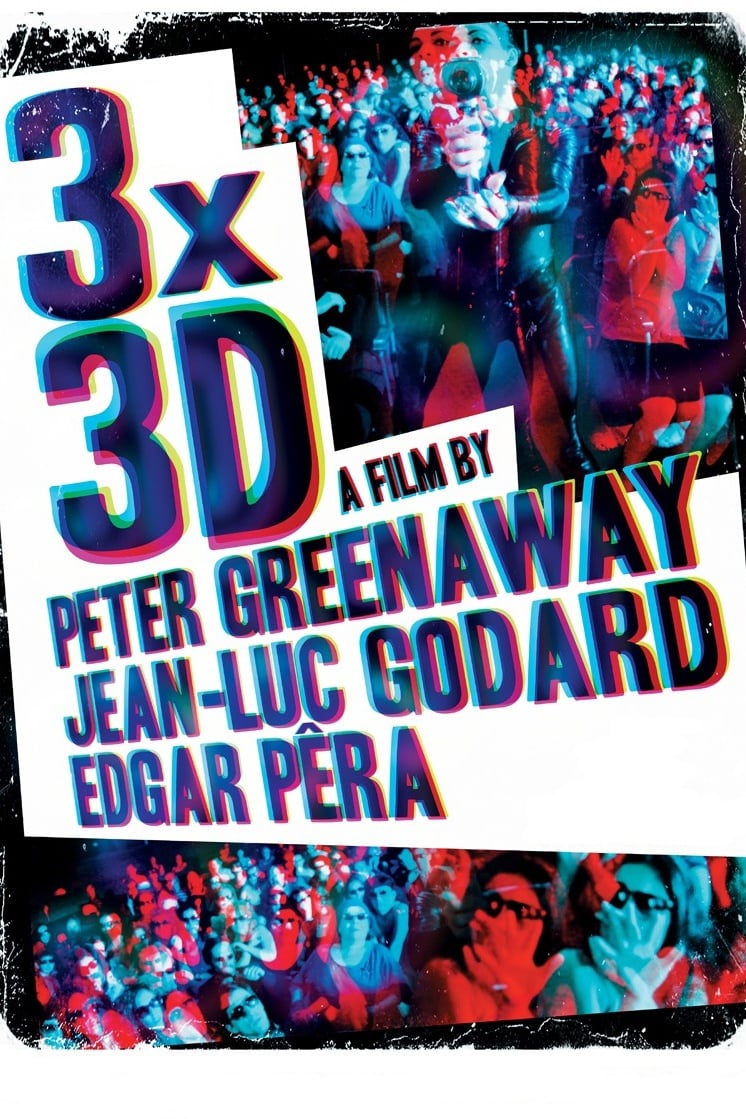
A triptych of short stereoscopic films by Peter Greenaway, Jean-Luc Godard and Edgar Pêra. Includes "The Three Disasters" by Godard, "Cinesapiens" by Pêra and "Just in Time" by Greenaway.
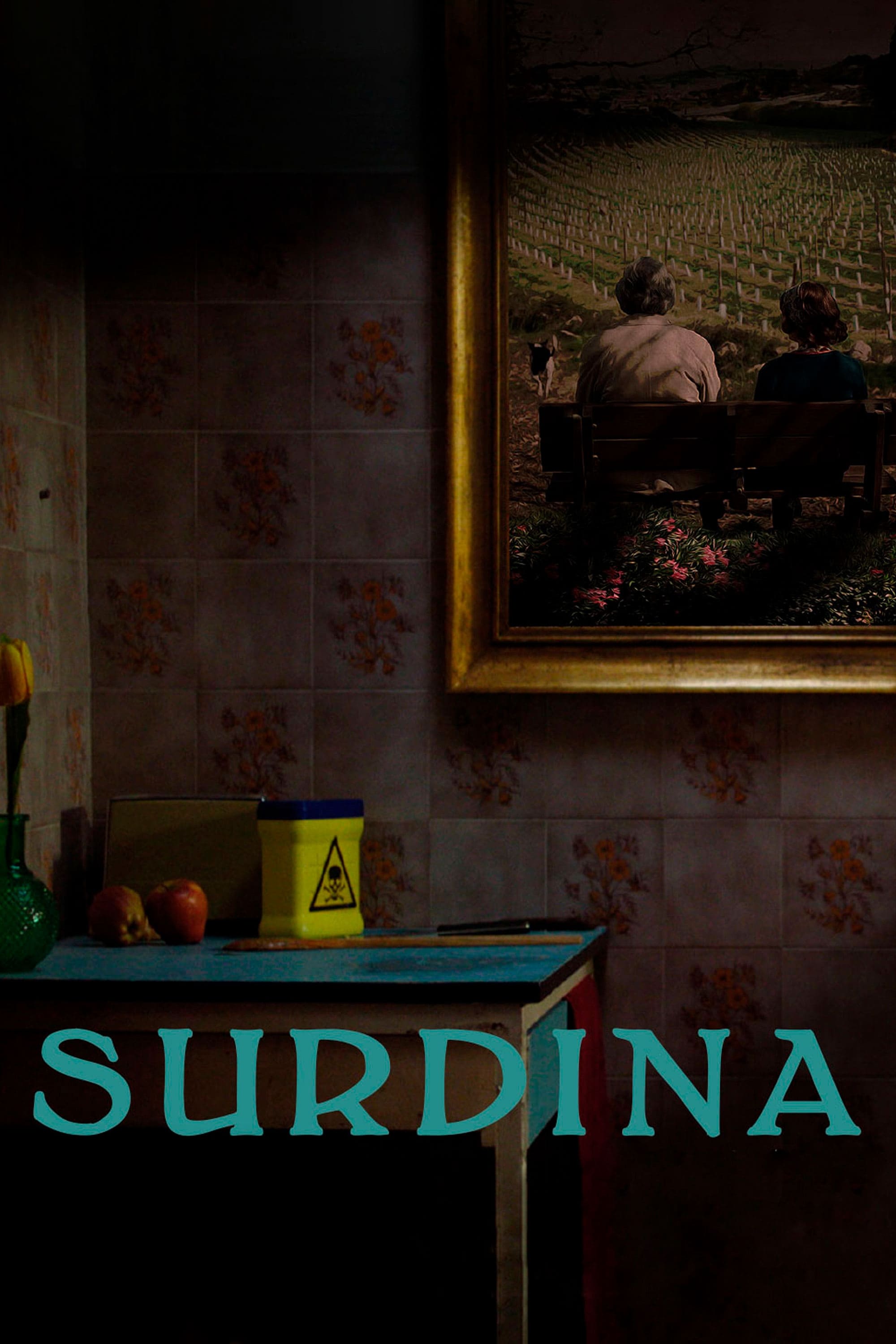
In a rural landscape, that resembles an old Portugal, an elderly man find out that his wife, whom he believed to be dead, was seen shopping in town. Spiteful and sad, he wants to hide from everyone, but his friends insist that he uses this situation to become stronger and try to get married again.
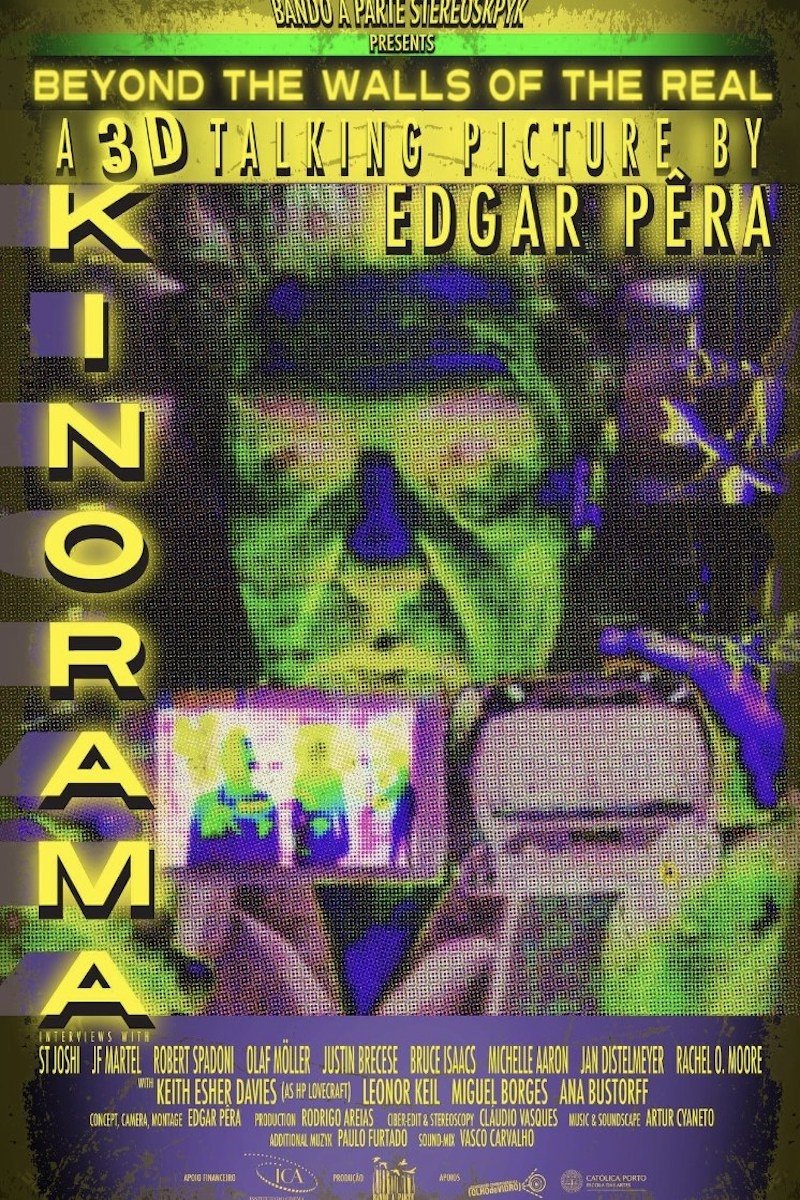
In 2016, Edgar Pêra released The Amazing Spectator, a playful investigation into cinema’s disquieting essence that had everything from negative film images of boobs and positively splendid interviews to a donkey hand puppet. The film and an accompanying book formed his PhD thesis. But as so often with him, projects turn into obsessions – especially when there are masses of notions not pondered, thoughts not elaborated upon. And so KINORAMA - Beyond the Walls of Cinema was born, a stand-alone continuation of The Amazing Spectator that looks at cinema’s future in cyberspace and, accordingly, perhaps the end of its enslavement to figurative representation, the 'stupid sacred in narrative cinema' (to use a Pêra’ism), realism and artificiality in 3D cinema, and many other aspects.
The West is not a primitive realm simply because the Sun sets there. But if it were primitive, an imaginary tribe could adopt the spell of Cinderella's shoe as a mating ritual. Indeed, the less often you are chosen, the more your hoped-for partner becomes a Messiah, a ghost of Prince Charming. In any case, if there isn’t such thing as a generalized cold war between male and female, there is at least a wall separating the mythic elements that define the genders: a kiss is a form of eternity as deceitful as that which brings together the Sun and sea.

Jorge de Sena was forced to leave his country. First he moved to Brazil, and later to the USA. He never returned to Portugal. During his 20-year-long exile, he kept an epistolary correspondence with Sophia de Mello Breyner Andresen. These letters are a testimony of the profound friendship between the two poets, letters of longing and of desire to “fill years of distance with hours of conversation”. Through excerpts and verses, a dialog is established, revealing their divergent opinions but mostly their strong bond, and their efforts to preserve it until their last breaths.

An effervescent painterly film tribute – replete with driving organ soundtrack – to 18th-century poet and satirist António Lobo de Carvalho, otherwise known as The Wolf of Madragoa.
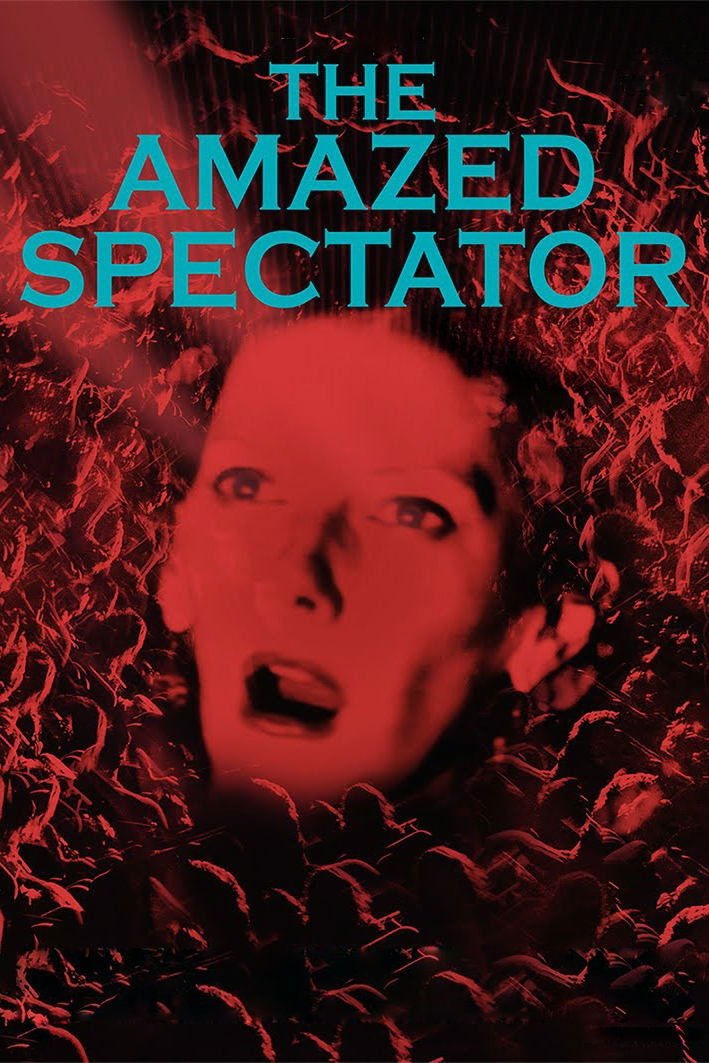
A kino-investigation about spectatorship, a continuous conversation between different kinds of spectators: which one is more cinema: Citizen Kane on a mobile phone or a football game projected in a cinema theatre? What is the cinema of uncertainty? How many kinds of amazement exist? Does fear and belief precede amazement? What are the rights and duties of the spectator? Is the essay film a manifesto against voyeurism? Should spectators be paid? What amazes the spectator of this day and age?
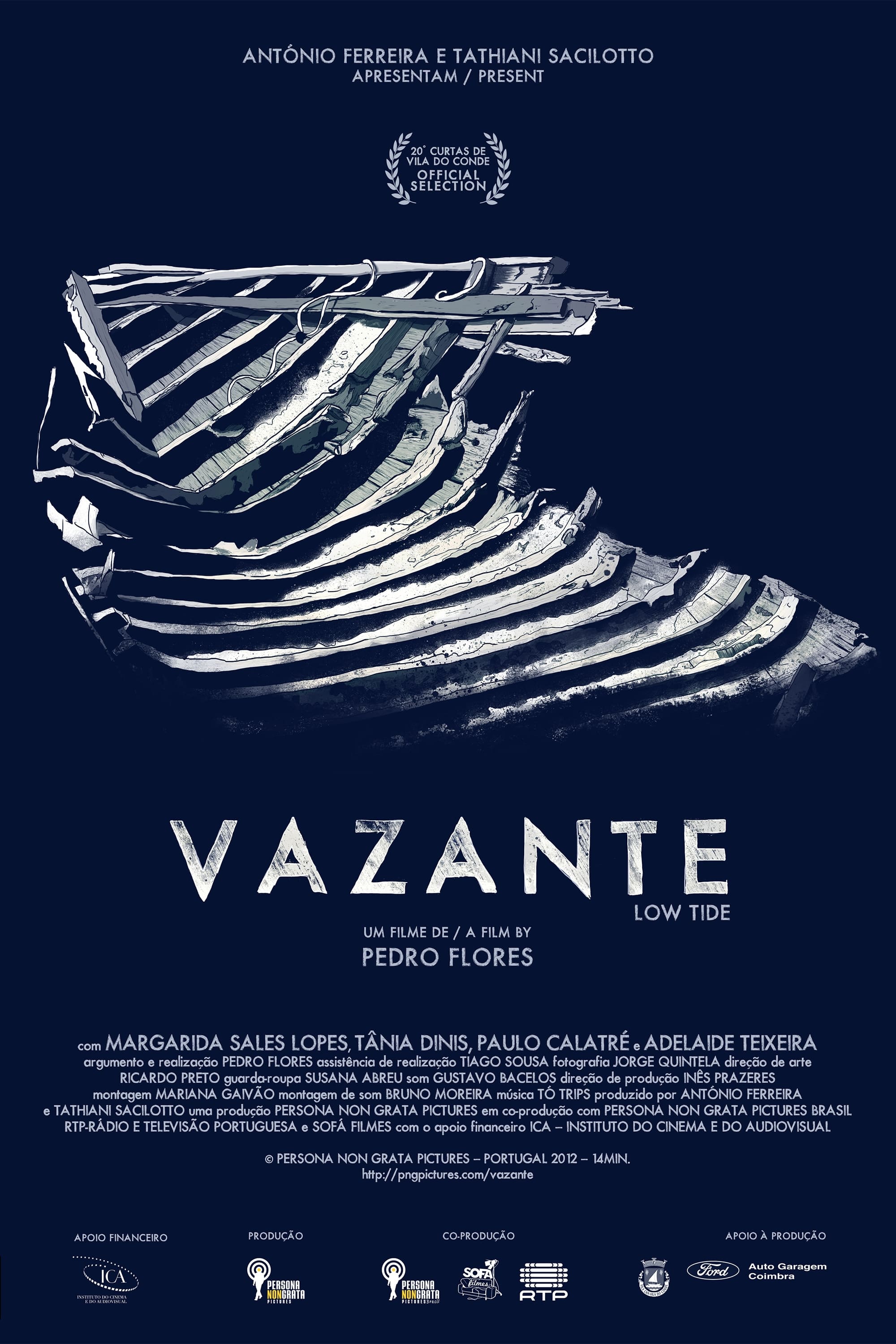
What the ocean bringeth, the ocean taketh away
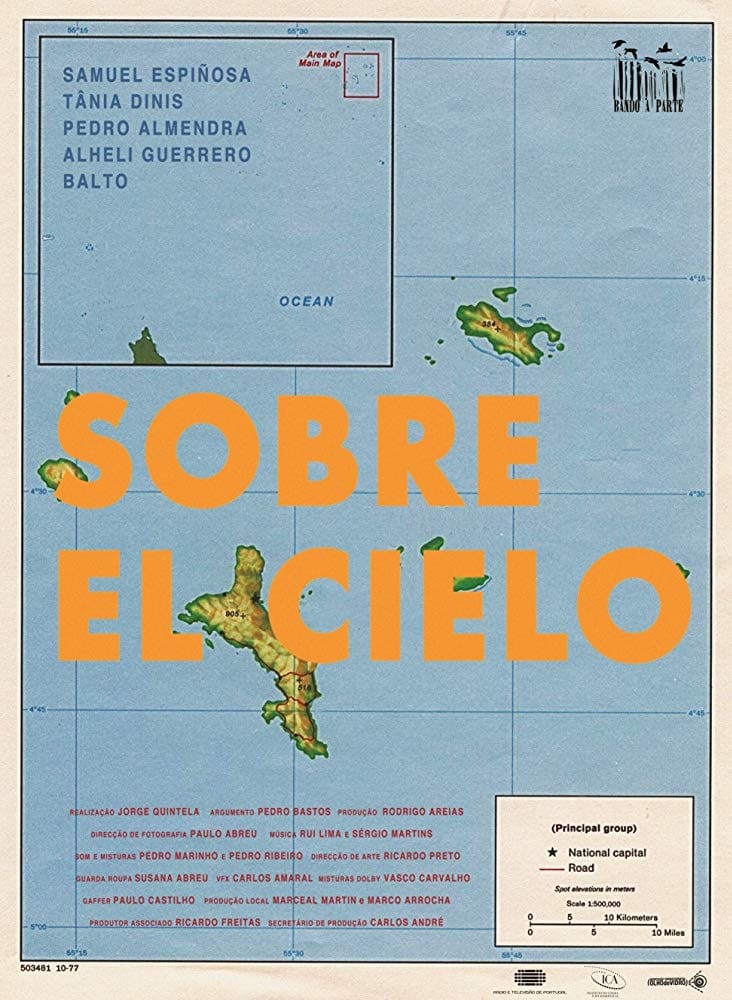
Your past already is the projection of your future. However, it was never more than a light in the sky.
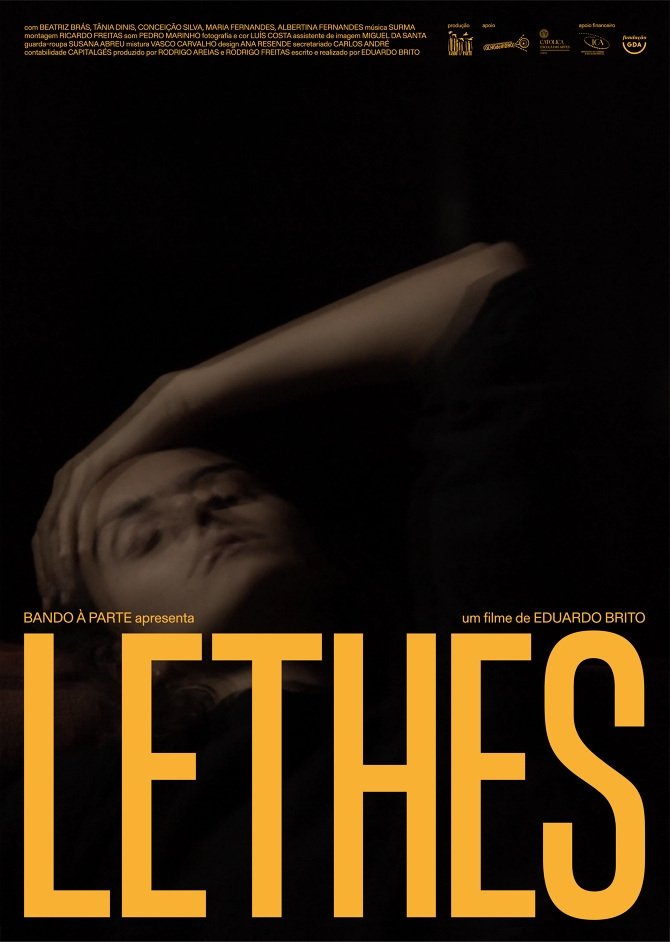
There is a village in the mountain and a house in the village, where Ema repeats gestures and tasks: she takes care of her grandmother, walks, reads, waits. Until one day the cycle breaks: what happened in the mountain house?