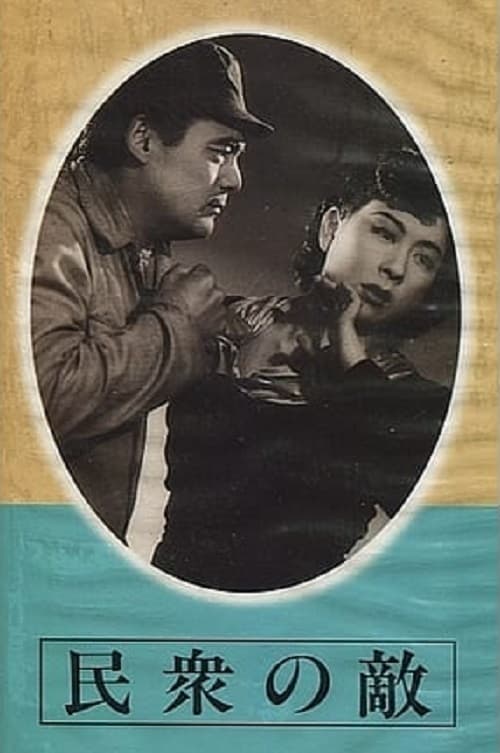
Tadashi Imai 1946 movie

Directed by Mansaku Itami.
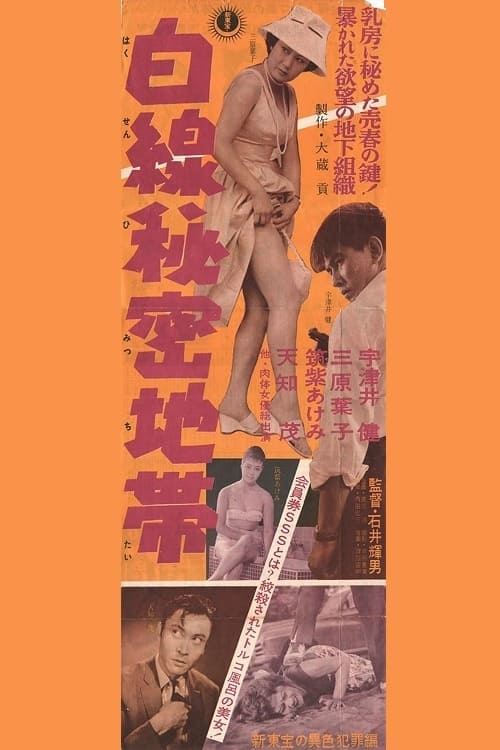
First film in Teruo Ishii's Line series.
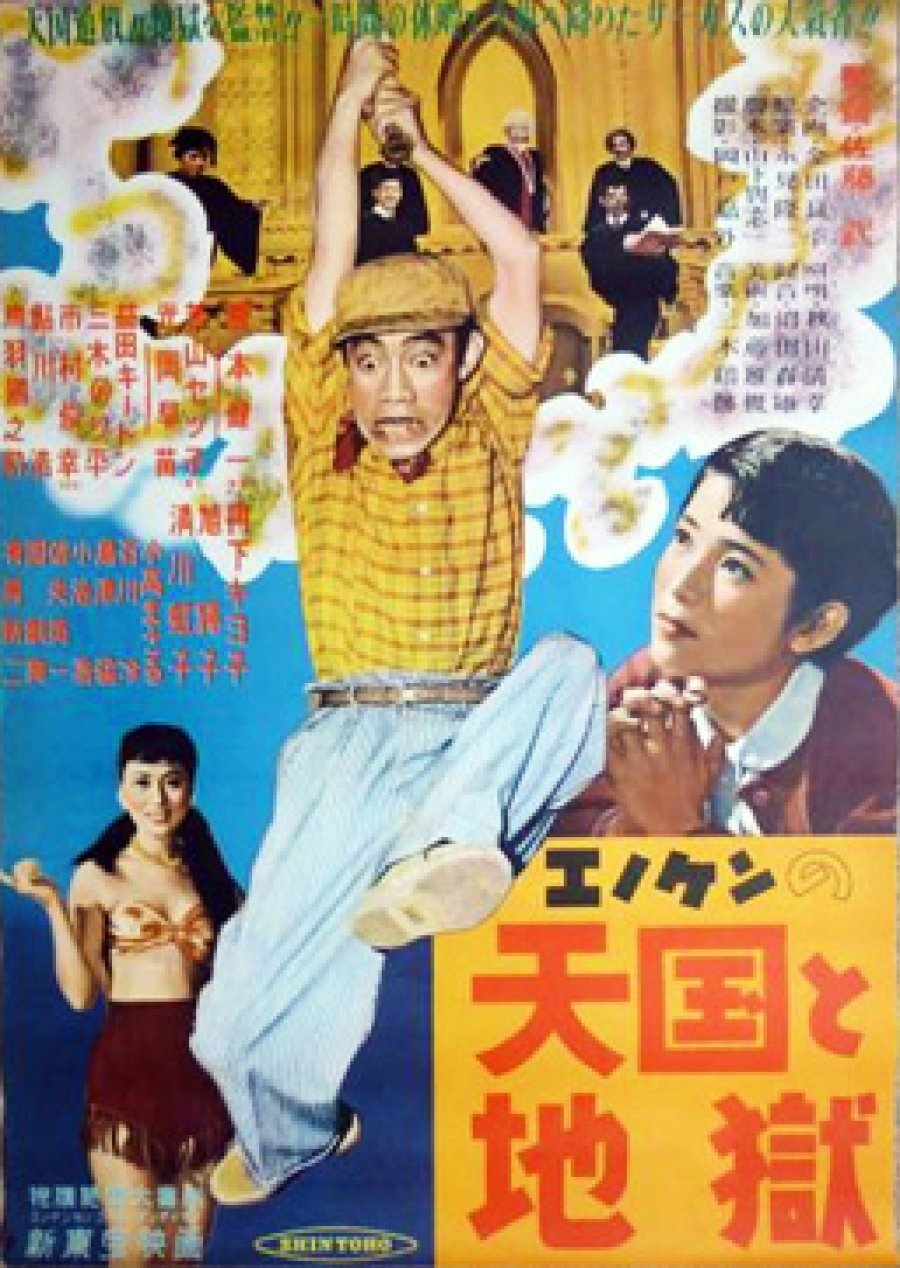
Keita, after his death, was taken to the court of heaven as Defendant No. 1361, where his past was projected. He was formerly a favorite of the Meriken Circus troupe, yet he sinned by exposing a certain woman. During the screening, he realizes what he has done, and fate gives him a chance to redeem his sins.
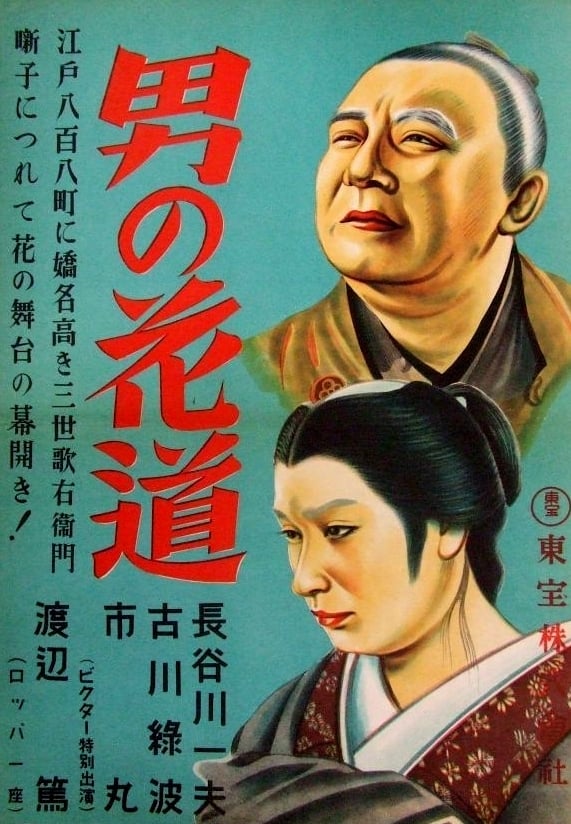
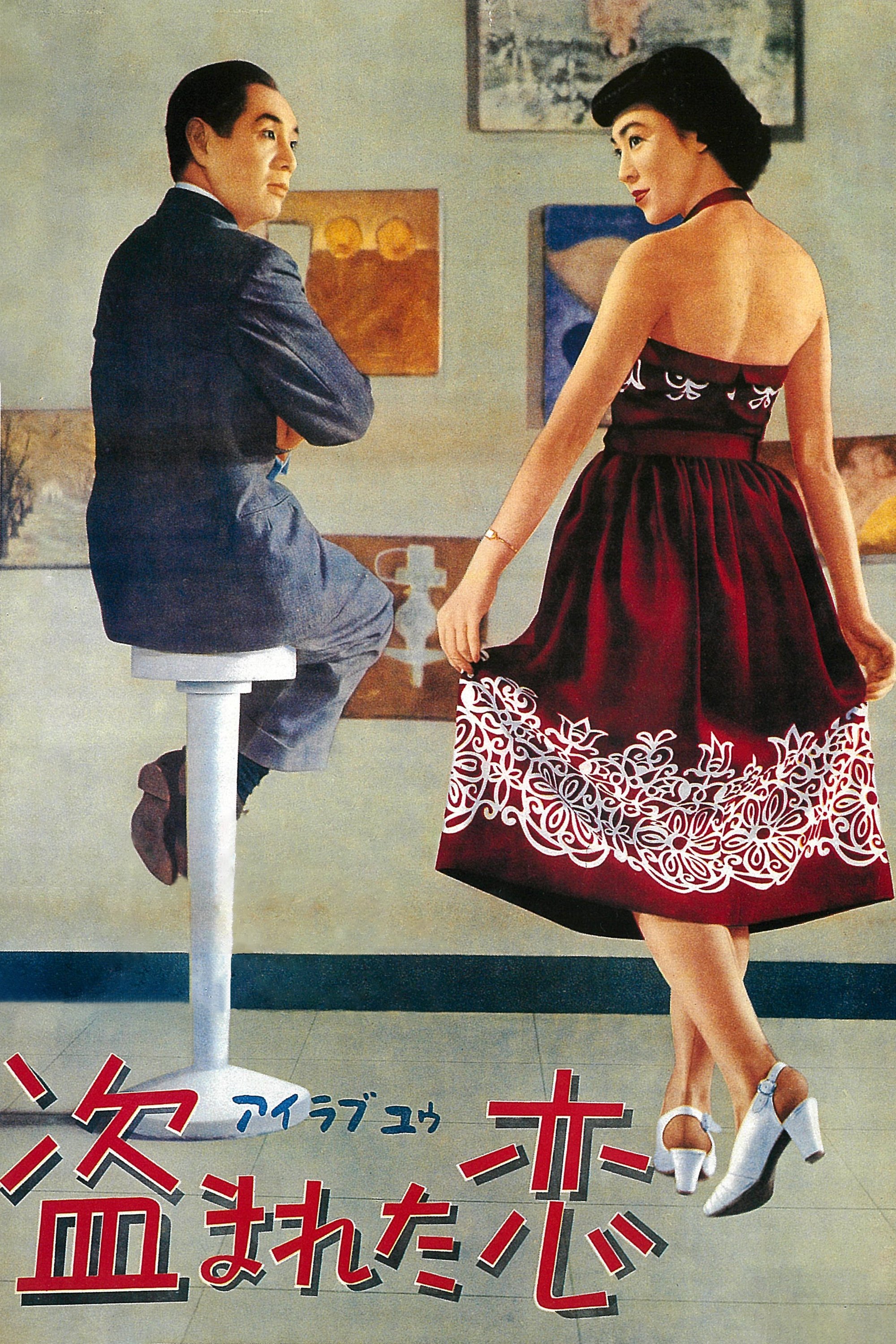
Romantic melodrama
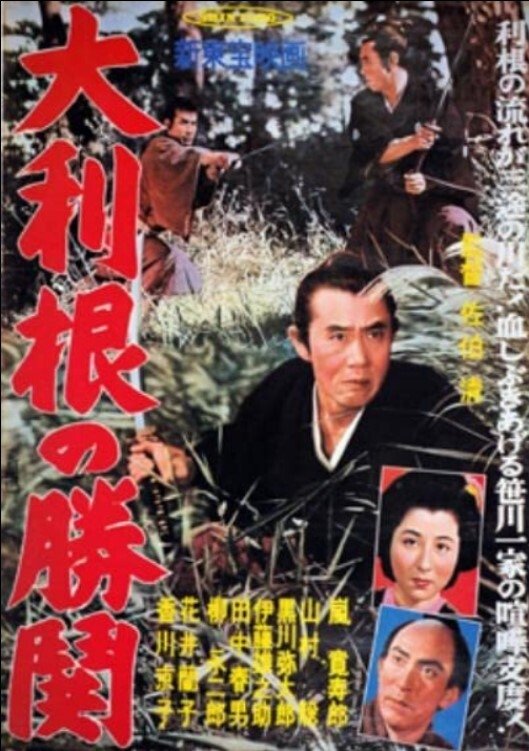
Jidai-geki by Kiyoshi Saeki
Japanese war-era film
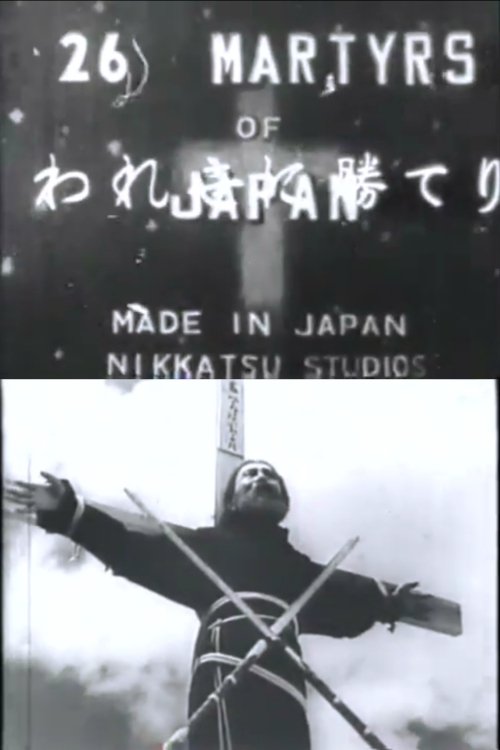
Jesuit priests in Japan during the 17th century are persecuted by the shogunate to for trying to spread Christianity.
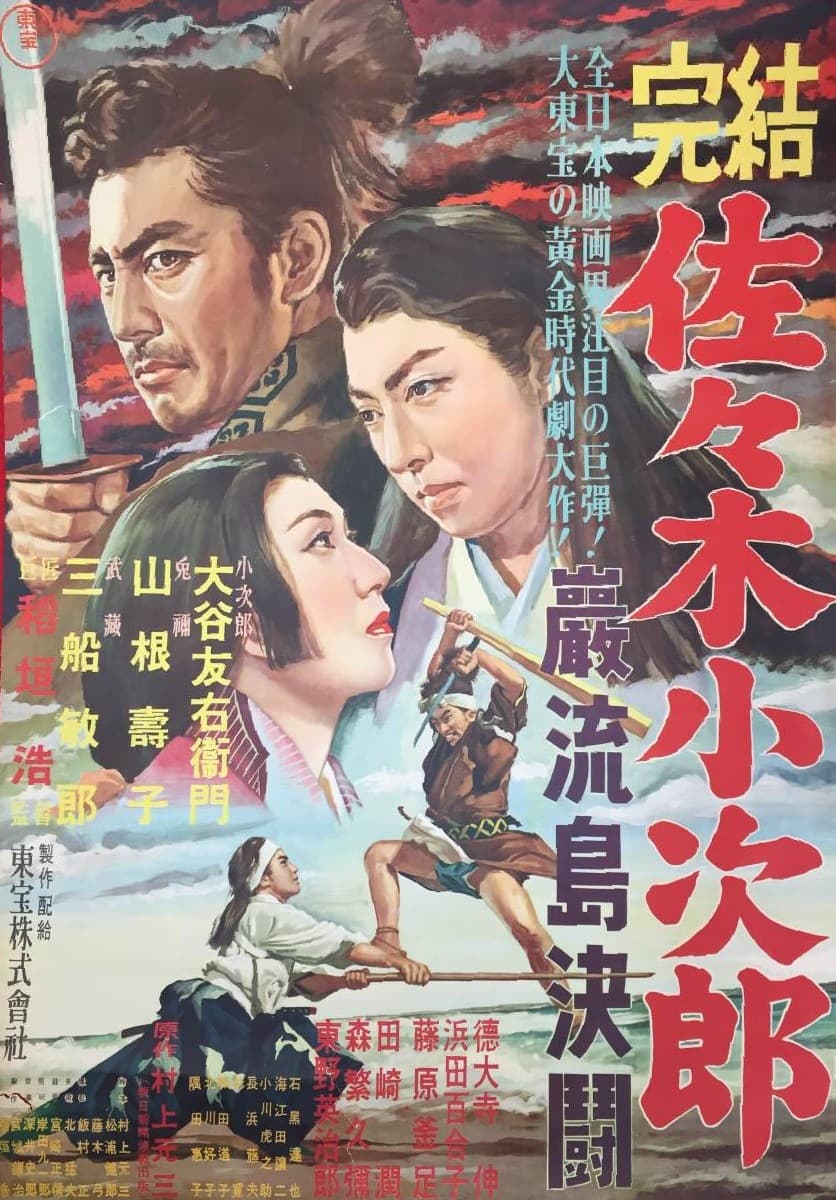
Director Hiroshi Inagaki's early version of the life and death of famed swordsman Sasaki Kojiro. Otani Tomoemon gives a brilliant performance as Sasaki Kojiro, who rises from humble beginnings to national fame, and a young Toshiro Mifune appears as the legendary master swordsman Miyamoto Musashi for the first time and essentially sets the standard for future portrayals.This masterpiece is based on the original story as written by noted author Murakami Genzo and is far superior to any other versions. Following Kojiro from his earliest days through his fateful meeting with Musashi, this movie is filled with exciting and dramatic moments culminating in the best version of the final duel ever seen on film.
The adventures of a young patriotic samurai. This is the Nikkatsu version of Shin Hasegawa's original story. Shochiku released their version of the story with the same title on the exact same day in 1931
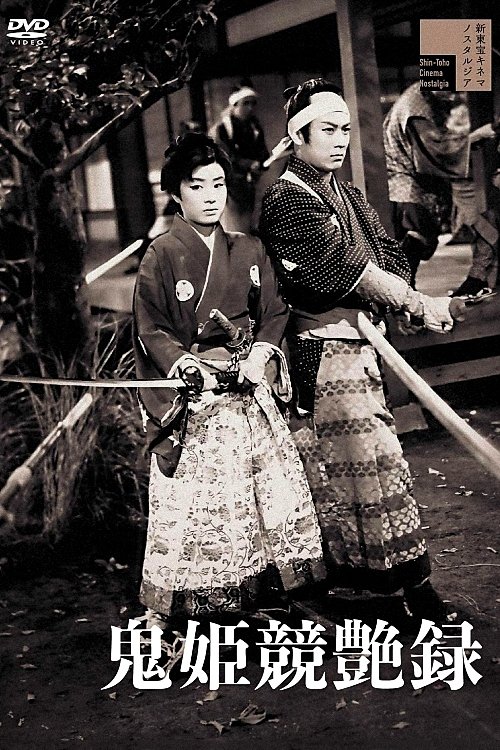
An exciting historical drama in which a beautiful woman secretly solves the family problems of the Owari clan. Hibari Misora plays two roles: a charming princess and a dashing youngster, performs songs and dances throughout the film until the big decisive battle.
The adventures of the samuraï Chohachiro Tonami continues (sequel to Beni-kōmori - Dai ippen).
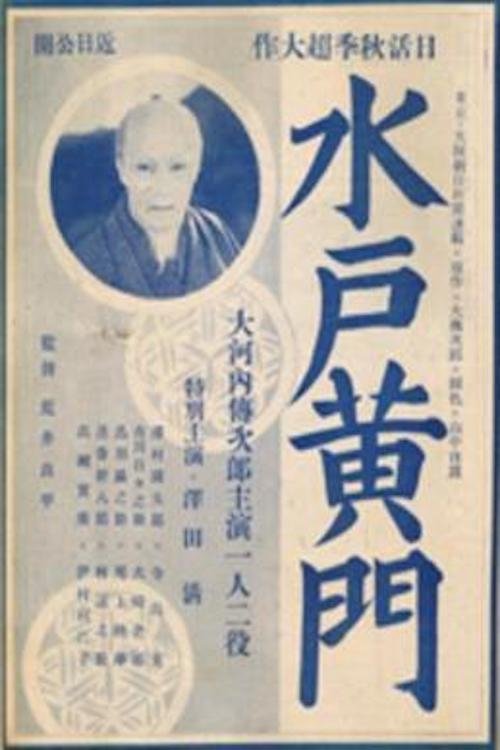
Adaptation of the novel by Osaragi Jirō.
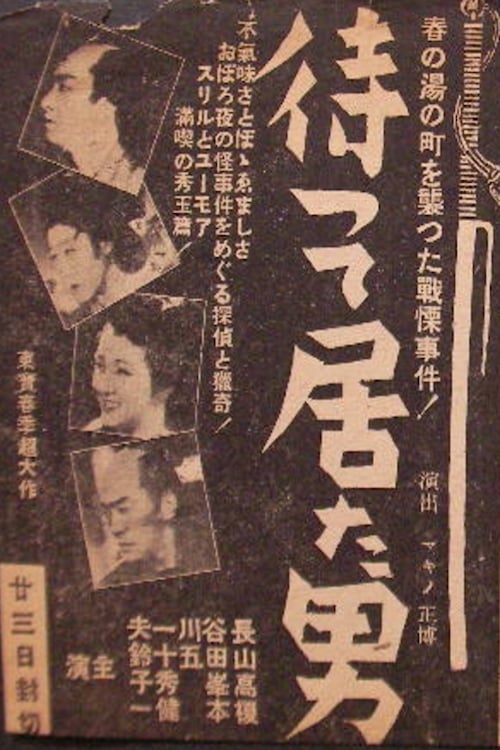
A bizarre murder at a hot springs resort threatens to disrupt an Edo detective's (Hasegawa) vacation. When his hot-blooded wife (Yamada) starts snooping around, however, he finds himself reluctantly drawn in to the case.
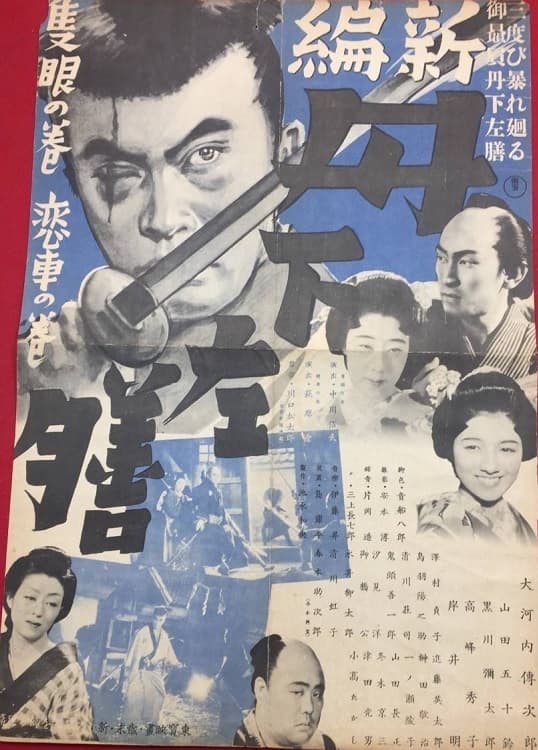
Another adaptation of Tange Sazen.
A typically modern take on the well-known Naniwabushi character (and real life 19th-century gangster) Mori no Ishimatsu, whose proverbial stupidity Enoken takes to farcical extremes.
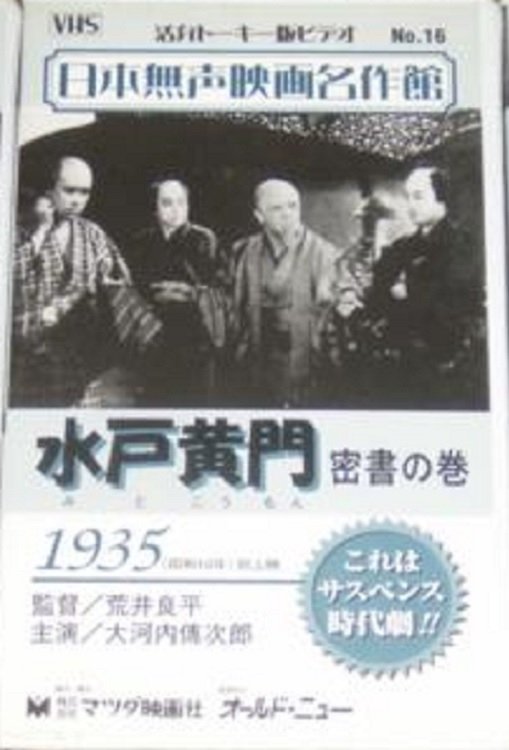
Adaptation of the novel by Osaragi Jirō. Again scripted by the legendary Yamanaka Sadao
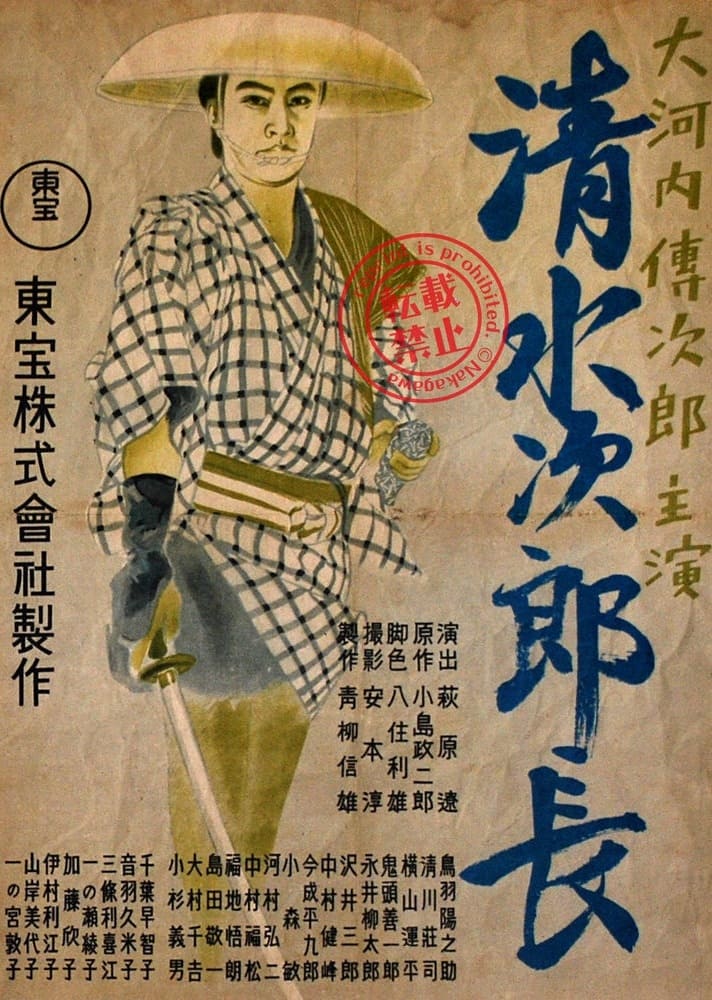
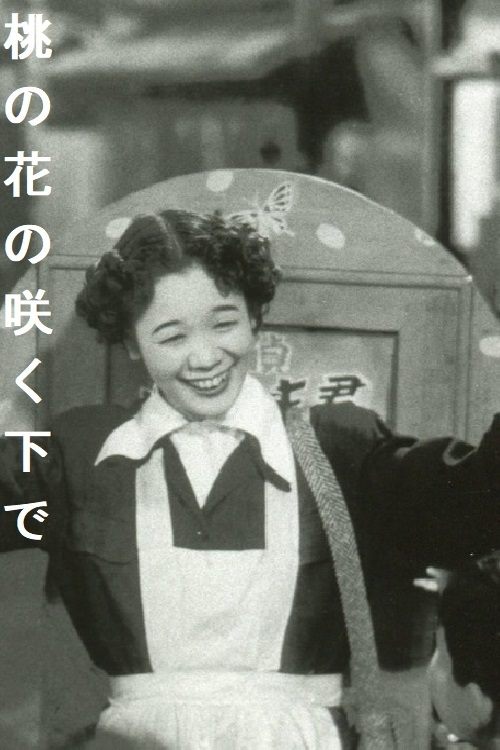
A picture-story-show operator, accompanies her son, Akira, who lives apart from her, to a hot-spring medical treatment and spend a moment of brief happiness together, but eventually the time comes to say goodbye. The portrayal of the children and the atmosphere of the hot spring resort shine through in this film about a mother by master filmmaker Hiroshi Shimizu.
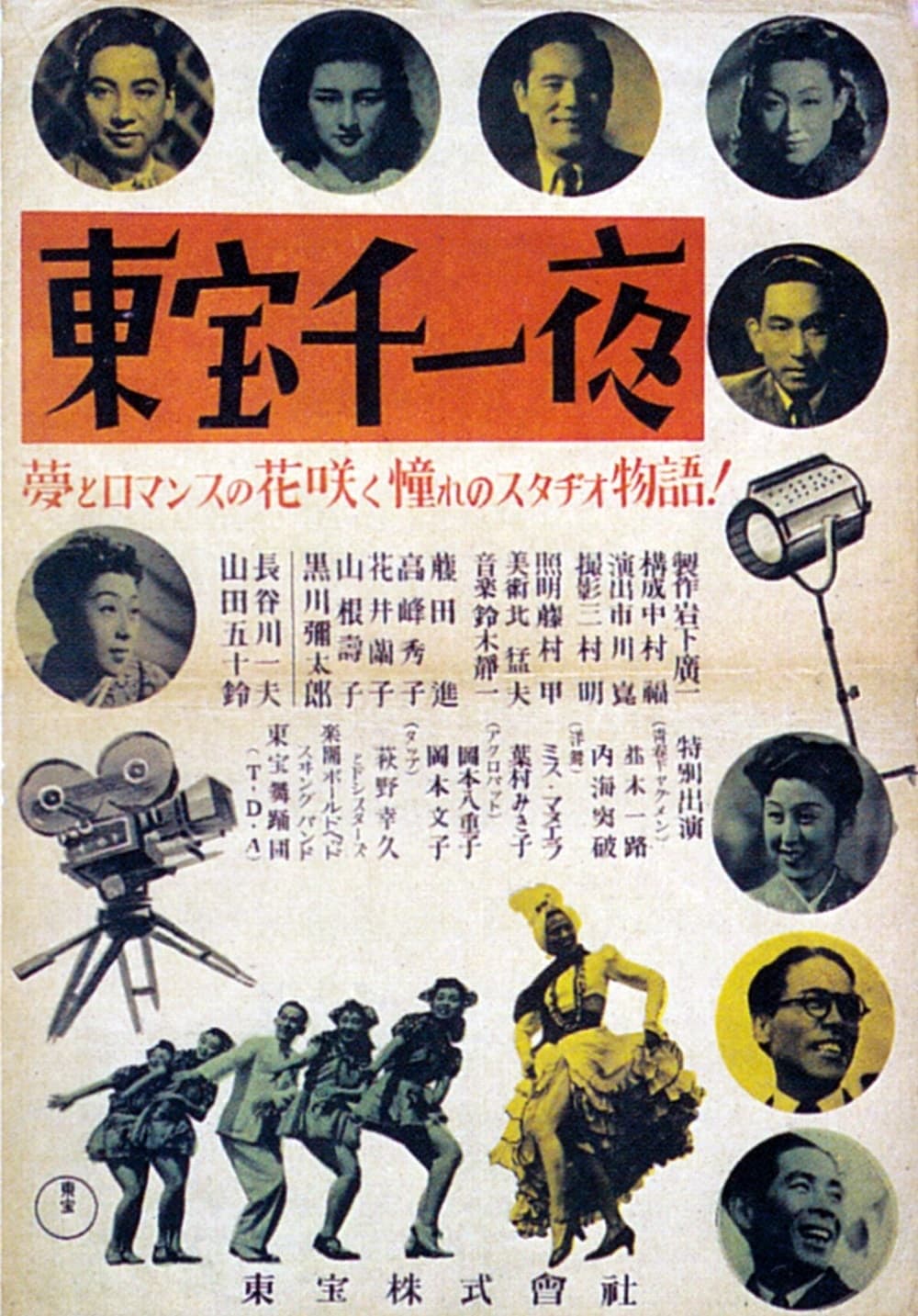
The debut film of Shin Toho Productions
The legendary ninja Kurama Tengu (Enoken) uses his superhuman powers to help free a band of street urchins from their Fagin-like master. The film's incredible climax, when Enoken fends off dozens of men attacking with ladders and handcarts, brings to mind a slightly less dextrous Jackie Chan.
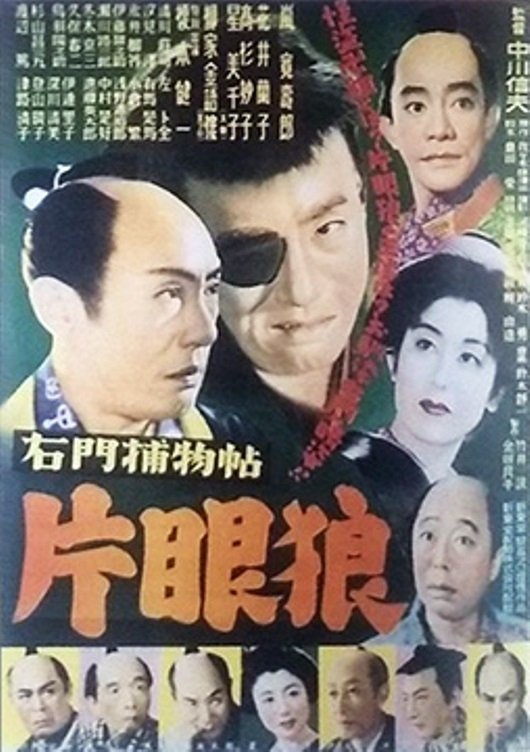
Follows the Japanese lieutenant of the invading 228th Infantry Regiment Toichi Wakabayashi, who died in the Battle of Hong Kong.
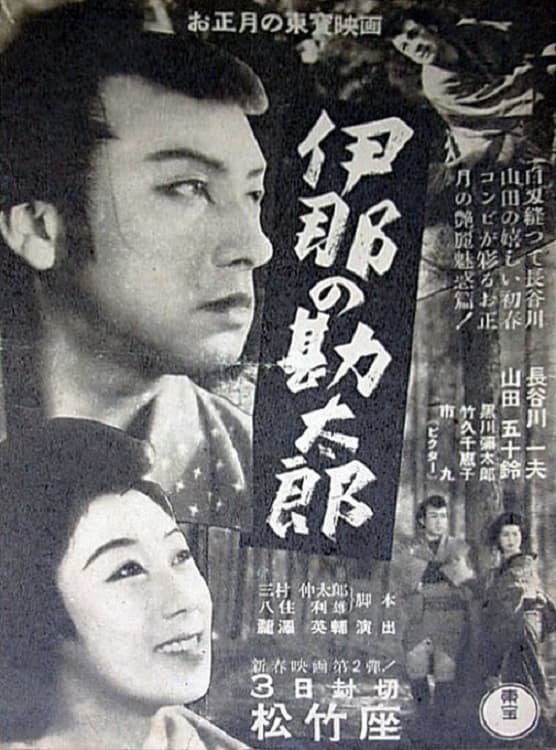
War-time jidaigeki by Eisuke Takizawa.
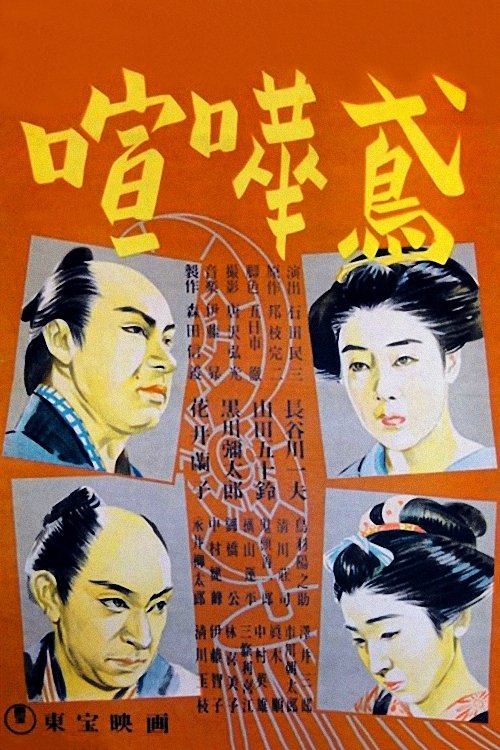
Kichigoro, a firefighter from the Maeda family of the Kaga Principality, rescues Oshimo, the younger sister of Jirokichi, a city firefighter from the Ha-gumi group, from a samurai who is trying to kidnap her. Oshimo has feelings for Kichigoro. At this moment, a fire warning bell sounds in the city...
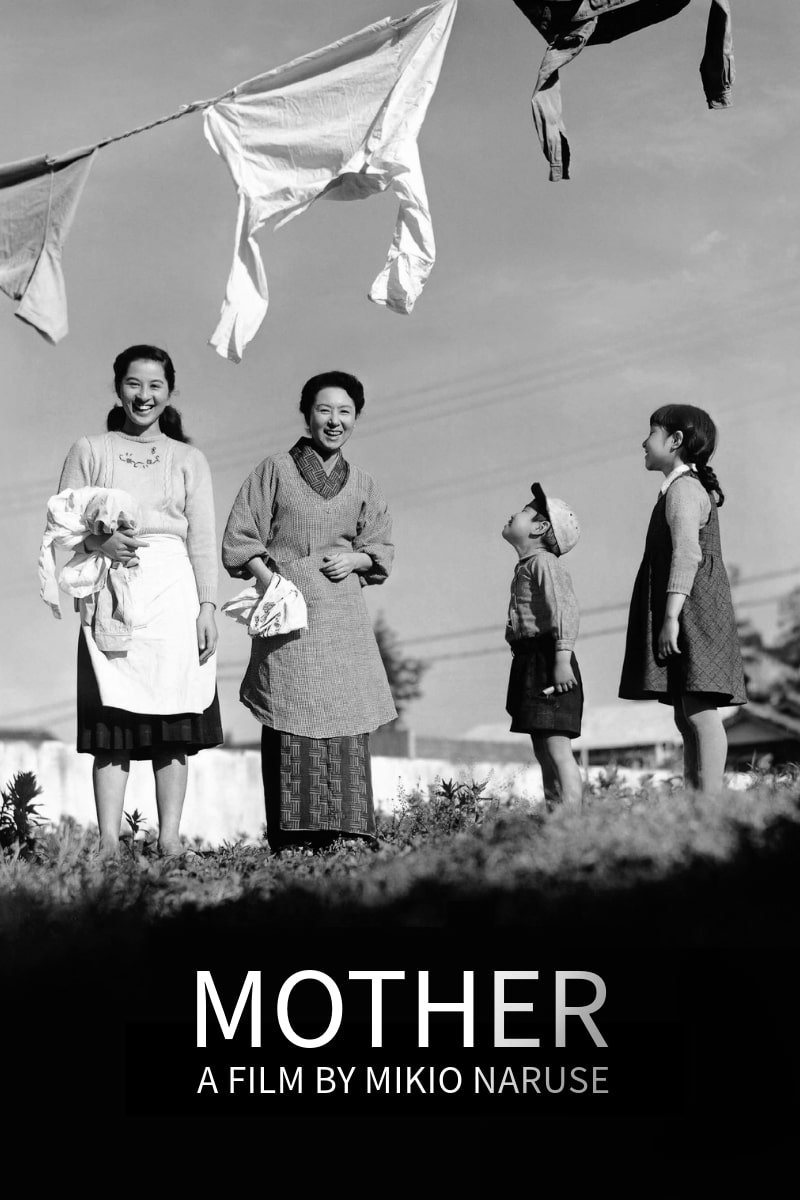
A teenaged girl witnesses her widowed mother's attempt to sustain her family.
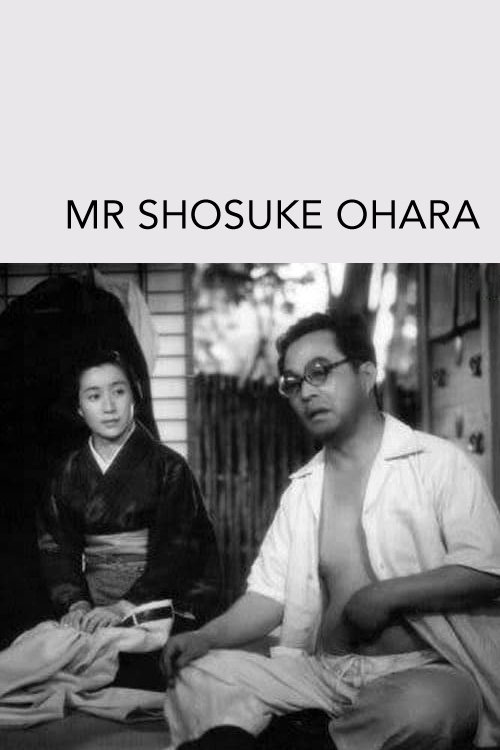
Saheita, the final heir of a once rich and respectable family, can't refuse the many villagers that come to him for favours and money, even though he is on the brink of bankruptcy. Around town he is better known by his nickname Mr. Shosuke Ohara.
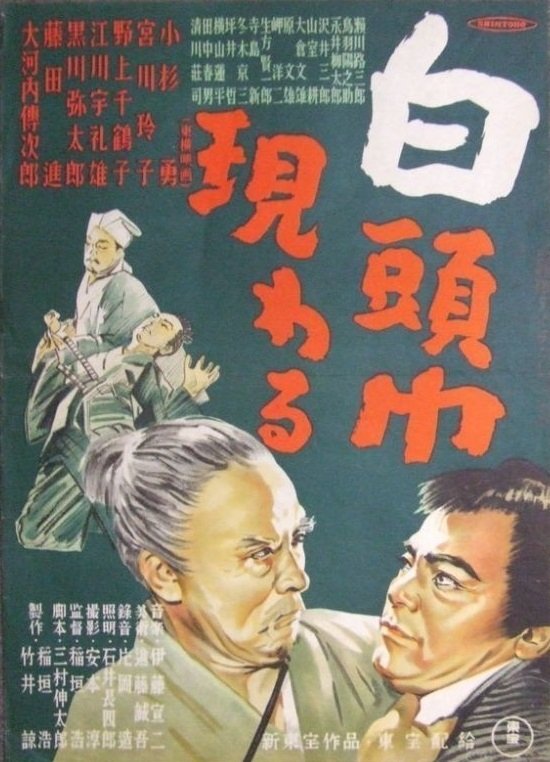
1949 Japanese movie

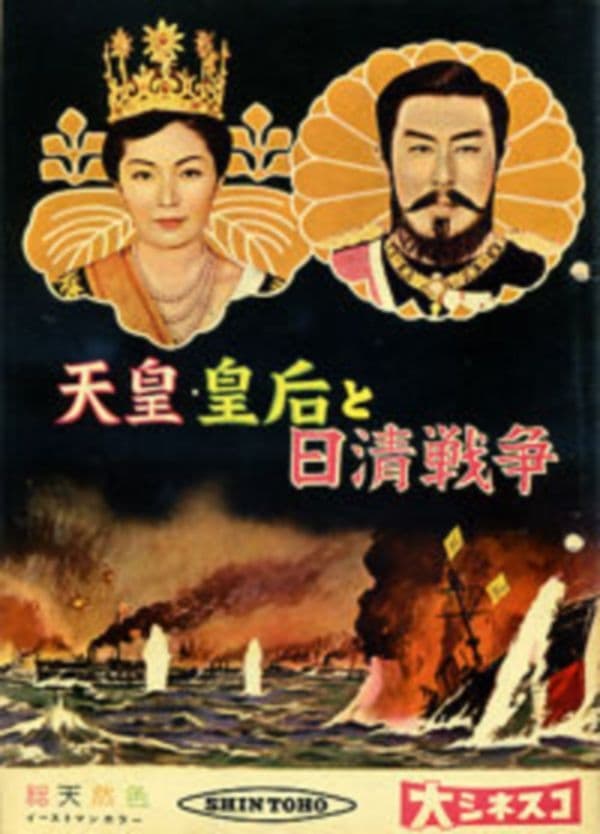
Meiji Tenno portrays the buildup to the Russo-Japan War. In addition to showing the political events that led to war, it also shows the era from the story of a farm family in rural Japan that sends their son off to war. As such, it could be considered an anti-war movie, showing how, while war is devised by governments, the people do not really understand what war is, and its combatants often do not know what they are fighting for.
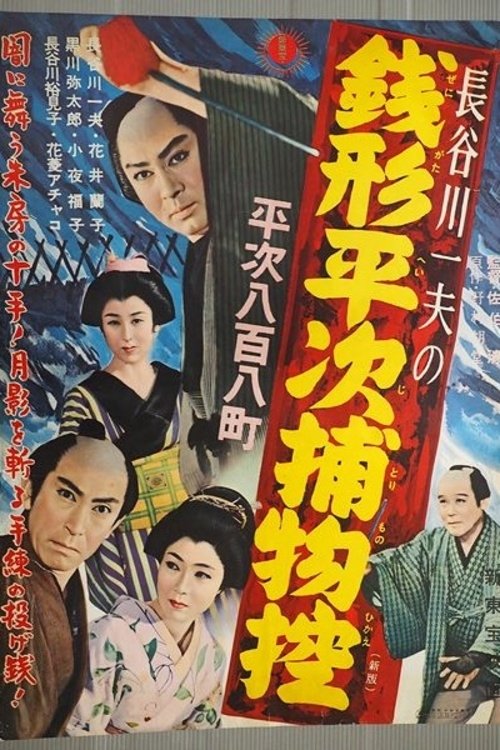
Police detective Heiji is assigned to catch the masked Maboroshi gang of robbers who have terrorized all of Edo leaving few clues as to who their leader is.
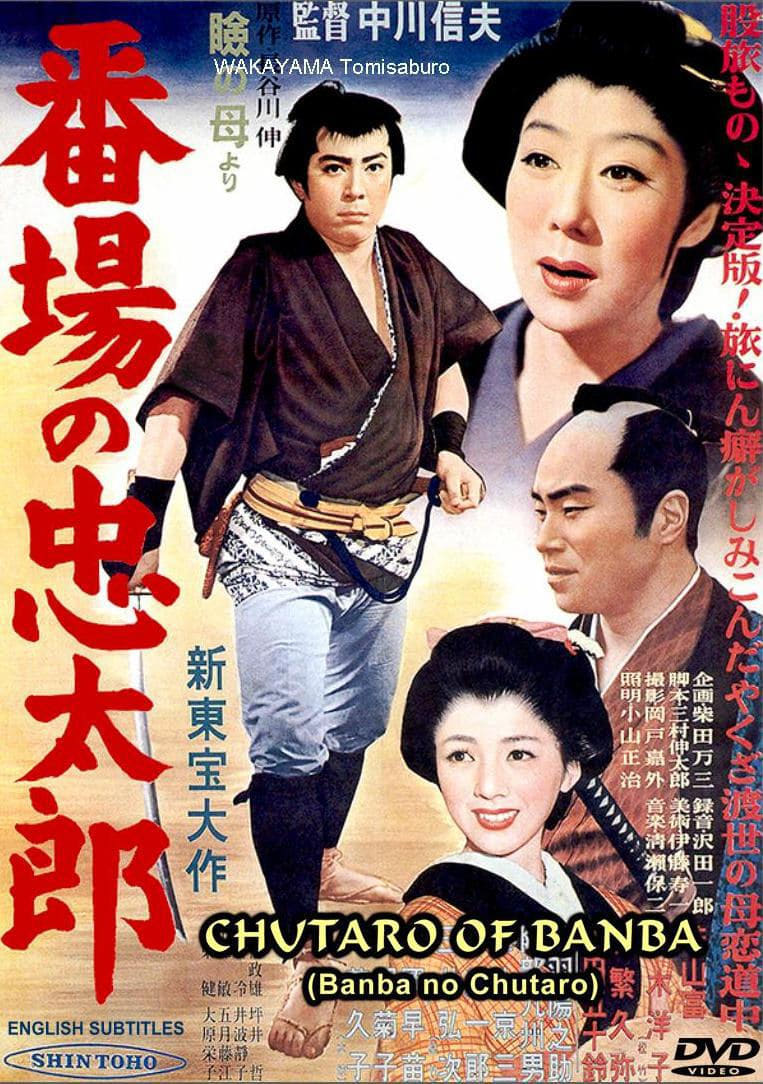
Based on the play ”Mabuta no haha” by famed author Shin Hasegawa, this is the first major starring role for Tomisaburo Wakayama. This heartfelt story concerns a wandering gambler from Banba by the name of Chutaro. Set during the Tenpo Period, Chutaro runs afoul of Boss Sukegoro of Iioka. Pursued by vengeance seeking swordsmen, Chutaro displays his phenomenal martial art skills. Abandoned as a child, he seeks to find his long lost mother, while at the same time fighting off numerous attacks by Iioka’s men.
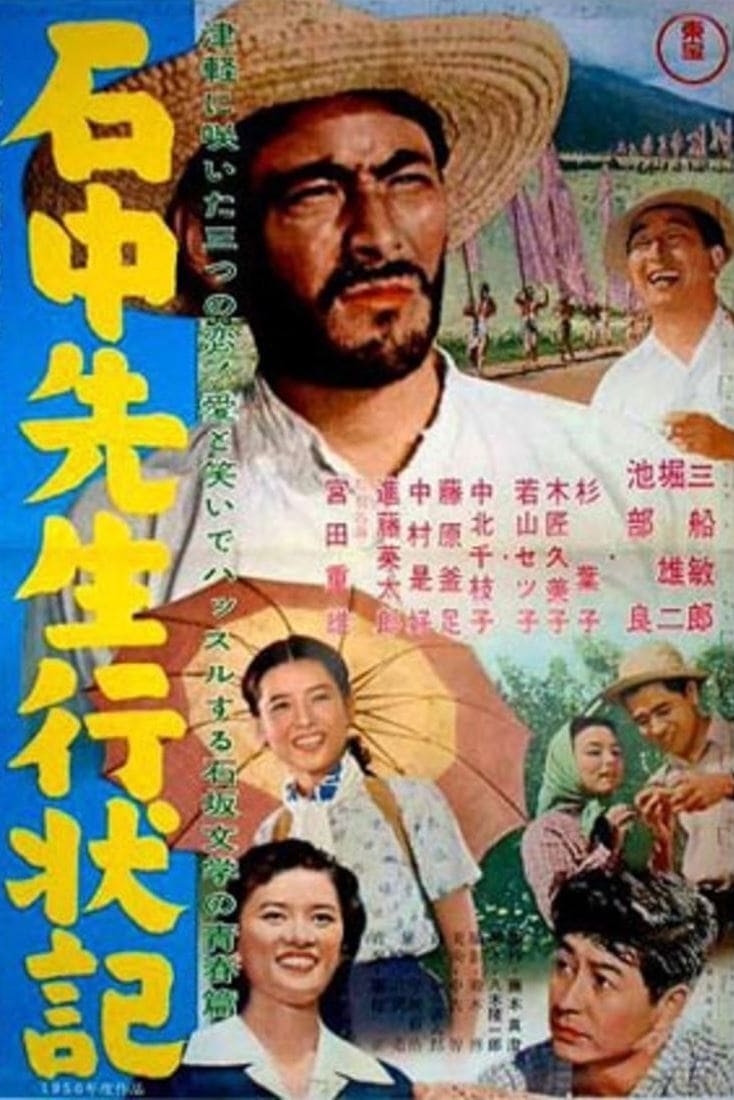
Three humorous love stories set in rural Japan.
Japanese romance film.
Japanese sports comedy film about kendo.
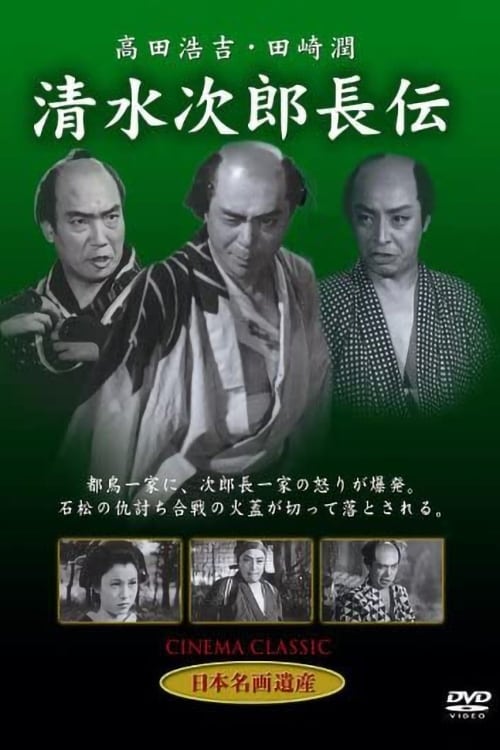
Based on the story of Shimizu no Jirocho.
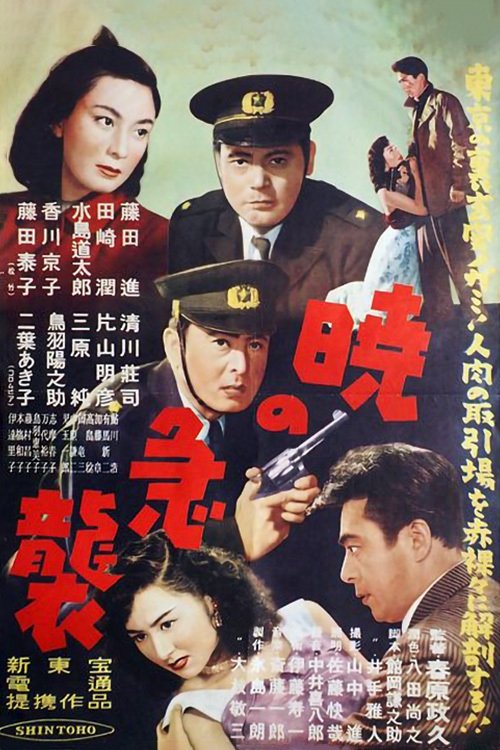
Japanese drama film.
Japanese film released to commemorate the 7th anniversary of Shintoho's founding.
1954 Japanese film starring professional wrestler Rikidozan.
Japanese film.
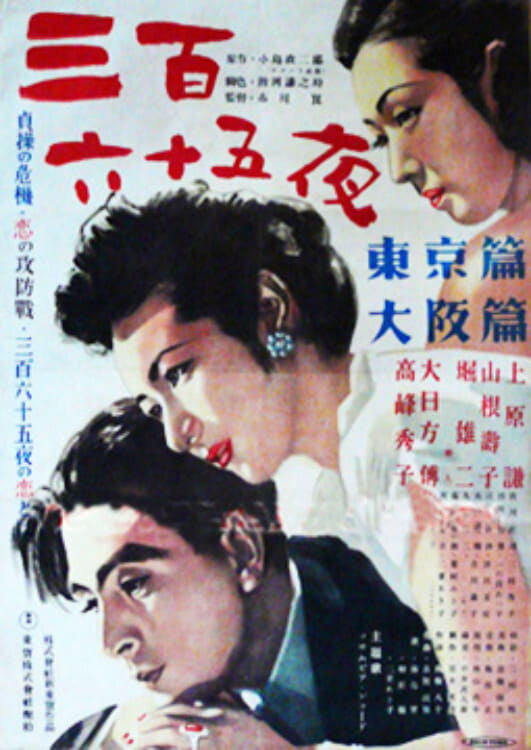
A young man rents an apartment in Tokyo and discover it was built by his father. He falls in love with the daughter of the mistress of the house and decides to marry her. Only to discover that his father is is in debt and wants him to marry Ranko so that she may help his company by granting 1.5 million yen. Teruko decides to borrow money from a greedy bar owner who lends her money on certain conditions and photographs her without her consent. A love traingle forms between Koroku, Ranko, and Teruko. Things complicate when Koroku marries Teruko and Tsugawa threatens them for the money causing many twists and turns.
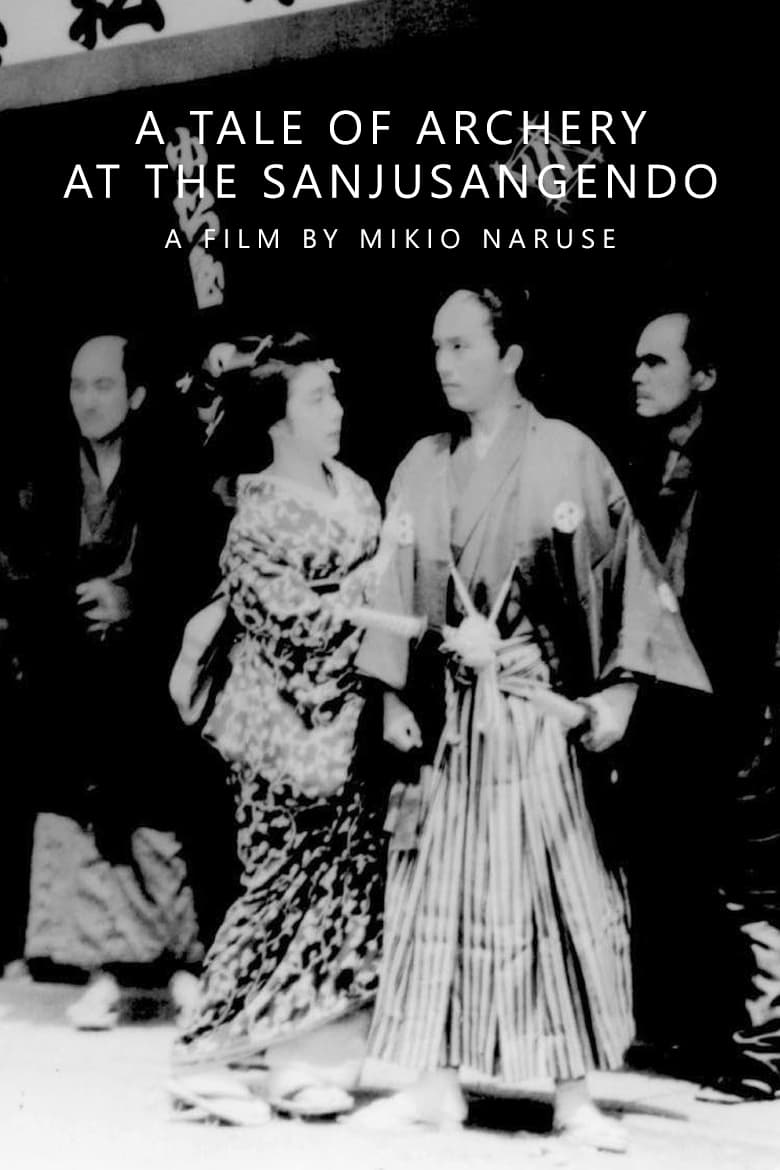
Young, timid bowmaster Kazuma seeks to beat the archery record set by Hoshino Kanzaemon, a mysterious figure who, it is rumoured, drove the previous champion—Kazuma’s father—to suicide. Possessed of much raw talent, Kazuma is very much a coward, holing up in an inn and generally avoiding confrontation. Despite his best attempts to remain clandestine, the locals know of Kazuma’s purpose and an attempt is made on his life. He's saved by Karatsu Kanbei, a samurai who offers to help Kazuma hone his archery skills, though it becomes clear that this apparently selfless stranger has potentially shady ulterior motives.
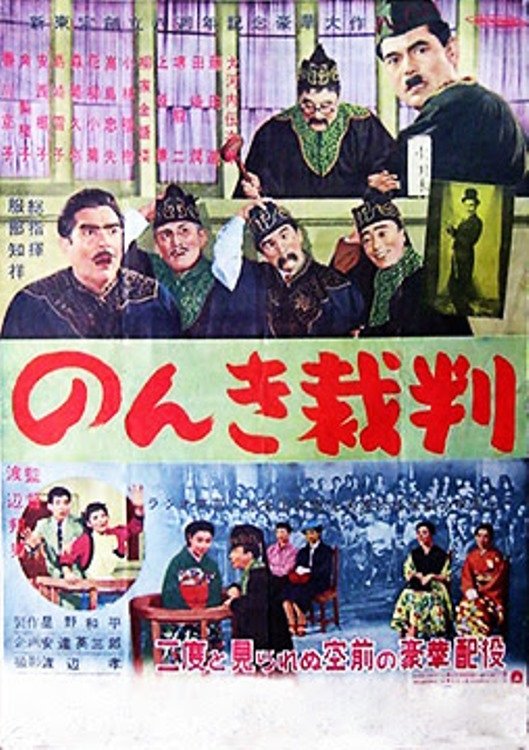
A spectacular comedy with a star-studded cast that depicts unusual trials and unexpected verdicts regarding the five deadly sins: the crime of beauty, the crime of a terrifying wife, the crime of taking the wrong course, the crime of seducing, and the crime of killing with laughter.
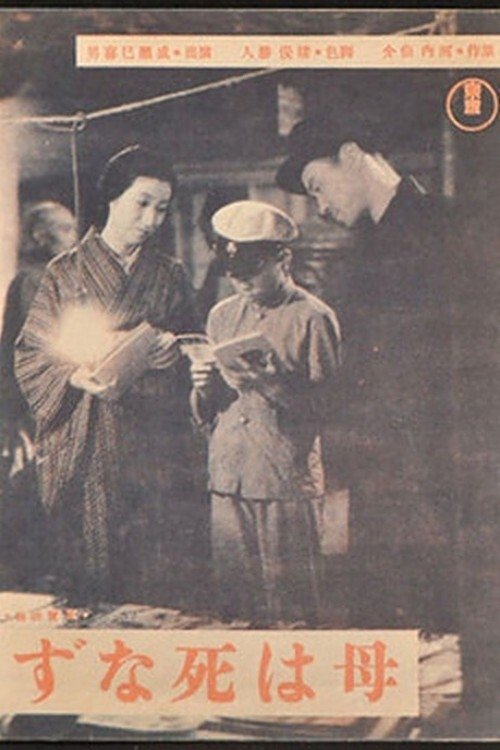
The premature death of a young mother serves as inspiration for her husband and son.
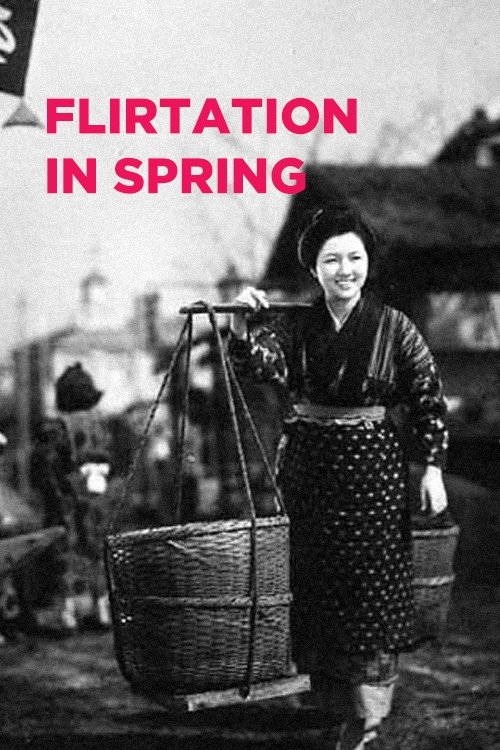
Japanese adaptation of Marcel Pagnol's play "Marius", set in early XXth century Japan.
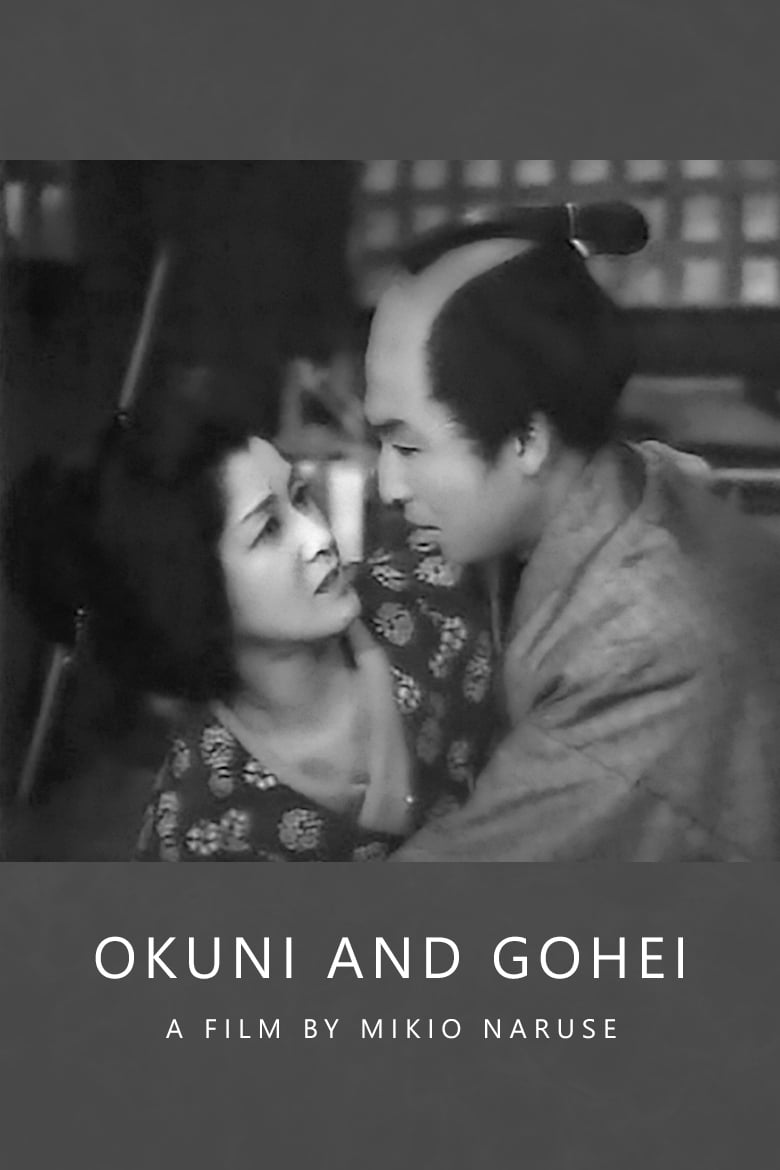
A high-born woman named Okuni travels around the country with Gohei, a samurai retainer who is in service to her. They are in search of Tomonojo, who has killed the man who was Okuni’s husband and Gohei’s master, and they cannot return to their lord’s home until they have fulfilled their duty of hunting down and killing Tomonojo.
The sequel to the 1935 film Great Bodhisattva Pass
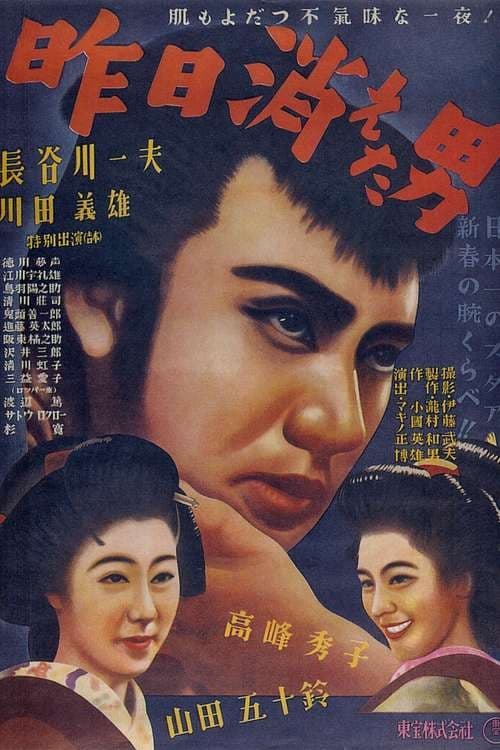
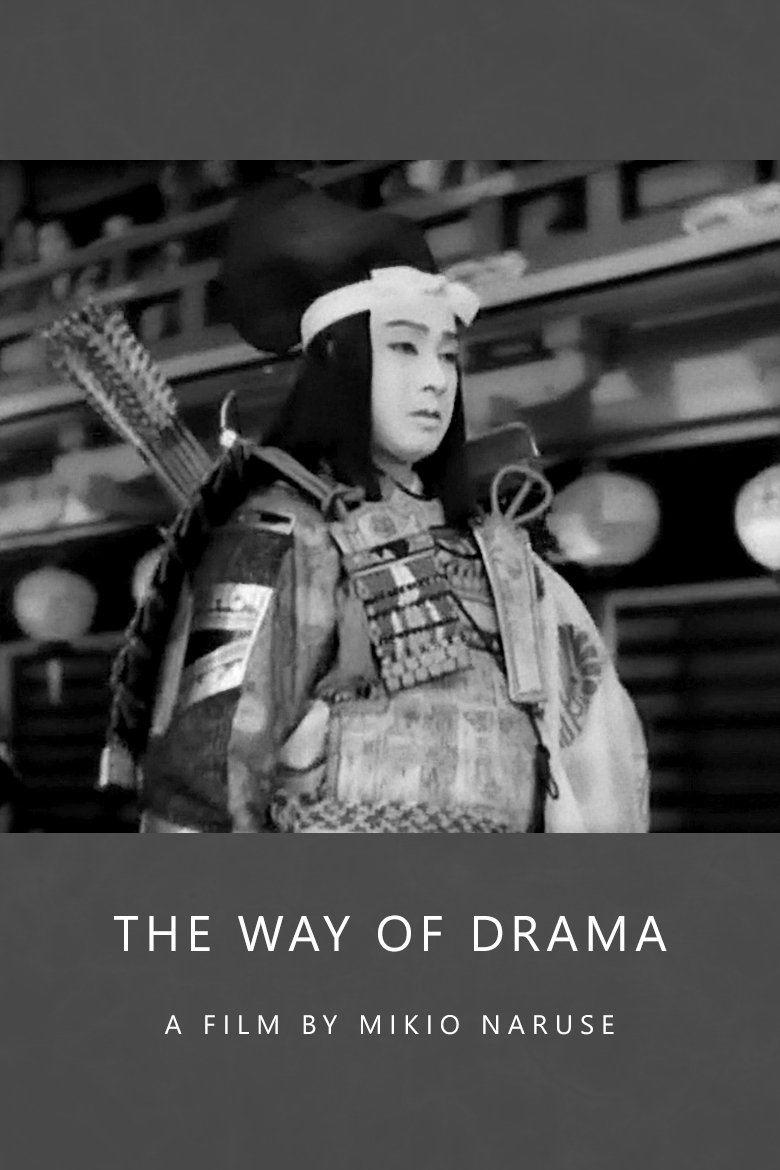
The Way of Drama unfolds in the world of kabuki in Osaka, but also addresses the politics of popular culture and the rivalry between theatrical styles like those used by amateur actors to dramatise contemporary events.
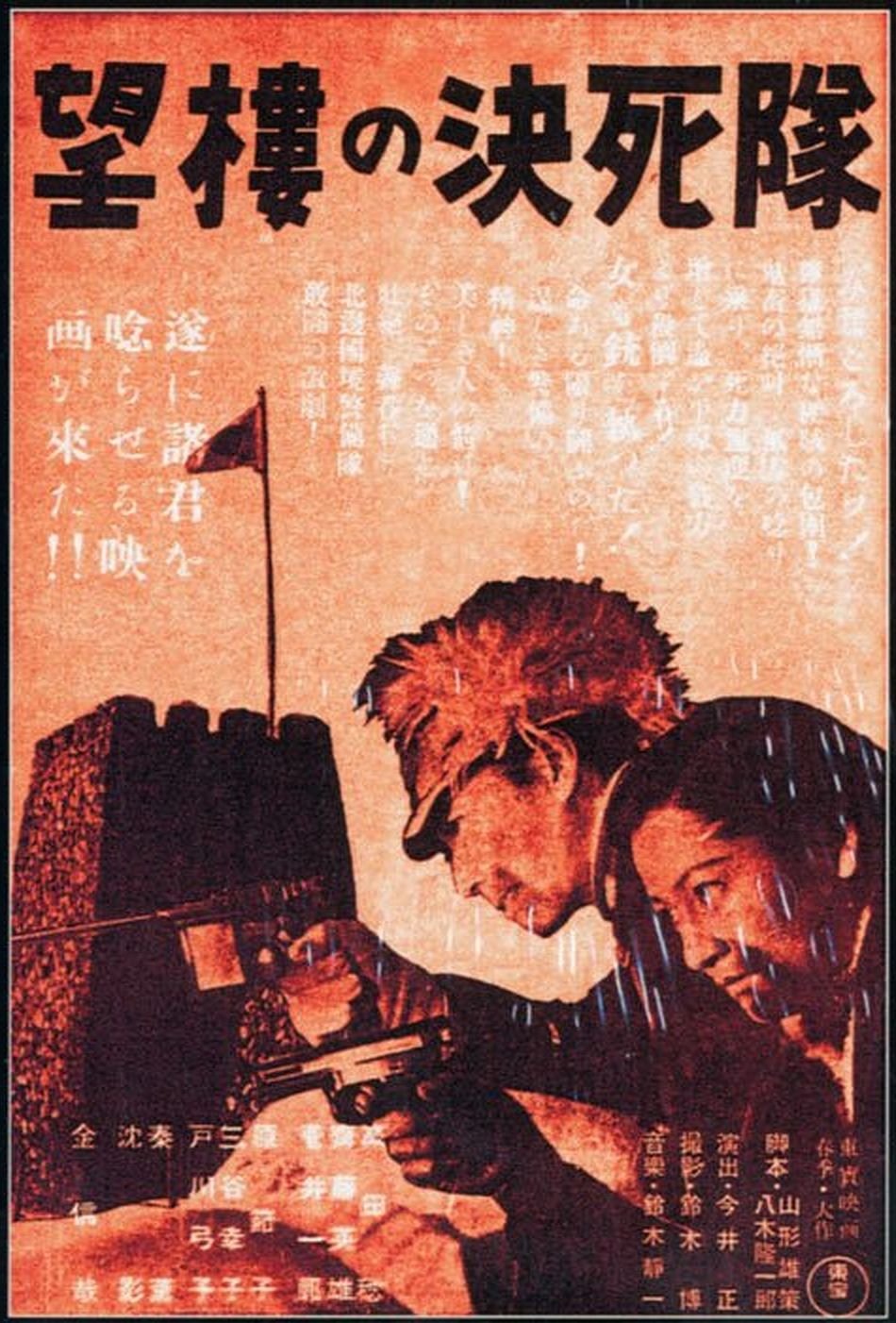
Stalwart soldiers of the Japanese Empire – Japanese and Korean alike – stand in defense of a military outpost threatened by "bandits."
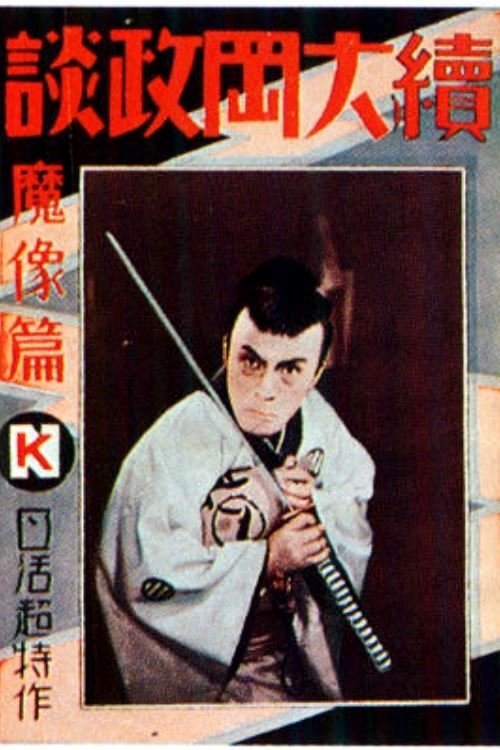
A Japanese silent film
A lost film telling a story of Jirokichi the Rat, a notorious thief
Jirokichi the Rat is a notorious thief. While on the run from the law, he discovers an unexpectedly honorable side of himself, and maybe some form of redemption. Considered a lost film.
A lost film that tells a story of Jirokichi, a notorious thief
The film recounts the tragedy of a young outlaw. Considered a lost film.

This epic depicts the battle between Uesugi Kenshin and Takeda Shingen. The focus of the story is the struggle by the unit leader in charge of the main supply wagons and the supply troops to transport materiel to the Uesugi army. To this are added episodes involving an itinerant woman.
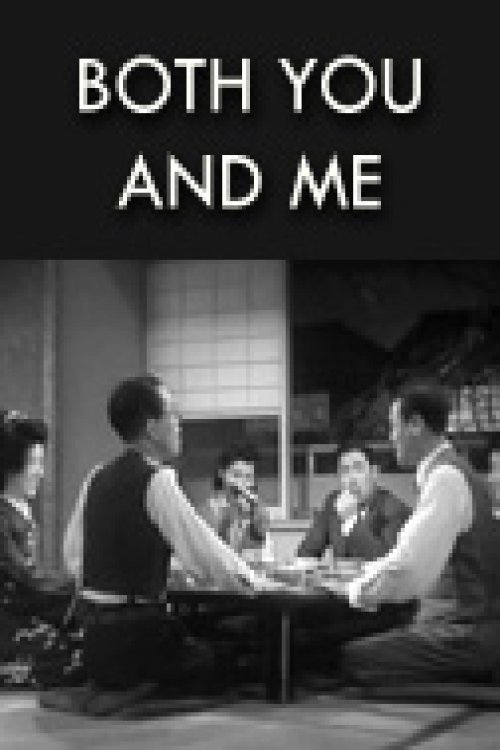
A comedy about two salarymen who routinely degrade themselves for their boss.
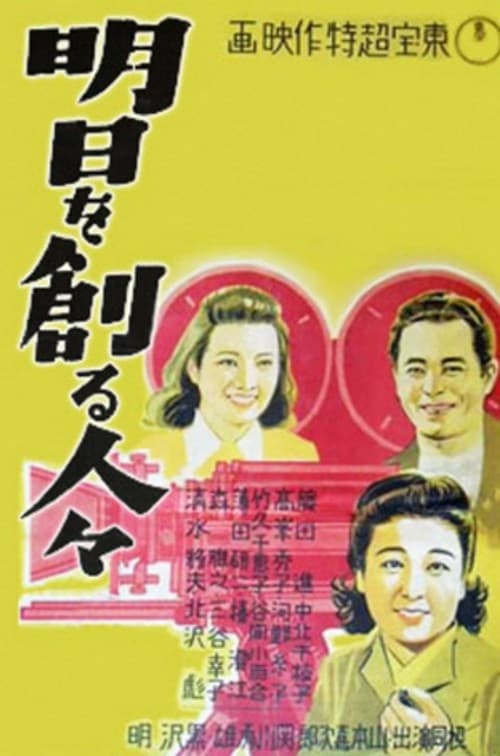
In postwar Japan, two sisters—a film studio script girl and a revue dancer—become swept up in the growing labor movement when workers around them strike for better conditions. As their conservative father opposes their activism, his own dismissal forces him to confront the realities of class struggle and join their fight for a fairer future. Now considered a lost film, Those Who Make Tomorrow was produced by Toho to promote unionization during Japan’s Allied Occupation.
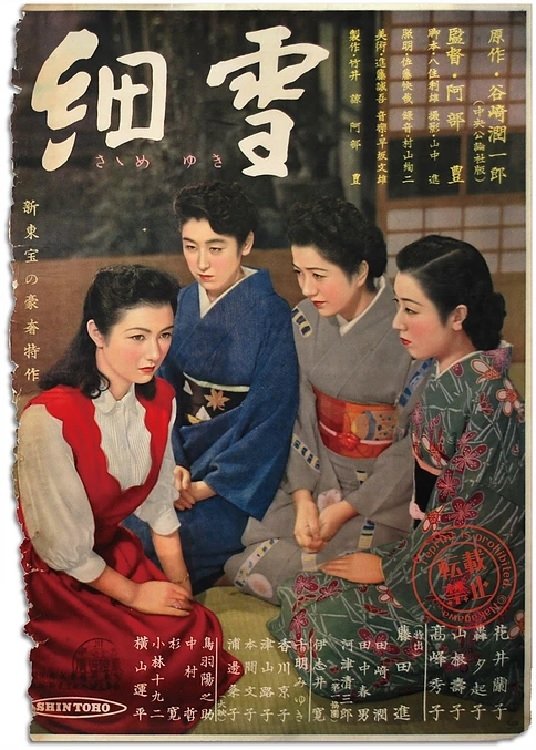
1930s Japanese film.
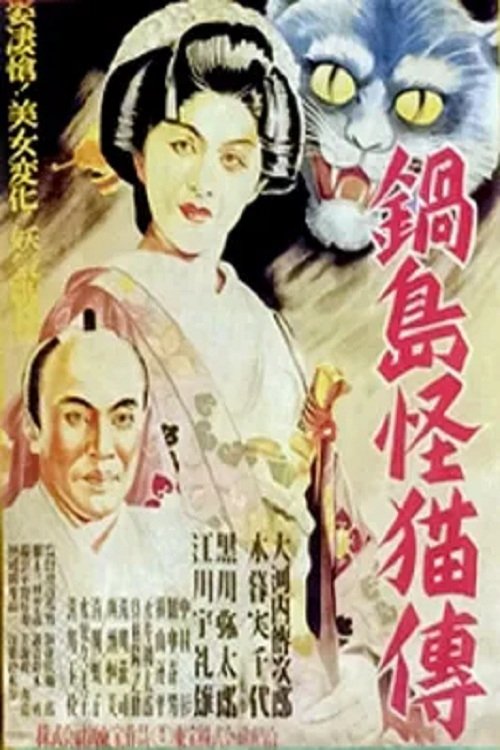
Tanuma Kandayuu is a high class samurai of the house of Nabeshima. He finds a lavish board of Go (a Chinese Board game) at Kinbei's store. He recommend Kinbei to offer it to his lord. Kinbei hesitates at first, since he knows the board has a mysterious legend surrounding it; it's believed that for every game played on the board, one death is required.
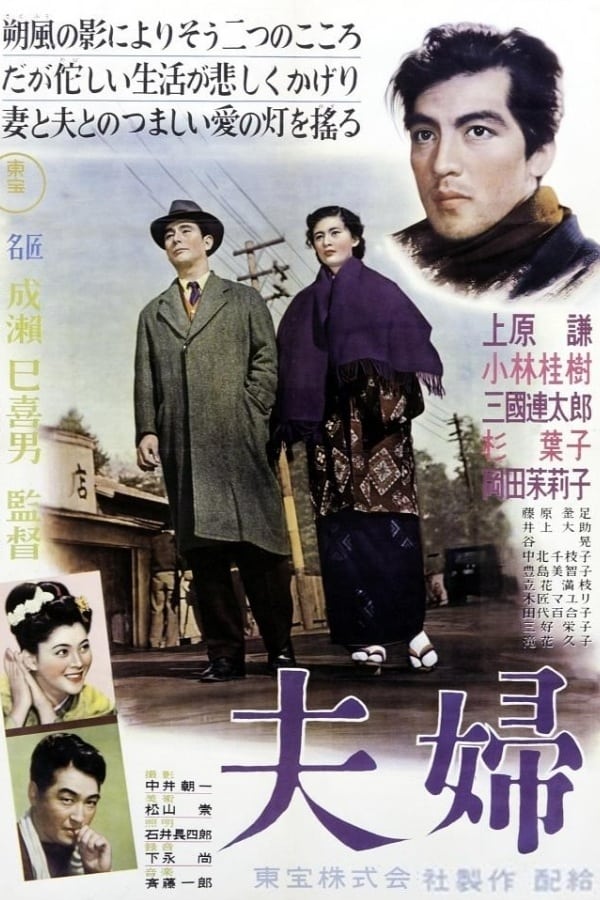
A married couple looking for an apartment move in with the husband's co-worker, a widower. The husband becomes jealous of the widower and his wife.
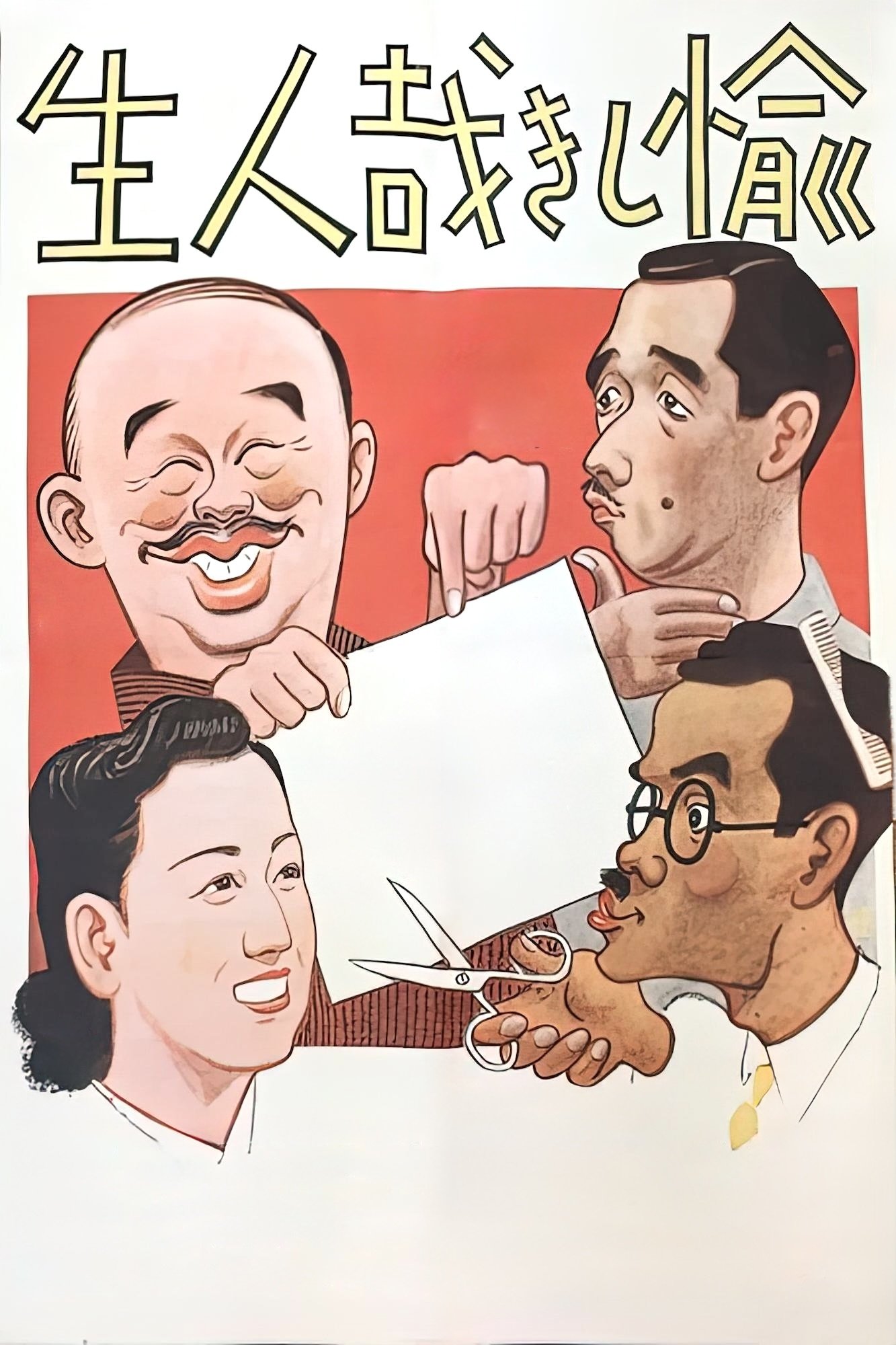
A small community in wartime Japan learn how to make do with less.
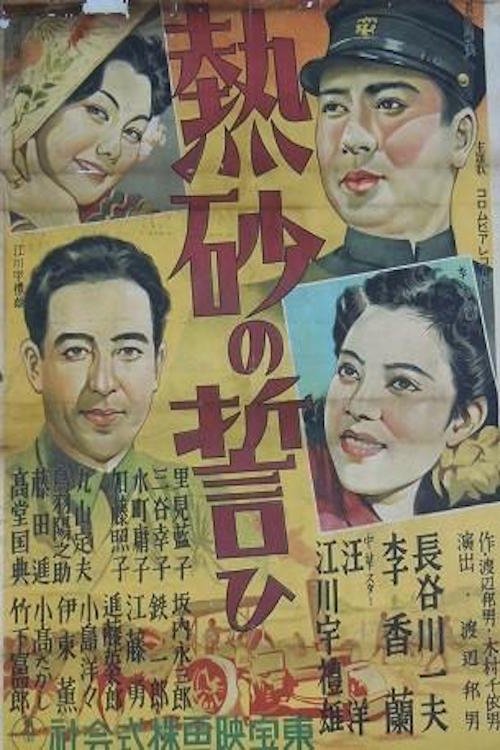
A Japanese army engineer (Hasegawa) on the mainland must put his personal feelings for a beautiful Chinese woman (Ri) aside if he is to succeed at building a highway through the "bandit"- (aka anti-Japanese militia-) infested hinterlands.
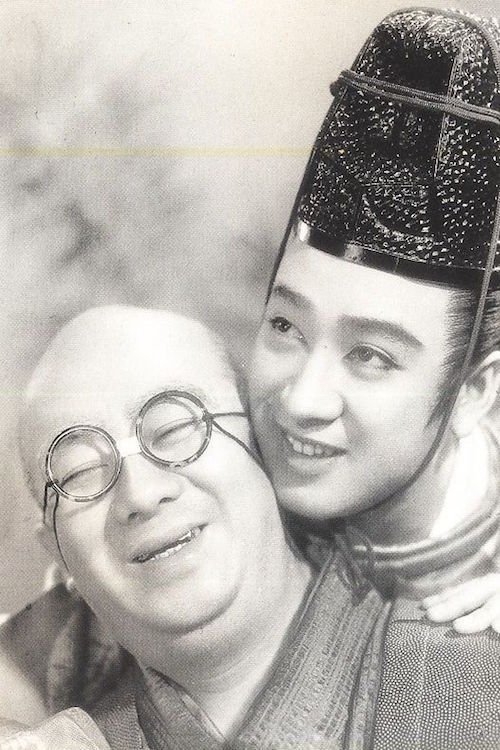
A sentimental tale of the filial love between shogun Iemitsu (matinee idol Hasegawa) and his loyal old retainer Hikoza (comedian Roppa, playing somewhat against type).
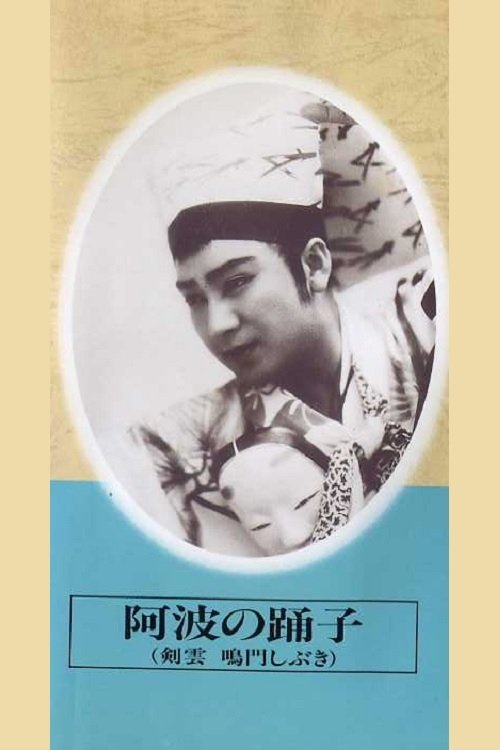
Jurobei, a kaisen tonya (wholesaler in port) in Awa, was wronged and killed on the day of the Dance Festival by the evil merchant & the chamberlin. His brother (Kazuo Hasegawa) vowed vengeance on the day of his brother's death. So every year the villains are worried during the Awa Dance Festival (which is part of the Obon festival), but nothing has ever happened, until seven years later...
Kusuo Abe stars in this kaidan.
1946 Toho film directed by Kiyoshi Saeki
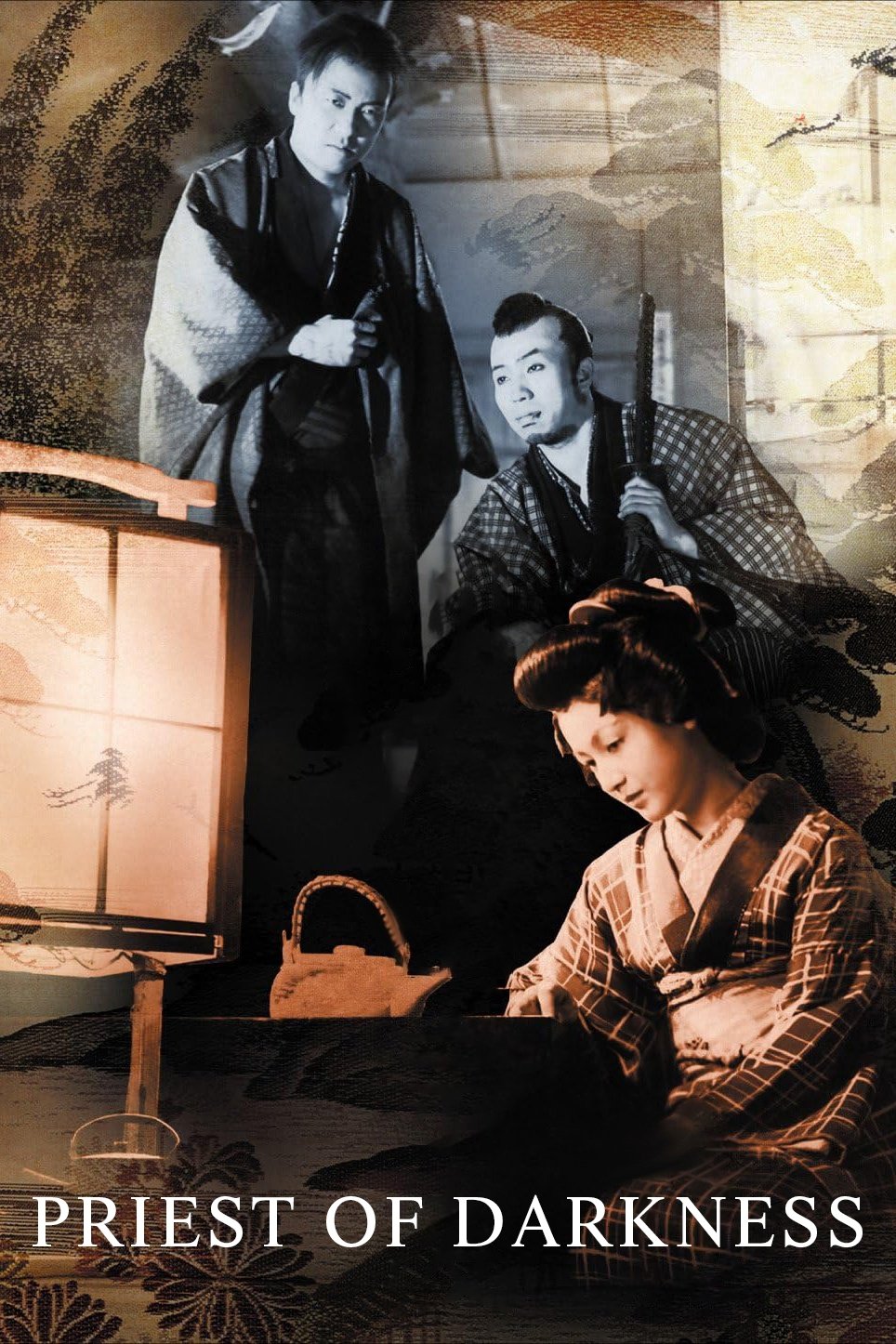
A boy steals a knife from an old samurai, unaware of its value, setting off a strange chain of events.
Jidaigeki from 1940
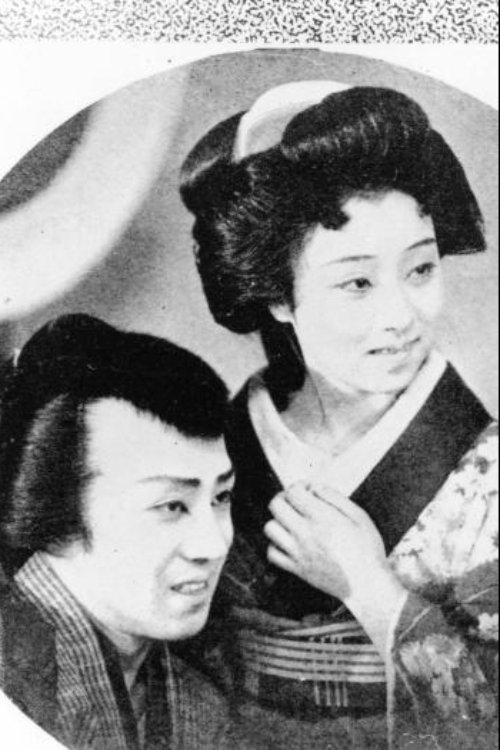
Kinshiro takes over the family, but he thinks he is going to replace the son of his stepmother but runs into trouble when he befriends the yakuza.
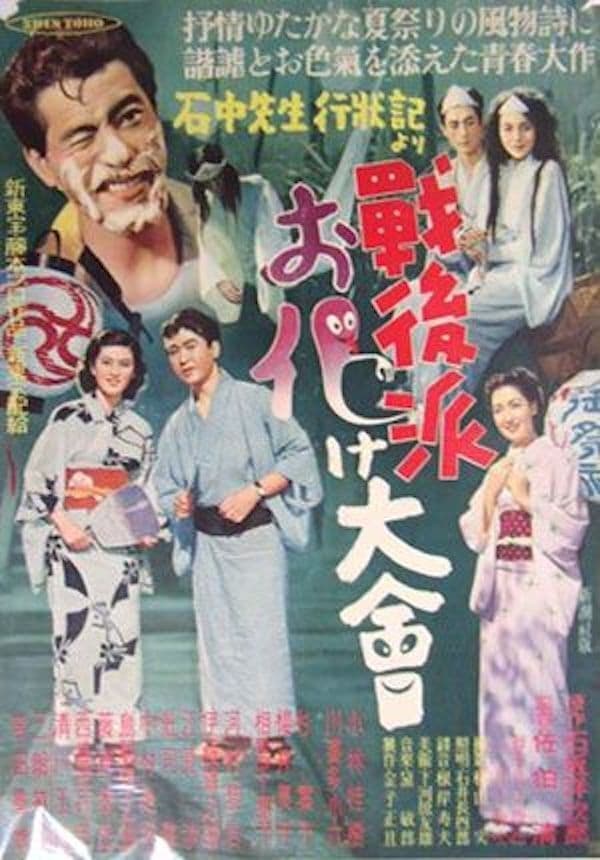
In a small town, according to the homecoming of Professor Ishinaka, the youth culture group was overwhelmed to make a presentation for the summer festival, but because of lack of funds, she works part-time at the spectacle of a tour, a haunted house Especially. The ghost was a struggle amongst the people, it was a great success in filling the crowd, but in the circus hut next to it, Kenji who was supposed to have disappeared was pitiful.
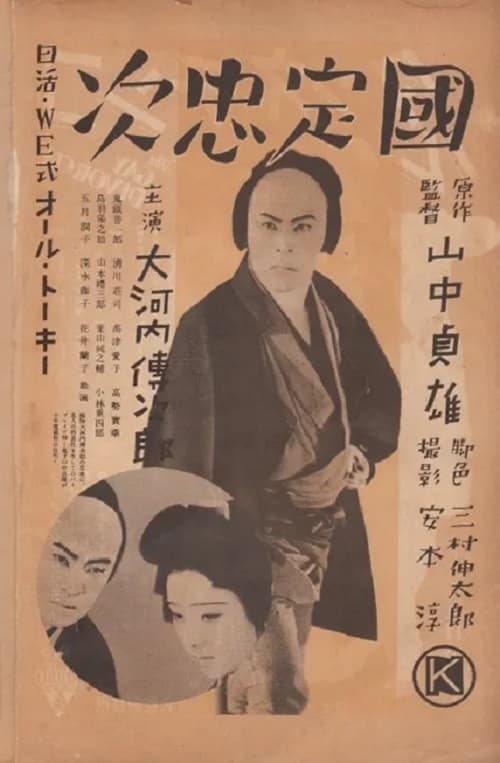
Japanese historical film. Considered Lost.
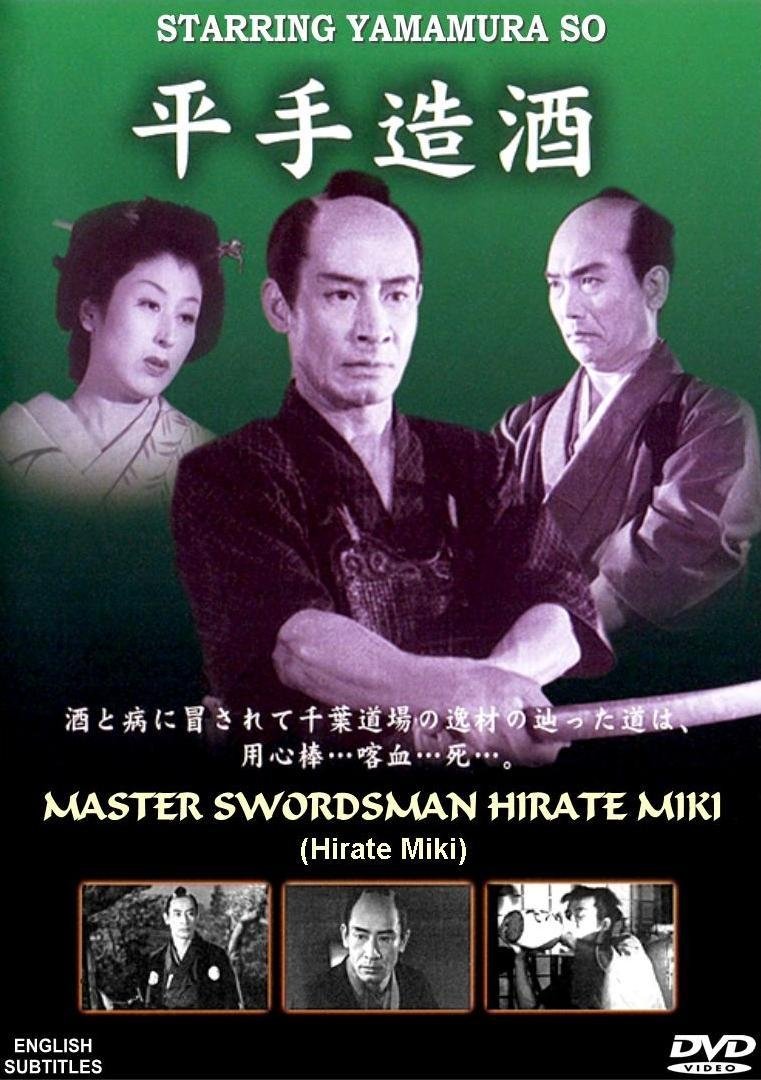
After mastering swordsmanship at the dojo of Chiba Shusaku, and unable to serve a clan due to his illness, Hirate Miki becomes a ronin who winds up as bodyguard to Shigezo of Sasagawa leading up to an epic battle.
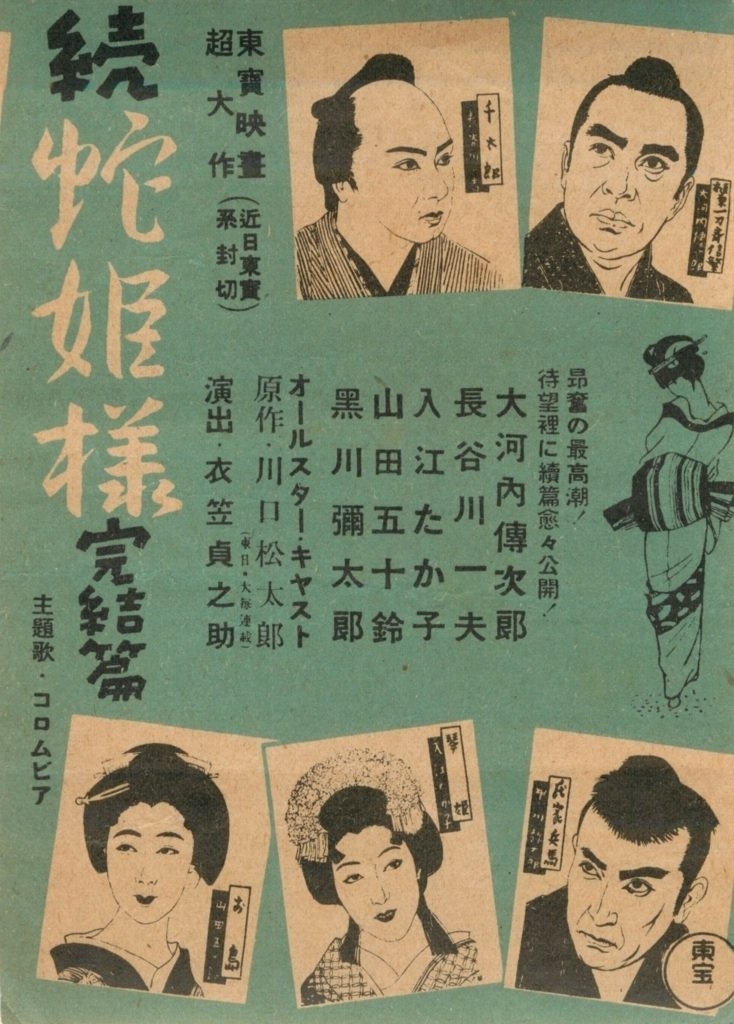
Prewar jidaigeki starring Denjiro Okochi
Japanese war movie
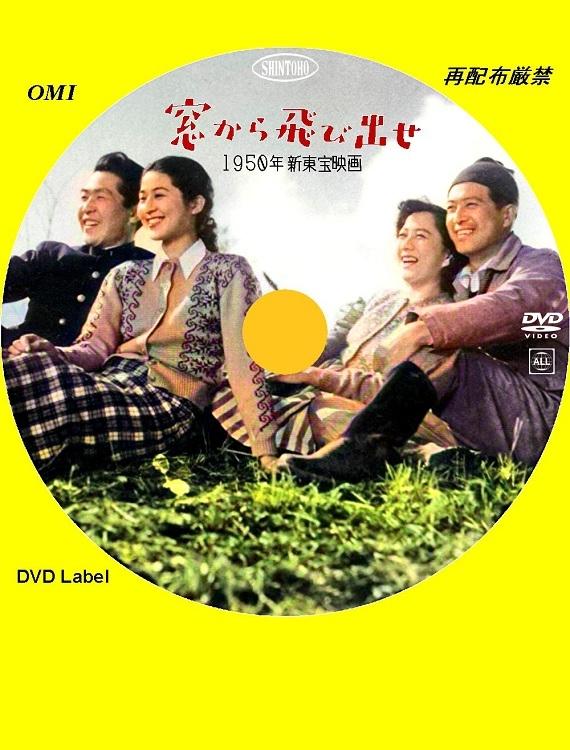
The movie "Jump Out of the Window" is a heartwarming work that depicts the interaction between two families. Shusuke Tokuyama (Den Obinata) runs an agricultural and livestock industry, and has his father Ritaro (Hiroshi Shiomi), younger brother Yuji (Keiju Kobayashi), wife Fujiko (Kiko Todoroki), and four children (three of whom are Obinata's sons). They lived in a large family of 8 people, including 2 children and 2 daughters. The Fujieda family next door is Chieko (Ayako Okamura), whose husband, a captain, died in a shipwreck at sea, her daughter Mariko (Kyoko Kagawa), and her son Michio (Oohinata's son), who has a leg disability and is undergoing rehabilitation. ) We were a family of three. Through the interaction between the Tokuyama family and the Fujieda family, the importance of family and the kindness of people are reflected on the screen.
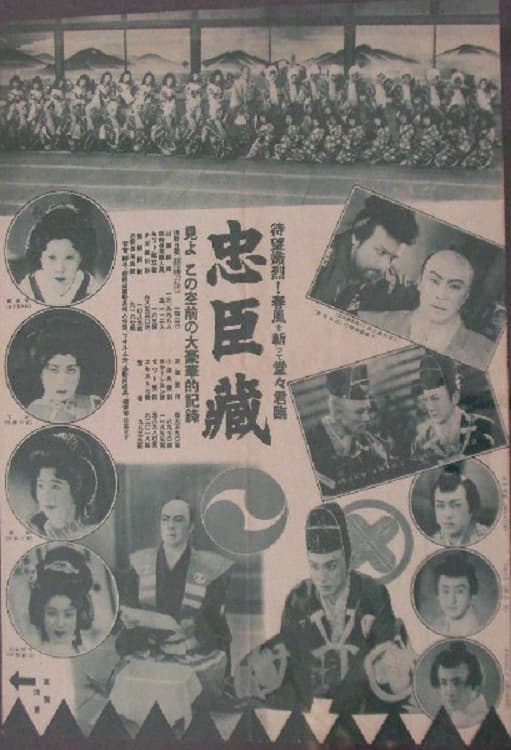
Directed by Daisuke Itō.
Japanese movie
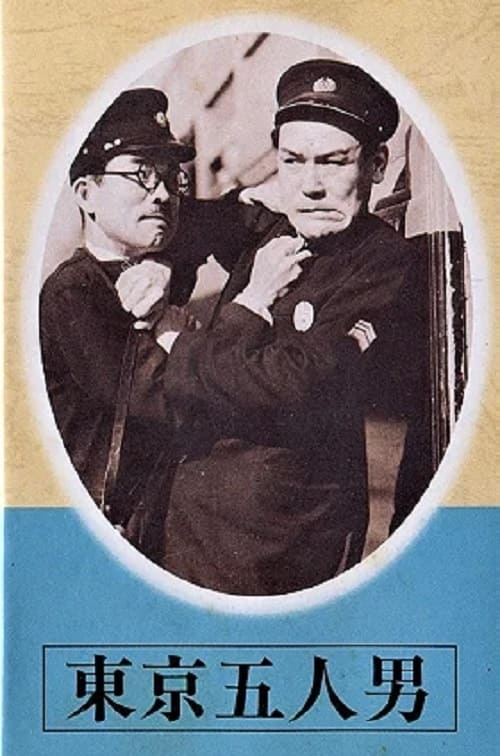
Newly released from the army, five men return to Tokyo to find no place to live in the bombed-out city, food and necessities rationed out by people who don't care, and a thriving black market.
Sanada Bunkichi, an alcoholic musician who had lost all motivation to live, was a man who seemed to be supported by the kind consideration of his disciple Shimaki Tetsuo. One day, the two of them joined five others who were going to the cabaret Kurofune in Shimoda and went on a journey together, where they discovered a pretty young woman named Keiko, called Lilu. When the group returned to Tokyo, Keiko, who wanted to be a singer, followed them and asked them to accompany her to Tokyo. Keiko settled on the second floor of Tetsuo's aunt's tobacco shop in Tokyo, but Sanada went on a journey as a musician with the female swordsman Oe Midori's troupe to take care of Keiko's immediate living expenses. During his absence, Keiko was able to make her debut as a radio singer thanks to the kindness of Tetsuo's friend. Hearing Keiko's voice coming from the radio, Sanada rejected Midori's advances and returned to Tokyo.
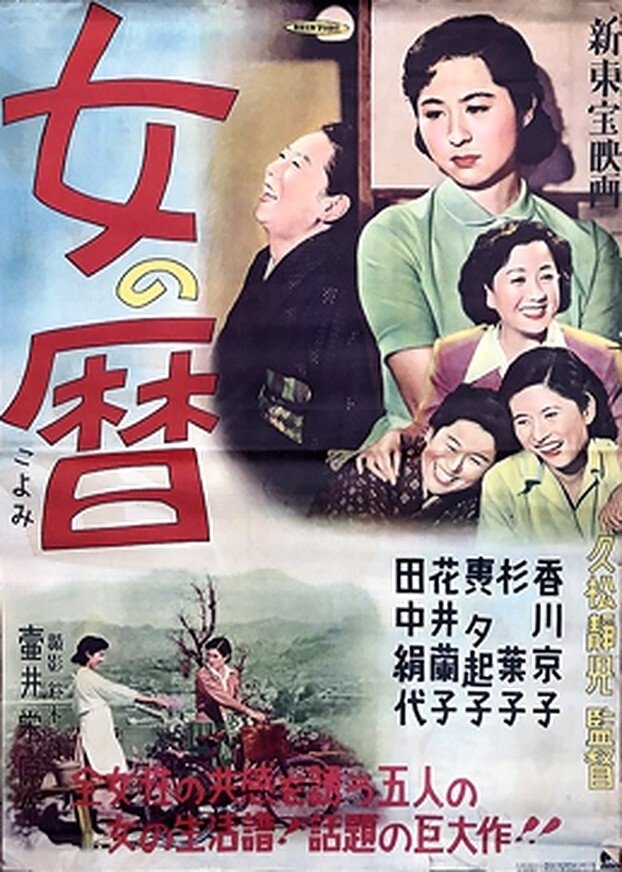
The story of five sisters.
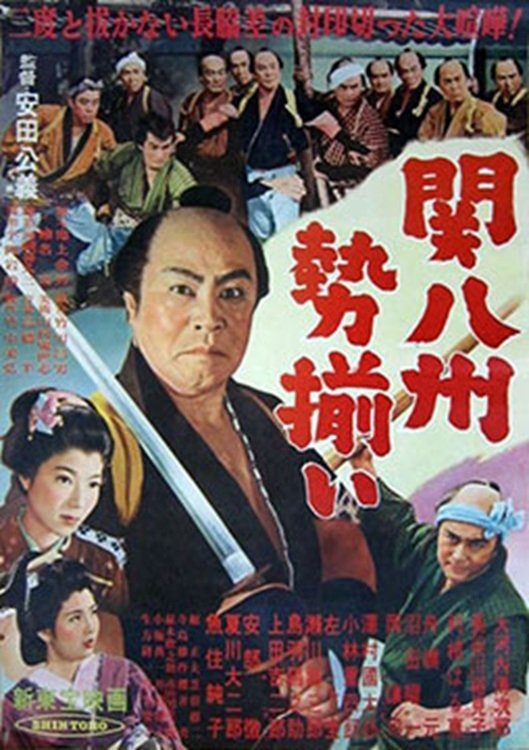
During the Tenpo era, the peasants of the Kanto region were in dire straits due to successive natural disasters. Maebashi's boss, Shiroganeya Ginjiro, allied with the magistrate Yamaoka Jintayu, and, using his baton as a shield, he committed a series of evil acts, earning the peasants' animosity. At this time, Omaeda Eigoro, who had been on a long journey, returned with his horseman Kunisada Chuji. Eigoro was popular with yakuza all over the country, and the Shiroganeya family, whose territory had been disturbed until then, were alarmed by the news of Eigoro's return.
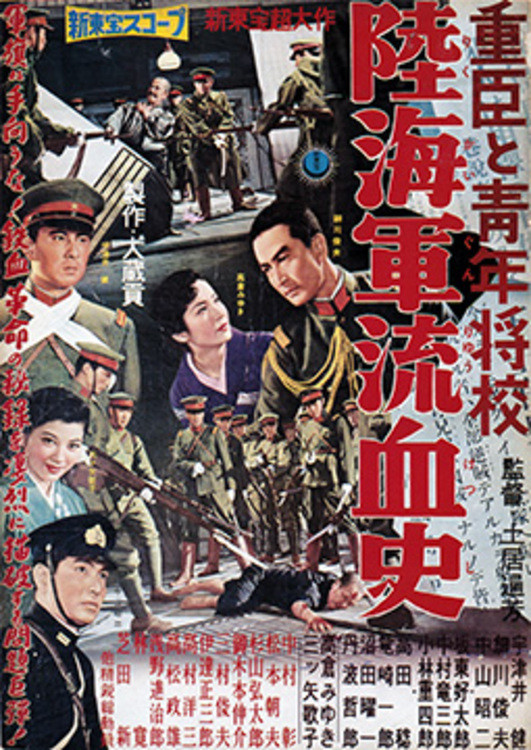
A historical film that portrays the fervent and violent actions of young Army and Navy officers, such as the February 26 and May 15 incidents, in a semi-documentary style.