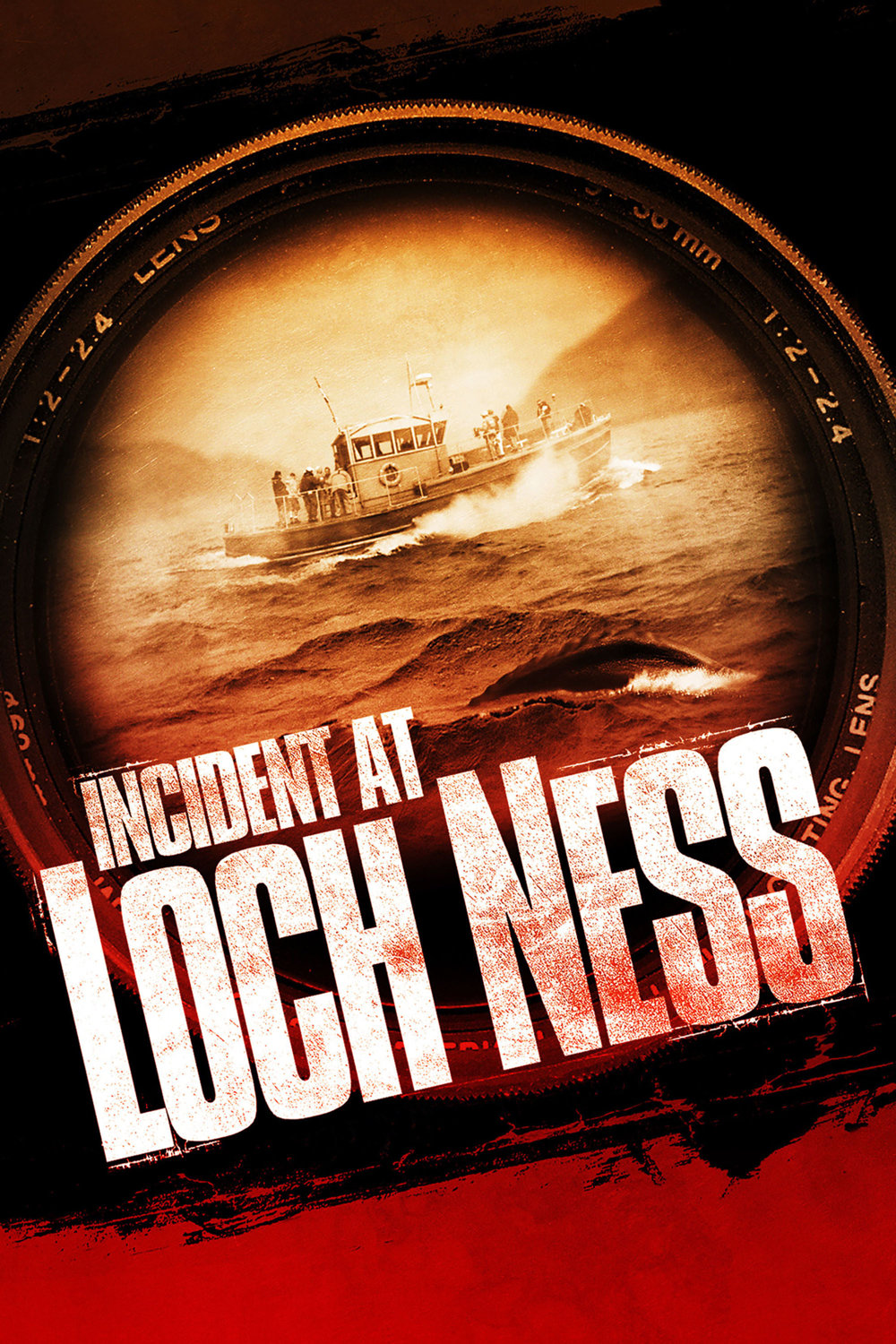
When renowned director Werner Herzog and fellow filmmaker Zak Penn set off to explore the legend of Scotland's Loch Ness monster, they uncover much more than they bargained for. Unexplained sightings of the creature and chaos among the crew create an uneasy feeling that things aren't what they seem.
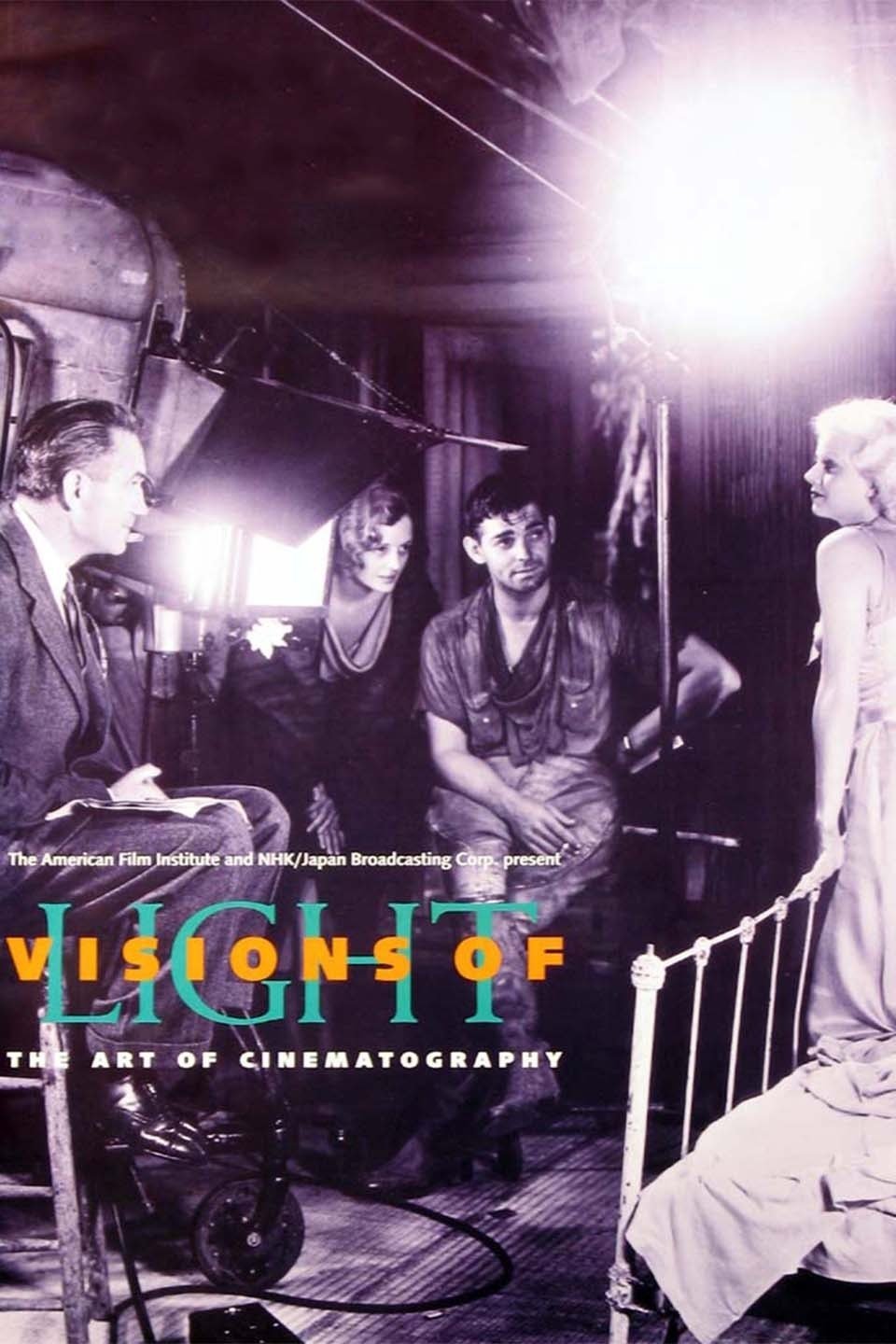
Cameramen and women discuss the craft and art of cinematography and of the "DP" (the director of photography), illustrating their points with clips from 100 films, from Birth of a Nation to Do the Right Thing. Themes: the DP tells people where to look; changes in movies (the arrival of sound, color, and wide screens) required creative responses from DPs; and, these artisans constantly invent new equipment and try new things, with wonderful results. The narration takes us through the identifiable studio styles of the 30s, the emergence of noir, the New York look, and the impact of Europeans. Citizen Kane, The Conformist, and Gordon Willis get special attention.
An analysis of Hitchcock's Notorious through Hitchcock's camera work, shots, camera angles, lens, and stylistic choices.
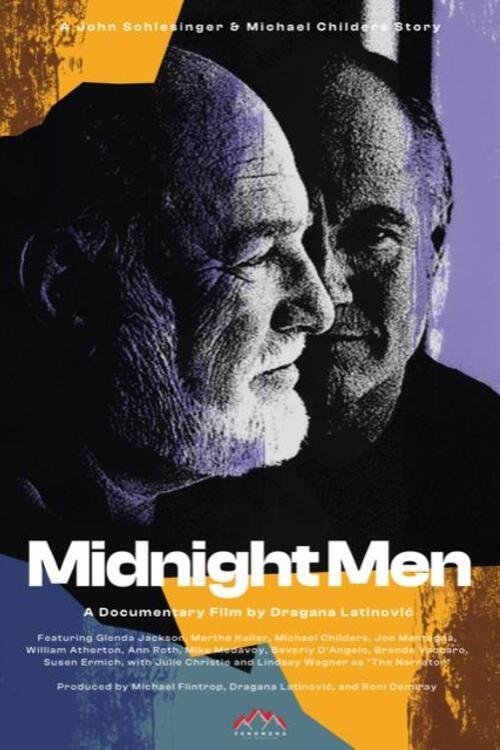
A documentary on John Schlesinger and Michael Childers.

Cinematographer John Bailey and Matt Severson, director of the Margaret Herrick Library at the Academy of Motion Picture Arts and Sciences, examine the main reason why The Story of Temple Drake was once considered unfilmable as well as its cinematography.
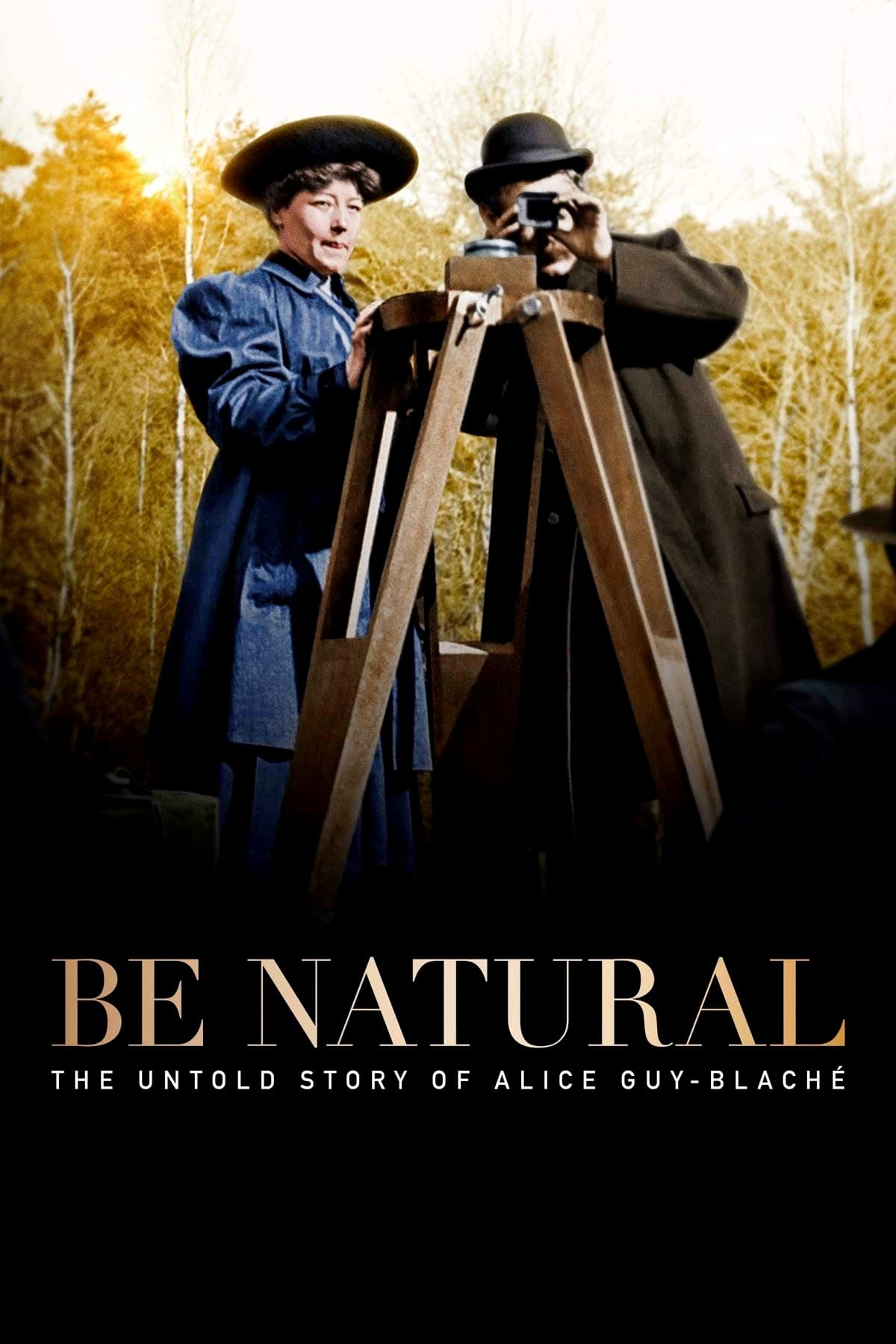
The epic life story of Alice Guy-Blaché (1873–1968), a French screenwriter, director and producer, true pioneer of cinema, the first person who made a narrative fiction film; author of hundreds of movies, but banished from history books. Ignored and forgotten. At last remembered.
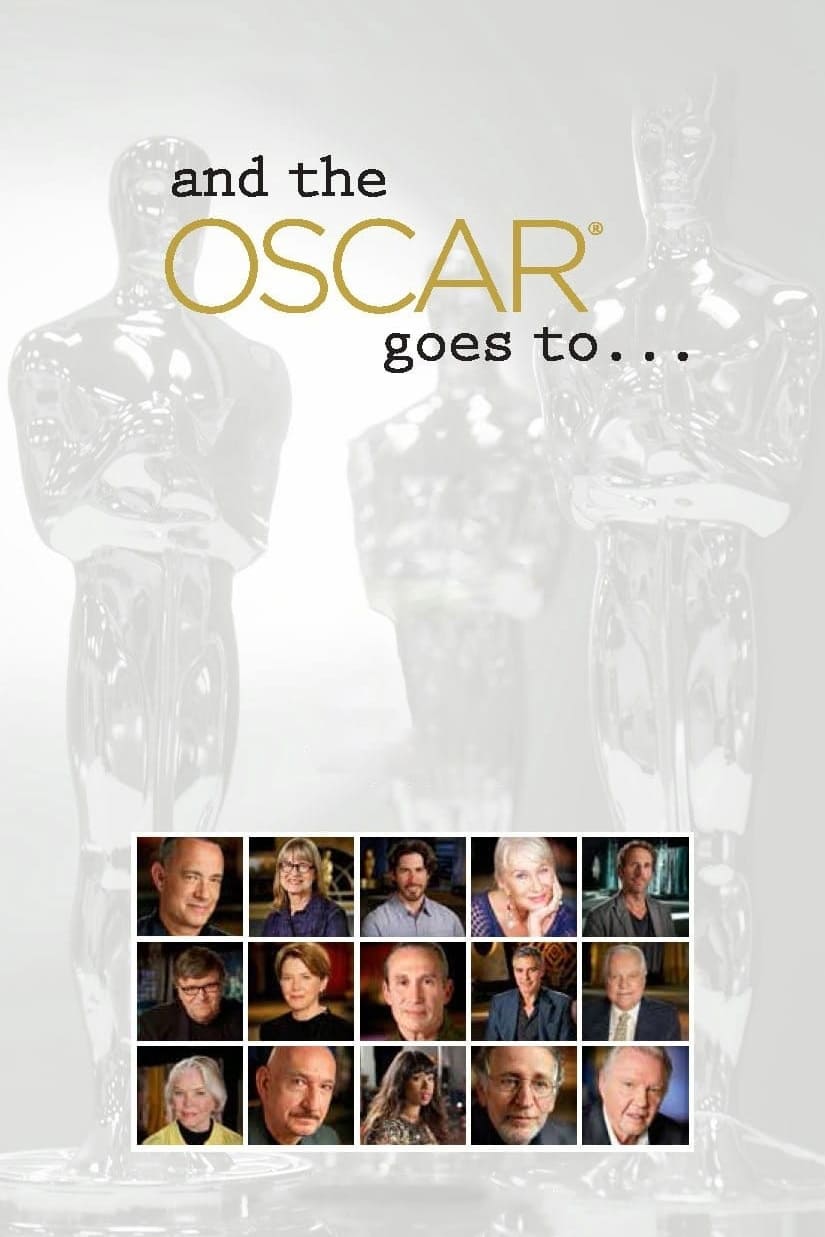
The story of the gold-plated statuette that became the film industry's most coveted prize, AND THE OSCAR GOES TO... traces the history of the Academy itself, which began in 1927 when Louis B. Mayer, then head of MGM, led other prominent members of the industry in forming this professional honorary organization. Two years later the Academy began bestowing awards, which were nicknamed "Oscar," and quickly came to represent the pinnacle of cinematic achievement.
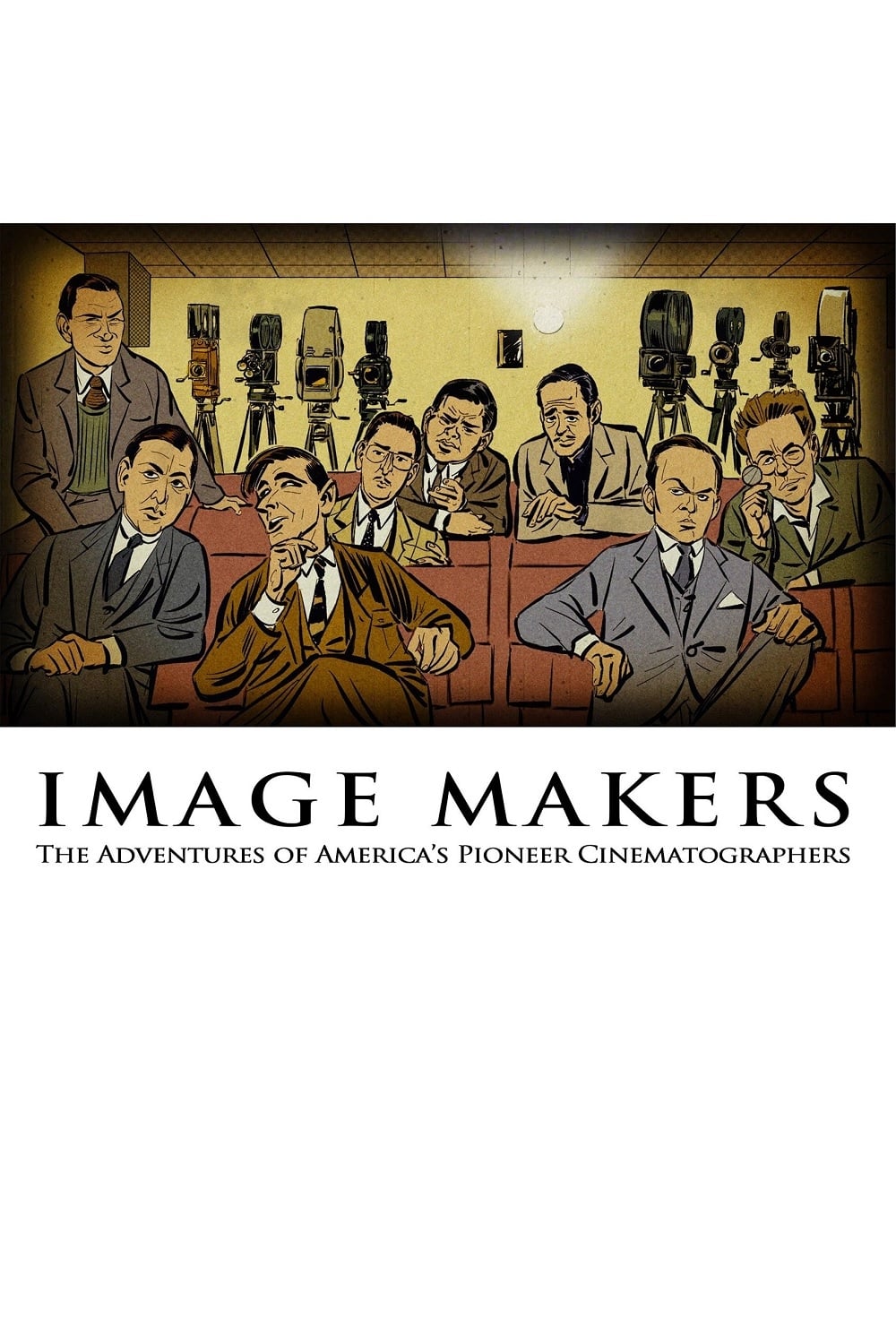
Documentary following the history of America's first cinematographers.
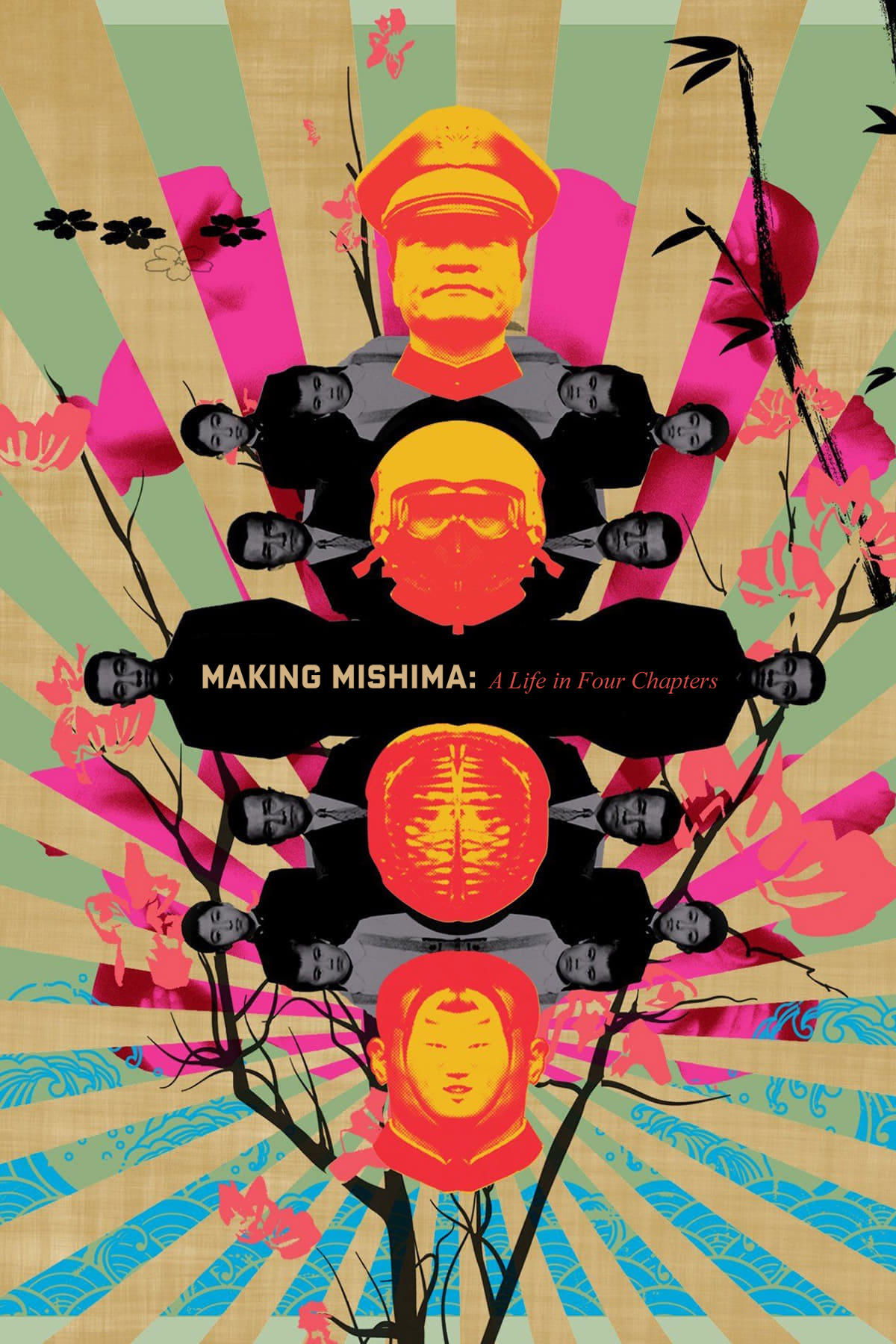
In this archival documentary, cinematographer John Bailey, production designer Eiko Ishioka, and composer Philip Glass discuss the conception of Paul Schrader's film, the image of Mishima that they had prior to committing to the project, the manner in which some of his ideas resonated with them, the unusual portrait of Mishima that the film offers, its form and visual style, etc.
Cinematographer John Bailey discusses director of photography Freddie Francis's innovations for the 1961 film 'The Innocents', and how Francis and director Jack Clayton achieved the look of the film.