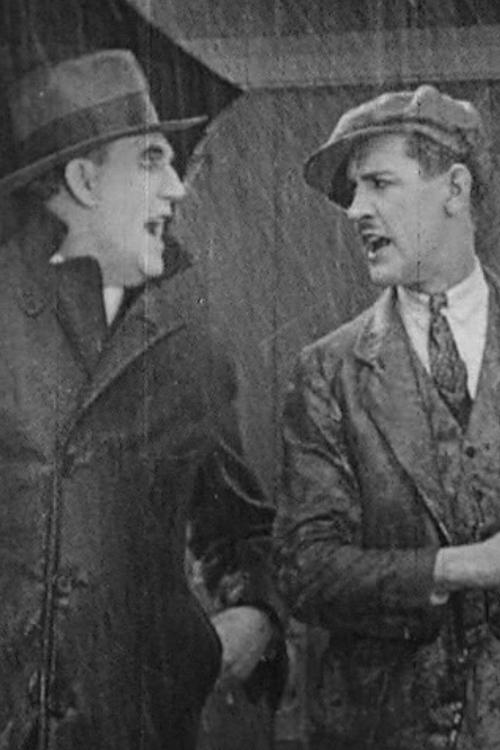
Jimmy Jump gets rather wet.
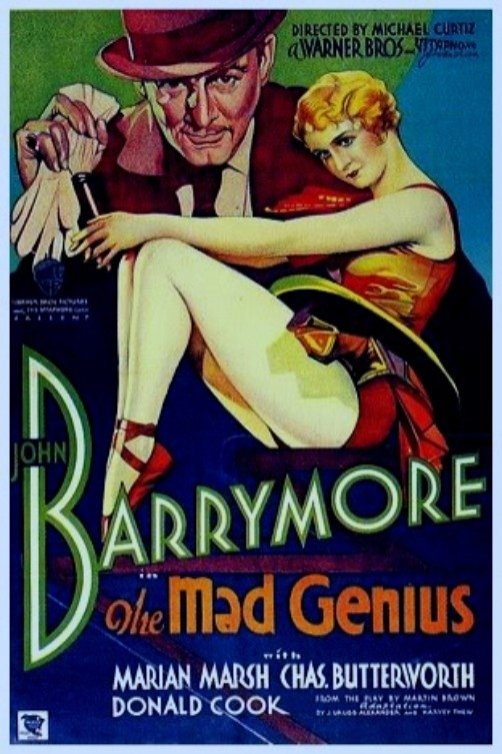
A crippled puppeteer rescues an abused young boy and turns the boy into a great ballet dancer. Complications ensue when, as a young man, the dancer falls in love with a young woman the puppeteer is also in love with.
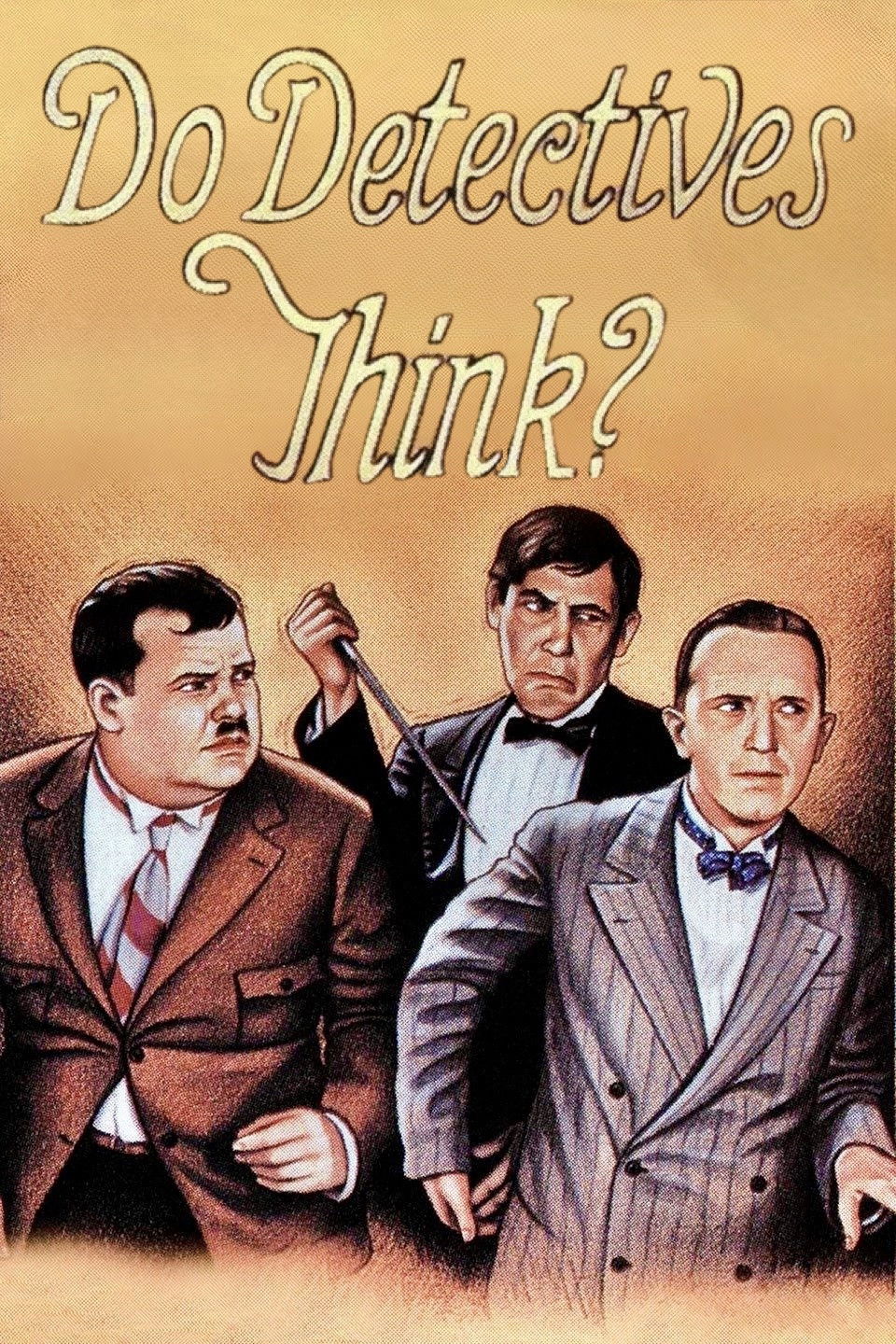
An escaped convict is out to kill the judge who sentenced him. Two inept detectives are hired to guard the judge.

Loony scientist hires Laurel and Hardy to raid the cemetery to keep him supplied with dead bodies for his experiments.
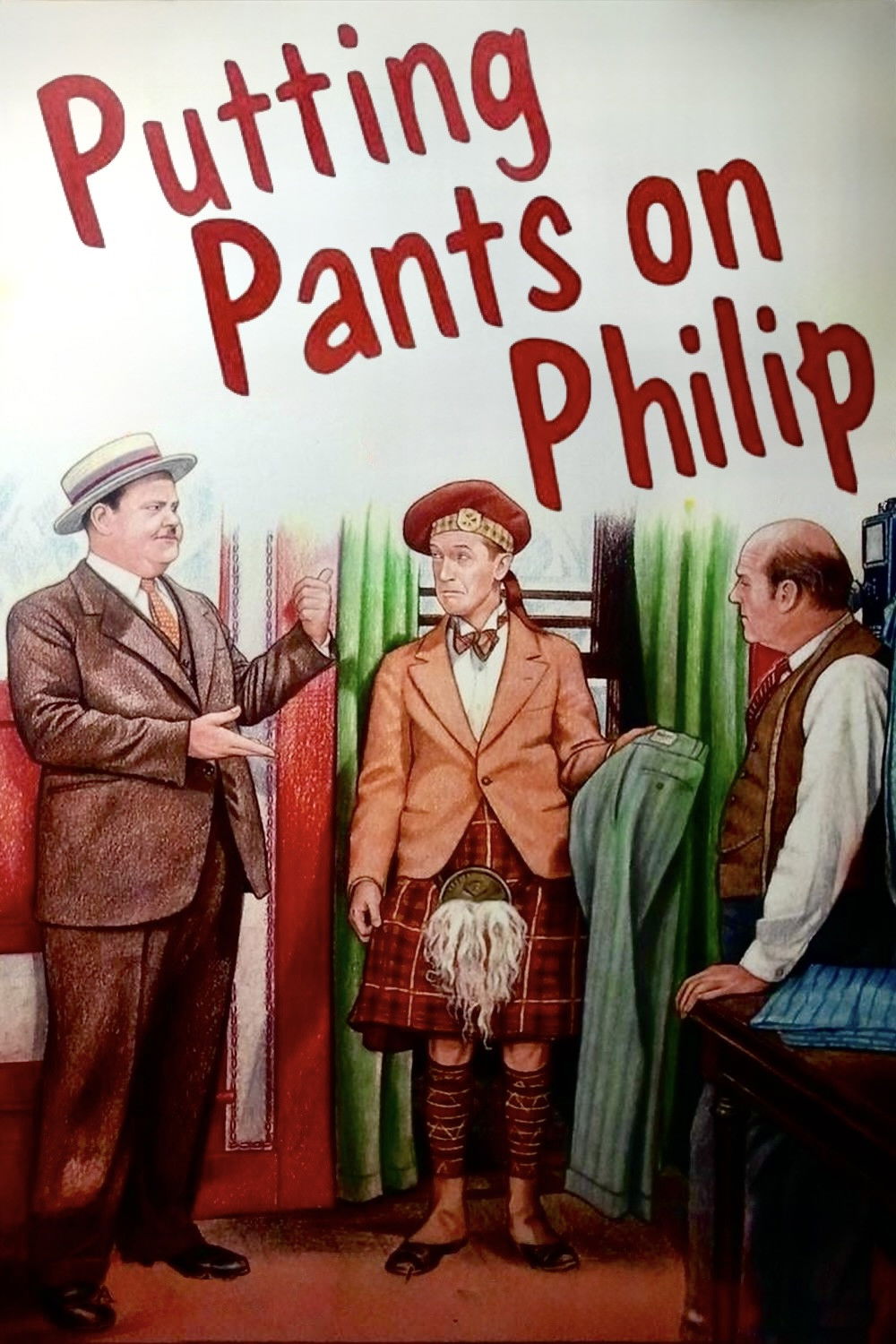
Pompous J. Piedmont Mumblethunder greets his nephew from Scotland who arrives in kilts. He is immediately taken to a tailor for a pair of proper pants.
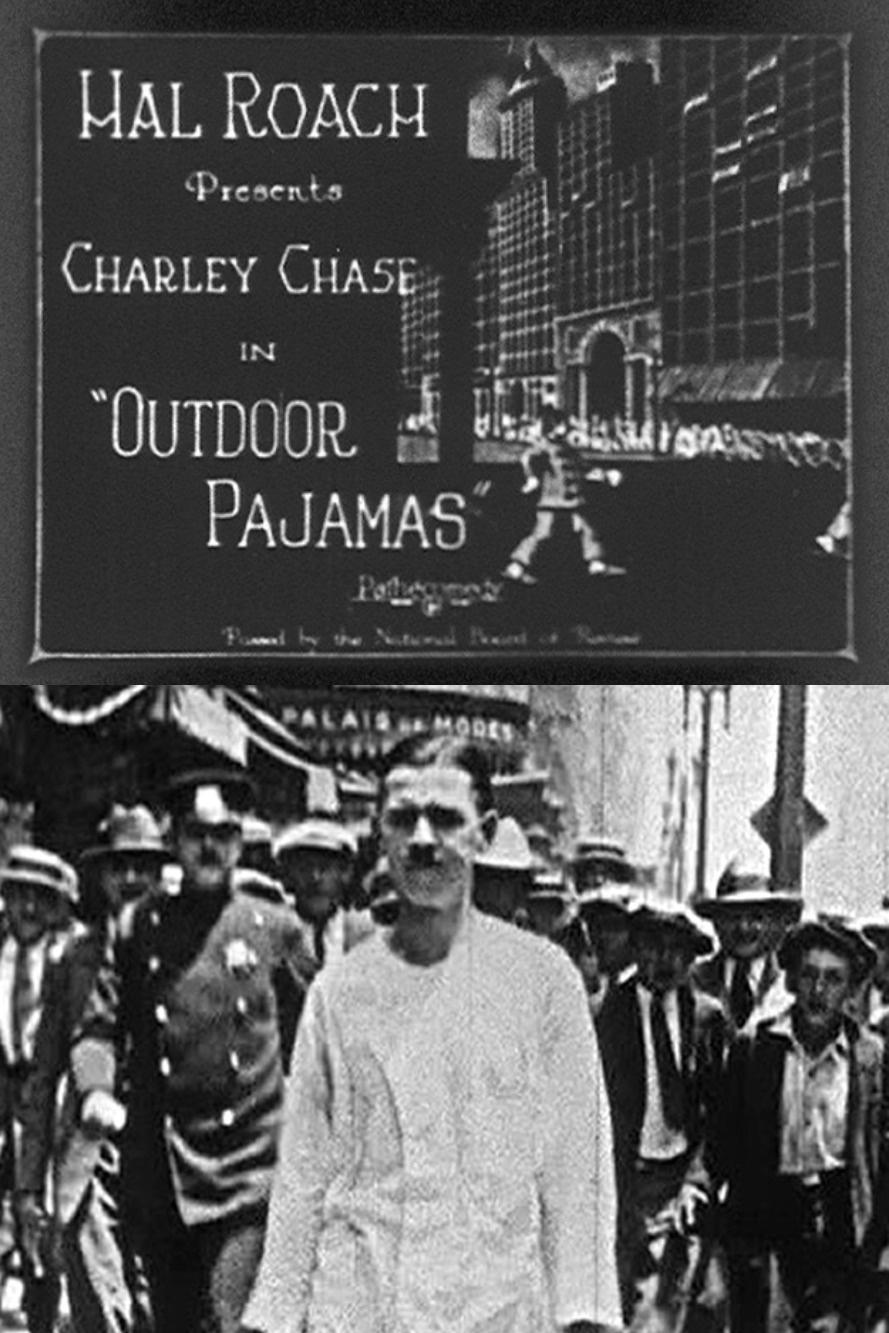
This funny Hal Roach comedy has Jimmy Jump (Charley Chase) waking up late for his wedding so in the mad rush he ends up leaving his house only dressed in his pajamas. As he makes his way to the church he finds one disaster after another.

Stan and Ollie work in a horn factory. Ollie starts having violent fits every time he hears a horn. His doctor prescribes a restful sea voyage. Mayhem ensues.
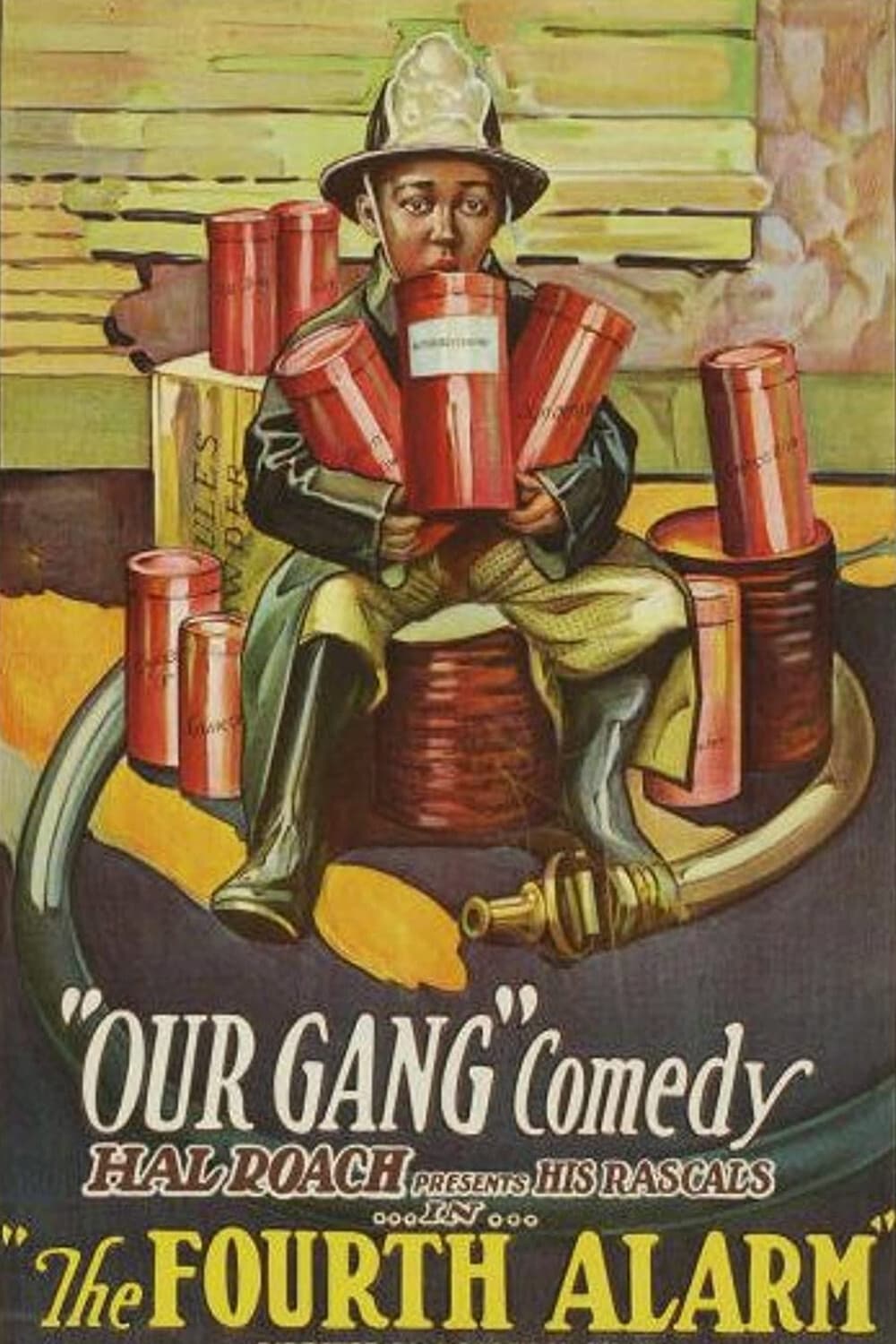
The rascals once again, now as a plumbers.
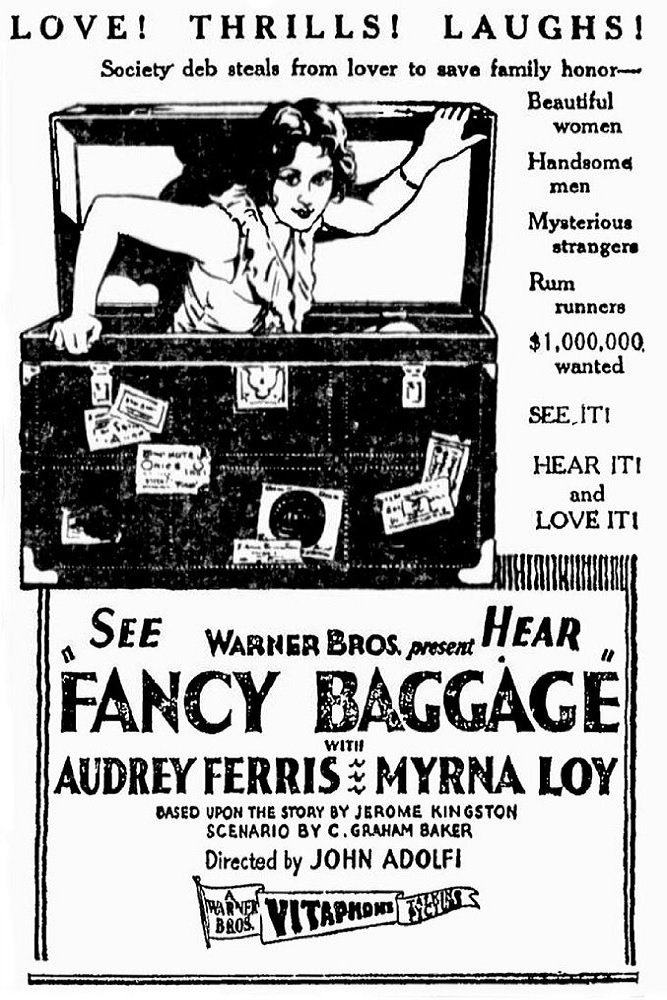
In order to get back some very important papers from her father's business rival, a young woman pretends to be the rival's new secretary. Complications ensue.

Inspector Steve Trent tracks the stolen Cortez emerald, last pilfered by a murdered gangster.
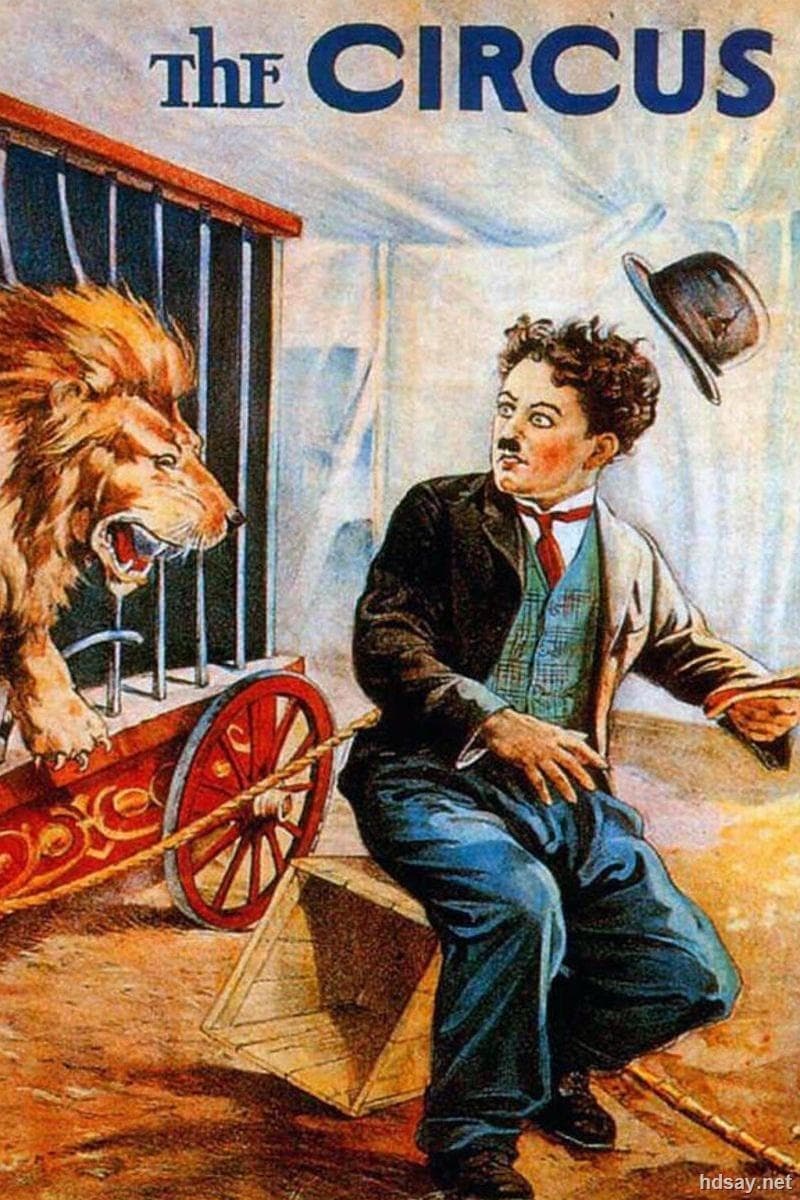
Charlie, a wandering tramp, becomes a circus handyman - soon the star of the show - and falls in love with the circus owner's stepdaughter.

Following their initial pairing in early 1927, Laurel and Hardy ended their first year on top. Their success moving into 1928 galvanized the efforts of everyone at Hal Roach Studios (including famed director Leo McCarey), who proudly upped their game in support of the winning comedy duo. Whether wreaking accidental havoc as a two-man band, doing battle against one another as millionaire and butler, or even becoming grave robbers for a mad scientist, Laurel and Hardy prove in their second year that they have what it takes to not only win over audiences in the twilight of the silent era, but generate enough momentum to make a successful transition to “talkies” in 1929.