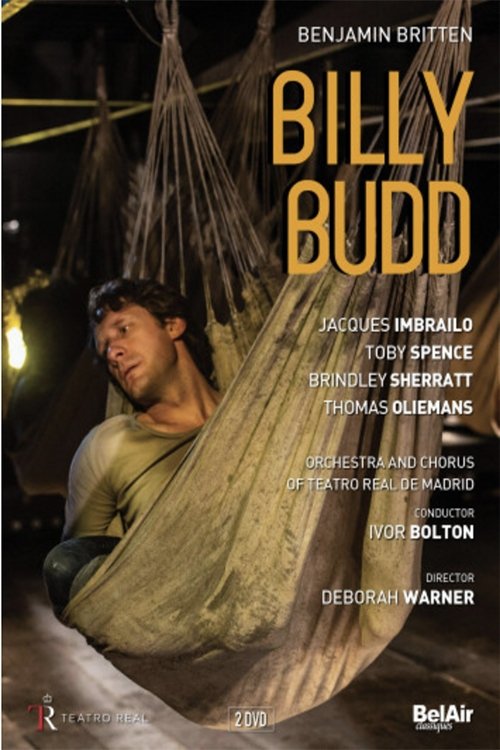
The premiere of Benjamin Britten's Billy Budd in Madrid is undoubtedly one of the highlights of the Teatro Real's bicentennial celebrations. Its magnificent libretto, based on the novel of the same name by Herman Melville, tells the story of the sailor Billy Budd: a handsome, loyal, generous, strong, naive, and kind young man whose beauty and personality drive the ship's master-at-arms mad. Unable to control the situation, the master crucifies the naive young man without mercy. This new production by the Teatro Real is being presented for the first time in Madrid, in co-production with the Opéra national de Paris, under the direction of Deborah Warner, one of the great names in stage direction today.
Based on a poem published in 1810 with more ethnographic than dramatic focus, Britten constructed a sombre parable about the conflict between the masses and the individual. The maritime atmosphere, the crudity of people’s lives and passions, and the complex, impenetrable personality of the protagonist come together in a tragedy which ferments and explodes in the din of silence and hearsay. New production of the Teatro Real, in co-production with the Royal Opera House Covent Garden of London, the Opéra national of Paris and the Teatro dell’Opera of Rome
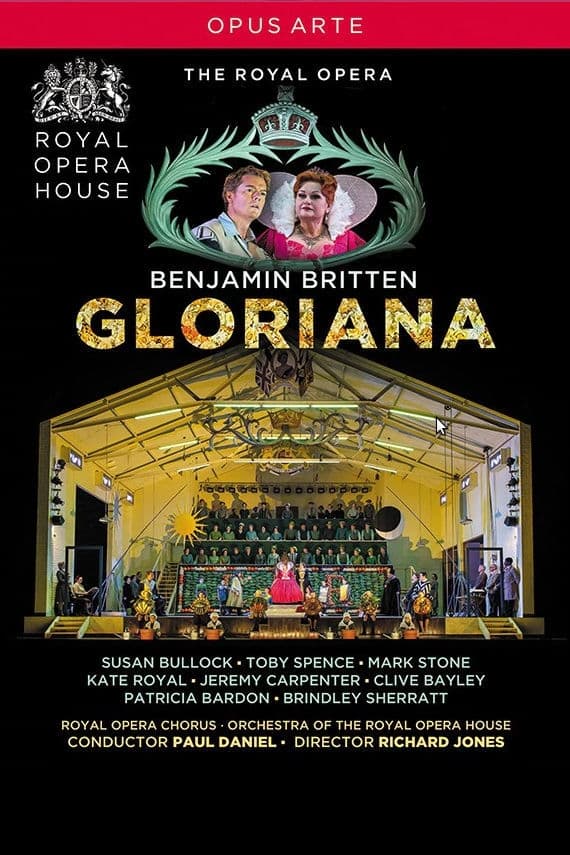
Benjamin Britten’s opera Gloriana was written in 1953 for celebrations around the Coronation of Her Majesty Queen Elizabeth II, to whom the opera is dedicated. It had its first performance at the Royal Opera House on 8 June 1953, in the presence of The Queen then just 6 days into her reign. The centenary in 2013 of Britten’s birth prompted this new Royal Opera production, in which director Richard Jones uses the setting of a celebratory pageant in 1953 to explore the work’s alternating splendour and intimacy. This theatrical, inventive and colourful staging has at its core the symbolic reflections between the Tudor Elizabethan and the New Elizabethan ages that characterize the opera. The juxtaposition of the modern and the archaic in William Plomer’s libretto is wonderfully amplified in music that artfully fuses the sounds and manners of Tudor England – from lute songs to courtly dances – with Britten’s own distinctive style.
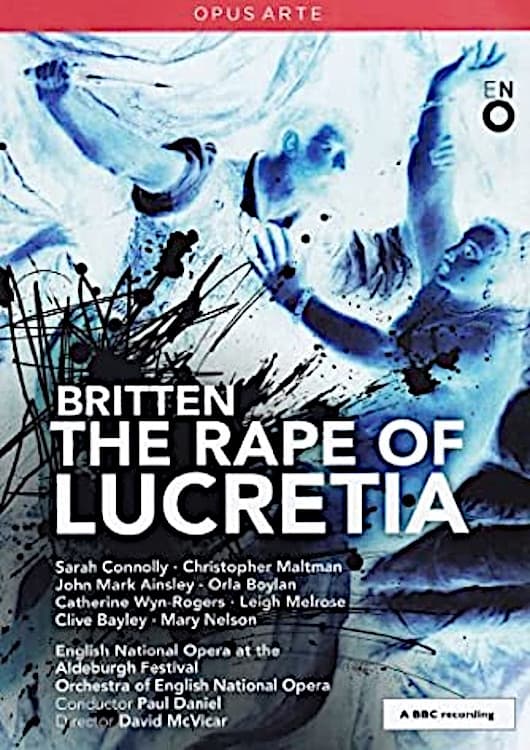
Sarah Connolly's 'outstanding' (The Guardian) portrayal of the wronged Roman noblewoman, written originally for Kathleen Ferrier, lies at the hear of David McVicar's powerfully stark production for English National Opera as 'an everyday sort of woman who could be living at any time or place'. Her nemesis is the arrogant Tarquinius of Christopher Maltman, 'who made the air tingle with danger' (Financial Times). Sung in English.

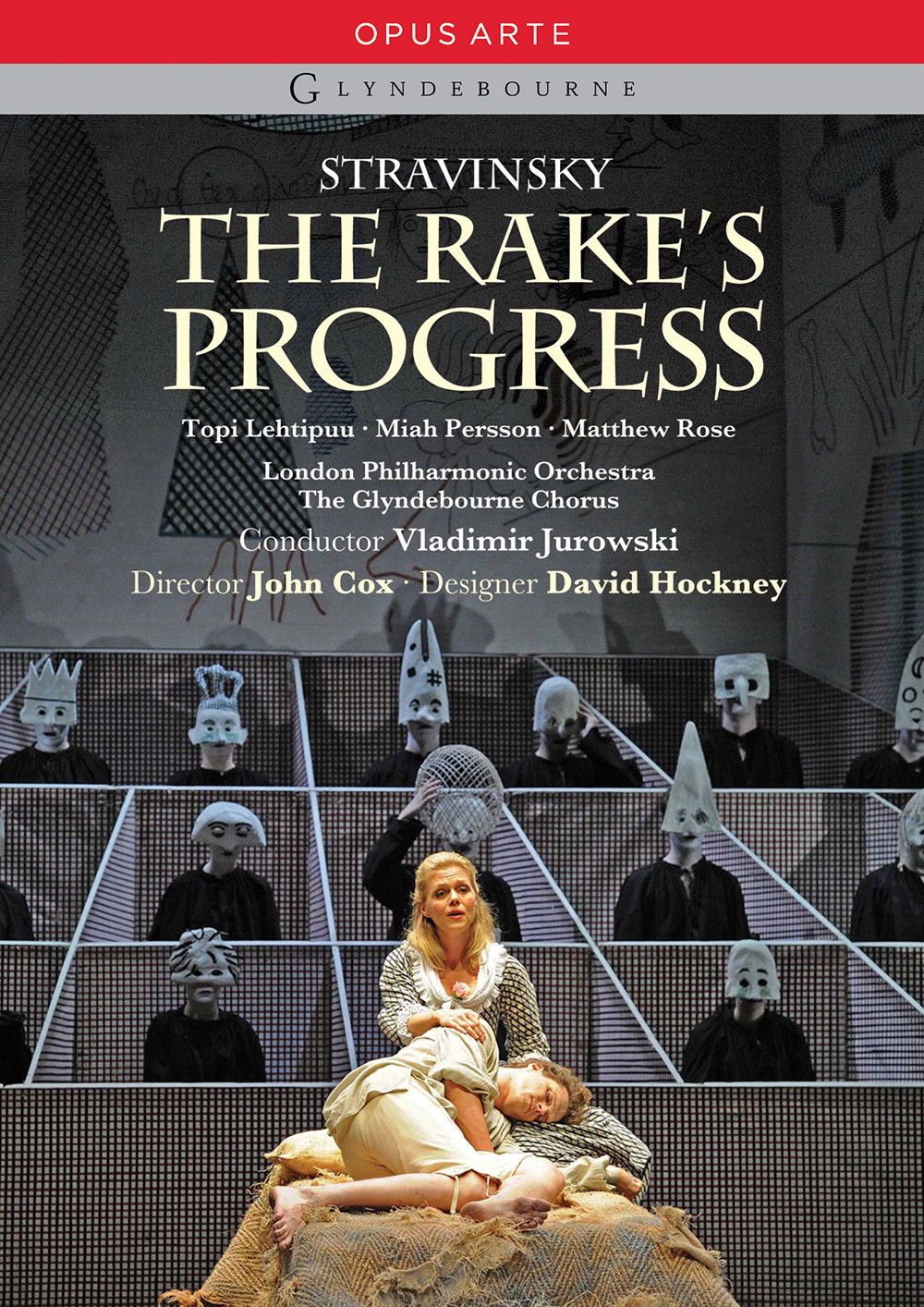
The devil is hard at work in Stravinsky’s The Rake’s Progress! The three-act opera was premiered at Venice’s La Fenice in 1951 and is whimsically staged and performed in this production from the 2010 Glyndebourne opera festival.
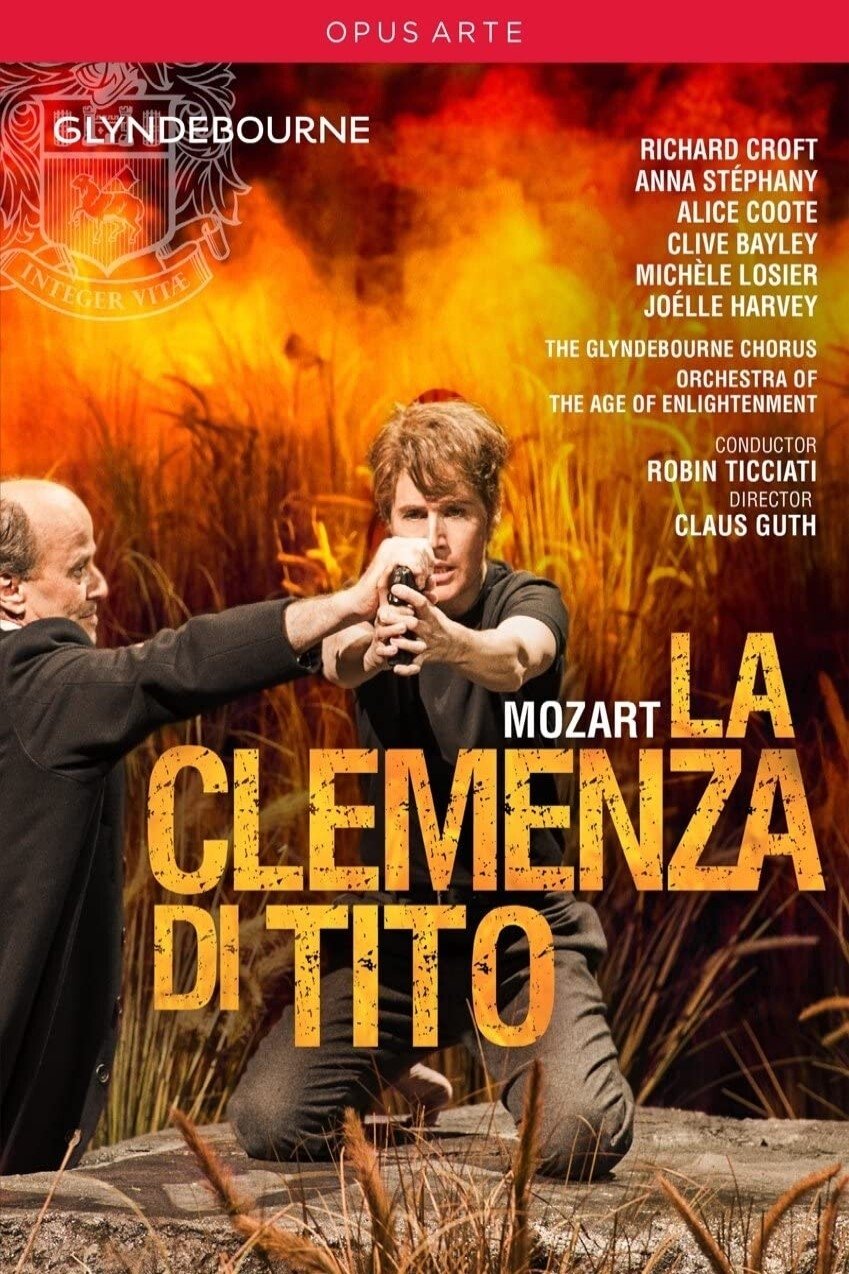
This is an excellent production of Mozart's 1791 opera about Titus Vespasian, who prefers to be remembered for his clemency, even toward his best friend who instigated a revolt to overthrow him. It was recorded at Glyndebourne on August 3, 2017, in front of an audience, and the orchestra and singers perform the work beautifully
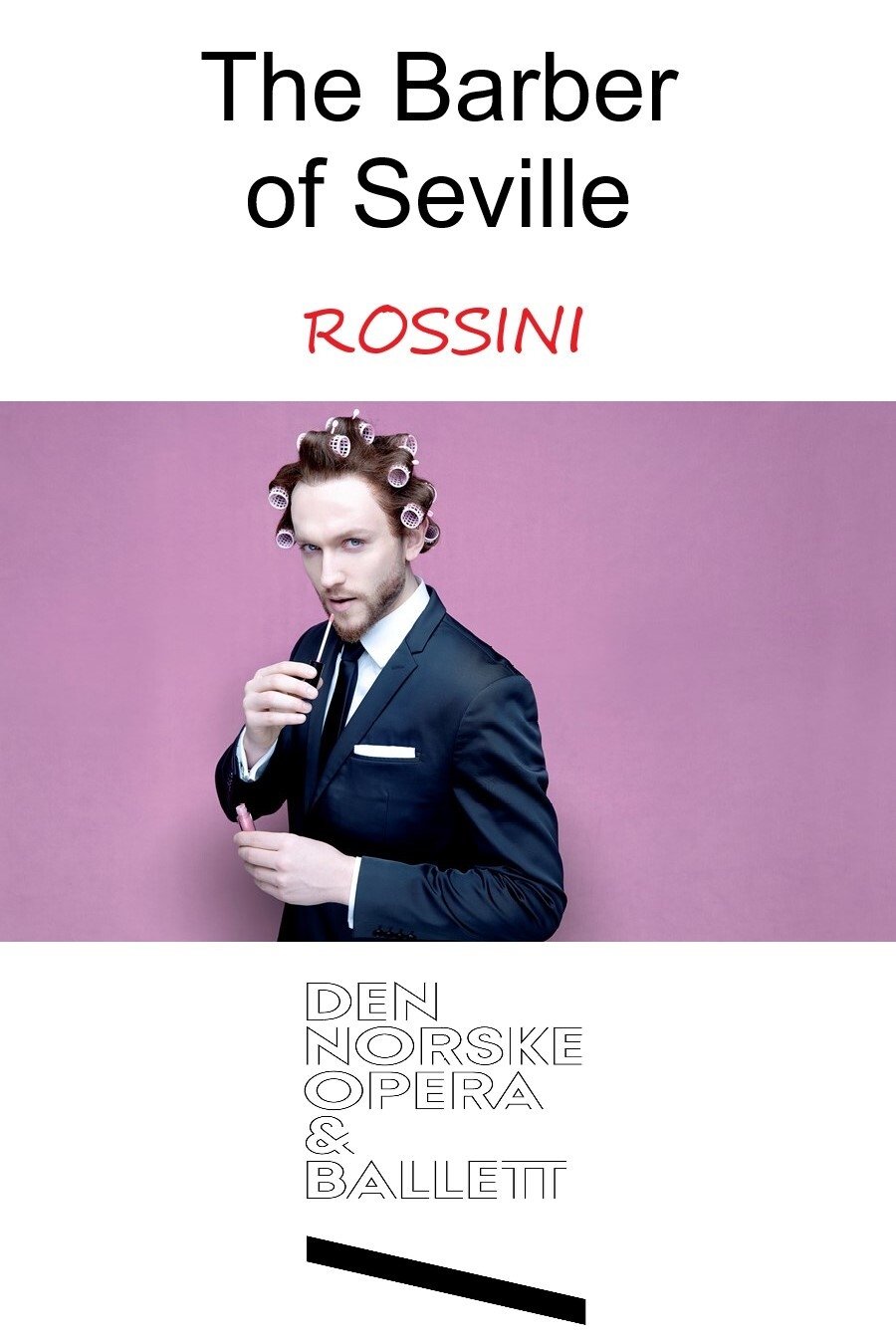
A young count is in love with a shrewd woman who returns his feelings. But her guardian harbours his own plans for her. When jack-of-all-trades Figaro rushes to the young couple's aid, bribery, deceit and comic entanglements ensue. Will he succeed in saving the day - and love? Bursting with exuberant music, captivating comedy and ingenious disguises, Rossini’s masterpiece is the ultimate feel-good opera. In Den Norske Opera and Ballett’s new production, director Jetske Mijnssen takes the story seriously - didn’t Count Almaviva and Rosina’s union turn out unhappy in Mozart’s The Marriage of Figaro? - and shows how comedy is always close to tragedy.

Mirga Gražinytė-Tyla continues her high-profile championship of the works of the composer Mieczysław Weinberg with this new Salzburg Festival production of his final opera, The Idiot, with a libretto based on Dostoevsky’s great novel of innocence destroyed by corrupt society. Featuring music of great power and intensity, the opera, completed in 1985, showcases Weinberg’s remarkable skill as a musical dramatist, while this new production by Krzysztof Warlikowski promises to mark a watershed in its brief performance history.

An opera by Benjamin Britten, on a libretto by E.M. Forster and Eric Crozier, adapted from the story by Herman Melville. Billy Budd is a young sailor aboard a British man-o'-war, persecuted by his master-at-arms, Claggart. Accused of mutiny, Budd accidently strikes Claggart dead, leaving Captain Vere with no choice but to hang him.