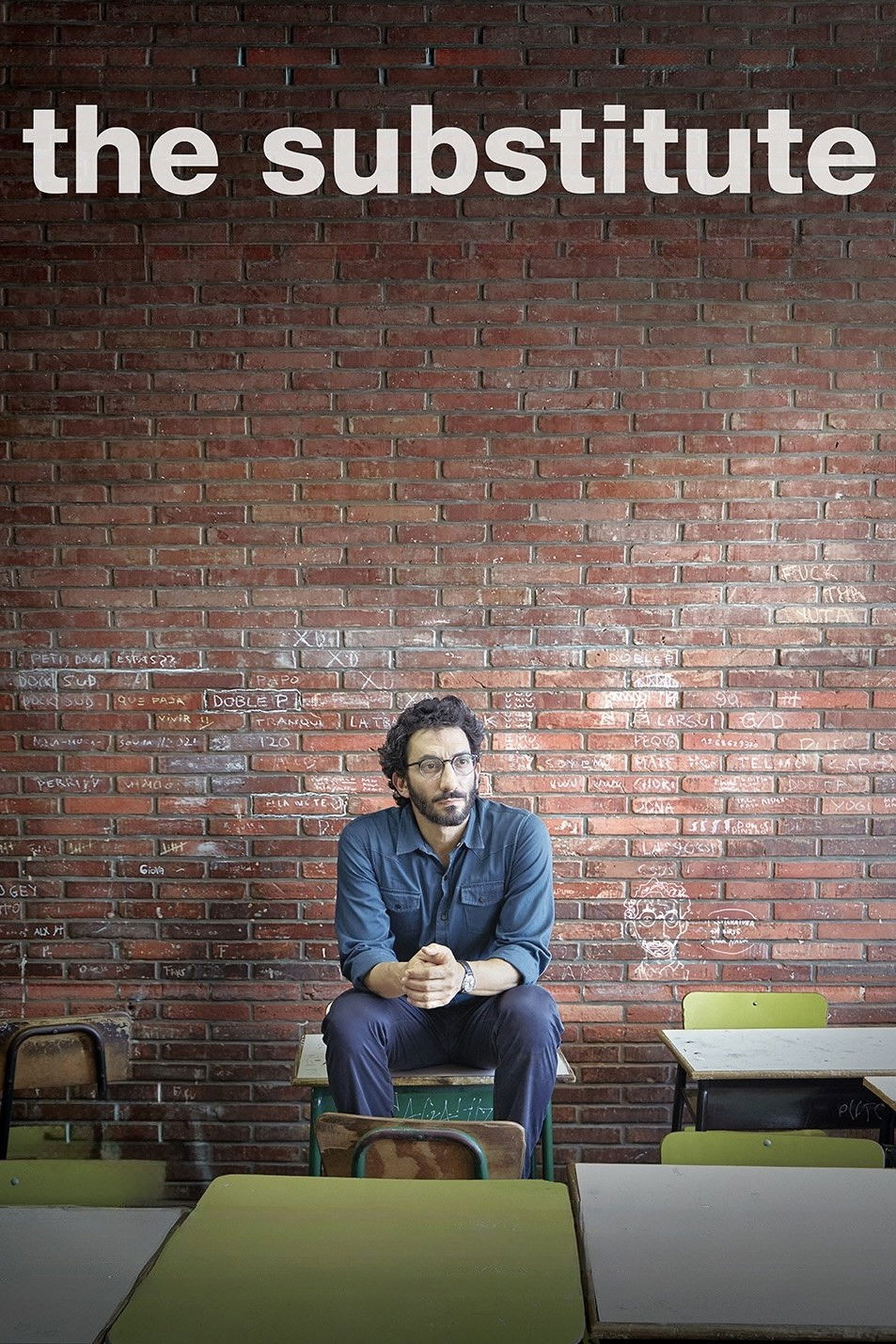
Lucio, a prestigious university professor, takes the position of substitute teacher at a high school in the suburbs of Buenos Aires, where he grew up. Through tales, novels and poetry, he tries to distract his class from the harsh reality of their everyday lives. But soon, he must step out of his professional duties when Dilan, one of his students, is threatened by a local drug kingpin.

In the late 1980s, journalist José de Zer seeks proof of alien life in Argentina — even if he has to fake evidence — causing a surreal media circus.

Violeta asks Mono for "a little time" to decide what to do with her partner. Eva arrives in the city ready to do anything to change her life. Meanwhile is the story of "a time," of that time that passes while several stories intertwine in a dizzying puzzle that never quite fits together. A moving description of stories that are woven together by chance, an ensemble account of the uncertainty, despair, boredom, love, and heartbreak that weave urban relationships, a dramatic comedy about the bonds that make up life in the city.
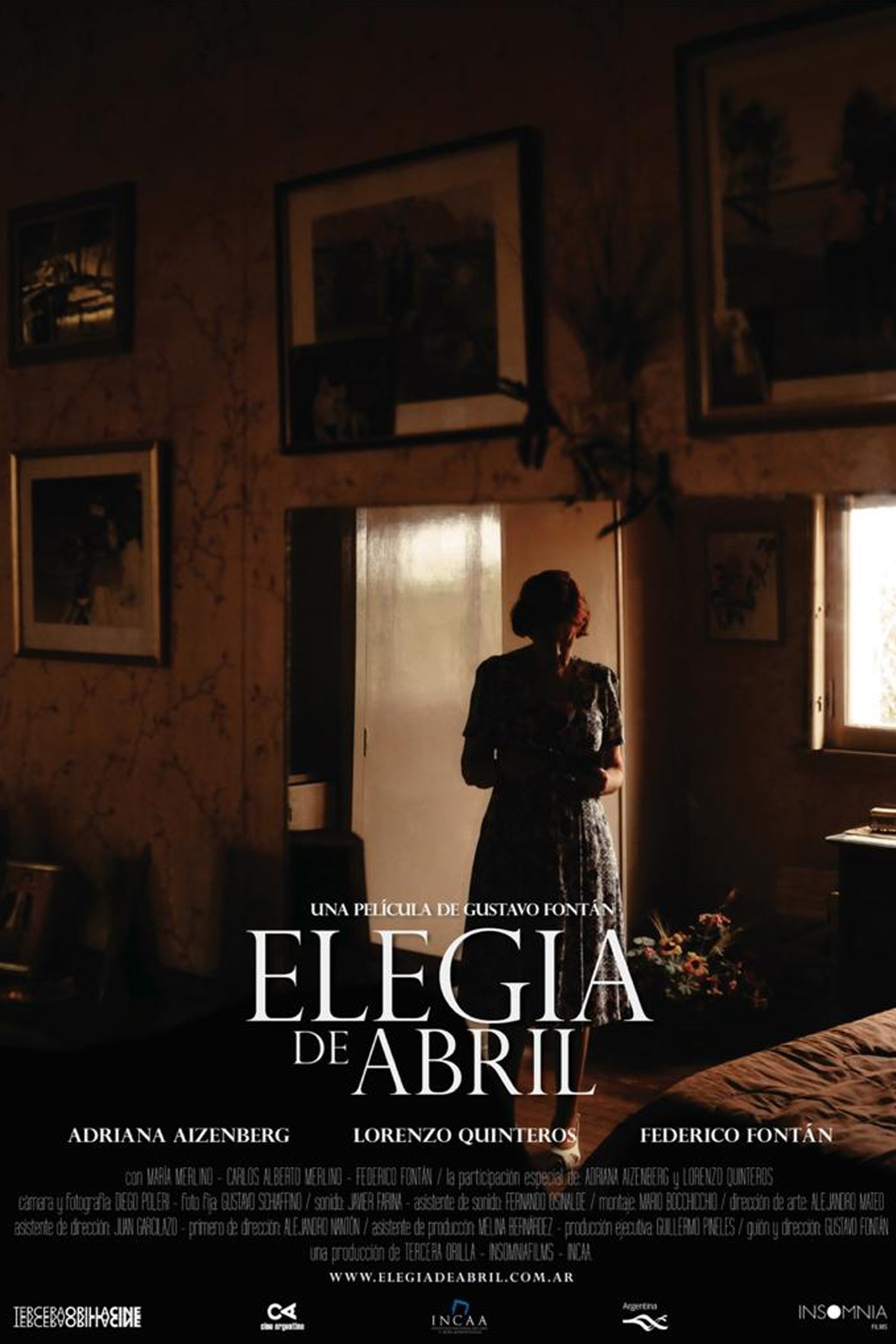
The poet Salvador Merlino didn’t live to see published April’s elegy, his last book, as he died when it was still in the printing press. His daughter Mary (72) and his son, Carlos (74), kept the parcels of copies of their father’s book stashed away for 50 years, high up, on top of a wardrobe. The curiosity of young Federico will force them to come face to face with themselves.

An elderly couple debates whether to cut down an ancient acacia tree that has witnessed the major memories of our lives.
Marcia is young woman who leads a gray and unremarkable life in the city of Buenos Aires. Mao and Lenin are a couple of punk girls who stumble upon Marcia and for some unexplicable reason they want to show her love.

Two siblings on a mission. After their elderly father gets hurt in an accident, they run to his side. He has breaking news about their mother, who abandoned them. He also hid something valuable and now brother and sister must work together.
In the house where several gererations used to live no one is living anymore At least apparently. Because if any one intensifies hearing and view, he can see He sees the footprints of formers inhabitants. He sees the marks of life and death in the deserted spaces He is the witness of the persistence of voices , bodies, ligths and shadows.

Childhood friends Matías and Jerónimo reach adolescence and experience sexual attraction to each other, before being separated by circumstances. Later, as young adults, they meet again, and the film follows themes of complicated relationships and sexual tensions, as well as issues of homophobia.